
Rwanda culture is deeply rooted in its traditions, community values, and rich history. Known as the “Land of a Thousand Hills,” Rwanda combines its cultural heritage with unique experiences like gorilla trekking in Rwanda at Volcanoes National Park, which draws visitors from around the world. Traditional dance, music, and art reflect the nation’s identity, while local crafts, such as Agaseke baskets, highlight the skills passed down through generations. Cultural hubs like Kigali Genocide Memorial educate on the country’s past, promoting reconciliation. Visitors can also explore intore dance performances and taste Rwandan cuisine like ibirayi and isombe. Rwandan culture complements activities like Rwanda safaris, offering unforgettable interactions with wildlife and traditions.
What are the main ethnic groups in Rwanda, and how do they influence the culture?
Rwanda has three main ethnic groups: the Hutu, the Tutsi, and the Twa. These groups share a lot in common, such as language, traditions, and religions, but their history differentiates them in some ways. Despite having differences mentioned in historical contexts, all Rwandans today emphasize unity instead of focusing on ethnicity.
The Hutu group is the largest, making up about 85% of the population. Traditionally, they were primarily farmers, growing crops like bananas, beans, and potatoes. Their farming practices have been part of Rwandan society for centuries and highlight the importance of agriculture in daily life and culture.
The Tutsi group makes up roughly 14% of the population. Historically, the Tutsi were linked to cattle herding and were known for their connection to livestock. Over time, cattle in Rwandan culture became more than just a source of food; they symbolized wealth, status, and social harmony. This connection influenced cultural practices such as sharing milk as a gesture of friendship.
The Twa, who make up around 1% of the population, are an indigenous group often associated with hunting and pottery-making. They have contributed to Rwanda’s traditional arts, particularly with their pottery skills and storytelling practices.
All these groups contribute to Rwandan culture as a collective. For instance, shared customs like Umuganda (a monthly community service day) reflect values of teamwork and responsibility. Today, rather than focusing on cultural divisions, Rwandans collectively embrace their shared heritage to create a sense of unity and pride.
What are the key traditions and rituals practiced in Rwandan culture?
Rwandan culture highlights rituals and traditions that emphasize family, community, and respect for ancestors. Many significant ceremonies take place around events like births, marriages, and deaths.
A well-known tradition is Gusaba, which is a marriage introduction ceremony. In Gusaba, a groom’s family formally asks for the bride’s family’s blessing through negotiations. This event involves gift-giving, dancing, and a lot of humor. It demonstrates the importance of family ties and bringing people together before a marriage officially takes place.
Another cultural practice is related to Ubuntu, a concept that promotes compassion, generosity, and focusing on the collective well-being over individualism. This attitude often shows up during Umuganda, a tradition where people come together monthly for community service projects like fixing roads or cleaning public spaces.
When it comes to honoring ancestors, Ibyivugo are poems or speeches used during gatherings or ceremonies where people describe their family’s history and achievements. These help preserve oral traditions and promote pride in one’s roots.
In rural areas, one can also find rituals linked to harvest celebrations, where singing and dancing are performed to thank ancestors or spiritual forces for providing a good harvest season. Such gatherings underscore the country’s dependence on agriculture and the close community relationships built through shared labor.
Overall, these rituals show the emphasis on maintaining harmony within families, neighbors, and generations while keeping cultural ties alive.
What role does language play in Rwanda, and what are the primary languages spoken?
Language in Rwanda is more than just a way to communicate, it’s a key part of the country’s identity and history. The most widely spoken language is Kinyarwanda, which is recognized as both the national and official language. Nearly all Rwandans speak it, which helps strengthen unity among different communities.
Kinyarwanda is special because it’s not just a means for everyday conversation, it’s also deeply woven into cultural traditions like storytelling, song, and proverbs. For example, traditional Rwandan folktales are passed down orally in Kinyarwanda, keeping cultural values and morals alive.
In addition to Kinyarwanda, English and French are also official languages, with English being increasingly prominent in schools, government, and business since it was introduced widely after the 1990s. English provides a connection to the global world and international opportunities. French, on the other hand, reflects Rwanda’s past as a colony under Belgium, showing how history has shaped its language practices.
A smaller, yet important, language community also speaks Swahili, which serves as a regional lingua franca for trade across East Africa. Swahili’s use has grown as Rwanda strengthens its ties with neighboring countries in the East African Community.
Together, these languages reveal the diverse influences on Rwanda. At the same time, Kinyarwanda fosters a sense of oneness, showing how language deeply connects people in their cultural and daily lives. For many, speaking it helps them feel connected to their heritage.
How does Rwandan history, including the 1994 genocide, shape its culture today?
Rwanda’s history, particularly the 1994 genocide, has deeply influenced its culture and society. The genocide, during which around 800,000 people were killed in just 100 days, was a horrific event that left deep scars. The divisions between ethnic groups, the Hutu, Tutsi, and Twa, were a major factor in the violence. However, in the decades that have followed, Rwanda has focused on unity, rebuilding, and healing.
One major way that history has shaped the culture is through the emphasis on reconciliation. The Rwandan government implemented programs to bring communities together, such as the Gacaca courts. These were community-based courts meant to address crimes committed during the genocide. This process helped bring accountability while promoting forgiveness and a sense of community.
Today, there is a strong national culture of “Ndi Umunyarwanda”, which translates to “I am Rwandan.” This encourages Rwandans to identify not by their ethnic group but by their shared national identity. There is also a cultural shift toward tolerance and togetherness, with many cultural events and community programs reinforcing unity.
Memorial events, such as Kwibuka (which means “to remember” in Kinyarwanda), are held annually to honor the genocide victims. At these memorials, survivors share their stories, and communities reflect on the past while committing to a peaceful future. These events have become a significant cultural element.
The genocide also influenced the arts and literature in Rwanda. Books, poems, and films often explore themes of loss, survival, and resilience. This has helped preserve the memory of what happened while spreading the message of peace and coexistence globally.
Overall, Rwanda’s culture today reflects its painful history through a focus on healing, unity, and forward progress.
What are the main festivals or celebrations in Rwanda, and what do they signify?
Rwanda has several important festivals and celebrations, many of which highlight its traditions, values, and history. One of the most significant events is Kwibuka, the annual remembrance period for the 1994 genocide. Kwibuka typically begins on April 7th and lasts for 100 days. This solemn time encourages reflection, mourning, and community solidarity. It’s not a joyous occasion but one that matters deeply to Rwandans.
Another major celebration is Umuganura, the Harvest Festival. This event traditionally marked the beginning of the harvest season and was an occasion to give thanks for the bounty. Although it has old roots tied to agriculture, Umuganura has evolved to represent the celebration of Rwandan culture, development, and unity at a national level. It’s a time for dancing, singing, and storytelling. For example, families come together to share food, and communities organize performances to show gratitude for their achievements.
Rwanda also celebrates Independence Day on July 1st, marking its independence from Belgium in 1962. This national holiday involves parades, government speeches, and festive community events. Similarly, Liberation Day on July 4th is significant because it celebrates the end of the genocide, remembering the day the Rwandan Patriotic Front (RPF) ended the violence in 1994.
Different communities and groups within Rwanda also celebrate weddings and traditional ceremonies with their unique customs. For instance, a Rwandan wedding ceremony is rich with cultural rituals such as the giveaway ceremony (Gusaba), where the groom’s family formally asks for the bride’s hand in marriage.
These celebrations signify historical milestones, agricultural traditions, and the importance of community. They continue to strengthen the social bonds and national identity of the people of Rwanda.
What is the significance of music and dance in Rwandan culture?
Music and dance hold an important place in Rwandan culture. They are key ways of expressing emotions, sharing stories, and uniting communities. Traditional Rwandan music often includes poetry, singing, and instrumental performances. The Inanga, a traditional stringed instrument, is one of the most iconic musical instruments, often used to accompany storytelling songs.
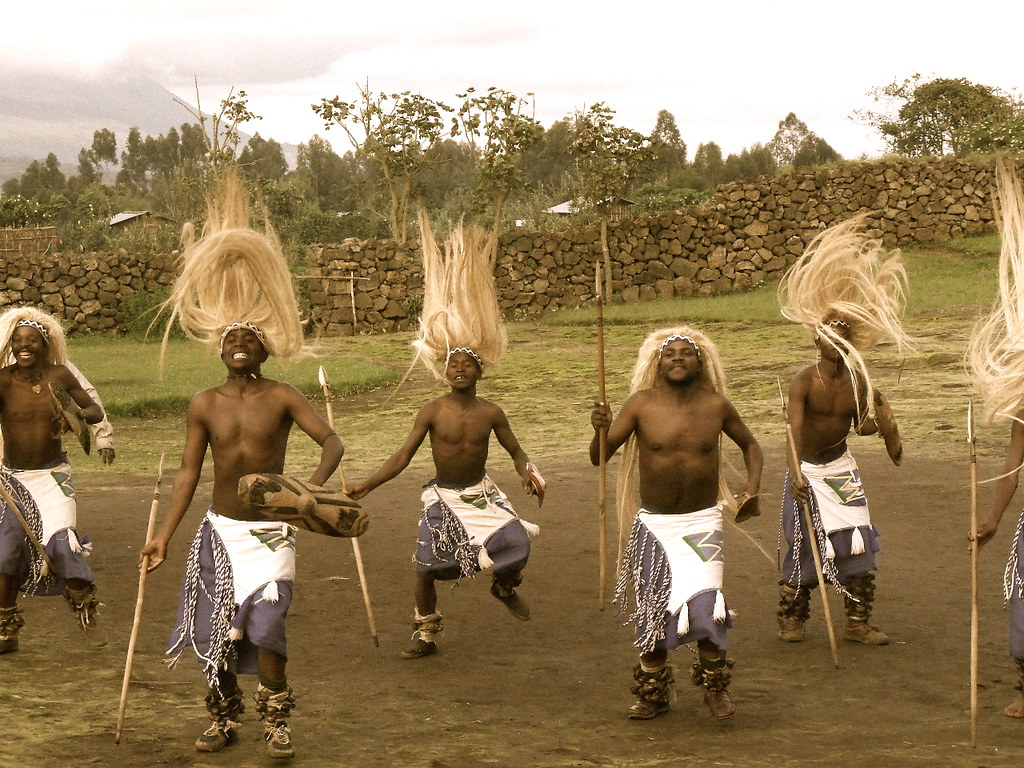
Dance, meanwhile, is central to Rwandan ceremonies and celebrations. The most well-known traditional dance is the Intore dance, which is performed by men to represent warriors returning from victory. Dancers wear elaborate costumes, including lion-maned wigs, spears, and shields. This dynamic and energetic dance is accompanied by drumming and encourages pride and remembrance of cultural roots.
Women, on the other hand, perform graceful and elegant dances called Umushayayo. Their movements involve fluid arm gestures, symbolizing joy, welcome, and peace. These dances are not just forms of entertainment but are deeply symbolic, reflecting values such as community and gratitude.
Drums also play an essential part in Rwandan music. Groups of drummers create rhythms that accompany dances and songs. Ingoma drums, for example, are used during important festivities and religious events. Their sound is seen as the heartbeat of Rwandan music.
In modern times, traditional music and dance have been blended with contemporary styles. For example, genres like hip-hop, Afrobeat, and gospel have grown popular, especially with younger generations. Musicians also use their songs to address social issues, promote unity, and document the country’s history.
Overall, music and dance in Rwanda are more than just entertainment; they are a vessel for keeping history alive, celebrating identity, and bringing people together both during traditional ceremonies and modern festivities.
What types of traditional clothing are common in Rwanda?
In Rwanda, traditional clothing serves as an important part of the culture and identity. One typically seen outfit is called the “Umushanana”. This garment is most commonly worn by women for ceremonial or formal events such as weddings, cultural festivals, or other special occasions. The Umushanana consists of a long, flowing skirt paired with a draped sash that is worn over the shoulder and tied at the waist. Underneath, a fitted blouse is typically worn. The material is often vibrant, featuring bold patterns and colorful fabrics that reflect the wearer’s personal taste or the theme of the occasion.
Historically, traditional Rwandan clothing was made from materials like animal hides and tree bark, but with time, people transitioned to softer fabrics such as cotton or silk. In modern times, traditional clothing styles are influenced by regional trends and are often blended with contemporary pieces, but cultural practices ensure that the original designs remain popular during events that celebrate heritage.
For men, traditional clothing does not have a specific name as widely known as the Umushanana, but they are often seen wearing wrap-around cloths similar to togas, combined with sandals or other simple footwear. For less formal daily life, both men and women in Rwanda generally wear modern Western-style clothing, which is convenient and practical for everyday activities.
A modern adaptation has also brought African prints (such as wax prints) into universal Rwandan fashion. These prints are tailored into dresses, shirts, or skirts, reflecting individual and national pride. Though traditional attire is no longer worn daily, its cultural significance remains highly respected.
Example: During Independence Day or Kwita Izina (the Gorilla naming ceremony), many Rwandans wear their traditional clothing to honor their cultural heritage.
How do Rwandans approach and celebrate family and community life?
Family and community are the core foundations of Rwandan culture. Relationships with family are highly valued, and many customs revolve around ensuring strong bonds between relatives and neighbors. In Rwanda, extended families often live together or close to each other. It is common for a household to include not just parents and children but also grandparents, aunts, uncles, and cousins.
Rwandans typically value collective well-being over individual desires. This can be seen through the practice of offering mutual help during farming, house building, or addressing financial challenges. For example, groups of people in a village may come together for a traditional work party, called “Umuganda.” Held on the last Saturday of every month, Umuganda brings the entire community together to engage in community service projects like cleaning streets, planting trees, or fixing shared facilities.
Family celebrations and milestones hold particular importance. Events like weddings, births, and funerals are often large gatherings where extended family and friends come together. Weddings, for instance, involve multiple stages, including traditional engagements (sometimes referred to as “Gusaba”), formal blessings, and modern receptions. These events are opportunities for families to connect, share meals, and celebrate their shared heritage.
Another element of family life in Rwanda is the emphasis on respect for elders. Elders are considered key bearers of wisdom and tradition, and their opinions are highly regarded in decision-making. Children are taught from a young age to assist and be attentive to older family members.
Example: During a family gathering, younger family members may serve food or drinks to the elders as a sign of respect. Similarly, if there is a conflict in the family, elders often mediate and provide guidance.
Overall, the focus on mutual responsibility and togetherness helps preserve a sense of identity and harmony in Rwandan society.
What are the traditional foods and dietary customs in Rwanda?
Rwandan cuisine is simple yet nutritious, featuring fresh, local ingredients. Meals are often based on plants and carbohydrates, as meat is relatively expensive and reserved for special occasions. Staple foods include sweet potatoes, cassava, bananas, beans, and maize. These are prepared in various ways, such as boiling, frying, or mashing.
One of the most beloved traditional dishes is “Ugali”, a starchy, porridge-like food made from maize or cassava flour. Ugali is often served with accompaniments like beans or leafy vegetables. “Isombe”, a dish made from cassava leaves cooked with ground peanuts or palm oil, is also a favorite in Rwandan households.
In rural areas, people often eat simple meals prepared with freshly available ingredients. Meat-based dishes, such as goat or beef, are luxuries typically saved for events like weddings, religious holidays, or when hosting guests. A common and popular snack is brochettes, which are skewers of grilled meat (usually goat, chicken, or fish). These are often sold at roadside stalls.
Milk is especially significant in Rwandan dietary customs due to the agricultural lifestyle of raising cattle. A drink called “Ikivuguto” is a fermented milk beverage similar to yogurt, which is both refreshing and nutritious. It is commonly consumed as part of breakfast or as a standalone treat.
Rwandans usually eat two main meals a day, with lunch being the heavier meal. Breakfast often includes tea (sweetened milk tea called “chai”) paired with bread or porridge. Sharing meals with visitors is an important custom, with politeness dictating that every guest is offered food or tea upon arrival.
Example: During celebrations such as naming ceremonies, families prepare large quantities of food to share with the community, ensuring that everyone in the neighborhood is well-fed and included.
How do Rwandans express their art, crafts, and storytelling traditions?
Art, crafts, and storytelling in Rwanda serve as an integral part of its cultural identity and history. Expression through these forms allows Rwandans to preserve their heritage and communicate values, history, and traditions across generations.
Rwandan art is often inspired by nature, daily life, and cultural themes. For example, one of the most prominent forms of art is basket weaving. The “agaseke,” or the traditional Rwandan peace basket, is a beautifully woven basket characterized by vibrant patterns and intricate designs. It is typically made by women using sisal fibers and natural dyes. These baskets are symbolic of peace, unity, and goodwill and are often exchanged during special occasions like weddings.
Craftsmanship in Rwanda also includes pottery and woodcarving. These handmade creations often have practical uses, such as pots for cooking or traditional wooden stools, and they are also admired for their decorative value.
Storytelling plays a vital role in passing down morals and preserving history. Through oral narratives, elders share tales of bravery, folktales with animals as key characters (like intare, meaning lion), or stories of historical events. These stories often include life lessons and reflect the communal values of Rwandan society, such as respect and perseverance.
Traditional music and dance are closely tied to storytelling. For instance, the “ikembe” (a thumb piano) and the “umuduli” (a string instrument) are used to accompany stories and songs. This connection enhances the emotional and cultural resonance of the stories being shared. Together, these practices celebrate Rwanda’s communal spirit, history, and artistic tradition.
What role does religion play in shaping Rwandan culture?
Religion holds substantial importance in Rwanda, influencing social behavior, communal activities, and individual identity. The two main religions are Christianity and Islam.
Christianity is the dominant religion, with most Rwandans identifying as Roman Catholic, Protestant, or part of other Christian denominations. During colonial times, Catholic missionaries played a large role in introducing Christianity to Rwanda. Sunday church services are significant occasions, often involving prayer, singing, and communal gatherings. Churches also serve as a support system for education, charity, and healthcare initiatives.
Islam, though practiced by a smaller percentage, also has a notable presence, especially in urban areas. Followers observe Islamic rituals such as daily prayers, fasting during Ramadan, and celebrations like Eid al-Fitr and Eid al-Adha.
Traditional indigenous beliefs still exist, although they have become less prominent over time. These beliefs are rooted in respect for ancestors and the spiritual world. For example, offerings and rituals may be performed to seek blessings or guidance from ancestral spirits.
Religion in Rwanda bridges people by promoting values like compassion, community, and forgiveness. This was particularly important after the 1994 genocide, as faith organizations played a major role in reconciliation efforts. Events like communal prayer and peacebuilding programs sponsored by religious communities helped to heal emotional wounds and bring people together.
Religion not only provides a moral framework but also contributes to cultural celebrations and ceremonies. For instance, life events such as weddings and funerals often incorporate religious practices and blessings, reflecting its centrality in everyday life.
What are the key values and social norms that guide Rwandan society?
Rwandan society emphasizes community, respect, discipline, and unity. These values are deeply embedded in everyday interactions and are integral to maintaining social harmony.
One key value is the importance of “umuryango,” or family. Family is not limited to immediate relatives but includes extended members and the broader community. Social norms encourage individuals to contribute to the well-being of their family and maintain strong connections. For example, communal efforts are vital during ceremonies and traditional events like weddings, where family and neighbors come together to assist.
Respect for elders is another significant principle. Elders are seen as the keepers of wisdom and play a central role in guiding younger generations. Greeting elders respectfully, seeking their advice, and listening to their stories are ways this respect manifests in daily life.
Unity and reconciliation have become even more influential following Rwanda’s history of division and conflict, particularly the 1994 genocide. Today, initiatives and national programs like “Ndi Umunyarwanda” (translated as “I am Rwandan”) emphasize collective national identity over ethnic differences.
Community-focused activities like “umuganda” also showcase these norms. Umuganda is a designated monthly day of community service where citizens clean streets, repair buildings, and contribute to projects that benefit everyone. This practice reflects a broader norm of putting the collective good above individual interests.
Additionally, manners and politeness are vital. Greeting others properly, using courteous language, and respecting personal space and hospitality are all deeply ingrained social norms.
These values influence the moral compass of Rwandan society, shaping its strong emphasis on community cohesion, mutual respect, and responsibility.
How To Book Your Safari in Rwanda
Rwanda’s culture is a vibrant blend of traditions, music, dance, and deep community values. This article explored what defines Rwandan culture, how its heritage is preserved, and why it’s so unique and meaningful. Ready to experience this incredible culture firsthand? Book your cultural adventure today with trusted Rwanda Safari Companies. They’ll guide you through an enriching journey filled with unforgettable encounters in the heart of Rwanda. Don’t miss out, start planning your safari now!