
Gorilla Habituation Experience
What is Gorilla Habituation?
Gorilla habituation is the process of making wild mountain gorillas familiar with human presence. This process helps gorillas stay calm during tourist visits and research activities.
Planning your trip? Start with our complete Volcanoes National Park Rwanda travel guide.
Mountain gorillas stand as one of the most endangered ape species on Earth, with approximately 1,000 individuals remaining in the wild. Uganda houses half of this precious population within its borders, making it a crucial location for gorilla conservation. The Gorilla Habituation Experience represents a unique wildlife encounter that allows visitors to participate in the scientific process of getting wild gorillas accustomed to human presence. This program operates in Uganda’s Bwindi Impenetrable National Park, where researchers and conservation experts work with specific gorilla families to ensure their protection and study their behavior.
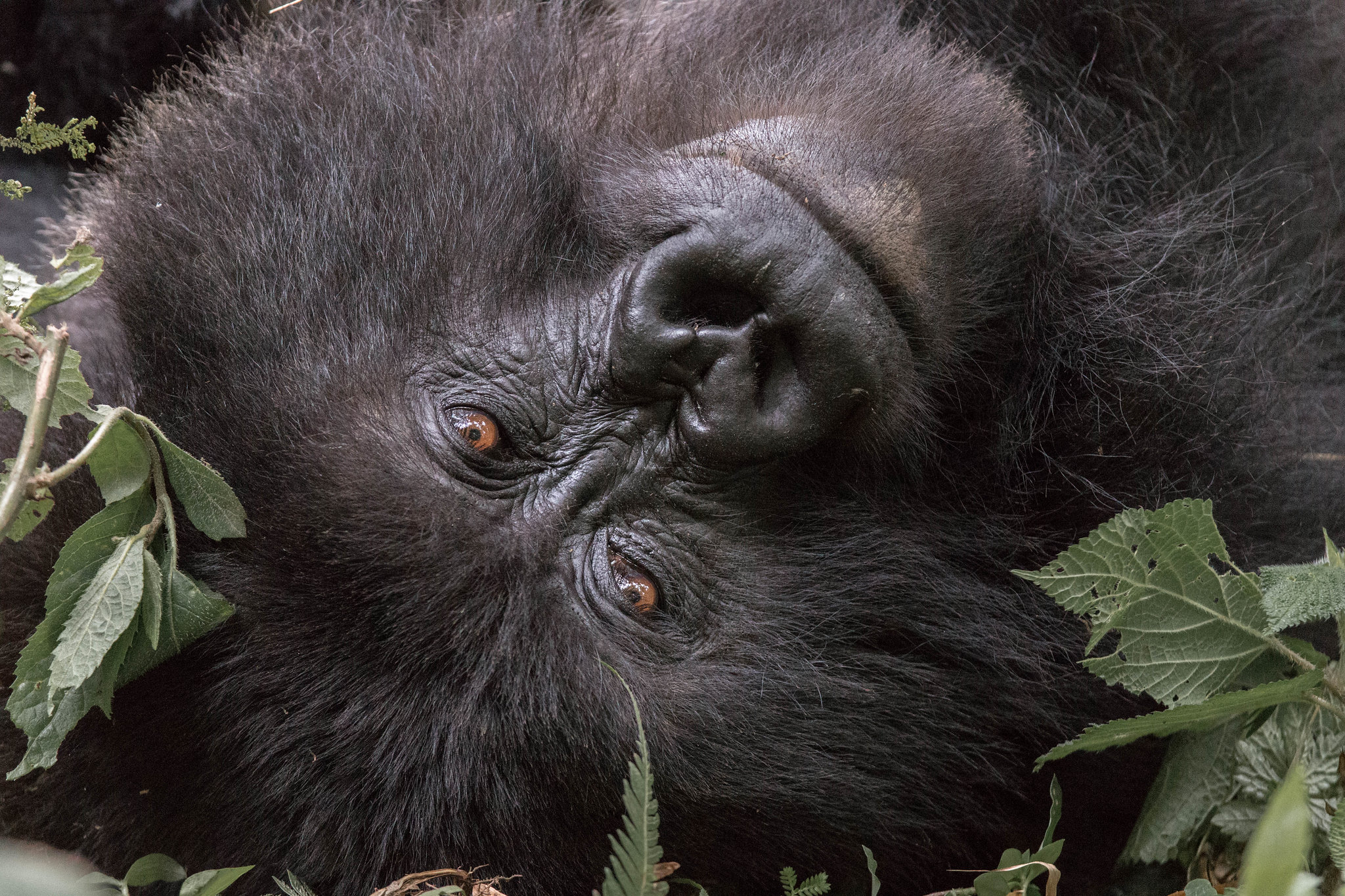

Introduction to Gorilla Habituation
Mountain gorillas stand as one of the most endangered ape species on Earth, with approximately 1,000 individuals remaining in the wild. Uganda houses half of this precious population within its borders, making it a crucial location for gorilla conservation. The Gorilla Habituation Experience represents a unique wildlife encounter that allows visitors to participate in the scientific process of getting wild gorillas accustomed to human presence. This program operates in Uganda’s Bwindi Impenetrable National Park, where researchers and conservation experts work with specific gorilla families to ensure their protection and study their behavior.
Understanding Gorilla Habituation Process
The habituation process requires careful planning and execution over a period of two to five years. Park rangers begin by spending short periods with the gorillas each day, maintaining specific distances that match the gorillas’ comfort levels. The rangers gradually increase their time with the gorillas and reduce the distance as the animals become more comfortable. This systematic approach helps wild gorillas become familiar with human presence without losing their natural behaviors. The process serves multiple purposes, including research opportunities, medical care access, and protection from poaching activities. The gorillas learn to accept human observers while maintaining their wild state and natural daily routines.
Where To Go For Gorilla Habituation Experience
Bwindi Impenetrable National Park spans 331 square kilometers of dense forest in southwestern Uganda. The park contains four distinct sectors: Buhoma, Ruhija, Nkuringo, and Rushaga. The Gorilla Habituation Experience takes place exclusively in the Rushaga sector, located in the southern part of the park. This area currently hosts two gorilla families undergoing the habituation process: the Bukingyi and Bushaho groups. The forest terrain features steep slopes, thick vegetation, and varying altitudes, creating a challenging but rewarding environment for both gorillas and visitors. The park’s unique ecosystem supports not only gorillas but also numerous other species of primates and birds.
Gorilla Trekking Time Duration and Schedule
A Gorilla Habituation Experience lasts significantly longer than standard gorilla treks. Participants spend up to four hours with the gorilla family, compared to the one-hour limit of regular Africa gorilla trekking. The day begins early, with visitors required to arrive at park headquarters by 7:00 AM for briefing sessions. The actual tracking time varies based on gorilla locations and can range from one to six hours. This extended duration provides unique opportunities to observe various gorilla behaviors throughout their daily activities, from morning feeding to afternoon social interactions.
Best Time to Visit
The park maintains consistent temperatures between 20-25°C throughout the year, but certain seasons offer better conditions for the experience. The primary dry seasons run from June to September and December to February, providing optimal tracking conditions with firmer ground and clearer trails. March to May brings heavy rains, while October and November experience lighter rainfall. The wet seasons create muddy conditions that make tracking more challenging but can offer unique photography opportunities. After rain showers, the clear air creates excellent visibility for capturing images of the gorillas in their natural habitat.
Gorilla Habituation Permit Costs and Booking Requirements
The Uganda Wildlife Authority sets specific costs and limitations for gorilla habituation permits. Each permit costs $1,500 per person, significantly higher than the $800 fee for standard gorilla trekking. The park issues only eight permits daily, divided between two gorilla families with four visitors per group. This limitation maintains minimal impact on the gorillas while providing sustainable funding for conservation efforts. The price includes park entry, guide services, and the four-hour gorilla experience. Visitors must book permits at least six months in advance, especially during peak seasons from July to October and December to March.
Physical Preparation and Requirements
Gorilla habituation demands substantial physical fitness from participants due to the challenging terrain and extended duration. The experience involves hiking through dense forest vegetation, climbing steep slopes, and traversing uneven ground at high altitudes. Visitors must prepare for walks lasting between one to six hours before reaching the gorillas. The physical demands exceed those of standard gorilla treks, as the habituation process requires following gorillas through areas without established trails. Pre-visit preparation should include regular cardiovascular exercise and hill walking. The altitude of Bwindi Impenetrable National Park rises above 2,000 meters, making adequate physical conditioning essential for a safe and enjoyable experience.
Safety Guidelines and Rules
Safety protocols protect both gorillas and visitors through strict guidelines established by the Uganda Wildlife Authority. All participants must maintain a seven-meter distance from gorillas to prevent disease transmission and respect the animals’ space. Face masks remain mandatory throughout the encounter. Eating and drinking must occur away from the gorillas to avoid attracting their attention or altering their behavior. Rangers enforce a no-flash photography rule and prohibit sudden movements that might startle the gorillas. Visitors showing signs of illness cannot participate in the experience. These rules ensure the safety and well-being of both humans and gorillas during the habituation process.
What To Carry
Proper equipment ensures comfort and safety during the gorilla habituation experience. Waterproof hiking boots with strong ankle support serve as essential footwear for navigating slippery slopes. Long-sleeved shirts and pants protect against insects and thorny vegetation. Rain gear, including waterproof jackets and pants, guards against sudden showers. Participants need water bottles, packed lunches, and high-energy snacks for the extended duration. Garden gloves protect hands when gripping vegetation. Cameras require waterproof covers due to frequent rain. Additional items include warm layers for morning chill, sun protection, and a small backpack for carrying supplies.
Gorilla Family Structure
Gorilla families follow clear social organizations led by dominant silverback males. These groups typically contain 8 to 20 individuals, including adult females, young gorillas, and infants. The silverback makes critical decisions about group movement, feeding locations, and protection. Adult females form strong social bonds and share infant care responsibilities. Young males eventually leave their birth groups upon maturity to establish their own families or challenge existing silverbacks. The Bukingyi and Bushaho families currently undergoing habituation each maintain their unique social dynamics and characteristics, which researchers document throughout the process.
Daily Gorilla Activities
Mountain gorillas follow consistent daily patterns that shape the habituation experience. Morning hours focus on feeding activities, with gorillas consuming leaves, shoots, and fruits. Mid-day periods include rest and social interaction among group members. Afternoon activities involve additional feeding sessions before the gorillas construct their nightly nests. Each gorilla builds a new sleeping nest daily using bent branches and vegetation. The habituation experience allows visitors to observe these natural behaviors while the gorillas gradually become accustomed to human presence. Understanding these patterns helps researchers and guides predict gorilla movements and plan habituation sessions effectively.
Conservation Impact
The Gorilla Habituation Experience directly supports conservation efforts through multiple channels. The program generates substantial funding for protection activities, with permit fees supporting anti-poaching patrols and habitat preservation. Regular monitoring of habituated groups enables early detection of health issues and population changes. The presence of researchers and visitors deters poaching activities in gorilla territories. Conservation teams use data collected during habituation to improve protection strategies and understand gorilla behavior patterns. This combination of research, funding, and protective presence contributes to the steady growth of mountain gorilla populations.
Local Community Benefits
Communities near Bwindi Impenetrable National Park receive significant advantages from the gorilla habituation program. Local residents gain employment opportunities as guides, porters, and hospitality workers. The Uganda Wildlife Authority shares tourism revenue with nearby villages to fund development projects. Schools and medical facilities receive support through gorilla tourism income. Local agricultural initiatives help reduce human pressure on gorilla habitats. These benefits create strong community support for gorilla conservation and reduce potential conflicts between human settlements and wildlife areas. The program also provides educational opportunities for local youth interested in conservation careers.
Research Value
Gorilla habituation creates essential opportunities for scientific study and documentation. Researchers collect detailed data about feeding habits, social interactions, and movement patterns. Health monitoring provides insights into disease prevention and treatment options. Genetic studies track population diversity and family relationships. Behavioral research reveals new information about gorilla intelligence and social structures. Scientists use this information to improve conservation strategies and understand the species better. The extended observation time during habituation allows researchers to document subtle behaviors and interactions that might go unnoticed during shorter visits.
Health Protocols
Strict health measures protect gorillas from human diseases through comprehensive protocols. Visitors undergo health screenings before participation and must wear surgical masks throughout the experience. The seven-meter distance rule minimizes disease transmission risk. Staff members receive regular health checks to ensure they cannot spread illnesses to the gorillas. Rangers monitor gorilla health through visual observation and collect samples when necessary. These precautions protect both habituated and wild gorilla populations from potential health threats. The protocols reflect current scientific understanding of disease transmission risks between humans and great apes.
Guide Qualifications
Professional guides undergo extensive training to lead gorilla habituation experiences effectively. The training program covers gorilla behavior recognition, forest navigation, and group management techniques. Guides learn to interpret subtle behavioral cues that indicate gorilla moods and intentions. Emergency response training prepares them for various scenarios, including medical emergencies and aggressive gorilla encounters. Communication skills enable guides to share information clearly with visitors while maintaining focus on safety protocols. Regular skill updates ensure guides stay current with best practices and new research findings.
Weather Impact and Environmental Conditions
The mountain forest environment creates specific weather patterns that affect gorilla habituation activities. Morning fog frequently limits visibility in the forest, influencing tracking conditions and photography opportunities. Afternoon thunderstorms occur regularly, particularly during wet seasons. The forest maintains high humidity levels throughout the year, affecting equipment and physical comfort. Temperature variations between morning and afternoon require adaptable clothing choices. The weather patterns also influence gorilla behavior, as the animals may seek shelter during heavy rain or adjust their feeding patterns based on environmental conditions. Understanding these weather patterns helps visitors prepare properly and maintain appropriate expectations for their experience.
Photography Guidelines and Techniques
Photography during gorilla habituation follows specific rules to protect the animals while allowing documentation. Cameras must operate without flash to avoid disturbing the gorillas. The required seven-meter distance creates challenges for close-up shots, making zoom lenses valuable tools. Photographers need cameras capable of performing in low light conditions, as the forest canopy limits natural light. Video recording follows time restrictions to minimize impact on gorilla behavior. Guides help position photographers for optimal angles while maintaining safety distances. The extended duration of the habituation experience provides multiple opportunities to capture various gorilla behaviors and interactions throughout the day.
Transportation and Accessibility
Bwindi Impenetrable National Park offers multiple access options for visitors. The park maintains two airstrips, Kisoro and Kihihi, serving daily flights from Entebbe International Airport. These flights take approximately 1.5 hours and provide convenient access to different park sectors. Ground transportation from Entebbe requires nine hours by vehicle, offering opportunities to visit other Ugandan attractions during the journey. The Rushaga sector, where habituation experiences occur, connects to main roads through maintained access routes. Local transportation services help visitors reach their accommodations and the park headquarters for morning briefings. The park’s infrastructure supports safe and reliable access while maintaining the wilderness character of the area.
Accommodation Options and Facilities
Lodging options near the Rushaga sector range from luxury lodges to mid-range facilities. Properties such as Clouds Mountain Gorilla Lodge and Buhoma Lodge provide high-end amenities with traditional architectural elements. Mid-range options include Mahogany Springs Safari Lodge and similar facilities offering comfortable accommodations with necessary services. Most lodges provide early breakfast services to accommodate the early start times for habituation experiences. The properties maintain communication systems for emergency services and offer storage facilities for equipment. Location selection influences travel time to the park headquarters, with closer properties reducing early morning transit times.
Future Development Plans
The gorilla habituation program continues to evolve with new initiatives and improvements. Park managers identify additional gorilla families for potential habituation based on population growth and distribution patterns. Research methods incorporate advancing technology for tracking and monitoring activities. Community programs expand to address changing local needs and conservation challenges. The Uganda Wildlife Authority updates protocols based on new scientific findings and experience. These developments aim to enhance both conservation efforts and visitor experiences while maintaining focus on gorilla protection. Future plans include improved infrastructure and expanded research capabilities to support long-term program success.
Common Challenges and Solutions
Participants face various challenges during gorilla habituation experiences. The physical demands of forest trekking require proper preparation and pacing strategies. Wet conditions create slippery trails and equipment maintenance needs. Early morning starts challenge visitors’ scheduling and energy levels. The extended duration demands sustained attention and physical stamina. Guide teams address these challenges through careful group management and support services. Porter assistance helps visitors manage equipment and physical demands. Clear communication about expectations and requirements helps participants prepare appropriately for the experience challenges.
Success Indicators and Conservation Achievements
The gorilla habituation program demonstrates success through measurable outcomes. Mountain gorilla populations show steady growth in areas with active habituation and research programs. Scientific publications document new findings about gorilla behavior and ecology. Local communities report improved living standards from tourism revenue and development projects. Protected area coverage expands with government support and community participation. These achievements validate the habituation approach to conservation and research while providing foundations for future program development. The combination of population growth, research success, and community benefits demonstrates the program’s positive impact.
Emergency Procedures and Safety Measures
Safety protocols cover various emergency scenarios during habituation experiences. Guide teams carry communication equipment for emergency contact with park headquarters. First aid supplies remain available for minor medical needs. Evacuation procedures address serious medical emergencies or severe weather conditions. Rangers receive training in gorilla behavior management and human safety protocols. The park maintains emergency response teams for rapid assistance when needed. These procedures ensure participant safety while protecting gorilla welfare during unexpected situations. Regular safety reviews and updates maintain protocol effectiveness and emergency readiness.
Long-term Conservation Strategy
The gorilla habituation program forms part of broader conservation efforts for mountain gorilla protection. Research findings influence habitat management decisions and protection strategies. Community engagement programs build sustainable support for conservation activities. International partnerships strengthen resources and expertise availability. The program generates sustainable funding through carefully managed tourism activities. These combined efforts create comprehensive protection for gorilla populations while supporting local development and scientific research. Long-term planning addresses future challenges and opportunities for enhanced conservation success.
Visitor Responsibilities and Ethics
Participants carry important responsibilities for program success and gorilla protection. Following safety and distance guidelines protects both humans and gorillas during encounters. Proper preparation ensures visitors can complete the experience without creating safety risks. Respect for local communities and cultures supports program sustainability. Understanding and following photography rules protects gorilla welfare. These responsibilities help maintain program integrity while ensuring positive experiences for future visitors. Ethical participation supports conservation goals and community benefits through responsible tourism practices.
Gorilla Habituation Vs Gorilla Trekking
Choosing between gorilla habituation and gorilla trekking shapes your entire Rwanda safari experience in ways that go far beyond time spent with the animals. Gorilla trekking gives you a focused one-hour visit with a fully habituated family in Volcanoes National Park, while the gorilla habituation experience offers a four-hour window alongside a semi-habituated group still adjusting to human presence. Understanding these differences helps you build a wildlife adventure and Africa vacation that genuinely matches your goals, budget, and physical readiness.
Planning your trip? Start with our complete Volcanoes National Park Rwanda travel guide.
What Is Gorilla Trekking and How Does It Work in Rwanda
Gorilla trekking in Rwanda is the flagship wildlife activity at Volcanoes National Park, roughly three hours north of Kigali. You join a group of up to eight visitors and set off with armed park rangers and experienced trackers who have already located the gorilla family via radio communication. The trek through bamboo zones and montane forest can last anywhere from two to seven hours depending on where the gorillas have moved, but the time with the family itself is capped at exactly one hour. Rwanda currently has 14 fully habituated gorilla families available for tourism, meaning up to 112 permits can be issued daily.
The one-hour rule is strictly enforced by rangers, and for good reason. Extended human contact stresses the animals and raises disease transmission risks. During your hour you can photograph freely (no flash), observe natural feeding, grooming, play behavior, and silverback displays at close range. Rangers maintain the mandatory seven-meter minimum distance, though gorillas themselves sometimes close that gap on their own terms.
Rwanda’s gorilla trekking permits cost $1,500 per person for foreign non-residents in 2026. East African citizens pay considerably less. The permit covers park entry, ranger escort, and tracker support for the duration of the trek. It does not include accommodation, transport, tips for rangers and porters, or the optional porter fee of around $15 to $20 per trek.
What Is the Gorilla Habituation Experience and Where Is It Available
The gorilla habituation experience is fundamentally different in purpose and structure. Rather than visiting a group already comfortable around humans, you join researchers and rangers working with a semi-habituated gorilla family, one that is still partway through the multi-year process of learning to tolerate close human presence. The session lasts four hours in the field with the gorillas, not including trekking time to reach them. Groups are limited to just four visitors per day, making it a far more exclusive wildlife encounter.
As of 2026, the gorilla habituation experience is available exclusively in Uganda’s Bwindi Impenetrable National Park, specifically in the Rushaga sector in the south. Rwanda does not currently offer a habituation program through its national park authority. Travelers who want habituation access must either arrange a Uganda-focused safari holidays itinerary or combine both countries in a single trip. The Uganda Wildlife Authority issues only eight habituation permits per day across two designated groups.
The habituation permit in Uganda costs $1,500 per person for foreign non-residents in 2026, which puts it at the same price point as Rwanda’s standard trekking permit. However, Uganda’s standard gorilla trekking permit is available at $800 per person, making it a significantly more affordable wildlife travel option for those who prefer the one-hour format in Bwindi.
Key Differences Between Gorilla Trekking and Gorilla Habituation
The most practical difference is time: one hour versus four hours with the gorillas. During trekking, your hour begins the moment you make visual contact with the family. During habituation, your four hours are spent moving with the group, pausing when they pause, watching behaviors unfold across an extended window that no standard trek can replicate. You may witness nesting behavior, mother-infant interactions, territorial responses to outsiders, or a silverback’s communication patterns in ways that simply are not possible in 60 minutes.
Group size is another defining factor. Eight people participate in a standard gorilla trek; only four join a habituation session. That smaller footprint means less noise, less movement, and a more personal read on the animals and their environment. Many serious wildlife travelers and professional photographers on African safari holidays choose habituation specifically for this reason.
Physical demands differ substantially as well. Habituation sessions often require longer hikes because semi-habituated families range more widely and unpredictably. You should expect a full day in the field, starting early and potentially trekking through challenging terrain for hours before and after the animal contact period. Standard gorilla trekking in Rwanda can be equally demanding depending on where the family has ranged, but the one-hour limit means you are not committed to the same duration of proximity once you arrive.
$1,500 per person (foreign non-resident) in 2026. Covers one hour with a habituated gorilla family in Volcanoes National Park. Groups of up to 8 visitors. 14 families available, up to 112 permits per day.
$1,500 per person (foreign non-resident) in 2026. Covers four hours with a semi-habituated gorilla family in Bwindi’s Rushaga sector. Only 4 visitors per group. 8 permits issued daily.
$800 per person for foreign non-residents in 2026. One hour with a habituated family in Bwindi Impenetrable National Park. Budget-conscious gorilla safari option with equally high sighting success rates.
$100 per person. One-hour encounter with golden monkey troops in Volcanoes National Park’s bamboo zone. Often paired with gorilla trekking as a multi-day Rwanda wildlife holiday add-on.
$75 to $100 per person depending on the volcano chosen. Mount Bisoke, Karisimbi, and Sabyinyo each carry different fees. Available to book alongside gorilla permits as part of a Volcanoes safari package.
Which Experience Suits Your Rwanda and Uganda Safari Plan
Rwanda’s gorilla trekking is the right choice if you are building a time-efficient Africa vacation with Kigali as your gateway. Volcanoes National Park sits just three hours from the capital, so a two- or three-night safari stay in Musanze is enough to complete your trek, recover, and return to Kigali for onward travel. Rwanda also invests heavily in conservation infrastructure, and the $1,500 permit fee funds community revenue-sharing programs that directly benefit villages adjacent to the park. The overall travel experience is polished, well-organized, and comparatively low stress.
The gorilla habituation experience in Uganda is the stronger option if extended animal contact and exclusivity are your priorities, and if you have the physical condition and schedule for a full-day commitment. The Rushaga sector of Bwindi has basic to mid-range lodge options that suit adventure-forward travelers on safari holidays. Getting to Rushaga from Kampala typically takes seven to eight hours by road, or you can fly into Kihihi airstrip and transfer by 4WD in about two hours.
A growing number of travelers now combine both countries by flying into Kigali, completing their Rwanda gorilla trek in Volcanoes National Park, then crossing the border into Uganda for additional wildlife tours in Bwindi, Queen Elizabeth, or Kibale. This dual-country safari approach lets you compare both experiences firsthand and gives your Rwanda and Uganda adventure trip a logical geographic flow.
Best Time to Book Gorilla Trekking and Habituation Permits
Rwanda’s gorilla permits sell out months in advance, particularly for the peak dry seasons of June through September and December through February. The Rwanda Development Board makes permits available through its Irembo online platform and through licensed tour operators. Most travel specialists recommend booking nine to twelve months ahead for peak-season dates and at least six months out for shoulder-season travel.
Uganda’s habituation permits follow a similar booking curve but are even more constrained given that only eight are issued daily across the entire park. If your safari travel dates have any flexibility, the wet season months of March through May and October through November offer easier permit availability in both countries, cooler trekking temperatures, and greener forest conditions. Gorilla sightings are equally reliable year-round since the families remain within the park boundaries regardless of season.
Booking through a reputable Rwanda or Uganda-based tour operator rather than attempting direct permit purchases simplifies the process considerably. As of March 2026, individual foreign travelers can no longer purchase Uganda gorilla permits directly through the Uganda Wildlife Authority and must use an authorized operator. Rwanda allows direct Irembo purchases but most visitors still find the operator route easier for bundling accommodation, transport, and multi-activity itineraries.
What to Expect on the Day of Your Gorilla Trek in Rwanda
Gorilla trekking in Rwanda begins with a 7:00 AM briefing at the park headquarters in Kinigi, just outside Musanze. Rangers assign each group of eight to a specific gorilla family based on fitness levels, group composition, and permit allocation. The briefing covers rules, photography guidelines, and what to do if a silverback charges or approaches. Porters are available for hire at around $15 to $20, and guides strongly recommend taking one regardless of your fitness level since the terrain through Volcanoes’ volcanic slopes can shift quickly from manageable to steep and muddy.
The trek itself moves through distinct vegetation zones: farmland buffer, bamboo forest, and then the montane vegetation where the gorillas range. Once trackers radio in the family’s location, your group converges and the one-hour timer begins. Cameras (no flash), quiet voices, and slow movements are the rule. After the hour, you hike back out, receiving a certificate of completion at the park office. Most visitors are back at their lodges in Musanze or on the road to Kigali by early afternoon.
Packing for the trek means waterproof hiking boots, lightweight long trousers, a long-sleeved shirt, rain jacket, gloves for thick vegetation, and a small daypack with water and snacks. The altitude in Volcanoes National Park ranges from roughly 2,400 to over 4,000 meters, so some visitors feel mild altitude effects. Arriving a day early and hydrating well before your trek date is practical preparation for the best possible safari adventure.
How Gorilla Conservation Shapes Both Experiences
Both gorilla trekking and the habituation experience contribute directly to mountain gorilla conservation, a species whose global population has grown from roughly 620 individuals in the 1980s to over 1,000 today. Rwanda’s high permit price is a deliberate conservation strategy: fewer visitors spending more per person reduces habitat pressure while generating the revenue needed for anti-poaching patrols, veterinary care, and community development. The gorilla habituation process itself is a conservation tool, not just a tourism product. Habituating a new gorilla family takes anywhere from two to five years of daily researcher contact before the group is ready for full tourist access.
Rwanda’s Dian Fossey Gorilla Fund maintains an active research presence in Volcanoes National Park and works alongside the Rwanda Development Board to monitor habituated families, track health indicators, and respond to threats including snares, disease outbreaks, and territorial conflicts with other groups. Visitors on gorilla safaris in Rwanda contribute indirectly to this work through permit revenue. Some lodges and tour operators also offer optional community visits and conservation center tours in Musanze that deepen the context behind what you experience in the forest.
Combining Gorilla Trekking with Other Rwanda Wildlife Activities
Rwanda’s Volcanoes National Park is far more than a single gorilla trek stop. The park is home to golden monkeys, endemic birds, and six volcanoes that each offer distinct hiking experiences at permit costs ranging from $75 to $100. Mount Bisoke features a crater lake at the summit. Mount Karisimbi, the highest volcano in Rwanda at 4,507 meters, requires a two-day climb. Mount Sabyinyo sits on the triple border with Uganda and the Democratic Republic of Congo. All three are solid additions to a multi-day Volcanoes safari itinerary.
Golden monkey trekking at $100 per person makes an excellent half-day complement to gorilla trekking the day before or after your main permit date. The golden monkey troops range through the bamboo zone at lower elevations and are significantly easier to reach than gorilla families. The combination of gorilla and golden monkey experiences in a single three-night Rwanda wildlife holiday gives you two primate encounters for a total of $1,600 per person in permit fees, which compares favorably to the cost of flying to Uganda specifically for the habituation experience.
Nyungwe Forest National Park in southwestern Rwanda adds chimpanzee tracking, canopy walks, and colobus monkey sightings to an expanded Rwanda safari vacation. A road trip from Kigali through the tea country to Nyungwe, then north to Volcanoes, completes a comprehensive Rwanda wildlife circuit that most tour operators can arrange as a seven- to ten-day package.
Permit fees only. Accommodation, transport, tips for rangers and porters, and international flights are additional costs. Book 6-12 months in advance for peak season (Jun-Sep, Dec-Feb).
Frequently Asked Questions About Gorilla Habituation and Trekking
Can I do the gorilla habituation experience in Rwanda?
No. As of 2026, Rwanda does not offer a gorilla habituation experience. The Rwanda Development Board runs gorilla trekking only, with all 14 habituated families available for one-hour visits. Gorilla habituation is currently exclusive to Uganda’s Bwindi Impenetrable National Park, specifically in the Rushaga sector. Travelers wanting both experiences need to visit both countries, which many tour operators facilitate through cross-border Rwanda and Uganda safari packages.
Is it worth paying $1,500 for a gorilla trekking permit in Rwanda?
For most visitors, yes. Rwanda’s gorilla trekking experience is exceptionally well-organized, with high sighting success rates, experienced ranger teams, and a wide range of high-quality lodges in Musanze to suit different budgets. The $1,500 permit fee funds conservation programs that have helped the mountain gorilla population grow to over 1,000 individuals. If your Africa vacation budget is tight, Uganda’s $800 gorilla trekking permit offers a comparable one-hour experience in a more challenging forest environment at nearly half the price.
How physically demanding is gorilla trekking versus the habituation experience?
Both activities require reasonable physical fitness. Rwanda’s gorilla trekking in Volcanoes National Park involves trekking at altitudes between 2,400 and 4,000 meters, which can cause mild altitude effects. Trekking time ranges from two to seven hours depending on gorilla movement. The gorilla habituation experience in Uganda’s Bwindi is typically more demanding because semi-habituated families range more unpredictably, and you are in the field for the full four-hour animal contact period on top of the trekking time. Hiring a porter at both locations is strongly recommended.
How far in advance do I need to book gorilla permits for Rwanda or Uganda?
For peak season travel in June through September or December through February, book nine to twelve months ahead. Shoulder season travel between March and May or October and November typically requires three to six months advance booking. Rwanda permits are available through the Irembo platform or licensed tour operators. As of March 2026, Uganda requires booking through an authorized operator rather than directly through the Uganda Wildlife Authority. Availability for the Uganda habituation experience is especially limited at only eight permits per day.
What is the minimum age for gorilla trekking in Rwanda and Uganda?
Both Rwanda and Uganda set the minimum age for gorilla trekking at 15 years old. Children younger than 15 are not permitted to participate for safety and animal welfare reasons. The gorilla habituation experience in Uganda follows the same minimum age rule. There is no maximum age restriction, though both activities are physically demanding and travelers with significant health conditions should consult a doctor before planning gorilla wildlife tours.
Can I combine gorilla trekking in Rwanda with golden monkey trekking in the same trip?
Yes, and this is one of the most popular wildlife combination options in Rwanda. Golden monkey trekking in Volcanoes National Park costs $100 per person and can be arranged on a different day from your gorilla trek permit. Both activities depart from the same park headquarters in Kinigi. A typical three-night Rwanda wildlife holiday in Musanze gives you enough time for a gorilla trek, a golden monkey trek, and optional volcano hiking, making it an efficient and rewarding Africa safari vacation without requiring travel to multiple countries.
Which is better for wildlife photography: gorilla trekking or gorilla habituation?
Serious wildlife and safari photographers generally prefer the gorilla habituation experience for its four-hour access window, smaller group size of four people, and the range of natural behaviors visible over an extended session. Standard gorilla trekking gives you 60 minutes, which is enough for strong images if conditions are good, but the one-hour pressure can make composition more rushed. Flash photography is prohibited in both settings. If photography is your primary goal and you have the budget, pairing a Rwanda gorilla trek with a Uganda habituation session on a combined safari itinerary gives you the widest range of shooting opportunities.