
Traditional Rwandan Dishes to Try
Rwanda’s food tells you a great deal about its people — resourceful, community-minded, and deeply rooted in the land. Traditional Rwandan dishes center on slow-cooked beans, cassava leaves, sweet plantains, and grilled meat, all shaped by generations of farming culture in the Great Lakes region. Whether you are joining a gorilla trekking safari in Volcanoes National Park or exploring Kigali between wildlife adventures, eating like a local is one of the most rewarding parts of any Rwanda holiday.
Brochettes: Rwanda’s Grilled Street Food You Will Find Everywhere
Brochettes are the undisputed star of Rwandan street food and the closest thing the country has to a national dish. Chunks of goat, beef, or chicken are threaded onto long skewers, marinated in spices, and grilled over hot charcoal until charred at the edges and tender inside. Street vendors set up along roadsides throughout Kigali, Musanze, and Gisenyi, with smoke rising from coal braziers from late afternoon well into the night.
The standard accompaniment is fried potatoes (ibirayi) and a sharp chili sauce called pili pili that adds heat without overwhelming the meat’s natural flavor. On safari travel days, roadside brochette stands are a practical and filling lunch stop between national parks. A full stick of goat brochettes with fries costs roughly 2,000 to 4,000 Rwandan francs (about $2 to $4 USD) at local stands, making it one of the best-value meals in the country.
Upscale Kigali restaurants like Repub Lounge also serve brochettes in a more refined setting, plated alongside salads and house sauces, at prices around $8 to $15 USD per serving. Even on organized Rwanda tours, guides will frequently stop at local spots rather than tourist-facing restaurants, giving travelers an authentic experience.
Isombe: Slow-Cooked Cassava Leaves with Peanut Sauce
Isombe is one of Rwanda’s most deeply traditional dishes, made from pounded cassava leaves slow-cooked with onions, tomatoes, garlic, eggplant, and ground peanuts finished with a spoonful of palm oil. The result is a dark green, richly textured dish with a nutty, earthy depth that develops over long cooking times. It originated in communities along the border with the Democratic Republic of Congo and spread throughout Rwanda as a staple of home cooking.
Isombe is almost always served alongside ubugali (the dense cassava dough described in the next section), rice, or sweet potatoes. The combination of peanut richness and the slight bitterness of cassava leaf makes it one of the most satisfying vegetarian meals available anywhere in East Africa. Many travelers on Rwanda wildlife tours who arrive expecting meat-heavy meals are surprised by how complex and filling plant-based Rwandan cooking can be.
At Kigali’s Tisserie Restaurant, isombe is given a contemporary treatment using refined techniques while keeping the core ingredients intact. For the most traditional version, eating at a local buffet (called an amabare) in Nyamirambo or Kimironko neighborhoods will cost you under 3,000 RWF ($3 USD) for a full plate.
Ubugali and Ibishyimbo: The Everyday Foundation of Rwandan Meals
Ubugali is the backbone of daily eating in Rwanda. Made by mixing cassava flour or maize flour into boiling water and stirring vigorously until a dense, smooth dough forms, it has a mild, slightly starchy flavor that works as a base for absorbing the sauces and stews it accompanies. You scoop a piece off with your hand, press it flat, and use it to pick up food from a shared plate — a practice that reflects the communal nature of Rwandan mealtimes.
Alongside ubugali, ibishyimbo (red kidney beans slow-cooked with onions, tomatoes, and oil) appears on nearly every table at lunch across the country. Lunch is the main meal of the day in Rwanda, and on working days in Kigali you will see offices and markets emptying out at midday for a plate of beans and ubugali. The combination is cheap, filling, protein-rich, and deeply satisfying. Most Rwanda safari tours that include village visits will offer travelers a chance to share this meal with a local family.
Adding seasonal vegetables like ibijumba (sweet potato), ibihaza (pumpkin), or ubunyobwa (peas) alongside the beans and ubugali creates the kind of meal that has sustained Rwandan farming communities for generations. At local eateries, a full plate costs under 2,500 RWF ($2.50 USD).
Matoke and Agatogo: Cooking with Green Bananas
Matoke are unripe green bananas peeled and steamed until soft, then mashed or served whole in a broth alongside meat or beans. The texture sits between a potato and a plantain, with a mild, savory taste that absorbs spices and sauces well. Matoke is particularly common in the western and southern regions of Rwanda where banana cultivation is dense, and it appears regularly in rural home cooking.
Agatogo is a heartier variation made by cooking matoke with onions, tomatoes, and sometimes goat meat or dried fish in a stew pot until everything softens into a thick, cohesive dish. The name comes from a Kinyarwanda term for the layered pot-cooking method used to make it. Travelers on wildlife safaris passing through Musanze or Rubavu will often find agatogo at local lunch stops along the route.
The Hut Restaurant in Kigali has built a reputation for serving agatogo in a setting that bridges traditional and contemporary dining, with sweeping views over the city’s hills. Matoke with a side of beans costs around 4,000 to 6,000 RWF ($4 to $6 USD) at mid-range restaurants in Kigali.
Mizuzu and Akabenzi: Sweet Plantains and Roasted Pork
Mizuzu are deep-fried plantain pieces cooked until golden and sometimes glazed with honey to enhance their natural sweetness. Street vendors across Kigali, Gisenyi, and Musanze sell mizuzu as snacks throughout the day. They appear as side dishes at local restaurants, often served alongside brochettes or grilled fish. Their crisp edges, soft centers, and caramelized sweetness make them one of the most approachable traditional foods for first-time visitors on Rwanda adventure tours.
Akabenzi is roasted pork — a social food in Rwanda typically enjoyed in the evening at outdoor spots called cabarets where friends gather after work. The name is slang derived from the Mercedes-Benz, implying it is a luxury food worth celebrating. Pork ribs and cuts are slow-roasted over wood or charcoal and sold by the kilogram. In Kigali, neighborhoods like Nyamirambo and Remera have clusters of akabenzi spots that stay busy from late afternoon into the night.
Mizuzu sells for around 500 to 1,000 RWF (under $1 USD) per serving at street stalls. A kilogram of akabenzi at a popular outdoor spot costs roughly 8,000 to 12,000 RWF ($8 to $12 USD), typically shared between a group of two or three people.
Liboke: Banana-Leaf Cooking from the Congo Border
Liboke is a cooking technique as much as a dish. Chicken, fish, or vegetables are wrapped tightly in banana leaves with spices, onions, and tomatoes, then placed over coals or steamed until cooked through. The banana leaf seals in moisture and imparts a subtle, grassy aroma to the food inside. The dish arrived in Rwanda through cultural exchange with communities in the DRC and has become a signature offering at quality restaurants in Kigali.
Repub Lounge, one of Kigali’s most respected venues for traditional Rwandan cuisine, is widely cited as the best place to try liboke chicken or liboke tilapia in a refined setting. The presentation — unwrapping the banana leaf parcel at the table — adds a sense of occasion that makes it popular with visitors on organized Rwanda vacation packages. Liboke at a quality restaurant typically costs $12 to $20 USD per serving.
For travelers combining a Kigali city stay with a Volcanoes National Park gorilla trekking safari, liboke makes an excellent celebratory dinner the evening before or after the gorilla trek. Several lodges near Musanze now offer versions of liboke as part of their dinner menus.
Traditional Rwandan Drinks: Urwagwa and Ikigage
Urwagwa, banana beer, is one of the oldest beverages in Rwanda and one of the most culturally significant. Made by fermenting ripe bananas with sorghum flour, it produces a mildly alcoholic, slightly cloudy liquid with a sweet-sour taste. Urwagwa has historically been served at weddings, dispute resolutions, and harvest celebrations, passed around in communal gourds as a sign of hospitality and unity. It is not simply a drink but an expression of community values.
Ikigage is brewed from sorghum using a multi-stage fermentation process and has a darker, earthier flavor than urwagwa. Both beverages are drunk through long traditional straws from large communal pots, a practice called gusiga. Several community tourism programs in Musanze and near Volcanoes National Park now offer guided banana beer brewing experiences as cultural activities during gorilla safari holidays, priced at around $20 to $40 USD per person.
Umurishyo Cultural Village near Musanze specifically runs banana beer brewing and tasting sessions that connect wildlife travel with cultural immersion. Rwanda’s Rwandan coffee and tea are equally worth exploring — the country produces some of the finest single-origin coffee in Africa, and local tea estates in the Virunga foothills welcome visitors.
Cooking Classes and Food Tours in Kigali for Travelers
The most structured way to learn about Rwandan cuisine is through one of Kigali’s market-to-table cooking experiences. The Nyamirambo Women’s Center runs highly regarded half-day culinary tours that begin with a guided walk through the local market to select cassava, plantains, goat meat, and sweet potatoes, followed by a hands-on cooking session in a residential kitchen preparing isombe, ubugali, and brochettes. The experience runs 3 to 4 hours and costs approximately $50 to $70 USD per person.
Veronika’s Adventure and Silverback Gorilla Tours both offer market-plus-cooking packages that include round-trip hotel transfers from Kigali accommodations. Prices for full culinary half-day tours including lunch and transfers start from $175 USD per person. Several tours can also be paired with a Kigali city tour, combining food culture with visits to the Kigali Genocide Memorial and Kimironko Market on the same day.
For travelers on multi-day Rwanda safari itineraries, operators like Explorer Rwanda Tours and Silverback Gorilla Tours can incorporate a Kigali food experience at the start or end of a trip that combines gorilla trekking in Volcanoes National Park, golden monkey tracking, and volcano hiking. Adding a half-day culinary experience to an existing itinerary is straightforward and requires no major logistics changes.
One skewer with fries and pili pili sauce: 2,000 to 4,000 RWF ($2 to $4 USD). Available at roadside stands across Kigali, Musanze, and Gisenyi.
Full plate of beans, isombe, ubugali, and plantains at a self-service local buffet: under 2,500 RWF ($2.50 USD). Best value meal in Rwanda.
Banana-leaf wrapped chicken or tilapia at an upscale traditional restaurant: $12 to $20 USD per serving. Excellent for a post-safari celebration dinner.
Roasted pork by the kilogram at outdoor Kigali cabarets in Nyamirambo or Remera: 8,000 to 12,000 RWF ($8 to $12 USD) per kg, typically shared between 2 to 3 people.
Half-day culinary experience at Nyamirambo Women’s Center or similar: $50 to $70 USD per person. Full market-to-table tours with transfers from $175 USD.
Guided urwagwa brewing and tasting at a cultural village near Musanze: $20 to $40 USD per person. Can be added to gorilla trekking safari itineraries.
What is the national dish of Rwanda?
Brochettes are widely considered Rwanda’s national dish. These grilled meat skewers made from goat, beef, or chicken are found at street stalls, local bars, and restaurants throughout the country. They are typically served with fried potatoes and pili pili chili sauce and are the most widely eaten non-staple food in Rwanda across all income levels.
Is traditional Rwandan food mostly vegetarian?
Yes, traditional Rwandan home cooking is predominantly plant-based. Beans, cassava leaves, sweet potatoes, plantains, and pumpkin form the core of daily meals. Meat was historically reserved for special occasions, weekends, and celebrations. Modern urban Rwanda has more meat on menus, particularly in Kigali restaurants, but a large proportion of traditional dishes are naturally vegetarian or vegan.
Where can I try traditional Rwandan food in Kigali?
The best places for authentic traditional food in Kigali include local buffets (amabaare) in Nyamirambo and Kimironko neighborhoods, Repub Lounge for upscale traditional dishes like liboke and brochettes, The Hut Restaurant for agatogo and bean stews with city views, and The Tisserie for a contemporary take on isombe and ibihaza. The Nyamirambo Women’s Center food tour is the top experience for travelers who want guided culinary education alongside their meal.
Can I do a food tour as part of a gorilla trekking safari?
Yes, and it is a popular combination. Most Rwanda safari operators including Silverback Gorilla Tours and Explorer Rwanda Tours can incorporate a half-day Kigali food tour at the beginning or end of a multi-day itinerary that includes gorilla trekking in Volcanoes National Park, golden monkey tracking, and volcano hiking. The food experience typically takes place in Kigali on arrival or departure day and does not require additional nights.
What are the traditional drinks in Rwanda I should try?
The two main traditional beverages are urwagwa (banana beer) and ikigage (sorghum beer). Both have deep cultural roots and are served at community gatherings, weddings, and celebrations. Urwagwa has a sweet, lightly fermented flavor while ikigage is earthier and darker. Several cultural programs near Musanze offer guided brewing and tasting sessions. Rwanda also produces excellent single-origin coffee and black tea from highland estates worth trying during any Rwanda travel itinerary.
How much does food cost in Rwanda?
Street food and local buffets in Rwanda are very affordable, with full meals available for $2 to $4 USD. Mid-range restaurants in Kigali charge $8 to $20 USD per main dish. Upscale dining at Kigali’s top restaurants runs $20 to $50 USD per person for a multi-course meal. Cooking class experiences cost $50 to $175 USD depending on what is included. Food costs are generally lower than neighboring Kenya or Tanzania, making Rwanda an excellent destination for travelers who want both wildlife adventures and culinary experiences without high spending.
Estimates based on 2026 average prices: local meals $3, mid-range $14, cooking class $90, akabenzi evening $10 per person. Actual prices vary by location and season.
Rwanda Tea Plantation Tours
Rwanda’s tea plantation tours offer a window into one of Africa’s finest agricultural traditions, set across terraced hillsides that roll through both the north and south of the country. Rwanda tea plantation tours take visitors into working estates where handpicked leaves are processed into some of the continent’s most prized black and green teas. Whether you visit the Gisakura estate near Nyungwe Forest or the Sorwathe plantation in the northern hills, these tours pair naturally with gorilla trekking safaris and wildlife adventures across Rwanda.
Gisakura Tea Estate Tours at the Edge of Nyungwe Forest
The Gisakura Tea Estate sits on the outer rim of Nyungwe National Park in Rwanda’s Southern Province, making it one of the most dramatically positioned plantations on the continent. Rows of Camellia sinensis bushes stretch across steep hillsides, tended by cooperative workers who pluck leaves by hand throughout the growing season. Tours here run from Monday to Saturday, and visitors who come on working days can join harvesters in the fields to learn the precise two-leaf-and-a-bud picking technique that defines quality Rwandan tea.
A guided visit to Gisakura costs around $30 USD per person for a two-hour experience that covers both the plantation and the processing factory. Inside the factory, you follow the tea through each production stage: withering, rolling, oxidation, and drying, before the finished product is bagged for export. The tour ends with a tasting session where you compare freshly brewed Rwandan tea directly against leaves picked earlier in your visit. Colobus monkeys frequently pass along the forest boundary during plantation walks, giving this tea tour a genuine wildlife dimension.
The Gisakura area is a natural add-on to any Nyungwe safari. Chimpanzee trekking, the forest canopy walk, and colobus monkey tracking are all available within Nyungwe National Park, and most operators include the tea estate as an afternoon activity on multi-day Nyungwe tours. The combination of agricultural heritage and wildlife makes this corner of Rwanda’s southern highlands one of the most rewarding stops on any Rwanda holiday.
Sorwathe Tea Estate Tours in the Northern Highlands
Sorwathe Tea Estate, located in Kinihira in the northern part of Rwanda, is one of the country’s oldest private tea operations and one of the most accessible for independent travelers coming from Kigali. The drive takes roughly two to three hours from the capital, with the final 19 kilometres along a maintained dirt road. Sorwathe operates a 10-room guesthouse on site, with rooms starting from around 70,000 Rwandan francs per night, making it practical to stay overnight and experience both evening and morning light across the tea fields.
Factory tours at Sorwathe are arranged by private booking through the estate management. The guided experience covers the full production process from field to finished product, and the tasting room allows visitors to compare the estate’s range of black, green, and white teas side by side. The estate is roughly two hours from Musanze, Rwanda’s gateway town for Volcanoes National Park, which means a northern Rwanda safari itinerary can realistically include both a Sorwathe tea tour and a gorilla trekking permit in the same multi-day trip. Contact is available directly at sorwathe@gmail.com or +250788302834 to arrange visits in advance.
Mulindi Tea Plantation Tours near Volcanoes National Park
Mulindi Tea Plantation, positioned in Rwanda’s far north near the Ugandan border, is one of the oldest tea estates in the country and sits within comfortable driving distance of Volcanoes National Park. This location makes it a strong option for travelers whose primary goal is gorilla trekking but who want to spend an additional day exploring Rwanda’s agricultural landscape before or after their trek. The plantation produces tea at altitude, and the cooler northern climate gives the leaves a distinct character compared to southern estates.
Tours at Mulindi include a guided walk through the tea fields and a visit to the processing facility, where workers demonstrate each stage of leaf transformation. The plantation’s proximity to the Ugandan border also means it fits naturally into cross-border safari itineraries that combine Rwanda gorilla trekking with wildlife viewing at Bwindi Impenetrable Forest on the Ugandan side. Tour operators running multi-country East Africa safaris regularly include Mulindi as a scheduled stop for travelers building comprehensive Rwanda and Uganda travel packages.
Tea Plantation and Gorilla Trekking Safari Combinations
The most popular way to experience Rwanda’s tea plantations is as part of a broader safari that includes gorilla trekking in Volcanoes National Park. Rwanda gorilla permits cost $1,500 USD per person in 2026, with each trekking group limited to eight visitors per habituated gorilla family per day. This premium experience sits at the core of most Rwanda safari holidays, and tea plantation tours work naturally as one- or two-day additions before or after the trek, giving travelers a complete picture of Rwanda’s north and south.
A five- to seven-day Rwanda itinerary built around tea and gorillas typically begins in Kigali, heads north to Musanze for gorilla trekking and optional golden monkey tracking, includes a visit to Sorwathe or Mulindi plantations, then continues south along the scenic Congo Nile Trail toward Nyungwe for chimpanzee trekking and the Gisakura tea estate. Golden monkey tracking in Volcanoes National Park costs $100 USD per person, while volcano hiking permits for peaks like Mount Bisoke or Karisimbi range from $75 to $100 USD. These costs layer well alongside tea tour fees that typically run $25 to $80 USD per person depending on the estate and group size.
Operators including Unique Rwanda Vacations, Rwanda Eco Company, and Native Africa Tours run structured tea and wildlife safari packages with transport, accommodation, and guide fees built in. Independent travelers can also self-drive Rwanda’s well-maintained roads and book factory tours directly with each estate, provided advance notice is given so factory staff can confirm availability on the requested date.
Tea Harvesting and Factory Experience: What to Expect on Your Tour
Arriving at a Rwanda tea estate on a working morning means stepping into a coordinated harvest operation that has run on these hills for decades. Workers move through the rows in practiced patterns, filling baskets tied at the waist with the two-leaf-and-a-bud standard that produces Rwanda’s export-grade black teas. Guides explain the biology of the Camellia sinensis plant, the effects of altitude on flavour development, and the difference between first flush and later season pickings in terms of taste and market value.
Inside the factory, the process unfolds across separate rooms and shifts. Freshly picked leaves are spread across mesh racks to wither for up to 18 hours, losing moisture before rolling machines break down the cell structure. Oxidation then takes place in cool, ventilated rooms as the rolled leaves darken from green to copper to dark brown. The final drying stage fixes the colour and stops further chemical change, and the dried tea is then sorted, graded, and prepared for bagging. Rwanda’s tea is exported primarily to the United Kingdom, Germany, and markets across the Middle East, and tasting sessions at the end of a factory tour often include comparing Rwanda’s tea against familiar international brands.
Most factory tours last between 90 minutes and three hours depending on how in-depth the guide goes and whether the tea tasting is included as a formal cupping session. Guides at the major estates speak English and French, and some tours can be adapted for groups with particular interests in sustainable agriculture, cooperative economics, or Rwanda’s post-1994 recovery story, in which tea farming played a meaningful economic role.
Cultural Village Visits Combined with Tea Tours in Rwanda
Many Rwanda tea plantation tours include a cultural village component that brings visitors into direct contact with the farming communities that live alongside the estates. These visits are arranged through community cooperatives and typically involve a guided walk through a nearby village, conversation with tea farming families, and participation in everyday activities such as cooking, basket weaving, or traditional music. The cultural context helps explain why tea is not just an export commodity in Rwanda but a daily staple woven into social life at the household level.
Village experiences near the Gisakura estate connect naturally with the Nyungwe Forest community projects that support conservation funding, and tour fees paid to village guides go directly to local households. Near Sorwathe in the north, community visits can extend into tours of small-scale cooperative farms growing a variety of crops alongside tea. This agritourism dimension is one of the elements that differentiates Rwanda’s plantation visits from purely commercial tea tourism, giving visitors a grounded understanding of how agriculture supports rural Rwanda’s development beyond the safari economy.
Best Time to Visit Rwanda Tea Plantations
Rwanda’s tea estates are accessible year-round, but the experience varies significantly by season. Peak harvest months run from May through October, when tea factories operate at full capacity and visitors are most likely to witness large harvesting teams working across the plantation fields. The factory processing lines are busiest during this period, and tours conducted from June to September benefit from the dry season, which also coincides with the peak season for gorilla trekking safaris in Volcanoes National Park.
The second dry season from December to February provides a quieter plantation experience with clearer skies and easier road access to estates like Sorwathe that involve unpaved tracks. The long rains of March and April make some routes muddier and reduce factory activity at certain estates, though the deep green of fully saturated tea fields during this period produces the most visually striking plantation scenery of the year. Travelers combining tea tours with gorilla trekking should prioritise the June-to-September window for the best conditions across both activities simultaneously.
Getting to Rwanda’s Tea Plantations from Kigali
Kigali International Airport serves as the main entry point for all Rwanda travel in 2026, with direct connections from Amsterdam, Brussels, Nairobi, Addis Ababa, Dubai, and London via RwandAir and international partner carriers. From Kigali, Musanze in the north for Sorwathe and Volcanoes National Park is approximately two to two-and-a-half hours by road. The journey south to Nyungwe and the Gisakura estate takes four to five hours along the main RN1 highway, passing through Huye and Nyungwe’s forested rim.
Most safari operators offer private vehicle transfers as part of tour packages. Self-drivers will find Rwanda’s main roads well maintained and clearly signed, with the Rwanda Revenue Authority fuel stations readily available on key routes. The Congo Nile Trail corridor from Kibuye south toward Nyungwe also offers a scenic alternative route that passes tea-growing districts along Lake Kivu’s eastern shore, giving road travelers additional plantation scenery between the lake and the forest. A full loop combining Kigali, Musanze, Lake Kivu, Nyungwe, and Gisakura takes approximately seven to ten days and covers the majority of Rwanda’s major tea regions alongside its core wildlife and adventure tourism experiences.
Approximately $30 USD per person for a 2-hour guided tour including factory visit and tea tasting. Book through local cooperatives or tour operators based in Kigali or Musanze.
Private tour pricing arranged directly with the estate. Guesthouse accommodation from approximately 70,000 RWF per person per night. Contact: sorwathe@gmail.com
$1,500 USD per person for 2026. Limited to 8 visitors per gorilla family per day. Book through the Rwanda Development Board well in advance.
$100 USD per person in Volcanoes National Park. Easier to obtain than gorilla permits and ideal as a half-day activity paired with afternoon plantation visits.
$75 to $100 USD per person depending on the volcano. Mount Bisoke and Mount Karisimbi are the most popular choices and can be combined with a northern Rwanda tea tour.
Full 7-day Rwanda tea and gorilla safari packages from approximately $3,500 to $6,000 USD per person including accommodation, permits, transport, and guided plantation tours.
Rwanda Tea Plantation Tour Itinerary: A 7-Day Safari Plan
A seven-day Rwanda tea and safari itinerary works well for travelers who want to cover both the northern highlands and the southern forest regions without feeling rushed. Days 1 to 2 begin in Kigali with a city orientation tour that includes the Genocide Memorial, Kimironko Market, and an introduction to Rwandan craft and coffee culture. On day 2, transfer north to Musanze, arriving in the afternoon for a village cultural experience with local families near Volcanoes National Park.
Days 3 and 4 focus on the Volcanoes National Park corridor. Day 3 is reserved for the gorilla trekking experience, departing early from the park headquarters for a trek that lasts between two and six hours depending on where the gorilla family has settled overnight. Day 4 offers golden monkey tracking in the morning followed by an afternoon visit to Sorwathe or Mulindi tea estate for a full factory tour and tasting session. Days 5 to 7 move south: day 5 covers the Lake Kivu shoreline with a boat excursion, day 6 involves chimpanzee trekking in Nyungwe National Park, and day 7 visits the Gisakura Tea Estate before the afternoon drive back toward Kigali for onward travel.
Estimate only. Does not include international flights, visas ($50), or local transport. Gorilla permits must be booked through the Rwanda Development Board.
How much do Rwanda tea plantation tours cost in 2026?
Prices vary by estate and tour format. Gisakura Tea Estate near Nyungwe charges approximately $30 USD per person for a two-hour guided tour including the factory visit and tea tasting. Sorwathe estate tours are arranged privately with costs negotiated directly with the estate management. Combined tea and safari holiday packages from tour operators typically run from $3,500 to $6,000 USD per person for seven days, depending on accommodation category and which permits are included.
Can I combine a tea plantation tour with gorilla trekking in Rwanda?
Yes, and this is the most popular approach for Rwanda safari holidays in 2026. A typical itinerary spends two to three days in the Volcanoes National Park area for gorilla trekking and an afternoon tea estate visit at Sorwathe or Mulindi, then moves south to Nyungwe for chimpanzee trekking and the Gisakura tea plantation tour. This loop covers Rwanda’s two primary national parks alongside the country’s most important tea-growing regions in one efficient holiday.
What is the best time to visit Rwanda tea plantations?
The peak harvesting season runs from May through October, when factories operate at full capacity and visitor tours include active harvesting teams in the fields. June to September overlaps with the main dry season and is generally considered the best window for combining tea tours with gorilla trekking safaris, as trail conditions in Volcanoes National Park are also at their most favourable. A second dry season from December to February provides good conditions at most estates with lighter tourist volumes.
Which Rwanda tea plantation is easiest to visit from Kigali?
Sorwathe Tea Estate in Kinihira is approximately two to three hours from Kigali and is the most straightforward for independent day trips from the capital. Gisakura Tea Estate near Nyungwe is four to five hours from Kigali and is better suited as part of a longer Rwanda holiday that also includes Nyungwe Forest wildlife activities. Mulindi in the far north is best visited as part of a Volcanoes National Park safari itinerary departing from Musanze.
Do Rwanda tea plantations offer accommodation?
Sorwathe Tea Estate operates a 10-room guesthouse on site with rooms starting from approximately 70,000 Rwandan francs per night. Gisakura has no on-site accommodation, but Gisakura Guest House and several lodges along the Nyungwe Forest border offer rooms within a short drive of the plantation. Most other estates do not offer lodging but can recommend nearby guesthouses in the surrounding communities.
What wildlife can I see on a Rwanda tea plantation tour?
Colobus monkeys frequently appear along the boundary between the Gisakura estate and Nyungwe Forest, making wildlife sightings a realistic expectation on plantation walks near the park. Bird species common across Rwanda’s highlands are regularly spotted in plantation settings, and some operators position tea estate visits alongside dedicated birding walks for travelers with an interest in Rwanda’s diverse avifauna. Wildlife density increases significantly when tea tours are combined with formal park activities like chimpanzee trekking or golden monkey tracking in the adjacent national parks.
Rwanda Coffee Tours
Rwanda coffee tours take you deep inside one of Africa’s finest specialty coffee stories, from volcanic highland farms to award-winning Kigali roasteries. Rwanda coffee is grown at altitudes between 1,200 and 2,000 metres above sea level, where rich volcanic soils and cool mountain air produce dense, high-quality Arabica beans prized by roasters worldwide. Whether you spend a morning at a Lake Kivu washing station or join a full crop-to-cup day tour, a Rwanda coffee safari is one of the most rewarding additions to any East Africa wildlife vacation.
Coffee Plantation Farm Walks in the Northern Highlands Near Musanze
Musanze, the gateway town for gorilla trekking in Volcanoes National Park, sits inside Rwanda’s northern coffee belt. A short 30-minute drive to Gakenke brings you to working Arabica plantations where small-holder farmers manage plots within community cooperatives. Farm walks start at around 8:00 AM and last two to three hours, guiding you through rows of coffee trees loaded with green cherries ripening toward deep red. Your guide explains pruning schedules, shade-tree management, and how volcanic soil chemistry from the Virunga range shapes the flavour in your cup. Tours from Musanze typically cost between $30 and $60 per person and can be arranged through your Volcanoes safari lodge the night before.
The Kopakaki Cooperative in the northern zone is one of the best-organised for visitor access. Its members tend more than two million coffee trees across elevations between 1,500 and 1,800 metres, and 709 of the 1,264 members are women. Walking with a cooperative member through their own plot gives the tour a personal dimension that a commercial operation rarely matches. Most lodges in Musanze can facilitate introductions to cooperative leaders who speak English and enjoy explaining post-harvest sorting to curious travellers.
Washing Station Tours at Lake Kivu and the Western Highlands
The western province, particularly the districts of Rutsiro, Karongi (Kibuye), and Rubavu (Gisenyi), produces some of Rwanda’s most celebrated lots. The humid climate rising off Lake Kivu combined with high-altitude hillsides creates ideal fermentation conditions at the dozens of washing stations dotted along the lake’s eastern shore. Washing station tours show the transformation from freshly picked cherry to export-ready parchment in a single visit. You watch workers float-sort cherries in large tanks to remove under-ripes, then follow the cherries through the depulping machine, fermentation channels, and final drying on raised African beds under the equatorial sun.
Silverback Tour and other safari operators run dedicated Lake Kivu coffee experiences that combine a morning washing station tour with an afternoon boat excursion on the lake. These half-day packages run from $80 to $120 per person including transfers. Visiting between March and June puts you inside peak harvest season when the stations are processing at full capacity and the smell of fermenting coffee fills the hillside air. Outside harvest, most stations still welcome visitors to see the drying beds and dry-mill operations.
From $30 to $60 per person. Includes guided walk, cherry picking demonstration, and cupping session. Book through your Musanze lodge.
From $80 to $120 per person including road or boat transfers. Combines washing station visit with lake scenery.
From $120 to $180 per person. Covers farm walk, washing station, dry mill, and full cupping session. Lunch included at most operators.
From $25 to $45 per person. Held at Question Coffee cafe in Kiyovu, Kigali. Brewing techniques, origin stories, and tasting flights.
Gorilla permit: $1,500 per person. Adding a coffee farm half-day the following morning costs $40 to $80 extra through most Musanze operators.
Nyungwe Forest Coffee and Tea Estate Visits
At Rwanda’s southern end, Nyungwe Forest National Park borders the Gisovu and Gisakura tea and coffee estates, where forest-edge conditions produce exceptionally clean cup profiles. Gisovu Estate sits at roughly 1,900 metres and processes both tea and Arabica coffee, making it one of the few places in Rwanda where you can tour both crops in a single morning. The estate offers organised tours for travellers staying at the Nyungwe Top View Hill Hotel or camping inside the park. Trails through the estate edge into the forest buffer zone, where chimpanzees and L’Hoest’s monkeys sometimes forage in the canopy above the coffee rows.
Combining a Nyungwe chimpanzee trek with a coffee estate visit makes for one of the most layered wildlife and agriculture safaris available in Rwanda. Chimpanzee trekking permits at Nyungwe cost $100 per person. Adding a coffee estate morning adds $30 to $50 to your overall budget. Most Rwanda safari operators who run Nyungwe itineraries can package both activities into a two-night, three-day southern circuit that also covers the Isumo Waterfall trail and the canopy walkway.
Question Coffee Kigali: Behind-the-Scenes Roastery Tours
Rwanda’s capital offers a surprisingly deep coffee tour experience for travellers spending time in Kigali at the start or end of their safari. Question Coffee in the Kiyovu district is one of the city’s leading specialty roasters and runs structured behind-the-scenes tours for groups and individual travellers. The visit covers green bean selection, roasting profile decisions, and the cupping technique used to score Rwandan lots before they are purchased. Guides walk you through the cupping table methodology, which mirrors the evaluation process used at international specialty auctions.
Rubia Coffee Roasters, ranked 54th on the World’s 100 Best Coffee Shops list in 2026, offers a different angle focused on the roasting craft and local sourcing relationships. Bourbon Coffee, established in 2007, sources directly from five Rwandan regions and welcomes visitors to its flagship locations. These Kigali roastery stops cost between $15 and $45 per person and fit easily into a half-day Kigali city tour alongside the Genocide Memorial, Kimironko Market, and the Ellen DeGeneres Campus at Dian Fossey Gorilla Fund.
Combining Rwanda Coffee Tours with Gorilla Trekking at Volcanoes National Park
The most popular Rwanda safari itinerary pairs gorilla trekking in Volcanoes National Park with a morning or afternoon coffee farm visit in the Musanze area. Gorilla trekking permits cost $1,500 per person and allow one hour with a habituated gorilla family inside the Virunga volcanoes. The trek itself takes anywhere from 30 minutes to six hours depending on where the gorillas have moved. Most travellers find themselves back at their lodge by early afternoon, leaving several productive hours for a nearby coffee cooperative walk or washing station visit.
A four-day combined gorilla and coffee itinerary typically runs as follows: Day 1, arrive Kigali and join a roastery tour; Day 2, transfer to Musanze for an afternoon highland farm walk; Day 3, gorilla trekking in Volcanoes National Park followed by the Gorilla Guardians Village cultural experience; Day 4, return to Kigali via Lake Kivu with a washing station stop. Safari operators offering this route include Iconic Africa Safaris and Volcano Safaris, with total land costs starting around $3,500 per person excluding the gorilla permit. Golden monkey trekking permits at $100 each can be added on Day 2 for those wanting two days of primate wildlife experiences.
Golden Monkey Tracking and Coffee Farm Half-Day Combination from Musanze
Golden monkey trekking in the bamboo zones of Volcanoes National Park is a separate permit activity costing $100 per person and typically runs from 7:00 AM to around noon. Because golden monkey treks tend to finish earlier than gorilla treks, the afternoon opens up perfectly for a coffee farm visit in the Musanze hills. This half-day combination is increasingly popular with photographers and wildlife travellers who want a full day of activity at a more accessible price than the gorilla permit. The golden monkeys move through bamboo forest above coffee-growing elevations, so the contrast between the wild primate habitat and the cultivated farm rows just below creates a vivid sense of how close wildlife and agriculture coexist in Rwanda’s northern province.
Several Musanze guesthouses and safari lodges have relationships with nearby cooperative farmers who welcome afternoon visitors. Arriving at a farm at 2:00 PM allows time for a thorough walk, a cupping session, and purchase of fresh roasted beans before sunset. The cooperative farmers often sell small batches of their best-grade beans directly to visiting tourists at prices well below Kigali shop retail, making this one of the best-value souvenir opportunities on any Rwanda holidays itinerary.
Rwanda Coffee Safari Festivals and Annual Events
Rwanda hosts the Taste of Rwanda coffee festival in Kigali each year, celebrating specialty lots from cooperatives across all five provinces. The event draws international coffee buyers, specialty roasters, and curious travellers who want to taste dozens of single-origin lots side by side. Entry to the public tasting sessions costs between $10 and $20, and participating washing stations often bring raw green samples and dried cherries for educational display. Attending the festival at the start of a Rwanda travel itinerary gives visitors context that makes subsequent farm tours significantly richer.
Harvest season festivities at individual cooperatives run informally from March through June when cherry picking is at its peak. Visiting cooperatives during this window means participating in actual harvest work rather than a staged demonstration. Many cooperative managers welcome this kind of tourist participation because it provides a direct income stream that complements their export revenue. Contact your Rwanda safari operator at least two weeks in advance to arrange harvest-season farm access, as cooperative schedules vary and some require prior permission from the cooperative president.
Practical Travel Logistics for Rwanda Coffee Tours
Kigali International Airport connects directly to several European and African hubs, with flights from London, Brussels, Amsterdam, and Nairobi operating regularly in 2026. RwandAir serves the most African connections and is the most convenient carrier for regional safari circuits that include Uganda, Kenya, or Tanzania before or after Rwanda. A visa on arrival costs $50 for most nationalities, and Rwanda’s famously clean streets and well-organised road network make getting between Kigali, Musanze, and Lake Kivu straightforward by private vehicle.
The drive from Kigali to Musanze takes approximately two hours on a paved highway through terraced hillsides. From Musanze to Gisenyi on Lake Kivu takes another 45 minutes. The southern Nyungwe route requires a three-hour drive from Kigali, passing through Butare (Huye). Most Rwanda travel operators use comfortable 4×4 Land Cruisers for all transfers, and roads to the national park headquarters are in good condition. For travellers adding a coffee tour to an existing gorilla safari, all the major companies listed on the Rwanda Development Board’s approved operator registry can incorporate farm visits without significant itinerary changes.
The best time for Rwanda coffee tours overlaps with the June to September dry season, which also happens to be peak gorilla trekking season when forest trails are drier and sightings of wildlife in the volcanoes are more consistent. March to May is harvest season and offers the most active washing station experiences, though some trails in Nyungwe can be muddy during heavy rains. December through February provides a secondary dry window that suits travellers who want both coffee and gorilla activities without peak-season lodge pricing.
Estimates based on 2026 published rates. Gorilla and golden monkey permits are per person. Lodge, meals, and transfers not included.
Frequently Asked Questions About Rwanda Coffee Tours
When is the best time to visit Rwanda for a coffee tour?
The main harvest season runs from March through June, when cherries ripen to red and washing stations operate at full capacity. This is the best time to see active picking, sorting, and fermentation in progress. If you prefer drier trails and want to combine coffee tours with gorilla trekking, June through September and December through February offer more predictable weather and easier access to highland farms.
How much does a Rwanda coffee tour cost in 2026?
Costs range widely depending on the format. A Kigali roastery masterclass starts at around $25 to $45 per person. A northern highland farm walk near Musanze costs $30 to $60. A Lake Kivu washing station half-day tour runs $80 to $120. A full crop-to-cup day experience covering farm, washing station, and cupping session costs $120 to $180. Gorilla trekking permits are separate at $1,500 per person.
Can I combine a coffee tour with gorilla trekking in Rwanda?
Yes, and this combination is one of the most popular Rwanda safari itineraries. Gorilla trekking in Volcanoes National Park typically finishes by early afternoon, leaving time for a coffee farm visit in the Musanze highlands. A four-day itinerary covering Kigali roastery, Musanze farm walk, gorilla trek, and Lake Kivu washing station is offered by several licensed Rwanda tour operators starting from around $3,500 per person before the gorilla permit.
What coffee varieties and flavour profiles does Rwanda produce?
Rwanda grows almost exclusively Arabica, with the Bourbon variety dominating highland farms. The volcanic soils and cool temperatures produce beans with bright citric acidity, notes of stone fruit and red berries, and a clean, sweet finish. Fully washed processing is most common, producing the clarity of flavour Rwanda is known for. Some cooperatives also produce natural and honey-processed lots with more complex fruit-forward profiles.
Do I need to book Rwanda coffee tours in advance?
For casual Kigali roastery visits, walk-in access is generally possible, though it is worth emailing ahead to confirm tour availability. For cooperative farm walks and washing station visits, especially during harvest season, booking at least one to two weeks in advance through your safari operator or the cooperative directly is recommended. Gorilla trekking permits should be booked three to six months ahead as availability sells out quickly, particularly for peak dry-season dates.
Which areas of Rwanda are best for coffee tourism?
The western province around Lake Kivu (Rubavu, Karongi, Rutsiro districts) is the most established for washing station tourism. The northern highlands around Musanze and Gakenke offer farm walk experiences close to the gorilla trekking base. Kigali provides roastery and cafe experiences that work well as arrival or departure day activities. The Nyungwe Forest area in the south offers coffee alongside chimpanzee trekking and tea estate visits.
Farm-to-Table Dining in Rwanda
Rwanda has built a food culture rooted in what grows within reach, making farm-to-table dining in Rwanda less of a restaurant trend and more of a daily practice. Across the country, from the volcanic highlands of Musanze to the tea-wrapped hills of Nyungwe, chefs and home cooks alike source directly from surrounding farms. Travelers combining gorilla trekking safaris or wildlife holidays with culinary exploration will find that Rwanda’s food story is just as compelling as its famous wildlife encounters.
Why Farm-to-Table Dining Defines Rwanda’s Food Culture
In most of the world, farm-to-table dining is a marketing concept. In Rwanda, it is simply how food has always worked. The country’s subsistence farming heritage, rich volcanic soils, and year-round growing seasons mean that fresh produce moves from field to kitchen within hours. Smallholder farmers cultivate cassava, sweet potatoes, beans, sorghum, plantains, and leafy vegetables on the steep hillside plots that define the Rwandan countryside.
Rwanda’s tourism authority has actively promoted agritourism as part of its broader safari and travel vision, creating structured ways for visitors on Rwanda holidays to engage with this food system. The result is a growing network of farm tours, cooperative visits, cooking experiences, and restaurants that celebrate locally grown ingredients. Whether you are passing through Kigali between safari days or spending a week in the Western Province, Rwanda’s food scene rewards curiosity.
Visiting Coffee Farms and Washing Stations Around Lake Kivu
Rwanda produces some of Central Africa’s most awarded specialty coffee, and the farms that grow it are now open to visitors on guided tours. The Kinunu Coffee Washing Station, located about 20 kilometers south of Gisenyi on the northern shore of Lake Kivu, runs tours lasting approximately 90 minutes at a cost of around RWF 30,000 per person (roughly $20 USD). Guides walk visitors through cherry picking, fermentation tanks, and sun-drying beds while explaining how altitude and volcanic soil combine to produce the bright, fruit-forward flavor profiles that buyers in Europe and North America seek.
The best months to visit Kinunu for the full washing-station experience are September through December and February through May, when harvest and processing are active. Outside those windows, farm walks and cupping sessions are still available. The views across Lake Kivu from the processing terraces alone justify the trip, and many Rwanda safari tours from Musanze or Gisenyi can add a half-day coffee farm stop without disrupting gorilla trekking schedules.
Gisakura Tea Plantation Tours on the Edge of Nyungwe Forest
The Gisakura Tea Estate sits just two kilometers from the entrance to Nyungwe National Park, making it a natural addition to any wildlife or adventure tour in the Western Province. Two-hour guided tours run at approximately $30 USD per person, led by bilingual guides fluent in English and French. Visitors walk between the rows of tea bushes, learn how altitude and rainfall affect leaf quality, and watch workers demonstrate hand-picking techniques that produce Rwanda’s most sought-after teas.
The tour typically ends with a tasting session where guests compare different grades and processing styles. If you are combining a Nyungwe chimpanzee trek with time around Lake Kivu, the Gisakura tea tour can comfortably fill a morning or afternoon without requiring extra travel. Several Kigali-based tour operators include it as a standard stop on Western Rwanda safari itineraries. Rwanda’s tea industry employs tens of thousands of smallholder farmers, and the plantation visits offer direct context for that economic reality.
Red Rocks Cultural Campsite Farm Experiences Near Volcanoes National Park
Red Rocks Rwanda, located in the Musanze area near Volcanoes National Park, has developed one of the most hands-on agritourism programs in the country. The cultural campsite works directly with local farming families to give visitors genuine participation in daily food production rather than passive observation. Activities include picking vegetables for the communal kitchen, making banana beer from locally grown plantains, and learning traditional cooking methods over wood fires.
Cooking sessions at Red Rocks focus on dishes made entirely from what is grown nearby. Participants learn to prepare isombe, a cassava-leaf stew cooked with peanut butter, tomatoes, onions, and garlic that has a distinct deep-green color and smooth, earthy flavor. The experience costs $15 to $30 USD per person depending on which activities are included. For travelers doing gorilla trekking safaris from Musanze, adding a Red Rocks afternoon is one of the most efficient ways to connect with Rwandan food culture without extending a trip.
Traditional Rwandan Dishes Every Food Traveler Should Try
Isombe is perhaps Rwanda’s most recognizable vegetable dish, built from pounded cassava leaves slow-cooked with peanut butter and aromatics. It carries a rich, slightly bitter flavor that pairs with ugali, the firm cornmeal porridge that functions much like rice or bread across East Africa. Umutsima is a soft cake made from cassava and corn flour, traditionally served at celebrations and family gatherings, carrying a mild flavor that absorbs the taste of accompanying stews. Mizuzu, or fried plantains, appear at nearly every local restaurant and market stall, often served alongside grilled meat or beans.
Agatogo combines green plantains with beef and spices into a hearty one-pot meal that reflects the cattle-farming heritage of Rwanda’s highland regions. Many Kigali restaurants now present updated versions of these dishes alongside imported ingredients, but the most satisfying versions remain those found at small local eateries and family tables in rural communities. Any Rwanda food tour worth its cost will make space for these traditional plates rather than defaulting entirely to international menus.
Heaven Restaurant and Kigali’s Farm-to-Table Dining Scene
Heaven Restaurant in Kigali’s Kiyovu neighborhood has anchored the city’s farm-to-table movement since opening, sourcing produce from smallholder farmers and cooperatives within Rwanda while maintaining a menu that bridges local tradition with international technique. The restaurant sits on a hillside and offers sweeping city views from its terrace seating. Main courses typically run between RWF 8,000 and RWF 14,000 (roughly $6 to $10 USD), placing it within reach for most safari and travel budgets.
Heaven’s menu changes based on seasonal availability, and the kitchen makes a point of naming the farms and regions that supply specific ingredients. For visitors arriving in Kigali before or after gorilla trekking holidays, a dinner at Heaven provides an orientation to Rwandan food culture before heading into more remote areas. The restaurant also runs occasional cooking workshops that let guests engage directly with local produce and preparation techniques.
One and Only Nyungwe House: Luxury Farm-to-Table on a Tea Plantation
One and Only Nyungwe House occupies a working tea plantation on the boundary of Nyungwe National Park, and its dining program is perhaps the most refined expression of farm-to-table principles in Rwanda’s luxury safari sector. The estate grows much of what appears on the menu within walking distance of the kitchen, supplementing with produce from partner farms in the Western Province. Meals here function as part of an all-inclusive experience, with nightly rates starting around $2,099 USD per couple.
The dining room serves three daily meals plus afternoon tea using ingredients chosen that morning, and the kitchen team adjusts menus daily based on what is ready to harvest. Signature preparations draw on traditional Rwandan flavor profiles interpreted through refined techniques. A stay at Nyungwe House pairs naturally with guided forest walks, chimpanzee tracking permits, and birding tours in one of Africa’s most biodiverse forests. The food here is not an afterthought to the wildlife adventure but a full-scale attraction in its own right.
Kigali Farmers Market and Urban Food Culture
The Kigali Farmers and Artisans Market gives travelers an accessible, low-cost entry point into Rwanda’s food system without committing to a full farm tour. Vendors sell fresh produce directly from their farms, and the market functions as a gathering point for small-scale food producers, home bakers, and specialty coffee roasters. Prices are significantly lower than supermarkets, and the direct producer-to-buyer relationship reflects the same principles that drive Rwanda’s best restaurants.
For travelers spending time in Kigali between safari legs, a morning at the market provides useful context for understanding what ingredients drive Rwandan cuisine. Question Coffee, also based in Kigali, runs guided tours that combine visits to women-led cooperatives with cupping sessions and an explanation of Rwanda’s specialty coffee supply chain. The tour costs around $20 to $30 USD per person and runs on scheduled days each week. Both the market and the Question Coffee experience are easy to combine with other Kigali city tours.
Planning Farm-to-Table Experiences on a Rwanda Safari Itinerary
Most Rwanda safaris and wildlife holidays spend the majority of time in or near Volcanoes National Park, Nyungwe, or Akagera. Each of these areas has farm-to-table food experiences that integrate naturally with standard safari days. A gorilla trekking morning leaves afternoons free for coffee farm tours near Musanze or cultural cooking sessions with communities surrounding the park. A Nyungwe chimp trek pairs with the Gisakura tea plantation. A Lake Kivu extension adds the Kinunu coffee washing station and several farm-fresh lakeside restaurants.
Rwanda’s compact geography works in the traveler’s favor. Distances between major destinations are short enough that food experiences rarely require significant detours. Most Kigali-based tour operators can add farm visits and cooking sessions to multi-day gorilla trekking and safari packages at modest additional cost. The combination of wildlife adventure and food culture creates a more complete picture of Rwanda than either element alone would provide.
$1,500 USD per person per trek in Volcanoes National Park. Booked through Rwanda Development Board.
$100 USD per person per session. Shorter trek, suitable as an add-on to a gorilla trekking safari day.
$75 to $100 USD per person depending on the volcano. Permits booked through RDB alongside safari tour operators.
Approximately $30 USD per person for a 2-hour guided walk with tasting session near Nyungwe Forest.
RWF 30,000 per person (approx. $20 USD), cash only. Best September to December and February to May.
$15 to $30 USD per person near Musanze. Includes banana beer making, vegetable picking, and traditional cooking.
$20 to $30 USD per person. Includes women cooperative visit and cupping session in Kigali.
Best Time to Visit Rwanda for Food and Safari Experiences
Rwanda’s climate runs in two dry seasons and two wet seasons, and the best time to combine gorilla trekking safaris with farm visits depends partly on which food experiences you prioritize. The long dry season from June through September is the most popular time for wildlife holidays because trails are less muddy and gorilla tracking is more predictable. Coffee washing stations, however, are most active during the harvest seasons of September through December and February through May, which overlap with the short dry season and short rainy season.
Tea plantation visits at Gisakura work year-round because tea is harvested continuously in Rwanda’s tropical highland climate. Kigali food tours and market visits have no seasonal restrictions. For travelers who want to combine a gorilla trekking safari with a coffee washing station visit, the July through September window captures the tail of dry season while approaching the beginning of the main harvest window at Kinunu and other Lake Kivu stations.
What is farm-to-table dining in Rwanda and how does it differ from what I would find at home?
In Rwanda, farm-to-table dining means that most restaurants, lodges, and households source their ingredients directly from nearby farms or grow their own food. This is not a specialty concept marketed at premium prices but rather the default food system that has existed for generations. The volcanic soil, high altitude, and year-round growing climate mean that fresh vegetables, plantains, cassava, and legumes reach kitchens quickly and cheaply. For visitors on safari or wildlife holidays, the result is food that tastes genuinely seasonal and local in a way that is harder to find in countries where long supply chains dominate.
Which Rwanda farm-to-table experiences are best for travelers on a gorilla trekking safari?
Travelers based in Musanze for gorilla trekking safaris have the best access to the Red Rocks Cultural Campsite farm experience, which includes traditional cooking, banana beer making, and vegetable harvesting. Afternoon sessions work well because gorilla treks typically end by early afternoon. For those extending toward Lake Kivu, the Kinunu Coffee Washing Station adds a half-day stop at around $20 USD per person. The tea plantation at Gisakura suits travelers routing through Nyungwe on the way to or from Lake Kivu.
What traditional Rwandan dishes should I try on a food tour?
Isombe, a cassava-leaf stew cooked with peanut butter and spices, is the dish most associated with Rwandan home cooking and deserves to be the first priority. Umutsima, a soft cassava and corn flour preparation, is served at celebrations and family meals. Mizuzu (fried plantains) appear everywhere and pair with grilled meat or beans. Agatogo combines green plantains with beef and spices into a satisfying one-pot meal. Most food tours and cooking experiences in Rwanda will cover at least three of these dishes in a single session.
How much does a coffee plantation tour in Rwanda cost in 2026?
The Kinunu Coffee Washing Station near Lake Kivu charges approximately RWF 30,000 per person (around $20 USD), cash only, for a 90-minute guided tour covering cherry picking, fermentation, and sun-drying. The Gisakura Tea Plantation charges around $30 USD per person for a two-hour tour near Nyungwe. Most coffee and tea farm experiences in Rwanda can also be booked through Kigali tour operators as part of wider safari and travel packages, sometimes at a slightly higher bundled price that includes transport.
Can I combine gorilla trekking, volcano hiking, and farm-to-table food experiences in one Rwanda trip?
Yes, and most travelers find that Rwanda’s compact geography makes this combination straightforward. Musanze serves as the hub for both gorilla trekking ($1,500 per permit) and volcano hiking ($75 to $100 per person), with farm cooking sessions available nearby in the afternoons. Extending the trip by two or three days to include Lake Kivu adds coffee farm tours and lake-fresh fish dining. A seven to ten day Rwanda holidays itinerary can comfortably cover Volcanoes National Park activities, a Lake Kivu stay with coffee tour, and time in Kigali for restaurant and market visits without feeling rushed.
What is the best time of year for Rwanda food and safari travel?
The long dry season from June through September is the most reliable time for gorilla trekking and other wildlife safaris because trails are less muddy and conditions are more predictable. For coffee washing station visits, the active harvest periods run from September through December and February through May, meaning July through September offers a practical overlap with dry-season safari travel and the start of harvest season. Tea plantation tours and Kigali food experiences have no seasonal restrictions and work equally well year-round.
Coffee Farming Experiences Rwanda
Rwanda’s coffee farming experiences take visitors deep into one of Africa’s most celebrated agricultural traditions, from high-altitude smallholder plots to working washing stations where cherries are sorted, fermented, and sun-dried by hand. Coffee farming tours in Rwanda combine hands-on learning with genuine community engagement, letting travelers pick ripe red cherries alongside farmers, roast their own beans over open fires, and taste the final cup within the same hour. These tours pair naturally with gorilla trekking safaris and other wildlife adventures in the Volcanoes National Park region, making them a compelling addition to any Rwanda holiday.
Rwanda’s Coffee Story: From Colonial Roots to World-Class Specialty Beans
German missionaries introduced coffee to Rwanda in 1904, and Belgian colonial administrators expanded cultivation across the country’s volcanic hillsides through the early 20th century. After the devastating events of 1994, the industry needed to rebuild from near collapse. With support from USAID and the Partnership for Enhancing Agriculture in Rwanda, the government invested in washing stations, farmer training programs, and specialty-grade production facilities that changed the country’s agricultural outlook entirely.
Today Rwanda is recognized globally for its Bourbon arabica beans, a single variety that accounts for roughly 95 percent of all production. Grown between 1,500 and 2,000 meters above sea level on volcanic soil, these beans develop a smooth, creamy body with notes of lemon, orange blossom, and caramel that specialty roasters in Europe, Japan, and North America actively seek out. Over 450,000 smallholder farmers now participate in the industry, making coffee one of Rwanda’s most important export crops and a genuine engine of rural economic development.
The Maraba Coffee Association in the Southern Province was among the first cooperatives to gain international fair-trade recognition, and its success became a model replicated across the country. Visiting these cooperatives on a coffee farming safari means meeting the families directly behind the beans in your morning cup.
Coffee Plantation Visits Near Musanze and Volcanoes National Park
The Musanze area, which serves as the main base for gorilla trekking and volcano hiking safaris, sits in Rwanda’s northern province close to several working coffee farms. Champion Cafe in Musanze offers farm-to-cup coffee experiences that include a coffee farm trail, tasting sessions, and roasting classes, all designed to fit around a morning gorilla trek or an afternoon golden monkey excursion in Volcanoes National Park.
Farms roughly 30 minutes from Musanze toward Gakenke grow specialty arabica on steep ridges with clear views of the Virunga Mountains. Tour operators running safaris out of Kinigi and Ruhengeri regularly include half-day coffee farm add-ons for travelers spending multiple nights in the region. You walk the terraced rows with a farmer guide, learn to identify ripe cherries by color and firmness, and carry a basket through the picking process before heading to a small wet mill.
These northern province coffee tours cost between $50 and $100 per person for a half-day experience, with full-day itineraries that include lunch, washing station visits, and a roasting demonstration running around $180 per person for groups of three or more. Booking through a licensed Rwanda safari operator ensures transport from Musanze is included and that your guide is familiar with both the coffee process and the surrounding wildlife areas.
Washing Station Tours: Following the Bean from Cherry to Parchment
Rwanda’s coffee quality revolution was largely built on centralized washing stations, known locally as CWS facilities, where farmers bring their freshly picked cherries for processing. Visiting a working washing station is one of the most educational stops on any Rwanda travel itinerary. You see the sorting channels where ripe red cherries float separate from underdeveloped or damaged ones, the pulping machines that strip the fruit skin, and the long fermentation tanks where beans sit for 12 to 36 hours before washing.
After fermentation, the parchment coffee is spread across raised drying beds and turned by hand multiple times a day for three to six weeks, depending on weather conditions. The best months to witness active washing station operations are September through December for the main harvest and February through May for the secondary crop. Kinunu and KZ Noir in the Lake Kivu region are among the most visited stations, known for producing competition-grade lots that appear at international specialty auctions each year.
Tours of washing stations are typically arranged through local cooperatives or safari companies. A standard two-hour visit costs around RWF 30,000 per person, approximately $20 to $25 USD, and includes a guided walk through each processing stage with explanation from a station manager.
Hands-On Coffee Picking Experiences for Safari Travelers
Many Rwanda tour operators now offer interactive coffee picking sessions where travelers join smallholder farmers for a working morning in the field. You are given a wicker basket and shown how to walk the rows, selecting only fully ripe cherries and leaving green or overripe ones on the branch. Skilled pickers average 50 to 100 kilograms per day during peak season; most visitors manage a kilogram or two in an hour, which gives real appreciation for the labor behind each bag of Rwanda coffee.
After picking, the session moves to a demonstration pulping area where your cherries are processed and you observe the steps that follow. The experience ends with a cupping session, a professional coffee-tasting format where you compare multiple Rwanda lots side by side, evaluating aroma, body, acidity, and aftertaste. Cupping sessions are increasingly popular on Rwanda holidays and are offered as standalone activities in Kigali at specialty cafes like Question Coffee, which also runs its own farm trek program in the Western Province.
These picking experiences work particularly well as morning activities on days when a full gorilla trek is not scheduled, giving travelers on extended Rwanda wildlife safaris a meaningful way to engage with the rural landscape between park excursions.
Lake Kivu Coffee Plantation Tours from Gisenyi
The western shores of Lake Kivu produce some of Rwanda’s most distinctive specialty coffee, grown on steep hillsides that drop toward the water at elevations above 1,600 meters. Gisenyi, which is accessible from Musanze in about 90 minutes by road, serves as the main departure point for Lake Kivu coffee plantation tours. The Ingoboka Cooperative near the lake has welcomed international visitors and journalists interested in how Rwanda’s women-led farming groups have transformed community income through specialty coffee.
A boat ride across the lake to Nyamirundi Island adds a scenic dimension to the coffee tour experience, with the volcanic silhouette of Mount Nyiragongo visible on clear mornings across the water in the Democratic Republic of Congo. Lake Kivu tours typically run as full-day excursions from Gisenyi or can be incorporated into multi-day Rwanda safaris that combine gorilla trekking with community tourism stops along the lake.
Plantation tours around Lake Kivu cost approximately RWF 30,000 per person for a 1.5-hour visit, or around $60 to $80 per person for a more comprehensive full-day tour including boat transport and lunch. The Kinunu Guest House near the lake operates as a base for visiting the Kinunu washing station, one of the largest in the region and a consistent award-winner at the Rwanda Cup of Excellence competition.
Traditional Coffee Ceremony: Cultural Depth on Rwanda Holidays
Beyond plantation tours and washing station visits, Rwanda’s traditional coffee ceremony offers a quieter but equally meaningful encounter with the country’s coffee culture. In rural homes and community centers around Musanze, Kinigi, and Nyabihu, hosts roast green parchment beans in a flat iron pan over a charcoal fire, shaking them continuously until they reach a medium roast. Guests are invited to smell the beans, grind them in a wooden mortar, and wait for the brew to steep before sharing the first cup together.
This ceremony is distinct from the Ethiopian coffee ceremony that many travelers know, but it carries a similar weight as a gesture of hospitality and community. The Rwandan tradition involves no sugar unless specifically requested, and the coffee is served black in small handleless cups. Azizi Life, a social enterprise operating near Musanze, includes the traditional coffee experience as part of its village tourism programs, which also cover craft making and farming activities, all with payments going directly to host families.
Combining a coffee ceremony with a visit to the Iby’Iwacu Cultural Village near Kinigi gives travelers a full cultural afternoon that pairs naturally with a morning gorilla trek in Volcanoes National Park. The ceremony component alone takes about 45 minutes and is included in cultural village packages priced around $35 to $50 per person.
Specialty Coffee Masterclasses in Kigali Before Your Safari Begins
Many travelers arriving in Kigali for a Rwanda gorilla trekking safari use their first evening to visit one of the capital’s specialty coffee cafes for a coffee masterclass. Question Coffee, a social enterprise connected to the Women’s Opportunity Center in Kayonza, operates a training roastery in Kigali where visitors can join cupping sessions, learn espresso extraction basics, and trace Rwanda coffee exports on a wall map that shows partner farms across the country.
Masterclasses in Kigali typically cost around $50 per person and run two to three hours. They include a tasting flight of three or four Rwanda single-origin coffees, instruction on evaluating specialty grades, and background on the cooperatives and women-led farming groups that supply the roastery. This preparation makes subsequent farm visits far more rewarding, as travelers arrive at washing stations already familiar with terms like cup score, processing method, and terroir.
The Kigali masterclass format also suits travelers on shorter Rwanda adventure holidays who cannot fit a full-day farm tour into a tight gorilla permit and volcano hiking itinerary. It is worth booking at least 48 hours in advance, as group sizes are limited to maintain quality interaction with the host barista.
Combining Coffee Tours with Gorilla Trekking Safaris
The most popular way to experience Rwanda’s coffee culture on a wildlife safari is to pair an afternoon farm visit with a morning gorilla trek in Volcanoes National Park. Gorilla permits cost $1,500 per person and are booked through the Rwanda Development Board. The trek itself takes between one and eight hours depending on where the habituated gorilla family is located on the volcano slopes on any given day. Returning to Musanze by early afternoon leaves ample time for a two to three hour coffee experience without rushing either activity.
Golden monkey tracking in Volcanoes National Park is another morning activity that pairs well with coffee tours. Golden monkey permits cost $100 per person, and the tracking experience is generally shorter and less physically demanding than gorilla trekking, making it a natural match with a full afternoon on a coffee farm. Volcano hiking permits for peaks like Bisoke cost between $75 and $100 per person and can also precede an afternoon coffee visit, though hikers should factor in fatigue after the ascent.
Multi-day Rwanda safari itineraries built around gorilla trekking typically allocate two to three days in the Musanze and Volcanoes National Park area. A well-structured four-day northern Rwanda holiday might include a gorilla trek on day one, a coffee farm and washing station tour on day two, golden monkey tracking in the morning of day three followed by a traditional coffee ceremony in the afternoon, and departure from Musanze on day four after a farewell cupping session at a Musanze specialty cafe.
$1,500 per person. Booked through the Rwanda Development Board. Includes one hour with a habituated gorilla family in Volcanoes National Park. Best booked months in advance for peak season travel.
$100 per person. Half-day activity in Volcanoes National Park. Pairs easily with an afternoon coffee farm tour in the Musanze area.
$75 to $100 per person. Full-day hike to the crater rim. Book through the Rwanda Development Board or a licensed safari operator.
$50 to $100 per person. Includes a farm walk, cherry picking demonstration, and coffee tasting. Longer full-day tours with washing station visits and lunch cost around $180 per person for groups of three or more.
Approximately $20 to $25 per person (RWF 30,000). Two-hour guided walk through processing stages. Best visited September to December or February to May during active harvest periods.
Around $50 per person. Two to three hours at a specialty roastery in Kigali. Includes a cupping flight and background on Rwanda’s cooperative farming system.
Included in cultural village packages at $35 to $50 per person. Standalone ceremonies can be arranged through community tourism programs in Musanze and Kinigi.
Best Time to Visit Rwanda for Coffee Farm Experiences
Rwanda’s coffee calendar runs year-round but offers different experiences depending on the season. The main harvest runs from September through December, when coffee cherries ripen across the hillsides and washing stations operate at full capacity. Visiting during this period means witnessing every stage of the process simultaneously, from picking in the fields to sorting at the station and drying on raised beds.
A secondary harvest period runs from February through May. The long dry season between June and September is when many travelers choose Rwanda for gorilla trekking, as park trails are drier and easier to navigate. Coffee farms remain visitable during this period, and cupping sessions and roastery tours operate year-round regardless of harvest timing.
The Virunga Mountains area around Musanze receives afternoon rain reliably, so farm tours are typically scheduled for mornings. Weather in the northern highlands can shift quickly, and a light rain jacket is worth carrying regardless of the season. Gorilla trekking safari season runs throughout the year in Rwanda, giving coffee farm visitors flexibility to combine wildlife and agricultural tourism at almost any point on the calendar.
Estimates based on 2026 permit prices and typical operator tour fees. Accommodation, flights, and meals not included. Gorilla permits must be booked through the Rwanda Development Board.
How to Book Rwanda Coffee Farm Tours
Rwanda coffee farm tours are bookable through several channels depending on how much planning you want to do independently. Licensed Rwanda safari operators in Kigali and Musanze can bundle coffee experiences into multi-day itineraries alongside gorilla permits, airport transfers, and accommodation at lodges near Volcanoes National Park. This approach suits travelers who want a single point of contact for the entire holiday.
Independent travelers can contact cooperatives and community tourism programs directly. The Red Rocks Intercultural Exchange Center in Musanze arranges eco-tours and farm visits with payment going directly to local families and community funds. Azizi Life, another social enterprise near Musanze, runs structured village tourism programs that include coffee ceremonies and can be booked online in advance of arrival.
For visitors already in Kigali, the Question Coffee shop and roastery near the city center is an easy first stop, with staff who can advise on farm trek programs in the Western Province and connect travelers with transport options. Whichever booking route you choose, confirming arrangements at least one week before your planned visit date is recommended during peak Rwanda safari season between June and September, when tour slots and transport fill quickly.
How long does a Rwanda coffee farm tour take?
A half-day coffee farm tour typically runs two to four hours and includes a farm walk, cherry picking demonstration, and cupping session. Full-day tours that add washing station visits, lunch at a community center, and a roasting demonstration can run six to eight hours. Masterclasses in Kigali are generally two to three hours. Most travelers slot farm tours into afternoons following a morning gorilla trek or golden monkey tracking session.
When is the best time to visit a Rwanda coffee washing station?
The most active washing station periods are September through December during the main harvest and February through May during the secondary crop. Visiting during these windows means seeing the full process from cherry delivery through pulping, fermentation, washing, and drying. Outside harvest seasons, washing stations are still visitable and staff can explain the process, but there will be little or no fresh cherry activity to observe.
Can I combine a coffee tour with gorilla trekking on the same day?
Yes. Gorilla treks in Volcanoes National Park depart at 7:00 AM from the park headquarters in Kinigi and typically finish between noon and 2:00 PM depending on where the gorilla family is located. A two to three hour coffee farm tour in the Musanze area fits comfortably into the afternoon following a standard trek. Confirm with your safari operator that transport from the park to the farm is arranged in advance, as the two sites may be 20 to 40 minutes apart by road.
What variety of coffee grows in Rwanda and what does it taste like?
Rwanda grows almost exclusively Bourbon arabica, which accounts for around 95 percent of all production. The beans develop at high altitude on volcanic soil, producing a smooth, medium-bodied cup with consistent citrus acidity, notes of lemon and orange blossom, and a caramel finish. Rwanda’s best washing stations produce specialty-grade lots scoring above 86 points on the Specialty Coffee Association scale, and some exceptional lots from competition cooperatives reach 90 or above, placing them among the highest-rated coffees in Africa.
Do I need to book a coffee tour in advance?
Booking in advance is strongly recommended, particularly for the June to September peak safari season when Rwanda receives the highest volume of gorilla trekking visitors. Community tourism programs like Red Rocks and Azizi Life have limited daily group capacity, and transport from Musanze to more distant farm locations needs to be arranged ahead of time. For Kigali masterclasses and roastery visits, 48 hours notice is generally sufficient. Farm tours involving full-day itineraries with meals and washing station access benefit from at least one week’s advance booking.
How much does a Rwanda coffee farm experience cost?
Costs vary by format. A washing station tour runs approximately $20 to $25 per person. A half-day farm tour with picking and tasting costs $50 to $100 per person. Full-day tours including lunch and a washing station visit cost around $180 per person for groups of three or more. Traditional coffee ceremonies within cultural village packages run $35 to $50 per person. Kigali specialty masterclasses are around $50 per person. These figures are for 2026 and are separate from gorilla permits, accommodation, and transport costs.
Culinary Tourism in Rwanda
Rwanda’s food scene is one of the most underrated parts of any East Africa safari, offering a direct connection to the country’s agricultural heartland and cultural traditions. Culinary tourism in Rwanda ranges from banana beer brewing workshops in Musanze to specialty coffee farm tours along the shores of Lake Kivu. Whether your Rwanda vacation focuses on gorilla trekking or wildlife safaris in Akagera, building in dedicated food experiences adds a dimension to your travel that game drives alone cannot provide.
Traditional Rwandan Dishes Every Food Traveler Should Know
Before joining any food tour or cooking class, understanding the building blocks of Rwandan cuisine helps you appreciate what you are eating and why. Isombe, made from cassava leaves slow-cooked with peanuts and palm oil, is one of the most distinctly Rwandan dishes and appears on tables across the country. Ibihaza is a pumpkin stew that varies from household to household, often thickened with groundnuts and served alongside ugali or matoke. Agatogo, a hearty vegetable stew built around green plantains, showcases how resourcefully Rwandan cooks transform simple garden ingredients into filling meals.
Brochettes are perhaps the most visible street food across Rwanda, consisting of goat, beef, or fish skewered and grilled over charcoal at roadside stands from Kigali to Musanze. The protein is marinated simply in salt and local spices, letting the quality of the meat carry the flavor. Kachumbari, a fresh salad of chopped tomato and onion with lemon juice, often accompanies brochettes and adds brightness to the plate. Understanding these dishes before your safari gives you confidence at local markets and restaurants.
Kigali Walking Food Tours and Market Experiences
The best entry point into Rwanda’s culinary world for most travelers on a first visit is a structured walking food tour through Kigali. Half-day food tours typically run three to four hours and include seven or more tasting stops covering everything from street brochettes to fermented dairy products to fresh juice stands. Tour operators like JollofAppetit and Amahoro Tours lead guests through neighborhoods such as Kimironko and Kacyiru, explaining how each dish fits into the daily life of Kigali residents. Prices for guided food tours in Kigali typically range from $40 to $80 per person, depending on the number of tastings and whether transport is included.
Kimironko Market is the most rewarding destination for food-curious travelers arriving in Kigali. Vendors selling fresh produce, dried beans, peanut paste, roasted maize, and seasonal fruits operate side by side in a lively environment that reflects how most Rwandans actually shop. A good food guide will walk you through the market explaining ingredient uses, help you engage with vendors, and let you taste things like fresh sugarcane juice or roasted groundnuts without uncertainty about what you are buying. For travelers combining a Kigali stopover with gorilla trekking adventures in Volcanoes National Park, a morning market visit followed by a cooking class makes an excellent use of a transition day.
$40 to $80 per person. Covers 3 to 4 hours with 7+ tasting stops, typically including market visits, street food, and a sit-down meal. Transport from your hotel sometimes included.
$50 to $120 per person. Includes hands-on preparation of 3 to 5 traditional dishes, all ingredients, and a shared meal at the end. Some classes start with a market sourcing visit.
Starting from $80 per person for group tours. Private day tours from Kigali or Gisenyi range from $150 to $250 and include transport, farm guide, coffee tastings, and lunch.
$30 to $60 per person. Approximately 2.5 hours. Includes hands-on brewing participation, cultural explanation, and tasting. Available in Musanze and Kigali.
$25 to $50 per person. Includes village walk, banana beer session, local meal, basket weaving demonstration, and drumming. Often combined with gorilla safari packages.
Rwandan Cooking Classes in Kigali and Musanze
Joining a cooking class during a Rwanda holiday turns passive eating into active learning and gives travelers a skill they can bring home. Kigali cooking classes typically take place in purpose-built kitchen spaces in residential neighborhoods like Kimihurura or Nyarutarama, where experienced local cooks guide small groups through preparing dishes from scratch. A standard class covers three to five dishes, usually including isombe, a bean dish, a plantain preparation, and brochettes, followed by eating everything you have cooked together. Most classes begin with a guided market visit so participants understand ingredient sourcing before any cooking begins.
In Musanze, the gateway town to Volcanoes National Park and the gorilla trekking sector, cooking experiences take on a more rural character. Local families near the national park invite travelers into their kitchen gardens, where participants harvest vegetables before cooking on traditional wood fires under a thatched shelter. Silverback Gorilla Tours and similar operators in the area combine cooking lessons with cultural orientation sessions, making them a natural complement to a morning gorilla trek. For wildlife-focused travelers, a cooking session on the afternoon after trekking provides a grounding activity that connects the natural environment to the human culture living alongside it.
Banana Beer Brewing and Urwagwa Cultural Experiences
Urwagwa, Rwanda’s traditional banana beer, occupies a unique place in the country’s social and ceremonial life. Made from fermented bananas and traditionally prepared in large batches for weddings, naming ceremonies, and community celebrations, urwagwa is a drink that carries genuine cultural weight rather than being simply a beverage. Several tour operators in both Kigali and Musanze now offer hands-on brewing workshops where travelers participate in every stage of the process, from selecting ripe bananas to fermentation and tasting the finished product.
The Umurishyo Cultural Center and Red Rocks Intercultural Exchange Center in Musanze are two well-regarded venues for banana beer experiences. Sessions typically run two to three hours and include explanation of the ceremony and social context behind urwagwa, not just the technical process of making it. Inzoga, the broader term for traditional fermented drinks in Rwanda, also encompasses sorghum beer, and some cultural tours cover both varieties. For travelers planning gorilla trekking safaris from Musanze, adding a banana beer workshop to the afternoon itinerary costs between $30 and $60 and requires no advance preparation beyond booking.
Coffee Farm Tours Along Lake Kivu
Rwanda produces some of the most highly regarded specialty coffee in Africa, and the region surrounding Lake Kivu between Gisenyi and Karongi is the heart of coffee production. Coffee farm tours in this region take travelers through terraced hillside plantations where smallholder farmers grow Bourbon Arabica trees at altitudes between 1,500 and 2,000 meters, explaining every stage from flowering to processing. The town of Kinunu, about 20 kilometers south of Gisenyi and reachable by boat or bicycle, is among the most scenic starting points for a coffee tour, combining the views across the lake with direct access to working farms.
The Ingoboka Collective, operating near Kayove between Gisenyi and Karongi, offers community-based tours that include visits to washing stations where harvested cherries are processed. Travelers learn the difference between washed and natural processing methods and how Rwanda’s coffee quality improved dramatically after the government invested in washing station infrastructure during the 2000s. A private Lake Kivu coffee tour from Kigali runs from $150 to $250 per person and typically fills a full day, including the two-hour drive each way. Group tours through booking platforms like Viator start from $80 and combine travelers from different accommodations. For rwanda safari itineraries that include a Lake Kivu extension, a coffee tour integrates naturally with a lake boat excursion or visit to Nyamirundi Island.
Tea Plantation Visits in Rwanda’s Western Province
Rwanda’s tea industry operates at high altitude in the western hills, and visiting an active tea estate gives food travelers an entirely different agricultural perspective from the coffee experience. Gisakura Tea Estate, located near Nyungwe National Park in the southwest, is the most accessible plantation for travelers combining wildlife holidays with culinary tourism. The estate grows tea at over 2,000 meters altitude, and guided tours walk through the picking process, plucking tender two-leaves-and-a-bud by hand, before moving through the factory where leaves are withered, rolled, and dried. The combination of a morning chimpanzee tracking safari in Nyungwe followed by an afternoon tea plantation tour makes a full and rewarding day in the southwest.
Tea tourism in Rwanda’s western hills also connects to a broader agro-tourism circuit. Several estates near Karongi and Rutsiro offer visits that include macadamia nut orchards, fruit orchards, and market gardens alongside tea. The Africa Green Tours Kibuye Plantations Tour covers multiple crop types in a single visit, showing how diversified farming supports rural livelihoods across the Western Province. Costs for plantation tours typically run between $20 and $50 per person without transport, or $100 to $180 for a guided day trip from Kigali that combines lake views with farm visits.
Restaurant Dining in Kigali for Authentic Rwandan Cuisine
Kigali has developed a genuinely sophisticated restaurant scene that makes it possible to eat exceptionally well across a range of price points without ever leaving the city. Kijamii Table has earned a strong reputation for presenting authentic Rwandan flavors in a contemporary dining environment, drawing on local ingredients and traditional preparations while refining presentation for an international audience. The Hut Restaurant is popular for its views across Kigali hills and for its wide range of traditional Rwandan dishes served in a comfortable setting. Both venues are appropriate for a special dinner after a day of safari planning or sightseeing in the city.
The Tisserie Restaurant in central Kigali focuses on traditional preparations made with fresh local ingredients, including ibihaza pumpkin stew and isombe cassava leaf dishes that reflect genuine home cooking rather than adaptations for tourist palates. L’Avenue offers a more international menu but consistently incorporates Rwandan dishes like ibirayi (Rwandan-style potatoes) alongside global options. For food travelers, the most rewarding approach in Kigali is to split meals between restaurant dining and street food experiences, using brochette stands and market food to understand everyday eating while reserving restaurants for dishes that take longer to prepare. Budget for $10 to $25 per person at mid-range restaurants and $30 to $60 at upscale venues.
Combining Food Tourism with Gorilla Trekking and Safari Itineraries
The practical reality of planning a Rwanda vacation around culinary tourism is that most food experiences integrate naturally with the safari and wildlife activities that bring most travelers to the country. A well-designed itinerary might begin with two days in Kigali covering a market tour, cooking class, and restaurant dinners, followed by gorilla trekking in Volcanoes National Park with a banana beer session in Musanze, then a Lake Kivu extension for coffee and tea farm visits. This structure keeps food experiences in their geographic context and avoids treating culinary tourism as a separate track from the broader Rwanda adventure travel experience.
Tour operators including Explore Rwanda Tours, Silverback Gorilla Tours, and Amahoro Tours all offer combined itineraries that weave food experiences into safari programs. A six-day itinerary combining two gorilla trekking permits at $1,500 each, two nights in Kigali, a cooking class, a Lake Kivu coffee tour, and basic accommodation typically runs between $4,500 and $6,500 per person depending on accommodation standard. This positions culinary tourism not as a separate niche but as a natural enrichment layer on any Rwanda wildlife holiday.
Estimates based on 2026 pricing. Transport and tips not included. Group tour rates assumed where available. Private tours add 50-80% to individual experience costs.
Practical Tips for Planning a Rwanda Culinary Tourism Trip
The best time to visit Rwanda for culinary tourism aligns well with the country’s wildlife safari seasons. The dry seasons from June to September and December to February offer the most comfortable conditions for market visits, outdoor cooking sessions, and coffee farm tours where walking through muddy terraced hillsides in heavy rain would be less enjoyable. However, the long rainy season from March to May produces the peak agricultural abundance, when fresh vegetables, fruits, and coffee flowers are at their most impressive for farm visitors who do not mind occasional afternoon showers.
Getting to Rwanda for a food-focused holiday means flying into Kigali International Airport, with direct connections from European hubs including Brussels, Amsterdam, and London, as well as connections through Nairobi, Addis Ababa, and Dubai. Most food tour operators in Kigali offer hotel pickup and drop-off as part of their packages, making logistics straightforward once you arrive. For travelers heading to Musanze to combine gorilla trekking with banana beer sessions and village cooking experiences, the drive from Kigali takes approximately two to three hours on a paved road. Rwanda’s excellent road infrastructure makes it easy to cover the country’s distinct food regions, from Kigali through the volcanic north to the lake district of the west, without excessive travel time.
What is the best food experience to add to a gorilla trekking safari in Rwanda?
The banana beer brewing workshop in Musanze is the most complementary food experience for gorilla trekking travelers. It runs two to three hours and fits naturally into an afternoon after a morning gorilla trek, costs $30 to $60 per person, and directly connects to the cultural communities living around Volcanoes National Park. Village cultural experiences combining cooking, drumming, and basket weaving are also excellent options in the same area.
How much should I budget for food tours and culinary experiences in Rwanda?
A moderate culinary tourism budget in Rwanda runs between $200 and $400 per person for a week-long trip, covering a Kigali food tour, one cooking class, a banana beer session, and a coffee farm visit. Budget travelers focusing on street food and market experiences can spend significantly less, around $50 to $100. Upscale restaurant dining and private guided tours can push budgets considerably higher.
Is Rwandan food suitable for vegetarians and vegans?
Yes, Rwandan cuisine is naturally well-suited to plant-based diets. Traditional dishes like isombe (cassava leaves with peanuts), ibihaza (pumpkin stew), agatogo (plantain stew), and gishyimbo (spiced beans) are all plant-based. Ugali, matoke, and roasted sweet potatoes form filling starchy bases. Most Rwandan homes eat vegetarian meals most days, so vegetarian travelers will find genuine options at local restaurants and on food tours without needing special arrangements.
Can I visit coffee farms near Lake Kivu as a day trip from Kigali?
Yes, though it makes for a long day. The drive from Kigali to Gisenyi takes approximately three hours each way. Most tour operators recommend an overnight stay in Gisenyi or Kibuye to allow a full morning farm visit followed by lunch and lake activities before returning. A dedicated coffee tour day trip from Kigali with a private driver runs from $150 to $250 per person including transport, guide, and tastings. Combining it with a one or two night Lake Kivu extension is the more relaxed approach.
Do Rwanda food tours require advance booking?
Walking food tours and cooking classes in Kigali generally need 24 to 48 hours advance notice, and popular providers can fill up quickly during peak safari months of June through September and December through January. Banana beer sessions in Musanze and village cultural experiences near Volcanoes National Park typically need at least 24 hours booking. Coffee farm tours that include private transport from Kigali benefit from three to five days advance booking. All major experiences can be booked online through platforms like Viator or GetYourGuide, or directly through Rwandan tour operators.
What languages do food tour guides in Rwanda speak?
English is the primary language of instruction on food tours and cooking classes in Kigali, Musanze, and most tourist areas, reflecting Rwanda’s official language policy shift to English-medium education after 2009. French is also spoken by many guides, and some operators have French-speaking guides available on request. Kinyarwanda phrases are easy to pick up for greetings and market interactions, and guides will cheerfully help you learn a few words during your tour.
Banana Beer Experiences in Rwanda
Banana beer experiences in Rwanda offer one of the most direct windows into local culture you can find on a safari or wildlife holiday in East Africa. Known as urwagwa, Rwanda’s traditional banana beer has been brewed for centuries using ripe bananas and roasted sorghum, and tasting it alongside the people who make it is an activity unlike anything else on a Rwanda travel itinerary. Whether you visit a community brewing session in Musanze after gorilla trekking or join a dedicated brewery tour in Kigali, a banana beer experience stays with you long after you leave.
What Is Urwagwa: Rwanda’s Traditional Banana Beer
Urwagwa is a fermented beverage produced from ripe bananas and coarsely ground roasted sorghum malt, and it has been central to Rwandan social life for generations. The drink carries an alcohol content that typically sits between 4% and 6% ABV, depending on how long the batch ferments and how much sorghum is added. It tastes cloudy, mildly sweet, and slightly tangy, with an earthy depth that sets it apart from any commercial beer you will encounter on your travels. Rwanda safari operators frequently describe it as one of the most authentic and accessible cultural encounters available in the country, and it connects visitors directly to daily rural life in a way that no museum exhibit can replicate.
Urwagwa is not simply a drink. In Rwandan tradition, it is shared at weddings, childbirth celebrations, harvest festivals, and community dispute resolutions. Offering banana beer to a guest signals respect, and accepting it signals trust. When you participate in a banana beer experience during your Rwanda wildlife holiday, you are stepping into a centuries-old hospitality tradition rather than just sampling a local beverage.
How Banana Beer Is Brewed: The Traditional Urwagwa Process
Understanding how urwagwa is made gives the tasting experience far greater depth. Brewers begin by selecting green bananas and placing them in a warm pit covered with banana leaves and sometimes eucalyptus branches. This accelerated ripening process, called urwina in Kinyarwanda, concentrates the natural sugars and takes between two and four days depending on ambient temperature. The ripened bananas are then peeled and placed into a large wooden barrel called an umuvure, where they are crushed using traditional grass bundles known as inshinge.
Water is added gradually during the crushing to help extract the maximum amount of juice. The resulting liquid is strained through a grass-lined calabash funnel to remove solids. At this point, coarsely ground roasted sorghum is stirred into the banana juice, which activates natural fermentation. The mixture is covered with banana leaves and left in a warm place for four to five days. After fermentation, the beer is filtered one final time and is ready to drink. A fresh batch keeps for up to one week, though some rural communities bottle and store it for longer periods.
When you join a hands-on brewing session, you will work through several of these stages yourself under the guidance of a local brewer. Participating in the crushing process, smelling the fermenting juice, and then tasting the finished product creates an understanding of Rwandan agricultural life that no amount of reading about safari holidays can provide.
Banana Beer Brewing Experiences at the Iby’Iwacu Cultural Village Near Volcanoes National Park
The Iby’Iwacu Cultural Village sits near the entrance to Volcanoes National Park, making it the most convenient banana beer experience for travellers who are visiting Rwanda for gorilla trekking safaris or golden monkey tracking. The village was established by former poachers and their families as a way to transition into tourism employment, and it now offers a full programme of cultural activities including banana beer demonstrations. Visitors rotate through activity stations in small groups, spending roughly 45 to 60 minutes at each one.
The banana beer station is one of the most popular stops. A community member walks you through the production process, allows you to try crushing the bananas yourself, and serves you a fresh calabash of urwagwa at the end. The experience pairs well with a gorilla trekking permit day, since the cultural village is positioned between most Musanze accommodation options and the national park gate. Many Rwanda adventure tour operators include an afternoon visit here as a natural complement to the morning gorilla trek.
Red Rocks Cultural Centre Banana Beer Sessions in Musanze
The Red Rocks Intercultural Exchange Center in Musanze is a community-led enterprise that offers banana beer making sessions as a standalone activity separate from the gorilla trekking circuit. The sessions here are slightly more intimate than at Iby’Iwacu because group sizes tend to be smaller, and the local hosts walk you through both urwagwa and the sorghum-based beer called ikigage so you can compare the two traditional brews side by side. The center connects directly with local families, and part of the session fee goes to supporting women-led brewing cooperatives in the surrounding villages.
Musanze is the base town for most Rwanda wildlife safari itineraries built around Volcanoes National Park, so adding a Red Rocks banana beer session is straightforward from a logistics standpoint. The town has a strong concentration of guesthouses and safari lodges, and several operators can arrange transport between your accommodation and the cultural center for a small additional fee. Plan for a session that takes between two and three hours when you account for the welcome, the brewing demonstration, the storytelling, and the tasting.
Kigali Banana Beer Brewery Tours for City-Based Travellers
Travellers spending time in Kigali at the start or end of a Rwanda safari vacation have access to an urban banana beer brewery tour that covers the production process in a more structured format. One Kigali-based brewery has hosted over 50,000 visitors and offers a roughly 45-minute guided tour that walks guests through each production stage from banana preparation and fermentation through to milling and cooling. The brewery produces four distinct varieties: the original urwagwa, a darker Black Label version, a White Label style, and a Guinness-influenced variant that uses a longer fermentation cycle to develop a deeper colour and slightly more bitter finish.
The Kigali tour is accessible from most city centre hotels and is often booked as a half-day add-on to airport transfers or before city tours that include the Kigali Genocide Memorial and the Kimironko market. Contact Explore Rwanda Tours at +250-780-870-670 or via info@explorerwandatours.com to arrange bookings. The tour suits all fitness levels and has no physical requirements, making it ideal for family holidays or for travellers who want a cultural experience without the physical demands of gorilla trekking or volcano hiking safaris.
Amahoro Tours Community Banana and Sorghum Beer Experience
Amahoro Tours runs a banana and sorghum beer production experience that benefits approximately 70 women from local communities and their extended families. This experience stands apart because it frames the brewing session explicitly within a conservation and community development context. Visitors learn how sustainable banana farming connects to wildlife buffer zones around Volcanoes National Park, and how the income generated by tourism-facing brewing activities reduces pressure on the forest edges. The session includes both urwagwa and ikigage so you can understand how the two traditional drinks differ in ingredient, fermentation time, and cultural application.
The community experience runs for roughly half a day and includes a shared meal of traditional Rwandan food after the tasting. The combination of cultural exchange, brewing participation, and shared lunch makes this one of the most complete single-activity experiences available on the Rwanda safari and holidays circuit. Amahoro Tours can be contacted through their website to arrange dates that align with gorilla trekking permit days or other national park activities.
Full-Day Banana Beer Making and Tasting Tours from Musanze
Full-day banana beer experiences are available through several Rwanda safari tour operators and cover the complete brewing cycle across a single extended visit. These tours typically depart from Musanze in the morning and include visits to two or three different rural homesteads where bananas are at different stages of the fermentation process. You observe a batch that was started four days prior and is ready to drink, help prepare a fresh batch that will ferment while you visit a second household, and then return to sample the nearly finished beer from a batch started earlier in the day.
The structure of the full-day format gives you a much clearer understanding of how timing and temperature affect the final product. Local guides explain how skilled brewers adjust the sorghum ratio based on the sweetness of each banana harvest, and how fermentation speed changes during Rwanda’s two rainy seasons compared to the dry season months. TourHQ lists a full-day banana beer making and tasting tour that combines the brewing sessions with a village lunch and community walk. These full-day experiences work particularly well when combined with a multi-day Rwanda travel package that builds cultural activities around the gorilla trekking and safari core.
Banana Beer Etiquette and Cultural Context for Visitors
A few practical notes on etiquette will help you get more out of a banana beer experience in Rwanda. Urwagwa is traditionally drunk from a shared calabash gourd, with each person drinking before passing it to the next. Accepting the first serving is a sign of respect, even if you take only a small sip. Refusing entirely can come across as dismissive of the hospitality being offered, so if you do not drink alcohol, let your guide know in advance so the host can prepare a non-alcoholic banana juice alternative called inzoga y’amafaranga using the same base process but without the full fermentation.
Photography during banana beer sessions is generally welcomed, but always ask your guide first since some ceremonies have traditional protocols around who may be photographed. Dressing modestly and arriving on time shows respect for the host community, and small contributions to community guestbooks or direct purchases of locally made crafts are always appreciated. Your Rwanda safari or holiday guide can advise on appropriate amounts for tips to brewing hosts, which typically run between $5 and $10 USD per person for a well-received session.
Approximately $40 to $60 per person for a half-day visit including banana beer demonstration and tasting. Often bookable through Musanze-based safari operators as an add-on to gorilla trekking days.
Half-day sessions covering urwagwa and ikigage from around $25 to $40 per person depending on group size. Community-led with proceeds supporting local women brewers.
45-minute guided brewery tour with four-variety tasting available in Kigali. Prices typically range from $15 to $30 per person. Bookable directly with Explore Rwanda Tours.
Full-day rural homestead experience from $60 to $100 per person including transport from Musanze, multi-homestead visits, hands-on brewing, and community lunch. Book through TourHQ or local safari operators.
$1,500 per person per trek. Frequently combined with a banana beer cultural experience on the afternoon of the same day or the following morning.
$100 per person. A shorter morning activity that pairs well with an afternoon banana beer session at a Musanze community center.
Best Time to Visit Rwanda for Banana Beer Experiences
Banana beer experiences are available year-round in Rwanda because the country’s altitude moderates temperatures and banana cultivation happens across all seasons. That said, the dry seasons offer the most comfortable conditions for combined safari and cultural activity itineraries. The long dry season runs from June through September, while a shorter dry window appears from late December through February. During these months, roads to rural brewing communities are in better condition, and outdoor brewing demonstrations proceed without interruption from afternoon rains.
The harvest seasons in March through May and October through November see local banana production at its peak, which means brewers are working with large, very ripe batches that produce particularly flavourful urwagwa. If you are specifically interested in tasting the freshest and most flavourful banana beer, timing a Rwanda wildlife holiday to overlap with one of the harvest windows gives you access to beer made from the sweetest seasonal fruit. Your Rwanda safari tour operator can advise on which specific weeks within each season tend to produce the best conditions for both gorilla trekking and banana beer tourism activities.
How to Book a Banana Beer Experience in Rwanda
Most Rwanda safari and holiday tour operators include banana beer experiences as optional add-ons within multi-day itineraries focused on gorilla trekking, golden monkey tracking, or volcano hiking. If you are booking a standalone cultural activity, the most reliable starting points are GetYourGuide (which lists the Musanze traditional banana beer brewing experience), TourHQ (full-day option), and Nuttin Todo (urwagwa activity listing). Local operators such as Heritage Rwanda Safaris, Mist Rwanda Safaris, and Amahoro Tours also book these sessions directly and can customise the timing around other activities on your Rwanda travel schedule.
When you book, confirm whether the session price includes transport from your accommodation, since rural homestead visits outside Musanze sometimes require a private vehicle that adds $20 to $40 to the per-person cost. Also confirm whether a community lunch is included or available for an additional fee, as several of the full-day options include a traditional meal that significantly enhances the overall cultural experience. Payments to community-based operators are typically made in cash on arrival, while GetYourGuide and larger safari platforms accept card payment in advance.
What does urwagwa taste like?
Urwagwa has a cloudy appearance and a mild, slightly sweet flavour with an earthy, fermented undertone. The sorghum addition gives it a gentle tartness that balances the natural banana sweetness. Most visitors describe it as more similar to a lightly soured craft ale than to a fruit wine, with a mild carbonation and a clean, short finish. The alcohol content typically sits between 4% and 6% ABV, so it is no stronger than most commercial beers you would encounter on a Rwanda safari holiday.
Is banana beer safe to drink for international travellers?
Yes, urwagwa produced in established cultural tourism settings is safe for international visitors. The fermentation process naturally acidifies the drink, which inhibits harmful bacterial growth. Community tourism operators and cultural villages that work with Rwanda safari tour companies maintain consistent hygiene standards and use clean water in the production process. If you have any concerns, ask your tour guide about the specific operator’s preparation standards before the tasting session.
Can I combine a banana beer experience with gorilla trekking on the same day?
Yes, and this is one of the most popular combinations on Rwanda wildlife safari itineraries. Gorilla trekking in Volcanoes National Park typically starts at 07:00 and treks last between two and six hours, meaning most groups are back in Musanze by early to mid afternoon. A banana beer experience at Iby’Iwacu Cultural Village or the Red Rocks Centre fits naturally into the afternoon slot on the same day. Many Rwanda adventure travel operators structure their multi-day packages this way to give clients both the wildlife highlight and a meaningful cultural encounter on the same day.
What is the difference between urwagwa and ikigage?
Urwagwa is brewed from ripe bananas and roasted sorghum malt, producing a mildly sweet, cloudy drink with a golden colour. Ikigage is Rwanda’s traditional sorghum beer, brewed using crushed sorghum grains without any banana base, and it carries a stronger, earthier, and more distinctly bitter flavour profile. Both drinks appear in traditional ceremonies, but they serve slightly different social roles. Some Rwanda cultural tourism experiences offer both side by side so visitors can compare the two main traditional beers in a single session.
How far in advance should I book a banana beer experience?
For visits to established cultural villages like Iby’Iwacu and Red Rocks in Musanze, booking two to seven days in advance is generally sufficient during low season months. During peak gorilla trekking season (June through September and December through February), it is advisable to book at least two weeks ahead, particularly if you want to combine the experience with a gorilla trekking permit day. Full-day rural homestead tours occasionally require three to four days lead time to coordinate host families and transport logistics. Contact your Rwanda safari operator or book directly through GetYourGuide or TourHQ to secure your preferred date.
Are children allowed to participate in banana beer experiences?
Children are welcome at banana beer brewing demonstrations and can participate fully in the hands-on brewing process including banana crushing and juice extraction. The tasting portion is optional, and hosts at community cultural centres routinely prepare fresh, unfermented banana juice as an alternative for younger visitors or for adults who do not drink alcohol. Always inform your Rwanda travel operator or tour guide in advance if children will be part of your group so the host community can prepare appropriate alternatives.
A banana beer experience in Rwanda is one of the few activities on the safari and wildlife holiday circuit that places you squarely inside an active cultural tradition rather than observing one from a distance. Whether you travel to Rwanda primarily for gorilla trekking, golden monkey tracking, volcano hiking, or general wildlife adventure, building a urwagwa session into your schedule adds a layer of human connection that makes the wider Rwanda travel experience feel genuinely complete.
Rwanda Food Guide
For an authentic dining experience during your trip, Where to Eat in Rwanda includes standout options like Heaven Restaurant & Boutique Hotel in Kigali, known for its gourmet twists on Rwandan cuisine. For a meal near Volcanoes National Park, try The Nest for fresh, locally sourced dishes perfect after gorilla trekking in Rwanda. In Musanze, Volcana Lounge offers hearty meals ideal for travelers on Rwanda safaris. For lakeside dining, head to Hotel des Mille Collines in Kigali or Planète Club on Lake Kivu for fresh fish and scenic views.
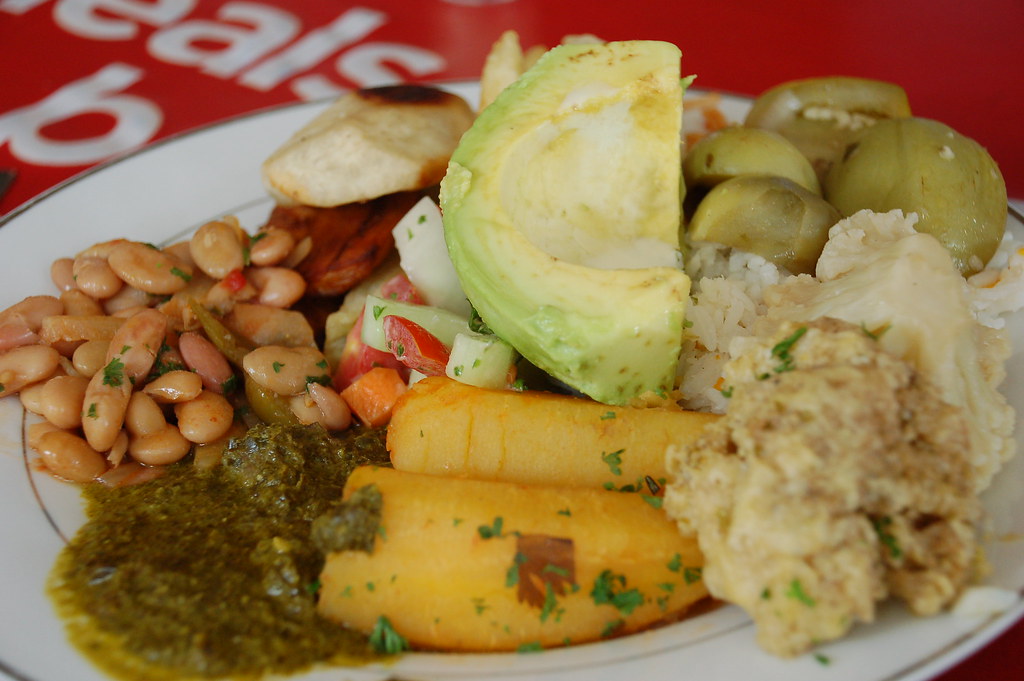
What are the most popular local dishes in Rwanda?
Rwanda has a rich culinary tradition rooted in agriculture, with dishes often centered around locally grown ingredients. One of the most popular staples is ugali, a starchy dish made from maize or cassava flour. It has a dough-like consistency and is typically served with vegetables, beans, or meat stews. Ugali is very filling and forms the backbone of many meals in Rwandan households.
Another beloved dish is isombe, which consists of cassava leaves that are mashed and cooked with ground peanuts or palm oil for flavor. This dish is commonly prepared during family meals and goes well with rice, plantains, or sweet potatoes.
Matoke, or stewed green bananas, is another favorite in Rwanda. This dish involves cooking unripe bananas with onions, tomatoes, and a blend of seasonings until tender, resulting in a slightly sweet and savory flavor.
Beans are a significant part of the Rwandan diet. A dish referred to as ibishyimbo, or bean stew, is often enjoyed with rice or other staples. Similarly, brochettes, which are meat or fish skewers, are highly popular. These are often seasoned, grilled, and served with accompaniments like French fries, plantains, or vegetables.
Milk holds a special cultural significance in Rwanda and is consumed in various forms. For example, ikivuguto is a traditional fermented milk drink that’s tangy and thick in texture – much like yogurt.
For a treat, people enjoy mandazi, which are sweet, fried dough snacks similar to donuts but less sugary.
These dishes reflect the simplicity and deep connection to agriculture that defines Rwandan cuisine.
Where can I find the best traditional Rwandan food?
To enjoy authentic traditional Rwandan food, try visiting local restaurants known as “melange” eateries, scattered across Kigali and other towns. These places serve common Rwandan meal combinations, typically featuring potatoes, beans, cassava leaves, and sometimes meat.
One popular location in Kigali is Chez Lando. Known for its vibrant atmosphere, it serves dishes like brochettes and plantains alongside other Rwandan classics.
Another great spot is Simba Supermarket Food Court, where local food options are served fresh daily. It’s common to see traditional meals offered at food counters here, allowing diners to mix and match their plates with staples like rice, isombe, and stewed beans.
Afrika Bite, located in Kigali, is another excellent choice for Rwandan cuisine. Their buffet allows guests to try an array of traditional dishes affordably, including matoke and ugali.
For a more rural and authentic experience, visiting local markets is a great way to try Rwandan finger foods or snacks like mandazi. The markets also give insight into the types of ingredients that go into everyday cooking. Engage with street vendors in places like Nyamirambo in Kigali, where families often prepare home-cooked Rwandan recipes.
If you’re looking for an alternative to urban dining, consider staying with local families in villages. This can be arranged through cultural tourism organizations, and it’s the best way to experience fresh, homemade, traditional meals. Rural dining often includes freshly roasted meats, organic vegetables, and the tangy fermented milk, ikivuguto.
Are there any must-visit restaurants in Kigali?
Kigali, the capital of Rwanda, offers a variety of restaurants catering to diverse preferences. If you’re seeking meals with a touch of Rwandan culture, Repub Lounge is a top-rated pick. They serve both local and fusion dishes with a menu that often features brochettes, sweet potatoes, and playful spins on traditional isombe.
Another highly recommended spot is The Hut, where a blend of contemporary dining and traditional African cuisine creates a memorable dining experience. Their menu includes Rwandan staples, regional dishes, and even some Indian-inspired options.
Inzora Rooftop Café, while known primarily for its coffee and relaxing ambiance, also serves simple meals and snacks curated from locally sourced ingredients. It’s a perfect stop for light dining.
For high-end dining, Brachetto is a favorite among locals and visitors alike. Though its focus leans more toward European and Italian cuisine, the restaurant occasionally incorporates Rwandan dishes into its specials.
Foodies with a taste for eco-conscious and organic dining will enjoy Kimironko Market food stalls. While mostly a bustling marketplace for fresh produce, several small pop-up eateries make it an ideal place to grab a local quick bite.
Finally, those looking for a fine gastronomic experience should visit Fusion Restaurant at The Retreat Kigali, renowned for its upscale mix of African, European, and Asian influences. It’s a bit pricier, but its curated dishes leave a lasting impression.
What are the best spots for street food in Rwanda?
Street food in Rwanda offers an affordable and flavorful way to try local dishes, particularly in busy cities like Kigali or smaller towns such as Musanze. A popular dish you’ll find at most street food stalls is brochettes, which are skewers of grilled meat (goat, fish, or sometimes chicken). They are often marinated with spices, grilled to perfection, and served with fried plantains or potatoes.
In Kimironko Market in Kigali, street vendors sell everything from grilled corn to fresh sambusas (similar to samosas, with fillings like spiced meat or vegetables). Another market, Nyamirambo, is known for its lively atmosphere and a variety of food stalls that sell items like freshly made chapati (flatbread), mandazi (a type of sweet doughnut), and affordable Rwandan dishes.
Food stalls near bus stops or neighborhood centers are also great places to find street food. Look for items like crispy fried tilapia, boiled maize (corn on the cob), and “Agatogo,” a stew made with plantains, vegetables, and optional meat.
When trying street food, it’s a good idea to focus on vendors with a large crowd, as this indicates the food is fresh and popular with locals. For example, check out Gisimenti Night Food Market in Kigali, which is busy at night and serves an array of grilled dishes, snacks, and juices. Hygiene varies among vendors, so you might want to prioritize freshly prepared food.
Are there international cuisine options available in Rwanda, and where?
Rwanda, especially Kigali, offers a range of international cuisine options to suit various tastes. These options include Indian, Chinese, Italian, Lebanese, Ethiopian, and more. Restaurants featuring such cuisines are typically found in urban areas, frequented by both residents and travelers.
For Indian cuisine, try Khana Khazana in Kigali, a well-known restaurant serving dishes such as butter chicken, biryani, and naan bread. If you’re in the mood for Chinese food, Bamboo Rooftop Restaurant offers favorites like fried rice, dumplings, and noodles. Those seeking Italian dishes can visit Soleluna, known for its pizzas, pasta dishes, and a family-friendly atmosphere.
Rwanda also has a significant influence from Middle Eastern and Lebanese dining. Meze Fresh provides Mediterranean and Mexican fusion dishes like tacos, burritos, and kebabs, which are a hit with younger diners and expatriates. For Ethiopian cuisine, check out Habesha Ethiopian Restaurant, where dishes like injera (spongy flatbread) are served alongside richly spiced stews (known as wot).
International fast food chains are not as common, but there are a few places that serve Western-style burgers, fries, and sandwiches, such as Riders Lounge and Java House. Cafes often blend Western food with local ingredients.
For travelers outside Kigali, international options can be found in tourist-friendly areas like Musanze or near Lake Kivu. However, these might be more limited in variety compared to Kigali.
What are the most recommended fine dining establishments in Rwanda?
Rwanda’s fine dining experiences are largely concentrated in Kigali, where high-end restaurants offer premium food, sophisticated ambiance, and exceptional service. One of the top recommendations is Heaven Restaurant, which combines modern Rwandan cuisine with an international twist. Located in the Kiyovu neighborhood, this venue offers dishes like grilled fish with spicy plantains, goat cheese salads, and even a wide array of wines.
Fusion Restaurant, located inside The Retreat boutique hotel, provides a mix of African, Asian, and Western flavors. Known for using locally-sourced, organic ingredients, this place serves items like fresh fish carpaccio or a flavorful lamb curry. The serene garden setting adds to its appeal.
For a French-style fine dining experience, Repub Lounge stands out. The restaurant showcases traditional Rwandan foods like cassava leaves, but with elevated presentation and top-quality ingredients. It also blends local dishes with international techniques.
Those interested in dining near breathtaking views should consider Pili Pili. While it is more casual, it is known for its high-quality steaks, seafood platters, and wood-fired pizzas. Visitors appreciate the restaurant’s modern vibe, high-up location, and a pool area where you can watch the city lights.
Fine dining establishments often require reservations, especially on weekends. Although these restaurants are pricier than others in Rwanda, they offer unique dishes and memorable service, making them worth splurging on special occasions.
Are there vegetarian or vegan-friendly restaurants in Rwanda?
Yes, vegetarian and vegan-friendly dining options are available in Rwanda, particularly in the capital city, Kigali. Many restaurants in Kigali cater to diverse dietary preferences, reflecting the growing awareness of plant-based diets. Some establishments provide explicitly vegetarian and vegan dishes, while others are willing to adjust existing menu items to accommodate dietary restrictions.
For example, restaurants like Meze Fresh, a popular spot for build-your-own burritos and bowls, offer a variety of vegetable and bean-based fillings, making it easy for vegetarians and vegans to create satisfying meals. Similarly, Turambe Shoppe is another excellent choice for wholesome, plant-based meals with fresh salads, wraps, and smoothies.
Traditional Rwandan cuisine can also be suitable for vegetarians. Many local dishes, like ibihaza (pumpkin stew), isombe (cassava leaves with peanut sauce), and varieties of beans, maize, and sweet potatoes, are naturally plant-based. Visiting traditional eateries or local markets offers great opportunities to enjoy these naturally vegetarian dishes.
For fully vegan or vegetarian-dedicated restaurants, options may be more limited beyond Kigali. However, with the increasing popularity of plant-based eating worldwide, many hotels and restaurants throughout the country are accommodating requests for vegetarian or vegan meals. It’s always advisable to communicate your dietary preferences in advance, especially when traveling outside major cities.
In short, while Kigali offers a more diverse selection of vegan and vegetarian options, it’s still possible to enjoy plant-based meals throughout Rwanda, especially by exploring dishes rooted in traditional local cuisine.
How affordable are food and dining options in different parts of Rwanda?
The cost of food and dining in Rwanda varies depending on where you are eating. In general, food is considered quite affordable compared to many other countries. Local eateries and street stalls offer budget-friendly options, while high-end restaurants in urban areas like Kigali are pricier but still reasonable by international standards.
For a budget-friendly meal, local restaurants known as “melanges” serve traditional Rwandan dishes like beans, rice, plantains, and stews for as little as 1,500–3,000 RWF (about $1.25–$2.50 USD). A plate often includes a variety of items, ensuring it is filling and nutritious.
Street food, such as brochettes (grilled meat or vegetable skewers) and fresh fruit from markets, is even more affordable, costing around 500–1,000 RWF ($0.50–$1 USD) per item. These stalls are common and offer great value.
Mid-range restaurants in cities, offering both local and international cuisines, may cost around 6,000–12,000 RWF ($5–$10 USD) per person for a decent meal, including a drink. Examples include cafes or casual dining spots in Kigali.
For fine dining or specialty restaurants, meals may range from 15,000–40,000 RWF ($12–$35 USD) depending on the establishment and menu. High-end places tend to focus on international cuisine or upscale takes on Rwandan dishes, often located in luxury hotels.
In smaller towns or rural areas, you’ll find very inexpensive food, but the variety may be more limited, mostly revolving around staples like bananas, cassava, and beans.
Overall, whether you’re a budget traveler or ready to splurge, Rwanda offers dining options to suit almost any price range.
What are the best locations for coffee and tea in Rwanda?
Rwanda is renowned for its coffee and tea, both of which are key exports and hold a special place in the country’s culture. Whether you’re a fan of a good cup of coffee or a soothing tea, there are plenty of excellent places to enjoy these beverages.
For coffee lovers, Question Coffee in Kigali stands out as one of the best spots. They serve high-quality Rwandan coffee grown by local farmers, and the staff often shares insights into the coffee-making process. You can try different types of coffee, ranging from espresso to pour-over. This café also offers barista training programs, making it a favorite among coffee enthusiasts.
Inzora Rooftop Café, also located in Kigali, is another fantastic place for coffee. It offers a cozy atmosphere with stunning rooftop views, making it a great spot to relax while sipping a cappuccino or enjoying French press coffee. They prioritize locally sourced coffee beans to support domestic agriculture.
If you’re more inclined toward tea, Rwanda has options for you too. The country produces some of the finest black tea, much of which is grown in areas like Nyungwe and the Northern Province. Enjoying tea in rural guesthouses or tea plantations is a unique experience that connects one to the countryside.
Tea houses like Bourbon Coffee in Kigali serve classic, locally sourced tea and coffee. For a quieter and more immersive experience, you can visit tea-growing areas such as the Nyungwe Forest region, where some lodges provide tea-tasting tours.
In rural areas, many small shops and markets sell African tea, a popular drink made of black tea brewed with milk, sugar, and sometimes spices like ginger. It’s a delicious and comforting beverage that locals enjoy daily.
In essence, whether enjoying coffee in an urban café or experiencing tea at its source in the countryside, Rwanda has excellent options for appreciating these beloved drinks.
Are there any food festivals or culinary events in Rwanda to explore?
Rwanda hosts various food festivals and culinary events throughout the year, offering people the opportunity to enjoy local cuisine, connect with farmers and chefs, and gain insight into the food culture. One prominent event is the Rwanda Coffee Festival, which highlights the country’s reputation for producing world-class coffee. Visitors can participate in coffee tastings, learn about the production process, and meet local coffee growers.
Another popular event is the Rwanda Dairy and Meat Festival, which is focused on showcasing locally-sourced dairy products like milk and cheese, as well as meat products from Rwandan farms. This festival often includes live cooking demonstrations and cultural performances.
The Kigali Farmers’ and Artisans’ Market is another notable gathering that happens monthly. It offers not only fresh produce but also prepared dishes, baked goods, and drinks from around Rwanda. It’s an excellent way to support local producers and try traditional and modern Rwandan foods in one location.
Smaller-scale events sometimes take place in Kigali and other urban areas, such as themed culinary nights or food tasting events organized by restaurants or expatriate groups. While these might not qualify as full festivals, they can be enjoyable for exploring different cuisines present in the country.
If you’re visiting Rwanda, it’s a good idea to check event listings or social media platforms for updated schedules. These events are a fun way to mix with locals and learn about the food traditions that hold cultural significance in Rwanda.
Are there specific dietary considerations or customs to be aware of when eating in Rwanda?
When eating in Rwanda, there are several dietary customs and considerations to be mindful of. One key aspect of Rwandan dining culture is its focus on communal meals, especially in rural areas. Meals are often shared amongst family members, and it is customary to eat together as a sign of unity and bonding.
Politeness is a major part of dining etiquette. For example, it is considered courteous to wash your hands before eating, especially if you are dining in someone’s home. Many traditional meals involve using your hands instead of cutlery, though utensils are available in most urban restaurants.
Another consideration is that people commonly eat plant-based staples like beans, sweet potatoes, cassava, and plantains, often paired with side dishes such as soups or sauces. If you have specific food allergies or preferences, it can be helpful to learn a few Kinyarwanda phrases to communicate this, though English and French are widely spoken in urban areas.
A common custom involves respecting the host’s choices of food when invited to eat in someone’s home. Refusing food could be seen as impolite, so even if you’re not a fan of a certain ingredient, it’s appreciated to try a small amount.
For dietary restrictions, vegetarians and vegans will find it relatively straightforward to eat in many areas, as many traditional meals are plant-based. However, those requiring gluten-free options may need to clarify their needs, as bread and grains are staples in some meals.
Lastly, note that drinking alcohol during meals is not always socially acceptable in rural settings, even though it is more common at urban restaurants.
Can I find organic or farm-to-table dining options in Rwanda?
Yes, organic and farm-to-table dining options are increasingly available in Rwanda, especially in Kigali and other urban centers. Many restaurants are committed to sourcing local, fresh, and organic ingredients to create their menu offerings. This aligns well with Rwanda’s agricultural focus and the abundance of fresh produce found in the country.
An example of farm-to-table dining is the well-known restaurant The Hut in Kigali, which uses locally and sustainably grown ingredients in most of its dishes. They often advertise their focus on fresh vegetables, herbs, and fruits sourced directly from nearby farms. Similarly, Heaven Restaurant & Boutique Hotel regularly incorporates ingredients from their own gardens or local cooperatives, giving diners high-quality organic meals.
Many coffee shops, such as Question Coffee, also pride themselves on promoting organic and fair-trade practices. They collaborate with Rwandan coffee farmers and train them to follow sustainable practices, ensuring not only excellent coffee but also support for local communities.
For those interested in directly connecting with growers, visiting farmers’ markets or cooperatives like the Kimironko Market is a fantastic option. While it’s not a dining establishment, you can see the array of organic produce firsthand, which gives you a sense of how much fresh food contributes to local cuisine.
Whether you are looking for fine dining or casual restaurants, many establishments in Rwanda have prioritized offering meals made from organic and naturally sourced ingredients. This trend is likely to grow as demand for sustainable eating continues to rise.
How to Book Your Safari in Rwanda
Looking for great places to eat in Rwanda? This guide broke down the ‘what,’ ‘how,’ and ‘why’ of enjoying local food, from traditional Rwandan dishes to modern dining spots in Kigali and beyond. Ready to explore these culinary delights while discovering Rwanda’s natural beauty? Book your trip with one of the trusted Rwanda Safari Companies. They’ll help combine your food adventures with unforgettable wildlife safaris. Start planning today!