
Things to Do in Kigali
Kigali is one of Africa’s most welcoming and well-organised capital cities, offering a rich mix of cultural sites, day trip adventures, and vibrant local markets. As the gateway to Rwanda’s world-famous gorilla trekking safaris, Kigali rewards visitors who spend a few extra days exploring the city itself. Whether you are planning a short Rwanda vacation or building a longer East Africa safari itinerary, the capital delivers meaningful experiences at every turn.
Part of our complete guide to the best things to do in Rwanda.
Kigali Genocide Memorial: Understanding Rwanda’s Modern History
No visit to Kigali is complete without spending time at the Kigali Genocide Memorial in Gisozi, a 10-minute drive from the city centre. The memorial is the burial site of more than 250,000 victims of the 1994 genocide, and its permanent exhibitions trace the history of Rwanda, the events of 1994, and the country’s remarkable path toward reconciliation. Entrance is free for all visitors, though a donation of $10 to $25 USD is encouraged to support ongoing education and preservation work. Plan a minimum of two to three hours here, as the site deserves careful, unhurried attention. The memorial is open 9:00 am to 5:00 pm daily, with last entry at 4:00 pm.
Guided tours are available in several languages, and the knowledgeable staff provide important historical context that deepens the experience significantly. The memorial garden is quietly reflective, offering a space for contemplation after the powerful indoor exhibitions. Visiting this site gives Rwanda travel a dimension of understanding that shapes everything else you see and do in the country.
Inema Arts Center: Kigali’s Creative Hub for Contemporary Art
The Inema Arts Center in the Kimihurura neighbourhood is one of Kigali’s most dynamic cultural destinations, founded by brothers Emmanuel and Innocent Nkurunziza. The gallery showcases bold, large-format paintings and sculptures by Rwandan artists, with works that explore themes of identity, memory, history, and daily life. Entry costs around 10,000 to 15,000 Rwandan Francs (approximately $7 to $10 USD). The center also hosts live art workshops where visitors can try painting under the guidance of resident artists, making it an interactive cultural stop rather than a passive gallery visit.
The studio space is active most mornings, so arriving before noon gives you the best chance of watching artists at work. Many pieces at Inema are available for purchase, making it an excellent place to find authentic Rwandan art to bring home. International wildlife and nature themes appear frequently in the work, reflecting Rwanda’s deep connection to its natural environment.
Kimironko Market: Shopping for Local Crafts and Fresh Produce
The Kimironko Market is the largest and most colourful market in Kigali, running daily across several sprawling blocks in the eastern part of the city. Stalls overflow with bright African fabrics called kitenge, handwoven baskets, fresh tropical fruits, vegetables, spices, and household goods. This is where locals shop, and the energy of the place reflects genuine day-to-day Rwandan life rather than a curated tourist experience. Bargaining is expected on craft and fabric purchases, though prices for fresh food are usually fixed.
Budget around $30 to $80 USD if you plan to buy fabrics or crafts, as the quality textiles here are excellent value compared to airport shops. Mornings between 8:00 am and 11:00 am are the best time to visit before the heat of the day and the peak afternoon crowds arrive. The market is a short moto-taxi or ride-share trip from most central Kigali hotels.
Caplaki Crafts Village: Rwanda’s Premier Artisan Shopping Destination
For Rwanda handicrafts in a more organised setting, the Caplaki Crafts Village near the Remera district brings together dozens of Rwandan artisans selling their work under one roof. You will find traditional Agaseke peace baskets, hand-carved wooden animals, recycled tin art, soapstone sculptures, and batik paintings. Prices here are generally higher than Kimironko Market but the range of traditional crafts is wider and quality is consistent. Many pieces are certified fair trade, meaning the price you pay goes directly to the artisan and their community.
The peace baskets are particularly worth seeking out: these tightly woven Rwandan baskets were historically used in wedding ceremonies and today are a recognised symbol of reconciliation. A quality basket can cost $15 to $60 USD depending on size and complexity of the pattern. Caplaki is open daily and is a standard stop on most organised Kigali city tours.
Kandt House Museum: Rwanda’s Colonial History and Natural Heritage
The Kandt House Museum, located in the Nyarugenge district, occupies the restored residence of Richard Kandt, the German colonial resident who founded Kigali in 1907. The museum covers Rwanda’s natural history, wildlife, and the colonial period through well-curated displays and original artefacts. Entry costs approximately $5 USD, making it one of the most affordable cultural attractions in the city. The surrounding garden contains some of the oldest trees in Kigali, planted during the colonial era.
The museum’s natural history wing includes displays on Rwanda’s famous mountain gorillas, golden monkeys, and the rich birdlife found across the country’s national parks, giving first-time visitors useful context before heading out on wildlife safaris. Allow 60 to 90 minutes to explore the house and grounds at a relaxed pace. The museum is within walking distance of several good cafes in the Nyarugenge area.
Nyandungu Eco-Park: City Nature Walk and Wetland Wildlife
The Nyandungu Eco-Park is a 130-hectare urban wetland park located close to the airport, making it an ideal stop on arrival or departure day. The park protects a restored wetland ecosystem and hosts over 200 bird species, including African fish eagles, malachite kingfishers, and various waders that draw serious birding enthusiasts from around the world. Entry fees are modest at around $5 USD for international visitors. Well-maintained walking and cycling trails loop through the reeds and along open water channels.
The park represents Kigali’s commitment to green urban planning, and a visit here pairs well with a broader Rwanda wildlife and conservation narrative. Early morning between 6:00 am and 9:00 am is the best time for birdwatching when species are most active at the water’s edge. The park is popular with Kigali residents for morning exercise, giving it a pleasant, community-oriented atmosphere distinct from commercial tourist sites.
Gorilla Trekking Day Trips from Kigali to Volcanoes National Park
The most popular safari adventure from Kigali is gorilla trekking in Volcanoes National Park, a 2.5-hour drive northwest through Rwanda’s green hill country. Rwanda gorilla trekking permits cost $1,500 USD per person in 2026, with a discounted rate of $1,050 available during the low season (November to May) for visitors who also visit Akagera and Nyungwe national parks. Each permit allows one hour with a habituated gorilla family in their natural forest habitat, an experience that ranks among the most extraordinary in African wildlife travel.
Full-day guided gorilla trekking packages from Kigali start at around $2,000 USD per person and typically include round-trip transport, a park ranger guide, the trekking permit, lunch, and hotel pickup and drop-off. The trek itself varies from 30 minutes to 6 hours depending on where the gorilla family is located on the volcanic slopes that morning. Many visitors combine gorilla trekking with golden monkey tracking (permit: $100 USD) or a volcano hike ($75 to $100 USD per person) for a two-to-three-day Musanze-based itinerary.
Akagera National Park Safari Day Trip from Kigali
For a classic African game drive safari experience, Akagera National Park sits approximately two hours east of Kigali along Rwanda’s border with Tanzania. Akagera is Rwanda’s only savanna park and home to the Big Five: lions, leopards, elephants, buffaloes, and black rhinos, all reintroduced successfully over the past decade. Park entry fees are $100 USD per international visitor per day. Full-day safari day trips from Kigali run from approximately $319 to $405 USD per person including transport, park fees, and lunch.
The Akagera experience combines open savanna game drives with boat safari tours on Lake Ihema, where hippos, crocodiles, and hundreds of waterbirds can be observed at close range. Akagera’s conservation success story is one of the most compelling in Africa, and the park supports community-owned tourism that directly benefits local villages bordering the park. Morning game drives starting before 7:00 am offer the best wildlife viewing as animals are most active in the cooler hours.
Getting to Kigali: Flights and Airport Logistics
Kigali International Airport (KGL) is Rwanda’s only international airport, located approximately 10 kilometres east of the city centre. RwandAir, the national carrier, connects Kigali to major African hubs including Nairobi, Entebbe, Johannesburg, Addis Ababa, and Dar es Salaam, as well as direct services to Brussels and London Gatwick. Several major international carriers also fly to Kigali via European and Middle Eastern hubs. The taxi journey from the airport to central Kigali takes 15 to 25 minutes and costs approximately $15 to $25 USD by metered taxi or ride-share app.
Rwanda operates a strict no single-use plastic policy at all entry points, including the airport. All plastic bags will be confiscated at customs, so pack reusable bags before arrival. Kigali is consistently ranked among Africa’s cleanest and safest cities, and the airport experience reflects this with efficient, organised immigration and baggage handling that makes arriving a genuinely pleasant experience.
Where to Stay in Kigali: Neighbourhoods and Hotel Options
The Kimihurura neighbourhood is the most convenient base for first-time visitors, centrally located near the arts centres, restaurants, and well-connected to the rest of the city. The Kiyovu district offers a more upscale residential atmosphere with boutique hotels set among Kigali’s famous hilly streets and green spaces. Budget accommodation starts at around $17 USD per night for guesthouses, while mid-range hotels average $80 to $150 USD, and luxury properties with pools and multiple dining options run $200 to $400 USD per night.
The Marriott Kigali, Radisson Blu, and Heaven Boutique Hotel are consistently among the top-rated properties for international Rwanda holidays visitors. Most Kigali hotels can arrange transport to gorilla trekking, Akagera safaris, and Volcanoes National Park as part of pre-arranged tour packages, making them useful logistical bases for multi-day Rwanda safari vacations.
Free entry (donation of $10-$25 USD encouraged). Open daily 9:00 am – 5:00 pm.
Approx $7-$10 USD entry. Art workshops available at additional cost.
From $89 USD per person (group) to $113 USD (solo). Includes key sites and market visit.
$1,500 USD per person (2026). Low season discount: $1,050 USD with multi-park visit.
$100 USD per person. Can be combined with gorilla trekking on a two-day Musanze trip.
$75-$100 USD per person. Bisoke and Karisimbi are the most popular hikes.
$319-$405 USD per person from Kigali, including transport, park fees ($100 USD), and lunch.
Approx $5 USD entry. Best visited at dawn for birdwatching.
Estimates include activities and accommodation only. Flights, meals, and park entry fees not included in all line items. Gorilla permit discounts apply Nov-May with multi-park visits.
How far is Volcanoes National Park from Kigali, and is gorilla trekking possible as a day trip?
Volcanoes National Park is approximately 2.5 hours by road from Kigali, making gorilla trekking technically possible as a very long day trip. However, most experienced operators recommend spending at least one night in Musanze (the nearest town) to avoid the early morning rush and allow for a more relaxed trekking experience. The trek can last anywhere from 30 minutes to 6 hours depending on the gorilla family’s location that day, so an overnight stay gives you a much more comfortable itinerary.
What is the best time of year to visit Kigali and go on a Rwanda safari?
Rwanda can be visited year-round, but the two dry seasons offer the most comfortable conditions. The main dry season runs from June to September, and the short dry season from December to February. These periods are ideal for gorilla trekking, Akagera safari drives, and Kigali city exploration as rain is infrequent and forest trails are less muddy. The low season (March to May and November) brings heavier rain but also lower gorilla permit prices: the 30% discount reduces permits from $1,500 to $1,050 USD per person for qualifying multi-park visitors.
Is Kigali safe for tourists and solo travellers?
Kigali is consistently ranked as one of the safest capitals in Africa. The city has low levels of street crime, a well-organised police presence, and is notably clean due to Rwanda’s strict environmental regulations. Solo travellers, including solo women, regularly report feeling comfortable walking around the city during daylight hours. The main precautions are standard urban ones: avoid displaying expensive equipment openly and use registered taxis or ride-share apps rather than unmarked vehicles for late-night transport.
Do I need a visa to visit Rwanda for a Kigali city trip or gorilla trekking safari?
Citizens of most African Union member states can enter Rwanda visa-free. Citizens of many other countries including the USA, UK, EU member states, Canada, and Australia can obtain a visa on arrival at Kigali International Airport or online via the Rwanda Online Visa Portal for $50 USD (30-day single entry) or $70 USD (multiple entry). East African Community members have additional visa-free or low-cost arrangements. Always check the current Rwanda immigration portal before travel as visa policies are updated regularly.
Can I combine Kigali sightseeing with Nyungwe Forest and Akagera on one Rwanda trip?
Yes, a 7-to-10-day Rwanda itinerary can comfortably include Kigali (2 nights), Volcanoes National Park for gorilla trekking (2-3 nights), Nyungwe Forest for chimpanzee tracking and the canopy walkway (2 nights), and Akagera National Park for the Big Five safari (2 nights). This circuit covers Rwanda’s three main wildlife destinations and gives a comprehensive experience of the country’s remarkable conservation work. Nyungwe chimpanzee permits cost $150 USD per person and the canopy walk is an additional $60 USD.
What currency is used in Kigali and can I pay with USD?
The Rwandan Franc (RWF) is the official currency. USD is widely accepted at hotels, tour operators, and larger restaurants in Kigali, particularly for bills over $10 USD. Major credit cards (Visa and Mastercard) work at most hotels and upmarket restaurants. ATMs are widely available in central Kigali and dispense Rwandan Francs. For market shopping at Kimironko or small local restaurants, carrying RWF cash is advisable. As of 2026, approximately 1,300 to 1,400 RWF equal one USD.
Kigali Food Tours
Kigali food tours offer visitors a direct window into Rwanda’s rich culinary culture, taking you from bustling open-air markets to neighbourhood kitchens where traditional recipes have been passed down through generations. A Kigali food tour is one of the most rewarding ways to spend a day in the capital, combining street food tastings, cooking classes, and restaurant visits into a single coherent Rwanda travel experience. Whether you are stopping over between gorilla trekking adventures in Volcanoes National Park or spending dedicated time in the city, the food scene here rewards curious travellers.
Part of our complete guide to the best things to do in Rwanda.
Walking Food Tours Through Nyamirambo Neighbourhood
Nyamirambo is Kigali’s oldest and most densely populated neighbourhood, and it is the natural starting point for any serious food tour in the city. Tour operators such as Jollof’Appétit lead guided walking groups through the area’s narrow streets, stopping at seven or more food stalls and eateries across a three to four hour circuit. You will taste mandazi (fried dough pastries), freshly grilled brochettes, and small cups of strong Rwandan tea at each stop, building a complete picture of everyday Rwandan eating habits. The tours typically meet at ISAME restaurant in the Nyamirambo sector, and groups are kept small so guides can explain the cultural significance of each dish.
Prices for walking food tours run from around $35 to $65 per person in 2026, depending on whether lunch is included. Most operators combine the tasting stops with short explanations of Rwanda’s history, making the walk a genuine cultural immersion rather than a simple snacking exercise. Booking ahead through Viator or directly with local operators is recommended, as weekend slots fill quickly, especially during the peak safari and holidays season between June and September.
Nyamirambo Women’s Center Cooking Class Experience
The Nyamirambo Women’s Center runs one of the most talked-about cooking experiences in all of East Africa, combining a market visit with a hands-on cooking session led by local women. The class begins at Kimironko Market, where participants choose fresh ingredients including sweet potatoes, cassava leaves, plantains, and goat meat before walking to a residential kitchen nearby. Over roughly two hours you will learn to prepare isombe (cassava leaves cooked with ground peanuts), ugali (maize flour porridge), and a simple bean stew using techniques that have barely changed in decades.
The center charges around $25 to $40 per person for the half-day experience, with all ingredients and a shared meal included. Proceeds directly support the women who lead the tours and fund the center’s community programs across the Nyamirambo district. For travellers on Rwanda safari vacations who want to connect with local life beyond wildlife experiences, this cooking class is one of the most meaningful activities available in Kigali. The session closes with everyone eating together around a shared table, which is exactly how most Rwandan families approach the midday meal.
Kimironko Market Food Exploration
Kimironko Market is Kigali’s largest and most active market, and a self-guided or guided visit here gives you unfiltered access to the raw ingredients that define Rwandan cooking. You will find rows of vendors selling fresh tropical fruits, dried beans in every size and colour, stacks of matoke (green cooking bananas), cassava roots, and piles of dark leafy greens used in everyday cooking. Street food vendors positioned along the market’s outer edges serve roasted maize cobs, chapati flatbreads, and deep-fried mandazi from portable charcoal stoves for prices under one US dollar per item.
The best time to visit Kimironko Market for food exploration is Monday through Friday between 9am and 2pm, when vendors are fully stocked and the atmosphere is at its most lively. Hiring a local guide for around $15 to $20 for a two-hour tour is strongly advised, as most vendors speak only Kinyarwanda and a guide will open conversations and negotiate fair tasting prices on your behalf. For travellers who have already done their gorilla trekking or volcano hiking, a morning at Kimironko Market offers a grounded and genuinely local contrast to the wilderness adventure experiences elsewhere in Rwanda.
Traditional Rwandan Dishes to Seek Out on Any Food Tour
Understanding the key dishes of Rwandan cuisine helps you get more from any food tour in Kigali. Brochettes are the city’s most beloved street food: skewers of goat, beef, pork, or tilapia fish grilled over charcoal and served with fried plantains and a sharp chilli sauce. Matoke, steamed and mashed green bananas, appears alongside almost every protein dish and has a mild, starchy flavour that absorbs sauces well. Ibihaza is a pumpkin dish slow-cooked with butter and spices until it reaches a thick, sweet consistency that works as both a side dish and a dessert.
Agatogo is a hearty plantain and vegetable stew that forms the backbone of everyday home cooking across Rwanda, while ekivuguto, a traditional fermented milk drink, is consumed widely and worth trying at a local market stall. Many food tours also include a stop for Rwandan coffee, which is grown in the highland regions and processed through a washing method that produces a clean, fruit-forward cup quite different from the instant coffee served in cheaper restaurants. Rwanda’s specialty coffee has earned international recognition and a dedicated tasting session is a worthwhile addition to any culinary travel itinerary.
Coffee and Tea Farm Tours on the Outskirts of Kigali
Rwanda’s position in the highland zones east of the Virunga volcanoes creates ideal growing conditions for both arabica coffee and black tea, and several farm tour operations now bring visitors out to working plantations within an hour’s drive of Kigali city centre. The Gisovu Tea Estate and farms around Huye district offer guided walks through the tea rows, demonstrations of hand-picking techniques, and tastings of freshly processed tea that bears no resemblance to the bagged varieties available in supermarkets. Coffee farm tours in the Nyamasheke and Gakenke areas follow a similar format, with guides explaining the full process from cherry to roasted bean.
Farm tour day trips from Kigali typically cost between $50 and $90 per person including transport, guide fees, and tastings. Several Rwanda safari tour operators now bundle these farm visits into longer itineraries that might also include a city food tour and an evening at a traditional restaurant, creating a full-day culinary safari experience. The farms are most active and most visually interesting during the harvest months of March to May and October to December, though tours run year-round and the tasting quality remains consistent throughout 2026.
Best Restaurants for Traditional Rwandan Food in Kigali
Repub Lounge is one of the most reliable spots in Kigali for traditional Rwandan meals in a relaxed open-air setting, serving brochettes, grilled tilapia, and Rwandan-style potato dishes at mid-range prices of roughly $8 to $18 per main course. The Hut Restaurant positions itself as a full cultural dining experience with panoramic views across Kigali’s hills, offering set menus built around ugali, gishyimbo beans, and agatogo stew that give an honest picture of everyday Rwandan eating. Chez Lando has been feeding Kigali residents for decades and remains the go-to recommendation for grilled goat brochettes and generous lunch buffets priced around $12 to $15 per person.
For travellers who want to combine fine dining with local flavours, Shokola Restaurant in the Kimihurura neighbourhood serves elevated versions of isombe, nyama choma, and ibihaza alongside international options. Most of Kigali’s best food sits in the Kiyovu, Nyarutarama, and Kimihurura neighbourhoods, which are all reachable within fifteen minutes from the city centre by moto-taxi or ride-share app. Rwanda’s growing tourism sector has pushed restaurant quality noticeably higher across 2026, and even budget travellers will find clean, flavourful meals for under $6 at neighbourhood canteens throughout the city.
Evening Food and Night Market Experiences
Kigali’s evening food scene is centred around the Kigali Night Market, which operates on Friday and Saturday evenings in the Kimironko area and draws both local families and international tourists. Vendors here sell a wider mix of foods than the daytime market, including grilled corn, samosas filled with spiced vegetables or meat, fresh fruit skewers, and sweet banana fritters cooked in large iron pots over open fires. Prices are low, the atmosphere is social, and the variety of food available in one compact space makes it one of the best value food experiences in Kigali for travellers on a budget.
Several tour operators now offer evening food tours that combine a night market visit with dinner at a traditional restaurant and a stop at a local bar for urwagwa (traditional banana beer) or a glass of Inyange passion fruit juice. These evening tours run between 5pm and 9pm and are priced from around $45 to $75 per person. The combination of street food, restaurant dining, and local drinking culture in a single evening gives a more complete picture of modern Kigali than a daytime tour alone, and the evening light over the city’s hills adds a visual dimension that daytime visits cannot replicate.
How to Combine Kigali Food Tours with Rwanda Safari and Gorilla Trekking
Most Rwanda wildlife holidays enter and exit through Kigali International Airport, which places the capital at the natural beginning and end of any gorilla trekking or safari itinerary. A Kigali food tour fits logically into the first or last day of a Rwanda trip, filling the time before or after the long drive north to Musanze and Volcanoes National Park where gorilla trekking permits cost $1,500 per person in 2026. Tour operators such as Silverback Gorilla Tours, Amahoro Tours, and Rwanda Eco Company all offer combined city food tour and wildlife safari packages that make it straightforward to add a culinary component to a standard gorilla trekking vacation.
A typical combined itinerary might run: Day 1 Kigali food tour, Days 2 to 3 gorilla trekking in Volcanoes National Park, Day 4 golden monkey tracking ($100 permit) or volcano hiking ($75 to $100 permit), and a final half-day back in Kigali for coffee tasting before the return flight. This structure gives travellers the full range of Rwanda’s appeal, from urban food culture to high-altitude wildlife adventure, without any wasted travel time. Rwanda’s small geographic size means that no part of this itinerary requires more than three hours of driving from Kigali, which is a genuine practical advantage compared to most East Africa safari destinations.
$35 to $65 per person for a 3 to 4 hour guided walk with 7+ tasting stops. Lunch included in most full-day packages.
$25 to $40 per person including market visit, cooking session, and shared meal. Half-day experience.
$15 to $20 for a 2-hour guided market tour. Self-guided visits are free. Budget $5 to $10 for food tastings.
$50 to $90 per person including transport from Kigali, guided farm walk, and tasting session.
$45 to $75 per person for a 4-hour evening experience combining night market, restaurant dinner, and local bar stop.
$1,500 per person per trek in Volcanoes National Park. Golden monkey permit $100. Volcano hiking $75 to $100.
Practical Tips for Getting the Most from Kigali Food Tours
Book food tours at least two to three days in advance, particularly for cooking classes at the Nyamirambo Women’s Center, which has limited daily capacity and tends to fill up quickly during the Rwanda gorilla trekking peak season of June to September. Wear comfortable walking shoes and bring a small amount of cash in Rwandan francs for market purchases and tips, as most street food vendors do not accept cards. The Kigali food scene has expanded significantly in 2026 and many newer operators now communicate through WhatsApp, which is the most reliable way to confirm tour times and meeting points.
Dietary restrictions are generally well accommodated on guided food tours as long as you inform operators when booking. Rwanda’s food culture is naturally vegetable-forward, with beans, plantains, cassava, and sweet potatoes forming the base of most traditional meals. Travellers who avoid meat will find plenty to eat on any Kigali food tour without needing special arrangements. The safest and most rewarding strategy is to book through an established Rwanda safari or tour operator who can bundle the food tour into a larger itinerary and handle all logistics.
How long does a typical Kigali food tour last?
Most walking food tours in Kigali run for three to four hours, while cooking classes at the Nyamirambo Women’s Center typically take two to three hours including the market visit. Full-day culinary experiences that combine a market tour, cooking class, and restaurant lunch can run from 9am to 3pm. Evening food tours covering the night market and a restaurant dinner last around four hours. You can also create a multi-day food-focused itinerary by combining different experiences on successive days.
What is the best time of year for a Kigali food tour?
Kigali’s food scene operates year-round and the tours themselves are not weather-dependent in the way that gorilla trekking or volcano hiking are. That said, visiting during the dry seasons of June to September or December to February means fewer rain showers during outdoor market walks. The harvest months of March to May and October to December are the best time for coffee and tea farm visits, as the farms are actively picking and processing and the energy on the estates is noticeably higher. The city is busiest between June and September, which is also the peak safari and gorilla trekking season across Rwanda.
Can I do a Kigali food tour on the same day I arrive at the airport?
Yes, and this is actually a popular option for travellers on gorilla trekking vacation packages who arrive in the afternoon and want to spend their first evening in Kigali constructively. The evening food tour format is well-suited to new arrivals as it starts around 5pm, giving you time to check in and freshen up first. Many tour operators based near Kigali International Airport can arrange airport pickup and deliver you directly to the food tour starting point. Confirm logistics when booking to make sure transport is included.
Are Kigali food tours safe for solo travellers?
Kigali consistently ranks as one of the safest cities in Africa for solo travellers, including solo women. The city is notably clean, well-managed, and policed, and food tour operators maintain small group sizes that make the experience comfortable for individuals travelling alone. Most walking tours group solo bookings together, so you will typically be walking with a small international group of three to eight people. Standard urban precautions apply at night markets, primarily keeping your phone and valuables out of obvious display.
What traditional drinks should I try on a Kigali food tour?
The two most distinctly Rwandan drinks to seek out are urwagwa, a traditional banana beer with a slightly sour, fermented taste, and ikivuguto, a thick, tangy fermented milk similar to yogurt that is drunk cold or at room temperature. Inyange passion fruit juice is widely available at market stalls and is one of the most refreshing and affordable drinks in the city at around 50 US cents per bottle. Rwanda’s specialty arabica coffee, processed using the washed method, is worth seeking out at a dedicated coffee shop or farm tasting session for a quality that will surprise anyone used to mass-produced options.
How do I get from Volcanoes National Park back to Kigali for a food tour?
The drive from Musanze, the gateway town for Volcanoes National Park gorilla trekking, to Kigali takes approximately two to two and a half hours by private vehicle on well-maintained tarmac roads. Most gorilla trekking operators include a return transfer to Kigali in their wildlife packages. If you want to do a Kigali food tour on the same day as a morning gorilla trek, it is logistically possible but makes for a long day. A more comfortable arrangement is to plan the food tour for the day after your final gorilla trek, giving you a relaxed cultural experience before your departure flight.
Kigali Convention Center in Rwanda
The Kigali Convention Center Rwanda is a premier venue in Kigali offering world-class facilities for conferences, exhibitions, and events. Located near key attractions like Volcanoes National Park, it serves as a gateway for travelers heading on Rwanda safaris, including renowned gorilla trekking in Rwanda. The center features modern meeting spaces, luxurious accommodations, and fine dining, making it a central hub for both business and leisure. Its strategic location also provides easy access to Kigali’s cultural landmarks, creating a seamless blend of convenience and exploration.
What is the Kigali Convention Center (KCC) and where is it located?
The Kigali Convention Center (KCC) is a multipurpose building designed for hosting a variety of events, such as conferences, exhibitions, meetings, and social gatherings. It serves as one of Rwanda’s premier venues for international and local events. The building is notable for its large dome design, which is symbolic and draws attention for its unique look.
KCC is located in Kigali, the capital city of Rwanda, which lies in the central part of Africa. Specifically, it is situated in the Kimihurura area, near key government and business hubs. The location makes it easily accessible for both local residents and international visitors arriving through Kigali International Airport.
The Convention Center is more than just a building; it is part of a larger complex. This includes the adjacent Radisson Blu Hotel, making it convenient for event attendees who need accommodations. The site is strategically positioned to reflect Rwanda’s growing focus on hospitality, business, and infrastructure.
Kigali itself is often praised for being a clean and organized city, and KCC fits into this image by being not only functional but also a landmark for the city and the country.
When was the Kigali Convention Center officially opened?
The Kigali Convention Center was officially opened on July 8, 2016. This marked a significant milestone in Rwanda’s journey toward becoming an international hub for business and tourism. The opening ceremony was a widely publicized event, showcasing Rwanda’s ambition to attract international attention and host significant global gatherings.
The structure took several years to complete due to the extensive work involved in designing and constructing a world-class facility. The opening aligned with efforts to make Rwanda, and Kigali in particular, a destination for high-level conferences, summits, and other international events. Since its inauguration, the center has played a vital role in lifting Rwanda’s global profile.
Events leading up to the official opening included meticulous planning to ensure the facility met international standards. High-level dignitaries and leaders from around the world were present during the launch, signaling its importance not only to Rwanda but also to Africa as a whole.
What is the cultural or architectural significance of the Kigali Convention Center?
The architectural design of the Kigali Convention Center is deeply tied to Rwanda’s culture and vision for modernization. The standout feature is the dome-shaped structure, which is inspired by the traditional Rwandan king’s palace in Nyanza. This was designed to honor Rwanda’s heritage while showcasing its contemporary aspirations.
The dome is a brightly lit masterpiece, especially stunning at night when it is illuminated in various colors. It represents harmony, unity, and innovation, which are central themes for Rwanda as a country striving toward development while preserving its traditions.
Inside, the design incorporates both modern aesthetics and subtle Rwandan cultural elements, such as patterns inspired by woven baskets, which are significant in Rwandan crafts. These details ensure that visitors experience a blend of traditional authenticity and global sophistication.
Culturally, it symbolizes Rwanda’s commitment to positioning itself as a leader in Africa, especially in terms of international business and tourism. Architecturally, it has become a landmark in Kigali, recognized by visitors from around the world. It serves practical purposes while also offering symbolic value, bridging history with progress.
What facilities and amenities are available at the Kigali Convention Center?
The Kigali Convention Center (KCC) is a modern multi-purpose venue offering a wide range of facilities and amenities designed to host events, conferences, and meetings of various scales.
At its core, the center features a state-of-the-art auditorium with a seating capacity of approximately 2,600 people. This technologically advanced space is equipped with world-class audiovisual systems, including large screens and sound equipment, making it suitable for large conferences, performances, and presentations.
The KCC also includes numerous meeting rooms of varying sizes that cater to smaller gatherings, corporate meetings, and breakout sessions. These rooms are designed to be flexible and can be arranged in formats like boardrooms, classrooms, or theater style based on the specific needs of an event.
For exhibitions and trade shows, the center houses a spacious exhibition hall with enough room to accommodate booths, displays, and interactive setups. The hall is versatile and can be adjusted to suit different layouts.
Other amenities include banquet facilities for hosting formal dinners or receptions, as well as catering services to provide meals and refreshments to event attendees. The on-site catering team is known for offering a variety of cuisines, including local Rwandan dishes and international meals.
Additionally, KCC offers VIP lounges and executive areas, which provide a comfortable and private space for dignitaries and high-profile guests.
For convenience, the center includes essential features like ample parking slots, free Wi-Fi, and a business center with printing and administrative support services.
The KCC is also environmentally conscious; it incorporates energy-efficient infrastructure, including solar panels and water recycling systems.
These offerings demonstrate how the Kigali Convention Center accommodates a diverse range of needs, from international business gatherings to local community events.
What major events or conferences have been hosted at the Kigali Convention Center?
Since its opening in 2016, the Kigali Convention Center (KCC) has hosted many significant international and regional events, reinforcing its position as a key venue in Africa. One standout event is the African Union (AU) Summit, held in 2016. This high-profile gathering brought together heads of state and government officials from across the continent to discuss crucial political and developmental topics.
Another major conference hosted at KCC is the Commonwealth Heads of Government Meeting (CHOGM) in 2022. This event brought leaders from Commonwealth nations to Rwanda to deliberate on global issues such as governance, trade, and sustainable development. Rwanda’s hosting of this meeting highlighted its growing role on the international stage.
KCC regularly serves as the venue for the Transform Africa Summit, an annual conference focused on technology, innovation, and digital transformation in African countries. It also hosted the Africa Green Revolution Forum (AGRF), which discusses agricultural transformation and food security in Africa.
The venue regularly accommodates corporate events, such as the Kigali International Financial Summit, aimed at positioning Rwanda as a financial hub, and regional meetings by organizations like the World Bank and United Nations.
In addition to formal conferences, KCC hosts cultural and entertainment events. For instance, it has been used for music concerts, award shows, and art exhibitions, showcasing both local talent and international performers.
These events and their global audiences highlight how the Kigali Convention Center serves as a central hub for diplomacy, business, and culture in Africa.
How does the Kigali Convention Center contribute to Rwanda’s economy and tourism?
The Kigali Convention Center plays an important role in boosting Rwanda’s economy and tourism sector by acting as a magnet for international events and visitors.
First, KCC has significantly strengthened Rwanda’s position as a hub for business tourism or MICE tourism (Meetings, Incentives, Conferences, and Exhibitions). By attracting large events such as the African Union Summit or the Commonwealth Heads of Government Meeting, the center draws delegates, speakers, and attendees from across the globe. Many of these visitors stay in Rwandan hotels, dine at local restaurants, and visit tourist sites, directly contributing to the economy.
The KCC also provides employment opportunities, both directly and through its associated operations. Staff working in event organization, catering, maintenance, and security benefit from these job opportunities. Additionally, the events hosted at KCC create demand for related services, such as printing, transport, logistics, and event planning, further boosting local businesses.
From a tourism perspective, KCC has elevated Rwanda’s international profile. Many visitors who come to Kigali for a conference choose to extend their stay and explore the country’s sights, including Volcanoes National Park, home to mountain gorillas, or Akagera National Park. The presence of a world-class convention center positions Kigali as a safe, modern, and innovative city, enhancing its reputation as a must-visit destination in Africa.
Since KCC was constructed with sustainability in mind, it’s also a symbol of Rwanda’s commitment to environmentally friendly growth. This appeal helps Rwanda attract events and visitors who value green initiatives.
In essence, the Kigali Convention Center not only hosts events but also creates a ripple effect, fostering economic growth, strengthening global ties, and promoting Rwanda as a premier destination within Africa.
Who designed and constructed the Kigali Convention Center?
The Kigali Convention Center (KCC) was designed by a German architectural firm called Spacial Solutions, while the engineering and technical aspects were handled by another German firm, Messe Berlin International. Construction of the KCC was carried out by Ammann & Whitney, which is now part of Louis Berger, and Roko Construction, a prominent construction company in East Africa.
An important aspect of the design is the dome-shaped structure, which takes inspiration from Rwanda’s traditional King’s Palace Hut, known as the ‘Imigongo’ patterns. These heritage elements are woven into the modern architecture to blend cultural identity with contemporary features. The water drainage, insulation, and lighting were also thoughtfully planned to balance the building’s imposing size with eco-efficient solutions. The entire project represents a mix of international expertise and local Rwandan influence.
The construction process began in 2009 and took several years due to various adjustments and funding requirements. The total cost of the project was reported to be around $300 million, which made it one of the most ambitious and expensive infrastructure projects in Rwanda’s history. Today, the KCC stands as a remarkable fusion of innovative engineering backed by international firms and aesthetic influences rooted in Rwandan traditions.
What is the capacity of the Kigali Convention Center in terms of hosting events?
The Kigali Convention Center features multiple spaces designed for flexibility and hosting events of varying scales. Its largest venue is the KCC Auditorium, which can accommodate up to 2,600 people. This space is generally used for large-scale conferences, conventions, and official summits, such as the African Union (AU) meetings.
In addition to the auditorium, KCC has several meeting rooms, exhibition spaces, and banquet halls. Together, these spaces provide room for about 5,500 attendees at one time. For instance, the exhibition space spans over 5,000 square meters, offering ample room for trade shows and fairs. Smaller meeting rooms can host between 10 and 100 participants, catering to workshops or private discussions.
Another key space is the dome-shaped Kigali Ballroom, which is popularly used for special events like weddings, performances, and gala dinners. This capacity to cater to both intimate gatherings and mega-events makes KCC a versatile venue for different types of functions.
How does Kigali Convention Center reflect Rwanda’s vision for growth and modernization?
The Kigali Convention Center serves as a powerful symbol of Rwanda’s transformation and its ambitions for a thriving future. In the past few decades, Rwanda has made significant strides in rebuilding its infrastructure and economy following the tragic 1994 genocide. The KCC, as one of the country’s flagship projects, represents progress, national unity, and global connectivity.
Firstly, the center highlights Rwanda’s commitment to becoming a regional hub for business and tourism. With world-class conference facilities, KCC attracts organizations and leaders from across Africa and beyond for events like the World Economic Forum and high-level African Union meetings. Its ability to host these prestigious gatherings places Rwanda on the global map as an international player in diplomacy and trade.
Visually and structurally, the KCC’s design reflects a balance between modern innovation and cultural heritage, sending a message about Rwanda’s forward-thinking yet deeply rooted identity. The dome’s design mirrors Rwanda’s traditional architecture, integrating the past with the present.
Additionally, the KCC incorporates sustainability practices, such as energy-efficient lighting and eco-friendly materials, in line with Rwanda’s green growth strategies. This focus on building an environmentally responsible structure reinforces Rwanda’s aspiration to lead in sustainable development.
By presenting Rwanda as capable, innovative, and open for business, the KCC symbolizes the country’s vision for modernization and its role as a leader in Africa’s economic and social transformation.
How accessible is the Kigali Convention Center for international visitors?
The Kigali Convention Center (KCC) is highly accessible for international visitors because it is located in Kigali, Rwanda’s capital city, which is the hub for the country’s connectivity. It sits approximately 5 kilometers (about 3 miles) from Kigali International Airport, allowing travelers to reach the venue within a 10-15 minute drive from the airport. Kigali’s main roads are well-maintained and clearly marked, further simplifying the journey for those unfamiliar with the area.
Kigali International Airport serves as a primary gateway to the country, offering direct flights from key global destinations such as Amsterdam, Doha, Istanbul, and Nairobi. Several international airlines and regional carriers, including RwandAir, connect Kigali to cities in Europe, Africa, the Middle East, and Asia, making travel convenient for international delegates.
Once in Kigali, transportation options include taxis, hotel shuttles, and car rental services, all of which offer reliable access to KCC. For those staying in the city center, the KCC is within a short driving distance, as Kigali is relatively compact and easy to navigate. The adjacent Radisson Blu Hotel, connected directly to the KCC, provides upscale accommodations for visitors, eliminating the need for additional transport for those staying there.
Signage at both the airport and within Kigali makes it easy to locate the venue, and English is widely spoken, which helps facilitate communication for travelers. The friendly and welcoming nature of the city also contributes to a smooth experience for international guests. Overall, the proximity to the airport, broad flight connections, and well-organized local transport all ensure that the KCC is easily reachable for visitors from around the world.
What role does the adjacent Radisson Blu Hotel play in the Convention Center’s operations?
The Radisson Blu Hotel, which is directly connected to the Kigali Convention Center (KCC), plays a central role in ensuring that the operations of the convention center are efficient and visitor-friendly. This hotel is not just a place for accommodations; it acts as a key partner for event hosting, logistics, and guest services.
First, the Radisson Blu provides convenient and premium on-site lodging for international and local conference attendees, offering over 290 modern rooms and suites. This minimizes the need for participants to stay far from the venue, which saves time and adds convenience. Delegates, speakers, and organizers can easily move between their rooms and conference areas without worrying about transportation.
Second, the hotel supports the KCC by offering its own business services, such as meeting rooms, banquet spaces, and catering services. This is particularly useful when multiple smaller meetings or breakout sessions are required alongside larger events in the convention center. The availability of high-speed internet, office facilities, and well-trained staff enhances the ability to host executive meetings or social events in conjunction with larger conferences.
Additionally, the hotel’s restaurants, lounges, and fitness amenities help attendees unwind after long sessions. By ensuring that guests have excellent service during their stay, the Radisson Blu contributes to the wider appeal of the KCC as a preferred destination for international events.
Overall, the hotel’s combination of lodging, dining, and business facilities aligns seamlessly with the needs of international and local guests attending events at the KCC, boosting its appeal and functional capacity.
How does the Kigali Convention Center support Rwanda’s focus on sustainable development and green initiatives?
The Kigali Convention Center (KCC) plays a substantial role in promoting sustainability and green initiatives in Rwanda. This aligns with Rwanda’s broader environmental goals, as the country is recognized as a leader in eco-friendly policies across Africa.
A major way KCC supports sustainability is through its energy-efficient design. The building incorporates advanced technology and materials that reduce energy consumption. Windows and walls are constructed to take advantage of natural lighting, which minimizes the need for artificial lighting in the day. Additionally, innovative systems regulate air conditioning to prevent unnecessary energy use.
Water conservation is another important feature. KCC has systems for efficient water management, such as rainwater harvesting for irrigation and advanced plumbing to reduce water waste. This helps meet environmental goals while also keeping operational costs lower.
KCC also emphasizes waste reduction and recycling practices at its events. Single-use plastics are discouraged during conferences, and there are provisions for recycling waste materials like paper and packaging. These practices ensure that the environmental footprint of large-scale events is reduced wherever possible.
Moreover, the center actively collaborates with local businesses and environmentally responsible vendors to supply food, services, and materials. Supporting such vendors strengthens Rwanda’s green economy.
Rwanda’s leadership in environmental conservation, such as its ban on plastic bags, is reflected in the way the KCC operates. By serving as a model for sustainable development, both in design and operations, the KCC demonstrates how large-scale facilities can be eco-friendly while still meeting global standards for hosting events. This environmentally conscious approach enhances Rwanda’s reputation as an attractive, forward-thinking destination for tourism and business.
How To Book Your Safari in Rwanda
We’ve covered what the Kigali Convention Center is, why it’s a must-see landmark, and how it reflects Rwanda’s modern charm. Are you ready to experience it for yourself? Pair your visit with an unforgettable safari adventure by reaching out to one of the best Rwanda Safari Companies. They’ll help you plan an amazing trip that includes exploring this architectural icon and Rwanda’s breathtaking landscapes. Don’t wait, start planning your dream safari today!
Part of our complete guide to the best things to do in Rwanda.
Visit Kigali City
Visit Kigali City to explore Rwanda’s vibrant capital, offering a blend of cultural, historical, and natural attractions. Highlights include the Kigali Genocide Memorial, local markets like Kimironko, and Inema Arts Center showcasing contemporary Rwandan art. Kigali is also a gateway for Rwanda safaris, with easy access to Volcanoes National Park for gorilla trekking in Rwanda and exploring diverse wildlife. Enjoy local cuisine at bustling restaurants, or take scenic tours of the city’s lush hills. With its clean streets and welcoming atmosphere, Kigali provides a perfect starting point for discovering Rwanda’s beauty.
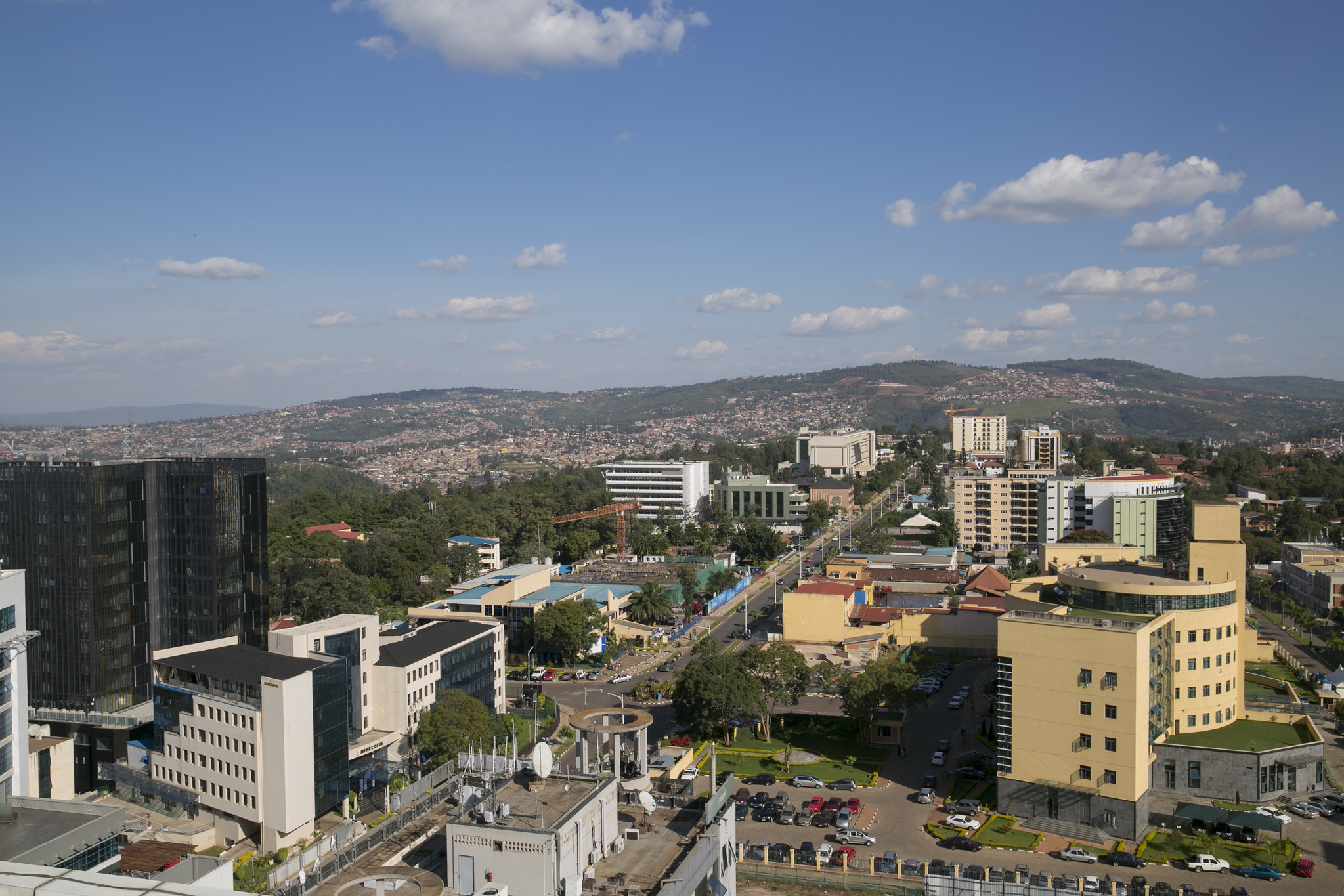
What are the main attractions to visit in Kigali City?
Kigali, the capital city of Rwanda, is home to several noteworthy attractions that offer a glimpse into its history, culture, and natural surroundings. One important site to visit is the Kigali Genocide Memorial, which serves as a space to learn about and reflect upon the 1994 Genocide against the Tutsi. The memorial includes exhibits, mass burial sites, and gardens designed to honor those who lost their lives. It’s both emotional and educational.
For art and creativity lovers, Inema Arts Center is another key spot. This gallery features stunning artwork by Rwandan artists and offers workshops and events. It’s a vibrant hub for people interested in local art and culture.
Another popular place is Kimironko Market, where visitors can shop for local goods, fresh produce, clothing, and handmade crafts. It’s a bustling space that gives tourists insight into daily life in Kigali.
For scenic views, Mount Kigali is great for hiking. It’s not far from the city, and the trails reward visitors with panoramic views of Kigali’s green hills and neighborhoods.
The Nyamirambo Women’s Center is another must-visit for those wanting insight into local life. They run guided walking tours through the Nyamirambo neighborhood while showcasing how women contribute to their community through small businesses.
Lastly, the Kigali Convention Centre is a modern architectural landmark. At night, its dome lights up with vibrant colors, symbolizing Kigali’s progress.
What is the best time of year to visit Kigali?
Kigali has a mild, tropical climate, making it pleasant throughout much of the year. However, the dry seasons, from June to mid-September and December to February, are considered the best times to visit. During these months, there’s little rain, making it easier to enjoy outdoor activities and explore the city.
The rainy seasons, from March to May and October to November, bring heavier rainfall. Travel during these months can be trickier, especially for those looking to trek or spend much time outdoors. Roads can get muddy, and the rain can interrupt plans.
That said, the rainy season does bring its perks. The countryside becomes lush green, and the city looks vibrant. This may appeal to visitors who enjoy nature and greenery. Rain tends to come in short bursts, leaving clear skies afterward.
For specific events, June through September is a great time because this period often coincides with cultural festivals. For instance, Kigali Up Music Festival brings local and international musicians together for live performances. It’s also easier to combine a city trip with other adventures in Rwanda, like gorilla trekking, during the dry season as conditions are better.
Ultimately, whether you prefer sunshine or don’t mind occasional rain, Kigali’s weather is relatively gentle, allowing flexibility for various activities.
How can one get around Kigali City?
Kigali is considered quite easy to navigate, offering a variety of transport options. The most common and convenient method is using moto-taxis (motorcycle taxis). They are affordable, and riders can quickly zip through traffic. These taxis are widely available across the city.
For those who prefer more comfort, taxi cabs can be hired, though they’re generally more expensive compared to motos. It’s important to agree on a fare in advance or use trusted ride-hailing apps. Speaking of apps, services like Yego Cabs or Move Ride operate in Kigali, allowing visitors to book vehicles through their phones.
Public transport is another option. Kigali has an extensive system of minibuses or matatus, which follow set routes and are very budget-friendly. While they’re inexpensive, they can get crowded, and visitors may need help figuring out exact routes if they’re unfamiliar with the city.
Walking is also a possibility, as the city is clean, safe, and pedestrian-friendly, especially in downtown areas. However, because of Kigali’s hilly terrain, walking long distances might be tiring.
If renting a car, options are available through local agencies. Driving in Kigali is relatively straightforward, as roads are well-maintained. Having GPS or offline maps can assist greatly since signage might not always be clear in all neighborhoods.
For a unique experience, hiring a local guide to accompany you around the city on tours can be helpful. Knowing a bit of Kinyarwanda, the local language, or French can also enhance interactions with taxi drivers and locals.
What are some cultural experiences unique to Kigali?
Kigali, the capital city of Rwanda, offers several cultural experiences that provide insight into the traditions, history, and day-to-day life of its people. One of the most significant is a visit to the Kigali Genocide Memorial, where visitors can learn about the 1994 Rwandan Genocide. It’s a solemn place reflecting on the country’s past but also highlighting reconciliation and healing.
For art and creativity lovers, Kigali is home to a growing arts scene. Places like Inema Arts Center and Niyo Arts Center showcase vibrant paintings and other works created by Rwandan artists. These centers often host workshops, allowing visitors to interact with artists and even create their own art.
Kigali neighborhoods like Nyamirambo offer an authentic glimpse into local life. Participating in a Nyamirambo Women’s Center walking tour, for instance, allows tourists to explore the community, learn about Rwandan traditions, and even join cooking classes to prepare local dishes.
Another key cultural highlight is dance and music. Traditional Rwandan intore dance performances, typically involving intricate drumming and energetic choreography, give visitors the chance to witness important aspects of Rwanda’s heritage. These performances are often held at festivals, events, or cultural centers.
For a taste of Rwanda’s coffee culture, visitors can take part in a coffee plantation tour. Coffee is an important product in Rwanda, and workshops often include steps like picking, processing, and tasting the final product.
What are the top local foods to try in Kigali?
Kigali offers a variety of local dishes that highlight Rwandan cuisine, which is often simple yet satisfying. A must-try is brochettes, which are skewers of grilled meat or fish. They’re commonly served in restaurants or roadside stalls and paired with fried plantains or potatoes.
Another staple dish is ugali, a dense dough made from maize or cassava flour. It’s often eaten with vegetables, sauces, or roasted meat, and though it may look plain, it’s very filling and loved by locals.
Rwandans particularly enjoy ibihaza, a dish of pumpkin cooked with beans. It’s a healthy, hearty combination and reflects the importance of agriculture in everyday Rwandan meals.
For breakfast or a snack, try muhogo, which is cassava that has been boiled or fried. Another street food favorite is mandazi, a type of fluffy fried dough similar to a donut but less sweet.
Don’t miss trying Rwanda’s famous Isombe, a dish made from finely pounded cassava leaves stewed with ground peanuts and spices. It’s traditionally paired with rice or plantains.
Lastly, fresh Rwandan coffee and tea are widely praised for their quality. Sit in a café or shop to enjoy a freshly brewed cup of coffee sourced from the surrounding hills.
What is the history of Kigali, and how does it shape the city today?
Kigali has a rich yet intense history that has significantly influenced its present. It became Rwanda’s capital in 1962 when the country gained its independence from Belgium. Before this, Kigali was a small trading hub during German and later Belgian colonial rule.
The 1994 Rwandan Genocide is one of the most defining events in the city’s history. During this tragic period, Rwanda lost hundreds of thousands of lives in just 100 days. Kigali, being the center of activity, witnessed immense suffering. However, since that time, the city has undergone extraordinary rebuilding efforts.
Today, Kigali is recognized as one of the cleanest and safest cities in Africa. The government’s push for peace, reconciliation, and economic development has created a shared sense of unity among Rwandans. Institutions, like the Kigali Genocide Memorial, remind people of the past while fostering education and healing.
Kigali’s urban planning reflects its progress. The city promotes development with an emphasis on sustainability, cleanliness, and public welfare. Ongoing efforts include modern infrastructure, expanding roads, and investment in industries such as tourism, technology, and agriculture.
This blend of history and forward-looking attitudes makes Kigali both a place of reflection and a symbol of resilience. Its cultural landmarks, vibrant community spirit, and economic growth embody how it has adapted over time.
Are there any guided tours or activities available in Kigali?
Kigali offers several guided tours and activities that provide an engaging way to explore the city and its rich culture. These tours cater to various interests, such as history, culture, and local life. One popular option is the Kigali City Tour, where guides take visitors to key sites, including the Kigali Genocide Memorial, the Inema Arts Center, and Mount Kigali, which offers breathtaking views of the city. These tours help visitors appreciate both Kigali’s past and its modern development.
For those interested in food and local culture, culinary tours are a fantastic choice. These include visits to bustling markets like Kimironko Market, where participants can learn about and sample fresh Rwandan produce. Some tours even offer cooking classes where visitors can learn to prepare Rwandan staples like ugali (a type of maize porridge) or brochettes (grilled meat skewers).
Cycling tours and walking tours are also popular, offering a slower-paced and immersive way to explore Kigali’s neighborhoods. Kigali on a Bike is one example of a group that organizes bike tours across the city. Adventure seekers may enjoy activities such as hiking on Mount Kigali or nearby hills, where they can combine outdoor exploration with stunning views of the surrounding landscape.
Local tour companies like Go Kigali Tours and A Step Into Nature offer customized experiences. These tours are generally conducted by knowledgeable guides who provide valuable context about the city’s history, culture, and daily life.
Whether you’re a history enthusiast, art lover, or foodie, Kigali offers many guided activities to suit a variety of interests.
What accommodation options are available in Kigali?
Kigali has a wide range of accommodation options, from luxury hotels to budget-friendly choices, ensuring visitors can find something to match their preferences and budgets. For those seeking a high-end experience, there are several internationally recognized luxury hotels. The Kigali Marriott Hotel and Radisson Blu Hotel are examples that offer amenities like swimming pools, spas, fitness centers, and fine dining options. These are ideal for visitors wanting comfort and convenience, often located in the city center.
Boutique hotels are a good middle-ground between luxury and affordability. Places like The Retreat by Heaven and Villa Asimba provide a more intimate experience, combining personalized service with cozy settings. Many boutique hotels also emphasize local art and culture, creating a unique environment.
For travelers on a more modest budget, Kigali offers plenty of guesthouses and hostels. Budget accommodations like Discover Rwanda Youth Hostel or Yambi Guesthouse provide clean and basic rooms while promoting a friendly, communal atmosphere. These options may also include local breakfast menus or shared spaces to meet other travelers.
Airbnb also has a presence in Kigali, with a variety of homes and apartments available for short-term rent. These options are great for families, long-term visitors, or those interested in living like a local. Apartments in neighborhoods like Kacyiru or Nyarutarama are common listings.
Locations matter when choosing accommodation in Kigali. Staying in areas like Kiyovu or Remera puts travelers near restaurants, shops, and landmarks. For those looking for a quieter setting, the lush suburbs of Nyarutarama or Kimihurura offer peaceful environments.
Kigali’s accommodations tend to be clean and safe, with many offering Wi-Fi and other basic amenities, ensuring a comfortable stay for travelers.
Is Kigali City safe for tourists?
Kigali is widely regarded as one of the safest cities in Africa for tourists. The city has a reputation for low crime rates, well-maintained public spaces, and a generally calm environment. Visitors often note that they feel comfortable walking the streets, even at night, particularly in well-lit areas or central neighborhoods like Kiyovu or Kimihurura.
The strong sense of safety in Kigali can be attributed to Rwanda’s strict laws and effective public enforcement. Local authorities prioritize order, and the population is known for being polite and helpful toward visitors. It is also worth noting that Kigali is kept very clean, which adds to the overall sense of security and comfort.
While Kigali is safe, tourists should still remain cautious, as they would in any other city. Petty theft, such as pickpocketing, can occasionally occur in busy areas like markets or crowded festivals. Keeping valuables out of sight, using cross-body bags, and staying aware of one’s surroundings are prudent steps.
Rwanda as a whole places a high emphasis on tourism, and measures have been taken to ensure an enjoyable stay for travelers. Hotels, restaurants, and tour operators are accustomed to hosting international guests and are well-prepared to address common concerns. The country has also invested in public health and infrastructure, notably accessible healthcare services and well-maintained roads.
In an emergency, Rwanda has reliable police services accessible by dialing 112. This quick response system reassures many visitors. Tourists exploring Kigali typically find that safety concerns are minimal, and with basic precautions in place, there’s little to worry about when visiting this vibrant city.
What are the shopping options or local markets to explore in Kigali?
Kigali has a mix of modern shopping centers and traditional markets. For those interested in modern shopping, places like Kigali Heights are a popular choice. Located near the Kigali Convention Center, this shopping hub offers a variety of boutiques, restaurants, and supermarkets. It’s a good option for finding international brands and enjoying a more laid-back shopping atmosphere.
If you want to experience local culture and unique items, the Kimironko Market is one of the largest and busiest in Kigali. Here, you can find fresh produce, handmade crafts, clothing, and cultural items like Rwandan baskets, locally made jewelry, and traditional fabrics called Kitenge. Vendors are usually open to bargaining, so you can negotiate prices if needed.
Another market worth exploring is the open-air Nyamirambo Women’s Center Craft Shop. This is a special place where women from the local community sell handcrafted goods such as bags, clothes, and baskets. By shopping here, you also support women’s empowerment programs in the area.
For those who enjoy art and decor, check out places like Inema Arts Centre and Caplaki Craft Village, where you’ll find paintings, sculptures, and Rwandan crafts. These are excellent places to pick up souvenirs.
If you’re looking for organic products, head to Kigali Farmer’s Market, where vendors sell fresh food, handmade skincare items, and locally sourced coffee or tea. It’s a smaller, more curated experience compared to larger markets.
Overall, whether you prefer malls or traditional markets, Kigali has many options for shopping where you can discover everything from daily essentials to unique handmade items.
What languages are commonly spoken in Kigali, and how easy is communication for tourists?
In Kigali, the most commonly spoken languages are Kinyarwanda, French, and English. Kinyarwanda is the national language of Rwanda, and most locals use it in daily conversations. It helps to learn a few simple phrases in Kinyarwanda, such as “Murakoze” (Thank you) or “Bite?” (How are you?), as this shows respect and can make interactions smoother.
French has historical significance due to Rwanda’s colonial past, and many older residents and professionals are fluent in it. If you speak French, you’ll find it relatively easy to communicate in hotels, restaurants, and other tourist-friendly locations.
English became an official language in recent decades and is now widely taught in schools. Staff at hotels, tourist attractions, and major businesses often speak English. This makes communication relatively straightforward for English-speaking tourists in major areas of Kigali.
For visitors who don’t speak these languages, gestures, pointing, and translation apps like Google Translate can be very helpful. Additionally, there are many guides and drivers in Kigali who are multilingual and can assist tourists during their stay.
To make communication even easier, tourists might consider hiring a local guide or taking tours where language won’t be a barrier. Generally, language is not a significant difficulty for visitors exploring Kigali, especially in areas frequented by tourists.
Are there any day trips or nearby destinations accessible from Kigali?
Kigali is surrounded by several interesting locations that can be visited as day trips. One popular destination is Nyamata and Ntarama, which are about 30 minutes from Kigali. These sites contain churches that serve as Memorial Sites for the 1994 Rwandan Genocide. They are deeply moving places to learn about Rwanda’s history and resilience.
For nature enthusiasts, the Akagera National Park is an option. It’s about a 2.5-hour drive from Kigali, so it can work as a long day trip. This wildlife park features animals like lions, elephants, hippos, and giraffes, as well as scenic landscapes of savannahs, lakes, and wetlands. Many people opt for guided safaris to make the most of their time here.
If you’re interested in culture and crafts, consider visiting Lake Muhazi, which is about an hour northeast of the city. It’s a peaceful spot for bird watching, fishing, or enjoying a lakeside meal. Some tourists choose this location for activities like kayaking.
For tea lovers, a visit to a tea plantation near Kigali offers an educational experience. You can see how tea is grown and processed while enjoying incredible views of the surrounding hills.
Lastly, Musanze (about two hours from Kigali) serves as an entry point for trekking in Volcanoes National Park. While a full gorilla trek might not fit into one day, you could explore nearby caves or take a short nature walk in this scenic area.
With a variety of choices, visitors can get a glimpse of Rwanda’s natural beauty and history without needing to travel far from Kigali.
How To Book Your Safari in Rwanda
So, why visit Kigali City? It’s a hub of culture, history, and modern charm. Wondering how to plan your trip? From exploring vibrant markets to discovering memorials, this city offers plenty to enjoy. Ready to experience it all? Booking with one of the trusted Rwanda Safari Companies makes planning simple and stress-free. Click the link to find the best guides for an unforgettable Kigali City experience. Your adventure awaits!
Part of our complete guide to the best things to do in Rwanda.
Visit Kigali Genocide Memorial Gisozi
The Gisozi Memorial, located in Kigali, Rwanda, is a significant site honoring victims of the 1994 Rwandan Genocide. Known as the Kigali Genocide Memorial, it serves as a place for remembrance, education, and reflection. Visitors can explore its exhibits detailing the history of the genocide, its causes, and its aftermath. The memorial also includes a burial site for over 250,000 victims, making it an important stop for those on Rwanda safaris or engaging in activities like gorilla trekking in Rwanda at destinations like Volcanoes National Park. The site stands as a symbol of reconciliation and resilience, attracting individuals looking to understand Rwanda’s history and the steps taken toward healing.
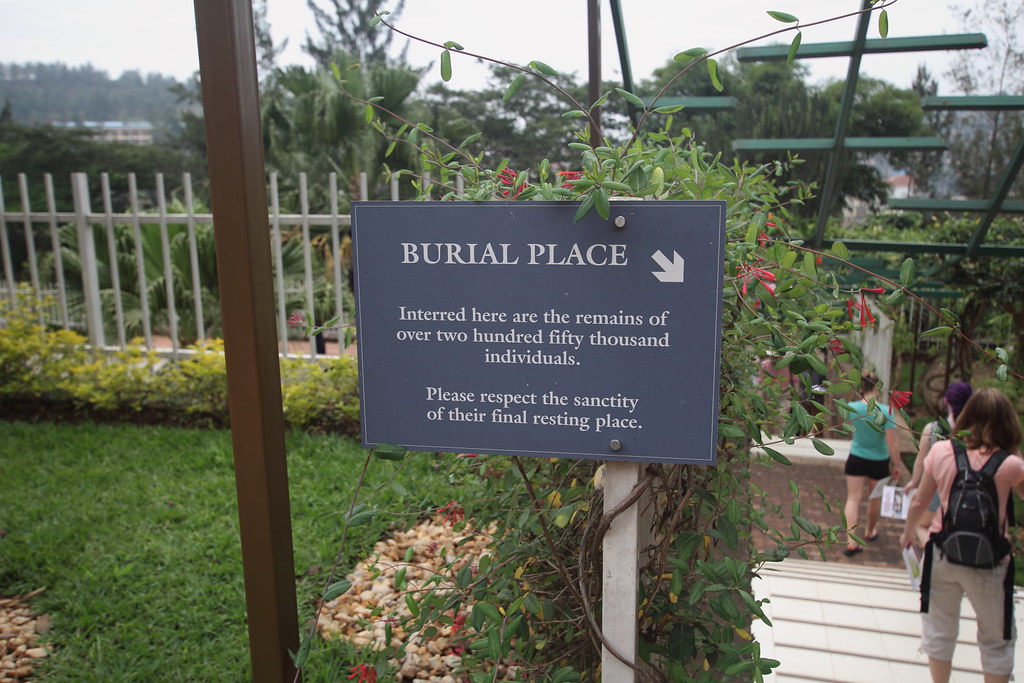
What is the Gisozi Memorial, and where is it located?
The Gisozi Memorial, also known as the Kigali Genocide Memorial, is a site dedicated to preserving the memory of the victims of the 1994 Rwandan Genocide. It honors those who were killed during a devastating 100-day period when ethnic tensions led to unimaginable violence and mass killings in Rwanda.
The memorial is located in Kigali, Rwanda’s capital city. More specifically, it is situated in Gisozi, which is a district of Kigali, hence the name. The memorial serves as both a burial site for victims and a museum to educate people about this tragic part of history.
Visitors to the memorial will find a solemn and respectful environment, designed to honor both the victims and their families. It is a meaningful landmark not just for Rwandans, but for people from around the world who come to learn about what happened and pay their respects.
What historical event does the Gisozi Memorial commemorate?
The Gisozi Memorial commemorates the 1994 Rwandan Genocide, a horrific event in which approximately 800,000 people were killed in just about three months. The genocide was the result of long-standing tensions between two ethnic groups in Rwanda: the Hutu and the Tutsi.
The violence was triggered on April 6, 1994, when a plane carrying Rwanda’s Hutu president, Juvénal Habyarimana, was shot down. Extremist Hutu groups blamed the Tutsi for the assassination and used it as an excuse to launch a coordinated campaign of mass murder.
The genocide targeted Tutsi individuals, as well as moderate Hutu who opposed the killings. These acts were carried out by militias, soldiers, and ordinary citizens, and the brutality included murder, sexual violence, and torture. The Gisozi Memorial reminds us of this tragedy and serves as a stark warning of what unchecked hatred and prejudice can lead to.
When was the Gisozi Memorial established?
The Gisozi Memorial was officially established and opened to the public in 2004, marking the 10th anniversary of the Rwandan Genocide.
The creation of the memorial was part of a broader effort to provide a permanent resting place for many of the victims and give their families a space for mourning. The opening also reflected Rwanda’s commitment to remembering and learning from its past.
The location was chosen because it is where many of the victims were buried in mass graves during the genocide. Since its establishment, the site has expanded over time and now stands as both a burial ground and a global center for learning about genocide, reconciliation, and peacebuilding.
Why was the Gisozi Memorial created?
The Gisozi Memorial was created to serve as a permanent tribute to those who lost their lives during the 1994 Rwandan Genocide, as well as to educate current and future generations about the atrocities that occurred. Between April and July of 1994, an estimated 800,000 people, most of them Tutsi, were brutally murdered due to ethnic violence orchestrated by extremist groups.
The memorial provides a space for remembrance and mourning for the victims and their families. It was designed to give dignity to those who were killed during the genocide by ensuring that their remains were buried respectfully. Many of the victims were originally buried in mass graves without any identification or proper funeral rites. The memorial seeks to reverse this by honoring their lives.
By recording the historical events leading up to, during, and after the genocide, the Gisozi Memorial aims to preserve the memory of the tragedy to help ensure that such violence is not repeated. Its creation helps promote healing for survivors and fosters a sense of accountability by ensuring that the world learns from this dark historical moment.
How many victims are buried at the Gisozi Memorial?
The Gisozi Memorial, also known as the Kigali Genocide Memorial, serves as the final resting place for over 250,000 victims of the 1994 Rwandan Genocide. The bodies of these victims were collected from around Kigali, the capital of Rwanda, and its surrounding regions.
Many individuals were exhumed from mass graves, and their remains were transported to the memorial to provide a centralized place of rest and remembrance. The scale of the burials reflects the severity of the genocide, during which entire communities were wiped out.
Coffins are buried in large concrete tombs, and surviving family members often visit to grieve and pay their respects. New remains are still occasionally discovered in Rwanda, and the memorial continually works to receive and accommodate these so that no victim is forgotten.
This burial space not only gives the victims a dignified resting place but also stands as a stark reminder of the devastating effects of unchecked hate and violence. The presence of tens of thousands of victims at a single site emphasizes the importance of learning from such a tragedy to prevent similar events in the future.
What are the main features or exhibits at the Gisozi Memorial?
The Gisozi Memorial contains several significant features and exhibits aimed at documenting the events of the genocide, memorializing the victims, and educating visitors. Here’s an overview of its most important components:
- Mass Graves: The centerpiece of the memorial is the series of large burial sites where over 250,000 victims are laid to rest. These graves are marked by concrete slabs, and visitors can place flowers or other items as part of mourning rituals.
- Exhibition Halls: The memorial houses detailed exhibitions documenting the genocide. These include photographs, videos, and personal artifacts of victims, such as clothing or ID cards, to convey their humanity and the tragic scale of the loss.
- Historical Timeline: The main exhibition provides a timeline that explains the historical context leading to the genocide. It includes Rwanda’s colonial past, the role of propaganda, and the breakdown of peace. This helps visitors understand how such a tragedy was possible.
- Children’s Room: A particular section is dedicated to the youngest victims of the genocide. Photographs of children are displayed alongside details such as their favorite hobbies and personalities, making their loss deeply personal and poignant.
- Memorial Gardens: The grounds include beautifully landscaped gardens to create a peaceful environment where families of victims and visitors can reflect. These gardens symbolize recovery and new beginnings after the horrors of the past.
- Wall of Names: An area in the memorial displays the names of victims as part of an ongoing effort to document every individual who was killed.
Through these features, the Gisozi Memorial tells a comprehensive story of the genocide while also creating a reflective space to honor and mourn those who were lost.
How does the Gisozi Memorial contribute to remembering the Rwandan Genocide?
The Gisozi Memorial plays a central role in keeping the memory of the Rwandan Genocide alive. It serves as a place where the atrocities of 1994 are acknowledged, documented, and shared with the world. This is crucial for ensuring that such tragedies are never forgotten. The memorial acts as a reminder of the magnitude of this event, where over 800,000 people, mostly from the Tutsi ethnic group, were killed in a span of 100 days.
The memorial houses mass burial sites, where the remains of many genocide victims are laid to rest. Visitors are confronted with powerful visual and written stories of those who lost their lives. Photographs, personal items, and stories of victims are displayed to personalize the historical events. These exhibits create a deeper understanding of what occurred, showing the human cost of hatred and division.
At Gisozi, remembrance ceremonies are held to honor the victims annually. Survivor testimonies are also shared to highlight the impact on families and communities. These events help educate newer generations who may not have lived through the genocide and ensure that everyone learns from this history.
As a national and international center of remembrance, the memorial also promotes conversations about historical accountability. By confronting the painful past, Rwanda has committed to building a future based on unity and love for humanity. The Gisozi Memorial reminds people of the importance of standing against racism, hatred, and division.
What educational programs or resources are offered at the memorial?
The Gisozi Memorial offers various educational programs and resources aimed at teaching visitors about the causes, consequences, and prevention of genocide. These tools are designed to help people, both Rwandans and foreigners, understand the importance of tolerance, peace, and coexistence in preventing such tragedies.
Workshops and seminars are available for schools, community groups, and other organizations. These sessions provide historical context about the genocide and address broader lessons on human rights, conflict resolution, and justice. Educators use visual aids, survivor testimonies, and archival footage to help participants grasp the events and underlying issues of the 1994 genocide.
Guided tours are a core educational offering. Trained guides walk visitors through the memorial’s exhibits, offering detailed explanations and answering questions. This ensures that individuals fully comprehend the displays, such as the causes of the genocide or the personal stories of the victims.
There are also print and digital materials available for those who want to study the genocide more deeply. This includes books written by survivors, research papers, and online resources that document the history. Academic collaborations with universities provide in-depth insights for scholars studying the subject.
For young people, there are tailored programs that teach them about the importance of reconciliation and unity in Rwanda. These initiatives help build a generation that prioritizes peace over division. By offering educational opportunities, the memorial plays a crucial role in ensuring that the lessons of the past are passed down effectively.
How does the Gisozi Memorial support genocide survivors and their families?
The Gisozi Memorial offers significant support to genocide survivors and their families through multiple initiatives aimed at addressing their emotional, financial, and social needs.
One critical way it supports survivors is by providing a space for healing and remembrance. For many survivors, knowing that their loved ones are buried and remembered at Gisozi offers some level of closure. Memorial services and remembrance events held at Gisozi help survivors honor their families and feel a sense of solidarity with others who share their loss.
The memorial also organizes programs to assist survivors with psychological support. Counseling services are provided to help individuals process their trauma and cope with the emotional scars left by the genocide. These services are vital for those who struggle with grief or flashbacks from the events of 1994.
On a practical level, Gisozi collaborates with organizations that work to improve the living conditions of survivors. Some survivors, especially widows and orphans, face challenges related to housing, education, or medical care. The memorial connects them with local or international groups that can provide support, such as scholarships for children or funds to improve their homes.
Additionally, the memorial plays a part in preserving the stories and experiences of survivors. By sharing their personal testimonies in public presentations or through written materials, survivors actively contribute to education and awareness efforts. This not only helps teach others but also allows survivors to feel empowered by telling their truths.
Through these varied forms of support, the Gisozi Memorial ensures that survivors are not forgotten or left behind, highlighting the ongoing need for compassion and assistance even decades after the genocide.
What measures are in place to preserve the memory of the genocide at the memorial?
The Gisozi Memorial employs several measures to ensure the memory of the Rwandan genocide is preserved for future generations. One of these is the careful documentation and archiving of genocide-related materials. The memorial maintains a significant collection of photos, oral testimonies, and written accounts from survivors, which serve as powerful reminders of the atrocities committed. These resources are stored and managed in a way that protects them from physical damage and are often digitized to ensure long-term preservation.
Another measure is the maintenance of burial areas, where over 250,000 genocide victims are interred. Regular upkeep ensures that these grounds remain respectful and symbolize remembrance. The names of many victims are engraved on walls, which are updated as new information becomes available, making the memorial not only a place of reflection but also a site where the identities of victims are honored.
The memorial also emphasizes education programs, involving Rwandans and international visitors, to spread awareness about the events of 1994 and to keep the history alive. Events such as commemoration ceremonies, held every year in April during Rwanda’s official genocide remembrance period, are integral to ensuring that the tragedy is not forgotten.
Interactive exhibits and displays serve to communicate the history in ways that are both accessible and impactful. For example, video presentations and survivor testimonies provide a clear understanding of the genocide’s causes and consequences. Finally, the Gisozi Memorial fosters partnerships with organizations globally to exchange knowledge and improve how historical trauma is remembered and preserved. These collective efforts help ensure the genocide’s memory endures and that such events are prevented in the future.
How do visitors typically experience and engage with the Gisozi Memorial?
Visitors to the Gisozi Memorial often experience it as a deeply somber and reflective place. A significant part of their engagement involves walking through detailed exhibits that chronicle the events leading up to, during, and after the 1994 genocide. These exhibits include photos, maps, and artifacts, as well as written explanations that provide historical context. The information is organized to create a chronological narrative, helping visitors understand not only the scale of the tragedy, but also the factors that led to it.
A poignant aspect of the experience is listening to audio guides or survivor testimonies, which are offered in multiple languages. Hearing the accounts of survivors allows visitors to grasp the human impact of the genocide on a deeper level. Some visitors also take guided tours provided by knowledgeable staff, who provide additional explanations and answer questions.
The burial grounds, where many victims are laid to rest, are another vital feature of how people engage with the site. Visitors may spend quiet time paying their respects at these graves or reading the names inscribed on the memorial walls. For many, this part of the visit feels profoundly personal and emotional.
Additionally, visitors may engage in educational programs or workshops hosted by the memorial. These sessions often explore themes like tolerance, peacebuilding, and human rights, encouraging participants to think critically about how such tragedies can be prevented in the future. Finally, a bookstore on-site offers materials for those who want to learn more and take resources home.
Emotionally, the experience is often described as overwhelming yet necessary, as it offers a window into history while inspiring reflection on the importance of standing against hatred and violence.
What role does the Gisozi Memorial play in promoting reconciliation and healing in Rwanda?
The Gisozi Memorial plays a significant role in fostering reconciliation and healing in Rwanda by serving as a place of both remembrance and education. On one hand, the memorial provides a physical space for people to mourn the victims. For genocide survivors, having a place where their loved ones are remembered and respected can bring a sense of closure and acknowledgment of their pain.
The memorial also encourages dialogue and understanding by offering a truthful and comprehensive account of the genocide. By openly addressing the events, including the political and social conditions that allowed them to occur, the memorial helps promote transparency and confront the divisions that led to the violence. This honest reflection is a critical part of rebuilding trust and unity within the community.
Through its educational programs, the memorial works to instill values of tolerance and empathy in younger generations. Workshops and discussions highlight the importance of reconciliation, teaching participants from diverse backgrounds to see the humanity in one another rather than focusing on differences.
The memorial also contributes to national healing by hosting annual genocide remembrance events, drawing communities together in collective mourning and reflection. These events offer opportunities for Rwandans to share their stories, express grief, and find solidarity with others who have endured similar losses.
Finally, the Gisozi Memorial collaborates with various organizations to support initiatives that aid survivors, such as counseling services and trauma healing programs. By connecting remembrance to active steps towards unity, the memorial embodies a message of hope and the belief that healing and reconciliation are possible, even in the aftermath of immense tragedy.
How To Book Your Safari in Rwanda
By now, you’ve learned about the importance of the Gisozi Memorial, including what it is, why it matters, and how it pays tribute to Rwanda’s history. Are you ready to visit this heartfelt landmark and explore more of Rwanda’s unique culture? Reach out to one of the trusted Rwanda Safari Companies to help plan your visit. They’ll handle all the details, ensuring a meaningful and seamless experience. Start your adventure today!
Part of our complete guide to the best things to do in Rwanda.