
Rwanda Monkey Tracking Tours
Rwanda monkey tracking tours are available year-round across three national parks, with permits starting at approximately $60 for colobus monkey tracking in Nyungwe Forest and $100 for golden monkey trekking in Volcanoes National Park in 2026. The most structured tours combine multiple monkey species across multiple parks in itineraries of three to ten days. Licensed tour operators based in Kigali handle all permit logistics, transport, and accommodation, while independent travelers can book permits directly through the Rwanda Development Board at rdb.rw.
Planning your trip? Start with our complete Volcanoes National Park Rwanda travel guide.
Rwanda’s monkey tracking activities cover three main species groups available to visitors: golden monkeys in Volcanoes National Park, chimpanzees in Nyungwe Forest and Gishwati-Mukura, and Angolan colobus monkeys in Nyungwe Forest. Beyond these habituated species, L’Hoest’s monkeys, red-tailed monkeys, vervet monkeys, and grey-cheeked mangabeys are encountered during generalised forest walks in Nyungwe. Each tracking activity requires a separate permit and operates on a structured schedule with ranger guides from the respective park headquarters.
Permit: $100 per person. Volcanoes National Park, Kinigi HQ. Briefing at 7:30 a.m. Two habituated troops available. Duration: 2 to 4 hours total.
Permit: $150 per person. Nyungwe Forest, Uwinka or Gisakura. Briefing from 5:00 a.m. 24 permits per day. Duration: 2 to 6 hours. Minimum age 16.
Permit: ~$60 to $70 per person. Nyungwe Forest, Uwinka or Gisakura. 4 daily sessions at Gisakura. Suitable for all ages. Duration: 2 to 3 hours.
Typical 7-day tour: gorilla and golden monkey trekking in Volcanoes, chimp and colobus tracking in Nyungwe. Total permit spend (excl. gorilla): $310 to $320 per person for monkey activities.
Golden Monkey Tracking Tours in Volcanoes National Park
Golden monkey tracking tours depart from Kinigi Park Headquarters in Musanze, approximately two to three hours north of Kigali. All participants register at headquarters by 7:30 a.m. for a briefing on the park’s code of conduct, safety procedures, and the characteristics of the habituated troops. Briefings last approximately 30 minutes, after which ranger-led groups head into the bamboo forest.
Two habituated golden monkey troops are available in Volcanoes: the Sabyinyo troop, which can include up to 100 individuals and ranges across the lower bamboo slopes of Mount Sabyinyo, and a second troop associated with the Karisimbi area. Unlike gorilla trekking, golden monkey tracking has no strict maximum group size per tour, which makes it more accessible for last-minute bookings. The tracking session itself typically involves a walk of one to two hours into the bamboo zone, one hour of observation time, and a return to Kinigi. Total tour duration is typically three to four hours.
Golden monkey tours can be arranged as standalone day trips from Musanze or combined with gorilla trekking on adjacent days. Most tour operators offer a Volcanoes National Park package that includes both activities across a three-night stay, with the gorilla trek on day one and the golden monkey trek on day two. This combination represents the most cost-effective use of time and accommodation in the northern park area.
Chimpanzee Tracking Tours in Nyungwe Forest
Chimpanzee tracking tours in Nyungwe Forest are full-day activities that begin with an early morning departure from Uwinka or Gisakura Reception Centre. The distinction between the two sectors is important for planning: Uwinka-based tours access the main Nyungwe Forest community of approximately 60 habituated chimpanzees, while Gisakura-based tours access the Cyamudongo Forest community of approximately 30 individuals. Cyamudongo’s smaller forest area often results in faster encounters and shorter total trek times.
A standard chimpanzee tracking tour includes the ranger briefing, the trek through the forest in search of the community, one hour of observation once the community is located, and the return walk to the reception centre. Porters are available for hire at the trailhead and are strongly recommended for visitors who are less accustomed to long hikes on steep terrain. Porter fees are paid separately from the trekking permit, typically $15 to $20 per porter per session.
Operators who offer dedicated chimpanzee tours often include the canopy walk in the afternoon of the same day, creating a combined Nyungwe experience. The canopy walkway at Uwinka takes approximately two hours and operates separately from chimpanzee trekking. A full Nyungwe tour day combining chimpanzee trekking in the morning and the canopy walk in the afternoon is common and constitutes a well-rounded park itinerary. Colobus monkey tracking on the following morning at Gisakura adds a second primate species without requiring a park change.
Colobus Monkey Tracking Tours in Nyungwe Forest
Colobus monkey tracking tours are the most schedule-flexible monkey tracking option in Rwanda. The Gisakura group’s four daily session times — 8:00 a.m., 10:00 a.m., 1:00 p.m., and 3:00 p.m. — allow visitors to plan this activity around other morning commitments such as chimpanzee trekking. The Uwinka supergroup offers access throughout the day, though rangers typically prefer morning departures when colobus are most active in the canopy.
Colobus tracking tours require no minimum age, are physically moderate in demand, and are completed in two to three hours from departure to return. The experience of finding the Uwinka supergroup — with several hundred black-and-white colobus monkeys cascading through the canopy in simultaneous feeding and movement — is unlike most other group primate experiences in Africa. Even at Gisakura, where the group numbers around 60 individuals, the visual density and social activity of the troop is considerably more impressive than solitary or small-group primate encounters.
Multi-Day Rwanda Monkey Tracking Tour Itineraries
A focused three-day monkey tracking tour is built around Nyungwe Forest and covers chimpanzee trekking on day one, colobus monkey tracking on day two, and the canopy walk with a generalised nature walk on day three before departure to Kigali. This itinerary fits visitors arriving in Rwanda specifically for the primate experience without combining gorilla trekking and works well at any price point given the range of accommodation in the park area.
A seven-day Rwanda monkey tracking tour that includes gorillas typically allocates days one and two to Kigali (city orientation and the Genocide Memorial), days three and four to Volcanoes National Park (gorilla trekking and golden monkey tracking), day five to travel south via Lake Kivu or Kigali, and days six and seven to Nyungwe Forest (chimpanzee trekking and colobus tracking). This structure covers Rwanda’s principal primate parks without excessive driving and allows for comfortable early morning departures on all trekking days.
Day 1: Chimpanzee trekking, Uwinka or Cyamudongo. Day 2: Colobus tracking, Gisakura. Day 3: Canopy walk and nature walk. Based at Nyungwe accommodation near Gisakura.
Days 1 to 2: Gorilla and golden monkey trekking, Volcanoes. Day 3: Transfer to Nyungwe. Day 4: Chimpanzee trekking. Day 5: Colobus tracking and canopy walk. Return to Kigali.
Includes Kigali orientation, Volcanoes (gorilla and golden monkey), Lake Kivu stopover, and Nyungwe (chimpanzee and colobus). Comprehensive park coverage without requiring domestic flights.
Adds Gishwati-Mukura National Park and Akagera game park. Includes a full range of Rwanda wildlife experiences beyond primates. Best suited to repeat visitors or those with specific conservation interests.
Where to Book Rwanda Monkey Tracking Tours
Permits for all monkey tracking activities in Rwanda are issued by the Rwanda Development Board and can be booked online at rdb.rw or through a licensed tour operator. Licensed operators registered with the Rwanda Development Board handle permit applications, secure vehicle transport, arrange porter services, and book accommodation at all price points across the parks. Working with an operator is particularly useful for multi-park itineraries where coordination between Volcanoes and Nyungwe booking systems is required.
Independent travelers who prefer to manage their own logistics can purchase permits directly through the RDB. A passport number and full name are required at booking, and payment is accepted online. Independent bookings do not include transport, guides beyond the park ranger assigned to the group, or accommodation, all of which must be arranged separately. For travelers comfortable with self-drive planning in East Africa, independent booking is a cost-effective approach, though it requires advance planning of three to six months for peak-season dates.
What is the difference between monkey tracking and monkey trekking in Rwanda?
The terms are used interchangeably by tour operators and park management in Rwanda. “Trekking” is more commonly used for golden monkeys and chimpanzees, while “tracking” is more often used for colobus monkeys, possibly because the colobus experience involves following a habituated troop through the forest rather than searching for a mobile community. There is no practical distinction in the activities themselves.
How difficult is monkey trekking in Rwanda physically?
Difficulty varies by activity. Colobus monkey tracking at Gisakura is the least demanding, involving a short walk on maintained trails. Golden monkey trekking in Volcanoes requires walking through bamboo forest on slopes at altitude, which is moderate in difficulty. Chimpanzee trekking in Nyungwe is the most demanding, involving potentially five or more hours of walking on steep, sometimes slippery forest terrain. A reasonable level of general fitness is advisable for all activities.
Can I take a private guided monkey tracking tour in Rwanda?
Park ranger guides are always assigned by the park, not chosen by the visitor, and they accompany every trekking group as part of the permit. Some operators offer private group tours, meaning no other visitors join your group on the trail, but the park ranger guide is still provided by the Rwanda Development Board. Private porters and additional naturalist guides from the tour company can supplement the ranger guide.
What is the best all-in-one monkey tracking base for Rwanda?
Kigali serves as the logistics base for most Rwanda monkey tracking tours, as it connects conveniently to both Volcanoes National Park to the north and Nyungwe Forest to the southwest. Most operator offices are in Kigali. Many visitors also base themselves in Musanze (Ruhengeri) for the Volcanoes leg and near Gisakura for the Nyungwe leg, reducing early morning driving time on trekking days.
Is tipping expected on Rwanda monkey tracking tours?
Tipping is customary but not mandatory. Rangers and trackers are typically tipped $10 to $20 per person for a standard session. Porters are usually tipped $5 to $10 in addition to their hire fee. Driver guides on multi-day tours are typically tipped $15 to $25 per person per day at the end of the tour. Tips are given in Rwandan francs or US dollars, both of which are widely accepted.
Primate Photography in Rwanda
Primate photography in Rwanda covers three national parks and four permit-accessible species: mountain gorillas and golden monkeys in Volcanoes National Park, chimpanzees in Nyungwe Forest National Park, and Angolan colobus monkeys in Nyungwe Forest. Photography permits in Rwanda are included within standard trekking permits, which range from $60 for colobus tracking to $1,500 for a gorilla permit per person in 2026. No additional photography fee applies, though flash photography is prohibited for all primate species across all parks.
Planning your trip? Start with our complete Volcanoes National Park Rwanda travel guide.
Each species presents distinct photographic challenges. Mountain gorillas are photographed at close range (as near as 7 metres) in the low-light conditions of Bwindi-type bamboo and Hagenia forest in Volcanoes National Park. Golden monkeys are fast-moving and positioned in bamboo canopy, requiring high shutter speeds and continuous autofocus. Chimpanzees in Nyungwe are the most demanding subjects: they move quickly through dense forest canopy at varying distances, with patchy and often low light. Colobus monkeys in the Nyungwe supergroup present a different challenge — large numbers of subjects in complex canopy with limited individual framing opportunities.
Included in $1,500 permit. One hour with habituated gorilla family. Subjects approachable to 7 metres. Low-light Hagenia forest conditions. No flash permitted.
Included in $100 permit. Bamboo forest environment. Fast-moving subjects. Better light access than dense rainforest. One hour with troop.
Included in $150 permit. Dense rainforest, very low light. Fast-moving subjects requiring high ISO and fast shutter. One hour with community. Both Uwinka and Cyamudongo sectors.
Included in ~$60 to $70 permit. Canopy subjects, shooting upward. Large troop numbers at Uwinka. Better light near forest edge at Gisakura. One hour with troop.
Camera Equipment for Primate Photography in Volcanoes National Park
Mountain gorilla photography in Volcanoes National Park benefits from a 70 to 200mm zoom lens as a primary optic. The permitted minimum distance of seven metres from any gorilla means that a telephoto lens in the 200 to 400mm range can produce excessively tight framing and make it difficult to include family groupings or the forest background in the same frame. A 70 to 200mm f/2.8 is widely regarded by photographers working in Rwanda as the optimal compromise between reach and framing flexibility for gorillas.
Camera bodies with strong high-ISO performance are critical in the Hagenia and bamboo forest environments of Volcanoes, where the overhead canopy reduces light levels significantly. A full-frame sensor body capable of producing clean images at ISO 3200 to 6400 allows shutter speeds above 1/250 second even in dense shade. Weather-sealed bodies are advisable given the Virunga region’s frequent mist and light rain. Golden monkey photography in the bamboo belt receives somewhat better light than gorilla encounters in the closed forest, though a fast autofocus system is necessary to track the quick movements of troop members through bamboo stems.
Tripods are generally impractical for primate photography in Rwanda due to the need to move continuously with the subjects and the lack of stable ground on forest slopes. A monopod provides some stabilisation for telephoto work without the movement constraints of a tripod. Many photographers use image stabilisation in the lens or body as the primary stabilisation method for gorilla and golden monkey sessions.
Camera Equipment for Chimpanzee Photography in Nyungwe Forest
Chimpanzee photography in Nyungwe Forest is among the most technically demanding subjects in African wildlife photography. Chimpanzees move rapidly through the canopy at varying heights, frequently switching between dense vegetation and more open perches, and the overall light levels in Nyungwe’s closed-canopy rainforest are considerably lower than in savanna or even bamboo forest environments. An ISO capability of 6400 to 12800 with acceptable noise levels is a significant advantage.
A 100 to 400mm zoom lens provides the range needed to photograph chimpanzees at ground level when they descend to forage, at mid-canopy during feeding, and at the treetop level during calling or display behaviour. Fixed focal length telephoto primes (400mm f/2.8 or 500mm f/4) offer superior low-light performance but add considerable weight for a trek that can last five or more hours. Most photographers working in Nyungwe use a zoom lens as the practical compromise between performance and portability during the trek.
A waterproof camera bag or rain cover for both body and lens is necessary equipment for Nyungwe. The forest receives rain year-round, and even during the dry season, early morning mist can condense on cold glass. Silica gel packets in the bag absorb moisture and help prevent fungal growth on lens elements during extended humid forest days. Lens cloths for wiping condensation from the front element immediately before shooting should be in a quickly accessible pocket throughout the session.
Colobus Monkey Photography in Nyungwe: The Supergroup Experience
The Uwinka colobus supergroup presents a photographic challenge that is different from most African primate encounters. Rather than a small number of subjects at close range, photographers work with hundreds of animals dispersed through the canopy at heights of 20 to 40 metres above ground level. Wide-angle lenses in the 24 to 70mm range capture the scale of the group in the canopy, while a telephoto pulls out individual detail or mother-and-infant pairs from the mass of the troop.
The Gisakura colobus group, at approximately 60 individuals, is more manageable for individual subject framing. The territory of this group includes a forest edge near the tea plantation, where light penetration is better than in the closed interior forest, and this edge location often produces the most photographically accessible colobus encounters. The 8:00 a.m. and 10:00 a.m. sessions at Gisakura catch the morning light at its best angle for upward-angled canopy shots.
The black-and-white colobus coat produces high contrast in any lighting condition. Overcast light, common in Nyungwe’s high-altitude climate, reduces the harsh shadows that direct sunlight creates between the dark body and the white mantle, and produces more evenly exposed images. Photographing infants, which are born entirely white, against the darker bodies of adults provides strong compositional contrast. A 200 to 400mm zoom lens handles the upward shooting angle well and allows quick focal length adjustment when monkeys move within the troop.
Photography Rules and Conservation Requirements in Rwanda’s Primate Parks
Flash photography is strictly prohibited for all primate species in all of Rwanda’s national parks. Flash has been shown to stress habituated primates and can cause avoidance behaviour that disrupts the viewing and photography experience for all group members. Cameras with an attached flash that cannot be deactivated should leave the flash unit at the lodge. Both mirrorless and DSLR systems are permitted.
Drones are not permitted for primate photography within Volcanoes, Nyungwe, or Gishwati-Mukura national parks without a specific permit from the Rwanda Civil Aviation Authority and approval from the Rwanda Development Board. Standard tourist trekking permits do not include drone authorisation. Video recording is permitted on standard permits using handheld cameras and mirrorless or DSLR bodies with video capability.
Photographers who want additional time with subjects can inquire with tour operators about low-season bookings, which sometimes allow for less rushed one-hour sessions when visitor numbers are lower and guides can position groups more carefully. The minimum distance rule of seven metres applies to gorillas; rangers enforce this consistently and will direct photographers away from subjects who are approached too closely. For chimpanzees and colobus monkeys, rangers maintain group positioning around the primates to ensure neither stress nor obstruction.
Lens fog is common when moving from cool accommodation into the warm, humid forest. Allow cameras and lenses to acclimatise to outdoor temperature for 15 to 20 minutes before the briefing begins. Attach a clean cloth to your pack strap for quick element wiping during the first 30 minutes of the session. Use back-button autofocus for chimpanzee tracking to allow continuous tracking without accidentally re-triggering focus when a branch obscures the subject momentarily.
Best Locations in Rwanda for Primate Photography
Volcanoes National Park provides the best conditions for intimate primate portrait photography, primarily because mountain gorillas sit relatively still and allow close approach. The Sabyinyo sector of the park, where the golden monkey troop of up to 100 individuals ranges, is the strongest location for golden monkey photography. Nyungwe’s Cyamudongo Forest is preferred by some photographers over the main Nyungwe Forest for chimpanzee photography because the smaller forest area tends to result in shorter search times and slightly more open canopy where the chimpanzees are found.
The canopy walkway at Uwinka is a useful photography position because it allows eye-level and above-canopy shooting angles that are not achievable from ground level. Photographers who combine a morning colobus tracking session at Uwinka with an afternoon canopy walk can capture the same species from two very different perspectives in a single day. The bridge vibrates slightly with footfall, so letting other visitors clear the section ahead before pressing the shutter reduces motion blur.
What focal length is best for gorilla photography in Rwanda?
Most wildlife photographers working in Volcanoes National Park recommend a 70 to 200mm f/2.8 zoom as the primary lens. The minimum seven-metre approach distance means subjects are relatively close, and a 70mm minimum allows wide environmental shots that include the forest background. Some photographers bring a secondary 24 to 70mm lens for when gorillas are encountered at very close range or for photographing multiple individuals together.
Can I use flash photography during any primate trekking in Rwanda?
No. Flash photography is prohibited for all primate species across all of Rwanda’s national parks. This applies to both still photography and video lighting. The prohibition protects the wellbeing of habituated animals and is enforced by rangers during trekking sessions.
Is there a way to extend time with primates for photography in Rwanda?
All standard trekking permits in Rwanda allow one hour with the habituated animal group, regardless of species. This time limit is set by the Rwanda Development Board and is enforced consistently. There is no “photography permit extension” available in Rwanda’s national parks, unlike some primate destinations in Uganda where extended habituation programmes exist for chimpanzees and gorillas. Using the one-hour window efficiently by arriving at the briefing punctually and following ranger positioning advice is the most effective approach.
How should I protect camera gear during primate trekking in Rwanda?
A waterproof camera bag or a rain cover for the body and lens is necessary equipment. Rain falls year-round in Nyungwe and Volcanoes, and early morning mist at high altitude can condense on glass. Silica gel sachets placed in the bag overnight absorb ambient moisture. A UV or clear protective filter on the front element provides an additional layer against water contact. Lens cloths should be accessible at all times during the session for quick element cleaning.
What camera settings work best for chimpanzee photography in Nyungwe?
Start with aperture priority mode at f/4 to f/5.6 to balance depth of field and light gathering. Set the ISO to auto with a minimum shutter speed of 1/400 second to freeze fast movement. Enable continuous autofocus with animal subject tracking if your camera supports it. Burst mode at the highest available frames per second increases the probability of capturing peak-action moments. Adjust minimum shutter speed to 1/600 or higher if the chimpanzees are particularly active or are being photographed in mid-jump or swing.
Why Do Gorillas Pound Their Chest?
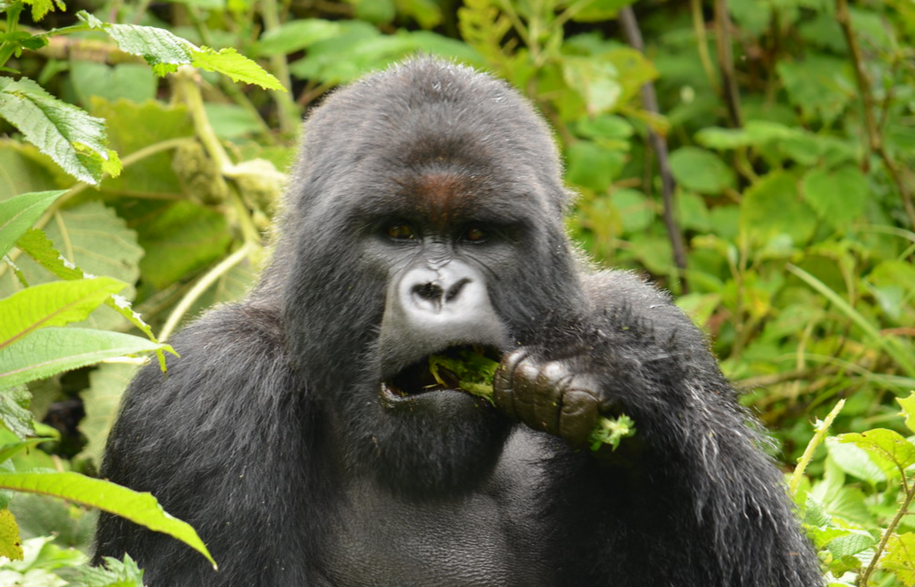
Gorillas pound their chest as a form of communication to assert dominance, express strength, or deter rivals, particularly during social interactions. This behavior is commonly observed in male gorillas and is often accompanied by other displays such as vocalizations or intimidating movements. For those on Rwanda safaris or engaging in gorilla trekking in Rwanda, witnessing this behavior in Volcanoes National Park offers insight into the gorillas’ social structures and interactions within their natural habitat.
What is the main purpose of gorillas pounding their chest?
Gorillas pound their chests primarily as a form of communication. The sound and the act convey information to others within their group or nearby. For example, male gorillas, especially dominant ones called silverbacks, use chest pounding to signal their strength and confidence.
Imagine a situation where a silverback hears another male approaching his group’s territory. Instead of immediately resorting to fighting, the silverback might pound his chest to warn the intruder that he is strong and should not be challenged. This helps reduce the likelihood of a physical conflict, which could cause injuries.
Gorillas may also pound their chests when asserting their dominance, particularly among members of their own group. Other males or younger gorillas in the troop recognize the signals and typically respond by backing down to avoid confrontation.
Chest pounding can also serve to express excitement or alertness. For example, a gorilla may pound its chest during a group activity or in moments of heightened emotion. The behavior communicates the individual’s energy or intent to the group.
The sound is produced by rapidly hitting with cupped hands and creates a loud rhythm that can be heard over long distances. This makes it an effective long-range communication system in dense forest environments.
So, while chest pounding may seem dramatic or aggressive at first glance, its main purpose is communication, and it helps maintain order, resolve conflicts, and convey information among gorillas.
Is chest pounding a form of communication among gorillas?
Yes, chest pounding is an essential form of communication for gorillas. It sends clear messages without the need for physical conflict, which is important for a species that lives in tight social groups and in dense forests.
Each gorilla’s chest pounding carries different meanings depending on the context. For instance:
- A dominant silverback male might pound its chest to warn off rivals or intruders without having to fight. The sound acts as a way of saying, “I am strong, so think twice before approaching.”
- Younger gorillas might also pound their chests during play, signaling excitement or mimicking adult behavior as they learn social rules.
- In some cases, chest pounding may be used as a way to rally members of the group or draw attention, such as during transitions like moving from one area of the forest to another.
The sound of chest pounding is impressive because it resonates through the forest. This is helpful in dense environments where visibility is low, allowing gorillas far away to understand what is happening.
It’s important to note that chest pounding isn’t just about aggression. It can also express emotions like excitement or serve as a warning to keep peace within a group. For example, a silverback might pound its chest to signal a challenge, but the act itself allows others to make decisions, like retreating, before any fight occurs.
In short, chest pounding is a multi-purpose communication tool for gorillas, allowing them to express strength, emotions, and intentions to others in their social and ecological surroundings.
Do both male and female gorillas pound their chest?
Yes, both male and female gorillas are capable of chest pounding, though the behavior is seen more frequently and prominently in males, especially in silverbacks.
Male silverbacks use chest pounding most often because they are dominant members of their group. For them, this behavior is crucial in establishing their authority, deterring rivals, and managing relationships within the group. A silverback’s chest pounding tends to be louder and more dramatic due to their size, strength, and social role.
Females, on the other hand, also pound their chests but do so for different reasons. They may engage in chest pounding during playful activities or to communicate with others in their group, such as their offspring. Though it is less common, females may also pound their chests if they feel threatened or wish to warn others about potential danger.
Young gorillas, regardless of gender, frequently engage in chest pounding. They may use it as part of their playtime, testing their strength, imitating adults, or practicing for future roles. As they grow, young males tend to pound their chests more assertively as they prepare to become dominant figures.
An interesting point is that the intensity and sound of chest pounding differ based on the size and age of the gorilla doing it. For example, a young female gorilla will likely make a softer sound compared to the deep, resonating pound of an adult silverback.
So, while chest pounding is most strongly associated with males and their displays of dominance, the behavior is not exclusive to any particular gender or age group, and it serves multiple purposes across all members of gorilla society.
At what age do gorillas begin to exhibit chest-pounding behavior?
Gorillas, even at a young age, can start showing chest-pounding behavior as part of their natural social interactions and play. This behavior is typically seen in juvenile gorillas, which are gorillas between the ages of 3 to 6 years old. Young gorillas at this stage are developing their coordination and learning how to interact with group members. They often mimic the actions of older gorillas, such as chest pounding.
For juvenile gorillas, this behavior isn’t necessarily about dominance or aggression but rather part of their playful exploration and growth. For example, you might see a young gorilla lightly pounding its chest during games with siblings or other young group members. This practice allows them to build their motor skills and possibly prepare for more intense communication displays as they grow older.
As gorillas age, the context of their chest-pounding changes. For adult males, particularly silverbacks, chest pounding becomes a much more meaningful action, often used to establish dominance, communicate territorial claims, or avoid direct conflict with competitors.
In summary, young gorillas begin to display chest-pounding behavior during their juvenile years, and this initial usage is primarily connected to play and mimicry rather than any serious social signaling.
Is chest pounding a sign of aggression or a display of dominance?
Chest pounding in gorillas is not necessarily a straightforward sign of aggression, though in some cases, it can be tied to it. Often, chest pounding from a dominant male (commonly a silverback) is a display meant to assert dominance or establish his presence within a group or territory.
For example, if a silverback pounds its chest in the presence of rivals or potential threats, the sound serves as a warning. It sends a clear message of, “I am strong, and I am in charge here.” In many instances, this display prevents physical fights, as it allows other gorillas (or animals) to assess the silverback’s confidence and strength from a distance.
It’s important to remember that chest pounding is not always aggressive. It is also used by males to reaffirm their position within the group or impress potential mates. In these cases, the loudness and rhythm of the chest pounding can serve to enhance the silverback’s image as a powerful leader.
For example, a silverback may pound its chest to discourage younger males from challenging him or to express his authority during a tense situation. While aggression can follow if a rival does not back down, the chest pounding itself is often more about avoiding conflict than starting it.
In short, chest pounding serves multiple purposes, it can signal dominance and strength without directly escalating to aggression. It’s a complex signal that conveys messages depending on the context and the individuals involved.
Do gorillas only pound their chest when other gorillas are present?
No, gorillas do not only pound their chest in the presence of other gorillas. While chest pounding is often a type of communication between gorillas, it is also used in other situations. This behavior can serve multiple purposes, some of which are unrelated to the presence of others.
For instance, a gorilla might pound its chest if it feels threatened by other animals in the area, such as leopards or humans. In this case, the chest pounding acts as a warning or an intimidation tactic to scare off potential danger.
Additionally, gorillas sometimes pound their chests as a reaction to excitement or frustration. For example, a silverback could display this behavior during moments of heightened emotion, like after achieving something or finding food. This does not necessarily require the presence of others.
Young gorillas in particular may pound their chests while playing, purely as practice or behavior exploration. In these cases, their chest pounding is not directed at any specific individual but is part of their natural development.
While chest pounding is frequently a social signal for other gorillas, it can occur even when a gorilla is by itself. Context plays a huge role in understanding why they exhibit this behavior in different scenarios.
Are there specific situations or triggers that prompt chest pounding?
Gorillas engage in chest pounding in a variety of situations, triggered by specific circumstances in their environment or their social interactions. One major reason is to communicate their physical presence and strength to others. Male silverback gorillas, in particular, will pound their chests to signal dominance and to establish their authority within a group. For example, if a dominant silverback observes a younger or subordinate male behaving in a way that challenges his position, he might pound his chest as a warning.
Another trigger for chest pounding is during moments of excitement or stress. For instance, when gorillas encounter an unfamiliar situation or detect a potential threat, they might engage in this behavior as a way to assert themselves and potentially ward off danger. An example could be when a silverback hears an unusual noise or sees a predator nearby, chest pounding in such scenarios may act as a way to intimidate the threat without direct confrontation.
Social interactions also play a role in prompting this behavior. During group movements, chest pounding acts as a means of coordination or emphasis. A dominant silverback might use it to direct or gather the members of the troop, signaling unity and control.
In less intense scenarios, younger gorillas even engage in chest pounding as part of playful behavior or practice. Juvenile gorillas pounding their chests are often testing their abilities or mimicking adults. These less intense displays typically occur during play-fights or social bonding moments.
In summary, chest pounding has various triggers, including dominance displays, warnings to potential threats, social coordination, and even playful activities. The specific context of the situation determines the meaning and intensity of the action.
Does the sound of chest-pounding vary between individual gorillas?
Yes, the sound of chest pounding does vary between individual gorillas, depending on a range of factors. These differences are largely due to variations in physical size, hand structure, and the way each gorilla performs the action. For instance, larger gorillas, such as fully grown male silverbacks, generate a deeper and louder sound when pounding their chests. This is because their chest cavities are broader, and their hands make louder, more resonant sounds when slapping their chests. This deeper tone serves as a more powerful signal to others, demonstrating their physicality and dominance.
In contrast, younger or smaller gorillas produce a lighter, faster beating sound, which reflects their smaller stature and less developed bodies. Juvenile gorillas often pound their chests more rapidly and rhythmically during playful interactions rather than for displays of strength.
Hand characteristics also contribute to the variations. Gorillas have unique hand sizes, just like people have different hand shapes. The size and strength of the gorilla’s palms and fingers affect how loud or sharp the sound of their pounding is.
Furthermore, individual style plays a part. Some gorillas might hit their chests with more force or use a specific rhythm, creating subtle but noticeable differences in sound. Over time, other gorillas may recognize particular individuals based on the distinctive sound of their chest pounding.
An example of how this might work can be seen in wild forest environments, where hearing plays an important role in gorilla communication. A silverback can use his uniquely loud drum-like chest pounding to warn others about his presence or deter potential competitors from approaching.
To sum up, the sound of chest pounding varies based on physical size, age, hand characteristics, and individual technique, and these differences can convey information about identity, dominance, or intent.
How does chest pounding help gorillas avoid physical confrontations?
Chest pounding plays a crucial role in helping gorillas avoid actual fights by serving as a warning signal and non-violent way to resolve conflicts. This behavior allows them to communicate their strength, assert authority, and settle disputes without resorting to physical aggression, which could cause injuries and risk the survival of individuals.
For instance, when two male silverbacks come into contact and there is potential for competition, such as over territory or access to mates, one or both gorillas might pound their chests to signal their physical size, confidence, and readiness to defend themselves. The gorilla that perceives he is at a disadvantage may choose to back down after hearing the chest pounding rather than escalating the situation into a fight. It acts like bluffing in a way, sending a strong message without the need for violence.
This behavior can also be observed when a dominant silverback wants to reassert his control within his troop. A loud, powerful chest-pounding display is often enough to reaffirm his position without a physical challenge from subordinate males.
The sound of chest pounding carries across large distances in their natural environment, allowing gorillas to resolve disputes even when they are not in close visual contact. For example, a neighboring silverback might hear the display and decide not to approach an already occupied area.
By avoiding physical confrontation through such signals, gorillas reduce the risk of injury or death, which is particularly important for maintaining group stability. Injuries could make them vulnerable to predators or reduce their ability to provide for their group.
In summary, chest pounding acts as an intimidation strategy, a way to establish dominance, and a method to prevent direct conflict, creating a safer environment for the individual gorilla and the troop as a whole.
Is chest pounding used to attract mates in gorilla behavior?
Chest pounding can indeed play a role in attracting mates, especially among male gorillas. Male gorillas, particularly when they are silverbacks (adult males with a characteristic silver stripe of hair down their backs), use chest pounding as a way to demonstrate their strength, fitness, and overall suitability to females in their group. It is one of the actions that shows off their health and vitality. Essentially, a female gorilla may find a male that emits loud and powerful chest-pounding signals more appealing as a mate because it suggests the male is strong and healthy enough to protect the group and offspring.
For instance, when a silverback pounds his chest and produces a deep, resonant sound, this may reinforce his status in the group and make him more attractive to females living within or near his territory. These sounds are not just for show but can signal a male’s physical size and confidence, attributes that females may consider important when choosing a mate.
It’s worth noting that chest pounding is not only about attracting females but also conveying messages to other males. By showing his dominance or readiness to confront rivals, a male may indirectly increase his appeal to females as a strong protector and leader.
Young male gorillas, often called “blackbacks,” may also practice chest-pounding behaviors, though their actions usually don’t have the same impact as those of fully grown silverbacks. This practice could eventually help them later in life when they aim to become leaders and attract mates themselves.
In a nutshell, while chest pounding serves multiple functions, including communication, intimidation, or conflict avoidance, it also plays a part in helping male gorillas showcase their desirability to potential mates.
Are there differences in chest pounding between species or subspecies of gorillas?
Yes, there are differences in chest-pounding behaviors among different species and subspecies of gorillas. Gorillas are broadly categorized into two species: eastern gorillas and western gorillas, each with their respective subspecies, such as mountain gorillas and lowland gorillas. Variations in their chest-pounding can arise due to differences in habitat, environment, or social structure.
For example, mountain gorillas live in dense forests with limited visibility, so their chest-pounding might need to be louder and more distinct to communicate effectively over shorter distances. On the other hand, western lowland gorillas, which inhabit slightly less dense forests, might rely on slightly different rhythms or intensities in their chest-pounding simply because their surroundings allow for sound to travel differently.
Additionally, the size and age of the gorilla can impact how chest pounding is conducted. Larger gorillas, particularly older silverbacks, produce much deeper and louder sounds than younger or smaller ones. This distinction holds true across all subspecies but might be more pronounced in particular groups due to environmental factors.
Another difference could be in social dynamics. In larger groups of mountain gorillas where hierarchy is a key part of the group structure, chest pounding may occur more frequently to establish dominance. In contrast, smaller groups or more solitary subspecies like some western gorillas might pound their chests less often as their social interactions are different.
Though behavioral scientists are continuing to examine these variations, it is becoming increasingly evident that while the general concept of chest pounding is shared across gorillas, the details can vary depending on the species, their habitat, and their specific social needs.
How far can the sound of a gorilla’s chest pounding travel in the wild?
The sound of a gorilla’s chest pounding can travel quite a significant distance in the wild, and it largely depends on the environment where the gorilla is located. In dense forests, where most gorillas live, their chest-pounding sounds can travel up to half a mile (approximately 800 meters). The sound is deep, resonant, and designed to cut through the vegetation of their natural habitat, ensuring it reaches the intended audience.
This ability to communicate over long distances is particularly important for silverbacks, who might use chest pounding to assert their territory or let neighboring groups know of their presence. It is a non-verbal way of establishing dominance without requiring close physical interaction, which could lead to potential injuries.
The chest-pounding sound is amplified by the gorilla’s large chest cavity and unique physical build. They beat their hands against their chest rapidly, creating a drumming vibration that resonates like a natural instrument. Even though the sound travels far, its intensity diminishes with distance, and only gorillas within that range can interpret its meaning based on their unique acoustic sense and familiarity with each other’s signals.
For example, in a dense jungle, where visibility is limited, a female gorilla may hear a silverback’s chest pounding from across the territory and associate the sound with his size and strength. This can be instrumental in everything from attracting a mate to avoiding physical conflicts with or among rival males.
In comparison to most natural sounds, gorilla chest-pounding is surprisingly loud and effective, proving its importance in how these animals navigate their social and environmental challenges.
How To Book Your Safari in Rwanda
Now you know that gorillas pound their chests to communicate and show strength without resorting to actual fighting. It’s an incredible behavior to witness up close in the wild! Ready to see it firsthand? Plan your adventure with one of the expert Rwanda Safari Companies and experience these majestic creatures in their natural habitat. Don’t miss the chance to create lasting memories, book your safari today!
Western Lowland Gorilla vs Mountain Gorilla
Western lowland gorillas and mountain gorillas differ primarily in habitat, appearance, and population. Western lowland gorillas are smaller, have shorter fur, and live in lowland tropical forests across Central Africa, while mountain gorillas are larger, have thicker fur, and inhabit high-altitude areas like Volcanoes National Park in Rwanda. Gorilla trekking in Rwanda, particularly on Rwanda safaris, focuses on mountain gorillas, as they are exclusive to regions in Rwanda, Uganda, and the Democratic Republic of Congo. Western lowland gorillas are more widespread, but mountain gorillas are critically endangered, making encounters during guided trekking more special. Both species showcase unique behaviors, but their distinctions emphasize the diverse ecosystems they inhabit.
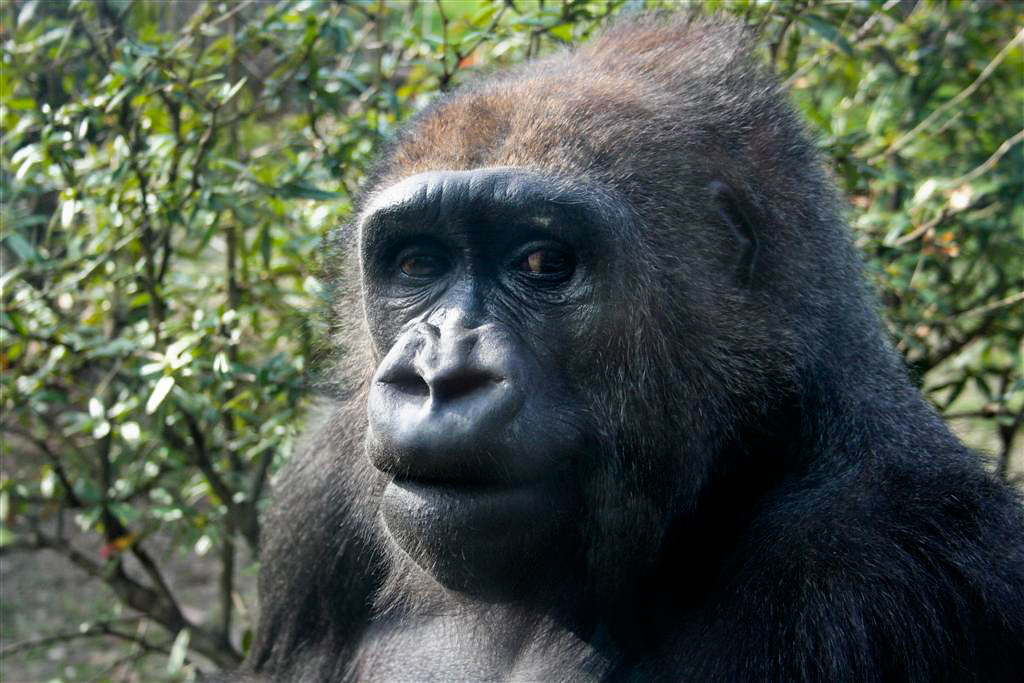
What are the key physical differences between western lowland gorillas and mountain gorillas?
Western lowland gorillas and mountain gorillas have distinct physical characteristics that make it easier to tell them apart. Western lowland gorillas, for instance, are generally smaller than mountain gorillas. The adult males of western lowland gorillas weigh around 300 to 400 pounds and stand about 4 to 6 feet tall when upright. Meanwhile, mountain gorillas are bulkier, with adult males weighing between 400 and 440 pounds and reaching a comparable height of 4 to 6 feet.
When looking closely at their hair and coloration, western lowland gorillas have shorter, finer hair and might appear more brownish in coloration. They also tend to have reddish or auburn highlights on the top of their heads. Mountain gorillas, on the other hand, have thicker, longer fur, which helps them stay warm in the cooler high-altitude climate where they reside. Their fur is often darker and may appear more black than brown.
A noticeable difference is also seen in the shape of their noses and foreheads. Western lowland gorillas have more pointed, narrower noses and a more pronounced ridge on their foreheads. Mountain gorillas usually have broader, flatter noses and less prominent ridges on their skulls.
Lastly, mountain gorillas are generally more robust in build with stockier arms and legs, whereas western lowland gorillas look slightly leaner. These physical differences reflect their adaptation to different environments and lifestyles in the wild.
Where are western lowland gorillas and mountain gorillas found in the wild?
Western lowland gorillas and mountain gorillas live in different parts of Africa. Western lowland gorillas are the most widespread of all gorilla species, inhabiting the dense lowland rainforests of Central and West Africa. They can be found in countries like Gabon, Congo, Angola, Cameroon, the Central African Republic, and Equatorial Guinea. These gorillas prefer regions with warm temperatures and abundant vegetation, particularly rainforests and swampy areas.
In contrast, mountain gorillas are much more restricted in their range. They are only found in two main places: the Virunga Mountains (spanning Rwanda, Uganda, and the Democratic Republic of Congo) and the Bwindi Impenetrable National Park in Uganda. Mountain gorillas tend to live at much higher altitudes, commonly between 8,000 and 13,000 feet above sea level, and this influences their living conditions significantly.
The differences in their locations and terrain result in unique adaptations by each subspecies. For example, western lowland gorillas are more suited to dense, humid rainforests, while mountain gorillas are specialized to survive in cooler, more rugged mountainous environments.
What are the habitat preferences of western lowland gorillas compared to mountain gorillas?
The habitats of western lowland gorillas and mountain gorillas differ significantly because they live in very different types of environments. Western lowland gorillas prefer tropical rainforests and lowland areas. These places are usually warm and humid, with abundant rainfall throughout the year. In these habitats, they rely on the dense vegetation for food, including fruit, leaves, and seeds. Western lowland gorillas also inhabit swampy areas, and they adapt remarkably well to these water-rich ecosystems.
On the other hand, mountain gorillas are primarily found in high-altitude mountainous regions. Their preferred habitat lies between 8,000 and 13,000 feet above sea level in dense montane and bamboo forests. These areas are usually colder, cloudier, and wetter than the tropical lowlands where western lowland gorillas live. The thick vegetation in these forests, such as bamboo and herbaceous plants, makes up the bulk of their diet.
The climate and vegetation differences between these two habitats explain many of the physical and behavioral distinctions between these gorillas. For example, the thicker fur of mountain gorillas helps insulate them in colder temperatures, while western lowland gorillas can thrive in hot, humid environments with their finer fur. Their habitats also dictate their food availability, social behaviors, and day-to-day routines.
How do their diets differ based on their habitats?
The diet of western lowland gorillas and mountain gorillas differs significantly because they live in different environments with varying food sources.
Western lowland gorillas primarily inhabit lowland rainforests, which are rich in a variety of fruits. So, their diet leans heavily toward fruits like figs, bananas, and other seasonal forest fruits. They also eat leaves, flowers, seeds, stems, and occasionally small insects like termites or ants when fruit is scarce. For example, a western lowland gorilla might spend hours foraging in fruit-rich trees, using its hands and lips to pick ripe fruit, while also supplementing its meals with fibrous plant material found nearby.
In contrast, mountain gorillas live in high-altitude areas like dense montane forests and bamboo forests, where fruits are scarce. Their diet consists mainly of vegetation like leaves, stems, roots, and shoots. They often consume large amounts of thistles, nettles, celery, and bamboo. For instance, mountain gorillas are known for pulling apart layers of dense plants to chew on succulent stems and stalks, it’s a behavior shaped by what their cooler and fruit-scarce habitat provides.
The general rule is this: western lowland gorillas are fruit-eaters, while mountain gorillas are more folivorous (leaf-eaters). This dietary difference also influences their movement. Western lowland gorillas might travel further distances searching for fruiting trees, while mountain gorillas stick to smaller areas with their steady supply of edible greenery.
What is the average size and weight of western lowland gorillas versus mountain gorillas?
The average size and weight of western lowland gorillas differ from mountain gorillas because of their habitats, diets, and genetics.
Western lowland gorillas are typically smaller than mountain gorillas. Male western lowland gorillas, known as silverbacks (due to the silver patch of fur on their backs), usually weigh between 300 to 400 pounds (140 to 180 kilograms). They can stand about 5 to 6 feet (1.5 to 1.8 meters) tall when upright. Females are smaller, weighing around 150 to 200 pounds (70 to 90 kilograms).
Mountain gorillas tend to be larger and heavier because their leafy, carbohydrate-rich diet sustains bulkier bodies. Male mountain gorillas usually weigh between 360 to 430 pounds (160 to 195 kilograms) and are similar in height to their lowland relatives, standing about 5 to 6 feet (1.5 to 1.8 meters) tall. Females weigh about 220 to 250 pounds (100 to 113 kilograms) on average, making them noticeably heavier than western lowland female gorillas.
For example, a male mountain gorilla might look more robust and muscular because he consumes loads of fibrous plants that encourage a stockier build, while a western lowland silverback may appear leaner because it spends more energy climbing and foraging for fruit.
This difference in size and weight is also associated with their maneuverability. Western lowland gorillas are more agile climbers due to their lighter frames, while mountain gorillas, being bulkier, move steadily through dense vegetation closer to the ground.
Are there notable differences in the social structure and behavior of these two subspecies?
Both types of gorillas live in family groups called troops, but their social behavior and group dynamics show clear differences.
Western lowland gorillas tend to have smaller, less cohesive groups. A typical troop consists of one dominant silverback, a few females, and their offspring. Each group may have 4 to 8 members on average. Unlike mountain gorillas, individual western lowland gorillas may be more independent and willing to separate from their larger family unit for long periods. This behavior could be due to the scattered distribution of fruit in the rainforest, which might spread the troop out during foraging.
Mountain gorillas, on the other hand, live in larger and more stable groups, often comprising 10 to 30 members. These family groups are tightly knit, with a dominant silverback leading, protecting, and making decisions for the whole group. Other silverbacks may also live in the group, but the dominant one typically has breeding rights and ensures harmony. Relationships in mountain gorilla groups are closer, as individuals frequently groom each other and spend a lot of time together. Living in more open vegetation likely encourages this closer bonding.
Behaviorally, western lowland gorillas are thought to be slightly more timid and avoid humans more than mountain gorillas, which can sometimes tolerate the presence of humans (as observed during conservation efforts). For example, mountain gorillas often show calming behaviors like chest-beating not for fighting purposes but to reaffirm social positions, while western lowland gorillas might retreat faster when sensing intrusions or threats.
These differences highlight how their separate habitats shape not just their daily lives but also their overall social patterns.
How do conservation statuses differ between western lowland gorillas and mountain gorillas?
The conservation status of both western lowland gorillas and mountain gorillas reflects the challenges they face in the wild, but their classifications and numbers differ. Western lowland gorillas are listed as Critically Endangered by the International Union for Conservation of Nature (IUCN). This is due to factors such as deforestation, poaching, and diseases like Ebola, which have significantly reduced their population. While exact population numbers for western lowland gorillas are hard to estimate, it is thought that they are the most numerous of all the gorilla subspecies despite their endangered status.
Mountain gorillas, on the other hand, were once considered Critically Endangered but have now been reclassified as Endangered. This is seen as a positive step, showing that conservation efforts like habitat protection and anti-poaching measures are helping. Mountain gorilla populations are smaller, with estimates suggesting just over 1,000 individuals as of recent surveys. They are carefully monitored in national parks spanning Rwanda, Uganda, and the Democratic Republic of Congo.
In short, western lowland gorillas have a larger population but face greater risks overall, keeping them in a more dire conservation category. Meanwhile, mountain gorillas show signs of recovery, but their numbers remain considerably smaller, keeping them vulnerable.
What threats do each subspecies face in their respective environments?
Western lowland gorillas and mountain gorillas live in different environments, and the threats they face reflect these differences. For western lowland gorillas, their habitat in lowland tropical forests across Central Africa is heavily impacted by logging, mining, and the expansion of agricultural activities. These activities result in deforestation, which reduces the areas where they can safely live and find food. They also face heavy poaching for bushmeat and the illegal pet trade. Another significant threat is Ebola, which has wiped out large numbers of western lowland gorillas in some regions.
Mountain gorillas, living in the dense forests and higher altitudes of the Virunga Mountains and Bwindi Impenetrable National Park, face challenges like habitat loss due to farming and human settlement. Because these areas are highly populated by people, conflicts between humans and gorillas occur, especially when gorillas raid crops. Poaching is also a threat, though usually not for meat but rather as unintended casualties in traps set for other animals like bush pigs. Diseases transmitted from humans are particularly dangerous because of their close genetic relationship with us. Even small illnesses like colds can have fatal effects on gorillas.
In both cases, loss of habitat and human activities are central issues, though diseases like Ebola are more of a concern for western lowland gorillas, whereas crop raids and human proximity directly affect mountain gorillas.
How do researchers and conservationists distinguish between these two subspecies in the field?
Researchers and conservationists rely on several physical, geographical, and behavioral characteristics to identify the difference between western lowland gorillas and mountain gorillas. One key feature is their location. Western lowland gorillas are found in lowland tropical rainforests across countries like Gabon, Congo, and Cameroon, while mountain gorillas live at higher altitudes in the Virunga Mountains and Bwindi forests in East Africa.
Physically, western lowland gorillas are smaller than mountain gorillas. They have wider skulls and more pronounced ridges over their brows. Their fur is shorter, and they often have a reddish-brown tinge around their crowns. Mountain gorillas, in contrast, have thicker, longer fur, adapted for colder climates in their higher altitude habitats.
Behavioral observations also help. Mountain gorillas stay in forest areas with dense vegetation at higher altitudes, often eating plants, stems, and leaves specific to their environment. Western lowland gorillas occupy lower forests with more food variety and are known to climb trees more often due to their lighter build.
When observing gorillas in the wild, researchers may also use genetic sampling (like collecting droppings) to positively identify subspecies. While physical and location-based clues are helpful, these genetic tests provide definitive answers, especially in regions where habitats might overlap.
What role does altitude play in the lives of mountain gorillas compared to western lowland gorillas?
Altitude significantly affects the living conditions, behaviors, and physiology of mountain gorillas compared to western lowland gorillas. Mountain gorillas typically live at high altitudes, ranging between 8,000 to 13,000 feet (2,400 to 4,000 meters) above sea level, in mountainous regions of Central Africa, such as the Virunga Mountains and Bwindi Impenetrable Forest. These areas are characterized by colder temperatures, thinner air (less oxygen), and a more rugged terrain.
To survive in these conditions, mountain gorillas have thicker fur than their western lowland relatives, which helps them stay warm in the colder environment. They are also physically strong and have adapted to climbing slopes and moving through dense mountain vegetation. The high mountains provide a diet composed largely of leaves, shoots, and stems of plants found in these altitudes, as fruits are scarce due to the cooler climate.
In contrast, western lowland gorillas inhabit mainly low-altitude tropical rainforests, typically below 5,000 feet (1,500 meters). These gorillas experience warmer, more humid conditions and greater biodiversity in their environment. Their thinner fur suits the warmer climate, and their diet is more fruit-heavy because fruits are abundant in the rainforest.
Altitude also impacts movement and territory size. Western lowland gorillas often have larger ranges to travel in search of fruit, while mountain gorillas often stay within smaller areas, as their food resources are more consistently available.
In summary, altitude shapes their physical features, diet, and movement behaviors by influencing the environment they live in. For example, the thick fur of the mountain gorilla and the fruit-oriented diet of the western lowland gorilla are adaptations to deal with their respective altitudes.
How does their reproduction or life cycle vary, if at all?
Mountain gorillas and western lowland gorillas have very similar reproductive patterns and life cycles since they belong to the same species, but there are subtle differences due primarily to environmental factors. Let’s explore their life stages: birth, juvenile period, maturity, and old age.
Female gorillas in both subspecies typically give birth to one infant at a time with a pregnancy lasting about 8.5 months. However, the rate of reproduction can differ. Mountain gorillas, which live in smaller and often more stable groups, may have slightly higher survival rates for their infants because their harsh but predictable environments allow for better protection and care. Western lowland gorillas, living in larger and less stable groups in dense forests, may face increased risks from predators or competition, which can affect infant survival rates.
Gorilla infants stay dependent on their mothers for the first 3–4 years of life, riding on their backs, learning to forage, and observing social behaviors. Juveniles, between ages 4–6, start exploring more independence but remain part of the group. Adults reach sexual maturity at 7–10 years (females) and 10–12 years (males), but males, especially in competitive groups, might not start reproducing until they can lead a group as a silverback.
Environmental factors can influence the life expectancy. Mountain gorillas often face extreme conditions, but their smaller populations experience fewer diseases, like Ebola, that affect lowland groups. Western lowland gorillas, while living in warmer areas with abundant food, encounter higher disease risks and greater human interference, which can shorten their lives.
While the basic life cycle and biology are consistent, differences in environmental pressures and disease risks lead to slight variations in reproductive success, infant survival rates, and overall life expectancy between the two subspecies.
What efforts are being made to protect western lowland gorillas and mountain gorillas?
Both mountain gorillas and western lowland gorillas are protected through extensive conservation efforts, but the strategies differ due to the unique challenges each subspecies faces.
For mountain gorillas, intense efforts focus on protecting their mountain forest habitats. These include preserving national parks like Volcanoes National Park (Rwanda) and Bwindi Impenetrable Park (Uganda). Anti-poaching patrols prevent illegal hunting, and strict regulations around gorilla tourism minimize disruption to their groups. Organizations like the Dian Fossey Gorilla Fund work on research and community-based programs to build awareness and support among local people.
Mountain gorillas benefit from relatively small habitats that are easier to monitor. Their populations are slowly increasing thanks to conservation, with their status upgraded from critically endangered to endangered in recent years. However, habitat loss, diseases shared by humans, and climate change remain threats.
Western lowland gorillas face greater challenges due to their vast rainforest territories spread across multiple countries like Congo, Gabon, and Cameroon. These forests are harder to monitor, and the gorillas are more susceptible to diseases like Ebola, which has wiped out entire populations. Conservation efforts include reforestation programs to restore their habitats, anti-poaching campaigns, and disease-monitoring initiatives.
Organizations such as the World Wildlife Fund (WWF) and Wildlife Conservation Society (WCS) are heavily involved in the protection of western lowland gorillas. They work to conserve rainforests through fighting illegal logging and promoting sustainable practices among local communities.
Both subspecies rely on collaboration between governments, NGOs, and local communities. Public awareness programs and international funding are critical to tackling threats like poaching, deforestation, and climate change. Supporting ecotourism (for mountain gorillas) and strengthening laws against hunting and habitat destruction are just some of the many steps being taken to ensure their survival.
How to Book Your Safari in Rwanda
By now, you should have a better understanding of the differences between Western lowland gorillas and mountain gorillas, including where they live, how they behave, and why they fascinate so many wildlife enthusiasts. Ready to see these amazing creatures up close? Planning your trip with trusted Rwanda Safari Companies makes the process easy and enjoyable. Click the link, explore your options, and get set for the adventure of a lifetime in Rwanda!
Mountain Gorilla vs Lowland Gorilla
Mountain Gorilla vs Lowland Gorilla differences primarily lie in their habitat, size, and appearance. Mountain Gorillas are found in higher altitudes, often in Rwanda safaris within Volcanoes National Park, and are slightly smaller with thicker fur for colder climates. They are a central focus for gorilla trekking in Rwanda due to their limited range and population. Lowland Gorillas, in contrast, inhabit dense forests and lowland regions across Central Africa. They are generally larger, with shorter fur and more widespread habitats, making them less exclusive to specific areas. Both species face threats from habitat loss and poaching, but conservation efforts are more narrowly concentrated for Mountain Gorillas due to their critically low population numbers.
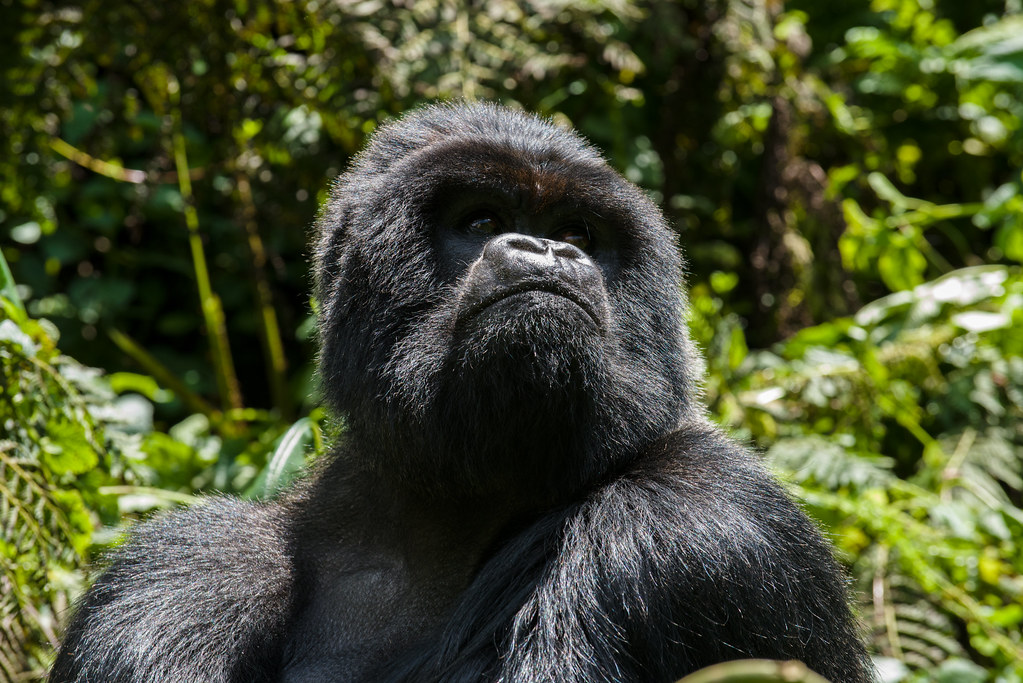
What are the key differences between mountain gorillas and lowland gorillas in terms of physical appearance?
Mountain gorillas and lowland gorillas have distinct physical traits that help them adapt to their respective environments. One of the most noticeable differences is size. Mountain gorillas are typically stockier and larger compared to the lowland gorillas. They have a more muscular build, which enables them to survive in colder, mountainous regions. Lowland gorillas, on the other hand, tend to have a leaner body structure.
Another distinction lies in their fur coat. Mountain gorillas have longer and thicker fur, which helps them stay warm in the higher-altitude forests where temperatures can be much chillier. Lowland gorillas, living in warmer, tropical environments, have shorter and thinner hair to avoid overheating.
When it comes to nose shape, mountain gorillas have a broader and flatter nose, while lowland gorillas often have a more narrow nasal ridge. These differences might not be obvious at first glance, but they help researchers identify the two subspecies.
Additionally, the color of their fur can vary. For instance, mountain gorillas’ hair often appears slightly darker or blacker, while western lowland gorillas may show some brown or even red-tinted fur on their heads.
For example, a silverback mountain gorilla (the adult male with a gray patch on its back) stands out with its prominent size and longer, shaggier hair, compared to the sleeker profile of a silverback lowland gorilla. These traits are just a few ways their adaptations influence their physical appearance.
Where do mountain gorillas and lowland gorillas live, and how do their habitats differ?
Mountain gorillas live in the forests at higher altitudes, specifically in regions like the Virunga Mountain Range (spanning Rwanda, Uganda, and the Democratic Republic of Congo) and Uganda’s Bwindi Impenetrable Forest. These areas are marked by dense vegetation, cooler temperatures, and regular mist or fog. These gorillas thrive in altitudes ranging from 8,000 to 13,000 feet, where bamboo and other shrubs provide them with food. The steep terrains and thick vegetation are challenging to traverse, but mountain gorillas move skillfully through these environments.
Lowland gorillas, however, are found in the lowland tropical forests of central and western Africa. This includes countries like Congo, Gabon, Cameroon, and the Central African Republic. Their habitats are at lower elevations, usually below 5,000 feet, and feature larger expanses of flat, humid forests with a more diverse array of plants. Western lowland gorillas specifically inhabit swamp forests as well, making them more accustomed to wetter environments.
The habitat differences reflect the diets and physical needs of each subspecies. For example, the cooler, mountainous regions force mountain gorillas to consume fewer fruits and rely on plants like bamboo, while the lowland habitat is rich in fruits, which lowland gorillas eat in abundance.
A key example of the impact of location is mobility, mountain gorillas don’t need to travel far for food because of the consistency of their vegetation, whereas lowland gorillas may move longer distances to find fruiting trees. These environmental factors shape not just where they live but also how they interact with their surroundings.
What are the dietary preferences and feeding habits of mountain gorillas compared to lowland gorillas?
The diet of mountain gorillas primarily consists of vegetation, as fruit is scarce in their colder, high-altitude environments. They mainly eat leaves, stems, bamboo shoots, and other tough plants. As a result, these gorillas are considered herbivores, and around 85% of their diet is made up of foliage. Because their habitat is densely vegetated, they don’t have to travel far to locate food. For instance, mountain gorillas can spend hours sitting down and carefully munching on nearby plants. A typical meal might include large amounts of nettles, celery, or thistles.
Lowland gorillas, however, include much more fruit in their diet. About 60% of their diet consists of fruit, making them more frugivorous compared to their mountain relatives. They often climb trees to access fruit and travel longer distances in search of it because fruit sources may be scattered. In addition to fruit, they also eat leaves, seeds, bark, and sometimes small insects like termites or ants. Their broader diet reflects the greater abundance of food diversity in tropical forests.
An example that highlights the difference is bamboo, mountain gorillas consume large quantities of bamboo shoots during certain seasons, while lowland gorillas would mostly prefer figs or other sweet fruits available in their forests. Feeding habits are closely connected to the habitat, which influences what foods are available to each group.
How do the social structures and group dynamics differ between mountain gorillas and lowland gorillas?
Mountain gorillas and lowland gorillas have different social structures and group dynamics, largely shaped by their environments and habits. Let’s start with mountain gorillas. They typically live in smaller and more stable groups, often led by a single dominant silverback, an older male with a grayish-white section of hair on his back. A typical group may include one silverback, multiple females, their offspring, and sometimes younger males. The silverback is central to the group’s life, making critical decisions like when to move, where to find food, or protecting the group from threats. For example, if the group is attacked, the silverback will defend them, sometimes risking its own life.
Lowland gorillas, on the other hand, often form larger and more fluid groups. While they might also have one dominant silverback, it is not unusual for lowland gorilla groups to change in composition over time, with members moving between groups more frequently. They are generally less dependent on a single leader because lowland forests sometimes spread their food sources over wider areas, making gorilla interactions more spread out and adaptable. This looser structure allows lowland gorillas to adjust more to changing conditions in their environment.
An example of this difference is in disputes or fights: mountain gorilla groups are highly cohesive, and internal disputes are rare because of the silverback’s dominance. In contrast, lowland gorillas might experience more conflict or competition as group members move around or encounter new individuals. Overall, these differences highlight how their environments have shaped their social behaviors.
What are the primary threats and conservation challenges facing mountain gorillas and lowland gorillas?
Both mountain gorillas and lowland gorillas face serious threats, though the details can differ. Mountain gorillas are primarily threatened by habitat loss, as their forest habitats are often cleared for agriculture or human settlements. Regions like Virunga National Park, where many mountain gorillas live, have expanding human populations that encroach on their territory. Moreover, poaching poses a risk, even if gorillas themselves are not directly targeted. For instance, traps meant for other animals can accidentally injure or kill mountain gorillas.
Lowland gorillas are more affected by logging and the destruction of tropical rainforests, as well as diseases like the Ebola virus, which has devastated some populations. Logging creates roads that make it easier for poachers to access areas where gorillas live, increasing the risk of illegal hunting. Additionally, lowland gorillas are often hunted for bushmeat, which is a significant concern in certain parts of Africa.
Both species share threats from climate change, which alters the forests they call home, and diseases like those passed from humans. For example, gorillas can catch illnesses from visitors or researchers, despite efforts to minimize close contact. Conservation challenges also include a lack of funding or resources in some regions to enforce anti-poaching laws or maintain the protected status of gorilla habitats.
Efforts to address these threats include stricter law enforcement, creating buffer zones around national parks, and educating local populations about the importance of gorillas. A notable example is ecotourism for mountain gorillas, where part of the revenue supports conservation and local communities, providing an incentive to protect these animals.
How do mountain gorillas and lowland gorillas adapt to their respective environments?
Mountain gorillas live in high-altitude, colder areas, such as the volcanic mountains of central Africa. To cope with this environment, they have thicker and longer fur, which helps them stay warm. They are also well-suited to climbing steep slopes and spending much of their time on the ground rather than in trees. Since food is less abundant in their environment, mountain gorillas consume a diet dominated by leaves, stems, and other vegetation available on the forest floor. They rarely rely on fruit, as it is scarcer in their highland environment.
Lowland gorillas, by contrast, have thinner fur because they live in warmer, tropical forests. Their habitat provides plenty of fruit, which makes up a significant part of their diet. Their hands and body structure are adapted for climbing and navigating dense forests, where fruit trees are common. For instance, lowland gorillas are more likely to climb trees than mountain gorillas, especially to access ripe fruit.
Another difference is how they deal with predators. Mountain gorillas benefit from living in smaller, isolated populations with fewer predators, while lowland gorillas in open, dense forests may encounter threats like leopards. Their larger groups and more active movement patterns could help them avoid such dangers.
In summary, mountain gorillas adapt to life in cooler, high-altitude regions through their thick fur and ground-level feeding habits, while lowland gorillas are built for warmer, fruit-rich tropical forests, where their climbing abilities and preference for fruit stand out. These adaptations highlight how each species thrives in its unique environment.
What are the population sizes of mountain gorillas and lowland gorillas, and how are these populations managed?
The population of mountain gorillas is relatively small due to their limited range and the pressures they face from human activities. Current estimates suggest there are around 1,000 mountain gorillas left in the wild. They are primarily found in two areas: the Virunga Mountain range (which spans Rwanda, Uganda, and the Democratic Republic of Congo) and Uganda’s Bwindi Impenetrable National Park. Due to their fragile numbers, efforts to manage and protect mountain gorillas are highly focused. Strict conservation measures include anti-poaching patrols, habitat restoration, regulated tourism programs, and community engagement initiatives to reduce human-wildlife conflict. For example, well-organized gorilla trekking tours in Rwanda fund conservation efforts, ensuring minimal disturbance to the animals while generating revenue for their protection.
In contrast, lowland gorillas (specifically the Western lowland gorilla) have larger populations, with an estimated 100,000–200,000 individuals remaining in the wild. They are more widespread and can be found across Central Africa, including countries like the Republic of Congo, Gabon, and Cameroon. Eastern lowland gorillas, however, are less numerous, with their population in the tens of thousands. Conservation actions for lowland gorillas involve similar efforts, though their broader range makes management more challenging. Wildlife reserves and national parks aim to safeguard their habitats, and regional anti-poaching laws are enforced. Unfortunately, habitat destruction due to logging and agriculture significantly threatens lowland gorillas, requiring enhanced habitat protection strategies.
Both species benefit from collaborative international programs, such as those run by the World Wildlife Fund (WWF) and the International Gorilla Conservation Programme (IGCP). Conservationists also monitor their health and genetics to ensure the populations remain viable. Successful management relies on cooperation between conservation groups, local communities, and governments.
Are mountain gorillas or lowland gorillas more endangered, and why?
Mountain gorillas are considered more endangered than lowland gorillas due to their limited range, small population size, and the unique threats they face. With only around 1,000 individuals, mountain gorillas are classified as Endangered on the IUCN Red List. They live in specific regions, such as mountainous forests in Rwanda, Uganda, and the Democratic Republic of Congo, making them highly vulnerable to habitat loss. Additionally, these areas face intense pressure from human activities like agriculture, illegal logging, and wars or conflict, further shrinking their safe habitat.
While Western lowland gorillas are currently classified as Critically Endangered, their population is significantly larger, up to 200,000 animals, and they have a broad range across Central Africa. However, they face intense threats such as poaching and outbreaks of diseases like Ebola, which have decimated groups over short periods. Unlike mountain gorillas, Western lowland gorillas have a higher birth rate, which slightly improves their chances of recovery in some regions.
Eastern lowland gorillas, another subspecies, are less numerous than Western lowland gorillas but more plentiful than mountain gorillas. They are also classified as Endangered. A significant reason mountain gorillas remain more critically at risk is that their high-altitude habitat limits their ability to migrate and adapt to environmental changes.
Factors such as illegal hunting, forest encroachment, and human-wildlife diseases equally threaten both species but are amplified for mountain gorillas due to their restrictively small environment. Conservation efforts, including ecotourism and habitat protection laws, have provided some hope. For instance, mountain gorilla numbers have been slowly increasing due to these sustained efforts.
How do their behaviors and communication styles differ in the wild?
Mountain gorillas and lowland gorillas exhibit unique behaviors and communication methods tailored to their environments. Mountain gorillas typically live in dense, cooler forests, which shape their lifestyle. For instance, they tend to spend more time on the ground than in trees because their heavier bodies make tree-climbing difficult. They eat less fruit (due to its scarcity in high-altitude regions) and spend much of their time feeding on leaves, stems, and shoots. Their daily routines revolve around moving short distances to locate fresh vegetation patches.
Lowland gorillas, on the other hand, live in warmer, forested environments with an abundance of fruit. This makes their behavior slightly different. They are more likely to spend time climbing trees, as their smaller frames and the availability of fruit in tree canopies allow them to forage effectively. Their diets are more varied and include fruit, seeds, flowers, and leaves, which influences their mobility, as they often cover much larger areas searching for food.
When it comes to communication, both types of gorillas rely on similar strategies, including vocalizations, body postures, facial expressions, and gestures. However, differences in habitat and group size may influence how these behaviors are expressed. Gorillas grunt, bark, and hoot to communicate emotions like contentment, warning signals, or excitement. Chest beating, a characteristic behavior, is used in conflicts to display dominance or intimidate rivals. The intensity or duration of chest beating could vary based on the species.
Lowland gorillas, with their broad ranges, might need to use more visual cues in open spaces to communicate over greater distances. Mountain gorillas, living in tighter-knit groups within dense forests, often rely on close-proximity signals such as grooming and touching to strengthen group bonds. Both species demonstrate high levels of intelligence, showing problem-solving abilities and a capacity to display emotions like joy, fear, or sadness through their communication styles.
What role do mountain gorillas and lowland gorillas play in their ecosystems?
Mountain gorillas and lowland gorillas are both key species in their ecosystems, meaning they play important roles in maintaining the health and balance of the environments where they live. One of their main contributions is as seed dispersers. Gorillas eat a wide variety of fruits and plants, and the seeds from the fruits they eat often pass through their digestive systems unharmed. When they move through the forest and deposit their waste, the seeds are spread to new areas and planted naturally, helping maintain plant diversity. This process also supports the growth of trees and shrubs that other animal species rely on for habitat and food.
Another role they serve is as “ecosystem engineers.” When gorillas forage and move through their habitats, they often clear paths and break down vegetation. This action can open up areas in dense forests, allowing other smaller animals and plants to thrive. For example, when they tear down vines or bushes, it creates patches where sunlight can reach the forest floor, promoting new plant growth.
Moreover, their sheer size and energy needs (especially in groups) impact how resources, like food and vegetation, are distributed across their environment. These impacts create ripple effects that benefit other species, such as insects, birds, and small mammals, which rely on the same ecosystem. For instance, when gorillas eat certain vegetation and leave leftovers behind, other animals may use those as a food source.
In simple terms, gorillas act as a natural maintenance crew for their habitats, spreading seeds, shaping vegetation, and keeping the ecosystem balanced across large areas of tropical forests. If gorillas were to disappear, these forests wouldn’t function the same way, which would affect many other species that share the same environment.
How do researchers and conservationists study mountain gorillas and lowland gorillas?
Researchers and conservationists use a mix of observation, technology, and data collection to study mountain gorillas and lowland gorillas. One key method they use is “habituating” gorillas to human presence, especially for mountain gorillas. This means gradually getting gorilla groups used to seeing humans nearby so researchers can observe their behavior more closely without disturbing them. However, this process is slow, taking months or even years because the safety and comfort of the gorillas are prioritized.
Direct observation is then used to study behaviors like feeding, playing, grooming, and communication. By carefully tracking individuals in a group, researchers can record how gorillas interact with each other, how they raise their young, and how they respond to threats or changes in their environment. Information about diet is often collected by looking at what they eat or examining their feces for plant materials.
Researchers also use tracking devices and technology like camera traps or GPS collars for lowland gorillas, which tend to move through much larger areas and thicker forests. Lowland gorillas are harder to observe directly, so these tools help scientists figure out their migration patterns as well as their home ranges.
Genetic and health studies are also conducted by collecting things like feces, hair, or urine samples. Examining DNA from these materials can reveal information about relationships between gorillas, population structure, and genetic diversity. Health data help identify diseases that may affect the gorillas, such as respiratory illnesses or parasites.
Conservationists combine these biological studies with efforts to raise awareness and protect habitats. For example, they monitor threats like poaching or deforestation and work with local communities to reduce human impact on gorilla habitats. Studies like these help conservation programs set realistic goals to protect gorillas and their environments.
Are there efforts to compare their genetics, and what similarities or differences have been found?
Yes, there have been extensive efforts to compare the genetics of mountain gorillas and lowland gorillas. These studies reveal that the two species are very closely related, but they have distinct genetic differences due to adapting to their separate environments over thousands of years.
Mountain gorillas and lowland gorillas are both subspecies of the eastern gorillas (Gorilla beringei) and western gorillas (Gorilla gorilla). Genetically, the eastern and western species differ by about 40% in their DNA, which is significant. Mountain gorillas belong to the eastern group, while most lowland gorillas are part of the western group. This clear genetic split happened roughly one to two million years ago when the populations migrated and adapted to different regions.
Within these broad groups, smaller distinctions help scientists identify unique traits. For example, mountain gorillas have thicker fur, which helps them survive in colder, higher-altitude environments. Their genetic markers show adaptations for dealing with colder temperatures and different diets than lowland gorillas, which live in warmer climates with a wider variety of fruits and plants.
Despite these differences, the two types share many similarities. About 98% of their DNA is identical to humans, and the genetic similarities between mountain and lowland gorillas are even closer. Both groups have low genetic diversity, meaning the genetic variation within their populations is limited. This is partly due to small population sizes and isolated breeding, which makes them vulnerable to disease and other threats.
Genetics research plays a critical role in conservation efforts. By understanding the genes specific to mountain and lowland gorillas, scientists can guide breeding programs, study diseases, and better protect the unique features of each group.
How To Book Your Safari in Rwanda
Curious about the differences between Mountain Gorillas and Lowland Gorillas, like where they live, what sets them apart, and why they matter? We’ve broken it all down for you! Once you’re ready to see Mountain Gorillas up close in their natural habitat, there’s no better way than booking a safari in Rwanda. Check out the best Rwanda Safari Companies to plan your adventure today. Expert guides will help create lifelong memories with these majestic creatures. Don’t wait, your gorilla experience awaits!
Understanding Silverback Gorillas: Behavior, Habitat, and Conservation
Understanding Silverback Gorillas: Behavior, Habitat, and Conservation
Of all the species of primates available in the world, it can be said that in some ways, watching silverback gorillas in their natural habitat can be termed as one of the most interesting experiences. The mountain gorillas, found at the heart of Africa in the jungles, are called gentle beasts for they are non-aggressive despite their size. The term silverback is often used in contexts referring to fully grown males of these species who lead and protect the entire group from danger. These species of gorillas are attributed with high levels of intelligence, social order and brute strength. Nevertheless, silverback gorillas are threatened with other problems such as poaching practices and loss of habitats hence their protection has become so imperative for the existence of the species. In order to understand the full range of these beings’ beauty, it is reasonable to look into their ways of life, their natural environment, and the measures aimed at their protection.
silverback gorillas significance among animals
The accuracy is possible because silverback gorillas are naturally present in all ecosystems. They hold ecological significance in their environment by acting as seed dispersers thus facilitating the growth of forests. Since silverback gorillas are among the closest relatives of human beings, they contribute significantly to the understanding of human ancestral lineage, behaviors, and societies. Apart from their contribution to the environment and science, silverback gorillas are also of great cultural value to some native tribes in Africa. They are usually personified as values associated with power and might. Learning about such animals helps us understand the rich variety of life on Earth and begs people to conserve them.
In-depth Analysis of Silverback Gorillas’ Behavior
Troop Structure and Interactions
Silverback gorillas are social animals that live in groups known as troops or bands which may comprise of 5 to 30 individuals. Usually, these groups are led by a dominant male, the silverback, characterized by a patch of silver hair on its back as he grows older. The silverback’s responsibilities include directing the group, providing security to the group and making other strategic decisions for the group on issues such as food locations and shifting periods. Contrary to this, silverback gorillas have a very defined social hierarchy which is quite peaceful. There is hardly any fighting within the group since the members usually exhibit behaviors that show dissatisfaction without engaging in violence. In many instances younger males called blackbacks remain within the ranks until they mature but at some point tend to either fight the dominant silverback or leave and start their own troops.
Strength of Connection in Silverback Gorillas
Communication is an art that every gorilla in a troop employs with great efficiency and diversity. Because of the wide range of techniques such as vocalization, gestures as well as facial expressions carried out by the members of the group, they are capable of expressing their feelings and intentions. These signals also help in keeping the groups in order and strengthening the social ties of the group members. For example, members of the gorilla family often beat their chests in order to show power or in response to a threat; such behavior has hitherto been associated with dominant silverbacks. However, chest beating is not exclusively a display of hostility as it can sometimes be done in fun or as a show of one’s self.
Diet and Feeding Habits
The diet of silverback gorillas is mostly made up of plant material, including leaves, fruit, stalks and other types of vegetation such as bamboo shoots. As an exception to this pattern, sometimes they sneak in a portion of their diet rich in small crawling larvae or some other insects. However, such consumption does not contribute significantly to their diet. They have bulky bodies with slow speed activities. Hence they can feed and manage on low dietary calories. Sufficient time is allocated for feeding in the daily routine of silverback gorillas. The habitat of such animals is filled with food but it is scattered requiring the animals to be on the move always in search of food direction. They also use their power and skill to pull branches down and feed on leaves that other creatures cannot access.
The Habitat of Silverback Gorillas
Where Do These Silverback Gorillas Live?
Also, they can be found in the forests of central Africa where east African mountain gorillas are located with the highest populations occurring in the virunga mountains which cross the borders of ruanda, uganda, and the democratic republic of congo. These gorillas are found in forest ranges at an altitude 8,000 -13,000 feet thus they are used to cold misty climatic conditions. Vertical movement of silverback gorillas is gently constant within the lowland tropical rain forests primarly due to the availability of food and other resources. The giensiro tropical coastal mountain forests geography supporting silvers backs also offers them comforts and essentials for existence including canopy cover with tree and shrubs, sources of water, rivers and streams and even minerals in terms of soils. On the other hand, quite the opposite is true in regards to the situation as it can be noticed that this type of habitat is always threatened by human intervention in the forms of logging, farming among other activities.
The Impact That Ecotourism Has Towards the Conservation of Gorillas
Currently, ecotourism is without a doubt one of the most reliable methods that has brought a lot of success in saving silverback gorillas. It has turned such animals from being victims of poaching into money making industries, by encouraging the sustainable use of the animal and its surroundings. In America for instance, the business of going into the jungles to view the gorillas has been well developed and at the same time created employment opportunities for the surrounding communities where it has helped to conserve them from felling trees and killing animals. On the other hand, the value of Tourism is also to appeal the International community or every individual on the concern regarding the conservation of silverback gorillas. This is because most of the visitors go back home pained but resolved knowing what is causing the problems and how they can help in fighting against it.
Ecotourism techniques have to be sustainable.
On the contrary, it is probabaly important to note that gorillas and their surroundings, or environment have to be protected while engaging people in ecotourism. There are strict rules that help maintain the limits on the number of tourists who can visit learned in one day, and that the tourists do not come close to the animals to avoid transmission of any germs. Besides, part of the revenue received from tourism is often used back into these communities and in provision of education, health care and other services which improve peoples’ lives and make them engaged in activities which are not provably damaging to the environment.
Silverback Gorillas in Popular Culture and Media
Silverback gorillas are known to most of the people around the world because of their ability to command attention owing to their giant size and mannerisms similar to that of human beings. These animals have appeared in most documentaries, and films and books with the exception of which they are regarded or depicted as strong but benevolent natures. Such expositions have also played an important role on it about the plea of their veracity that has encouraged people and made them act positively.
There are number of gorilla-related documentaries like “Virunga”, which tells the story of the struggle towards the preservation of gorillas in the Congo Republic, which raised the awareness on the issues of threat the great apes are enduring as we speak. On the other hand, Sophia Loren in “Gorillas in the Mist” screened the work of one of the first and dedicated campaigners – Dian Fossey, who contributed to the existence of enormous colonies of gorillas even today.
Silverback Gorillas: A Look Ahead
The silverback gorillas of the future will largely depend on continued conservation strategies, sustainable ecotourism, and raising awareness towards the threats posed to these wild animals. If we focus on conserving their territory, protect them from illegal hunters, and practice tourism the right way, it is hoped that people will be able to see wild silverback gorillas even in the distant future. They are not only a fierce symbol but possess a finer side of intelligent and loving nature which is absolutely necessary for this planet. It is important to know how these species behave, where they live, and what threatens them in order to keep them for posterity.
Experiencing silverback gorillas in their natural habitat offers a profound insight into their social structures, behaviors, and ecological significance. These gentle giants play a crucial role in their ecosystem as seed dispersers, highlighting the importance of conserving their habitats. Unfortunately, threats like poaching and habitat loss persist, making conservation efforts essential. Engaging in sustainable ecotourism allows visitors to observe these magnificent creatures while supporting local communities. For those interested in an immersive experience, 3 days of gorilla habituation in Bwindi National Park provides a unique opportunity to connect with these remarkable animals. Learn more about this incredible adventure.
Planning your trip? Start with our complete Volcanoes National Park Rwanda travel guide.