
Gorilla Trekking Rules and Guidelines in Rwanda Explained
The Gorilla Trekking Rules and Guidelines in Rwanda ensure the safety of both visitors and mountain gorillas in Volcanoes National Park, a key destination for gorilla trekking in Rwanda during Rwanda safaris. Key rules include maintaining a 7-meter distance from gorillas, avoiding direct eye contact, staying in small groups, and following the instructions of park guides. Visitors must be at least 15 years old, in good health (no contagious illnesses), and should refrain from eating, drinking, or smoking near gorillas. Flash photography is prohibited, and waste must not be left in the park. These measures aim to protect the gorillas and their natural habitat while providing visitors with a safe and respectful trekking experience.
What are the key rules and regulations for gorilla trekking in Rwanda?
Gorilla trekking in Rwanda is one of the country’s highlights, and certain rules and regulations are in place to protect both the gorillas and the visitors.
First, trekkers must always keep a distance of at least 7 meters (about 23 feet) from the gorillas. This distance helps to ensure that the animals do not feel threatened and reduces the risk of transmitting diseases to them. Gorillas share roughly 98% of their DNA with humans, making them highly susceptible to human illnesses, even the common cold.
Visitors are required to stay with the gorillas for a maximum of one hour once they locate a family. This limit minimizes the stress on the animals and lets them continue with their natural behaviors without too much human interference.
Trekkers should maintain quiet and calm behavior during the trek and when in the gorillas’ presence. Speaking in low tones and avoiding sudden movements is essential so as not to startle the animals. Shouting, littering, or smoking in the forest is strictly prohibited.
As a precaution to avoid introducing diseases to the gorillas, visitors who are feeling unwell, particularly with symptoms like a fever or persistent cough, are not allowed to participate in gorilla trekking.
Lastly, visitors are typically required to travel with licensed guides and rangers. These experts not only enhance the trekking experience by sharing information but also ensure safety in the forest and adherence to the rules.
Do I need a permit for gorilla trekking, and how can I obtain one?
Yes, anyone planning to participate in gorilla trekking in Rwanda must have a permit. This permit serves as official permission and helps regulate the number of visitors, thus preserving the gorillas and their habitat.
Permits are issued through the Rwanda Development Board (RDB). These can either be booked directly through their official website or through registered tour operators, many of whom bundle the permits with travel packages for convenience. Tour operators often assist with securing permits well in advance, especially during peak seasons when permits tend to sell out quickly.
The cost of one permit is currently USD $1,500 per person (as of 2023). While this price may seem high, the revenue generated goes directly toward conserving the gorillas, maintaining the national parks, and supporting local communities living around the parks.
It is recommended to secure a permit at least 3-6 months ahead of your visit since only a limited number are allocated daily (8 per gorilla group). If you book late, you might not find availability.
On the day of trekking, bring a copy of your permit and identification. These will be checked by park officials before the trek begins. Also, permits are non-refundable except in a few exceptional circumstances related to health or cancellations by the authorities.
What is the maximum group size allowed for visiting a gorilla family?
To minimize disturbance to the gorillas and improve the experience for visitors, gorilla trekking groups are limited to 8 people per gorilla family per day.
This small group size helps with maintaining the 7-meter distance and makes it easier to manage the trek accordingly. It also reduces potential stress on the gorillas caused by large crowds, helping them to feel safe and behave naturally in their habitat.
For conservation reasons, each gorilla family is visited just once per day, making it important for trekkers to start their trek early in the morning. Groups are intentionally kept small to ensure that the gorillas are not overwhelmed or startled by too many humans at once.
The 8-person limit also enhances the experience for tourists, as a smaller group allows for quieter interaction and gives everyone a chance to observe the gorillas closely without too many interruptions.
Are there age restrictions for participating in gorilla trekking?
Yes, there are age restrictions for gorilla trekking in Rwanda. Individuals must be 15 years old or older to participate in this activity. This rule is in place to ensure the safety of both the visitors and the gorillas. Young children may struggle with the physical demands of trekking, such as long hikes through rugged, forested terrain. There’s also the possibility that children could unintentionally act in ways that may disturb the gorillas, such as making loud noises or sudden movements.
Additionally, young children may have weaker immune systems or might not yet fully understand hygiene-related guidelines, increasing the risk of transmitting human diseases to these animals. Gorillas can catch illnesses from humans, which can have serious consequences for their health. For these reasons, the minimum age requirement protects not only the tourists but also these endangered animals.
To provide a concrete scenario, if a family is traveling together and one member is under 15, that individual won’t be permitted to take part in the trek. Others in the group can go if they’re aged 15 or older. It’s essential to check identification documents like a passport during registration.
What health precautions should I take before and during gorilla trekking?
Health precautions aim to protect both you and the gorillas. Before the trek, ensure you are in good health. If you are sick , whether with a cold, flu, or any other contagious illness , you should avoid participating, as the risk of transmitting diseases to the endangered gorillas is high.
You may also consider getting vaccinations and a general health check-up before traveling to Rwanda. Some relevant vaccines include yellow fever, typhoid, tetanus, and hepatitis. Additionally, because most trekking areas are located in regions prone to malaria, carrying and using anti-malarial tablets and mosquito repellent is important.
During the trek, ensure you bring personal hygiene items such as hand sanitizer or wipes. You’ll be expected to follow hygiene guidelines strictly, such as wearing a surgical mask when near the gorillas to limit the spread of germs. Avoid eating, drinking, or smoking near the gorillas, as these actions might inadvertently introduce bacteria or food particles that could harm them.
If you need to sneeze or cough while trekking, always do so into your elbow or turn away from the animals to reduce droplet spread.
Overall, maintaining cleanliness, staying hydrated, and being in good physical condition are key to minimizing risks for both trekkers and gorillas.
How much physical fitness is required for gorilla trekking?
Gorilla trekking requires a moderate to high level of physical fitness, depending on the specific trek assigned to you. Gorilla families are located in different areas of the Volcanoes National Park, and the trek to find them can range from 1 to 6 hours in duration. The difficulty level varies , some treks are shorter and easier, while others involve steep climbs, muddy trails, and dense rainforest.
It’s important to prepare in advance if you’re not accustomed to regular physical activity. Basic cardiovascular training, like walking, hiking, or jogging, can help improve stamina. Building strength in your legs through activities like stair climbing or squats can also make the journey smoother.
For example, if the gorilla group you’re tracking is far from the starting point, you may need to hike through uneven terrain, sharp inclines, or rocky paths. You may encounter thick vegetation or areas where you’ll require walking sticks to maintain balance. Trekking under humid conditions can make it more demanding, so staying fit beforehand makes the process much more manageable.
Rangers often assign groups based on fitness levels, so if you inform them about any physical limitations, they’ll do their best to assign you to a more accessible route. However, a minimum level of fitness is essential to participate. Preparing in advance significantly boosts your comfort and enjoyment while trekking.
What should I wear and pack for a gorilla trekking experience?
When preparing for a gorilla trekking experience, your clothing and gear should ensure comfort, safety, protection from nature, and proper behavior when in the forest. Here’s what you should wear and pack:
-
- Long-sleeved shirts and long pants: These help protect your skin from scratches, insect bites, and stinging plants. Neutral or muted colors (like green, brown, or khaki) are recommended to blend in with the forest and avoid disturbing wildlife.
- Sturdy hiking boots: Quality waterproof boots with good grip are essential since trekking involves climbing slippery or uneven terrain.
- Rain jacket or poncho: The weather in the forest can change suddenly, often leading to unexpected rain. A lightweight, waterproof jacket ensures you stay dry.
- Hat and gloves: A hat offers protection from the sun, and gloves can help when grabbing onto trees or vines for stability. Gloves also prevent your hands from getting scratched.
- Gaiters: Worn over boots and lower pants, gaiters prevent mud, water, and insects from getting into your footwear.
- What to Pack:
-
- Backpack: A small, comfortable waterproof bag can hold your essentials.
- Insect repellent: Mosquitoes and other bugs are common in forests. Repellent keeps them away.
- Water bottle: Staying hydrated is important as trekking can be physically demanding.
- Snacks: Energy bars or quick snacks can help, but ensure you only eat in specified areas to avoid attracting wildlife.
- Camera: If you want to take pictures, carry a lightweight camera with a quiet shutter. Avoid using flash to prevent disturbing the gorillas.
- Sunscreen: Though you’re in a forest, parts of the trek might expose you to sunlight.
- Walking stick: These are often provided, but you can also bring one. It helps with stability during challenging sections of the hike.
- Miscellaneous: Remember to carry some cash for tipping guides or porters. Porters can be hired to carry your bag or assist you during the hike.
Comfortable, functional clothing and proper supplies ensure you can focus on enjoying the unique experience of trekking without unnecessary stress.
What are the guidelines for behavior when in the presence of gorillas?
Spending time with wild gorillas is fascinating, but good behavior is required to ensure their safety and yours. Here’s what you need to do:
- Maintain Quietness: Speak in a calm, quiet tone or not at all. Loud noise can startle or scare the gorillas.
- Keep Calm: Avoid sudden movements or gestures. Gorillas can interpret rapid actions as threatening. If frightened or challenged by a gorilla, crouch down and avoid eye contact but do not run.
- Respect the Rangers’ Instructions: Follow directions provided by your guide or ranger. They are experts in understanding gorilla behavior and are there to keep the encounter peaceful and safe.
- Do Not Touch the Gorillas: It might be tempting to reach out to these animals, especially juveniles that are naturally curious about humans. However, touching can stress them and spread diseases.
- Be Aware of Your Health: If you feel unwell, avoid trekking entirely. Human illnesses like colds can easily be passed to gorillas, and their immune systems may struggle to handle these.
- No Eating or Smoking: These guidelines are necessary to avoid dropping waste and tempting the gorillas to interact with human-related objects or scents.
- Stick to Recommended Time: You’re allowed to spend about one hour with the gorillas. Extending this time can stress them or interfere with their natural routines.
- Avoid Confrontation: If a gorilla charges, avoid making eye contact and lower your head slightly to show submissiveness. Stay still until the situation settles.
Example: Imagine a gorilla family resting near a clearing. If they notice people being quiet and slow, they remain relaxed. But if visitors were noisy or rushing, the dominant silverback might feel protective, leading to tension or even an aggressive display.
By acting respectfully and calmly, this rare experience will remain harmonious for both humans and gorillas.
How far should trekkers stay from the gorillas during the encounter?
Guidelines recommend maintaining a distance of at least 7 meters (about 23 feet) from gorillas at all times. This rule ensures the animals’ safety, minimizes their stress, and helps prevent the transmission of diseases.
- Minimizing Disease Spread: Gorillas and humans are biologically similar, sharing about 98% of the same DNA. This shared biology means gorillas can easily catch human illnesses like flu or respiratory infections. The 7-meter gap reduces this risk.
- Reducing Stress on Gorillas: Coming too close to gorillas may disturb their natural behavior or make them feel threatened. The alpha silverback might become protective, leading to tension within the group or toward humans.
- Ensuring Safety: While gorillas are generally gentle, their strength can be dangerous if they feel cornered. Observing the distance allows for a peaceful encounter.
Example: Imagine a mother gorilla tending to her baby while people trek nearby. Keeping the required distance allows her to stay calm, care for her infant, and continue relaxing in her habitat. But if visitors get too close, she might feel uneasy and move away or react defensively to protect her baby.
To ensure the 7-meter rule, guides monitor visitors closely. If a curious young gorilla approaches you, remain still, avoid direct contact, and wait for the rangers to manage the situation.
Maintaining this safety gap is one of the simplest, most important acts to protect the gorillas and preserve this extraordinary experience.
Are there specific rules for taking photos or videos of the gorillas?
When photographing or filming gorillas, there are several important rules ensuring their safety and promoting a respectful interaction. These great apes are very sensitive; simple actions like camera flashes can disturb them.
First, turn off the flash on your camera or phone. The bright light can scare the gorillas or disrupt their natural behavior. Before your trekking trip, check your device settings to confirm the flash won’t turn on automatically.
You also need to maintain a minimum distance of about 7 meters (22 feet) from the gorillas while taking photos or videos. This reduces the risk of spreading diseases between humans and the gorillas, as they are highly susceptible to human illnesses.
Avoid making sudden movements or loud noises while taking photos. Staying quiet and still helps the gorillas feel calm and unthreatened as you capture their images.
Stick to the time limitations provided during your trek. Gorillas are only observed for about one hour per day to minimize human impact on their daily routine and habitat.
Finally, respect any additional instructions given by your guide. If the gorilla shows signs of stress, such as moving away or making loud noises, your guide might ask you to pause or stop photography entirely.
For example, if you want to take a picture of a young gorilla climbing a tree, use a camera with a zoom lens or your phone’s zoom function so you don’t have to get closer to the group. Following these rules ensures your photos don’t disturb or harm the gorillas’ natural behaviors.
What measures are in place to protect gorillas and their habitat?
Protecting gorillas and their habitat involves strict regulations and ongoing conservation initiatives. Gorillas, like the mountain species found in Rwanda’s Volcanoes National Park, are endangered, so there are multiple layers of protection.
Firstly, every trekker needs a permit to visit gorillas. The fee for these permits funds conservation projects, education for locals about gorilla protection, and even anti-poaching patrols. Limiting the number of daily visitors also helps avoid overcrowding, reducing environmental damage to the gorilla’s habitat and preventing stress to the animals.
Rangers and conservationists regularly patrol gorilla habitats against threats such as illegal poaching or habitat destruction. In some areas, the protection also involves removing traps or snares set by poachers.
Another important measure is the implementation of health protocols. Tourists and rangers must stay a safe distance (7 meters) from the gorillas to reduce the transmission of diseases. Simple illnesses like the flu can have devastating impacts on gorilla populations. Sometimes, trekkers showing signs of illness are asked not to participate.
Community involvement is also vital. Programs help local communities benefit financially from gorilla tourism, encouraging locals to become active partners in protecting these animals. For example, jobs as park guides or trackers provide alternative income sources, reducing the chance people would harm gorillas or their environment.
Additionally, educational campaigns teach locals and visitors about the importance of preserving these great apes and fostering long-term sustainability.
In combination, these measures not only safeguard gorillas but also preserve their ecosystems, ensuring suitability for future generations.
Are there any penalties for breaking gorilla trekking rules or guidelines?
Yes, breaking gorilla trekking rules or guidelines can lead to serious penalties. These measures exist to protect both the gorillas and visitors from harm. Rules are strictly enforced, and violators can face consequences like fines, being banned from further trekking, or even legal action.
For example, using a camera flash when taking photos of the gorillas can provoke penalties because flashes can startle the animals, potentially causing them to react defensively. Trekkers must always ensure flashes are turned off before taking any pictures.
People failing to follow the distance rule (7 meters separation) might be asked to leave the trekking group immediately and could face a ban on future visits. This is because close contact with humans can transmit diseases to gorillas, endangering their health.
Engaging in illegal activities, like trying to feed the gorillas, littering, or taking anything from the habitat, can result in fines or legal prosecution. These actions harm the environment and disrupt the gorillas’ natural behaviors.
Severe violations, such as poaching, vandalism, or repeatedly ignoring guidelines, carry harsher consequences including steep fines and potential jail time, depending on the nature of the offense.
By respecting the rules, trekkers contribute to conservation efforts and ensure their visit supports the long-term protection of gorillas and their environment.
How To Book Your Safari in Rwanda
We’ve covered the basics of gorilla trekking rules and guidelines in Rwanda, including what they are, why they matter, and how to follow them for a safe and enjoyable experience. Ready to see the incredible mountain gorillas up close? It’s easy! Simply contact one of the trusted Rwanda Safari Companies to plan your journey. They’ll handle the details, so you can focus on making memories. Start your adventure today!
What to Wear for Gorilla Trekking in Rwanda
For gorilla trekking in Rwanda, wear lightweight, long-sleeved shirts and long pants to protect against scratches and insect bites. Waterproof hiking boots with good grip are essential for navigating the steep, muddy trails of Volcanoes National Park. Bring a rain jacket, as weather in the park can be unpredictable. Pack gardening gloves to shield your hands from thorny vegetation. Neutral colors like green, brown, or khaki are recommended to blend in with the natural environment. Avoid bright colors and camouflage patterns, as these are not suitable for Rwanda safaris. A hat and sunscreen are helpful for sun protection, while a backpack can carry water, snacks, and a camera securely.
What kind of clothing is best suited for gorilla trekking in Rwanda?
When preparing for gorilla trekking in Rwanda, lightweight, durable, and breathable clothing proves to be the most practical. The forest terrain is often damp and muddy, so choosing quick-drying fabrics can make a big difference in staying comfortable.
For shirts and trousers, longer coverage is better to reduce exposure to insect bites, thorny vegetation, and scratches from branches. Opt for neutral-colored long-sleeved shirts and pants made of synthetic materials or similar breathable fabrics. These not only protect your skin but also help regulate your body temperature in humid or warm conditions commonly encountered in the forests.
Avoid overly tight clothing that can restrict movements or cause overheating and steer clear of jeans, as they can get uncomfortable when wet or mud-soaked. A light fleece or warm jacket may also be a good idea, as temperatures can drop, particularly early in the morning or at higher altitudes during the trek.
What type of footwear is recommended for trekking in the forest?
The forest paths in Rwanda where gorilla trekking occurs can be uneven, steep, and muddy, so waterproof hiking boots with a good grip and sturdy soles are strongly recommended. The thick vegetation along trails, coupled with slippery conditions, requires footwear that can provide balance and stability.
Make sure your boots are broken in before the trek to avoid blisters or discomfort during the journey. A common mistake is wearing brand-new boots that haven’t molded to your feet, which can result in painful rubbing.
Some people also choose to wear light hiking shoes or trail running shoes, but these are only suitable if the terrain is relatively dry, which can’t be guaranteed, especially during the rainy season.
For additional protection, combining boots with gaiters can help keep mud, water, and bugs out, making the trek more comfortable. Avoid flat-soled shoes or sandals, as these won’t provide the needed support.
Do I need to wear long-sleeved shirts and pants for protection?
Yes, wearing long-sleeved shirts and long pants is highly recommended during gorilla trekking. This is not just for practical reasons, such as keeping warm or avoiding sunburn, but also to protect against forest elements. In Africa’s tropical forests, there are insects, such as mosquitoes or ants, as well as brush and plants with thorns or stingers that can irritate or scratch exposed skin.
A good example is when trekking through tall grass or rubbing against branches, you’ll likely appreciate the added layer of protection from your covered clothing. Clothing made from lightweight, breathable materials, such as those used in outdoor gear, will still allow for movement and won’t make you overheat in humid conditions.
Also, long-sleeved shirts and pants help reduce the risk of carrying ticks or other biting pests that might be in the vegetation. For added precaution, you can treat your clothes with insect repellent designed for fabric use or wear natural insect-repelling items.
While the temperatures in the forest usually don’t warrant heavy layers, you can easily adjust by rolling up sleeves or pant legs if needed, making this a versatile approach to staying protected and comfortable.
What colors are best to wear during a gorilla trek?
When preparing for a gorilla trek, it’s best to wear neutral and earthy colors, such as green, brown, khaki, or gray. These colors help you blend into the natural environment of the forest and are less likely to disturb or attract the animals. Bright colors, such as red, yellow, or white, should be avoided because they can draw attention and may make the gorillas or other wildlife feel uneasy.
Neutral tones also help minimize the chance of attracting insects, which can be more attracted to bright or dark colors. For example, dark blue and black might attract tsetse flies in some areas. By wearing subdued shades, you can enjoy the trek without unnecessary distractions.
Additionally, bright colors enhance your visibility among the group. If someone becomes noticeably different by wearing flashy colors, it could make them more distracting during the experience. Wearing tones that match the surroundings ensures a more seamless trek in every way and keeps the focus on observing the gorillas peacefully.
Should I bring a rain jacket or waterproof clothing?
Yes, a rain jacket or waterproof clothing is highly recommended for a gorilla trek. Rwanda’s forests, particularly the Volcanoes National Park, are located in mountainous regions that experience rainfall frequently and often unpredictably. Even if rain isn’t forecasted for the day of your trek, weather conditions can change quickly in these areas.
A lightweight, breathable, and waterproof rain jacket is ideal. It will protect you from unexpected showers and prevent you from getting soaked while trekking through the forest. Waterproof jackets with a hood or packable rain ponchos are especially convenient. For your lower body, waterproof or water-resistant pants can help keep you dry while walking through wet foliage or muddy trails.
In case of heavy downpours, a water-resistant cover for your backpack can help protect your belongings, such as cameras, phones, or extra clothing. Bringing waterproof gear ensures that rain doesn’t disrupt your trek or create unnecessary discomfort.
For example, in a drizzle, wearing a good-quality jacket with a hood keeps your upper body dry while allowing for flexibility to continue walking comfortably without shivering or needing to stop. Ultimately, it’s better to have proper clothing to stay prepared for wet weather during the trek.
Are gloves necessary for gorilla trekking, and if so, what type?
Yes, gloves can be very useful for a gorilla trek. Lightweight gardening gloves or sturdy, breathable outdoor trekking gloves are great options. They are not mandatory, but many trekkers find them helpful for a couple of reasons.
First, gloves protect your hands in case you need to grab onto trees, vines, or other vegetation for support while hiking through steep or slippery areas. The forest trails can be rough, and you’ll often encounter thorny plants, stinging nettles, or other scratchy surfaces. A pair of gloves keeps your hands safe from potential cuts, scrapes, or irritations.
Second, wearing gloves can help maintain hygiene. You might instinctively touch vegetation, dirt, or even muddy sections during the trek, and gloves prevent direct contact with these surfaces. This way, you can avoid carrying dirt or allergens back to your face or other body parts.
When choosing gloves, prioritize lightweight yet sturdy options. They should fit comfortably, allow flexibility, and provide a good grip. Avoid gloves that feel too thick, as they might limit your ease of movement while navigating the forest trail.
For example, some inexpensive gardening gloves with a durable palm grip and breathable fabric work just fine. By wearing gloves, you’re prepared for the occasional rugged terrain while keeping your hands clean and protected during the trek.
Do I need a hat or cap for sun protection or rain coverage?
Yes, it is a good idea to bring a hat or cap when going gorilla trekking. A hat serves multiple purposes. Firstly, it provides protection from the sun, especially during warm and sunny days. Since treks can last several hours, spending time in open areas or clearings might expose you to direct sunlight. A wide-brimmed hat or any cap with good coverage can help shield your face, neck, and ears from sunburn and heat. Moreover, direct sunlight can cause discomfort or even dehydration, so keeping the sun off your head is helpful.
Additionally, a hat or cap can also offer basic rain coverage. Since Rwanda’s forests are often humid and prone to sudden rainfalls, a hat can help keep rainwater from dripping into your face and obstructing your vision. While a rain jacket is essential for heavier rainfall, the hat serves as an extra layer of protection. For rainy conditions, a water-resistant hat would be particularly useful.
For practical tips, a lightweight and breathable hat works best since trekking involves physical effort and sweating. Avoid heavy hats that trap heat. For instance, a baseball cap or a bucket hat is a popular option for sun protection. Alternatively, if you prefer a bit more coverage, a wide-brimmed hat with adjustable strings can be good for both sun protection and light rain.
Lastly, if your hat has an adjustable chin strap, it can be useful to prevent it from flying off, especially in areas where the forest canopy allows winds to pass through.
Is it advisable to bring gaiters for additional leg protection?
Yes, bringing gaiters for gorilla trekking is highly advisable for additional leg protection. Gaiters are coverings worn over your boots and lower legs to protect you from mud, scratches, water, and any unwanted debris. In Rwanda’s mountain forests, the terrain can be uneven, with thick vegetation, thorny bushes, and prickly plants along the way. Gaiters create a barrier between your hiking pants and whatever you might rub against during the trek.
One major advantage of gaiters is their role in protecting against insects and pests. The forest is home to various bugs, including ants and small stinging insects. Gaiters help seal off the gap between your pants and boots, reducing the chances of bugs crawling up your legs. Additionally, they safeguard your boots from mud and water, both of which are common in the region’s rainy and humid environment. This can help keep your feet dry and comfortable even when walking through wet areas or crossing small streams.
For example, if the trail includes steep slopes with muddy sections, gaiters keep your pants clean and free of damp soil or water splashes. Another scenario might involve brushing past dense bushes while climbing hills, where gaiters prevent your skin from direct contact with thorns or irritants.
When choosing gaiters, look for those made from durable, waterproof materials. Lightweight, breathable options that fit snugly around your boots are ideal for long walks. For example, brands like Outdoor Research or Rab offer gaiters that are well-suited for trekking activities. Ensure they are easy to secure with adjustable straps or hook-and-loop fasteners so they don’t slip down during the trek.
What kind of fabric materials are suitable for gorilla trekking clothing?
When selecting clothing fabric for gorilla trekking, prioritize breathable, durable, and lightweight materials. This ensures you stay comfortable while moving through the humid, rugged terrain of Rwanda’s mountain forests. Clothing made from synthetic or blended materials like nylon, polyester, or spandex blends is widely recommended.
These materials are perfect because they are moisture-wicking. This means they draw sweat away from your body, helping you stay dry and preventing that sticky, uncomfortable feeling during strenuous climbs. In humid environments, cotton clothing should generally be avoided for trekking because it absorbs sweat and takes longer to dry, which can leave you feeling damp and cold if temperatures drop or rain occurs.
Quick-dry fabrics are essential, especially since sudden rain showers in the forest are common. Materials like polyester dry faster and do not retain excess moisture. Many outdoor enthusiasts also choose clothing with stretchy materials like spandex blends because stretchability allows for easier movement over steep slopes or uneven ground.
Durability is another key factor. The terrain is filled with thick vegetation, branches, and thorns that might snag on clothing. Ripstop fabrics (nylon or polyester designed with reinforced threads) are often a good choice as they resist tearing.
For added comfort, wearing layered clothing made of synthetic fleece as a mid-layer can help you adjust to changing temperatures. Brands like Columbia, Patagonia, or North Face offer high-quality trekking gear made from suitable synthetic materials. By wearing the right fabrics, you can maximize your trekking comfort and mobility while staying prepared for varied forest conditions.
Should I carry extra clothing or layers during the trek?
Yes, carrying extra clothing or layers during a gorilla trek is a smart idea. This is primarily because forest environments, like those found in Rwanda’s Volcanoes National Park, can experience unpredictable weather. The trek often starts in the early morning when temperatures are cooler, but it can quickly get warmer as you hike up or after physical activity. Meanwhile, rain showers can occur unexpectedly in these montane forests.
Layering helps you adjust to these changes. Start with a breathable, moisture-wicking base layer on your skin. This layer keeps sweat away and keeps you comfortable. Over this, wear an insulating layer like a fleece, which will provide warmth in the cooler parts of the day. On top of that, a lightweight, waterproof jacket is recommended to protect you from rain or wind.
Bringing an extra t-shirt, socks, or light layering options in your backpack can further ensure that you can change into dry clothing if you find yourself sweating heavily or getting wet. Trekking while damp can feel uncomfortable and might lower your energy.
For example, if you’re hiking up a steep slope, you’ll probably feel warm and might want to remove the insulating layer. On the other hand, if you stop for a break or reach a cooler, shaded section of the forest, you may want to put it back on.
Pack efficiently so the extra clothing doesn’t become heavy. Roll the extra items and place them securely in a waterproof bag or cover within your backpack to protect them from rain.
Can I wear perfume or scented products during the gorilla trek?
Avoid wearing perfume or scented products on a gorilla trek. This includes fragrances in perfumes, deodorants, lotions, or other scented items. Gorillas, like many wild animals, have highly developed senses, particularly their sense of smell. Scents from artificial products can be distracting or even unsettling to them.
The goal during a gorilla trekking experience is to minimize any disruption to the natural environment and the gorillas themselves. Strong scents could draw unnecessary attention or make the gorillas uncomfortable, leading to unpredictable behavior. Wild animals perceive smells differently than humans, and even a pleasant scent to us might feel overpowering or irritating to them.
It’s also important to remember that hikers are in a natural, forested habitat. Wearing heavy-scented products could attract insects, another potential inconvenience during the trek. Mosquitoes and flies are naturally drawn to strong smells, and being swarmed by them could be bothersome or even risky.
A good compromise is choosing unscented personal care products for the trek. For instance, use fragrance-free deodorant or lotion while ensuring basic hygiene needs are met. This helps you remain comfortable without introducing smells that may affect the animals or attract bugs.
By being mindful of this guideline, you prioritize the safety and comfort of both yourself and the gorillas during this extraordinary wildlife encounter.
Are there any specific cultural or local dress considerations to be aware of in Rwanda?
Yes, Rwanda has specific cultural norms and dress considerations that visitors should respect. Rwandans often dress modestly in public, and travelers are encouraged to do the same to conform to local customs and show respect for the culture. This means avoiding casual or revealing clothing, like shorts, miniskirts, or sleeveless tops, particularly when not on the trek or in forested areas.
For instance, knee-length or longer pants and shirts with sleeves are more appropriate for walking in towns, visiting local markets, or cultural sites. Dressing modestly demonstrates both cultural sensitivity and respect for the local people, many of whom hold traditional values regarding attire.
It’s worth noting that the gorilla trek itself does not have specific cultural clothing requirements because it is conducted in a natural setting, away from populated areas. But even in the national parks, blending into the environment with neutral-colored clothing (greens, browns, khakis) is helpful.
Additionally, Rwanda observes certain religious influences, and in some communities, conservative dress may be more expected. Being mindful of these norms is a sign of politeness. For example, if you are invited to a rural village or community event, bringing along a shawl, scarf, or lightweight jacket to cover shoulders or arms can go a long way.
Wearing clean, neat, and modest attire also contributes to positive, respectful interactions between travelers and locals, fostering an atmosphere of mutual appreciation during your stay in Rwanda.
How To Book Your Safari in Rwanda
Now that you know what to wear for gorilla trekking in Rwanda, like comfortable hiking boots, long-sleeved shirts, waterproof gear, and neutral colors, you’re all set for an incredible adventure! If you’re ready to plan your trip and want expert guidance, check out these trusted Rwanda Safari Companies for the best experience. They’ll help you organize every detail, so you can focus on enjoying this once-in-a-lifetime journey. Get ready to meet the majestic mountain gorillas up close!
Gorilla Filming in Rwanda
Gorilla Filming in Rwanda is primarily conducted in Volcanoes National Park, home to the endangered mountain gorillas. This activity is part of Rwanda safaris, where visitors engage in gorilla trekking in Rwanda to encounter these rare primates in their natural habitat. Filming requires a special permit, obtained through the Rwanda Development Board (RDB), in addition to a standard gorilla trekking permit. Strict guidelines, including limited crew sizes and controlled interaction times, ensure the protection of the gorillas and their environment. The park’s dense forests and scenic landscapes provide the ideal setting for professional wildlife filming, making it a popular destination for filmmakers and conservation enthusiasts alike.
What types of gorillas are commonly filmed in Rwanda, and where are they found?
In Rwanda, filmmakers typically capture footage of mountain gorillas, which are a subspecies of the eastern gorilla. Mountain gorillas are rare, critically endangered, and notable for their thick fur, which keeps them warm in the cooler climate of the high-altitude forests they inhabit.
These gorillas are found within Volcanoes National Park in northern Rwanda, part of the larger Virunga Mountain range. This park is home to several habituated gorilla families, groups that are accustomed to human presence, making them easier to follow and document. Some well-known gorilla families in Rwanda include Hirwa, Sabyinyo, and Amahoro.
Mountain gorillas live in groups that typically consist of one dominant male (called a silverback), several females, and their offspring. Filming often captures their social interactions, such as feeding, grooming, playing, and even displays of dominance by the silverback. These behaviors, combined with their scenic forested habitats, make mountain gorillas a fascinating subject for filmmakers.
Unlike lowland gorillas, which live in different areas of Africa, mountain gorillas have adapted to life at high elevations. They inhabit dense forests and bamboo zones at heights between 2,500 and 4,000 meters (8,200 to 13,100 feet), making their habitat unique for filming purposes.
What permits or permissions are required to film gorillas in Rwanda?
To film gorillas in Rwanda, it is mandatory to acquire the appropriate permits and permissions from the Rwanda Development Board (RDB). These permits regulate access to the gorillas and ensure that all activities are conducted responsibly and sustainably.
Filmmakers need to apply for a specific filming permit, which is different from ordinary gorilla trekking permits meant for tourists. The filming permit includes additional requirements, such as providing specific details about the film project, including its purpose, audience, and scope. Authorities review this information to ensure the filming aligns with conservation priorities and respects wildlife regulations.
In addition, if the project involves professional equipment or a larger crew, further documentation might be required. Filmmakers are often asked to collaborate with park guides and trackers, who help access gorilla groups safely and with minimal disruption.
Some films or projects with a commercial focus may also need accompanying agreements about intellectual property usage. Fees for filming permits tend to be significantly higher than regular trekking permits, but this money is used to fund conservation initiatives and support local communities.
Without proper permits, filming gorillas in Rwanda is prohibited, and there are strict penalties for unauthorized activities. Permissions are put in place to regulate human interaction with gorillas, reduce risks of disease transmission, and protect these endangered animals and their habitats.
How much does it cost to obtain a permit for filming gorillas in Rwanda?
Obtaining a filming permit to work with gorillas in Rwanda is a regulated process managed primarily by the Rwanda Development Board (RDB). The cost of such permits varies depending on the specifics of the filming project, such as the purpose, size of the crew, and the extent of the activity.
For most filmmakers, the standard gorilla trekking permit costs $1,500 per person, per day. This fee applies to visitors or small-scale filmmakers accompanying groups visiting the gorillas. However, for professional filming projects, additional costs and requirements are involved. Professional filmmakers may be charged upwards of $5,000 or more to obtain the relevant filming permit if they intend to produce media for widespread distribution.
Besides the permit fee, production teams are often required to pay other charges. These may include covering costs for rangers, guides, or trackers, which ensure both the safety of the gorillas and the filming team. Drone permits, if needed, or specialized equipment may also require separate clearance from the relevant authorities.
In Rwanda, permit fees and restrictions are enforced to safeguard mountain gorillas, and the revenue generated is reinvested in conservation programs and support for local communities. Filmmakers are encouraged to contact the RDB directly for the most accurate and up-to-date price information based on their project details.
What ethical guidelines should be followed when filming gorillas?
When filming gorillas, it is essential to follow strict ethical practices that prioritize the animals’ well-being. These guidelines help avoid stress or harm to the gorillas and preserve their natural environment.
One of the most important rules is to maintain a safe distance from the gorillas. While the Rwandan government typically enforces a 7-meter (23 feet) minimum distance, filmmakers should ensure their team abides by this limit. Staying far enough reduces the chances of transmitting diseases that humans might unknowingly carry, as gorillas can be highly susceptible.
Minimizing noise and movement is another key point. Loud sounds, sudden gestures, or moving too quickly around the gorillas can cause them to feel threatened, potentially resulting in aggressive responses. Camera and recording equipment must be handled with care, ensuring that electronic sounds or movements do not disturb the animals.
Film crews must also avoid feeding the gorillas or leaving any waste behind. Food from humans or litter in their habitat can disrupt their natural diet and behavior or lead to environmental contamination.
Another principle is limiting interaction. While it may be tempting to engage with gorillas if they approach, maintaining a neutral, non-threatening demeanor is crucial. Direct eye contact is considered a challenge in gorilla social behavior, so this should be avoided.
All filmmakers should work under the guidance of trained rangers and trackers, who understand the gorillas’ behavior and know how to proceed in any situation. Ethical filming involves respecting these professionals’ advice and ensuring their presence throughout the recording process.
Adhering to these ethics protects the gorillas and maintains their natural lives without unnecessary or harmful interruptions.
What is the best time of year to film gorillas in Rwanda?
Rwanda has two distinct dry seasons, which are considered the most favorable times for gorilla filming. These dry periods offer improved access to the mountain trails and better visibility for capturing footage.
The first dry season occurs from mid-December to early February, while the second dry season takes place between June and September. During these months, rain is minimal, making the mountainous terrain less muddy and easier to traverse. This is particularly important for filmmakers, as carrying heavy equipment can become challenging on slippery and uneven ground in wet conditions.
The dry season also brings clearer weather, allowing better lighting for outdoor filming. The reduced rainfall results in improved gorilla activity since they are more comfortable moving about or foraging, giving filmmakers more dynamic opportunities to record the primates.
Although the wet seasons, March to May and October to November, are not as popular, they shouldn’t be entirely dismissed. During these rainy periods, the environment is lush, with vibrant greenery that enhances the visual appeal of the forest. However, the wet terrain may require better preparation due to the more difficult hiking conditions.
To ensure optimal conditions, filmmakers should align their schedules with the dry seasons, contact local authorities to confirm weather patterns, and work with experienced guides for the best results.
How can filmmakers ensure minimal disturbance to the gorillas and their natural habitat?
To minimize disturbance to gorillas and their environment, filmmakers should prioritize respectful practices. First, keeping a safe distance of at least 7 meters (23 feet) from the gorillas is critical. This ensures that the animals do not feel threatened or stressed, which could disrupt their behavior. Gorillas are highly intelligent and sensitive to human presence, so maintaining adequate space allows them to feel at ease.
Another important practice is to stay quiet and limit movement. Gorillas may misinterpret sudden or loud actions as aggressive, potentially leading to defensive reactions. Filmmakers are encouraged to move slowly and avoid staring directly at the gorillas, as this can be perceived as a threat.
It is vital to avoid physical contact with the animals, as humans can unintentionally transmit diseases to gorillas, who share a significant percentage of genetic similarity with humans. For the same reason, individuals feeling unwell should not participate in filming activities.
Filmmakers should follow the instructions of experienced guides and trackers. These local professionals understand the behavior of gorillas and can help ensure that filming does not disrupt the group’s regular routines.
Lastly, carrying out sustainable practices within the gorillas’ habitat is vital. This includes avoiding littering, refraining from damaging plants, and adhering to designated trails. By doing so, filmmakers help preserve the natural surroundings essential to the gorillas’ survival.
By prioritizing these measures, filmmakers not only protect gorillas but also ensure that natural behaviors are maintained, leading to authentic and meaningful footage.
What safety measures are necessary for filming in proximity to gorillas?
Filming gorillas requires several safety precautions to ensure both the animals and filmmakers remain unharmed. First, everyone involved should undergo a briefing provided by local guides. These sessions explain the dos and don’ts of safely interacting in the vicinity of gorillas.
A primary safety rule is to avoid sudden movements or loud noises. Gorillas are strong and potentially defensive creatures, but they are unlikely to become aggressive unless provoked. Calm and predictable behavior reduces any risk of alarm or confrontation.
Body language matters too. If a gorilla charges, which is often a bluff charge to warn intruders, participants are instructed to remain still, crouch low, and avert their gaze. Running could trigger the gorilla to pursue, escalating the situation unnecessarily.
It’s important not to carry or eat food near gorillas, as the smell could attract them and disrupt their natural behavior. Snacks and drinks should be consumed far from the habitat area and should never be offered to the animals.
Proper clothing adds another layer of protection. Wearing long sleeves, long pants, and sturdy boots can prevent insect bites, thorn scratches, and discomfort during treks. Bright clothing should be avoided, as it may draw undue attention.
Another vital safety consideration is maintaining personal health. Individuals with contagious illnesses should not participate, as gorillas can catch diseases like colds or flu from humans. To mitigate this, some regions even require visitors to wear surgical masks when near the gorillas.
By adhering to these safety measures, filmmakers can reduce potential risks and ensure a positive interaction with these extraordinary primates.
What support or services are available locally to assist in gorilla filming (e.g., guides, trackers, equipment rentals)?
Rwanda offers a range of local support services to help with gorilla filming. One of the most crucial resources is the availability of highly skilled guides and trackers. These individuals are typically locals who possess extensive knowledge of the gorillas’ habits, movement patterns, and personalities. Trackers often head out early in the day to locate gorilla groups, ensuring filmmakers are led directly to their target without unnecessary delays.
Porters are another valuable service in areas like Volcanoes National Park. They can assist by carrying heavy filming equipment during the trek, allowing crew members to focus on navigating the terrain and preparing gear. Their assistance can be especially useful in steep, muddy, or dense forest conditions.
Equipment rental services are less common on-site, but Kigali, the capital city of Rwanda, has businesses that offer high-quality cameras, lenses, and stabilization tools for hire. Individuals planning to rent locally should make arrangements in advance to confirm availability and technical requirements.
For logistical support, tour operators and filming coordination agencies in Rwanda can help secure video permits, park access passes, and lodging near filming sites. These agencies often assist with transportation, meals, and connections to local communities, simplifying the planning process.
Finally, Rwanda Development Board (RDB) oversees most filming activities in gorilla habitats. Their role includes ensuring ethical practices and liaising between filmmakers and the national park authorities. The RDB can provide detailed guidelines, park rules, and any required permissions for filming.
By partnering with these services and resources, filmmakers can improve their on-site efficiency and focus on creating impactful footage.
How has gorilla filming contributed to conservation efforts and the local economy in Rwanda?
Gorilla filming plays an important role in supporting both conservation efforts and the local economy in Rwanda in several ways. Firstly, revenue from filming permits and tourism goes directly to funding gorilla conservation programs. These programs focus on protecting the critically endangered mountain gorillas and preserving their natural habitats in places like Volcanoes National Park. With a significant portion of funds being used for anti-poaching patrols, habitat restoration, and scientific research, filming activities effectively contribute to keeping these gorilla populations safe and healthy.
In economic terms, gorilla filming has brought significant benefits to local communities. A portion of the revenue from the permits is allocated to community development projects such as schools, hospitals, and clean water access for people living near the parks. Additionally, the presence of filmmakers often creates jobs for local guides, porters, rangers, and trackers who assist in locating gorilla families, maintaining safety, and navigating the park. Local businesses, such as hotels, restaurants, and equipment providers, also benefit from the spending by film crews and other visitors.
Furthermore, through documentaries and other visual content, gorilla filming has a powerful global impact on raising awareness about the importance of conservation. When people see the beauty and the vulnerability of these animals, it inspires support for ongoing conservation efforts through donations or increased tourism.
An example of this success can be seen in how organizations like the Dian Fossey Gorilla Fund have gained international attention and financial backing due to media exposure. With gorilla populations remaining under threat, this kind of positive attention remains vital for their long-term survival.
In summary, gorilla filming not only aids in preserving endangered species and their habitats but also significantly uplifts local communities’ living conditions, showing how wildlife and local development can coexist.
What challenges might filmmakers face while capturing footage of gorillas in Rwanda?
Filmmakers can encounter several challenges when working to capture footage of gorillas in Rwanda. The first challenge is the terrain and climate of Volcanoes National Park. The area is characterized by steep, rugged mountains and dense vegetation, making movement difficult. Since much of the filming often involves trekking for hours through slippery, muddy paths, both the crew and equipment can face physical strain or damage.
Another key obstacle is the unpredictability of gorilla movements and behavior. Gorillas are wild animals, and despite trackers’ efforts to locate them, they may always be on the move through the forest. It can take hours to find them, and even then, they might be hidden in thick foliage or in poor lighting conditions, making it hard to get clear footage. Additionally, gorillas may sometimes perceive human presence as a threat, which could lead to altered behavior or even aggression if they’re not comfortable.
Filmmakers must also adhere to strict ethical and logistical constraints, such as maintaining a minimum distance of 10 meters from the gorillas to avoid the risk of transmitting diseases. However, this distance can make it harder to capture intimate or clear footage. Filming permits often come with time limits, usually an hour per day with a gorilla group, making it challenging to get all the shots needed within the allowed time frame.
Lastly, weather conditions can be unpredictable in mountain regions like the Virunga Mountains, where heavy rain can hinder visibility or damage sensitive camera equipment. Filming teams need to be well-prepared with protective gear for both themselves and their equipment to deal with these situations.
Overall, while the opportunity to film and observe gorillas is extraordinary, filmmakers must navigate challenging environmental conditions, logistical constraints, and the unpredictability of working with wild animals to achieve the desired results.
Are there any restrictions on the use or distribution of gorilla footage filmed in Rwanda?
Yes, there are restrictions on how gorilla footage filmed in Rwanda can be used or distributed. These restrictions are part of Rwanda’s commitment to conserving its wildlife resources while ensuring gorillas and their habitats are not exploited. Filmmakers are required to obtain permits before filming, and these permits often outline the terms and conditions for footage usage.
One restriction involves commercial use. If the intention is to use the footage for commercial purposes, additional permissions or agreements from the Rwanda Development Board (RDB) or park authorities may be necessary. This ensures that any profits made from gorilla footage contribute back to local conservation efforts or communities.
Another restriction includes ethical guidelines on representation. Footage cannot present gorillas in a way that endangers their welfare or misrepresents their natural behavior. For example, scenes must avoid showing human interaction with gorillas that breaches conservation rules, such as direct contact or feeding, as this can undermine responsible tourism.
Filmmakers may also face limits on selling or repurposing the footage globally. Some arrangements grant exclusive rights to use the material within defined contexts, such as documentaries or educational programs. Sharing the footage for political or controversial purposes is typically prohibited, as it could harm Rwanda’s conservation reputation.
Authorities may additionally restrict any unauthorized reproduction or sharing of sensitive footage involving gorillas in distress, such as injuries or moments that could attract unnecessary controversy or public outcry. These measures aim to protect gorillas from exploitation and ensure that their portrayal supports ongoing conservation work.
Before undertaking any filming projects, it is highly recommended that filmmakers familiarize themselves with these legal guidelines. Doing so not only safeguards gorillas but also ensures compliance with Rwanda’s efforts to balance tourism, filmmaking, and conservation ethics.
How To Book Your Safari in Rwanda
We’ve explored the basics of Gorilla Filming in Rwanda, covering the exciting ‘what,’ ‘how,’ and ‘why’ behind this unique adventure. Now, it’s time to turn your curiosity into action! To plan your unforgettable trip, let the experts take care of every detail. Simply reach out to the best Rwanda Safari Companies for a seamless experience. Make your dream of witnessing gorillas up-close a reality today!
Gorilla Guardians Village Rwanda
Gorilla Guardians Village Rwanda is a cultural center near Volcanoes National Park that offers visitors an opportunity to engage with Rwanda’s traditions and heritage while supporting local communities. This destination combines insights into Rwandan customs with interactive activities like traditional dances, drumming, and basket weaving. It complements gorilla trekking in Rwanda, making it a popular stop on Rwanda safaris. Visitors can also learn about efforts to protect mountain gorillas and their habitat, enriching their travel experience in the region.
What is Gorilla Guardians Village in Rwanda?
Gorilla Guardians Village is a cultural and conservation-focused organization located in Rwanda. Its primary aim is to preserve both the natural environment (particularly the habitats of mountain gorillas) and the cultural heritage of the communities living nearby.
This village serves as a place where visitors can learn about the traditions, history, and practices of the local people, particularly those who live close to Volcanoes National Park, home to the critically endangered mountain gorillas. It blends education, entertainment, and conservation efforts by giving tourists an opportunity to engage with local traditions while recognizing the importance of gorilla conservation.
For example, during a visit, people might watch traditional dances, drumming performances, or learn about Rwandan tools used in day-to-day life. Visitors may also witness how locals celebrate key life events, such as weddings or community ceremonies. Overall, the village uses these activities to give people insight into the deep connection between humans and the environment.
In sum, Gorilla Guardians Village represents a space where the story of people and nature working together is told, encouraging appreciation for Rwanda’s unique culture and wildlife.
Where is the Gorilla Guardians Village located?
Gorilla Guardians Village is found in the Musanze District of Rwanda, close to the boundary of Volcanoes National Park. This location is in the northwestern part of the country, an area known for its striking volcanoes and lush landscapes.
The village’s proximity to Volcanoes National Park is significant. The park is a critical conservation area for mountain gorillas, making Gorilla Guardians Village an important neighbor. Visitors to the village may already be exploring the national park, which is famous for activities like gorilla trekking.
To make locating it easier, Musanze is around 2 hours’ drive from Kigali, Rwanda’s capital city. The drive itself offers views of rural areas, with rolling hills and terraced farms along the way. Many tour companies or guides include a stop at Gorilla Guardians Village as part of their overall itineraries, particularly those focused on wildlife or cultural tourism.
This strategic location allows the village to play a role not only as a cultural destination but also as a link between the local community and the important conservation efforts happening right next door at Volcanoes National Park.
What is the primary mission or purpose of Gorilla Guardians Village?
The main goal of Gorilla Guardians Village is to create a bridge between local communities and conservation efforts, with a strong focus on mountain gorilla protection.
Before the village was established, many people living around Volcanoes National Park depended on small-scale farming or other activities for their livelihood. When national parks expanded and conservation rules limited access to certain resources, this sometimes led to conflicts between residents and conservationists. Gorilla Guardians Village was created to support the livelihoods of local communities, providing them with an alternative income source that encourages them to protect rather than harm the gorillas and the forests around them.
Another key focus is on preserving local cultural traditions. By sharing their history, crafts, songs, and performances, residents help visitors understand their connection to the land and its wildlife. For example, village members might guide guests through how ancient Rwandan practices and beliefs respected the environment, showing the importance of gorilla habitats.
At a broader level, the village also advocates for responsible tourism. Visitors contribute through their participation fees, indirectly helping conservation while learning something meaningful about the region’s culture. This shared goal of wildlife preservation and community education is what makes Gorilla Guardians Village a unique part of Rwanda’s conservation initiatives.
How does the village support the conservation of gorillas?
The Gorilla Guardians Village helps protect gorillas by offering former poachers job opportunities and training in conservation efforts. Poachers, who used to rely on hunting, now work as guides, performers, or educators at the village. By giving them a new way to earn a living, the overall risk to the endangered mountain gorillas is greatly reduced.
The village also raises awareness about the importance of gorilla conservation. Visitors learn about how poaching, habitat destruction, and human activity have harmed gorilla populations. By educating others, the village spreads the message of protecting nature and these rare animals.
Funds raised from tourists visiting the village also contribute directly to conservation efforts. A significant portion is used for programs that help track and protect gorillas in their wild habitat, especially in nearby areas like Volcanoes National Park.
As an indirect benefit, the village encourages nearby communities to see gorillas as valuable resources. Tourism money supports local development, like schools and health clinics, making gorilla protection a shared goal for everyone involved.
What role does the local community play in the Gorilla Guardians Village?
The local community has a central role in running and sustaining the Gorilla Guardians Village. Many members work at the village as guides, performers, or artisans, showcasing their traditional skills. This ensures residents have a source of income and reduces the chance that people turn to activities like farming in fragile gorilla habitats or poaching.
The community also provides authentic cultural traditions during interactions with visitors. For instance, dancing, drumming, and storytelling are shared with tourists, keeping their heritage alive while engaging visitors.
Decision-making at the village often involves the local people, ensuring their perspectives and needs are considered. This involves projects where revenue from the village builds local schools, provides healthcare, and supports small businesses.
By giving locals both responsibility and benefits, the village turns gorilla conservation into a community-driven mission rather than something “imposed” from the outside.
What cultural experiences are offered to visitors at the village?
Visitors to the Gorilla Guardians Village can enjoy several traditional cultural activities and learn about the history of Rwanda. One popular experience is a traditional dance performance, complete with colorful costumes and lively drumming. These dances tell stories of community life and the environment.
Another activity is trying out traditional crafts like basket weaving or observing how locals make household items from natural materials. Visitors can even wear traditional Rwandan outfits and participate in mock ceremonies, such as royal coronations or wedding reenactments, for fun and education.
Storytelling sessions give visitors a glimpse into the folklore and legends that have been passed down through generations, often centered around nature and respect for wildlife.
For those interested in history, there are demonstrations that explain Rwanda’s old ways of life, including how people farmed, cooked, and maintained close ties with their environment.
These interactive activities not only entertain but also offer guests a respectful way to engage with local heritage.
How does the village contribute to sustainable tourism in Rwanda?
Gorilla Guardians Village contributes to sustainable tourism in Rwanda by integrating conservation, cultural preservation, and economic benefits for local communities. Instead of focusing solely on attracting visitors, the village creates a system where tourism supports both the environment and the livelihoods of the people who live nearby.
By providing tourists with a chance to learn about Rwandan culture and history, the village reduces ecological stress on areas like Volcanoes National Park, where gorilla trekking takes place. Instead of solely relying on gorilla trekking for tourism, the village acts as an alternative attraction. This lessens the pressure on the park’s ecosystems and the gorillas themselves. This balance is crucial because limiting the number of tourists in sensitive areas contributes to the preservation of wildlife habitats.
The local communities are also empowered through this initiative. For example, the employment opportunities generated by the village give locals a stable source of income. Residents work as guides, performers, craftspeople, or instructors who share their way of life with visitors. This connection to sustainable tourism helps residents benefit economically without over-exploiting natural resources.
Additionally, the village gives tourists a more personal understanding of Rwanda’s traditions through music, dance, and storytelling. These activities highlight the value of preserving cultural heritage, making it part of the tourism appeal. By promoting these traditions, the village ensures they remain an important part of Rwanda’s identity while providing visitors with unique, enriching experiences.
In short, by spreading out tourism activity and involving local people, Gorilla Guardians Village helps keep tourism sustainable. It protects the environment, preserves culture, and enhances the lives of those living in the area.
Are there any educational programs or workshops at Gorilla Guardians Village?
Yes, Gorilla Guardians Village offers educational programs and workshops aimed at teaching visitors about Rwandan culture, traditions, and environmental conservation. These sessions are interactive and accessible, so tourists can learn in a fun and hands-on way.
For instance, one of the workshops typically revolves around traditional Rwandan crafts. Visitors can sit with local artisans to learn how to weave baskets, create pottery, or carve wooden items. This not only teaches tourists a tangible skill but also provides awareness about how these crafts carry cultural significance in everyday Rwandan life. The items made in these workshops often reflect the local environment and history, making them a perfect representation of the connection between the community and their surroundings.
There are also sessions focused on traditional cooking. In these, visitors can learn how to prepare authentic Rwandan dishes using local ingredients. Cooking classes often come with stories explaining the significance of certain meals in different aspects of Rwandan culture, such as family gatherings or ceremonies.
The village also emphasizes environmental education. There are presentations about gorilla conservation efforts, including why it’s important to protect these animals and how local communities are involved in safeguarding their natural habitats. Visitors might also learn about sustainable agriculture, which ensures that farming methods in the region are productive while still being eco-friendly.
Overall, these educational and hands-on workshops allow travelers to leave with a deeper understanding of Rwandan culture and conservation, while also helping to support the local economy through their participation.
How are the funds generated at Gorilla Guardians Village utilized?
The funds generated at Gorilla Guardians Village are carefully distributed to benefit the local community, promote conservation efforts, and sustain the village’s activities. Every dollar spent by a visitor has a purpose that ties back to improving lives and preserving the environment.
A significant portion of the money goes towards supporting local employment. The village employs artisans, entertainers, cooks, and other staff to provide authentic experiences for visitors. These jobs bring much-needed income to the rural communities inhabiting this region, helping reduce poverty and improve their quality of life.
Another main area of funding is conservation initiatives, especially those aimed at protecting gorillas and their habitats. This could involve campaigns to educate communities nearby about the importance of gorilla conservation or projects that directly monitor and safeguard gorilla populations in the wild.
The funds are also used to maintain the village infrastructure. For example, money may go towards improving workshops, repairing buildings, or purchasing supplies used in cultural demonstrations like dance costumes or cooking tools. These improvements ensure that the village continues to function as an engaging and educational destination for tourists.
A portion of the revenue may even be reinvested in community development projects, like building schools or health clinics. This ensures that the benefits of tourism extend beyond the individual employees of the village and contribute to the wellbeing of the broader community.
In essence, any income generated at the Gorilla Guardians Village is invested back into projects that uplift people or protect the environment, rather than losing focus on the larger purpose.
Can visitors interact with the local people and learn about their traditions?
Visitors to Gorilla Guardians Village can indeed spend time with local people and gain deeper insights into their traditions and way of life. This interaction is a key aspect of the village’s offerings, intended to both educate tourists and honor the culture of the local Rwandan communities.
At the village, visitors can meet members of the local community who often serve as guides and hosts. These hosts introduce visitors to traditional Rwandan customs, including music, dance, crafting, and food preparation. For instance, visitors may listen to stories passed down through generations, try their hand at weaving baskets, or learn how to make traditional dishes like Isombe (cassava leaves) or Ugali.
Another activity includes participating in a traditional dance ceremony, where locals perform songs and dances in traditional attire. Visitors are sometimes invited to join the performers, giving them a more direct experience of this cultural expression.
This interaction offers more than just entertainment – it serves as a platform for meaningful cultural exchange. Tourists learn about the everyday lives, values, and struggles of the local people, while the community shares their heritage with pride. This exchange fosters mutual respect and helps preserve traditions that might otherwise fade.
Additionally, visitors can take part in workshops or discussions where locals share insights about their history, beliefs, and their connection to the environment, particularly the conservation of gorillas.
Through these experiences, guests walk away with not only new knowledge but also a sense of connection to the Rwandan people and their way of life. In return, the funds generated from these activities support the community, helping to improve livelihoods and strengthen the village’s conservation efforts.
What is the connection between Gorilla Guardians Village and Volcanoes National Park?
Gorilla Guardians Village is closely connected to Volcanoes National Park, one of the most well-known habitats for endangered mountain gorillas. The village provides a cultural and educational complement to the wildlife experiences offered by the park.
Volcanoes National Park is primarily known for its mountain gorilla trekking, where tourists hike through montane forests to observe these endangered animals in their natural habitat. Gorilla Guardians Village, located near the park, allows visitors to expand this experience by learning about the locals who live near and interact with the park. The village itself was established to support conservation efforts in the region, and many of its activities are designed to educate visitors about the importance of protecting not only the gorillas but also the surrounding environment.
Former poachers from the area are often employed at the village, giving them an alternative source of income while turning them into advocates for conservation. These individuals share their stories, explaining the challenges of protecting gorillas and the impact of efforts like anti-poaching initiatives. This connection between the village and the park highlights how conservation efforts can benefit both wildlife and humans.
For tourists, visiting both the park and the village creates a more holistic understanding of the region. They not only get to witness the stunning biodiversity of the park but also understand the cultural and social dynamics at play in conserving such an important area.
The revenues generated from Gorilla Guardians Village also contribute to preserving the park’s ecosystem. In this sense, the village serves as a vital link between tourism, community welfare, and environmental protection.
How can one visit or book an experience at Gorilla Guardians Village?
Booking a visit to Gorilla Guardians Village is a straightforward process, and there are multiple ways to ensure a planned and hassle-free experience. Most visitors book their experience as part of a larger itinerary to visit Volcanoes National Park, as the village is located nearby.
Tour operators that specialize in Rwandan travel often include Gorilla Guardians Village in their packages. These companies handle the logistical arrangements, such as transport, meals, and scheduling, which can make the process easier, particularly for international travelers. If you’re already working with a tour provider for a gorilla trek in Volcanoes National Park, it’s worth asking them to incorporate a visit to the village.
For those arranging their visit independently, reservations can typically be made through the village’s official website or by contacting them directly via phone or email. Booking in advance is recommended to ensure availability, especially during peak tourism seasons when both Volcanoes National Park and local cultural sites receive a higher number of visitors.
When arriving at the village, guests are usually welcomed warmly by the local community and introduced to the range of cultural and interactive activities. Depending on how much time you have, you can participate in multi-hour programs or shorter sessions.
It’s also a good idea to check for reviews, guides, or tips shared by previous visitors to ensure expectations are aligned with the experiences offered. Furthermore, tourists should inquire about any specific requirements, such as entrance fees, timing, or required prior arrangements, to avoid confusion on the day of the visit.
How To Book Your Safari in Rwanda
We’ve uncovered the ‘what,’ ‘how,’ and ‘why’ of the fascinating Gorilla Guardians Village in Rwanda – from understanding its cultural significance to learning how it supports local communities. Ready to experience this unforgettable adventure firsthand? Let the experts help you plan! Contact one of the trusted Rwanda Safari Companies for a seamless and enriching visit. Your extraordinary Rwandan safari awaits!
Best Time to Visit Rwanda to See Gorillas
The best time to visit Rwanda to see gorillas is during the dry seasons, from June to September and December to February. These months provide the best conditions for gorilla trekking in Rwanda, as trails in Volcanoes National Park are less muddy, making hikes easier. During this time, the chances of rain are lower, improving visibility and overall trekking conditions. For Rwanda safaris, these dry months are also ideal for wildlife viewing in other national parks. It’s recommended to book permits early, as gorilla trekking is a popular activity with limited availability.
While trekking is still possible during the rainy seasons (March to May and October to November), it’s less ideal for those uncomfortable with challenging walking conditions or unpredictable weather. Heavy rainfall can make trails muddy and harder to navigate. Yet, these months are quieter, meaning smaller crowds and more flexibility in permit availability.
If you’re looking for the best combination of favorable weather, good visibility, and overall trekking ease, aim to visit Rwanda in either the early dry season (June to September) or late dry season (December to February). These times strike the right balance between enjoyable trekking conditions and high chances of spotting the incredible mountain gorillas.
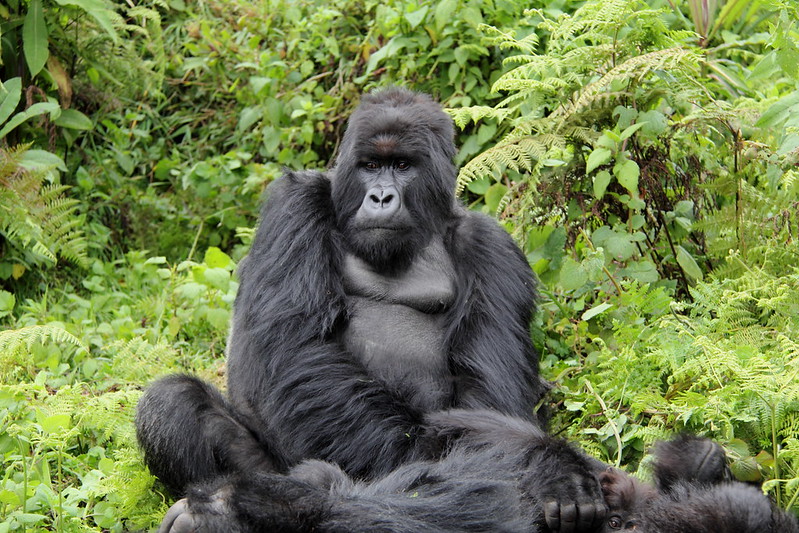
How does the weather in Rwanda affect the gorilla trekking experience?
Weather in Rwanda has a significant impact on gorilla trekking, as it determines the trail conditions, ease of trekking, and overall experience. Rwanda has a tropical climate, defined by two dry seasons (June to September and December to February) and two rainy seasons (March to May and October to November).
During the dry seasons, the weather is usually sunny with minimal rainfall, making the forest trails less slippery and easier to navigate. Many trekkers find these conditions more comfortable because they reduce the physical difficulty of hiking through dense forests. Clearer weather also enhances visibility, making it easier to spot and photograph the gorillas once you’ve found them.
By contrast, the rainy seasons bring heavier rain, particularly in March and April, which can make trekking more challenging. Trails in Volcanoes National Park can become muddy and steep, requiring more physical effort to hike. Trekkers may also need specialized footwear, like waterproof boots, to handle wet ground. However, these seasons shouldn’t discourage everyone. Rain often attracts gorillas to stay in lower altitudes, which may lead to shorter treks depending on their location that day.
For example, if you visit during November (a rainy season month), you might have to hike through muddy conditions but could encounter the gorillas closer to the base of the mountains. On the other hand, a dry-season visit in August would likely mean a longer, more comfortable hike to find them.
Ultimately, the weather shapes the physical demands of the trek and can influence how much gear you’ll need, like rain jackets during the wet months. It’s important to choose a time that matches both your physical ability and tolerance for varying environmental conditions.
What are the differences between Rwanda’s rainy and dry seasons for gorilla trekking?
The differences between Rwanda’s rainy seasons (March-May, October-November) and dry seasons (June-September, December-February) largely revolve around trail conditions, accessibility, and overall trekking comfort.
During the dry season, trails are generally more stable, dry, and easier to hike. The weather is predictable, reducing the chance of sudden downpours. These favorable conditions make the experience smoother and less physically demanding, which is particularly appealing if you’re unaccustomed to hiking in challenging terrain. In terms of gorilla behavior, while their movements are influenced more by food availability than weather, dry weather tends to offer better visibility in forests with slightly less dense vegetation.
On the other hand, the rainy season introduces more challenging conditions. Trails can become slippery and muddy, requiring trekkers to be more cautious and physically resilient. Rain can fall unexpectedly, so trekking during these months often means wearing waterproof clothing and sturdy footwear. That said, the rain does have its benefits. Vegetation becomes lush and green, so the forest environment looks especially vibrant. Some trekkers even find the rain creates a more tranquil and intimate atmosphere during their trek.
Another notable difference is crowd sizes. During the dry seasons, demand for trekking permits is high, meaning the trails tend to be busier. By contrast, the rainy seasons are less popular with tourists, so there are fewer crowds. This can lead to a quieter and more personal experience for those who don’t mind facing the less predictable weather.
For example, if you choose to visit in May (a wet month), you’ll likely find more affordable accommodations and have less competition for permits. But in August (a dry season and peak travel time), you’d benefit from ideal trekking conditions but should expect more visitors and higher prices. Both seasons have their pros and cons, so the key is selecting the environment that suits your preferences.
Are there specific months that are most recommended for gorilla trekking in Rwanda?
June, July, August, and December are frequently regarded as the most recommended months for gorilla trekking in Rwanda. These months fall during the dry seasons, making trails less slippery and easier to navigate. The dry conditions also decrease the chances of encountering heavy rain during the trek.
In June through August, the long dry season offers clearer trails in Volcanoes National Park. Visitors tend to enjoy this period because it makes the process of hiking through the forest less physically demanding. The lush vegetation remains thick (Rwanda is a tropical country), but the absence of heavy rain reduces the mud and makes the hiking experience smoother.
December is part of the short dry season, which stretches into early February. Though slightly less predictable than the long dry season, the shorter dry season still provides favorable trekking conditions. Additionally, temperatures in Rwanda are fairly consistent all year, which ensures warm, pleasant weather for outdoor activities.
For those planning their trek, it’s worth mentioning that the wet months – March, April, May, and November – often have fewer visitors and lower permit demand, but the trekking itself becomes harder due to slippery conditions and thick mud.
If convenience, clearer trails, and more comfortable hikes matter most, then these drier months are highly recommended for planning a visit.
How does the availability of gorilla trekking permits vary throughout the year?
Gorilla trekking permits in Rwanda are highly sought after and their availability can vary significantly based on the season. Since only 96 permits are issued per day, advance booking is essential, especially during the popular dry seasons.
During the long dry season (June to August) and the short dry season (December to February), demand for permits is extremely high. These months attract the most visitors due to their desirable trekking conditions. Tourists are encouraged to secure permits several months in advance to avoid disappointment.
In contrast, permits tend to be easier to book during the wet seasons. March, April, May, and November see fewer tourists because the trekking conditions become more challenging, with muddy trails and occasional rain showers. As a result, some travelers may find it possible to secure permits closer to their desired trekking date during these months.
It’s also worth mentioning the relatively high cost of permits: each permit in Rwanda currently costs $1500 per person. This fee remains the same year-round, regardless of the season. The high price reflects efforts to support conservation, protect endangered mountain gorillas, and manage controlled visitor numbers.
By planning well in advance and choosing either the peak dry season or the quieter wet months, travelers can tailor their experience based on availability and personal preferences.
Is gorilla trekking more expensive during certain seasons?
No, the price of gorilla trekking itself does not change depending on the season. The cost of a gorilla trekking permit in Rwanda is $1500 per person, and this fee is fixed throughout the year. However, other associated costs, like accommodation, can vary based on the season.
During the peak dry season (June to August and December to February), hotels and lodges near Volcanoes National Park often charge higher rates due to the higher influx of tourists. Tourism operators also experience a surge in bookings during these months, and the increased demand can sometimes lead to limited availability for certain cost-effective options. As a result, overall expenses for travel – beyond the permit itself – can be higher during this period.
In the wet seasons (March to May and November), some lodges and tour operators offer discounts to attract visitors during the quieter months. Although the trekking conditions may be trickier during this time, travelers on a budget often appreciate the lower accommodation and package rates.
To summarize, while the permit cost remains consistent year-round, the total budget for gorilla trekking in Rwanda may be influenced by seasonal factors such as accommodation rates, transportation options, and travel demand. This is something to consider when planning the trip.
How crowded are Rwandan national parks during peak gorilla trekking seasons?
During peak gorilla trekking seasons, Rwandan national parks, particularly Volcanoes National Park, can get quite busy. The peak seasons generally coincide with the country’s dry seasons, which are from June to September and December to February. These months see more tourists because the weather tends to be more favorable for trekking, with less rain and better trail conditions.
Since gorilla trekking permits are limited to a specific number of people per gorilla group per day (usually 8 people per group), the crowds are managed to ensure a more intimate experience. However, due to the higher number of overall visitors during peak seasons, accommodations near the park may be fully booked well in advance, and trekking permits can sell out quickly. This means that while the trekking groups themselves are not overcrowded, the area surrounding the park, including lodges, restaurants, and roads, might feel busier.
For travelers looking to avoid crowds while still enjoying the best trekking conditions, it’s recommended to book permits and accommodations several months ahead of time. Planning in advance is key during these popular times.
In contrast, during the rainy seasons (March to May and late October to November), fewer people visit, resulting in less demand for permits and accommodations. Travelers who prefer fewer crowds may consider visiting during these off-peak times, though they should be prepared for wetter and muddier trekking conditions.
In summary, while the trekking experience is well-regulated no matter the season, the overall environment around the park feels busier during peak seasons, and planning ahead is essential for securing your spot.
What is the significance of Rwanda’s Volcanoes National Park for gorilla trekking?
Volcanoes National Park is one of the most famous destinations in the world for mountain gorilla trekking, offering visitors a unique opportunity to see these highly endangered primates in their natural habitat. Located in the northwest of Rwanda, this park forms part of the Virunga Mountain range, which spans Rwanda, Uganda, and the Democratic Republic of Congo.
The park is home to around one-third of the world’s remaining mountain gorilla population, making it critical for their conservation. The protected area is heavily monitored to ensure the gorillas are safe, their habitat is preserved, and tourism activities do not disrupt their natural behavior. Visitors contribute directly to conservation efforts because a percentage of the fees from trekking permits goes toward funding conservation programs and supporting local communities.
Gorilla trekking here is highly organized and based on permits issued to regulate the number of daily visitors. Each trekking group is assigned to one gorilla family, ensuring that the experience is intimate and minimizes disruption to the gorillas’ routines. Guides lead trekkers through dense forests while sharing information about the gorillas’ diet, behavior, and social structure.
Additionally, Volcanoes National Park is significant for its role in the work of Dian Fossey, a renowned primatologist whose extensive research and conservation efforts greatly contributed to protecting mountain gorillas. Her former research base, Karisoke, is within the park, and her legacy continues to attract visitors interested in the history behind mountain gorilla conservation.
Overall, Volcanoes National Park is vital not just for the rare opportunity it provides to interact with mountain gorillas but for its broader impact on global conservation and community development efforts.
Are the trekking conditions more challenging during the rainy season?
Trekking conditions in Rwanda, particularly in Volcanoes National Park, tend to be more difficult during the rainy seasons, which occur from March to May and late October to November. During these months, the trails can become extremely muddy and slippery, requiring more physical effort and careful footwork.
Rain can start unexpectedly, even on days that seem relatively clear in the morning. For this reason, trekkers need to be well-prepared, both mentally and with the proper gear. Sturdy, waterproof hiking boots are a must, and wearing layers that include rain gear like a poncho or jacket can be helpful. A hiking stick, often provided by park guides, becomes particularly useful during wet conditions for navigating uneven and slick terrain.
Despite the challenging trails, the rainy season has its own advantages. The landscape is lush and green, creating a beautiful backdrop for photography. Additionally, during the rainy months, gorillas tend to stay at lower altitudes where food sources are more abundant, which may reduce the amount of climbing required to reach them. This can make the hike to find a gorilla group shorter, even if the trails themselves are difficult.
Trekkers should be prepared to get muddy and possibly wet, but the effort is usually worth it for the unparalleled opportunity to see gorillas up close. Guides are experienced in helping visitors navigate these conditions safely. For those who are especially concerned about trekking in wet conditions, visiting during the drier months when trails are in better shape may be preferable. However, rainy season treks can be a rewarding choice for people willing to embrace the adventurous atmosphere.
What is the impact of seasonal changes on gorilla behavior and sightings?
Seasonal shifts impact how mountain gorillas behave and can influence the ease of spotting them during a trek. Gorillas live in the rainforests of Rwanda, particularly in Volcanoes National Park, meaning the environment is influenced by dry and rainy seasons. During the dry season (June to September and December to February), food in the forest is less abundant. Gorillas often descend to more open areas at lower altitudes to find food and water. This means trekkers might spot them in somewhat clearer regions, making the experience feel more accessible.
In contrast, during the rainy season (March to May and October to November), food, such as fruits and vegetation, becomes plentiful throughout the forest, and rains create muddy terrain. Gorillas remain in denser forest areas at higher altitudes, which may increase hiking challenges because of steeper climbs. On a brighter note, having readily available food means gorillas are often stationary, spending more time eating rather than moving, which allows for longer and clearer viewing once they are found. Regardless of the season, park rangers know how to track the gorillas, ensuring guests locate them.
Keep in mind that gorilla groups’ behaviors may also change depending on the availability of resources. For instance, male leaders known as silverbacks might be more active in overseeing their group, seeking food, or protecting their members–actions that trekkers may observe up close!
Is it possible to combine gorilla trekking with other activities in Rwanda during certain times of the year?
Yes, visitors can combine gorilla trekking with multiple activities year-round in Rwanda, but some options may be more convenient in specific months. During the dry season (June to September and December to February), trying a variety of outdoor activities is easier because trails, safari drives, and hiking routes tend to be drier and more accessible. For example, in addition to gorilla trekking in Volcanoes National Park, many travelers take time to explore Akagera National Park for traditional safari experiences, where they can see lions, elephants, giraffes, and other wildlife. Another popular choice during this time is hiking to Mount Bisoke’s crater lake or Karisimbi, as the lack of intense daily rain makes the terrain less slippery.
The rainy season opens up other opportunities to combine experiences. With rivers and streams at fuller flow, activities like kayaking on Lake Kivu could be more exciting due to livelier water conditions. Cultural tours near Kigali, such as visits to nearby coffee plantations or communities showcasing Rwandan traditions, operate year-round regardless of rainfall. Both the rainy and dry seasons are also suitable for experiencing the country’s heartbreaking yet essential Genocide Memorial sites to learn more about Rwanda’s history and resilience.
By balancing your itinerary with various activities suited to the season, visitors can create a diverse adventure, ranging from wildlife observation to cultural learning.
What clothing and gear are recommended for gorilla trekking during different seasons?
Packing the right clothing and gear for a gorilla trek is key due to varying weather conditions across Rwanda’s seasons.
During the rainy seasons (March to May and October to November), the priority is staying dry. Trails become muddy and slippery, so wear waterproof hiking boots with strong grip soles. Long-sleeved shirts and fully covering pants are essential to prevent scratches from plants and to protect against insects. A waterproof jacket is vital for keeping dry amid sudden tropical rains. Consider bringing a poncho as well, which can be worn over a backpack. Gaiters that cover the lower legs are another useful item, as they keep mud and water out. Don’t forget to pack non-slip gloves for grabbing onto branches or rocks, especially on damp trails.
In the dry season (June to September and December to February), the focus shifts towards lightweight gear to stay cool while trekking under sunny conditions. While rain is less frequent, it may still occur, so having a lightweight rain jacket is handy. Breathable, moisture-wicking clothing helps deal with sweat during strenuous hiking. Wide-brimmed hats or caps shield you from the sun, and sunscreen is a must.
For both seasons, essential gear includes binoculars for distant wildlife viewing, a camera with a protective cover, and a daypack for items like snacks, water, and any medication. Always wear earth-toned colors (greens or browns) to blend into the environment and avoid startling the gorillas. A reusable water bottle keeps you hydrated, and insect repellent protects against bites. Finally, a walking stick, often provided by park rangers, is helpful for balance on uneven ground.
How To Book Your Safari in Rwanda
We’ve covered the key details about the best time to visit Rwanda to see gorillas, from when the weather is most favorable to why permits are essential. Ready to plan your adventure? Connect with trusted Rwanda Safari Companies to book your experience. They’ll handle all the details, ensuring your gorilla trek is unforgettable. Don’t wait, start planning your dream trip today!
Rwanda Gorilla Trekking Age Limit
The Gorilla trekking age limit in Rwanda is 15 years. This restriction is strictly enforced to ensure the safety of participants and the conservation of the gorillas. Gorilla trekking in Rwanda primarily takes place in Volcanoes National Park, a renowned destination for observing mountain gorillas. Visitors on Rwanda safaris must meet this age requirement to purchase permits and participate in the trekking experience.
In addition, the behavior of mountain gorillas can sometimes be unpredictable since they are wild animals. Ensuring that trekkers have a certain level of maturity is important for maintaining calmness and following instructions from the guides if such situations arise. Fifteen is considered an appropriate age as most individuals at this stage can actively participate in such activities without issues. For instance, a hike might last 2–6 hours, and younger children might find this too demanding.
Park rangers and authorities strictly enforce this age requirement to protect both tourists and the gorillas. The guidelines are particularly important because sudden movements or loud noises, which young children might inadvertently make, could potentially disturb the gorillas.
Are there any age restrictions for children or seniors for gorilla trekking in Rwanda?
For children, as mentioned above, the minimum age is 15 years old. Anyone under this age is not permitted to participate in gorilla trekking for reasons related to safety, physical ability, and maintaining a calm environment around the animals.
For seniors, there is no maximum age limit for gorilla trekking, but it is important that older participants assess their physical fitness and health before undertaking the activity. Trekking can be physically demanding due to the terrain, humidity, and varying lengths of the journey, which can last several hours.
For example, an older person with mobility issues or heart conditions might find the trek challenging. To address this, Rwanda offers porters and sedan chairs (a type of carrier used to assist individuals) for those who might require help during the hike. Ultimately, while age limitations are more rigid for children, seniors are encouraged to gauge their fitness before committing.
Why does Rwanda have an age limit for gorilla trekking?
The age limit for gorilla trekking in Rwanda exists for safety reasons and to minimize disturbances to the gorillas. Mountain gorillas are endangered and live in their natural habitat, which they share with tourists. Governing bodies like the Rwanda Development Board (RDB) set these limits to ensure a harmonious interaction between gorillas and humans.
Children under 15 are less predictable in terms of behavior and might make unexpected noises or movements that could startle or even provoke the gorillas. For example, if a child becomes frightened during an encounter or screams loudly, it could trigger a defensive reaction from the gorillas, making the situation dangerous for both the group and the animals.
Another reason for the age rule is the long physical effort needed to reach the gorillas. Trekking sometimes involves climbing steep hills, navigating muddy paths, or cutting through thick vegetation. Younger children might find it physically overwhelming and could slow down the group.
Lastly, the maturity level required during these treks is significant. Guides usually provide instructions on how to act around gorillas, such as maintaining a calm demeanor and following the rules. Children may not always understand or remember these, which increases risks. The age limit ensures that interactions with gorillas are respectful and safe for everyone involved.
Is it possible to get exceptions to the age limit for gorilla trekking in Rwanda?
In Rwanda, the minimum age requirement for gorilla trekking is 15 years old, and exceptions to this rule are rarely made. The policy is in place to ensure safety for all participants as well as to protect the gorillas in their natural habitat. However, in rare cases, some exceptions have been considered, but they are not guaranteed and depend on local authorities, such as the Rwanda Development Board (RDB).
For instance, if a child under the age of 15 is very close to the cutoff (e.g., they turn 15 in a few weeks) and demonstrates good physical fitness and maturity, the authorities might approve an exception. The parents or guardians often need to make a formal request to the relevant park authorities, explaining why an exception should be made and providing assurances of the child’s ability to comply with the trekking rules.
One challenge with granting exceptions is that younger children may not have the discipline to follow the strict instructions required during a trek. This could create risks for both the child and the gorillas. To improve the chances of receiving approval for an exception, families may be asked to provide written consent and possibly engage a private guide or porter to ensure safety.
It’s worth noting that authorities are strict about age regulations to minimize any negative effects on the gorillas’ environment and safeguard the experience for the group as a whole.
What government or organizational regulations enforce the age limit for gorilla trekking?
The age limit for gorilla trekking in Rwanda is enforced by the Rwanda Development Board (RDB), which manages permits, park activities, and conservation efforts for the Volcanoes National Park, home to the mountain gorillas. The age restriction is part of the broader guidelines designed to protect the gorillas and ensure safe interactions between visitors and wildlife.
The policy originates from international conservation practices aimed at reducing risks posed by human activities. One of the main concerns is that younger children may not reliably follow the strict rules required during the trek. For instance, making loud noises or sudden movements can disturb or stress the gorillas. This is particularly sensitive because mountain gorillas are endangered and need to be safeguarded carefully.
Additionally, children under the age of 15 are thought to be more susceptible to transmitting common human illnesses to the gorillas. Since gorillas and humans share about 98% of their DNA, diseases like the flu can be easily passed from humans to gorillas, potentially putting entire families of gorillas at risk.
The RDB works closely with organizations like the International Gorilla Conservation Programme (IGCP) and other local and global bodies to set guidelines for gorilla trekking. These organizations play a role in ensuring that tourism activities comply with conservation priorities.
Strict permit systems are in place to monitor compliance with these rules. Each permit, typically issued through the RDB, is only given to individuals meeting the minimum age requirement. Park rangers and guides also verify the information provided in these permits during the trek itself.
Are there alternative activities for people who do not meet the age limit?
For those who are ineligible for gorilla trekking in Rwanda due to the age limit, there are several alternative activities to consider in and around Volcanoes National Park. These activities allow people to enjoy the natural beauty of the area while staying aligned with the conservation rules.
One option is the golden monkey trekking experience. Golden monkeys, like gorillas, are unique primates that live in the forest and are fun to observe. There is no strict age requirement for golden monkey trekking, and the groups tend to be less physically demanding compared to gorilla trekking. This makes it a great choice for families with younger children.
Another activity is taking a guided nature walk or cultural tour. The park offers scenic trails that showcase the local flora, fauna, and stunning landscapes. Many of these walks are accessible for children and older adults. The cultural tours include visiting Iby’Iwacu Cultural Village, where visitors can learn about traditional Rwandan practices, including music, dance, and history, an engaging option for all age groups.
Exploring Lake Burera and Lake Ruhondo, located near Volcanoes National Park, is another alternative. These twin lakes are known for their serene beauty and provide excellent opportunities for picnicking, exploring by boat, or birdwatching.
For adventurous family members who are too young for gorilla trekking but physically fit, hiking activities such as ascending Mount Bisoke, one of the volcanoes in the area, might be enjoyable. While more challenging, they provide a fantastic way to experience the dramatic mountain scenery.
These alternatives provide an opportunity to connect with nature and Rwandan culture even if someone is unable to participate in the gorilla trek itself.
How does the age limit impact the safety and experience of gorilla trekking?
The age limit for gorilla trekking in Rwanda, which is set at a minimum of 15 years, is in place to enhance both the safety of participants and the quality of the trekking experience. Gorillas are wild animals and can be unpredictable. Teenagers and adults who are 15 years or older are thought to have better emotional control and understanding of the rules, which is crucial for maintaining safety during interactions with gorillas. Younger children may not fully grasp or follow the strict protocol required, such as staying calm, avoiding sudden movements, or maintaining the correct distance from the animals.
Another reason the age limit affects safety is related to health risks. Humans and gorillas can share diseases, and younger children may not have fully developed immunity or the awareness to report symptoms like colds or fevers, which can pose a health threat to the gorilla population.
From an experience perspective, the trekking process itself may involve strenuous hiking through muddy trails, dense forest, and steep terrain, sometimes for several hours. This is physically demanding and may not be suitable for younger children who might struggle, become tired, or even disrupt the group due to their limits in stamina. By enforcing the age requirement, the authorities ensure that the trekking groups are composed of individuals who are physically and emotionally prepared for the challenges.
For example, a demanding hike to reach a gorilla family several miles deep into the forest might take 3-5 hours. Children under 15 might lack the endurance for such treks, which could slow the group down or cut the trek short, ultimately affecting the whole group’s experience.
Overall, the age limit helps create a safer, smoother, and more enjoyable experience for participants and safeguards the wildlife, too.
What documents are required to prove age eligibility for gorilla trekking in Rwanda?
To confirm that a participant meets the minimum age requirement of 15 years for gorilla trekking in Rwanda, a valid government-issued identification document is necessary. In most cases, travelers are asked to provide a passport, as it is the most commonly used and universally recognized form of ID when booking permits or checking in on the day of the trek.
This passport serves as proof of one’s date of birth, ensuring that only eligible participants are allowed to join the trek. For residents of Rwanda or neighboring countries, other forms of ID, such as national identification cards or birth certificates, might be acceptable depending on the specific requirements of the tour operator or park authorities.
When booking a gorilla trekking permit, travelers usually provide their age details during the reservation process. The Rwanda Development Board (RDB), which oversees gorilla trekking activities, or the licensed tour operators also verify age when issuing the permits. On the actual day of the trek, participants should carry their documents since park authorities may double-check the eligibility on-site.
For example, if a child attempting to appear older than 15 arrives without proper proof of age, they may be denied access to the trek, even if a permit was initially acquired. This reaffirms the importance of carrying verified documents to avoid inconveniences.
In summary, having a passport or another official document that clearly indicates the participant’s age is a mandatory step in ensuring compliance with Rwanda’s age regulations for gorilla trekking.
Are there any physical fitness requirements linked to the age limit for gorilla trekking?
Although the age limit for gorilla trekking in Rwanda does not directly relate to specific physical fitness tests, being physically fit is strongly advised due to the physical demands of the activity. Participants aged 15 years or older are generally considered more capable of handling the challenging nature of trekking, but fitness levels still vary widely within this age group.
The trekking involves hiking steep slopes, navigating through dense vegetation, and walking over rough, sometimes muddy terrain. The hikes can last anywhere from 1 to 6 hours, depending on how far the gorilla group being tracked is located. Participants should be prepared for exertion and should ideally be in good health and have at least a moderate level of fitness to avoid complications.
For example, someone with respiratory issues or joint problems may find the steep climbs and long treks difficult, regardless of their age. Park rangers and guides are trained to monitor the group’s pace and ensure no one is left behind, but individuals who are not accustomed to prolonged or difficult hikes could create delays or even risk injury.
While there’s no requirement for participants to provide proof of their fitness, tour operators sometimes recommend light preparation, such as regular walking, to build stamina before participating. Additionally, people with specific concerns can opt for a porter’s service, where a local porter helps carry bags or offers assistance throughout the journey.
In conclusion, while the age limit ensures participants are likely to meet general physical requirements, each individual should consider their own fitness level and prepare accordingly for the trek’s physical demands.
How does the age limit compare to gorilla trekking age requirements in other countries like Uganda or the DRC?
The age limit for gorilla trekking in Rwanda is 15 years old, and this is the same age limit set in both Uganda and the Democratic Republic of Congo (DRC). All three countries enforce this rule to make sure participants have the maturity and physical ability to handle the challenges of gorilla trekking. This age threshold is designed with the safety of both visitors and the gorillas in mind.
For example, a child younger than 15 might not easily handle long, arduous hikes in dense forests or react calmly to gorillas if something unexpected happens. Since gorillas are wild animals and can sometimes behave unpredictably, having mature participants helps reduce risks. Younger children may also have trouble staying quiet, which is necessary during gorilla encounters to avoid alarming the primates.
In all three countries, the wildlife authorities stress the importance of keeping the safety and well-being of the endangered gorillas a priority. Although their policies align for the most part, it is helpful to always confirm with tour operators or park authorities before planning a trip, in case there are any changes to guidelines in each country.
This consistency across Rwanda, Uganda, and the DRC makes it easier for international visitors to plan visits to any of these locations without worrying about differing rules for participation. Understanding these rules ensures a positive experience for all parties involved.
Is the age limit strictly monitored by park authorities in Rwanda?
Yes, park authorities in Rwanda are very strict about monitoring the age limit for gorilla trekking, and exceptions are extremely rare. Volcanoes National Park, which is the main site for gorilla trekking in Rwanda, requires all visitors to show proof of age before they are allowed to participate. Typically, this is done by showing a passport or an official ID when purchasing a permit or while entering the park.
There are several reasons for this strict enforcement. For one, maintaining the age limit ensures that only people who have the maturity and physical endurance needed for gorilla trekking are allowed on these trips. The treks involve navigating steep paths, thick forests, and muddy terrain, all of which can be very tiring and even dangerous for younger individuals. By sticking to the rules, the park reduces the chances of accidents or other issues.
Additionally, younger children might not understand the importance of staying calm and quiet during the trek, which is crucial. Gorillas, despite being accustomed to humans, can react defensively if they feel threatened by loud noises or sudden movements. Keeping participants within the appropriate age group minimizes risks of disturbances to the gorillas and ensures a safer experience for everyone involved.
The strict enforcement of these rules not only protects human visitors but also helps safeguard the conservation efforts aimed at preserving endangered mountain gorillas. Given the significant costs involved in gorilla permits (Rwanda charges $1,500 per permit), the park ensures that the experience is conducted as smoothly and responsibly as possible.
What changes, if any, have been made to the gorilla trekking age limit over time?
So far, there have been no notable changes to the gorilla trekking age limit in Rwanda, which remains set at 15 years old. From the time Rwanda began offering gorilla trekking as a conservation-driven eco-tourism activity, this age threshold has been upheld without recorded adjustments.
The 15-year-old limit is considered an appropriate balance between safeguarding the wellbeing of both humans and gorillas during these interactions. It reflects international recommendations and is aligned with similar rules in other neighboring regions, like Uganda and the Democratic Republic of Congo, which also set this age requirement.
It is worth noting, however, that tourism policies and conservation practices can evolve depending on new research, shifts in public interest, or environmental factors. For instance, if future studies indicate better age recommendations based on either safety issues or visitor impact on gorillas, park authorities could re-assess the rules. Despite the absence of recorded changes so far, Rwanda’s wildlife authorities periodically review their wider eco-tourism policies to maintain a balance between conservation, visitor satisfaction, and economic goals.
For now, visitors planning to experience gorilla trekking in Rwanda can adhere to the long-standing guideline of being age 15 or older.
How To Book Your Safari in Rwanda
We’ve covered the basics of the gorilla trekking age limit in Rwanda, explaining who can participate, why the age restriction exists, and how it ensures a safe and rewarding experience for both visitors and the gorillas. Now it’s time to make your dream adventure happen! For a seamless and well-organized trip, connect with the best Rwanda Safari Companies. They’ll help plan every detail, ensuring an unforgettable safari experience. Don’t wait, start your journey today!
Rwanda Gorilla Trekking With Mauritius Holidays
How do I combine a Rwanda gorilla trekking experience with a Mauritius holiday?
Combining a gorilla safari experience in Rwanda with a relaxing beach holiday in Mauritius is a fantastic mix of adventure and leisure, and it’s absolutely possible to do! These destinations are quite different but complement each other perfectly, a few days with mighty gorillas in the misty forests followed by lounging on pristine beaches sounds like a dream vacation. Here’s how you can make it happen:
Start by flying to Rwanda. Kigali, the capital, is the main entry point. Spend a day or two in Kigali to settle in, explore the vibrant culture, and visit landmarks like the Kigali Genocide Memorial. Then, head to Volcanoes National Park (the heart of gorilla trekking), which is only about a two- to three-hour drive from Kigali. The gorilla trekking experience can be done in one or two days based on your preferences, though most people do a single trek.
After your safari adventure, the next step is heading to Mauritius for the beach portion of your holiday. There are no direct flights between Rwanda and Mauritius, so you’ll generally need to connect through a hub such as Nairobi (Kenya), Addis Ababa (Ethiopia), or Johannesburg (South Africa). The travel time may take several hours, but many flights are scheduled to reduce layover hassle.
Once in Mauritius, settle into relaxation mode. The island provides stunning white sand beaches, luxurious resorts, and activities like snorkeling, diving, or simply sunbathing. For example, you could explore Blue Bay Marine Park for coral gardens or try hiking in Black River Gorges National Park for more adventure.
To make planning easier, many travel agencies and tour operators offer packages combining visiting gorillas and Mauritius. These packages typically handle all logistics, including flights, accommodation, and transfers, so you can focus on enjoying the trip.
In short, this combo trip is a great way to balance an active bucket-list experience with some rejuvenating beach time. You’ll return home having checked off two very different, but amazing, destinations!
What are the main attractions and activities to enjoy in Mauritius?
Mauritius is a small island nation in the Indian Ocean known for its stunning beaches, lush landscapes, and vibrant culture. It’s a paradise for nature lovers, adventure seekers, and anyone looking for relaxation. Here are some of the main attractions and activities you can enjoy:
- Beaches: Mauritius is famous for its white sandy beaches and turquoise lagoons. Popular ones include Belle Mare, Flic-en-Flac, and Le Morne. These beaches are perfect for swimming, snorkeling, or just relaxing under the sun.
- Water Sports: The island offers various water activities like snorkeling, scuba diving, kite surfing, parasailing, and underwater walking! The coral reefs around Mauritius are teeming with marine life, making it ideal for underwater exploration.
- Chamarel Colored Earth: This unique attraction features dunes in seven different colors. The colors are naturally occurring and created by volcanic activity. It’s an amazing sight to see in person!
- Black River Gorges National Park: A must-visit for nature enthusiasts. Here you can hike, see waterfalls, and spot unique wildlife, including endangered species like the pink pigeon.
- Le Morne Brabant: This iconic mountain is a UNESCO World Heritage site. You can hike up to the summit for breathtaking views while learning about its history as a refuge for escaped slaves.
- Port Louis: The capital city offers a mix of cultural and historical attractions, such as bustling markets, museums, and colonial-era architecture.
- Mauritius Wildlife: Visit nature parks like Crocodile Park or Casela Adventure Park to see giant tortoises, crocodiles, and exotic birds.
- Mauritian Cuisine: Don’t miss the chance to try local dishes that blend Indian, African, Chinese, and French influences. Popular dishes include dholl puri, curry, and seafood.
Mauritius guarantees both relaxation and adventure, so there’s something for everyone!
What is the best time to visit Mauritius for ideal weather conditions?
Mauritius is a year-round destination, but your experience can vary depending on the season. The island enjoys a tropical climate with two main seasons – summer and winter – and the best time to visit often depends on the activities you’d like to enjoy.
- Summer (November to April): This is the hottest and most humid period. Temperatures range from 25°C to 33°C (77°F to 91°F). Rain showers are more frequent, particularly from January to March, which is also cyclone season. While it’s not the driest period, summer is perfect if you enjoy water sports like snorkeling or diving, as the ocean is at its warmest and clearest.
- Winter (May to October): This is the cooler, drier season with temperatures ranging from 18°C to 25°C (64°F to 77°F). It’s ideal for outdoor activities like hiking or exploring the island on foot. July and August can get a bit windy, especially along the east coast, so consider staying in the western or northern parts.
- Peak Travel Season: October to December and May to June are considered the best times to visit because of pleasant weather and fewer chances of rain. This is also when the island looks lush and green, making it more picturesque.
For beach lovers, the west and north coasts are recommended in winter, as they’re less windy. If you want a relaxing holiday with fewer crowds, avoid traveling in December and January because it’s the busiest time for tourists.
Ultimately, Mauritius offers something unique in every season, so you can plan your trip based on what you’d like to do most!
How long should I plan to spend in Rwanda for the gorilla trek and in Mauritius for a holiday?
The length of time for your trip will depend on your personal preferences and how much you want to explore each safari destination, but here’s a good guideline to follow for a memorable gorilla safari.
Rwanda (3 to 5 Days):
To enjoy a gorilla trekking experience in Rwanda, you’ll need at least 3 days. Here’s how it generally works:
- Day 1: Arrive in Rwanda and transfer to a nearby city or the Volcanoes National Park area where the trek will take place.
- Day 2: Do the actual gorilla trek! Start early in the morning, hike into the forest to find the gorillas, and spend one unforgettable hour observing them in their natural habitat. The trek can take several hours, depending on where the gorillas are.
- Day 3: Use this day to relax, visit local cultural attractions, or do another activity like seeing golden monkeys in the park or exploring Kigali, Rwanda’s capital. You can leave for Mauritius this afternoon or the next morning.
If you want to add extra activities like a safari at Akagera National Park or exploring Kigali in more depth, you might extend your stay to 5 days.
Mauritius (5 to 8 Days):
Mauritius is best enjoyed over 5 to 8 days because there’s so much to see and do. You’ll want time to relax on the pristine beaches and also explore the island’s many attractions. A sample itinerary might include:
- Days 1-2: Relax on one of the island’s beautiful beaches or go snorkeling.
- Days 3-4: Explore nature – hike Le Morne Brabant, visit Chamarel Colored Earth, or tour national parks.
- Day 5: Enjoy watersports, take a catamaran cruise, or visit nearby outer islands such as Île aux Cerfs.
- Days 6-7: Visit cultural sites or try local cuisine and spend some time shopping in Port Louis.
If you love beach relaxation and visiting all the key attractions, plan for the longer side (7–8 days). Combining Rwanda and Mauritius into one trip makes for an incredible vacation full of adventure and relaxation!
What is the approximate budget for a Rwanda gorilla trekking and Mauritius vacation?
The approximate budget for a combined Rwanda gorilla trekking and Mauritius vacation can vary depending on factors like the level of luxury you seek, the duration of your trip, and your travel preferences for accommodations, activities, and transportation.
For the Rwanda portion, the biggest cost is the gorilla trekking permit, which is currently priced at $1,500 USD per person as of 2023. This permit allows you to spend one hour with a gorilla family in Volcanoes National Park. Other costs to consider include accommodations, which range from budget options at around $100-200 USD per night to more luxurious lodges costing $500-1,000 USD or more per night. Additionally, you’ll need to factor in food, transportation (private drivers and 4×4 vehicles are popular for park visits), and tips for guides and porters.
For the Mauritius portion of the trip, luxury resorts, which the island is famous for, can cost anywhere between $200-1,000 USD per night. However, mid-range and boutique options are also available for much less. Activities such as snorkeling, diving, catamaran tours, and cultural excursions can add to your costs, ranging from $50 to $200 USD per activity. Flights from Rwanda to Mauritius typically cost around $400-800 USD, depending on the travel season and airline.
In total, for two people, a 10-14 day combined trip might cost anywhere from $6,000 to $15,000 USD or more. Here’s an example breakdown:
- 3-4 days in Rwanda, including gorilla trekking ($2,000-5,000).
- 7-10 days in Mauritius, with flights, accommodations, and activities ($4,000-10,000).
This estimate assumes a mix of mid-range to luxury options, so costs could be higher or lower depending on your choices.
Are there travel packages or tour operators that combine Rwanda gorilla trekking with a Mauritius holiday?
Yes, there are travel packages and specialized tour operators that combine Rwanda gorilla trekking with a Mauritius holiday. These packages are often designed for travelers looking for a unique mix of adventure in the wild and relaxation by the beach.
Travel agencies and luxury tour operators like Abercrombie & Kent, Wilderness Safaris, or Scott Dunn often offer customized plans that include a few days in Rwanda for gorilla trekking and then a flight to Mauritius for a tropical escape. These packages tend to include everything: accommodations, gorilla trekking permits, transportation (including drivers in Rwanda), guided tours, flights between destinations, and activities in Mauritius like snorkeling or spa treatments.
The advantage of booking through a tour operator is the convenience, everything is organized for you, so you don’t need to handle logistics like permits, flight connections, or transfers. They also often create itineraries that balance adventure and relaxation, with suggestions for additional activities, such as community visits in Rwanda or water sports in Mauritius.
If you’re not looking to book with a high-end operator, some local travel companies in Rwanda or Mauritius may also offer combined itineraries at a lower price point. For example, a Rwandan tour company may have partnerships with Mauritian hotels, helping you build a suitable package.
Packages typically range from $5,000 to $20,000 USD per person depending on the duration (10-14 days is common), the level of accommodations, and the included activities. Opting for packages ensures a smoother experience but may cost slightly more than planning the trip independently.
What are the travel logistics, including flights and connections, between Rwanda and Mauritius?
Traveling between Rwanda and Mauritius involves international flights, with the most common route connecting through a major airport, as there aren’t usually direct flights between Kigali (Rwanda’s capital) and Mauritius.
Most flights will have at least one layover, often in Nairobi, Kenya, or Addis Ababa, Ethiopia. Flights are available through airlines like Kenya Airways, Ethiopian Airlines, and sometimes Air Mauritius in partnership with others. The total travel time depends on your routing and layover durations but generally takes between 8-12 hours.
For example, a typical route might involve flying from Kigali to Nairobi on Kenya Airways (approximately 1.5 hours), then connecting from Nairobi to Mauritius, which is around a 4-5-hour flight. Similarly, Ethiopian Airlines may route you through Addis Ababa, with a short flight to Mauritius afterward.
It’s important to check flight timings when planning your trip, as connections can sometimes require long layovers in transit hubs. Some travelers choose to spend a night in a layover city like Nairobi or Addis Ababa to avoid rushing and to explore another destination briefly.
Once you arrive in Mauritius, there are plenty of transport options to get to your accommodations, ranging from airport taxis and transfer companies to car rentals if you want to explore the island independently.
Planning your flights early is highly recommended, as combining two distinct destinations like Rwanda and Mauritius can result in fluctuating prices or limited availability, especially during peak tourist seasons for either location.
Gorilla Habituation Experience
What is Gorilla Habituation?
Gorilla habituation is the process of making wild mountain gorillas familiar with human presence. This process helps gorillas stay calm during tourist visits and research activities.
Planning your trip? Start with our complete Volcanoes National Park Rwanda travel guide.
Mountain gorillas stand as one of the most endangered ape species on Earth, with approximately 1,000 individuals remaining in the wild. Uganda houses half of this precious population within its borders, making it a crucial location for gorilla conservation. The Gorilla Habituation Experience represents a unique wildlife encounter that allows visitors to participate in the scientific process of getting wild gorillas accustomed to human presence. This program operates in Uganda’s Bwindi Impenetrable National Park, where researchers and conservation experts work with specific gorilla families to ensure their protection and study their behavior.
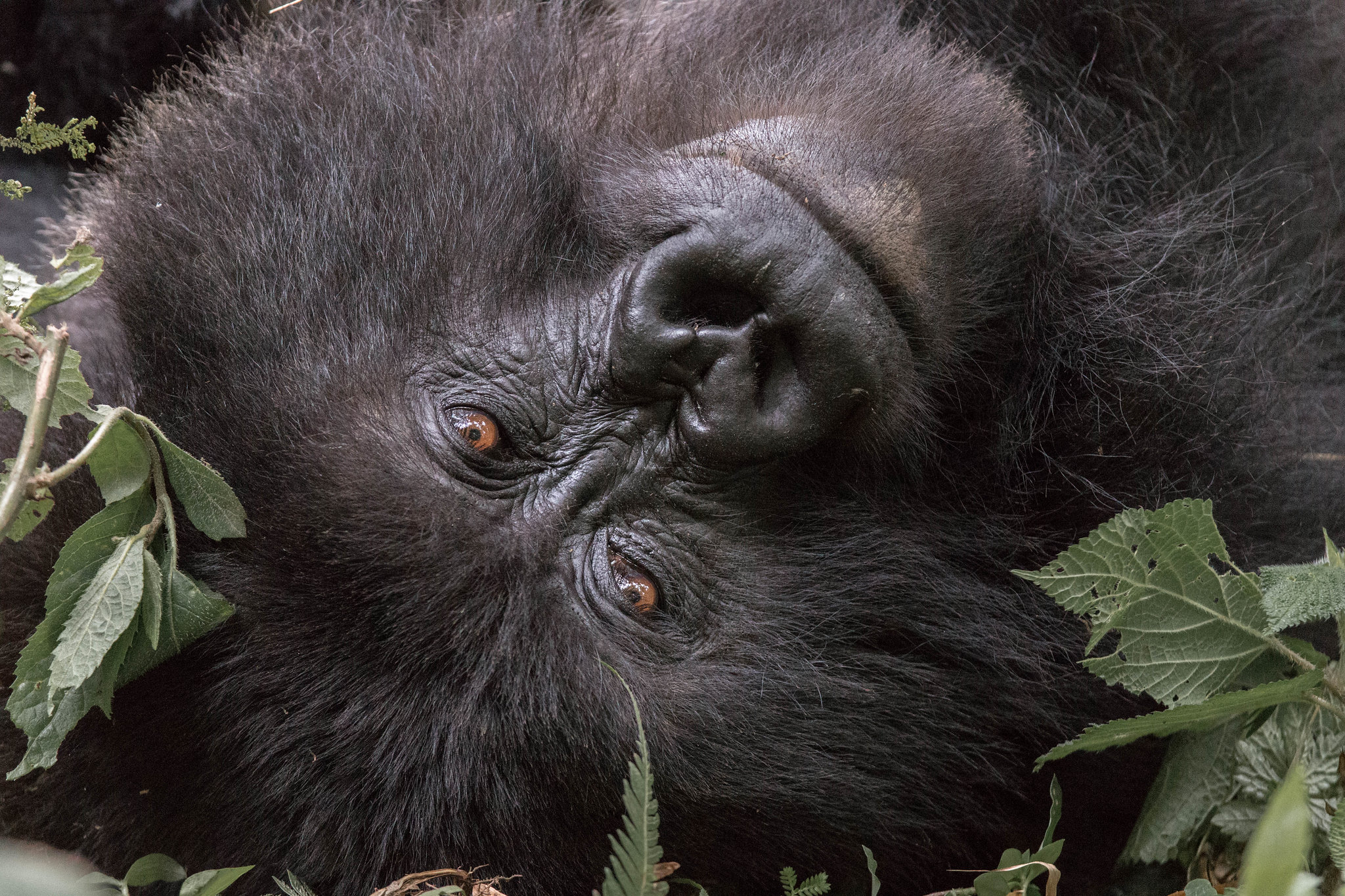

Introduction to Gorilla Habituation
Mountain gorillas stand as one of the most endangered ape species on Earth, with approximately 1,000 individuals remaining in the wild. Uganda houses half of this precious population within its borders, making it a crucial location for gorilla conservation. The Gorilla Habituation Experience represents a unique wildlife encounter that allows visitors to participate in the scientific process of getting wild gorillas accustomed to human presence. This program operates in Uganda’s Bwindi Impenetrable National Park, where researchers and conservation experts work with specific gorilla families to ensure their protection and study their behavior.
Understanding Gorilla Habituation Process
The habituation process requires careful planning and execution over a period of two to five years. Park rangers begin by spending short periods with the gorillas each day, maintaining specific distances that match the gorillas’ comfort levels. The rangers gradually increase their time with the gorillas and reduce the distance as the animals become more comfortable. This systematic approach helps wild gorillas become familiar with human presence without losing their natural behaviors. The process serves multiple purposes, including research opportunities, medical care access, and protection from poaching activities. The gorillas learn to accept human observers while maintaining their wild state and natural daily routines.
Where To Go For Gorilla Habituation Experience
Bwindi Impenetrable National Park spans 331 square kilometers of dense forest in southwestern Uganda. The park contains four distinct sectors: Buhoma, Ruhija, Nkuringo, and Rushaga. The Gorilla Habituation Experience takes place exclusively in the Rushaga sector, located in the southern part of the park. This area currently hosts two gorilla families undergoing the habituation process: the Bukingyi and Bushaho groups. The forest terrain features steep slopes, thick vegetation, and varying altitudes, creating a challenging but rewarding environment for both gorillas and visitors. The park’s unique ecosystem supports not only gorillas but also numerous other species of primates and birds.
Gorilla Trekking Time Duration and Schedule
A Gorilla Habituation Experience lasts significantly longer than standard gorilla treks. Participants spend up to four hours with the gorilla family, compared to the one-hour limit of regular Africa gorilla trekking. The day begins early, with visitors required to arrive at park headquarters by 7:00 AM for briefing sessions. The actual tracking time varies based on gorilla locations and can range from one to six hours. This extended duration provides unique opportunities to observe various gorilla behaviors throughout their daily activities, from morning feeding to afternoon social interactions.
Best Time to Visit
The park maintains consistent temperatures between 20-25°C throughout the year, but certain seasons offer better conditions for the experience. The primary dry seasons run from June to September and December to February, providing optimal tracking conditions with firmer ground and clearer trails. March to May brings heavy rains, while October and November experience lighter rainfall. The wet seasons create muddy conditions that make tracking more challenging but can offer unique photography opportunities. After rain showers, the clear air creates excellent visibility for capturing images of the gorillas in their natural habitat.
Gorilla Habituation Permit Costs and Booking Requirements
The Uganda Wildlife Authority sets specific costs and limitations for gorilla habituation permits. Each permit costs $1,500 per person, significantly higher than the $800 fee for standard gorilla trekking. The park issues only eight permits daily, divided between two gorilla families with four visitors per group. This limitation maintains minimal impact on the gorillas while providing sustainable funding for conservation efforts. The price includes park entry, guide services, and the four-hour gorilla experience. Visitors must book permits at least six months in advance, especially during peak seasons from July to October and December to March.
Physical Preparation and Requirements
Gorilla habituation demands substantial physical fitness from participants due to the challenging terrain and extended duration. The experience involves hiking through dense forest vegetation, climbing steep slopes, and traversing uneven ground at high altitudes. Visitors must prepare for walks lasting between one to six hours before reaching the gorillas. The physical demands exceed those of standard gorilla treks, as the habituation process requires following gorillas through areas without established trails. Pre-visit preparation should include regular cardiovascular exercise and hill walking. The altitude of Bwindi Impenetrable National Park rises above 2,000 meters, making adequate physical conditioning essential for a safe and enjoyable experience.
Safety Guidelines and Rules
Safety protocols protect both gorillas and visitors through strict guidelines established by the Uganda Wildlife Authority. All participants must maintain a seven-meter distance from gorillas to prevent disease transmission and respect the animals’ space. Face masks remain mandatory throughout the encounter. Eating and drinking must occur away from the gorillas to avoid attracting their attention or altering their behavior. Rangers enforce a no-flash photography rule and prohibit sudden movements that might startle the gorillas. Visitors showing signs of illness cannot participate in the experience. These rules ensure the safety and well-being of both humans and gorillas during the habituation process.
What To Carry
Proper equipment ensures comfort and safety during the gorilla habituation experience. Waterproof hiking boots with strong ankle support serve as essential footwear for navigating slippery slopes. Long-sleeved shirts and pants protect against insects and thorny vegetation. Rain gear, including waterproof jackets and pants, guards against sudden showers. Participants need water bottles, packed lunches, and high-energy snacks for the extended duration. Garden gloves protect hands when gripping vegetation. Cameras require waterproof covers due to frequent rain. Additional items include warm layers for morning chill, sun protection, and a small backpack for carrying supplies.
Gorilla Family Structure
Gorilla families follow clear social organizations led by dominant silverback males. These groups typically contain 8 to 20 individuals, including adult females, young gorillas, and infants. The silverback makes critical decisions about group movement, feeding locations, and protection. Adult females form strong social bonds and share infant care responsibilities. Young males eventually leave their birth groups upon maturity to establish their own families or challenge existing silverbacks. The Bukingyi and Bushaho families currently undergoing habituation each maintain their unique social dynamics and characteristics, which researchers document throughout the process.
Daily Gorilla Activities
Mountain gorillas follow consistent daily patterns that shape the habituation experience. Morning hours focus on feeding activities, with gorillas consuming leaves, shoots, and fruits. Mid-day periods include rest and social interaction among group members. Afternoon activities involve additional feeding sessions before the gorillas construct their nightly nests. Each gorilla builds a new sleeping nest daily using bent branches and vegetation. The habituation experience allows visitors to observe these natural behaviors while the gorillas gradually become accustomed to human presence. Understanding these patterns helps researchers and guides predict gorilla movements and plan habituation sessions effectively.
Conservation Impact
The Gorilla Habituation Experience directly supports conservation efforts through multiple channels. The program generates substantial funding for protection activities, with permit fees supporting anti-poaching patrols and habitat preservation. Regular monitoring of habituated groups enables early detection of health issues and population changes. The presence of researchers and visitors deters poaching activities in gorilla territories. Conservation teams use data collected during habituation to improve protection strategies and understand gorilla behavior patterns. This combination of research, funding, and protective presence contributes to the steady growth of mountain gorilla populations.
Local Community Benefits
Communities near Bwindi Impenetrable National Park receive significant advantages from the gorilla habituation program. Local residents gain employment opportunities as guides, porters, and hospitality workers. The Uganda Wildlife Authority shares tourism revenue with nearby villages to fund development projects. Schools and medical facilities receive support through gorilla tourism income. Local agricultural initiatives help reduce human pressure on gorilla habitats. These benefits create strong community support for gorilla conservation and reduce potential conflicts between human settlements and wildlife areas. The program also provides educational opportunities for local youth interested in conservation careers.
Research Value
Gorilla habituation creates essential opportunities for scientific study and documentation. Researchers collect detailed data about feeding habits, social interactions, and movement patterns. Health monitoring provides insights into disease prevention and treatment options. Genetic studies track population diversity and family relationships. Behavioral research reveals new information about gorilla intelligence and social structures. Scientists use this information to improve conservation strategies and understand the species better. The extended observation time during habituation allows researchers to document subtle behaviors and interactions that might go unnoticed during shorter visits.
Health Protocols
Strict health measures protect gorillas from human diseases through comprehensive protocols. Visitors undergo health screenings before participation and must wear surgical masks throughout the experience. The seven-meter distance rule minimizes disease transmission risk. Staff members receive regular health checks to ensure they cannot spread illnesses to the gorillas. Rangers monitor gorilla health through visual observation and collect samples when necessary. These precautions protect both habituated and wild gorilla populations from potential health threats. The protocols reflect current scientific understanding of disease transmission risks between humans and great apes.
Guide Qualifications
Professional guides undergo extensive training to lead gorilla habituation experiences effectively. The training program covers gorilla behavior recognition, forest navigation, and group management techniques. Guides learn to interpret subtle behavioral cues that indicate gorilla moods and intentions. Emergency response training prepares them for various scenarios, including medical emergencies and aggressive gorilla encounters. Communication skills enable guides to share information clearly with visitors while maintaining focus on safety protocols. Regular skill updates ensure guides stay current with best practices and new research findings.
Weather Impact and Environmental Conditions
The mountain forest environment creates specific weather patterns that affect gorilla habituation activities. Morning fog frequently limits visibility in the forest, influencing tracking conditions and photography opportunities. Afternoon thunderstorms occur regularly, particularly during wet seasons. The forest maintains high humidity levels throughout the year, affecting equipment and physical comfort. Temperature variations between morning and afternoon require adaptable clothing choices. The weather patterns also influence gorilla behavior, as the animals may seek shelter during heavy rain or adjust their feeding patterns based on environmental conditions. Understanding these weather patterns helps visitors prepare properly and maintain appropriate expectations for their experience.
Photography Guidelines and Techniques
Photography during gorilla habituation follows specific rules to protect the animals while allowing documentation. Cameras must operate without flash to avoid disturbing the gorillas. The required seven-meter distance creates challenges for close-up shots, making zoom lenses valuable tools. Photographers need cameras capable of performing in low light conditions, as the forest canopy limits natural light. Video recording follows time restrictions to minimize impact on gorilla behavior. Guides help position photographers for optimal angles while maintaining safety distances. The extended duration of the habituation experience provides multiple opportunities to capture various gorilla behaviors and interactions throughout the day.
Transportation and Accessibility
Bwindi Impenetrable National Park offers multiple access options for visitors. The park maintains two airstrips, Kisoro and Kihihi, serving daily flights from Entebbe International Airport. These flights take approximately 1.5 hours and provide convenient access to different park sectors. Ground transportation from Entebbe requires nine hours by vehicle, offering opportunities to visit other Ugandan attractions during the journey. The Rushaga sector, where habituation experiences occur, connects to main roads through maintained access routes. Local transportation services help visitors reach their accommodations and the park headquarters for morning briefings. The park’s infrastructure supports safe and reliable access while maintaining the wilderness character of the area.
Accommodation Options and Facilities
Lodging options near the Rushaga sector range from luxury lodges to mid-range facilities. Properties such as Clouds Mountain Gorilla Lodge and Buhoma Lodge provide high-end amenities with traditional architectural elements. Mid-range options include Mahogany Springs Safari Lodge and similar facilities offering comfortable accommodations with necessary services. Most lodges provide early breakfast services to accommodate the early start times for habituation experiences. The properties maintain communication systems for emergency services and offer storage facilities for equipment. Location selection influences travel time to the park headquarters, with closer properties reducing early morning transit times.
Future Development Plans
The gorilla habituation program continues to evolve with new initiatives and improvements. Park managers identify additional gorilla families for potential habituation based on population growth and distribution patterns. Research methods incorporate advancing technology for tracking and monitoring activities. Community programs expand to address changing local needs and conservation challenges. The Uganda Wildlife Authority updates protocols based on new scientific findings and experience. These developments aim to enhance both conservation efforts and visitor experiences while maintaining focus on gorilla protection. Future plans include improved infrastructure and expanded research capabilities to support long-term program success.
Common Challenges and Solutions
Participants face various challenges during gorilla habituation experiences. The physical demands of forest trekking require proper preparation and pacing strategies. Wet conditions create slippery trails and equipment maintenance needs. Early morning starts challenge visitors’ scheduling and energy levels. The extended duration demands sustained attention and physical stamina. Guide teams address these challenges through careful group management and support services. Porter assistance helps visitors manage equipment and physical demands. Clear communication about expectations and requirements helps participants prepare appropriately for the experience challenges.
Success Indicators and Conservation Achievements
The gorilla habituation program demonstrates success through measurable outcomes. Mountain gorilla populations show steady growth in areas with active habituation and research programs. Scientific publications document new findings about gorilla behavior and ecology. Local communities report improved living standards from tourism revenue and development projects. Protected area coverage expands with government support and community participation. These achievements validate the habituation approach to conservation and research while providing foundations for future program development. The combination of population growth, research success, and community benefits demonstrates the program’s positive impact.
Emergency Procedures and Safety Measures
Safety protocols cover various emergency scenarios during habituation experiences. Guide teams carry communication equipment for emergency contact with park headquarters. First aid supplies remain available for minor medical needs. Evacuation procedures address serious medical emergencies or severe weather conditions. Rangers receive training in gorilla behavior management and human safety protocols. The park maintains emergency response teams for rapid assistance when needed. These procedures ensure participant safety while protecting gorilla welfare during unexpected situations. Regular safety reviews and updates maintain protocol effectiveness and emergency readiness.
Long-term Conservation Strategy
The gorilla habituation program forms part of broader conservation efforts for mountain gorilla protection. Research findings influence habitat management decisions and protection strategies. Community engagement programs build sustainable support for conservation activities. International partnerships strengthen resources and expertise availability. The program generates sustainable funding through carefully managed tourism activities. These combined efforts create comprehensive protection for gorilla populations while supporting local development and scientific research. Long-term planning addresses future challenges and opportunities for enhanced conservation success.
Visitor Responsibilities and Ethics
Participants carry important responsibilities for program success and gorilla protection. Following safety and distance guidelines protects both humans and gorillas during encounters. Proper preparation ensures visitors can complete the experience without creating safety risks. Respect for local communities and cultures supports program sustainability. Understanding and following photography rules protects gorilla welfare. These responsibilities help maintain program integrity while ensuring positive experiences for future visitors. Ethical participation supports conservation goals and community benefits through responsible tourism practices.
Best Gorilla Trekking Companies in Uganda and Rwanda 2025
Gorilla Habituation Vs Gorilla Trekking
Choosing between gorilla habituation and gorilla trekking shapes your entire Rwanda safari experience in ways that go far beyond time spent with the animals. Gorilla trekking gives you a focused one-hour visit with a fully habituated family in Volcanoes National Park, while the gorilla habituation experience offers a four-hour window alongside a semi-habituated group still adjusting to human presence. Understanding these differences helps you build a wildlife adventure and Africa vacation that genuinely matches your goals, budget, and physical readiness.
Planning your trip? Start with our complete Volcanoes National Park Rwanda travel guide.
What Is Gorilla Trekking and How Does It Work in Rwanda
Gorilla trekking in Rwanda is the flagship wildlife activity at Volcanoes National Park, roughly three hours north of Kigali. You join a group of up to eight visitors and set off with armed park rangers and experienced trackers who have already located the gorilla family via radio communication. The trek through bamboo zones and montane forest can last anywhere from two to seven hours depending on where the gorillas have moved, but the time with the family itself is capped at exactly one hour. Rwanda currently has 14 fully habituated gorilla families available for tourism, meaning up to 112 permits can be issued daily.
The one-hour rule is strictly enforced by rangers, and for good reason. Extended human contact stresses the animals and raises disease transmission risks. During your hour you can photograph freely (no flash), observe natural feeding, grooming, play behavior, and silverback displays at close range. Rangers maintain the mandatory seven-meter minimum distance, though gorillas themselves sometimes close that gap on their own terms.
Rwanda’s gorilla trekking permits cost $1,500 per person for foreign non-residents in 2026. East African citizens pay considerably less. The permit covers park entry, ranger escort, and tracker support for the duration of the trek. It does not include accommodation, transport, tips for rangers and porters, or the optional porter fee of around $15 to $20 per trek.
What Is the Gorilla Habituation Experience and Where Is It Available
The gorilla habituation experience is fundamentally different in purpose and structure. Rather than visiting a group already comfortable around humans, you join researchers and rangers working with a semi-habituated gorilla family, one that is still partway through the multi-year process of learning to tolerate close human presence. The session lasts four hours in the field with the gorillas, not including trekking time to reach them. Groups are limited to just four visitors per day, making it a far more exclusive wildlife encounter.
As of 2026, the gorilla habituation experience is available exclusively in Uganda’s Bwindi Impenetrable National Park, specifically in the Rushaga sector in the south. Rwanda does not currently offer a habituation program through its national park authority. Travelers who want habituation access must either arrange a Uganda-focused safari holidays itinerary or combine both countries in a single trip. The Uganda Wildlife Authority issues only eight habituation permits per day across two designated groups.
The habituation permit in Uganda costs $1,500 per person for foreign non-residents in 2026, which puts it at the same price point as Rwanda’s standard trekking permit. However, Uganda’s standard gorilla trekking permit is available at $800 per person, making it a significantly more affordable wildlife travel option for those who prefer the one-hour format in Bwindi.
Key Differences Between Gorilla Trekking and Gorilla Habituation
The most practical difference is time: one hour versus four hours with the gorillas. During trekking, your hour begins the moment you make visual contact with the family. During habituation, your four hours are spent moving with the group, pausing when they pause, watching behaviors unfold across an extended window that no standard trek can replicate. You may witness nesting behavior, mother-infant interactions, territorial responses to outsiders, or a silverback’s communication patterns in ways that simply are not possible in 60 minutes.
Group size is another defining factor. Eight people participate in a standard gorilla trek; only four join a habituation session. That smaller footprint means less noise, less movement, and a more personal read on the animals and their environment. Many serious wildlife travelers and professional photographers on African safari holidays choose habituation specifically for this reason.
Physical demands differ substantially as well. Habituation sessions often require longer hikes because semi-habituated families range more widely and unpredictably. You should expect a full day in the field, starting early and potentially trekking through challenging terrain for hours before and after the animal contact period. Standard gorilla trekking in Rwanda can be equally demanding depending on where the family has ranged, but the one-hour limit means you are not committed to the same duration of proximity once you arrive.
$1,500 per person (foreign non-resident) in 2026. Covers one hour with a habituated gorilla family in Volcanoes National Park. Groups of up to 8 visitors. 14 families available, up to 112 permits per day.
$1,500 per person (foreign non-resident) in 2026. Covers four hours with a semi-habituated gorilla family in Bwindi’s Rushaga sector. Only 4 visitors per group. 8 permits issued daily.
$800 per person for foreign non-residents in 2026. One hour with a habituated family in Bwindi Impenetrable National Park. Budget-conscious gorilla safari option with equally high sighting success rates.
$100 per person. One-hour encounter with golden monkey troops in Volcanoes National Park’s bamboo zone. Often paired with gorilla trekking as a multi-day Rwanda wildlife holiday add-on.
$75 to $100 per person depending on the volcano chosen. Mount Bisoke, Karisimbi, and Sabyinyo each carry different fees. Available to book alongside gorilla permits as part of a Volcanoes safari package.
Which Experience Suits Your Rwanda and Uganda Safari Plan
Rwanda’s gorilla trekking is the right choice if you are building a time-efficient Africa vacation with Kigali as your gateway. Volcanoes National Park sits just three hours from the capital, so a two- or three-night safari stay in Musanze is enough to complete your trek, recover, and return to Kigali for onward travel. Rwanda also invests heavily in conservation infrastructure, and the $1,500 permit fee funds community revenue-sharing programs that directly benefit villages adjacent to the park. The overall travel experience is polished, well-organized, and comparatively low stress.
The gorilla habituation experience in Uganda is the stronger option if extended animal contact and exclusivity are your priorities, and if you have the physical condition and schedule for a full-day commitment. The Rushaga sector of Bwindi has basic to mid-range lodge options that suit adventure-forward travelers on safari holidays. Getting to Rushaga from Kampala typically takes seven to eight hours by road, or you can fly into Kihihi airstrip and transfer by 4WD in about two hours.
A growing number of travelers now combine both countries by flying into Kigali, completing their Rwanda gorilla trek in Volcanoes National Park, then crossing the border into Uganda for additional wildlife tours in Bwindi, Queen Elizabeth, or Kibale. This dual-country safari approach lets you compare both experiences firsthand and gives your Rwanda and Uganda adventure trip a logical geographic flow.
Best Time to Book Gorilla Trekking and Habituation Permits
Rwanda’s gorilla permits sell out months in advance, particularly for the peak dry seasons of June through September and December through February. The Rwanda Development Board makes permits available through its Irembo online platform and through licensed tour operators. Most travel specialists recommend booking nine to twelve months ahead for peak-season dates and at least six months out for shoulder-season travel.
Uganda’s habituation permits follow a similar booking curve but are even more constrained given that only eight are issued daily across the entire park. If your safari travel dates have any flexibility, the wet season months of March through May and October through November offer easier permit availability in both countries, cooler trekking temperatures, and greener forest conditions. Gorilla sightings are equally reliable year-round since the families remain within the park boundaries regardless of season.
Booking through a reputable Rwanda or Uganda-based tour operator rather than attempting direct permit purchases simplifies the process considerably. As of March 2026, individual foreign travelers can no longer purchase Uganda gorilla permits directly through the Uganda Wildlife Authority and must use an authorized operator. Rwanda allows direct Irembo purchases but most visitors still find the operator route easier for bundling accommodation, transport, and multi-activity itineraries.
What to Expect on the Day of Your Gorilla Trek in Rwanda
Gorilla trekking in Rwanda begins with a 7:00 AM briefing at the park headquarters in Kinigi, just outside Musanze. Rangers assign each group of eight to a specific gorilla family based on fitness levels, group composition, and permit allocation. The briefing covers rules, photography guidelines, and what to do if a silverback charges or approaches. Porters are available for hire at around $15 to $20, and guides strongly recommend taking one regardless of your fitness level since the terrain through Volcanoes’ volcanic slopes can shift quickly from manageable to steep and muddy.
The trek itself moves through distinct vegetation zones: farmland buffer, bamboo forest, and then the montane vegetation where the gorillas range. Once trackers radio in the family’s location, your group converges and the one-hour timer begins. Cameras (no flash), quiet voices, and slow movements are the rule. After the hour, you hike back out, receiving a certificate of completion at the park office. Most visitors are back at their lodges in Musanze or on the road to Kigali by early afternoon.
Packing for the trek means waterproof hiking boots, lightweight long trousers, a long-sleeved shirt, rain jacket, gloves for thick vegetation, and a small daypack with water and snacks. The altitude in Volcanoes National Park ranges from roughly 2,400 to over 4,000 meters, so some visitors feel mild altitude effects. Arriving a day early and hydrating well before your trek date is practical preparation for the best possible safari adventure.
How Gorilla Conservation Shapes Both Experiences
Both gorilla trekking and the habituation experience contribute directly to mountain gorilla conservation, a species whose global population has grown from roughly 620 individuals in the 1980s to over 1,000 today. Rwanda’s high permit price is a deliberate conservation strategy: fewer visitors spending more per person reduces habitat pressure while generating the revenue needed for anti-poaching patrols, veterinary care, and community development. The gorilla habituation process itself is a conservation tool, not just a tourism product. Habituating a new gorilla family takes anywhere from two to five years of daily researcher contact before the group is ready for full tourist access.
Rwanda’s Dian Fossey Gorilla Fund maintains an active research presence in Volcanoes National Park and works alongside the Rwanda Development Board to monitor habituated families, track health indicators, and respond to threats including snares, disease outbreaks, and territorial conflicts with other groups. Visitors on gorilla safaris in Rwanda contribute indirectly to this work through permit revenue. Some lodges and tour operators also offer optional community visits and conservation center tours in Musanze that deepen the context behind what you experience in the forest.
Combining Gorilla Trekking with Other Rwanda Wildlife Activities
Rwanda’s Volcanoes National Park is far more than a single gorilla trek stop. The park is home to golden monkeys, endemic birds, and six volcanoes that each offer distinct hiking experiences at permit costs ranging from $75 to $100. Mount Bisoke features a crater lake at the summit. Mount Karisimbi, the highest volcano in Rwanda at 4,507 meters, requires a two-day climb. Mount Sabyinyo sits on the triple border with Uganda and the Democratic Republic of Congo. All three are solid additions to a multi-day Volcanoes safari itinerary.
Golden monkey trekking at $100 per person makes an excellent half-day complement to gorilla trekking the day before or after your main permit date. The golden monkey troops range through the bamboo zone at lower elevations and are significantly easier to reach than gorilla families. The combination of gorilla and golden monkey experiences in a single three-night Rwanda wildlife holiday gives you two primate encounters for a total of $1,600 per person in permit fees, which compares favorably to the cost of flying to Uganda specifically for the habituation experience.
Nyungwe Forest National Park in southwestern Rwanda adds chimpanzee tracking, canopy walks, and colobus monkey sightings to an expanded Rwanda safari vacation. A road trip from Kigali through the tea country to Nyungwe, then north to Volcanoes, completes a comprehensive Rwanda wildlife circuit that most tour operators can arrange as a seven- to ten-day package.
Permit fees only. Accommodation, transport, tips for rangers and porters, and international flights are additional costs. Book 6-12 months in advance for peak season (Jun-Sep, Dec-Feb).
Frequently Asked Questions About Gorilla Habituation and Trekking
Can I do the gorilla habituation experience in Rwanda?
No. As of 2026, Rwanda does not offer a gorilla habituation experience. The Rwanda Development Board runs gorilla trekking only, with all 14 habituated families available for one-hour visits. Gorilla habituation is currently exclusive to Uganda’s Bwindi Impenetrable National Park, specifically in the Rushaga sector. Travelers wanting both experiences need to visit both countries, which many tour operators facilitate through cross-border Rwanda and Uganda safari packages.
Is it worth paying $1,500 for a gorilla trekking permit in Rwanda?
For most visitors, yes. Rwanda’s gorilla trekking experience is exceptionally well-organized, with high sighting success rates, experienced ranger teams, and a wide range of high-quality lodges in Musanze to suit different budgets. The $1,500 permit fee funds conservation programs that have helped the mountain gorilla population grow to over 1,000 individuals. If your Africa vacation budget is tight, Uganda’s $800 gorilla trekking permit offers a comparable one-hour experience in a more challenging forest environment at nearly half the price.
How physically demanding is gorilla trekking versus the habituation experience?
Both activities require reasonable physical fitness. Rwanda’s gorilla trekking in Volcanoes National Park involves trekking at altitudes between 2,400 and 4,000 meters, which can cause mild altitude effects. Trekking time ranges from two to seven hours depending on gorilla movement. The gorilla habituation experience in Uganda’s Bwindi is typically more demanding because semi-habituated families range more unpredictably, and you are in the field for the full four-hour animal contact period on top of the trekking time. Hiring a porter at both locations is strongly recommended.
How far in advance do I need to book gorilla permits for Rwanda or Uganda?
For peak season travel in June through September or December through February, book nine to twelve months ahead. Shoulder season travel between March and May or October and November typically requires three to six months advance booking. Rwanda permits are available through the Irembo platform or licensed tour operators. As of March 2026, Uganda requires booking through an authorized operator rather than directly through the Uganda Wildlife Authority. Availability for the Uganda habituation experience is especially limited at only eight permits per day.
What is the minimum age for gorilla trekking in Rwanda and Uganda?
Both Rwanda and Uganda set the minimum age for gorilla trekking at 15 years old. Children younger than 15 are not permitted to participate for safety and animal welfare reasons. The gorilla habituation experience in Uganda follows the same minimum age rule. There is no maximum age restriction, though both activities are physically demanding and travelers with significant health conditions should consult a doctor before planning gorilla wildlife tours.
Can I combine gorilla trekking in Rwanda with golden monkey trekking in the same trip?
Yes, and this is one of the most popular wildlife combination options in Rwanda. Golden monkey trekking in Volcanoes National Park costs $100 per person and can be arranged on a different day from your gorilla trek permit. Both activities depart from the same park headquarters in Kinigi. A typical three-night Rwanda wildlife holiday in Musanze gives you enough time for a gorilla trek, a golden monkey trek, and optional volcano hiking, making it an efficient and rewarding Africa safari vacation without requiring travel to multiple countries.
Which is better for wildlife photography: gorilla trekking or gorilla habituation?
Serious wildlife and safari photographers generally prefer the gorilla habituation experience for its four-hour access window, smaller group size of four people, and the range of natural behaviors visible over an extended session. Standard gorilla trekking gives you 60 minutes, which is enough for strong images if conditions are good, but the one-hour pressure can make composition more rushed. Flash photography is prohibited in both settings. If photography is your primary goal and you have the budget, pairing a Rwanda gorilla trek with a Uganda habituation session on a combined safari itinerary gives you the widest range of shooting opportunities.