
How to Book Rwanda Gorilla trekking
To book Rwanda gorilla trekking, you need a permit issued by the Rwanda Development Board (RDB), which can be purchased directly through the official Irembo government portal at irembo.gov.rw or through a licensed tour operator. The permit costs USD 1,500 per person per trek for international visitors and must be secured before confirming any other trip component, as availability drives all other planning decisions. Rwanda permits are issued on a first-come, first-served basis, with daily capacity capped at 112 across 14 habituated gorilla families in Volcanoes National Park; peak season dates from June to September and December to February fill 9 to 12 months in advance.
Planning your trip? Start with our complete Volcanoes National Park Rwanda travel guide.
USD 1,500 per person (international visitors)
USD 1,050 low season (Nov to May) with multi-park conditions
USD 500 for African residents, USD 200 for East Africans
Peak season (Jun to Sep, Dec to Feb): 9 to 12 months ahead
Shoulder/low season: 3 to 6 months ahead
112 permits per day across 14 gorilla families
Maximum 8 visitors per family per day
Direct: irembo.gov.rw (RDB portal)
Via: Licensed Rwanda tour operator
Booking Directly Through the Rwanda Development Board
The Rwanda Development Board (RDB) manages all gorilla permits through its official Irembo online portal. To book directly, visit irembo.gov.rw, select wildlife permits, choose gorilla trekking, and submit your passport details, preferred trek date, and full payment by credit card. Approval and permit confirmation are issued digitally; print the approval letter or carry a screenshot, as rangers check it at park headquarters on trek morning. Full payment is required at the time of booking; the RDB does not hold reservations without payment, and permits are confirmed only on receipt of cleared funds.
Direct booking gives the same permit at the same price as operator booking but requires the visitor to manage all other logistics independently: airport transfers, accommodation near Volcanoes National Park, transport to Kinigi park headquarters for the 7:00 AM briefing, and any supporting activities. It suits experienced independent travelers who are comfortable arranging their own ground logistics in a country they may not have visited before. For first-time visitors to Rwanda or Africa, most travel advisors recommend using a licensed tour operator for the full booking package.
Booking Rwanda Gorilla Trekking Through a Licensed Tour Operator
A licensed Rwanda tour operator books the permit on your behalf through the RDB, typically as part of a complete package that includes accommodation, airport transfers, transport to the park, a professional guide, and often additional activities such as golden monkey tracking or cultural village visits. Operators have advance access to permit availability and can check multiple dates simultaneously, which is particularly useful when planning trips around specific departure dates. The permit cost is the same whether booked directly or through an operator; what you pay the operator covers their services, not a mark-up on the permit itself.
To identify a legitimate operator, verify their Rwanda Development Board accreditation number, which all licensed companies are required to display. Operators registered in Rwanda and operating within the country have the most current knowledge of permit availability, lodge conditions, road access, and park updates. Booking through an unverified reseller risks receiving an invalid permit or encountering fraudulent bookings. The RDB advises all visitors to confirm permit validity directly through the Irembo portal using the permit number supplied by their operator before travel.
What Information You Need to Book a Rwanda Gorilla Permit
The RDB requires your full name exactly as it appears on your passport, your passport number, date of birth, nationality, country of residence, email address, and telephone number. Each permit is tied to a specific passport and is non-transferable. Students aged 15 and above can use a school identity card, but passport documentation is strongly preferred as rangers verify identity at park headquarters. Submitting incorrect details is a common booking error that can invalidate a permit on the day of the trek.
For group bookings, each person’s passport details must be submitted separately. Mixed nationality groups can be accommodated, and the permit price applies uniformly to international visitors regardless of origin. East African Community citizens pay USD 200 per permit, and foreign residents of Rwanda or other African nationals pay USD 500; both categories require proof of status at park headquarters. The RDB’s cancellation policy is strict: permits are non-refundable under standard conditions, though rescheduling is possible for a fee of approximately USD 150 per permit, subject to availability on the new date.
How to Qualify for the Low-Season Gorilla Permit Discount
Rwanda offers a 30% low-season discount on international gorilla permits from November to May, reducing the cost from USD 1,500 to USD 1,050. To qualify, travelers must book at least two nights of accommodation in either Akagera National Park or Nyungwe National Park as part of the same trip, in addition to the gorilla trekking visit to Volcanoes National Park. The discount is not automatically applied; it is administered through a licensed tour operator or confirmed directly with the RDB at the time of permit application. Budget travelers and those with flexible dates find this discount the single most effective way to reduce the cost of a Rwanda gorilla trek.
Permit availability in the low season is more accessible than during peak months, with less competition for specific dates and gorilla families. Trail conditions are harder in the March to May rainy season due to mud, but October to November low-season conditions are often manageable, particularly in the mornings when treks depart. Many mid-range and budget lodges near Volcanoes National Park also offer reduced nightly rates during these months, compounding the savings available to low-season travelers.
What Happens on the Day of Your Rwanda Gorilla Trek
All treks begin at Volcanoes National Park headquarters in Kinigi, with briefings starting at 7:00 AM sharp. Arriving late risks losing your group allocation, so most lodges plan a 6:00 AM departure from the property. At the briefing, rangers assign each visitor to a gorilla group based on declared fitness level, group size, and permit date. Rangers explain the rules of the trek, emergency procedures, and gorilla behaviour guidelines. Your valid permit and passport are checked at this point; rangers will deny entry if documents do not match.
After the briefing, vehicles transfer groups to the relevant trailhead. A porter can be hired at the trailhead for USD 15 to 20 per trek and is recommended regardless of fitness level. The trek proceeds until the gorilla family is located, usually within 1 to 4 hours, after which the group spends exactly one hour with the gorillas. Flash photography and eating in the presence of the gorillas are banned. After the hour, the group returns to the trailhead, and a personalised gorilla trekking certificate is issued at the park on the same day.
Contact RDB directly at irembo.gov.rw or through a licensed operator. Confirm your preferred dates have available permits before booking flights or accommodation.
Full payment is required to confirm the booking. Submit exact name, passport number, nationality, DOB, and contact details. Save the confirmation number.
Arrange accommodation near Volcanoes NP in Musanze or Kinigi. Book transport from Kigali. Plan a 6:00 AM departure for the 7:00 AM park briefing.
Waterproof hiking boots, long-sleeved clothing, rain jacket, 2 litres of water, snacks, face mask, camera without flash. Permit and passport in a waterproof bag.
Can I book a Rwanda gorilla permit without a tour operator?
Yes. The RDB Irembo portal at irembo.gov.rw allows direct permit bookings with credit card payment. You will need to manage all other logistics independently, including accommodation, transport to the park, and the morning briefing. Most experienced travelers who have visited Rwanda before or are comfortable with independent African travel book directly without difficulty.
How far in advance should I book Rwanda gorilla permits?
For June to September peak season, book 9 to 12 months ahead. For December to February, 6 months is usually sufficient. For the low season from November to May, 3 months ahead is typically enough. Specific gorilla families fill faster than others; the Amahoro and Agashya families are frequently requested due to their more accessible terrain and are among the first allocations to sell out.
Are Rwanda gorilla permits refundable?
No. Rwanda gorilla trekking permits are non-refundable under standard conditions. Rescheduling is possible with approximately USD 150 per permit fee, subject to availability on the new date. Travel insurance with trip disruption and cancellation cover is strongly recommended for all gorilla trekking bookings. If illness prevents participation on the day, a health check by a park warden may support a partial refund in specific circumstances, but this is not guaranteed.
What is the minimum age for Rwanda gorilla trekking?
The minimum age is 15 years, strictly enforced by the Rwanda Development Board. Rangers check identification at the morning briefing. Children under 15 cannot participate in gorilla trekking in Rwanda regardless of fitness level or parental consent.
Can I book Rwanda gorilla trekking on the day of the trek?
In theory, walk-in permits are occasionally available at park headquarters if a pre-booked visitor has not arrived by briefing time, but this is rare in peak season and cannot be relied upon. Attempting to obtain a permit on the day without prior booking is not a viable planning strategy. All serious planning should begin with a permit booking through the RDB or a licensed operator well before travel.
Luxury Gorilla Trekking Rwanda
Luxury gorilla trekking in Rwanda centres on Volcanoes National Park in the northwest of the country, where a collection of world-class lodges including Wilderness Bisate, Singita Kwitonda, One&Only Gorilla’s Nest, and Wilderness Sabyinyo deliver all-inclusive stays from USD 425 to 2,569 per person per night. The gorilla trekking permit costs USD 1,500 per person regardless of lodge tier and is booked separately through the Rwanda Development Board. A 5-day luxury Rwanda gorilla safari combining the permit, two nights at a top lodge, and private transfers from Kigali starts at approximately USD 6,000 to 10,000 per person. Rwanda positions itself as the most accessible luxury gorilla destination in Africa, with a 2.5 to 3-hour road transfer from Kigali International Airport to the park.
Planning your trip? Start with our complete Volcanoes National Park Rwanda travel guide.
From USD 2,569 per person per night (all-inclusive)
6 forest villas, spa, wine cellar, reforestation project
From USD 1,500 to 3,000 per person per night
8 suites with private heated plunge pools, park boundary location
From approx. USD 3,600 per room per night
Full spa, pool, sauna, forest treehouses, 2026 Global 100 hotel
From USD 425 per person per night (all-inclusive)
Community-owned, 8 cottages, volcano views, park boundary
All-inclusive seasonal rates, lakes and volcano ridge views
Community conservation fee USD 50/person/night included
USD 1,500 per person per trek (all lodge tiers)
Booked separately through RDB or tour operator
Wilderness Bisate Lodge: Rwanda’s Premier Luxury Gorilla Safari Base
Wilderness Bisate Lodge has received 34 awards since opening in 2017 and is consistently cited as the reference property for luxury gorilla trekking in Rwanda. The lodge sits within a private 26-hectare forest reserve on the edge of Volcanoes National Park, with six forest villas built into a rehabilitated volcanic crater overlooking the Bisoke, Karisimbi, and Mikeno volcano peaks. The 2026 all-inclusive rate starts at USD 2,569 per person per night, covering accommodation, all meals, local drinks, spa services, guided walks, tree planting, community visits, and government taxes. The lodge is 15 to 20 minutes from Kinigi park headquarters.
Bisate’s design honours Rwandan royal heritage: the conical-roofed villas are lined with locally sourced materials, and the interiors reference traditional weaving and craftsmanship. The property’s conservation engagement is active rather than decorative: guests participate in planting endemic tree species in the on-site nursery as part of a habitat corridor restoration programme. The lodge’s spa, wine cellar, and library mean that days not spent trekking have a full range of lodge-based activities. A complimentary in-villa welcome massage is provided per stay per guest.
Singita Kwitonda: Parkside Luxury for Gorilla Trekking Rwanda Safaris
Singita Kwitonda Lodge occupies eight contemporary suites positioned directly on the Volcanoes National Park boundary, with each suite featuring a private heated plunge pool, indoor and outdoor fireplaces, a private wellness treatment area, and timber-framed windows framing Sabyinyo, Gahinga, and Muhabura volcano views. Seasonal rates range from USD 1,500 to 3,000 per person per night and include accommodation, all meals, selected beverages, laundry, and guided activities. A minimum stay of four nights applies under current 2026 booking conditions.
Kwitonda’s interiors use woven ceilings and hand-fired terracotta brickwork crafted by local artisans, and the lodge includes a dedicated Conservation Room, an on-site vegetable garden, and a farm-to-table kitchen. Children aged 2 to 15 are accommodated at 50% of the adult rate when sharing a suite; the gorilla trekking minimum age of 15 applies regardless of accommodation pricing. A larger Kataza House villa with four bedrooms, private pool, and kitchen is available for family groups or private use bookings. Singita’s Rwanda portfolio connects with its Serengeti properties for travellers doing combined Tanzania and Rwanda itineraries.
One&Only Gorilla’s Nest: Luxury Resort for Gorilla Trekking Near Kinigi
One&Only Gorilla’s Nest near Kinigi was named a 2026 Global 100 luxury hotel and holds a 10.0 guest satisfaction score across cleanliness, amenities, location, and service in verified reviews. The property features forest treehouses, Ingagi suites, Silverback rooms, and Virunga lodges, with nightly room rates from approximately USD 3,644 for a standard double. The resort operates a full spa with sauna, steam room, and hot tub; an outdoor swimming pool; a fitness centre; open-air bath facilities; and a restaurant serving Mediterranean and European cuisines.
Activities at One&Only Gorilla’s Nest extend beyond gorilla trekking to yoga classes, cycling, archery, coffee tastings, and cultural performances, making it a broader resort experience than the trekking-focused properties. The property pairs with One&Only Nyungwe House in southwestern Rwanda for travelers wanting a two-lodge Rwanda itinerary covering both gorilla trekking at Volcanoes National Park and chimpanzee trekking at Nyungwe National Park within a single brand stay.
What a Luxury Rwanda Gorilla Trekking Safari Includes
A fully arranged luxury gorilla trekking safari in Rwanda typically covers: private helicopter or 4×4 transfer from Kigali International Airport; two to three nights at a luxury lodge near Volcanoes National Park; one or two gorilla trekking permits at USD 1,500 per person per trek; a golden monkey tracking experience; a guided visit to the Ellen DeGeneres Campus of the Dian Fossey Gorilla Fund; and a naturalist-led private evening briefing on the gorilla family allocated for the following day’s trek. Many operators add Akagera National Park game drives or Nyungwe chimpanzee trekking to extend the safari to 7 to 10 days across multiple national parks.
At the ultra-luxury tier, helicopter transfers between parks (Akagera to Musanze, for example) replace road transfers, reducing travel time and adding an aerial perspective of Rwanda’s hill country. Wilderness Bisate and Wilderness Magashi (Akagera) are frequently combined as a paired Wilderness Destinations itinerary, and the operator’s own helicopter service connects the two properties in approximately 35 minutes. Combined 7-day itineraries covering both parks with two treks and all-inclusive lodge stays range from USD 12,000 to 18,000 per person at the luxury tier.
Luxury Gorilla Trekking Rwanda Compared to Uganda
Rwanda offers a more polished and logistically compact luxury gorilla trekking experience than Uganda. The 2.5 to 3-hour road transfer from Kigali to Volcanoes National Park compares favourably with the 8 to 10-hour road transfer from Entebbe to Bwindi, or the USD 540 domestic charter required to make Uganda’s transfer time manageable. Rwanda’s lodge ecosystem at the luxury tier is more densely developed than Uganda’s Bwindi sector, with more properties at the USD 1,500 to 3,000 per person per night bracket. Uganda’s permit costs USD 800 versus Rwanda’s USD 1,500, a USD 700 per person saving, but at the luxury tier where lodge rates dominate the total cost, this difference is proportionally less material.
For travelers whose priority is a short, high-comfort, low-logistics gorilla trekking trip, Rwanda is the clearer choice. For travelers who want to extend the experience with Uganda’s Kibale chimpanzees, Queen Elizabeth game drives, or Murchison Falls boat safaris, a combined Rwanda and Uganda itinerary using both countries captures the full breadth of the Great Apes region. Flying into Kigali and departing from Entebbe (or vice versa) avoids backtracking and is the standard format for luxury combined itineraries.
Which is the best luxury lodge for gorilla trekking in Rwanda?
Wilderness Bisate is the most awarded and most frequently cited reference property for luxury gorilla trekking in Rwanda, with the closest proximity to the park gate and the most comprehensive all-inclusive rate structure. Singita Kwitonda is the closest peer in terms of price and quality, with stronger conservation architecture and the on-site plunge pools per suite. One&Only Gorilla’s Nest offers the broadest resort experience with the widest range of activities beyond trekking. The choice depends on whether you prioritise conservation immersion (Bisate), pure luxury accommodation (Kwitonda), or resort-style amenities (One&Only).
Does the luxury lodge rate include the gorilla permit in Rwanda?
No. At every luxury lodge in Rwanda including Bisate, Singita Kwitonda, and One&Only, the gorilla trekking permit is listed and charged separately at USD 1,500 per person per trek. The all-inclusive lodge rate covers accommodation, meals, drinks, activities, and taxes, but not the permit. This is a consistent feature of all Rwanda gorilla trekking pricing and should be confirmed in any package quote.
Can I book a helicopter transfer for gorilla trekking in Rwanda?
Yes. Helicopter transfers between Kigali and Musanze are available through Akagera Aviation and some lodge operators including Wilderness Destinations. The transfer takes approximately 35 minutes versus 2.5 to 3 hours by road and adds a scenic aerial perspective over Rwanda’s hill country. Helicopter transfers are priced separately from lodge rates and vary by operator and group size; confirm availability and pricing with your operator or lodge when booking.
How many nights should I book at a luxury Rwanda gorilla lodge?
A minimum of two nights allows one rest day before the trek and one recovery night after. Most luxury operators recommend three nights to include both gorilla trekking and golden monkey tracking as separate day activities, plus time to engage with the lodge’s conservation programming. Singita Kwitonda has a minimum four-night stay requirement under current booking conditions. For a comprehensive Rwanda circuit also covering Akagera, a total of 7 to 10 nights across multiple properties is the standard luxury itinerary.
What is the difference between Wilderness Bisate and Bisate Reserve?
Wilderness Bisate Lodge is the original six-villa property with a spa, wine cellar, restaurant, and all-inclusive dining. Wilderness Bisate Reserve is a newer, more exclusive offering within the same concession designed for guests seeking deeper immersion with a smaller footprint and higher privacy. Bisate Reserve operates on an even more intimate scale than the lodge. Both share access to the same gorilla trekking programme and conservation initiatives; the difference is in the accommodation format and level of exclusivity.
Budget Gorilla Trekking Rwanda
Budget gorilla trekking in Rwanda is possible, but the USD 1,500 gorilla permit issued by the Rwanda Development Board is a fixed cost for international visitors that cannot be avoided or reduced outside the low-season discount conditions. The minimum realistic budget for a 3-day gorilla trekking trip in Rwanda, including the permit, budget guesthouse accommodation near Volcanoes National Park, public transport from Kigali, a porter, and a Rwanda visa, is approximately USD 2,400 to 2,600 per person. Rwanda is the most expensive gorilla trekking destination in Africa by permit price, but the non-permit components of the trip can be kept modest with deliberate planning.
Planning your trip? Start with our complete Volcanoes National Park Rwanda travel guide.
USD 1,500 per person year-round
USD 1,050 low season (Nov to May) with multi-park conditions
USD 20 to 50 per room per night
Kinigi Guesthouse, La Paillote, Muhabura Hotel, La Palme Hotel
USD 3 to 5 per person one way by public bus
Travel time approximately 2 to 2.5 hours
USD 15 to 20 per trek (strongly recommended)
Carries pack, assists on steep sections, supports local community
USD 50 single-entry e-visa via irembo.gov.rw
Free on arrival for AU, Commonwealth, La Francophonie nationals
USD 2,400 to 2,600 per person
Includes permit, accommodation, transport, porter, visa
How to Get the Low-Season Discount on Rwanda Gorilla Permits
The most effective cost-reduction available within Rwanda’s permit system is the 30% low-season discount, which reduces the international visitor permit from USD 1,500 to USD 1,050 from November to May. The condition requires booking at least two nights of accommodation in either Akagera National Park or Nyungwe National Park in addition to the Volcanoes National Park gorilla trek on the same trip. For a solo traveler, this saves USD 450 on the permit alone. For a couple, the saving is USD 900 on permits before any accommodation or transport savings from low-season rates are counted.
The discount is confirmed through the Rwanda Development Board at the time of permit application and is administered through a licensed tour operator or directly via the Irembo portal. Budget travelers planning around this discount should target October and November, when the low-season condition applies and trail conditions are moderately manageable. Avoid April and May if trail difficulty is a concern; the discount is identical but the deep mud of the long rainy season makes the trek physically harder and requires better boots and more stamina.
Budget Accommodation Near Volcanoes National Park
Kinigi Guesthouse in Kinigi village is the most convenient budget option for gorilla trekking, located within 10 minutes of Volcanoes National Park headquarters. Clean rooms, basic meals, and direct proximity to the park gate make it a practical choice for budget travelers who want to minimise transport logistics on trek morning. Muhabura Hotel in Musanze town offers clean rooms from USD 25 to 40 per night and is one of the oldest properties in the area, with a long history of hosting gorilla trekkers. La Paillote and La Palme Hotel in Musanze are reliable budget alternatives from USD 20 to 35 per night with easy access to local restaurants.
Staying in Musanze rather than Kinigi adds a 30-minute drive each way to park headquarters on trek morning, costing approximately USD 5 to 10 per person for a boda-boda motorbike taxi or shared vehicle. Budget travelers willing to wake early and travel independently to Kinigi can save substantially on accommodation compared to staying in parkside lodges. Community guesthouses in Kinigi village are the most basic options, from USD 10 to 15 per night, and are the closest physical proximity to the park gate of any accommodation category.
Getting to Volcanoes National Park on a Budget
Public buses from Kigali to Musanze operate daily and cost USD 3 to 5 per person one way, taking approximately 2 to 2.5 hours. Buses depart from Kigali’s Nyabugogo bus terminal, which is accessible by motorbike taxi from central Kigali for USD 1 to 2. This is the most cost-effective transport option by a wide margin compared to a private 4×4 transfer (USD 150 to 250 per vehicle per day). For the return trip to Kigali after the trek, the same public bus route runs in reverse from Musanze.
From Musanze town to Kinigi park headquarters, boda-boda motorbike taxis cover the 10 to 15-kilometre distance for USD 2 to 5 per person. A shared taxi costs less but is less reliable for a fixed early-morning departure. Budget travelers who want a private vehicle transfer on trek morning only (rather than a full-day package) can negotiate a local taxi for approximately USD 20 to 40 round trip from Musanze to Kinigi. This one-time private hire for the trek morning is the cost-efficient middle ground between full-day private transfer and boda-boda.
Budget Gorilla Trekking in Rwanda: What You Can and Cannot Save On
The permit cost is fixed at USD 1,500 outside the low-season discount conditions, and this is the dominant expense in any Rwanda gorilla trekking budget. Below the permit, every other cost component is scalable. Accommodation ranges from USD 10 to 2,569 per person per night depending on the tier chosen. Transport ranges from USD 3 (public bus) to USD 300+ (private safari vehicle). Meals range from USD 5 at a local restaurant in Musanze to full-board lodge meals included in a luxury rate. The porter fee of USD 15 to 20 is not strictly optional from a safety perspective on a long trek, but it is technically discretionary.
Tips for rangers (USD 10 to 20), trackers (USD 10 to 15), and drivers are customary and expected. The gorilla trekking certificate is issued at no extra charge. Golden monkey tracking (USD 100 per person), the Dian Fossey grave hike (USD 75 per person), and volcano hikes (USD 75 to 150 per person) are all optional add-ons that budget travelers can skip without compromising the core gorilla trekking experience. Eating local food in Musanze such as brochettes, beans and rice, and matoke plantains costs USD 5 to 10 per meal and reduces daily food spend to under USD 20 outside of lodge rates.
Is Budget Gorilla Trekking in Rwanda Worth It
At a minimum of USD 2,400 per person for a 3-day budget trip, Rwanda gorilla trekking is expensive in absolute terms at any accommodation tier. The question of whether it is worth it depends on two things: the value placed on the gorilla encounter itself, and whether Uganda’s lower permit price (USD 800) would be a more practical alternative. Rwanda’s advantages over Uganda for budget travelers are limited to faster access from Kigali (2.5 hours by road versus 8 to 10 hours to Bwindi), easier logistics for a short independent trip, and more straightforward permit booking through the Irembo portal.
For a budget traveler primarily focused on minimising total trip cost, Uganda offers the same one-hour gorilla encounter at nearly half the permit price. The additional cost of the longer Uganda road transfer may be offset by the USD 700 permit saving for a traveler with enough time to spend a day travelling to Bwindi. Rwanda budget gorilla trekking makes most sense for travelers who have limited time, are transiting through Kigali already, or want the Rwanda experience specifically as part of a broader East Africa trip.
What is the cheapest way to do gorilla trekking in Rwanda?
The cheapest complete approach is: book during the low season (Nov to May) with the multi-park condition to get the USD 1,050 permit; stay at Kinigi Guesthouse for USD 30 to 40 per night; use public bus from Kigali to Musanze for USD 5; hire a boda-boda to Kinigi for USD 3; hire a porter for USD 15. Total non-permit costs for a 3-day trip come to approximately USD 150 to 200. Combined with the discounted USD 1,050 permit, the minimum 3-day budget trip is approximately USD 1,250 to 1,300 per person in low season.
Is Rwanda gorilla trekking cheaper than Uganda?
No. Rwanda’s permit costs USD 1,500 (or USD 1,050 in low season with conditions) versus Uganda’s USD 800 (or USD 600 in Uganda’s low season months). Rwanda’s accommodation near Volcanoes National Park also trends higher than comparable options near Bwindi. Uganda is the cheaper destination for gorilla trekking at every cost tier. Rwanda compensates with faster access from Kigali and a more streamlined logistics experience.
Can I do gorilla trekking in Rwanda for less than USD 2,000?
Not for an international visitor outside East Africa with the standard permit. The permit alone costs USD 1,500 (or USD 1,050 in low season with multi-park conditions). Adding a single night at the cheapest guesthouse, basic transport, and a porter brings the minimum to USD 1,600 in low season or USD 2,100 in high season, before visa and flight costs. East African Community citizens can do the full experience for approximately USD 350 including the USD 200 permit and budget guesthouse accommodation.
Do I need a tour operator for budget gorilla trekking in Rwanda?
No. Independent travelers can book the permit directly through the RDB Irembo portal, travel to Musanze by public bus, stay in a local guesthouse, and arrange their own transport to Kinigi headquarters on trek morning. A tour operator adds convenience, permit procurement support, and package logistics, but is not required for a straightforward independent budget trip. Experienced independent Africa travelers manage this without difficulty.
What budget accommodation exists in Kinigi near the park gate?
Kinigi Guesthouse is the most recommended budget option directly in Kinigi village, within 10 minutes of park headquarters. Community guesthouses in Kinigi start from USD 10 to 15 per night for basic rooms with meals available on request. These properties are the closest budget accommodation to the park gate and allow a 6:30 AM departure to reach the 7:00 AM briefing without an early-morning long-distance transfer.
Rwanda Gorilla Permit & Cost 2025 to 2026
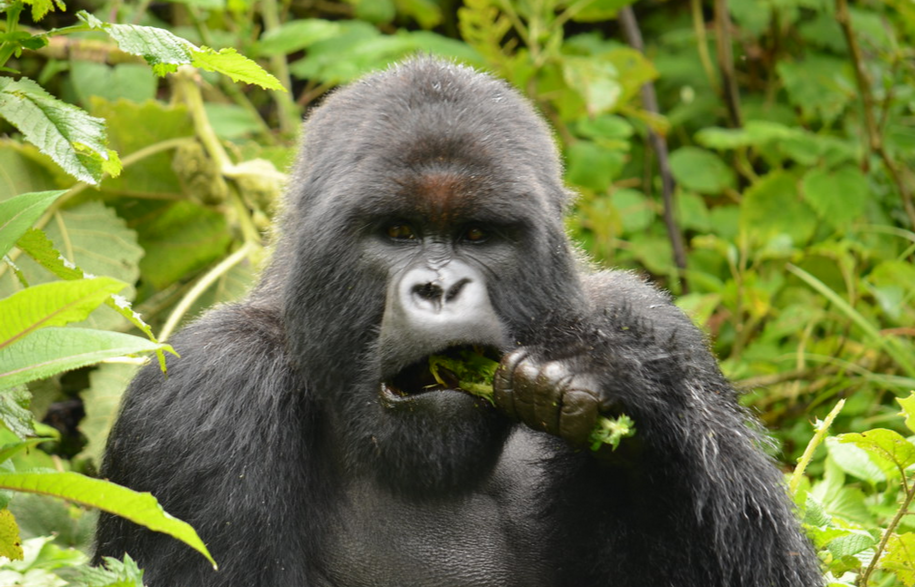
A gorilla trekking permit in Rwanda costs $1,500 per person and allows access to Volcanoes National Park, the primary destination for gorilla trekking in Rwanda. Permits are mandatory and limited to 96 per day to protect the endangered mountain gorillas. They can be purchased through the Rwanda Development Board or licensed tour operators specializing in Rwanda safaris. It’s recommended to book permits several months in advance due to high demand, especially during peak travel seasons.
What is a gorilla trekking permit in Rwanda?
A gorilla trekking permit in Rwanda is a special document issued by the Rwanda Development Board (RDB) that allows you to participate in the activity of visiting mountain gorillas in their natural habitat. These permits are essential for anyone who wishes to observe gorillas in Volcanoes National Park, which is the only destination in Rwanda where this activity is conducted.
The permit essentially acts like a “ticket” for your guided trek into the forests to see these incredible animals up close. Each permit is assigned to a specific trekking group, which corresponds to one family of mountain gorillas that live in a designated area of the forest. Since each gorilla family is habituated to human presence, the permits help control tourist numbers, ensuring that gorillas are not overwhelmed by too many visitors.
For example, if you’re planning to take a gorilla trek on a specific date, purchasing a permit secures your spot for that date, grants you permission to join the professional guides and trackers, and guarantees your access to one of the habituated gorilla families within the park.
Without the permit, you cannot legally join a trek or visit the gorillas in the conservation area.
Why do you need a permit for gorilla trekking in Rwanda?
A permit is mandatory for gorilla trekking in Rwanda for several important reasons. First and foremost, mountain gorillas are critically endangered, so their protection and conservation are high priorities. Strictly regulating the number of visitors with permits ensures that the gorillas aren’t exposed to excessive human interaction, stress, or disease transmission. Gorillas share around 98% of their DNA with humans, which makes them vulnerable to illnesses we carry, such as the common cold.
Furthermore, the permit system helps to maintain the ecological balance of the forest environment in Volcanoes National Park. By limiting the number of people who can visit the park daily, the authorities can avoid disturbances to the gorillas’ space and feeding patterns, ensuring their overall well-being.
In addition, the funds generated through permits contribute directly to conservation efforts and support the local communities living near the national park. For example, a portion of the revenue is used for anti-poaching measures, hiring park rangers, and engaging the local population in sustainable tourism activities.
The permit also ensures that your experience is well-organized and safe. With professional guides and trackers leading the activity, permits make it easier to maintain structure and avoid unregulated visits, which may disrupt the natural harmony of the forest environment.
In short, the permit system is critical not just for logistical purposes but also for the gorillas’ protection, conservation funding, and controlled tourism.
How much does a gorilla trekking permit cost in Rwanda?
As of 2023, the cost of a gorilla trekking permit in Rwanda is USD $1,500 per person for international tourists. This is a flat rate set by the Rwanda Development Board (RDB) and applies to treks within Volcanoes National Park. The high cost is deliberate, as it helps to balance visitor numbers while generating a significant amount of funding for conservation efforts and the surrounding local communities.
For residents of East African Community (EAC) member countries, permits are available at a lower price, typically around USD $500, enabling citizens from partner nations in the region to enjoy this unique experience at a more accessible cost.
The fee may sound high, but it covers the entire trekking experience, including the services of trained guides, trackers, and park rangers. These individuals ensure visitor safety, locate the habituated gorilla families, and guide the trekking groups through the appropriate trails.
Although $1,500 may seem steep, consider the exclusivity of the activity. Trekking permits limit the number of daily visitors to protect the gorillas and their habitat. Compared to other wildlife tourism experiences, such as climbing Kilimanjaro or luxurious safari lodges, gorilla permits fund essential conservation efforts for one of the world’s most endangered species.
Where can I purchase a gorilla trekking permit in Rwanda?
Gorilla trekking permits in Rwanda can be purchased through the Rwanda Development Board (RDB), the official government agency responsible for managing protected areas and wildlife tourism. This board ensures that the permit-selling process is clear and organized. To obtain a permit, you can either contact the RDB directly by visiting their website, making a call, or sending them an email to inquire about availability and proceed with the booking process.
If you prefer assistance with the logistics, many people choose to go through a travel agency or tour operator. These companies specialize in organizing gorilla trekking trips and can handle the permit purchase for you, as well as help plan the rest of your journey, such as accommodations, transportation, and any additional permits for sightseeing or trips to other parks.
You will need to specify your planned travel dates, and, in some cases, you can select a specific gorilla trekking group or preferences based on difficulty levels. Keep in mind that permits are issued for visits to Volcanoes National Park, where the trekking experience takes place. Permits are limited and often sell out quickly due to high demand, especially during peak travel seasons, so it’s essential to initiate your booking as early as possible to secure your spot.
Finally, when obtaining your permit, make sure to provide accurate identification information and consider keeping copies of the payment receipt for your records, as these might be requested before the trek.
How far in advance should I book a gorilla trekking permit?
It’s highly advised to book your gorilla trekking permit at least 6 months in advance, especially if you plan to visit during Rwanda’s peak tourism periods (June to September and December to February). The main reason for this recommendation is that there is a cap on the number of permits issued each day, making them a scarce resource. Only 96 permits are available daily, as Rwanda limits tourists to a maximum of 8 visitors per gorilla family, and there are 12 habituated gorilla groups in Volcanoes National Park.
Tourists wanting to travel during peak seasons or those coming in large groups should plan and secure permits even earlier, perhaps 8 to 12 months in advance. If your travel plans are flexible and during a less busy period (such as March to May or October to November, when it’s the rainy season), permits may be easier to secure closer to your travel date, but early booking is still recommended to avoid last-minute challenges.
For those who book through a tour operator, they will often handle securing the permit on your behalf, integrating it into the overall travel package. However, if you plan to arrange your trip independently, reaching out to the Rwanda Development Board directly ensures you get your date confirmed.
Being proactive in securing your spot also provides peace of mind and allows you to plan other aspects of your travel and accommodation well in advance.
Are there a limited number of permits available each day?
Yes, the number of gorilla trekking permits issued each day in Rwanda is strictly limited to 96. This restriction guarantees a sustainable tourism model that minimizes the disruptive impact on the gorilla families while still providing funding for their conservation. On any given day, only 8 tourists are allowed to visit each of the 12 habituated gorilla groups in Volcanoes National Park.
The daily permit limit not only helps protect these critically endangered mountain gorillas but also ensures that the trekking experience feels more intimate and less crowded. Encounters with the gorillas are meant to be calm and respectful rather than overwhelmed by too many people. Scientific research has also shown that keeping exposure to humans controlled can reduce stress and the possibility of disease transmission from humans to the animals.
This capped availability of permits, combined with the popularity of gorilla trekking globally, makes these permits a sought-after item. As a result, visitors are encouraged to make bookings well in advance if they want a spot on their desired travel date. Additionally, the limited number of permits helps enhance your experience by ensuring the best possible trekking conditions and keeping the focus on wildlife conservation.
What does the cost of the gorilla trekking permit include?
The cost of a gorilla trekking permit in Rwanda covers several aspects of the trekking experience. First, it guarantees access to the Volcanoes National Park, which is the primary location for gorilla trekking in Rwanda. The fee supports both the maintenance of the park’s infrastructure and the preservation efforts for the endangered mountain gorillas.
Another key inclusion is the service of professional guides and trackers. These individuals are highly trained and accompany you during your trek to locate the gorillas. They not only ensure your safety but also share important information about the gorillas and their behavior. Their expertise makes the experience more meaningful and educational.
The cost also covers park rangers involved in securing the area. They keep track of poachers and any threats to the gorillas, ensuring the animals live in a safe environment.
Additionally, the permit includes a one-hour period to observe the gorillas once they are located. During this time, participants can watch the gorillas interact, eat, and care for their young while maintaining specific rules to avoid disturbing them.
The high cost also serves another purpose: it intentionally limits the number of visitors. By doing this, the authorities can reduce human impact on the habitat and avoid overstressing the gorilla families.
For example, if the permit costs $1,500 in Rwanda, a significant portion of this amount goes toward conservation and community support, ensuring local people benefit from gorilla tourism. This reduces reliance on the forest for resources and creates options like jobs in the tourism sector.
In short, the permit fee includes access to the park, professional guidance, and critical contributions to gorilla conservation efforts and local livelihoods.
Which national parks in Rwanda offer gorilla trekking permits?
In Rwanda, gorilla trekking permits are exclusively available for treks conducted in Volcanoes National Park. This park is part of the Virunga Mountains, which extend into neighboring Uganda and the Democratic Republic of the Congo. The park is home to several families of endangered mountain gorillas and is the only place in Rwanda where visitors can go on official gorilla trekking experiences.
Volcanoes National Park is not just significant for gorilla trekking. It is also well-known for its rich biodiversity, which includes numerous other species of primates, birds, and plants endemic to the region. The park’s breathtaking scenery, with mountainous terrain and lush vegetation, creates an ideal habitat for the gorillas.
The park has been a center for gorilla conservation for decades, beginning with the work of Dian Fossey, a renowned primatologist who conducted extensive research on mountain gorillas in the area. Her legacy remains integral to ongoing efforts to protect the gorillas and their habitat.
While some neighboring countries like Uganda and the Democratic Republic of the Congo also offer gorilla trekking experiences, Rwanda’s program in Volcanoes National Park stands out for its strict rules, infrastructure, and accessibility. For example, the park is only about a two- to three-hour drive from Kigali, Rwanda’s capital, making it one of the most logistically convenient destinations for tourists.
So, if you are planning to go gorilla trekking in Rwanda, be aware that all official permits are specifically for Volcanoes National Park and nowhere else in the country.
Can gorilla trekking permits in Rwanda be refunded or rescheduled?
Gorilla trekking permits in Rwanda are generally non-refundable. This means that once you purchase the permit, you cannot get your money back if you decide not to attend or if unforeseen circumstances prevent you from going. The policy is strict because of the high demand and limited availability of permits.
Rescheduling a permit can sometimes be an option, but it depends on availability and specific circumstances. For example, if you contact the Rwanda Development Board (RDB) well in advance, they might consider rescheduling your permit for a different date. However, this is not guaranteed, and fees might apply for changes. It’s important to contact the RDB as early as possible to inquire about this option.
This rigid policy ensures that gorilla trekking remains sustainable, as the funds from permit sales are vital for conservation efforts and community programs. Any unused permits would represent a financial loss for these efforts because the number of available permits is capped daily to limit visitor impact on the gorillas.
For instance, if an emergency or illness prevents you from using your permit, it’s unlikely that you’ll receive a refund. This is why it’s highly recommended to purchase travel insurance that includes coverage for such cancellations.
In conclusion, gorilla trekking permits in Rwanda are not refundable under most circumstances, and rescheduling is only possible if specific conditions are met. Before purchasing a permit, ensure your plans are solid and consider travel insurance for additional security.
Are there age or health restrictions for obtaining a gorilla trekking permit?
Yes, there are age and health restrictions for obtaining a gorilla trekking permit in Rwanda. These rules are put in place to ensure the safety and welfare of both the visitors and the gorillas.
First, the minimum age requirement is 15 years old. This is because trekking can be physically demanding and involves walking through forests, uphill trails, and uneven terrain. Younger children may not be able to meet these physical requirements and might also have difficulty adhering to specific rules, such as staying quiet and calm around the gorillas. Additionally, gorillas can pick up human diseases easily, and children are often more prone to illnesses like colds, which could be dangerous to the animals.
In terms of health conditions, anyone exhibiting signs of contagious illnesses, like the flu or severe colds, may not be allowed to participate. Gorillas share more than 98% of their DNA with humans, which makes them highly vulnerable to human-transmitted diseases. This is done to protect the gorillas from outbreaks that could devastate entire families or groups.
If a person has a medical condition that is not contagious but could make trekking unsafe (e.g., severe heart issues or limited mobility), they may also be discouraged from participating. The trek can be strenuous, involving hours of hiking in humid and rugged environments, so participants should be in reasonably good physical shape.
For example, if someone has a respiratory illness like pneumonia, they would likely be asked to step back for the sake of the gorillas’ health. Similarly, if someone cannot walk long distances or handle steep climbs, they might struggle to join the trek safely.
What are the rules and guidelines associated with gorilla trekking in Rwanda?
Gorilla trekking in Rwanda has strict rules and guidelines, and these are enforced to protect the safety of visitors and the gorillas, as well as their natural environment. Below are the main rules explained:
- Keep a safe distance: The rules require visitors to stay at least 7 meters (approximately 23 feet) away from the gorillas at all times. Even if a gorilla moves closer, trekkers are advised to remain calm and step back slowly if possible. This helps minimize stress on the gorillas and reduces the chances of disease transmission.
- Limit your time with the gorillas: Tourists are allowed only one hour with the gorillas once they are located. This limit reduces the potential disturbance to their daily routines and stress levels.
- Group size: Each trek group is limited to a maximum of 8 people. Smaller group sizes help reduce the human impact on the gorillas and their habitat while ensuring a better experience for visitors.
- No loud noises or sudden movements: While observing gorillas, trekkers must keep noise to a minimum to avoid startling the animals. Calm and slow movements ensure that the gorillas remain comfortable.
- Don’t touch the gorillas: Even if a gorilla approaches very closely, visitors are prohibited from touching them to reduce the risk of disease transmission.
- Carry out all waste: Littering is strictly forbidden. Trekkers are asked to bring back all trash, including biodegradable items, to preserve the environment.
- Follow ranger instructions: Rangers are there to ensure both safety and adherence to the rules. Visitors must follow their guidance at all times.
- No eating or drinking near gorillas: Consuming food or beverages while near gorillas is not permitted. This prevents accidental feeding and keeps germs away from the animals.
For instance, if a member of the group starts coughing frequently near the gorillas, the rangers might end that person’s interaction immediately, prioritizing the safety of the animals. These guidelines are vital for maintaining the balance between tourism and wildlife conservation.
How does the revenue from gorilla trekking permits contribute to conservation and local communities?
The revenue from gorilla trekking permits in Rwanda plays a significant role in both conservation efforts and the development of local communities.
A large portion of the funds goes directly towards gorilla conservation programs. These programs include anti-poaching patrols, habitat restoration, research, and veterinary care. Anti-poaching teams are essential for preventing illegal activities like hunting or trapping, which pose major threats to gorilla populations. Conservation also involves planting trees in deforested areas to expand gorilla habitats, ensuring they have a safe and stable environment.
Another portion of the revenue is shared with local communities living near the national parks. This is part of Rwanda’s community revenue-sharing program, where 10% of the funds go towards building schools, health clinics, and infrastructure like roads and water systems. These projects improve the livelihoods of local residents and promote positive relationships between them and the wildlife conservation efforts.
For example, a village near Volcanoes National Park may receive support to set up a farming cooperative or a community school. This kind of assistance reduces human and wildlife conflict, as local people are less likely to see gorillas or conservation efforts as a threat to their livelihood.
Tourism-related jobs created by gorilla trekking also benefit the communities. Many locals work as porters, guides, or park staff, earning a steady income. This creates economic opportunities that provide alternatives to activities like poaching.
In summary, the revenue supports both the gorillas themselves and the people who share their environment, creating a sustainable model for conservation and tourism.
How To Book Your Safari in Rwanda
Planning your gorilla trekking adventure in Rwanda doesn’t have to be overwhelming. We’ve covered the basics: what a gorilla trekking permit is, why you need one, and how to secure it. Ready to take the next step? Connect with trusted Rwanda Safari Companies to help you book your permit and create an unforgettable safari experience. Let the experts handle the details so you can focus on enjoying your trip. Your Rwandan adventure awaits!
Gorilla Permit Booking in Uganda
How To Get A Gorilla Trekking Permit In Uganda
If you’re concerned about getting a gorilla permit, contacting an AUTO-affiliated Tour Operator in Uganda is the best way to go. With over 1000 Tour Operators available, you can be sure to get the correct permit for your gorilla trip. Anxious tourists should act with haste in the high season, due to the vast influx of travellers to Uganda. AUTO members are your only hope for procuring the necessary permits without any additional expenditures. Booking ahead is strongly advised to secure these passes and avoid disappointment. Steer clear of pricey permits and be wary of fraudulent operators who attempt to take advantage of travelers by offering discounted permits that aren’t legitimate. It is suggested that you avoid transferring funds to individual accounts, express payments, Western Union, and MoneyGram. Instead, utilize business bank accounts with a credit card payment system. Be wary of those who attempt to deceive and pass themselves off with the AUTO logo, don’t be taken in by them. It is important to research the background of a tour operator prior to booking with them.
Cost Of A Gorilla Permit
In Uganda, the fee for Gorilla trekking permits is $800 for non-residents from outside of the East African Community, $500 for those living in member nations of the EAC, and Shs250,000 for locals of these countries. Rwanda’s cost for a permit is $1500 per individual during peak season and $1050 in off-season. If you plan to go Gorilla Trekking, you should be aware that a permit is needed. To secure one, you must provide your name, nationality, passport number and date of birth. Please note that it is not possible to transfer the permit to another person – you will need to show your passport and ID at the pre-trek briefing. You will need to submit your payment details and the dates when you would like to embark on the gorilla trekking journey. Should those dates not be available, ask the permit organiser for the most convenient alternatives. Once everything is sorted out, you’ll eventually get a digital version of your Gorilla trekking permit, which can take up to a few days or weeks. When you arrive in the country, your Safari Company will have the permit ready for you. If not, you’ll need to pick it up from the UWA office. It will have a one-of-a-kind serial number plus all your personal information printed on it.
Gorilla Habituation Permit
As a visitor, you have the chance to join researchers in their endeavour of familiarising a particular gorilla family with human interaction. After devoting up to four hours to the mountain gorillas, you will be honoured with a certificate for your participation in the gorilla habituation experience. The gorillas that are being trained to become accustomed to people are generally unfamiliar with human presence, yet still remain secure to be near. You need a gorilla permit issued and sold by UWA to undergo gorilla habituation. This permit costs USD 1500, granting you more than three hours with gorillas in their natural habitat. It is only valid for one person on a single day. Non-Ugandan Nationals are eligible for a reduced fee of one thousand US dollars to participate in gorilla habituation.
What You Need To Know Before Acquiring A Gorilla Permit
- Going on a gorilla trek is a very demanding task; it’s certainly not easy.
- You must prepare carefully for your gorilla trekking excursion.
- By possessing a Permit, you can observe the mountain gorillas‘ movements; nevertheless, this does not assure that you will witness them.
- These animals are wild and roam freely in nature. Be assured, though, that your chances of encountering them are very high – almost certain!
- Hiking to locate gorillas may take a while, as much as six hours in order to find one specific group.
- You are limited to a single hour with each gorilla group.
- To be eligible to track gorillas, you must be at least 15 years of age.
- A limit of 8 persons may take part in a single trek.
- Each group is assigned a tour guide for their Bwindi excursion, along with two armed guards and porters to carry any additional luggage.
- Upon completion of the trek, you will receive a gorilla tracking certificate.
- The busiest times of year are from June to December, with the slowest being mainly January and February.
- If you plan on taking a trip, it is wise to acquire your permit prior to arriving in order to avoid the difficulty of obtaining one when you’re here.
- They are limited and distributed according to whoever arrives first. The Gorilla permit can’t be renewed and is only valid for a particular date and geographical area.
How To Book Your Gorilla Permit
Organizing a permit to visit Uganda requires the services of a dependable and reliable tour operator. An alternative option is to get a gorilla permit from Uganda Wildlife Authority in person. Generally, using a tour operator for this purpose is more efficient than going through UWA. It is essential to be aware that tour operators may impose an additional fee of roughly $50-$100 for each permit. This supplementary fee covers the expenses and arrangements associated with acquiring the gorilla permits, such as making phone calls, collecting the permits, delivering them to you and other administrative duties. As part of a prearranged tour, a gorilla permit typically will already be included in the cost.
Dealing With A Tour Operator To Secure Your Gorilla Permit
Let your tour operator know when you are looking to track gorillas so that the planning process can be simplified. After being informed of the dates you would like to undertake this journey, they can assess whether those particular dates are available and hold them for you. Following this, payment details will be sent to you with either bank transfer or credit card payment accepted. It is important that any bank charges associated with the transaction are included in the payment, as failing to do so may result in not receiving a permit or extra costs incurring. You must also attach a copy of your passport which should include your name, nationality and number as these details are essential for registering the permit. The names will then be registered and a permit obtained. Please note that having a permit does not guarantee seeing mountain gorillas but gives approximately 95% chance of doing so.
Booking Your Gorilla Permit With Uganda Wildlife Authority
- If you’re wanting to go gorilla trekking, the first thing you need to do is determine which date(s) work for you. Then get in touch with UWA and they’ll let you know if those dates are available. If they are, proceed to the next step. If not, it’s time to pick some other dates.
- Once you have gotten the go-ahead from UWA on your gorilla permit, you can proceed to pay for it by either Visa, Credit card or EFT to the designated bank account. Make sure to secure and hang on to a receipt of the transaction. So, what’s the cost of a gorilla permit? Non-residents from abroad will fork out $700 each; Foreigners with residence status will be charged $600 each; and East African nationals only need to pay UGX250,000 (approximately $80). For more details on the price of gorilla permits in Uganda, please read our blog article.
- Send us a scan of your passport’s bio page, as well as your payment receipt. You’ll need to send those two documents via email. The most important part of your passport is the biodata page – the one with your name, birthdate, passport number and so on. UWA will make sure that payment has been made and they’ll then send you an official confirmation regarding your booked gorilla permit.
How To Cancel A Gorilla Permit Or Get A Refund
In the event of cancellation, no refund will be issued if only a deposit has been paid. Should you have already paid for your permit in full, the cancellation regulations are as follows: You will receive 75% of your money back if you cancel your permit at least 91 days before the trek. If you cancel your reservation between 46 and 90 days in advance, you will be eligible to receive a 50% refund. If you cancel your reservation between nine and 45 days in advance, you’ll receive a 25% refund. No reimbursement will be granted in case of cancellation within 0-8 days prior. It is strongly recommended that individuals who are feeling unwell (even if it’s something as minor as a cold) not trek due to the risk of potentially transmitting illnesses to gorillas. However, should an individual be unable to partake in the trek due to illness occurring on-site, they may be eligible for a reimbursement of 50% of the permit fee. This serves as an incentive for people to be truthful about any health issues they may have and help protect the gorillas from disease.
Why Should You Pay For A Gorilla Permit?
As close to humans as chimpanzees are, gorillas have also earned the nickname of man’s cousins. Tourists have flocked to view their remarkable behavior and physical characteristics. Gentle, placid, and caring for their own, a gorilla family demonstrates its commitment to the younger members through vigilant protection. Unfortunately, only around 1,000 mountain gorillas exist in the world today – so it is essential that we guard both them and their habitats. The three nations are committing 80% of the funds derived from permits to the preservation of these primates. Such efforts have not only been beneficial for conservation, but also have provided economic benefits to the local communities that receive visitors for gorilla tracking activities through employment opportunities.
How long is the Gorilla permit valid in Uganda?
When you purchase a Gorilla permit, it will remain valid until the date of your trek. Once that day has passed, the booking ID expires and the permit is no longer valid. To make sure you can take part in your pre-booked trek, it is strongly recommended to plan ahead and book as far in advance as possible. Nevertheless, due to various unforeseen circumstances, sometimes it is not possible to attend the scheduled activity. If that happens, it is advised to contact Uganda Wildlife Authority or your Tour operator at least two weeks prior and rebook for another day.
Rwanda Gorilla Trekking Cost 2026 to 2027
Everything you need to know about gorilla trekking in Rwanda, where to stay, tour operators, when to go, how to get a gorilla permit, gorilla rules and more. Rwanda Gorilla Trekking Cost /Price 2026 to 2027
Planning your trip? Start with our complete Volcanoes National Park Rwanda travel guide.
Gorilla Trekking Cost Calculator
Plan your gorilla trekking adventure budget with our comprehensive calculator.
Gorilla trekking calculator
Rwanda Gorilla Tours Cost. How Much To Pay?
- A gorilla permit also includes the entry into the national park, the ranger guides who will accompany you, the one hour adventure with the gorillas, taxes as well as the Gorilla trekking certificate.
- You can now take the deep breath and enjoy the eventual guide to Mountain gorilla trekking
- Rwanda’s gorilla trekking permit goes for $1500 throughout the whole year. This country doesn’t offer discounts on permits.
- In 2025, Uganda gorilla permit cost $800.

| 2024 Rates | ||
| Uganda | Rwanda | |
| Non-resident price | $700 | $1500 |
| Foreign residents | $1500 | $1500 |
| East African residents | Shs 250,000 | 30,000 Rwandese francs |
| Low Season Discounts in Uganda | ||
| Non resident | $450 | None |
| Foreign residents | $400 | None |
| East African residents | Shs 150.000 | None |
Definition of a gorilla safari and how much it costs
For the value of money, many of the visitors to east Africa always mix gorilla trekking with a wildlife safari before or after the trek.
- Booking of the gorilla safari permits by yourself is so possible as well as travelling using public means though there are many draw backs to put in mind. By doing this, you will end up incurring more costs, this includes when you miss your bus or in case it breaks down, and you might end up missing your gorilla trek. These gorilla permits are non-refundable and this means that in case you reach late, you will have missed your adventure slot. Therefore. Many of the visitors travel on a planned group tour or book their own driver and vehicle and mostly through a Rwanda safari company or tour operator.
- The other danger to avoid when organizing a gorilla trek by yourself in Uganda is booking the accommodation facility that is far away from the gorilla family you are to trek. You will also be required to wake up so early so that you reach the park headquarters on time. The gorilla families in Uganda are all spread seven hours apart.
- The average mid-range three day gorilla tour also costs $1200 and this depends on the number of people in your group. The best way of selling the gorillas is by traveling on the arranged over landing safari during the low season. In case a tour is advertised to involve gorilla trekking, then the cost of the permit should be included in the final quote, but you have to read the small motif carefully.
- A luxury Rwanda gorilla safari might also range from $3000 to $5000 per person and might also include a fly in option as well as five star accommodation facilities.
How to buy Gorilla permits Rwanda
The gorilla permits need to be bought in advance as much as 6 months earlier. In case you are traveling during the high season or in large groups. The earlier you book, the more choices you have of where to trek and where to stay. Late booking might be possible only during the low season and there are just one or two people trekking, however the availability of gorilla permits is not guaranteed.
The high season is from June through October and the charisma as well as the New Year period.
Each of the gorilla family can be visited for one hour per day, with in Uganda, there is a off peak discount in April, May and November, and also these are both bookings in advance. There is also a minimum age requirement of 15 years to track the gorillas in both Uganda and Rwanda.
The gorilla permits can be bought in two years advance through Uganda Wildlife Authority and Rwanda Development Board or via a registered Rwanda safari tour company. More so, the advantage of booking with a tour operator is that they have close local knowledge of the accommodation facilities options and the nearness of gorilla families. These know the remote places well and their drivers are experts at selling slippery, and the steep dirt roads. In case you plan to range your trip, and most people do , the company will give travel references and also make all the activity and the accommodation bookings for you.
In case of booking the gorilla permit, you will need the following
- The date that you would like to track the mountain gorillas. You can identify some dates and also scan and send your passport details to whoever person is organising to buy your permits
- Your name, nationality as well as the passport number, the gorilla permits are known to be non-Transferable, this means that you will have to show that you will need to show the passport or some sort of identification at the pre trekking briefing
- About the payment, the best way to pay is by making a wire transfer and please inform the bank to reduce any transaction charges from your account.
- In case you are to buy the permits directly from UWA OR RDB, you will then be able to send them bank payment confirmation Email.
- In case you are buying the gorilla permit from a tour operator, you should also note that not all the tour operators in East Africa allow credit cards and for those that accept they might put on higher charges from 3% to 9%. More so, in case the company knows about your needed dates, as well as the personal details, these will also make a temporarily reservation of the permits at UWA.
- About confirmation of the reservation. You should also get a scanned copy for the gorilla trekking permit with in few weeks. When you reach the country, the guide will give you your original permit or you might get it from either UWA or RDB offices
The gorilla permit will have an exclusive serial number and the personal details written on it. And it is not transferable. You have to remember that you have to show your passport or another identification at the pre trekking briefing.

- What is the best time for trekking mountain gorillas?
I wouldn’t let the weather forecast choose when is the best time for seeing the mountain gorillas since the wet is ever wet in the rain forest. The rain is not always too much and there will be a low lying mist and wet vegetation. There is always mud along the trails.
Forecasting of the rainy season is not an exact science but roughly speaking, the rainy seasons include March. April and October as well as November. The timing of your visit to East African region, might be very important to you in case you are planning gorilla safaris in Rwanda, or any tour as part of your travels to Rwanda and Uganda. Rwanda and Uganda have enjoyed a round temperature of between 21 c and 21C throughout the year. In the higher altitudes of the mountain gorilla habitat, it can be so cold.
There is also Rwanda’s annual Kwita Izina which is the gorilla naming ceremony, it’s a beautiful time to visit the Volcanoes National Park. It is a celebration of Rwanda’s gorilla conservation, and the challenges these apes continue to appear.
The other factor to reflect on is the cost. Gorilla trekking permits in Rwanda also cost the same price per person throughout the year. Uganda also offers discounted gorilla permits in May, April and November.
- How many days am I supposed to book for my gorilla trekking tour?
You will need at least three days to see the gorillas in Uganda. You can give one day for travel to the accommodation, one day got trekking the gorillas and the third day for traveling back, where you will opt for. It’s also possible to reduce the gorilla trek to 2 days in Rwanda.
You will also need to be up wake up early on the day of gorilla trekking and the day will be so demanding, and you will need to reach at your lodge by 6 or 7 pm on the day before your trek. You also need to note that it get dark so early on the equator and we only advise you to travel in day light hours, due to the long distance and the remoteness of the destination. You can also have an early night as you prepare for the next day.
In the evening after the gorilla trek, rest back, relax and relive your safari adventure in one of the lodges near the gorilla trekking areas before traveling back the next day or even the day after the trek.
There is also combining of the gorilla trek with some hiking, or bird watching and these are very common options. These areas that are around Bwindi impenetrable forest, Mgahinga Gorilla National park as well as Virunga National park that offers goof forest walks, bird watching, volcano hiking, community walks, and canoeing. In case you love the primates, why not then trek the golden monkeys and the chimpanzees can be seen in Nyungwe National park, Kyambura Gorge in Queen Elizabeth National park, and also in Kibale National park.

- Is a porter important for my gorilla trek in Rwanda?
Hiring a porter also means that you can pack all the camera equipment’s, the rain gear, snacks, and lots of water without worrying about how you will manage to carry the luggage up to the muddy slope through the bushy under growth. In areas were many of the people are substance farmers, pottering jobs are not valued. The fees for a porter will keep the idea of conserving the mountain gorillas in the forest. These jobs help in reducing the invasion into the protected areas to set the snares and also collect timber where the gorilla live. Again by employing the porters, you are not only helping them but also supporting the local community and the gorillas as well.
The cost of hiring a porter is between $10- $15. The tips can also be in smaller dollar notes or in the local shillings.
Note: Even though the rangers will escort you all the way to the park headquarters, most of the times, the porters will leave the group before you arrive there, so always make sure that you have the right amount of money for the tips since anytime they can leave.
Where to stay during gorilla trekking in Rwanda?
There is also the Virunga lodge that is set on the hill with over 360 degree view of the volcanoes and the lakes. In case you are flapping out on a once life adventure, you must then stay here, it’s also a one hour drive from the park entrance in Kinigi.
Le bamboo Gorilla Resort
This is a mid-range lodge which is a 20 minutes’ drive from the starting point for Rwanda gorilla trekking. This banda facility is also made of the volcanic rock as well as the gardens that are full of colourful flowers as well as the bamboo.
Hotel Muhabura.
It’s located in the town of Musanze which is a 20 minutes’ drive from the start of gorilla trekking in Kinigi, it’s a tried and tested place with the pure bleed primatological connections. For the best, you might also decide that you want to book a cottage 12 where the famous primatologist Dian Fossey stayed between the visits to the Virunga Mountains.
What to expect during gorilla trekking in Rwanda.
I will also not forget my first meeting with the gorillas, it was a sound headed sight and the smell led sound which was in form of an awesome, musky- barnyard, human like scent. The surrounding air was lease by variety of screams that were followed by the regular rondo of the sharp pok-pok chest beats from a good silverback male hidden what appeared as an impenetrable wall of the vegetation.
Also part of the experience of trekking the mountain gorillas is also thinking where you will find them! As the name suggests, the mountain gorillas live at high altitudes. Here the dense jungle, muddy terrain and the altitude can be so tiring and some of the visitors will find the trek so challenging. You have to keep your own pace as you drink plenty of water. Always avoid getting dehydrated.
Immediately after enjoying the breakfast, the lodge will provide you with a packed lunch and lots of water. And also in case the weather looks good and friendly, before leaving for the hike, don’t forget the rain jacket since the rain might fall at any time.
This gorilla experience also starts with a morning briefing at around 7:30 to 8:00am and this will also depend on where you are to trek. You will also be told about gorilla trekking rules in order to protect the gorillas and their habitats. One of the main rules is that when you are ill, you are to tell the authorities. These will advise you whether you are healthy enough to go for trekking. You should also remember that the health of these gorillas is more important than your holiday; a flu or the cold can be dangerous to the gorillas.
After the briefing, you will leave the opportunity of hiring a porter for a day. This is also recommended. Even though, it’s only one family is found so near to the staring of the gorilla trek in Uganda, you will walk for 1 hour or more before reaching the gorillas. This country side is so beautiful and for me, the trek was as incredible as an experience.
The radio contact between the rangers as well as the information from the last day’s gorilla sightings will make it easy for the rangers to be guiding you to the right place to find the mountain gorillas.
As you approach with the ranger with in their range, the rangers will then ask you to leave your bags and so many non-essentials so that you can come close to the gorillas and your cameras should be ready. You will take time to enjoy the presence of these gorillas.
On seeing them, I was hit by the physical glory of the large jet black bodies that are against the green palette wash of the thick forest foliage. The Dian fossey, Gorillas in the Mist.
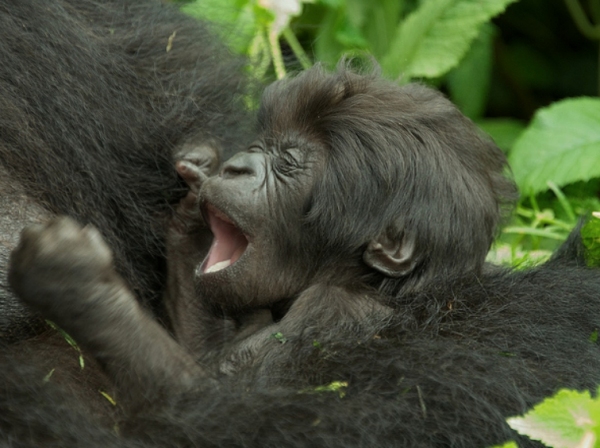
You will then spend one hour with the mountain gorillas and during this time, they may be chewing the bamboo, as they hang on the trees above the head, training each other, suckling their babies, sleeping, playing, farting or even having sex! So you can’t know what you will expect.
One of the most vital gorilla trekking rules is to always keep a distance of over 7 metres from the gorillas. There is also no guarantee that gorillas will be to this but you will move to the forest while you are with them. In case they come near you, the rangers will ask you to step back. , even when they walk into the forest, you might be asked to follow them for a little way. Some of the times, you will see the gorillas in a light clearing. And another time, they will be in the dark forest. So you need to consider this in case you plan to take lots of photos. You must always turn off your flash while taking photos.
It’s also known that the route that takes you back to headquarters is shorter, even though some of the hikes might need climbing back uphill’s in places. You get back to the base and get your gorilla trekking certificate.
RDB and UWA rangers are so knowledgeable and will take care of you as you are in the forest. These will also help you to negotiate the steep and muddy grounds too. Though you have questions about the gorillas or about the wildlife, plants, birds, you can feel free to ask. These guides also know each gorilla group and can also tell you the names and the habits of each gorilla member. There is also so much to learn from these beautiful and humble primates.
Tipping is optional, but much appreciated. The estimate can be from $15 to 20 per tracker or the ranger. These should be small dollar bills or the local currency.
Expectations on your gorilla trek – starting the trekking day in Rwanda
Coffee and tea are given at 7:00am to the trekkers and then will assemble in Kinigi where you will enjoy some entertainment that will be provided by the traditional intore dancers from SACOLA which is sabinyo Community Livelihoods Association.
Within Rwanda, the gorilla family will also be given to you in the morning. And this depends on how fit you are, and this will determine how to be allocated a gorilla family which involves a longer trek. The rangers will also give you the gorilla family depending on your health, general fitness, interests as well as age.
You can also want a short hike of over 30 minutes, a medium one from 1 hour to 3 hours and the longer hike to the large Susa group, which might also take the whole day.
Gorilla trekking in Rwanda also starts with 45 minutes’ walk as you slope down the farm land. The back ground of the volcanoes is so beautiful and the air is also pure. You will also find the steeper and thick bamboo at the park entrance.
Also depending on group that you are with, the trekking time usually takes 30 minutes to 4 hours. Gorilla trekking is also less active in Rwanda than in Uganda’s Bwindi gorilla trekking.
The Gorilla trekking Rules
- Rwanda development Board as well as Uganda wildlife Authority have got regulations and rules of protecting the gorillas as well as the humans that track them.
- The rangers will also do their best to find these gorillas for you. These people are in regular radio contact, as they monitor the health, safety and the mountain gorilla populations.
- Even though there are no tourists that have been hurt by the gorillas, the tourists need to remember always that an adult gorillas is many times stronger than the human and can be bothered by the human activity , most especially in case the gorillas are tending the infants or sick or not in the real mood to the bothered.
- The maximum group size for checking the gorillas is 8 to 10 people per trekking group.
- The gorilla trekkers must be fit and in good health. Tracking is the thick forest at an height of 2,000m, passing the steep mountains and the ravines that can be tough and regularly wet.
- The gorillas are also liable to many human diseases, colds, diarrhea as well as flu. You are also advised not to go gorilla trekking if you have any of those diseases.
- The cough can be so bad to the gorillas. In order to reduce the chances of spreading bacteria or the viruses, cover your nose and mouth in case you want to cough.
- These gorillas can also get diseases from the discarded human rubbish. So please don’t litter or spit as you trek the mountain gorillas.
- Don’t in any way touch the gorillas, even though they come closer since they can be very snooping
- End ever not to make any movements
- In case a gorilla charges, don’t make any movements. Always stay calm and slowly bend down and also avoid direct eye contacts, up to when the gorilla moves away in its own time.
- Always live a distance of 7 metres between you and the gorillas, even though the gorillas might not stick to the rules, in case the these gorillas start moving towards you , the rangers may advise you to move back away from them.
- Don’t ever edge the gorillas. Just view them from a distance and in groups.
- Its only one hour that is allowed with the mountain gorillas
- Also personal DVD recorders are allowed. The professional film makers also want to buy the filming permits in advance from RDB OR UWA.
- In case you want to the toilet, inform the guide and he will dig for you a hole and make sure that you cover the hole afterwards in order to prevent the transfer of diseases to the gorillas
- You will also be given a list of gorilla trekking rules with the permit and you will be reminded about them as you move.
- Flash photography is also not allowed.
What’s the best way to travel to the mountain gorillas?
The roads that lead to the gorilla trekking destinations in Uganda and Rwanda are generally good but the traveling is slow than the American and European roads. For instance the secondary roads are bumpy and slow, most especially as you approach Uganda’s gorilla parks. You need to get well prepared for the long car journey all day. The 4×4 drive vehicles are needed for these kind of routes in the rainy season.
Bwindi which is home to the world’s largest population of mountain gorillas is over 8 hours’ drive from Kampala or Entebbe. And in case you have never visited this destination, the drive is so fantastic to view the African life in the trading centres that you by pass.
In case you have got some time to spare, you can make a detour for the safari in Lake Mburo National park or visit Queen Elizabeth National park
Also Bwindi Community Hospital has got a good page on public transport ways for those wanting to reach Bwindi from Kampala.
In case you want to fly, a return ticket from Entebbe to Bwindi costs $450 with Aero Link Uganda. This is also a 1 and half hour flight with in a small aircraft, you will enjoy the islands on Lake Victoria, the swampy marshlands, mist covered valleys, and the trading centres.
This one and a half hour flight in a small aircraft is out of this world! You pass over the islands on Lake Victoria, swampy marshlands, trading centres and the mist covered valleys of south-western Uganda. You will also view the peaks of the volcanoes nearing the distance. It’s also known that the distance from Kisoro or Kihihi is about 30 minutes and this depends on where you are to trek.
More so, in case you don’t have time for the long road drive, the flight to Kigali as well as a short drive is also the easiest option. The drive to volcanoes national park which is home to Rwanda’s mountain gorillas and this takes two hours from Kigali on the good roads. As you come back, you will understand well why it’s called the land of 1000 hills.
It’s also easy to fly to Kigali and then drive across the border to view Uganda’s mountain gorillas. Both of these options can take less time than driving from Kampala.
What to pack for gorilla trekking in Rwanda and Uganda
Since the porters are so affordable, this means that you are free to pack all the gorilla trekking equipment, clothing, water without worrying about how you will be able to carry it. Below is the recommended list for gorilla trekking;
- The walking boots or shoes, the boots are better since they have good grip and also supports the ankles on the hilly terrain.
- The water proof jacket as well as trousers. Even though it doesn’t rain, the ground as well as the vegetation are so wet. This means that wearing waterproof trousers will keep your kneel to get the gorilla photos or slide down the slippery slopes.
- Long sleeved shirt that will protect yourself from the tree branches , insects and the sun)
- The Gaiters or the long socks to pleat the long trousers into and this protect the legs from the scratches and keep the insects out.
- A light wool sweater or the swindle
- The sun screen, sun glasses or the sun hat.
- The gloves that will hold the vegetation, ie the dime store or the gardening gloves are so perfect.
- The camera equipment.
- The walking stick or pole. In case you don’t have one. I also recommend that you take up the offer of a walking stick. Some lodges provide them and other times, the guides might get them for you.
- Pack enough water since Hydration is so important. The lodge will provide you with the packed lunch as well as drinking water. Always don’t get afraid to ask for another bottle of water.
- Tips, these can be at your own will for both rangers and the porters.
- Please don’t forget to take your gorilla permits as well as passport. This is because you will need to show your ID at the pre trekking briefing.
- You can pack all these in the small bag.
The mornings in the volcanoes and the mountains can be so cool and the night time can also be cold. You will then experience the mist as well as rain as you check the mountain gorillas. It can also be somehow hot from the sun or the hiking uphill’s. the layered cloths are recommended and the moisture type of clothes.
How to photograph the mountain gorillas
The prominence of the mountain gorillas will be so important in case you like photographing the wildlife. You will want to get the best photos of this once lifetime experience to show the family as well as the friends that you left back home.
Within Uganda, it’s hard to get good photos under the dark canopy of Bwindi forest. Also in case you are lucky, you might come across your gorilla family in a clearing.In Rwanda, the vegetation is more of bamboo and the short grass and this can make good photography, even though the skies may still be overhead grey.
You will as well be on the move, so it’s also better to get so organised before you start your gorilla trek. In case you hire a porter, you can be able to take a fair bit of the kit with you.
Below are tips for photographing the gorillas
- In case you are taking photos using a standard point and shoot camera, you need to make sure that the camera is fully charged
- Always take an extra memory cards
- Always remember that flash photography is not allowed when taking photos of the mountain gorillas. You have to make sure that your camera manual is with you so that you know how to disable the automatic flash as well as the automatic focus light functions.
- Always take fast film (400 – 1600 ASA) in case you have a film camera.
- Also take a zoom lens, wide angle lens and the fixed focal length lens.
- You can also have more than one camera since it’s had to change lens while the gorillas are moving around.
- The personal DVD recorders are also allowed, so it’s easy to shoot a video of the mountain gorillas, since you will be so close to them and these are slow movers.
- The professional film makers also require permission and need to buy filming permits in advance from UWA in Uganda or RDB in Rwanda.
- The photographs of the mountain gorillas in the low light of the forest can also appear under exposed. The more experienced photographers recommend shooting at ISO 1250 or the higher in the forest
- Always keep the camera or the phone in a waterproof bag since it can rain anytime.
Are the mountain gorillas endangered species
The mountain gorillas are also classified as critically endangered on the IUCN Red list of endangered species. In the recent days, the mountain gorillas are so much threatened not only due to the demand for their meat, or their infants, but also a high demand for the lush forest in which these live. For those poor communities that live around the gorilla habitants, it is the forest that provides them with many of their basic human needs, and in the war torn areas of DRC. The needs are inflated.
Gorilla conservation is the first conservation option in Uganda and Rwanda. Gorilla tourism has helped in bringing the mountain gorilla population back from extinction but also threats to their survival that are still very real. The highest threat to the gorillas come from humans, the illegal logging of the rain forest, encroachment of the land for farming , poaching, and the risk of transmitting the diseases by the humans. In additional, political instability is also a major factor that affects the Congolese population of the mountain gorillas in the DRC region of the Virunga Volcanoes.
Active conservation also involves going out into the forest, on foot, or day after day as you try to get the poachers, killing the poacher’s dogs that spread rabies in the park and also cutting down the traps.
The gorilla population in Uganda, Rwanda, and DRC has also increased from the low census record of 245 gorillas in 1981 to the estimated 880 individuals in 2013.
The rangers have continued to protect these gorillas. Poaching of the gorillas is also very rare these days, and the poachers will become caught as they kill the animals.
There is also the Rwanda’s annual Kwita Izina gorilla naming ceremony which is so interesting for visiting volcanoes National park. It’s a celebration of Rwanda’s progress in gorilla conservation, and the challenges these apes face continuously
In case you trek to view the mountain gorillas, you may be also interested in knowing that each and every gorilla permit fee goes to the communities that live around the national parks. The benefits of this are so many including; the local communities receiving a physical benefit from tourism in remote parts of the country where there are a few employment opportunities. This direct financial incentive will encourage the local people in supporting tourism. Entering the national park is also controlled. Before the national parks were gazetted, the people entered the forest in order to collect firewood, set snares and hunt and also burn charcoal. More so the promotion of farming outside the protected areas as well as the development of the other alternatives to charcoal are some of the projects that conservation organizations have promoted in the local opportunities.
The removal of the Batwa people from the gorilla habitant was also another great step that the authorities took in the 1990s, when the gorilla population faced with extinction. The batwa culture and their way of life are so unique and by visiting and supporting the batwa projects, you are contributing to gorilla conservation.
In the past years, many of the people from all over the world dedicated their lives to the conservation of the mountain gorillas. And in 1885, American primatologist Dian Fossey was found dead in her own home with in volcanoes National park and she is believed to have been murdered by one of the poachers she fought in her protection of the gorillas. The mountain gorillas are protected than ever, and their numbers are increasing slowly and each year. The rangers have put their lives in danger in order to protect these gorillas.
What conservation organisation that are protecting the mountain gorillas
In case you want more information about the conservation and initiatives in and around the national parks of Rwanda and Uganda as well as the Democratic Republic of Congo.
- Conservation through Public Health (CTPH)
- Uganda Wildlife Organisation (UWA) manages Uganda’s National park and the rangers are always monitoring the movement of the gorillas.
- The Gorilla Organisation (TGO)- this works with the communities to protect the habitants of the gorillas of Rwanda, Uganda and DRC
- Dian Fossey Gorilla Fund international (DFGF)
- Articles of Gorilla Doctors- mountain Gorilla Veterinary project
- The mountain Gorilla Conservation Fund ( MGCF)
- International Gorilla Conservation programme (IGCP)
The gorilla trekking tourism and variety community tourism initiatives have helped in raising funds and creating the awareness of the plight of the critically endangered mountain gorillas.
What are the differences between trekking mountain gorillas in Rwanda or Uganda?
- How do make a decision where to trek mountain gorillas?
Trekking mountain gorillas are professionally organised and also well-developed making it an ecotourism adventure. This is the number one tourist attraction in both Rwanda and Uganda. Wherever you decide to stay, there are many good range accommodation types for you. The rangers are well trained and will look after you and give you useful information. These have also got to know the gorilla population closely. These also speak good English and in Rwanda they speak French.
- The merits for trekking gorillas in Uganda
The drive to see the gorillas in Uganda is so lovely directly from Kampala though it takes a full day. Even though you are to trek in bwindi forest or Mgahinga, the last hour is always magical en route.
The gorilla trekking permits are cheaper in Uganda and also gives off peak season discounts. This country has also got lots of things to see and also do before or after gorilla trekking. These two countries are close to each other and you can also trek the gorilla in both countries.
- The merits for trekking gorillas in Rwanda
Rwanda also is famous for easy flying in and do the gorilla trek and then after fly back same day. Though I wouldn’t recommend it. The short drive from Kigali to volcanoes is 2 hours’ drive and it’s not scenic as that of Uganda. Though the road network is better than that of Uganda, although the permits is higher in cost, you might the save the money and enjoy a shorter trip instead.
- What is the best : tracking in Rwanda or Uganda
.The Muzungu highly recommends gorilla trekking in both Uganda and Rwanda. Both experiences are fantastic. I loved hacking through the rainforest in Bwindi and I loved the bamboo forest of Rwanda. I know people who have tracked the mountain gorillas dozens of times. They continue to go back because every experience is so different. Likewise with tourists and travellers, some decide that if they are travelling all the way to East Africa, then why not trek both Uganda’s mountain gorillas and Rwanda’s gorillas too?
- How do mountain gorillas look like?
It’s also known that mountain gorillas and human beings share 98% of the same genomic material. The male mountain gorillas can grow to six feet tall and also weighs between 350 to 500 pounds. As the male gorilla grows, its hair on the back becomes silver in colour, thus giving it a name silverback. The adult male will be ten times as stronger than the strongest human. The silverback’s arm also stretches 7 feet wide. These mountain gorillas also connect through sounds like the roars, shouts and grunts. These adults also eat up to 75 pounds of leaves, bamboo, flowers, roots as well as shoots each and every day as they move around the forest.
- When were the mountain gorillas first see by Man?
It was in 1902 when the western world came to be aware of the mountain gorillas. However, this is how the westerners were introduced to these apes! The King Kong which is the gorilla terrorises 1933 New York which was a screen shot from the film.
Back then, the German explorer Captain Von Berenge was hiking the Rwanda side of Mountain Sabyinyo when he and his friends saw a group of mountain gorillas. These killed two of them and them and recovered one of the bodies that included a young male gorilla of five years and this was bigger than what the Germans had ever seen. Some of these animals’ remains were sent to Europe for the analysis, where they were recognised as a new species. Different from the low land gorillas of West Africa. This sub specie became known as Gorilla beringei Beringei.
The information of the new species also appealed to hunters to Rwanda. In the prime day of mountain gorilla hunting, Sweden’s Price Wilhelm is also informed to have killed over 14 mountain gorillas in the year 1920 – 1921.
And according to Wikipedia in 1921, keen to study about the gorillas in order to regulate if killing them for the museums was also right, the explorers club former President Carl Akeley that led a trip to Mt Mikeno in the Virunga Mountains at the verge of the Belgian Congo. In this process of collecting many mountain gorillas for the zoos, Akeley’s boldness was basically changed and for the rest of his life, he worked for the formation of a gorilla preserve. In 1925, he inclined King Albert 1 of Belgian started what we know as the Virunga National Park which was Africa’s first National park.
There was a poster showing the fast King Kong film of 1993, once you have seen a mountain gorilla, you will also know how fantastic this image was. The mountain gorillas are the calmest creatures ever.
Later on the British colonisers of Uganda followed suit, and for many of the years, there was no one allowed to visit the mountain gorillas till Walter Baumgartel was also given approval to start visits for the tourists for the traveller’s rest inn, in Kisoro Uganda, which is a faculty you can stay. Baumgartel also wrote that up among the mountain gorillas, all his personal meetings with the peaceful giant apes in southern Uganda. The primatologist stayed at the traveller’s Rest Inn as he studied the mountain gorillas of Rwanda, as George Schaller and many their famous characters. Many of the gorillas that are seen in the zoos are the low land gorillas of the West Africa.
Are these mountain gorillas so dangerous?
Also forget the King Kong, the mountain gorillas are so peaceful just like humans, they have got their limits. In case they feel insecure, they might send out a warning. In case you tracking the mountain gorillas, you will be visiting the habituated groups that are used to being close to Human beings.
Where to find mountain gorillas in Rwanda?
Kinigi is also the starting point for tracking all of Rwanda’s habituated gorilla groups. The mountain gorillas in Rwanda mainly live in Volcanoes national park with in the Virunga National park which has got over 6 volcanoes that measure 125 sq km. these mountain gorillas also live at an altitude of between 2,500-4000metres. The area was made well known by the American primatologist Dian Fossey who lived all her life in the park studying these mountain gorillas.
How many gorilla groups are for trekking in Rwanda?
Rwanda has got 5 gorilla families which are fully habituated and are available for the visitors by the public. These also include; Amahoro, Hirwa, Kwitonda, Agashya, Sabyinyo , Umubano and the Susa family.
Each of the gorilla family has got at least 1 male silverback gorilla, the blackbacks which are the young males, many females, and young ones. The latest family is the Susa family with 38 gorillas, these tend to live high in the mountainous areas so they are the hardest family to track.
With these seven gorilla families and there are only 8 visitors that are allowed to visit a group per day. This means that there are a total of 56 permits to track the gorillas in Rwanda on a daily basis.
Different things to do after gorilla trekking in Rwanda
- Volcanoes National park entrance at the Kinigi is the starting point for hiking Sabyinyo’s fantastic volcanic peak.
- Accompanied by the guide, you can visit the grave of the famous primatologist Dian Fossey and the graves of the mountain gorillas that she used to study.
- Golden monkey trekking
- Bird watching with in Virunga
- Communnity activities including the traditional Intore dance performances and the village walks to view the traditional way of life
- Staying along the Gisenyi on the shores of Lake Kivu. This lake is the largest in Rwanda and gives a large range of beaches as well as water sports.
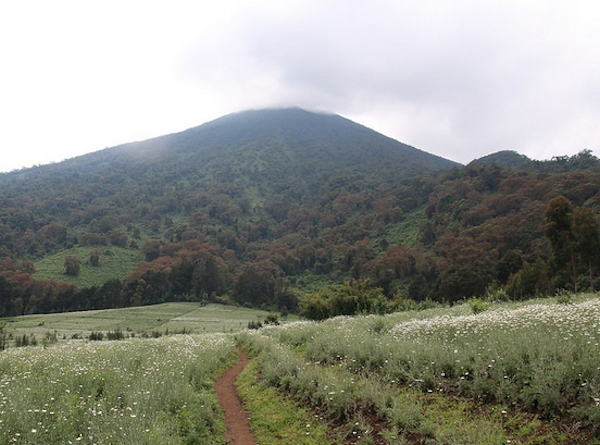
3 Days Gorilla tour in Rwanda
Tour overview
The safari starts and ends in Kigali city and includes a permit worth $600 per person in the final costing. You will get a chance to enjoy gorilla trekking volcanoes national park and you will get chance to visit the twin lakes.
Tour highlights
Day 1: Arrival and transfer to Volcanoes National park
Day 2: Gorilla trekking & a visit to the twin lakes
Day 3: Departure back to Kigali
Detailed itinerary
Day 1: Arrival and transfer to Volcanoes National park
Upon your arrival, you will be picked from the airport by the guide and then he will drive you to Kigali city to enjoy the city tour. You will visit the genocide memorial site and the museum and many more. Have lunch and then drive to volcanoes national park and this will take two hours. On arrival, check in at the lodge and have dinner and an overnight
This national park also lies in the north western Rwanda. Its well-known for its gorillas tracking and a home to the mountain gorillas. It has also got five of the eight volcanoes of the mighty virunga mountain including; Karisimbi, Bisoke, Muhabura, Gahinga, and sabyinyo that are covered in the bamboo and rain forest. In the park, it’s where you can do the golden monkey trekking as well as Dian Fossey visit.
Dinner and overnight at Mountain Gorilla view Lodge/ La palme Hotel/ Muhabura Hotel
Day 2: Gorilla trekking & a visit to the twin lakes
Wake up so early in the morning and then have breakfast. With your packed lunch, you will proceed to the headquarters for a briefing and then start your trek with the guidance of the park rangers. This trek will take 3-8 hours and this will depend on the movement of the mountain gorillas. You will then be given 1 hour to spend with them as you take photos. You will the enjoy your packed lunch from the forest and later after the trek, you will visit the twin lakes in the evening and after relax.
Dinner and overnight at Mountain Gorilla view Lodge/ La palme Hotel/ Muhabura Hotel
Day 3: Departure back to Kigali
Have breakfast and after drive from Volcanoes national park that takes 2 hours. Have lunch with in Kigali on your arrival. After you will be transferred to the airport for departure flight.
END OF SAFARI
Gorilla Trekking Price inclusions
- 1 Gorilla trekking permits
- full board accommodation,
- Full time English speaking professional driver/guide,
- All tour activities as detailed in the itinerary,
- Bottled water while on safari,
- Transport
Gorilla Safari Price Exclusions
- Kigali hotel fees( the eve of the safari and the night after the safari),
- Tips,
- Laundry services,
- Beverages/ drinks,
- international flights,
- Visas,
- Items of a personal nature,
- Optional activities in the itinerary
How to Book a Rwanda Gorilla Permit, 2025 / 2026
Rwanda is one of only three countries where you can encounter the magnificent mountain gorilla in its natural habitat. Tracking these gentle giants through lush forests is a once-in-a-lifetime wildlife experience, unless you’re a researcher who does this every day. But for the rest of us mere mortals, it’s pretty darn memorable. This semi-comprehensive guide provides most of what you need to know to make the most of gorilla trekking in Rwanda.
About the Mountain Gorilla
The mountain gorilla is the largest primate species in the world. Adult males can weigh over 200kg (441lbs), which is more than some small cars. These peaceful animals live in high altitude forests along the volcanic ridgelines of central Africa. Due to threats like habitat loss and poaching, mountain gorillas are critically endangered. But don’t worry – they can still squash you like a bug if provoked.
Rwanda is home to approximately 30% of the global mountain gorilla population. These gorillas inhabit the steep, cloud-covered forests of Volcanoes National Park in northwestern Rwanda. Protecting these gorillas and their delicate ecosystem is key to preventing their extinction. Tourism revenue provides vital funds for conservation programs, so think of the permit fee as a donation to save these furry friends.

Why Gorilla Permits Are Necessary
A permit is legally required for anyone wishing to track gorillas in Rwanda. Apparently they got tired of surprise visitors. The permit system controls daily visitor numbers to each gorilla family group, minimizing disturbance. Permit fees also generate crucial income to protect gorillas and their forest home. Don’t even think about turning up unannounced – gorillas need their beauty sleep.
Gorilla Permit Costs
As of 2023, the permit cost for non-Africans is $1500 per person. That’s more than some monthly rents! East African residents pay $200, while other African nationals pay $500. Discounts up to 30% off are available during the low season from November to May. Hey, every bit helps when you’re saving up for that dream gorilla encounter.
How To Obtain a Gorilla Permit
Independent travelers can purchase permits directly online via the Rwanda Development Board website. Remember – gorillas sell out faster than trendy sneakers, so book early! Those traveling with a tour operator can have their agent handle permit bookings. Permits often sell out months in advance. Don’t say we didn’t warn you.

Daily Gorilla Permit Numbers
There are 96 gorilla tracking permits available in Volcanoes National Park per day. These are allocated across 12 habituated gorilla groups, with 8 permits per group. Additional groups exist but are reserved for research. So if you show up without a permit, it’s a firm no.
What the Gorilla Permit Includes
The permit grants park entry, a guided trek, and up to one hour with the gorillas. Think of it as your golden ticket to gorilla paradise! It does not cover porter fees, tips, accommodation, transport, meals or other activities. Budget accordingly.
Minimum Age for Gorilla Trekking
All countries require gorilla trekkers to be aged 15 years or above – no toddlers allowed! There’s no upper age limit, but participants should be fit enough to complete a long, strenuous hike at high elevation. Take those stairs two at a time in training.
Gorilla Permit Cancellation Policy
If travelers cancel their Rwanda trip or fail to show up, permit fees are non-refundable. Permits also cannot be transferred or resold, so no scalping allowed! Tour operators may allow rebooking with sufficient notice.
If a gorilla group can’t be accessed you’ll get a full refund. A 75% refund applies if the trek finishes without seeing gorillas. But let’s hope you don’t need it!
Visiting Rwanda’s Other National Parks
In addition to mountain gorillas, Rwanda offers chimpanzee and monkey tracking in Nyungwe Forest, and classic African safaris in Akagera National Park. Combine these with a gorilla trek over November to May and earn a 30% discount on permit fees. More reason to go ape in Rwanda!
When to Go Gorilla Trekking in Rwanda
Rwanda’s temperatures are relatively constant year-round due to its equatorial location. June-September brings clear skies but chilly high elevation temps. October-November and March-May see lush greenery but potentially more rain. Schedule flexibly!
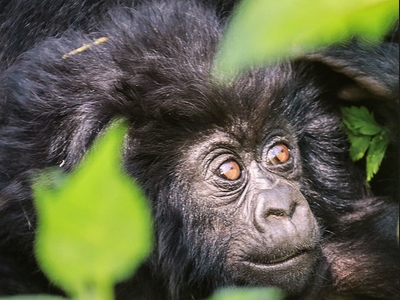
Packing Tips and Advice for Gorilla Treks
– Wear sturdy hiking boots and waterproof clothing – no stilettos!
– Bring fitness and plenty of water – treks often last 6-8 hours.
– Carry walking sticks to navigate steep, slippery terrain. Don’t turn an ankle before the main event.
– Pack light – porters can be hired to carry bags.
– Stow cameras when near gorillas to avoid transmitting human germs. Selfie sticks definitely not allowed!
– Follow all safety guidance from rangers and guides. Maintain 7 meters from gorillas at all times. Look, don’t touch!
While an investment, gorilla tracking in Rwanda is a once-in-a-lifetime adventure and worth the cost. Following the recommendations in this guide will help make the most of your gorilla trekking experience. Just don’t forget to respect the wildlife and enjoy the journey! Let’s do this.
FAQs on Rwanda Gorilla Permits
What is gorilla trekking?
Gorilla trekking involves hiking through Rwanda’s Volcanoes National Park rainforest with expert guides to observe mountain gorillas in their natural habitat. Gorilla families are habituated to human presence, allowing visitors to get within meters of these impressive primates and witness their daily activities for around one hour.
Why is a permit required?
A permit is legally required to control visitor numbers and minimize disturbance to gorillas. Permit fees also provide critical funds for gorilla conservation and local community development.
How much does a gorilla permit cost?
For non-African visitors, a permit costs $1500. Rwandans and East Africans pay $200, other Africans $500. Discounts up to 30% apply in low season when combining with other park visits.
Where do I buy a gorilla permit?
Permits can be purchased online via Rwanda Development Board website by independent travelers. Tour operators can also handle gorilla permit bookings for clients.
When should I book my permit?
Permits often sell out 6-12 months in advance, so booking as early as possible is recommended. Last-minute permits are hard to obtain.
What is included in the permit price?
The permit covers park entry, a guided trek, and one hour with the gorilla group. Other costs like meals, accommodation, porters and tips are extra.
Is there an age limit to track gorillas?
Yes, there is a minimum age of 15 years to track gorillas in Rwanda, no exceptions. Reasonable fitness is also advised given the demanding full-day trek.
Where do the gorillas live in Rwanda?
Rwanda’s mountain gorillas are found in the lush forests of Volcanoes National Park in the northwest near the borders with Uganda and DRC.
When is the best time to see gorillas?
Year-round, but the dry seasons from mid-December to February and June to September provide clearer weather. Permits are cheaper from November to May.
How close can I get to gorillas?
No closer than 7 meters, for safety of both humans and gorillas. Experienced guides ensure visitors follow rules and do not transmit diseases.
Gorilla Permits
To go gorilla trekking in either Uganda or Rwanda, you need a gorilla permit.
Gorilla permit prices in Rwanda are as follow;
Non Residents – $1500
East African Residents – $1500
Rwandan Citizens – $1500
 If you are interested in and are planning a safari in Rwanda, here’s how to go about booking a permit for gorilla trekking in the Volcanoes National Park in Rwanda.
You can get in touch with The Rwanda Development Board (RDB)
RDB is the body that governs tourism in Rwanda. You can contact them via email or telephone using;
Email: reservation@rwandatourism.com
Tel: +252 57 65 14
Book through a travel agency
Tour operators are a reliable avenue of purchasing a gorilla permit. Tour operators know when and where to go to book and pay for your permits, and for many of then a gorilla permit is part of a safari package they offer.
A few things to note:
Because gorilla tracking is growing more and more popular by the day, it is important that you make your permit booking early so that you get one made for your desired date. The volcanoes National Park has only 10 gorilla groups, with each group receiving only one group of 8 visitors for 1 hour each day. Gorilla permits therefore tend to get finished early because everyone is trying to get a piece of the adventure.
Age limit: you must be over 15 years of age to be eligible for a gorilla permit.
Of refunds and cancellations: RDB refunds 50% of the gorilla trekking fee, if a visitor is found to be sick in anyway, or shows signs of illness while at the park. Sick people are not allowed to go gorilla trekking.
Time limit: A day of gorilla tracking basically runs from 7am to 7pm. There is briefing at the park headquarters at 7:00am, and gorilla tracking starts at 8:30 am. By 7pm all visitors should be back from tracking. Each tracking groups gets only 1 hour of interaction with the gorillas.
Accommodation: There are several hotels and lodges in the area, so you can book any with the information provided to you by your travel agency, or by contacting the hotels.
Passport information: you will be required provide your passport information to RDB or to your travel agency of choice for the purpose of writing out details on the gorilla permit. Be sure to provide accurate information.
But you can always be sure to find gorillas on your gorilla tour in Volcanoes National Park.
And finally, enjoy your 2 day Rwanda gorilla tour….
Gorilla Safaris in Rwanda
Gorilla trekking safaris are some of the most adventurous safaris you could ever take in Africa. And there are only three countries on the entire continent where you have the opportunity to see mountain gorillas; Uganda, Rwanda and DRC.
Rwanda gorilla trekking is done in the Virunga Mountains. These mountain border all three gorilla habitat countries. Close to 480 of the world’s mountain gorilla population is found in the virungas, the rest are found in Bwindi impenetrable forest .
There are 10 gorilla groups in the Volcanoes National Park. These a habituated gorilla families that have been trained to tolerate human present making organized gorilla trekking possible and safe. And because it is safe you get to have the amazing experience of looking into a silver back’s eyes, or watching this magnificent creatures go about their day, taking care of their young, feeding, and simply being without worrying about being attacked or the gorillas hiding away from you. The entire experience is simply magical and definitely an adventure you can never forget.
Planning a Rwanda Gorilla Tour
There are a few things you need to consider as you plan your gorilla safari.
Best Time To Go For Gorilla Safaris in Rwanda
Even though Rwanda gorilla tours can be done all year round, some times of the year make for a better trip than others. April-May is the rainy season, which means the ground is constantly wet, and it is rainy and called. It can be quite challenging to hike through the forests in the rainy season.
The best time to go gorilla trekking is during the drier months of June-September and December -February. Although rain in these parts of Rwanda can fall at anytime of the year, these particular periods are drier than the rest of the year.
Rwanda Gorilla Permits
In order to track gorillas anywhere in east and central Africa, you need a permit. In Rwanda there are 80 gorilla permit available per day, the smart thing to do is purchase a permit for your desired dates of gorilla tours early enough. A gorilla permit in Rwanda costs US $ 750.
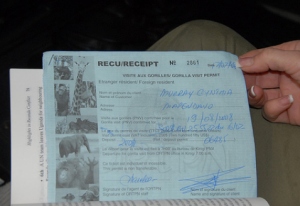
How Fit Must You Be To Visit The Gorillas in Rwanda ?
While you do not need to be sportsman fit to go gorilla trekking, you will enjoy the experience better if you have a general level of fitness. You will be doing quite a bit of walking as you track the gorillas, you do not want to be too worn out from the trek to enjoy the gorillas when you eventually find them. If you are not quite fit, or used to walking much, a few hill walks would be good exercise for you as you prepare for your gorilla safari.
Gorilla Trekking
A typical day of gorilla trekking
What should you expect?
So you have finally traveled to Rwanda for a gorilla safari. You are pumped and ready for your adventure to begin, but you could be wondering what to expect.
Well this is what a day of gorilla trekking looks like……
With your passport, gorilla permit, appropriate trekking gloves, boots, rain jackets snacks, walking stick and all other necessary supplies ready you will set of early morning for the park headquarters.
At the park headquarters, there will be a short briefing by the park officials before the tracking begins. Your passports and gorilla permits will be crosschecked to verify identity and ownership. If everything is found to be in order, you will be served a cup of coffee or tea and entertained by some traditional dancers as you wait for you guide to give you some tips and guidelines on how to conduct yourselves on the trek, and around the gorillas.
After the briefing, and entertainment, you will be divided into groups of 8 and each group assigned a gorilla family to track. If it’s a full house, there will be ten groups of 8, since Rwanda has 10 groups of habituated gorillas, and the maximum number of people per group is 8.
Rwanda Gorillas and Tourism Board
Rwanda Gorilla Groups
The groups are assigned basing on age, fitness and occasionally preference (you can request to track a particular gorilla family). When basing on fitness and age, those who are older, say, above 45, and those that are less fit will be assigned to the “easy to track” families which most probably do not wonder far from the trail, and are found closer to the park. The younger ones, and those that are more fit will be assigned to the more “challenging to track” families.
But you need to remember that gorillas are not very predictable, the usually hard to find family might be closer to the track on the day that you are assigned to it because its supposedly harder to find. So while the group assignments are helpful, it is not a guarantee that because a group is usually easy to find, you to will find it quite as easily on the day you go gorilla trekking. This makes gorilla trekking Rwanda experience less predictable, and more adventurous and exciting. If you are not sure about how fit you are, please let your tour guide know of your possible limitations. You can also pay a porter to carry you backpack and other things you might have with you.
Every group has a main guide and two scouts, who carry guns to ensure your safety. You might need protection from wild elephants or some angry gorilla! The scouts who will accompany you are well trained in how to get you to safe hiding places in case you encounter dangerous animals, or to fire to scare away the animals. So far there have been no cases of animal attacks on tourists, or animals being shot at. The worst that has, happened, and that is the rarest case, is hiding away from dangerous animals.
However the Volcanoes National Park would rather be safe than sorry, hence the well trained, and well armed scouts.
Aside from the scouts, every group will also benefit from the services of a tracker. Early morning before you set out to start your Rwanda gorilla trekking adventure, trackers will be sent out to find the location of the gorillas and assess where the gorillas might be headed. The trackers will update the tour guides of their respective gorilla groups on the movements of the family. This makes the tracking a lot easier.
The gorilla trek
Gorilla tracking can take a varied length of time depending on the group that is tracking, the general location of the gorilla family, the terrain, weather and a few other factors. Sometimes the tracking will take as short as 30 minutes, other times it will take as long as 7 hours.
As you hike through the forest, follow the lead of your guide. As you climb up the steep slopes of the volcanoes, and through the forest, you will need to pull your self up steep paths by grasping onto plant roots, branches, bushes, etc. a walking stick could also come in handy. You will get thirsty, so be sure to carry enough water. The trek through the forest can be tiring but the encounter with the gorillas is worth all the effort.
Watching The Gorillas of Rwanda
After the short or long trek, you will be relieved and happy to find the gorillas. The trackers will clear the brush away so you can get a clear view of these magnificent creatures. It is truly an amazing experience.
In order not to startle them into attacking or running away, you are advised to stay calm, quiet, and avoid sudden movements. Also avoid making eye contact with the gorillas, it can irritate them into thinking your up for a fight.
If you look a gorilla in the eye, and he begins charging at you, don’t run, stay still and lower your head as a sign of submission. This will show that you do not want a fight.
You will see the gorillas, either feeding, grooming, playing, or just being.
All of those are good photo opportunities so have your cameras ready to snap off shot after shot of amazing gorilla photographs. Do remember to turn off the flash lights and camera sounds.
After your one hour experience with the gorillas, it will be time to head back to the park, and back to your hotel.
A day of gorilla trekking in volcanoes national park should end before 7:00pm.