
Best Time for Gorilla Trekking in Rwanda
The best time for gorilla trekking in Rwanda is July and August, which sit in the middle of the long dry season (June to September) and offer the driest, firmest trail conditions in Volcanoes National Park throughout the year. The December to February short dry season is the second-best period and is often quieter than mid-year. Rwanda’s mountain gorillas are resident in Volcanoes National Park year-round and can be trekked in every month; the difference between seasons is trail condition and permit availability, not gorilla presence. The gorilla trekking permit costs USD 1,500 per person for international visitors, with a 30% low-season discount available from November to May under multi-park booking conditions.
Planning your trip? Start with our complete Volcanoes National Park Rwanda travel guide.
Best trail conditions. Monthly rainfall as low as 10 to 20mm. Peak permit demand. Book 12 months ahead. Highest lodge rates.
Very good conditions. Slightly more permits available than July and August. Kwita Izina gorilla naming ceremony 4 September 2026. Book 9 months ahead.
Excellent trail conditions with fewer visitors than mid-year. Good permit availability. High season rates apply. Book 6 months ahead.
Good trekking conditions. Christmas period fills fast. Book 9 to 12 months ahead for late December and early January.
30% permit discount (USD 1,050) with multi-park conditions. Manageable mud. Lower lodge rates. Book 3 to 4 months ahead.
Deep mud, challenging terrain. Lowest rates and easiest permit availability. Gorillas present year-round. Book 2 to 4 weeks ahead.
July and August: Peak Dry Season Gorilla Trekking in Rwanda
July and August are the most popular months for gorilla trekking at Volcanoes National Park, and for practical reasons. Monthly rainfall averages just 10 to 20 millimetres in July compared to 150 to 200 millimetres in April, and the volcanic red soil trails through bamboo forest are at their firmest and most navigable. Morning departures from Kinigi headquarters take place under clear skies at an average temperature of 14 to 18 degrees Celsius, making the physical effort of the uphill hike more comfortable than in warmer, more humid months. Visibility through the forest is at its best, and the overall trekking experience is closest to the controlled, predictable version that most planning expectations are based on.
The trade-off is demand. July and August permits are among the first to sell out each year, and booking 12 months in advance is realistic for the most popular gorilla families and dates. Lodge rates across all tiers are at their annual high during these months, and Volcanoes National Park sees its highest international visitor numbers of the year. For travelers with flexibility on exact dates within the window, early July or late August can offer fractionally more permit availability than the central weeks.
June and September: Dry Season Shoulders for Gorilla Trekking
June and September sit at the boundaries of the long dry season and offer excellent trekking conditions while carrying slightly less permit pressure than July and August. June marks the transition from the long rainy season, and the first two weeks can have residual trail mud that firms up progressively through the month. By late June, conditions are comparable to July. September is the most eventful month for Rwanda gorilla tourism: the Kwita Izina gorilla naming ceremony takes place on 4 September 2026 at Kinigi near Volcanoes National Park, drawing 30,000 attendees and requiring the same advance permit booking as peak July.
For travelers who want dry-season conditions without the maximum competition for permits, late June and early September offer the best practical compromise. September after Kwita Izina (from approximately 10 September) sees demand drop relative to the ceremony week while maintaining dry trail conditions. Book permits 9 months ahead for September and 9 to 12 months ahead for June to be safe.
January: Best Quieter Month for Gorilla Trekking in Rwanda
January is consistently identified by operators and repeat visitors as one of the best overall months for gorilla trekking in Rwanda. Trail conditions are excellent, monthly rainfall averages 40 to 60 millimetres compared to peak dry-season lows, and international visitor numbers are considerably lower than July and August. Permits are easier to secure with 6 months’ advance notice rather than 12, and some lodge properties offer slight rate reductions relative to the July to August peak while still applying high-season pricing. January strikes the best available balance of good conditions and manageable competition for visitors who want a dry-season quality trek without peak-season logistics.
January falls within the short dry season window that runs from December to February. The broader December to February period is all considered excellent for gorilla trekking. December is the most complex sub-period: the first two weeks can have residual short-rainy-season mud, mid-December to late December sees rapid improvement in conditions, and the Christmas and New Year period (20 December to 10 January) carries near-peak permit demand that requires 9 to 12 months’ advance booking.
October and November: Value Gorilla Trekking Season in Rwanda
October and November represent Rwanda’s short rainy season. Afternoon showers are common, trail conditions are muddy but manageable in most weeks, and the 30% low-season permit discount applies, reducing the cost from USD 1,500 to USD 1,050 per person for international visitors who also book two nights in Akagera or Nyungwe. Many mid-range lodges and guesthouses near Volcanoes National Park offer reduced nightly rates during this period, and permit availability is good with 3 to 4 months’ advance notice for most specific dates.
October is generally preferred over November for trail conditions. The short rains typically begin in late October, meaning early to mid-October carries near-dry conditions in many years while still qualifying for the low-season permit discount. November has more consistent and heavier rainfall and more challenging mud, but trekking remains fully operational throughout. The Volcanoes National Park forest is at its greenest in October and November, and birdlife is more active in rainy conditions, which adds value to birding walks alongside the gorilla trek.
March to May: Cheapest but Most Challenging Gorilla Trekking Period
The long rainy season from March to May is the most challenging period for gorilla trekking in Rwanda, with April producing the highest monthly rainfall of the year at up to 200 millimetres. Volcanic red soil trails become extremely muddy, trek durations extend, and the physical effort of the hike increases markedly compared to dry-season conditions. Gorillas remain present and active, and the one-hour encounter is unaffected by season; the challenge is in getting to them. Permits are at their most available during these months, lodge rates are at their lowest, and the overall visitor experience at the park is at its quietest.
Budget travelers with flexible schedules and appropriate physical preparation find March to May viable. The permit discount applies throughout, and the combination of USD 1,050 permits, budget guesthouse rates, and low lodge pricing means the total cost of a March to May gorilla trek is the lowest available within Rwanda’s system. The low-season discount condition requires additional nights in Akagera or Nyungwe; May is a good month to visit Nyungwe because chimpanzees are lower in the canopy and more visible during the rainy season.
Is gorilla trekking in Rwanda open year-round?
Yes. Volcanoes National Park operates gorilla trekking every day of the year with no seasonal closures. The 14 habituated gorilla families are accessible in all months. Season affects trail conditions and permit demand but not the fundamental availability of the experience. The park does not close for routine maintenance, and there are no annual rest periods in the trekking calendar.
What is the best time for gorilla trekking if I want fewer crowds?
January is the best single month for combining good trail conditions with fewer crowds. The Christmas period ends by early January and visitor numbers drop while conditions remain dry and manageable. October is the best rainy-season option for low crowds and good conditions. April and May have the fewest visitors of any month but the hardest trail conditions.
How does season affect the gorilla encounter itself?
The one-hour encounter with the gorilla family is identical in all seasons. Gorillas behave normally throughout the year: feeding, resting, playing, and socialising regardless of external weather. Rain during the approach hike does not affect the encounter. The practical differences between seasons are all about getting to the gorillas, not the time spent with them.
Can I trek gorillas in Rwanda during the Christmas holiday period?
Yes, and December to February is an excellent trekking season. The Christmas and New Year period specifically (20 December to 10 January) is peak demand and requires 9 to 12 months advance permit booking. Book in January of the preceding year for a Christmas trip. Lodge rates are at peak pricing during this window and many properties sell out their rooms months in advance.
When is the Kwita Izina gorilla naming ceremony in 2026?
The 21st edition of Kwita Izina is confirmed for Friday, 4 September 2026 in Kinigi, Musanze. The public ceremony runs from mid-morning and is free to attend. Gorilla trekking on the same trip requires a standard USD 1,500 permit, which must be booked well in advance as September dates near Kwita Izina are among the fastest to sell out in the entire calendar year.
Best Time to visit Rwanda for gorilla trekking
The best time for gorilla trekking in Rwanda is during the dry season from June to September, when trails in Volcanoes National Park are drier, firmer, and easier to navigate. A shorter dry window from December to February is equally good for trekking conditions and often slightly less crowded than mid-year. Gorilla trekking is possible year-round in Rwanda because gorillas do not migrate, but trail difficulty, permit availability, and lodge pricing all vary by season. Permits for June to September fill 9 to 12 months in advance and must be booked early; the low season from November to May offers easier availability and a 30% permit discount for travelers who also book nights in Akagera or Nyungwe.
Planning your trip? Start with our complete Volcanoes National Park Rwanda travel guide.
Drier trails, clearer skies, peak wildlife conditions. High season permit demand. Book 9 to 12 months ahead. Kwita Izina gorilla naming ceremony in early September.
Very good trekking conditions. Often quieter than June to September. High season rates apply. Book 6 months ahead.
30% permit discount with multi-park conditions. Manageable rain, smaller crowds. Lower lodge rates at many properties. Trails muddy but passable.
Heaviest rain and deepest mud. Lowest permit demand and lodge rates. Gorillas present year-round. Trekking is harder but not impossible.
June to September: Best Overall Conditions for Gorilla Trekking
The long dry season from June to September produces the best overall conditions for gorilla trekking at Volcanoes National Park. Monthly rainfall drops to 10 to 50 millimetres in July and August, the trails through bamboo forest and volcanic slopes are at their firmest, and morning departures from the lodge to Kinigi headquarters take place under clear skies. Temperatures at altitude stay in the range of 12 to 22 degrees Celsius during the day, making the physical exertion of the hike more comfortable than in the hotter months. Wildlife viewing across Rwanda’s parks is also at its clearest during dry season as vegetation thins and animals concentrate near water sources.
This is also the period when Kwita Izina, Rwanda’s annual gorilla naming ceremony, takes place. The 21st edition is confirmed for Friday, 4 September 2026 in Kinigi near Volcanoes National Park, drawing around 30,000 community members and international guests. Travelers combining a gorilla trek with Kwita Izina must book permits significantly further in advance than usual, as September dates fill particularly fast. June to September is the peak period in every respect: best conditions, highest competition for permits, highest lodge rates, and the most foreign visitors in the park.
December to February: Second Dry Season for Gorilla Trekking
The short dry season from December to February offers gorilla trekking conditions comparable to the mid-year peak, with drier trails and good morning weather throughout Volcanoes National Park. Monthly rainfall averages around 20 to 40 millimetres during this window, compared to the extreme wet season averages of 150 to 200 millimetres in April and May. This period is often slightly quieter than June to September, particularly in January, making it a good alternative for travelers who missed mid-year permits or want a less crowded experience.
High season lodge rates apply throughout December to February, and gorilla permits are in high demand. Booking 6 months ahead is sufficient for most January and February dates, but the Christmas and New Year period (20 December to 10 January) fills as fast as peak July and August and requires the same 9 to 12-month lead time. January is consistently cited by operators and repeat visitors as one of the best single months for gorilla trekking in Rwanda: good trail conditions, manageable crowds, and a slightly lower pace of international arrivals compared to August.
October and November: Low-Season Gorilla Trekking with Permit Discount
October and November fall in Rwanda’s short rainy season, bringing more frequent afternoon showers but generally manageable morning conditions for trekking. Permit demand is lower than peak months, and the 30% low-season permit discount applies: the international visitor permit drops from USD 1,500 to USD 1,050, conditional on booking at least two nights in Akagera National Park or Nyungwe National Park on the same trip. This discount saves a couple USD 900 on permits alone and represents the most meaningful cost reduction available within Rwanda’s permit system.
Trail conditions in October and November are muddy but not at the extreme levels of the long rainy season in April and May. Most experienced operators consider these months a practical time to trek, particularly in October when the rains are lighter and trail mud is less severe. Lodge rates at many mid-range properties drop during this window, compounding the savings. The biodiversity of the forest is at its most active in the rainy season, with birds, frogs, and plant life more visible than in dry conditions.
March to May: Long Rains and Deepest Mud on Gorilla Trekking Trails
The long rainy season from March to May brings Rwanda’s highest annual rainfall and the most challenging trekking conditions of the year. Monthly rainfall peaks in April at 150 to 200 millimetres, and the volcanic red soil at Volcanoes National Park turns to deep, slippery mud that significantly slows progress and exhausts trekkers more rapidly than dry-season equivalents. Gorilla trekking is not suspended during this period, as gorillas are present year-round and continue their normal routines, but the physical difficulty of reaching them increases and some shorter treks become longer due to mud-slowed movement.
For travelers with no flexibility on dates, a wet-season trek is entirely feasible with proper clothing and a hired porter. The correct waterproof boots, gaiters, and rain jacket reduce the experience to a manageable challenge rather than a genuinely dangerous outing, and the gorilla encounter at the end is identical to dry-season conditions. Lodge rates are at their lowest of the year, permits are available with less advance notice, and the forest is at its greenest. March to May is also the best period for birdwatching in Nyungwe National Park, and a combined wet-season itinerary can work well for travelers who prioritise Nyungwe chimpanzees alongside their gorilla trek.
How Season Affects Permit Booking Lead Times
For June to September peak season, book gorilla permits 9 to 12 months in advance. Specific gorilla families such as Amahoro and Agashya fill fastest and can be fully booked 12 months ahead during popular July and August dates. For December to February, 6 months is typically sufficient outside the Christmas period. For October and November, 3 to 4 months ahead is usually enough, with good availability on most specific dates. For March to May, permits are often available with just 2 to 4 weeks’ notice, though booking ahead is still recommended to confirm date preferences and avoid losing a specific travel day to availability gaps.
All permits are issued through the Rwanda Development Board’s Irembo portal or through licensed tour operators on a first-come, first-served basis. Permits are non-refundable and tied to a specific date and passport. Season does not change the permit price for peak season bookings, but the November to May low-season discount conditions apply regardless of which month within that window the trek takes place. Travelers planning their first Rwanda gorilla trekking trip should start the permit booking process before finalising flights, accommodation, or any other component of the itinerary.
Can you go gorilla trekking in Rwanda during the rainy season?
Yes. Gorilla trekking operates year-round in Rwanda. Gorillas do not migrate and are accessible in all months. Rainy season from March to May and October to November brings harder trail conditions due to mud, but trekking is not suspended. Proper hiking boots, gaiters, a rain jacket, and a porter make wet-season trekking manageable for most visitors with moderate fitness.
Which month is cheapest for gorilla trekking in Rwanda?
April and May are the cheapest months overall, combining the lowest lodge rates, easiest permit availability, and eligibility for the 30% low-season permit discount. The permit drops from USD 1,500 to USD 1,050 with multi-park booking conditions. Trail conditions in April and May are the most challenging of the year due to peak rainfall. March is cheaper than peak season and has similar permit discount conditions with slightly less mud than April.
What is the best month in the dry season to trek gorillas in Rwanda?
July and August are widely considered the optimal single months for gorilla trekking in Rwanda. Rainfall is at its annual minimum, trail conditions are at their best, and the park is operating at full capacity with all habituated groups accessible. The trade-off is maximum competition for permits and peak lodge pricing. January is the best low-competition dry-season alternative, offering comparable trail conditions with fewer visitors and more available permits.
When is the Kwita Izina gorilla naming ceremony in 2026?
The 21st edition of Kwita Izina is confirmed for Friday, 4 September 2026 at Kinigi, near Volcanoes National Park in Musanze. Attending the ceremony requires no separate permit; it is a public event. Gorilla trekking on the same trip requires the standard USD 1,500 permit, which must be booked well in advance as September dates near Kwita Izina fill faster than any other peak period.
Does the gorilla permit cost change by season in Rwanda?
The standard permit costs USD 1,500 per person throughout the year. A 30% discount reducing it to USD 1,050 is available during the low season from November to May, subject to the condition of booking at least two nights in Akagera or Nyungwe on the same trip. There are no other seasonal pricing variations; high season and low season lodge rates vary, but the permit itself has only these two price points.
Best Time to Visit Volcanoes National Park Rwanda
The best time to visit Volcanoes National Park Rwanda is during the dry seasons from June to September and December to February. These months offer ideal conditions for activities like gorilla trekking in Rwanda, with less rain making the trails easier to navigate. The park, located in northwest Rwanda, provides the best chances to see mountain gorillas in their natural habitat. For those planning Rwanda safaris, wildlife spotting and exploring the lush habitats are more enjoyable during these periods due to clearer weather and minimal disruptions. Visitors should book permits in advance, as gorilla trekking is highly sought after year-round.
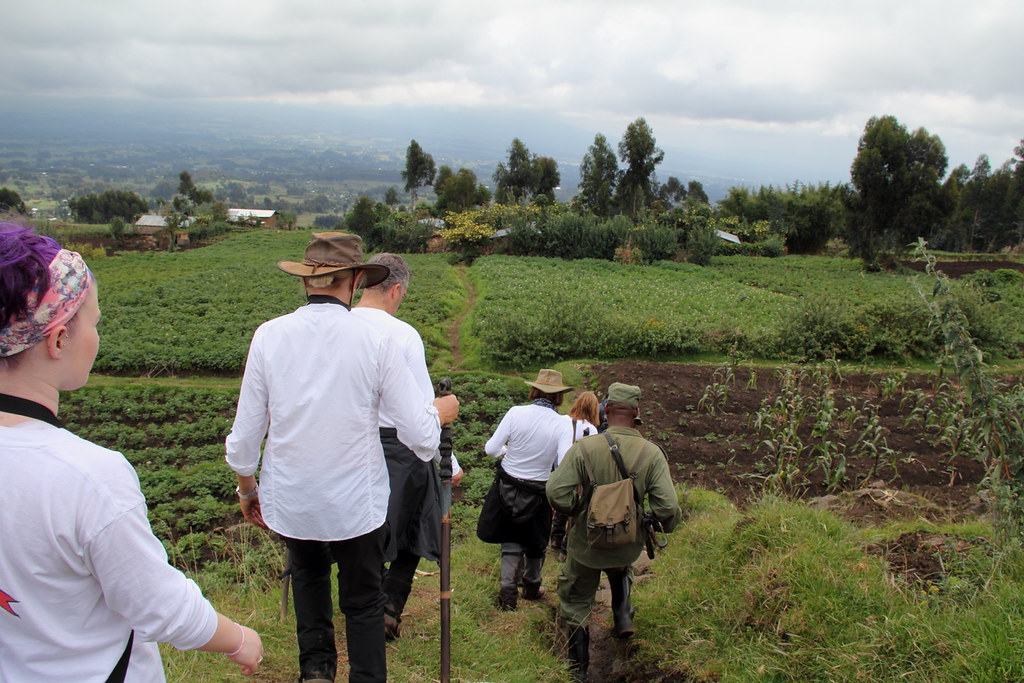
What is the best time of year to visit Volcanoes National Park in Rwanda?
The best time to visit Volcanoes National Park in Rwanda is generally during the dry seasons, which occur from June to September and December to February. These months are considered ideal because the weather is more predictable and trekking conditions are more manageable.
During the dry season, rainfall is less frequent, making the paths leading through the dense forest easier to navigate. This is particularly important for activities like gorilla trekking, as wet, muddy terrain can make hikes more challenging. The clearer skies and drier trails increase the chance of a more comfortable and enjoyable visit.
For example, many tourists plan their trips between June and September, as these months also coincide with summer holidays, making it a popular period for international travelers. Furthermore, the dry season generally provides better visibility for wildlife, so spotting animals and enjoying the scenery becomes much easier.
Although these months are highly recommended, it’s important to remember that Volcanoes National Park is located in a tropical region where rainfall can occur at any time of year. This means you might experience some rain showers, even during the dry season, so it’s always a good idea to be prepared.
If you prefer fewer crowds and lower accommodation costs, you might also consider visiting during the shorter dry spell in December to February, as it is slightly less busy compared to the June-September period.
In conclusion, the dry seasons (June-September and December-February) are generally the best times to visit Volcanoes National Park due to favorable weather conditions for trekking and sightseeing.
What are the seasonal weather conditions in Volcanoes National Park?
Volcanoes National Park experiences a tropical highland climate, meaning the weather is influenced by its elevation and proximity to the equator. The park generally has two major seasons: the dry season and the rainy season.
The dry season runs from June to September and December to February, with less frequent rainfall and cooler mornings and evenings. During these months, temperatures in the park can range from 9°C (48°F) at night to around 20°C (68°F) during the day. While the weather is generally clear, it’s not uncommon to experience occasional light rain because the region is naturally humid.
The rainy seasons occur from March to May and October to November, and these periods bring heavier rainfall and wetter conditions. Temperatures are similar to those in the dry season but the ground becomes much more muddy and slippery, potentially making hikes and trails more difficult to navigate. Rain is usually heaviest in April and May.
Throughout the year, mist and fog often blanket the park, especially during early mornings, which can add a unique atmosphere to the park’s landscapes but may reduce visibility temporarily. For instance, the verdant forests and volcanic mountain ranges often remain lush year-round due to consistent precipitation.
Given the park’s altitude (varying from around 2,400 to over 4,500 meters), temperatures tend to stay cool, particularly at higher elevations. It’s always a good idea to wear layers, as conditions can change quickly and mornings or evenings may feel significantly chillier than afternoons.
Overall, weather conditions in Volcanoes National Park are somewhat unpredictable but generally fall into the patterns of the dry and rainy seasons, as described above.
How does the rainy season affect travel and activities in the park?
The rainy season, which occurs from March to May and October to November, has a significant impact on travel and activities in Volcanoes National Park. While the park can be visited year-round, these months present unique challenges and considerations for visitors.
One of the primary effects is the difficulty of navigating trails. The frequent heavy rains make paths muddy, slippery, and harder to traverse, especially in the dense forest areas. For example, gorilla trekking becomes more strenuous during this time because trekkers may sink into the mud or struggle with footing on steeper slopes. This adds to the physical effort required for hikes, but some visitors find the lush environment worth the extra challenge.
Rainy weather also impacts visibility and comfort levels. Cloud cover, mist, and fog are more common, which might obscure views of the surrounding volcanoes. It’s also necessary to wear waterproof gear, such as raincoats and sturdy boots, to stay dry and protect against the wet conditions.
On the positive side, visiting during the rainy season has some advantages. The forests are at their greenest, thanks to the continuous rainfall, providing excellent photo opportunities for those interested in nature photography. Additionally, there may be fewer tourists in the park, which can create a quieter, more intimate trekking experience.
Travel infrastructure, like roads leading to the park, can also be affected. The higher likelihood of muddy and waterlogged roads means it’s vital to have a four-wheel-drive vehicle during wet months to navigate rough terrain safely.
In summary, while the rainy season introduces challenges to travel and activities, it also offers unique opportunities for those prepared to deal with the wet conditions. Adequate preparation, like having the right gear and mindset, can help mitigate the difficulties of visiting during this time.
When is the best time for gorilla trekking in Volcanoes National Park?
The best time for gorilla trekking in Volcanoes National Park is during the dry seasons, which occur from June to September and December to February. During these months, the park experiences less rainfall, making the trails more accessible and less muddy. This makes trekking through the dense forests much easier and increases the chances of encountering gorilla families in relatively clear conditions.
In contrast, the rainy seasons, which occur from March to May and October to November, tend to make the trails challenging due to slippery and muddy terrain. Although it’s still possible to trek and spot gorillas during this time, it requires more physical effort, and the overall experience might feel more strenuous.
For example, during the dry season, visitors often note that their hikes are more enjoyable because they don’t have to contend with persistent rain or slippery paths. Additionally, the gorilla families tend to stay in lower altitudes during this time, meaning shorter treks compared to rainy season hikes.
However, it’s important to note that Rwanda’s weather can sometimes be unpredictable given its location near the equator. While the dry season significantly reduces rainfall, occasional light showers are still possible.
For those planning to book permits, often priced at $1,500 per person, it’s best to do so well in advance, especially during the popular dry season months when demand is higher.
What are the advantages of visiting during the dry season versus the rainy season?
Visiting during the dry season has several key benefits. For one, the hiking trails are in better condition, which makes activities like gorilla trekking much easier and safer. With less rain, the paths are drier and less slippery, reducing the physical effort needed to navigate the forest. Sightings of gorillas tend to be equally rewarding throughout the year, but in the dry season, the trekking experience tends to feel more pleasant.
Another advantage of visiting during the dry season is the increased comfort while exploring the park. Beyond gorilla trekking, roads leading to the park and other secondary attractions are more accessible, so traveling in the area is far more straightforward compared to muddier conditions during the rainy season.
On the other hand, the rainy season has its own unique perks, particularly for those looking for a quieter experience. With fewer tourists, the trails and lodges are less crowded, creating a more tranquil environment. Additionally, photographers often appreciate the lush greenery that comes alive during the rains, as the forest looks even more vibrant during this time.
Permits for gorilla trekking might also be marginally easier to obtain in the quieter rainy periods compared to the more in-demand dry season months, when securing spots might require booking long in advance. Some travelers find the lower demand during the rainy season appealing for this reason.
To summarize: the dry season is a great choice for easier treks and accessibility, while the rainy season can offer solitude and a more peaceful atmosphere.
Are there specific months ideal for wildlife viewing in the park?
Yes, wildlife viewing in Volcanoes National Park is best during the dry months, particularly June to September and December to February. This period provides excellent opportunities to observe animals and birds without the challenges of heavy rainfall or slippery trails. In addition to gorillas, you may encounter golden monkeys, a variety of bird species, and even smaller mammals that inhabit the park.
During these months, the vegetation is less dense, making it easier to spot animals. Gorillas often reside at lower altitudes, which reduces the trekking time required to reach them. These conditions are favorable not just for spotting gorillas but also for enjoying uninterrupted views of the park’s diverse ecosystems.
That said, the rainy season (March to May and October to November) can also be ideal for birdwatching enthusiasts. Many bird species, including endemic ones, become more active during this time. The forest is also at its greenest, which adds a unique appeal to photographs and nature lovers.
While the dry season is more heavily marketed as the peak time for wildlife tourism, visiting during the rainy season has its own charm for those who don’t mind a bit of mud or occasional rainfall. However, for general wildlife viewing ease, the dry months remain the preferred choice for most visitors.
What are the temperatures like throughout the year in Volcanoes National Park?
The temperatures in Volcanoes National Park remain fairly consistent throughout the year due to its high-altitude location in the Virunga Mountains of northern Rwanda, near the equator. Daytime temperatures usually range between 50°F (10°C) and 75°F (24°C). It’s never extremely hot or extremely cold, but the mornings and evenings can be cool or even chilly, especially at higher altitudes.
Since the park is a rainforest, it experiences a humid and damp climate, with temperatures often feeling cooler due to the moisture and cloud cover. The mountain location also means that conditions can shift suddenly. One moment it may be sunny, and the next you could experience a brief, unexpected rain shower. Nights tend to be cold, often dipping to about 43°F (6°C) in some areas.
An example of how to dress for this is layering. For instance, if you’re planning a gorilla trekking excursion, you’ll want to wear a lightweight shirt, a warm fleece or jacket, and possibly an outer waterproof layer to stay comfortable throughout the variable temperatures in a single day.
This mild climate makes the park accessible throughout the year, but visitors should always be prepared for quick weather changes due to the terrain and elevations.
How does tourism activity vary by season in Volcanoes National Park?
Tourism in Volcanoes National Park is closely tied to the seasons, which include a dry season and a rainy season. These seasons influence visitor numbers and overall activity.
The dry seasons – June to September and December to February – tend to have the most tourists. Conditions are more suitable for activities like gorilla trekking because the trails are less slippery and easier to navigate. As a result, you’ll notice a higher demand for permits during this time, with accommodations in nearby towns like Musanze more likely to be fully booked.
In contrast, during the rainy seasons – March to May and October to November – tourism slows down as fewer people choose to visit. The park receives more rain, making trekking trails muddy and challenging to walk on. While this season has fewer tourists, it’s a quieter and more exclusive experience for those who visit. The rains also bring flourishing vegetation, which can enhance views and wildlife sightings but may require more gear like waterproof boots or clothes. For budget travelers, this season often offers discounts on accommodations and easier access to permits.
For example, someone visiting in July would likely encounter more visitors on the trails than someone visiting in April. Guides and rangers are available year-round, but they may have fewer clients in those off-peak rainy months.
Are permits for gorilla trekking easier or harder to obtain during certain months?
The ease of obtaining gorilla trekking permits depends greatly on the season. The park limits the number of permits issued daily to preserve the gorillas and their environment, making them a highly sought-after resource.
During the dry seasons (June to September and December to February), it’s much harder to secure permits because this period is the most popular for tourism. Many travelers plan in advance and book their permits months ahead. These are peak times as trails are more manageable, leading to a high demand for permits. If you’re thinking of visiting during this season, it’s wise to plan at least 6-12 months ahead to make sure you can secure a permit.
On the other hand, during the rainy seasons (March to May and October to November), permits are easier to get. With fewer visitors around, there’s less competition. This is a great time for those with flexible schedules who don’t mind the wet conditions, as they may find permits available closer to their travel dates. Some permit availability during this time could also allow for last-minute bookings.
It’s important to note that permits are expensive, costing around $1,500 per person per trek, regardless of the time of year. If you want to maximize your chances, aim to book based on the season, your flexibility, and your willingness to trek during wetter periods.
What clothing and gear should I pack during my visit depending on the season?
When preparing for a trip to Volcanoes National Park in Rwanda, it’s important to pack appropriately for the local climate, which is influenced by its altitude and seasonal variations. The park is located at a high elevation and is characterized by a humid, tropical climate, so having the right clothing and gear is essential for comfort and practicality, whether you visit during the dry or rainy season.
During the wet/rainy season (March to May, October to November):
- Waterproof clothing: Bring a lightweight but fully waterproof jacket and pants to stay dry during frequent rain showers. A poncho is also a helpful alternative for covering yourself and your backpack.
- Durable boots: Pack sturdy, waterproof hiking boots with good grip, as trails can become very muddy and slippery.
- Warm layers: While it’s wet, temperatures can still be cool, especially in the mornings and higher altitudes. Pack long-sleeved shirts, fleece jackets, or sweaters.
- Accessories: Bring a hat and gloves to protect from the chill. Don’t forget a travel umbrella, rain cover for your backpack, and good moisture-wicking socks.
During the dry season (June to September, December to February):
- Breathable clothing: Opt for lightweight, moisture-wicking materials like cotton or polyester for shirts and pants, as temperatures are generally pleasant but hiking can get physically demanding.
- Layered clothing: Even in the dry season, mornings and evenings in the mountains can drop in temperature. A light sweater or jacket will keep you warm.
- Sun protection: Pack sunscreen, sunglasses, and a wide-brimmed hat to shield yourself from the sun, which can be intense during clear days.
- Comfortable boots: Boots with good ankle support and grip are crucial, as the terrain remains uneven and rocky.
Gear for all seasons:
- Daypack: A sturdy backpack for carrying essentials like water bottles, snacks, and first aid.
- Walking stick: These can help with balance on the uneven terrain (often provided by the park or guides).
- Bug protection: Bring insect repellent with DEET to guard against mosquitoes and other bugs.
- Rehydration gear: A reusable water bottle or hydration pack is key for staying hydrated.
Packing correctly ensures that you’ll be comfortable, whether you’re trekking through the rainforest to see gorillas or exploring other parts of the park.
Are there any special events or festivals near Volcanoes National Park that align with certain times of the year?
Yes, there are a few notable events and festivals near Volcanoes National Park that could enrich your trip to the area. These events often highlight Rwanda’s rich culture, conservation efforts, and local traditions, making them a great addition to your travel plans.
One of the key events is the Kwita Izina ceremony, also known as the Gorilla Naming Ceremony. This happens every year, usually in September, near the park. It is inspired by Rwanda’s tradition of naming new babies and is an opportunity to name newly born mountain gorillas. The event celebrates Rwanda’s commitment to conservation and the incredible success of gorilla protection efforts over the years. It also includes performances of traditional music, dances, and speeches from conservationists, making it a vibrant and educational cultural experience.
Another significant event is the Kigali Up Festival, a celebrated annual music festival in Kigali, the capital city of Rwanda. While not right at the park, Kigali is only about a 2-hour drive from the park, so attending this festival could be incorporated into your trip. The event often takes place in August and features live performances by artists from Africa and beyond, focusing on traditional and modern music styles.
For those interested in more local traditions, Umuganura Day, also known as the National Harvest Day, is celebrated in August. While this is a country-wide event, there are often rural celebrations near the park that showcase cultural dances, feasts, and storytelling, giving visitors a glimpse into the Rwandan way of life.
Attending these events provides visitors with a chance to interact with locals, learn about Rwandan customs, and gain insights into conservation initiatives, a unique way to complement your wildlife adventures in the park.
What are the pros and cons of visiting Volcanoes National Park during peak versus off-peak tourist seasons?
Visiting Volcanoes National Park during peak or off-peak seasons has distinct benefits and challenges depending on what kind of experience you are looking for.
Peak Season (Dry Months: June to September, December to February):
Pros:
- Better conditions for trekking: Trails are generally drier, less slippery, and easier to navigate. This is particularly beneficial for gorilla trekking, which often involves challenging hikes through forests.
- Optimal wildlife viewing: Animals, including gorillas and golden monkeys, are usually easier to spot as they remain more active in clearer weather conditions.
- Comfortable weather: The cooler, less humid conditions make outdoor activities more enjoyable. Early mornings are mild and perfect for adventures.
- Photographic opportunities: Clear skies provide excellent lighting for photography, whether you’re capturing wildlife or the stunning volcanic scenery.
Cons:
- Cost: Flights, accommodation, and permits are often more expensive due to high demand.
- Crowds: There are more tourists during this period, which can make the experience feel less personal. Gorilla trekking groups can fill up quickly, and areas like lodges may feel busier.
Off-Peak Season (Rainy Months: March to May, October to November):
Pros:
- Discounts: Accommodation rates and permits are often more affordable, making this a cost-effective choice for budget-conscious travelers.
- Fewer tourists: With fewer visitors, you can enjoy a more peaceful and private safari experience.
Cons:
- Challenging trekking conditions: Heavy rains can make trails muddy and slippery, requiring extra effort and care during hikes.
- Unpredictable wildlife visibility: Animals might be harder to find, as they may seek shelter during wet conditions.
- Weather disruptions: Downpours can delay or limit activities, reducing the flexibility of planned trips.
Deciding between peak and off-peak seasons ultimately depends on your preferences. If you prioritize optimal trekking conditions and don’t mind spending more, the peak season is ideal. However, if you value affordability and a quieter atmosphere, off-peak months could offer a rewarding experience despite the weather challenges.
How to Book Your Safari in Rwanda
Wondering about the best time to visit Volcanoes National Park in Rwanda? We’ve covered the ideal seasons, why certain months are better for gorilla trekking, and what to expect during your adventure. Now, it’s time to turn plans into reality! Reach out to one of the trusted Rwanda Safari Companies for expert guidance and unforgettable experiences. They’ll help you plan your dream safari during the perfect time to explore this incredible destination. Don’t wait, start your journey today!
3 Day Gorilla Trekking Rwanda
A 3 Day Gorilla Safari Rwanda offers an incredible opportunity to experience gorilla trekking in Rwanda at Volcanoes National Park, home to the endangered mountain gorillas. This short Rwanda safari typically includes a visit to the park headquarters for a briefing, followed by a guided trek through lush forests to observe these majestic animals in their natural habitat. Alongside the main trekking experience, safaris may include visits to nearby cultural sites like the Iby’Iwacu Cultural Village or scenic tours of Twin Lakes Burera and Ruhondo. The package often covers permits, park fees, accommodation, and transportation, making it an ideal choice for wildlife enthusiasts seeking a memorable encounter with gorillas in the heart of Rwanda’s stunning landscapes.
What is the itinerary for a typical 3-day gorilla safari in Rwanda?
A standard 3-day gorilla safari itinerary in Rwanda offers a structured yet rewarding experience, with activities blending wildlife trekking and cultural exposure. Here’s a breakdown of what to expect:
Day 1: Arrival and transfer to Volcanoes National Park
- Your safari begins when you’re picked up (usually early morning) in Kigali, Rwanda’s capital. Most tours include a briefing by the guide and possibly a short city tour covering landmarks like the Kigali Genocide Memorial.
- Afterward, you embark on a scenic 2-3 hour drive to Volcanoes National Park in the Musanze District. Along the way, you’ll pass through rolling hills, picturesque farmland, and lush greenery.
- Upon arrival, you’ll check into accommodation near the park. The evening is often free for rest or light exploration. Some lodges may offer optional cultural activities or community visits.
Day 2: Gorilla trekking experience
- Early morning, you’ll have breakfast and head to the park’s headquarters for a briefing from rangers. Here, they explain key rules and assign trekking groups based on fitness levels. Porters are available for hire at this stage.
- Following the briefing, you enter the forest with ranger guides to track a specific gorilla family. The trek can take anywhere from 1-6 hours depending on the gorilla’s location. Once found, you’ll spend 1 hour observing their behavior, interactions, and habits.
- After trekking, you return to your lodge for lunch and rest. Some itineraries include optional evening activities like visiting nearby lakes (e.g., Lake Burera) or attending traditional Rwandan dance performances.
Day 3: Local activities and return to Kigali
- On the last day, you’ll start with a leisurely breakfast and might visit nearby attractions. Options include the Iby’Iwacu Cultural Village, where you can learn more about traditional Rwandan customs, or hiking activities like visiting the nearby Musanze Caves.
- In the late morning, you’ll depart for Kigali with your guide, arriving mid-afternoon. Depending on your flight schedule, you can shop for souvenirs or relax before heading to the airport.
This itinerary provides a full window into Rwanda’s natural beauty and hospitality within just three days.
What is the significance of gorilla trekking in Rwanda?
Gorilla trekking in Rwanda holds immense importance for both conservation efforts and tourism. Rwanda is home to the critically endangered mountain gorillas, with only around 1,000 left in the wild. About one-third of these gorillas live in Rwanda’s Volcanoes National Park, making it one of the best places in the world to see them.
From a conservation perspective, gorilla trekking helps fund efforts to protect these animals and preserve their forest home. Tourism fees, especially the cost of trekking permits, are invested in park maintenance, anti-poaching measures, and habitat restoration. Local communities also receive support through jobs and revenue generated by tourism, discouraging deforestation or illegal activities.
The activity also raises global awareness. Meeting gorillas up close fosters a deeper appreciation for wildlife, motivating many visitors to support conservation initiatives. For Rwanda, gorilla trekking symbolizes progressive eco-tourism. The shift to focus on protecting wildlife since the 1990s has helped rebuild the country’s image after the tragic genocide of 1994.
An example of this significance can be seen during Kwita Izina, an annual ceremony in Rwanda where newborn gorillas are given names to spotlight the achievements in conservation. Trekking thus acts as both a tool for conservation and a way to celebrate one of Rwanda’s most iconic species.
Where does the 3-day gorilla safari typically take place?
A 3-day gorilla safari typically takes place in Volcanoes National Park in Rwanda, located in the northwestern part of the country. This park is part of the larger Virunga Mountain Range, which spans Rwanda, Uganda, and the Democratic Republic of Congo. It’s known for forest-covered volcanic mountains that provide the ideal environment for mountain gorillas.
Volcanoes National Park is home to about 12 habituated gorilla families, meaning these groups are accustomed to human presence, allowing visitors to observe them safely. Each family lives in a specific area of the park, so trekking routes vary depending on where the different groups are located.
The park itself is incredibly scenic, with mist-covered forests, steep slopes, and unique vegetation like bamboo groves. Gorillas aren’t the only wildlife in the park; visitors might also see golden monkeys, forest elephants, and various bird species.
On the first day of a 3-day safari, travelers usually journey from Kigali, Rwanda’s capital, to a town near the park such as Musanze or Kinigi, which serve as bases for entry to the park. From there, guided treks into the forest begin early in the morning and may last anywhere between 2 to 8 hours, depending on where the gorillas are located.
This park holds historical significance too because it was the base of Dian Fossey, the primatologist famous for her work with gorillas during the 20th century. Her dedication played a vital role in making conservation efforts prominent in this region.
What is the best time of year to go on a gorilla safari in Rwanda?
The best time to go on a gorilla safari in Rwanda is during the dry seasons, which are from June to September and December to February. This is because these months have less rain, making trekking through the forest much easier. Trails can be quite steep, and rain makes them muddy and slippery, increasing the difficulty of the hike.
In the dry season, you’ll also have a clearer view of the mountain gorillas, as visibility improves when the forest is not as wet or foggy. Wildlife activity is more predictable during these months, and the experience tends to be more comfortable for travelers.
While the rainy seasons (March to May and October to November) are not the most ideal times, some still choose to visit during these months. Permits for gorilla trekking are often easier to secure during the rainy seasons, and accommodations may offer discounts since this is the off-peak period. However, trekking becomes more challenging because of the mud.
For example, if you plan to trek in Volcanoes National Park in Rwanda, going between June and September gives you the best chance of favorable weather conditions. These months also coincide with the peak season for tourists in Rwanda because the weather is generally pleasant across the country.
To conclude, the optimal time depends on your priorities. If you’d like a more comfortable trek, the dry season is better. If you’d prefer a quieter experience and potentially lower costs, the rainy season might suit you.
How do you obtain permits for gorilla trekking in Rwanda?
To go gorilla trekking in Rwanda, you’ll need a special permit, as access to the gorillas is strictly controlled to protect these endangered animals. The permits must be obtained through the Rwanda Development Board (RDB) or licensed tour operators. You can secure a permit either online (through the RDB’s website) or by contacting a verified local tour agency that helps in organizing safaris.
The permit must be purchased in advance, as there are a limited number issued daily. Every day, a maximum of 96 permits is issued since only 8 visitors are allowed in each gorilla family group. This ensures that the gorillas are not overwhelmed by too many visitors, and their habitat remains undisturbed.
A gorilla trekking permit in Rwanda costs $1,500 per person in 2023. This fee goes toward conservation efforts, including the protection of gorillas, maintaining the park, and supporting the local communities that live nearby. Keep in mind the cost only covers the permit, not the other parts of your safari like transportation or accommodation.
For example, if you’re planning to visit during the dry season, book your permit several months in advance, as demand is high. Many visitors bundle their permits with pre-arranged safari packages, which make the process easier and often handle logistics such as transport to Volcanoes National Park.
In summary, plan ahead, purchase your permit online or through a trusted operator, and consider booking in advance to avoid disappointment. Permits are not refundable, so it’s important to confirm your travel dates before securing one.
What is the cost of a 3-day gorilla safari, including permits and accommodation?
A 3-day gorilla safari in Rwanda typically costs $2,000 to $5,000 per person, depending on various factors like the type of accommodation, type of safari package, and additional activities included. Here’s a breakdown of the main costs:
- Gorilla Trekking Permit: The permit alone costs $1,500 per person as of 2025. This is the largest expense and ensures you have access to a gorilla family for a one-hour visit.
- Accommodation: Lodging options near Volcanoes National Park can vary widely. From budget-friendly lodges that cost $100-$200 per night to luxurious lodges priced at $600-$1,500 per night, travelers have a variety of choices. For a 3-day safari (2 nights), this will amount to $300-$4,500 total, depending on your preference for basic or luxury comfort.
- Transport: Transport costs vary depending on whether you travel privately or as a group. Hiring a private 4×4 safari vehicle with a driver-guide can cost $100-$200 per day.
- Meals and Miscellaneous Fees: Most packages include meals, but if they don’t, keep in mind that food costs will range from $10-$50 per meal, depending on where you eat. Some packages also include park entry fees and guide support.
For example, if you opt for a budget safari, you might spend around $2,000-$2,500, including a shared transport service and basic lodges. For mid-range or luxurious safaris, with private transfers and premium lodges, the total cost could rise closer to $3,500-$5,000.
In conclusion, the cost of a gorilla safari in Rwanda can vary greatly depending on preferences for luxury, but the trekking permit is a fixed, unavoidable cost. Booking through reputable tour operators often simplifies coordination and ensures you cover all necessary expenses in a single package.
What level of physical fitness is required for gorilla trekking?
Gorilla trekking requires a moderate to high level of physical fitness depending on the specific trek. To reach the mountain gorillas, visitors hike through uneven terrain, thick forests, and steep hills within areas like Volcanoes National Park in Rwanda. These treks can last anywhere from 30 minutes to several hours, depending on the location of the gorilla families on the trekking day. Some gorilla groups might be closer to park entrances, while others require longer hikes through rugged, muddy paths.
Trekkers need to be prepared to walk long distances, often uphill, while navigating slippery trails or dense vegetation. Altitude can also be a factor, as the trekking occurs at heights that may leave some people short of breath if they are not acclimated. Good endurance and strength in the legs are helpful. That being said, people of different fitness levels have successfully participated in gorilla trekking, especially with preparation.
For those who may struggle with the physical demands, wearing comfortable hiking boots, using walking sticks (provided by guides), and going at a comfortable pace can be helpful. In some regions, porters are available to assist by carrying bags and even helping individuals over challenging areas. People with mobility issues can also consider hiring a special “sedan chair” to be carried by porters if they want to trek but lack the physical capability.
To prepare, basic fitness activities such as daily walking, jogging, or cardio exercises can strengthen stamina before traveling. It’s also okay to inform your guide if you require a less demanding route to locate the gorillas. Remember, the goal is to reach these incredible animals safely and enjoyably.
What should you pack or bring for a 3-day gorilla safari in Rwanda?
Packing the right items is crucial for a comfortable and successful 3-day gorilla safari. Since you’ll be trekking in a rainforest environment, preparation for variable weather, muddy conditions, and possible insects is important. Here’s a list of essential items to bring:
- Clothing: Wear light, long-sleeved shirts and long pants to protect against scratches, sunburn, and insect bites. Neutral colors like green or brown are recommended to blend into the environment. A lightweight, waterproof jacket or poncho is crucial, as Rwanda’s forests can experience sudden rainfall regardless of the season.
- Footwear: Comfortable, sturdy hiking boots with good grip are a must for navigating slippery trails and uneven ground. Bring thick socks to prevent blisters, and pack an extra pair.
- Insect repellent and sunscreen: The rainforest is home to mosquitos and other insects, so a high-quality repellent will keep you bite-free. Sunscreen is needed to protect your skin from UV rays during sunny periods.
- Daypack: A small, waterproof backpack is useful for carrying your essentials like water, snacks, and additional clothing layers.
- Waterproof bags: Use these to protect items like cameras, phones, or notebooks in case of rain.
- Gloves: Gardening or trekking gloves can help protect your hands from sharp branches and muddy areas during the trek.
- Reusable water bottle: Staying hydrated is a top priority because trekking can be physically demanding.
- Snacks: Energy-rich snacks such as granola bars or nuts can help you refuel during or after the trek.
- Camera and binoculars: Bring a good camera for capturing close encounters with gorillas. Ensure it has a silencer mode, as loud shutter sounds can disturb the wildlife. Binoculars can enhance your experience if you spot other animals or birds along the way.
- First aid kit: Items like painkillers, plasters, and anti-diarrhea medication can be handy for unexpected issues.
By packing thoughtfully and lightly, you’ll ensure a more enjoyable and hassle-free experience on your 3-day gorilla safari.
What kind of accommodations are available during this safari?
The accommodations during a 3-day gorilla safari in Rwanda cater to different budgets and preferences, ranging from basic options to luxury stays. Most travelers arriving for this safari stay near Volcanoes National Park, where the trekking takes place.
For those looking for luxury lodges, popular choices include Bisate Lodge, Sabyinyo Silverback Lodge, and the Virunga Lodge. These lodges provide top-tier services, gourmet meals, scenic views, and comfortable rooms. They often focus on eco-friendly practices and immerse guests in nature. For example, Bisate Lodge sits on a reforested hillside and blends its design with the surrounding environment.
Mid-range accommodations, such as Le Bambou Gorilla Lodge or Da Vinci Gorilla Lodge, offer quality services at a more affordable price. You’ll still find cozy rooms and good food, but the amenities are more straightforward compared to higher-end lodges.
For budget travelers, there are options like Kinigi Guesthouse or La Palme Hotel, which are economical but still provide clean and safe facilities. These are ideal for people who prioritize the trekking experience itself over luxury stays.
Most accommodations also offer amenities like Wi-Fi, warm showers, supportive staff, locally sourced meals, and the chance to enjoy the peacefulness of the area around Volcanoes National Park.
Before booking, it’s a good idea to consider how close the accommodation is to the park headquarters. This can save time in the morning as gorilla treks start early.
No matter the type of lodge, most places are designed to help guests relax and connect to the wildlife-rich environment in the region.
Are there any other activities or attractions to explore during the 3-day safari?
During a 3-day gorilla safari in Rwanda, travelers can engage in various activities besides gorilla trekking to make their trip even more fulfilling.
One popular option is the visit to the Iby’Iwacu Cultural Village (now often referred to as the Gorilla Guardians Village). This gives travelers a chance to learn about Rwandan culture, try traditional dances, see how local people live, and even participate in activities like making crafts or trying out drumming.
Another great activity is a golden monkey trek in Volcanoes National Park. These rare primates are playful and fun to observe as they jump between the bamboo trees. This alternative trek is shorter and less physically demanding than the gorilla trek, making it great for those who want an additional nature-focused experience.
Travelers can also hike up Mount Bisoke, which stands in the park. This dormant volcano features a dramatic crater lake at the summit. The hike can take almost an entire day, so it’s ideal for those with more energy and time on their hands after the gorilla trek.
For those interested in history, visiting the Dian Fossey Tomb and Research Center is a must. Dian Fossey was a famous primatologist who dedicated her life to studying and protecting gorillas. Her burial site provides insight into her work and has a peaceful mountain setting.
Lastly, exploring local markets in nearby towns like Musanze offers a taste of Rwandan daily life. Here, visitors can shop for fresh produce, art, and souvenirs or meet locals in the community.
These additional activities give you a broader experience of Rwanda’s culture and environment alongside the gorilla trekking adventure.
How does Rwanda promote the conservation of gorillas through tourism?
Rwanda integrates gorilla tourism and conservation, showing that tourism can protect endangered species. The main approach is through the permit system. Each permit to trek gorillas costs $1500 per person. A significant portion of this fee directly invests in gorilla conservation efforts. This includes funding research, anti-poaching measures, and habitat restoration.
The creation of Volcanoes National Park is another key aspect. By designating this area as protected land, Rwanda ensures that mountain gorillas and other wildlife have a safe, undisturbed place to live. Strict rules during treks, such as limiting group sizes to eight people and keeping a distance of at least 7 meters from the gorillas, also protect the animals from stress and disease transmission.
Tourism revenues also benefit local communities living near the park. Around 10% of the permit fees go to community-based projects, such as building schools, hospitals, and clean water systems. These efforts create goodwill among residents, reducing the likelihood of human-wildlife conflict and giving locals an incentive to help conserve gorillas.
Moreover, the government and conservation organizations conduct education and outreach campaigns. By raising awareness of how important gorillas are to Rwanda’s ecosystems and tourism economy, they promote a shared sense of responsibility for protecting them.
Finally, partnering with international organizations like the Dian Fossey Gorilla Fund strengthens Rwanda’s capacity to monitor and protect its gorilla population. Such partnerships combine knowledge and funding to address challenges like poaching or environmental threats.
In summary, Rwanda ensures gorilla conservation is at the heart of its tourism approach, balancing preservation and economic growth.
How To Book Your Safari in Rwanda
Wondering what a 3 Day Gorilla Safari in Rwanda is all about, how it works, or why it’s such an incredible experience? This exciting adventure offers the chance to see gorillas up close in their natural habitat while exploring Rwanda’s stunning landscapes. Ready to plan your trip? Connect with trusted Rwanda Safari Companies for a seamless booking process and an unforgettable experience. Start your journey today!
Best Time to Visit Rwanda to See Gorillas
The best time to visit Rwanda to see gorillas is during the dry seasons, from June to September and December to February. These months provide the best conditions for gorilla trekking in Rwanda, as trails in Volcanoes National Park are less muddy, making hikes easier. During this time, the chances of rain are lower, improving visibility and overall trekking conditions. For Rwanda safaris, these dry months are also ideal for wildlife viewing in other national parks. It’s recommended to book permits early, as gorilla trekking is a popular activity with limited availability.
While trekking is still possible during the rainy seasons (March to May and October to November), it’s less ideal for those uncomfortable with challenging walking conditions or unpredictable weather. Heavy rainfall can make trails muddy and harder to navigate. Yet, these months are quieter, meaning smaller crowds and more flexibility in permit availability.
If you’re looking for the best combination of favorable weather, good visibility, and overall trekking ease, aim to visit Rwanda in either the early dry season (June to September) or late dry season (December to February). These times strike the right balance between enjoyable trekking conditions and high chances of spotting the incredible mountain gorillas.
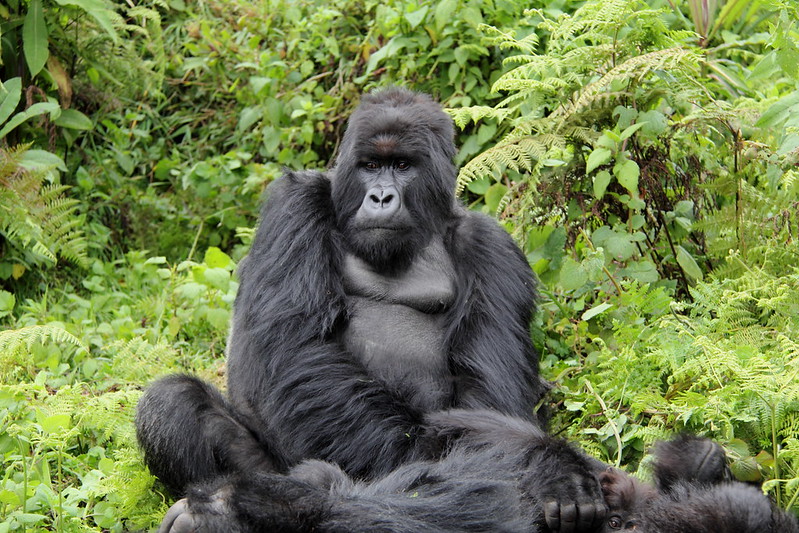
How does the weather in Rwanda affect the gorilla trekking experience?
Weather in Rwanda has a significant impact on gorilla trekking, as it determines the trail conditions, ease of trekking, and overall experience. Rwanda has a tropical climate, defined by two dry seasons (June to September and December to February) and two rainy seasons (March to May and October to November).
During the dry seasons, the weather is usually sunny with minimal rainfall, making the forest trails less slippery and easier to navigate. Many trekkers find these conditions more comfortable because they reduce the physical difficulty of hiking through dense forests. Clearer weather also enhances visibility, making it easier to spot and photograph the gorillas once you’ve found them.
By contrast, the rainy seasons bring heavier rain, particularly in March and April, which can make trekking more challenging. Trails in Volcanoes National Park can become muddy and steep, requiring more physical effort to hike. Trekkers may also need specialized footwear, like waterproof boots, to handle wet ground. However, these seasons shouldn’t discourage everyone. Rain often attracts gorillas to stay in lower altitudes, which may lead to shorter treks depending on their location that day.
For example, if you visit during November (a rainy season month), you might have to hike through muddy conditions but could encounter the gorillas closer to the base of the mountains. On the other hand, a dry-season visit in August would likely mean a longer, more comfortable hike to find them.
Ultimately, the weather shapes the physical demands of the trek and can influence how much gear you’ll need, like rain jackets during the wet months. It’s important to choose a time that matches both your physical ability and tolerance for varying environmental conditions.
What are the differences between Rwanda’s rainy and dry seasons for gorilla trekking?
The differences between Rwanda’s rainy seasons (March-May, October-November) and dry seasons (June-September, December-February) largely revolve around trail conditions, accessibility, and overall trekking comfort.
During the dry season, trails are generally more stable, dry, and easier to hike. The weather is predictable, reducing the chance of sudden downpours. These favorable conditions make the experience smoother and less physically demanding, which is particularly appealing if you’re unaccustomed to hiking in challenging terrain. In terms of gorilla behavior, while their movements are influenced more by food availability than weather, dry weather tends to offer better visibility in forests with slightly less dense vegetation.
On the other hand, the rainy season introduces more challenging conditions. Trails can become slippery and muddy, requiring trekkers to be more cautious and physically resilient. Rain can fall unexpectedly, so trekking during these months often means wearing waterproof clothing and sturdy footwear. That said, the rain does have its benefits. Vegetation becomes lush and green, so the forest environment looks especially vibrant. Some trekkers even find the rain creates a more tranquil and intimate atmosphere during their trek.
Another notable difference is crowd sizes. During the dry seasons, demand for trekking permits is high, meaning the trails tend to be busier. By contrast, the rainy seasons are less popular with tourists, so there are fewer crowds. This can lead to a quieter and more personal experience for those who don’t mind facing the less predictable weather.
For example, if you choose to visit in May (a wet month), you’ll likely find more affordable accommodations and have less competition for permits. But in August (a dry season and peak travel time), you’d benefit from ideal trekking conditions but should expect more visitors and higher prices. Both seasons have their pros and cons, so the key is selecting the environment that suits your preferences.
Are there specific months that are most recommended for gorilla trekking in Rwanda?
June, July, August, and December are frequently regarded as the most recommended months for gorilla trekking in Rwanda. These months fall during the dry seasons, making trails less slippery and easier to navigate. The dry conditions also decrease the chances of encountering heavy rain during the trek.
In June through August, the long dry season offers clearer trails in Volcanoes National Park. Visitors tend to enjoy this period because it makes the process of hiking through the forest less physically demanding. The lush vegetation remains thick (Rwanda is a tropical country), but the absence of heavy rain reduces the mud and makes the hiking experience smoother.
December is part of the short dry season, which stretches into early February. Though slightly less predictable than the long dry season, the shorter dry season still provides favorable trekking conditions. Additionally, temperatures in Rwanda are fairly consistent all year, which ensures warm, pleasant weather for outdoor activities.
For those planning their trek, it’s worth mentioning that the wet months – March, April, May, and November – often have fewer visitors and lower permit demand, but the trekking itself becomes harder due to slippery conditions and thick mud.
If convenience, clearer trails, and more comfortable hikes matter most, then these drier months are highly recommended for planning a visit.
How does the availability of gorilla trekking permits vary throughout the year?
Gorilla trekking permits in Rwanda are highly sought after and their availability can vary significantly based on the season. Since only 96 permits are issued per day, advance booking is essential, especially during the popular dry seasons.
During the long dry season (June to August) and the short dry season (December to February), demand for permits is extremely high. These months attract the most visitors due to their desirable trekking conditions. Tourists are encouraged to secure permits several months in advance to avoid disappointment.
In contrast, permits tend to be easier to book during the wet seasons. March, April, May, and November see fewer tourists because the trekking conditions become more challenging, with muddy trails and occasional rain showers. As a result, some travelers may find it possible to secure permits closer to their desired trekking date during these months.
It’s also worth mentioning the relatively high cost of permits: each permit in Rwanda currently costs $1500 per person. This fee remains the same year-round, regardless of the season. The high price reflects efforts to support conservation, protect endangered mountain gorillas, and manage controlled visitor numbers.
By planning well in advance and choosing either the peak dry season or the quieter wet months, travelers can tailor their experience based on availability and personal preferences.
Is gorilla trekking more expensive during certain seasons?
No, the price of gorilla trekking itself does not change depending on the season. The cost of a gorilla trekking permit in Rwanda is $1500 per person, and this fee is fixed throughout the year. However, other associated costs, like accommodation, can vary based on the season.
During the peak dry season (June to August and December to February), hotels and lodges near Volcanoes National Park often charge higher rates due to the higher influx of tourists. Tourism operators also experience a surge in bookings during these months, and the increased demand can sometimes lead to limited availability for certain cost-effective options. As a result, overall expenses for travel – beyond the permit itself – can be higher during this period.
In the wet seasons (March to May and November), some lodges and tour operators offer discounts to attract visitors during the quieter months. Although the trekking conditions may be trickier during this time, travelers on a budget often appreciate the lower accommodation and package rates.
To summarize, while the permit cost remains consistent year-round, the total budget for gorilla trekking in Rwanda may be influenced by seasonal factors such as accommodation rates, transportation options, and travel demand. This is something to consider when planning the trip.
How crowded are Rwandan national parks during peak gorilla trekking seasons?
During peak gorilla trekking seasons, Rwandan national parks, particularly Volcanoes National Park, can get quite busy. The peak seasons generally coincide with the country’s dry seasons, which are from June to September and December to February. These months see more tourists because the weather tends to be more favorable for trekking, with less rain and better trail conditions.
Since gorilla trekking permits are limited to a specific number of people per gorilla group per day (usually 8 people per group), the crowds are managed to ensure a more intimate experience. However, due to the higher number of overall visitors during peak seasons, accommodations near the park may be fully booked well in advance, and trekking permits can sell out quickly. This means that while the trekking groups themselves are not overcrowded, the area surrounding the park, including lodges, restaurants, and roads, might feel busier.
For travelers looking to avoid crowds while still enjoying the best trekking conditions, it’s recommended to book permits and accommodations several months ahead of time. Planning in advance is key during these popular times.
In contrast, during the rainy seasons (March to May and late October to November), fewer people visit, resulting in less demand for permits and accommodations. Travelers who prefer fewer crowds may consider visiting during these off-peak times, though they should be prepared for wetter and muddier trekking conditions.
In summary, while the trekking experience is well-regulated no matter the season, the overall environment around the park feels busier during peak seasons, and planning ahead is essential for securing your spot.
What is the significance of Rwanda’s Volcanoes National Park for gorilla trekking?
Volcanoes National Park is one of the most famous destinations in the world for mountain gorilla trekking, offering visitors a unique opportunity to see these highly endangered primates in their natural habitat. Located in the northwest of Rwanda, this park forms part of the Virunga Mountain range, which spans Rwanda, Uganda, and the Democratic Republic of Congo.
The park is home to around one-third of the world’s remaining mountain gorilla population, making it critical for their conservation. The protected area is heavily monitored to ensure the gorillas are safe, their habitat is preserved, and tourism activities do not disrupt their natural behavior. Visitors contribute directly to conservation efforts because a percentage of the fees from trekking permits goes toward funding conservation programs and supporting local communities.
Gorilla trekking here is highly organized and based on permits issued to regulate the number of daily visitors. Each trekking group is assigned to one gorilla family, ensuring that the experience is intimate and minimizes disruption to the gorillas’ routines. Guides lead trekkers through dense forests while sharing information about the gorillas’ diet, behavior, and social structure.
Additionally, Volcanoes National Park is significant for its role in the work of Dian Fossey, a renowned primatologist whose extensive research and conservation efforts greatly contributed to protecting mountain gorillas. Her former research base, Karisoke, is within the park, and her legacy continues to attract visitors interested in the history behind mountain gorilla conservation.
Overall, Volcanoes National Park is vital not just for the rare opportunity it provides to interact with mountain gorillas but for its broader impact on global conservation and community development efforts.
Are the trekking conditions more challenging during the rainy season?
Trekking conditions in Rwanda, particularly in Volcanoes National Park, tend to be more difficult during the rainy seasons, which occur from March to May and late October to November. During these months, the trails can become extremely muddy and slippery, requiring more physical effort and careful footwork.
Rain can start unexpectedly, even on days that seem relatively clear in the morning. For this reason, trekkers need to be well-prepared, both mentally and with the proper gear. Sturdy, waterproof hiking boots are a must, and wearing layers that include rain gear like a poncho or jacket can be helpful. A hiking stick, often provided by park guides, becomes particularly useful during wet conditions for navigating uneven and slick terrain.
Despite the challenging trails, the rainy season has its own advantages. The landscape is lush and green, creating a beautiful backdrop for photography. Additionally, during the rainy months, gorillas tend to stay at lower altitudes where food sources are more abundant, which may reduce the amount of climbing required to reach them. This can make the hike to find a gorilla group shorter, even if the trails themselves are difficult.
Trekkers should be prepared to get muddy and possibly wet, but the effort is usually worth it for the unparalleled opportunity to see gorillas up close. Guides are experienced in helping visitors navigate these conditions safely. For those who are especially concerned about trekking in wet conditions, visiting during the drier months when trails are in better shape may be preferable. However, rainy season treks can be a rewarding choice for people willing to embrace the adventurous atmosphere.
What is the impact of seasonal changes on gorilla behavior and sightings?
Seasonal shifts impact how mountain gorillas behave and can influence the ease of spotting them during a trek. Gorillas live in the rainforests of Rwanda, particularly in Volcanoes National Park, meaning the environment is influenced by dry and rainy seasons. During the dry season (June to September and December to February), food in the forest is less abundant. Gorillas often descend to more open areas at lower altitudes to find food and water. This means trekkers might spot them in somewhat clearer regions, making the experience feel more accessible.
In contrast, during the rainy season (March to May and October to November), food, such as fruits and vegetation, becomes plentiful throughout the forest, and rains create muddy terrain. Gorillas remain in denser forest areas at higher altitudes, which may increase hiking challenges because of steeper climbs. On a brighter note, having readily available food means gorillas are often stationary, spending more time eating rather than moving, which allows for longer and clearer viewing once they are found. Regardless of the season, park rangers know how to track the gorillas, ensuring guests locate them.
Keep in mind that gorilla groups’ behaviors may also change depending on the availability of resources. For instance, male leaders known as silverbacks might be more active in overseeing their group, seeking food, or protecting their members–actions that trekkers may observe up close!
Is it possible to combine gorilla trekking with other activities in Rwanda during certain times of the year?
Yes, visitors can combine gorilla trekking with multiple activities year-round in Rwanda, but some options may be more convenient in specific months. During the dry season (June to September and December to February), trying a variety of outdoor activities is easier because trails, safari drives, and hiking routes tend to be drier and more accessible. For example, in addition to gorilla trekking in Volcanoes National Park, many travelers take time to explore Akagera National Park for traditional safari experiences, where they can see lions, elephants, giraffes, and other wildlife. Another popular choice during this time is hiking to Mount Bisoke’s crater lake or Karisimbi, as the lack of intense daily rain makes the terrain less slippery.
The rainy season opens up other opportunities to combine experiences. With rivers and streams at fuller flow, activities like kayaking on Lake Kivu could be more exciting due to livelier water conditions. Cultural tours near Kigali, such as visits to nearby coffee plantations or communities showcasing Rwandan traditions, operate year-round regardless of rainfall. Both the rainy and dry seasons are also suitable for experiencing the country’s heartbreaking yet essential Genocide Memorial sites to learn more about Rwanda’s history and resilience.
By balancing your itinerary with various activities suited to the season, visitors can create a diverse adventure, ranging from wildlife observation to cultural learning.
What clothing and gear are recommended for gorilla trekking during different seasons?
Packing the right clothing and gear for a gorilla trek is key due to varying weather conditions across Rwanda’s seasons.
During the rainy seasons (March to May and October to November), the priority is staying dry. Trails become muddy and slippery, so wear waterproof hiking boots with strong grip soles. Long-sleeved shirts and fully covering pants are essential to prevent scratches from plants and to protect against insects. A waterproof jacket is vital for keeping dry amid sudden tropical rains. Consider bringing a poncho as well, which can be worn over a backpack. Gaiters that cover the lower legs are another useful item, as they keep mud and water out. Don’t forget to pack non-slip gloves for grabbing onto branches or rocks, especially on damp trails.
In the dry season (June to September and December to February), the focus shifts towards lightweight gear to stay cool while trekking under sunny conditions. While rain is less frequent, it may still occur, so having a lightweight rain jacket is handy. Breathable, moisture-wicking clothing helps deal with sweat during strenuous hiking. Wide-brimmed hats or caps shield you from the sun, and sunscreen is a must.
For both seasons, essential gear includes binoculars for distant wildlife viewing, a camera with a protective cover, and a daypack for items like snacks, water, and any medication. Always wear earth-toned colors (greens or browns) to blend into the environment and avoid startling the gorillas. A reusable water bottle keeps you hydrated, and insect repellent protects against bites. Finally, a walking stick, often provided by park rangers, is helpful for balance on uneven ground.
How To Book Your Safari in Rwanda
We’ve covered the key details about the best time to visit Rwanda to see gorillas, from when the weather is most favorable to why permits are essential. Ready to plan your adventure? Connect with trusted Rwanda Safari Companies to book your experience. They’ll handle all the details, ensuring your gorilla trek is unforgettable. Don’t wait, start planning your dream trip today!
Rwanda Gorilla Trekking With Mauritius Holidays
How do I combine a Rwanda gorilla trekking experience with a Mauritius holiday?
Combining a gorilla safari experience in Rwanda with a relaxing beach holiday in Mauritius is a fantastic mix of adventure and leisure, and it’s absolutely possible to do! These destinations are quite different but complement each other perfectly, a few days with mighty gorillas in the misty forests followed by lounging on pristine beaches sounds like a dream vacation. Here’s how you can make it happen:
Start by flying to Rwanda. Kigali, the capital, is the main entry point. Spend a day or two in Kigali to settle in, explore the vibrant culture, and visit landmarks like the Kigali Genocide Memorial. Then, head to Volcanoes National Park (the heart of gorilla trekking), which is only about a two- to three-hour drive from Kigali. The gorilla trekking experience can be done in one or two days based on your preferences, though most people do a single trek.
After your safari adventure, the next step is heading to Mauritius for the beach portion of your holiday. There are no direct flights between Rwanda and Mauritius, so you’ll generally need to connect through a hub such as Nairobi (Kenya), Addis Ababa (Ethiopia), or Johannesburg (South Africa). The travel time may take several hours, but many flights are scheduled to reduce layover hassle.
Once in Mauritius, settle into relaxation mode. The island provides stunning white sand beaches, luxurious resorts, and activities like snorkeling, diving, or simply sunbathing. For example, you could explore Blue Bay Marine Park for coral gardens or try hiking in Black River Gorges National Park for more adventure.
To make planning easier, many travel agencies and tour operators offer packages combining visiting gorillas and Mauritius. These packages typically handle all logistics, including flights, accommodation, and transfers, so you can focus on enjoying the trip.
In short, this combo trip is a great way to balance an active bucket-list experience with some rejuvenating beach time. You’ll return home having checked off two very different, but amazing, destinations!
What are the main attractions and activities to enjoy in Mauritius?
Mauritius is a small island nation in the Indian Ocean known for its stunning beaches, lush landscapes, and vibrant culture. It’s a paradise for nature lovers, adventure seekers, and anyone looking for relaxation. Here are some of the main attractions and activities you can enjoy:
- Beaches: Mauritius is famous for its white sandy beaches and turquoise lagoons. Popular ones include Belle Mare, Flic-en-Flac, and Le Morne. These beaches are perfect for swimming, snorkeling, or just relaxing under the sun.
- Water Sports: The island offers various water activities like snorkeling, scuba diving, kite surfing, parasailing, and underwater walking! The coral reefs around Mauritius are teeming with marine life, making it ideal for underwater exploration.
- Chamarel Colored Earth: This unique attraction features dunes in seven different colors. The colors are naturally occurring and created by volcanic activity. It’s an amazing sight to see in person!
- Black River Gorges National Park: A must-visit for nature enthusiasts. Here you can hike, see waterfalls, and spot unique wildlife, including endangered species like the pink pigeon.
- Le Morne Brabant: This iconic mountain is a UNESCO World Heritage site. You can hike up to the summit for breathtaking views while learning about its history as a refuge for escaped slaves.
- Port Louis: The capital city offers a mix of cultural and historical attractions, such as bustling markets, museums, and colonial-era architecture.
- Mauritius Wildlife: Visit nature parks like Crocodile Park or Casela Adventure Park to see giant tortoises, crocodiles, and exotic birds.
- Mauritian Cuisine: Don’t miss the chance to try local dishes that blend Indian, African, Chinese, and French influences. Popular dishes include dholl puri, curry, and seafood.
Mauritius guarantees both relaxation and adventure, so there’s something for everyone!
What is the best time to visit Mauritius for ideal weather conditions?
Mauritius is a year-round destination, but your experience can vary depending on the season. The island enjoys a tropical climate with two main seasons – summer and winter – and the best time to visit often depends on the activities you’d like to enjoy.
- Summer (November to April): This is the hottest and most humid period. Temperatures range from 25°C to 33°C (77°F to 91°F). Rain showers are more frequent, particularly from January to March, which is also cyclone season. While it’s not the driest period, summer is perfect if you enjoy water sports like snorkeling or diving, as the ocean is at its warmest and clearest.
- Winter (May to October): This is the cooler, drier season with temperatures ranging from 18°C to 25°C (64°F to 77°F). It’s ideal for outdoor activities like hiking or exploring the island on foot. July and August can get a bit windy, especially along the east coast, so consider staying in the western or northern parts.
- Peak Travel Season: October to December and May to June are considered the best times to visit because of pleasant weather and fewer chances of rain. This is also when the island looks lush and green, making it more picturesque.
For beach lovers, the west and north coasts are recommended in winter, as they’re less windy. If you want a relaxing holiday with fewer crowds, avoid traveling in December and January because it’s the busiest time for tourists.
Ultimately, Mauritius offers something unique in every season, so you can plan your trip based on what you’d like to do most!
How long should I plan to spend in Rwanda for the gorilla trek and in Mauritius for a holiday?
The length of time for your trip will depend on your personal preferences and how much you want to explore each safari destination, but here’s a good guideline to follow for a memorable gorilla safari.
Rwanda (3 to 5 Days):
To enjoy a gorilla trekking experience in Rwanda, you’ll need at least 3 days. Here’s how it generally works:
- Day 1: Arrive in Rwanda and transfer to a nearby city or the Volcanoes National Park area where the trek will take place.
- Day 2: Do the actual gorilla trek! Start early in the morning, hike into the forest to find the gorillas, and spend one unforgettable hour observing them in their natural habitat. The trek can take several hours, depending on where the gorillas are.
- Day 3: Use this day to relax, visit local cultural attractions, or do another activity like seeing golden monkeys in the park or exploring Kigali, Rwanda’s capital. You can leave for Mauritius this afternoon or the next morning.
If you want to add extra activities like a safari at Akagera National Park or exploring Kigali in more depth, you might extend your stay to 5 days.
Mauritius (5 to 8 Days):
Mauritius is best enjoyed over 5 to 8 days because there’s so much to see and do. You’ll want time to relax on the pristine beaches and also explore the island’s many attractions. A sample itinerary might include:
- Days 1-2: Relax on one of the island’s beautiful beaches or go snorkeling.
- Days 3-4: Explore nature – hike Le Morne Brabant, visit Chamarel Colored Earth, or tour national parks.
- Day 5: Enjoy watersports, take a catamaran cruise, or visit nearby outer islands such as Île aux Cerfs.
- Days 6-7: Visit cultural sites or try local cuisine and spend some time shopping in Port Louis.
If you love beach relaxation and visiting all the key attractions, plan for the longer side (7–8 days). Combining Rwanda and Mauritius into one trip makes for an incredible vacation full of adventure and relaxation!
What is the approximate budget for a Rwanda gorilla trekking and Mauritius vacation?
The approximate budget for a combined Rwanda gorilla trekking and Mauritius vacation can vary depending on factors like the level of luxury you seek, the duration of your trip, and your travel preferences for accommodations, activities, and transportation.
For the Rwanda portion, the biggest cost is the gorilla trekking permit, which is currently priced at $1,500 USD per person as of 2023. This permit allows you to spend one hour with a gorilla family in Volcanoes National Park. Other costs to consider include accommodations, which range from budget options at around $100-200 USD per night to more luxurious lodges costing $500-1,000 USD or more per night. Additionally, you’ll need to factor in food, transportation (private drivers and 4×4 vehicles are popular for park visits), and tips for guides and porters.
For the Mauritius portion of the trip, luxury resorts, which the island is famous for, can cost anywhere between $200-1,000 USD per night. However, mid-range and boutique options are also available for much less. Activities such as snorkeling, diving, catamaran tours, and cultural excursions can add to your costs, ranging from $50 to $200 USD per activity. Flights from Rwanda to Mauritius typically cost around $400-800 USD, depending on the travel season and airline.
In total, for two people, a 10-14 day combined trip might cost anywhere from $6,000 to $15,000 USD or more. Here’s an example breakdown:
- 3-4 days in Rwanda, including gorilla trekking ($2,000-5,000).
- 7-10 days in Mauritius, with flights, accommodations, and activities ($4,000-10,000).
This estimate assumes a mix of mid-range to luxury options, so costs could be higher or lower depending on your choices.
Are there travel packages or tour operators that combine Rwanda gorilla trekking with a Mauritius holiday?
Yes, there are travel packages and specialized tour operators that combine Rwanda gorilla trekking with a Mauritius holiday. These packages are often designed for travelers looking for a unique mix of adventure in the wild and relaxation by the beach.
Travel agencies and luxury tour operators like Abercrombie & Kent, Wilderness Safaris, or Scott Dunn often offer customized plans that include a few days in Rwanda for gorilla trekking and then a flight to Mauritius for a tropical escape. These packages tend to include everything: accommodations, gorilla trekking permits, transportation (including drivers in Rwanda), guided tours, flights between destinations, and activities in Mauritius like snorkeling or spa treatments.
The advantage of booking through a tour operator is the convenience, everything is organized for you, so you don’t need to handle logistics like permits, flight connections, or transfers. They also often create itineraries that balance adventure and relaxation, with suggestions for additional activities, such as community visits in Rwanda or water sports in Mauritius.
If you’re not looking to book with a high-end operator, some local travel companies in Rwanda or Mauritius may also offer combined itineraries at a lower price point. For example, a Rwandan tour company may have partnerships with Mauritian hotels, helping you build a suitable package.
Packages typically range from $5,000 to $20,000 USD per person depending on the duration (10-14 days is common), the level of accommodations, and the included activities. Opting for packages ensures a smoother experience but may cost slightly more than planning the trip independently.
What are the travel logistics, including flights and connections, between Rwanda and Mauritius?
Traveling between Rwanda and Mauritius involves international flights, with the most common route connecting through a major airport, as there aren’t usually direct flights between Kigali (Rwanda’s capital) and Mauritius.
Most flights will have at least one layover, often in Nairobi, Kenya, or Addis Ababa, Ethiopia. Flights are available through airlines like Kenya Airways, Ethiopian Airlines, and sometimes Air Mauritius in partnership with others. The total travel time depends on your routing and layover durations but generally takes between 8-12 hours.
For example, a typical route might involve flying from Kigali to Nairobi on Kenya Airways (approximately 1.5 hours), then connecting from Nairobi to Mauritius, which is around a 4-5-hour flight. Similarly, Ethiopian Airlines may route you through Addis Ababa, with a short flight to Mauritius afterward.
It’s important to check flight timings when planning your trip, as connections can sometimes require long layovers in transit hubs. Some travelers choose to spend a night in a layover city like Nairobi or Addis Ababa to avoid rushing and to explore another destination briefly.
Once you arrive in Mauritius, there are plenty of transport options to get to your accommodations, ranging from airport taxis and transfer companies to car rentals if you want to explore the island independently.
Planning your flights early is highly recommended, as combining two distinct destinations like Rwanda and Mauritius can result in fluctuating prices or limited availability, especially during peak tourist seasons for either location.
Best Gorilla Trekking Companies in Uganda and Rwanda 2025
Best Time to visit Volcanoes National park
The best time to visit Volcanoes National Park depends on your priorities, but the dry seasons from June to September and December to February offer the most reliable trekking conditions. Volcanoes National Park in northwestern Rwanda sits within the Virunga Massif, a chain of eight volcanoes straddling Rwanda, Uganda, and the Democratic Republic of Congo. Whether you are planning a gorilla trekking safari, a volcano hike, or a golden monkey tracking tour, understanding Rwanda’s seasonal patterns will help you get the most from your Rwanda wildlife holidays.
Planning your trip? Start with our complete Volcanoes National Park Rwanda travel guide.
Rwanda’s Dry Season: June to September for Peak Safari Conditions
June through September is the most popular window for a Volcanoes National Park safari, and with good reason. Rainfall is minimal during these months, which means the steep forest trails that wind up through bamboo zones and hagenia woodland are far less slippery. Trekkers cover ground more efficiently, trackers locate gorilla families faster, and the overall physical demand of a gorilla trekking day is lower compared to wet-season visits.
Daytime temperatures in Musanze and around the park typically sit between 18 and 24 degrees Celsius at lower elevations, dropping sharply above 3,000 metres on the volcano slopes. Mornings at the park headquarters in Kinigi can feel genuinely cold before the sun climbs. Pack a lightweight waterproof layer regardless of the season because the Virunga forest generates its own moisture even in the height of dry conditions.
Demand for gorilla permits peaks hardest in July and August. Booking your $1,500 permit at least three to six months in advance is strongly advised for this window. Rwanda Development Board allocates a fixed number of daily permits per habituated gorilla family, and groups are capped at eight visitors per family per trek. Running out of permit availability in peak season is a real concern for Rwanda safari planners who leave bookings too late.
Short Dry Season: December and January Gorilla Trekking
The secondary dry window running from mid-December through February gives travelers an alternative to the crowded peak months. Trail conditions during this period are nearly as good as the June-September dry season, yet permit availability is more accessible and lodge rates at properties like Bisate Lodge, One and Only Gorilla’s Nest, and Sabyinyo Silverback Lodge may reflect slightly lower demand.
January sits squarely in this dry period and is widely considered one of the most comfortable months for gorilla trekking in Rwanda. Wildlife is active, the forest understory is clear enough for good photography, and the Virunga volcanoes are often visible without the heavy cloud that settles over them during the rainy months. If your travel dates are flexible and you want a balance of good conditions and manageable crowds, a January Rwanda gorilla trekking holiday is a strong choice.
December requires more careful planning because the first half of the month can still carry residual rainfall from the short rainy season. Aim for departures from December 15 onward to improve your chances of dry trail days. The festive holiday period also drives up demand at top lodges, so early booking remains important for December Rwanda adventure travel.
Wet Season Trekking: March to May and October to November
The long rainy season from March through May brings near-daily afternoon downpours to the Virunga highlands. Trails become muddy and some routes require more physical effort due to slick volcanic soil. However, gorilla trekking never closes during the rainy season, and visitors who travel during these months often report profound experiences precisely because fewer people share the forest.
A meaningful financial incentive exists for wet-season Rwanda gorilla trekking. The Rwanda Development Board offers a 30% discount on gorilla permits during the low season, reducing the permit cost from $1,500 to $1,050 per person. To qualify for this discount in 2026, visitors must spend a minimum of two nights at either Akagera National Park or Nyungwe National Park before trekking gorillas at Volcanoes National Park. This multi-park itinerary structure is actually a rewarding approach to Rwanda holidays because it combines savanna game drives, chimpanzee trekking, and gorilla tracking within a single trip.
The short rainy season from October to November is somewhat lighter than the March-May rains. October can still deliver excellent trekking days, and the forest is extraordinarily green during this period. Wildlife activity is high as animals feed heavily before the rains intensify.
Monthly Breakdown: Choosing the Right Month for Your Rwanda Safari
June marks the start of peak season and conditions improve rapidly as the long rains taper off. Trails dry progressively through the month. July and August represent the absolute peak, with the driest conditions and highest permit demand. September offers a transition window with mostly dry trails and slightly easing crowds as the school holiday period ends in many markets.
October and November usher in the short rains. Trail conditions deteriorate from mid-October onward but remain manageable. The 30% permit discount applies. December splits into a wet first half and dry second half. January is a hidden gem month with excellent conditions and moderate demand. February stays dry and warm. March, April, and May bring the long rains and the steepest discounts alongside the fewest other visitors on the trail.
$1,500 per person (foreign non-resident) for one hour with a habituated gorilla family. Discounted to $1,050 during the low season with a qualifying multi-park stay.
$100 per person for foreign non-residents. The golden monkey trek in Volcanoes National Park is one of the most affordable wildlife experiences in Rwanda.
$75 per person for foreign non-residents. The hike to Bisoke’s crater lake takes 4 to 6 hours round trip and is one of the most rewarding volcano treks in the Virunga range.
$250 per person for foreign non-residents. The two-day Karisimbi summit hike reaches 4,507 metres and requires an overnight camp on the volcano slope.
$75 per person for foreign non-residents. This half-day hike leads to the research station and graves of Dian Fossey and Digit at Karisoke Research Center.
Gorilla Trekking Safari: What to Expect on Your Tracking Day
All gorilla trekking safaris depart from the Kinigi park headquarters, roughly 20 minutes from Musanze town. Briefings begin at 7:00 a.m. and visitors are assigned to one of the park’s habituated gorilla families based on fitness level and group preference. Rangers brief trekkers on gorilla etiquette: stay seven metres from the animals at all times, do not make direct eye contact with silverbacks, keep voices low, and follow ranger instructions immediately.
The hike to the gorilla family can take anywhere from 45 minutes to seven hours depending on where the family has moved overnight. Trackers head into the forest before dawn to locate the group and radio GPS coordinates back to the ranger teams. On average, most trekkers reach their assigned group within two to four hours of leaving the trailhead. Once with the gorillas, you have exactly one hour to observe and photograph the family at close range before rangers guide the group back down.
The experience of watching a silverback move through the bamboo, or seeing a juvenile gorilla tumble over its sibling five metres from where you stand, is without comparison in African wildlife travel. These are wild animals living completely natural lives, and that one hour tends to reshape how visitors think about Rwanda as a safari destination.
Golden Monkey Trekking Tours in Volcanoes National Park
The golden monkey (Cercopithecus kandti) is endemic to the Albertine Rift and found nowhere outside the Virunga ecosystem and the Gishwati-Mukura area. Volcanoes National Park holds one of the two habituated golden monkey groups available for tourism in Rwanda. At $100 per person, this is one of the most affordable and underrated wildlife tours in the park.
Golden monkey treks typically take one to three hours to reach the group, which moves rapidly through bamboo forest at lower elevations than the mountain gorillas. The monkeys are extraordinarily agile and colorful, with the vivid orange-gold patch across the back contrasting sharply against the black limbs and face. Photography is genuinely rewarding when the monkeys descend to feed at eye level.
The best time for golden monkey trekking in Rwanda follows the same general pattern as gorilla trekking: dry season months produce the most reliable trail conditions. However, because golden monkeys stay in lower bamboo zones, the wet-season treks are somewhat less physically demanding than gorilla treks in the same conditions. Combining a golden monkey tour with a gorilla trekking safari on consecutive days is a popular two-day Volcanoes National Park itinerary.
Volcano Hiking Adventures: Bisoke, Karisimbi, and Sabyinyo
Volcanoes National Park contains five of the eight Virunga volcanoes, and hiking these volcanic peaks is one of the most distinctive adventure activities available in East Africa. The park offers structured hikes to Bisoke, Karisimbi, Sabyinyo, Gahinga, and Muhabura, each presenting a different level of challenge and reward.
Bisoke is the most popular day hike at $75 per person. The 3,711-metre summit holds a spectacular crater lake that forms on the caldera floor. The trail ascends through hagenia forest into open moorland and takes four to six hours for the round trip. Bisoke hikes are best scheduled during the dry season when the summit views are clearest and the descent through wet clay is safer.
Karisimbi, at 4,507 metres, is the highest peak in Rwanda and the second-highest Virunga volcano. The two-day hike costs $250 per person and includes a night camping at 3,700 metres before the final summit push. Clear-day views from the summit extend across the entire Virunga chain and into the Congo basin. This hike demands a solid fitness base and is best attempted in July or August when weather stability is highest.
Sabyinyo sits at 3,634 metres on the tripoint where Rwanda, Uganda, and the DRC converge. Stepping across all three borders at the summit is a popular goal for adventure travelers on Rwanda tours. The hike involves some exposed scrambling near the top and takes five to seven hours round trip.
Getting to Volcanoes National Park from Kigali and Musanze
Kigali International Airport connects to Musanze, the gateway town for Volcanoes National Park, by a 2.5-hour drive north on a well-maintained paved road through Rwanda’s famously green rolling hills. Most safari operators include airport transfers as part of gorilla trekking tour packages. Private hire vehicles are available from Kigali for around $80 to $120 one way.
From Musanze town, the park headquarters at Kinigi is a further 20 minutes by road. Most lodges in the area provide morning transfers to the briefing point and return transport after the trek. Travelers staying in Musanze can use moto-taxis or shared minibus taxis known locally as matatus for the Kinigi run at minimal cost.
Musanze itself has grown significantly as a tourism hub for Rwanda wildlife holidays. The town has a good selection of restaurants, supermarkets, pharmacies, and ATMs. It makes a practical base for budget and mid-range travelers who prefer to stay in town rather than at the park-adjacent lodges.
Where to Stay Near Volcanoes National Park
Luxury lodges clustered around the park perimeter offer the most immersive experience for Rwanda safari holidays. Bisate Lodge, operated by Wilderness, sits on a restored hillside above Musanze with six forest villas and direct views of the Bisoke and Karisimbi volcanoes. One and Only Gorilla’s Nest and Sabyinyo Silverback Lodge are similarly positioned close to the Kinigi park entrance and are popular with visitors seeking high-end Rwanda adventure travel.
Mid-range travelers have solid options in Mountain Gorilla View Lodge and Le Bambou Gorilla Lodge, both located in the Kinigi area. These properties offer comfortable rooms, full board options, and organized transfers to the park without the premium pricing of the flagship lodges. Budget travelers typically base themselves in Musanze town, where Hotel Muhabura, La Palme Hotel, and Kinigi Guesthouse provide clean, functional accommodation at prices well below the park-adjacent lodges.
Static reference: Gorilla permit $1,500 (peak) / $1,050 (low season). Golden monkey $100. Bisoke hike $75. Karisimbi hike $250. All prices per person in USD as set by Rwanda Development Board for 2026.
Practical Planning: Packing, Health, and Booking Tips for Rwanda Holidays
A yellow fever vaccination certificate is required for entry into Rwanda from most countries and is verified at the airport. Malaria prophylaxis is recommended as a precaution even though risk at Volcanoes National Park’s elevation is lower than in low-lying areas of Rwanda. Consult a travel health clinic at least four weeks before departure.
For gorilla and golden monkey trekking, the essential kit includes long-sleeved shirt and trousers to protect against stinging nettles, ankle-supporting hiking boots with a good tread, waterproof rain jacket, garden gloves for pushing through vegetation, and a small daypack for water, snacks, and camera equipment. Walking sticks are available for hire at the park headquarters and are genuinely useful on the descent.
Cameras and lenses should be protected in dry bags or rain covers. Flash photography is not permitted near gorillas or golden monkeys. A 70-200mm zoom lens covers most gorilla encounter distances well, though a wider prime is useful when animals approach very close. Altitude-related fatigue can affect visitors above 3,000 metres; staying well hydrated and setting a steady pace on the trail helps significantly.
Gorilla permits must be booked directly through Rwanda Development Board or through a licensed tour operator. Independent travelers can book permits directly at rwandadevelopmentboard.rw, but most visitors to Rwanda find that working with a reputable safari operator simplifies logistics considerably, particularly for arranging transfers, accommodation packages, and multi-park itineraries that qualify for the low-season permit discount.
When is the absolute best month to visit Volcanoes National Park in Rwanda?
July and August are consistently rated as the best months for a Volcanoes National Park safari. Rainfall is at its lowest, forest trails are as dry as they get in a montane rainforest environment, and visibility in the hagenia and bamboo zones is excellent. The trade-off is that these months see the highest demand for gorilla permits, so booking three to six months in advance is strongly recommended for peak-season Rwanda wildlife holidays.
How much does a gorilla trekking permit cost in 2026?
The standard gorilla trekking permit price set by Rwanda Development Board for 2026 is $1,500 per person for foreign non-residents. A discounted rate of $1,050 is available during the low season (roughly March through May and October through November) for visitors who spend at least two nights at Akagera National Park or Nyungwe National Park as part of their Rwanda tours itinerary.
Can you trek gorillas in Volcanoes National Park during the rainy season?
Yes. Gorilla trekking at Volcanoes National Park operates year-round without closure during wet months. Trails are muddier and more physically demanding during the long rains (March to May) and short rains (October to November), but the forest is extraordinarily green and visitor numbers are lower. The 30% low-season permit discount makes wet-season Rwanda gorilla trekking trips genuinely attractive for cost-conscious travelers.
What is the golden monkey trekking experience like at Volcanoes National Park?
Golden monkey trekking at Volcanoes National Park follows a similar structure to gorilla trekking, with a morning briefing at Kinigi headquarters followed by a guided trek into the lower bamboo forest zones where the habituated group lives. The monkeys are fast-moving and highly social, making for active and visually rewarding wildlife encounters. At $100 per person, the golden monkey trek is one of the best-value wildlife tours in Rwanda and pairs well with a gorilla trekking safari on the following day.
How far is Volcanoes National Park from Kigali?
Volcanoes National Park is approximately 120 kilometres northwest of Kigali, a journey of 2.5 to 3 hours by road depending on traffic through the capital. The route passes through Musanze, the nearest town to the park, before continuing to the park headquarters at Kinigi. Most Rwanda safari tour operators include airport-to-lodge transfers as part of their gorilla trekking holiday packages, making the logistics simple for first-time visitors.
Do I need a visa to visit Rwanda for gorilla trekking holidays?
Citizens of most countries require a visa to enter Rwanda. In 2026, Rwanda offers an e-visa system at migration.gov.rw where travelers can apply online before departure. Citizens of African Union member states and several other countries benefit from visa-on-arrival or visa-free entry. It is advisable to confirm the current visa requirements for your nationality before booking Rwanda gorilla trekking tours, as policies can be updated.
Planning a Rwanda gorilla trekking safari or a broader Volcanoes National Park adventure requires attention to seasonal patterns, permit availability, and the logistical realities of traveling in a small, efficient East African country. The best time to visit is ultimately the time that fits your schedule, budget, and tolerance for trail conditions. Both the dry seasons and the wet seasons offer genuine rewards, and Rwanda’s gorillas are present and trackable throughout the year. Start with your permit booking, build your itinerary around it, and the rest of your Rwanda travel planning falls naturally into place.
4 Day Gorilla Tracking in Rwanda
A 4 day gorilla tracking Rwanda safari gives you enough time to go face to face with mountain gorillas in Volcanoes National Park, add a golden monkey trek, and still take in the wider landscape of the Virunga volcanic chain. This itinerary pairs two of Africa’s most sought-after wildlife encounters with the scenic drive from Kigali through Rwanda’s northern highlands. Travelers on this safari vacation leave with a deep understanding of how Rwanda has become the gold standard for great ape conservation and responsible wildlife tourism.
Planning your trip? Start with our complete Volcanoes National Park Rwanda travel guide.
Why Choose a 4 Day Gorilla Safari in Rwanda
Four days is widely considered the ideal length for a first gorilla trekking trip in Rwanda. It gives you a full gorilla trek, a golden monkey experience, and a relaxed transfer window either side of those core activities. A shorter trip risks being rushed; a longer trip often means adding extra activities that can feel like padding. Rwanda’s Volcanoes National Park is compact and well organized, so four days uses every hour efficiently without turning the adventure into a marathon.
Rwanda also has a distinct advantage over longer-haul African safari destinations. Kigali’s Kanombe International Airport receives direct or one-stop flights from Europe, the Middle East, and major African hubs. Once you land, Musanze (the gateway town to Volcanoes National Park) is just 2.5 hours by road. That means even on arrival day you are already well into Rwanda’s volcanic north, giving you maximum time for wildlife on days two and three.
The country’s investment in conservation is unmatched anywhere in East Africa. Mountain gorilla numbers have risen from around 620 in 2008 to over 1,000 individuals today, a direct result of Rwanda’s strict permit system and community-based tourism model. Every gorilla trekking permit fee goes directly into conservation and local livelihoods.
Day 1 of the Safari: Kigali Arrival and Transfer to Musanze
Most travelers arrive at Kigali International Airport in the morning or early afternoon. After clearing immigration and collecting luggage, your guide and driver will meet you for the 2.5-hour transfer northwest toward Musanze. The road climbs steadily through terraced hillsides planted with tea, sorghum, and banana groves, and the views across Rwanda’s famous thousand hills are best enjoyed from the windows of a well-positioned 4×4.
En route, consider a brief stop at the Musanze Caves, a network of volcanic lava tubes near the town center that served as a refuge during periods of conflict. Entry is around $10 USD and the visit takes roughly 45 minutes. Arriving at your lodge by late afternoon leaves time to walk the grounds, meet your naturalist guide, and receive a full briefing on the next morning’s gorilla trek procedures.
Accommodation in Musanze ranges from the spectacular ridge-top Virunga Lodge to the intimate Five Volcanoes Boutique Hotel just outside the park gate. Mid-range lodges typically cost between $150 and $350 per night, while luxury properties like Bisate Lodge start from $1,000 per person per night and include all meals and some activities.
Day 2: Mountain Gorilla Trekking in Volcanoes National Park
This is the heart of the entire safari vacation. Trekkers report to the Kinigi Park Headquarters by 7:00 am for a ranger briefing, where you are assigned to one of the habituated gorilla families based on your fitness level and group preference. Rwanda currently has 12 habituated gorilla families open to tourists, including the famous Susa family with over 40 members, and smaller, more accessible groups like Amahoro and Sabyinyo that are suitable for less experienced hikers.
The trek itself takes anywhere from 30 minutes to six hours depending on where the gorillas are resting that day. Guides track fresh nesting sites from the previous night to give you the fastest route. Once you locate the family, you have exactly one hour in their presence. Rangers enforce a strict eight-person limit per gorilla group and require all trekkers to stay at least seven meters away, though gorillas frequently wander closer on their own terms.
Watching a silverback move through the forest, juveniles wrestle in the undergrowth, and mothers nurse their young is one of the most arresting wildlife encounters available anywhere in Africa. After the hour is up, rangers escort the group back to the trailhead. Afternoons are typically free for lunch at your lodge and a restful evening before the next day’s activities.
Day 3: Golden Monkey Trekking and Volcano Exploration
Golden monkey trekking departs from the same Kinigi headquarters and follows a similar structure to the gorilla trek. The golden monkey (Cercopithecus kandti) is a species found only in the Albertine Rift, and Volcanoes National Park contains one of the world’s most accessible habituated populations. These animals are smaller and faster than gorillas, moving rapidly through bamboo thickets in groups of 80 to 100 individuals. The hour spent with them is energetic and playful, a very different experience from the contemplative calm of gorilla trekking.
If your fitness allows, afternoons on day three are a good opportunity to hike Mount Bisoke (3,711 meters), the most popular volcano in the Virunga range for day hikers. The summit holds a scenic crater lake, and the five to seven hour round trip gives views across into the Democratic Republic of Congo on clear days. The hiking permit costs $75 USD and a mandatory park guide is included. Hikers should carry waterproofs, a packed lunch, and plenty of water.
Alternatively, the Dian Fossey Research Center trail is a half-day guided walk that visits the grave of the celebrated primatologist and the site of her Karisoke Research Center at 3,000 meters. The trail fee is $75 USD and the walk takes three to four hours return. It provides rich context about the decades of gorilla research that underpinned the conservation success Rwanda celebrates today.
Day 4: Optional Second Gorilla Trek or Cultural Visit Before Kigali Departure
One of the practical advantages of booking a 4 day gorilla tracking Rwanda itinerary is that many operators build in an optional second gorilla permit for day four before the afternoon transfer back to Kigali. Some travelers choose this option to see a different gorilla family or simply to relive an experience they found profound. The second permit costs the same $1,500 USD as the first, but having two gorilla treks in one trip is increasingly popular among serious wildlife travelers who want to compare family dynamics and forest habitats.
Travelers who prefer a cultural experience on the final morning can visit the Iby’Iwacu Cultural Village near the park gate. This community tourism project lets visitors interact with former poachers who now work as cultural performers and conservation ambassadors. Activities include traditional dance, cooking demonstrations, and archery. Entry costs around $35 USD per person and all proceeds support the local community.
Checkout from your Musanze lodge is typically by 11:00 am, and the drive back to Kigali takes 2.5 hours, allowing comfortable arrival for international evening flights. Many travelers spend a night in Kigali on departure to enjoy the Nyamirambo neighborhood’s food scene or visit the Kigali Genocide Memorial, which provides essential historical context for understanding modern Rwanda.
Gorilla Trekking Permit Costs and 2026 Pricing
Rwanda’s gorilla permit is priced at $1,500 USD per person for international visitors. East African Community nationals pay $500 USD and Rwandan citizens pay $200 USD. Permits must be booked well in advance through the Rwanda Development Board’s Irembo online platform or through a licensed tour operator. Availability for peak season months (June to September and December to February) typically fills six months ahead.
A low-season discount of 30% reduces the permit price to $1,050 USD for the wet months of November through May, but the discount applies only to travelers who also book at least two nights at Akagera National Park or Nyungwe Forest National Park. It is worth checking with your tour operator whether this combined park incentive makes sense for your overall Rwanda safari itinerary.
Beyond the gorilla permit, the key costs to budget for a 4 day trip include the golden monkey permit at $100 USD, volcano hiking permits at $75 USD each, park entrance fees, accommodation, internal transfers, and tips for guides and porters. Hiring a porter for the gorilla trek costs around $15 to $20 USD and is strongly recommended for steep or wet terrain.
$1,500 USD per person for international visitors. Includes park entry, guided trek, and one hour with a habituated gorilla family. Low-season rate of $1,050 available November to May with qualifying conditions.
$100 USD per person. Includes guided bamboo forest trek and one hour with a habituated golden monkey troop at Kinigi headquarters.
$75 USD per person. Covers guided summit hike or research center trail. Mount Karisimbi two-day hike is priced separately at $400 USD including camping gear.
$15 to $20 USD per day. Highly recommended for carrying backpacks on steep gorilla trekking trails. Porters are trained community members and a key part of local employment.
Budget travelers: $2,200 to $3,500 USD per person including permits, mid-range accommodation, and transfers. Luxury packages at Bisate or Virunga Lodge start from $5,000 to $8,000 USD per person all-inclusive.
Best Time to Visit Rwanda for Gorilla Trekking Holidays
Rwanda’s prime gorilla trekking seasons run from June through September and from December through February. During these dry months, forest trails are firmer underfoot, vegetation is less dense, and visibility during the trek is generally better. The Virunga volcanoes also tend to have clearer summit views in the dry season, which matters if you plan to combine gorilla trekking with a volcano hike.
Wet season trekking (March to May and October to November) is entirely possible and has its own appeal. Baby gorillas born in the previous months are often more active and visible, group sizes can be smaller due to reduced tourist numbers, and the discounted permit rate applies. Trails will be muddier and some steep sections require extra caution, but experienced guides navigate these conditions confidently.
Whenever you travel, book your gorilla permit as early as possible. Rwanda limits visits to a maximum of eight trekkers per gorilla family per day, and with 12 habituated families that means a maximum of 96 permits daily. Demand consistently exceeds supply during peak months, and late-booking travelers often find themselves with no permits regardless of budget.
Getting to Volcanoes National Park: Kigali Airport to Musanze
Kigali International Airport is well connected by direct flights from Brussels, London, Nairobi, Addis Ababa, Dubai, and Johannesburg. RwandAir operates an expanding international network, and Ethiopian Airlines, KLM, and Qatar Airways all serve Kigali with convenient connection options for travelers from North America, Asia, and Australia.
From the airport, the drive to Musanze follows the paved Route Nationale 2 northwest through Kigali’s suburbs and into the highland farming districts of the Northern Province. The journey covers about 110 kilometers and takes between 2 and 2.5 hours depending on traffic through Kigali. A private 4×4 transfer arranged by your tour operator is the standard option and typically costs $80 to $120 USD each way. Public minibus taxis (matatus) run between Kigali and Musanze for under $5 USD but do not accommodate large luggage well.
Musanze itself is a small, pleasant town with ATMs, a weekly market, pharmacies, and several good local restaurants. It is worth arriving with some USD cash as many park fees and tips are paid in dollars. The town sits at about 1,850 meters elevation, so temperatures are cooler than Kigali and evenings can feel genuinely cold.
What to Pack for a Rwanda Gorilla Trekking Safari
Gorilla trekking takes place in dense montane forest at altitudes between 2,500 and 3,500 meters. Clothing should be layered for cool mornings and warmer midday temperatures. Long-sleeved shirts and long trousers in dark green, khaki, or brown are strongly recommended to protect against stinging nettles, ants, and the general density of tropical undergrowth. Bright colors and white clothing are discouraged in the forest environment.
Solid, waterproof hiking boots with ankle support are essential. The terrain can shift from firm forest paths to steep muddy banks within minutes, and good footwear makes a significant difference to both safety and comfort. Pack a lightweight waterproof jacket that can be stuffed into a small day pack along with a water bottle, energy snacks, sunscreen, and insect repellent.
Camera equipment is welcome on the trek but must be used in silent mode (no flash photography). A telephoto lens is useful for shots at the regulation seven-meter minimum distance, though gorillas often move within a few feet of trekkers on their own. Leave large wheeled suitcases at your lodge and carry only a light daypack on trekking days.
Estimates only. Does not include international flights, travel insurance, tips, meals outside lodge, or Kigali accommodation.
Practical Tips for Your Gorilla Trekking Adventure in Rwanda
Altitude sickness is a real consideration in Volcanoes National Park. The park entrance sits above 2,300 meters and gorilla habitats are often found between 2,500 and 3,200 meters. Travelers arriving from sea level should plan at least one night’s rest in Musanze before trekking. Staying well hydrated and moving at a measured pace on the trail reduces the risk of altitude-related discomfort significantly.
Travel insurance is not optional for a Rwanda gorilla safari vacation. Medical evacuation from remote areas of northwest Rwanda can be extremely costly without proper coverage. Ensure your policy explicitly covers high-altitude trekking and wildlife activities. Most reputable tour operators require proof of travel insurance before departure.
A Rwanda tourist visa costs $50 USD and is available on arrival for most nationalities or online through the Irembo e-visa platform before travel. The country uses the Rwandan franc (RWF) for daily purchases but US dollars are widely accepted at lodges, for park fees, and for larger tourist transactions. Credit cards are accepted at upscale lodges but cash remains king for smaller payments and tips.
How difficult is gorilla trekking in Rwanda?
The difficulty varies depending on where the gorillas are located on a given day. Treks can range from 30 minutes to six hours of walking through dense forest on steep, sometimes muddy hillsides. Most reasonably fit adults can complete a gorilla trek. Rangers tailor group assignments to fitness levels, placing less mobile trekkers with families that live at lower elevations. Hiring a porter to carry your pack and assist on steep sections is strongly recommended for anyone who finds hills challenging.
How far in advance should I book a Rwanda gorilla permit?
For peak season travel between June and September or December and February, book six months in advance at minimum. Permits sell out consistently during these months. For low-season travel in the wet months, three to four months ahead is usually sufficient, though earlier is always safer. Booking through a licensed Rwanda tour operator is the most reliable route as operators hold allocated permit blocks and can confirm availability quickly.
Can I combine gorilla trekking with other Rwanda wildlife safaris?
Absolutely. Many 4 day itineraries include golden monkey trekking in Volcanoes National Park, and longer Rwanda wildlife holidays combine gorillas with chimpanzee trekking in Nyungwe Forest or a game drive safari at Akagera National Park on Rwanda’s eastern border with Tanzania. Akagera is home to the Big Five and was recently restocked with lions and rhinos, making it a compelling add-on for travelers wanting a more traditional African safari experience alongside their gorilla trekking.
What is the minimum age for gorilla trekking in Rwanda?
The minimum age set by Rwanda Development Board regulations is 15 years old. This rule applies without exception and is enforced at the park gate on trekking day. Family travelers with younger children can instead book the golden monkey trek, which has no minimum age restriction, as a way to include the whole family in a primate encounter in Volcanoes National Park.
Is a single gorilla trek enough or should I book two treks on a 4 day trip?
One gorilla trek is the standard approach and is a deeply satisfying experience for the vast majority of travelers. A second trek on day four makes sense if you have a specific interest in observing a different gorilla family for comparison, if photography is your primary goal and you want a second session, or if your first trek was very brief due to the gorilla family being close to the trailhead. The second permit is the same price as the first at $1,500 USD per person, so the decision comes down to personal priorities and budget.
What health precautions should I take before a Rwanda safari?
Consult a travel medicine specialist at least six weeks before your Rwanda safari vacation. Recommended vaccinations include yellow fever (required for some entry nationalities), typhoid, hepatitis A and B, and updated tetanus. Malaria prophylaxis is recommended for travel in Rwanda, including Musanze, though the high elevation of Volcanoes National Park reduces but does not eliminate malaria risk. Arrive with a small medical kit including blister treatment, pain relief, and rehydration sachets for the trekking days.