
Is it safe to go gorilla trekking in Rwanda
Gorilla trekking in Rwanda is safe for visitors, with no serious tourist security incidents recorded in Volcanoes National Park in over two decades of commercial tourism. All treks are conducted under armed ranger escort, habituated gorillas are calm around humans by definition of the habituation process, and Rwanda itself ranks among Africa’s safest countries for international visitors with low violent crime rates and a well-governed security infrastructure. The primary risks of the activity are terrain-related, specifically slips and falls on muddy volcanic slopes, rather than wildlife-related.
Planning your trip? Start with our complete Volcanoes National Park Rwanda travel guide.
Habituated gorillas are calm and non-threatening. Armed rangers escort every trek. Minimum 7-metre distance rule enforced at all times.
Rwanda ranks among Africa’s safest destinations. Kigali has low violent crime. Tourist zones are well-monitored.
Muddy volcanic slopes, dense vegetation, altitude above 2,400m. Primary source of minor injuries is slips. Porter hire reduces this risk materially.
Rangers conduct health checks at morning briefing. Sick visitors are turned away to protect gorillas. Face masks required during gorilla encounter.
Are Mountain Gorillas Dangerous to Trek in Rwanda
Habituated mountain gorillas in Volcanoes National Park are not dangerous to trek. Habituation is a multi-year process by which gorillas are gradually accustomed to regular human presence, and only fully habituated families are opened to tourism. Habituated gorillas do not perceive trekking groups as a threat and typically continue feeding, resting, and interacting normally during the one-hour encounter. Aggressive displays from silverbacks, including chest-beating and short charges, occur occasionally and are part of normal gorilla communication rather than a predatory attack; rangers are trained to guide the group’s response, which involves crouching low, averting eye contact, and remaining still until the display passes.
Gorillas approaching closer than the mandatory 7-metre minimum distance happens occasionally, usually initiated by curious juveniles rather than the silverback. When this occurs, rangers direct the group to hold still and move slowly backward in a crouch. Following ranger instructions precisely is the most important safety behaviour for visitors. Physical incidents involving gorillas and tourists at Volcanoes National Park are extremely rare and have not resulted in serious injury in the recorded history of the current tourism programme.
Rwanda Country Safety for Gorilla Trekking Visitors
Rwanda consistently ranks among Africa’s safest countries for international visitors. Kigali has a Safety Index of 73.2 and a Crime Index of 26.6, placing it among the top-rated capital cities for safety on the continent. The government maintains a visible police presence in tourist zones, and corruption among law enforcement is low. Visitors routinely report feeling comfortable walking Kigali streets during both day and evening hours in well-lit areas such as Kimihurura and Kacyiru. Rwanda’s national security record in tourist corridors including Volcanoes National Park, Akagera National Park, and Nyungwe is stable and well-maintained.
Travel advisories for Rwanda from major governments (US State Department, UK FCDO, Australia Smartraveller) generally apply a low-risk or exercise-normal-caution rating for the main tourist zones. A higher caution advisory applies to border areas near the DRC, specifically within 10 kilometres of closed border crossings in the far west of the country. These areas are geographically remote from Volcanoes National Park’s active tourist circuits, and no gorilla trekking itinerary requires approaching them. The conflict in eastern DRC is monitored by park management, and access to gorilla families in Volcanoes NP has not been disrupted by cross-border instability.
Health and Disease Safety Rules for Gorilla Trekking in Rwanda
The most strictly enforced safety protocol in Rwanda’s gorilla trekking programme is the health screening conducted at the morning briefing. Rangers assess every visitor for visible symptoms of respiratory illness including fever, persistent cough, runny nose, and flu. Any visitor showing these symptoms is not permitted to trek, regardless of permit cost or travel distance. This rule exists because mountain gorillas share approximately 98% of human DNA and have no immunity to common human respiratory infections; a transmitted illness could spread rapidly through a closely social gorilla family.
Visitors who know they are ill before departure should not proceed to the park. Rwanda’s RDB policy does not offer automatic refunds for health-related permit cancellations, though a park warden assessment may support a rescheduling request. Travel insurance with trip disruption cover is recommended for this reason. Malaria is present in Rwanda, particularly in lower-altitude areas including Akagera National Park, but Volcanoes National Park is at high altitude where malaria risk is lower. The CDC recommends malaria prophylaxis for all travel to Rwanda; consult a travel medicine clinic before departure for current recommendations.
Physical Safety on the Gorilla Trekking Trail
The main physical safety considerations on the trail are altitude effects, terrain slips, and dehydration. The trek takes place at elevations above 2,400 metres, and trekkers arriving directly from sea level may experience reduced stamina, shortness of breath, and elevated heart rate more quickly than expected. Spending one to two nights in Kigali (1,567 metres) or Musanze (2,150 metres) before the trek provides partial acclimatisation. Trekkers with heart conditions, severe asthma, or limited mobility should discuss their specific situation with a doctor before booking.
Slips on muddy volcanic terrain are the most common cause of minor injuries, particularly on descents. Proper waterproof hiking boots with grip are the most effective prevention measure. Hiring a porter for USD 15 to 20 further reduces the risk; porters physically support trekkers on the most difficult sections and carry weight that would otherwise shift a trekker’s balance on steep slopes. Trekking poles are also permitted in the park and significantly reduce knee stress and slip risk. Rangers carry first aid kits on every trek, and the park has emergency procedures for medical situations that cannot be resolved on the trail.
Rules That Keep Gorilla Trekking Safe in Rwanda
Rwanda’s gorilla trekking rules are enforced by law and by rangers on every trek. The key rules: maintain a minimum 7-metre distance from gorillas at all times; do not visit the gorillas if sick; no flash photography; no eating or drinking in the presence of the gorillas; no loud noises or sudden movements; wear a face mask during the encounter; the maximum group size is eight visitors per gorilla family per day; the one-hour encounter time limit is strictly enforced. Rangers can and do turn away visitors who violate these rules, and permits are not refunded for rule-based ejections.
These rules are not formalities. The habituation of gorillas to human presence depends on every interaction being calm, controlled, and predictable. Visitors who follow the briefing instructions precisely contribute to the stability of the habituated families, which in turn makes future encounters safe. Rangers at Volcanoes National Park are experienced professionals who have spent years in the field with these specific gorilla families; their guidance during the trek should be followed without question.
Has anyone ever been attacked by a gorilla during a trek in Rwanda?
Serious gorilla attacks on trekkers at Volcanoes National Park are not recorded in the history of the commercial tourism programme. Gorillas occasionally approach closer than the 7-metre minimum, and silverbacks sometimes perform display charges, but these are not predatory attacks. Rangers manage these situations routinely. The habituation process selects families that are stable and calm around humans, and groups showing aggressive behaviour are not opened to tourism.
What happens if I am sick on the day of my Rwanda gorilla trek?
You will be turned away at the morning health check at Kinigi headquarters. Rangers assess visible symptoms and do not allow sick visitors to proceed. This is non-negotiable and applies to all visitors regardless of permit cost. Travel insurance with trip disruption cover is the standard financial protection for this scenario. If illness is identified before departure, contact your tour operator or the RDB as early as possible to explore rescheduling options.
Is it safe to visit Rwanda given its proximity to the DRC?
Rwanda’s main tourist circuits, including Volcanoes National Park, Kigali, Akagera, and Nyungwe, are unaffected by the conflict in eastern DRC. Travel advisories recommend avoiding the DRC border zone within 10 kilometres of closed crossings, which is geographically separate from all gorilla trekking areas. Most travel operators and all major embassies confirm that the standard Rwanda tourist itinerary carries no elevated risk related to the DRC border situation.
Do I need travel insurance for gorilla trekking in Rwanda?
Travel insurance is strongly recommended. The gorilla permit is non-refundable, and a missed trek due to illness, delayed flight, or emergency means losing USD 1,500 without cover. A policy including trip cancellation, trip disruption, medical evacuation, and emergency medical cover is the appropriate standard for Rwanda gorilla trekking. Medical facilities outside Kigali are limited, and evacuation costs for serious injuries can be high without insurance cover.
Are children safe on a gorilla trek in Rwanda?
The minimum age for gorilla trekking in Rwanda is 15 years. Children under 15 are not permitted on the trek regardless of fitness or parental consent. This rule protects both children and gorillas: younger children can be difficult to control in an unpredictable forest environment, and unpredictable behaviour near gorillas carries real risks for both species. Children aged 15 and above can participate on the same terms as adults, including the full one-hour encounter.
Gorilla Trekking Photography Tips
Gorilla trekking photography in Rwanda requires preparation for low forest light, unpredictable gorilla movement, a strict no-flash rule, and one hour of encounter time that passes faster than most photographers expect. The forest canopy in Volcanoes National Park reduces available light substantially, even at midday, making a camera with strong low-light performance and a wide aperture lens the most useful combination. A zoom lens in the 70 to 200mm range is the standard recommendation, allowing close portrait framing from the mandatory 7-metre minimum distance without needing to approach the gorillas. Flash photography is banned at all times near gorillas and must be disabled before reaching the trailhead.
Planning your trip? Start with our complete Volcanoes National Park Rwanda travel guide.
70 to 200mm zoom for portraits and behavioural shots. Wide-angle (24 to 35mm) for environmental context. Avoid telephoto above 400mm: it adds weight and the gorillas are close.
ISO 800 to 3200 in dense forest. Aperture Priority mode, f/2.8 to f/5.6. Shutter speed 1/250s or faster to freeze gorilla movement. Continuous autofocus tracking mode.
Flash photography is banned. No exceptions. Disable flash on all cameras and phones before the trailhead. Rangers will stop photography for repeated flash use.
Waterproof camera bag or rain sleeve. Spare batteries in inner clothing pocket (cold altitude drains batteries). Extra memory cards. Lens cloth for humidity and rain drops.
Camera Gear for Gorilla Trekking in Rwanda
A mirrorless or DSLR camera body with good high-ISO performance is the most practical choice for gorilla trekking photography. The bamboo forest at Volcanoes National Park is significantly darker than open savanna, and the dense canopy overhead blocks direct sunlight even during mid-morning hours. A full-frame sensor handles high-ISO noise better than a crop sensor, producing cleaner images at ISO 1600 to 3200 in the darkest forest positions. That said, many trekkers produce excellent gorilla photographs with high-end smartphones in good light; the encounters at close range mean that focal length and low-light capability matter more than absolute sensor size.
Weight is a real consideration on a 3 to 7-hour hike at altitude. A heavy DSLR body with multiple lenses is difficult to carry comfortably on long treks and limits the physical energy available for the hike itself. A lightweight mirrorless body with a versatile 24 to 200mm zoom covers the full range from environmental wide shots to close portraits in a single, manageable unit. Pack all camera gear in a waterproof dry bag inside the daypack; if hiring a porter, they carry the daypack on steep sections, but the camera should remain accessible on the approach to the gorillas.
Camera Settings for Gorilla Photography in the Forest
Aperture Priority mode is the recommended shooting mode for most gorilla trekking photographers. Set the aperture to f/2.8 to f/5.6 to maximise light intake and let the camera determine the corresponding shutter speed automatically. Mountain gorillas are mobile, particularly juveniles and mothers carrying infants, so aim for a minimum shutter speed of 1/250s to reduce motion blur; if the camera’s automatic shutter drops below 1/125s in deep forest shadow, manually increase the ISO to compensate. An ISO of 800 to 3200 is the typical working range in forest conditions; modern mirrorless cameras produce usable images at ISO 3200 to 6400 when noise reduction is applied in post-processing.
Continuous autofocus tracking mode helps maintain focus as gorillas shift position within dense vegetation. Meter off the gorilla’s face rather than the overall scene; the contrast between dark fur and bright forest background confuses evaluative metering and can lead to overexposed backgrounds or underexposed subjects. Spot or centre-weighted metering pointed at the gorilla’s face produces more accurate exposure for close portraits. Practice switching between these modes on your camera before travel so adjustments take seconds rather than minutes during the one-hour encounter.
Flash Photography Rules for Gorilla Trekking in Rwanda
Flash photography is absolutely banned near gorillas in Volcanoes National Park, and this rule is enforced without exception by rangers on every trek. The prohibition applies to all flash sources: dedicated external flash units, built-in pop-up flashes, ring flashes, and the automated flash on smartphones. Flash causes acute stress in gorillas and disrupts their behaviour, particularly in juveniles. Rangers conduct a camera check at the start of the encounter and are authorised to confiscate camera equipment or stop a trekker’s photography entirely for repeated flash use.
Disable flash on every camera and phone before leaving the lodge on trek morning, not at the trailhead. Many smartphones have auto-flash enabled by default in low-light conditions; go into camera settings the evening before the trek and switch flash to permanently off for the duration of the visit. Check again at the briefing that all flash settings are off. Because flash is banned and forest light is limited, the camera settings described above (wide aperture, elevated ISO, fast minimum shutter) are not optional optimisations: they are the technical response to the constraint of no artificial light.
What to Photograph During the Gorilla Encounter
The one-hour time limit with the gorilla family passes faster in practice than it sounds on paper. Many photographers spend the first 10 minutes adjusting camera settings and positioning, leaving 50 minutes of effective shooting time. The most useful approach is to establish working settings quickly, take a burst of establishing shots covering the full family group, and then look for specific behavioural moments: a silverback’s direct gaze, a juvenile climbing a vine, a mother nursing an infant, or two blackbacks in social interaction. These moments are more photographically compelling than a stationary wide shot of the group at the 7-metre minimum distance.
Gorillas occasionally approach within 3 to 4 metres of trekking groups on their own initiative, typically juveniles following curiosity rather than the silverback responding to a perceived threat. When this happens, hold still, lower the camera, and follow ranger instructions before resuming photography. If the camera is ready to shoot with autofocus enabled and flash confirmed off, these unexpected close approaches produce the most striking images of the encounter. Balance active photography with periods of simply watching without a screen between you and the gorillas: experienced trekkers consistently report that some of their clearest memories come from moments when the camera was down.
Protecting Camera Gear on the Rwanda Gorilla Trek
Rain arrives unpredictably in Volcanoes National Park even in dry season, and a camera damaged by rain on the approach hike before the encounter is a genuinely costly problem. Carry the camera body and lenses in a waterproof dry bag or dedicated camera rain sleeve inside the daypack during the approach. Many photographers carry a second dry bag for their main camera body and shoot with the lens wiped down by a lens cloth at the moment the gorillas are located. Silicon gel packets inside camera bags absorb ambient humidity and protect against internal fogging, particularly relevant at the altitude transitions between the warm lodges and the cool forest.
Spare batteries are a practical necessity rather than a precaution. Cold air at 2,400 to 3,000 metres significantly reduces battery life, and a full battery at the lodge can be at 30% by the time the gorillas are located after a 3-hour approach. Keep spare batteries in an inner chest pocket of a fleece or jacket, where body heat maintains their charge. Extra memory cards are similarly important: a 3 to 4-hour gorilla encounter produces hundreds of images in burst mode, and running out of storage during the one-hour gorilla session is an avoidable frustration.
Can I use my smartphone for gorilla trekking photography in Rwanda?
Yes. High-end smartphones with good low-light performance produce strong results at gorilla trekking distances, especially in the morning forest light when gorillas are most active. Disable flash before departure. Zoom on a smartphone is digital rather than optical, so a 70mm equivalent lens is the practical close-up limit; beyond that, image quality degrades. For maximum quality, a mirrorless or DSLR camera with a 70 to 200mm zoom remains the preferred tool, but smartphones used well produce genuinely good gorilla photographs.
What is the minimum distance I must stay from gorillas when photographing?
The Rwanda Development Board enforces a minimum 7-metre distance from gorillas at all times during the trek. Rangers manage spacing and will direct the group if individuals move too close. A 70 to 200mm lens comfortably covers this distance for portrait-scale images. The gorillas occasionally approach closer on their own initiative, at which point the group holds still and follows ranger instructions rather than backing away abruptly.
Should I bring a tripod for gorilla trekking photography?
A full tripod is impractical on a gorilla trek: the terrain is too uneven and the gorillas too mobile for a fixed shooting position. A lightweight monopod provides some stabilisation for telephoto work without the weight and manoeuvre issues of a tripod. Most photographers find that a fast shutter speed (1/250s or above) and good camera technique produce sharp handheld images without any support equipment.
Can I hire a professional photography guide for gorilla trekking in Rwanda?
Yes. Several Rwanda tour operators offer specialist gorilla photography safaris with expert photography guides who know the gorilla families’ behaviour patterns and can advise on settings and positioning in the field. These specialist guiding services are available at a premium above the standard tour package rate. A photography guide does not replace the mandatory ranger guide assigned by the park, but supplements the experience with photography-specific coaching during the encounter hour.
What ISO should I use for gorilla trekking photography?
Start at ISO 800 to 1600 as a baseline for forest light conditions and increase to ISO 3200 or 6400 if the gorillas are in deep shade or the light is particularly poor. Modern mirrorless cameras handle ISO 3200 with minimal visible noise, especially when shooting RAW format and applying noise reduction in post-processing. In brighter forest clearings or when gorillas are near a gap in the canopy, ISO 400 to 800 may be sufficient for sharp images at fast shutter speeds.
Gorilla Trekking for First-Time Visitors
For first-time gorilla trekking visitors to Rwanda, the most important planning steps are securing the permit (USD 1,500 per person from the Rwanda Development Board) as early as 9 to 12 months before a peak-season trip, booking accommodation near Volcanoes National Park in Musanze or Kinigi, and arriving physically and logistically prepared for a 2 to 7-hour hike at elevations above 2,400 metres. Rwanda’s Volcanoes National Park is 2.5 to 3 hours by road from Kigali International Airport, making it the most accessible gorilla trekking destination in Africa. The gorilla encounter itself, one hour with a habituated family of mountain gorillas in bamboo forest on the slopes of the Virunga volcanoes, is conducted in a group of up to eight visitors under armed ranger escort.
Planning your trip? Start with our complete Volcanoes National Park Rwanda travel guide.
How to Book a Rwanda Gorilla Trek as a First-Time Visitor
First-time visitors should book the gorilla permit before any other element of the trip. Permit availability drives all other planning: accommodation, flights, and connecting activities must be arranged around the specific date secured. Permits are issued by the Rwanda Development Board through the Irembo online portal at irembo.gov.rw, or through a licensed Rwanda tour operator. For a first Rwanda visit, using a licensed tour operator for the permit, accommodation, and transfers provides the most straightforward experience: the operator handles the RDB booking process, arranges full-board accommodation near the park, and coordinates the 6:00 AM morning transfer to Kinigi headquarters.
For peak-season months (June to September, December to February), book 9 to 12 months ahead. For low-season months (November to May), 3 to 6 months is typically sufficient. At booking, submit your full name exactly as on your passport, your passport number, nationality, date of birth, and preferred trek date. The permit is non-refundable and tied to the specific passport; mismatched details invalidate the permit at park headquarters. First-time visitors who have never been to Rwanda often find the process straightforward when working through an accredited operator, who also manages the RDB confirmation and permit validity check before travel.
What to Expect on Trek Day: A First-Time Guide
Trek day begins at the lodge with an early breakfast before a 6:00 AM departure (or earlier for lodges farther from the park). The vehicle arrives at Kinigi park headquarters by 6:50 AM for the 7:00 AM ranger briefing. The briefing is a 20 to 30-minute session where rangers explain gorilla behaviour, the rules of the trek, the minimum 7-metre distance requirement, the flash photography ban, face mask usage, and emergency procedures. First-time visitors should listen carefully: the briefing contains practical information specific to gorilla safety that is not found in pre-trip reading. At the end of the briefing, groups are assigned to gorilla families based on fitness level and group size. Porters can be hired at this point for USD 15 to 20.
After allocation, vehicles transfer groups to the relevant trailhead. The hike begins on a dirt track before entering the forest proper, where vegetation density increases, the ground becomes uneven, and the altitude starts to build. Rangers lead at a pace that is sustainable for the whole group, and rest stops are taken as needed. When the trackers radio in the gorilla family’s location, the pace quickens and the approach narrows. The final approach to the gorillas is often through thick bamboo or undergrowth, sometimes on hands and knees through low vegetation. The moment the family comes into view is consistently described by first-time visitors as stopping them physically still before they remember to start the camera.
What Happens During the One-Hour Gorilla Encounter
Once the gorilla family is located, the one-hour encounter begins. Rangers position the group at a safe distance, maintain the 7-metre minimum, and manage movement as the gorillas shift through the vegetation. The group is asked to crouch low, move quietly, and follow ranger hand signals. Mountain gorillas that are habituated to tourism continue their normal activity throughout the visit: feeding on bamboo shoots and wild celery, resting, playing between juveniles, and nursing young infants. The silverback typically remains visible throughout the hour, monitoring the group while continuing to feed.
First-time visitors are often surprised by how close the gorillas are and how human their behaviour appears. Social bonding, curiosity in juveniles, maternal protectiveness, and the occasional direct gaze from the silverback are commonly reported as the most affecting moments. Rangers manage distance and direction throughout, and the encounter ends when the timer reaches one hour, regardless of what is happening in the family group at that moment. The group then hikes back to the trailhead. A personalised gorilla trekking certificate is issued at park headquarters on the return.
Physical Preparation for First-Time Gorilla Trekkers in Rwanda
Moderate physical fitness is the realistic minimum for a Rwanda gorilla trek. First-time visitors who walk regularly for 30 to 45 minutes at a brisk pace, including hills, are generally well-prepared for average trek difficulty. The altitude above 2,400 metres adds cardiovascular demand beyond what the gradient alone would produce, particularly for trekkers arriving directly from sea-level cities. Spending two nights in Kigali (1,567 metres) before travelling to Musanze (2,150 metres) provides partial acclimatisation without adding extra days to the itinerary.
Practical preparation steps: walk in your hiking boots for at least five full outings before departure; practice uphill walking with a daypack weighing 4 to 5 kilograms; and start cardiovascular exercise (brisk walking, cycling, or swimming) 4 to 6 weeks before travel. These steps reduce the risk of altitude fatigue, blister formation, and muscle soreness on the return descent. Hiring a porter for USD 15 to 20 on the day removes the daypack weight from the equation on steep sections and is the single most effective practical adjustment for a first-time trekker of any fitness level.
Common Mistakes First-Time Gorilla Trekkers Make in Rwanda
The most common practical errors made by first-time visitors: arriving late for the 7:00 AM briefing (rangers will reassign your group if you miss the allocation); failing to disable flash on smartphone cameras (flash goes off automatically in low forest light and rangers halt photography immediately); packing checked bags with hiking boots (delayed luggage on trek morning means trekking in unsuitable shoes); wearing cotton clothing that retains moisture and cold; and underestimating water requirements on a 4 to 6-hour hike at altitude.
A frequently reported oversight is spending the full hour photographing without pausing to simply observe the gorillas. First-time visitors who put the camera down for five to ten minutes during the encounter consistently report stronger memories of the experience than those who never stopped shooting. The permit cannot be extended, and the encounter ends precisely at one hour; the most experienced trekkers plan both their photography and their quiet observation time before the gorillas are found.
First-Time Visitor Guide to Rwanda Beyond the Gorilla Trek
Most first-time visitors to Rwanda spend 5 to 7 days in total, combining the gorilla trek with at least one additional national park. Akagera National Park (2 to 3 hours east of Kigali) offers Big Five game drives including lion, rhino, elephant, buffalo, and leopard on open savanna, and is the most popular extension for first-time visitors coming from non-African countries who want both a primate experience and a classic game drive in the same trip. Nyungwe National Park (5 to 6 hours southwest) offers chimpanzee trekking (USD 250 per person) and Rwanda’s only forest canopy walk (USD 60), and is a practical addition for visitors with 9 to 10 days available.
Kigali is the arrival city for all international visitors and warrants at least one full day for first-time visitors. The Kigali Genocide Memorial in Gisozi, inaugurated in 2004 and inscribed as a UNESCO World Heritage Site in 2023, provides essential historical context for understanding modern Rwanda. The memorial is free to enter, open daily from 9am to 5pm, and is located approximately 4 kilometres from Kigali city centre. Most first-time visitors find it a deeply important foundation for the rest of their Rwanda experience, combining historical understanding with the country’s present-day conservation and development trajectory.
Is gorilla trekking suitable for first-time visitors to Africa?
Yes. Rwanda is widely considered one of the most accessible and well-organised wildlife destinations on the continent for first-time Africa visitors. The infrastructure near Volcanoes National Park is well-developed, English is widely spoken, Kigali is a modern and safe city, and the gorilla trekking system is highly structured. First-time visitors to Africa often find Rwanda a more manageable introduction than longer-transfer destinations like Uganda or Tanzania.
What age is appropriate for a first gorilla trekking trip in Rwanda?
The minimum age for gorilla trekking is 15 years, enforced by the Rwanda Development Board. There is no upper age limit. Many first-time trekkers are in their 50s, 60s, or 70s; the key variable is fitness and the gorilla family allocation on the day. For families with children under 15, alternative activities at Volcanoes National Park include golden monkey tracking, volcano hikes, and the Iby’Iwacu Cultural Village tour, while adults complete the gorilla trek.
How long should a first Rwanda gorilla trekking trip be?
A minimum of 4 days covers one gorilla trek (two nights near Volcanoes NP plus one night in Kigali at each end). A 7-day first trip is the standard recommendation, adding Akagera National Park (2 nights) to the gorilla trek component for a complete Rwanda wildlife circuit. A 9 to 10-day trip can include Nyungwe National Park for chimpanzee trekking and the canopy walk as a third component.
Will I definitely see gorillas on my trek in Rwanda?
Gorilla sightings on booked treks in Volcanoes National Park are not guaranteed by policy, but in practice encounters are reported on almost every permitted trek. Trackers follow the gorilla families daily and know their overnight locations; the group is guided directly to the family based on current tracker reports. Only extreme weather, park emergencies, or a gorilla family moving to an inaccessible area would result in a failed sighting, and these situations are rare. The RDB’s policy is to reschedule or refund permits in the event of a genuine failure to locate the family.
What is the gorilla trekking certificate and do I get one automatically?
A personalised gorilla trekking certificate is issued to every visitor who completes a trek in Volcanoes National Park, at park headquarters on the day of the trek. The certificate records your name, the date, and the gorilla family visited. It is provided at no additional charge as part of the permit process. Most visitors keep it as a souvenir of the experience. Certificates are printed and stamped on the day; there is no advance preparation required by the visitor.
Gorilla Trekking Packing List Rwanda
The Rwanda gorilla trekking packing list centres on waterproof hiking boots, long-sleeved clothing in earth tones, a rain jacket, gardening gloves, at least two litres of water, a face mask for the gorilla encounter, and a lightweight daypack to carry it all. Volcanoes National Park sits at elevations above 2,400 metres in northwestern Rwanda, and trails through bamboo forest and volcanic slopes are frequently muddy, thorny, and steep. Rwanda bans all single-use plastic bags and camouflage clothing, both of which are confiscated at the airport. The gorilla trekking permit costs USD 1,500 per person and must be carried to the morning briefing alongside your passport; both documents are verified by rangers at Kinigi headquarters before the trek begins.
Planning your trip? Start with our complete Volcanoes National Park Rwanda travel guide.
Waterproof hiking boots with ankle support and grip (broken in before travel). Tall moisture-wicking socks. Gaiters (recommended). Carry boots in hand luggage.
Long-sleeved base layer (moisture-wicking, not cotton). Long trekking trousers (quick-dry fabric). Fleece or mid-layer. Waterproof rain jacket. Wide-brimmed hat. Earth tones only: khaki, olive, brown, grey.
Durable gardening gloves for gripping vegetation, roots, and muddy slopes. Essential on steep sections. Most lodges provide a pair to borrow but bring your own for guaranteed fit.
2 litres of water (hydration bladder preferred). High-energy snacks: nuts, dried fruit, energy bars. Eat before departure; no eating in the presence of gorillas.
Gorilla trekking permit (printed or on phone). Passport matching permit details. Rwanda visa. Keep in a waterproof bag or dry bag inside your pack.
At least two face masks (required during gorilla encounter). Insect repellent. Sunscreen. Basic first aid: plasters, blister care, personal medication. Malaria prophylaxis as prescribed.
Camera or phone with flash disabled. Zoom lens (70 to 200mm ideal). Spare batteries in inner pocket (cold altitude drains batteries). Waterproof camera bag or dry bag. No flash at any point near gorillas.
Lightweight (25 to 30 litres) with rain cover. Reusable bags inside (no plastic bags). Keep total loaded weight under 6 to 8kg. Porter carries it on steep sections if hired.
Hiking Boots: The Most Important Item on the Rwanda Gorilla Trekking Packing List
Waterproof hiking boots are the item most consistently cited by experienced trekkers as make-or-break for the gorilla trekking experience. The volcanic soil at Volcanoes National Park becomes deeply slippery when wet, trail roots create uneven footing, and the ankle is under continuous lateral stress on steep off-trail sections. Boots must be fully waterproof (Gore-Tex or equivalent), have a high-grip rubber sole covering the full base, and provide firm support above the ankle joint. Trail runners and lightweight trekking shoes are not suitable for wet-season conditions and provide insufficient ankle protection at any time of year.
The single most actionable packing instruction is to carry boots in hand luggage rather than checked baggage. A delayed bag arriving after your trek morning means either losing a non-refundable USD 1,500 permit or trekking in inadequate footwear. No suitable replacements are available in Kinigi or Musanze. Pack boots in a dry bag or boot bag to keep them clean in the overhead locker, and break them in on at least five full walks before departure to prevent blisters on a potentially 5 to 7-hour hike.
Clothing Requirements for the Rwanda Gorilla Trek
All clothing for gorilla trekking in Rwanda should be in earth tones: khaki, olive green, dark green, tan, brown, or grey. Bright colours are strongly discouraged near gorillas; camouflage patterns are illegal for civilians throughout Rwanda and will be confiscated at the airport. Long-sleeved shirts and long trousers tucked into tall socks protect against nettles, thorns, insects, and cold at altitude. Moisture-wicking synthetic fabrics (polyester, nylon, Merino wool blends) dry quickly when wet and regulate temperature more effectively than cotton, which retains moisture and chills rapidly at 2,400 metres.
A layering system works best: a moisture-wicking base layer, a fleece or softshell mid-layer for early morning cold, and a waterproof rain jacket as the outer shell. The mid-layer is typically removed as body heat builds during the hike and stored in the daypack. The rain jacket should compress to a fist-sized bundle and be accessible in a side pocket of the daypack for instant use when rain arrives unexpectedly, as it can in even the driest months. A wide-brimmed hat provides sun protection on exposed approach sections and is small enough to pack into the daypack during the trek.
Water and Snacks for a Rwanda Gorilla Trek
Carry at least two litres of water per person for the trek. Treks lasting 2 to 4 hours consume approximately 1 to 1.5 litres; a 6 to 7-hour trek in dry conditions will consume the full two litres and may leave you wanting more. A hydration bladder with a drinking tube is the most convenient format as it allows sipping without stopping and searching through the daypack. Alternatively, two standard 1-litre water bottles work well. Do not rely on finding water on the trail.
High-energy snacks such as nuts, dried fruit, energy bars, and chocolate are practical for maintaining energy on a long hike at altitude. Eating is not permitted in the presence of the gorillas during the one-hour encounter, so snacks should be consumed before entering the gorilla zone and after the group leaves. Most lodges provide a packed lunch box for longer trek days; confirm this with your lodge when arranging the trek morning logistics the evening before. Dehydration and low blood sugar are real risk factors on a long mountain hike, and both are easily preventable with preparation.
Face Masks and Health Items for Gorilla Trekking in Rwanda
Face masks are required during the one-hour encounter with the gorilla family and are explained at the morning briefing. Mountain gorillas share approximately 98% of human DNA and are susceptible to human respiratory infections; a standard surgical or KN95 mask reduces the risk of disease transmission and is part of Rwanda’s mandatory conservation protocol. Pack at least two masks: one can become wet during the approach hike and a backup ensures compliance regardless of conditions. Follow your ranger’s current instructions on mask use on the day of the trek.
Insect repellent is relevant for the lower forest sections and for any time spent at the lodge grounds; mosquitoes are less active at Volcanoes National Park’s altitude than at Kigali or Akagera but are present. The CDC recommends malaria prophylaxis for all Rwanda travel. Personal medication including any prescription drugs should be carried in hand luggage with enough supply for the full trip. A small blister care kit (plasters, hydrocolloid blister patches, lubricating balm) is among the most used first-aid items on gorilla treks given the length of some hikes in new boots.
Photography Gear for the Rwanda Gorilla Trek
Flash photography is banned in the presence of gorillas without exception; disable flash on all cameras and phones before arriving at the trailhead. A zoom lens in the 70 to 200mm range is the most useful focal length for gorilla photography, allowing close portrait framing from the mandatory 7-metre minimum distance without needing to move closer. Gorillas occasionally approach within 3 to 4 metres on their own initiative, at which point a wide lens becomes briefly useful for environmental context shots. Spare batteries are a practical necessity: cold temperature at altitude, combined with the excitement of the encounter, drains camera batteries faster than normal use. Keep spare batteries in an inner clothing pocket to prevent cold-induced drainage before they are needed.
A waterproof dry bag or camera rain sleeve protects equipment from unexpected rain on the approach hike. Many trekkers find that carrying a large camera system becomes physically tiring on a 5-hour hike; consider whether a high-quality mirrorless body with a versatile zoom covers your needs more practically than a heavy DSLR with multiple lenses. Smartphones with high-quality camera systems perform well in good light and are the most common photography tool used by non-specialist trekkers. The one-hour time limit with the gorillas passes quickly; plan to balance active photography with time spent simply observing without a screen in front of your face.
What should I not bring on a Rwanda gorilla trek?
Do not bring plastic bags (illegal in Rwanda), camouflage clothing (illegal for civilians), scented perfumes or strong-smelling products near gorillas, flash-enabled cameras without disabling the flash, or food to eat during the gorilla encounter. Do not wear bright colours. Do not bring large wheeled luggage to the trailhead; a small daypack only.
Should I hire a porter for gorilla trekking in Rwanda?
Yes, strongly recommended. A porter costs USD 15 to 20 per trek, carries your daypack on the most difficult sections, provides physical support on steep and muddy descents, and is a direct income source for local community members near Volcanoes National Park. Hiring a porter is the single most effective way to reduce the physical difficulty of the trek without changing your fitness level.
Can lodges provide any gear for gorilla trekking in Rwanda?
Most mid-range and luxury lodges near Volcanoes National Park provide gaiters, rain ponchos, gardening gloves, and walking sticks to borrow for the trek. Some also provide a daypack. Hiking boots cannot be provided and must always be brought from home. Confirm your specific lodge’s gear list the evening before the trek.
Do I need to bring my gorilla permit on trek day?
Yes. The permit and the passport matching the permit details are both verified at the morning briefing at Kinigi headquarters. Rangers will not allow entry without both documents. Keep them in a waterproof bag inside your daypack and double-check they are packed the night before the trek.
What is the Rwanda plastic bag ban and how does it affect packing?
Rwanda prohibits single-use plastic bags throughout the country, with enforcement at Kigali International Airport entry. All plastic bags carried in luggage are confiscated on arrival. Replace plastic packing cubes, ziplock bags, and shopping bags with reusable cloth bags, dry bags, or silicone bags before departure. This affects how you organise gear in your daypack and suitcase, not the core packing list items themselves.
Gorilla Conservation in Rwanda
Gorilla conservation in Rwanda has produced one of the most documented wildlife recovery outcomes of the modern era: the global mountain gorilla population stood at fewer than 250 individuals in the 1980s and now exceeds 1,063, with the Virunga Massif population that includes Rwanda’s Volcanoes National Park at approximately 604 individuals. Mountain gorillas (Gorilla beringei beringei) were reclassified from Critically Endangered to Endangered by the IUCN in 2018, a direct result of coordinated conservation work across Rwanda, Uganda, and the Democratic Republic of Congo. Rwanda’s model combines anti-poaching enforcement, community revenue sharing, veterinary monitoring, and controlled high-value tourism to fund and sustain this recovery.
Planning your trip? Start with our complete Volcanoes National Park Rwanda travel guide.
Approximately 1,063 individuals in the wild
Virunga Massif: approx. 604 / Bwindi (Uganda): approx. 459 to 500
Endangered (reclassified from Critically Endangered in 2018)
Only great ape species with an increasing wild population
10% of permit revenue to surrounding communities
Remainder funds rangers, vets, anti-poaching, habitat work
USD 1,500 per person (international visitors)
Funds conservation directly through RDB
Mountain Gorilla Population Recovery in Rwanda and the Virunga Massif
The mountain gorilla population in the Virunga Massif, the chain of volcanic peaks spanning Rwanda, Uganda, and DRC, fell to approximately 250 individuals in the early 1980s due to habitat destruction, poaching, and civil unrest across the region. Dian Fossey established the Karisoke Research Center in Rwanda’s Volcanoes National Park in 1967 and spent nearly two decades documenting gorilla behaviour and campaigning against poaching before her murder in 1985. Her work established the foundation for the structured conservation programmes that followed and set the scientific baseline for population monitoring.
By the most recent confirmed census data from the Greater Virunga Transboundary Collaboration, published in 2024, the Virunga Massif gorilla population stands at approximately 604 individuals. This represents a recovery from a low of 250 to more than double that figure over four decades. Rwanda’s Volcanoes National Park protects approximately one-third of the global population within its 160 square kilometres. Ongoing 2026 monitoring by the Dian Fossey Gorilla Fund and partner organisations suggests continued modest population growth, making mountain gorillas the only great ape species whose population is currently trending upward globally.
How Gorilla Trekking Permits Fund Conservation in Rwanda
The USD 1,500 gorilla trekking permit issued by the Rwanda Development Board is the primary financial mechanism supporting mountain gorilla conservation in Rwanda. Ten percent of all permit revenue is distributed to communities surrounding Volcanoes National Park, funding schools, healthcare infrastructure, and income diversification projects. The remaining revenue covers ranger salaries and training, anti-poaching patrol operations, veterinary care for sick or injured gorillas, habitat protection and land acquisition negotiations, and the administrative costs of running a regulated tourism programme that limits daily visitors to 112 across 14 habituated families.
The Rwanda Development Board, in partnership with the African Wildlife Foundation, had acquired more than 145 hectares of land adjacent to the park through community negotiation by March 2026, gradually expanding the gorillas’ protected range. This land expansion reduces human-gorilla contact at park boundaries and provides additional habitat corridor for non-habituated groups. The USD 1,500 permit price is also a conservation instrument in itself: limiting visitor numbers through price reduces the cumulative stress on habituated gorilla families and ensures each visit is economically maximised rather than relying on volume.
Anti-Poaching Operations and Ranger Programmes in Volcanoes National Park
Anti-poaching operations in Volcanoes National Park are coordinated by the Rwanda Development Board with support from international conservation organisations including the International Gorilla Conservation Programme (IGCP) and the Dian Fossey Gorilla Fund. Rangers conduct daily patrols, remove snares set for other wildlife that gorillas can become accidentally entangled in, and monitor every habituated family’s location and health status. Each gorilla group has dedicated tracker teams who locate the family each morning and report their position before trekking groups depart from Kinigi headquarters.
Veterinary monitoring is a distinct component of Rwanda’s conservation programme. A team of field veterinarians responds to injured, sick, or orphaned gorillas across the Virunga Massif, including gorillas in Rwanda, Uganda, and DRC. Gorillas caught in snares can lose digits or limbs if not treated quickly; field vets perform on-site interventions that would be impossible without a funded monitoring system. The presence of veterinary response capacity is one of the factors that makes habituated gorilla groups in Rwanda particularly well-monitored compared to unhabituated populations.
Community Conservation Programmes Near Volcanoes National Park
Community revenue sharing from gorilla permit income is central to Rwanda’s conservation model. Ten percent of all permit income is directed to the Revenue Sharing Programme, which distributes funds to communities in the five districts surrounding Volcanoes National Park for community-decided projects. Since the programme’s establishment, funds have built classrooms, health centres, water systems, and agricultural infrastructure in these communities. The logic is straightforward: communities that benefit economically from gorilla conservation have a material incentive to support rather than undermine the park’s management.
The Iby’Iwacu Cultural Village near Volcanoes National Park takes this model further by employing former poachers as cultural performers, guides, and community ambassadors. The village offers visitors traditional dance performances, crafts demonstrations, and cultural exchanges, generating direct income for families whose previous livelihoods involved hunting inside the park. This conversion of former adversaries of conservation into advocates and beneficiaries of it is consistently cited by conservation researchers as a model for human-wildlife coexistence programmes globally.
The Dian Fossey Gorilla Fund and the Ellen DeGeneres Campus
The Dian Fossey Gorilla Fund is the leading scientific organisation for mountain gorilla research in the Virunga Massif, continuing the work Fossey began at Karisoke in 1967. The fund’s new permanent home, the Ellen DeGeneres Campus in Musanze, opened to the public in 2022 and now hosts the Karisoke Research Center, a Conservation Gallery with interactive exhibitions and a 360-degree theatre, gorilla and biodiversity trails, and a replica of Fossey’s original research cabin. Entry is available to visitors through self-guided and guided tour options, with the campus located approximately 20 minutes from Volcanoes National Park headquarters.
The fund conducts daily health monitoring of gorilla groups, participates in veterinary interventions, supports habitat conservation across the broader Virunga region, and trains Rwandan scientists and conservationists. Over 100 mountain gorillas have been named through the annual Kwita Izina ceremony, which the fund co-organises with the Rwanda Development Board each September. The 21st edition of Kwita Izina is confirmed for 4 September 2026. The fund also manages a habituation programme for gorilla families not yet open to tourism, gradually preparing additional groups for future tourism access.
Gorilla Habituation and the Ethics of Gorilla Tourism in Rwanda
Gorilla habituation is the multi-year process by which wild gorillas are gradually accustomed to regular human presence under researcher supervision. Only fully habituated families are opened to tourism, and the Rwanda Development Board manages a strict protocol for this process. Research shows that habituated gorillas in Rwanda maintain normal birth rates, normal infant survival rates, and normal social structures, indicating that well-managed tourism does not disrupt gorilla wellbeing when rules are consistently enforced. The one-hour daily visit limit, eight-visitor maximum per group, and 7-metre minimum distance rule are all calibrated to minimise cumulative stress on individual gorilla families.
Critics of gorilla tourism have questioned whether habituated gorillas’ increased comfort around humans makes them more vulnerable to disease transmission. Rwanda’s response is pragmatic: the permit revenue that habituated families generate funds the conservation work that protects all gorillas, habituated and non-habituated alike. Without tourism income, the ranger salaries, veterinary response capacity, and community revenue sharing that underpin the whole conservation model would not be financially viable. The Dian Fossey Gorilla Fund’s scientific monitoring confirms that the current tourism model is a net positive for mountain gorilla population trends.
What does my gorilla trekking permit money fund in Rwanda?
Ten percent of every USD 1,500 permit goes directly to communities surrounding Volcanoes National Park through the Revenue Sharing Programme for schools, health centres, and community projects. The remaining 90% funds ranger salaries and anti-poaching operations, veterinary care for gorillas, park management, habitat protection, and the administrative systems that regulate and monitor gorilla tourism.
How many mountain gorillas are left in the world in 2026?
Approximately 1,063 mountain gorillas exist in the wild, based on the most recent 2022 census data with ongoing 2026 monitoring suggesting continued modest growth toward approximately 1,100. They live in two geographically separated populations: the Virunga Massif (Rwanda, Uganda, DRC) at approximately 604 individuals, and Bwindi Impenetrable Forest in Uganda at approximately 459 to 500 individuals. Mountain gorillas are the only great ape species currently trending upward in wild population numbers.
What is the IUCN conservation status of mountain gorillas in 2026?
Mountain gorillas were reclassified from Critically Endangered to Endangered by the IUCN in 2018, reflecting the documented population recovery. They remain Endangered, meaning they face a high risk of extinction without continued conservation action. The reclassification is a conservation milestone but not a signal that the species is secure; the Dian Fossey Gorilla Fund’s chief scientist notes that mountain gorillas remain a conservation-dependent species requiring ongoing intensive protection.
What is the Ellen DeGeneres Campus of the Dian Fossey Gorilla Fund?
The Ellen DeGeneres Campus in Musanze, Rwanda opened in 2022 as the permanent home of the Karisoke Research Center and the Dian Fossey Gorilla Fund’s Rwanda operations. It includes a Conservation Gallery with interactive exhibitions, a replica of Fossey’s original cabin, gorilla and biodiversity trails, a 360-degree theatre, and a research and training facility for Rwandan scientists. Visitors can take self-guided or guided tours. The campus is approximately 20 minutes from Volcanoes National Park headquarters.
Can tourists visit the Ellen DeGeneres Campus and Karisoke?
Yes. The Ellen DeGeneres Campus is open to the public and offers self-guided tours through the Conservation Gallery, guided informational tours, and trail walks. A minimal donation or fee applies depending on the activity. The original Karisoke Research Center site between Mount Karisimbi and Mount Bisoke within the park is accessible on a separate USD 75 per person guided hike, which includes visiting Dian Fossey’s grave. Both visits are commonly combined with a gorilla trek itinerary in Volcanoes National Park.
Budget Gorilla Trekking Rwanda
Budget gorilla trekking in Rwanda is possible, but the USD 1,500 gorilla permit issued by the Rwanda Development Board is a fixed cost for international visitors that cannot be avoided or reduced outside the low-season discount conditions. The minimum realistic budget for a 3-day gorilla trekking trip in Rwanda, including the permit, budget guesthouse accommodation near Volcanoes National Park, public transport from Kigali, a porter, and a Rwanda visa, is approximately USD 2,400 to 2,600 per person. Rwanda is the most expensive gorilla trekking destination in Africa by permit price, but the non-permit components of the trip can be kept modest with deliberate planning.
Planning your trip? Start with our complete Volcanoes National Park Rwanda travel guide.
USD 1,500 per person year-round
USD 1,050 low season (Nov to May) with multi-park conditions
USD 20 to 50 per room per night
Kinigi Guesthouse, La Paillote, Muhabura Hotel, La Palme Hotel
USD 3 to 5 per person one way by public bus
Travel time approximately 2 to 2.5 hours
USD 15 to 20 per trek (strongly recommended)
Carries pack, assists on steep sections, supports local community
USD 50 single-entry e-visa via irembo.gov.rw
Free on arrival for AU, Commonwealth, La Francophonie nationals
USD 2,400 to 2,600 per person
Includes permit, accommodation, transport, porter, visa
How to Get the Low-Season Discount on Rwanda Gorilla Permits
The most effective cost-reduction available within Rwanda’s permit system is the 30% low-season discount, which reduces the international visitor permit from USD 1,500 to USD 1,050 from November to May. The condition requires booking at least two nights of accommodation in either Akagera National Park or Nyungwe National Park in addition to the Volcanoes National Park gorilla trek on the same trip. For a solo traveler, this saves USD 450 on the permit alone. For a couple, the saving is USD 900 on permits before any accommodation or transport savings from low-season rates are counted.
The discount is confirmed through the Rwanda Development Board at the time of permit application and is administered through a licensed tour operator or directly via the Irembo portal. Budget travelers planning around this discount should target October and November, when the low-season condition applies and trail conditions are moderately manageable. Avoid April and May if trail difficulty is a concern; the discount is identical but the deep mud of the long rainy season makes the trek physically harder and requires better boots and more stamina.
Budget Accommodation Near Volcanoes National Park
Kinigi Guesthouse in Kinigi village is the most convenient budget option for gorilla trekking, located within 10 minutes of Volcanoes National Park headquarters. Clean rooms, basic meals, and direct proximity to the park gate make it a practical choice for budget travelers who want to minimise transport logistics on trek morning. Muhabura Hotel in Musanze town offers clean rooms from USD 25 to 40 per night and is one of the oldest properties in the area, with a long history of hosting gorilla trekkers. La Paillote and La Palme Hotel in Musanze are reliable budget alternatives from USD 20 to 35 per night with easy access to local restaurants.
Staying in Musanze rather than Kinigi adds a 30-minute drive each way to park headquarters on trek morning, costing approximately USD 5 to 10 per person for a boda-boda motorbike taxi or shared vehicle. Budget travelers willing to wake early and travel independently to Kinigi can save substantially on accommodation compared to staying in parkside lodges. Community guesthouses in Kinigi village are the most basic options, from USD 10 to 15 per night, and are the closest physical proximity to the park gate of any accommodation category.
Getting to Volcanoes National Park on a Budget
Public buses from Kigali to Musanze operate daily and cost USD 3 to 5 per person one way, taking approximately 2 to 2.5 hours. Buses depart from Kigali’s Nyabugogo bus terminal, which is accessible by motorbike taxi from central Kigali for USD 1 to 2. This is the most cost-effective transport option by a wide margin compared to a private 4×4 transfer (USD 150 to 250 per vehicle per day). For the return trip to Kigali after the trek, the same public bus route runs in reverse from Musanze.
From Musanze town to Kinigi park headquarters, boda-boda motorbike taxis cover the 10 to 15-kilometre distance for USD 2 to 5 per person. A shared taxi costs less but is less reliable for a fixed early-morning departure. Budget travelers who want a private vehicle transfer on trek morning only (rather than a full-day package) can negotiate a local taxi for approximately USD 20 to 40 round trip from Musanze to Kinigi. This one-time private hire for the trek morning is the cost-efficient middle ground between full-day private transfer and boda-boda.
Budget Gorilla Trekking in Rwanda: What You Can and Cannot Save On
The permit cost is fixed at USD 1,500 outside the low-season discount conditions, and this is the dominant expense in any Rwanda gorilla trekking budget. Below the permit, every other cost component is scalable. Accommodation ranges from USD 10 to 2,569 per person per night depending on the tier chosen. Transport ranges from USD 3 (public bus) to USD 300+ (private safari vehicle). Meals range from USD 5 at a local restaurant in Musanze to full-board lodge meals included in a luxury rate. The porter fee of USD 15 to 20 is not strictly optional from a safety perspective on a long trek, but it is technically discretionary.
Tips for rangers (USD 10 to 20), trackers (USD 10 to 15), and drivers are customary and expected. The gorilla trekking certificate is issued at no extra charge. Golden monkey tracking (USD 100 per person), the Dian Fossey grave hike (USD 75 per person), and volcano hikes (USD 75 to 150 per person) are all optional add-ons that budget travelers can skip without compromising the core gorilla trekking experience. Eating local food in Musanze such as brochettes, beans and rice, and matoke plantains costs USD 5 to 10 per meal and reduces daily food spend to under USD 20 outside of lodge rates.
Is Budget Gorilla Trekking in Rwanda Worth It
At a minimum of USD 2,400 per person for a 3-day budget trip, Rwanda gorilla trekking is expensive in absolute terms at any accommodation tier. The question of whether it is worth it depends on two things: the value placed on the gorilla encounter itself, and whether Uganda’s lower permit price (USD 800) would be a more practical alternative. Rwanda’s advantages over Uganda for budget travelers are limited to faster access from Kigali (2.5 hours by road versus 8 to 10 hours to Bwindi), easier logistics for a short independent trip, and more straightforward permit booking through the Irembo portal.
For a budget traveler primarily focused on minimising total trip cost, Uganda offers the same one-hour gorilla encounter at nearly half the permit price. The additional cost of the longer Uganda road transfer may be offset by the USD 700 permit saving for a traveler with enough time to spend a day travelling to Bwindi. Rwanda budget gorilla trekking makes most sense for travelers who have limited time, are transiting through Kigali already, or want the Rwanda experience specifically as part of a broader East Africa trip.
What is the cheapest way to do gorilla trekking in Rwanda?
The cheapest complete approach is: book during the low season (Nov to May) with the multi-park condition to get the USD 1,050 permit; stay at Kinigi Guesthouse for USD 30 to 40 per night; use public bus from Kigali to Musanze for USD 5; hire a boda-boda to Kinigi for USD 3; hire a porter for USD 15. Total non-permit costs for a 3-day trip come to approximately USD 150 to 200. Combined with the discounted USD 1,050 permit, the minimum 3-day budget trip is approximately USD 1,250 to 1,300 per person in low season.
Is Rwanda gorilla trekking cheaper than Uganda?
No. Rwanda’s permit costs USD 1,500 (or USD 1,050 in low season with conditions) versus Uganda’s USD 800 (or USD 600 in Uganda’s low season months). Rwanda’s accommodation near Volcanoes National Park also trends higher than comparable options near Bwindi. Uganda is the cheaper destination for gorilla trekking at every cost tier. Rwanda compensates with faster access from Kigali and a more streamlined logistics experience.
Can I do gorilla trekking in Rwanda for less than USD 2,000?
Not for an international visitor outside East Africa with the standard permit. The permit alone costs USD 1,500 (or USD 1,050 in low season with multi-park conditions). Adding a single night at the cheapest guesthouse, basic transport, and a porter brings the minimum to USD 1,600 in low season or USD 2,100 in high season, before visa and flight costs. East African Community citizens can do the full experience for approximately USD 350 including the USD 200 permit and budget guesthouse accommodation.
Do I need a tour operator for budget gorilla trekking in Rwanda?
No. Independent travelers can book the permit directly through the RDB Irembo portal, travel to Musanze by public bus, stay in a local guesthouse, and arrange their own transport to Kinigi headquarters on trek morning. A tour operator adds convenience, permit procurement support, and package logistics, but is not required for a straightforward independent budget trip. Experienced independent Africa travelers manage this without difficulty.
What budget accommodation exists in Kinigi near the park gate?
Kinigi Guesthouse is the most recommended budget option directly in Kinigi village, within 10 minutes of park headquarters. Community guesthouses in Kinigi start from USD 10 to 15 per night for basic rooms with meals available on request. These properties are the closest budget accommodation to the park gate and allow a 6:30 AM departure to reach the 7:00 AM briefing without an early-morning long-distance transfer.
Rwanda Gorilla Groups Available For Gorilla Trekking
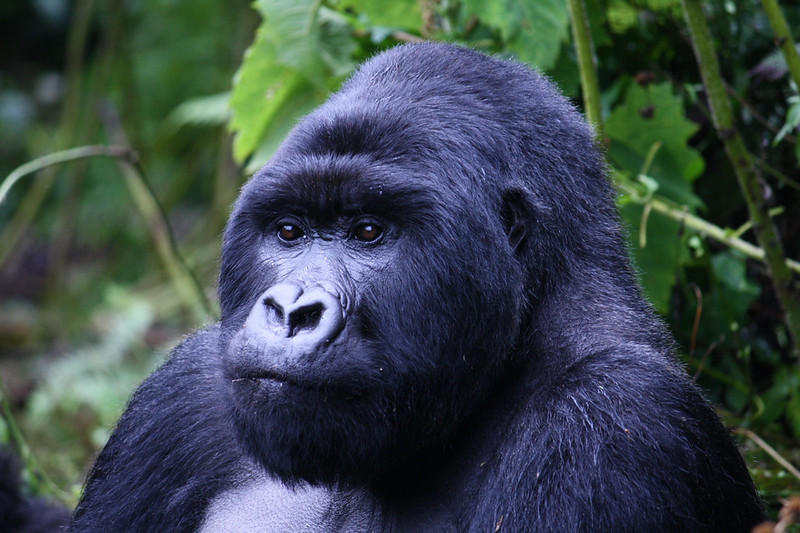
Rwanda gorilla groups are located in Volcanoes National Park, home to several habituated gorilla families available for gorilla trekking in Rwanda. Popular groups include the Susa Group, known for its size and ties to Dian Fossey’s research, the Kwitonda Group, which migrated from Congo, and the Amahoro Group, named for its peaceful nature. Other notable groups are Agashya, Titus, and Hirwa, each offering unique interactions during Rwanda safaris. Visitors can track these families in guided treks, experiencing a close connection with the critically endangered mountain gorillas in their natural habitat.
What are Rwanda’s mountain gorilla groups, and where are they located?
Mountain gorilla groups in Rwanda are family groups of mountain gorillas that live in the wild. These gorillas are found in the Volcanoes National Park, which is in the northern part of Rwanda near the borders of Uganda and the Democratic Republic of the Congo. The park is part of the greater Virunga Mountain Range, a chain of volcanoes that stretches across the three countries. This protected area is important because it shelters these gorillas, which are an endangered species.
Each mountain gorilla group consists of a social family with a dominant male leader, called a silverback, adult females, juveniles, and sometimes young males. These groups live in the dense forested hills of the national park. The gorillas build nests on the ground or in trees made of leaves and plant materials. Though the forest is their home, researchers and conservationists work hard to protect and observe these animals while minimizing disturbances to their environment.
For tourists and researchers, different mountain gorilla groups are habituated, meaning they are used to seeing humans nearby. Some of these famous gorilla groups include Susa, Amahoro, Kwitonda, and Sabinyo, among others. Each group has its territory within Volcanoes National Park, and these territories are carefully monitored by trackers.
The location of these gorilla groups in this unique, high-altitude forest is critical to their survival because the thick vegetation supplies their food and provides a safe habitat. Without the mountain forest environment of the park, these endangered gorillas would struggle to survive.
How many mountain gorilla groups are in Rwanda?
Rwanda is home to around 12 mountain gorilla groups that are specifically habituated for visitors. Habituation means these groups are gradually exposed to humans over time so they become accustomed to having people nearby. This allows tourists and researchers to observe them up close without causing stress to the animals.
In addition to the habituated groups, there are some wild gorilla groups that are not habituated and live deep inside the forests of Volcanoes National Park. These wild groups are not exposed to human interaction, and conservationists monitor them from a distance to ensure their overall health and survival.
Each gorilla group varies in size, but on average, most have 10 to 30 individuals. Some groups are larger and others smaller, depending on the dynamics within the group. For example, the Susa group was famously one of the largest, with over 40 members at one point, including several silverbacks.
The exact number of gorilla groups can fluctuate over time due to natural changes, such as group splits (when some members leave and form a new group) or changes caused by dominant males fighting for leadership. Conservationists regularly conduct surveys to track these changes and update the population counts.
Rwanda has made a great effort to protect these gorillas through regulated tourism and strict conservation activities. This has contributed to the growth and stability of the mountain gorilla population in the region.
Where can mountain gorillas be observed in Rwanda?
In Rwanda, mountain gorillas can be observed at Volcanoes National Park, specifically in the forested areas of the Virunga Mountains. This park is the only location in the country where mountain gorillas live. It is part of a larger ecosystem that extends into neighboring Uganda and the Democratic Republic of the Congo, but the portion within Rwanda is heavily protected and highly accessible for gorilla trekking.
Volcanoes National Park is made up of thick forests and steep slopes at high altitudes. This is where visitors can go gorilla trekking to see the animals in their natural habitat. To arrange a visit, tourists are required to secure a permit and join an organized tour led by guides and trackers. These professionals locate the gorilla groups, ensuring that visitors can find them without disrupting the wildlife.
During a gorilla trekking experience, tourists are allowed to spend approximately one hour observing the gorillas up close. Guides help maintain a safe distance and ensure the gorillas are not disturbed. Visitors can see the family interact, eat, and groom each other, which provides a rare insight into their daily lives.
The experience of observing mountain gorillas is not only fascinating but also contributes to conservation efforts, as permit fees help fund the protection of the species and the park itself.
What is the significance of Volcanoes National Park for gorilla groups?
Volcanoes National Park, located in the northwestern part of Rwanda, is incredibly important for mountain gorilla groups because it serves as their natural habitat. It is one of the most prominent places in the world where endangered mountain gorillas live and thrive in the wild. This park is part of the larger Virunga Massif, a chain of volcanic mountains that spans Rwanda, Uganda, and the Democratic Republic of Congo (DRC). Along with the gorillas, the park is home to a vast range of biodiversity.
Mountain gorillas rely on this park for shelter, food, and safety. The dense forests and bamboo zones in Volcanoes National Park provide these animals with the resources they need for survival. For example, the park’s altitude and vegetation allow gorillas to find the right plants and fruits for their diet. Without this environment, their existence would be jeopardized.
In addition to its ecological importance, the park plays a notable role in conservation. Efforts to protect gorillas and their habitat are heavily concentrated in this area. With consistent monitoring and research, researchers learn more about gorilla behavior and health. Furthermore, Volcanoes National Park is a hub for eco-tourism, which generates revenue that goes directly into further conservation and support for local communities.
An example of its impact is the Gorilla Naming Ceremony (Kwita Izina), a Rwandan tradition organized by the country to raise awareness about gorilla conservation. The park is not just a habitat but a symbol of fierce dedication to saving these majestic animals.
In summary, Volcanoes National Park is vital for the survival of mountain gorillas, offering them a haven and acting as a focal point for conservation and eco-tourism efforts.
How are mountain gorilla groups structured socially?
Mountain gorilla groups are deeply social creatures and live in organized family groups. These groups typically consist of 2 to 30 individuals, but the exact size depends on factors such as food availability and population dynamics.
The backbone of a mountain gorilla group is the dominant silverback, which is an adult male that earns its name from the patch of silver hair along its back. This individual leads the group, making decisions such as where to find food, how to stay safe, and when to rest. The silverback also plays the role of a protector, defending the group from predators or threats.
Groups usually have females, their offspring, and sometimes a few subordinate males. Adult females are responsible for raising their young and often have a close bond with the dominant silverback. The young gorillas learn social behavior by observing and interacting with other group members.
Subordinate males, often younger silverbacks, do not lead the group but can assist in protecting members. They may eventually leave the group to form their own families. In some cases, females may also leave to join a new group.
An important aspect of gorilla group dynamics is the hierarchy. Each gorilla has a role, and conflicts are usually resolved through displays of strength or vocalizations rather than violence. For example, a silverback might beat its chest to show dominance instead of physically fighting.
A real-life example of mountain gorilla structure can be seen in Dian Fossey’s studies. She observed the close bonds between gorillas and recorded how each group functioned as a tight-knit family unit.
This structure helps the group stay organized and enhances survival by maintaining strong social bonds and efficient cooperation.
What do mountain gorillas eat, and how do they sustain themselves in their habitat?
Mountain gorillas are herbivores, which means they eat plants as their primary food source. Their diet mainly includes leaves, stems, shoots, fruit, and occasionally bark. They are highly dependent on the availability of vegetation in their habitat.
Most of their diet comes from plants like bamboo, thistle, celery, and nettles. For instance, during the rainy season, they might consume bamboo shoots because they are abundant and nutritious. In drier seasons, gorillas rely more on tougher plants like bark to fill their nutritional needs.
Mountain gorillas consume a lot of food each day, around 40 pounds (18 kilograms) for an adult male. Eating such large quantities helps them maintain their energy levels and sustain their muscular bodies. Although fruit is not always available in high-altitude forests, they make up for this by focusing on other plant parts.
Another interesting fact is that mountain gorillas rarely drink water because they get sufficient moisture from the plants they eat. For example, bamboo shoots contain a lot of water, helping to keep the gorillas hydrated.
The way they sustain themselves also involves foraging in groups. This can sometimes mean traveling long distances within their territory to find enough food. To conserve energy, gorillas rest and nap during the middle of the day after hours of feeding.
In summary, mountain gorillas rely on their natural environment, eating a variety of plants to keep themselves nourished. Their ability to adapt to seasonal changes in food availability demonstrates how well they fit their forested habitat.
How are gorilla groups tracked and monitored for tourism and conservation?
Gorilla groups are tracked and monitored in Rwanda using a combination of expert trackers, researchers, and park rangers. These teams work together to locate, observe, and gather information about the gorillas on a daily basis. By tracking and monitoring them, researchers and conservationists ensure the animals’ health and safety while also enabling controlled tourism.
The process begins early in the morning, with trained trackers heading into the forest to locate gorilla groups. They rely on clues left by the gorillas, such as broken branches, footprints, or leftover food. Many gorilla groups are habituated, which means they’ve been gradually accustomed to human presence through a long and careful process. This helps trackers, tourists, and researchers to approach them without causing stress.
Each group of gorillas is monitored daily by conservation teams who record their movements, behavior, health, and social interactions. For example, trackers note whether the group’s dominant male, or “silverback,” is active and healthy, and they observe if new infants are born or if there are signs of conflict or illness.
Real-time GPS devices and communication tools are used to help rangers and researchers share information while out in the dense forests. Regular data collection also helps park authorities identify unusual behaviors, track the spread of diseases, and monitor gorilla populations over time. This daily tracking is why the locations of gorilla groups are known and accessible for tourists holding permits.
For tourists, monitoring ensures a safe and orderly experience. Before a trek, guides know the exact location of a group, minimizing the time tourists spend searching. This benefits both gorillas and humans, as it limits unnecessary disruption to the animals’ natural routine.
What is the role of local communities in the conservation of Rwanda’s gorillas?
Local communities play a key role in conserving Rwanda’s mountain gorillas, as their involvement is essential for long-term protection. One of the main ways communities contribute is by benefiting economically from gorilla tourism. A portion of the revenue from tourism in Volcanoes National Park is shared with nearby villages, funding projects such as schools, healthcare facilities, and infrastructure like clean water systems. This creates a strong incentive for communities to support conservation efforts.
Furthermore, many locals are employed directly by the park or related organizations. Jobs such as guiding tourists, serving as porters, or working in park management give residents a financial stake in protecting the gorillas. Anti-poaching units and trackers are often made up of local people, who use their knowledge of the forest to help protect wildlife.
Education and outreach programs teach locals about the importance of gorillas to their ecosystem and emphasize the benefits of conservation for their own lives. People living near the park are also encouraged to report illegal activities such as poaching or habitat destruction. Additionally, some former poachers have undergone re-training to become rangers or guides, turning them into conservation advocates.
One successful example is the Kwita Izina ceremony, a gorilla-naming event that highlights community involvement and raises awareness about conservation efforts. Local residents participate in the celebration, fostering pride and commitment to protecting wildlife.
By involving local communities directly in the benefits of gorilla conservation, there is less likelihood of conflict between people and wildlife. Conservation then becomes more sustainable, as it addresses both the needs of the gorillas and the people who share their habitat.
What permits are required to visit gorilla groups in Rwanda, and how much do they cost?
Visiting mountain gorillas in Rwanda requires a gorilla trekking permit, which is issued by the Rwanda Development Board (RDB). This permit is essential for anyone wanting to observe gorillas in their natural habitat within Volcanoes National Park. It helps control the number of visitors, ensures responsible tourism, and generates critical funding for conservation and community projects.
As of 2023, a single permit costs $1,500 per person for non-residents. While this may seem expensive, the cost reflects the limited number of permits issued daily. To protect the gorillas and minimize their stress, only 80 permits are issued per day, with groups of visitors limited to a maximum of 8 people per gorilla group. This strict limit ensures that tourism doesn’t overwhelm the animals or harm their natural behavior.
For East African residents, the permit cost is significantly lower, at around $200–$500 depending on the specific resident category. It is advisable to book permits well in advance, as they are in high demand, especially during peak travel seasons like June to September and December.
The permit fee not only guarantees entry but also contributes to gorilla conservation. A significant portion of the revenue goes toward maintaining the park, funding anti-poaching patrols, supporting research, and benefiting local communities.
Before the trek, visitors are briefed on rules, including keeping a safe distance from the gorillas, wearing masks to reduce disease transmission, and following the guidance of park rangers. These measures are enforced both to protect the health of the gorillas and to ensure that the experience remains special for future visitors.
How are gorillas impacted by tourism activities in Rwanda?
Mountain gorillas in Rwanda have both benefits and potential risks associated with tourism activities. On the positive side, tourism generates significant revenue that is reinvested into conservation efforts. Gorilla tourism, particularly in Volcanoes National Park, is a major source of funding for protecting the gorillas’ habitat, conducting anti-poaching activities, and supporting research. Local communities also benefit from tourism through job opportunities and revenue-sharing programs, which helps build support for conservation.
However, there are challenges tied to tourism as well. One major concern is the risk of disease transmission between humans and gorillas. Because gorillas share about 98% of their DNA with humans, they are highly susceptible to human illnesses, including respiratory infections, which can spread even during brief interactions. For this reason, strict guidelines, including maintaining a distance of at least 7 meters (about 23 feet) from the gorillas and limiting visits to one hour, are enforced.
Another issue is habitat disturbance. Frequent visits, increased foot traffic, and noise can cause stress for the gorillas or disrupt their natural behaviors. While trained guides and trackers work to minimize these impacts, it is still something conservationists continuously monitor.
In summary, while tourism provides critical funding and awareness for mountain gorilla conservation, it needs to be carefully managed to prevent harm to these endangered animals.
What are the challenges or threats faced by Rwanda’s gorilla groups?
Rwanda’s gorilla groups face multiple threats that endanger their survival. One of the most significant issues is habitat loss. The increasing human population in Rwanda has led to agricultural expansion and land-use changes, reducing the space available for gorillas to live and forage. This shrinkage in habitat forces gorillas into smaller areas, which can lead to competition for limited resources.
Poaching remains another threat, although it is less common today due to strict laws and conservation efforts. Historically, gorillas were targeted for bushmeat or captured for illegal wildlife trade. Even though poaching of gorillas specifically has decreased, traps or snares set for other wildlife can inadvertently injure gorillas.
A further concern is the risk of disease outbreaks, as gorillas are highly vulnerable to human-transmitted illnesses. With tourism and increasing interaction between humans and wild animals, the likelihood of diseases spreading, such as respiratory infections, is a growing challenge.
Climate change also poses a threat. Changes in weather patterns can affect the growth of the plants gorillas rely on for food, impacting their nutrition and survival.
Conservation programs have made strides toward reducing these threats, but gorilla groups remain highly vulnerable due to their small population size and dependence on a specific habitat.
What conservation efforts are in place to protect mountain gorillas in Rwanda?
Rwanda has several conservation efforts dedicated to protecting mountain gorillas, many of which are centered around Volcanoes National Park. One of the key strategies is the implementation of strict gorilla trekking regulations. These policies ensure that tourism is well-managed, with limits on the number of tourists allowed to visit daily and rules to reduce stress and disease risks for the gorillas.
Another critical initiative is anti-poaching patrols. Park rangers regularly monitor the forest to dismantle traps and prevent any illegal activities. This has been instrumental in reducing poaching incidents over the years.
Local community involvement is also central to these efforts. Through programs such as revenue sharing from gorilla tourism, communities surrounding the park receive a portion of the income generated. This helps reduce human-wildlife conflict and motivates locals to protect the gorillas.
The Dian Fossey Gorilla Fund and Rwanda Development Board are key organizations advancing conservation research and efforts in the region. They track individual gorilla groups, study their behaviors, and monitor their health to create effective management plans.
Additionally, habitat preservation is prioritized. By extending the boundaries of protected areas and engaging in reforestation projects, conservationists aim to secure the land gorillas need to thrive.
These combined efforts have contributed to a slow but steady increase in the mountain gorilla population, which is a positive sign for the future of this endangered species.
How To Book Your Safari in Rwanda
We’ve covered the basics of Rwanda’s gorilla groups, from what makes them unique to how you can see them up close. Ready to experience these incredible creatures in their natural habitat? Book your adventure today with trusted Rwanda Safari Companies to make your trip seamless and unforgettable. They’ll handle everything so you can focus on the thrill of meeting Rwanda’s majestic gorillas face-to-face!
Rwanda Gorilla Permit & Cost 2025 to 2026
A gorilla trekking permit in Rwanda costs $1,500 per person and allows access to Volcanoes National Park, the primary destination for gorilla trekking in Rwanda. Permits are mandatory and limited to 96 per day to protect the endangered mountain gorillas. They can be purchased through the Rwanda Development Board or licensed tour operators specializing in Rwanda safaris. It’s recommended to book permits several months in advance due to high demand, especially during peak travel seasons.
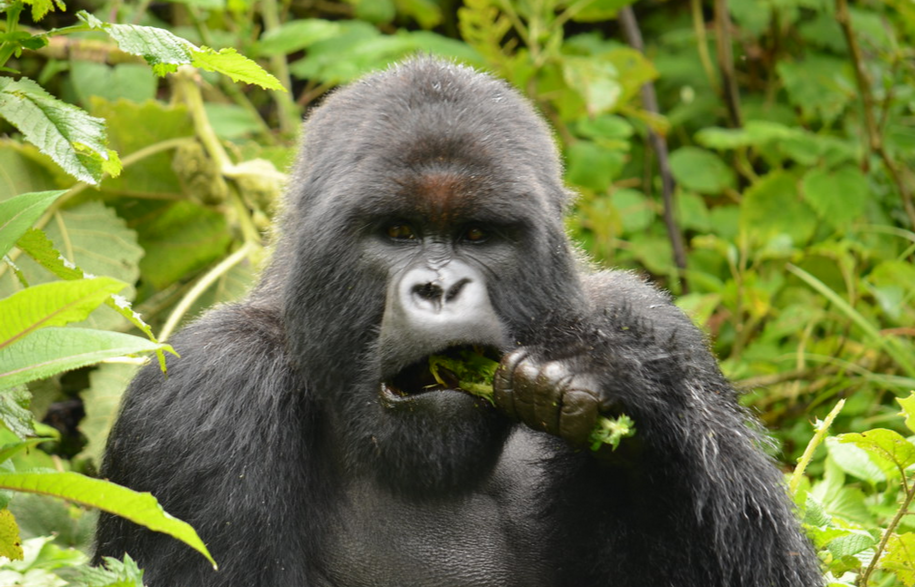
What is a gorilla trekking permit in Rwanda?
A gorilla trekking permit in Rwanda is a special document issued by the Rwanda Development Board (RDB) that allows you to participate in the activity of visiting mountain gorillas in their natural habitat. These permits are essential for anyone who wishes to observe gorillas in Volcanoes National Park, which is the only destination in Rwanda where this activity is conducted.
The permit essentially acts like a “ticket” for your guided trek into the forests to see these incredible animals up close. Each permit is assigned to a specific trekking group, which corresponds to one family of mountain gorillas that live in a designated area of the forest. Since each gorilla family is habituated to human presence, the permits help control tourist numbers, ensuring that gorillas are not overwhelmed by too many visitors.
For example, if you’re planning to take a gorilla trek on a specific date, purchasing a permit secures your spot for that date, grants you permission to join the professional guides and trackers, and guarantees your access to one of the habituated gorilla families within the park.
Without the permit, you cannot legally join a trek or visit the gorillas in the conservation area.
Why do you need a permit for gorilla trekking in Rwanda?
A permit is mandatory for gorilla trekking in Rwanda for several important reasons. First and foremost, mountain gorillas are critically endangered, so their protection and conservation are high priorities. Strictly regulating the number of visitors with permits ensures that the gorillas aren’t exposed to excessive human interaction, stress, or disease transmission. Gorillas share around 98% of their DNA with humans, which makes them vulnerable to illnesses we carry, such as the common cold.
Furthermore, the permit system helps to maintain the ecological balance of the forest environment in Volcanoes National Park. By limiting the number of people who can visit the park daily, the authorities can avoid disturbances to the gorillas’ space and feeding patterns, ensuring their overall well-being.
In addition, the funds generated through permits contribute directly to conservation efforts and support the local communities living near the national park. For example, a portion of the revenue is used for anti-poaching measures, hiring park rangers, and engaging the local population in sustainable tourism activities.
The permit also ensures that your experience is well-organized and safe. With professional guides and trackers leading the activity, permits make it easier to maintain structure and avoid unregulated visits, which may disrupt the natural harmony of the forest environment.
In short, the permit system is critical not just for logistical purposes but also for the gorillas’ protection, conservation funding, and controlled tourism.
How much does a gorilla trekking permit cost in Rwanda?
As of 2023, the cost of a gorilla trekking permit in Rwanda is USD $1,500 per person for international tourists. This is a flat rate set by the Rwanda Development Board (RDB) and applies to treks within Volcanoes National Park. The high cost is deliberate, as it helps to balance visitor numbers while generating a significant amount of funding for conservation efforts and the surrounding local communities.
For residents of East African Community (EAC) member countries, permits are available at a lower price, typically around USD $500, enabling citizens from partner nations in the region to enjoy this unique experience at a more accessible cost.
The fee may sound high, but it covers the entire trekking experience, including the services of trained guides, trackers, and park rangers. These individuals ensure visitor safety, locate the habituated gorilla families, and guide the trekking groups through the appropriate trails.
Although $1,500 may seem steep, consider the exclusivity of the activity. Trekking permits limit the number of daily visitors to protect the gorillas and their habitat. Compared to other wildlife tourism experiences, such as climbing Kilimanjaro or luxurious safari lodges, gorilla permits fund essential conservation efforts for one of the world’s most endangered species.
Where can I purchase a gorilla trekking permit in Rwanda?
Gorilla trekking permits in Rwanda can be purchased through the Rwanda Development Board (RDB), the official government agency responsible for managing protected areas and wildlife tourism. This board ensures that the permit-selling process is clear and organized. To obtain a permit, you can either contact the RDB directly by visiting their website, making a call, or sending them an email to inquire about availability and proceed with the booking process.
If you prefer assistance with the logistics, many people choose to go through a travel agency or tour operator. These companies specialize in organizing gorilla trekking trips and can handle the permit purchase for you, as well as help plan the rest of your journey, such as accommodations, transportation, and any additional permits for sightseeing or trips to other parks.
You will need to specify your planned travel dates, and, in some cases, you can select a specific gorilla trekking group or preferences based on difficulty levels. Keep in mind that permits are issued for visits to Volcanoes National Park, where the trekking experience takes place. Permits are limited and often sell out quickly due to high demand, especially during peak travel seasons, so it’s essential to initiate your booking as early as possible to secure your spot.
Finally, when obtaining your permit, make sure to provide accurate identification information and consider keeping copies of the payment receipt for your records, as these might be requested before the trek.
How far in advance should I book a gorilla trekking permit?
It’s highly advised to book your gorilla trekking permit at least 6 months in advance, especially if you plan to visit during Rwanda’s peak tourism periods (June to September and December to February). The main reason for this recommendation is that there is a cap on the number of permits issued each day, making them a scarce resource. Only 96 permits are available daily, as Rwanda limits tourists to a maximum of 8 visitors per gorilla family, and there are 12 habituated gorilla groups in Volcanoes National Park.
Tourists wanting to travel during peak seasons or those coming in large groups should plan and secure permits even earlier, perhaps 8 to 12 months in advance. If your travel plans are flexible and during a less busy period (such as March to May or October to November, when it’s the rainy season), permits may be easier to secure closer to your travel date, but early booking is still recommended to avoid last-minute challenges.
For those who book through a tour operator, they will often handle securing the permit on your behalf, integrating it into the overall travel package. However, if you plan to arrange your trip independently, reaching out to the Rwanda Development Board directly ensures you get your date confirmed.
Being proactive in securing your spot also provides peace of mind and allows you to plan other aspects of your travel and accommodation well in advance.
Are there a limited number of permits available each day?
Yes, the number of gorilla trekking permits issued each day in Rwanda is strictly limited to 96. This restriction guarantees a sustainable tourism model that minimizes the disruptive impact on the gorilla families while still providing funding for their conservation. On any given day, only 8 tourists are allowed to visit each of the 12 habituated gorilla groups in Volcanoes National Park.
The daily permit limit not only helps protect these critically endangered mountain gorillas but also ensures that the trekking experience feels more intimate and less crowded. Encounters with the gorillas are meant to be calm and respectful rather than overwhelmed by too many people. Scientific research has also shown that keeping exposure to humans controlled can reduce stress and the possibility of disease transmission from humans to the animals.
This capped availability of permits, combined with the popularity of gorilla trekking globally, makes these permits a sought-after item. As a result, visitors are encouraged to make bookings well in advance if they want a spot on their desired travel date. Additionally, the limited number of permits helps enhance your experience by ensuring the best possible trekking conditions and keeping the focus on wildlife conservation.
What does the cost of the gorilla trekking permit include?
The cost of a gorilla trekking permit in Rwanda covers several aspects of the trekking experience. First, it guarantees access to the Volcanoes National Park, which is the primary location for gorilla trekking in Rwanda. The fee supports both the maintenance of the park’s infrastructure and the preservation efforts for the endangered mountain gorillas.
Another key inclusion is the service of professional guides and trackers. These individuals are highly trained and accompany you during your trek to locate the gorillas. They not only ensure your safety but also share important information about the gorillas and their behavior. Their expertise makes the experience more meaningful and educational.
The cost also covers park rangers involved in securing the area. They keep track of poachers and any threats to the gorillas, ensuring the animals live in a safe environment.
Additionally, the permit includes a one-hour period to observe the gorillas once they are located. During this time, participants can watch the gorillas interact, eat, and care for their young while maintaining specific rules to avoid disturbing them.
The high cost also serves another purpose: it intentionally limits the number of visitors. By doing this, the authorities can reduce human impact on the habitat and avoid overstressing the gorilla families.
For example, if the permit costs $1,500 in Rwanda, a significant portion of this amount goes toward conservation and community support, ensuring local people benefit from gorilla tourism. This reduces reliance on the forest for resources and creates options like jobs in the tourism sector.
In short, the permit fee includes access to the park, professional guidance, and critical contributions to gorilla conservation efforts and local livelihoods.
Which national parks in Rwanda offer gorilla trekking permits?
In Rwanda, gorilla trekking permits are exclusively available for treks conducted in Volcanoes National Park. This park is part of the Virunga Mountains, which extend into neighboring Uganda and the Democratic Republic of the Congo. The park is home to several families of endangered mountain gorillas and is the only place in Rwanda where visitors can go on official gorilla trekking experiences.
Volcanoes National Park is not just significant for gorilla trekking. It is also well-known for its rich biodiversity, which includes numerous other species of primates, birds, and plants endemic to the region. The park’s breathtaking scenery, with mountainous terrain and lush vegetation, creates an ideal habitat for the gorillas.
The park has been a center for gorilla conservation for decades, beginning with the work of Dian Fossey, a renowned primatologist who conducted extensive research on mountain gorillas in the area. Her legacy remains integral to ongoing efforts to protect the gorillas and their habitat.
While some neighboring countries like Uganda and the Democratic Republic of the Congo also offer gorilla trekking experiences, Rwanda’s program in Volcanoes National Park stands out for its strict rules, infrastructure, and accessibility. For example, the park is only about a two- to three-hour drive from Kigali, Rwanda’s capital, making it one of the most logistically convenient destinations for tourists.
So, if you are planning to go gorilla trekking in Rwanda, be aware that all official permits are specifically for Volcanoes National Park and nowhere else in the country.
Can gorilla trekking permits in Rwanda be refunded or rescheduled?
Gorilla trekking permits in Rwanda are generally non-refundable. This means that once you purchase the permit, you cannot get your money back if you decide not to attend or if unforeseen circumstances prevent you from going. The policy is strict because of the high demand and limited availability of permits.
Rescheduling a permit can sometimes be an option, but it depends on availability and specific circumstances. For example, if you contact the Rwanda Development Board (RDB) well in advance, they might consider rescheduling your permit for a different date. However, this is not guaranteed, and fees might apply for changes. It’s important to contact the RDB as early as possible to inquire about this option.
This rigid policy ensures that gorilla trekking remains sustainable, as the funds from permit sales are vital for conservation efforts and community programs. Any unused permits would represent a financial loss for these efforts because the number of available permits is capped daily to limit visitor impact on the gorillas.
For instance, if an emergency or illness prevents you from using your permit, it’s unlikely that you’ll receive a refund. This is why it’s highly recommended to purchase travel insurance that includes coverage for such cancellations.
In conclusion, gorilla trekking permits in Rwanda are not refundable under most circumstances, and rescheduling is only possible if specific conditions are met. Before purchasing a permit, ensure your plans are solid and consider travel insurance for additional security.
Are there age or health restrictions for obtaining a gorilla trekking permit?
Yes, there are age and health restrictions for obtaining a gorilla trekking permit in Rwanda. These rules are put in place to ensure the safety and welfare of both the visitors and the gorillas.
First, the minimum age requirement is 15 years old. This is because trekking can be physically demanding and involves walking through forests, uphill trails, and uneven terrain. Younger children may not be able to meet these physical requirements and might also have difficulty adhering to specific rules, such as staying quiet and calm around the gorillas. Additionally, gorillas can pick up human diseases easily, and children are often more prone to illnesses like colds, which could be dangerous to the animals.
In terms of health conditions, anyone exhibiting signs of contagious illnesses, like the flu or severe colds, may not be allowed to participate. Gorillas share more than 98% of their DNA with humans, which makes them highly vulnerable to human-transmitted diseases. This is done to protect the gorillas from outbreaks that could devastate entire families or groups.
If a person has a medical condition that is not contagious but could make trekking unsafe (e.g., severe heart issues or limited mobility), they may also be discouraged from participating. The trek can be strenuous, involving hours of hiking in humid and rugged environments, so participants should be in reasonably good physical shape.
For example, if someone has a respiratory illness like pneumonia, they would likely be asked to step back for the sake of the gorillas’ health. Similarly, if someone cannot walk long distances or handle steep climbs, they might struggle to join the trek safely.
What are the rules and guidelines associated with gorilla trekking in Rwanda?
Gorilla trekking in Rwanda has strict rules and guidelines, and these are enforced to protect the safety of visitors and the gorillas, as well as their natural environment. Below are the main rules explained:
- Keep a safe distance: The rules require visitors to stay at least 7 meters (approximately 23 feet) away from the gorillas at all times. Even if a gorilla moves closer, trekkers are advised to remain calm and step back slowly if possible. This helps minimize stress on the gorillas and reduces the chances of disease transmission.
- Limit your time with the gorillas: Tourists are allowed only one hour with the gorillas once they are located. This limit reduces the potential disturbance to their daily routines and stress levels.
- Group size: Each trek group is limited to a maximum of 8 people. Smaller group sizes help reduce the human impact on the gorillas and their habitat while ensuring a better experience for visitors.
- No loud noises or sudden movements: While observing gorillas, trekkers must keep noise to a minimum to avoid startling the animals. Calm and slow movements ensure that the gorillas remain comfortable.
- Don’t touch the gorillas: Even if a gorilla approaches very closely, visitors are prohibited from touching them to reduce the risk of disease transmission.
- Carry out all waste: Littering is strictly forbidden. Trekkers are asked to bring back all trash, including biodegradable items, to preserve the environment.
- Follow ranger instructions: Rangers are there to ensure both safety and adherence to the rules. Visitors must follow their guidance at all times.
- No eating or drinking near gorillas: Consuming food or beverages while near gorillas is not permitted. This prevents accidental feeding and keeps germs away from the animals.
For instance, if a member of the group starts coughing frequently near the gorillas, the rangers might end that person’s interaction immediately, prioritizing the safety of the animals. These guidelines are vital for maintaining the balance between tourism and wildlife conservation.
How does the revenue from gorilla trekking permits contribute to conservation and local communities?
The revenue from gorilla trekking permits in Rwanda plays a significant role in both conservation efforts and the development of local communities.
A large portion of the funds goes directly towards gorilla conservation programs. These programs include anti-poaching patrols, habitat restoration, research, and veterinary care. Anti-poaching teams are essential for preventing illegal activities like hunting or trapping, which pose major threats to gorilla populations. Conservation also involves planting trees in deforested areas to expand gorilla habitats, ensuring they have a safe and stable environment.
Another portion of the revenue is shared with local communities living near the national parks. This is part of Rwanda’s community revenue-sharing program, where 10% of the funds go towards building schools, health clinics, and infrastructure like roads and water systems. These projects improve the livelihoods of local residents and promote positive relationships between them and the wildlife conservation efforts.
For example, a village near Volcanoes National Park may receive support to set up a farming cooperative or a community school. This kind of assistance reduces human and wildlife conflict, as local people are less likely to see gorillas or conservation efforts as a threat to their livelihood.
Tourism-related jobs created by gorilla trekking also benefit the communities. Many locals work as porters, guides, or park staff, earning a steady income. This creates economic opportunities that provide alternatives to activities like poaching.
In summary, the revenue supports both the gorillas themselves and the people who share their environment, creating a sustainable model for conservation and tourism.
How To Book Your Safari in Rwanda
Planning your gorilla trekking adventure in Rwanda doesn’t have to be overwhelming. We’ve covered the basics: what a gorilla trekking permit is, why you need one, and how to secure it. Ready to take the next step? Connect with trusted Rwanda Safari Companies to help you book your permit and create an unforgettable safari experience. Let the experts handle the details so you can focus on enjoying your trip. Your Rwandan adventure awaits!
Best Time to Visit Volcanoes National Park Rwanda
The best time to visit Volcanoes National Park Rwanda is during the dry seasons from June to September and December to February. These months offer ideal conditions for activities like gorilla trekking in Rwanda, with less rain making the trails easier to navigate. The park, located in northwest Rwanda, provides the best chances to see mountain gorillas in their natural habitat. For those planning Rwanda safaris, wildlife spotting and exploring the lush habitats are more enjoyable during these periods due to clearer weather and minimal disruptions. Visitors should book permits in advance, as gorilla trekking is highly sought after year-round.
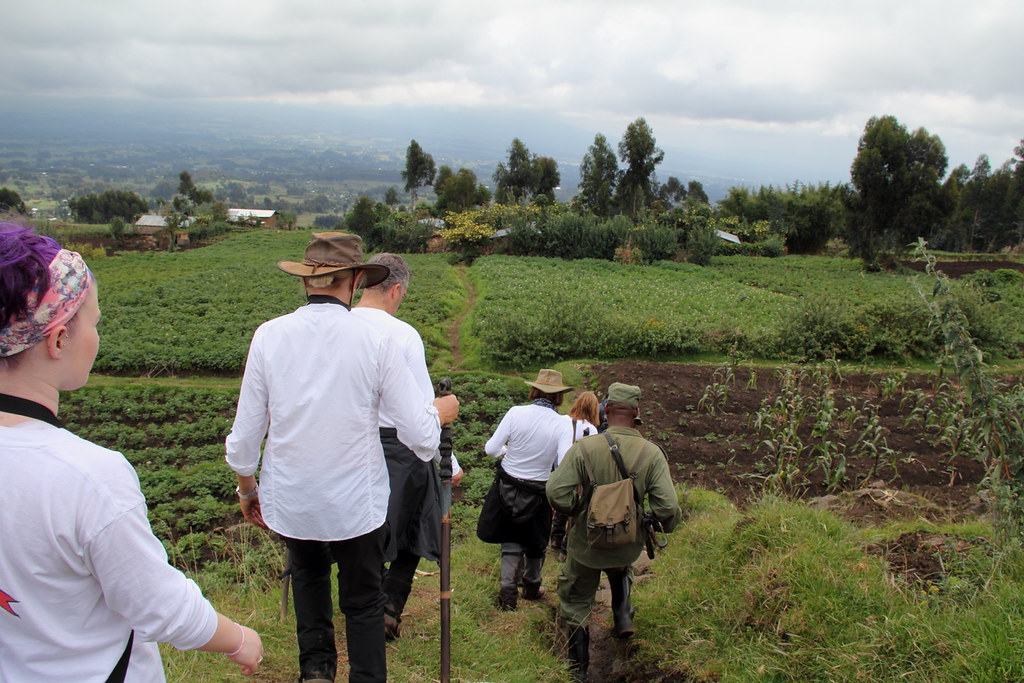
What is the best time of year to visit Volcanoes National Park in Rwanda?
The best time to visit Volcanoes National Park in Rwanda is generally during the dry seasons, which occur from June to September and December to February. These months are considered ideal because the weather is more predictable and trekking conditions are more manageable.
During the dry season, rainfall is less frequent, making the paths leading through the dense forest easier to navigate. This is particularly important for activities like gorilla trekking, as wet, muddy terrain can make hikes more challenging. The clearer skies and drier trails increase the chance of a more comfortable and enjoyable visit.
For example, many tourists plan their trips between June and September, as these months also coincide with summer holidays, making it a popular period for international travelers. Furthermore, the dry season generally provides better visibility for wildlife, so spotting animals and enjoying the scenery becomes much easier.
Although these months are highly recommended, it’s important to remember that Volcanoes National Park is located in a tropical region where rainfall can occur at any time of year. This means you might experience some rain showers, even during the dry season, so it’s always a good idea to be prepared.
If you prefer fewer crowds and lower accommodation costs, you might also consider visiting during the shorter dry spell in December to February, as it is slightly less busy compared to the June-September period.
In conclusion, the dry seasons (June-September and December-February) are generally the best times to visit Volcanoes National Park due to favorable weather conditions for trekking and sightseeing.
What are the seasonal weather conditions in Volcanoes National Park?
Volcanoes National Park experiences a tropical highland climate, meaning the weather is influenced by its elevation and proximity to the equator. The park generally has two major seasons: the dry season and the rainy season.
The dry season runs from June to September and December to February, with less frequent rainfall and cooler mornings and evenings. During these months, temperatures in the park can range from 9°C (48°F) at night to around 20°C (68°F) during the day. While the weather is generally clear, it’s not uncommon to experience occasional light rain because the region is naturally humid.
The rainy seasons occur from March to May and October to November, and these periods bring heavier rainfall and wetter conditions. Temperatures are similar to those in the dry season but the ground becomes much more muddy and slippery, potentially making hikes and trails more difficult to navigate. Rain is usually heaviest in April and May.
Throughout the year, mist and fog often blanket the park, especially during early mornings, which can add a unique atmosphere to the park’s landscapes but may reduce visibility temporarily. For instance, the verdant forests and volcanic mountain ranges often remain lush year-round due to consistent precipitation.
Given the park’s altitude (varying from around 2,400 to over 4,500 meters), temperatures tend to stay cool, particularly at higher elevations. It’s always a good idea to wear layers, as conditions can change quickly and mornings or evenings may feel significantly chillier than afternoons.
Overall, weather conditions in Volcanoes National Park are somewhat unpredictable but generally fall into the patterns of the dry and rainy seasons, as described above.
How does the rainy season affect travel and activities in the park?
The rainy season, which occurs from March to May and October to November, has a significant impact on travel and activities in Volcanoes National Park. While the park can be visited year-round, these months present unique challenges and considerations for visitors.
One of the primary effects is the difficulty of navigating trails. The frequent heavy rains make paths muddy, slippery, and harder to traverse, especially in the dense forest areas. For example, gorilla trekking becomes more strenuous during this time because trekkers may sink into the mud or struggle with footing on steeper slopes. This adds to the physical effort required for hikes, but some visitors find the lush environment worth the extra challenge.
Rainy weather also impacts visibility and comfort levels. Cloud cover, mist, and fog are more common, which might obscure views of the surrounding volcanoes. It’s also necessary to wear waterproof gear, such as raincoats and sturdy boots, to stay dry and protect against the wet conditions.
On the positive side, visiting during the rainy season has some advantages. The forests are at their greenest, thanks to the continuous rainfall, providing excellent photo opportunities for those interested in nature photography. Additionally, there may be fewer tourists in the park, which can create a quieter, more intimate trekking experience.
Travel infrastructure, like roads leading to the park, can also be affected. The higher likelihood of muddy and waterlogged roads means it’s vital to have a four-wheel-drive vehicle during wet months to navigate rough terrain safely.
In summary, while the rainy season introduces challenges to travel and activities, it also offers unique opportunities for those prepared to deal with the wet conditions. Adequate preparation, like having the right gear and mindset, can help mitigate the difficulties of visiting during this time.
When is the best time for gorilla trekking in Volcanoes National Park?
The best time for gorilla trekking in Volcanoes National Park is during the dry seasons, which occur from June to September and December to February. During these months, the park experiences less rainfall, making the trails more accessible and less muddy. This makes trekking through the dense forests much easier and increases the chances of encountering gorilla families in relatively clear conditions.
In contrast, the rainy seasons, which occur from March to May and October to November, tend to make the trails challenging due to slippery and muddy terrain. Although it’s still possible to trek and spot gorillas during this time, it requires more physical effort, and the overall experience might feel more strenuous.
For example, during the dry season, visitors often note that their hikes are more enjoyable because they don’t have to contend with persistent rain or slippery paths. Additionally, the gorilla families tend to stay in lower altitudes during this time, meaning shorter treks compared to rainy season hikes.
However, it’s important to note that Rwanda’s weather can sometimes be unpredictable given its location near the equator. While the dry season significantly reduces rainfall, occasional light showers are still possible.
For those planning to book permits, often priced at $1,500 per person, it’s best to do so well in advance, especially during the popular dry season months when demand is higher.
What are the advantages of visiting during the dry season versus the rainy season?
Visiting during the dry season has several key benefits. For one, the hiking trails are in better condition, which makes activities like gorilla trekking much easier and safer. With less rain, the paths are drier and less slippery, reducing the physical effort needed to navigate the forest. Sightings of gorillas tend to be equally rewarding throughout the year, but in the dry season, the trekking experience tends to feel more pleasant.
Another advantage of visiting during the dry season is the increased comfort while exploring the park. Beyond gorilla trekking, roads leading to the park and other secondary attractions are more accessible, so traveling in the area is far more straightforward compared to muddier conditions during the rainy season.
On the other hand, the rainy season has its own unique perks, particularly for those looking for a quieter experience. With fewer tourists, the trails and lodges are less crowded, creating a more tranquil environment. Additionally, photographers often appreciate the lush greenery that comes alive during the rains, as the forest looks even more vibrant during this time.
Permits for gorilla trekking might also be marginally easier to obtain in the quieter rainy periods compared to the more in-demand dry season months, when securing spots might require booking long in advance. Some travelers find the lower demand during the rainy season appealing for this reason.
To summarize: the dry season is a great choice for easier treks and accessibility, while the rainy season can offer solitude and a more peaceful atmosphere.
Are there specific months ideal for wildlife viewing in the park?
Yes, wildlife viewing in Volcanoes National Park is best during the dry months, particularly June to September and December to February. This period provides excellent opportunities to observe animals and birds without the challenges of heavy rainfall or slippery trails. In addition to gorillas, you may encounter golden monkeys, a variety of bird species, and even smaller mammals that inhabit the park.
During these months, the vegetation is less dense, making it easier to spot animals. Gorillas often reside at lower altitudes, which reduces the trekking time required to reach them. These conditions are favorable not just for spotting gorillas but also for enjoying uninterrupted views of the park’s diverse ecosystems.
That said, the rainy season (March to May and October to November) can also be ideal for birdwatching enthusiasts. Many bird species, including endemic ones, become more active during this time. The forest is also at its greenest, which adds a unique appeal to photographs and nature lovers.
While the dry season is more heavily marketed as the peak time for wildlife tourism, visiting during the rainy season has its own charm for those who don’t mind a bit of mud or occasional rainfall. However, for general wildlife viewing ease, the dry months remain the preferred choice for most visitors.
What are the temperatures like throughout the year in Volcanoes National Park?
The temperatures in Volcanoes National Park remain fairly consistent throughout the year due to its high-altitude location in the Virunga Mountains of northern Rwanda, near the equator. Daytime temperatures usually range between 50°F (10°C) and 75°F (24°C). It’s never extremely hot or extremely cold, but the mornings and evenings can be cool or even chilly, especially at higher altitudes.
Since the park is a rainforest, it experiences a humid and damp climate, with temperatures often feeling cooler due to the moisture and cloud cover. The mountain location also means that conditions can shift suddenly. One moment it may be sunny, and the next you could experience a brief, unexpected rain shower. Nights tend to be cold, often dipping to about 43°F (6°C) in some areas.
An example of how to dress for this is layering. For instance, if you’re planning a gorilla trekking excursion, you’ll want to wear a lightweight shirt, a warm fleece or jacket, and possibly an outer waterproof layer to stay comfortable throughout the variable temperatures in a single day.
This mild climate makes the park accessible throughout the year, but visitors should always be prepared for quick weather changes due to the terrain and elevations.
How does tourism activity vary by season in Volcanoes National Park?
Tourism in Volcanoes National Park is closely tied to the seasons, which include a dry season and a rainy season. These seasons influence visitor numbers and overall activity.
The dry seasons – June to September and December to February – tend to have the most tourists. Conditions are more suitable for activities like gorilla trekking because the trails are less slippery and easier to navigate. As a result, you’ll notice a higher demand for permits during this time, with accommodations in nearby towns like Musanze more likely to be fully booked.
In contrast, during the rainy seasons – March to May and October to November – tourism slows down as fewer people choose to visit. The park receives more rain, making trekking trails muddy and challenging to walk on. While this season has fewer tourists, it’s a quieter and more exclusive experience for those who visit. The rains also bring flourishing vegetation, which can enhance views and wildlife sightings but may require more gear like waterproof boots or clothes. For budget travelers, this season often offers discounts on accommodations and easier access to permits.
For example, someone visiting in July would likely encounter more visitors on the trails than someone visiting in April. Guides and rangers are available year-round, but they may have fewer clients in those off-peak rainy months.
Are permits for gorilla trekking easier or harder to obtain during certain months?
The ease of obtaining gorilla trekking permits depends greatly on the season. The park limits the number of permits issued daily to preserve the gorillas and their environment, making them a highly sought-after resource.
During the dry seasons (June to September and December to February), it’s much harder to secure permits because this period is the most popular for tourism. Many travelers plan in advance and book their permits months ahead. These are peak times as trails are more manageable, leading to a high demand for permits. If you’re thinking of visiting during this season, it’s wise to plan at least 6-12 months ahead to make sure you can secure a permit.
On the other hand, during the rainy seasons (March to May and October to November), permits are easier to get. With fewer visitors around, there’s less competition. This is a great time for those with flexible schedules who don’t mind the wet conditions, as they may find permits available closer to their travel dates. Some permit availability during this time could also allow for last-minute bookings.
It’s important to note that permits are expensive, costing around $1,500 per person per trek, regardless of the time of year. If you want to maximize your chances, aim to book based on the season, your flexibility, and your willingness to trek during wetter periods.
What clothing and gear should I pack during my visit depending on the season?
When preparing for a trip to Volcanoes National Park in Rwanda, it’s important to pack appropriately for the local climate, which is influenced by its altitude and seasonal variations. The park is located at a high elevation and is characterized by a humid, tropical climate, so having the right clothing and gear is essential for comfort and practicality, whether you visit during the dry or rainy season.
During the wet/rainy season (March to May, October to November):
- Waterproof clothing: Bring a lightweight but fully waterproof jacket and pants to stay dry during frequent rain showers. A poncho is also a helpful alternative for covering yourself and your backpack.
- Durable boots: Pack sturdy, waterproof hiking boots with good grip, as trails can become very muddy and slippery.
- Warm layers: While it’s wet, temperatures can still be cool, especially in the mornings and higher altitudes. Pack long-sleeved shirts, fleece jackets, or sweaters.
- Accessories: Bring a hat and gloves to protect from the chill. Don’t forget a travel umbrella, rain cover for your backpack, and good moisture-wicking socks.
During the dry season (June to September, December to February):
- Breathable clothing: Opt for lightweight, moisture-wicking materials like cotton or polyester for shirts and pants, as temperatures are generally pleasant but hiking can get physically demanding.
- Layered clothing: Even in the dry season, mornings and evenings in the mountains can drop in temperature. A light sweater or jacket will keep you warm.
- Sun protection: Pack sunscreen, sunglasses, and a wide-brimmed hat to shield yourself from the sun, which can be intense during clear days.
- Comfortable boots: Boots with good ankle support and grip are crucial, as the terrain remains uneven and rocky.
Gear for all seasons:
- Daypack: A sturdy backpack for carrying essentials like water bottles, snacks, and first aid.
- Walking stick: These can help with balance on the uneven terrain (often provided by the park or guides).
- Bug protection: Bring insect repellent with DEET to guard against mosquitoes and other bugs.
- Rehydration gear: A reusable water bottle or hydration pack is key for staying hydrated.
Packing correctly ensures that you’ll be comfortable, whether you’re trekking through the rainforest to see gorillas or exploring other parts of the park.
Are there any special events or festivals near Volcanoes National Park that align with certain times of the year?
Yes, there are a few notable events and festivals near Volcanoes National Park that could enrich your trip to the area. These events often highlight Rwanda’s rich culture, conservation efforts, and local traditions, making them a great addition to your travel plans.
One of the key events is the Kwita Izina ceremony, also known as the Gorilla Naming Ceremony. This happens every year, usually in September, near the park. It is inspired by Rwanda’s tradition of naming new babies and is an opportunity to name newly born mountain gorillas. The event celebrates Rwanda’s commitment to conservation and the incredible success of gorilla protection efforts over the years. It also includes performances of traditional music, dances, and speeches from conservationists, making it a vibrant and educational cultural experience.
Another significant event is the Kigali Up Festival, a celebrated annual music festival in Kigali, the capital city of Rwanda. While not right at the park, Kigali is only about a 2-hour drive from the park, so attending this festival could be incorporated into your trip. The event often takes place in August and features live performances by artists from Africa and beyond, focusing on traditional and modern music styles.
For those interested in more local traditions, Umuganura Day, also known as the National Harvest Day, is celebrated in August. While this is a country-wide event, there are often rural celebrations near the park that showcase cultural dances, feasts, and storytelling, giving visitors a glimpse into the Rwandan way of life.
Attending these events provides visitors with a chance to interact with locals, learn about Rwandan customs, and gain insights into conservation initiatives, a unique way to complement your wildlife adventures in the park.
What are the pros and cons of visiting Volcanoes National Park during peak versus off-peak tourist seasons?
Visiting Volcanoes National Park during peak or off-peak seasons has distinct benefits and challenges depending on what kind of experience you are looking for.
Peak Season (Dry Months: June to September, December to February):
Pros:
- Better conditions for trekking: Trails are generally drier, less slippery, and easier to navigate. This is particularly beneficial for gorilla trekking, which often involves challenging hikes through forests.
- Optimal wildlife viewing: Animals, including gorillas and golden monkeys, are usually easier to spot as they remain more active in clearer weather conditions.
- Comfortable weather: The cooler, less humid conditions make outdoor activities more enjoyable. Early mornings are mild and perfect for adventures.
- Photographic opportunities: Clear skies provide excellent lighting for photography, whether you’re capturing wildlife or the stunning volcanic scenery.
Cons:
- Cost: Flights, accommodation, and permits are often more expensive due to high demand.
- Crowds: There are more tourists during this period, which can make the experience feel less personal. Gorilla trekking groups can fill up quickly, and areas like lodges may feel busier.
Off-Peak Season (Rainy Months: March to May, October to November):
Pros:
- Discounts: Accommodation rates and permits are often more affordable, making this a cost-effective choice for budget-conscious travelers.
- Fewer tourists: With fewer visitors, you can enjoy a more peaceful and private safari experience.
Cons:
- Challenging trekking conditions: Heavy rains can make trails muddy and slippery, requiring extra effort and care during hikes.
- Unpredictable wildlife visibility: Animals might be harder to find, as they may seek shelter during wet conditions.
- Weather disruptions: Downpours can delay or limit activities, reducing the flexibility of planned trips.
Deciding between peak and off-peak seasons ultimately depends on your preferences. If you prioritize optimal trekking conditions and don’t mind spending more, the peak season is ideal. However, if you value affordability and a quieter atmosphere, off-peak months could offer a rewarding experience despite the weather challenges.
How to Book Your Safari in Rwanda
Wondering about the best time to visit Volcanoes National Park in Rwanda? We’ve covered the ideal seasons, why certain months are better for gorilla trekking, and what to expect during your adventure. Now, it’s time to turn plans into reality! Reach out to one of the trusted Rwanda Safari Companies for expert guidance and unforgettable experiences. They’ll help you plan your dream safari during the perfect time to explore this incredible destination. Don’t wait, start your journey today!
3 Day Gorilla Trekking Rwanda
A 3 Day Gorilla Safari Rwanda offers an incredible opportunity to experience gorilla trekking in Rwanda at Volcanoes National Park, home to the endangered mountain gorillas. This short Rwanda safari typically includes a visit to the park headquarters for a briefing, followed by a guided trek through lush forests to observe these majestic animals in their natural habitat. Alongside the main trekking experience, safaris may include visits to nearby cultural sites like the Iby’Iwacu Cultural Village or scenic tours of Twin Lakes Burera and Ruhondo. The package often covers permits, park fees, accommodation, and transportation, making it an ideal choice for wildlife enthusiasts seeking a memorable encounter with gorillas in the heart of Rwanda’s stunning landscapes.
What is the itinerary for a typical 3-day gorilla safari in Rwanda?
A standard 3-day gorilla safari itinerary in Rwanda offers a structured yet rewarding experience, with activities blending wildlife trekking and cultural exposure. Here’s a breakdown of what to expect:
Day 1: Arrival and transfer to Volcanoes National Park
- Your safari begins when you’re picked up (usually early morning) in Kigali, Rwanda’s capital. Most tours include a briefing by the guide and possibly a short city tour covering landmarks like the Kigali Genocide Memorial.
- Afterward, you embark on a scenic 2-3 hour drive to Volcanoes National Park in the Musanze District. Along the way, you’ll pass through rolling hills, picturesque farmland, and lush greenery.
- Upon arrival, you’ll check into accommodation near the park. The evening is often free for rest or light exploration. Some lodges may offer optional cultural activities or community visits.
Day 2: Gorilla trekking experience
- Early morning, you’ll have breakfast and head to the park’s headquarters for a briefing from rangers. Here, they explain key rules and assign trekking groups based on fitness levels. Porters are available for hire at this stage.
- Following the briefing, you enter the forest with ranger guides to track a specific gorilla family. The trek can take anywhere from 1-6 hours depending on the gorilla’s location. Once found, you’ll spend 1 hour observing their behavior, interactions, and habits.
- After trekking, you return to your lodge for lunch and rest. Some itineraries include optional evening activities like visiting nearby lakes (e.g., Lake Burera) or attending traditional Rwandan dance performances.
Day 3: Local activities and return to Kigali
- On the last day, you’ll start with a leisurely breakfast and might visit nearby attractions. Options include the Iby’Iwacu Cultural Village, where you can learn more about traditional Rwandan customs, or hiking activities like visiting the nearby Musanze Caves.
- In the late morning, you’ll depart for Kigali with your guide, arriving mid-afternoon. Depending on your flight schedule, you can shop for souvenirs or relax before heading to the airport.
This itinerary provides a full window into Rwanda’s natural beauty and hospitality within just three days.
What is the significance of gorilla trekking in Rwanda?
Gorilla trekking in Rwanda holds immense importance for both conservation efforts and tourism. Rwanda is home to the critically endangered mountain gorillas, with only around 1,000 left in the wild. About one-third of these gorillas live in Rwanda’s Volcanoes National Park, making it one of the best places in the world to see them.
From a conservation perspective, gorilla trekking helps fund efforts to protect these animals and preserve their forest home. Tourism fees, especially the cost of trekking permits, are invested in park maintenance, anti-poaching measures, and habitat restoration. Local communities also receive support through jobs and revenue generated by tourism, discouraging deforestation or illegal activities.
The activity also raises global awareness. Meeting gorillas up close fosters a deeper appreciation for wildlife, motivating many visitors to support conservation initiatives. For Rwanda, gorilla trekking symbolizes progressive eco-tourism. The shift to focus on protecting wildlife since the 1990s has helped rebuild the country’s image after the tragic genocide of 1994.
An example of this significance can be seen during Kwita Izina, an annual ceremony in Rwanda where newborn gorillas are given names to spotlight the achievements in conservation. Trekking thus acts as both a tool for conservation and a way to celebrate one of Rwanda’s most iconic species.
Where does the 3-day gorilla safari typically take place?
A 3-day gorilla safari typically takes place in Volcanoes National Park in Rwanda, located in the northwestern part of the country. This park is part of the larger Virunga Mountain Range, which spans Rwanda, Uganda, and the Democratic Republic of Congo. It’s known for forest-covered volcanic mountains that provide the ideal environment for mountain gorillas.
Volcanoes National Park is home to about 12 habituated gorilla families, meaning these groups are accustomed to human presence, allowing visitors to observe them safely. Each family lives in a specific area of the park, so trekking routes vary depending on where the different groups are located.
The park itself is incredibly scenic, with mist-covered forests, steep slopes, and unique vegetation like bamboo groves. Gorillas aren’t the only wildlife in the park; visitors might also see golden monkeys, forest elephants, and various bird species.
On the first day of a 3-day safari, travelers usually journey from Kigali, Rwanda’s capital, to a town near the park such as Musanze or Kinigi, which serve as bases for entry to the park. From there, guided treks into the forest begin early in the morning and may last anywhere between 2 to 8 hours, depending on where the gorillas are located.
This park holds historical significance too because it was the base of Dian Fossey, the primatologist famous for her work with gorillas during the 20th century. Her dedication played a vital role in making conservation efforts prominent in this region.
What is the best time of year to go on a gorilla safari in Rwanda?
The best time to go on a gorilla safari in Rwanda is during the dry seasons, which are from June to September and December to February. This is because these months have less rain, making trekking through the forest much easier. Trails can be quite steep, and rain makes them muddy and slippery, increasing the difficulty of the hike.
In the dry season, you’ll also have a clearer view of the mountain gorillas, as visibility improves when the forest is not as wet or foggy. Wildlife activity is more predictable during these months, and the experience tends to be more comfortable for travelers.
While the rainy seasons (March to May and October to November) are not the most ideal times, some still choose to visit during these months. Permits for gorilla trekking are often easier to secure during the rainy seasons, and accommodations may offer discounts since this is the off-peak period. However, trekking becomes more challenging because of the mud.
For example, if you plan to trek in Volcanoes National Park in Rwanda, going between June and September gives you the best chance of favorable weather conditions. These months also coincide with the peak season for tourists in Rwanda because the weather is generally pleasant across the country.
To conclude, the optimal time depends on your priorities. If you’d like a more comfortable trek, the dry season is better. If you’d prefer a quieter experience and potentially lower costs, the rainy season might suit you.
How do you obtain permits for gorilla trekking in Rwanda?
To go gorilla trekking in Rwanda, you’ll need a special permit, as access to the gorillas is strictly controlled to protect these endangered animals. The permits must be obtained through the Rwanda Development Board (RDB) or licensed tour operators. You can secure a permit either online (through the RDB’s website) or by contacting a verified local tour agency that helps in organizing safaris.
The permit must be purchased in advance, as there are a limited number issued daily. Every day, a maximum of 96 permits is issued since only 8 visitors are allowed in each gorilla family group. This ensures that the gorillas are not overwhelmed by too many visitors, and their habitat remains undisturbed.
A gorilla trekking permit in Rwanda costs $1,500 per person in 2023. This fee goes toward conservation efforts, including the protection of gorillas, maintaining the park, and supporting the local communities that live nearby. Keep in mind the cost only covers the permit, not the other parts of your safari like transportation or accommodation.
For example, if you’re planning to visit during the dry season, book your permit several months in advance, as demand is high. Many visitors bundle their permits with pre-arranged safari packages, which make the process easier and often handle logistics such as transport to Volcanoes National Park.
In summary, plan ahead, purchase your permit online or through a trusted operator, and consider booking in advance to avoid disappointment. Permits are not refundable, so it’s important to confirm your travel dates before securing one.
What is the cost of a 3-day gorilla safari, including permits and accommodation?
A 3-day gorilla safari in Rwanda typically costs $2,000 to $5,000 per person, depending on various factors like the type of accommodation, type of safari package, and additional activities included. Here’s a breakdown of the main costs:
- Gorilla Trekking Permit: The permit alone costs $1,500 per person as of 2025. This is the largest expense and ensures you have access to a gorilla family for a one-hour visit.
- Accommodation: Lodging options near Volcanoes National Park can vary widely. From budget-friendly lodges that cost $100-$200 per night to luxurious lodges priced at $600-$1,500 per night, travelers have a variety of choices. For a 3-day safari (2 nights), this will amount to $300-$4,500 total, depending on your preference for basic or luxury comfort.
- Transport: Transport costs vary depending on whether you travel privately or as a group. Hiring a private 4×4 safari vehicle with a driver-guide can cost $100-$200 per day.
- Meals and Miscellaneous Fees: Most packages include meals, but if they don’t, keep in mind that food costs will range from $10-$50 per meal, depending on where you eat. Some packages also include park entry fees and guide support.
For example, if you opt for a budget safari, you might spend around $2,000-$2,500, including a shared transport service and basic lodges. For mid-range or luxurious safaris, with private transfers and premium lodges, the total cost could rise closer to $3,500-$5,000.
In conclusion, the cost of a gorilla safari in Rwanda can vary greatly depending on preferences for luxury, but the trekking permit is a fixed, unavoidable cost. Booking through reputable tour operators often simplifies coordination and ensures you cover all necessary expenses in a single package.
What level of physical fitness is required for gorilla trekking?
Gorilla trekking requires a moderate to high level of physical fitness depending on the specific trek. To reach the mountain gorillas, visitors hike through uneven terrain, thick forests, and steep hills within areas like Volcanoes National Park in Rwanda. These treks can last anywhere from 30 minutes to several hours, depending on the location of the gorilla families on the trekking day. Some gorilla groups might be closer to park entrances, while others require longer hikes through rugged, muddy paths.
Trekkers need to be prepared to walk long distances, often uphill, while navigating slippery trails or dense vegetation. Altitude can also be a factor, as the trekking occurs at heights that may leave some people short of breath if they are not acclimated. Good endurance and strength in the legs are helpful. That being said, people of different fitness levels have successfully participated in gorilla trekking, especially with preparation.
For those who may struggle with the physical demands, wearing comfortable hiking boots, using walking sticks (provided by guides), and going at a comfortable pace can be helpful. In some regions, porters are available to assist by carrying bags and even helping individuals over challenging areas. People with mobility issues can also consider hiring a special “sedan chair” to be carried by porters if they want to trek but lack the physical capability.
To prepare, basic fitness activities such as daily walking, jogging, or cardio exercises can strengthen stamina before traveling. It’s also okay to inform your guide if you require a less demanding route to locate the gorillas. Remember, the goal is to reach these incredible animals safely and enjoyably.
What should you pack or bring for a 3-day gorilla safari in Rwanda?
Packing the right items is crucial for a comfortable and successful 3-day gorilla safari. Since you’ll be trekking in a rainforest environment, preparation for variable weather, muddy conditions, and possible insects is important. Here’s a list of essential items to bring:
- Clothing: Wear light, long-sleeved shirts and long pants to protect against scratches, sunburn, and insect bites. Neutral colors like green or brown are recommended to blend into the environment. A lightweight, waterproof jacket or poncho is crucial, as Rwanda’s forests can experience sudden rainfall regardless of the season.
- Footwear: Comfortable, sturdy hiking boots with good grip are a must for navigating slippery trails and uneven ground. Bring thick socks to prevent blisters, and pack an extra pair.
- Insect repellent and sunscreen: The rainforest is home to mosquitos and other insects, so a high-quality repellent will keep you bite-free. Sunscreen is needed to protect your skin from UV rays during sunny periods.
- Daypack: A small, waterproof backpack is useful for carrying your essentials like water, snacks, and additional clothing layers.
- Waterproof bags: Use these to protect items like cameras, phones, or notebooks in case of rain.
- Gloves: Gardening or trekking gloves can help protect your hands from sharp branches and muddy areas during the trek.
- Reusable water bottle: Staying hydrated is a top priority because trekking can be physically demanding.
- Snacks: Energy-rich snacks such as granola bars or nuts can help you refuel during or after the trek.
- Camera and binoculars: Bring a good camera for capturing close encounters with gorillas. Ensure it has a silencer mode, as loud shutter sounds can disturb the wildlife. Binoculars can enhance your experience if you spot other animals or birds along the way.
- First aid kit: Items like painkillers, plasters, and anti-diarrhea medication can be handy for unexpected issues.
By packing thoughtfully and lightly, you’ll ensure a more enjoyable and hassle-free experience on your 3-day gorilla safari.
What kind of accommodations are available during this safari?
The accommodations during a 3-day gorilla safari in Rwanda cater to different budgets and preferences, ranging from basic options to luxury stays. Most travelers arriving for this safari stay near Volcanoes National Park, where the trekking takes place.
For those looking for luxury lodges, popular choices include Bisate Lodge, Sabyinyo Silverback Lodge, and the Virunga Lodge. These lodges provide top-tier services, gourmet meals, scenic views, and comfortable rooms. They often focus on eco-friendly practices and immerse guests in nature. For example, Bisate Lodge sits on a reforested hillside and blends its design with the surrounding environment.
Mid-range accommodations, such as Le Bambou Gorilla Lodge or Da Vinci Gorilla Lodge, offer quality services at a more affordable price. You’ll still find cozy rooms and good food, but the amenities are more straightforward compared to higher-end lodges.
For budget travelers, there are options like Kinigi Guesthouse or La Palme Hotel, which are economical but still provide clean and safe facilities. These are ideal for people who prioritize the trekking experience itself over luxury stays.
Most accommodations also offer amenities like Wi-Fi, warm showers, supportive staff, locally sourced meals, and the chance to enjoy the peacefulness of the area around Volcanoes National Park.
Before booking, it’s a good idea to consider how close the accommodation is to the park headquarters. This can save time in the morning as gorilla treks start early.
No matter the type of lodge, most places are designed to help guests relax and connect to the wildlife-rich environment in the region.
Are there any other activities or attractions to explore during the 3-day safari?
During a 3-day gorilla safari in Rwanda, travelers can engage in various activities besides gorilla trekking to make their trip even more fulfilling.
One popular option is the visit to the Iby’Iwacu Cultural Village (now often referred to as the Gorilla Guardians Village). This gives travelers a chance to learn about Rwandan culture, try traditional dances, see how local people live, and even participate in activities like making crafts or trying out drumming.
Another great activity is a golden monkey trek in Volcanoes National Park. These rare primates are playful and fun to observe as they jump between the bamboo trees. This alternative trek is shorter and less physically demanding than the gorilla trek, making it great for those who want an additional nature-focused experience.
Travelers can also hike up Mount Bisoke, which stands in the park. This dormant volcano features a dramatic crater lake at the summit. The hike can take almost an entire day, so it’s ideal for those with more energy and time on their hands after the gorilla trek.
For those interested in history, visiting the Dian Fossey Tomb and Research Center is a must. Dian Fossey was a famous primatologist who dedicated her life to studying and protecting gorillas. Her burial site provides insight into her work and has a peaceful mountain setting.
Lastly, exploring local markets in nearby towns like Musanze offers a taste of Rwandan daily life. Here, visitors can shop for fresh produce, art, and souvenirs or meet locals in the community.
These additional activities give you a broader experience of Rwanda’s culture and environment alongside the gorilla trekking adventure.
How does Rwanda promote the conservation of gorillas through tourism?
Rwanda integrates gorilla tourism and conservation, showing that tourism can protect endangered species. The main approach is through the permit system. Each permit to trek gorillas costs $1500 per person. A significant portion of this fee directly invests in gorilla conservation efforts. This includes funding research, anti-poaching measures, and habitat restoration.
The creation of Volcanoes National Park is another key aspect. By designating this area as protected land, Rwanda ensures that mountain gorillas and other wildlife have a safe, undisturbed place to live. Strict rules during treks, such as limiting group sizes to eight people and keeping a distance of at least 7 meters from the gorillas, also protect the animals from stress and disease transmission.
Tourism revenues also benefit local communities living near the park. Around 10% of the permit fees go to community-based projects, such as building schools, hospitals, and clean water systems. These efforts create goodwill among residents, reducing the likelihood of human-wildlife conflict and giving locals an incentive to help conserve gorillas.
Moreover, the government and conservation organizations conduct education and outreach campaigns. By raising awareness of how important gorillas are to Rwanda’s ecosystems and tourism economy, they promote a shared sense of responsibility for protecting them.
Finally, partnering with international organizations like the Dian Fossey Gorilla Fund strengthens Rwanda’s capacity to monitor and protect its gorilla population. Such partnerships combine knowledge and funding to address challenges like poaching or environmental threats.
In summary, Rwanda ensures gorilla conservation is at the heart of its tourism approach, balancing preservation and economic growth.
How To Book Your Safari in Rwanda
Wondering what a 3 Day Gorilla Safari in Rwanda is all about, how it works, or why it’s such an incredible experience? This exciting adventure offers the chance to see gorillas up close in their natural habitat while exploring Rwanda’s stunning landscapes. Ready to plan your trip? Connect with trusted Rwanda Safari Companies for a seamless booking process and an unforgettable experience. Start your journey today!