
Canoeing Experiences in Rwanda
Canoeing experiences in Rwanda are available at Lake Kivu in the west, the Twin Lakes of Burera and Ruhondo in the north, and the Nyabarongo River wetlands near Kigali, with traditional dugout canoe hire costing approximately $5 to $20 per session and guided canoe excursions on Lake Kivu from $30 to $80 per person in 2026. Canoes on the Twin Lakes are operated by local community members and provide access to lake shoreline and island features not reachable by road. Lake Kivu canoeing differs from kayaking in pace and craft — traditional wooden canoes offer a slower, more community-oriented water experience than the sit-in kayaks available at the lake’s resort hotels.
Rwanda’s canoeing options divide into two distinct character types. Traditional dugout canoe trips on the Twin Lakes and on Lake Kivu’s fishing communities use locally built wooden craft propelled by paddlers or poles, moving at a pace determined by the fishermen and community members who operate them. These trips are genuine working watercraft experiences rather than purpose-built tourism products. The Lake Kivu resort hotel canoe hire and guided kayak-style canoe tours near Rubavu and Karongi are more structured offerings designed specifically for visitors, using fibreglass or modern wooden canoes with safety equipment provided by the operator.
Approximately $5 to $20 per person for a canoe trip on Lake Burera or Lake Ruhondo with a local community operator. No formal booking system — arranged locally near the lake shore or through Musanze-based guesthouses. Duration flexible.
$10 to $25 per hour at Cormoran Lodge, Moriah Hills, and Serena Hotel Rubavu. Includes life jacket. Suitable for calm bays and sheltered shoreline areas. No guide required for experienced paddlers.
$30 to $80 per person for a guided half-day canoe excursion. Kingfisher Journeys and local operators offer bay-hopping and island tours by canoe from both Rubavu and Karongi. Group rates available.
No formal entry fee. A local specialist guide is necessary to navigate the papyrus channels. Fee negotiated with the guide directly. Shoebill stork sighting possible. Kigali-based birding operators arrange access. Best done as a half-day morning excursion.
Canoeing on the Twin Lakes: Burera and Ruhondo
Traditional canoe trips on Lake Burera and Lake Ruhondo in northern Rwanda are among the most authentic watercraft experiences in the country. Both lakes were formed when lava from Muhabura Volcano blocked the Nyabarongo River, creating two deep crater lakes separated by a kilometre-wide strip of ancient lava flow. The lakes sit at approximately 1,850 metres above sea level and are backed by the Virunga volcanic chain, giving canoe trips here a dramatic landscape backdrop not available on the lower-altitude Lake Kivu.
Local community members on both lakes operate traditional wooden canoes and can be arranged for morning or afternoon outings from the lake shores. The canoe routes circle the bays and shoreline, passing under forested hillsides, visiting small farming islands, and providing close views of waterbird species including African Fish Eagle, Grey Crowned Crane, Hadada Ibis, and Yellow-billed Stork. The reflection of Muhabura Volcano in the still water of Lake Burera in the early morning is documented as one of northern Rwanda’s most photographically rewarding compositions, best captured from a low-angle canoe position rather than from the shore.
Community canoe trips on the Twin Lakes do not follow fixed schedules or operate through formal booking systems in 2026. Visitors typically arrange trips through their guesthouse near the lakes or by approaching local community members at the lake shore. This informal character is part of the experience’s appeal — the trips are genuine community interactions rather than managed tourism products, and the pace, route, and duration can be negotiated directly with the paddler. The Twin Lakes are approximately 30 minutes from Musanze by road, making them a practical afternoon addition after a Volcanoes National Park morning.
Canoeing on Lake Kivu from Rubavu and Karongi
Canoeing on Lake Kivu from the resort towns of Rubavu and Karongi takes two forms: self-hire paddling in the sheltered hotel bays, and guided excursions that explore the island formations, fishing villages, and hidden beaches along the shoreline. Cormoran Lodge and Moriah Hills Resort in Karongi both provide canoes for hire to guests, allowing independent exploration of the bay complex around the Karongi peninsula at $10 to $25 per hour. Life jackets are standard equipment from all commercial operators on the lake.
Guided canoe excursions from Karongi typically include the island circuit around Napoleon Island and the smaller surrounding islets. Napoleon Island, home to a large fruit bat colony and traditional local activities including sorghum beer production, is approximately two to three kilometres from the Karongi waterfront — a 30 to 45 minute canoe trip in calm morning conditions. The island circuit by canoe moves at a slower pace than kayak-based tours, which allows more time for shoreline bird observation, interaction with fishermen returning from overnight expeditions, and appreciation of the lake surface light at dawn.
From Rubavu, canoeing follows the calm bay south of the main waterfront toward the Nyamyumba area and the point where natural hot springs enter the lake from the shore. Serena Hotel Rubavu provides canoe hire access from its beach area. Early morning canoe sessions from Rubavu offer views of the DRC mountains with the first light, and on clear days the faint red glow of Nyiragongo’s active lava lake is visible on the volcano’s silhouette at night from the water.
Canoeing the Nyabarongo River and Wetlands near Kigali
The Nyabarongo River, Rwanda’s longest river, meanders through lowland marshes east of Kigali before flowing northeast toward the Akagera system. The papyrus-edged channel network of the Nyabarongo wetland is navigable by small canoe and is one of the few places near Kigali where the shoebill stork — one of Africa’s most sought-after waterbirds — has been documented. Canoe access into the papyrus channels requires a specialist guide with knowledge of the waterway system, as there is no managed visitor infrastructure at this site.
Nyabarongo wetland canoeing is best arranged through Kigali-based birding operators who maintain relationships with local community paddlers in the area. The experience is genuinely off-track — no reception centre, no scheduled departure times, no ticket desk — and visiting requires a morning commitment of three to four hours including drive time from Kigali. The combination of shoebill possibility, Papyrus Gonolek, African Finfoot, and various heron and kingfisher species makes the Nyabarongo one of the best birding canoe experiences available in central Rwanda for visitors who prefer nature observation to resort-style water activities.
Canoeing on Lake Burera vs Kayaking on Lake Kivu: Key Differences
The primary practical difference between canoeing at the Twin Lakes and kayaking on Lake Kivu is the structure of the experience and the character of the water. The Twin Lakes canoe trips are community-operated, informal, and set within a volcanic highland landscape with views of the Virunga chain. They suit visitors interested in cultural interaction and highland scenery. Lake Kivu kayaking is more commercially developed, with hotel-hire systems, safety equipment standards, and guided island circuits through a large Great Rift Valley lake with DRC mountain views. It suits visitors who want a more active paddling experience with clear routes and operator support.
Both experiences are on calm water without significant current or waves in normal morning conditions. Neither requires prior paddling experience, though Lake Kivu’s open water sections between islands are more exposed to afternoon winds than the enclosed Twin Lakes. For visitors with limited time choosing between the two, the decision typically comes down to location within the Rwanda itinerary: the Twin Lakes are 30 minutes from Volcanoes National Park and suit a northern Rwanda itinerary; Lake Kivu is most naturally combined with the Congo Nile Trail or a western Rwanda lake-and-forest route.
Lake Burera or Ruhondo. Traditional wooden canoe with community paddler. $5 to $20 per person. 1 to 3 hours. Views of Virunga volcanic chain. 30 minutes from Musanze. No booking system required.
3 to 4 hours guided canoe tour from Karongi. Fruit bat colony on Napoleon Island. Smaller island landing points. $30 to $80 per person. Best in early morning before afternoon winds. Arrange via Cormoran Lodge or Kingfisher Journeys.
Self-hire from Serena Hotel Rubavu or guided tour south to Nyamyumba and the hot spring shoreline entry point. $10 to $20 per hour hire or $50 per person guided. Sunset and sunrise paddles available.
Near Kigali. Specialist birding guide required. No formal entry fee. Shoebill stork and wetland bird species. 3 to 4 hour morning excursion. Arrange through Kigali birding operators. Genuinely off-track experience.
Visiting the Twin Lakes for Canoeing: Getting There and Staying
The Twin Lakes of Burera and Ruhondo are approximately 30 minutes from Musanze town by road — the same distance as Kinigi Park Headquarters. The final approach to the lake shore requires a local road that is unpaved for the last section and benefits from a 4WD vehicle. Community guesthouses near the lake offer simple overnight accommodation for visitors who want to be on the water at dawn for the best light conditions. The Twin Lakes are most commonly visited as an afternoon excursion from Musanze after morning gorilla trekking or golden monkey tracking in Volcanoes National Park, fitting comfortably into the same day without requiring an overnight change of base.
Are the canoes on the Twin Lakes safe?
Traditional dugout canoes on Lake Burera and Ruhondo are stable in calm conditions and are used daily by local fishing and transport communities. Life jackets are not standardly provided with community canoe hire at the Twin Lakes, unlike at the Lake Kivu resort operators. Visitors who are not comfortable on water without a life jacket should bring one if planning a canoe trip on the Twin Lakes, or confirm with the local operator whether safety equipment is available before boarding. The lakes are enclosed and calm in the morning hours, and the community paddlers are experienced boat operators.
Can I canoe to Napoleon Island from Karongi?
Yes. Napoleon Island is approximately two to three kilometres from the Karongi waterfront and is reached by canoe in 30 to 45 minutes of paddling in calm morning conditions. Guided canoe tours from Cormoran Lodge and local operators include the island in their standard circuit. The island’s large fruit bat colony is visible from the water without landing, and certain access points allow landing at designated areas. A guide who knows the island conditions and landing points is recommended for first-time visitors.
What wildlife might I see while canoeing in Rwanda?
On the Twin Lakes, African Fish Eagle, Grey Crowned Crane, Hadada Ibis, various heron and kingfisher species, and Otters have been recorded. On Lake Kivu, Malachite Kingfisher, Pied Kingfisher, African Fish Eagle, egrets, and various weavers and sunbirds in the shoreline vegetation are commonly seen. On the Nyabarongo wetlands, the shoebill stork, Papyrus Gonolek, African Finfoot, and various papyrus-dependent species are the primary wildlife targets. All canoeing environments in Rwanda are rich in birdlife relative to the time and distance covered.
How do I arrange a canoe trip on the Twin Lakes?
The most practical approach is to ask your accommodation in Musanze or at the lake shore to connect you with a local community paddler. There is no formal booking system or permit required. Turning up at the Lake Ruhondo or Burera shore in the morning and asking at the nearest community or guesthouse for a canoe operator typically produces results within 30 minutes. Alternatively, Musanze-based tour operators including those who run gorilla trekking logistics can arrange a Twin Lakes canoe addition to an afternoon schedule after Volcanoes National Park activities.
Is canoeing available at Akagera National Park?
Akagera National Park does not offer traditional canoeing as a visitor activity. Boat safaris on Lake Ihema are available using motorised craft operated by the park, which provide access to shoebill and waterbird sightings. These boat safaris are a distinct activity from canoeing, focused on wildlife observation from a stable vessel rather than active paddling. The boat safari cost is included in the daily park entry of $50 per adult for foreign non-residents plus a separate boat hire fee payable at the park.
Congo Nile Trail Adventures
The Congo Nile Trail is a 227-kilometre multi-day route running along the eastern shore of Lake Kivu in western Rwanda, from Rubavu (formerly Gisenyi) in the north to Rusizi (formerly Cyangugu) in the south, with no trail permit required and no park entry fee for 2026. Hikers complete the full route in eight to ten days; cyclists cover it in five days; shorter sections of one to three days can be done independently between the main lake towns of Rubavu, Karongi, and Rusizi. The trail passes through fishing villages, tea and coffee plantations, community campsites, and rolling hillside terrain with continuous lake views.
The Congo Nile Trail was developed by the Rwanda Development Board in 2011 as a multi-activity adventure route along the Congo-Nile watershed — the geographic ridge separating rainfall draining into the Congo River basin from water flowing into the Nile. Despite the name, the trail does not pass through Congo or near the Nile River itself. It follows public paths and secondary roads on the Rwandan shoreline of Lake Kivu, passing through the districts of Rubavu, Rutsiro, Karongi, Nyamasheke, and Rusizi. Campsites established by the RDB are positioned three to six hours apart along the full route and are free or low cost for overnight use.
No trail permit or entry fee. The route follows public paths and community roads. Campsites established by the Rwanda Development Board along the route are available at minimal or no cost. No booking required for most overnight stops.
Guided 5-day cycling packages from specialist operators including Albertine Tours and Kingfisher Journeys typically cost $300 to $600 per person including guide, bike hire, and accommodation. Bike hire in Rubavu: approximately $15 to $25 per day.
Guided 8-day walking packages with guide, porter, and accommodation from approximately $400 to $700 per person. Independent walking is also possible using guesthouses and community lodges along the route at $10 to $40 per night.
Single-day sections between lake towns: Rubavu to Karongi is approximately 90km by road, shorter on trail. Day hire of a guide for a section: approximately $20 to $40. Organised day tours available from operators in Rubavu and Karongi from around $50 per person.
Cycling the Congo Nile Trail, Rwanda’s Flagship Bike Route
Cycling the Congo Nile Trail is the most popular way to cover the full 227 kilometres, typically completed over five days at a pace that allows time in lakeside towns and community stops along the route. Most of the trail runs on unpaved laterite roads and sections of singletrack, making a gravel bike or hardtail mountain bike the appropriate choice. Paved tarmac sections exist near the major towns of Rubavu, Karongi, and Rusizi but are the exception rather than the rule. A road bike is not suitable for the trail as a whole.
The total elevation gain across the full route is substantial — the trail rarely follows flat ground for long and involves repeated climbs and descents between the lake shore and the surrounding ridges. The elevation variation per stage ranges from 350 to 1,300 metres of climbing. Riders who are fit at sea level often find the first one to two days at Rwanda’s altitude challenging, with heart rates running higher than expected for equivalent effort. This is a normal altitude response that typically eases within two to three days. The northern stages around Rubavu and the lake-shore sections near Karongi are among the most scenic; the southern sections approaching Rusizi are more remote.
Bike hire is available in Rubavu through operators including Kingfisher Journeys and several local rental shops, at approximately $15 to $25 per day for a mountain bike. Guided cycling tours with a support vehicle, a guide who handles navigation and logistics, and pre-arranged accommodation are available from Albertine Tours, Kingfisher Journeys, and Kigali-based adventure operators. Guided five-day cycling packages typically cost $300 to $600 per person all-inclusive, excluding international flights and personal expenses.
Hiking the Congo Nile Trail on Foot
Hiking the Congo Nile Trail takes eight to ten days and provides the most immersive experience of the communities, landscapes, and terrain along Lake Kivu’s shoreline. Walking the trail at a pace of 25 to 30 kilometres per day passes through a different set of details than cycling allows — narrow paths through banana plantations, steep descents to fishing harbours, and longer interactions with local residents in villages and markets. Several travel writers who have walked the route independently describe it as one of sub-Saharan Africa’s most genuinely rewarding long-distance walking routes outside formal trekking circuits.
Accommodation along the walking trail ranges from RDB community campsites to basic guesthouses and small parish rest houses in the villages. The guesthouses along the route are clean and well-maintained according to independent accounts, with rates typically $10 to $30 per night. A guide is not formally required and independent hikers have completed the full route without one, but a guide adds significant value for navigation on the multiple path junctions between the lake shore and the ridge roads, and for cultural introduction to community stops and local homesteads.
Congo Nile Trail Adventures: What to See and Experience Along the Route
The Congo Nile Trail landscape is a continuous sequence of changing scenery: terraced hillsides of tea, banana, and cassava immediately above the water; rocky headlands dropping to small beaches; fishing villages where traditional wooden canoes return at dawn with overnight catches; and community cooperatives growing Rwanda’s coffee on the hillside slopes between the towns. The western backdrop throughout the route is the DRC side of Lake Kivu, where the mountains of eastern Congo rise steeply from the far shore — particularly dramatic at the northern end near Rubavu where the volcanic skyline of the DRC Virunga appears on clear days.
Napoleon Island, accessible by a short boat trip from Karongi, is one of the trail’s notable side excursions. The island, named by a Belgian colonial official, supports a large fruit bat colony of hundreds of thousands of straw-coloured fruit bats (Eidolon helvum) that roost in the trees and depart at dusk in a visible cloud. The island is also used for local brewing of traditional sorghum beer and has a small network of hiking trails with panoramic lake views. A boat trip to Napoleon Island from Karongi adds approximately two to three hours to a rest day at the trail’s midpoint.
Bird species along the trail include numerous kingfisher species, herons, weaver colonies, sunbirds in the lakeside vegetation, and raptors on the ridgeline sections. The Karongi district section of the trail passes through some of the most island-dense sections of Lake Kivu, where small forested islands visible from the shore create photographic compositions available nowhere else in Rwanda.
Congo Nile Trail Starting Points and Short Sections
The trail officially starts near the Bralirwa Brewery approximately seven kilometres south of Rubavu, where the main road leaves the shoreline and the trail begins in earnest on unpaved tracks. For visitors with limited time, short sections of one to two days between Rubavu and Karongi (approximately 90 kilometres) capture the trail’s most scenic and most frequented northern half. Karongi to Rusizi covers the quieter and more remote southern section. Both halves can be done independently without guides, though local guide hire at $20 to $40 per day is strongly recommended for first-time trail users.
The town of Karongi (Kibuye) is the trail’s natural midpoint and the most pleasant base town along the route for rest days. The town sits on a peninsula jutting into the lake, surrounded on three sides by water and framed by forested hillsides. Delta Resort and Cormoran Lodge provide comfortable accommodation at Karongi’s waterfront, with boat trips, kayaking, and swimming available as rest-day activities. The drive from Kigali to Karongi takes approximately two to three hours on the main road and is a practical starting point for visitors who want to experience the southern half of the trail without cycling or walking the full distance from Rubavu.
Dry season. Best overall conditions for cycling and hiking. Laterite trail sections are drier and more stable. Lake views are clearer. Peak visitor period — book guide services and accommodation in advance for July and August.
Second dry window. Good conditions throughout. Slightly fewer trail users than June to September. Lake Kivu is calm in the early morning — best for kayaking additions on rest days at Karongi or Rubavu.
Long rains. Trail sections become slippery and some laterite roads erode after sustained rain. Community lodges and campsites remain open. Lush vegetation and full waterfalls on the hillside sections. Fewer hikers and cyclists.
Short rains. Similar to March to May but shorter duration. Birding conditions are good along the lake shore. Some shorter trail sections remain manageable even in rain. Best value season for accommodation in trail towns.
Planning a Congo Nile Trail Adventure: Access and Logistics
Rubavu is approximately 155 kilometres from Kigali by road, a journey of two and a half hours on the Northern Highway via Musanze. Buses from Kigali to Rubavu run regularly from Nyabugogo Bus Terminal and cost approximately 2,000 to 3,000 Rwandan francs. A 4WD or standard saloon car is adequate for the road to Rubavu, though sections of the trail itself require a mountain bike or walking. From Rubavu, local transport links the main towns of Karongi and Rusizi along the lake shore road.
Most international visitors combine the Congo Nile Trail with other Rwanda activities — gorilla trekking in Volcanoes National Park to the north (90 kilometres from Rubavu) and chimpanzee or primate trekking in Nyungwe Forest to the south (the trail ends near Rusizi, which is the closest lake town to Nyungwe). This geographic positioning makes the trail a natural connector in a broader Rwanda adventure itinerary, allowing visitors to travel the western corridor of the country on foot or by bike rather than by vehicle.
Do I need a guide to hike or cycle the Congo Nile Trail?
No guide is formally required for the Congo Nile Trail, and independent hikers and cyclists have completed the full route without one. However, a local guide significantly improves navigation at the many path junctions away from the lake road, provides access to community stops and cultural interactions not available to unaccompanied visitors, and adds safety for solo travelers on the more remote southern sections. Guide hire rates of $20 to $40 per day represent good value for the benefit provided.
Can I swim in Lake Kivu along the Congo Nile Trail?
Yes. Lake Kivu is one of the few lakes in East Africa considered safe for swimming — it contains no bilharzia (schistosomiasis), no crocodiles, and no hippos in the main beach areas. The water is clear, particularly around Karongi, and swimming from the lake shores is practised by local residents and visitors. The lake does contain methane gas in its deep layers, but this is not a surface swimming risk. Swimmers should avoid areas with heavy boat traffic and confirm conditions with local guides at each stop.
What type of bike is best for the Congo Nile Trail?
A gravel bike or hardtail mountain bike is the appropriate choice for the full trail. The surface mix of laterite track, packed earth, singletrack, and occasional tarmac favours a bike with decent tyre clearance (at least 40mm) and a suspension fork for comfort on the rougher sections. A road bike with narrow tyres is not suitable for the majority of the trail. Bikes available for hire in Rubavu are typically hardtail mountain bikes. If cycling from your own bike transport, a gravel bike with 45mm tyres handles the trail effectively without the weight of a full-suspension mountain bike.
Is the Congo Nile Trail safe for solo travelers?
The trail passes through densely populated community land and is generally considered safe for solo travelers of all genders. Rwanda has a strong safety record for tourism, and the communities along the lake shore are accustomed to hikers and cyclists passing through. Solo female travelers who have completed the full route independently report a notably respectful experience in the communities, with minimal unwanted attention compared to many other African rural hiking routes. Locking valuables in your accommodation and standard travel precautions apply as with any destination.
Can I start the Congo Nile Trail at Karongi instead of Rubavu?
Yes. Karongi (Kibuye) is the trail’s midpoint and a common alternative starting or ending point for visitors who want to cover either the northern or southern half of the trail without the full eight to ten day commitment. Starting at Karongi and hiking or cycling south to Rusizi covers approximately 130 kilometres and takes four to five days on foot or two to three days by bike. Starting at Karongi and going north to Rubavu covers approximately 90 kilometres and takes three to four days walking or two days cycling. Karongi is three hours from Kigali by road and is accessible by bus from Nyabugogo Terminal.
Banana Beer Experiences in Rwanda
Banana beer experiences in Rwanda offer one of the most direct windows into local culture you can find on a safari or wildlife holiday in East Africa. Known as urwagwa, Rwanda’s traditional banana beer has been brewed for centuries using ripe bananas and roasted sorghum, and tasting it alongside the people who make it is an activity unlike anything else on a Rwanda travel itinerary. Whether you visit a community brewing session in Musanze after gorilla trekking or join a dedicated brewery tour in Kigali, a banana beer experience stays with you long after you leave.
What Is Urwagwa: Rwanda’s Traditional Banana Beer
Urwagwa is a fermented beverage produced from ripe bananas and coarsely ground roasted sorghum malt, and it has been central to Rwandan social life for generations. The drink carries an alcohol content that typically sits between 4% and 6% ABV, depending on how long the batch ferments and how much sorghum is added. It tastes cloudy, mildly sweet, and slightly tangy, with an earthy depth that sets it apart from any commercial beer you will encounter on your travels. Rwanda safari operators frequently describe it as one of the most authentic and accessible cultural encounters available in the country, and it connects visitors directly to daily rural life in a way that no museum exhibit can replicate.
Urwagwa is not simply a drink. In Rwandan tradition, it is shared at weddings, childbirth celebrations, harvest festivals, and community dispute resolutions. Offering banana beer to a guest signals respect, and accepting it signals trust. When you participate in a banana beer experience during your Rwanda wildlife holiday, you are stepping into a centuries-old hospitality tradition rather than just sampling a local beverage.
How Banana Beer Is Brewed: The Traditional Urwagwa Process
Understanding how urwagwa is made gives the tasting experience far greater depth. Brewers begin by selecting green bananas and placing them in a warm pit covered with banana leaves and sometimes eucalyptus branches. This accelerated ripening process, called urwina in Kinyarwanda, concentrates the natural sugars and takes between two and four days depending on ambient temperature. The ripened bananas are then peeled and placed into a large wooden barrel called an umuvure, where they are crushed using traditional grass bundles known as inshinge.
Water is added gradually during the crushing to help extract the maximum amount of juice. The resulting liquid is strained through a grass-lined calabash funnel to remove solids. At this point, coarsely ground roasted sorghum is stirred into the banana juice, which activates natural fermentation. The mixture is covered with banana leaves and left in a warm place for four to five days. After fermentation, the beer is filtered one final time and is ready to drink. A fresh batch keeps for up to one week, though some rural communities bottle and store it for longer periods.
When you join a hands-on brewing session, you will work through several of these stages yourself under the guidance of a local brewer. Participating in the crushing process, smelling the fermenting juice, and then tasting the finished product creates an understanding of Rwandan agricultural life that no amount of reading about safari holidays can provide.
Banana Beer Brewing Experiences at the Iby’Iwacu Cultural Village Near Volcanoes National Park
The Iby’Iwacu Cultural Village sits near the entrance to Volcanoes National Park, making it the most convenient banana beer experience for travellers who are visiting Rwanda for gorilla trekking safaris or golden monkey tracking. The village was established by former poachers and their families as a way to transition into tourism employment, and it now offers a full programme of cultural activities including banana beer demonstrations. Visitors rotate through activity stations in small groups, spending roughly 45 to 60 minutes at each one.
The banana beer station is one of the most popular stops. A community member walks you through the production process, allows you to try crushing the bananas yourself, and serves you a fresh calabash of urwagwa at the end. The experience pairs well with a gorilla trekking permit day, since the cultural village is positioned between most Musanze accommodation options and the national park gate. Many Rwanda adventure tour operators include an afternoon visit here as a natural complement to the morning gorilla trek.
Red Rocks Cultural Centre Banana Beer Sessions in Musanze
The Red Rocks Intercultural Exchange Center in Musanze is a community-led enterprise that offers banana beer making sessions as a standalone activity separate from the gorilla trekking circuit. The sessions here are slightly more intimate than at Iby’Iwacu because group sizes tend to be smaller, and the local hosts walk you through both urwagwa and the sorghum-based beer called ikigage so you can compare the two traditional brews side by side. The center connects directly with local families, and part of the session fee goes to supporting women-led brewing cooperatives in the surrounding villages.
Musanze is the base town for most Rwanda wildlife safari itineraries built around Volcanoes National Park, so adding a Red Rocks banana beer session is straightforward from a logistics standpoint. The town has a strong concentration of guesthouses and safari lodges, and several operators can arrange transport between your accommodation and the cultural center for a small additional fee. Plan for a session that takes between two and three hours when you account for the welcome, the brewing demonstration, the storytelling, and the tasting.
Kigali Banana Beer Brewery Tours for City-Based Travellers
Travellers spending time in Kigali at the start or end of a Rwanda safari vacation have access to an urban banana beer brewery tour that covers the production process in a more structured format. One Kigali-based brewery has hosted over 50,000 visitors and offers a roughly 45-minute guided tour that walks guests through each production stage from banana preparation and fermentation through to milling and cooling. The brewery produces four distinct varieties: the original urwagwa, a darker Black Label version, a White Label style, and a Guinness-influenced variant that uses a longer fermentation cycle to develop a deeper colour and slightly more bitter finish.
The Kigali tour is accessible from most city centre hotels and is often booked as a half-day add-on to airport transfers or before city tours that include the Kigali Genocide Memorial and the Kimironko market. Contact Explore Rwanda Tours at +250-780-870-670 or via info@explorerwandatours.com to arrange bookings. The tour suits all fitness levels and has no physical requirements, making it ideal for family holidays or for travellers who want a cultural experience without the physical demands of gorilla trekking or volcano hiking safaris.
Amahoro Tours Community Banana and Sorghum Beer Experience
Amahoro Tours runs a banana and sorghum beer production experience that benefits approximately 70 women from local communities and their extended families. This experience stands apart because it frames the brewing session explicitly within a conservation and community development context. Visitors learn how sustainable banana farming connects to wildlife buffer zones around Volcanoes National Park, and how the income generated by tourism-facing brewing activities reduces pressure on the forest edges. The session includes both urwagwa and ikigage so you can understand how the two traditional drinks differ in ingredient, fermentation time, and cultural application.
The community experience runs for roughly half a day and includes a shared meal of traditional Rwandan food after the tasting. The combination of cultural exchange, brewing participation, and shared lunch makes this one of the most complete single-activity experiences available on the Rwanda safari and holidays circuit. Amahoro Tours can be contacted through their website to arrange dates that align with gorilla trekking permit days or other national park activities.
Full-Day Banana Beer Making and Tasting Tours from Musanze
Full-day banana beer experiences are available through several Rwanda safari tour operators and cover the complete brewing cycle across a single extended visit. These tours typically depart from Musanze in the morning and include visits to two or three different rural homesteads where bananas are at different stages of the fermentation process. You observe a batch that was started four days prior and is ready to drink, help prepare a fresh batch that will ferment while you visit a second household, and then return to sample the nearly finished beer from a batch started earlier in the day.
The structure of the full-day format gives you a much clearer understanding of how timing and temperature affect the final product. Local guides explain how skilled brewers adjust the sorghum ratio based on the sweetness of each banana harvest, and how fermentation speed changes during Rwanda’s two rainy seasons compared to the dry season months. TourHQ lists a full-day banana beer making and tasting tour that combines the brewing sessions with a village lunch and community walk. These full-day experiences work particularly well when combined with a multi-day Rwanda travel package that builds cultural activities around the gorilla trekking and safari core.
Banana Beer Etiquette and Cultural Context for Visitors
A few practical notes on etiquette will help you get more out of a banana beer experience in Rwanda. Urwagwa is traditionally drunk from a shared calabash gourd, with each person drinking before passing it to the next. Accepting the first serving is a sign of respect, even if you take only a small sip. Refusing entirely can come across as dismissive of the hospitality being offered, so if you do not drink alcohol, let your guide know in advance so the host can prepare a non-alcoholic banana juice alternative called inzoga y’amafaranga using the same base process but without the full fermentation.
Photography during banana beer sessions is generally welcomed, but always ask your guide first since some ceremonies have traditional protocols around who may be photographed. Dressing modestly and arriving on time shows respect for the host community, and small contributions to community guestbooks or direct purchases of locally made crafts are always appreciated. Your Rwanda safari or holiday guide can advise on appropriate amounts for tips to brewing hosts, which typically run between $5 and $10 USD per person for a well-received session.
Approximately $40 to $60 per person for a half-day visit including banana beer demonstration and tasting. Often bookable through Musanze-based safari operators as an add-on to gorilla trekking days.
Half-day sessions covering urwagwa and ikigage from around $25 to $40 per person depending on group size. Community-led with proceeds supporting local women brewers.
45-minute guided brewery tour with four-variety tasting available in Kigali. Prices typically range from $15 to $30 per person. Bookable directly with Explore Rwanda Tours.
Full-day rural homestead experience from $60 to $100 per person including transport from Musanze, multi-homestead visits, hands-on brewing, and community lunch. Book through TourHQ or local safari operators.
$1,500 per person per trek. Frequently combined with a banana beer cultural experience on the afternoon of the same day or the following morning.
$100 per person. A shorter morning activity that pairs well with an afternoon banana beer session at a Musanze community center.
Best Time to Visit Rwanda for Banana Beer Experiences
Banana beer experiences are available year-round in Rwanda because the country’s altitude moderates temperatures and banana cultivation happens across all seasons. That said, the dry seasons offer the most comfortable conditions for combined safari and cultural activity itineraries. The long dry season runs from June through September, while a shorter dry window appears from late December through February. During these months, roads to rural brewing communities are in better condition, and outdoor brewing demonstrations proceed without interruption from afternoon rains.
The harvest seasons in March through May and October through November see local banana production at its peak, which means brewers are working with large, very ripe batches that produce particularly flavourful urwagwa. If you are specifically interested in tasting the freshest and most flavourful banana beer, timing a Rwanda wildlife holiday to overlap with one of the harvest windows gives you access to beer made from the sweetest seasonal fruit. Your Rwanda safari tour operator can advise on which specific weeks within each season tend to produce the best conditions for both gorilla trekking and banana beer tourism activities.
How to Book a Banana Beer Experience in Rwanda
Most Rwanda safari and holiday tour operators include banana beer experiences as optional add-ons within multi-day itineraries focused on gorilla trekking, golden monkey tracking, or volcano hiking. If you are booking a standalone cultural activity, the most reliable starting points are GetYourGuide (which lists the Musanze traditional banana beer brewing experience), TourHQ (full-day option), and Nuttin Todo (urwagwa activity listing). Local operators such as Heritage Rwanda Safaris, Mist Rwanda Safaris, and Amahoro Tours also book these sessions directly and can customise the timing around other activities on your Rwanda travel schedule.
When you book, confirm whether the session price includes transport from your accommodation, since rural homestead visits outside Musanze sometimes require a private vehicle that adds $20 to $40 to the per-person cost. Also confirm whether a community lunch is included or available for an additional fee, as several of the full-day options include a traditional meal that significantly enhances the overall cultural experience. Payments to community-based operators are typically made in cash on arrival, while GetYourGuide and larger safari platforms accept card payment in advance.
What does urwagwa taste like?
Urwagwa has a cloudy appearance and a mild, slightly sweet flavour with an earthy, fermented undertone. The sorghum addition gives it a gentle tartness that balances the natural banana sweetness. Most visitors describe it as more similar to a lightly soured craft ale than to a fruit wine, with a mild carbonation and a clean, short finish. The alcohol content typically sits between 4% and 6% ABV, so it is no stronger than most commercial beers you would encounter on a Rwanda safari holiday.
Is banana beer safe to drink for international travellers?
Yes, urwagwa produced in established cultural tourism settings is safe for international visitors. The fermentation process naturally acidifies the drink, which inhibits harmful bacterial growth. Community tourism operators and cultural villages that work with Rwanda safari tour companies maintain consistent hygiene standards and use clean water in the production process. If you have any concerns, ask your tour guide about the specific operator’s preparation standards before the tasting session.
Can I combine a banana beer experience with gorilla trekking on the same day?
Yes, and this is one of the most popular combinations on Rwanda wildlife safari itineraries. Gorilla trekking in Volcanoes National Park typically starts at 07:00 and treks last between two and six hours, meaning most groups are back in Musanze by early to mid afternoon. A banana beer experience at Iby’Iwacu Cultural Village or the Red Rocks Centre fits naturally into the afternoon slot on the same day. Many Rwanda adventure travel operators structure their multi-day packages this way to give clients both the wildlife highlight and a meaningful cultural encounter on the same day.
What is the difference between urwagwa and ikigage?
Urwagwa is brewed from ripe bananas and roasted sorghum malt, producing a mildly sweet, cloudy drink with a golden colour. Ikigage is Rwanda’s traditional sorghum beer, brewed using crushed sorghum grains without any banana base, and it carries a stronger, earthier, and more distinctly bitter flavour profile. Both drinks appear in traditional ceremonies, but they serve slightly different social roles. Some Rwanda cultural tourism experiences offer both side by side so visitors can compare the two main traditional beers in a single session.
How far in advance should I book a banana beer experience?
For visits to established cultural villages like Iby’Iwacu and Red Rocks in Musanze, booking two to seven days in advance is generally sufficient during low season months. During peak gorilla trekking season (June through September and December through February), it is advisable to book at least two weeks ahead, particularly if you want to combine the experience with a gorilla trekking permit day. Full-day rural homestead tours occasionally require three to four days lead time to coordinate host families and transport logistics. Contact your Rwanda safari operator or book directly through GetYourGuide or TourHQ to secure your preferred date.
Are children allowed to participate in banana beer experiences?
Children are welcome at banana beer brewing demonstrations and can participate fully in the hands-on brewing process including banana crushing and juice extraction. The tasting portion is optional, and hosts at community cultural centres routinely prepare fresh, unfermented banana juice as an alternative for younger visitors or for adults who do not drink alcohol. Always inform your Rwanda travel operator or tour guide in advance if children will be part of your group so the host community can prepare appropriate alternatives.
A banana beer experience in Rwanda is one of the few activities on the safari and wildlife holiday circuit that places you squarely inside an active cultural tradition rather than observing one from a distance. Whether you travel to Rwanda primarily for gorilla trekking, golden monkey tracking, volcano hiking, or general wildlife adventure, building a urwagwa session into your schedule adds a layer of human connection that makes the wider Rwanda travel experience feel genuinely complete.
Adventure Activities in Rwanda
Adventure activities in Rwanda in 2026 span six distinct categories: volcano hiking, white-water and flatwater paddling, aerial activities, multi-day trail adventures, cycling, and wildlife tracking — with individual activity costs ranging from $10 for a Lake Kivu kayak hire session to $400 per person for the two-day Mount Karisimbi summit trek. Rwanda’s compact geography and altitude of 1,500 metres average elevation supports a denser concentration of adventure options per square kilometre than most comparably sized destinations in Africa. All national park-based activities require permits booked through the Rwanda Development Board at rdb.rw.
Rwanda’s adventure portfolio divides naturally between its three national parks and the Lake Kivu corridor. Volcanoes National Park in the northwest offers volcano summit hikes and gorilla trekking. Nyungwe Forest National Park in the southwest holds the zipline, canopy walkway, rope course, and over 130 kilometres of hiking trails. Akagera National Park in the east provides hot air ballooning, boat safaris, and night game drives. The Congo Nile Trail along Lake Kivu connects the western towns of Rubavu, Karongi, and Rusizi with 227 kilometres of hiking and cycling adventure through rural lakeside communities.
Mount Bisoke day hike: $75. Mount Karisimbi two-day trek: $400. Mount Muhabura, Sabyinyo, and Gahinga: $75 each. Dian Fossey hike: $75. All from Kinigi HQ, Volcanoes National Park.
Nyungwe zipline (East Africa’s longest at 1,850m): $100. Canopy walkway: $40. Rope course: $35. Hot air balloon at Akagera National Park: enquire with Royal Balloon Rwanda. All require advance booking.
Lake Kivu kayak hire: $10 to $25 per hour. Guided kayak tour: $50 to $150 per person. Twin Lakes canoe: $5 to $20 community rates. Akagera boat safari: park entry $50 + boat hire fee.
Congo Nile Trail guided cycling (5 days): $300 to $600 per person. Mountain bike hire: $15 to $25 per day. Nyungwe Forest hiking permit: $50/day (first day), $25/day thereafter. No trail permit for Congo Nile Trail.
Volcano Hiking Adventures in Volcanoes National Park
Volcanoes National Park offers five separate volcano hike options within the same permit and logistics framework. Mount Bisoke ($75) is the most popular — a day hike to 3,711 metres with a crater lake summit, six to eight hours round trip, 16 permits per day. Mount Karisimbi ($400) is the most demanding, a two-day summit to Rwanda’s highest point at 4,507 metres with overnight camping at high elevation. Mount Muhabura ($75), Mount Sabyinyo ($75), and Mount Gahinga ($75) each offer a day hike summit experience with distinct terrain — Muhabura’s three-country crater lake, Sabyinyo’s three-country ridge scramble, and Gahinga’s accessible shorter ascent.
All volcano hikes depart from Kinigi Park Headquarters at 7:00 to 8:30 a.m. and are accompanied by park rangers. The Dian Fossey Tomb hike at $75 provides a half-day non-summit alternative that passes through active gorilla habitat on its way to the Karisoke Research Centre. Gorilla trekking permits at $1,500 per person are the most significant activity in the park for most visitors, and the volcano hikes are commonly combined with gorilla trekking across a two to four day Volcanoes National Park stay.
Aerial Adventures at Nyungwe Forest National Park
Nyungwe Forest National Park introduced East Africa’s longest zipline in 2025, a 1,850-metre three-section course operating at heights of 20 to 50 metres above the ancient rainforest canopy at Uwinka. The zipline costs $100 per person for foreign non-residents and operates daily from 9:00 a.m. to 4:00 p.m. The park’s existing 200-metre suspended canopy walkway at 70 metres elevation — $40 per person standalone or $125 combined with the zipline — predates the zipline and is the most sedate aerial perspective on Nyungwe’s forest. A rope course near Gisakura at $35 per person completes the trio of aerial adventure activities now available in the park.
The full adventure package combining zipline, rope course, and canopy walkway costs $150 per person and constitutes a full activity day across the park’s two main reception areas. Primate trekking permits are separate and add to the cost: chimpanzee trekking is $150 per person, colobus monkey tracking is approximately $60 to $70 per person, and night walks for nocturnal species are $40 per person. A visitor spending two nights in Nyungwe can practically cover four to five of these activities across the two-day window.
Hot Air Ballooning at Akagera National Park
Akagera National Park became Rwanda’s first hot air balloon destination when Royal Balloon Rwanda began operations in 2025. The one-hour balloon flight operates from the southern sector of the park — a five-minute drive from the south entrance gate near Kayitaba — with morning departures at approximately 5:15 a.m. The balloon climbs to between 100 and 1,000 metres above the savannah, providing aerial views of Akagera’s lakes, papyrus swamps, acacia woodland, and wildlife including elephant, giraffe, zebra, and hippo. The experience concludes with a bush breakfast and a flight certificate signed by the pilot.
Royal Balloon Rwanda operates two balloons accommodating four to six passengers each. Booking in advance is necessary as availability is limited. The balloon safari price is set lower than comparable operations at the Serengeti and Masai Mara, making it a cost-accessible aerial wildlife experience by East African standards. Akagera park entry of $50 per adult is required in addition to the balloon fee. Morning drive conditions after the flight allow combination with a game drive back toward the exit gate for visitors completing a day-trip to the park.
Cycling and Trail Adventures on the Congo Nile Trail
The Congo Nile Trail is Rwanda’s signature multi-day adventure, covering 227 kilometres along Lake Kivu’s eastern shore from Rubavu to Rusizi with no trail permit required. Cyclists complete the full route in five days, hikers in eight to ten days. Guided cycling packages from Kingfisher Journeys and Albertine Tours cost $300 to $600 per person for the five-day full trail including bike hire and accommodation. Single-day sections between lake towns are available from around $50 per person guided, with bike hire at $15 to $25 per day in Rubavu and Karongi.
Community mountain biking tours around Musanze through the Virunga foothills are operated by Lava Bike Tours, covering 20 to 50 kilometres of mixed-surface community roads with views of the Virunga volcanoes. These day rides cost approximately $50 per person including guide and bike. Road cycling from Kigali to Musanze on the Northern Highway covers 110 kilometres on well-paved roads through rolling highland terrain — the same circuit used by the Tour du Rwanda professional race — and is a full-day or two-day stage for road cyclists.
Wildlife Tracking Adventures Beyond the Gorilla Permits
While gorilla trekking dominates Rwanda’s wildlife activity calendar at $1,500 per person, multiple additional wildlife-tracking adventures operate at lower cost. Golden monkey trekking in Volcanoes National Park costs $100 per person for foreign non-residents and accesses habituated troops of up to 100 individuals in the bamboo forest. Chimpanzee trekking in Nyungwe Forest costs $150 per person for a one-hour encounter with a habituated community. Colobus monkey tracking at $60 to $70 per person provides access to one of Africa’s largest habituated colobus troops.
At Akagera National Park, night game drives lasting approximately two and a half hours offer sightings of nocturnal species — African civet, genet, various owls, and hippo on land — not visible during daytime game drives. Night drives depart from the park lodges and are booked through accommodation. Guided nature walks within Akagera on the park’s trail network are another lower-cost adventure option, moving on foot through savannah and wetland edge habitat with a ranger who can explain wildlife sign and ecological context that vehicle-based game drives cannot provide.
Days 1 to 3: Volcanoes NP: gorilla trekking, Bisoke hike. Days 4 to 5: Lake Kivu: kayaking, Congo Nile Trail section. Days 6 to 7: Nyungwe Forest: zipline, canopy walk, chimpanzee trekking. Days 8 to 9: Akagera: balloon, game drive, boat safari. Day 10: Kigali. Total permits: approximately $1,990 per person excluding gorilla.
Days 1 to 2: Volcanoes: Bisoke hike and Fossey hike ($150 in permits). Days 3 to 4: Congo Nile Trail cycling Rubavu to Karongi ($80 to $150 guided). Days 5 to 6: Nyungwe: zipline and colobus tracking ($160). Day 7: Kigali. Total permits: approximately $390 to $460 per person.
2 to 3 nights in Rubavu and/or Karongi. Kayaking, island canoeing, Congo Nile Trail sections by bike, Lake Kivu sunset boat trips. Total activity cost: $100 to $300 per person depending on length and guide use. No national park entry fees required.
Practical Planning for Rwanda Adventure Activities
All national park-based adventure permits in Rwanda are issued by the Rwanda Development Board and must be booked in advance through rdb.rw or a licensed tour operator. Walk-up permits are not available for gorilla trekking, Bisoke, or Karisimbi. Nyungwe Forest day permits and the zipline have more walk-up flexibility during the low season but advance booking is safer for peak season dates. The minimum booking notice for Bisoke is two weeks; for gorilla permits in peak season, three to six months is advisable.
A 4WD vehicle is required for Volcanoes National Park and for access to Nyungwe’s trailheads, which sit at altitude on an occasionally unpaved park road. Vehicle hire from Kigali with a driver costs $100 to $200 per day for a 4WD Land Cruiser. Domestic flights from Kigali to Kamembe Airport (near Nyungwe) and from Kigali to Rubavu reduce road travel time when the adventure itinerary requires moving between the western parks and the capital. RwandAir operates scheduled domestic flights on both routes, though service frequency should be confirmed at the time of booking.
What is the most affordable adventure activity in Rwanda?
Traditional canoe trips on the Twin Lakes are among the least expensive activities in Rwanda at $5 to $20 per person, arranged informally with community boat operators. Community hiking on public land including sections of the Congo Nile Trail requires no permit fee. The Nyungwe Forest day permit at $50 covers all forest walks including the Igishigishigi trail to the canopy walkway, making it cost-efficient for visitors planning a full day of hiking. Mountain bike hire at $15 to $25 per day on the Congo Nile Trail is also a very low-cost adventure entry point.
Which adventure activities in Rwanda are suitable for beginners?
Lake Kivu kayaking and canoeing on the Twin Lakes require no experience and are suitable for most ages including older children. The Nyungwe zipline and rope course need no prior adventure sport experience. Community cycling loops around Musanze and Karongi suit leisure-level cyclists. The Igishigishigi Trail in Nyungwe and the Dian Fossey hike in Volcanoes are accessible for casual walkers. Mount Bisoke is the most demanding of the accessible-rated activities and requires a reasonable baseline of fitness but no specialist mountain experience.
Are there adventure activities in Rwanda that don’t require national park permits?
Yes. The Congo Nile Trail requires no trail permit or park entry fee. Lake Kivu kayaking, canoeing, boat trips, and swimming at Rubavu and Karongi beaches require no park permits. Community cycling tours in the Musanze and Karongi areas operate on public roads outside park boundaries. The Twin Lakes canoe trips are on community land. Musanze Caves exploration involves only a local guide fee. These non-park activities together constitute a comprehensive low-cost adventure itinerary for budget-conscious visitors.
Can I do adventure activities in Rwanda year-round?
Yes. Adventure activities in Rwanda operate year-round, though conditions vary by season. The dry seasons from June to September and December to February are best for volcano hiking, mountain biking on the Congo Nile Trail, and zipline conditions in Nyungwe. The wet seasons from March to May and October to November offer better permit availability for all activities, lush scenery for photography, and the highest waterfall flows in Nyungwe. Lake Kivu kayaking and canoeing are productive in all seasons, with morning sessions preferred year-round.
Is travel insurance necessary for adventure activities in Rwanda?
Travel insurance with medical evacuation coverage is strongly advisable for all adventure activities in Rwanda, particularly for volcano hiking at altitude and multi-day trekking in remote forest areas. Medical facilities in Rwanda are adequate in Kigali and in Musanze town, but serious altitude or trauma injuries may require evacuation to Nairobi or Johannesburg. The cost of helicopter or fixed-wing medical evacuation without insurance is substantial. Many specialist adventure travel insurance policies specifically cover activities including high-altitude hiking, kayaking, and zipline operations — confirm your policy covers these before departure.
Rwanda Cultural Experience
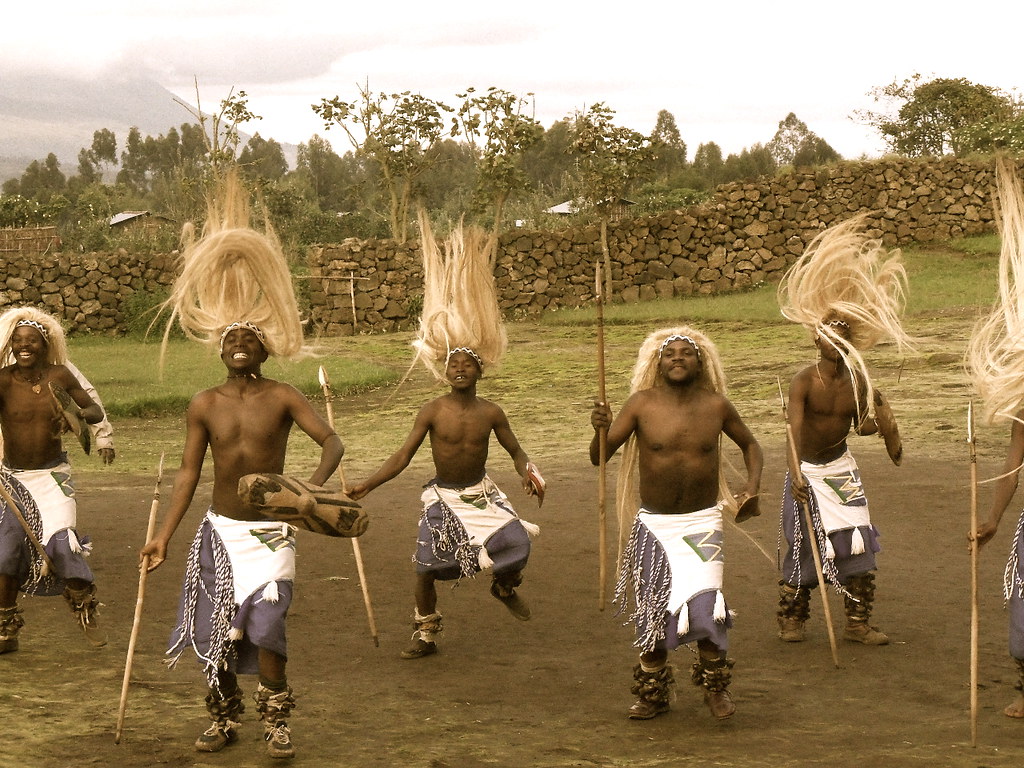
Rwanda culture is deeply rooted in its traditions, community values, and rich history. Known as the “Land of a Thousand Hills,” Rwanda combines its cultural heritage with unique experiences like gorilla trekking in Rwanda at Volcanoes National Park, which draws visitors from around the world. Traditional dance, music, and art reflect the nation’s identity, while local crafts, such as Agaseke baskets, highlight the skills passed down through generations. Cultural hubs like Kigali Genocide Memorial educate on the country’s past, promoting reconciliation. Visitors can also explore intore dance performances and taste Rwandan cuisine like ibirayi and isombe. Rwandan culture complements activities like Rwanda safaris, offering unforgettable interactions with wildlife and traditions.
What are the main ethnic groups in Rwanda, and how do they influence the culture?
Rwanda has three main ethnic groups: the Hutu, the Tutsi, and the Twa. These groups share a lot in common, such as language, traditions, and religions, but their history differentiates them in some ways. Despite having differences mentioned in historical contexts, all Rwandans today emphasize unity instead of focusing on ethnicity.
The Hutu group is the largest, making up about 85% of the population. Traditionally, they were primarily farmers, growing crops like bananas, beans, and potatoes. Their farming practices have been part of Rwandan society for centuries and highlight the importance of agriculture in daily life and culture.
The Tutsi group makes up roughly 14% of the population. Historically, the Tutsi were linked to cattle herding and were known for their connection to livestock. Over time, cattle in Rwandan culture became more than just a source of food; they symbolized wealth, status, and social harmony. This connection influenced cultural practices such as sharing milk as a gesture of friendship.
The Twa, who make up around 1% of the population, are an indigenous group often associated with hunting and pottery-making. They have contributed to Rwanda’s traditional arts, particularly with their pottery skills and storytelling practices.
All these groups contribute to Rwandan culture as a collective. For instance, shared customs like Umuganda (a monthly community service day) reflect values of teamwork and responsibility. Today, rather than focusing on cultural divisions, Rwandans collectively embrace their shared heritage to create a sense of unity and pride.
What are the key traditions and rituals practiced in Rwandan culture?
Rwandan culture highlights rituals and traditions that emphasize family, community, and respect for ancestors. Many significant ceremonies take place around events like births, marriages, and deaths.
A well-known tradition is Gusaba, which is a marriage introduction ceremony. In Gusaba, a groom’s family formally asks for the bride’s family’s blessing through negotiations. This event involves gift-giving, dancing, and a lot of humor. It demonstrates the importance of family ties and bringing people together before a marriage officially takes place.
Another cultural practice is related to Ubuntu, a concept that promotes compassion, generosity, and focusing on the collective well-being over individualism. This attitude often shows up during Umuganda, a tradition where people come together monthly for community service projects like fixing roads or cleaning public spaces.
When it comes to honoring ancestors, Ibyivugo are poems or speeches used during gatherings or ceremonies where people describe their family’s history and achievements. These help preserve oral traditions and promote pride in one’s roots.
In rural areas, one can also find rituals linked to harvest celebrations, where singing and dancing are performed to thank ancestors or spiritual forces for providing a good harvest season. Such gatherings underscore the country’s dependence on agriculture and the close community relationships built through shared labor.
Overall, these rituals show the emphasis on maintaining harmony within families, neighbors, and generations while keeping cultural ties alive.
What role does language play in Rwanda, and what are the primary languages spoken?
Language in Rwanda is more than just a way to communicate, it’s a key part of the country’s identity and history. The most widely spoken language is Kinyarwanda, which is recognized as both the national and official language. Nearly all Rwandans speak it, which helps strengthen unity among different communities.
Kinyarwanda is special because it’s not just a means for everyday conversation, it’s also deeply woven into cultural traditions like storytelling, song, and proverbs. For example, traditional Rwandan folktales are passed down orally in Kinyarwanda, keeping cultural values and morals alive.
In addition to Kinyarwanda, English and French are also official languages, with English being increasingly prominent in schools, government, and business since it was introduced widely after the 1990s. English provides a connection to the global world and international opportunities. French, on the other hand, reflects Rwanda’s past as a colony under Belgium, showing how history has shaped its language practices.
A smaller, yet important, language community also speaks Swahili, which serves as a regional lingua franca for trade across East Africa. Swahili’s use has grown as Rwanda strengthens its ties with neighboring countries in the East African Community.
Together, these languages reveal the diverse influences on Rwanda. At the same time, Kinyarwanda fosters a sense of oneness, showing how language deeply connects people in their cultural and daily lives. For many, speaking it helps them feel connected to their heritage.
How does Rwandan history, including the 1994 genocide, shape its culture today?
Rwanda’s history, particularly the 1994 genocide, has deeply influenced its culture and society. The genocide, during which around 800,000 people were killed in just 100 days, was a horrific event that left deep scars. The divisions between ethnic groups, the Hutu, Tutsi, and Twa, were a major factor in the violence. However, in the decades that have followed, Rwanda has focused on unity, rebuilding, and healing.
One major way that history has shaped the culture is through the emphasis on reconciliation. The Rwandan government implemented programs to bring communities together, such as the Gacaca courts. These were community-based courts meant to address crimes committed during the genocide. This process helped bring accountability while promoting forgiveness and a sense of community.
Today, there is a strong national culture of “Ndi Umunyarwanda”, which translates to “I am Rwandan.” This encourages Rwandans to identify not by their ethnic group but by their shared national identity. There is also a cultural shift toward tolerance and togetherness, with many cultural events and community programs reinforcing unity.
Memorial events, such as Kwibuka (which means “to remember” in Kinyarwanda), are held annually to honor the genocide victims. At these memorials, survivors share their stories, and communities reflect on the past while committing to a peaceful future. These events have become a significant cultural element.
The genocide also influenced the arts and literature in Rwanda. Books, poems, and films often explore themes of loss, survival, and resilience. This has helped preserve the memory of what happened while spreading the message of peace and coexistence globally.
Overall, Rwanda’s culture today reflects its painful history through a focus on healing, unity, and forward progress.
What are the main festivals or celebrations in Rwanda, and what do they signify?
Rwanda has several important festivals and celebrations, many of which highlight its traditions, values, and history. One of the most significant events is Kwibuka, the annual remembrance period for the 1994 genocide. Kwibuka typically begins on April 7th and lasts for 100 days. This solemn time encourages reflection, mourning, and community solidarity. It’s not a joyous occasion but one that matters deeply to Rwandans.
Another major celebration is Umuganura, the Harvest Festival. This event traditionally marked the beginning of the harvest season and was an occasion to give thanks for the bounty. Although it has old roots tied to agriculture, Umuganura has evolved to represent the celebration of Rwandan culture, development, and unity at a national level. It’s a time for dancing, singing, and storytelling. For example, families come together to share food, and communities organize performances to show gratitude for their achievements.
Rwanda also celebrates Independence Day on July 1st, marking its independence from Belgium in 1962. This national holiday involves parades, government speeches, and festive community events. Similarly, Liberation Day on July 4th is significant because it celebrates the end of the genocide, remembering the day the Rwandan Patriotic Front (RPF) ended the violence in 1994.
Different communities and groups within Rwanda also celebrate weddings and traditional ceremonies with their unique customs. For instance, a Rwandan wedding ceremony is rich with cultural rituals such as the giveaway ceremony (Gusaba), where the groom’s family formally asks for the bride’s hand in marriage.
These celebrations signify historical milestones, agricultural traditions, and the importance of community. They continue to strengthen the social bonds and national identity of the people of Rwanda.
What is the significance of music and dance in Rwandan culture?
Music and dance hold an important place in Rwandan culture. They are key ways of expressing emotions, sharing stories, and uniting communities. Traditional Rwandan music often includes poetry, singing, and instrumental performances. The Inanga, a traditional stringed instrument, is one of the most iconic musical instruments, often used to accompany storytelling songs.
Dance, meanwhile, is central to Rwandan ceremonies and celebrations. The most well-known traditional dance is the Intore dance, which is performed by men to represent warriors returning from victory. Dancers wear elaborate costumes, including lion-maned wigs, spears, and shields. This dynamic and energetic dance is accompanied by drumming and encourages pride and remembrance of cultural roots.
Women, on the other hand, perform graceful and elegant dances called Umushayayo. Their movements involve fluid arm gestures, symbolizing joy, welcome, and peace. These dances are not just forms of entertainment but are deeply symbolic, reflecting values such as community and gratitude.
Drums also play an essential part in Rwandan music. Groups of drummers create rhythms that accompany dances and songs. Ingoma drums, for example, are used during important festivities and religious events. Their sound is seen as the heartbeat of Rwandan music.
In modern times, traditional music and dance have been blended with contemporary styles. For example, genres like hip-hop, Afrobeat, and gospel have grown popular, especially with younger generations. Musicians also use their songs to address social issues, promote unity, and document the country’s history.
Overall, music and dance in Rwanda are more than just entertainment; they are a vessel for keeping history alive, celebrating identity, and bringing people together both during traditional ceremonies and modern festivities.
What types of traditional clothing are common in Rwanda?
In Rwanda, traditional clothing serves as an important part of the culture and identity. One typically seen outfit is called the “Umushanana”. This garment is most commonly worn by women for ceremonial or formal events such as weddings, cultural festivals, or other special occasions. The Umushanana consists of a long, flowing skirt paired with a draped sash that is worn over the shoulder and tied at the waist. Underneath, a fitted blouse is typically worn. The material is often vibrant, featuring bold patterns and colorful fabrics that reflect the wearer’s personal taste or the theme of the occasion.
Historically, traditional Rwandan clothing was made from materials like animal hides and tree bark, but with time, people transitioned to softer fabrics such as cotton or silk. In modern times, traditional clothing styles are influenced by regional trends and are often blended with contemporary pieces, but cultural practices ensure that the original designs remain popular during events that celebrate heritage.
For men, traditional clothing does not have a specific name as widely known as the Umushanana, but they are often seen wearing wrap-around cloths similar to togas, combined with sandals or other simple footwear. For less formal daily life, both men and women in Rwanda generally wear modern Western-style clothing, which is convenient and practical for everyday activities.
A modern adaptation has also brought African prints (such as wax prints) into universal Rwandan fashion. These prints are tailored into dresses, shirts, or skirts, reflecting individual and national pride. Though traditional attire is no longer worn daily, its cultural significance remains highly respected.
Example: During Independence Day or Kwita Izina (the Gorilla naming ceremony), many Rwandans wear their traditional clothing to honor their cultural heritage.
How do Rwandans approach and celebrate family and community life?
Family and community are the core foundations of Rwandan culture. Relationships with family are highly valued, and many customs revolve around ensuring strong bonds between relatives and neighbors. In Rwanda, extended families often live together or close to each other. It is common for a household to include not just parents and children but also grandparents, aunts, uncles, and cousins.
Rwandans typically value collective well-being over individual desires. This can be seen through the practice of offering mutual help during farming, house building, or addressing financial challenges. For example, groups of people in a village may come together for a traditional work party, called “Umuganda.” Held on the last Saturday of every month, Umuganda brings the entire community together to engage in community service projects like cleaning streets, planting trees, or fixing shared facilities.
Family celebrations and milestones hold particular importance. Events like weddings, births, and funerals are often large gatherings where extended family and friends come together. Weddings, for instance, involve multiple stages, including traditional engagements (sometimes referred to as “Gusaba”), formal blessings, and modern receptions. These events are opportunities for families to connect, share meals, and celebrate their shared heritage.
Another element of family life in Rwanda is the emphasis on respect for elders. Elders are considered key bearers of wisdom and tradition, and their opinions are highly regarded in decision-making. Children are taught from a young age to assist and be attentive to older family members.
Example: During a family gathering, younger family members may serve food or drinks to the elders as a sign of respect. Similarly, if there is a conflict in the family, elders often mediate and provide guidance.
Overall, the focus on mutual responsibility and togetherness helps preserve a sense of identity and harmony in Rwandan society.
What are the traditional foods and dietary customs in Rwanda?
Rwandan cuisine is simple yet nutritious, featuring fresh, local ingredients. Meals are often based on plants and carbohydrates, as meat is relatively expensive and reserved for special occasions. Staple foods include sweet potatoes, cassava, bananas, beans, and maize. These are prepared in various ways, such as boiling, frying, or mashing.
One of the most beloved traditional dishes is “Ugali”, a starchy, porridge-like food made from maize or cassava flour. Ugali is often served with accompaniments like beans or leafy vegetables. “Isombe”, a dish made from cassava leaves cooked with ground peanuts or palm oil, is also a favorite in Rwandan households.
In rural areas, people often eat simple meals prepared with freshly available ingredients. Meat-based dishes, such as goat or beef, are luxuries typically saved for events like weddings, religious holidays, or when hosting guests. A common and popular snack is brochettes, which are skewers of grilled meat (usually goat, chicken, or fish). These are often sold at roadside stalls.
Milk is especially significant in Rwandan dietary customs due to the agricultural lifestyle of raising cattle. A drink called “Ikivuguto” is a fermented milk beverage similar to yogurt, which is both refreshing and nutritious. It is commonly consumed as part of breakfast or as a standalone treat.
Rwandans usually eat two main meals a day, with lunch being the heavier meal. Breakfast often includes tea (sweetened milk tea called “chai”) paired with bread or porridge. Sharing meals with visitors is an important custom, with politeness dictating that every guest is offered food or tea upon arrival.
Example: During celebrations such as naming ceremonies, families prepare large quantities of food to share with the community, ensuring that everyone in the neighborhood is well-fed and included.
How do Rwandans express their art, crafts, and storytelling traditions?
Art, crafts, and storytelling in Rwanda serve as an integral part of its cultural identity and history. Expression through these forms allows Rwandans to preserve their heritage and communicate values, history, and traditions across generations.
Rwandan art is often inspired by nature, daily life, and cultural themes. For example, one of the most prominent forms of art is basket weaving. The “agaseke,” or the traditional Rwandan peace basket, is a beautifully woven basket characterized by vibrant patterns and intricate designs. It is typically made by women using sisal fibers and natural dyes. These baskets are symbolic of peace, unity, and goodwill and are often exchanged during special occasions like weddings.
Craftsmanship in Rwanda also includes pottery and woodcarving. These handmade creations often have practical uses, such as pots for cooking or traditional wooden stools, and they are also admired for their decorative value.
Storytelling plays a vital role in passing down morals and preserving history. Through oral narratives, elders share tales of bravery, folktales with animals as key characters (like intare, meaning lion), or stories of historical events. These stories often include life lessons and reflect the communal values of Rwandan society, such as respect and perseverance.
Traditional music and dance are closely tied to storytelling. For instance, the “ikembe” (a thumb piano) and the “umuduli” (a string instrument) are used to accompany stories and songs. This connection enhances the emotional and cultural resonance of the stories being shared. Together, these practices celebrate Rwanda’s communal spirit, history, and artistic tradition.
What role does religion play in shaping Rwandan culture?
Religion holds substantial importance in Rwanda, influencing social behavior, communal activities, and individual identity. The two main religions are Christianity and Islam.
Christianity is the dominant religion, with most Rwandans identifying as Roman Catholic, Protestant, or part of other Christian denominations. During colonial times, Catholic missionaries played a large role in introducing Christianity to Rwanda. Sunday church services are significant occasions, often involving prayer, singing, and communal gatherings. Churches also serve as a support system for education, charity, and healthcare initiatives.
Islam, though practiced by a smaller percentage, also has a notable presence, especially in urban areas. Followers observe Islamic rituals such as daily prayers, fasting during Ramadan, and celebrations like Eid al-Fitr and Eid al-Adha.
Traditional indigenous beliefs still exist, although they have become less prominent over time. These beliefs are rooted in respect for ancestors and the spiritual world. For example, offerings and rituals may be performed to seek blessings or guidance from ancestral spirits.
Religion in Rwanda bridges people by promoting values like compassion, community, and forgiveness. This was particularly important after the 1994 genocide, as faith organizations played a major role in reconciliation efforts. Events like communal prayer and peacebuilding programs sponsored by religious communities helped to heal emotional wounds and bring people together.
Religion not only provides a moral framework but also contributes to cultural celebrations and ceremonies. For instance, life events such as weddings and funerals often incorporate religious practices and blessings, reflecting its centrality in everyday life.
What are the key values and social norms that guide Rwandan society?
Rwandan society emphasizes community, respect, discipline, and unity. These values are deeply embedded in everyday interactions and are integral to maintaining social harmony.
One key value is the importance of “umuryango,” or family. Family is not limited to immediate relatives but includes extended members and the broader community. Social norms encourage individuals to contribute to the well-being of their family and maintain strong connections. For example, communal efforts are vital during ceremonies and traditional events like weddings, where family and neighbors come together to assist.
Respect for elders is another significant principle. Elders are seen as the keepers of wisdom and play a central role in guiding younger generations. Greeting elders respectfully, seeking their advice, and listening to their stories are ways this respect manifests in daily life.
Unity and reconciliation have become even more influential following Rwanda’s history of division and conflict, particularly the 1994 genocide. Today, initiatives and national programs like “Ndi Umunyarwanda” (translated as “I am Rwandan”) emphasize collective national identity over ethnic differences.
Community-focused activities like “umuganda” also showcase these norms. Umuganda is a designated monthly day of community service where citizens clean streets, repair buildings, and contribute to projects that benefit everyone. This practice reflects a broader norm of putting the collective good above individual interests.
Additionally, manners and politeness are vital. Greeting others properly, using courteous language, and respecting personal space and hospitality are all deeply ingrained social norms.
These values influence the moral compass of Rwandan society, shaping its strong emphasis on community cohesion, mutual respect, and responsibility.
How To Book Your Safari in Rwanda
Rwanda’s culture is a vibrant blend of traditions, music, dance, and deep community values. This article explored what defines Rwandan culture, how its heritage is preserved, and why it’s so unique and meaningful. Ready to experience this incredible culture firsthand? Book your cultural adventure today with trusted Rwanda Safari Companies. They’ll guide you through an enriching journey filled with unforgettable encounters in the heart of Rwanda. Don’t miss out, start planning your safari now!
Rwanda Food Guide
For an authentic dining experience during your trip, Where to Eat in Rwanda includes standout options like Heaven Restaurant & Boutique Hotel in Kigali, known for its gourmet twists on Rwandan cuisine. For a meal near Volcanoes National Park, try The Nest for fresh, locally sourced dishes perfect after gorilla trekking in Rwanda. In Musanze, Volcana Lounge offers hearty meals ideal for travelers on Rwanda safaris. For lakeside dining, head to Hotel des Mille Collines in Kigali or Planète Club on Lake Kivu for fresh fish and scenic views.
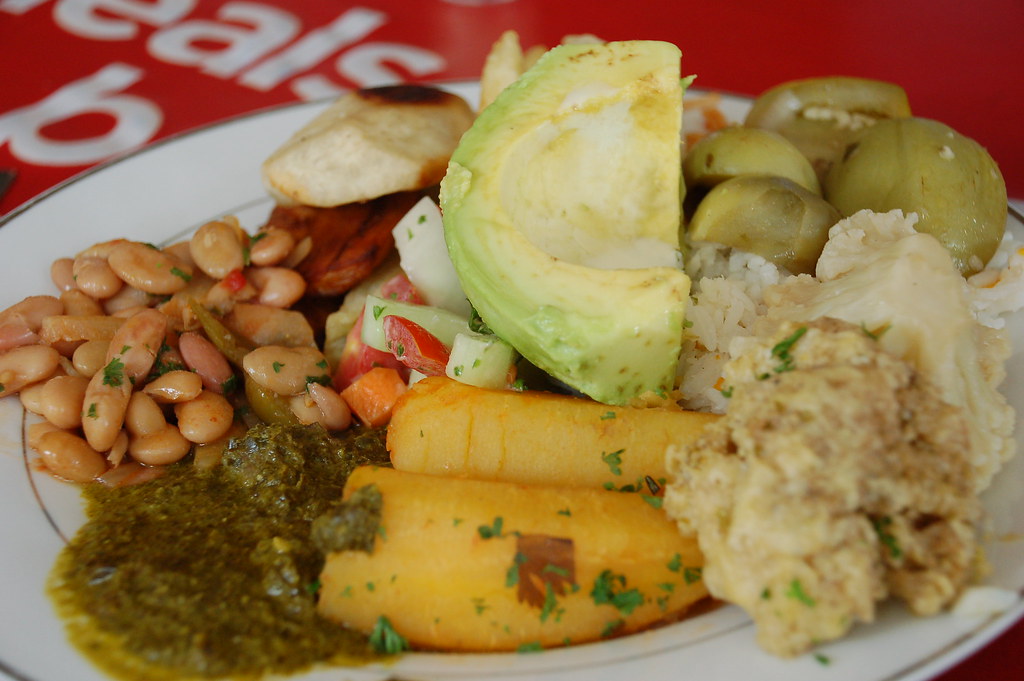
What are the most popular local dishes in Rwanda?
Rwanda has a rich culinary tradition rooted in agriculture, with dishes often centered around locally grown ingredients. One of the most popular staples is ugali, a starchy dish made from maize or cassava flour. It has a dough-like consistency and is typically served with vegetables, beans, or meat stews. Ugali is very filling and forms the backbone of many meals in Rwandan households.
Another beloved dish is isombe, which consists of cassava leaves that are mashed and cooked with ground peanuts or palm oil for flavor. This dish is commonly prepared during family meals and goes well with rice, plantains, or sweet potatoes.
Matoke, or stewed green bananas, is another favorite in Rwanda. This dish involves cooking unripe bananas with onions, tomatoes, and a blend of seasonings until tender, resulting in a slightly sweet and savory flavor.
Beans are a significant part of the Rwandan diet. A dish referred to as ibishyimbo, or bean stew, is often enjoyed with rice or other staples. Similarly, brochettes, which are meat or fish skewers, are highly popular. These are often seasoned, grilled, and served with accompaniments like French fries, plantains, or vegetables.
Milk holds a special cultural significance in Rwanda and is consumed in various forms. For example, ikivuguto is a traditional fermented milk drink that’s tangy and thick in texture – much like yogurt.
For a treat, people enjoy mandazi, which are sweet, fried dough snacks similar to donuts but less sugary.
These dishes reflect the simplicity and deep connection to agriculture that defines Rwandan cuisine.
Where can I find the best traditional Rwandan food?
To enjoy authentic traditional Rwandan food, try visiting local restaurants known as “melange” eateries, scattered across Kigali and other towns. These places serve common Rwandan meal combinations, typically featuring potatoes, beans, cassava leaves, and sometimes meat.
One popular location in Kigali is Chez Lando. Known for its vibrant atmosphere, it serves dishes like brochettes and plantains alongside other Rwandan classics.
Another great spot is Simba Supermarket Food Court, where local food options are served fresh daily. It’s common to see traditional meals offered at food counters here, allowing diners to mix and match their plates with staples like rice, isombe, and stewed beans.
Afrika Bite, located in Kigali, is another excellent choice for Rwandan cuisine. Their buffet allows guests to try an array of traditional dishes affordably, including matoke and ugali.
For a more rural and authentic experience, visiting local markets is a great way to try Rwandan finger foods or snacks like mandazi. The markets also give insight into the types of ingredients that go into everyday cooking. Engage with street vendors in places like Nyamirambo in Kigali, where families often prepare home-cooked Rwandan recipes.
If you’re looking for an alternative to urban dining, consider staying with local families in villages. This can be arranged through cultural tourism organizations, and it’s the best way to experience fresh, homemade, traditional meals. Rural dining often includes freshly roasted meats, organic vegetables, and the tangy fermented milk, ikivuguto.
Are there any must-visit restaurants in Kigali?
Kigali, the capital of Rwanda, offers a variety of restaurants catering to diverse preferences. If you’re seeking meals with a touch of Rwandan culture, Repub Lounge is a top-rated pick. They serve both local and fusion dishes with a menu that often features brochettes, sweet potatoes, and playful spins on traditional isombe.
Another highly recommended spot is The Hut, where a blend of contemporary dining and traditional African cuisine creates a memorable dining experience. Their menu includes Rwandan staples, regional dishes, and even some Indian-inspired options.
Inzora Rooftop Café, while known primarily for its coffee and relaxing ambiance, also serves simple meals and snacks curated from locally sourced ingredients. It’s a perfect stop for light dining.
For high-end dining, Brachetto is a favorite among locals and visitors alike. Though its focus leans more toward European and Italian cuisine, the restaurant occasionally incorporates Rwandan dishes into its specials.
Foodies with a taste for eco-conscious and organic dining will enjoy Kimironko Market food stalls. While mostly a bustling marketplace for fresh produce, several small pop-up eateries make it an ideal place to grab a local quick bite.
Finally, those looking for a fine gastronomic experience should visit Fusion Restaurant at The Retreat Kigali, renowned for its upscale mix of African, European, and Asian influences. It’s a bit pricier, but its curated dishes leave a lasting impression.
What are the best spots for street food in Rwanda?
Street food in Rwanda offers an affordable and flavorful way to try local dishes, particularly in busy cities like Kigali or smaller towns such as Musanze. A popular dish you’ll find at most street food stalls is brochettes, which are skewers of grilled meat (goat, fish, or sometimes chicken). They are often marinated with spices, grilled to perfection, and served with fried plantains or potatoes.
In Kimironko Market in Kigali, street vendors sell everything from grilled corn to fresh sambusas (similar to samosas, with fillings like spiced meat or vegetables). Another market, Nyamirambo, is known for its lively atmosphere and a variety of food stalls that sell items like freshly made chapati (flatbread), mandazi (a type of sweet doughnut), and affordable Rwandan dishes.
Food stalls near bus stops or neighborhood centers are also great places to find street food. Look for items like crispy fried tilapia, boiled maize (corn on the cob), and “Agatogo,” a stew made with plantains, vegetables, and optional meat.
When trying street food, it’s a good idea to focus on vendors with a large crowd, as this indicates the food is fresh and popular with locals. For example, check out Gisimenti Night Food Market in Kigali, which is busy at night and serves an array of grilled dishes, snacks, and juices. Hygiene varies among vendors, so you might want to prioritize freshly prepared food.
Are there international cuisine options available in Rwanda, and where?
Rwanda, especially Kigali, offers a range of international cuisine options to suit various tastes. These options include Indian, Chinese, Italian, Lebanese, Ethiopian, and more. Restaurants featuring such cuisines are typically found in urban areas, frequented by both residents and travelers.
For Indian cuisine, try Khana Khazana in Kigali, a well-known restaurant serving dishes such as butter chicken, biryani, and naan bread. If you’re in the mood for Chinese food, Bamboo Rooftop Restaurant offers favorites like fried rice, dumplings, and noodles. Those seeking Italian dishes can visit Soleluna, known for its pizzas, pasta dishes, and a family-friendly atmosphere.
Rwanda also has a significant influence from Middle Eastern and Lebanese dining. Meze Fresh provides Mediterranean and Mexican fusion dishes like tacos, burritos, and kebabs, which are a hit with younger diners and expatriates. For Ethiopian cuisine, check out Habesha Ethiopian Restaurant, where dishes like injera (spongy flatbread) are served alongside richly spiced stews (known as wot).
International fast food chains are not as common, but there are a few places that serve Western-style burgers, fries, and sandwiches, such as Riders Lounge and Java House. Cafes often blend Western food with local ingredients.
For travelers outside Kigali, international options can be found in tourist-friendly areas like Musanze or near Lake Kivu. However, these might be more limited in variety compared to Kigali.
What are the most recommended fine dining establishments in Rwanda?
Rwanda’s fine dining experiences are largely concentrated in Kigali, where high-end restaurants offer premium food, sophisticated ambiance, and exceptional service. One of the top recommendations is Heaven Restaurant, which combines modern Rwandan cuisine with an international twist. Located in the Kiyovu neighborhood, this venue offers dishes like grilled fish with spicy plantains, goat cheese salads, and even a wide array of wines.
Fusion Restaurant, located inside The Retreat boutique hotel, provides a mix of African, Asian, and Western flavors. Known for using locally-sourced, organic ingredients, this place serves items like fresh fish carpaccio or a flavorful lamb curry. The serene garden setting adds to its appeal.
For a French-style fine dining experience, Repub Lounge stands out. The restaurant showcases traditional Rwandan foods like cassava leaves, but with elevated presentation and top-quality ingredients. It also blends local dishes with international techniques.
Those interested in dining near breathtaking views should consider Pili Pili. While it is more casual, it is known for its high-quality steaks, seafood platters, and wood-fired pizzas. Visitors appreciate the restaurant’s modern vibe, high-up location, and a pool area where you can watch the city lights.
Fine dining establishments often require reservations, especially on weekends. Although these restaurants are pricier than others in Rwanda, they offer unique dishes and memorable service, making them worth splurging on special occasions.
Are there vegetarian or vegan-friendly restaurants in Rwanda?
Yes, vegetarian and vegan-friendly dining options are available in Rwanda, particularly in the capital city, Kigali. Many restaurants in Kigali cater to diverse dietary preferences, reflecting the growing awareness of plant-based diets. Some establishments provide explicitly vegetarian and vegan dishes, while others are willing to adjust existing menu items to accommodate dietary restrictions.
For example, restaurants like Meze Fresh, a popular spot for build-your-own burritos and bowls, offer a variety of vegetable and bean-based fillings, making it easy for vegetarians and vegans to create satisfying meals. Similarly, Turambe Shoppe is another excellent choice for wholesome, plant-based meals with fresh salads, wraps, and smoothies.
Traditional Rwandan cuisine can also be suitable for vegetarians. Many local dishes, like ibihaza (pumpkin stew), isombe (cassava leaves with peanut sauce), and varieties of beans, maize, and sweet potatoes, are naturally plant-based. Visiting traditional eateries or local markets offers great opportunities to enjoy these naturally vegetarian dishes.
For fully vegan or vegetarian-dedicated restaurants, options may be more limited beyond Kigali. However, with the increasing popularity of plant-based eating worldwide, many hotels and restaurants throughout the country are accommodating requests for vegetarian or vegan meals. It’s always advisable to communicate your dietary preferences in advance, especially when traveling outside major cities.
In short, while Kigali offers a more diverse selection of vegan and vegetarian options, it’s still possible to enjoy plant-based meals throughout Rwanda, especially by exploring dishes rooted in traditional local cuisine.
How affordable are food and dining options in different parts of Rwanda?
The cost of food and dining in Rwanda varies depending on where you are eating. In general, food is considered quite affordable compared to many other countries. Local eateries and street stalls offer budget-friendly options, while high-end restaurants in urban areas like Kigali are pricier but still reasonable by international standards.
For a budget-friendly meal, local restaurants known as “melanges” serve traditional Rwandan dishes like beans, rice, plantains, and stews for as little as 1,500–3,000 RWF (about $1.25–$2.50 USD). A plate often includes a variety of items, ensuring it is filling and nutritious.
Street food, such as brochettes (grilled meat or vegetable skewers) and fresh fruit from markets, is even more affordable, costing around 500–1,000 RWF ($0.50–$1 USD) per item. These stalls are common and offer great value.
Mid-range restaurants in cities, offering both local and international cuisines, may cost around 6,000–12,000 RWF ($5–$10 USD) per person for a decent meal, including a drink. Examples include cafes or casual dining spots in Kigali.
For fine dining or specialty restaurants, meals may range from 15,000–40,000 RWF ($12–$35 USD) depending on the establishment and menu. High-end places tend to focus on international cuisine or upscale takes on Rwandan dishes, often located in luxury hotels.
In smaller towns or rural areas, you’ll find very inexpensive food, but the variety may be more limited, mostly revolving around staples like bananas, cassava, and beans.
Overall, whether you’re a budget traveler or ready to splurge, Rwanda offers dining options to suit almost any price range.
What are the best locations for coffee and tea in Rwanda?
Rwanda is renowned for its coffee and tea, both of which are key exports and hold a special place in the country’s culture. Whether you’re a fan of a good cup of coffee or a soothing tea, there are plenty of excellent places to enjoy these beverages.
For coffee lovers, Question Coffee in Kigali stands out as one of the best spots. They serve high-quality Rwandan coffee grown by local farmers, and the staff often shares insights into the coffee-making process. You can try different types of coffee, ranging from espresso to pour-over. This café also offers barista training programs, making it a favorite among coffee enthusiasts.
Inzora Rooftop Café, also located in Kigali, is another fantastic place for coffee. It offers a cozy atmosphere with stunning rooftop views, making it a great spot to relax while sipping a cappuccino or enjoying French press coffee. They prioritize locally sourced coffee beans to support domestic agriculture.
If you’re more inclined toward tea, Rwanda has options for you too. The country produces some of the finest black tea, much of which is grown in areas like Nyungwe and the Northern Province. Enjoying tea in rural guesthouses or tea plantations is a unique experience that connects one to the countryside.
Tea houses like Bourbon Coffee in Kigali serve classic, locally sourced tea and coffee. For a quieter and more immersive experience, you can visit tea-growing areas such as the Nyungwe Forest region, where some lodges provide tea-tasting tours.
In rural areas, many small shops and markets sell African tea, a popular drink made of black tea brewed with milk, sugar, and sometimes spices like ginger. It’s a delicious and comforting beverage that locals enjoy daily.
In essence, whether enjoying coffee in an urban café or experiencing tea at its source in the countryside, Rwanda has excellent options for appreciating these beloved drinks.
Are there any food festivals or culinary events in Rwanda to explore?
Rwanda hosts various food festivals and culinary events throughout the year, offering people the opportunity to enjoy local cuisine, connect with farmers and chefs, and gain insight into the food culture. One prominent event is the Rwanda Coffee Festival, which highlights the country’s reputation for producing world-class coffee. Visitors can participate in coffee tastings, learn about the production process, and meet local coffee growers.
Another popular event is the Rwanda Dairy and Meat Festival, which is focused on showcasing locally-sourced dairy products like milk and cheese, as well as meat products from Rwandan farms. This festival often includes live cooking demonstrations and cultural performances.
The Kigali Farmers’ and Artisans’ Market is another notable gathering that happens monthly. It offers not only fresh produce but also prepared dishes, baked goods, and drinks from around Rwanda. It’s an excellent way to support local producers and try traditional and modern Rwandan foods in one location.
Smaller-scale events sometimes take place in Kigali and other urban areas, such as themed culinary nights or food tasting events organized by restaurants or expatriate groups. While these might not qualify as full festivals, they can be enjoyable for exploring different cuisines present in the country.
If you’re visiting Rwanda, it’s a good idea to check event listings or social media platforms for updated schedules. These events are a fun way to mix with locals and learn about the food traditions that hold cultural significance in Rwanda.
Are there specific dietary considerations or customs to be aware of when eating in Rwanda?
When eating in Rwanda, there are several dietary customs and considerations to be mindful of. One key aspect of Rwandan dining culture is its focus on communal meals, especially in rural areas. Meals are often shared amongst family members, and it is customary to eat together as a sign of unity and bonding.
Politeness is a major part of dining etiquette. For example, it is considered courteous to wash your hands before eating, especially if you are dining in someone’s home. Many traditional meals involve using your hands instead of cutlery, though utensils are available in most urban restaurants.
Another consideration is that people commonly eat plant-based staples like beans, sweet potatoes, cassava, and plantains, often paired with side dishes such as soups or sauces. If you have specific food allergies or preferences, it can be helpful to learn a few Kinyarwanda phrases to communicate this, though English and French are widely spoken in urban areas.
A common custom involves respecting the host’s choices of food when invited to eat in someone’s home. Refusing food could be seen as impolite, so even if you’re not a fan of a certain ingredient, it’s appreciated to try a small amount.
For dietary restrictions, vegetarians and vegans will find it relatively straightforward to eat in many areas, as many traditional meals are plant-based. However, those requiring gluten-free options may need to clarify their needs, as bread and grains are staples in some meals.
Lastly, note that drinking alcohol during meals is not always socially acceptable in rural settings, even though it is more common at urban restaurants.
Can I find organic or farm-to-table dining options in Rwanda?
Yes, organic and farm-to-table dining options are increasingly available in Rwanda, especially in Kigali and other urban centers. Many restaurants are committed to sourcing local, fresh, and organic ingredients to create their menu offerings. This aligns well with Rwanda’s agricultural focus and the abundance of fresh produce found in the country.
An example of farm-to-table dining is the well-known restaurant The Hut in Kigali, which uses locally and sustainably grown ingredients in most of its dishes. They often advertise their focus on fresh vegetables, herbs, and fruits sourced directly from nearby farms. Similarly, Heaven Restaurant & Boutique Hotel regularly incorporates ingredients from their own gardens or local cooperatives, giving diners high-quality organic meals.
Many coffee shops, such as Question Coffee, also pride themselves on promoting organic and fair-trade practices. They collaborate with Rwandan coffee farmers and train them to follow sustainable practices, ensuring not only excellent coffee but also support for local communities.
For those interested in directly connecting with growers, visiting farmers’ markets or cooperatives like the Kimironko Market is a fantastic option. While it’s not a dining establishment, you can see the array of organic produce firsthand, which gives you a sense of how much fresh food contributes to local cuisine.
Whether you are looking for fine dining or casual restaurants, many establishments in Rwanda have prioritized offering meals made from organic and naturally sourced ingredients. This trend is likely to grow as demand for sustainable eating continues to rise.
How to Book Your Safari in Rwanda
Looking for great places to eat in Rwanda? This guide broke down the ‘what,’ ‘how,’ and ‘why’ of enjoying local food, from traditional Rwandan dishes to modern dining spots in Kigali and beyond. Ready to explore these culinary delights while discovering Rwanda’s natural beauty? Book your trip with one of the trusted Rwanda Safari Companies. They’ll help combine your food adventures with unforgettable wildlife safaris. Start planning today!
Voluntourism in Rwanda
Voluntourism in Rwanda offers opportunities to contribute to local communities while exploring the country’s unique attractions. Participants can engage in education, healthcare, or conservation projects, such as assisting with wildlife protection efforts in Volcanoes National Park. This experience can be combined with gorilla trekking in Rwanda, where visitors hike through lush forests to observe endangered mountain gorillas. Additionally, voluntourists can enjoy Rwanda safaris in Akagera National Park, experiencing diverse wildlife, or learn about local traditions in cultural villages. Voluntourism allows travelers to support sustainable development and experience Rwanda’s natural beauty and rich cultural heritage.
What is voluntourism, and how does it differ from traditional tourism?
Voluntourism is a combination of volunteering and tourism, where travelers engage in activities that contribute to the wellbeing of a community, environment, or cause during their trip. Instead of just visiting places for leisure or sightseeing (as with traditional tourism), voluntourists spend part of their time actively working on local projects, such as teaching, building schools, helping with wildlife conservation, or engaging in community development.
The key difference between voluntourism and traditional tourism lies in the purpose of the trip. In traditional tourism, the focus is mostly on relaxation, exploration, or cultural enrichment. For example, a traditional tourist might visit famous landmarks, enjoy resorts, or partake in cultural festivals. On the other hand, a voluntourist places emphasis not only on experiencing the culture but also on contributing to something meaningful in the host community.
Additionally, the activities of voluntourists are usually structured and organized by specific programs, often run by non-profits, NGOs, or travel agencies offering volunteer-focused experiences. These programs may include interactions with locals, who guide voluntourists on the specific needs of the area.
For example, a traditional tourist visiting a rural area might enjoy a guided hike, while a voluntourist in the same area might work on a project to build a hiking trail, assist with cleaning the area, or teach nearby residents how to promote the site for tourism.
Though voluntourism offers a deeper connection to the destination, it also raises questions about whether the contributions truly benefit the community or inadvertently cause harm (such as dependency or cultural misunderstanding). Because of this, voluntourists need to research and understand what kind of impact their participation will have before committing to any program.
Why is Rwanda a popular destination for voluntourism?
Rwanda has become a well-known destination for voluntourism thanks to its rich culture, welcoming communities, and specific areas of need such as health, education, and wildlife conservation. The country’s remarkable recovery from the 1994 genocide has inspired many people around the world to participate in efforts to help sustain its progress and support its development.
One of the main reasons Rwanda attracts voluntourists is its dedication to wildlife conservation, especially involving mountain gorillas. Rwanda is one of only a few places in the world where tourists can see critically endangered mountain gorillas in their natural habitat. Conservation volunteers work to protect the gorillas and their environment in cooperation with local authorities and organizations.
Another draw is the opportunity to work alongside local communities who often welcome international volunteers. Many programs focus on offering assistance in rural areas, such as improving access to education or healthcare. For example, voluntourists may teach English, work on infrastructure development projects, or create workshops for children or farmers.
Rwanda’s focus on sustainability and community-driven growth further encourages voluntourism. For many, the experience of connecting deeply with Rwandan traditions, arts, and its post-genocide resilience adds a personal and meaningful element to the trip that simple tourism cannot provide.
Additionally, Rwanda’s beautiful landscapes, from its rolling hills to picturesque national parks like Akagera and Nyungwe, serve as an attractive backdrop for the voluntourism experience. Those who visit can engage in impactful work while also exploring the country’s scenic beauty.
What kinds of volunteer opportunities are available in Rwanda?
In Rwanda, there are a variety of volunteer opportunities that cater to the country’s economic, social, and environmental priorities. These programs are typically organized by local NGOs or international organizations and often address areas like education, healthcare, and environmental conservation.
- Education Programs: Many volunteering opportunities in Rwanda focus on supporting schools and educational outreach. Volunteers can teach English, math, or science to children in rural areas with limited access to quality education. For example, some programs assign volunteers to teach conversational English to primary or secondary school students. Others might involve helping to develop extracurricular activities like sports or music programs.
- Healthcare Support: Volunteers in the healthcare sector assist communities by working in clinics or hospitals, providing health education, or supporting outreach campaigns. For example, a healthcare volunteer might help raise awareness about disease prevention, work alongside local health workers, or support maternal care efforts in rural settings.
- Wildlife Conservation: Rwanda is home to famous mountain gorillas, and many voluntourism projects revolve around protecting them. Conservation volunteers may help with monitoring gorilla populations, educating local communities on wildlife protection, or supporting research efforts. Other wildlife-focused tasks include preserving biodiversity and supporting reforestation projects.
- Women and Youth Empowerment: Many organizations in Rwanda prioritize empowering women and young people through skills training, literacy programs, and workshops. Volunteers can help organize these sessions, mentor participants, or assist with small business development initiatives.
- Construction and Infrastructure: Voluntourists can also assist with infrastructure projects that help improve living conditions in underserved communities. For instance, they may help build schools, install water systems, or develop facilities for community centers.
Rwandan volunteer opportunities generally align with development goals, providing visitors with ways to address targeted needs while fostering mutual learning between voluntourists and locals. It’s important for participants to engage thoughtfully to ensure that their work aligns with what the community truly requires.
How does voluntourism impact local communities in Rwanda, positively and negatively?
Voluntourism can bring both helpful and harmful outcomes for local communities in Rwanda. On the positive side, voluntourism often brings resources and services to communities that may otherwise lack them. For instance, volunteers might work on building schools, teaching in classrooms, or providing medical assistance in remote areas. These efforts can help fill temporary gaps in infrastructure and support local development projects.
Many voluntourists also contribute financially, often spending on lodging, food, and activities, which aids local businesses. Furthermore, these interactions can promote cultural exchange, where both the visitors and the local communities learn from each other, fostering understanding and communication across cultures.
On the downside, voluntourism can sometimes have unintended negative consequences. For example, untrained volunteers working on critical tasks (like teaching or healthcare) may provide subpar results compared to trained professionals. This reliance on short-term volunteers can also disrupt long-term planning. Over time, locals might become dependent on external help, potentially discouraging self-sufficiency or long-term capacity-building efforts.
Another potential harm is the risk of “voluntourism traps.” Some programs may exist mainly to attract money from volunteers rather than addressing actual community needs. For instance, building a school in an area that already has enough schools or running poorly planned projects could waste money and effort. Cultural misunderstandings can also occur if volunteers fail to engage with local traditions respectfully.
As a whole, voluntourism has its pros and cons. Its impact largely depends on whether the programs are well-designed and if volunteers are guided by cultural sensitivity and proper training.
What are the ethical considerations surrounding voluntourism in Rwanda?
There are several important ethical considerations when it comes to voluntourism in Rwanda, with the primary focus being on whether the activities benefit the communities involved.
One key issue is the motivation of the voluntourist. If people primarily visit to enhance their own experiences, such as getting interesting photos for social media or feeling good about themselves, this can lead to projects that benefit volunteers more than the locals. Ethical voluntourism should always prioritize genuine community needs rather than the personal desires of travelers.
Another issue is the importance of skill-based volunteering. Volunteers should ask themselves whether they are the right person for the task. For example, teaching children requires actual training in education. Volunteers without proper qualifications may risk delivering poor results, and in such cases, funding local experts can often be more effective.
Ethical programs must also respect cultural values and traditions. Volunteers should take time to learn about the local customs to avoid offending or imposing their own way of life on the community. This consideration applies to how volunteers dress, behave, and communicate during their stay.
Transparency about where program fees go is another consideration. Many voluntourism organizations charge fees, but not all of that money goes toward the community. Ethical programs should provide clear information about how resources are distributed and ensure the funds directly assist the project.
Lastly, voluntourists should avoid reinforcing stereotypes of poverty or turning communities into “poverty tourism” attractions. Instead, the focus should be on partnership and empowerment, ensuring ethical integrity in every step of the process.
How can voluntourists ensure their contributions are genuinely beneficial to Rwandan communities?
Ensuring a meaningful and beneficial impact starts with choosing the right program. Voluntourists should thoroughly research organizations to determine whether they work closely with local partners and have a long-term vision for making a difference. Programs that directly involve communities in decision-making are typically more effective because they reflect real, identified needs. Asking questions like “How are the communities consulted?” and “Who benefits most?” can offer insights into their practices.
Next, voluntourists should focus on providing a service that matches their skill set. For example, medical professionals or educators can make a real difference in their fields of expertise. Offering unqualified help in technical areas, like teaching a subject you don’t understand or building infrastructure without guidance, can sometimes do more harm than good.
Voluntourists should also spend time learning about Rwandan culture and local challenges before their visit. Understanding the history, culture, and socioeconomic factors of the region will help them become more respectful, effective contributors. For example, understanding the history of Rwanda’s 1994 genocide and its recovery journey can bring greater awareness to the delicate social dynamics still in play.
Another way to contribute beneficially is to avoid short-term fixes that don’t lead to lasting results. Successful programs focus on creating sustainable change, such as providing resources that communities can continue to use or transferring skills that local people can take forward on their own.
Lastly, voluntourists should communicate with humility and listen to the communities’ needs rather than assuming they already know the answers. By focusing on collaboration rather than authority, voluntourists become partners in development rather than outsiders dictating solutions.
What role do wildlife conservation and environmental sustainability play in Rwanda’s voluntourism sector?
Wildlife conservation and environmental sustainability are central to Rwanda’s voluntourism efforts. Rwanda is home to critical ecosystems, including national parks like Volcanoes National Park (known for mountain gorillas), Akagera National Park, and Nyungwe Forest National Park. Protecting these areas is vital, as they house endangered species like the mountain gorillas and golden monkeys. Voluntourism programs often involve activities like rehabilitating habitats, tracking animal populations, and educating local communities about conservation. This helps preserve biodiversity while ensuring that the environment remains intact.
For instance, one common wildlife conservation task is assisting rangers in monitoring gorilla families. Volunteers might accompany researchers into the forests to collect data, observe animal behavior, and record any health issues in the gorilla groups. These efforts directly aid in safeguarding their population, which has slowly increased due to such initiatives.
Environmental sustainability is another key focus. Volunteers might work on reforestation projects, where they plant native trees to replace forests damaged by farming or illegal activities. These projects not only restore the environment but also help mitigate climate change by reducing deforestation.
By engaging in these activities, volunteers contribute to the livelihoods of local communities. Eco-tourism, supported by wildlife conservation efforts, generates income for people living near protected areas. For example, a portion of the fees paid by tourists or voluntourists is often reinvested in schools, clinics, or community development projects, providing tangible benefits for locals.
However, there are challenges. If conservation programs are poorly managed or focused solely on tourism profits, they can displace communities or lead to conflicts over land use. Volunteers should critically evaluate the organizations they work with to ensure their efforts align with the long-term health of the environment and the needs of the people.
How does voluntourism in Rwanda intersect with the country’s history, including its recovery from the 1994 genocide?
Rwanda’s history, particularly the 1994 genocide against the Tutsi, shapes its voluntourism programs. After the genocide, which claimed the lives of around 800,000 people, the country faced immense challenges in rebuilding its economy, infrastructure, and social fabric. International partnerships, including voluntourism, emerged as a way to support recovery and development.
Many voluntourism efforts focus on areas that directly address the aftermath of the genocide. For example, volunteers might work with project-based organizations that support widows or orphaned children, providing education, mental health support, or vocational training. These initiatives aim to heal the psychological wounds left behind, while also equipping affected communities with practical skills to achieve self-sufficiency.
Some programs involve helping with community reconciliation efforts, which remain a cornerstone of Rwanda’s recovery. Volunteers might assist in teaching, building infrastructure such as schools or health centers, or documenting local stories of resilience to raise global awareness. These activities allow visitors to engage with and contribute to the ongoing rebuilding process.
The genocide also highlighted the importance of cultural understanding. Voluntourism programs in Rwanda often emphasize learning about the country’s history, culture, and policies, like its focus on unity and forgiveness. For instance, before starting work, volunteers may visit genocide memorials, such as the Kigali Genocide Memorial, to gain context about the country’s past and understand why their contributions matter.
Care is needed to avoid unintentionally causing harm. Volunteers must avoid activities that risk retraumatizing survivors or creating dependencies between local communities and foreign aid. Responsible voluntourists should aim to engage in recovery efforts that are long-term, respectful, and led by Rwandans themselves.
Are there specific qualifications or skills required to participate in voluntourism programs in Rwanda?
The requirements for voluntourism programs in Rwanda vary depending on the nature of the work. Some projects, like wildlife conservation and environmental initiatives, may not demand formal qualifications but benefit from applicants who are motivated, willing to learn, and physically fit. For example, helping with gorilla monitoring may involve hiking in dense forests, so volunteers need basic physical stamina and preparedness for outdoor conditions.
For projects in healthcare, education, or social work, specific skills are often required. For example, medical voluntourists are usually expected to have formal qualifications such as nursing or medical degrees, especially if they will be interacting directly with patients or providing treatment. Similarly, teaching programs may require fluency in English or French, as these are common languages used in schools, along with skills in classroom management or a background in education.
Some voluntourism programs require soft skills such as listening, empathy, and the ability to work collaboratively with local communities. These can be particularly important for roles that involve direct interaction with survivors of the genocide, children, or vulnerable communities.
Many organizations provide pre-departure training sessions or materials to prepare volunteers, especially if specific expertise is needed. For instance, volunteers working with organizations involved in community development might need to understand cultural sensitivities and be trained in conflict resolution.
While skills are a bonus, a larger emphasis is often placed on having the right attitude: being adaptable, respectful, and willing to follow local leadership. Before applying, it’s important for volunteers to review the program description carefully to ensure they meet the criteria and understand their responsibilities. This helps prevent situations where volunteers feel unprepared or inadvertently disrupt operations due to a lack of necessary expertise.
How does voluntourism in Rwanda impact the economy and employment in the region?
Voluntourism can influence Rwanda’s economy and employment in several ways. On the economic side, voluntourists often spend money on travel, lodging, food, transportation, and local goods, contributing to various sectors, including hospitality and tourism. This spending supports small businesses like guesthouses, restaurants, and craft shops, generating income for local families and communities.
In terms of employment, voluntourism programs create jobs for local guides, translators, administrative staff, and program coordinators who work within the organizations planning these initiatives. For instance, a voluntourist project in a rural area might hire locals to cook meals, transport supplies, or provide cultural orientation sessions. This promotes job creation and skill development, particularly in less economically developed areas.
However, it’s worth noting that not all voluntourism projects stimulate the economy equally. Some programs bring in outside (non-local) workers or rely on donations instead of sustainably engaging local services or hiring local labor. For example, if a school-building project imports all materials and labor from outside the region, it might give little economic benefit to the immediate community.
Voluntourists can maximize their positive impact by supporting organizations that prioritize hiring locals and using the community’s resources whenever possible. Additionally, efforts to include locals in decision-making and leadership roles increase meaningful employment opportunities. This can also help avoid dependency on foreign assistance and foster long-term sustainability within communities.
Examples include hiring local masons for construction-based projects, sourcing food supplies for volunteer kitchens from nearby farmers, and using local drivers or guides for transportation needs. When done responsibly, voluntourism helps build a healthier local economy and improves livelihoods.
What organizations or companies offer responsible voluntourism opportunities in Rwanda?
There are a variety of organizations in Rwanda that focus on providing responsible voluntourism opportunities, ensuring that their projects are beneficial to the local communities rather than exploitative. These organizations strive to meet the needs of the communities they serve, emphasizing collaboration and sustainability.
Azizi Life is one example. This organization works with rural artisans and invites voluntourists to participate in activities like crafting, farming, and cooking alongside locals. This provides visitors with authentic cultural experiences while supporting artisans and their families financially.
Go Volunteer Africa is another well-known network offering a range of programs in Rwanda, including teaching, skills training, and environmental conservation. They emphasize involving the local community in project design and execution to ensure that programs align with their needs and aspirations.
For wildlife conservation, the Dian Fossey Gorilla Fund International allows volunteers to contribute to wildlife research, habitat conservation, and education efforts surrounding Rwanda’s mountain gorillas. This organization works to blend conservation with community development, offering benefits to the people living near natural reserves.
Another notable organization is Giving Way, a platform that connects voluntourists with local non-profits instead of middlemen agencies. They focus on transparency, ensuring funds and efforts are directly tied to a community initiative in need.
It’s critical for voluntourists to research any organization they plan to join. Look for groups with clear goals, evidence of community engagement, and long-term sustainable impacts rather than short-term results. Reading reviews, asking questions about how funds are allocated, and finding groups with certifications or endorsements for ethical practices (like Fair Trade or other eco-social certifications) can also help identify trustworthy organizations.
How can voluntourists ensure they are respecting Rwandan culture and traditions during their stay?
Respecting Rwandan culture and traditions is essential for ensuring a meaningful and positive experience during a voluntourism stay. First, understanding and appreciating local customs requires some preparation. Voluntourists should research Rwanda’s history, traditional values, social norms, and etiquette before arriving. For instance, in Rwanda, greetings are very important, and it’s customary to shake hands with a smile or even offer a slight bow as a sign of respect.
Dressing modestly is another important aspect. Traditional and religious practices encourage conservative clothing choices, especially in rural or formal settings. For example, women should prefer skirts or dresses that cover the knees when engaging with local communities, while both men and women should avoid overly revealing or casual attire.
Language is another area where showing respect is vital. While English, French, and Kinyarwanda are commonly spoken, learning a few basic Kinyarwanda phrases, such as “Muraho” for hello or “Murakoze” for thank you, shows effort and willingness to connect with locals on a deeper level. People often appreciate visitors who attempt to communicate in their native language.
Being sensitive to Rwanda’s history is also key. For example, discussing the 1994 genocide must be approached delicately, and only when locals bring it up or express a readiness to talk. Avoid making comments that might come across as insensitive, such as trivializing the country’s recovery journey.
Lastly, engaging respectfully in local rituals and practices is appreciated. Whether attending a traditional dance, participating in a communal gathering, or observing religious customs, it’s wise to follow the lead of community members to avoid actions that could unintentionally offend.
By taking these simple steps, voluntourists can develop mutual respect and foster positive relationships with the local communities they’re visiting.
How To Book Your Safari in Rwanda
We’ve explored the basics of voluntourism in Rwanda, including what it involves, how it works, and why it can create meaningful connections for travelers and local communities. Ready to plan your own impactful adventure? Check out the trusted Rwanda Safari Companies to book a trip that combines volunteering opportunities with unforgettable safaris. Let your journey create lasting positive change while experiencing the beauty of Rwanda!
Rwanda Interesting Facts
Rwanda, known as the “Land of a Thousand Hills,” is famous for its breathtaking landscapes and unique wildlife experiences. Key Rwanda interesting facts include its world-renowned gorilla trekking in Rwanda within Volcanoes National Park, offering a rare chance to observe mountain gorillas in their natural habitat. The country is also home to exceptional Rwanda safaris, where visitors can explore Akagera National Park for sightings of the Big Five animals. Additionally, Nyungwe Forest National Park features rich biodiversity with rare primates and a canopy walkway. Rwanda’s vibrant culture, clean cities like Kigali, and commitment to conservation make it one of Africa’s top travel destinations.
What is Rwanda known for historically and culturally?
Rwanda is historically known for its strong traditional kingdom structure and the tragic events surrounding the 1994 Genocide against the Tutsi. Before colonization, the Rwandan kingdom was organized with a king, called the Mwami, who led the people of the region. The ethnic groups of Rwanda, Hutu, Tutsi, and Twa, coexisted under this traditional system, although social distinctions existed.
A significant historical event that shaped Rwanda was the 1994 genocide, where approximately 800,000 people, primarily Tutsi, were killed in a span of about 100 days due to ethnic tensions inflamed over decades. This genocide has left a lasting impact on Rwanda and has shaped much of the nation’s modern identity. Today, Rwanda works hard to focus on unity and reconciliation to rebuild its people and society.
Culturally, Rwanda is known for its traditional music, dance, and art. One prominent aspect is the Intore dance, a ceremonial performance involving elaborate costumes, drumming, and synchronized movements. Music and storytelling are highly valued, often passed orally through generations. Crafts like Agaseke baskets, intricately woven with natural fibers, are considered symbols of Rwandan tradition and artistry.
In modern times, Rwanda is also recognized for its communal spirit, reflected in practices like Umuganda, a national day of community work held monthly. Culturally, there is also an emphasis on preserving the Kinyarwanda language, which is spoken by nearly the entire population.
Through its rich historical roots, traditions, and a commitment to moving forward, Rwanda continues to balance its cultural pride with ongoing development and healing.
Why is Rwanda referred to as the “Land of a Thousand Hills”?
Rwanda is called the “Land of a Thousand Hills” due to its rolling, hilly landscape that can be seen across the country. Most of Rwanda’s terrain is made up of mountains and hills, which are often covered in lush greenery, agricultural fields, or forests. This nickname perfectly reflects the geography of Rwanda and is often one of the first things people notice when visiting.
For example, as you travel across any part of Rwanda, you’ll notice the land goes up and down in gentle waves, with small, rounded hills practically overlapping in the distance. The most notable areas include the Virunga Mountain Range, which contains some of the country’s tallest peaks like Mount Karisimbi, and the Central Plateau, which is filled with gentle hills perfect for farming.
These hills are not only beautiful but also serve practical purposes. Many of them are terraced for farming, helping locals grow crops like bananas, coffee, and tea. Additionally, they create unique ecosystems, including lush forests that are home to diverse animals such as the famous mountain gorillas.
The term “Land of a Thousand Hills” is also symbolic of how closely connected people are to the land in Rwanda. Locals often have to walk or bike across these hills as part of their day-to-day activities, and much of the country’s economy is based on crops grown on this hilly terrain.
In short, this nickname is an accurate description of Rwanda’s topography while also highlighting its natural charm and how the land shapes life there.
What are some unique features of Rwanda’s geography and climate?
Rwanda is a small, landlocked country in East Africa, but its geography is incredibly diverse and unique. Covering an area of about 26,338 square kilometers, it has a mix of mountains, plateaus, forests, lakes, and wetlands that contribute to its striking landscapes.
The western side of the country is dominated by the Virunga Mountain Range, part of the Albertine Rift Valley. This area contains volcanoes, high-altitude forests, and dramatic vistas. Mount Karisimbi, the country’s highest peak at 4,507 meters, is located here. The Virungas are also one of the last places on Earth where endangered mountain gorillas live.
On the eastern side, Rwanda features a flatter landscape with savannas, wetlands, and lakes. Lake Kivu, one of Africa’s Great Lakes, spans much of the western border and is famous for its methane-rich waters. This area also supports biodiversity, with giraffes, zebras, and gazelles that thrive in protected parks like Akagera National Park.
Rwanda’s climate is temperate to tropical because of its altitude. Even though it’s close to the equator, its higher elevation keeps temperatures pleasant. The average temperature in Kigali, the capital, ranges from about 16°C (60°F) to 27°C (81°F). The nation has two rainy seasons, March to May and September to December, and two dry seasons. This climate is perfect for farming crops like coffee, tea, and bananas.
In summary, Rwanda’s geography is marked by diverse landscapes, from volcanoes to lakes, and its climate supports both natural habitats and agriculture. This combination of features makes Rwanda unique compared to other countries in the region.
How has Rwanda rebuilt itself after the 1994 genocide?
Rwanda’s recovery after the 1994 genocide, in which over 800,000 people were killed, has been a complex and determined process involving reconciliation, economic development, and societal rebuilding. Reconciliation efforts have been at the heart of the country’s transformation. One of the ways this has been addressed is through the Gacaca courts, which were traditional, community-based courts that focused on justice and healing. These courts allowed many of the perpetrators to face their communities, confess their crimes, and seek forgiveness. This approach helped to address the backlog of legal cases and contributed to healing between communities.
The government has invested heavily in infrastructure, healthcare, and education to support societal improvement. Kigali, the capital city, has grown into one of the most modern and organized cities in Africa, reflecting this development. Rwanda has focused on economic reforms, promoting investment and fostering entrepreneurship. Policies encouraging technology and innovation have attracted investors, allowing the country to diversify its economy beyond agriculture, which has traditionally been its backbone.
Another significant aspect is Rwanda’s focus on unity and fostering a shared national identity. Public speech downplays ethnic divisions, instead emphasizing the identity of being Rwandan. The official memorialization of the genocide, such as by creating the Kigali Genocide Memorial, further educates people about the past while encouraging forward thinking.
Rwanda’s remarkable efforts demonstrate how leadership, community engagement, and long-term policies can transform a nation.
What are Rwanda’s most popular tourist attractions?
Rwanda has become a sought-after destination for travelers, offering a variety of attractions tied to its natural beauty, wildlife, and history. One of its most famous attractions is the chance to see mountain gorillas in the Volcanoes National Park. These endangered creatures live in Rwanda’s misty mountains, and small, guided tours allow visitors to observe them while funding their protection.
Akagera National Park is another highlight. This park features the Big Five animals, lion, leopard, rhinoceros, elephant, and buffalo, and is perfect for those interested in safaris. The combination of savannas, woodlands, and wetlands makes it an excellent location for wildlife observation.
For those interested in culture and history, the Kigali Genocide Memorial is a deeply impactful site. It tells the story of the 1994 genocide and pays tribute to the victims while educating visitors, making it a somber yet vital experience.
Other beautiful spots include Nyungwe Forest, known for its canopy walk and chimpanzees, and Lake Kivu, a tranquil destination with stunning views and water activities like kayaking or boat rides. Whether for adventure or a peaceful retreat, these destinations offer something for everyone.
Why is Rwanda considered one of the cleanest countries in Africa?
Rwanda is known for its cleanliness, primarily due to government policies and citizen participation. One major reason is Umuganda, a mandatory national community service day held on the last Saturday of each month. On this day, citizens gather to clean public spaces, plant trees, or repair infrastructure. This has ingrained a sense of responsibility for maintaining clean surroundings within the population.
Plastic bags were banned in Rwanda in 2008, which drastically reduced plastic waste. Alternatives like biodegradable paper bags or reusable options are now commonly used. By implementing strict regulations and promoting eco-friendly practices, Rwanda has addressed one of the main sources of waste pollution.
Kigali demonstrates these efforts, consistently earning recognition for being one of Africa’s cleanest cities. There are strict laws against littering, with heavy fines for those who violate them. This, combined with efforts like waste management programs and recycling initiatives, has made a noticeable impact.
Furthermore, the public receives education about the importance of environmental care, and businesses are expected to comply with environmentally friendly policies. All these factors work together to make Rwanda not only clean but also an example of sustainable development.
What is the significance of mountain gorillas to Rwanda?
Mountain gorillas are incredibly important to Rwanda for multiple reasons, particularly related to conservation, tourism, and the environment. These rare animals are mostly found in the Virunga Mountains, which stretch across Rwanda, Uganda, and the Democratic Republic of Congo. Rwanda, through its Volcanoes National Park, is home to some of the last remaining mountain gorillas in the world. These animals are listed as endangered, and their protection has become a global priority.
From a conservation perspective, mountain gorillas represent a major success story. In the past, they faced threats from poaching, habitat destruction, and conflict in the region. However, Rwanda has made significant efforts in protecting these animals through initiatives like anti-poaching patrols, habitat restoration, and encouraging eco-friendly tourism. The government has prioritized gorilla conservation as part of its broader commitment to protecting biodiversity.
Tourism centered around mountain gorillas also generates significant income for Rwanda. Gorilla trekking, a guided hike to observe gorillas in their natural habitat, is a major tourist activity. Visiting these animals requires purchasing permits, which are expensive by global travel standards. However, this revenue is funneled back into conservation efforts and also benefits local communities near the national parks, creating jobs and improving living conditions.
Mountain gorillas are also a symbol of human coexistence with nature. Their survival has required international cooperation and local involvement. These efforts have not only helped protect the species but have boosted Rwanda’s profile as a global leader in wildlife conservation.
To give an example, Dian Fossey, an American primatologist, worked extensively in Rwanda to study and protect mountain gorillas. Her efforts, and the attention they brought, played a major role in shaping how Rwanda approaches its relationship with these incredible creatures today.
How does Rwanda stand out in terms of gender equality and women’s representation?
Rwanda is one of the most notable success stories when it comes to gender equality and women’s representation, particularly in government. After the 1994 genocide, the country needed to rebuild its society from the ground up. Women, who made up the majority of the population after the genocide, played a large role in rebuilding the economy, political systems, and communities.
Rwanda’s government passed laws ensuring better opportunities for women in leadership. One of these measures includes reserving at least 30% of government roles for women. Today, Rwanda surpasses this number by a large margin. The country holds the world record for having the highest percentage of women in its parliament, with over 60% of seats occupied by women. This has set an example for other nations across Africa and the world.
This emphasis on gender equality also extends beyond politics. Women are involved in all aspects of national development, whether it’s the workforce, education, or property ownership. For example, laws have been introduced allowing women to inherit property, which was not common in the past. Additionally, initiatives focusing on business support have helped female entrepreneurs thrive.
Women’s growing influence in Rwanda creates more inclusive policies that address education, healthcare, and family welfare. For example, many programs involving child welfare, nutrition, and maternal health are directly tied to Rwanda’s push for including women’s voices in governance.
An example of how this benefits daily life can be seen in education: Rwanda has worked hard to narrow the gap in school enrollments between boys and girls, ensuring equal opportunities. These efforts help foster a society that values equality.
What are the traditional foods and dishes commonly found in Rwandan cuisine?
Rwandan cuisine is heavily influenced by the country’s agricultural background. Meals are generally simple and focus on fresh, locally grown ingredients. The staples of Rwandan food include starchy root vegetables, grains, beans, and bananas, along with limited use of spices and seasoning.
A very common dish in Rwanda is ugali, a type of porridge made from maize or cassava flour. Ugali is served with stews, vegetables, or sauces and acts as a filling and energy-rich part of the meal. Another favorite is ibihaza, which is pumpkin stew, often cooked with beans or seasoned with peanut sauce.
Isombe is another popular dish made from cassava leaves, which are mashed and typically cooked with ground peanuts to add flavor. For some variety, Rwandans might also use fresh greens like spinach in this dish. Alongside this, green bananas (matoke) are frequently steamed or boiled and served with sauce.
For proteins, meat is eaten less frequently, often reserved for special occasions. When it is eaten, goat and chicken are common choices, and they are typically grilled or roasted. Rwanda also has freshwater fish, sourced from Lake Kivu, which may be fried or grilled.
When it comes to beverages, ikivuguto, a fermented milk drink, is a traditional favorite. Locally brewed banana wine or sorghum beer is served at celebrations or gatherings.
An example of a dish pulling together various Rwandan staples might include grilled fish with a side of boiled plantains and spinach, simple but hearty and nutritious. Rwandan food showcases the resources of the land and reflects a deep connection to its farming culture!
How is the local language, Kinyarwanda, central to Rwandan culture?
Kinyarwanda is the official language spoken by almost everyone in Rwanda, making it a unifying factor for the country. In a place with a long and difficult history, such as Rwanda, having a shared language helps people connect with one another regardless of ethnicity, religion, or location. It is part of daily life and a key element of Rwandan identity. This language isn’t just spoken, it’s deeply tied to oral traditions, storytelling, songs, and proverbs, which are important cultural practices in Rwanda.
One key point about Kinyarwanda is its role in preserving traditions and passing them down through generations. Oral storytelling in Kinyarwanda often includes traditional fables, riddles, and historical events. For example, grandparents might tell children stories about Rwanda’s kings (known as “abakuru b’ingoma”) or share wisdom through proverbs such as “Inkoni ikubise mukeba uyirenza urugo” (The stick that strikes your rival might later strike you). These proverbs teach lessons and values about cooperation, kindness, and foresight.
Kinyarwanda also plays an essential part in education, politics, and religion. In schools, children are taught in Kinyarwanda during their early years, ensuring early literacy is in a language they already know. Politicians use it to address the public, which makes governance feel more relatable. Churches often conduct services in Kinyarwanda to ensure everyone can understand the messages.
Another fascinating aspect is its complexity and depth. Kinyarwanda has formal and informal speech levels, which show respect or familiarity. For instance, the greetings differ depending on whom you’re addressing, “Mwiriwe” is polite and formal, while “Waramutse” is more general.
In short, Kinyarwanda is a glue that holds people together. It’s much more than a communication tool; it reflects Rwanda’s values, history, and sense of community.
What are some of Rwanda’s key economic activities and industries?
Rwanda has a growing economy rooted in sectors like agriculture, tourism, manufacturing, and services. Agriculture is especially significant since the majority of Rwandans rely on farming for their livelihoods. Common crops include coffee, tea, and pyrethrum (a plant used in natural insecticides). For instance, Rwandan coffee is one of the country’s main exports and is known worldwide for its high quality. This is due to Rwanda’s rich volcanic soil and favorable climate, which are perfect for coffee production.
Tea is another key crop. You’ll find lush tea plantations in areas like the hills of Nyabihu and Gisovu, producing exports that bring in important revenue for the country. Other crops like bananas, sweet potatoes, beans, and sorghum are widely grown for local consumption.
Tourism is another pillar of Rwanda’s economy. The opportunity to observe mountain gorillas in their natural habitat attracts visitors from around the globe. National parks like Volcanoes National Park earn significant income for the country, which is then reinvested in conservation and local communities. Events like the Kwita Izina ceremony, where baby gorillas are named, also boost tourism.
The government has emphasized building Rwanda’s manufacturing sector, focusing on producing goods like construction materials, processed foods, and textiles. One example is the “Made in Rwanda” campaign, which encourages the production and purchase of locally-made products, reducing dependency on imports while creating jobs.
Services such as banking, technology, and telecommunications are also growing rapidly. Rwanda’s effort to become a technology hub is often highlighted. The Kigali Innovation City project aims to attract tech investors and create a regional center for innovation in East Africa.
Rwanda’s economy remains small compared to many countries, but its focus on sustainability, exports, and innovation shows steady progress. With significant investments in infrastructure and business reforms, Rwanda aims to continue its upward growth.
How has Rwanda positioned itself as a leader in eco-tourism and environmental conservation?
Rwanda has set itself apart by creating policies and programs that focus on protecting the environment while promoting eco-tourism. A good example is the protection of endangered mountain gorillas. About 30% of the world’s mountain gorilla population lives in Rwanda’s Volcanoes National Park, and the government carefully manages tourism there to limit the impact on the animals and their habitat. This means only a limited number of tourists are allowed to visit each day, and a portion of the fees they pay goes toward conservation efforts and supports local communities.
Rwanda has also banned plastic bags since 2008, making it one of the first African countries to do so. This law helps keep cities clean and reduces waste in nature. Visitors often notice how clean the country is, especially in places like Kigali. At the same time, the emphasis on sustainability strengthens Rwanda’s image as an eco-friendly destination.
Another remarkable initiative is the Gishwati-Mukura National Park, which was restored after years of environmental damage. In this park, efforts to replant vegetation, protect animals, and invite low-impact tourism have created a success story of balancing ecological preservation with tourism.
The annual Kwita Izina gorilla naming ceremony is an event that raises awareness and funds for conservation. It also involves local communities, making them active stakeholders in protecting wildlife. By tying tourism directly to conservation, Rwanda ensures that both tourists and locals understand the importance of preserving the environment.
Additionally, visitors enjoy eco-friendly accommodations, such as lodges that use solar energy and recycle water. These lodges, often located near national parks, follow guidelines that focus on minimizing their environmental footprint.
Through these measures, Rwanda has become a model for countries aiming to grow their economies through tourism without harming the environment. It’s a clear example of how nations can promote conservation and benefit from it economically.
How To Book Your Safari in Rwanda
Curious about Rwanda’s unique culture, remarkable history, and stunning landscapes? We’ve covered fascinating facts about this incredible country, from its famous mountain gorillas to the vibrant traditions of its people. Ready to see it all for yourself? Click on Rwanda Safari Companies to plan your unforgettable safari adventure with trusted experts. Let them guide you through the wonders of Rwanda and create memories you’ll cherish forever!
Rwanda Interesting Facts: Unveiling Africa’s Hidden Gem
Rwanda, known as the “Land of a Thousand Hills,” is famous for its breathtaking landscapes and unique wildlife experiences. Key Rwanda interesting facts include its world-renowned gorilla trekking in Rwanda within Volcanoes National Park, offering a rare chance to observe mountain gorillas in their natural habitat. The country is also home to exceptional Rwanda safaris, where visitors can explore Akagera National Park for sightings of the Big Five animals. Additionally, Nyungwe Forest National Park features rich biodiversity with rare primates and a canopy walkway. Rwanda’s vibrant culture, clean cities like Kigali, and commitment to conservation make it one of Africa’s top travel destinations.
What is Rwanda known for historically and culturally?
Rwanda is historically known for its strong traditional kingdom structure and the tragic events surrounding the 1994 Genocide against the Tutsi. Before colonization, the Rwandan kingdom was organized with a king, called the Mwami, who led the people of the region. The ethnic groups of Rwanda, Hutu, Tutsi, and Twa, coexisted under this traditional system, although social distinctions existed.
A significant historical event that shaped Rwanda was the 1994 genocide, where approximately 800,000 people, primarily Tutsi, were killed in a span of about 100 days due to ethnic tensions inflamed over decades. This genocide has left a lasting impact on Rwanda and has shaped much of the nation’s modern identity. Today, Rwanda works hard to focus on unity and reconciliation to rebuild its people and society.
Culturally, Rwanda is known for its traditional music, dance, and art. One prominent aspect is the Intore dance, a ceremonial performance involving elaborate costumes, drumming, and synchronized movements. Music and storytelling are highly valued, often passed orally through generations. Crafts like Agaseke baskets, intricately woven with natural fibers, are considered symbols of Rwandan tradition and artistry.
In modern times, Rwanda is also recognized for its communal spirit, reflected in practices like Umuganda, a national day of community work held monthly. Culturally, there is also an emphasis on preserving the Kinyarwanda language, which is spoken by nearly the entire population.
Through its rich historical roots, traditions, and a commitment to moving forward, Rwanda continues to balance its cultural pride with ongoing development and healing.
Why is Rwanda referred to as the “Land of a Thousand Hills”?
Rwanda is called the “Land of a Thousand Hills” due to its rolling, hilly landscape that can be seen across the country. Most of Rwanda’s terrain is made up of mountains and hills, which are often covered in lush greenery, agricultural fields, or forests. This nickname perfectly reflects the geography of Rwanda and is often one of the first things people notice when visiting.
For example, as you travel across any part of Rwanda, you’ll notice the land goes up and down in gentle waves, with small, rounded hills practically overlapping in the distance. The most notable areas include the Virunga Mountain Range, which contains some of the country’s tallest peaks like Mount Karisimbi, and the Central Plateau, which is filled with gentle hills perfect for farming.
These hills are not only beautiful but also serve practical purposes. Many of them are terraced for farming, helping locals grow crops like bananas, coffee, and tea. Additionally, they create unique ecosystems, including lush forests that are home to diverse animals such as the famous mountain gorillas.
The term “Land of a Thousand Hills” is also symbolic of how closely connected people are to the land in Rwanda. Locals often have to walk or bike across these hills as part of their day-to-day activities, and much of the country’s economy is based on crops grown on this hilly terrain.
In short, this nickname is an accurate description of Rwanda’s topography while also highlighting its natural charm and how the land shapes life there.
What are some unique features of Rwanda’s geography and climate?
Rwanda is a small, landlocked country in East Africa, but its geography is incredibly diverse and unique. Covering an area of about 26,338 square kilometers, it has a mix of mountains, plateaus, forests, lakes, and wetlands that contribute to its striking landscapes.
The western side of the country is dominated by the Virunga Mountain Range, part of the Albertine Rift Valley. This area contains volcanoes, high-altitude forests, and dramatic vistas. Mount Karisimbi, the country’s highest peak at 4,507 meters, is located here. The Virungas are also one of the last places on Earth where endangered mountain gorillas live.
On the eastern side, Rwanda features a flatter landscape with savannas, wetlands, and lakes. Lake Kivu, one of Africa’s Great Lakes, spans much of the western border and is famous for its methane-rich waters. This area also supports biodiversity, with giraffes, zebras, and gazelles that thrive in protected parks like Akagera National Park.
Rwanda’s climate is temperate to tropical because of its altitude. Even though it’s close to the equator, its higher elevation keeps temperatures pleasant. The average temperature in Kigali, the capital, ranges from about 16°C (60°F) to 27°C (81°F). The nation has two rainy seasons, March to May and September to December, and two dry seasons. This climate is perfect for farming crops like coffee, tea, and bananas.
In summary, Rwanda’s geography is marked by diverse landscapes, from volcanoes to lakes, and its climate supports both natural habitats and agriculture. This combination of features makes Rwanda unique compared to other countries in the region.
How has Rwanda rebuilt itself after the 1994 genocide?
Rwanda’s recovery after the 1994 genocide, in which over 800,000 people were killed, has been a complex and determined process involving reconciliation, economic development, and societal rebuilding. Reconciliation efforts have been at the heart of the country’s transformation. One of the ways this has been addressed is through the Gacaca courts, which were traditional, community-based courts that focused on justice and healing. These courts allowed many of the perpetrators to face their communities, confess their crimes, and seek forgiveness. This approach helped to address the backlog of legal cases and contributed to healing between communities.
The government has invested heavily in infrastructure, healthcare, and education to support societal improvement. Kigali, the capital city, has grown into one of the most modern and organized cities in Africa, reflecting this development. Rwanda has focused on economic reforms, promoting investment and fostering entrepreneurship. Policies encouraging technology and innovation have attracted investors, allowing the country to diversify its economy beyond agriculture, which has traditionally been its backbone.
Another significant aspect is Rwanda’s focus on unity and fostering a shared national identity. Public speech downplays ethnic divisions, instead emphasizing the identity of being Rwandan. The official memorialization of the genocide, such as by creating the Kigali Genocide Memorial, further educates people about the past while encouraging forward thinking.
Rwanda’s remarkable efforts demonstrate how leadership, community engagement, and long-term policies can transform a nation.
What are Rwanda’s most popular tourist attractions?
Rwanda has become a sought-after destination for travelers, offering a variety of attractions tied to its natural beauty, wildlife, and history. One of its most famous attractions is the chance to see mountain gorillas in the Volcanoes National Park. These endangered creatures live in Rwanda’s misty mountains, and small, guided tours allow visitors to observe them while funding their protection.
Akagera National Park is another highlight. This park features the Big Five animals, lion, leopard, rhinoceros, elephant, and buffalo, and is perfect for those interested in safaris. The combination of savannas, woodlands, and wetlands makes it an excellent location for wildlife observation.
For those interested in culture and history, the Kigali Genocide Memorial is a deeply impactful site. It tells the story of the 1994 genocide and pays tribute to the victims while educating visitors, making it a somber yet vital experience.
Other beautiful spots include Nyungwe Forest, known for its canopy walk and chimpanzees, and Lake Kivu, a tranquil destination with stunning views and water activities like kayaking or boat rides. Whether for adventure or a peaceful retreat, these destinations offer something for everyone.
Why is Rwanda considered one of the cleanest countries in Africa?
Rwanda is known for its cleanliness, primarily due to government policies and citizen participation. One major reason is Umuganda, a mandatory national community service day held on the last Saturday of each month. On this day, citizens gather to clean public spaces, plant trees, or repair infrastructure. This has ingrained a sense of responsibility for maintaining clean surroundings within the population.
Plastic bags were banned in Rwanda in 2008, which drastically reduced plastic waste. Alternatives like biodegradable paper bags or reusable options are now commonly used. By implementing strict regulations and promoting eco-friendly practices, Rwanda has addressed one of the main sources of waste pollution.
Kigali demonstrates these efforts, consistently earning recognition for being one of Africa’s cleanest cities. There are strict laws against littering, with heavy fines for those who violate them. This, combined with efforts like waste management programs and recycling initiatives, has made a noticeable impact.
Furthermore, the public receives education about the importance of environmental care, and businesses are expected to comply with environmentally friendly policies. All these factors work together to make Rwanda not only clean but also an example of sustainable development.
What is the significance of mountain gorillas to Rwanda?
Mountain gorillas are incredibly important to Rwanda for multiple reasons, particularly related to conservation, tourism, and the environment. These rare animals are mostly found in the Virunga Mountains, which stretch across Rwanda, Uganda, and the Democratic Republic of Congo. Rwanda, through its Volcanoes National Park, is home to some of the last remaining mountain gorillas in the world. These animals are listed as endangered, and their protection has become a global priority.
From a conservation perspective, mountain gorillas represent a major success story. In the past, they faced threats from poaching, habitat destruction, and conflict in the region. However, Rwanda has made significant efforts in protecting these animals through initiatives like anti-poaching patrols, habitat restoration, and encouraging eco-friendly tourism. The government has prioritized gorilla conservation as part of its broader commitment to protecting biodiversity.
Tourism centered around mountain gorillas also generates significant income for Rwanda. Gorilla trekking, a guided hike to observe gorillas in their natural habitat, is a major tourist activity. Visiting these animals requires purchasing permits, which are expensive by global travel standards. However, this revenue is funneled back into conservation efforts and also benefits local communities near the national parks, creating jobs and improving living conditions.
Mountain gorillas are also a symbol of human coexistence with nature. Their survival has required international cooperation and local involvement. These efforts have not only helped protect the species but have boosted Rwanda’s profile as a global leader in wildlife conservation.
To give an example, Dian Fossey, an American primatologist, worked extensively in Rwanda to study and protect mountain gorillas. Her efforts, and the attention they brought, played a major role in shaping how Rwanda approaches its relationship with these incredible creatures today.
How does Rwanda stand out in terms of gender equality and women’s representation?
Rwanda is one of the most notable success stories when it comes to gender equality and women’s representation, particularly in government. After the 1994 genocide, the country needed to rebuild its society from the ground up. Women, who made up the majority of the population after the genocide, played a large role in rebuilding the economy, political systems, and communities.
Rwanda’s government passed laws ensuring better opportunities for women in leadership. One of these measures includes reserving at least 30% of government roles for women. Today, Rwanda surpasses this number by a large margin. The country holds the world record for having the highest percentage of women in its parliament, with over 60% of seats occupied by women. This has set an example for other nations across Africa and the world.
This emphasis on gender equality also extends beyond politics. Women are involved in all aspects of national development, whether it’s the workforce, education, or property ownership. For example, laws have been introduced allowing women to inherit property, which was not common in the past. Additionally, initiatives focusing on business support have helped female entrepreneurs thrive.
Women’s growing influence in Rwanda creates more inclusive policies that address education, healthcare, and family welfare. For example, many programs involving child welfare, nutrition, and maternal health are directly tied to Rwanda’s push for including women’s voices in governance.
An example of how this benefits daily life can be seen in education: Rwanda has worked hard to narrow the gap in school enrollments between boys and girls, ensuring equal opportunities. These efforts help foster a society that values equality.
What are the traditional foods and dishes commonly found in Rwandan cuisine?
Rwandan cuisine is heavily influenced by the country’s agricultural background. Meals are generally simple and focus on fresh, locally grown ingredients. The staples of Rwandan food include starchy root vegetables, grains, beans, and bananas, along with limited use of spices and seasoning.
A very common dish in Rwanda is ugali, a type of porridge made from maize or cassava flour. Ugali is served with stews, vegetables, or sauces and acts as a filling and energy-rich part of the meal. Another favorite is ibihaza, which is pumpkin stew, often cooked with beans or seasoned with peanut sauce.
Isombe is another popular dish made from cassava leaves, which are mashed and typically cooked with ground peanuts to add flavor. For some variety, Rwandans might also use fresh greens like spinach in this dish. Alongside this, green bananas (matoke) are frequently steamed or boiled and served with sauce.
For proteins, meat is eaten less frequently, often reserved for special occasions. When it is eaten, goat and chicken are common choices, and they are typically grilled or roasted. Rwanda also has freshwater fish, sourced from Lake Kivu, which may be fried or grilled.
When it comes to beverages, ikivuguto, a fermented milk drink, is a traditional favorite. Locally brewed banana wine or sorghum beer is served at celebrations or gatherings.
An example of a dish pulling together various Rwandan staples might include grilled fish with a side of boiled plantains and spinach, simple but hearty and nutritious. Rwandan food showcases the resources of the land and reflects a deep connection to its farming culture!
How is the local language, Kinyarwanda, central to Rwandan culture?
Kinyarwanda is the official language spoken by almost everyone in Rwanda, making it a unifying factor for the country. In a place with a long and difficult history, such as Rwanda, having a shared language helps people connect with one another regardless of ethnicity, religion, or location. It is part of daily life and a key element of Rwandan identity. This language isn’t just spoken, it’s deeply tied to oral traditions, storytelling, songs, and proverbs, which are important cultural practices in Rwanda.
One key point about Kinyarwanda is its role in preserving traditions and passing them down through generations. Oral storytelling in Kinyarwanda often includes traditional fables, riddles, and historical events. For example, grandparents might tell children stories about Rwanda’s kings (known as “abakuru b’ingoma”) or share wisdom through proverbs such as “Inkoni ikubise mukeba uyirenza urugo” (The stick that strikes your rival might later strike you). These proverbs teach lessons and values about cooperation, kindness, and foresight.
Kinyarwanda also plays an essential part in education, politics, and religion. In schools, children are taught in Kinyarwanda during their early years, ensuring early literacy is in a language they already know. Politicians use it to address the public, which makes governance feel more relatable. Churches often conduct services in Kinyarwanda to ensure everyone can understand the messages.
Another fascinating aspect is its complexity and depth. Kinyarwanda has formal and informal speech levels, which show respect or familiarity. For instance, the greetings differ depending on whom you’re addressing, “Mwiriwe” is polite and formal, while “Waramutse” is more general.
In short, Kinyarwanda is a glue that holds people together. It’s much more than a communication tool; it reflects Rwanda’s values, history, and sense of community.
What are some of Rwanda’s key economic activities and industries?
Rwanda has a growing economy rooted in sectors like agriculture, tourism, manufacturing, and services. Agriculture is especially significant since the majority of Rwandans rely on farming for their livelihoods. Common crops include coffee, tea, and pyrethrum (a plant used in natural insecticides). For instance, Rwandan coffee is one of the country’s main exports and is known worldwide for its high quality. This is due to Rwanda’s rich volcanic soil and favorable climate, which are perfect for coffee production.
Tea is another key crop. You’ll find lush tea plantations in areas like the hills of Nyabihu and Gisovu, producing exports that bring in important revenue for the country. Other crops like bananas, sweet potatoes, beans, and sorghum are widely grown for local consumption.
Tourism is another pillar of Rwanda’s economy. The opportunity to observe mountain gorillas in their natural habitat attracts visitors from around the globe. National parks like Volcanoes National Park earn significant income for the country, which is then reinvested in conservation and local communities. Events like the Kwita Izina ceremony, where baby gorillas are named, also boost tourism.
The government has emphasized building Rwanda’s manufacturing sector, focusing on producing goods like construction materials, processed foods, and textiles. One example is the “Made in Rwanda” campaign, which encourages the production and purchase of locally-made products, reducing dependency on imports while creating jobs.
Services such as banking, technology, and telecommunications are also growing rapidly. Rwanda’s effort to become a technology hub is often highlighted. The Kigali Innovation City project aims to attract tech investors and create a regional center for innovation in East Africa.
Rwanda’s economy remains small compared to many countries, but its focus on sustainability, exports, and innovation shows steady progress. With significant investments in infrastructure and business reforms, Rwanda aims to continue its upward growth.
How has Rwanda positioned itself as a leader in eco-tourism and environmental conservation?
Rwanda has set itself apart by creating policies and programs that focus on protecting the environment while promoting eco-tourism. A good example is the protection of endangered mountain gorillas. About 30% of the world’s mountain gorilla population lives in Rwanda’s Volcanoes National Park, and the government carefully manages tourism there to limit the impact on the animals and their habitat. This means only a limited number of tourists are allowed to visit each day, and a portion of the fees they pay goes toward conservation efforts and supports local communities.
Rwanda has also banned plastic bags since 2008, making it one of the first African countries to do so. This law helps keep cities clean and reduces waste in nature. Visitors often notice how clean the country is, especially in places like Kigali. At the same time, the emphasis on sustainability strengthens Rwanda’s image as an eco-friendly destination.
Another remarkable initiative is the Gishwati-Mukura National Park, which was restored after years of environmental damage. In this park, efforts to replant vegetation, protect animals, and invite low-impact tourism have created a success story of balancing ecological preservation with tourism.
The annual Kwita Izina gorilla naming ceremony is an event that raises awareness and funds for conservation. It also involves local communities, making them active stakeholders in protecting wildlife. By tying tourism directly to conservation, Rwanda ensures that both tourists and locals understand the importance of preserving the environment.
Additionally, visitors enjoy eco-friendly accommodations, such as lodges that use solar energy and recycle water. These lodges, often located near national parks, follow guidelines that focus on minimizing their environmental footprint.
Through these measures, Rwanda has become a model for countries aiming to grow their economies through tourism without harming the environment. It’s a clear example of how nations can promote conservation and benefit from it economically.
How To Book Your Safari in Rwanda
Curious about Rwanda’s unique culture, remarkable history, and stunning landscapes? We’ve covered fascinating facts about this incredible country, from its famous mountain gorillas to the vibrant traditions of its people. Ready to see it all for yourself? Click on Rwanda Safari Companies to plan your unforgettable safari adventure with trusted experts. Let them guide you through the wonders of Rwanda and create memories you’ll cherish forever!
Kwita Izina Festival Rwanda, Naming Gorillas, Celebrating Conservation
The Kwita Izina Festival Rwanda is an annual ceremony dedicated to naming newborn mountain gorillas in Volcanoes National Park. This event celebrates conservation efforts and raises awareness about the need to protect Rwanda’s gorillas and their habitat. Visitors can enjoy activities like gorilla trekking in Rwanda, cultural performances, and community events. The festival, held in Rwanda’s Musanze district, is a key highlight for those exploring Rwanda safaris, attracting both locals and international guests committed to wildlife conservation.
What is the significance of the name “Kwita Izina”?
The phrase “Kwita Izina” directly translates from the Kinyarwanda language to mean “to give a name.” This ties back to a deeply rooted cultural tradition in Rwanda where families gather to give names to their newborns in a meaningful ceremony. By borrowing this tradition for gorillas, Rwanda connects the event to its cultural values while also highlighting the gorillas’ importance to the community.
The act of giving a name provides a sense of identity and belonging, symbolizing that the gorillas are valued as individuals. Each name given to a baby gorilla often reflects their personality, the circumstances of their birth, or the conservation story of their family. For example, some gorillas may receive names like “Ingabire” (meaning “gift”) or “Umurage” (meaning “heritage”) to signify their importance to conservation efforts or Rwandan heritage.
In summary, naming the gorillas reinforces their unique role as ambassadors of conservation, while connecting this to Rwanda’s cultural heritage.
When and where does the Kwita Izina Festival take place?
The Kwita Izina Festival is held annually in Rwanda, typically around September. The event is organized in Kinigi, a town near Volcanoes National Park, which is home to the majority of the country’s mountain gorillas. This location is symbolic, it is where the gorillas live, and showcasing them helps highlight the natural beauty of the area and the conservation efforts that have helped protect this habitat over time.
Volcanoes National Park is a critical area for gorilla conservation in Rwanda, part of the larger Virunga Massif that spans across Rwanda, Uganda, and the Democratic Republic of Congo. Hosting the festival here emphasizes the connection between the people of Rwanda and their wildlife. Furthermore, it draws visitors and attention to the work happening on-site to sustain the gorillas’ well-being.
For example, participants at the festival often include international tourists, government officials, conservation experts, and local community members, making Kinigi a bustling hub of celebration during this time. For those who cannot attend, it is often broadcast or covered globally to share its message widely.
What is the main purpose of the festival?
The main purpose of the Kwita Izina Festival is to promote the conservation of mountain gorillas in Rwanda. Mountain gorillas are an endangered species, and their protection is critical for maintaining their population and biodiversity.
This annual festival focuses on raising awareness about the need to preserve these animals and their natural habitat in the Volcanoes National Park, which is one of the few places in the world where mountain gorillas live. By naming the baby gorillas born within the year, the festival symbolizes the growing success of conservation efforts and highlights the importance of gorilla tracking, research, and protection.
Additionally, the event encourages community involvement and appreciation for Rwanda’s natural resources. It serves as a way to educate people about the strong connection between gorilla conservation and the well-being of local communities that live near the gorillas’ habitats. The festival helps ensure support for ongoing efforts to safeguard these animals for future generations.
For example, the funds raised through the event and through eco-tourism initiatives linked to gorilla conservation are used to improve surrounding communities, build education programs, and fund wildlife protection activities.
How are the names for the baby gorillas chosen during the festival?
Names for the baby gorillas are chosen thoughtfully and carry meaning. They often reflect aspects of the year, the characteristics of the gorilla, cultural traditions, or conservation themes. This process gives each baby gorilla a unique identity while also honoring Rwanda’s cultural heritage.
For example, a name might be inspired by words or phrases in Kinyarwanda, the local language, that reflect hope, celebration, protection, or the natural environment. If a baby gorilla was born during a significant year for conservation efforts, its name might express gratitude or progress. Other times, the names may highlight physical traits, behaviors, or even characteristics in the gorilla’s family group.
People who are invited to name the baby gorillas play an important role in choosing these names, they often work with experts or conservationists who know the individual gorillas well. Names like “Amahoro” (meaning peace) or “Imanizabikora” (meaning God can do it) are examples that show a connection between the gorillas and broader messages of positivity and encouragement for the future.
Who participates in the naming ceremony, and what is their role?
The naming ceremony involves a mix of participants, including local community members, conservationists, government officials, scientists, international celebrities, and notable guests. Each of these groups plays an important role in the event.
Local community representatives are heavily involved because they live closest to the gorilla habitats and are often the first line of defense in conservation efforts. Their participation demonstrates the collaboration between people who rely on the protected parks and those who ensure these parks thrive.
Conservation experts and researchers who work directly with gorillas also join the event. Their role includes providing information about the baby gorillas, their families, and their environment, ensuring that the stories and traits of each individual gorilla are acknowledged.
Invited guests, such as artists, diplomats, or global ambassadors, often name the baby gorillas. Having well-known figures participate brings international attention to the event and highlights its importance as a conservation effort. For instance, a famous figure might use their platform to spread awareness about Rwanda’s efforts or encourage eco-tourism.
Through collaborative roles, the ceremony becomes a shared celebration of conservation, culture, and the partnership required to protect the gorilla population.
What is the historical background of the Kwita Izina tradition?
The Kwita Izina tradition has roots in Rwandan culture and history. In the past, this naming practice was not specifically tied to gorillas but rather to Rwandan human society. Among Rwandan families, a significant cultural ceremony would take place to give a name to a newborn child. This was an important communal event, where family members, friends, and neighbors gathered to celebrate and choose a meaningful name for the baby. The chosen name often carried a story, reflected family values, or commemorated significant moments.
The naming of gorillas began in the 1980s when conservation efforts intensified in Rwanda. The mountain gorilla, a critically endangered species, lives in the Virunga Mountains, which span parts of Rwanda, Uganda, and the Democratic Republic of Congo. Rwanda, wanting to involve the community in wildlife conservation and borrow from its cultural heritage, developed the Kwita Izina festival to symbolize the importance of protecting gorillas.
The specific tradition of naming baby gorillas was officially launched in 2005 by Rwanda’s government as a public event. The goal was to raise awareness of conservation efforts and actively involve local and international audiences. Since then, Kwita Izina has become a globally recognized celebration that combines Rwandan culture with ecological conservation. The names given to baby gorillas are carefully selected, often reflecting characteristics of the gorilla, the environment, or conservation victories.
As a modern adaptation, Kwita Izina still takes inspiration from the traditional naming ceremony, reinforcing the connection between Rwandan heritage and its sustainable drive to protect endangered species.
How does the festival contribute to gorilla conservation efforts in Rwanda?
The Kwita Izina festival is instrumental in bolstering gorilla conservation efforts in a number of ways. Key to these efforts is its role in drawing global attention to the plight of mountain gorillas and the fragile ecosystems of the Virunga Mountains. By making gorillas the focus of the event, it emphasizes the importance of species preservation and invests stakeholders, both local and international, in ensuring the survival of these animals.
Financially, Kwita Izina contributes directly to conservation programs. The festival creates opportunities for donations, fundraising campaigns, and sponsorships, much of which goes toward organizations working on habitat protection, anti-poaching initiatives, and community-based conservation. For instance, funds are directed toward employing park rangers, equipping anti-poaching units, and expanding monitoring of gorilla families. This is essential to keep gorilla populations growing.
Moreover, the festival strengthens community support by showcasing how conservation can benefit local populations. Efforts such as providing education on wildlife protection, offering skill development, and reinvesting tourism revenue into communities have helped garner local support. This cooperative approach ensures that locals see protecting gorillas as beneficial to their livelihoods.
Kwita Izina also serves as an invaluable platform for scientific research and wildlife monitoring. Naming the baby gorillas allows researchers to track individual animals across their lifetime, studying behaviors, breeding, and health. For conservationists, having detailed records plays an important role in decision-making.
Internationally, the festival sparks conversations about global conservation strategies and unites governments, NGOs, researchers, and businesses to collaborate on preserving biodiversity. Through these impacts, Kwita Izina has helped the mountain gorilla population show significant recovery, moving from “critically endangered” to “endangered” status in recent years.
What organizations or stakeholders are involved in organizing Kwita Izina?
A diverse range of organizations and stakeholders work together to organize the Kwita Izina festival. At the forefront is the Rwanda Development Board (RDB), which oversees tourism and conservation efforts in the country. The RDB plays a central role in managing the festival, coordinating activities, and ensuring that the event aligns with Rwanda’s broader goals of conservation and sustainable tourism development.
In addition to the RDB, international conservation organizations like the Dian Fossey Gorilla Fund International and the World Wide Fund for Nature (WWF) are actively involved. These organizations lend their expertise in gorilla research, protection, and habitat management. Some also provide financial or logistical assistance to support the festival’s events.
Local stakeholders such as community leaders and cooperatives are vital to the festival’s success. These groups help ensure that benefits from conservation efforts are fairly shared with nearby populations and that local customs and concerns are honored. Community involvement reinforces the idea that everyone plays a part in the protection of wildlife.
On an international level, embassies, philanthropic foundations, and corporate sponsors often contribute as well. These contributions may come in the form of sponsorships, media partnerships, or targeted donations to conservation programs linked to the event. Eco-tourism companies and guides also play a role, as they depend on gorillas for their livelihoods and must adhere to ethical practices while bringing visitors to observe these animals.
Finally, high-profile attendees such as government officials, celebrities, and researchers lend visibility to the festival. Their participation often attracts media coverage, which in turn spreads the message of conservation globally. This interconnected effort makes Kwita Izina not just a single event but a broader symbol of unity in protecting biodiversity.
How does the festival benefit local communities in Rwanda?
The Kwita Izina Festival benefits local communities in Rwanda in multiple ways, largely by generating income, improving infrastructure, and encouraging community involvement in wildlife conservation. One of the primary benefits stems from the economic opportunities tied to the event. Tourists and attendees visiting for the festival often spend money on accommodations, food, transport, and local crafts, enabling small businesses and service providers to earn more income. This has a direct, positive impact on people living near the gorilla habitats.
Additionally, funds raised through the Kwita Izina Festival and related initiatives are often reinvested into the communities. For example, some of the money goes toward building and improving schools, hospitals, and water systems. These projects provide cleaner, safer living conditions and better access to basic services for local residents.
Employment is another significant benefit. Events like the festival require guides, organizers, entertainers, and hospitality workers, creating jobs for locals. Furthermore, initiatives encouraged by the festival, such as tourism and conservation programs, often educate and employ locals as park rangers or conservation workers.
Finally, there’s a social or cultural impact. The event promotes a sense of pride within the communities for playing a role in protecting endangered gorillas. The festival actively engages people living near the habitats by showing them how conservation can directly improve their lives. For instance, when gorilla tourism succeeds, local communities share in the profits, creating a shared interest in protecting the environment and wildlife.
What impact has Kwita Izina had on tourism in Rwanda?
Kwita Izina has played a major role in boosting Rwanda’s tourism industry, especially through increasing interest in gorilla trekking. When people worldwide hear about the unique naming ceremony for baby gorillas, they are drawn to experience it themselves. Because of the global attention the festival brings, tourists now actively plan trips to Rwanda to participate in the event or explore the famous Volcanoes National Park, home to the critically endangered mountain gorillas.
As gorilla trekking permits are one of Rwanda’s top tourist attractions, the festival strengthens the connection between tourism and wildlife conservation. People who attend the event are often inspired to book gorilla trekking tours directly, providing significant revenue for conservation efforts. For example, permits for a single trek can cost hundreds of dollars, and this money supports conservation programs and national parks. As a result, Rwanda has gained global recognition as one of the premier destinations for eco-tourism.
The festival also enhances Rwanda’s image as a safe and welcoming travel destination. By hosting a high-profile annual event that attracts both international guests and celebrities, Rwanda showcases its natural beauty, rich culture, and commitment to sustainability, all of which encourage return visits and positive reviews.
The local tourism sector benefits as well. During the Kwita Izina Festival, guests often book hotels, hire guides, and travel to other parts of the country after the event, which helps spread the financial impact. In turn, this growing tourism economy provides thousands of jobs and boosts multiple industries in Rwanda.
How can people from around the world participate or support the festival?
People from all over the world can get involved with Kwita Izina through both direct participation and indirect support. For those able to travel, attending the festival in person is one of the most engaging ways to get involved. Visitors can purchase tickets to the ceremony, explore the surrounding areas, and go gorilla trekking in the Volcanoes National Park. This not only creates unforgettable memories but also generates revenue that directly aids conservation projects in Rwanda.
For those who can’t visit in person, there are plenty of virtual or supportive options. Many organizations associated with the festival, such as the Rwanda Development Board (RDB), offer opportunities for people to donate toward conservation programs. Donations often go toward protecting gorilla populations, funding national parks, or improving community infrastructure near gorilla habitats.
Some people support by spreading awareness about Kwita Izina and its mission. Sharing stories, videos, or social media posts about the festival and its conservation goals can inspire more global interest and participation. Additionally, it’s possible to support through adopting gorilla conservation initiatives or even symbolically “adopting” a gorilla.
Lastly, advocacy and responsible tourism are vital. When tourists plan eco-conscious trips, whether to participate in Kwita Izina or go gorilla trekking at another time, they make a significant difference. By choosing operators and tours that prioritize sustainability, people worldwide become part of the effort to protect these precious animals and their habitats.
How to Book Your Safari in Rwanda
We’ve covered the heartwarming “Kwita Izina Festival Rwanda” by explaining what it is, why it’s celebrated, and how it connects to Rwanda’s conservation efforts. Now, why not witness this special event in person? Booking a safari to experience this unique celebration is simple. Reach out to the best Rwanda Safari Companies to plan your trip. Let experts guide you through an unforgettable adventure as you explore Rwanda’s beauty and its cherished gorilla naming tradition!
Kwibuka in Rwanda
Kwibuka in Rwanda is the annual commemoration of the 1994 Genocide against the Tutsi, honoring victims and promoting unity and reconciliation. Visitors attending Kwibuka events can combine these commemorations with Rwanda safaris, offering unique opportunities for gorilla trekking in Rwanda within Volcanoes National Park, exploring Akagera National Park for wildlife, or enjoying the serene landscapes of Lake Kivu.
What does “Kwibuka” mean in the Rwandan context?
The word “Kwibuka” comes from the Kinyarwanda language, which is widely spoken in Rwanda. It means “to remember.” In Rwanda’s specific historical context, Kwibuka refers to the annual remembrance of the 1994 Genocide against the Tutsi, during which over 800,000 people, mainly Tutsi, were killed in a 100-day period.
For Rwandans, Kwibuka is not only about remembering but also about honoring the lives lost, reflecting on the consequences of the genocide, and promoting unity and reconciliation among the people. The term signifies a way to collectively heal, rebuild, and learn from the past to prevent such atrocities from happening again.
An example of how the word is used can be seen during the “Kwibuka week,” which takes place every April. During this period, people gather for public discussions, ceremonies, and activities designed to honor the victims and educate current and future generations about the genocide.
What is the significance of Kwibuka in Rwanda’s history?
The significance of Kwibuka in Rwanda stems from its role in marking and remembering one of the darkest periods in the country’s history: the 1994 Genocide against the Tutsi. This event left the nation in devastation, with a significant loss of life, destruction of communities, and deep divisions among its people.
Kwibuka is vital because it serves as a time to reflect on the lessons of the genocide and work toward lasting peace and unity. It reminds Rwandans about the dangers of hate speech, division, and unchecked hatred. By coming together every year to honor the past, Rwandans reinforce their commitment to fostering peaceful coexistence in the country.
For example, during Kwibuka commemorations, survivors share their testimonies, which helps people understand the impact of the genocide and the importance of preventing hatred. It is also a way to ensure that younger generations and the global community remain informed about Rwanda’s history so that future tragedies can be avoided.
When did the Kwibuka commemoration begin, and why was it initiated?
The first Kwibuka commemoration was held in 1995, one year after the genocide ended. It was initiated by the Rwandan government under the leadership of the Rwandan Patriotic Front (RPF), which stopped the genocide in July 1994. The primary goal of starting Kwibuka was to collectively mourn the victims and begin the long process of healing and rebuilding Rwandan society.
In 1995, the challenges were immense. Many survivors were still traumatized, displaced individuals were returning to their homes, and there were efforts to bring the perpetrators of the genocide to justice. Kwibuka helped to create a space where people could grieve and remember together, while also learning how to rebuild trust in one another.
One of the central reasons for initiating Kwibuka was to ensure that the memory of the genocide would not fade. By committing to annual commemorations, the Rwandan people could remind themselves and the world of the consequences of division and hatred while reinforcing the need for unity and peace.
What specific event or tragedy does Kwibuka memorialize?
Kwibuka refers to the remembrance of the 1994 Genocide against the Tutsi in Rwanda, a tragic event where over one million Tutsi, along with moderate Hutu who opposed the killings, lost their lives in a span of just 100 days. This genocide stemmed from deep-seated ethnic tensions and a history of discrimination and violence between the Hutu majority and Tutsi minority within Rwanda. Organized by the extremist government and militias, the violence involved gruesome acts, including mass killings, sexual violence, and destruction of homes and communities.
The genocide was sparked by the assassination of the Rwandan president, Juvénal Habyarimana, on April 6, 1994, when his plane was shot down. While the exact perpetrators remain disputed, this incident was used as a pretext for extremist groups to launch an organized and widespread massacre against the Tutsi and their supporters. By the time the genocide ended in July 1994, brought to a halt by the Rwandan Patriotic Front (RPF) led by Paul Kagame, the country’s social, political, and economic systems were devastated.
The purpose of Kwibuka is to honor the victims, recognize the resilience of survivors, and remind people globally about the consequences of hatred and division. By acknowledging this tragedy, Rwanda bears witness to its dark history and vows to prevent future occurrences of genocide, not just in Rwanda but across the world.
How is Kwibuka observed in Rwanda?
In Rwanda, Kwibuka is observed through a period of 100 days, which directly corresponds to the 100 days of the genocide in 1994. The official Kwibuka period begins on April 7, the day marking the start of the violence, and continues into July. This commemoration involves a series of activities and ceremonies aimed at remembering the victims and reflecting on lessons from the nation’s painful history.
One prominent feature of Kwibuka is the lighting of memorial flames at significant genocide memorial sites, such as the Kigali Genocide Memorial, which houses the remains of over 250,000 victims. These flames burn for the duration of the commemoration period to symbolize memory and hope. Nationwide memorial walks and public gatherings bring communities together to reflect on unity and progress.
Survivors share their testimonies during public talks, which serve as powerful reminders of the consequences of hatred and division. Rwandans also wear purple and white, colors representing mourning and peace. A defining moment of this period is the minute of silence observed across the country to honor those who died.
Counseling services are organized due to the emotional toll of remembering, as many trauma survivors relive painful memories. Schools, churches, and community organizations hold workshops to teach younger generations about the genocide, promoting peace and unity moving forward. Through these structured events, Rwandans collectively remember their past while committing to rebuilding a harmonious society.
What role do survivors of the genocide play in the Kwibuka commemoration?
Survivors of the genocide play a central role in the Kwibuka commemoration. Their involvement is important both for personal healing and for helping others understand the magnitude and impact of this tragic event. By sharing their personal experiences, survivors educate people about how the genocide unfolded, what its consequences were, and why it’s important to never let such a tragedy happen again.
During public events, survivors give testimonies about the challenges they faced and how they rebuilt their lives. These stories often include descriptions of horrific events, family losses, and long-term struggles, but they also emphasize hope, resilience, and the strength to rebuild. Survivors act as living witnesses, ensuring that the truth is preserved even as time passes.
Survivors also actively guide efforts to identify and honor the victims. Many work closely with organizations to ensure proper burials for remains that are discovered, helping families find closure. Some survivors are involved in counseling and support groups, aiding other survivors to cope with trauma and loss. Their contributions not only support emotional health but also foster a sense of solidarity.
By participating in community dialogues and educational programs, survivors also inspire younger generations. Their perspectives highlight the dangers of hatred and division, reinforcing the importance of unity and reconciliation in Rwanda’s future. In these ways, survivors make Kwibuka deeply personal and meaningful, transforming a national tragedy into a collective commitment to prevent such events from reoccurring.
How does Kwibuka contribute to national healing and reconciliation in Rwanda?
Kwibuka, which means “to remember” in Kinyarwanda, plays a critical role in fostering healing and reconciliation in Rwanda following the 1994 Genocide against the Tutsi. This annual commemoration creates an opportunity for Rwandans to gather, remember the victims, reflect on the past, and promote unity. It is centered on open conversations, acknowledging the pain caused by the tragedy, and working collectively to heal.
Through Kwibuka, survivors share their stories of resilience and recovery, allowing others to empathize with their struggles while also showcasing the nation’s commitment to moving forward together. Public dialogues and forums during this period encourage Rwandans to confront their country’s past with honesty. These conversations reinforce personal and collective responsibilities to prevent division, hatred, or discrimination from resurfacing.
Memorial sites and events provide safe spaces where individuals of different backgrounds can grieve together. By remembering the victims, the initiative helps honor their memory and strengthens collective resolve to ensure such tragedies never happen again. For example, every year during Kwibuka, a flame of hope is lit and remains burning for 100 days, symbolizing remembrance, unity, and renewal.
Kwibuka also incorporates education about tolerance, justice, and humanity into many of its events. By emphasizing shared values rather than differences, Rwandans are encouraged to rebuild their communities on the principles of trust and inclusion. These actions are integral to the ongoing process of reconciliation in Rwanda.
What is the global relevance of Kwibuka, and how is it observed outside Rwanda?
Kwibuka holds global importance as a reminder of the consequences of hatred, intolerance, and indifference. It draws attention to the importance of standing up against genocide, mass violence, and injustice worldwide. Beyond Rwanda, Kwibuka serves as a platform for nations, organizations, and individuals to join in remembrance, solidarity, and education around issues connected to human rights and peacebuilding.
Every year, Rwandan diaspora communities, embassies, and partners hold Kwibuka ceremonies internationally. These events often include candle-lighting ceremonies, storytelling sessions, and discussion panels, allowing the rest of the world to learn from Rwanda’s history while honoring the victims. For example, in the United Nations, an annual remembrance event is typically held, with high-level officials, survivors, and advocates participating to renew the global commitment to preventing future genocides.
Kwibuka also emphasizes the importance of early intervention to stop atrocities before they escalate. Global observance highlights how the international community failed to act during Rwanda’s genocide, pushing for lessons to be applied more effectively in present-day conflict prevention efforts. Similarly, Kwibuka platforms globally focus on combating genocide denial and misinformation, underlining the need for accurate historical remembrance.
In different parts of the world, such as in Europe, North America, and Africa, Kwibuka events also foster international solidarity with Rwanda’s ongoing recovery journey. Participants are encouraged to amplify messages of peace and unity in their own societies, making the initiative both a local and global call to action.
What lessons are emphasized through the Kwibuka commemoration?
Kwibuka emphasizes several critical lessons, with the overarching aim of preventing future acts of hatred, promoting peacebuilding, and fostering mutual understanding. One key lesson is the value of remembrance. By reflecting on the events of the 1994 Genocide against the Tutsi, individuals and communities are reminded of the dangers of division, prejudice, and inaction in the face of early warning signs of violence.
Another central lesson is the need to actively work toward unity and reject division. Rwanda teaches the importance of building inclusive societies where differences are recognized but not used as a basis for discrimination or harm. Kwibuka encourages both Rwandans and global audiences to create strong foundations of trust and equality within their communities.
The commemoration also stresses the lesson that genocide denial and revisionism must be actively confronted. Maintaining truthful accounts of history is essential not only for honoring victims but also for preventing misinformation from dividing communities further. This is why Kwibuka activities often focus on education, especially among younger generations, to encourage understanding and critical thinking.
Another important takeaway relates to the resilience demonstrated by survivors and the collective effort toward reconciliation. Kwibuka teaches that even after deep suffering, societies can heal through open dialogue, justice, and collaboration. It provides a powerful example of how humanity can rise from destruction and build stronger, more cohesive societies.
Lastly, Kwibuka sends a firm message of accountability. It underlines the importance of holding perpetrators of genocide and mass violence accountable while also promoting ways to repair harm and ensure sustainable peace. These lessons, drawn from the tragedy in Rwanda, resonate far beyond its borders, urging others to act against discrimination, ethnic hatred, and dehumanization globally.
How do Rwandan youth and future generations engage with the meaning of Kwibuka?
Rwandan youth and future generations engage with Kwibuka (which means “to remember” in Kinyarwanda) in several impactful ways. This engagement is critical for teaching them about the genocide of 1994 and its lasting consequences for the country. It helps them honor those who lost their lives and take responsibility for building a united, peaceful future.
Each year, youth participate in educational programs that focus on genocide awareness and prevention. Schools, community centers, and memorial sites across Rwanda organize discussions, workshops, and storytelling sessions. Survivors of the genocide share personal testimonies, giving young people direct insight into the horrors of the past. This connects them to the suffering of others and reminds them why reconciliation and preventing hate speech or division are essential.
Rwandan youth often contribute actively to community service initiatives during the Kwibuka period. Activities like cleaning memorial sites and planting trees are common. These acts symbolize respect for the lives lost and reflect a collective commitment to rebuilding not only physical spaces but also emotional and social bonds.
Social media and technology also play a growing role. Younger generations use platforms like Twitter, Facebook, and YouTube to share messages of peace, photos of remembrance events, or personal reflections tied to Kwibuka. Connecting with peers across the world via online conversations reinforces the significance of preventing genocide globally.
Music and the arts are additional pathways for youth to remain connected to Kwibuka. Songs, plays, and other performances centered on themes like hope, unity, and remembrance are often created or performed by young people. For instance, students might organize poetry sessions where they reflect on the impact of genocide and the importance of reconciliation.
Young people in Rwanda take these learning opportunities seriously. Teaching them about the roots of hatred and colonial strategies of division ensures they stay vigilant about maintaining peace in their communities. In this way, they grow into advocates for preventing past mistakes from being repeated.
What are the symbols and practices associated with Kwibuka ceremonies?
Kwibuka ceremonies involve several meaningful symbols and practices that emphasize remembrance, honor the victims, and promote healing. These symbols connect individuals and communities to the lessons of the genocide and provide ways to reflect collectively.
One of the most prominent symbols is the flame of remembrance, which is lit at the start of the commemoration. This flame, kept burning throughout the 100 days of remembrance, represents hope, renewal, and the enduring spirit of those who survived the genocide. It is often lit during solemn ceremonies attended by government officials, survivors, and communities.
Another significant practice is the laying of wreaths at genocide memorial sites. Families, leaders, and visitors place them to honor the lives lost. This act is both emotional and symbolic of collective mourning and respect. Memorial sites across the country, such as the Kigali Genocide Memorial, play host to many of these ceremonies.
Periods of silence also form a key part of the commemorations. These moments allow people to reflect on the tragedy and pay quiet tribute to the victims. Silence creates a collective atmosphere of respect and togetherness.
Walks to remember are another common practice, where communities organize peaceful marches to genocide memorial sites. These walks symbolize solidarity and determination to keep the remembrance alive while also promoting unity.
Other cultural symbols like candles are used in Kwibuka. People light candles during vigils held at night, often accompanied by music, prayers, or speeches. The candles serve as symbols of memory and hope, showing the commitment to ensuring such a tragedy never repeats.
Music, poetry, and storytelling also play a vital role. Survivors, young people, and artists take these opportunities to tell the stories of the victims, celebrate resilience, and express the pain caused by the genocide. Songs and poems often reflect themes of unity, peace, and endurance.
Each of these symbols and practices ensures the genocide is remembered not just within Rwanda but globally. They collectively reflect mourning, understanding, and a commitment to healing.
How does the government and international community support Kwibuka initiatives?
The Rwandan government plays a key role in organizing and supporting Kwibuka initiatives. Its involvement ensures a structured approach to remembrance while promoting national healing. The government collaborates with institutions like the National Commission for the Fight Against Genocide (CNLG) to oversee ceremonies, educational campaigns, and memorial site maintenance.
Public funding is allocated for the upkeep of genocide memorials spread across the country. These memorials preserve the memory of the victims and offer spaces for learning and healing. The funds also support projects like recording survivors’ testimonies and conducting research about the genocide.
Education is a central part of the government’s strategy. Curriculums in schools include lessons on the history of the genocide and its aftermath. These lessons teach younger generations about tolerance, unity, and the dangers of hatred. The government also organizes training programs for teachers to ensure the subject is taught effectively.
The international community contributes in various ways too. Countries and organizations like the United Nations provide financial aid and technical expertise for Kwibuka programs. For example, foreign governments and donors have funded memorial construction and rehabilitation projects. Global organizations also support workshops, conferences, and exhibitions to spread awareness about the importance of genocide prevention.
International figures often attend Kwibuka ceremonies, further emphasizing the global relevance of this remembrance. Their participation sends a clear message of support for Rwanda’s recovery journey and serves as a reminder to the world to uphold “Never Again” when it comes to preventing genocide.
Outside Rwanda, the international community organizes remembrance events. These activities are often done in collaboration with Rwandan embassies or diaspora groups. Such engagements involve candlelight vigils, panel discussions, and cultural events.
By offering both material and moral backing, the government and international community together ensure that Kwibuka continues to serve as not only a local but also a global reminder to combat injustice and promote peace.
How To Book Your Safari in Rwanda
In this article, we explored key aspects of Kwibuka in Rwanda, touching on its meaning, significance, and the ways it is commemorated. If you’re inspired to learn more and experience the culture during this important event, why not plan a visit? To make your trip both meaningful and memorable, connect with trusted Rwanda Safari Companies to organize everything seamlessly. Start your journey today and be part of this powerful commemoration!