
Kenya does not have gorillas; visitors interested in gorilla trekking typically travel to neighboring countries such as Rwanda, Uganda, or the Democratic Republic of Congo. For an exceptional experience, consider exploring gorilla trekking in Rwanda within Volcanoes National Park, home to the critically endangered mountain gorillas. Rwanda safaris often combine this with other activities, such as wildlife viewing in Akagera National Park or cultural tours. Neighboring Uganda also offers gorilla trekking in Bwindi Impenetrable Forest and Mgahinga National Park, while the Democratic Republic of Congo provides opportunities in Virunga National Park. While Kenya is known for its iconic wildlife and savannas, such as those in the Maasai Mara, gorilla trekking requires visiting the specified regions in the neighboring countries.
Are there gorillas in Kenya?
No, there are no wild gorillas in Kenya. Gorillas are native to the tropical forests of Central and East Africa, and their range does not extend to Kenya. Kenya, while known for its incredible wildlife, including species like lions, elephants, rhinos, and giraffes, does not have the right environment or conditions for gorillas.
Gorillas thrive in dense, tropical rainforests with plenty of rainfall and vegetation. Kenya lacks these forests, as much of its terrain consists of savannahs, grasslands, and arid areas, which are not suitable for gorillas. The closest places to Kenya where gorillas live in the wild are Uganda and Rwanda, located southwest of Kenya.
However, if you’re visiting Kenya and want to see gorillas, you would need to travel to one of the nearby gorilla habitats in East Africa, such as the Bwindi Impenetrable Forest in Uganda or the Volcanoes National Park in Rwanda. These areas are famous for offering opportunities to observe gorillas in their natural settings.
There are also no gorilla reserves or sanctuaries in Kenya, even in captivity. If gorillas are high on your must-see list, you will have to cross the border into a neighboring country where they naturally reside.
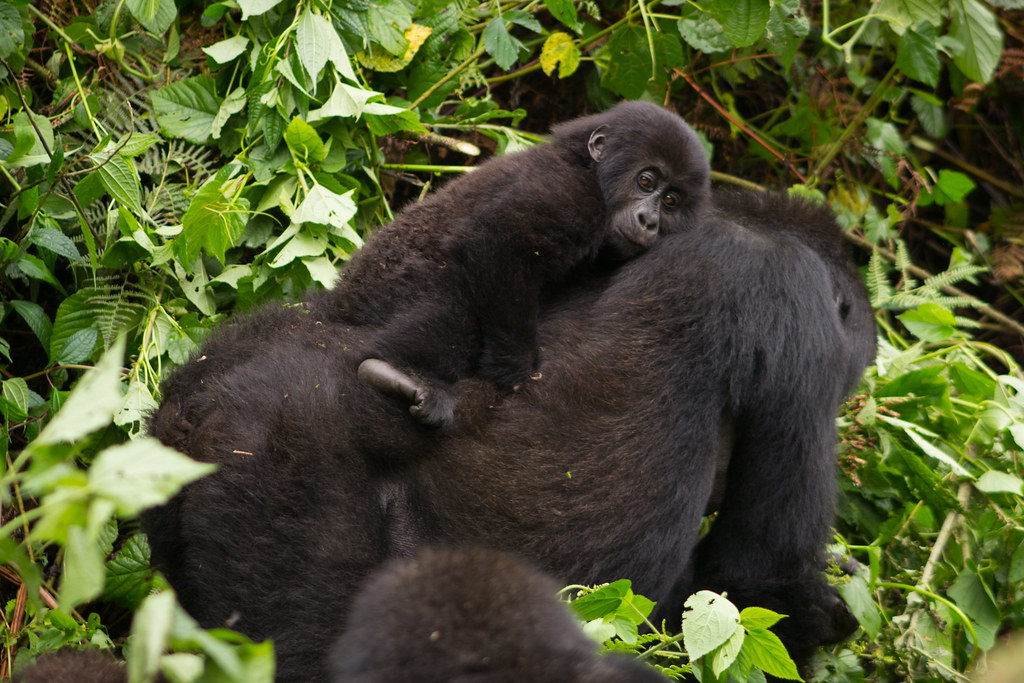
What species of gorillas are found in Africa?
There are two main species of gorillas found in Africa: Eastern gorillas and Western gorillas. Each species is further divided into subspecies, making a total of four subspecies.
- Eastern Gorillas
-
- Mountain gorillas (Gorilla beringei beringei): These are the gorillas found in the high-altitude regions of Uganda, Rwanda, and the Democratic Republic of Congo (DRC). They are adapted to life in cold, mountainous environments.
- Eastern lowland gorillas (Gorilla beringei graueri): These live in the lowland tropical forests of eastern DRC and are slightly larger than mountain gorillas.
- Western Gorillas
-
- Western lowland gorillas (Gorilla gorilla gorilla): These are the most common gorillas and are found in countries like Cameroon, Gabon, Republic of Congo, and Central African Republic. They are more widespread and sometimes seen in zoos around the world.
- Cross River gorillas (Gorilla gorilla diehli): This is the rarest subspecies, with small populations on the border between Nigeria and Cameroon.
The main difference between the Eastern and Western species lies in their appearance, habitat, and behavior. For instance, mountain gorillas have thicker fur to handle colder weather, while western lowland gorillas are smaller with lighter fur, suited for humid rainforests.
Where are gorillas primarily located in East Africa?
In East Africa, gorillas are primarily located in Uganda, Rwanda, and the Democratic Republic of Congo (DRC). These countries are home to one of the world’s most iconic gorilla populations: the mountain gorillas.
- Uganda: The Bwindi Impenetrable National Park and the Mgahinga Gorilla National Park are Uganda’s key gorilla habitats. Bwindi is especially known for its thick jungle and is home to around half of the world’s mountain gorilla population.
- Rwanda: In Rwanda, mountain gorillas live in the Volcanoes National Park, which is part of the larger Virunga Mountain Range. This area is famous for being the spot where renowned primatologist Dian Fossey studied these animals.
- Democratic Republic of Congo (DRC): The Virunga National Park in eastern DRC is home to mountain gorillas, while the lowland areas of DRC house another type, the eastern lowland gorillas found in Kahuzi-Biéga National Park.
These regions combine forested mountain slopes, sufficient rain, and dense vegetation, which provide the resources and climate gorillas need to thrive. Certain national parks within these countries have strict protection measures, and visitors can even participate in gorilla trekking experiences under regulated tours.
What is the difference between mountain gorillas and other gorilla species?
Mountain gorillas are one of the subspecies of eastern gorillas and have features and behaviors that set them apart from other gorilla species. The most notable difference is their habitat. Mountain gorillas live in high-altitude areas of dense forests and mountainous regions, such as the Virunga Mountains and Uganda’s Bwindi Impenetrable Forest. On the other hand, lowland gorillas, like the western lowland gorilla, are found in dense, tropical forests at lower altitudes.
When it comes to appearance, mountain gorillas are larger and stockier, with thicker fur to keep them warm in cold, mountainous climates. Lowland gorillas have shorter, thinner hair because they live in warmer, humid areas. For example, a western lowland gorilla’s fur is more reddish-brown compared to the black or dark gray fur of mountain gorillas.
In terms of diet, mountain gorillas feed primarily on leaves, stems, and roots, as there is less fruit in their high-altitude habitat. In contrast, western lowland gorillas have access to more fruit and incorporate it into their diet. These dietary needs often influence their behavior and home range, mountain gorillas tend to stick to specific areas, while lowland gorillas may roam larger distances for food.
Finally, their population sizes are very different. Mountain gorillas are critically endangered, with fewer than 1,100 individuals estimated to exist in the wild today. Western lowland gorillas have a larger population, though they are still vulnerable and face serious threats.
What is the natural habitat of gorillas?
Gorillas live in a wide range of environments, though all are found in tropical and subtropical forests in Africa. Their habitat varies depending on the species. There are two main species: the eastern gorillas and western gorillas, and each is broken into subspecies like mountain gorillas or western lowland gorillas.
For example, mountain gorillas live in cool, high-altitude forests between 2,200 and 4,300 meters (about 7,200 to 14,100 feet) above sea level. These forests are often located on the slopes of mountains, such as the Virunga Mountains on the borders of Rwanda, Uganda, and the Democratic Republic of Congo (DRC). Bwindi Impenetrable National Park in Uganda is also home to this subspecies. Their habitat features thick vegetation, cloud cover, and cooler temperatures, which suits their thick fur.
Western lowland gorillas, a subspecies of the western gorilla species, are found in dense, lowland tropical forests at lower altitudes, in countries like Gabon, Cameroon, the Central African Republic, and parts of the Congo Basin. These areas are warm, humid, and rich in fruit, which is abundant in their diet.
Another lesser-known group, the cross river gorillas, are found in a very limited region along the Nigeria-Cameroon border. They live in fragmented forests, often due to logging and farming.
The gorilla’s habitat is critical to its survival, influencing its diet and behavior. They prefer areas with plenty of food sources, such as foliage, fruit, and plants. Unfortunately, many of these habitats are being destroyed due to deforestation, illegal farming, and human development, which poses significant risks to their survival.
Are there any gorilla conservation efforts in Kenya?
Kenya does not have native gorilla populations, as gorillas are primarily found within the tropical forests of Central and East Africa, particularly in countries like Uganda, Rwanda, and the Democratic Republic of Congo (DRC). However, while Kenya is not home to gorillas, the country is involved in supporting regional conservation efforts due to its proximity to gorilla habitats and its strong tradition of wildlife conservation.
Many conservation organizations operating in the region, such as the Greater Virunga Transboundary Collaboration and the International Gorilla Conservation Programme (IGCP), coordinate efforts across East Africa to protect gorillas and their habitats. These organizations often base operations in neighboring countries, but Kenyan experts and resources can sometimes contribute to their missions.
Kenya is also a popular destination for ecotourism, and some Kenyan travel and tourism agencies help fund gorilla conservation by offering packages that include gorilla trekking in neighboring Uganda or Rwanda. The tourism revenue generated often goes directly toward conserving gorilla habitats and supporting the local communities that coexist with these animals.
Moreover, Kenyan scientists, researchers, and conservationists sometimes collaborate with other East African nations on protecting the wider ecosystem shared by mountain gorillas. Such cooperation can help tackle cross-border issues like wildlife trafficking, which threatens gorillas and other species.
In short, while Kenya doesn’t house native gorillas, it plays a role in the broader region’s conservation network by prioritizing environmental protection and contributing resources and expertise.
Which countries are known for gorilla trekking in East Africa?
Gorilla trekking is an activity where visitors hike through forests to observe gorillas in their natural environment. In East Africa, the countries known for gorilla trekking are Rwanda, Uganda, and the Democratic Republic of the Congo (DRC).
In Rwanda, gorilla trekking takes place in the Volcanoes National Park. This park is part of the larger Virunga Mountains, a volcanic range that is one of the primary habitats for mountain gorillas, which are a subspecies of the eastern gorilla. Rwanda’s gorilla trekking is considered highly organized, and the country is known for its structured approach to protecting the gorilla population while allowing for sustainable tourism.
In Uganda, gorilla trekking is most famous in Bwindi Impenetrable National Park, a UNESCO World Heritage Site. Another prominent trekking area in Uganda is the Mgahinga Gorilla National Park, which also shares the Virunga Mountains ecosystem. Bwindi, in particular, is home to nearly half of the world’s remaining mountain gorillas, making Uganda a popular destination for individuals wanting to engage in this activity.
The DRC also offers gorilla trekking, primarily within Virunga National Park, Africa’s oldest national park. The DRC is unique because it is home to both mountain gorillas and eastern lowland gorillas, which are found further south in Kahuzi-Biéga National Park. While the DRC’s activities are equally breathtaking, the political conditions in the region can make trekking there more challenging.
These three countries offer tourists the chance to observe mountain gorillas in their natural habitat. This activity contributes to conservation initiatives and the local economy, helping protect this endangered species.
What role do gorillas play in the ecosystem?
Gorillas play a crucial role in the ecosystems they inhabit, as they act as key seed dispersers in tropical forests. These animals consume a variety of fruits, seeds, and plants daily. As they move around their habitats, undigested seeds pass through their digestive systems and are deposited in other areas through their droppings. This process aids in forest regeneration by helping plants grow in new locations.
Gorillas also help maintain ecosystem balance by contributing to the pruning of plants. While feeding on leaves, stems, and small plants, gorillas prevent certain plant species from becoming overgrown. This allows for greater diversity within the ecosystem, as it creates space for a variety of other plant and animal species to thrive.
Furthermore, gorillas indirectly benefit other wildlife by shaping the forest environment. The spaces they clear when moving through dense vegetation, climbing trees, or creating nests on the ground can later be used by smaller animals, including birds and rodents, as pathways or shelter.
Their existence is also connected to human well-being. Gorillas inhabit forests that play an important role in regulating weather patterns and absorbing carbon dioxide from the atmosphere. Healthy forests, supported by the presence of gorillas, contribute to the fight against climate change.
By helping forests remain diverse and sustainable, gorillas support a web of life that relies on these ecosystems. Their role in maintaining the health of tropical forests makes them key contributors to both their immediate surroundings and the planet as a whole.
What challenges do gorillas face in Africa?
Gorillas face significant challenges in Africa, with many of these stemming from human-related activities. One of the major threats they face is habitat loss. Forests where gorillas live are often cleared for agriculture, mining, and urban development. As their habitat shrinks, gorillas are forced into smaller areas, which can lead to food shortages and reduce their ability to move freely.
Another major threat is poaching. Although gorillas are protected by law, some individuals are still hunted for bushmeat, trophies, or illegal pet trade. Even when gorillas are not the direct targets, traps set for other animals can injure or kill them. This is particularly harmful to small populations, as the loss of even a few individuals can disrupt social groups and affect reproduction rates.
Diseases also pose a severe risk, especially those transmitted from humans to gorillas. Since gorillas share a high percentage of their DNA with humans, they can contract illnesses such as the flu or other respiratory infections, which can be fatal to them. Diseases have become more of a problem due to increased interaction between humans and gorillas, especially in areas with tourism or settlements near forests.
Conflict and instability in regions home to gorillas also exacerbate their challenges. Armed conflicts in places like the Democratic Republic of the Congo often lead to increased poaching and destruction of gorilla habitats.
Climate change is another emerging challenge, as it may alter gorilla habitats and resources over time.
Efforts to tackle these challenges include anti-poaching patrols, habitat restoration programs, and public education campaigns aimed at creating awareness about the importance of conserving gorillas.
Are there gorilla sanctuaries or reserves near Kenya?
Kenya itself does not have gorilla sanctuaries or reserves because gorillas do not naturally live in Kenya. Gorillas are found in tropical rainforests, and Kenya’s climate and vegetation, more known for savannahs and open grasslands, do not match their habitat requirements.
However, countries near Kenya, such as Uganda, Rwanda, and the Democratic Republic of Congo (DRC), are home to several reserves and national parks where gorilla populations are protected. For example:
- Bwindi Impenetrable National Park in Uganda is famous for its mountain gorillas. This forested area is ideal for gorilla trekking and is home to a large portion of the world’s mountain gorilla population.
- Volcanoes National Park in Rwanda also protects mountain gorillas and offers opportunities for tourists to observe these animals in their natural environment.
- Virunga National Park in the DRC is another important reserve for gorillas and is also part of the larger Virunga Massif, which overlaps some areas of Uganda and Rwanda.
While there is no direct opportunity to see gorillas within Kenya’s borders, it is possible to travel to these nearby locations (often just a flight away) to visit gorilla reserves. Many tour companies operating in Kenya can assist travelers in extending their trips to include gorilla trekking in neighboring countries.
In summary, Kenya is not home to gorilla sanctuaries, but major sites in Uganda, Rwanda, and the DRC are relatively close and accessible.
How can tourists experience gorillas in the East African region?
Tourists interested in seeing gorillas in East Africa can plan trips to specific national parks and reserves in Uganda, Rwanda, or the Democratic Republic of Congo (DRC). The best way to experience gorillas is through gorilla trekking, which allows visitors to see these animals in their natural habitat with the guidance of expert guides and trackers.
In Uganda, Bwindi Impenetrable National Park and Mgahinga Gorilla National Park offer gorilla trekking. Typically, visitors hike through dense forests until they reach a specific gorilla family group. These hikes can be physically demanding, but visitors are rewarded with the chance to observe gorillas up close.
Rwanda’s Volcanoes National Park is another popular destination for gorilla trekking. The park is known for its stunning landscapes and is relatively easier to access compared to other reserves. Rwanda also has a well-established trekking program.
The DRC offers the opportunity to see gorillas in Virunga National Park, which is the oldest National Park in Africa and home to both mountain gorillas and lowland gorillas. The DRC is often less visited, but it provides a more rugged, adventurous gorilla trekking experience.
Tourists need to purchase gorilla permits, which are required to participate in trekking activities. These permits are expensive, with costs ranging from hundreds to over a thousand U.S. dollars per person. This money goes toward conservation efforts and maintaining the parks.
Visitors are usually allowed to spend a maximum of one hour observing the gorilla families. Guides prioritize safety as well as minimizing human impact on the gorillas during these visits. In addition to trekking, visitors may also learn about the cultural significance of gorillas and efforts to protect their populations.
What steps are being taken to protect gorilla populations in Africa?
Gorillas face threats such as habitat destruction, poaching, human-wildlife conflict, and diseases like respiratory infections or the Ebola virus. To address these challenges, several measures have been put in place to protect their populations:
Habitat Protection
Many gorilla populations live in national parks and protected reserves, such as Bwindi Impenetrable National Park (Uganda) and Volcanoes National Park (Rwanda). These areas are designated as conservation zones to protect gorillas from habitat loss due to farming, logging, and other human activities. Governments enforce laws to prevent encroachment in these regions.
Anti-Poaching Efforts
Anti-poaching patrols are critical for protecting gorillas from illegal hunting. Rangers are trained to monitor areas, remove snares, and catch poachers who target gorillas for the bushmeat trade or for capturing infants to sell.
Community Education and Involvement
Local communities around protected gorilla habitats are involved in conservation. Programs that raise awareness about the importance of gorillas often provide communities with incentives to protect them. Revenue from gorilla trekking permits is sometimes shared with local villages, which encourages them to participate in conservation rather than turning to unsustainable activities.
Health Monitoring and Disease Prevention
Organizations monitor the health of wild gorilla populations. Care is taken to minimize the risk of disease transmission from humans to gorillas, especially during gorilla trekking. Visitors must maintain a distance of at least 7 meters and avoid trekking if they are sick.
International Conservation Groups
Various organizations, such as the World Wildlife Fund (WWF), the Dian Fossey Gorilla Fund, and Gorilla Doctors, work specifically to conserve gorilla species. They conduct research, provide veterinary care, and advocate for policies that protect gorillas.
These protective steps have made a difference: populations of mountain gorillas, for instance, have grown slightly in recent years thanks to conservation efforts. However, continued action is necessary to ensure the survival of all gorilla species.
How to Book Your Safari in Rwanda
Now that you understand more about Kenya gorillas, what they are, why they’re special, and how you can see them, it’s time to plan your own adventure. For an unforgettable gorilla trekking experience, book with one of the best Rwanda Safari Companies. They’ll help you create memories with expert guidance and personalized service. Don’t wait, start your journey today!