
Is Uganda or Rwanda better for Gorilla Trekking
Whether Uganda or Rwanda is better for gorilla trekking depends on budget, available time, and preferred travel style: Rwanda offers faster access from Kigali (2.5 hours to Volcanoes National Park), a more polished logistics experience, and shorter average trek times through bamboo forest, while Uganda offers a lower permit cost of USD 800 compared to Rwanda’s USD 1,500, more habituated gorilla families across four trekking sectors, and a wilder, denser forest environment. Both countries provide the same one-hour encounter with a habituated mountain gorilla family under armed ranger escort with a maximum of eight visitors per group. The global mountain gorilla population stands at approximately 1,063 individuals, with around 600 in the Virunga Massif (Rwanda and DRC) and the remainder in Uganda’s Bwindi Impenetrable Forest.
Permit: USD 1,500 per person
Drive from Kigali: 2.5 to 3 hours
Habituated families open to tourism: 14
Daily permit capacity: 112
Terrain: Bamboo forest, open slopes
Best for: Luxury travel, short trips, first-time Africa visitors
Permit: USD 800 per person (USD 600 low season)
Drive from Entebbe: 8 to 10 hours
Habituated families: 20+
Daily permit capacity: 160+
Terrain: Dense jungle, steep ridges
Best for: Budget travelers, adventure seekers, extended safaris
Gorilla Trekking Permit Cost: Uganda vs Rwanda Comparison
The gorilla trekking permit in Rwanda costs USD 1,500 per person per trek throughout the year for international visitors, with a 30% low-season discount to USD 1,050 available from November to May for travelers who also book two nights in Akagera or Nyungwe. Uganda’s permit costs USD 800 for most of the year and USD 600 during the low season months of April, May, and November. For two people doing a single trek, the permit difference alone is USD 1,400 in favour of Uganda. This cost gap is the single most decisive factor for budget travelers and for those doing the experience as part of a broader East Africa itinerary rather than a standalone Rwanda trip.
Rwanda’s higher permit price reflects a deliberate high-value, low-volume tourism positioning. Revenue from the USD 1,500 permit funds anti-poaching operations, ranger salaries, veterinary care for gorillas, and community development: 10% of all permit income is directed to communities surrounding Volcanoes National Park. Uganda’s permit income under the Uganda Wildlife Authority serves the same conservation functions at a lower per-visitor price point, supplemented by a larger daily permit volume.
Trek Difficulty and Terrain: Bwindi Forest vs Volcanoes National Park
Bwindi Impenetrable Forest in Uganda lives up to its name. The forest is ancient, dense, and steeply ridged, with trails that often involve climbing on all fours through thick undergrowth at elevations between 1,160 and 2,607 metres. Trek durations at Bwindi average longer and are more physically demanding, and the word “impenetrable” reflects genuine trail conditions rather than marketing language. Volcanoes National Park in Rwanda has more open bamboo forest and gentler gradients on average, but begins at a higher base altitude (above 2,400 metres at most trailheads), meaning altitude effects can be more pronounced even when terrain is easier.
Rwanda’s trekking is generally considered more accessible for visitors who are moderately fit, older, or traveling with limited time. Uganda’s trekking suits travelers who are comfortable with longer, harder hikes and want a rawer forest environment. Both countries produce the same one-hour gorilla encounter at the end of the hike, and both enforce the same 7-metre minimum distance rule and flash photography ban. The gorilla interaction itself is not meaningfully different between destinations; what differs is everything that surrounds it.
Accessibility and Travel Time: Rwanda vs Uganda
Rwanda’s greatest practical advantage is access time. Kigali International Airport to Volcanoes National Park covers approximately 105 kilometres and takes 2.5 to 3 hours by road on well-maintained tarmac. Travelers can fly in on an evening flight, sleep in Musanze, and trek the following morning. This makes Rwanda viable for a focused 4-day itinerary from any international hub, and is particularly compelling for travelers combining gorilla trekking with an international business trip or a short stopover.
Uganda requires a substantially longer road transfer. Entebbe International Airport to Bwindi Impenetrable Forest takes 8 to 10 hours by road, often split across two days. Charter flights between Entebbe and airstrips near Bwindi reduce the road time but add USD 500 to 600 per person for the domestic connection. This travel overhead makes Uganda less practical for itineraries shorter than 7 days. The road infrastructure between Entebbe and Bwindi passes through western Uganda, which offers scenic views but unpredictable road quality on the final stretch to the park.
Number of Gorilla Families and Permit Availability
Uganda has more than 20 habituated gorilla families open to tourism across four sectors of Bwindi: Buhoma, Ruhija, Rushaga, and Nkuringo, plus two families at Mgahinga Gorilla National Park. This gives Uganda a daily permit capacity exceeding 160 permits and a wider spread of difficulty levels and trek experiences. Rwanda has 14 habituated gorilla families in Volcanoes National Park with a daily capacity of 112 permits, raised from 96 in 2024. Rwanda permits sell out faster, particularly during the June to September dry season, and 9 to 12 months advance booking is realistic for peak travel dates.
Uganda’s larger permit pool means last-minute availability is more common, and booking with 3 to 6 months’ notice is usually sufficient for most dates. Uganda also offers the Gorilla Habituation Experience in Bwindi, which allows four hours with a semi-habituated gorilla family under research supervision for USD 1,500 per person. This extended encounter is not available in Rwanda, where all tourism visits are capped at one hour regardless of the gorilla family visited.
Lodge Quality and Safari Extensions: Rwanda vs Uganda
Rwanda has a higher concentration of world-class luxury lodges near Volcanoes National Park, including Wilderness Bisate (from USD 2,569 per person per night all-inclusive), Singita Kwitonda (from USD 1,500 per person per night), and One&Only Gorilla’s Nest. The lodge infrastructure near Bwindi in Uganda is strong but skews toward mid-range and upper mid-range properties, with fewer ultra-luxury options at the same price point as Rwanda’s top tier. Rwanda’s lodge ecosystem is a genuine differentiator for travelers where the accommodation experience is as important as the gorilla encounter.
For safari extensions, Uganda has a broader wildlife circuit: Bwindi combines readily with Queen Elizabeth National Park (big game, tree-climbing lions), Kibale Forest (chimpanzee trekking), and Murchison Falls National Park (Nile boat cruises and game drives). Rwanda’s extension circuit is tighter but still strong: Akagera National Park (Big Five) is 2 to 3 hours east of Kigali, and Nyungwe Forest (chimpanzee trekking, canopy walk) is 5 to 6 hours southwest. A combined Rwanda and Uganda itinerary, flying into Kigali and exiting Entebbe (or vice versa), captures the strengths of both countries and is the most popular format for 10 to 14-day Great Apes trips.
Which Country Should You Choose for Gorilla Trekking
Rwanda is the stronger choice for travelers with a week or less, those visiting Africa for the first time, luxury travelers prioritising lodge quality and service, and anyone for whom the permit cost difference is not a primary planning factor. Uganda is the stronger choice for travelers on a budget where the USD 700 permit saving is material, those seeking a longer and more physically demanding forest experience, and anyone building a broader East Africa safari that also includes Kibale chimpanzees, Queen Elizabeth game drives, or Murchison Falls.
A combined itinerary using both countries represents the most comprehensive gorilla trekking option available in 2026, and many operators run 10 to 14-day programs that include one gorilla trek in each country. Flying into Kigali and exiting Entebbe avoids backtracking and adds meaningful variety across the two forest systems. The gorillas themselves are equally worth the effort in both countries. The difference is the travel time, the budget, and the surrounding experience.
Is the gorilla encounter the same quality in Uganda and Rwanda?
Yes. Both countries enforce the same rules: one hour with a habituated gorilla family, maximum of eight visitors, minimum 7-metre distance, no flash photography. The quality of the encounter depends on the specific gorilla family allocated on the day and on the gorillas’ behaviour, not on the country. Both destinations produce equally close and extended encounters.
Can I use the East Africa Tourist Visa for gorilla trekking in both Uganda and Rwanda?
Yes. The East Africa Tourist Visa costs USD 100 and covers Rwanda, Uganda, and Kenya on a single multiple-entry document valid for 90 days. It is the most cost-effective entry option for travelers combining gorilla trekking in both countries. The visa is applied for online before departure and can be collected on arrival at designated entry points.
What is the Gorilla Habituation Experience in Uganda?
The Gorilla Habituation Experience (GHE) is available only in Uganda’s Rushaga sector of Bwindi Impenetrable Forest. It costs USD 1,500 per person and allows up to four hours with a gorilla family that is still being habituated for tourism, alongside researchers and rangers. It is significantly more physically and emotionally demanding than a standard trek, and the extended time produces much deeper behavioural observation. Rwanda has no equivalent experience; all gorilla tourism visits in Rwanda are capped at one hour.
Which country is easier for solo travelers doing gorilla trekking?
Rwanda is generally easier for solo travelers due to shorter transfers, more straightforward logistics, and a more developed tourism infrastructure near Volcanoes National Park. Permits can be booked through the Rwanda Development Board online portal without requiring a full tour package. Uganda offers more flexibility in terms of trekking sector choice and last-minute availability, but the longer road transfers make solo logistics more complex without a local operator.
How far in advance should I book gorilla permits for each country?
For Rwanda in peak season (June to September and December to February), book 9 to 12 months ahead. For Rwanda in shoulder season, 6 months is usually sufficient. Uganda permits have more availability due to higher daily capacity; 3 to 6 months ahead is typically enough, though peak season still fills quickly. Both countries issue permits on a first-come, first-served basis through their respective government wildlife authorities.
Big Five Safaris Africa
The main big 5 game in Africa refers to lion, leopard, rhinoceros, elephant, and Cape buffalo. These iconic animals are sought after on safaris in top destinations like Kenya’s Maasai Mara, Tanzania’s Serengeti, and South Africa’s Kruger National Park. While the big 5 are not found in Rwanda, the country offers unique wildlife experiences, including gorilla trekking in Rwanda at Volcanoes National Park, where visitors can observe endangered mountain gorillas in their natural habitat.
What are the Big 5 game animals of Africa?
The “Big 5” are five African animals that are known for being challenging to hunt or track on foot, particularly in earlier times when game hunting was a common practice. These animals are the lion, leopard, elephant, rhinoceros (commonly the black rhino but sometimes also the white rhino), and the Cape buffalo.
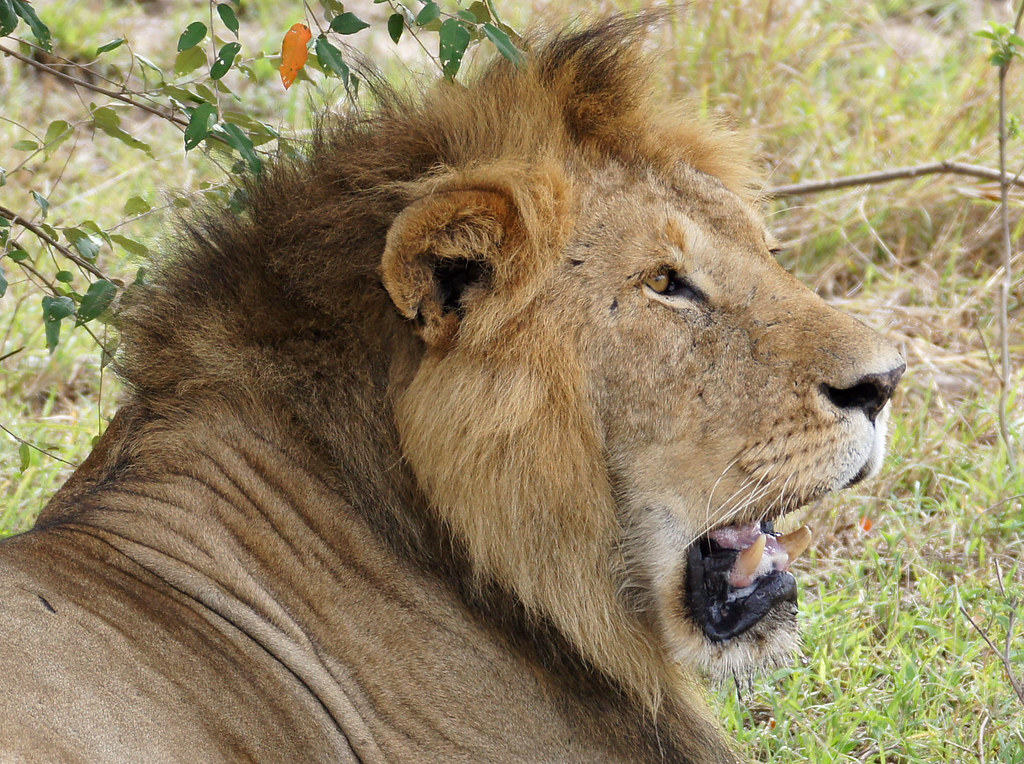
Each of these animals is iconic in its own way. The lion is often called the “king of the jungle” (even though they tend to live in savannas). Lions are known for their power and group dynamics known as prides.
The leopard is a solitary and elusive predator. Its spotted coat makes it hard to spot as it blends perfectly into its surroundings.
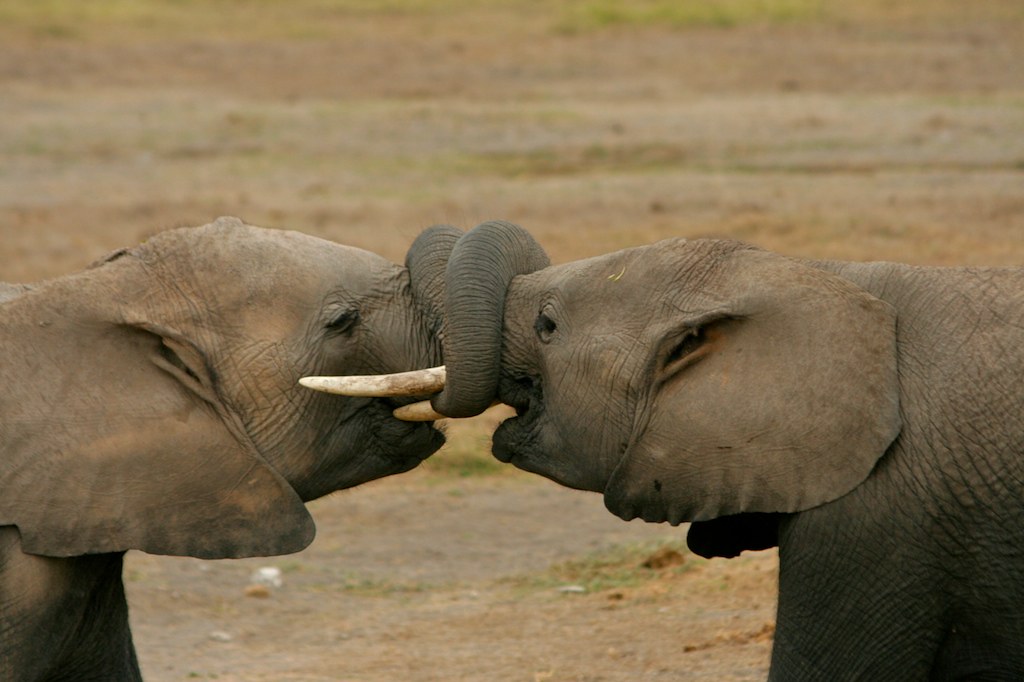
Elephants are the largest land animals on Earth, known for their intelligence, long memory, and their distinctive trunk, which serves many purposes, including drinking, breathing, and grabbing food.
Rhinoceroses, with their thick skin and horns, have a prehistoric appearance. Both the critically endangered black rhino and the larger white rhino have come to represent danger and conservation challenges.
Finally, the Cape buffalo is often underestimated but is considered one of the most dangerous animals when injured or cornered.
These animals are not just famous for their role in hunting history , they are also awe-inspiring symbols of the African wilderness and biodiversity.
Why are they called the Big 5?
The term “Big 5” originally came from big game hunters during the colonial hunting era in Africa. It referred to the five most difficult animals to hunt on foot due to their size, strength, and the danger they could pose to humans.
It’s important to note that this classification was primarily based on how dangerous these animals were to hunters, not their size alone. For example:
- The lion is incredibly strong and can charge when provoked.
- The leopard, though smaller, is fast, silent, and fierce, making it very challenging to track or defend against.
- The elephant, while majestic, is massive and can be deadly if angered.
- Rhinos are fast and often highly aggressive if they perceive a threat.
- The Cape buffalo is known for being unpredictable and will charge without warning if it feels threatened.
In modern times, the term “Big 5” has shifted from a hunting reference to an ecotourism concept, representing animals people hope to see on safari.
Where can the Big 5 be found in Africa?
The Big 5 animals live in various countries across sub-Saharan Africa, but they are most commonly associated with certain national parks and game reserves, many of which focus on conserving these species.
Some of the best-known places to see the Big 5 include:
- Kruger National Park in South Africa: This is one of the most famous parks due to its size and large animal populations, making it a prime location to spot all members of the Big 5.
- Maasai Mara in Kenya: Located in East Africa, this reserve is home to these animals and hosts the annual Great Wildebeest Migration.
- Serengeti National Park in Tanzania: Known for its vast landscapes and rich wildlife, it’s another prime safari destination.
- Okavango Delta in Botswana: This unique and massive inland delta features flourishing ecosystems and is home to all members of the Big 5.
- Hwange National Park in Zimbabwe: A major conservation area for elephants, lions, and other Big 5 species.
- Ngorongoro Crater in Tanzania: A volcanic caldera with a dense concentration of wildlife, offering excellent opportunities to see these animals.
Smaller game reserves and private parks in countries like Namibia and Zambia are also home to populations of the Big 5. For example, a safari in Etosha National Park in Namibia will guarantee you lots of elephants and lions, but with a few buffaloes there. Whether in open savannas, dense forests, or wetlands, finding all five requires exploring the diverse terrains of southern and eastern Africa.
What is the historical significance of the Big 5 in African culture and tourism?
The term “Big 5” originated during the era of colonial big-game hunting in Africa. Hunters referred to lions, leopards, rhinoceroses, elephants, and Cape buffalo as the Big 5 because they were considered the most dangerous animals to hunt on foot. This classification wasn’t about their size, but about the risks and challenges involved in hunting them. Each of these animals exhibited traits such as strength, cunning, and aggression, making them formidable targets for trophy hunters.
Historically, the Big 5 also carried cultural significance for many African communities. For example, lions often symbolize strength, leadership, and bravery in various African traditions and myths. Elephants, revered for their intelligence and long lives, are seen as symbols of wisdom and family connections. Indigenous groups also often have spiritual associations with rhinos, leopards, and buffalo, connecting them to nature or spiritual realms in their folklore.
In modern times, the concept of the Big 5 shifted from hunting to wildlife tourism. Safaris became a significant industry, and showcasing all five animals was marketed as one of the ultimate wildlife experiences. This concept plays a pivotal role in shaping Africa’s image internationally and draws millions of international tourists each year. Overall, the historical background of the Big 5 reflects a shift from exploitation in hunting to conservation and appreciation through eco-tourism.
How do the Big 5 contribute economically to African countries?
The Big 5 are a cornerstone of Africa’s tourism industry, which is a major contributor to the economies of multiple countries on the continent. Every year, millions of tourists travel to African nations such as Kenya, Tanzania, South Africa, Botswana, and Zimbabwe to see the Big 5 in their natural habitats. This demand generates revenue through activities like safaris, park entrance fees, guided tours, and accommodations in and around wildlife reserves.
One example of their economic importance is through employment opportunities. Safari lodges, tour operations, transportation services, and other travel-related businesses employ thousands of locals. Conservation programs, which often revolve around protecting the Big 5, also create jobs for rangers, researchers, and community outreach workers.
The Big 5 are not only popular with tourists but also play a pivotal role in global media and marketing. Documentaries, photography, and even advertising campaigns for African tourism often feature these animals, helping to boost their appeal worldwide. Visiting them often requires permits and fees, and a large part of this revenue is reinvested into wildlife conservation initiatives or used directly by local governments.
An indirect economic benefit arises from the protection of ecosystems surrounding the Big 5. Conserving their habitats often helps maintain other forms of biodiversity, benefiting communities that rely on the land for farming, tourism, or resources sustainably. For specific countries like South Africa, tourism involving the Big 5 can contribute billions to the national economy, showing their immense economic significance.
What are the primary threats facing the Big 5 species today?
The Big 5 face significant threats, often driven by human activity. The most pressing issue is habitat loss, caused by deforestation, urbanization, and agricultural expansion. As land is converted for farming or development, the natural spaces these animals need are shrinking, leading to conflicts between humans and wildlife. For instance, elephants may raid farms when their habitats are encroached upon, escalating tensions with local communities.
Poaching also poses a grave risk to the Big 5. Elephants and rhinos are specifically targeted for their tusks and horns, which are used in illegal trade markets for ornamental or medicinal purposes. Despite global bans, demand persists, making it challenging to curb this destructive activity. Lions and leopards, on the other hand, suffer due to trophy hunting in some regions or as retaliation from locals when they attack livestock.
Climate change is another emerging threat. It affects water supplies and vegetation, which impacts herbivores like elephants and buffalo. Apex predators like lions and leopards are indirectly affected when prey availability decreases.
Additionally, diseases, sometimes linked to human activity or livestock, can spread and seriously harm these populations. Conservation challenges are amplified by political instability and lack of resources in some regions, making it harder to enforce anti-poaching laws and habitat protection strategies.
Efforts to protect the Big 5 face the challenge of balancing wildlife survival with the needs of nearby human populations. Without addressing these threats, these iconic species could face severe population declines, or in the case of some rhino species, local extinction.
What conservation efforts are in place to protect the Big 5?
The Big 5 animals, which include lions, leopards, elephants, rhinoceroses, and buffalo, face numerous challenges, but many conservation efforts aim to safeguard them. Anti-poaching programs are a significant part of protection strategies. These programs may involve armed patrols, the use of drones for monitoring, and even specially trained ranger teams to catch poachers before they do harm. An example would be the Black Mamba Anti-Poaching Unit in South Africa, comprising mostly women, which helps protect reserves through surveillance and enforcing protection laws.
Another effort includes protected areas and wildlife reserves. Countries like Kenya and Tanzania have set up national parks such as Maasai Mara and Serengeti, where laws strictly discourage hunting or any harm to animals. These sanctuaries give the Big 5 safe spaces to live and breed.
Community-based programs are also important. These programs help locals see the economic benefits of conservation through tourism. For example, when tourists visit reserves sustainably, they spend money on lodging, tours, and services, providing locals with jobs. If communities benefit financially from protecting the Big 5, they are less likely to support illegal hunting.
Lastly, there’s growing reliance on technology and DNA tracking to monitor animal populations. Collar GPS systems can track endangered species like elephants and rhinos to keep them safe. Breeding programs in zoos or specialized conservation centers also work toward maintaining healthy populations of endangered animals like rhinos, which are particularly vulnerable.
These combined efforts highlight how governments, local communities, international organizations, and nature advocates work together to protect these iconic species.
How do the Big 5 interact with their ecosystems?
Each of the Big 5 animals plays a crucial role in their ecosystems, acting as key participants that help maintain the balance of nature in African habitats. Elephants, for instance, are often referred to as “ecosystem engineers.” Their enormous size allows them to push down trees, create pathways through thick vegetation, or dig for water. These actions, while destructive on the surface, actually help smaller animals gain access to habitats and water resources.
Lions, on the other hand, are top predators. By hunting animals like zebras or wildebeests, they ensure that prey populations don’t grow too large. If prey animals were left unchecked, they might overgraze and damage the environment. By eliminating weaker animals, lions also contribute to the overall health of the prey population. Meanwhile, leopards, solitary and elusive hunters, help control smaller animals such as baboons or antelope, which also reduces the risk of overpopulation.
Buffaloes are known as large grazers, and their grazing habits help maintain grasslands. By feeding on tall grasses, they create open spaces where other species can thrive. Their waste also acts as a natural fertilizer, enriching the soil and promoting plant growth.
Finally, rhinos, particularly white rhinos, are natural lawnmowers. They feed on grass and help maintain short-grass ecosystems, which many other animals depend on for survival. Without rhinos, grasslands could become overrun with shrubs and less nutritious plants, reducing biodiversity.
Together, the Big 5 animals ensure that water sources, vegetation, prey populations, and predator-prey dynamics remain balanced. If even one of these species were removed, the ecosystem could face severe disruptions, showing how interconnected each species is within its environment.
What role does poaching play in the decline of Big 5 populations?
Poaching is one of the largest threats facing the Big 5, driven mainly by illegal markets for animal parts. For example, elephants are targeted for their ivory, which is widely sought for carvings and ornaments in some cultures. Rhinos face a similar issue, with their horns being used in certain traditional medicines, despite scientific evidence disproving their effectiveness. These illegal trades often fetch high prices, which encourages poachers to take extreme risks to kill these animals.
Poaching disrupts entire ecosystems. Killing a single elephant, for instance, not only reduces population numbers but also affects their social structure. Elephants live in herds led by a matriarch, and her death can confuse the group and leave younger elephants vulnerable. Similarly, the death of a lion or leopard due to poaching can create competition between younger, inexperienced animals to take their place, leading to instability in predator dynamics.
Efforts to combat poaching, such as harsher penalties for offenders, international agreements banning the ivory trade, and public awareness campaigns, have helped in some areas. For example, education campaigns in countries like China and Vietnam, which traditionally imported ivory and rhino horn, have started slowing demand.
Despite these efforts, poaching remains a significant problem because of corruption, poverty, and limited resources available for enforcement. Rangers and government agencies often face threats from well-organized poaching syndicates that operate globally. For the Big 5 to survive, addressing poaching requires not just stronger enforcement but also reducing poverty in communities near wildlife reserves, where poaching is often seen as the only option to make money.
How has the Big 5 concept influenced African safari tourism?
The term “Big 5” refers to five iconic African animals: the lion, elephant, buffalo, leopard, and rhinoceros. Originally coined by hunters, it denoted the animals that were most difficult and dangerous to hunt on foot. Over time, this term became a major marketing tool in the tourism industry, especially for African safaris.
Safari tourism often emphasizes the Big 5 to attract travelers who dream of seeing these majestic animals in their natural habitat. Advertisements, wildlife tour packages, and documentaries frequently highlight the Big 5, making them highly recognizable even to people outside of Africa. Many tourists plan their safaris specifically around the idea of spotting all five species, often turning it into a type of “bucket list” challenge. This has also fueled the popularity of regions and reserves known for hosting all the Big 5 animals, such as South Africa’s Kruger National Park or Kenya’s Maasai Mara.
This concept has also shaped the expectations of tourists. People often associate safaris with the Big 5 due to their symbolic representation of African wildlife, leading them to focus more on these animals rather than other equally important but less glamorous species like birds, antelopes, or smaller predators. While highlighting the Big 5 has generated significant interest in African wildlife, raising awareness about preservation, it has also led to some unintended consequences, such as prioritizing these animals over the holistic ecosystem that sustains them.
In summary, the Big 5 concept has become inseparable from safari tourism, stirring excitement among tourists and significantly boosting wildlife tourism revenue. However, focusing heavily on these species also raises challenges for broader wildlife conservation efforts.
Are there ethical concerns regarding the promotion of the Big 5 for tourism?
Yes, there are several ethical concerns regarding the emphasis on the Big 5 in tourism. While the promotion of these animals has raised global awareness and brought income to local economies, it has also created some difficult situations. One major issue relates to the disproportionate attention given to the Big 5 at the expense of other species. For conservation to be sustainable, it’s important to care for the entire ecosystem, including predators, prey, plants, and smaller creatures that do not get as much attention.
Another concern is the potential for exploitation in tourism practices. In the push to provide opportunities for tourists to see the Big 5, some private reserves or unscrupulous tour companies might engage in unethical behavior. Examples include crowding animals with vehicles, disturbing their natural behaviors, or even staging fake “wild” encounters (like bringing in animals that wouldn’t naturally live in certain areas). This kind of interference can stress the animals, making them more vulnerable to threats like disease or poaching.
Furthermore, poaching concerns are linked here as well. The heavy focus on the Big 5 increases their value, not just for tourism but also for illegal hunting or the exotic animal trade. Not all tourism profits necessarily benefit conservation efforts or local communities, which can lead to resentment among those living near wildlife reserves.
Lastly, the framing of the Big 5 as a “must-do safari checklist” sometimes reduces the animals to objects of entertainment. This can encourage a mindset where tourists prioritize photo opportunities over understanding wildlife and ecosystems. Ethical tourism involves respecting animals as part of their environment, which is sometimes lost when too much weight is placed on finding and photographing the Big 5.
In essence, these ethical concerns highlight the need for responsible tourism, travel practices that prioritize conservation, community support, and respect for wildlife.
How does encountering the Big 5 impact tourists and their perception of African wildlife?
Encountering the Big 5 often leaves a significant impact on tourists, both emotionally and mentally, shaping how they view wildlife and conservation. For many people, seeing these animals up close is a powerful experience because of their size, beauty, and cultural symbolism. Coming face-to-face with a lion on the prowl or watching an elephant in its natural habitat can evoke feelings of awe, admiration, and a deeper connection to nature.
These moments often make people more conscious of the importance of preserving wildlife. Observing these creatures in the wild can dramatically contrast with seeing them in zoos, leading some tourists to gain a stronger appreciation for their freedom and the need to protect their habitats. After experiencing a safari, many travelers leave with a greater willingness to support conservation efforts, whether through donations, spreading awareness, or adopting more environmentally conscious behaviors.
Encounters with the Big 5 also challenge some people’s preconceived notions about wildlife. For instance, they may realize that lions are not always fierce predators and spend much of their time resting or that elephants display highly intelligent and social behaviors. This mix of education and emotional engagement helps dismantle stereotypes and replaces them with a nuanced understanding of animal behavior.
However, not all encounters are positive. Some tourists focus exclusively on ticking off all five animals as fast as possible, treating the safari as a checklist rather than an opportunity for learning. This mindset risks reducing wildlife to a commodity, focusing on rapid consumption rather than thoughtful observation.
In conclusion, observing the Big 5 has the potential to deeply transform how individuals view Africa’s wildlife, fostering empathy and a sense of responsibility. For the best outcome, these encounters require responsible tourism practices, guiding tourists to appreciate not just the animals but the ecosystems that sustain them.
How To Book Your Safari in Rwanda
By now, you’ve learned about the “Big 5” game in Africa, what they are, why they’re so iconic, and how to spot them during an unforgettable wildlife experience. Ready to see lions, elephants, rhinos, buffaloes, and leopards in their natural habitat? It’s time to make your dream safari a reality! Contact one of the trusted Rwanda Safari Companies to plan your adventure and get up close to Africa’s magnificent wildlife. Your safari awaits, start planning today!
Masai Mara Safari and Gorilla Trekking in Rwanda
A Masai Mara Safari with Gorilla trekking in Rwanda combines wildlife exploration in Kenya’s Masai Mara National Reserve, known for the Great Migration and the Big Five, with the unique opportunity to encounter mountain gorillas in Rwanda’s Volcanoes National Park. During Rwanda safaris, visitors trek through lush forests to observe gorillas in their natural habitat, guided by experts. This experience pairs the savannah’s big game with the rare chance to engage in gorilla trekking in Rwanda, offering a diverse and unforgettable adventure.
What is the best time to visit Masai Mara and Rwanda for safari and gorilla trekking?
To visit Masai Mara in Kenya, the best time is during the Great Migration, which happens from July to October. This is when massive herds of wildebeest, zebras, and other animals cross from Tanzania’s Serengeti into the Masai Mara, creating unforgettable wildlife activity. During these months, predators such as lions and cheetahs are also more visible because they follow the migrating herds. Additionally, the weather is typically dry, which makes it easier to spot animals since they tend to gather near water sources.
For Rwanda gorilla trekking, the ideal times to go are during the two dry seasons: June to September and December to February. These months make the trekking experience more manageable since the trails in the mountain forests are less muddy. The dry weather increases chances of easier access to the gorillas’ habitats deep within the dense jungle.
If you’re looking to combine Masai Mara and Rwanda in a single trip, the June to October window is perfect as it aligns with both Masai Mara’s peak safari season and Rwanda’s dry season for gorilla trekking.
For example, a traveler visiting in August might first experience the Great Migration in Masai Mara and then head south to Rwanda for an easier trek through Volcanoes National Park to see the gorillas. Planning your trip in these months ensures incredible wildlife sightings and minimizes weather-related challenges.
How do I get to Masai Mara and Rwanda, and what is the travel distance between them?
Reaching Masai Mara usually begins with arriving at Nairobi, Kenya’s capital, through Jomo Kenyatta International Airport (NBO). From Nairobi, you can either take a short flight (around 45 minutes) into one of the airstrips inside Masai Mara or go on a 5-to-6-hour drive by road. Flights are more convenient, especially for travelers with limited time.
For gorilla trekking in Rwanda, travelers typically fly into Kigali International Airport (KGL), located in Rwanda’s capital. The airport is well-connected to major cities in Africa and abroad. To reach Volcanoes National Park, where gorilla trekking happens, it’s about a 2-to-3-hour drive from Kigali on a well-maintained road.
If you’re planning to visit both Masai Mara and Rwanda on the same trip, the distance between Nairobi (near Masai Mara) and Kigali is about 1,100 kilometers (683 miles). The easiest way to travel between Kenya and Rwanda is by taking a direct flight, which takes approximately 1.5 hours. Airlines like Kenya Airways or RwandAir offer frequent connections between Nairobi and Kigali.
For a practical example, you might spend a few days in Masai Mara, take a short flight back to Nairobi, then hop on a direct flight to Kigali. After exploring Kigali, you’ll drive to Volcanoes National Park. This travel sequence minimizes time spent in transit and maximizes time spent enjoying the safari and trekking.
What should I expect during a Masai Mara safari experience?
A visit to Masai Mara promises some of the most iconic safari experiences in the world. The area is famous for its abundant wildlife and beautiful, open savannah landscapes.
Expect to see the Big Five, lions, elephants, buffaloes, leopards, and rhinos. Masai Mara is particularly famous for its lion population, which is often seen hunting due to the strong presence of other prey animals. During the Great Migration season, you’ll witness thrilling events such as river crossings, where thousands of wildebeest and zebras brave crocodile-infested waters.
A safari here typically includes game drives, which are guided tours in specialized vehicles. Morning and evening drives are best for animal activity, as many creatures rest during the heat of the day. Some tours offer hot air balloon safaris, providing a bird’s-eye view of the landscape and wildlife below. Night safaris may be available if you’re staying in private reserves, allowing you to spot nocturnal animals.
Another highlight is engaging with the local Maasai people, who are known for their colorful attire and traditional customs. You may visit a Maasai village to learn about their way of life, including cattle herding, traditional dances, and unique cultural practices.
In terms of accommodations, Masai Mara caters to all budgets, from luxury lodges with modern amenities to basic tented camps that immerse you in nature.
For instance, a typical day in Masai Mara might start with a sunrise game drive, followed by breakfast at your camp. During mid-day, you can relax before heading out for another drive in the evening to spot wildlife as the sun sets.
What is gorilla trekking in Rwanda, and how is it conducted?
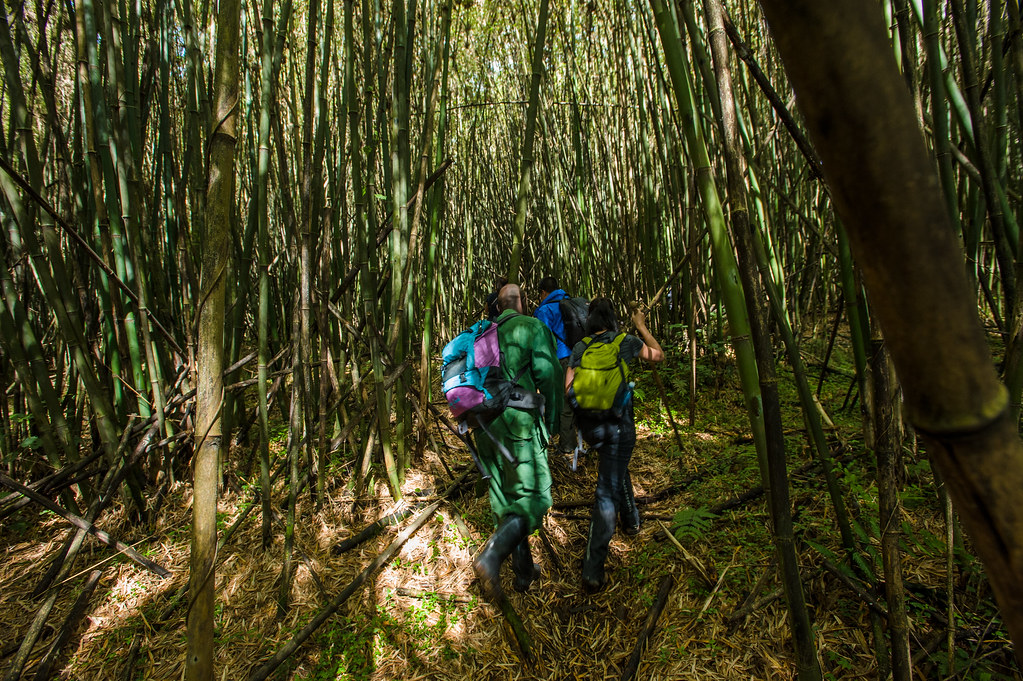
Gorilla trekking in Rwanda is an activity where visitors hike through forests to observe endangered mountain gorillas in their natural habitat. The activity primarily takes place in Volcanoes National Park, which lies in the northwestern part of Rwanda. The park is home to several gorilla families that have been habituated to human presence, meaning they are comfortable with visitors nearby without feeling threatened.
A typical gorilla trekking experience begins early in the morning at the park’s headquarters in the town of Kinigi. Here, trekkers are first given a briefing by park officials. This includes information about safety rules, how to behave when near gorillas, and proper trekking etiquette. After this, visitors are divided into small groups of up to eight people, each assigned to a specific gorilla family and guided by professional trackers.
The hike to find the gorillas may last anywhere from 1 to 4 hours or more, depending on the specific gorilla family’s location and the terrain. Throughout the trek, guides communicate with trackers who are already in the forest pinpointing the gorillas’ movements. Once your group reaches the gorillas, you spend a maximum of one hour at a close but safe distance, generally 7 meters (about 23 feet), watching them interact, eat, groom, and play.
Trekkers are required to wear sturdy boots, long-sleeved clothing, and carry water and light snacks due to the sometimes challenging nature of the trail. The experience is deeply moving as people witness these gentle giants up-close in a serene forest environment.
Examples of gorilla families trekked in Volcanoes National Park include Susa Family, known for its large size, and Amahoro Group, noted for its peaceful nature.
What permits are required for gorilla trekking, and how much do they cost?
To participate in gorilla trekking in Rwanda, visitors are required to obtain a gorilla trekking permit. This is a government-issued document that grants access to Volcanoes National Park to spend time observing a habituated gorilla family.
As of October 2023, the cost of a gorilla trekking permit in Rwanda is set at $1,500 per person for international tourists. These permits are sold by the Rwanda Development Board (RDB), and due to the high demand, travelers are advised to book permits well in advance, sometimes several months before the intended trekking date, especially during peak tourism seasons.
The permit covers entrance to the park, ranger and guide services, and the one-hour period spent with the gorillas. It’s worth noting that these fees contribute significantly toward conservation efforts, local community support, and the overall protection of gorillas in their natural environment.
For residents of East African countries or Rwandan nationals, discounted rates may apply, but they must meet specific criteria like proof of residency. Travelers can purchase permits directly through the RDB website or work with a licensed tour operator who arranges all logistics, including permits, transfers, and accommodations.
If you plan to combine gorilla trekking with other activities like trekking golden monkeys or hiking Mount Bisoke, separate permits will be needed for these.
How many days should I allocate for a combined Masai Mara safari and Rwanda gorilla trekking trip?
For a combined trip to the Masai Mara in Kenya and gorilla trekking in Rwanda, an optimal duration would be approximately 7 to 10 days, depending on your travel pace and budget.
- Masai Mara (4–5 days): Allocate about 4 to 5 days for the Masai Mara safari. This timeframe allows for international travel to Nairobi (Kenya’s capital) followed by domestic flights or road transfers to the Masai Mara. Spend 3 full days on game drives, which are usually conducted in the morning and late afternoon. This is enough time to see a wide variety of wildlife, including the iconic “Big Five” (lion, elephant, buffalo, leopard, and rhino). Timing may vary if visiting during the Great Migration months (July to October), as longer safaris might be preferred to fully enjoy the spectacle.
- Travel Between Kenya and Rwanda (1 day): Budget at least one day to travel between Kenya and Rwanda. There are flights from Nairobi to Kigali, the capital of Rwanda, with an average flight time of about 1.5 hours. Account for airport transfers and potential layovers.
- Rwanda Gorilla Trekking (2–3 days): Plan for at least 2 to 3 days in Rwanda for gorilla trekking. Upon arriving in Kigali, you will travel to Volcanoes National Park, which is about a 2 to 3-hour drive from the capital. One day is typically reserved for trekking, while another can include exploring nearby attractions like the Iby’Iwacu Cultural Village or visiting Dian Fossey’s tomb.
For travelers with additional time, consider extending the trip to include excursions like the Nairobi National Park in Kenya, Nyungwe Forest in Rwanda for chimpanzee trekking, or relaxing by Lake Kivu.
The duration will ultimately depend on personal preferences, but 7 to 10 days is ideal to enjoy both locations without being too rushed.
What wildlife can I expect to see in Masai Mara compared to Rwanda’s national parks?
In the Masai Mara, located in Kenya, visitors encounter a wide range of animals on the vast African savannah. The park is best known for its “Big Five”, which include lions, elephants, leopards, rhinoceroses, and buffaloes. Additionally, the area is famous for the Wildebeest Migration, where millions of wildebeest, zebras, and gazelles travel between the Masai Mara and Tanzania’s Serengeti. Predators like cheetahs, hyenas, and other animals such as giraffes, hippos, and crocodiles are often spotted.
In contrast, Rwanda’s national parks, such as Volcanoes National Park, have a different ecosystem offering unique wildlife. The park is best known for its mountain gorillas, which are found in the high-altitude forests. Visitors may also see golden monkeys, forest elephants, and other rainforest creatures. Akagera National Park in Rwanda features a mix of savannah and forest wildlife, including antelopes, zebras, and lions, though it’s smaller in scale than the Masai Mara. While Rwanda offers rare and specialized animal encounters like gorilla trekking, the Masai Mara is more about the classic safari experience with a huge variety of animals spread across open plains.
What accommodations are available during the safari and gorilla trekking experience?
During a safari in the Masai Mara, accommodations include a mix that ranges from luxury lodges that provide high-end amenities to budget-friendly tented camps for travelers looking for a simpler, close-to-nature experience. Luxury options often feature private cabins, on-site dining, and even swimming pools. Tented camps, while less extravagant, still offer comfortable beds, bathrooms, and meals. For those wanting a deeper connection to nature, basic camping opportunities are also available.
For gorilla trekking in Rwanda, accommodations are often situated near Volcanoes National Park. These include high-end lodges like Singita Kwitonda Lodge and Bisate Lodge, which provide personal service, exclusive access, and excellent views of the surrounding forests. Mid-range lodges and guesthouses, like Mountain Gorilla View Lodge, offer simpler comforts while still being close to the park entrance. Budget accommodations, scattered across nearby towns like Musanze, offer affordable places to stay with basic amenities.
What gear, clothing, and physical fitness level is essential for gorilla trekking?
For gorilla trekking in Rwanda, certain gear and clothing are important to ensure safety and comfort. Sturdy hiking boots with good grip are crucial, as the trails can be steep and muddy. Long-sleeved shirts and pants protect from scratches, stinging plants, and insects. Wearing gardening gloves can help when leaning on wet or thorny surfaces during the trek. Carrying waterproof clothing, like a rain jacket, is recommended since the forest experiences regular rain showers.
Accessories to pack include a small backpack for water, snacks, and essentials like a camera. A walking stick is often provided by guides, but you can bring your own if preferred. Insect repellents and sunscreen are useful for exposed skin, even in the forest. To avoid scaring the gorillas, neutral-colored clothing (like green and brown) is ideal.
Regarding fitness, gorilla trekking requires a moderate to high fitness level. The trek varies depending on how far the gorillas are from the starting point, sometimes requiring several hours of uphill hiking through rugged terrain with thick vegetation. People with medical conditions should inform guides beforehand, as porters are available to help carry gear or assist in challenging sections. With preparation, most people can complete the trek and enjoy an encounter with mountain gorillas.
Are guided tours or private tours better for a Masai Mara and Rwanda combination trip?
When deciding between a guided tour (group tour) and a private tour for a Masai Mara and Rwanda combination trip, the best choice depends on your preferences, budget, and travel style.
Guided tours, or group tours, are organized trips where you join other travelers in a shared itinerary. These tours are usually cheaper because costs like transportation, guides, and sometimes accommodations are shared among the group. They are perfect if you’re traveling on a smaller budget, are flexible with schedules, and enjoy meeting others. However, group tours may lack flexibility since the itinerary is pre-planned, and decisions (like how long to stop at a sight) cater to the group.
Private tours, on the other hand, are customized solely for you (or your group). These tours allow for greater personal attention from guides, custom itineraries, and flexibility in timing and preferences. For example, while in the Masai Mara, if you’d like to spend additional time observing lions or exploring a specific game drive circuit, it can easily be arranged in a private tour setting. Private tours are ideal if you’re traveling with family, have specific preferences (like dietary needs or priority species to see), or simply enjoy quieter, personal experiences. The downside is the higher cost, as you’re covering all expenses alone.
For a combination trip between Masai Mara and Rwanda, many travelers prefer private tours because the itinerary involves covering two countries, and a private setup ensures smoother logistics, like crossing borders or visiting specific areas. For instance, in Rwanda, a private tour allows for flexibility in gorilla trekking permits, accommodating your preferred day and time slot.
In conclusion, guided tours are more budget-friendly and social, while private tours offer personalization and adaptability. Your decision depends on your travel priorities.
What cultural experiences can I expect in both Kenya and Rwanda?
The cultural experiences in Kenya and Rwanda are rich and diverse, representing the unique heritage of each country.
In Kenya, a highlight would be interacting with the Maasai people, one of the most famous indigenous ethnic groups in Africa. The Maasai are known for their distinctive customs, dress, and their semi-nomadic way of life centered around cattle. Visitors can visit a Maasai village (called a “manyatta”), where community members showcase their traditional dances, crafts (like beadwork), and even give insights into daily life, such as how they build huts or prepare meals. Beyond the Maasai, Kenya is home to over 40 different tribes, such as the Kikuyu and Luo, each with unique traditions and festivals.
In Rwanda, cultural experiences are deeply tied to the country’s history and resilience. One essential stop is the Genocide Memorials, such as the Kigali Genocide Memorial, offering a somber but vital perspective on Rwanda’s recovery and unity after the devastating 1994 genocide. On a lighter note, travelers can visit traditional dance and music performances, where the rich drumming and movement tell stories of Rwanda’s past and present.
Additionally, Rwanda is known for its community-based tourism initiatives, such as visiting local farming cooperatives or partaking in cultural heritage programs. For instance, travelers can see banana beer brewing, attend a basket-weaving workshop, or even learn about traditional medicine practices from local healers.
Both countries also offer authentic culinary experiences. In Kenya, try dishes like ugali (a maize flour staple) and nyama choma (grilled meat). In Rwanda, local specialties like isombe (cassava leaves in peanut sauce) and brochettes (meat skewers) are popular.
In summary, Kenya offers dynamic tribal encounters, with Maasai culture as a central focus, while Rwanda blends history and local traditions, creating an immersive cultural connection.
What are the costs and budget considerations for this combined safari and trekking trip?
The total cost of a combination trip to Masai Mara (Kenya) and Rwanda for gorilla trekking depends on factors like transport, accommodations, permits, and personal preferences. On average, expect to budget between $5,000-$10,000 per person for a well-organized trip, including all major expenses.
1. Permits:
- The gorilla trekking permit in Rwanda is one of the most significant costs, priced at $1,500 per person. This fee supports conservation efforts and ensures a controlled number of visitors.
- In the Masai Mara, park fees cost roughly $80 per adult per day.
2. Accommodation:
- In both locations, lodging varies widely:
-
- Budget: $100-$200 per night. Basic tented camps or small lodges.
- Mid-range: $300-$600 per night. Comfortable safari lodges.
- Luxury: $800-$1,500+ per night. High-end camps with premium amenities.
3. Transport:
- Flights will form a significant portion of your expenses. International flights can range from $800-$1,500 depending on your location.
- Internal flights between Nairobi (near Masai Mara) and Kigali (Rwanda) cost approximately $300-$500 per person one-way.
- Ground transfers and safari vehicles also add costs. A private 4×4 safari car can cost $200-$400 per day, including a driver/guide.
4. Guided Tours:
- Group tours may cost around $4,000-$6,000 per person, covering the entire trip.
- Private tours are more expensive, ranging from $7,000-$10,000+ per person, including tailored itineraries.
5. Food and Miscellaneous:
- Meals in lodges usually come included (especially in mid-range and luxury options).
- Tips for guides and trackers are expected. For example, $10-$20 per day for guides and $15 per tracker in Rwanda.
While higher budgets allow for more comfort and convenience, budget travelers can save by opting for group tours, basic accommodations, or traveling in the off-season (April to May) when prices are lower. Proper planning ensures the trip meets your preferences and financial limits.
How To Book Your Safari in Rwanda
Ready for a unique adventure that combines the breathtaking Masai Mara safari with unforgettable gorilla trekking in Rwanda? This guide has broken down the ‘what,’ ‘how,’ and ‘why’ of planning such an incredible journey. From spotting wildlife on the African plains to meeting majestic mountain gorillas, it’s an experience like no other. To make your dream trip a reality, reach out to the best Rwanda Safari Companies and get started today! Your adventure awaits!
Kenya Safaris
Kenya Safaris offer exceptional wildlife viewing opportunities, featuring the Big Five and stunning landscapes like the Maasai Mara, Amboseli National Park, and Tsavo National Parks. Popular activities include game drives, hot air balloon rides, and guided walking safaris. Many travelers combine Kenya Safaris with Rwanda safaris, where gorilla trekking in Rwanda is a highlight, particularly in Volcanoes National Park. This unique blend of experiences provides incredible opportunities to see Africa’s iconic animals and endangered mountain gorillas in their natural habitats.
What are the best national parks and reserves to visit in Kenya for a safari?
Kenya is one of the most famous safari destinations in the world, and several national parks and reserves stand out for their unique offerings and wildlife.
- Masai Mara National Reserve: This is perhaps the most popular safari destination in Kenya. Famous for the annual Great Migration, where millions of wildebeest, zebras, and antelopes move between the Serengeti in Tanzania and the Masai Mara. It’s also known for its big cat populations, including lions, leopards, and cheetahs. Visitors here can also encounter other animals like elephants, giraffes, and buffalo.
- Amboseli National Park: Known for its stunning views of Mount Kilimanjaro in the background, this park is renowned for its large herds of elephants. You can also find other animals such as hyenas, zebras, and hippos, as well as a rich variety of birdlife.
- Tsavo National Parks (East and West): Tsavo is Kenya’s largest park and is divided into East and West sections. Tsavo East is perfect for lion sightings and its wide-open savannah, while Tsavo West is more mountainous and known for its scenic landscapes, including Mzima Springs, where hippos and crocodiles can be observed.
- Lake Nakuru National Park: A must-visit for bird enthusiasts, it hosts thousands of flamingos that cover the lake edges. It’s also home to rhinos, leopards, and Rothschild’s giraffes.
- Samburu National Reserve: This reserve offers a less crowded safari experience and is home to unique species found only in this region, such as the Grevy’s zebra, Somali ostrich, and gerenuk (long-necked antelope).
These parks and reserves offer varying landscapes and a broad range of wildlife, making each one special in its way.
What is the ideal time of year to go on a safari in Kenya?
The best time for a safari in Kenya often depends on what you want to see, but weather and wildlife activity are key factors.
June to October is considered the dry season and the most ideal time for safari. During this period, the weather is sunny with little rain, and animals are easier to spot since they gather around water sources. The dry vegetation also makes it easier to see wildlife.
If you’re interested in the Great Migration, the peak time in the Masai Mara is between July and August, as millions of animals cross the Mara River, often dodging crocodiles. By October, the herds start heading back toward Tanzania.
The wet season (November to May) also has its perks. The landscape is lush and green, and the birdwatching opportunities are excellent, as migratory birds arrive. However, wildlife viewing might be harder due to overgrown vegetation, and the roads in some parks can become muddy.
The shoulder seasons (May–June and October–November) are great for avoiding large tourist crowds. These months can also still offer good weather and decent wildlife viewing before the rains peak.
What wildlife can you expect to see during a Kenyan safari?
Kenya is home to an incredible variety of wildlife, and visitors can expect to see many of the world-famous species during their safari.
The Big Five: These iconic animals include lions, elephants, leopards, buffalo, and rhinos. While all these animals can be spotted in Kenya, certain parks, like the Masai Mara and Amboseli, are especially known for their populations of lions and elephants.
Herbivores: Zebras, giraffes, and antelopes are commonly seen grazing on the open savannahs. Kenya also hosts rarer species like the Grevy’s zebra and the giraffe species specific to certain parks.
Predators: Besides lions, other predators like cheetahs and hyenas are abundant in areas like Masai Mara and Samburu. Leopards are more elusive but can still be spotted in quiet areas like Lake Nakuru or Tsavo.
The Great Migration: If you visit during migration season, you’ll witness millions of wildebeest, zebras, and gazelles on their journey.
Birdlife: Kenya is a paradise for bird watchers, offering more than 1,000 species of birds. Flamingos are particularly eye-catching at Lake Nakuru, and migratory birds appear seasonally.
One of Kenya’s draws is the possibility of seeing these animals living naturally in their vast and varied habitats, from open grasslands to riverbanks and forests.
What types of safaris are offered in Kenya (e.g., game drives, walking safaris, balloon safaris)?
In Kenya, there are several types of safaris, each catering to different preferences and offering unique ways to explore the wildlife and landscapes. The most common option is the game drive, where travelers ride in a safari vehicle, typically equipped with open sides or a pop-up roof for better wildlife viewing and photography. These drives are guided by experienced professionals who know where to spot animals like lions, elephants, giraffes, and more. Game drives usually happen early in the morning, late in the afternoon, or even at night to catch the animals during their most active periods.
Walking safaris are another option and involve trekking through the bush on foot with an armed guide and tracker. These are for those who prefer a more up-close experience with nature. While big game sightings may be less common, walking safaris allow visitors to notice smaller creatures, plants, and tracks that are easy to miss during a drive. It also offers a better sense of the untouched wilderness in certain areas.
Another popular choice is the hot air balloon safari, which provides an aerial perspective, especially over the Masai Mara. The balloon takes off at dawn, giving passengers a chance to witness animals roaming the savannah as the sun rises. It’s a quieter and breathtaking way to observe herds of wildebeest and other animals from above.
Beyond these, some reserves, like Lake Naivasha, offer boat safaris, allowing visitors to see hippos and aquatic birds up close. For those interested in more intimate experiences, Kenya also provides options for night safaris to witness nocturnal animals or horseback safaris in certain lodges, enabling quiet and unobtrusive exploration.
Each type offers something different, so choices often depend on interests and budget.
What are the accommodation options available while on a safari in Kenya?
Kenya boasts a wide range of accommodations to suit various budgets and preferences while on safari. Visitors can choose between luxury lodges, tented camps, budget-friendly campsites, and even private mobile camping setups.
For a top-tier experience, luxury lodges offer amenities such as spacious rooms or suites, full-service dining, private plunge pools, and incredible views right from your balcony. These lodges are often located inside or near the game reserves, such as the Masai Mara or Amboseli National Park. Examples include Ol Donyo Lodge and Angama Mara. Staffed with chefs, guides, and butlers, luxury lodges cater to an all-inclusive and comfortable experience.
Tented camps are another highlight. These range from simple tents to luxury ones. The more upscale options feature en-suite bathrooms, king-sized beds, and even lounges within individual tents. Unlike traditional camping, tented camps provide permanent structures placed in scenic locations within reserves. Examples include Kichwa Tembo or Mara Engai.
Budget-conscious travelers can opt for campsites. Located either inside or outside parks, these are more rustic but budget-friendly, with communal facilities and self-catering options. Some campsites are public; others are operated by private companies that offer organized setups or equipment rentals.
For a unique option, there are mobile camps, where the accommodations are set up and moved depending on the wildlife migrations, such as during the Great Migration in the Masai Mara. These camps provide a small, exclusive feel and let guests experience the wild up close.
Finally, if seeking more privacy, look into private conservancies. These areas have lodges or private homes only accessible to a few clients, offering exclusivity and personalized service.
How long should a typical Kenyan safari experience last?
The length of a typical Kenyan safari can vary based on budget, schedule, and the specific reserves chosen, but most people spend between 5 to 10 days for a well-rounded trip. Here’s why this duration tends to work well:
Spending several days guarantees better chances of spotting wildlife and adapting to the pace of the natural rhythms of the animals. For example, reserves like the Masai Mara require at least 3–4 days to explore adequately, especially to witness the Big Five or the Great Migration. Combining locations, such as pairing the Mara with Amboseli or Tsavo East, ensures diversity in scenery and wildlife. For example, Amboseli is famous for its elephants and views of Mount Kilimanjaro, while Tsavo offers more rugged terrain and is less crowded.
For shorter trips, such as 3–4 days, you can visit one or two parks like the Nairobi National Park, Masai Mara, or Lake Nakuru. These offer excellent opportunities for wildlife viewing without excessive travel time.
For more extended trips of 8–10 days, travelers can explore multiple locations, including less-visited areas like Samburu or the Laikipia Plateau. This also allows enough time to recover from travel fatigue and enjoy the lodgings and activities.
A few days per park allows for flexibility in timings. Animal sightings vary daily, so what you miss one day you might see the next. Moreover, if choosing activities like walking safaris or hot air balloon rides, a longer stay gives time for these add-ons.
Experienced safari-goers might even consider 2–3 weeks to visit more niche locations or lesser-explored regions, making the most of Kenya’s diverse ecosystems. However, 7–8 days is typically sufficient for most travelers to feel they’ve had a comprehensive experience.
What is the cost range of a safari in Kenya, and what factors influence the pricing?
The cost of a safari in Kenya varies greatly, depending on factors such as the duration of the trip, type of accommodation, time of year, and level of luxury. Prices can range from $200 to $1000+ per person per day. Here’s a breakdown:
- Accommodation plays a big role in the cost. Budget options like campsites or basic tented lodges cost less, around $50 to $150 per night. Luxury lodges or exclusive tented camps with private decks, gourmet meals, and extra perks can cost $400 to $1000+ per night.
- The time of year impacts pricing significantly. The peak season, from July to October, coincides with the Great Migration in the Masai Mara. During this time, lodges and park fees are at their highest. Off-season (March to May), when there’s occasional rain, is cheaper.
- Park fees also influence cost. Entry fees to many reserves, like the Masai Mara or Amboseli, are about $60 to $80 per adult per day, with several parks charging more for premium experiences.
- Type of safari matters, too. A budget group safari, where costs like vehicles and guides are shared, will cost far less than private or tailor-made safaris. Group tours can start from $150 per person per day, while private safaris can be $300 to $800+ daily.
- Additional costs include internal flights between parks (about $100-$300 per trip) and extras like balloon safaris ($400 per person) or cultural visits ($30-$50).
For an affordable safari, travelers may opt for shorter trips (3-4 days) and visit parks with lower entry fees. The goal is to balance cost with the kind of experience you seek.
What are the main differences between popular safari destinations, such as Masai Mara, Amboseli, and Tsavo?
Kenya’s diverse parks offer unique features, each drawing visitors for different reasons:
- Masai Mara
-
- Known for the Great Migration (July to October), it’s among the best places to see millions of wildebeest and zebras crossing the Mara River, often dodging waiting crocodiles.
- The area features vast open savannas populated with big cats like lions, leopards, and cheetahs.
- It’s home to many Maasai villages, allowing cultural visits.
- The high density of animals and the famous rolling plains make it excellent for photography.
- Amboseli
-
- Famed for its stunning views of Mount Kilimanjaro, offering iconic photos of herds of elephants in front of the mountain.
- It is one of the best places to spot large herds of elephants up close.
- The park also has wetland areas, making it unique for bird watching and viewing hippos.
- It’s relatively smaller, so wildlife sightings feel more concentrated, but it lacks the big variety Masai Mara has.
- Tsavo (East and West)
-
- The largest national park in Kenya, it’s divided into Tsavo East and Tsavo West.
- Tsavo East is famous for its red-dust-covered elephants, while Tsavo West offers dramatic landscapes including the Mzima Springs, known for clear spring waters filled with hippos and crocodiles.
- It’s less crowded than Amboseli or Masai Mara, so it appeals to those seeking solitude with wildlife.
- While animal spotting in Tsavo can be harder due to dense vegetation, it’s great for spotting rarer species like lesser kudu or gerenuks.
In summary, Masai Mara gives you the ultimate wildlife density, Amboseli offers incredible elephant and Kilimanjaro views, while Tsavo offers a quieter, wilder experience.
How can one ensure safety and security while on a Kenyan safari?
Safety during a Kenyan safari is very important and can be ensured by following these key guidelines:
- Stick to the rules and follow your guide’s advice: The guides accompanying you are trained professionals. They know the behavior of wild animals and the terrain well. Always stay inside the vehicle during game drives unless instructed otherwise, as predators might be nearby.
- Stay in designated areas: In camps or lodges, only walk in authorized zones. Wild animals sometimes wander in. Many luxury accommodations provide escorts for walking after dark to keep you safe.
- Don’t feed the animals: This may seem harmless, but feeding animals can harm their health or change their natural behavior, making them more aggressive towards humans.
- Take care with valuables and personal security: Kenya is generally safe, but in towns or transit points, keep your possessions secure to avoid pickpocketing. Use lodge safes for passports, cash, and electronics.
- Respect the wildlife: Don’t make loud noises, sudden movements, or use flash photography since this can startle animals. Aggressive encounters happen when animals feel threatened.
- Health safety: Kenya places health precautions in areas where diseases like malaria exist. Carry anti-malaria medication, apply insect repellent, and sleep under mosquito nets. Keep bottled water to avoid waterborne illness.
For vehicle-based safety, check that cars are well-equipped with radios, spare tires, and first aid kits. In case of emergencies, most parks coordinate rescue services quickly if travelers are with licensed operators.
By following these steps and picking reputable safari companies, you can enjoy a secure and wonderful trip. Parents traveling with children should reinforce safety rules for them.
Are guided safaris recommended, or can travelers do self-drive safaris in Kenya?
Guided safaris and self-drive safaris each have their own benefits and might suit different kinds of travelers.
Guided safaris are led by professional guides who are not just experts at navigating the terrain but also knowledgeable about the wildlife, vegetation, and the local ecosystem. This option is perfect for first-time safari-goers or those unfamiliar with Kenya’s safari parks. The guides know where and when animals are likely to be spotted, making the experience rewarding. For example, in the Masai Mara, a guide can take you to specific areas to catch a glimpse of lions or even advise on where to see the wildebeest migration. Vehicles provided for these safaris are often well-equipped, such as open-roof jeeps, which allow better views and photography opportunities. The stress of logistics (planning routes, permits, or entrance fees) is eliminated because companies usually handle all of this.
On the other hand, self-drive safaris offer freedom and flexibility, as travelers can follow their own schedule and decide how long to spend at a particular spot. Popular options include renting a 4×4 vehicle and driving through parks like Amboseli and Tsavo. However, this requires more preparation. You need a good map, patience to navigate unmarked tracks, and an understanding of the local rules (e.g., speed limits, staying on designated paths). Self-drive safaris can be more affordable than guided tours, but it’s recommended only for experienced drivers, especially since you may encounter uneven terrain or areas lacking signs.
For example, if a traveler prefers learning in detail and avoiding risk, a guided safari should be chosen. If someone has prior off-road experience and likes adventure, self-driving might be appropriate. In many cases, a combination works well, starting with a guided tour and later opting for a self-drive.
What cultural experiences or interactions with local communities can be included in a Kenyan safari?
Kenya offers several opportunities to connect with local communities and experience their culture while on a safari. Many safaris include visits to villages, where visitors can interact with the Indigenous communities, such as the Maasai or Samburu tribes, known for their distinct traditions and customs.
For example, the Maasai tribe, found near the Masai Mara, is famous for their colorful clothing (shuka), beautiful beadwork, and unique jumping dance called the “Adumu.” Travelers can visit a Maasai village (often referred to as a Manyatta) and learn about their way of life, such as cattle herding, making traditional fire, and living in temporary huts built from mud and grass. There is also an option to buy handmade jewelry and crafts, which supports local artisans directly.
In northern Kenya, encounters with the Samburu people might be included. Like the Maasai, they have rich traditions, but their customs and attire differ slightly. Visitors can learn about how these semi-nomadic groups thrive in arid areas, and hear fascinating stories about their connection with the environment.
Another popular activity includes joining local music or dance performances. These shows are not staged tourist events but rather authentic displays of culture. Some lodges also collaborate with communities to offer food-tasting experiences, where travelers can try staples such as ugali (a maize-based dish) or nyama choma (grilled meat).
In ecotourism areas, interactions might also involve guided tours by locals who share knowledge about medicinal plants, traditional conservation methods, and ancient folklore. These cultural exchanges enrich the safari experience by showing Kenya’s diversity beyond wildlife.
What essentials should travelers pack for a safari in Kenya?
Packing the right items is crucial for a comfortable safari in Kenya. Here’s a breakdown of essentials:
- Clothing: Opt for lightweight, neutral-colored outfits (like beige or khaki) that blend with the environment and won’t alarm wildlife. Bring layers, since mornings and evenings can be cool while afternoons may get hot. A wide-brimmed hat, sunglasses, and a scarf or buff are useful to protect oneself from the sun and dust.
- Footwear: Comfortable, closed-toe shoes (like hiking boots or sturdy sneakers) are essential for walking safaris or uneven terrain. Sandals might be useful for relaxing at camp.
- Weather protection: Sunscreen with high SPF is vital to prevent sunburn, especially during game drives when under direct sunlight. In rainy seasons, a travel-size rain jacket or poncho is helpful.
- Health and hygiene items: Carry insect repellent to keep mosquitoes at bay, as well as any personal medications you might need. A small first aid kit, hand sanitizer, and wet wipes are also useful.
- Binoculars and cameras: Many animals may be seen from a distance, so binoculars ensure better viewing. A camera with a good zoom lens is ideal for capturing moments such as lions lounging under trees or elephants grazing in Amboseli.
- Tech gear: Pack extra batteries or power banks, as some camps may have limited electricity. Don’t forget travel adapters suited to Kenya’s plugs (Type G).
- Daypack: A small bag can carry items like water, snacks, sunscreen, and field guides during daily outings.
- Documents and money: Keep passports, park permits, reservation details, and some Kenyan shillings or a credit card for souvenirs.
By preparing these essentials, travelers can focus on enjoying wildlife and scenery without discomfort. For colder months (June to August), a warm fleece or jacket is also recommended.
Ready to Plan Your Kenya Safari?
Now that we’ve covered the basics of Kenya safaris, what they are, what you can see, and why they’re so popular, you’re just one step away from experiencing a magnificent adventure. The easiest way to get started is by contacting trusted professionals who specialize in planning unforgettable trips. Check out the Rwanda Safari Companies to find the perfect team to organize your Kenya safari dream. Let them take care of the details while you prepare for the adventure of a lifetime!
Visit Mount Mgahinga Gorilla National Park
Mgahinga Gorilla National Park, located in southwestern Uganda, is a prominent destination for gorilla trekking and forms part of the larger Virunga Conservation Area, which extends into Rwanda and the Democratic Republic of Congo. The park is home to the endangered mountain gorillas, offering visitors an opportunity to track these primates in their natural habitat. Adjacent to Volcanoes National Park in Rwanda, Mgahinga is also suitable for travelers combining Rwanda safaris with gorilla trekking in Uganda. Other activities include golden monkey tracking, hiking the Virunga Volcanoes, and cultural experiences with the local Batwa community. The park’s diverse ecosystem and strategic location make it an integral part of conservation efforts in the region.
Where is Mgahinga Gorilla National Park located?
Mgahinga Gorilla National Park is located in southwestern Uganda. It sits on the border where Uganda meets Rwanda and the Democratic Republic of Congo. The park is part of the Virunga Mountains, a series of volcanoes that stretch across these three countries. It lies within Kisoro District, which is about 500 kilometers (about 310 miles) from Kampala, Uganda’s capital city.
The park covers an area of 33.7 square kilometers (about 13 square miles), making it the smallest national park in Uganda. Despite its size, it is very important because it is part of the greater Virunga Conservation Area, which is shared with the neighboring countries.
The park also boasts a rich ecological system due to its high-altitude terrain, which ranges from 2,227 to 4,127 meters above sea level. Three volcanoes, Mount Gahinga, Mount Sabyinyo, and Mount Muhabura, dominate the park’s landscape. Because of its location, the park is recognized for both its natural beauty and its importance in wildlife protection.
For visitors traveling from Kampala or other parts of Uganda, the park can typically be reached by road or by domestic flights to nearby airstrips such as Kisoro Airstrip.
What is the significance of Mgahinga Gorilla National Park in terms of wildlife conservation?
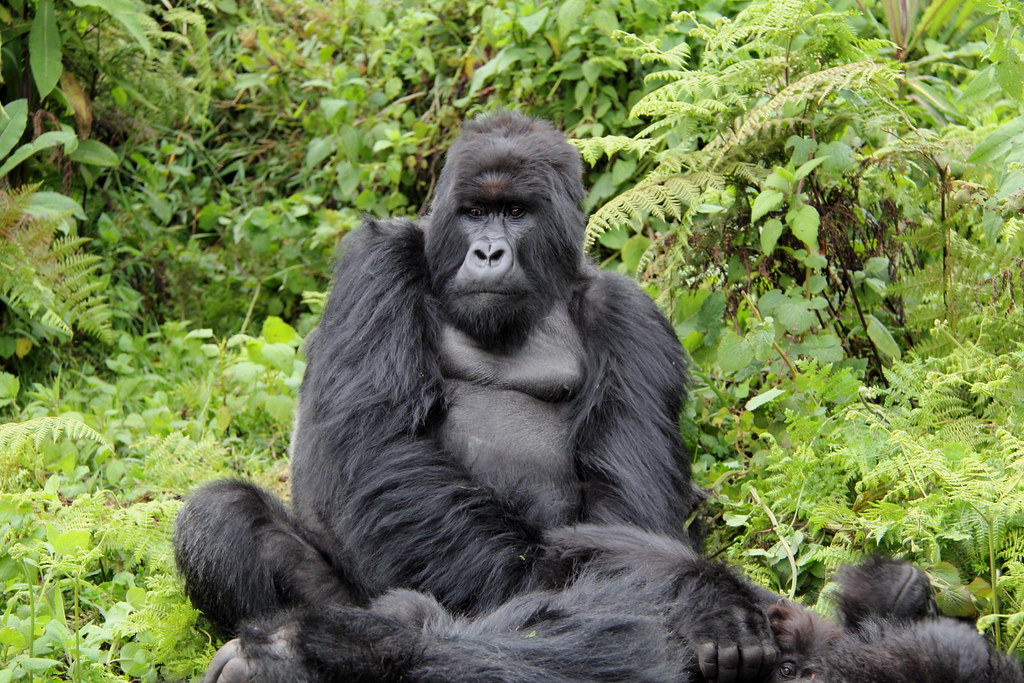
Mgahinga Gorilla National Park is significant mostly because it is home to the endangered mountain gorillas. Mountain gorillas are among the rarest primates in the world, with only roughly 1,000 individuals left. Conservation efforts in this park help protect these animals from threats such as poaching, habitat destruction, and diseases.
The park contributes to global conservation projects by being one of only two national parks in Uganda where mountain gorillas can be found, the other being Bwindi Impenetrable National Park. Mgahinga is part of the larger Virunga Conservation Area, where countries work together to protect mountain gorilla populations across borders.
The park is also home to golden monkeys, another species listed as endangered due to deforestation and population loss. By preserving the park’s forests, Uganda helps protect these primates as well.
Conservation efforts include sustainable tourism, where a portion of park entrance fees supports conservation projects. Communities living near the park also benefit from activities such as gorilla trekking, which helps develop the local economy while involving people in conservation work.
Many researchers and international organizations have studied ecosystems and gorilla behavior in Mgahinga, making it vital for scientific understanding of these species and their habitats. Without protection in areas like Mgahinga, mountain gorillas and other species could face extinction.
Which animal species are most commonly associated with the park?
The most famous animal associated with Mgahinga Gorilla National Park is the mountain gorilla. These gorillas are part of social groups called troops that consist of one dominant male (silverback), a few females, and their young. Visitors to the park often come for the opportunity to participate in gorilla trekking, where they are guided by rangers to observe these primates up close in their natural habitat.
Another animal species commonly found in the park is the golden monkey. These primates are smaller than gorillas and have distinctive golden-orange fur on their backs, which makes them easy to identify. Mgahinga is one of the few places on Earth where tourists can see these monkeys in the wild.
The park is also home to other mammals such as forest elephants, buffaloes, and bushbucks, though these are less frequently seen. Carnivores like leopards and golden cats are known to live in the area but are rarely spotted due to their elusive nature.
Birds are another highlight, with over 180 bird species recorded in the park. Some unique bird species include the Rwenzori turaco and the handsome francolin, making it an attractive destination for birdwatching enthusiasts.
Additionally, the three volcanoes within the park support rich biodiversity, including many small mammals and reptiles that thrive in the cool, mountainous environment.
What is the history of Mgahinga Gorilla National Park and its establishment?
Mgahinga Gorilla National Park is located in southwestern Uganda, sharing borders with Rwanda and the Democratic Republic of Congo (DRC). The park was officially gazetted in 1991 to protect the region’s biodiversity and, more specifically, the endangered mountain gorillas. Before this, the area had been known for its incredible ecological richness, but it faced deforestation, poaching, and human encroachment. The decision to establish the park came as part of Uganda’s broader initiative to safeguard its natural heritage and preserve wildlife.
The park is part of the Virunga Conservation Area, which spans these three countries and focuses heavily on mountain gorilla conservation. Historically, the region has been home to indigenous communities, such as the Batwa people, who were the original forest inhabitants. The establishment of the park unfortunately displaced these communities, but ongoing efforts aim to involve them in conservation activities and offer alternatives like community tourism projects.
The park’s history also ties closely to that of the mountain gorilla. Due to habitat destruction and poaching, mountain gorilla populations declined sharply during the 20th century. Mgahinga became a critical sanctuary for their survival, as the park overlaps with their range in the Virunga Mountains. Today, the park represents a global success story for conservation, with steadily increasing gorilla populations and responsible eco-tourism bringing attention and funding to the area.
What are the key tourist activities offered in Mgahinga Gorilla National Park?
Visitors to Mgahinga Gorilla National Park can enjoy a range of activities that highlight the park’s biodiversity and incredible natural landscapes. Among the most popular is gorilla trekking, which involves guided hikes to observe mountain gorillas in their natural habitat. Tourists get the chance to see a habituated gorilla family, observe their behavior, and learn about their conservation.
Another key activity is golden monkey trekking, where visitors can spot the rare and colorful golden monkeys, another endangered species that the park shelters. These monkeys are known for their playful behavior and vibrant fur, making treks both entertaining and educational.
Hiking and volcano climbing are also highlights. The park is located within the Virunga Mountains, and hikers can challenge themselves by climbing volcanic peaks such as Mount Muhabura, Mount Gahinga, and Mount Sabyinyo. Each peak provides stunning views, unique terrains, and opportunities to explore diverse vegetation zones.
For those interested in local culture, interactive visits with the Batwa people are available. The Batwa are indigenous people who once lived in the forest as hunter-gatherers. Visitors can learn about their traditions, participate in activities like fire-making, and understand how conservation initiatives have impacted their way of life.
Finally, visitors can enjoy birdwatching, as the park hosts over 180 bird species, including many that are endemic to the Albertine Rift region. Whether trekking or taking guided walks, birdwatchers can spot species such as the Rwenzori Turaco and the Double-Collared Sunbird.
How can visitors access Mgahinga Gorilla National Park?
Accessing Mgahinga Gorilla National Park requires some planning, but it is reachable by both road and air from different locations in Uganda and neighboring countries. For those traveling from Uganda’s capital, Kampala, the journey to the park by road takes about 8–10 hours and spans roughly 495 kilometers (308 miles). The roads are mostly tarmacked, though the final sections closer to the park may involve dirt roads.
From Kisoro Town, the park is just 14 kilometers (about 9 miles) away. Kisoro serves as the nearest major town and is easy to reach from Kabale, which is a central hub in Uganda’s southwestern region.
For faster travel, visitors can opt for domestic flights. Scheduled flights operate from Entebbe International Airport or Kajjansi Airfield near Kampala to Kisoro Airstrip. From Kisoro Airstrip, the park is only a short drive away, making this option convenient for those short on time.
If you’re arriving from Rwanda, the park is only about 30 kilometers (18 miles) from the border town of Cyanika. Visitors coming from Kigali, Rwanda’s capital, can reach Mgahinga in around 3–4 hours by road. This makes it an accessible option for travelers on a multi-country gorilla safari.
Once near the park, transportation options include private vehicles, hired 4×4 cars, and motorbike taxis (boda-bodas). It is advisable to use a trusted tour operator for smooth travel arrangements, as they can assist with navigating remote areas and park entry logistics.
What is the best time of year to visit the park?
The best time to visit Mgahinga Gorilla National Park is during the dry seasons, which occur from June to early September and December to late February. During these months, the weather typically features less rain, making it easier to trek through the park’s trails and forests. The paths are less muddy and slippery, creating safer and more comfortable conditions for activities like gorilla trekking, hiking, and birdwatching.
The dry seasons are particularly important if you’re planning to see the mountain gorillas. The reduced rainfall allows you to move through the dense forest with less difficulty. Additionally, wildlife tends to be more active during these periods, improving your chances of observing various animals in the park.
On the other hand, the rainy seasons fall roughly between March to May and October to November. If you do decide to visit during these months, you should prepare for wetter conditions. While some visitors enjoy the lush greenery brought by the rains, trekking becomes more challenging as the trails become muddy and slippery. However, because it’s the low tourism season, you might find lower park fees and fewer visitors during this time.
It’s important to note that Mgahinga Gorilla National Park’s location in a tropical region means the weather can sometimes be unpredictable. Rain may occasionally occur even in the dry season. Therefore, carrying waterproof clothing and appropriate hiking gear is always a good idea.
In summary, June to early September and December to late February are the most suitable times to plan a trip, offering better trail conditions and minimizing weather disruptions. However, with proper preparation, the park remains accessible year-round.
How does Mgahinga Gorilla National Park contribute to the conservation of mountain gorillas?
Mgahinga Gorilla National Park plays a key role in the protection and survival of mountain gorillas, a critically endangered species. This park is part of the Virunga Conservation Area, which also spans parts of Rwanda and the Democratic Republic of Congo. Together, these protected areas serve as one of the few habitats where mountain gorillas can thrive.
One major conservation effort at Mgahinga focuses on protecting gorilla habitats. The park preserves dense forests, which provide food and shelter for the gorillas. Without this protected environment, human activities like farming or logging could destroy these habitats, leaving gorillas at risk.
The park also conducts monitoring and research programs. Rangers and scientists keep track of gorilla groups, observing their health, behavior, and migration patterns. By constantly monitoring them, conservation teams can quickly identify and address potential threats, such as diseases or poaching.
Another significant aspect of conservation comes from controlled tourism programs, such as gorilla trekking. Tourists pay high fees to visit a limited number of gorillas, and this money is reinvested into conservation activities, including hiring rangers, funding anti-poaching patrols, and supporting habitat restoration. These activities help reduce the pressure of illegal activities around the park.
Communities living near the park are also involved in conservation initiatives. Funds generated from tourism often go toward local development projects, such as schools or clinics. This ensures that locals see benefits from the park, reducing conflicts and encouraging cooperation in protecting the gorillas and their habitat.
Through these combined efforts, Mgahinga Gorilla National Park plays a vital role in safeguarding mountain gorillas, helping boost their populations while ensuring their ecosystem remains protected.
What are the cultural and historical aspects associated with the indigenous communities near the park?
The region surrounding Mgahinga Gorilla National Park is home to the Batwa people, who are indigenous forest-dwelling communities with a rich cultural history. Historically, the Batwa were a hunter-gatherer group that lived in the dense forests of the Virunga region, including what is now Mgahinga Gorilla National Park. The forest served as their home, providing them with food, shelter, and materials for daily life.
The Batwa have a deep cultural connection to the forest and its wildlife. They traditionally relied on hunting small animals, gathering wild fruits, nuts, and herbs, and using plants for medicinal purposes. Forest living also shaped their spiritual practices, as certain caves, trees, and forest areas were seen as sacred places used for rituals or storytelling.
When Mgahinga Gorilla National Park was declared a protected area, the Batwa were displaced from their ancestral forest home. This forced transition from forest life left many Batwa people struggling to integrate into other forms of livelihood. Today, they often live in settlements near the park and face challenges such as poverty and limited access to resources.
Efforts have been made to preserve Batwa culture and improve their living conditions. Tourists visiting the park can take part in the Batwa Trail, an interactive cultural experience led by Batwa guides. During this tour, you learn about their history, survival skills, and traditional songs and dances. For example, visitors might see demonstrations of how they used to fetch honey or hunt using bow and arrows.
By sharing their knowledge and stories, the Batwa provide an important cultural perspective on the region. Programs like the Batwa Trail also serve as a way for the Batwa community to earn income while keeping their cultural heritage alive.
What is the significance of the Virunga Volcanoes within the park?
The Virunga Volcanoes are a chain of eight volcanoes that are part of the Albertine Rift, stretching across Uganda, Rwanda, and the Democratic Republic of Congo. Within Mgahinga Gorilla National Park, three of these magnificent volcanoes, Mount Muhabura, Mount Gahinga, and Mount Sabyinyo, play a central role in shaping the landscape and ecosystem of the park. These towering volcanic peaks are dormant but have left a lasting impact due to the fertile, volcanic soil they created.
This volcanic chain provides a unique habitat that supports a wide variety of wildlife, particularly the mountain gorillas and golden monkeys, which are some of the key species found here. The volcanic terrain offers dense vegetation, bamboo forests, and montane climates that these animals rely on for food and shelter.
The geological history of these volcanoes adds to their importance. Formed millions of years ago, they have created features like caves, lava tubes, and ridges that visitors can explore. For example, Mount Sabyinyo is popular for its challenging hiking trails, and its summit offers breathtaking viewpoints where visitors can stand at the intersection of Uganda, Rwanda, and the Democratic Republic of Congo. Mount Gahinga, on the other hand, is notable for its “swamp-filled” crater on top.
Additionally, the Virunga Volcanoes are culturally significant for the Batwa people, who historically lived in the forests around these mountains. They consider the volcanoes sacred and have deep spiritual connections tied to them.
The preservation of these volcanoes is also central to regional conservation efforts. Since their ecosystems support endangered species and rare plants, these mountains are crucial as biodiversity hotspots.
Are there accommodations available for tourists visiting the park?
Yes, there are several accommodation options available for tourists visiting Mgahinga Gorilla National Park, catering to different budgets and preferences. These accommodations range from luxury lodges to mid-range facilities and even basic campsites. Most are located near the park’s boundaries to offer easy access to trekking and other activities.
For those seeking luxury experiences, lodges like Mount Gahinga Lodge provide high-end services, cozy cottages, fine dining, and beautiful views of the surrounding volcanoes. These lodges often include extras like spa services and cultural tours with the Batwa community. Luxury accommodations aim to provide comfort while maintaining an eco-friendly philosophy, using sustainable practices due to their proximity to the park.
For travelers looking for something more affordable, mid-range accommodations include options such as Amajambere Iwacu Community Camp. These lodgings are often locally owned and offer a mix of private rooms, dorm-style facilities, or cabins. Staying here also supports community initiatives, as many mid-range and budget stays partner with local groups to generate income in the area.
Budget-friendly travelers can choose campsites near the park or in local villages. These campsites are a great option for backpackers or those looking for a minimal-impact stay. While facilities are more basic, the charm of being close to nature often appeals to eco-tourists.
In addition to formal accommodations, there are opportunities to stay in the nearby town of Kisoro, which has more hotels and guesthouses. Some visitors choose to commute from Kisoro to the park for day trips if they can’t secure a booking near the entrance.
Booking ahead is strongly recommended, especially during peak travel seasons when accommodations fill up quickly. Whether staying in a luxurious lodge or a simple cabin, the experience is enhanced by the tranquil setting and views of the majestic Virunga Volcanoes.
What are the main conservation challenges faced by Mgahinga Gorilla National Park?
Mgahinga Gorilla National Park faces several conservation challenges that hinder efforts to protect its diverse wildlife and unique ecosystem. One of the most pressing issues is human-wildlife conflict. Over the years, the growing human population around the park has led to increased encroachment. Local communities depend on agriculture for their livelihood, and as they clear land for farming, they encroach on the park’s boundaries. Wild animals like gorillas and monkeys sometimes wander into farmland, damaging crops, which causes tension between the park and local residents.
Another challenge is poaching, which occurs despite strict enforcement of anti-poaching laws. While instances of gorilla poaching are rare today, small-scale hunting for bushmeat or the capture of smaller animals remains an ongoing problem. Poaching not only threatens the animals but also harms the balance of the ecosystem.
Deforestation and the harvesting of natural resources, such as bamboo, pose serious risks as well. Bamboo, for example, is an essential food source for golden monkeys and gorillas, and its depletion directly affects these animals’ survival. Additionally, cutting down trees for firewood or construction leads to habitat destruction over time.
The park also faces challenges related to climate change. Shifts in weather patterns can disrupt the delicate ecosystem, affecting plant growth, water availability, and food resources for animals. Irregular rainfall or prolonged dry seasons can lead to habitat degradation.
Limited funding and resources for conservation efforts can also hinder progress. Budget constraints mean fewer park rangers, limited research, and inadequate resources to implement long-term ecological sustainability plans.
To address these challenges, partnerships with local communities, non-governmental organizations, and international wildlife groups are key. For example, efforts to educate the public about conservation and compensation programs for crop damage help build trust between the park and nearby residents. However, achieving a balance between human needs and wildlife protection remains a difficult task.
How To Book Your Safari in Rwanda
We’ve simplified the ‘what,’ ‘why,’ and ‘how’ of Mgahinga Gorilla National Park, from its incredible gorillas to how visitors can explore this unique destination. Now it’s time to turn your curiosity into action! For an unforgettable adventure, connect with the best Rwanda Safari Companies. They’ll help you plan your perfect trip to experience the wonders of Mgahinga. Start your journey today and create memories you’ll cherish forever!
Nyamuragira Volcano
Nyamuragira volcano, located in the Democratic Republic of Congo, is one of Africa’s most active volcanoes, situated near Nyiragongo volcano and Virunga National Park. Known for frequent lava flows, it significantly contributes to the region’s volcanic activity. While not in Rwanda, its activity often impacts Rwanda safaris and offers dramatic views for travelers in the region. For visitors exploring activities like gorilla trekking in Rwanda or visiting Volcanoes National Park, the volcano’s eruptions occasionally affect visibility and air quality. Regular monitoring helps ensure safety for those venturing close to the area.
Where is Nyamuragira volcano located?
Nyamuragira volcano is located in the Democratic Republic of the Congo (DRC), in Central Africa. It is situated within Virunga National Park, which is a UNESCO World Heritage Site. This region is part of the broader East African Rift system, a tectonic plate boundary where the African continent is slowly splitting into two parts.
The volcano is near Lake Kivu and Mount Nyiragongo, its more famous neighbor. Together, they form part of the Virunga Mountain range, which includes several other volcanoes. These two are considered among the most active in the region. Specifically, Nyamuragira is approximately 25 kilometers (15 miles) north of the city of Goma, which serves as a key hub for people living in the area and for those visiting the national park.
This location is known for its rich volcanic activity, which has contributed to the fertility of the surrounding lands and the creation of several unique ecosystems. However, the geographical setting also means that communities in the region often face risks related to eruptions, lava flows, and earthquakes. The region’s proximity to the Great Rift Valley makes it a hotspot of geological activities.
What type of volcano is Nyamuragira?
Nyamuragira is classified as a shield volcano. Shield volcanoes are characterized by their broad and gently sloping shape, much like a warrior’s shield lying on the ground. This shape is the result of repeated eruptions of low-viscosity lava, which is very fluid and spreads out over large areas before cooling and hardening.
Unlike steep stratovolcanoes, such as Mount St. Helens, the eruptions of shield volcanoes are typically less explosive. Instead, they produce large quantities of lava that flow across the surface. Hawaiian volcanoes like Mauna Loa and Kilauea are also well-known examples of shield volcanoes.
The lava from Nyamuragira is basaltic, which means it has low silica content, making it less sticky and more fluid. This allows the volcanic material to travel farther compared to other types of lava. Over time, the repeated outpouring of such lava has built the expansive base of the volcano, which spans tens of kilometers in diameter.
The broad, low profile of Nyamuragira makes it distinct from its neighbor, Nyiragongo, which is a steep stratovolcano. Though both are near each other, their shapes and eruption styles highlight their different geological characteristics.
How active is Nyamuragira compared to other volcanoes in the world?
Nyamuragira is considered one of the most active volcanoes in the world. It erupts frequently, with recorded eruptions occurring about every two to three years on average. Its activity has been documented since the early 20th century, with over 40 eruptions since 1900.
Its high level of activity places it among the world’s most consistently erupting volcanoes, alongside places like Kilauea in Hawaii and Stromboli in Italy. While Nyiragongo often gets more global attention, Nyamuragira actually produces more eruptions and greater volumes of lava over time.
These eruptions typically release vast quantities of lava flows, ash, and sulfur dioxide gas. Its activity significantly contributes to the formation of new land and changes in the landscape around the volcano. Between major eruptions, the volcano is often active at lower levels, with minor emissions of gas and occasional small lava flows.
For example, a notable eruption in 2011 created large lava flows that poured into Virunga National Park, affecting both the local environment and wildlife habitats. In terms of volcanic gas emissions, Nyamuragira ranks as one of the largest producers of sulfur dioxide globally, which can influence air quality not only locally but also at greater distances.
Compared to many other volcanoes, the predictability of its frequent activity makes it one of the best-studied in the East African Rift region. Scientists closely monitor it to minimize risks for nearby communities and to better understand its patterns.
What are the main geological features of Nyamuragira?
Nyamuragira is a shield volcano, meaning it has a broad, dome-like structure that resembles a warrior’s shield. This shape is the result of the volcano producing low-viscosity lava, lava that is relatively fluid and can flow over long distances before cooling and solidifying. The slopes of the volcano are gentle because the lava spreads out widely instead of piling up steeply.
One of Nyamuragira’s most noticeable features is its large central caldera, which is a depression at the summit caused by the collapse of land following a volcanic eruption. The caldera can change size and shape depending on volcanic activity. Over time, lava lakes sometimes form within the caldera, adding to the volcano’s dynamic nature.
In addition to the main caldera at the top, Nyamuragira is characterized by its many lava flows that extend outward for kilometers. These flows contain a mixture of basaltic rock, which is common in shield volcanoes. The lava creates flat plains surrounding the volcano and fills in nearby valleys, continually shaping the area.
Scattered across the surface of the volcano are fissures and vents, which are cracks or openings where lava bursts out during an eruption. These vents sometimes give rise to smaller cinder cones or spatter cones, formed by bits of lava piling up around the openings.
Lastly, Nyamuragira’s eruptions also produce ash plumes and gases like sulfur dioxide, which can impact areas even far from the volcano. These emissions help shape the atmosphere and the local ecology in unique ways.
What kind of eruptions does Nyamuragira produce?
Nyamuragira’s eruptions are typically effusive, meaning that they involve the steady flow of lava rather than sudden, explosive blasts. Because it is a shield volcano, the lava it produces is mostly basaltic, which is very fluid. This allows the lava to flow quickly and cover vast areas, sometimes traveling over 20 kilometers from the eruption site.
These effusive eruptions are classified as Hawaiian-style eruptions, similar to what is seen at volcanoes like Kilauea in Hawaii. The lava fountains that occur during these eruptions can reach heights of several hundred meters. While this might appear dramatic, such eruptions are generally less violent and not as dangerous as explosive volcanic events.
In addition to lava flows, Nyamuragira sometimes releases ash and volcanic gases, including significant amounts of sulfur dioxide, into the atmosphere. This creates large plumes that can drift over long distances. Though the ashfall is not very thick near the volcano, it can still cover crops and structures in harder-hit areas.
Nyamuragira’s eruptions tend to occur from various vents and fissures, often located on the flanks of the volcano rather than the main summit. These eruptions are relatively frequent, occurring every few years, and they contribute to altering the surrounding land by creating new lava fields and modifying existing ones.
Overall, the eruptions are impactful, but they do not typically involve catastrophic explosions like those seen at stratovolcanoes (e.g., Mount St. Helens or Vesuvius).
How does Nyamuragira impact the local environment and communities?
Nyamuragira has both positive and negative effects on the environment and communities in its vicinity. Its frequent eruptions produce lava flows and release substantial amounts of volcanic gases, shaping the land and influencing ecosystems.
One major effect is the creation of new land through the spread of lava. These lava fields can destroy existing vegetation and farmland in the short term, but over time, as the lava breaks down into soil, it can become highly fertile, promoting plant growth. Farmers often benefit in the long run, but the immediate damage to crops and property poses serious challenges.
The release of sulfur dioxide and other gases can have harmful effects when concentrations are high, including respiratory issues for nearby inhabitants and damage to crops. Acid rain, caused when gases mix with atmospheric moisture, may harm plants and pollute water sources. Wildlife in the region is also affected, as their habitats can be destroyed by lava and ashfall.
For communities, the eruptions can disrupt lives through property damage, displacement, or health issues triggered by the air quality. Roads and infrastructure near the volcano are occasionally buried under lava, making transportation and communication more difficult. In some cases, people living in nearby villages must relocate if volcanic activity threatens their safety.
On the brighter side, the presence of the volcano has stimulated research, tourism, and scientific interest. Nyamuragira attracts geologists and tourists, creating opportunities for education and economic growth. While the volcano brings challenges, the surrounding communities have adapted over time, balancing both the risks and benefits associated with living near this natural landmark.
What role does Nyamuragira play in the East African Rift system?
Nyamuragira is a crucial part of the East African Rift system, which is a massive geological feature formed by the tectonic movement of the African Plate splitting into two smaller plates: the Somali Plate and the Nubian Plate. The rift is a long stretch of land where the Earth’s crust is being pulled apart, causing frequent volcanic and seismic activity. Nyamuragira contributes significantly to this process as one of the most active volcanoes in the region.
Being located in the western branch of the East African Rift, called the Albertine Rift, Nyamuragira helps release the molten rock, or magma, that builds up beneath the Earth’s crust as the tectonic plates slowly move apart. This frequent activity reduces pressure in the Earth’s mantle in the region. Without such volcanic activity, this pressure buildup could result in more destructive earthquakes or eruptions elsewhere.
Nyamuragira also plays a role in creating new landscapes and adding layers to the Earth’s surface. Each eruption adds deposits of lava and ash, slowly altering the terrain and contributing to the geological processes of rift formation. It acts as a natural outlet for Earth’s internal processes in this highly active geological zone.
As a hotspot of continuous volcanic activity, Nyamuragira demonstrates how geological changes are still occurring today over tens of thousands of years. Its eruptions and interactions with tectonic plate movements help scientists better understand the ongoing process of continental splitting that may, over millions of years, divide Africa into two separate landmasses.
How has lava flow from Nyamuragira shaped the surrounding landscape?
The lava flows from Nyamuragira have significantly altered the surrounding landscape over thousands of years. Nyamuragira is recognized for producing highly fluid basaltic lava, which flows rapidly over large areas during eruptions. This type of lava creates relatively smooth, flat regions when it cools and hardens, transforming existing ecosystems and forming new landforms.
For example, vast parts of the area surrounding Nyamuragira are now covered by expansive lava plains. These plains consist of hardened black rock, completely reshaping the earth’s surface. In some cases, lava has filled in low-lying areas or flowed into valleys, creating newly raised platforms over time. Such features can redirect rivers, sometimes causing them to form new paths or even damming them temporarily.
Nyamuragira’s activity has also contributed to the construction of relatively small secondary cones or ridges in the surrounding areas. These features form when lava erupts at multiple points or when cooled lava clusters around vents. Over time, these secondary cones add height and shape to the landscape, creating varied terrain.
An important aspect to note is that the hardened lava makes it difficult for vegetation to regrow quickly. Newly formed lava surfaces are barren at first, and it takes years before they start to support plant life again. However, the eventual weathering of the lava releases key minerals into the soil, making it fertile, which can encourage vibrant ecosystems to grow back in places that were once barren. This cycle demonstrates the long-term ecological influence of Nyamuragira’s lava flows on the local environment.
What are the environmental consequences of Nyamuragira’s eruptions?
Nyamuragira’s eruptions create both short-term and long-term environmental challenges for the surrounding region. The immediate consequences include the release of large quantities of lava, ashes, and gases, all of which can disrupt ecosystems, human settlements, and agriculture.
One major environmental concern is the emission of sulfur dioxide (SO₂) during eruptions. This gas combines with water in the atmosphere to create acid rain, which can damage crops, forests, and water supplies. Acid rain also harms natural habitats where animals and plants are adapted to specific soil and water conditions. Local farmers often face difficulties when fertile lands are temporarily rendered unsuitable for agriculture due to ash deposits or soil acidification.
Ash plumes from Nyamuragira can cover large areas, depositing fine particles that smother plant life, block sunlight, and reduce the quality of air for humans and animals. Animals living nearby, particularly grazing species, often experience food shortages because their feeding grounds are either covered by ash or destroyed by lava.
Another consequence is the physical transformation of the land by lava flows, which can displace entire ecosystems. Areas that were previously home to dense forests or savannahs may be replaced by barren volcanic rock. Although this can eventually lead to new growth after the lava weathers down, this natural recovery process takes decades or even centuries.
On a global scale, the gases released into the atmosphere can also impact the climate temporarily by scattering sunlight, leading to slightly cooler temperatures in regions far from the volcano. The long-term environmental consequences of repeated eruptions are still an area of active scientific study.
What wildlife or ecosystems exist around Nyamuragira, and how do eruptions affect them?
Nyamuragira is located in the Democratic Republic of Congo, inside the Virunga National Park, one of Africa’s most biodiverse and significant protected areas. The area around the volcano is home to a variety of wildlife and unique ecosystems. One of the most famous species in this region is the mountain gorilla, which lives in the nearby forests. These great apes are highly endangered and depend on the rich environment of the park for survival. Other animals, such as chimpanzees, elephants, buffalo, antelope species, and numerous bird species, also inhabit the area.
The volcanic soil created by Nyamuragira’s eruptions plays a paradoxical role in the environment. After an eruption, the lava destroys existing flora and often displaces or harms wildlife. For example, plantations of trees and plants housing many smaller species can be melted or burned by lava flow. Animals may lose their habitat, food sources, or may need to migrate to avoid the dangerous conditions caused by the eruptions. Immediate effects may include death due to heat or noxious gases.
Over time, though, the lava flows decompose and enrich the surrounding soil, making it fertile for new vegetation. This creates opportunities for ecosystems to regenerate, sometimes even encouraging the growth of new plant and tree species that provide additional food and shelter for animals.
In short, Nyamuragira’s eruptions can both harm the fragile ecosystems around it in the short term and help sustain their longer-term recovery by contributing to soil nutrients. Conservation efforts in this area are vital to balance protecting these ecosystems with understanding the natural role of volcanic activity.
How is Nyamuragira monitored for volcanic activity?
Volcanic activity at Nyamuragira is monitored using a combination of instruments, satellite technology, and on-the-ground observations. Due to its frequent activity, scientists keep a close watch on this volcano to predict eruptions and minimize risks to nearby communities and the environment.
One of the primary tools used is seismographs, which measure vibrations or tremors in the ground. When magma moves beneath the Earth’s surface, it causes small earthquakes. These movements can signal that magma is rising and an eruption might occur soon.
Gas monitoring is also important. Nyamuragira releases gases, including sulphur dioxide, during its activity. Scientists measure these gas levels using ground equipment and satellites. A rise in sulphur dioxide in the atmosphere can indicate an increase in volcanic activity.
The temperature and ground deformation are tracked with the help of satellites or tools like GPS. When magma pushes upward, it can cause the land to swell or change shape slightly, which is an early warning sign.
Additionally, scientists use infrared and thermal cameras to monitor heat changes on the surface of the volcano, even detecting activity at night or through cloud cover.
Given its proximity to the city of Goma and other populated areas, the Observatory of Goma Volcanoes (GVO) plays a key role in maintaining on-ground surveillance of Nyamuragira and its neighboring volcano, Mount Nyiragongo. The GVO supports research and provides warnings about potential risks caused by eruptions or gas emissions.
Collaboration between local and international agencies ensures more accurate data collection and emergency readiness to protect both lives and the environment.
What is the historical significance of Nyamuragira in terms of its eruption history?
Nyamuragira has one of the most active eruption histories in Africa. It erupts more frequently than many other volcanoes, with almost 40 recorded eruptions since the late 19th century. These eruptions have left a profound geological, environmental, and social impact on the region.
Historically, Nyamuragira has been known for its lava fountains and lava flows, which sometimes travel for several kilometers. Its eruptions often release large amounts of volcanic ash and gases, such as sulphur dioxide, into the atmosphere. These eruptions have contributed significantly to reshaping the surrounding environment and influencing climate patterns locally. For example, ash and gases can sometimes block sunlight or cause acid rain, temporarily altering weather conditions.
One notable eruption occurred in 2010, lasting several months and producing a significant lava flow that affected the surrounding wilderness in Virunga National Park. Another eruption in 2002 was closely monitored because of the severe damage caused by its neighboring volcano, Mount Nyiragongo, earlier that year, showing just how dangerous volcanic activity in the region can be.
Geologists consider Nyamuragira historically significant because its eruptions provide insight into the underlying processes of the East African Rift, a tectonic plate boundary where the African continent is slowly splitting. The study of frequent activity at Nyamuragira helps scientists better understand plate tectonics, magma flow, and the long-term evolution of the Earth’s crust in this rifting area.
In a cultural and environmental context, Nyamuragira’s history reminds us of the balance between destruction and renewal, where volcanic activity simultaneously threatens human settlements and ecosystems while benefiting the land long-term with its fertile aftermath. This dual impact makes Nyamuragira an essential focus for scientists, conservationists, and local communities.
How To Book Your Safari in Rwanda
Curious about Nyamuragira volcano? This article explored its location, why it’s so unique, and how it contributes to the stunning landscape of the Virunga region. Ready to witness its raw beauty up close? Let expert guides make your visit seamless and unforgettable. Contact trusted Rwanda Safari Companies to plan your adventure. Whether it’s witnessing volcanic activity or exploring nearby attractions, they’ll organize everything for a memorable experience. Start your journey today!
Uganda vs Rwanda Gorilla Trekking: Which is Best?
Gorilla trekking in Uganda vs Rwanda offers unique experiences depending on preferences. In Uganda, treks are typically more challenging due to rugged terrain in Bwindi Impenetrable Forest, but permits are more affordable. Rwanda safaris provide easier trekking in Volcanoes National Park with shorter hikes and a higher chance of spotting gorillas quickly, but permit costs are significantly higher. Uganda is known for combining gorilla trekking with diverse wildlife in Queen Elizabeth National Park, while gorilla trekking in Rwanda is often part of a luxury-focused experience. Both countries guarantee close encounters with mountain gorillas, but the choice depends on budget, fitness level, and desired travel style.
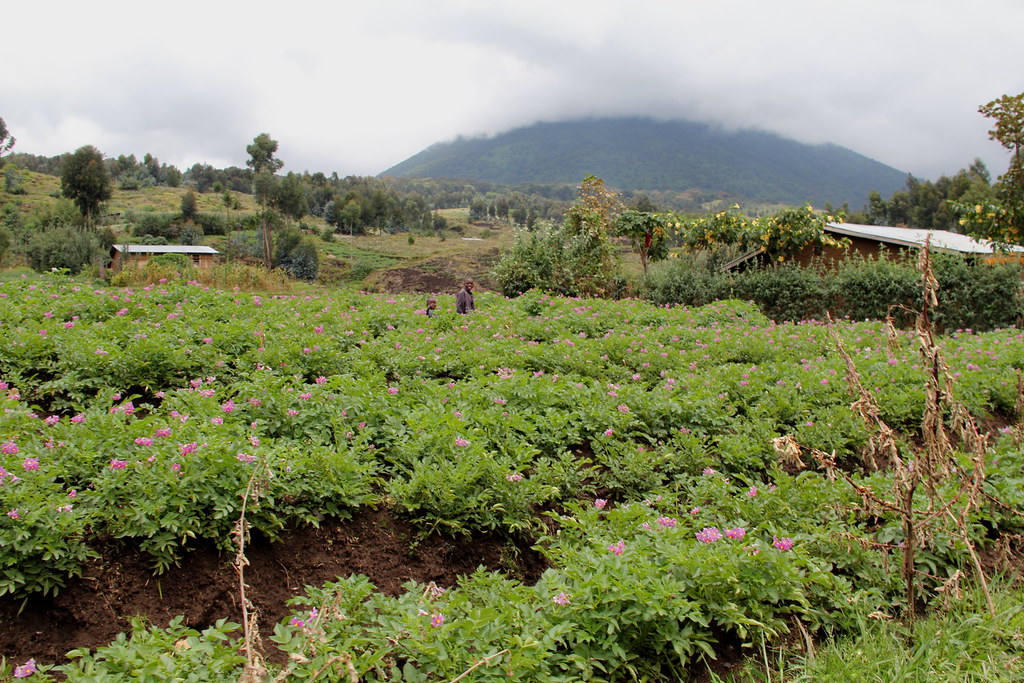
What are the main differences between gorilla trekking in Uganda and Rwanda?
Gorilla trekking in Uganda and Rwanda is often compared because both countries give travelers the chance to see mountain gorillas in the wild, but there are differences in location, environment, and trekking experience.
Uganda is home to two main gorilla trekking destinations, Bwindi Impenetrable National Park and Mgahinga Gorilla National Park. Bwindi is known for its dense, jungle-like environment, which is harder to navigate. The terrain is steep, with thick vegetation, making the treks more challenging but adventurous. Mgahinga, on the other hand, offers open landscapes and slightly easier trekking routes.
Rwanda offers gorilla trekking in Volcanoes National Park, which is less dense and easier to walk through. The park is located in a volcanic area and features higher-altitude terrain, but the trekking is typically shorter compared to Uganda.
Another key difference is the overall experience surrounding the trek. Rwanda is known for a more luxurious and organized setup, with tourist-friendly facilities nearby. Uganda, while still organized, provides a more rugged, raw feel to the experience, often appealing to more adventurous travelers.
Lastly, the population of gorilla families differs. Bwindi in Uganda has a larger number of gorilla families, meaning more permits are available. Volcanoes National Park in Rwanda has fewer gorilla groups, but the proximity to Kigali, Rwanda’s capital, makes access easier compared to Uganda’s longer transport times from cities like Kampala or Entebbe.
Which country offers a more accessible location for gorilla trekking?
When considering accessibility, Rwanda is generally viewed as the easier option. The main gorilla trekking destination, Volcanoes National Park, is only about a 2-3 hour drive from Kigali International Airport. This makes it very convenient for travelers, especially those who have short itineraries or limited time for their trip. Many visitors even go gorilla trekking in Rwanda as part of a day or weekend trip due to its proximity.
In comparison, Uganda requires more effort to get to its trekking spots. Bwindi Impenetrable Forest and Mgahinga Gorilla National Park are located in the southern part of the country, far from major international airports. From Entebbe or Kampala, travelers face a 7-9 hour drive to reach the parks. For those wanting to skip the long road trips, domestic flights are available to nearby airstrips, but these are more expensive.
For this reason, Rwanda is the more accessible country, especially for those who want to minimize travel time or don’t wish to spend as much time on the road. However, Uganda’s longer travel routes and landscapes can be rewarding for those looking for a road trip-type adventure through villages and scenic countryside areas.
How do the costs of gorilla trekking permits compare between Uganda and Rwanda?
The cost of a gorilla trekking permit is one of the biggest differences between Uganda and Rwanda. In Rwanda, the permit costs $1,500 per person. This is significantly higher than in Uganda, where the permit costs only $700 for foreign visitors. Uganda also offers discounted permits, like $600 during the low season months of April, May, and November.
For those traveling as part of a larger family or group, the permit cost can add up quickly. Rwanda’s higher fees reflect the country’s focus on offering a high-end, luxury tourism experience. Uganda, in contrast, targets a mix of travelers, including budget-conscious adventurers as well as mid-range and high-end tourists.
It’s also important to note that the permit fee in both countries includes the cost of guides, trackers, and the conservation fee used to protect mountain gorilla habitats and support local communities. Choosing between the two often depends on budget. If travelers want a premium experience with a shorter trip, they may be fine with Rwanda’s higher permit prices. For budget travelers or those with time for a longer adventure, Uganda’s lower permit fee makes it the preferred choice.
What are the key national parks for gorilla trekking in each country?
In Uganda, gorilla trekking primarily takes place in two national Parks: Bwindi Impenetrable National Park and Mgahinga Gorilla National Park. Bwindi is the more famous of the two and is home to almost half of the world’s remaining mountain gorillas. It features dense, ancient forests with steep trails and provides travelers the chance to visit multiple habituated gorilla groups. Bwindi is divided into four tracking regions: Buhoma, Ruhija, Rushaga, and Nkuringo, each offering different gorilla groups to trek.
Mgahinga is a smaller park and is part of the Virunga Mountain Range, shared with Rwanda and the Democratic Republic of Congo. While it has fewer gorilla groups (only one family is available for trekking as of now), visitors often enjoy the beautiful, open bamboo-covered trails, which are easier to climb compared to Bwindi’s terrain.
In Rwanda, all gorilla trekking occurs in Volcanoes National Park, which is located in the northwestern part of the country. Volcanoes National Park is famous for its connection with Dian Fossey, the renowned primatologist who studied gorillas in this region. Situated at the foot of the Virunga Mountains, this park has several habituated gorilla groups. It boasts scenic landscapes with volcanoes towering in the backdrop, as well as a mix of bamboo forests and traditional mountain jungle terrain.
So, while Uganda offers two parks, Rwanda focuses solely on one major park. Each provides a distinct environment, but they are both excellent destinations for seeing gorillas in their natural habitat.
Which country offers a better overall trekking experience for beginners or experienced hikers?
For beginners, Rwanda is often a preferred option. The terrain in Volcanoes National Park is generally more straightforward with shorter trekking times. Routes into the forest are less steep, and the park’s smaller size makes gorilla groups more accessible. Most hikes last around 2-4 hours, depending on the specific gorilla family being tracked. This means that participants who might not have extensive hiking experience, or those who prefer less physically challenging options, can enjoy the trek without feeling overwhelmed.
For experienced hikers, Uganda’s Bwindi Impenetrable National Park tends to offer a greater challenge. The trails in Bwindi are steeper and can be muddy after rains, making the trek more strenuous. It might take upwards of 4-6 hours to locate a gorilla family, with hikers needing to weave through dense vegetation and mountainous terrain. This makes Uganda ideal for those who enjoy a physical challenge and don’t mind spending more time immersed in a rugged wilderness.
Mgahinga Gorilla National Park in Uganda may also appeal to experienced hikers because it offers the chance to explore volcanic terrain, adding an extra layer of adventure. For example, visitors can climb Mount Sabinyo (“Old Man’s Teeth”), which involves walking to the borders of Rwanda, Uganda, and Congo.
In summary, Rwanda provides simplicity and easier terrain, making it great for first-timers or less physically fit visitors. Uganda, on the other hand, offers a more intense, adventure-filled trek, suitable for those seeking a challenge.
How do the group sizes and permit limitations differ between Uganda and Rwanda?
In both countries, gorilla permits are carefully regulated to minimize human impact on the animals and their environment. Permit limits and group sizes are similar, but cost and accessibility differ significantly.
In Uganda, the group sizes are limited to eight people per gorilla family, which is the maximum number of visitors allowed at once. The management ensures that only one group visits a specific gorilla family per day. Since Uganda has about 20 habituated gorilla groups, this means that roughly 160 permits are issued daily. The permits here cost $700 USD per person, which is lower in price compared to Rwanda.
In Rwanda, the group size also follows the same rule of eight people per gorilla family. However, because all gorilla trekking is concentrated in Volcanoes National Park, there are fewer habituated gorilla families compared to Uganda. As a result, fewer permits are available per day (around 96 permits daily as of recent figures). Rwanda’s gorilla permits are more expensive, costing $1,500 USD per person.
Both countries allow only one hour with the gorilla family after locating them. This strict limitation ensures minimal disturbance and helps support conservation efforts. The higher permit prices in Rwanda are often explained by its focus on promoting exclusive, high-end tourism, while Uganda provides more affordable options for a broader range of travelers.
In summary: Uganda offers more permits at a lower cost, giving slightly more flexibility. Rwanda offers fewer permits, which might mean more competition for bookings but aligns with its luxury tourism model.
When is the best time of year to go gorilla trekking in Uganda versus Rwanda?
The best time for gorilla trekking in both Uganda and Rwanda is during the dry seasons, which generally occur from June to September and December to February. These months usually experience less rainfall, making the trekking paths less muddy and easier to navigate. With clearer trails, it becomes less challenging to hike through the forest environments where the gorillas live. The lower likelihood of heavy rains also means that the chances of spotting gorillas increase as they tend to stay in accessible areas. This timing applies to both destinations.
That said, gorilla trekking is available throughout the year. During the rainy seasons (March to May and October to November), you’ll encounter wetter and more slippery trails. While trekking during these months is more difficult, the forest tends to be lush, and the gorillas don’t stray far from their usual spots since food is abundant. Additionally, rainy seasons often see fewer tourists, making the experience more private. You might also find that permit prices for accommodation and tours are slightly reduced depending on the operator.
In summary, for easier trekking with better weather, choose the dry months (June–September or December–February). If you don’t mind a bit of difficulty and want a more intimate experience with fewer trekkers, the rainy months could still be a good option.
What is the terrain and difficulty level like for trekking in both countries?
In both Uganda and Rwanda, gorilla trekking involves hiking through dense forests, often in mountainous or hilly regions. However, there are some notable differences in the terrain and overall difficulty level of the treks in each country.
Uganda’s terrain within Bwindi Impenetrable National Park is known for being challenging due to its steep hills, rugged paths, and thick vegetation. Treks here can last anywhere from 2 to 8 hours depending on factors like the location of the gorillas that day. Bwindi’s trails tend to be unpredictable, often requiring tourists to climb or descend steep sections. This makes trekking here somewhat harder, particularly for beginners or those not used to hours of physical activity. On the other hand, in Mgahinga Gorilla National Park (Uganda’s other gorilla trekking location), the trails are less intense but still a bit challenging.
In Rwanda, most trekking takes place in Volcanoes National Park, which has a slightly easier terrain compared to Bwindi. The park covers a volcanic region with rolling hills, but the paths are generally better maintained. The treks in Rwanda are usually shorter, often lasting between 1 and 4 hours, as the gorillas in this area live in smaller, more concentrated zones. This makes it more manageable for trekkers of varying skill levels, especially first-timers. Although Rwanda’s trails have some slopes and uneven ground, it is usually seen as the less physically demanding option.
To summarize, if you’re looking for shorter, less strenuous treks, Rwanda might be the better choice. If you’re up for a more challenging hike, Uganda’s Bwindi Impenetrable National Park has a rugged appeal.
How does the wildlife diversity outside of gorilla trekking compare in Uganda and Rwanda?
Both Uganda and Rwanda provide rich opportunities to see wildlife beyond gorilla trekking, but Uganda is often regarded as having greater diversity and range in its ecosystems and animal species.
In Uganda, wildlife diversity is spread across several national parks. For example, Queen Elizabeth National Park is known for its tree-climbing lions, as well as hippos, elephants, and buffaloes. Murchison Falls National Park is another well-loved destination, offering views of the powerful Murchison Falls along with opportunities to spot giraffes, crocodiles, and antelope. Additionally, Kibale National Park is famous for its high population of chimpanzees. Tourists can also explore unique ecosystems like Lake Mburo National Park’s wetlands or the savannah of Kidepo Valley. Uganda’s blend of savannah, rivers, lakes, and forests makes it an excellent choice for spotting a wide array of animals.
In Rwanda, wildlife diversity is concentrated in fewer locations due to the country’s smaller size. Akagera National Park stands out as Rwanda’s primary savannah reserve, housing lions, rhinos, elephants, and giraffes, and offers a more traditional safari experience. Nyungwe Forest National Park is notable for its primates, including chimpanzees and colobus monkeys, as well as activities like canopy walks. While Rwanda has incredible wildlife offerings, the range of species and habitats is narrower compared to Uganda.
Overall, Uganda is often considered a more well-rounded destination for wildlife diversity beyond gorillas. However, Rwanda offers high-quality experiences focusing on select parks ideal for primates and traditional safari species like lions and elephants. If wildlife variety across multiple terrains is important to you, Uganda might be the better option.
What additional cultural or tourism experiences are available in each country?
Both Uganda and Rwanda offer rich cultural and tourism experiences beyond gorilla trekking, showcasing their histories, traditions, and natural beauty.
In Uganda, visitors can explore a variety of cultural and outdoor activities. The Kampala city tour offers insight into the country’s history, including a visit to the Kasubi Tombs, a UNESCO World Heritage Site. The traditional performances at places like the Ndere Cultural Centre provide an entertaining introduction to Ugandan music and dance. Nature lovers can visit the Murchison Falls National Park, which features a dramatic waterfall where the Nile River forces its way through a rocky gorge. For history enthusiasts, Uganda’s historical role in African resistance movements, coupled with visits to memorial sites from its colonial past, gives a unique perspective on the nation’s development.
Rwanda provides experiences that are equally meaningful. The Kigali Genocide Memorial stands out as a sobering yet important reminder of their history, offering an educational and emotional overview of the 1994 genocide and Rwanda’s recovery. To see Rwanda’s cultural side, visitors can attend performances at Iby’Iwacu Cultural Village or explore the traditional crafts found in markets like Kimironko. Natural attractions are abundant here, including Lake Kivu, which offers opportunities for relaxing boat rides and beach activities. For a unique outdoor adventure, the Nyungwe National Park provides canopy walks and various hiking trails through lush rainforests.
Though both nations shine in their cultural depth, Uganda leans towards a mix of urban historical elements and diverse national parks, while Rwanda focuses on cultural revival, community-based experiences, and its serene natural settings.
Are there significant differences in accommodation options near the trekking sites in Uganda and Rwanda?
The quality and variety of accommodations near trekking sites in Uganda and Rwanda vary somewhat, but both countries offer options catering to diverse budgets.
In Uganda, areas near gorilla trekking locations, like Bwindi Impenetrable National Park, feature lodges and camps suitable for budget travelers, mid-range visitors, and luxury seekers. Guests looking for affordability can find clean, simple accommodations such as homestays or budget lodges, which provide basic facilities while supporting local communities. For those with larger budgets, high-end lodges such as Bwindi Lodge offer perks like private chalets, gourmet meals, and stunning views over the forest. While there are fewer ultra-luxury properties compared to Rwanda, Uganda’s emphasis on varying price points ensures opportunities for everyone.
In Rwanda, the properties near Volcanoes National Park are often described as more upscale. Rwanda has invested heavily in its tourism infrastructure, with luxury accommodations being more prevalent. High-end properties like Bisate Lodge offer extraordinary levels of comfort with eco-friendly designs and immersive views of the surrounding mountains. While there are some mid-range and budget options, there generally aren’t as many available compared to Uganda, which can be a consideration for travelers with limited funds. It’s also worth mentioning that the accessibility and locations of Rwanda’s accommodations tend to be straightforward due to the country’s smaller size.
Overall, Uganda leans slightly more towards providing variety and affordability, while Rwanda focuses more on luxury and exclusivity, especially for travelers wanting a top-tier experience.
How do the conservation efforts and contribution to local communities differ between the two countries?
Both Uganda and Rwanda are committed to conservation and ensuring that gorilla trekking benefits their local communities, but their approaches show distinctions.
In Uganda, conservation efforts revolve around the protection of gorillas and other wildlife in partnership with groups like the Uganda Wildlife Authority and international organizations. Community-based tourism plays a role in encouraging local benefit-sharing from the proceeds of park entry fees. For example, a portion of the revenue from trekking permits supports community programs such as building schools, healthcare centers, and improving infrastructure near gorilla habitats. Uganda also collaborates with organizations like the International Gorilla Conservation Programme to monitor gorilla populations and support anti-poaching measures. Some projects actively involve tourists, such as community walks where local residents showcase their traditions.
Rwanda, on the other hand, is highly regarded for its significant investment in gorilla-focused conservation. The government channels 10% of all ecotourism revenue directly into community development projects in villages near gorilla habitats. This has led to successes like improved housing, schools, and transport systems for locals. Rwanda’s Kwita Izina, an annual gorilla naming ceremony, serves both as a cultural event and an opportunity to raise awareness. The emphasis on luxury tourism allows Rwanda to generate funds with a smaller number of visitors, which helps protect the fragile ecosystem.
In summary, Uganda’s efforts focus on making conservation accessible and embedding community involvement broadly, while Rwanda emphasizes high-end ecotourism with substantial reinvestment in local welfare.
How To Book Your Safari in Rwanda
Curious about “Gorilla Trekking in Uganda vs Rwanda? This guide broke down the key questions like where to trek, how the experiences differ, and why each destination is special. Ready to witness these majestic creatures up close? Plan your adventure with the Rwanda Safari Companies. Whether you’re drawn to Uganda or Rwanda, these experts will help craft the perfect gorilla trekking experience just for you. Don’t wait, your unforgettable safari starts here!
Bwindi Forest National Park Uganda Vs Volcanoes National Park Rwanda For Gorilla
Bwindi Forest National Park in Uganda and Volcanoes National Park Rwanda are both premier destinations for gorilla trekking. Bwindi is known for its dense forest and rugged terrain, offering a more challenging hike and the chance to see half of the world’s mountain gorilla population. Volcanoes National Park, part of Rwanda safaris, is more accessible with shorter trails, featuring stunning volcanic landscapes. While Bwindi offers a more remote experience, Volcanoes National Park provides luxury accommodations and easier logistics. Both parks ensure close encounters with gorillas, but your choice depends on preferences for terrain, accessibility, and accommodation.
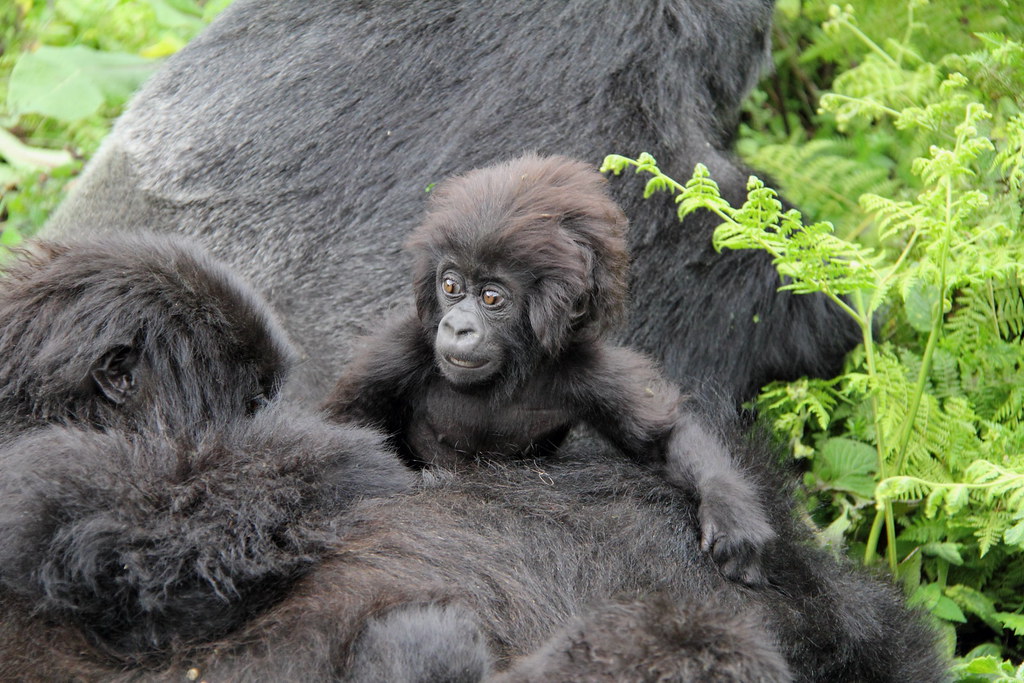
What is the Bwindi Impenetrable Forest National Park, and where is it located?
Bwindi Impenetrable Forest National Park is a protected area located in southwestern Uganda. It is well-known for being one of the best places in the world to see mountain gorillas in their natural habitat. The park spans over 330 square kilometers and is characterized by dense, ancient rainforest, which is millions of years old. This is why it’s referred to as “impenetrable” , the thick vegetation can make it difficult to navigate.
The park is part of the larger Bwindi Impenetrable Forest, which is a UNESCO World Heritage Site due to its ecological importance. It is home to over 400 mountain gorillas, which makes up around half of the world’s population of this critically endangered species. Visitors come from all over the world to participate in gorilla trekking, a unique activity that allows people to observe these primates in the wild.
Beyond gorillas, Bwindi is known for its biodiversity. It hosts over 120 mammal species, 350 bird species, and countless plants and insects. The park is divided into four sectors: Buhoma, Ruhija, Nkuringo, and Rushaga, each offering different trekking experiences.
Bwindi is located near the Uganda-Rwanda border and can be accessed via road or small domestic flights landing at Kihihi or Kisoro airstrips. Surrounding the park are local communities that often offer cultural tours to visitors, providing opportunities to learn about the traditions of the Batwa people and other groups in the region.
To summarize, Bwindi is a natural treasure offering unparalleled access to mountain gorillas in a lush, forested environment.
What is the Volcanoes National Park, and where is it located?
Volcanoes National Park is a famous protected area located in northwestern Rwanda, along the borders of Uganda and the Democratic Republic of the Congo (DRC). It is part of the larger Virunga Massif, a chain of volcanoes that spans all three countries. This park is renowned for being one of the few places in the world where people can go gorilla trekking to observe mountain gorillas in the wild.
Covering about 160 square kilometers, this park is smaller than Bwindi but is equally significant in terms of conservation and biodiversity. Volcanoes National Park gets its name because it is home to several volcanic mountains, including Mount Karisimbi (the tallest in the chain), Mount Bisoke, and Mount Sabyinyo, among others. These towering volcanoes create a unique and dramatic landscape that visitors often describe as impressive and picturesque.
The park was made famous, in part, by the work of Dian Fossey, an American primatologist who dedicated her life to studying and protecting mountain gorillas here. Her efforts are chronicled in the well-known book and movie, Gorillas in the Mist.
Aside from mountain gorillas, the park is also home to golden monkeys, a rare and endemic species, and several other animals like buffalos, elephants, and over 180 bird species. Visitors can also explore caves, hike one of the volcanoes, or take part in cultural experiences with nearby communities.
Volcanoes National Park is located near the town of Musanze (formerly Ruhengeri), which is well-connected by road and lies just a two-hour drive from Kigali, Rwanda’s capital. This accessibility makes it one of the easiest parks to visit. The park is highly regarded for its beautiful terrain and organized trekking operations.
How do the gorilla trekking experiences differ between Bwindi and Volcanoes National Park?
While both Bwindi Impenetrable Forest National Park and Volcanoes National Park offer the extraordinary opportunity to see mountain gorillas up close, the actual trekking experiences differ in a few key ways:
Terrain and Forest
- In Bwindi, the trekking experience is more challenging because the forest is extremely dense and situated on steep slopes. This is one reason the forest is considered “impenetrable.” Trails are sometimes hard to navigate, and the trek may require cutting through vegetation with a machete. It feels like a true adventure in the wilderness.
- In Volcanoes National Park, the trekking terrain is generally considered less strenuous. Most of the trekking happens on volcanic slopes, which offer clearer paths compared to Bwindi. The thinner undergrowth means less bushwhacking, and the trails are often shorter.
Gorilla Families:
- Bwindi is home to around 20 gorilla families that are accessible to tourists, spread across its four different trekking sectors. Each sector provides a unique trekking route and environment. Visitors need to choose their specific sector in advance.
- In Volcanoes National Park, there are approximately 12 habituated gorilla groups, and they are concentrated in one area. This makes transportation within the park comparatively easier.
Trekking Duration:
- Treks in Bwindi can vary widely depending on the location of the gorillas. Some groups may be found near the starting point, while others could involve long hikes, lasting 4–8 hours.
- In Volcanoes, the treks are typically shorter, averaging 2–5 hours, because the gorillas tend to stay closer to the park’s edge due to its smaller size.
Accessibility and Organization:
- Volcanoes National Park is known for its well-organized trekking system, and the park’s proximity to Kigali, Rwanda’s capital, makes it more accessible for tourists. Bwindi, on the other hand, is in a remote part of Uganda, requiring longer journeys by car or flight to reach.
In summary, Bwindi offers a more rugged, adventurous experience with diverse trekking sectors, while Volcanoes provides easier access and shorter hikes that still allow for magical gorilla encounters. Both locations are memorable in their ways, so the choice may depend on personal preferences and fitness levels.
Which park offers better accessibility and transportation options for visitors?
Bwindi Impenetrable Forest National Park is located in southwestern Uganda, which can make accessibility slightly more challenging for some visitors. The park is about 8-10 hours by road from Uganda’s capital, Kampala, and the roads leading to the park can be quite rough in certain areas, especially during the rainy season. Alternatively, there are small domestic flights from Entebbe or Kampala to nearby airstrips such as Kihihi or Kisoro, which are only a short drive from different sections of the park. However, these flights can be expensive, and you might still need a 4×4 vehicle to reach the park due to the tough terrain around it.
Volcanoes National Park in northern Rwanda is more accessible in comparison. It is just about a 2-3 hour drive from Kigali, Rwanda’s capital, and the roads are generally well-paved and easy to navigate. This short distance makes day trips possible, although most visitors prefer to stay overnight. Additionally, domestic flights are not needed for most travelers heading to Volcanoes National Park, given its proximity to Kigali. For those already in Rwanda, the overall travel experience tends to be smoother and less time-consuming.
In summary, Volcanoes National Park typically offers better accessibility, thanks to its location near Kigali and its well-maintained roads. Bwindi, while more remote, provides a unique experience for those ready to undertake the longer journey through Uganda.
What are the costs associated with visiting Bwindi vs Volcanoes National Park, including gorilla trekking permits?
Gorilla trekking permits are a major cost when visiting either park. In Bwindi Impenetrable Forest National Park (Uganda), the permit costs $700 per person as of 2023 for foreign non-residents. For East African residents and locals, permits are cheaper, at $70 or less. Bwindi offers a slightly more affordable option compared to Rwanda’s Volcanoes National Park.
In Volcanoes National Park (Rwanda), the permit is significantly higher at $1,500 per person for foreign visitors. That said, the higher price in Rwanda can also reflect the country’s focus on a more upscale tourism model.
Other costs to consider include transportation, lodging, and guide services. For Bwindi, transportation might involve a long road trip (which takes time) or an expensive domestic flight. Accommodations around Bwindi can range from budget-friendly lodges to luxury options. In contrast, while Volcanoes National Park has pricier permits, its proximity to Kigali means visitors might spend less on transportation. Lodging in Volcanoes tends to lean toward mid-range and luxury options, though budget options do exist.
In summary, Bwindi is generally more budget-friendly, especially for travelers willing to undertake the long road journey. Volcanoes National Park is better suited to those who prioritize shorter travel times and a more premium experience, even if it comes at a higher price.
How does the biodiversity and wildlife in Bwindi compare to Volcanoes National Park?
Bwindi Impenetrable Forest National Park is rich in biodiversity due to its ancient forests. Besides mountain gorillas, the park is home to over 120 mammal species, including forest elephants, duikers, and bush pigs. It is particularly famous for its birdlife, with around 350 bird species recorded, including rare ones like the African green broadbill and the Shelley’s crimsonwing. Furthermore, Bwindi supports a variety of monkey species, including the L’Hoest’s monkey, blue monkey, and black-and-white colobus.
Volcanoes National Park, while smaller, also boasts diverse wildlife. The park is dominated by bamboo forests and higher-altitude terrain, which means you’re less likely to encounter the variety of animals found in Bwindi. However, besides mountain gorillas, the park is home to golden monkeys, a rare species unique to the Virunga region, which makes it special. It also shelters species like buffaloes, bushbuck, and some small mammals.
When comparing biodiversity, Bwindi has a greater variety due to its lower-altitude rainforests and larger size. However, for those particularly intrigued by gorillas and golden monkeys, Volcanoes may still feel special.
In summary, Bwindi offers a broader range of wildlife and is ideal for enthusiastic birdwatchers and those looking for diversity in animals, while Volcanoes National Park focuses more on gorillas and golden monkeys, with slightly less variety overall.
What are the unique landscapes and terrain features of each park?
Bwindi Impenetrable Forest National Park: This park is located in the southwestern part of Uganda and is known for its dense, tropical rainforest. The rainforest is so thick that sunlight barely reaches the forest floor, making it dim and mysterious. The terrain is hilly and rugged, with steep slopes that demand physical effort during treks but offer incredible views. Waterfalls and streams run through the park, adding to its lush beauty. This rugged and varied terrain is home to rich plant life, from towering trees to bushes and mosses. Some trails might feel closed off due to the clutter of vegetation, making the trekking experience more adventurous.
Volcanoes National Park (Rwanda): This park, located in northwestern Rwanda, is quite different. It sits within the Virunga Mountain Range and is home to a series of dormant and active volcanoes. As the name suggests, the landscape here is dominated by towering volcanic peaks, including Mount Karisimbi and Mount Bisoke. The park has bamboo forests, open grasslands, and areas of alpine vegetation higher up the volcanic slopes. The bamboo forests make it easier to spot gorillas compared to a rainforest. Though some trails are steep on the volcanoes, the openness of the landscape provides breathtaking views of the surrounding region, including other nearby mountains.
Both parks have unique terrains that offer different challenges and attractions for visitors. If you enjoy dense forest and mystery, Bwindi may feel more exciting. If volcanic peaks and bamboo landscapes appeal to you, Volcanoes National Park is distinct in that way.
When is the best time of year to visit Bwindi and Volcanoes National Park for gorilla trekking and other activities?
The best time to visit both parks is during the dry seasons, as these periods make trekking much easier and enjoyable. The dry seasons generally occur from June to September and December to February. During these times, the trails are less muddy, making walking safer and more comfortable. In addition, animals like gorillas are slightly easier to track since they stay closer to their food sources.
In Bwindi, heavy rains during the wet seasons (March to May and October to November) can make trekking challenging because the paths become slippery. However, the wet season gives the forest an even greener and more vibrant appearance, which some visitors find appealing. It can also be a less crowded time if you want a quieter trekking experience.
For Volcanoes National Park, the dry seasons work well because the bamboo areas and higher slopes are easier to navigate. These periods are also considered the best time for trekking volcanoes like Mount Bisoke. However, Rwanda’s climate ensures there’s occasional rain at any time of year, so visitors should always prepare for wet conditions.
Although the dry seasons are ideal, the gorillas can be tracked year-round. If you don’t mind some rain and want a chance to avoid peak tourist times, visiting in the wet season might be a good choice.
What accommodation options are available in and around each park?
Bwindi Impenetrable Forest National Park: Accommodation around Bwindi suits a variety of budgets, from basic campsites to luxury lodges. Visitors can choose places near the park’s different entry points: Buhoma, Rushaga, Ruhija, and Nkuringo. Some highly-rated options include Buhoma Lodge for luxury and Rushaga Gorilla Camp for mid-range pricing. For those traveling on a budget, community-run guesthouses or basic camping sites provide affordable stay options. Many of these lodges and camps offer incredible views of the forest and provide guided tours or services related to gorilla trekking activities.
Volcanoes National Park: Accommodations here are spread across the town of Musanze (formerly Ruhengeri) and closer to the park entrance. Like Bwindi, the options range from affordable guesthouses to high-end lodges. Well-known luxury options include Bisate Lodge and Sabyinyo Silverback Lodge, which offer excellent amenities and breathtaking mountain views. For mid-range travelers, places like Five Volcanoes Boutique Hotel are popular. Budget travelers can explore communal hostels or smaller guesthouses like La Palme Hotel. Proximity to the park allows travelers to easily join early treks.
Both parks cater to different types of travelers, but Bwindi’s options are generally more spread out due to the park’s size, whereas Volcanoes National Park accommodations are concentrated in and near Musanze town. Regardless of your choice, both parks offer stays that embrace nature and provide comfortable access to key activities.
How do the cultural experiences and community interactions near each park enhance a visitor’s trip?
Near Bwindi Impenetrable Forest National Park in Uganda, visitors have opportunities to interact with local communities, especially the Batwa people. The Batwa are indigenous pygmies who were the forest’s original inhabitants. They lived as hunter-gatherers before being displaced when the forest was declared a protected area. Today, visiting the Batwa gives travelers a chance to learn about their ancient traditions, survival techniques in the forest, and unique cultural practices. For example, during a visit, you might watch a Batwa performance where they sing traditional songs, demonstrate their hunting tools, or share stories about their past life in the forest.
In Volcanoes National Park in Rwanda, similar cultural enrichments can be found. Visitors often explore local villages where the Rwandan traditions and ways of life are showcased. A popular activity is visiting the Iby’Iwacu Cultural Village. Here, you can learn about Rwandan cultural traditions, like how people make their food, farm, or celebrate special ceremonies. There are often performances that include drum playing, dancing, and storytelling. A highlight is the chance to see local artisans craft items like baskets or pottery.
Both locations give individuals a deeper connection to the area beyond the wildlife experiences. You learn not just about gorillas, but also about the humans who have shared these spaces for centuries. These interactions often make the visit feel more meaningful because you get insight into how conservation combines with the culture and how tourism helps support these communities. Examples of such impacts are when part of the park fees or tour costs are used to fund schools, healthcare, or local development projects for these communities.
This cultural aspect can often leave visitors feeling like they’ve gained a richer understanding of the region and have contributed to preserving not only nature but also the heritage of the people living nearby.
Which park is better suited for first-time gorilla trekkers versus experienced travelers?
For first-time gorilla trekkers, Volcanoes National Park in Rwanda might be better suited. The park is relatively easier to access, with most accommodations located close to the park headquarters in Kinigi. The terrain, although mountainous, is often described as less physically demanding compared to Bwindi. In many cases, guides in Volcanoes National Park may accommodate visitors by matching them with gorilla groups that require a shorter, less challenging trek. For someone who might not be accustomed to rigorous hiking or outdoor activities, this can make the experience more manageable and enjoyable.
On the other hand, Bwindi Impenetrable Forest National Park in Uganda appeals more to experienced travelers or adventurous trekkers. The name “Impenetrable Forest” is fitting, as the trekking routes here tend to be steeper, the vegetation is denser, and navigating through the thick forest can be more challenging. The terrain in Bwindi is rugged, with slippery paths that require a good level of physical fitness and balance. For those who have trekked before and are excited for a rewarding challenge, Bwindi offers a distinct sense of accomplishment after completing the trek and watching gorillas in their natural habitat.
That said, both parks ensure guides and porters are available to assist visitors, making either location accessible with some preparation. Volcanoes National Park may provide a more beginner-friendly experience in terms of logistics and comfort, while Bwindi offers an adventurous trek for those who enjoy more physically demanding activities. In either case, seeing gorillas in their natural habitat is worth the effort regardless of the park chosen.
How do conservation efforts differ in Bwindi and Volcanoes National Park, and how do they impact tourism?
In Bwindi Impenetrable Forest National Park, conservation focuses on protecting both the gorilla population and the forest habitat itself. The park is home to nearly half of the world’s endangered mountain gorilla population. Strict regulations limit the number of visitors allowed to trek each gorilla family, ensuring minimal disruption to the animals. Park authorities work closely with nearby communities to reduce human-wildlife conflicts. Conservation efforts here also include programs that support community development, such as sharing tourism revenue with locals. For example, a percentage of gorilla permit fees goes toward improving local education, healthcare, and infrastructure, creating a positive link between tourism and conservation.
In Volcanoes National Park, the approach is similar but has unique elements. Rwanda places a heavy emphasis on eco-tourism and sustainability. Conservation here benefits from substantial government support, international collaborations, and private funding. For instance, the annual Kwita Izina Gorilla Naming Ceremony highlights the importance of wildlife protection while celebrating the birth of new gorilla infants. Additionally, Volcanoes has a well-established anti-poaching strategy to prevent harm caused by illegal activities.
The results of these efforts are evident in mountain gorilla population recovery. Both parks help educate visitors about the role tourism plays in supporting conservation. A visitor contributes significantly not just by paying for permits but also by supporting local businesses, projects, and education initiatives.
In essence, while both parks share goals like protecting gorillas and involving local communities, Rwanda’s model tends to have a more structured eco-tourism emphasis. By contrast, Uganda balances conservation with a more grassroots approach, often relying on community involvement. Visitors to either park will see firsthand how these conservation policies connect deeply with tourism and local livelihoods.
How To Book Your Safari in Rwanda
Wondering whether Bwindi Forest National Park or Volcanoes National Park in Rwanda is better for your next adventure? We’ve explained the differences, from tracking gorillas to unique landscapes and wildlife. Now it’s time to plan your trip! Choose one of the trusted Rwanda Safari Companies to guide you. They’ll handle all the details, ensuring your safari is seamless and memorable. Click the link, pick the perfect partner, and start your exciting journey today!
Mgahinga Gorilla Park vs Rwanda Volcanoes
Mgahinga Gorilla Park in Uganda and Rwanda’s Volcanoes National Park both offer exceptional gorilla trekking experiences but differ in accessibility, cost, and overall setting. Volcanoes National Park is more accessible due to its proximity to Kigali, making it ideal for short Rwanda safaris. It is also known for better infrastructure and higher permit costs. Mgahinga Gorilla Park, part of the Virunga conservation area, offers a quieter, less crowded experience and lower-priced permits, but requires more travel time. Both parks feature stunning landscapes and unique opportunities for gorilla trekking in the Virunga Mountains. Your choice depends on budget, schedule, and desired experience.
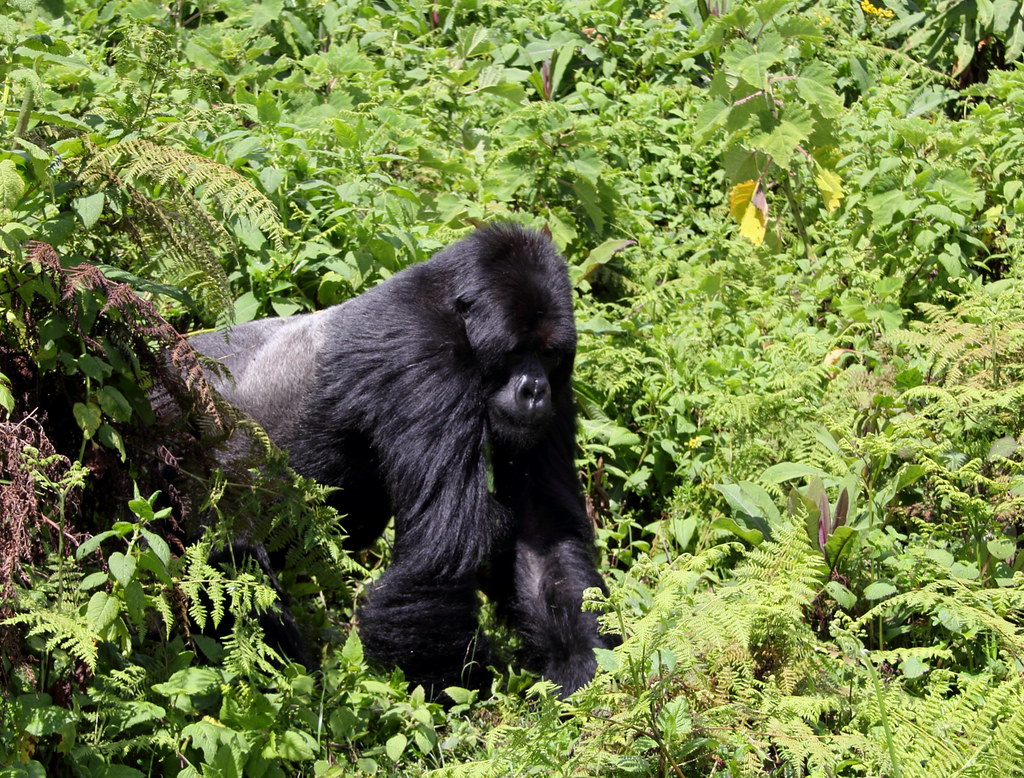
What are the key differences between Mgahinga Gorilla National Park and Volcanoes National Park?
Mgahinga Gorilla National Park is located in southwestern Uganda and is much smaller, covering about 34 square kilometers. It is part of the broader Virunga Conservation Area, sharing its ecosystem with other parks in Rwanda and the Democratic Republic of Congo. Mgahinga’s main focus is gorilla trekking, and it is home to one habituated gorilla group known as the Nyakagezi family. Due to its smaller size, this park usually feels quieter and less crowded compared to others.
Volcanoes National Park, on the other hand, is situated in Rwanda and is notably larger, covering about 160 square kilometers. It is famous as the base from where primatologist Dian Fossey conducted her groundbreaking research on mountain gorillas. Beyond gorilla trekking, this park offers more variety in activities, such as golden monkey tracking, hikes to volcanic peaks like Mount Bisoke, and cultural tours.
A key difference is that Mgahinga is often viewed as an alternative for gorilla trekking in Uganda, whereas Volcanoes is considered a primary option for trekking in Rwanda. Volcanoes can have more visitors and permit allocations due to its larger area and accessibility. Both parks share scenic views of the Virunga Mountains, though Volcanoes’ larger size provides a wider expanse for exploration.
For visitors looking for a more peaceful and intimate atmosphere, Mgahinga might be the better fit. On the flip side, Volcanoes offers a more “active” vibe, with additional attractions appealing to those seeking diverse experiences.
Which park offers a better gorilla trekking experience?
The gorilla trekking experience varies depending on personal preferences, but both parks have their advantages.
In Mgahinga Gorilla National Park, the trekking experience is typically more exclusive. Since it only has one habituated gorilla group (the Nyakagezi family), visitors are guaranteed a highly personal encounter. Group sizes per trek are small, offering uninterrupted time with the gorillas. However, locating the single gorilla family may require more hiking, depending on their movements, as they occasionally cross borders into Rwanda or Congo.
On the other hand, Volcanoes National Park has a greater number of habituated gorilla groups, allowing for more daily visitors. This makes it easier to secure permits and increases flexibility when planning a trek. Each group varies in size and personality, which can give trekkers their pick of difficulty level and experience. For instance, older visitors might choose a group that stays closer to the park entrances. Trekking in Volcanoes Park may result in encounters with multiple groups if they happen to traverse nearby paths.
In terms of accessibility, Volcanoes is more straightforward to reach, thanks to its location near Rwanda’s capital, Kigali. Mgahinga may appeal more to those seeking solitude and fewer tourist crowds. Ultimately, the “better” option depends on whether a person prioritizes intimacy and quiet (Mgahinga) or a more diverse, structured trekking system (Volcanoes).
How do the costs of gorilla trekking permits compare between the two parks?
Gorilla trekking permits are priced based on the economic policies of the respective countries: Uganda and Rwanda.
In Mgahinga Gorilla National Park (Uganda), permits currently cost $700 per person for international visitors. Uganda has deliberately priced its permits lower to encourage tourists, given it competes directly with Rwanda for tourism. This cost includes one hour of interaction with a gorilla family once they are located, as well as the support of guides and trackers who ensure the experience is safe.
In Volcanoes National Park (Rwanda), a permit costs $1,500 per person, making it more expensive than its Ugandan counterpart. Rwanda’s government has positioned itself as a high-end destination for gorilla tourism, using fewer visitors and higher costs to support sustainable conservation efforts while maximizing revenue.
The higher price in Rwanda often implies better infrastructure and more refined services for visitors. For instance, trails are well-maintained, and luxury accommodations near the park cater to wealthier tourists. Uganda’s approach, in contrast, is viewed as more accessible to mid-range travelers or those on a tighter budget.
In short, Mgahinga is considerably more affordable, offering the same spectacular gorilla trekking experience at nearly half the cost. Volcanoes, while pricier, may appeal to travelers looking for premium amenities and shorter travel times from major cities.
What other wildlife can be viewed besides gorillas in each park?
Both Mgahinga Gorilla National Park in Uganda and Volcanoes National Park in Rwanda are known primarily for mountain gorillas, but each park is home to various other animals, giving visitors a chance to see diverse wildlife during their visit.
In Mgahinga Gorilla National Park, other notable species include the golden monkeys, which are exclusive to the Virunga massif area, making them a special attraction. These small, lively primates live in the bamboo forests and are often spotted easily. There are also forest elephants and buffalo, though they are harder to see because they tend to roam in more secluded parts of the park. Other smaller animals include bush pigs and various bird species. This park is home to over 180 bird species, such as the Rwenzori turaco and the olive woodpecker, making it a great destination for bird watchers.
In Volcanoes National Park, the golden monkeys are also an important highlight, along with forest buffalo and various antelope species like bushbucks. Similar to Mgahinga, large mammals like elephants are more challenging to see. Birdlife is equally diverse, with more than 200 bird species, such as the Rwenzori double-collared sunbird and handsome francolin. Additionally, visitors might catch sight of smaller animals like giant forest hogs.
To summarize: Both parks offer golden monkeys as a major second attraction besides gorillas, some elusive large mammals (elephant or buffalo), and plenty of unique bird species. Mgahinga has slightly fewer bird species but might feel less crowded compared to Volcanoes National Park.
How accessible are Mgahinga Gorilla National Park and Volcanoes National Park?
Mgahinga Gorilla National Park, located in southwestern Uganda, is a bit more challenging to access compared to Volcanoes National Park. It is about 510 kilometers (317 miles) from Kampala, Uganda’s capital, and the journey takes approximately 9-10 hours by road. Visitors often need to travel via the nearby town of Kisoro, which is close to the park. While it might seem far, domestic flights are available from Entebbe (near Kampala) to the nearby Kisoro airstrip, significantly cutting travel time to just about 1.5 hours by air. From Kisoro, the park is only a short drive away.
Volcanoes National Park is in northwestern Rwanda, just about 116 kilometers (72 miles) from Kigali, the capital. It’s much more accessible, with the drive taking only 2-3 hours by road on very well-paved roads. Visitors can easily make a day trip to Volcanoes National Park from Kigali, unlike Mgahinga, which requires more planning to reach. Additionally, Rwanda has a very organized tourism infrastructure around this park, including clearer signage and easier coordination of transport.
To summarize: Volcanoes National Park is easier to access and caters to visitors looking for a shorter journey. For Mgahinga, one must factor in longer travel times, though the air travel option can help make it more convenient.
What are the accommodation options near each park?
The accommodation options vary in number and variety between Mgahinga Gorilla National Park and Volcanoes National Park, largely due to the larger tourism setup in Rwanda compared to southwestern Uganda.
Near Mgahinga Gorilla National Park, accommodations tend to be smaller but still comfortable. Options range from budget-friendly lodges to midrange guesthouses and a few luxury lodges.Mount Gahinga Lodge is one of the more luxurious options, offering chalets and stunning views of the surrounding volcanic landscape. For budget-conscious travelers, there are guesthouses in the town of Kisoro such as Amajambere Iwacu Community Camp, focusing on an affordable and community-centered experience. Since tourism here is less heavy than in Volcanoes, opting to stay in Kisoro allows access to basic but cozy accommodation.
Near Volcanoes National Park, the accommodation scene is much more developed and expansive. Visitors can choose from high-end luxury lodges such as Bisate Lodge and Sabyinyo Silverback Lodge, which offer premium services, luxury amenities, and eco-friendly designs. There are also many midrange options, such as Mountain Gorilla View Lodge, which balances comfort and affordability. For budget travelers, places like La Palme Hotel provide a decent stay at an affordable cost. Many accommodations in this area are strategically situated close to the park headquarters, ensuring easy access to trekking activities.
To summarize: Volcanoes National Park offers a wider and more luxurious range of accommodation options compared to Mgahinga. Guests looking for more budget-friendly or intimate options may prefer Mgahinga, whereas those seeking top-tier luxury will likely favor the options near Volcanoes National Park.
Which park is more suitable for first-time visitors?
For first-time visitors, the choice between Mgahinga Gorilla National Park (Uganda) and Volcanoes National Park (Rwanda) depends on preferences such as the difficulty of travel, budget, and desired experiences. Generally, Volcanoes National Park in Rwanda may feel more approachable for newcomers due to its infrastructure, ease of access, and well-established tourism services.
One of the major aspects that stands out for first-time visitors is accessibility. Volcanoes National Park is located just about a 2-3 hour drive from Kigali, the capital of Rwanda. This short distance means that visitors can often fly into Kigali and quickly reach the park without any hassle. On the other hand, Mgahinga Gorilla National Park requires longer travel from Entebbe or Kampala in Uganda, often including a flight to a smaller regional airport followed by several hours of driving.
First-time visitors may also appreciate the accommodation options provided near Volcanoes National Park. The area around the park offers a wide range of places to stay, varying from budget-friendly options to high-end luxury lodges. While Mgahinga does offer accommodations as well, the variety tends to be more limited.
The gorilla trekking experience in Volcanoes National Park might also feel more structured and beginner-friendly. Rwanda has gained a reputation for well-organized treks, which are guided by highly trained staff. While Mgahinga can provide a quieter, more intimate trekking experience, first-time travelers may feel more comfortable with the established systems found in Rwanda’s park.
That being said, travelers looking for a more tranquil or less crowded experience may prefer Mgahinga, even as a first-timer. It’s also worth noting that Mgahinga’s gorilla trekking permits are usually less expensive compared to Rwanda’s permits, which could appeal to more budget-conscious visitors.
Ultimately, both parks are suitable for first-timers, but Volcanoes National Park might offer a smoother introduction to gorilla trekking.
What cultural experiences can be explored around each park?
Both Mgahinga Gorilla National Park and Volcanoes National Park provide opportunities to engage with local cultures. These experiences allow visitors to learn about the traditions and daily lives of the nearby communities.
Around Mgahinga, one of the most popular cultural offerings involves the Batwa community, a group of indigenous people who are among the oldest inhabitants of the forests in this region. Visitors can participate in the Batwa Trail experience, which gives deep insights into their traditional way of living. During this guided walk, the Batwa explain their hunting, gathering, and medicinal practices. They also share stories about their history and spiritual connection to the forest. The trail usually concludes with traditional songs and dances, providing visitors with a more interactive understanding of this unique culture.
In the region surrounding Volcanoes National Park, travelers can immerse themselves in Rwandan culture, particularly through village visits or activities. A highlight here is visiting the Iby’iwacu Cultural Village (also known as the “Gorilla Guardians Village”). This community-based initiative showcases Rwanda’s history and traditions. Visitors can enjoy activities such as learning traditional dances, drumming, or participating in mock ceremonies like “joining a Rwandan king’s court.” Another cultural option in Rwanda includes visiting local coffee or tea plantations to observe farming practices and processing methods, which form an important part of the economy.
Although both parks offer enriching cultural experiences, the focus differs slightly. Mgahinga emphasizes the unique heritage of the Batwa people specifically tied to the region, while Volcanoes promotes broader community involvement and Rwandan cultural aspects. Both options provide meaningful experiences for those interested in local traditions and lifestyles.
How do the hiking and trekking terrain differ between the two parks?
The hiking and trekking terrain in Mgahinga Gorilla National Park and Volcanoes National Park presents some noticeable differences that can influence the overall experience.
In Mgahinga, the terrain is characterized by lush vegetation, steep ascents, and volcanic slopes. The park is part of the Virunga Mountain range and includes three dormant volcanoes: Mount Gahinga, Mount Muhabura, and Mount Sabyinyo. This means that many treks may involve uneven and sometimes challenging trails that traverse high altitudes. For instance, climbing Mount Sabyinyo is popular, but its rugged terrain does include some scrambling and navigating ladders, which makes it more strenuous. Similarly, gorilla treks here may require enduring thick bamboo forests and wet, muddy paths.
Volcanoes National Park, located in the same Virunga Mountain range, also offers volcanic terrain but tends to have more established and maintained trails by comparison. The gorilla trekking in this park is renowned for being highly organized, with paths that are often cleared in advance by trackers. This makes it slightly easier for visitors, especially those who are not accustomed to hiking. Some popular non-gorilla hikes in the park include treks to Mount Bisoke, known for its crater lake, and Mount Karisimbi, the highest peak in the range. These hikes still require a good level of fitness but may feel more accessible due to clearer paths.
While both parks feature beautiful mountain terrain, Mgahinga offers a more rugged and remote feel, often appealing to those seeking adventure. In contrast, Volcanoes presents a more well-trodden environment, which can attract visitors looking for a less demanding experience without sacrificing natural beauty.
What is the best time of year to visit each park?
The best time to visit Mgahinga Gorilla National Park in Uganda and Volcanoes National Park in Rwanda generally depends on weather conditions, gorilla trekking experiences, and traveler preferences. Both parks are located in regions that experience rainy and dry seasons.
The dry seasons, which occur from June to September and December to February, are typically considered the most favorable times to visit both parks. During these months, the trails are less muddy, which makes trekking easier and more comfortable. This is especially important for gorilla trekking, as visitors often hike through dense forests and steep terrain. Additionally, gorillas are often easier to find during these drier periods because they tend to stay in specific areas where food is abundant. It’s also worth noting that these months coincide with peak tourist seasons.
On the other hand, the rainy seasons occur from March to May and October to November. While these months bring heavier rainfall, which can make trekking more challenging, they also offer certain advantages. The scenery becomes even greener and more lush, creating a beautiful backdrop for wildlife viewing and photography. It’s also a quieter time at the parks, meaning fewer crowds on the trails, which might appeal to some visitors who prefer a more private experience.
It’s important to pack appropriately based on the season you choose, as both regions can be cool and wet at higher elevations. Waterproof clothing and sturdy hiking boots are essential no matter when you visit.
For an overall recommendation: if you’re looking for easier trekking conditions and don’t mind higher visitor numbers, the dry seasons are ideal. If you’re more flexible and want to enjoy the serene beauty of the forest with fewer people, the rainy seasons might be worth considering.
How do conservation efforts differ between Mgahinga and Volcanoes National Park?
Conservation efforts at Mgahinga Gorilla National Park and Volcanoes National Park focus on protecting the critically endangered mountain gorillas, but there are some differences in their approaches due to location, resources, and national initiatives.
In Mgahinga Gorilla National Park (Uganda), conservation efforts are driven by the Uganda Wildlife Authority (UWA) and several international organizations. The park is part of the Virunga Conservation Area, which is shared by Uganda, Rwanda, and the Democratic Republic of the Congo. One of the key conservation strategies here is community involvement. Local communities participate in programs like revenue-sharing from tourism, which allocates a percentage of park fees to fund community projects. This helps reduce human-wildlife conflicts, as local residents see the benefits of protecting the gorillas and their habitat.
In Volcanoes National Park (Rwanda), conservation is managed under the umbrella of the Rwanda Development Board (RDB). The revenue-sharing model is particularly strong here, as a significant proportion of income from gorilla trekking permits is invested directly into local communities. Rwanda has also focused heavily on ecotourism as a means of funding conservation. The country has created initiatives such as relocating people who used to cultivate land within the park boundaries to areas outside the park, allowing the forest to regenerate and expand gorilla habitats. Rwanda is recognized for its efficient management and its success in increasing gorilla populations.
Both parks collaborate with international organizations like the Dian Fossey Gorilla Fund and WWF to strengthen anti-poaching measures and ensure the wellbeing of gorillas. While both parks have their successes, Volcanoes National Park often receives global recognition for its innovative community-focused conservation strategies and robust tourism infrastructure.
In essence, both parks are doing incredible work to protect gorillas and their habitats, though Volcanoes National Park tends to have a more structured and well-funded approach due to its focus on high-end tourism.
Which park provides a more immersive or unique overall experience?
Mgahinga Gorilla National Park and Volcanoes National Park both offer incredible experiences, but what stands out as “unique” or “immersive” depends on a traveler’s personal preferences and what they hope to gain from their visit.
Mgahinga Gorilla National Park is smaller and more tranquil, making it ideal for travelers who prefer a more intimate connection with nature. This park is considered less crowded, meaning visitors often feel they have the forest to themselves. Mgahinga is also unique in that it is home to the Batwa People, an indigenous group that traditionally depended on the forest for survival. Visitors can take part in the Batwa Trail, an organized cultural experience where the Batwa share their knowledge of the forest and their way of life. Additionally, Mgahinga is the only park in Uganda where you can trek for golden monkeys, adding another layer of uniqueness to your visit.
Volcanoes National Park, on the other hand, is better known for its infrastructure and accessibility, as well as its connection to the legacy of Dian Fossey, the famous primatologist. Beyond gorilla trekking, the park offers activities like visiting the Musanze Caves, trekking to Fossey’s grave, or hiking the majestic volcanoes like Mount Bisoke or Karisimbi. For those looking for a more luxurious or curated experience, Volcanoes likely provides more options in terms of accommodations and guided tours.
In conclusion, Mgahinga is often described as quieter and more culturally focused. In contrast, Volcanoes feels more polished and action-packed, attracting visitors who enjoy a variety of activities beyond gorilla trekking. Your preference for either park will depend on whether you value serenity and cultural insight (Mgahinga) or high-end tourism and diverse activities (Volcanoes).
How To Book Your Safari in Rwanda
Now that we’ve explored the differences between Mgahinga Gorilla Park and Volcanoes National Park, covering the ‘what’ and ‘why’ regarding their location, wildlife, and unique experiences, it’s time to plan your adventure. Both parks offer unforgettable opportunities to see mountain gorillas in their natural habitat. Ready to take the next step? Reach out to the top-rated Rwanda Safari Companies to book your dream safari today! They’ll guide you every step of the way for a hassle-free experience.
Gabon Gorilla Safaris
Gabon Gorilla Safaris offer unique opportunities to observe western lowland gorillas in their natural habitat across Gabon’s lush rainforests and national parks, including Loango National Park. Unlike the more commonly visited Rwanda safaris for gorilla trekking in Rwanda within Volcanoes National Park, Gabon focuses on a more remote and less crowded experience. Visitors can also explore diverse ecosystems featuring savannahs, lagoons, and mangroves, while encountering other wildlife such as forest elephants and hippos. Gabon Gorilla Safaris prioritize conservation and responsible tourism, providing an alternative destination for those seeking unique wildlife encounters. These safaris are best suited for adventurous travelers looking to experience the untouched wilderness of Central Africa.
What is a Gabon Gorilla Safari, and what makes it unique?
A Gabon Gorilla Safari is a wildlife tour where visitors get the opportunity to observe gorillas in their natural habitat, specifically in the dense rainforests of Gabon, a Central African country. These safaris primarily focus on western lowland gorillas, a species that is critically endangered and difficult to find in the wild. Unlike other parts of Africa where gorilla trekking typically takes place in high-altitude mountains (such as Uganda or Rwanda), a Gabon safari allows visitors to explore lowland rainforests and coastal regions, offering a unique blend of wildlife and environmental diversity.
What sets Gabon’s safaris apart is the country’s pristine ecosystems. Gabon is home to vast stretches of unspoiled jungle, savanna, and stunning beaches. It is one of the most ecologically preserved regions in Africa, with over 10% of its land designated as national parks. This means fewer crowds and a deeper connection to nature. Visitors may travel through the Loango National Park, famous for its “surfing hippos” and gorilla trekking, or the Lopé National Park, which is teeming with wildlife.
Unlike heavily commercialized safaris elsewhere, Gabon maintains an off-the-beaten-path feeling, and the gorilla conservation projects often focus more on education and supporting local communities. Travelers also get to engage in other experiences like spotting forest elephants, birds, and chimpanzees. For example, visitors might observe gorillas feeding in specific clearings, called bais, or along riverbanks, which provides a more open and intimate view without disturbing their behavior.
Where is Gabon located, and why is it a popular destination for gorilla safaris?
Gabon is a country located on the west coast of Central Africa, near the equator. It’s bordered by Equatorial Guinea to the northwest, Cameroon to the north, the Republic of Congo to the east and south, and the Atlantic Ocean to the west. Because of its location, Gabon boasts an equatorial climate, with dense tropical rainforests covering about 85% of the country. It also has 800 km of coastline, offering stunning beaches and coastal wildlife views.
The country is an attractive spot for gorilla safaris because it provides one of the most authentic wilderness experiences left on the planet. Gabon is home to about 60,000 western lowland gorillas, making it one of the last refuges for this critically endangered species. Unlike gorilla tracking in countries like Rwanda or Uganda, Gabon’s gorilla encounters often take place in low-traffic areas with ecosystems that include savannas, lagoons, and mangroves, giving visitors a richer perspective of wildlife.
In addition to gorillas, Gabon’s geographic diversity makes it a top choice for spotting a wide range of wildlife, such as forest elephants, mandrills, buffalos, humpback whales (in season), and even leatherback turtles nesting on its beaches. The conservation-focused approach of wildlife tourism also makes Gabon unique, as much of the money earned from safaris is used to support ecological preservation and education programs.
The location of Gabon at the heart of Central Africa makes it easily accessible for adventurous travelers wanting to step away from heavily touristed regions. Flight connections from nearby African hubs like Libreville, the capital of Gabon, ensure that international and regional visitors can reach it with relative ease.
What types of gorillas can be observed on a Gabon safari?
Gabon is home to western lowland gorillas, a subspecies of gorilla that is critically endangered. These gorillas are smaller than their mountain gorilla cousins (found in Rwanda, Uganda, and the Democratic Republic of Congo) but are still large, with males weighing up to 400 pounds. Western lowland gorillas have a distinctive appearance with shorter fur and brownish-gray coats. Adult males also have a silver “saddle” of fur on their backs, which gives rise to the term “silverback.”
What makes western lowland gorillas particularly fascinating is their behavior and adaptability to the lowland rainforests of Gabon. These forests are dense, humid, and filled with diverse plant life, providing the gorillas with a rich diet. They mainly eat fruit, leaves, and stems, and they often serve as seed dispersers for the forests they inhabit, playing an important role in the health of the ecosystem.
In Gabon, visitors often observe gorillas near forest clearings known as bais, where the gorillas gather to feed or interact with others. These areas provide better visibility compared to deeper forest areas. For instance, in Loango National Park, gorilla trekking experiences are guided by experts, and visitors can watch these primates from a respectful distance without disturbing them.
Additionally, researchers have been working to habituate certain gorilla families in Gabon, making it possible for tourists to observe them without causing stress to the animals. Habituation is a process in which gorillas gradually get used to human presence while continuing their regular activities. By observing the western lowland gorillas, travelers gain deeper insight into the importance of conservation efforts to protect their shrinking populations.
What are the best national parks or reserves in Gabon for gorilla safaris?
Gabon is home to several well-known national parks that offer opportunities to observe gorillas in their natural habitats. These areas are part of Gabon’s efforts to protect its biodiversity. The Loango National Park is one of the most famous places for gorilla safaris. Often dubbed the “land of surfing hippos,” it has a unique mix of ecosystems that include forests, savannas, and beaches. Western lowland gorillas can often be seen here. Loango is perfect if you’re looking for a mix of wildlife sightings, as other animals like elephants, buffaloes, and even whales along the coast might make an appearance.
The Minkébé National Park is another option. It is located in the northern part of the country and is one of the most remote parks, making it attractive for wildlife enthusiasts seeking untouched wilderness. This park is dense in forest and provides a home to gorillas along with a variety of other animals like forest elephants.
The Ivindo National Park is a less-frequented gem, but it is rich in biodiversity. This park is known for its pristine rainforest and famous waterfalls, such as the Kongou Falls. While gorillas are not as common to spot here, the lush surroundings make it appealing to those who enjoy the natural beauty alongside wildlife sightings.
Finally, Lope National Park (sometimes called Lopé National Park) is another place to consider. It is part of Gabon’s UNESCO-listed ecosystem and combines forest and savanna landscapes. The western lowland gorillas found here are a specific attraction, though they are not as easily seen as in Loango.
These national parks collectively create a variety of experiences for visitors with an interest in gorillas as well as other aspects of Gabon’s wildlife and ecosystems.
When is the best time of year to visit Gabon for a gorilla safari?
The ideal time to visit Gabon for a gorilla safari is generally between June and September, also known as the dry season. During this time, the weather is less rainy, making the trails more accessible and wildlife sightings more consistent. Gorillas and other animals tend to stay closer to areas where food and water are more easily available, often simplifying the search for tour guides and trackers.
Outside of the dry season, the wet season (from October to May) can be more challenging for safaris. Heavy rains may make trails muddy and harder to navigate. Visibility in dense forests can also be affected, and gorillas may be harder to locate as they move deeper into the forest away from visitors. However, the wet season has its own appeal since the landscapes are greener, and other animals like bird species may be more active.
It’s also worth noting that tourist crowds are smaller during the wet season, so it could be a good time for those who prefer quieter explorations. But for optimal conditions and better chances of gorilla-spotting, the dry season remains the preferred choice.
The exact month might also depend on what else you’d like to see. If you’re visiting Loango National Park, for instance, you might plan your trip to coincide with whale migrations along Gabon’s coastline, which typically happen between July and September. For devoted gorilla enthusiasts, dry trails and more predictable wildlife movement make June through September the most favorable window.
What is the typical cost of a gorilla safari in Gabon?
A gorilla safari in Gabon can be quite expensive compared to other safari destinations, due to the remoteness of its national parks and limited tourism infrastructure. Prices for a trip can range between $3,500 to $8,000 per person, depending on the length of the safari, the level of accommodation, and the inclusions such as guided tours and meals.
For those wanting a premium experience, staying at exclusive lodges or eco-friendly resorts near parks like Loango may be on the higher end of the price spectrum. These packages often include guided gorilla trekking excursions, boat rides, and other wildlife activities. Organized tour operators typically bundle the cost of permits, guides, and accommodation, making it easier to budget.
The cost also includes gorilla trekking permits, which are necessary for park entry and conservation contributions. These permits alone might cost several hundred dollars. Travel expenses, such as flights to Gabon and domestic transport to remote parks, should also be factored in, as they can significantly inflate the total cost.
Budget-friendly options are limited, but independent travelers might consider staying in basic accommodations near certain parks to cut costs. However, arranging guides and permits independently can be more complicated. In any case, the fees directly support conservation and help in preserving the habitats of gorillas and other wildlife in Gabon’s parks. For those traveling on a more flexible budget, the experience of seeing gorillas in their natural environment is often described as priceless.
How close can visitors get to the gorillas during the safari?
When visiting gorillas on safari in Gabon, visitors are typically allowed to get within about 7 to 10 meters (23 to 33 feet) of the gorillas. This specific distance is not random; it is enforced for several reasons, including the safety of both the gorillas and the people observing them. Gorillas, while they are generally calm and non-aggressive, are still wild animals, and maintaining this distance helps reduce stress on the gorilla families being visited.
Keeping this distance also reduces the possibility of transmitting human diseases to gorillas. Gorillas are closely related to humans and can catch illnesses such as the flu or even COVID-19, which can be devastating to them since they don’t have the same immune defenses that humans do. Guides working on these safaris are trained to ensure these distancing rules are followed strictly.
For a better experience, participants in the safari are usually limited to small groups of 5-8 people. This minimizes disturbance to the gorilla troops and ensures the atmosphere remains calm. Additionally, there are rules such as avoiding sudden movements, speaking in whispers, and refraining from direct eye contact with gorillas, all of which contribute to a smooth interaction.
An example of this in practice could involve visitors observing a gorilla family feeding or playing from a safe distance, seated quietly as their guide points out behavior and hierarchies within the group. This allows for meaningful observation while ensuring the natural flow of the gorillas’ activity isn’t disrupted.
What precautions are taken to ensure the safety of both visitors and the gorillas?
To safeguard both gorillas and visitors, safari operators and local authorities have strict safety measures in place. One key precaution is requiring visitors to undergo a health check before trekking to ensure they are not carrying contagious illnesses like colds or flu, which could harm gorillas.
Another critical measure involves mandatory training or briefing for every safari participant before heading out. During these sessions, visitors learn how to behave near gorillas: remaining quiet, avoiding direct eye contact, and not making sudden movements. These guidelines help prevent any situation where a gorilla might misinterpret a person’s actions as a threat and react defensively.
Additionally, there are limits on time spent with gorillas, capped at about one hour per group. This ensures that these animals don’t feel overwhelmed or overly stressed by human presence. Groups observing the apes are deliberately kept small, usually consisting of no more than 8 people, to further protect the gorillas from stress and minimize environmental impact on their habitat.
For visitor safety, every trek is led by trained guides and trackers, who are familiar with gorilla behavior. These professionals can anticipate mood changes in the gorillas and guide visitors accordingly to avoid any dangerous situations. Furthermore, in areas with large wildlife populations, rangers often carry protective equipment or tools for emergencies.
Wearing face masks during the trek is increasingly common. This reduces the likelihood of airborne transmission of any germs. Safari teams also maintain proper sanitation, ensuring that items like water bottles or trash aren’t discarded in sensitive areas where gorillas live. Basic hygiene, like sanitizing shoes before and after treks, is also a standard practice to prevent external pathogens from contaminating the environment.
What other wildlife and attractions can be experienced on a Gabon safari?
Aside from gorillas, Gabon is home to a wide variety of wildlife and landscapes that make a safari exciting. Gabon’s forests, wetlands, and savannahs contain species rarely seen elsewhere in Africa. For instance, visitors might encounter forest elephants, a smaller, more elusive type of elephant, wandering through the dense jungle. Another highlight is spotting buffalo and red river hogs, which are common in the undergrowth.
The coastlines of Gabon are equally remarkable. Visitors might head to Loango National Park, where you can see hippos wading in the ocean or enjoy sightings of whales and dolphins near the shore. Gabon is one of the few countries in the world where forest habitats meet pristine coastlines, creating unique opportunities for wildlife-watching.
Bird lovers will enjoy observing species like the African grey parrot or hornbills flying overhead. In addition to the animals, the country boasts incredible natural attractions. This includes the Ivindo River’s Kongou Falls, sometimes referred to as the “Niagara Falls of Africa.” Visitors can also encounter the vast mangroves and lagoons in places like Pongara National Park.
Lastly, beyond wildlife, Gabon offers cultural experiences. Indigenous communities often share insights into their traditional lifestyles, including storytelling, crafts, and food. These interactions deepen the safari experience, connecting visitors to the cultural richness alongside the natural wonders.
What is the ecological and cultural significance of gorillas in Gabon?
Gorillas hold a significant ecological role in Gabon, primarily as “ecosystem engineers.” By eating fruits and seeds, they assist in seed dispersal, helping forests to regenerate and remain healthy. Their feeding habits, which involve stripping leaves or consuming plants, can also create clearings in dense forests. These cleared areas provide access and resources for other smaller animals. In this way, they actively contribute to maintaining the biodiversity of Gabon’s ecosystems, which are some of the most important tropical rainforests in the world.
From a cultural perspective, gorillas are deeply rooted in the lives, traditions, and lore of local communities in Gabon. Indigenous groups, like the Bantu and Pygmy peoples, often regard gorillas with a mix of respect and wonder. Stories and folklore sometimes depict gorillas as wise or misunderstood creatures, reflecting their intelligence and human-like behavior. They are seen as symbols of nature’s strength and wisdom. This cultural reverence fosters a strong emphasis on protecting gorilla habitats.
Economically, gorillas are vital to Gabon’s growing ecotourism industry. Tourists from around the globe visit Gabon to observe these animals in their natural habitat. This inflow of visitors generates employment for locals, from tour guides to accommodation staff, while also funding conservation efforts. By protecting gorillas and investing in sustainable tourism, Gabon simultaneously preserves its natural heritage and boosts its economy.
Without gorillas, the balance of Gabon’s forests would be disrupted, potentially leading to adverse effects on biodiversity. Protecting these animals is crucial not just for Gabon but for the planet as a whole since their forests also play a role in reducing global carbon levels.
How can responsible or eco-friendly tourism practices be observed during a Gabon safari?
To minimize harm to the environment and gorilla populations, visitors can follow several eco-friendly tourism practices while on a safari in Gabon. First, choosing operators that prioritize conservation is key. Reputable tour companies often collaborate with wildlife organizations, ensuring a portion of proceeds is directed toward gorilla protection and habitat preservation.
Following strict regulations during gorilla treks is equally important. Tourists must maintain a safe distance, usually around 7 meters (23 feet), from the animals to prevent stress or the transmission of diseases, as gorillas share a high percentage of DNA with humans and are susceptible to illnesses like colds or flu. Avoiding loud noises, maintaining small group sizes, and following instructions from guides are other important practices.
Using environmentally friendly products while visiting is another easy way to support eco-tourism. Items like biodegradable soap, reusable water bottles, and eco-friendly clothing can reduce waste and pollution. Keeping litter out of the forests is also crucial to protect not only gorillas but all forms of wildlife.
Respecting local communities is another key aspect of responsible tourism. Tourists can engage with locals by purchasing handmade crafts or paying for services like guided cultural tours. This supports Gabonese livelihoods directly linked to conservation-oriented practices.
Lastly, visitors should educate themselves about the conservation challenges gorillas face, including habitat loss and poaching, to spread awareness. The more informed individuals are, the more they can ensure their tourism decisions positively impact the region.
Responsible tourism practices are a way to leave the smallest footprint behind while contributing to the long-term survival of Gabon’s environment and its iconic wildlife.
What are the travel and accommodation options for visitors on a Gabon Gorilla Safari?
Getting to Gabon typically involves an international flight to Libreville’s Leon M’ba International Airport, which is the country’s main entry point. From there, visitors often take domestic flights, boats, or long road journeys to reach popular gorilla destinations like Loango National Park.
Once in Gabon, tourists usually stay in eco-lodges, which are accommodations designed to blend with the surrounding rainforest. These lodges prioritize sustainability by using renewable energy, promoting water conservation, and sourcing food locally. Examples include Akaka Forest Lodge near Loango National Park or primary camps operated by conservation organizations like African Parks. These establishments provide comfort while ensuring minimal environmental impact.
Other options include budget-friendly guesthouses located in nearby towns. While these may not offer the same immersion in nature as a lodge, they can make the safari experience more accessible to travelers on a tight budget. Some tours also provide mobile camping options for adventurers wanting a closer connection to the wild environment.
Transportation within Gabon can be challenging due to limited infrastructure. Tourists typically rely on 4×4 vehicles for road travel or chartered small planes to cover larger distances post-arrival in Libreville. In areas like Loango National Park, boats are often used for riverside exploration and quicker transport between forest trails.
Visitors planning a trip should note that Gabon’s remote and wildlife-rich regions often have limited electricity, water, or Wi-Fi access. While safari packages may include meals, park permits, and accommodation, flights or transport costs to remote areas will likely add to the total expense. Planning and booking early with reliable operators or travel agencies specializing in Gabon safaris can make the experience smoother.
How To Book Your Safari in Rwanda
Curious about Gabon Gorilla Safaris? We’ve covered the basics, from what they are to why they’re an incredible choice for an up-close experience with these magnificent animals. Ready to plan your adventure? The first step is connecting with trusted experts who specialize in unforgettable safaris. Check out the best Rwanda Safari Companies to make your Gabon Gorilla Safari a reality. Start planning today!