
Things to Do in Karongi
Karongi, known locally as Kibuye, is one of Rwanda’s most rewarding destinations for travelers who want lake adventures, cultural depth, and genuine off-the-beaten-path discovery. Things to do in Karongi span from boat safaris on Lake Kivu to cycling the Congo Nile Trail and visiting one of the country’s most historically significant genocide memorials. Sitting on the western edge of Rwanda along the shores of Lake Kivu, Karongi offers a completely different side of the country from the gorilla trekking zones around Volcanoes National Park or the capital Kigali.
Lake Kivu Boat Tours and Island Safari Excursions from Karongi
A boat tour on Lake Kivu is the single most popular activity in Karongi, and for good reason. The lake stretches across the border between Rwanda and the Democratic Republic of Congo, and its island-dotted western shore forms the backdrop for one of central Africa’s finest water safari experiences. Boat tours from Kibuye typically run between $20 and $50 USD per person, depending on the duration, the number of islands visited, and whether you charter a private vessel or join a shared trip.
Napoleon’s Island is the headline stop. The island hosts one of central Africa’s largest fruit bat colonies, and at dusk the sky above the trees fills with thousands of bats taking flight. The visual spectacle draws wildlife enthusiasts and photographers on every tour. Tour operators depart from the main pier near Kibuye town center and the journey to Napoleon’s Island takes roughly 20 to 30 minutes by motorized boat.
Amahoro Island offers a more relaxed experience, with a bar-restaurant, swimming areas, and camping facilities making it a popular half-day or full-day stop. Monkey Island, as locals call it, adds a wildlife dimension to any boat safari, with vervet monkeys visible along the shoreline. Many boat tour operators combine two or three island stops into a single excursion, giving visitors a well-rounded taste of the lake’s ecology and geography.
Night fishing excursions with local fishermen are also available for travelers who want a more hands-on cultural experience. Fishermen use traditional methods on the lake after dark, and joining them offers an authentic window into the lives of the communities that have sustained themselves on Lake Kivu for generations.
$20 to $30 USD per person for a shared island-hopping excursion covering 2 to 3 islands over 3 to 4 hours.
$80 to $150 USD for a private charter boat for up to 6 people, full-day or half-day island tours on Lake Kivu.
$15 to $25 USD per person. Arranged through guesthouses or local guides in Karongi town.
$30 to $60 USD per day including bike rental and a local guide along the lakeside trail segment.
Free to enter. A voluntary donation of $5 to $10 USD is welcomed and helps with site maintenance.
$15 to $25 USD per person for a crop-to-cup experience at local coffee cooperatives near Karongi.
Cycling and Hiking the Congo Nile Trail Through Karongi District
The Congo Nile Trail is a 227-kilometer route that runs the full length of Lake Kivu’s Rwandan shoreline, from Rubavu in the north all the way down to Rusizi near the Burundi border. Karongi sits roughly in the middle of the trail, making it both a logical starting point and a resupply stop for those cycling or hiking the full route. The trail passes through Karongi and Nyamasheke districts, weaving along the lake’s edge with constant views of the water and the Congolese highlands beyond.
For travelers on shorter Rwanda holidays, cycling the Karongi section alone is a satisfying standalone adventure. The lakeside segments offer relatively gentle gradients, while the inland stretches climb into the hills and reward riders with sweeping panoramas. Bike rental shops in Karongi town can set you up for a day or multi-day ride, and local guides are recommended for navigating the less-marked inland sections of the trail.
Hikers who prefer to go on foot can walk sections of the trail at their own pace. The Nyakarwa peninsula south of Karongi is particularly popular for shorter walks, offering a footpath beside the lake with good birding and peaceful seclusion. Accommodation options along the trail range from basic guesthouses at around $20 to $30 per night to more comfortable lodges. The dry months from June to September make the ideal time for multi-day trail travel when road conditions are at their best.
Kayaking and Watersports on Lake Kivu
Beyond boat tours, Lake Kivu is a genuinely excellent destination for active water-based travel. Kayaking is available for hire directly from Karongi’s lakeside operators, and the calm, sheltered bays near the peninsula make for relaxed paddling even for beginners. A half-day kayak rental typically runs $15 to $25 USD, with guided tours available at a higher price point.
The lake’s unique chemistry, a result of dissolved methane and carbon dioxide deep in its basin, means the surface water is safe and pleasant for swimming. The shoreline near Amahoro Island and several sandy beach spots around Kibuye town are popular for swimming, and the water temperature sits at a comfortable level year-round thanks to the lake’s altitude at around 1,460 meters above sea level.
Canoeing tours offer a slower alternative to motorized boat safaris, and some operators offer stand-up paddleboarding for those who want a workout with their lake views. Combining a morning kayak session with an afternoon boat trip to Napoleon’s Island makes a full and rewarding day on the water for active travelers.
Bisesero Genocide Memorial: Rwanda’s Most Significant Hilltop Memorial Site
The Bisesero Genocide Memorial stands above Karongi on a forested hillside, and it is one of the most historically important and emotionally resonant sites in Rwanda. During the 1994 genocide, approximately 40,000 Tutsi people gathered at Bisesero to resist attacks, and the memorial honors both their courageous defense and the devastating losses they suffered. The site is open daily from 8:00 AM to 4:00 PM and entry is free, with a voluntary donation welcomed.
Visiting the memorial requires a degree of emotional preparation. The site contains the remains of victims, exhibits documenting the events at Bisesero, and a record of international failures to intervene. The views from the hilltop over Lake Kivu are wide and arresting, creating a contrast between the beauty of the landscape and the gravity of the history remembered there. Most visitors arrive by 4×4 vehicle or motorcycle taxi from Karongi town, as the road up to the site is steep and unpaved in sections.
For travelers on Rwanda safaris who want to understand the country beyond its wildlife, Bisesero is an essential stop. Tour operators in Karongi can arrange guided visits with knowledgeable local guides who can provide historical context and answer questions with care and depth. Rwanda’s commitment to remembrance means these memorial visits are handled with great respect and seriousness.
Coffee and Tea Farm Tours Near Karongi
Rwanda has become one of Africa’s most respected specialty coffee producers, and the hills around Karongi are part of the country’s high-altitude coffee growing region. Crop-to-cup coffee tours at cooperatives near Karongi give visitors a first-hand look at the full production cycle, from picking ripe coffee cherries by hand to the washing stations where the beans are processed and dried on raised beds.
Local cooperatives near Karongi work with small-holder farmers who cultivate their plots on the steep hillsides above Lake Kivu. The altitude, volcanic soil, and regular rainfall create ideal conditions for Arabica coffee of notable quality. A typical coffee tour costs $15 to $25 USD per person and includes a guided walk through the plantation, a demonstration of the washing and drying process, and a cupping session at the end where visitors taste the finished product.
Tea farms also exist in the broader Western Province, and some tours combine a coffee visit with a stop at a nearby tea estate. These agriculture-focused Rwanda holidays give travelers a sustainable, community-supporting activity that puts money directly into the hands of small-scale farming families.
Rwandan Cuisine and Cultural Experiences in Karongi Town
Karongi town itself offers an authentic Rwandan urban experience at a manageable scale. The town’s central market is active in the mornings, and wandering through it gives visitors a window into daily life away from the tourist trail. Local vendors sell fresh produce, dried fish from the lake, and everyday goods that reflect the rhythms of western Rwanda’s communities.
Traditional Rwandan dishes available in Karongi’s restaurants include ibihaza (pumpkin), isombe (cassava leaves cooked with eggplant), and brochettes of goat or fish sourced directly from Lake Kivu. Lake Kivu tilapia, fried or grilled and served with fried plantains and a salad, is the local staple that most food-curious travelers will want to try. A full meal at a local restaurant costs between $3 and $8 USD.
The Amahoro Island restaurant extends the dining experience onto the lake, with food served in an island setting that makes for a memorable lunch stop after a morning boat tour. Several lakeside hotels and guesthouses in Karongi also offer outdoor terrace dining with views across the water, which is the most atmospheric way to end a day of adventure travel in the area.
Gorilla Trekking and National Park Day Trips from Karongi
While gorilla trekking itself takes place at Volcanoes National Park near Musanze in northern Rwanda, Karongi can serve as a western base for travelers building a broader Rwanda safari itinerary. The drive from Karongi to Musanze covers approximately 160 kilometers and takes around 3 to 4 hours on Rwanda’s well-maintained highway network. Travelers who fly into Kigali, spend time at Volcanoes National Park, and then head west to Karongi for lake activities create a highly varied and satisfying Rwanda holiday.
Gorilla trekking permits in 2026 cost $1,500 USD per person and must be booked in advance through Rwanda Development Board or authorized tour operators. Golden monkey tracking at Volcanoes National Park costs $100 USD per permit and is a shorter, more accessible alternative for travelers who cannot manage the full trek. These northern Rwanda wildlife activities pair naturally with Karongi’s water-based adventures to create a complete Rwanda safari experience.
Nyungwe Forest National Park, Rwanda’s oldest rainforest and home to chimpanzees, colobus monkeys, and more than 300 bird species, lies roughly 80 kilometers south of Karongi. Combining a Karongi lake stay with a chimp tracking excursion at Nyungwe adds a primate wildlife dimension to a western Rwanda trip. Chimp tracking permits at Nyungwe cost approximately $150 USD per person in 2026.
Getting to Karongi: Transport Options and Travel Logistics
Karongi sits approximately 120 kilometers west of Kigali, and the drive on Rwanda’s main western highway takes around 2 to 2.5 hours in good traffic. Public minibuses depart regularly from Kigali’s Nyabugogo bus terminal and cost around $3 to $5 USD per person for the journey to Kibuye. Private transfers arranged through Kigali tour operators cost $60 to $100 USD for a one-way trip and are the most comfortable option for travelers with luggage.
For those combining Karongi with visits to Rubavu (Gisenyi) or Nyungwe Forest, the Congo Nile Highway provides a scenic drive along the lake that is genuinely one of Rwanda’s finest road journeys. Motorcycle taxis within Karongi town handle local transport at $0.50 to $2 USD per ride, making it easy to reach the pier, the market, or the outskirts of town without needing a car.
The best time to visit Karongi is during Rwanda’s dry seasons, which run from June to September and from December to February. These months offer reliable weather for boat tours, cycling, hiking, and memorial visits. The short rains in October and November and the long rains from March to May can make some roads and trails more challenging but rarely prevent travel entirely given Rwanda’s excellent road infrastructure.
Where to Stay in Karongi: Accommodation for Every Travel Budget
Karongi has a solid range of accommodation options spread across budget guesthouses, mid-range lakeside hotels, and a small number of premium resorts. Rwiza Village is a well-regarded mid-range option starting from around $52 per night, with lake views and comfortable rooms. Rebero Kivu Resort offers a more affordable stay from approximately $27 per night and is popular with backpackers and independent travelers.
For those on tighter Rwanda travel budgets, basic guesthouses in Karongi town offer beds from $8 to $20 per night and are adequate for travelers who plan to spend most of their time outdoors. Camping is available at Amahoro Island and at designated Congo Nile Trail rest stops for those on extended hiking or cycling journeys.
At the upper end of the market, Chateau Le Marara is the area’s most upmarket property, with nightly rates from $289 to $350 USD reflecting its premium position and facilities. Booking accommodation in advance is advisable during Rwanda’s peak travel months of July, August, and December when visitor numbers across the country are at their highest.
Includes accommodation ($’+(accom*days)+’), meals ($’+meals+’), activities ($’+activities+’), and Kigali transfer (~$80). Gorilla trekking and Nyungwe chimp tracking not included.
Frequently Asked Questions About Visiting Karongi Rwanda
What is Karongi most famous for among Rwanda travel destinations?
Karongi, also called Kibuye, is most famous for its position on Lake Kivu, which offers boat tours, island visits, kayaking, and swimming in some of the most scenically beautiful lake country in central Africa. The town is also known for the Bisesero Genocide Memorial, one of Rwanda’s most historically significant sites, and as a key staging point along the Congo Nile Trail for cyclists and hikers.
How far is Karongi from Kigali and how do you get there?
Karongi is approximately 120 kilometers west of Kigali, and the drive takes 2 to 2.5 hours on Rwanda’s main western highway. Public minibuses depart from Kigali’s Nyabugogo terminal for around $3 to $5 USD per person. Private transfers arranged through tour operators cost $60 to $100 USD and are more comfortable for travelers with luggage or tight schedules.
Can I combine Karongi with gorilla trekking in Rwanda?
Yes, Karongi pairs well with gorilla trekking holidays in Rwanda. Most travelers visit Volcanoes National Park near Musanze first for gorilla trekking (permit: $1,500 per person) and then drive west to Karongi for 2 to 3 days of lake activities. The two areas are connected by a good highway and tour operators can arrange private transfers between them. Some itineraries also add Nyungwe Forest for chimp tracking ($150 per permit) before or after Karongi.
What is the best time of year to visit Karongi?
The best time to visit Karongi is during Rwanda’s dry seasons: June to September and December to February. Dry weather makes boat tours, cycling, and hiking more enjoyable, and road conditions to sites like Bisesero Memorial are much better. The lake itself can be visited year-round, but the long rains from March to May can make some trails and unpaved roads more challenging.
How much does a boat tour on Lake Kivu cost from Karongi in 2026?
A shared boat tour on Lake Kivu from Karongi costs approximately $20 to $30 USD per person for a 3 to 4 hour trip visiting two or three islands including Napoleon’s Island and Amahoro Island. Private boat charters range from $80 to $150 USD for a full vessel for up to 6 people. Night fishing excursions with local fishermen can be arranged for $15 to $25 USD per person through local guesthouses or guides.
Is Karongi safe for solo travelers and independent tourism?
Karongi is considered safe for solo travelers and independent tourism. Rwanda has one of the strongest safety records in Africa for visitors, and Karongi town is small and navigable on foot or by motorcycle taxi. Solo travelers should take standard precautions common to any travel destination. The Bisesero Memorial is best visited with a guide for both safety and historical context, and boat tours are easily arranged on arrival at the town pier.
What wildlife can I see during a Lake Kivu boat tour?
During Lake Kivu boat tours from Karongi, visitors commonly see fruit bats at Napoleon’s Island (particularly dramatic at dusk), vervet monkeys at Monkey Island, and a range of lakeside birds including kingfishers, herons, and cormorants. The lake itself supports tilapia and other fish species that local fishermen harvest using traditional methods. For larger wildlife and primates, day trips to Nyungwe Forest and Volcanoes National Park are necessary.
Rwanda Scenic Landscapes
Rwanda’s scenic landscapes span five distinct terrain types within a country of just 26,000 square kilometres: the volcanic massif of the Virunga in the north, the ancient montane rainforest of Nyungwe in the southwest, the savannah and lake system of Akagera in the east, the rift valley shoreline of Lake Kivu in the west, and the terraced agricultural highlands that define the country’s central and southern plateaux. No single entrance fee covers Rwanda’s landscapes as a whole — access costs range from zero for viewpoints along public roads to $50 per adult for Akagera National Park entry, with Nyungwe and Volcanoes national parks having their own permit structures. The 227-kilometre Congo Nile Trail along Lake Kivu requires no park permit and can be hiked or cycled in sections of one to ten days.
Rwanda’s nickname, the Land of a Thousand Hills, describes the most consistent visual feature of its terrain. The country sits on the Albertine Rift’s eastern shoulder, elevated at an average of 1,500 metres above sea level, and its ridgelines, valleys, and hills are intensively cultivated to a visual density found in few other countries in Africa. The combination of this agricultural tapestry with volcanic peaks, forest-covered ridges, and blue rift-valley lakes creates a landscape that differs fundamentally from the flat-topped savannah plateaux of eastern Africa.
Six dormant volcanoes rising to 4,507m (Karisimbi). Mist-covered peaks visible from the park and surrounding ridgelines. Best viewed at dawn and dusk when clouds disperse. Northern Rwanda, 2 to 3 hours from Kigali.
Volcanic crater lakes set below the Virunga ridgeline. Deep blue water surrounded by steep terraced hillsides. Boat trips and shoreline access. 30 minutes from Musanze by road.
Rwanda’s largest lake. 227km of shoreline trail from Rubavu south to Rusizi. Island dotted, mist-morning, with the DRC highlands across the water. Best for hiking, cycling, and kayaking.
Ancient montane rainforest on the watershed between Africa’s two greatest rivers. Mist-filled valleys, canopy walkway at 70m height. Southwest Rwanda. UNESCO World Heritage Site 2023.
Eastern Rwanda. 1,040 km2 of acacia savannah, papyrus swamps, and ten inter-connected lakes. Africa’s most successfully rewilded Big Five park. 2 to 3 hours from Kigali.
The Virunga Volcanoes Landscape, Northern Rwanda
The Virunga Massif in northern Rwanda consists of six dormant volcanoes — Karisimbi, Bisoke, Muhabura, Gahinga, Sabyinyo, and Mgahinga — rising from the surrounding plateau at elevations between 3,474 and 4,507 metres above sea level. The peaks are most clearly visible in the early morning before cloud cover develops, and the combination of green bamboo and Hagenia forest on the lower slopes, open heath above the tree line, and often snow-dusted summits of Karisimbi in the early morning creates a distinctive vertical landscape that is unlike any other in East Africa. The Virunga chain is shared between Rwanda, Uganda, and the Democratic Republic of Congo, and the view from any elevated point in the Musanze or Kinigi area encompasses parts of all three countries.
The summit of Mount Bisoke at 3,711 metres is accessible via a full-day guided hike from Kinigi Park Headquarters, with a permit costing $75 for foreign non-residents. The hike gains over 900 metres in elevation through bamboo forest, Hagenia woodland, and open heath to a crater lake at the summit. The crater lake of Bisoke, filled with brown-green mineral water, provides one of Rwanda’s most dramatic high-altitude viewpoints. Mount Karisimbi, the highest point in the Virunga chain and in Rwanda, offers a more demanding two-day summit hike with overnight camping near the summit zone.
The town of Musanze (formerly Ruhengeri) sits in a broad valley directly below the Virunga chain and offers multiple viewpoints of the volcanic skyline accessible without entering the national park. The road from Kigali to Musanze through the rolling highlands north of the capital progressively reveals the volcanic peaks as the route approaches the northern province, and many visitors document this road journey as one of the most visually memorable drives in East Africa.
The Twin Lakes Landscape: Lake Burera and Lake Ruhondo
Lake Burera and Lake Ruhondo, known collectively as the Twin Lakes, are two volcanic crater lakes in northern Rwanda set within a landscape of steep terraced hillsides, papyrus-edged shorelines, and the Virunga volcanic skyline behind them. The lakes were formed when lava flows from Muhabura Volcano blocked the course of the Nyabarongo River, creating two water bodies separated by a one-kilometre strip of ancient lava. The total combined area of the lakes is approximately 28 square kilometres, with both lakes reaching depths exceeding 50 metres.
The visual approach to the Twin Lakes from the main road between Musanze and Cyanika reveals the lakes suddenly as the road descends from the ridgeline, with the volcanic peaks providing a backdrop that anchors the composition. Boat trips on Lake Ruhondo in particular allow access to the islands and to viewpoints on the lake that show the terraced hillsides with their crop patterns and the reflection of Muhabura Volcano in the still water at dawn. Traditional wooden canoes and modern fibreglass boats are available from the lake shore. The area is approximately 30 minutes from Musanze and is frequently visited as an afternoon excursion after gorilla or golden monkey trekking in Volcanoes National Park.
Lake Kivu and the Congo Nile Trail Landscape
Lake Kivu is one of Africa’s Great Lakes, a deep rift valley lake shared between Rwanda and the Democratic Republic of Congo. The lake covers approximately 2,700 square kilometres and reaches depths of over 480 metres. Rwanda’s shoreline stretches from the town of Rubavu (Gisenyi) in the north, through Karongi (Kibuye) in the centre, to Rusizi (Cyangugu) in the south — a distance of approximately 227 kilometres along the designated Congo Nile Trail. The Rwandan shore is characterised by steep hills descending directly to the water, small fishing villages, coffee and banana plantations, and a scattering of island formations including Napoleon Island, known for its large fruit bat colony.
The Congo Nile Trail is a hiking and cycling route that follows the lake shore with an elevation gain and loss of approximately 350 metres per section. The full trail takes 8 to 10 days on foot or five days by mountain bike, though shorter two to three-day sections between Rubavu and Karongi are the most popular for visitors combining the trail with broader Rwanda itineraries. Rwanda Development Board-managed campsites are located at three to six hour intervals along the route, and guesthouses in the towns and villages provide alternative accommodation. The trail passes through a visual sequence of rural Rwanda — tea terraces, eucalyptus hillsides, fishing harbours at dusk — that is distinct from the national park environments of Nyungwe and Volcanoes.
The Nyungwe Forest and Congo-Nile Divide Landscape
Nyungwe Forest National Park sits on the Congo-Nile Divide, the watershed ridge that separates rainfall draining west into the Congo River from water draining east and north into the Nile. This geographic significance — rain falling on one side of the ridge eventually reaches the Atlantic, while rain on the other side reaches the Mediterranean — is captured in Nyungwe’s national context as the headwater of two of Africa’s most significant river systems. The park also includes the claimed furthest source of the Nile River in its catchment area.
Visually, Nyungwe offers one of Africa’s most dramatic forested ridge landscapes. The main road through the park climbs into cloud-filled valleys and then crests into open plateau zones where the full extent of the montane canopy is visible across multiple ridgelines. The canopy walkway at Uwinka provides an aerial perspective 70 metres above the forest floor, where the treetop canopy stretches to the horizon in every direction on clear days and fills with mist on overcast mornings. The park’s internal waterfalls, particularly Kamiranzovu at the end of a three-hour forest hike, add additional scenic value to the broader landscape experience.
Akagera’s Savannah and Lake Landscape
Akagera National Park in eastern Rwanda provides the country’s only savannah landscape — a deliberate visual contrast to the highland forests and volcanic terrain of the west and north. The park covers 1,040 square kilometres of acacia woodland, open grassland, and a network of ten lakes and papyrus swamps that represent the upper reaches of the Kagera River system. The landscape is most dramatic at dawn when mist lies across the lake surfaces and the first light catches the red laterite soil of the game drive tracks against the green savannah.
Lake Ihema, the largest lake in Akagera at approximately 90 square kilometres, provides the principal water-based scenic experience in the park. Sunset boat safaris on Lake Ihema are a popular end to a game drive day, with the western sky over Rwanda’s highlands providing colour against the silhouettes of hippos and African Fish Eagles on the water. The combination of open water, papyrus swamp, and the distant rolling hills to the west that mark the edge of the highlands creates a landscape composition that is uniquely Rwandan even within the broader East African context.
The Highland Plateaux and Tea Country Landscape
Between Kigali and the national parks, Rwanda’s central and southern plateaux display the most densely cultivated landscape in the country. The tea country around Gisakura at the edge of Nyungwe Forest and along the ridges between Huye and the lake shore represents the visual signature of Rwanda’s agricultural economy: contoured terraces planted with deep green tea bushes against red earth, with forest remnants on the steeper slopes above. The tea processing factories at Gisakura and Gisovu welcome visitors and provide context for the plantation landscape that serves as the eastern boundary of Nyungwe Forest National Park.
The drive south from Kigali toward Nyungwe passes through the city of Huye (Butare), Rwanda’s intellectual and cultural centre, and then ascends into the highland ridgeline through a sequence of increasingly dramatic valley views. The final approach to Nyungwe Forest on the main road, where the planted countryside gives way to the dark forest wall of the national park boundary, is one of the most clearly defined landscape transitions in Rwanda — from ordered agricultural land to one of Africa’s oldest continuous rainforests.
What is the best viewpoint for seeing the Virunga volcanoes in Rwanda?
The approach road from Kigali to Musanze, particularly the section north of Gakenke where the highway descends toward the Musanze valley, offers extended open views of the Virunga chain. Within the Musanze area, higher ground above the town on any clear morning provides unobstructed views of the volcanic skyline. The summit of Mount Bisoke within Volcanoes National Park is the highest publicly accessible viewpoint in Rwanda, though the climb requires a full day and a $75 permit. The Twin Lakes area also provides views of the Virunga peaks across the water.
Can the Congo Nile Trail be hiked without a guide?
The full Congo Nile Trail can be hiked independently without a guide, as the route is marked, follows public paths and roads, and passes through villages where food and accommodation are available. A solo hiker completed the route unguided as recently as 2018 and found conditions straightforward with basic French or Kinyarwanda. A guide adds local knowledge, cultural introductions, and logistical support, particularly useful for multi-day trips. Bikes can be rented in Rubavu (Gisenyi) for the cycling version of the route.
Is Lake Kivu safe for swimming?
Lake Kivu is notable among Africa’s Great Lakes for being free of crocodiles, hippos, and bilharzia (schistosomiasis), making it considerably safer for swimming than most lakeside locations in East Africa. The water is clear and cold at depth due to the lake’s stratification. Beaches at Rubavu and Karongi are used regularly by local residents and visitors for swimming. However, the lake contains dissolved methane and carbon dioxide gas in deep layers, and surface swimming in designated areas is the standard recreational approach.
How far is it from the Twin Lakes to Volcanoes National Park?
The Twin Lakes of Burera and Ruhondo are approximately 30 minutes by road from Musanze town and from Kinigi Park Headquarters, the departure point for Volcanoes National Park gorilla and golden monkey trekking. Most visitors combine an afternoon Twin Lakes visit with a morning gorilla trek or golden monkey trekking session, making it a natural addition to any Volcanoes itinerary without requiring a separate full day.
What is the best way to see Rwanda’s highland agricultural landscape?
The road network between Kigali and the national parks provides continuous access to Rwanda’s agricultural landscape. The route south from Kigali to Huye and then west to Nyungwe passes through tea country and highland villages. The route north from Kigali to Musanze and Volcanoes passes through terraced hillside agriculture and increasingly dramatic valley scenery. For a more immersive experience, sections of the Congo Nile Trail pass directly through rural communities and tea and coffee estates along the Lake Kivu shore.
Kigali Food Tours
Kigali food tours offer visitors a direct window into Rwanda’s rich culinary culture, taking you from bustling open-air markets to neighbourhood kitchens where traditional recipes have been passed down through generations. A Kigali food tour is one of the most rewarding ways to spend a day in the capital, combining street food tastings, cooking classes, and restaurant visits into a single coherent Rwanda travel experience. Whether you are stopping over between gorilla trekking adventures in Volcanoes National Park or spending dedicated time in the city, the food scene here rewards curious travellers.
Part of our complete guide to the best things to do in Rwanda.
Walking Food Tours Through Nyamirambo Neighbourhood
Nyamirambo is Kigali’s oldest and most densely populated neighbourhood, and it is the natural starting point for any serious food tour in the city. Tour operators such as Jollof’Appétit lead guided walking groups through the area’s narrow streets, stopping at seven or more food stalls and eateries across a three to four hour circuit. You will taste mandazi (fried dough pastries), freshly grilled brochettes, and small cups of strong Rwandan tea at each stop, building a complete picture of everyday Rwandan eating habits. The tours typically meet at ISAME restaurant in the Nyamirambo sector, and groups are kept small so guides can explain the cultural significance of each dish.
Prices for walking food tours run from around $35 to $65 per person in 2026, depending on whether lunch is included. Most operators combine the tasting stops with short explanations of Rwanda’s history, making the walk a genuine cultural immersion rather than a simple snacking exercise. Booking ahead through Viator or directly with local operators is recommended, as weekend slots fill quickly, especially during the peak safari and holidays season between June and September.
Nyamirambo Women’s Center Cooking Class Experience
The Nyamirambo Women’s Center runs one of the most talked-about cooking experiences in all of East Africa, combining a market visit with a hands-on cooking session led by local women. The class begins at Kimironko Market, where participants choose fresh ingredients including sweet potatoes, cassava leaves, plantains, and goat meat before walking to a residential kitchen nearby. Over roughly two hours you will learn to prepare isombe (cassava leaves cooked with ground peanuts), ugali (maize flour porridge), and a simple bean stew using techniques that have barely changed in decades.
The center charges around $25 to $40 per person for the half-day experience, with all ingredients and a shared meal included. Proceeds directly support the women who lead the tours and fund the center’s community programs across the Nyamirambo district. For travellers on Rwanda safari vacations who want to connect with local life beyond wildlife experiences, this cooking class is one of the most meaningful activities available in Kigali. The session closes with everyone eating together around a shared table, which is exactly how most Rwandan families approach the midday meal.
Kimironko Market Food Exploration
Kimironko Market is Kigali’s largest and most active market, and a self-guided or guided visit here gives you unfiltered access to the raw ingredients that define Rwandan cooking. You will find rows of vendors selling fresh tropical fruits, dried beans in every size and colour, stacks of matoke (green cooking bananas), cassava roots, and piles of dark leafy greens used in everyday cooking. Street food vendors positioned along the market’s outer edges serve roasted maize cobs, chapati flatbreads, and deep-fried mandazi from portable charcoal stoves for prices under one US dollar per item.
The best time to visit Kimironko Market for food exploration is Monday through Friday between 9am and 2pm, when vendors are fully stocked and the atmosphere is at its most lively. Hiring a local guide for around $15 to $20 for a two-hour tour is strongly advised, as most vendors speak only Kinyarwanda and a guide will open conversations and negotiate fair tasting prices on your behalf. For travellers who have already done their gorilla trekking or volcano hiking, a morning at Kimironko Market offers a grounded and genuinely local contrast to the wilderness adventure experiences elsewhere in Rwanda.
Traditional Rwandan Dishes to Seek Out on Any Food Tour
Understanding the key dishes of Rwandan cuisine helps you get more from any food tour in Kigali. Brochettes are the city’s most beloved street food: skewers of goat, beef, pork, or tilapia fish grilled over charcoal and served with fried plantains and a sharp chilli sauce. Matoke, steamed and mashed green bananas, appears alongside almost every protein dish and has a mild, starchy flavour that absorbs sauces well. Ibihaza is a pumpkin dish slow-cooked with butter and spices until it reaches a thick, sweet consistency that works as both a side dish and a dessert.
Agatogo is a hearty plantain and vegetable stew that forms the backbone of everyday home cooking across Rwanda, while ekivuguto, a traditional fermented milk drink, is consumed widely and worth trying at a local market stall. Many food tours also include a stop for Rwandan coffee, which is grown in the highland regions and processed through a washing method that produces a clean, fruit-forward cup quite different from the instant coffee served in cheaper restaurants. Rwanda’s specialty coffee has earned international recognition and a dedicated tasting session is a worthwhile addition to any culinary travel itinerary.
Coffee and Tea Farm Tours on the Outskirts of Kigali
Rwanda’s position in the highland zones east of the Virunga volcanoes creates ideal growing conditions for both arabica coffee and black tea, and several farm tour operations now bring visitors out to working plantations within an hour’s drive of Kigali city centre. The Gisovu Tea Estate and farms around Huye district offer guided walks through the tea rows, demonstrations of hand-picking techniques, and tastings of freshly processed tea that bears no resemblance to the bagged varieties available in supermarkets. Coffee farm tours in the Nyamasheke and Gakenke areas follow a similar format, with guides explaining the full process from cherry to roasted bean.
Farm tour day trips from Kigali typically cost between $50 and $90 per person including transport, guide fees, and tastings. Several Rwanda safari tour operators now bundle these farm visits into longer itineraries that might also include a city food tour and an evening at a traditional restaurant, creating a full-day culinary safari experience. The farms are most active and most visually interesting during the harvest months of March to May and October to December, though tours run year-round and the tasting quality remains consistent throughout 2026.
Best Restaurants for Traditional Rwandan Food in Kigali
Repub Lounge is one of the most reliable spots in Kigali for traditional Rwandan meals in a relaxed open-air setting, serving brochettes, grilled tilapia, and Rwandan-style potato dishes at mid-range prices of roughly $8 to $18 per main course. The Hut Restaurant positions itself as a full cultural dining experience with panoramic views across Kigali’s hills, offering set menus built around ugali, gishyimbo beans, and agatogo stew that give an honest picture of everyday Rwandan eating. Chez Lando has been feeding Kigali residents for decades and remains the go-to recommendation for grilled goat brochettes and generous lunch buffets priced around $12 to $15 per person.
For travellers who want to combine fine dining with local flavours, Shokola Restaurant in the Kimihurura neighbourhood serves elevated versions of isombe, nyama choma, and ibihaza alongside international options. Most of Kigali’s best food sits in the Kiyovu, Nyarutarama, and Kimihurura neighbourhoods, which are all reachable within fifteen minutes from the city centre by moto-taxi or ride-share app. Rwanda’s growing tourism sector has pushed restaurant quality noticeably higher across 2026, and even budget travellers will find clean, flavourful meals for under $6 at neighbourhood canteens throughout the city.
Evening Food and Night Market Experiences
Kigali’s evening food scene is centred around the Kigali Night Market, which operates on Friday and Saturday evenings in the Kimironko area and draws both local families and international tourists. Vendors here sell a wider mix of foods than the daytime market, including grilled corn, samosas filled with spiced vegetables or meat, fresh fruit skewers, and sweet banana fritters cooked in large iron pots over open fires. Prices are low, the atmosphere is social, and the variety of food available in one compact space makes it one of the best value food experiences in Kigali for travellers on a budget.
Several tour operators now offer evening food tours that combine a night market visit with dinner at a traditional restaurant and a stop at a local bar for urwagwa (traditional banana beer) or a glass of Inyange passion fruit juice. These evening tours run between 5pm and 9pm and are priced from around $45 to $75 per person. The combination of street food, restaurant dining, and local drinking culture in a single evening gives a more complete picture of modern Kigali than a daytime tour alone, and the evening light over the city’s hills adds a visual dimension that daytime visits cannot replicate.
How to Combine Kigali Food Tours with Rwanda Safari and Gorilla Trekking
Most Rwanda wildlife holidays enter and exit through Kigali International Airport, which places the capital at the natural beginning and end of any gorilla trekking or safari itinerary. A Kigali food tour fits logically into the first or last day of a Rwanda trip, filling the time before or after the long drive north to Musanze and Volcanoes National Park where gorilla trekking permits cost $1,500 per person in 2026. Tour operators such as Silverback Gorilla Tours, Amahoro Tours, and Rwanda Eco Company all offer combined city food tour and wildlife safari packages that make it straightforward to add a culinary component to a standard gorilla trekking vacation.
A typical combined itinerary might run: Day 1 Kigali food tour, Days 2 to 3 gorilla trekking in Volcanoes National Park, Day 4 golden monkey tracking ($100 permit) or volcano hiking ($75 to $100 permit), and a final half-day back in Kigali for coffee tasting before the return flight. This structure gives travellers the full range of Rwanda’s appeal, from urban food culture to high-altitude wildlife adventure, without any wasted travel time. Rwanda’s small geographic size means that no part of this itinerary requires more than three hours of driving from Kigali, which is a genuine practical advantage compared to most East Africa safari destinations.
$35 to $65 per person for a 3 to 4 hour guided walk with 7+ tasting stops. Lunch included in most full-day packages.
$25 to $40 per person including market visit, cooking session, and shared meal. Half-day experience.
$15 to $20 for a 2-hour guided market tour. Self-guided visits are free. Budget $5 to $10 for food tastings.
$50 to $90 per person including transport from Kigali, guided farm walk, and tasting session.
$45 to $75 per person for a 4-hour evening experience combining night market, restaurant dinner, and local bar stop.
$1,500 per person per trek in Volcanoes National Park. Golden monkey permit $100. Volcano hiking $75 to $100.
Practical Tips for Getting the Most from Kigali Food Tours
Book food tours at least two to three days in advance, particularly for cooking classes at the Nyamirambo Women’s Center, which has limited daily capacity and tends to fill up quickly during the Rwanda gorilla trekking peak season of June to September. Wear comfortable walking shoes and bring a small amount of cash in Rwandan francs for market purchases and tips, as most street food vendors do not accept cards. The Kigali food scene has expanded significantly in 2026 and many newer operators now communicate through WhatsApp, which is the most reliable way to confirm tour times and meeting points.
Dietary restrictions are generally well accommodated on guided food tours as long as you inform operators when booking. Rwanda’s food culture is naturally vegetable-forward, with beans, plantains, cassava, and sweet potatoes forming the base of most traditional meals. Travellers who avoid meat will find plenty to eat on any Kigali food tour without needing special arrangements. The safest and most rewarding strategy is to book through an established Rwanda safari or tour operator who can bundle the food tour into a larger itinerary and handle all logistics.
How long does a typical Kigali food tour last?
Most walking food tours in Kigali run for three to four hours, while cooking classes at the Nyamirambo Women’s Center typically take two to three hours including the market visit. Full-day culinary experiences that combine a market tour, cooking class, and restaurant lunch can run from 9am to 3pm. Evening food tours covering the night market and a restaurant dinner last around four hours. You can also create a multi-day food-focused itinerary by combining different experiences on successive days.
What is the best time of year for a Kigali food tour?
Kigali’s food scene operates year-round and the tours themselves are not weather-dependent in the way that gorilla trekking or volcano hiking are. That said, visiting during the dry seasons of June to September or December to February means fewer rain showers during outdoor market walks. The harvest months of March to May and October to December are the best time for coffee and tea farm visits, as the farms are actively picking and processing and the energy on the estates is noticeably higher. The city is busiest between June and September, which is also the peak safari and gorilla trekking season across Rwanda.
Can I do a Kigali food tour on the same day I arrive at the airport?
Yes, and this is actually a popular option for travellers on gorilla trekking vacation packages who arrive in the afternoon and want to spend their first evening in Kigali constructively. The evening food tour format is well-suited to new arrivals as it starts around 5pm, giving you time to check in and freshen up first. Many tour operators based near Kigali International Airport can arrange airport pickup and deliver you directly to the food tour starting point. Confirm logistics when booking to make sure transport is included.
Are Kigali food tours safe for solo travellers?
Kigali consistently ranks as one of the safest cities in Africa for solo travellers, including solo women. The city is notably clean, well-managed, and policed, and food tour operators maintain small group sizes that make the experience comfortable for individuals travelling alone. Most walking tours group solo bookings together, so you will typically be walking with a small international group of three to eight people. Standard urban precautions apply at night markets, primarily keeping your phone and valuables out of obvious display.
What traditional drinks should I try on a Kigali food tour?
The two most distinctly Rwandan drinks to seek out are urwagwa, a traditional banana beer with a slightly sour, fermented taste, and ikivuguto, a thick, tangy fermented milk similar to yogurt that is drunk cold or at room temperature. Inyange passion fruit juice is widely available at market stalls and is one of the most refreshing and affordable drinks in the city at around 50 US cents per bottle. Rwanda’s specialty arabica coffee, processed using the washed method, is worth seeking out at a dedicated coffee shop or farm tasting session for a quality that will surprise anyone used to mass-produced options.
How do I get from Volcanoes National Park back to Kigali for a food tour?
The drive from Musanze, the gateway town for Volcanoes National Park gorilla trekking, to Kigali takes approximately two to two and a half hours by private vehicle on well-maintained tarmac roads. Most gorilla trekking operators include a return transfer to Kigali in their wildlife packages. If you want to do a Kigali food tour on the same day as a morning gorilla trek, it is logistically possible but makes for a long day. A more comfortable arrangement is to plan the food tour for the day after your final gorilla trek, giving you a relaxed cultural experience before your departure flight.
Hidden Natural Attractions in Rwanda
Rwanda’s hidden natural attractions extend well beyond the headline gorilla trekking experience and include Rugezi Marsh, Musanze Caves, the Twin Lakes of Burera and Ruhondo, the Nyabarongo Wetland, Gishwati-Mukura National Park, and the Congo Nile Trail — all accessible in 2026 at little or no permit cost compared to the main national park activities. Entry to most of these sites costs under $20 per person or is free with a local guide arrangement. These locations are visited by a fraction of the number of tourists that access Volcanoes and Nyungwe national parks, providing a genuinely quieter experience of Rwanda’s natural diversity.
Rwanda’s conventional tourism identity is built on three headline activities — gorilla trekking, chimpanzee trekking, and golden monkey trekking — all of which require permits costing $100 to $1,500 per person. The hidden natural attractions described in this article are for the most part either free, low-cost, or included within existing park entry fees. They suit visitors who arrive in Rwanda with extra time after the headline activities, those who cannot afford the premium primate permits, and those with a specific interest in landscapes, geology, wetland ecology, or off-track outdoor exploration.
Entry fee approximately $5 to $15 per person with local guide. Ancient lava tunnels stretching over 2 kilometres. No climbing or caving equipment required. Located 5 minutes from central Musanze.
No formal park entry fee. Local guide recommended, typically $10 to $20 per session. Ramsar-designated wetland and IBA. 30 minutes from the Twin Lakes. High-altitude papyrus at 2,100 metres.
Canoe hire on Lake Burera or Ruhondo from approximately $5 to $20 per person. No park entry fee. Views of the Virunga volcanic chain. 30 minutes from Musanze by road.
No trail permit required. Campsites along the route are free or low cost. Bike hire available in Rubavu from approximately $15 to $25 per day. Full trail: 227km, 5 to 10 days.
Musanze Caves: Rwanda’s Hidden Underground Attraction
The Musanze Caves are a network of ancient lava tunnels located just minutes from the centre of Musanze town in northern Rwanda. Formed thousands of years ago by volcanic eruptions from the Virunga chain, the cave system extends for over two kilometres underground through chambers of varying height and width. The tunnels were created when flowing lava developed a hardened outer crust while the molten interior continued flowing, leaving behind hollow passages and chambers once the lava drained. Today, stalactite-like lava formations hang from the cave ceiling and thousands of bats roost in the darker sections, creating an unusual wildlife encounter within the geology.
The caves have historical significance beyond their geology. They served as shelter for Rwandan communities during conflicts and natural disasters over centuries, and the local oral history associated with the caves is part of the guided interpretation provided on a standard visit. The caves are accessible with a local guide, are not physically demanding to explore, and can be completed in 90 minutes to two hours. They are positioned just five minutes from Musanze’s main area, making them an efficient use of the afternoon before or after a Volcanoes National Park trekking day.
Photography inside the Musanze Caves requires a camera or smartphone capable of working in very low light, as the deeper sections are unlit and the available light comes from the cave entrance and from guide torches. The interplay of light and shadow within the chambers and the visual texture of the lava formations provide strong compositional material. No specialist caving equipment or physical fitness beyond basic walking ability is required for the standard public access route.
Rugezi Marsh: Rwanda’s Hidden High-Altitude Wetland
Rugezi Marsh is a high-altitude Ramsar-designated wetland in the Buberuka highlands of northern Rwanda, sitting at approximately 2,100 metres above sea level to the east of Lake Burera. The marsh stretches approximately 20 kilometres across an inundated valley surrounded by hills and ridges, and drains into the Twin Lakes system. It is listed as one of Rwanda’s seven Important Bird Areas and is recognised as a source wetland that feeds the Ntaruka Hydropower Station as well as contributing to the headwaters of the Kagera River and ultimately the Nile.
Rugezi is visited by a tiny fraction of Rwanda’s annual tourist numbers despite its ecological importance and scenic value. The marsh provides habitat for the Grauer’s Swamp Warbler — an Albertine Rift endemic found at very few sites in Rwanda — alongside Grey Crowned Crane, African Snipe, Lesser Jacana, multiple heron species, and Marsh Tchagra. Walking the marsh margins with a community guide in the early morning is the standard access method. The surrounding hillsides and the visual contrast between the papyrus-filled valley floor and the steep, forested ridges above creates a striking landscape in both the dry and wet season.
A full excursion to Rugezi Marsh is most efficiently combined with a visit to the Twin Lakes of Burera and Ruhondo and can be organised as a half-day or full-day trip from Musanze. Community members from the surrounding area serve as guides and can arrange walking routes through the wetland margins. This community tourism model directs income directly to local households, which aligns with Rwanda’s broader community-based conservation approach.
The Twin Lakes of Burera and Ruhondo: A Hidden Northern Rwanda Attraction
The Twin Lakes of Burera and Ruhondo are two volcanic crater lakes in northern Rwanda that appear almost entirely unknown to the international tourism mainstream compared to the Volcanoes and Nyungwe parks. Yet the lakes, set within steep terraced hillsides at the base of the Virunga chain with the volcanic peaks rising directly behind them, represent one of the most visually compelling landscape combinations in Rwanda. The lakes were formed when lava from Muhabura Volcano blocked the ancient Nyabarongo River, creating two water bodies separated by a one-kilometre strip of ancient lava.
The visitor experience at the Twin Lakes is centred on boat trips on Lake Ruhondo or Lake Burera in traditional wooden canoes or modern fibreglass vessels. Boat trips circle the shoreline, passing through a landscape of papyrus margins, steep wooded hillsides, small farming islands, and fishing villages. The reflection of Muhabura and the Virunga chain in the still morning water is a documented photographic composition that rewards early arrival before lake surface winds develop. African Fish Eagle, Grey Crowned Crane, Hadada Ibis, and Sacred Ibis are among the bird species regularly encountered on the boat trips.
The Twin Lakes are approximately 30 minutes from Musanze by road, making them a practical afternoon addition to a Volcanoes National Park morning. The drive from Kinigi Park Headquarters to the lake takes approximately 30 to 40 minutes on paved and then unpaved track. Community guesthouses near the lakeshore provide simple accommodation for visitors who want to spend a night at the lakes, and local fishing families can often be arranged as guides for early morning outings on the water.
Gishwati-Mukura National Park: Rwanda’s Hidden Forest Park
Gishwati-Mukura National Park was gazetted in 2015 and remains significantly under-visited relative to Nyungwe and Volcanoes. The park encompasses two separate forest blocks in Rwanda’s western highlands that were almost entirely cleared by agricultural encroachment in the 1990s and have been systematically replanted and allowed to regenerate since 2001. The recovering forest now supports chimpanzees, golden monkeys, L’Hoest’s monkeys, blue monkeys, and several Albertine Rift endemic bird species, along with a rich ecosystem of birds, waterfalls, and small mammal species.
The appeal of Gishwati-Mukura is precisely its undeveloped state. Visitor numbers are far below those at Nyungwe and Volcanoes, creating an experience with park rangers and community guides that is genuinely personal and unhurried. The conservation story — a forest visibly recovering from near-total destruction — is a powerful context for any walk in the park. Guided hikes through the regenerating forest provide views of the maturing canopy alongside open areas of earlier-stage reforestation where the contrast between degraded and recovering zones is visible. The park is positioned approximately three hours from Kigali on the road toward Lake Kivu and can be included as a transit stop between Volcanoes and Nyungwe on a multi-park itinerary.
Nyabarongo Wetland: Rwanda’s Hidden Urban Fringe Natural Area
The Nyabarongo Wetland is formed by the Nyabarongo River as it meanders through lowland marshes east of Kigali before its confluence with the Akagera system. The wetland is one of very few natural landscapes within reasonable access of the capital and holds a documented population of shoebill storks — one of Africa’s most sought-after waterbirds — alongside Papyrus Gonolek, African Finfoot, and large waterbird communities. The wetland is not managed as a formal tourist destination but is accessed by local birding guides with knowledge of the papyrus channel network.
A boat trip into the Nyabarongo papyrus with a specialist guide provides one of Rwanda’s most off-track wildlife experiences within two hours of central Kigali. The wetland has no developed visitor infrastructure — no reception centre, no scheduled boat times, no ticket desk — and visiting requires prior arrangement with a Kigali-based birding or nature guide. This informality is also its appeal: the Nyabarongo provides a raw wetland experience that the managed national parks cannot replicate, and the possibility of a shoebill encounter makes it a worthwhile addition to any Rwanda birding or nature itinerary.
Rwanda’s Hidden Waterfalls: Kamiranzovu and Beyond
Kamiranzovu Waterfall in Nyungwe Forest National Park is the largest tropical waterfall in the park and one of Rwanda’s least-visited natural features despite its scale and setting. Reaching the waterfall requires a three-hour hike through dense forest passing through the Kamiranzovu Swamp, a high-altitude wetland rich in orchids, ferns, and the Grauer’s Swamp Warbler. The trail to Kamiranzovu is not a standard activity for most Nyungwe visitors, who typically focus on chimpanzee trekking or colobus monkey tracking, making the waterfall hike one of the park’s genuinely quiet experiences even in peak season.
Rusumo Falls on Rwanda’s eastern border with Tanzania is a different type of hidden attraction: a powerful, wide waterfall where the Kagera River plunges approximately 15 metres before crossing into Tanzania. The falls carry historical significance as an entry point used by explorers and a site connected to Rwanda’s 1994 history. They are accessible from Akagera National Park and provide a natural and historical complement to a wildlife-focused park visit. The falls are relatively easy to reach from the park’s south gate on the road toward the Tanzania border.
How do I arrange a visit to Rugezi Marsh?
Rugezi Marsh is most effectively arranged through a Kigali-based tour operator or through community representatives contacted via guesthouses in Musanze or the Twin Lakes area. There is no formal booking system equivalent to a national park permit purchase. A local community guide is necessary to navigate the marsh margins safely and to point out the bird species — particularly the Grauer’s Swamp Warbler — that are the primary wildlife target. The excursion is commonly combined with the Twin Lakes visit in a half-day or full-day programme from Musanze.
Are the Musanze Caves suitable for people with claustrophobia?
The Musanze Caves include sections of low ceiling and narrow passage that may be uncomfortable for visitors with claustrophobia or significant concerns about enclosed spaces. The first section of the cave system is broad and tall, providing comfortable conditions for most visitors. Guides can adjust the depth of the cave visit based on visitor comfort. Visitors with a significant claustrophobia concern may prefer to view only the entrance chamber and the immediately accessible sections rather than the full two-kilometre network.
Can I see a shoebill at the Nyabarongo Wetland?
Shoebill sightings at the Nyabarongo Wetland are documented but less consistent than at Akagera National Park. The wetland does hold a resident shoebill population and specialist birding guides with knowledge of the channel system have facilitated encounters. Sightings are not guaranteed, and the Nyabarongo requires more effort to access productively than Akagera’s managed boat safari service. Visitors for whom the shoebill is the primary target are generally better served by Akagera, but the Nyabarongo adds genuine value as a complementary wetland experience for birding-focused visitors based in Kigali.
What makes Gishwati-Mukura National Park worth visiting?
Gishwati-Mukura offers a conservation experience that the other Rwanda parks cannot provide: the opportunity to walk in a forest that is visibly recovering from near-total destruction within the last 30 years. The contrast between the older trees in the remnant core forest and the maturing regeneration zones around them tells the park’s conservation story more clearly than any signboard could. The park also holds genuine wildlife including chimpanzees, golden monkeys, and Albertine Rift endemic birds, providing real wildlife value alongside the conservation narrative.
Is the Congo Nile Trail accessible for casual walkers?
Sections of the Congo Nile Trail are accessible for casual walkers. The terrain involves an elevation gain and loss of approximately 350 metres per section and follows public paths and roads through villages, plantations, and lakeside communities. The section between Rubavu and Karongi (approximately 80 kilometres) is the most scenic and most frequently walked. Individual sections of 10 to 20 kilometres can be completed as day hikes without committing to the full multi-day route. The trail is not technically difficult but requires general fitness and appropriate footwear. Cycling is an alternative that covers sections faster and suits visitors with limited time.
Visit Lake Kivu Rwanda
Things to do in Lake Kivu Rwanda include relaxing on its serene beaches, taking boat rides across the lake, or exploring nearby Napoleon Island for birdwatching. Visitors can enjoy activities like kayaking, fishing, and visiting coffee plantations for tours and tastings. Lake Kivu also serves as a perfect spot to unwind after gorilla trekking in Rwanda at Volcanoes National Park or after a Rwanda safari in Akagera National Park. Key towns like Gisenyi, Kibuye, and Cyangugu offer charming accommodations, local markets, and stunning lake views for a mix of adventure and relaxation.
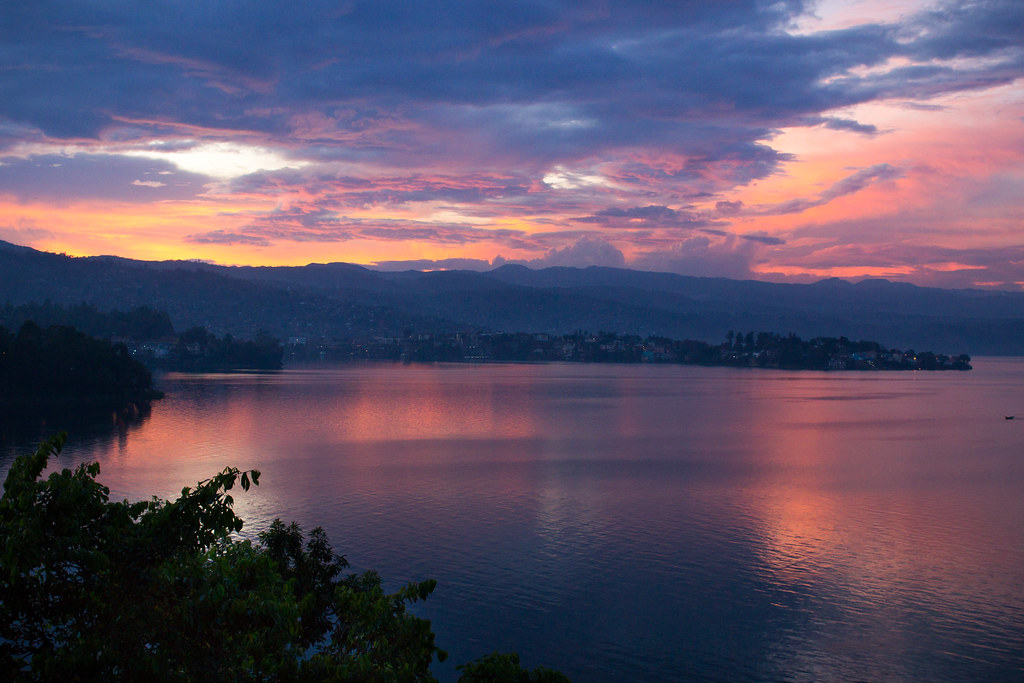
Where is Lake Kivu located in Rwanda?
Lake Kivu is situated in the western part of Rwanda, along its border with the Democratic Republic of Congo (DRC). It is one of the African Great Lakes and the sixth largest lake in Africa by volume.
The lake spans along three main locations in Rwanda: Gisenyi, Kibuye, and Cyangugu, which are towns positioned along the Rwandan shoreline. Between these towns, visitors can witness beautiful views of the expansive water body surrounded by rolling hills. The Rwandan side of the lake lies within the country’s Western Province, making it easily accessible from key nearby cities like Rubavu (home to Gisenyi) and Kigali, which is the capital of Rwanda.
Lake Kivu forms a natural boundary between Rwanda and the Democratic Republic of Congo, with its waters shared by both nations. This makes it a significant geographical feature for both countries, serving as a hub for fishing, tourism, and transportation. The lake also sits within the Albertine Rift, part of the East African Rift system.
If you’re traveling to Lake Kivu in Rwanda, the most common entry point often starts from Gisenyi, situated about 145 kilometers (90 miles) west of Kigali. This town acts as a gateway and is connected by a decent network of roads. Once there, visitors can enjoy the picturesque surroundings and the peaceful atmosphere of the lake.
What are the main attractions around Lake Kivu?
The Lake Kivu area offers a range of natural and cultural attractions for visitors. One of its highlights is its idyllic setting, surrounded by lush green hills and sandy shores. The lake itself is unique because it contains methane gas reserves beneath its waters, which are being extracted to generate energy.
Gisenyi is a lively town at the northern end of the lake and features waterfront resorts, restaurants, and vibrant markets for those who want to explore local life. The nearby hot springs in Nyamyumba are another popular attraction for relaxation and curiosity about their natural mineral properties.
Kibuye, sometimes called Karongi, is a quieter town on the lake’s shoreline. This area is well known for its peaceful landscape and islands, such as Napoleon Island, a scenic spot famous for its large fruit bat colonies. You can also explore Amahoro Island, nicknamed “Peace Island,” which offers serene picnic spots.
Cyangugu, located further south, is another town near the lake. It is often visited for its proximity to Nyungwe National Park, one of Rwanda’s most famous parks known for its chimpanzee trekking and canopy walkways.
Finally, the lake islands are key attractions, with many offering tranquil places to birdwatch or just enjoy the views. Some islands are home to historic or cultural sites, creating a blend of nature and storytelling for visitors.
What recreational activities can visitors enjoy on and around Lake Kivu?
Visitors to Lake Kivu have a range of relaxing and adventurous activities to engage in. The calm waters and scenic surroundings make it a great spot for both water-based activities and exploration along the shore.
One of the most popular activities is boat rides or excursions to explore the lake. These rides often include stops at islands such as Napoleon Island, where you might see thousands of fruit bats, or Amahoro Island, a peaceful location for relaxation and picnics.
For those interested in the water, kayaking on the blue, calm waters is a favored way to explore at your own pace. Some areas near Gisenyi and Kibuye also offer stand-up paddleboarding for those who enjoy lighter water challenges.
Another favorite is swimming, as the lake’s warm, clean waters are free from crocodiles and hippos. It’s important, however, to swim in designated safe areas. Additionally, some travelers enjoy trying fishing with local fishermen, learning their traditional methods of catching fish.
Along the shores, hiking is a great way to witness stunning views of the lake and its surroundings. The Congo Nile Trail offers a well-marked path that stretches for over 200 kilometers along the shoreline. Visitors can hike or bike along this trail, stopping at villages and landmarks along the way.
For those looking to relax, just lounging on the sandy beaches of Lake Kivu or enjoying the tranquil atmosphere at a resort are perfect ways to spend your time.
Are there any cultural or historical landmarks near Lake Kivu?
Lake Kivu, located along the western border of Rwanda and shared with the Democratic Republic of the Congo, is an area rich in cultural and historical landmarks. There are various places near the lake that hold cultural significance, reflecting the traditions and history of the region.
One notable landmark is the Rwanda Genocide Memorials found near Lake Kivu. For instance, the Bisesero Genocide Memorial Site is situated in the Karongi District, not far from the shoreline. It commemorates the lives lost during the tragic genocide of 1994 and serves as a place for remembrance and reflection. Visitors often go there to learn about the history and pay respects.
Another key site is Kibuye Cathedral (called St. Pierre Church), located in the town of Kibuye (modern-day Karongi). It’s an old religious landmark where people gather for worship. Tragically, the church also became a haunting historical site tied to the genocide, as many people sought refuge there during the conflict.
Traditional cultural experiences are also worth exploring. Local communities around Lake Kivu sometimes organize dance performances, storytelling sessions, or showcase traditional art forms. These activities allow visitors to learn about Rwandan music, crafts, and oral traditions.
One more site includes the Congolese border towns where visitors may notice a blend of cultural details from both Rwanda and the DRC, highlighting centuries of cross-border interactions.
Whether it’s historic memorials or vibrant local traditions, landmarks near the lake reflect the deep cultural and historical layers of the region.
What are the best towns or cities to visit along Lake Kivu’s shoreline in Rwanda?
Lake Kivu’s shoreline offers several towns that stand out for their charm, scenic beauty, and visitor-friendly activities. Three of the most popular ones along the Rwandan side are Gisenyi, Kibuye (Karongi), and Cyangugu (Rusizi).
- Gisenyi: Located in the northern part of the lake, Gisenyi is a lively town. It serves as a gateway to Virunga National Park, known for its volcanic mountains and rare wildlife. Gisenyi is also perfect for relaxation because of its sandy beaches along the lake. Visitors can enjoy local markets, coffee shops, and opportunities for cultural immersion.
- Kibuye (Karongi): Often praised for its peaceful vibe, Karongi is directly beside the lake, offering beautiful views of its calm waters. Activities here include visiting Napolean Island or taking a scenic boat ride. Karongi is known for its accommodation options ranging from budget-friendly lodges to high-end resorts. The town also serves as an educational spot for learning about Rwanda’s history through nearby genocide memorials.
- Cyangugu (Rusizi): Towards the south of Lake Kivu, Cyangugu is quieter compared to Gisenyi and Karongi, making it appealing for travelers looking for serene environments. It is closer to Nyungwe Forest National Park, home to primates like chimpanzees.
Each town has its own character. Gisenyi feels energetic, Karongi is tranquil, and Cyangugu offers hidden, natural charms. Visitors often plan itineraries to experience at least two of these towns to get a well-rounded feel of Lake Kivu.
Is it safe to swim in Lake Kivu?
Swimming in Lake Kivu is generally considered safe in designated areas, though there are a few precautions to keep in mind. The lake is free from crocodiles and hippos, which are common hazards in other African waters, making it suitable for swimming.
However, the lake has naturally occurring methane and carbon dioxide gases trapped under its surface. While this might sound concerning, these gases are deep beneath the lake and do not pose a threat to swimmers near the shore. Authorities have monitored this and ensure visitor safety.
It’s worth noting that there are local rules about where swimming is allowed. It is better to swim in areas that are approved or near resorts and beaches where lifeguards or safety measures might be in place. This way, you can avoid potential risks, such as encountering strong currents or deeper waters.
Another point to consider is the possibility of bilharzia (schistosomiasis), a parasitic infection linked to freshwater snails. While this risk is relatively low in Lake Kivu due to its clear water, taking precautions such as avoiding overly stagnant or shallow areas can further reduce the chance of exposure.
For peace of mind, talk to your guide or locals in towns like Gisenyi and Karongi to confirm the best and safest swimming spots. With proper care and attention, swimming in Lake Kivu can be an enjoyable and refreshing part of your visit.
What accommodation options are available around Lake Kivu?
Around Lake Kivu in Rwanda, there are various types of accommodation options to suit different preferences and budgets. These range from luxury resorts to mid-range hotels, as well as guesthouses and eco-lodges. A popular luxury choice is Lake Kivu Serena Hotel, located in Gisenyi (Rubavu), which offers beachfront access, comfortable rooms, and dining options. For visitors seeking something upscale with modern amenities and scenic lake views, this hotel is a top pick.
For travelers seeking mid-range options, Paradise Malahide in Rubavu provides a cozy atmosphere, beautiful gardens, and access to the lake’s shoreline. This property is a good balance of affordability and comfort, perfect for those who want a relaxed stay.
Budget-minded visitors might look at local guesthouses or hostels. Some, like Inzu Lodge, offer an eco-friendly experience. Here, you’ll find rustic yet comfortable rooms or tent accommodations, often set up to blend into the surrounding nature. These eco-lodges usually emphasize sustainability and create unique opportunities to interact with local culture.
In Karongi (Kibuye), there are also excellent accommodations like Cormoran Lodge, which features wooden cabins overlooking the lake. Travelers to this area can enjoy tranquil surroundings with access to nearby activities like kayaking or island visits.
If you’re simply stopping by for a day or two, there are smaller inns or locally run homes to rent, especially in areas like Cyangugu (Rusizi). These offer simple facilities and a more local experience.
Whether you’re a luxury traveler or someone on a budget, Lake Kivu has plenty of lodging options to cater to your needs. Booking in advance, especially during peak tourist seasons, is recommended for the best selection.
What is the best time of year to visit Lake Kivu?
The ideal time to visit Lake Kivu is during Rwanda’s dry seasons, which typically run from June to September and December to February. During these months, the weather is generally warm and pleasant, with less rainfall. This makes it easier to enjoy outdoor activities such as swimming, boating, hiking, and exploring the surrounding towns.
The dry seasons are also considered more favorable for visitors who prefer sunny days and clear skies. Whether you’re walking along Lake Kivu’s shores or planning excursions to nearby sites, good weather ensures that you won’t be interrupted by unexpected downpours. For example, during June and July, temperatures are moderate, providing a comfortable experience without the kind of extreme heat or humidity you might find in tropical areas.
While the rainy seasons, from March to May and October to November, do bring heavier showers, it’s worth noting that Lake Kivu’s region rarely experiences prolonged rains. Showers are often short but intense, meaning you could still plan activities between rainfalls. During this time, fewer tourists visit the region, so accommodations may be more affordable, and the scenery, with lush green vegetation, is particularly beautiful.
Travelers should consider their own priorities when planning their visit. If avoiding rain is a must, stick to the dry months. For those who don’t mind occasional rain and would like a quieter trip with vibrant greenery all around, the wet season can also be a good choice.
Are there opportunities for boat tours or excursions on the lake?
Yes, Lake Kivu offers plenty of opportunities for boat tours and excursions, making it one of the lake’s highlights for visitors. Boat trips are available from key towns such as Rubavu (Gisenyi), Karongi (Kibuye), and Rusizi (Cyangugu). These tours are organized by hotels, tour companies, and local boat operators, giving travelers several options depending on what they’d like to see or experience.
One popular excursion is a trip to Napoleon Island, located near Karongi. The island is home to a large colony of fruit bats and offers hiking trails with panoramic views of the lake. Travelers frequently combine visits to Napoleon Island with nearby Amahoro Island, often called “Peace Island,” which is ideal for relaxation, picnics, and even swimming in designated areas.
Another charming boat tour activity is visiting fishing villages along the shores. Here, visitors can learn about the local lives of fishermen, watch traditional fishing techniques, and even join in fishing activities if they choose.
For those interested in nature, guided boat excursions might include stops at hidden beaches, hot springs like the Nyamyumba Hot Springs, or scenic areas showcasing the lake’s volcanic shores. Many travelers also enjoy a sunset boat ride, which provides stunning views as the sun sets over the water.
Canoe trips are another option for visitors seeking a quieter, more personal experience. Some operators offer kayak rentals for those wanting to explore the lake at their own pace.
Overall, whether you’re looking for a peaceful exploration of small islands or an adventurous group journey across the lake, there’s no shortage of aquatic activities to choose from. Be sure to check with local guides or accommodations for availability, pricing, and safety information.
What unique wildlife or natural features can be found near Lake Kivu?
Lake Kivu is home to several unique natural features and wildlife that make the region stand out. One of the lake’s most fascinating aspects is its chemical composition. The lake contains large amounts of methane gas and carbon dioxide trapped beneath its surface. Though the gas might sound dangerous, it also provides opportunities for energy production, and the lake’s deep waters keep these gases safely stored unless disturbed.
In terms of wildlife, Lake Kivu and its surroundings support numerous bird species, making it a great destination for bird watchers. You can find vibrant species such as kingfishers, cormorants, crowned cranes, and herons near the shoreline. These birds thrive in the region’s lush environment, especially around hidden coves and secluded islands.
Speaking of islands, one of the notable features near Lake Kivu is Napoleon Island, which is home to large populations of fruit bats. These bats, also referred to as flying foxes, roost in the trees on the island and can often be seen flying overhead at dusk.
Other natural highlights include the towering hills surrounding the lake. These hills are a part of Rwanda’s picturesque landscape and are dotted with farms growing bananas, coffee, and tea. These crops thrive in the fertile volcanic soils of the area.
Lastly, though not directly visible, the volcanic activity in this region is significant. Lake Kivu is located within the Albertine Rift Valley, part of the larger East African Rift System. The volcanoes near the northern end of the lake, such as Mount Nyiragongo and Mount Nyamuragira, contribute to this geologically active zone.
In summary, Lake Kivu is surrounded by a mix of unique wildlife (bird species and bats), interesting geology, hidden natural features, and scenic landscapes that create a distinct ecosystem.
Are there any local foods or drinks that visitors should try when visiting the area?
When visiting Lake Kivu, there are several local foods and drinks that you should definitely try to get a taste of the region’s culture. One of the most famous food items is Isombe, a dish made from cassava leaves. The leaves are boiled and usually mixed with peanut or palm oil. It’s hearty and is commonly served alongside other staples like plantains or rice.
Another must-try dish is Brochettes, which are essentially grilled meat skewers. They can be made with goat, beef, chicken, or fish, and are often seasoned with flavorful marinades. When visiting the Lake Kivu area, you may even find brochettes made with freshly caught fish.
Tilapia, a freshwater fish from the lake, is a popular local offering. Fried or grilled tilapia is often paired with sweet potatoes, matoke (steamed green bananas), or rice. The freshness of the fish from the lake makes it particularly delicious.
As for drinks, Rwanda is known for its coffee, and the coffee beans grown near Lake Kivu are exceptionally high quality. These beans are grown on slopes with rich volcanic soils, which add depth to their flavor. Many local cafes and restaurants in the area will serve freshly brewed coffee made from locally sourced beans.
For a more traditional drink, try Urwagwa, which is banana beer. It’s brewed from bananas and sorghum and has a sweet, slightly fermented taste. For something less alcoholic, passion fruit juice is a popular and refreshing choice you’ll find across the region.
In short, dishes like Isombe, brochettes, tilapia, and drinks such as Lake Kivu coffee or traditional banana beer are worth trying when visiting the area for an authentic culinary experience.
How can visitors travel to Lake Kivu, and what transportation is available in the area?
Reaching Lake Kivu is relatively easy, especially from other major cities in Rwanda like Kigali. The drive from Kigali to Lake Kivu typically takes between 3-4 hours, depending on the specific town you’re visiting (such as Gisenyi, Kibuye, or Cyangugu). The roads are well-maintained, so a car ride is a convenient choice.
For private travel, you can hire a taxi or arrange for a car rental if you prefer to drive yourself. Guided tours often include transportation in their packages, so this is another hassle-free option if you plan to join an organized trip.
If you want a more affordable choice, public buses are available. These buses run between Kigali and the major towns along Lake Kivu, like Gisenyi or Kibuye. While buses are cheaper, they may not be as comfortable as private transportation, especially for visitors carrying large luggage.
Once you’re at Lake Kivu, local transport options include motorcycle taxis (motos), which are widely used for short trips. They’re an affordable and fast way to travel between locations nearby. For longer trips, private taxis can be arranged, but they might be pricier.
For exploring the lake, boat tours and ferries are another interesting transportation option. You can book small boats to visit islands, undertake fishing tours, or simply enjoy lake views from the water. Some ferries, like the Kivu Belt boat, connect different towns along the shoreline, allowing visitors to experience multiple places without having to drive back and forth.
In summary, visitors can reach Lake Kivu via private car, public bus, or guided tours. Once at the lake, options like motorcycle taxis, regular taxis, and boat trips allow for smooth exploration of the area.
How To Book Your Safari in Rwanda
Lake Kivu offers an array of fun activities, from relaxing by its scenic shores to exploring charming islands and indulging in unique cultural experiences. Wondering what to do, how to get around, or why this destination is so special? We’ve covered it all! Ready to plan your adventure? Reach out to one of the top-rated Rwanda Safari Companies to create your perfect Lake Kivu experience today! Let experts handle the details while you enjoy the beauty of Rwanda stress-free.
Visit Gisenyi Rubavu
Visit Gisenyi Rubavu, located on the shores of Lake Kivu, offers travelers a mix of relaxation and adventure. Known for its charming beaches, scenic views, and vibrant local culture, it serves as a gateway to Rwanda safaris and gorilla trekking in Rwanda. Just an hour’s drive from Volcanoes National Park, it’s an ideal base for exploring mountain gorillas. Popular activities include swimming, kayaking, and exploring the Congo Nile Trail, perfect for hiking and cycling. Visitors can also enjoy fresh local cuisine and vibrant marketplaces. The town’s proximity to both nature and cultural attractions makes it a key destination for anyone exploring Rwanda.
Where is Gisenyi Rubavu located and how do I get there?
Gisenyi, also known as Rubavu, is a town in Rwanda, located in the Western Province, right on the shores of Lake Kivu. It is near the Democratic Republic of Congo’s border and across from the city of Goma. This makes Gisenyi both a beautiful lakeside area and an important cross-border town.
To get there, most visitors travel from Kigali, the capital city of Rwanda. The journey covers about 150 kilometers (93 miles) and takes around 3 to 4 hours by road. If you’re driving, the roads are paved, making it an easy trip by car. Public buses are also available from Kigali to Rubavu and are quite affordable. Companies like Rwanda Interlink Transport or RITCO offer daily trips.
If you’re already near Goma in Congo, you can access Gisenyi by crossing the Petite Barriere border, which is less than 2 kilometers from Gisenyi’s town center. While flights to Gisenyi aren’t common, there’s a small airport near its location known as Rubavu Airport, but most international travelers rely on arriving in Kigali first.
For those traveling from nearby East African countries, consider hiring private transport too. Alternatively, motorbike taxis, known locally as motos, help for shorter regional trips.
What is the best time of year to visit Gisenyi Rubavu?
The best time to visit Gisenyi Rubavu is during Rwanda’s dry seasons, which occur twice a year: from June to September and from December to February. These periods generally have less rain, making outdoor activities more enjoyable.
The dry season is ideal for relaxing by Lake Kivu, exploring the town, and enjoying nearby hiking trails, as the weather tends to stay mild and sunny. Daytime temperatures typically range between 20°C to 28°C (68°F to 82°F), which is comfortable for most travelers.
Conversely, the rainy seasons in Rwanda occur from March to May and October to November. Traveling during rainy months isn’t impossible, but you might find the frequent showers to be inconvenient, especially if you’re interested in outdoor activities or adventure tourism. Roads may also become more difficult to navigate during heavy rains, especially in more remote areas. On the positive side, the scenery becomes lush and green during this time.
For those who want to avoid crowds, consider traveling during the shoulder seasons, just before or after the peak dry months. This way, you can enjoy relatively favorable weather and fewer tourists at accommodations and attractions.
What are the top attractions and activities in Gisenyi Rubavu?
Gisenyi Rubavu offers a mix of natural beauty, relaxation, and outdoor activities. Here are some top activities and places to visit:
- Lake Kivu: The highlight of Gisenyi, this huge freshwater lake is perfect for swimming, kayaking, paddleboarding, or just relaxing by its shores. Several local tour operators offer boat rides, which can take you to islands in the lake or around peaceful sections of the shoreline.
- Beaches: Gisenyi has some of the only sandy beaches in Rwanda. Beaches such as Tam Tam Beach are popular for picnics and casual strolls along the lakeshore.
- Hot Springs: Near Gisenyi, a natural hot spring located in Nyamyumba allows visitors to soak in warm mineral-rich waters. Many locals even use the spring for cooking eggs!
- Mount Rubavu: You can hike or take a trek up this scenic hill for amazing views of Lake Kivu. The hike is manageable and suitable for beginners.
- Border Area with Goma: You can see the bustling international border crossing shared with the Democratic Republic of Congo and even arrange for a guided tour into Goma, if desired.
Other popular activities include taking guided bike tours through rural villages, exploring coffee plantations near Rubavu, and tasting the famous local Rwandan coffee.
What cultural experiences can I expect to encounter in Gisenyi Rubavu?
Gisenyi, found in Rwanda’s Western Province, holds a rich culture rooted in the traditions of the Rwandan people. One of the standout cultural encounters is the vibrant traditional music and dance, particularly “Intore Dance,” which is a mix of drumming, singing, and highly energetic movements passed down through generations. Witnessing a performance of this dance allows you to experience a significant part of Rwandan history and storytelling.
Another prominent cultural experience involves visiting local craft markets and artisan workshops. Here, you can see how locals create hand-woven baskets, pottery, and other crafts using methods passed down over centuries. These markets are also an excellent place to interact with locals and learn about their way of life.
A highlight for many travelers is spending time with the farming communities near Gisenyi. Agriculture is a key part of life in Rwanda, and you can participate in experiences like coffee tours at the lakeside plantations. Farmers often demonstrate coffee processing, from picking beans to roasting them. It provides an incredible insight into both their livelihood and the country’s deep relationship with coffee.
If you walk around the town, you’ll notice the influence of Rwanda’s history. Many locals are happy to share stories of their resilience, particularly around the 1994 genocide and how the community has rebuilt itself over time.
Lastly, visiting the local markets within the town gives you a chance to see everyday life in motion. These bustling hubs of trade are where people buy fresh produce, fabrics, and souvenirs while engaging in friendly conversations with traders and neighbors.
By exploring these activities, you gain a genuine understanding of Gisenyi’s culture and very warm hospitality.
Are there any notable natural features or landmarks in the region?
Gisenyi Rubavu is home to some incredible natural features and landmarks, many of which are connected to the beauty of Lake Kivu. The lake, which spans both Rwanda and the Democratic Republic of Congo, is one of the largest in Africa. It’s known for its crystal-clear waters, small islands, and cooler climate, making it a favorite for both relaxation and water-based activities.
One of the unique natural phenomena in the area is Nyiragongo Volcano, an active stratovolcano. Though it is located just across the border in Congo, its presence dominates the landscape and can be admired from Gisenyi. Nyiragongo holds the world’s largest lava lake and offers fascinating views, especially at night when its glow lights up the dark.
Around the outskirts of Gisenyi, you will find the hot springs of Nyamyumba, which are heated by geothermal activity. Locals often visit these hot springs not just for relaxation but also due to the belief that they have healing properties. You can dip your feet in or watch individuals boiling eggs in the springs’ boiling water!
The surrounding hills and green slopes complete the region’s natural charm. These hills are covered in tea and coffee plantations, offering stunning vistas and a sense of serenity. Hiking trails around the area lead to vantage points with expansive views of Lake Kivu and the surrounding countryside.
Another landmark near the town is the Rwandan-Congolese border point. While not natural, it’s an interesting spot where you can literally stand between two countries and see how different cultures converge.
These features make Gisenyi an area rich in both scenic and geological wonders.
What are the accommodation options available in Gisenyi Rubavu?
Gisenyi offers a variety of accommodation options to suit almost any budget or travel style. Those seeking high-end stays often choose upscale resorts and hotels that are located along the shores of Lake Kivu. These places provide luxurious rooms, private access to the beach, and additional amenities like swimming pools and spas. Some examples include Lake Kivu Serena Hotel and Palm Beach Resort.
For mid-range travelers, there are many boutique hotels and guesthouses that balance comfort with affordability. These venues typically provide modern rooms, great food, and friendly service. Accommodations like Paradise Malahide or Inzu Lodge are popular choices, offering clean and cozy stays, often with lake views or easy access to outdoor activities.
Budget travelers can also find comfortable options in the form of hostels and lower-cost guesthouses. These places might not come with luxury amenities, but they are clean, safe, and provide a very affordable way to stay close to the key attractions in Gisenyi. Guesthouses such as Discover Rwanda Gisenyi Lodge are well-reviewed for budget-friendly stays with a cozy feel.
If you enjoy a close-to-nature experience, some small campsites and eco-lodges are found in the surrounding areas of the town. These accommodations provide tents, eco-friendly living spaces, and an opportunity to enjoy the calm environment of Gisenyi.
Reserving ahead is generally recommended during peak travel seasons, such as during holidays or popular festivals. From luxurious resorts to rustic lodges, Gisenyi’s options cater to diverse traveler preferences.
What types of local cuisine and dining experiences can I find in Gisenyi Rubavu?
Gisenyi Rubavu, located in Rwanda near Lake Kivu, offers a variety of local Rwandan dishes along with some international options. The region is well-known for its fresh and locally sourced ingredients, especially fish, plantains, beans, and tropical fruits. Isombe is one of the standout local dishes. It’s made from cassava leaves that are pounded and cooked with peanuts, milk, and sometimes other vegetables, resulting in a rich and flavorful meal.
Another popular option is Ugali, a simple yet filling meal made from maize flour and water, often served with stew or vegetables. You might also want to try brochettes, which are skewered and grilled meat items, often served with fried plantains or chips. In Gisenyi, the brochettes can include beef, goat, or fish, showcasing the region’s access to fresh produce.
Lake Kivu is home to a type of fish called Sambaza, which is frequently fried or grilled and is a favorite of both locals and visitors. Pairing these dishes with freshly made fruit juices from mangoes, pineapples, or passion fruits enhances the meal.
When it comes to international dining, some restaurants and hotels offer cuisine such as pizza, burgers, and pasta to cater to visitors who prefer familiar dishes. Cafes in Gisenyi Rubavu often serve Rwandan coffee, recognized for its high quality and unique flavors.
For a more immersive experience, visiting local markets or small eateries called “ibyariro” can give you a taste of authentic Rwandan food. Street vendors also sell snacks like roasted maize or mandazi (a type of fried bread). If you enjoy exploring food, this region offers both traditional meals and international comforts.
Is Gisenyi Rubavu safe for tourists, and are there any precautions I should take?
Gisenyi Rubavu is generally considered a safe destination for tourists. Rwanda as a whole has worked hard to maintain peace and security, and this region is no exception. People often highlight how friendly and welcoming the locals are to visitors, which makes exploring the area enjoyable.
That said, like in any other travel destination, you should take some basic precautions. Be mindful of your belongings in crowded areas or local markets to avoid incidents of petty theft, such as pickpocketing. Always ensure your valuables, like wallets and phones, are secure. It’s a good idea to lock your doors if staying in accommodation where that’s necessary.
Stick to well-lit and busy streets when walking around at night, and consult with your accommodation or local guide for advice on areas that are best avoided after dark. When using transportation, opt for reputable taxi services or rides through recommendations to avoid overcharging or misunderstandings.
As the area is near Lake Kivu, there are also some natural considerations. If you plan to swim or enjoy other water activities, you should confirm that the areas you visit have been deemed safe for swimming. Certain parts of the lake are deep, so caution is essential.
Healthcare in Rwanda is accessible in larger towns, including Rubavu, so tourists don’t usually face major difficulties if minor issues arise. Bringing a basic first-aid kit and any personal medications is recommended too. While malaria risk in Rwanda is moderate, it’s advisable to use insect repellents and consider preventative medication if necessary.
With basic awareness and preparation, most travelers experience a smooth and enjoyable visit to Gisenyi Rubavu.
What transportation options are available within and around Gisenyi Rubavu?
Getting around Gisenyi Rubavu is relatively simple as there are several transportation options available to tourists and locals. Motorcycle taxis, known locally as motos, are the most common way to travel short distances. They are affordable, fast, and found almost everywhere. Make sure to negotiate the fare before starting your journey or ensure that the driver is using standardized pricing.
For slightly longer trips or if you’re carrying luggage, you can use minibuses or shared taxis. Minibuses are often the primary mode of public transportation and connect different areas of the town and the surrounding region. These are budget-friendly but may be crowded.
Another option is to hire a private taxi, which provides more comfort and flexibility. You can arrange this through hotels or transportation services. Taxis might be more expensive compared to motos or minibuses, but they’re a great choice for traveling with groups, families, or more extended trips within the area.
For tourists who prefer more independence, renting a bicycle or car is another possibility. Rental services are available in the area, offering a convenient option if you want to explore at your own pace. Roads in Rubavu are generally in good condition, although you may encounter some uneven surfaces in more remote areas.
If exploring Lake Kivu, boat transportation is available. Some services offer boat trips to nearby islands or along the shoreline for sightseeing. These tours are typically arranged through local guides, tour operators, or your accommodation.
Planning ahead and choosing the transportation that matches your needs can help make your stay in Gisenyi Rubavu pleasant and hassle-free. Just keep safety and comfort in mind when deciding how to travel within the region.
Are there any events or festivals in Gisenyi Rubavu that I can attend?
Gisenyi Rubavu hosts several events and festivals throughout the year that showcase the culture, traditions, and lifestyle of the region. One of the most popular events in the area is the Kwita Izina Ceremony, which is Rwanda’s annual mountain gorilla naming ceremony. While this event typically happens in Musanze, its spirit and significance are celebrated across the country, including in Gisenyi Rubavu.
Another highlight is the Pan-African Dance Festival (FESPAD), which includes dance performances and cultural shows that may occur in various locations across Rwanda, including Gisenyi. If you’re a music enthusiast, keep an eye out for beach events and music festivals that frequently take place along Lake Kivu in Gisenyi, especially during holiday seasons like Christmas or New Year’s. These gatherings often feature local and international artists.
Additionally, Independence Day on July 1 and Liberation Day on July 4 are widely celebrated nationwide. While these holidays are most notable in Kigali, places like Gisenyi offer public celebrations, parades, and cultural performances reflecting Rwanda’s history. For visitors interested in sports, Gisenyi sometimes serves as a key point in cycling events like the Tour du Rwanda, where you can cheer on participants riding through scenic roads.
Plan your visit around one of these events to enjoy a lively and festive atmosphere, while learning more about local culture. Check community boards, hotels, or tour operators for information on specific dates and events happening during your trip.
Can I access and enjoy Lake Kivu while visiting Gisenyi Rubavu?
Yes, you can fully access and enjoy Lake Kivu when visiting Gisenyi Rubavu. The lake is one of the largest freshwater lakes in Africa and is located right by Gisenyi. It’s a prime spot for recreational activities and relaxation.
For swimming, the lake is safe and free from crocodiles or hippos, unlike some other water bodies in Africa. The water is also clean and pleasant, so you can take a dip to cool off. Many visitors enjoy lounging on the sandy beaches along the shores, soaking in the peaceful surroundings.
If you’re up for more adventure, you can try kayaking or stand-up paddleboarding, which are often available for rent from local operators or hotels situated near the lake. Another option is to take a boat ride across the lake to explore isolated islands. These boat tours can be arranged through local fishermen or organized by resorts in Gisenyi.
For those who prefer relaxation, Lake Kivu’s shores are a perfect spot to watch sunsets. Many lakeside restaurants and cafés provide stunning views while serving meals or drinks.
Fishing is another activity to try, where you can learn traditional methods used by locals. Alternatively, if you’re not into physical activities, walking along the shoreline gives you a chance to appreciate the natural beauty. With plenty of photo opportunities and a calming atmosphere, Lake Kivu is an ideal destination for both adventure enthusiasts and those seeking tranquility.
Are there any recommended day trips or excursions from Gisenyi Rubavu?
Yes, there are several great day trips you can take from Gisenyi Rubavu to explore the surrounding areas. A highly recommended option is a visit to Nyungwe National Park, which is a bit further but offers incredible activities like canopy walks, birdwatching, and chimpanzee trekking for those looking to immerse themselves in nature. The park is globally famous for its biodiversity.
Closer to Gisenyi, you can explore Volcanoes National Park, just an hour or so away. This park is most known for its mountain gorilla trekking, where you’ll have the rare chance to observe these majestic creatures in their natural habitat. If gorilla trekking is not your preference (or it’s too pricey), the park also offers hiking trails around dormant volcanoes such as Mount Bisoke.
Another option is visiting Rubona Hill, about 10–15 minutes from Gisenyi. The hill provides breathtaking views of the lake and the surrounding region. Guided tours often include insights into local coffee and tea production, giving you a glimpse of the region’s agricultural life.
For more relaxed trips, consider visiting islands on Lake Kivu, such as Napoleon Island, known for its bird colonies. You can book a boat ride to these destinations and even enjoy a picnic while you’re there.
A combination of culture and history can be experienced by visiting nearby villages, where you can engage with locals or learn traditional ways of life. Each excursion offers its own unique charm, making Gisenyi a strategic base for diverse adventures.
How To Book Your Safari in Rwanda
So, ready to explore Gisenyi Rubavu? We’ve covered the ‘what’, a charming lakeside town with scenic views and local culture, the ‘why’, perfect for relaxation and adventure near Lake Kivu, and the ‘how’, by planning your visit with trusted guides. To make your trip hassle-free and memorable, you can reach out to one of the trusted Rwanda Safari Companies. They’ll help with every detail. Start planning today and create unforgettable memories in Gisenyi Rubavu!
Kigali Convention Center in Rwanda
The Kigali Convention Center Rwanda is a premier venue in Kigali offering world-class facilities for conferences, exhibitions, and events. Located near key attractions like Volcanoes National Park, it serves as a gateway for travelers heading on Rwanda safaris, including renowned gorilla trekking in Rwanda. The center features modern meeting spaces, luxurious accommodations, and fine dining, making it a central hub for both business and leisure. Its strategic location also provides easy access to Kigali’s cultural landmarks, creating a seamless blend of convenience and exploration.
What is the Kigali Convention Center (KCC) and where is it located?
The Kigali Convention Center (KCC) is a multipurpose building designed for hosting a variety of events, such as conferences, exhibitions, meetings, and social gatherings. It serves as one of Rwanda’s premier venues for international and local events. The building is notable for its large dome design, which is symbolic and draws attention for its unique look.
KCC is located in Kigali, the capital city of Rwanda, which lies in the central part of Africa. Specifically, it is situated in the Kimihurura area, near key government and business hubs. The location makes it easily accessible for both local residents and international visitors arriving through Kigali International Airport.
The Convention Center is more than just a building; it is part of a larger complex. This includes the adjacent Radisson Blu Hotel, making it convenient for event attendees who need accommodations. The site is strategically positioned to reflect Rwanda’s growing focus on hospitality, business, and infrastructure.
Kigali itself is often praised for being a clean and organized city, and KCC fits into this image by being not only functional but also a landmark for the city and the country.
When was the Kigali Convention Center officially opened?
The Kigali Convention Center was officially opened on July 8, 2016. This marked a significant milestone in Rwanda’s journey toward becoming an international hub for business and tourism. The opening ceremony was a widely publicized event, showcasing Rwanda’s ambition to attract international attention and host significant global gatherings.
The structure took several years to complete due to the extensive work involved in designing and constructing a world-class facility. The opening aligned with efforts to make Rwanda, and Kigali in particular, a destination for high-level conferences, summits, and other international events. Since its inauguration, the center has played a vital role in lifting Rwanda’s global profile.
Events leading up to the official opening included meticulous planning to ensure the facility met international standards. High-level dignitaries and leaders from around the world were present during the launch, signaling its importance not only to Rwanda but also to Africa as a whole.
What is the cultural or architectural significance of the Kigali Convention Center?
The architectural design of the Kigali Convention Center is deeply tied to Rwanda’s culture and vision for modernization. The standout feature is the dome-shaped structure, which is inspired by the traditional Rwandan king’s palace in Nyanza. This was designed to honor Rwanda’s heritage while showcasing its contemporary aspirations.
The dome is a brightly lit masterpiece, especially stunning at night when it is illuminated in various colors. It represents harmony, unity, and innovation, which are central themes for Rwanda as a country striving toward development while preserving its traditions.
Inside, the design incorporates both modern aesthetics and subtle Rwandan cultural elements, such as patterns inspired by woven baskets, which are significant in Rwandan crafts. These details ensure that visitors experience a blend of traditional authenticity and global sophistication.
Culturally, it symbolizes Rwanda’s commitment to positioning itself as a leader in Africa, especially in terms of international business and tourism. Architecturally, it has become a landmark in Kigali, recognized by visitors from around the world. It serves practical purposes while also offering symbolic value, bridging history with progress.
What facilities and amenities are available at the Kigali Convention Center?
The Kigali Convention Center (KCC) is a modern multi-purpose venue offering a wide range of facilities and amenities designed to host events, conferences, and meetings of various scales.
At its core, the center features a state-of-the-art auditorium with a seating capacity of approximately 2,600 people. This technologically advanced space is equipped with world-class audiovisual systems, including large screens and sound equipment, making it suitable for large conferences, performances, and presentations.
The KCC also includes numerous meeting rooms of varying sizes that cater to smaller gatherings, corporate meetings, and breakout sessions. These rooms are designed to be flexible and can be arranged in formats like boardrooms, classrooms, or theater style based on the specific needs of an event.
For exhibitions and trade shows, the center houses a spacious exhibition hall with enough room to accommodate booths, displays, and interactive setups. The hall is versatile and can be adjusted to suit different layouts.
Other amenities include banquet facilities for hosting formal dinners or receptions, as well as catering services to provide meals and refreshments to event attendees. The on-site catering team is known for offering a variety of cuisines, including local Rwandan dishes and international meals.
Additionally, KCC offers VIP lounges and executive areas, which provide a comfortable and private space for dignitaries and high-profile guests.
For convenience, the center includes essential features like ample parking slots, free Wi-Fi, and a business center with printing and administrative support services.
The KCC is also environmentally conscious; it incorporates energy-efficient infrastructure, including solar panels and water recycling systems.
These offerings demonstrate how the Kigali Convention Center accommodates a diverse range of needs, from international business gatherings to local community events.
What major events or conferences have been hosted at the Kigali Convention Center?
Since its opening in 2016, the Kigali Convention Center (KCC) has hosted many significant international and regional events, reinforcing its position as a key venue in Africa. One standout event is the African Union (AU) Summit, held in 2016. This high-profile gathering brought together heads of state and government officials from across the continent to discuss crucial political and developmental topics.
Another major conference hosted at KCC is the Commonwealth Heads of Government Meeting (CHOGM) in 2022. This event brought leaders from Commonwealth nations to Rwanda to deliberate on global issues such as governance, trade, and sustainable development. Rwanda’s hosting of this meeting highlighted its growing role on the international stage.
KCC regularly serves as the venue for the Transform Africa Summit, an annual conference focused on technology, innovation, and digital transformation in African countries. It also hosted the Africa Green Revolution Forum (AGRF), which discusses agricultural transformation and food security in Africa.
The venue regularly accommodates corporate events, such as the Kigali International Financial Summit, aimed at positioning Rwanda as a financial hub, and regional meetings by organizations like the World Bank and United Nations.
In addition to formal conferences, KCC hosts cultural and entertainment events. For instance, it has been used for music concerts, award shows, and art exhibitions, showcasing both local talent and international performers.
These events and their global audiences highlight how the Kigali Convention Center serves as a central hub for diplomacy, business, and culture in Africa.
How does the Kigali Convention Center contribute to Rwanda’s economy and tourism?
The Kigali Convention Center plays an important role in boosting Rwanda’s economy and tourism sector by acting as a magnet for international events and visitors.
First, KCC has significantly strengthened Rwanda’s position as a hub for business tourism or MICE tourism (Meetings, Incentives, Conferences, and Exhibitions). By attracting large events such as the African Union Summit or the Commonwealth Heads of Government Meeting, the center draws delegates, speakers, and attendees from across the globe. Many of these visitors stay in Rwandan hotels, dine at local restaurants, and visit tourist sites, directly contributing to the economy.
The KCC also provides employment opportunities, both directly and through its associated operations. Staff working in event organization, catering, maintenance, and security benefit from these job opportunities. Additionally, the events hosted at KCC create demand for related services, such as printing, transport, logistics, and event planning, further boosting local businesses.
From a tourism perspective, KCC has elevated Rwanda’s international profile. Many visitors who come to Kigali for a conference choose to extend their stay and explore the country’s sights, including Volcanoes National Park, home to mountain gorillas, or Akagera National Park. The presence of a world-class convention center positions Kigali as a safe, modern, and innovative city, enhancing its reputation as a must-visit destination in Africa.
Since KCC was constructed with sustainability in mind, it’s also a symbol of Rwanda’s commitment to environmentally friendly growth. This appeal helps Rwanda attract events and visitors who value green initiatives.
In essence, the Kigali Convention Center not only hosts events but also creates a ripple effect, fostering economic growth, strengthening global ties, and promoting Rwanda as a premier destination within Africa.
Who designed and constructed the Kigali Convention Center?
The Kigali Convention Center (KCC) was designed by a German architectural firm called Spacial Solutions, while the engineering and technical aspects were handled by another German firm, Messe Berlin International. Construction of the KCC was carried out by Ammann & Whitney, which is now part of Louis Berger, and Roko Construction, a prominent construction company in East Africa.
An important aspect of the design is the dome-shaped structure, which takes inspiration from Rwanda’s traditional King’s Palace Hut, known as the ‘Imigongo’ patterns. These heritage elements are woven into the modern architecture to blend cultural identity with contemporary features. The water drainage, insulation, and lighting were also thoughtfully planned to balance the building’s imposing size with eco-efficient solutions. The entire project represents a mix of international expertise and local Rwandan influence.
The construction process began in 2009 and took several years due to various adjustments and funding requirements. The total cost of the project was reported to be around $300 million, which made it one of the most ambitious and expensive infrastructure projects in Rwanda’s history. Today, the KCC stands as a remarkable fusion of innovative engineering backed by international firms and aesthetic influences rooted in Rwandan traditions.
What is the capacity of the Kigali Convention Center in terms of hosting events?
The Kigali Convention Center features multiple spaces designed for flexibility and hosting events of varying scales. Its largest venue is the KCC Auditorium, which can accommodate up to 2,600 people. This space is generally used for large-scale conferences, conventions, and official summits, such as the African Union (AU) meetings.
In addition to the auditorium, KCC has several meeting rooms, exhibition spaces, and banquet halls. Together, these spaces provide room for about 5,500 attendees at one time. For instance, the exhibition space spans over 5,000 square meters, offering ample room for trade shows and fairs. Smaller meeting rooms can host between 10 and 100 participants, catering to workshops or private discussions.
Another key space is the dome-shaped Kigali Ballroom, which is popularly used for special events like weddings, performances, and gala dinners. This capacity to cater to both intimate gatherings and mega-events makes KCC a versatile venue for different types of functions.
How does Kigali Convention Center reflect Rwanda’s vision for growth and modernization?
The Kigali Convention Center serves as a powerful symbol of Rwanda’s transformation and its ambitions for a thriving future. In the past few decades, Rwanda has made significant strides in rebuilding its infrastructure and economy following the tragic 1994 genocide. The KCC, as one of the country’s flagship projects, represents progress, national unity, and global connectivity.
Firstly, the center highlights Rwanda’s commitment to becoming a regional hub for business and tourism. With world-class conference facilities, KCC attracts organizations and leaders from across Africa and beyond for events like the World Economic Forum and high-level African Union meetings. Its ability to host these prestigious gatherings places Rwanda on the global map as an international player in diplomacy and trade.
Visually and structurally, the KCC’s design reflects a balance between modern innovation and cultural heritage, sending a message about Rwanda’s forward-thinking yet deeply rooted identity. The dome’s design mirrors Rwanda’s traditional architecture, integrating the past with the present.
Additionally, the KCC incorporates sustainability practices, such as energy-efficient lighting and eco-friendly materials, in line with Rwanda’s green growth strategies. This focus on building an environmentally responsible structure reinforces Rwanda’s aspiration to lead in sustainable development.
By presenting Rwanda as capable, innovative, and open for business, the KCC symbolizes the country’s vision for modernization and its role as a leader in Africa’s economic and social transformation.
How accessible is the Kigali Convention Center for international visitors?
The Kigali Convention Center (KCC) is highly accessible for international visitors because it is located in Kigali, Rwanda’s capital city, which is the hub for the country’s connectivity. It sits approximately 5 kilometers (about 3 miles) from Kigali International Airport, allowing travelers to reach the venue within a 10-15 minute drive from the airport. Kigali’s main roads are well-maintained and clearly marked, further simplifying the journey for those unfamiliar with the area.
Kigali International Airport serves as a primary gateway to the country, offering direct flights from key global destinations such as Amsterdam, Doha, Istanbul, and Nairobi. Several international airlines and regional carriers, including RwandAir, connect Kigali to cities in Europe, Africa, the Middle East, and Asia, making travel convenient for international delegates.
Once in Kigali, transportation options include taxis, hotel shuttles, and car rental services, all of which offer reliable access to KCC. For those staying in the city center, the KCC is within a short driving distance, as Kigali is relatively compact and easy to navigate. The adjacent Radisson Blu Hotel, connected directly to the KCC, provides upscale accommodations for visitors, eliminating the need for additional transport for those staying there.
Signage at both the airport and within Kigali makes it easy to locate the venue, and English is widely spoken, which helps facilitate communication for travelers. The friendly and welcoming nature of the city also contributes to a smooth experience for international guests. Overall, the proximity to the airport, broad flight connections, and well-organized local transport all ensure that the KCC is easily reachable for visitors from around the world.
What role does the adjacent Radisson Blu Hotel play in the Convention Center’s operations?
The Radisson Blu Hotel, which is directly connected to the Kigali Convention Center (KCC), plays a central role in ensuring that the operations of the convention center are efficient and visitor-friendly. This hotel is not just a place for accommodations; it acts as a key partner for event hosting, logistics, and guest services.
First, the Radisson Blu provides convenient and premium on-site lodging for international and local conference attendees, offering over 290 modern rooms and suites. This minimizes the need for participants to stay far from the venue, which saves time and adds convenience. Delegates, speakers, and organizers can easily move between their rooms and conference areas without worrying about transportation.
Second, the hotel supports the KCC by offering its own business services, such as meeting rooms, banquet spaces, and catering services. This is particularly useful when multiple smaller meetings or breakout sessions are required alongside larger events in the convention center. The availability of high-speed internet, office facilities, and well-trained staff enhances the ability to host executive meetings or social events in conjunction with larger conferences.
Additionally, the hotel’s restaurants, lounges, and fitness amenities help attendees unwind after long sessions. By ensuring that guests have excellent service during their stay, the Radisson Blu contributes to the wider appeal of the KCC as a preferred destination for international events.
Overall, the hotel’s combination of lodging, dining, and business facilities aligns seamlessly with the needs of international and local guests attending events at the KCC, boosting its appeal and functional capacity.
How does the Kigali Convention Center support Rwanda’s focus on sustainable development and green initiatives?
The Kigali Convention Center (KCC) plays a substantial role in promoting sustainability and green initiatives in Rwanda. This aligns with Rwanda’s broader environmental goals, as the country is recognized as a leader in eco-friendly policies across Africa.
A major way KCC supports sustainability is through its energy-efficient design. The building incorporates advanced technology and materials that reduce energy consumption. Windows and walls are constructed to take advantage of natural lighting, which minimizes the need for artificial lighting in the day. Additionally, innovative systems regulate air conditioning to prevent unnecessary energy use.
Water conservation is another important feature. KCC has systems for efficient water management, such as rainwater harvesting for irrigation and advanced plumbing to reduce water waste. This helps meet environmental goals while also keeping operational costs lower.
KCC also emphasizes waste reduction and recycling practices at its events. Single-use plastics are discouraged during conferences, and there are provisions for recycling waste materials like paper and packaging. These practices ensure that the environmental footprint of large-scale events is reduced wherever possible.
Moreover, the center actively collaborates with local businesses and environmentally responsible vendors to supply food, services, and materials. Supporting such vendors strengthens Rwanda’s green economy.
Rwanda’s leadership in environmental conservation, such as its ban on plastic bags, is reflected in the way the KCC operates. By serving as a model for sustainable development, both in design and operations, the KCC demonstrates how large-scale facilities can be eco-friendly while still meeting global standards for hosting events. This environmentally conscious approach enhances Rwanda’s reputation as an attractive, forward-thinking destination for tourism and business.
How To Book Your Safari in Rwanda
We’ve covered what the Kigali Convention Center is, why it’s a must-see landmark, and how it reflects Rwanda’s modern charm. Are you ready to experience it for yourself? Pair your visit with an unforgettable safari adventure by reaching out to one of the best Rwanda Safari Companies. They’ll help you plan an amazing trip that includes exploring this architectural icon and Rwanda’s breathtaking landscapes. Don’t wait, start planning your dream safari today!
Part of our complete guide to the best things to do in Rwanda.
Visit Kigali City
Visit Kigali City to explore Rwanda’s vibrant capital, offering a blend of cultural, historical, and natural attractions. Highlights include the Kigali Genocide Memorial, local markets like Kimironko, and Inema Arts Center showcasing contemporary Rwandan art. Kigali is also a gateway for Rwanda safaris, with easy access to Volcanoes National Park for gorilla trekking in Rwanda and exploring diverse wildlife. Enjoy local cuisine at bustling restaurants, or take scenic tours of the city’s lush hills. With its clean streets and welcoming atmosphere, Kigali provides a perfect starting point for discovering Rwanda’s beauty.
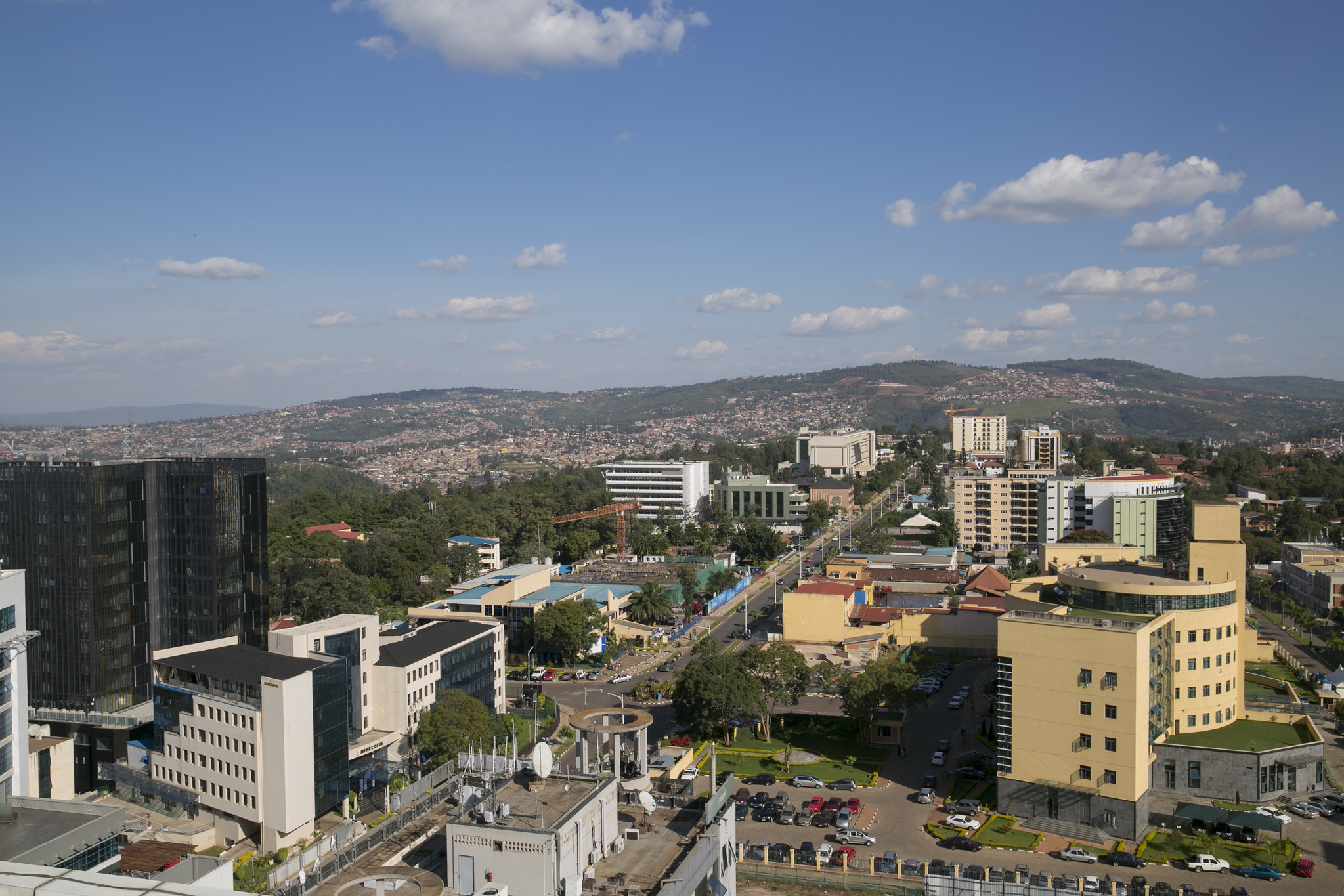
What are the main attractions to visit in Kigali City?
Kigali, the capital city of Rwanda, is home to several noteworthy attractions that offer a glimpse into its history, culture, and natural surroundings. One important site to visit is the Kigali Genocide Memorial, which serves as a space to learn about and reflect upon the 1994 Genocide against the Tutsi. The memorial includes exhibits, mass burial sites, and gardens designed to honor those who lost their lives. It’s both emotional and educational.
For art and creativity lovers, Inema Arts Center is another key spot. This gallery features stunning artwork by Rwandan artists and offers workshops and events. It’s a vibrant hub for people interested in local art and culture.
Another popular place is Kimironko Market, where visitors can shop for local goods, fresh produce, clothing, and handmade crafts. It’s a bustling space that gives tourists insight into daily life in Kigali.
For scenic views, Mount Kigali is great for hiking. It’s not far from the city, and the trails reward visitors with panoramic views of Kigali’s green hills and neighborhoods.
The Nyamirambo Women’s Center is another must-visit for those wanting insight into local life. They run guided walking tours through the Nyamirambo neighborhood while showcasing how women contribute to their community through small businesses.
Lastly, the Kigali Convention Centre is a modern architectural landmark. At night, its dome lights up with vibrant colors, symbolizing Kigali’s progress.
What is the best time of year to visit Kigali?
Kigali has a mild, tropical climate, making it pleasant throughout much of the year. However, the dry seasons, from June to mid-September and December to February, are considered the best times to visit. During these months, there’s little rain, making it easier to enjoy outdoor activities and explore the city.
The rainy seasons, from March to May and October to November, bring heavier rainfall. Travel during these months can be trickier, especially for those looking to trek or spend much time outdoors. Roads can get muddy, and the rain can interrupt plans.
That said, the rainy season does bring its perks. The countryside becomes lush green, and the city looks vibrant. This may appeal to visitors who enjoy nature and greenery. Rain tends to come in short bursts, leaving clear skies afterward.
For specific events, June through September is a great time because this period often coincides with cultural festivals. For instance, Kigali Up Music Festival brings local and international musicians together for live performances. It’s also easier to combine a city trip with other adventures in Rwanda, like gorilla trekking, during the dry season as conditions are better.
Ultimately, whether you prefer sunshine or don’t mind occasional rain, Kigali’s weather is relatively gentle, allowing flexibility for various activities.
How can one get around Kigali City?
Kigali is considered quite easy to navigate, offering a variety of transport options. The most common and convenient method is using moto-taxis (motorcycle taxis). They are affordable, and riders can quickly zip through traffic. These taxis are widely available across the city.
For those who prefer more comfort, taxi cabs can be hired, though they’re generally more expensive compared to motos. It’s important to agree on a fare in advance or use trusted ride-hailing apps. Speaking of apps, services like Yego Cabs or Move Ride operate in Kigali, allowing visitors to book vehicles through their phones.
Public transport is another option. Kigali has an extensive system of minibuses or matatus, which follow set routes and are very budget-friendly. While they’re inexpensive, they can get crowded, and visitors may need help figuring out exact routes if they’re unfamiliar with the city.
Walking is also a possibility, as the city is clean, safe, and pedestrian-friendly, especially in downtown areas. However, because of Kigali’s hilly terrain, walking long distances might be tiring.
If renting a car, options are available through local agencies. Driving in Kigali is relatively straightforward, as roads are well-maintained. Having GPS or offline maps can assist greatly since signage might not always be clear in all neighborhoods.
For a unique experience, hiring a local guide to accompany you around the city on tours can be helpful. Knowing a bit of Kinyarwanda, the local language, or French can also enhance interactions with taxi drivers and locals.
What are some cultural experiences unique to Kigali?
Kigali, the capital city of Rwanda, offers several cultural experiences that provide insight into the traditions, history, and day-to-day life of its people. One of the most significant is a visit to the Kigali Genocide Memorial, where visitors can learn about the 1994 Rwandan Genocide. It’s a solemn place reflecting on the country’s past but also highlighting reconciliation and healing.
For art and creativity lovers, Kigali is home to a growing arts scene. Places like Inema Arts Center and Niyo Arts Center showcase vibrant paintings and other works created by Rwandan artists. These centers often host workshops, allowing visitors to interact with artists and even create their own art.
Kigali neighborhoods like Nyamirambo offer an authentic glimpse into local life. Participating in a Nyamirambo Women’s Center walking tour, for instance, allows tourists to explore the community, learn about Rwandan traditions, and even join cooking classes to prepare local dishes.
Another key cultural highlight is dance and music. Traditional Rwandan intore dance performances, typically involving intricate drumming and energetic choreography, give visitors the chance to witness important aspects of Rwanda’s heritage. These performances are often held at festivals, events, or cultural centers.
For a taste of Rwanda’s coffee culture, visitors can take part in a coffee plantation tour. Coffee is an important product in Rwanda, and workshops often include steps like picking, processing, and tasting the final product.
What are the top local foods to try in Kigali?
Kigali offers a variety of local dishes that highlight Rwandan cuisine, which is often simple yet satisfying. A must-try is brochettes, which are skewers of grilled meat or fish. They’re commonly served in restaurants or roadside stalls and paired with fried plantains or potatoes.
Another staple dish is ugali, a dense dough made from maize or cassava flour. It’s often eaten with vegetables, sauces, or roasted meat, and though it may look plain, it’s very filling and loved by locals.
Rwandans particularly enjoy ibihaza, a dish of pumpkin cooked with beans. It’s a healthy, hearty combination and reflects the importance of agriculture in everyday Rwandan meals.
For breakfast or a snack, try muhogo, which is cassava that has been boiled or fried. Another street food favorite is mandazi, a type of fluffy fried dough similar to a donut but less sweet.
Don’t miss trying Rwanda’s famous Isombe, a dish made from finely pounded cassava leaves stewed with ground peanuts and spices. It’s traditionally paired with rice or plantains.
Lastly, fresh Rwandan coffee and tea are widely praised for their quality. Sit in a café or shop to enjoy a freshly brewed cup of coffee sourced from the surrounding hills.
What is the history of Kigali, and how does it shape the city today?
Kigali has a rich yet intense history that has significantly influenced its present. It became Rwanda’s capital in 1962 when the country gained its independence from Belgium. Before this, Kigali was a small trading hub during German and later Belgian colonial rule.
The 1994 Rwandan Genocide is one of the most defining events in the city’s history. During this tragic period, Rwanda lost hundreds of thousands of lives in just 100 days. Kigali, being the center of activity, witnessed immense suffering. However, since that time, the city has undergone extraordinary rebuilding efforts.
Today, Kigali is recognized as one of the cleanest and safest cities in Africa. The government’s push for peace, reconciliation, and economic development has created a shared sense of unity among Rwandans. Institutions, like the Kigali Genocide Memorial, remind people of the past while fostering education and healing.
Kigali’s urban planning reflects its progress. The city promotes development with an emphasis on sustainability, cleanliness, and public welfare. Ongoing efforts include modern infrastructure, expanding roads, and investment in industries such as tourism, technology, and agriculture.
This blend of history and forward-looking attitudes makes Kigali both a place of reflection and a symbol of resilience. Its cultural landmarks, vibrant community spirit, and economic growth embody how it has adapted over time.
Are there any guided tours or activities available in Kigali?
Kigali offers several guided tours and activities that provide an engaging way to explore the city and its rich culture. These tours cater to various interests, such as history, culture, and local life. One popular option is the Kigali City Tour, where guides take visitors to key sites, including the Kigali Genocide Memorial, the Inema Arts Center, and Mount Kigali, which offers breathtaking views of the city. These tours help visitors appreciate both Kigali’s past and its modern development.
For those interested in food and local culture, culinary tours are a fantastic choice. These include visits to bustling markets like Kimironko Market, where participants can learn about and sample fresh Rwandan produce. Some tours even offer cooking classes where visitors can learn to prepare Rwandan staples like ugali (a type of maize porridge) or brochettes (grilled meat skewers).
Cycling tours and walking tours are also popular, offering a slower-paced and immersive way to explore Kigali’s neighborhoods. Kigali on a Bike is one example of a group that organizes bike tours across the city. Adventure seekers may enjoy activities such as hiking on Mount Kigali or nearby hills, where they can combine outdoor exploration with stunning views of the surrounding landscape.
Local tour companies like Go Kigali Tours and A Step Into Nature offer customized experiences. These tours are generally conducted by knowledgeable guides who provide valuable context about the city’s history, culture, and daily life.
Whether you’re a history enthusiast, art lover, or foodie, Kigali offers many guided activities to suit a variety of interests.
What accommodation options are available in Kigali?
Kigali has a wide range of accommodation options, from luxury hotels to budget-friendly choices, ensuring visitors can find something to match their preferences and budgets. For those seeking a high-end experience, there are several internationally recognized luxury hotels. The Kigali Marriott Hotel and Radisson Blu Hotel are examples that offer amenities like swimming pools, spas, fitness centers, and fine dining options. These are ideal for visitors wanting comfort and convenience, often located in the city center.
Boutique hotels are a good middle-ground between luxury and affordability. Places like The Retreat by Heaven and Villa Asimba provide a more intimate experience, combining personalized service with cozy settings. Many boutique hotels also emphasize local art and culture, creating a unique environment.
For travelers on a more modest budget, Kigali offers plenty of guesthouses and hostels. Budget accommodations like Discover Rwanda Youth Hostel or Yambi Guesthouse provide clean and basic rooms while promoting a friendly, communal atmosphere. These options may also include local breakfast menus or shared spaces to meet other travelers.
Airbnb also has a presence in Kigali, with a variety of homes and apartments available for short-term rent. These options are great for families, long-term visitors, or those interested in living like a local. Apartments in neighborhoods like Kacyiru or Nyarutarama are common listings.
Locations matter when choosing accommodation in Kigali. Staying in areas like Kiyovu or Remera puts travelers near restaurants, shops, and landmarks. For those looking for a quieter setting, the lush suburbs of Nyarutarama or Kimihurura offer peaceful environments.
Kigali’s accommodations tend to be clean and safe, with many offering Wi-Fi and other basic amenities, ensuring a comfortable stay for travelers.
Is Kigali City safe for tourists?
Kigali is widely regarded as one of the safest cities in Africa for tourists. The city has a reputation for low crime rates, well-maintained public spaces, and a generally calm environment. Visitors often note that they feel comfortable walking the streets, even at night, particularly in well-lit areas or central neighborhoods like Kiyovu or Kimihurura.
The strong sense of safety in Kigali can be attributed to Rwanda’s strict laws and effective public enforcement. Local authorities prioritize order, and the population is known for being polite and helpful toward visitors. It is also worth noting that Kigali is kept very clean, which adds to the overall sense of security and comfort.
While Kigali is safe, tourists should still remain cautious, as they would in any other city. Petty theft, such as pickpocketing, can occasionally occur in busy areas like markets or crowded festivals. Keeping valuables out of sight, using cross-body bags, and staying aware of one’s surroundings are prudent steps.
Rwanda as a whole places a high emphasis on tourism, and measures have been taken to ensure an enjoyable stay for travelers. Hotels, restaurants, and tour operators are accustomed to hosting international guests and are well-prepared to address common concerns. The country has also invested in public health and infrastructure, notably accessible healthcare services and well-maintained roads.
In an emergency, Rwanda has reliable police services accessible by dialing 112. This quick response system reassures many visitors. Tourists exploring Kigali typically find that safety concerns are minimal, and with basic precautions in place, there’s little to worry about when visiting this vibrant city.
What are the shopping options or local markets to explore in Kigali?
Kigali has a mix of modern shopping centers and traditional markets. For those interested in modern shopping, places like Kigali Heights are a popular choice. Located near the Kigali Convention Center, this shopping hub offers a variety of boutiques, restaurants, and supermarkets. It’s a good option for finding international brands and enjoying a more laid-back shopping atmosphere.
If you want to experience local culture and unique items, the Kimironko Market is one of the largest and busiest in Kigali. Here, you can find fresh produce, handmade crafts, clothing, and cultural items like Rwandan baskets, locally made jewelry, and traditional fabrics called Kitenge. Vendors are usually open to bargaining, so you can negotiate prices if needed.
Another market worth exploring is the open-air Nyamirambo Women’s Center Craft Shop. This is a special place where women from the local community sell handcrafted goods such as bags, clothes, and baskets. By shopping here, you also support women’s empowerment programs in the area.
For those who enjoy art and decor, check out places like Inema Arts Centre and Caplaki Craft Village, where you’ll find paintings, sculptures, and Rwandan crafts. These are excellent places to pick up souvenirs.
If you’re looking for organic products, head to Kigali Farmer’s Market, where vendors sell fresh food, handmade skincare items, and locally sourced coffee or tea. It’s a smaller, more curated experience compared to larger markets.
Overall, whether you prefer malls or traditional markets, Kigali has many options for shopping where you can discover everything from daily essentials to unique handmade items.
What languages are commonly spoken in Kigali, and how easy is communication for tourists?
In Kigali, the most commonly spoken languages are Kinyarwanda, French, and English. Kinyarwanda is the national language of Rwanda, and most locals use it in daily conversations. It helps to learn a few simple phrases in Kinyarwanda, such as “Murakoze” (Thank you) or “Bite?” (How are you?), as this shows respect and can make interactions smoother.
French has historical significance due to Rwanda’s colonial past, and many older residents and professionals are fluent in it. If you speak French, you’ll find it relatively easy to communicate in hotels, restaurants, and other tourist-friendly locations.
English became an official language in recent decades and is now widely taught in schools. Staff at hotels, tourist attractions, and major businesses often speak English. This makes communication relatively straightforward for English-speaking tourists in major areas of Kigali.
For visitors who don’t speak these languages, gestures, pointing, and translation apps like Google Translate can be very helpful. Additionally, there are many guides and drivers in Kigali who are multilingual and can assist tourists during their stay.
To make communication even easier, tourists might consider hiring a local guide or taking tours where language won’t be a barrier. Generally, language is not a significant difficulty for visitors exploring Kigali, especially in areas frequented by tourists.
Are there any day trips or nearby destinations accessible from Kigali?
Kigali is surrounded by several interesting locations that can be visited as day trips. One popular destination is Nyamata and Ntarama, which are about 30 minutes from Kigali. These sites contain churches that serve as Memorial Sites for the 1994 Rwandan Genocide. They are deeply moving places to learn about Rwanda’s history and resilience.
For nature enthusiasts, the Akagera National Park is an option. It’s about a 2.5-hour drive from Kigali, so it can work as a long day trip. This wildlife park features animals like lions, elephants, hippos, and giraffes, as well as scenic landscapes of savannahs, lakes, and wetlands. Many people opt for guided safaris to make the most of their time here.
If you’re interested in culture and crafts, consider visiting Lake Muhazi, which is about an hour northeast of the city. It’s a peaceful spot for bird watching, fishing, or enjoying a lakeside meal. Some tourists choose this location for activities like kayaking.
For tea lovers, a visit to a tea plantation near Kigali offers an educational experience. You can see how tea is grown and processed while enjoying incredible views of the surrounding hills.
Lastly, Musanze (about two hours from Kigali) serves as an entry point for trekking in Volcanoes National Park. While a full gorilla trek might not fit into one day, you could explore nearby caves or take a short nature walk in this scenic area.
With a variety of choices, visitors can get a glimpse of Rwanda’s natural beauty and history without needing to travel far from Kigali.
How To Book Your Safari in Rwanda
So, why visit Kigali City? It’s a hub of culture, history, and modern charm. Wondering how to plan your trip? From exploring vibrant markets to discovering memorials, this city offers plenty to enjoy. Ready to experience it all? Booking with one of the trusted Rwanda Safari Companies makes planning simple and stress-free. Click the link to find the best guides for an unforgettable Kigali City experience. Your adventure awaits!
Part of our complete guide to the best things to do in Rwanda.
Rwanda Travel Tips
Rwanda Travel Tips: For an unforgettable trip, explore Rwanda safaris that highlight the country’s rich biodiversity. Gorilla trekking in Rwanda, especially in Volcanoes National Park, is a must-do activity, offering a chance to see mountain gorillas up close. Plan visits during the dry seasons (June to September and December to February) for better trekking conditions. Pack light, breathable clothing for the climate and good hiking boots for trekking. Health precautions, such as vaccinations for yellow fever and malaria prevention, are necessary. Kigali is a central hub with modern amenities, while destinations like Nyungwe Forest National Park and Akagera National Park offer unique wildlife and scenery. Always respect local customs and carry cash for areas with limited card services.
What is the best time of year to visit Rwanda?
The best time to visit Rwanda generally depends on your plans. Rwanda has a temperate climate due to its high elevation, and temperatures usually stay between 15°C (59°F) and 27°C (81°F). However, the country experiences two main wet seasons (March to May and October to November) and two dry seasons (June to September and December to February).
For those interested in activities like gorilla trekking, the dry months (June to September and December to February) are ideal. During these periods, trails are less muddy, and it’s easier to hike through the rainforest. The weather is also more predictable and sunny. However, these months are popular with tourists, so it’s best to book permits or accommodations early.
If you enjoy lush landscapes and fewer crowds, consider going during the wet seasons. While it rains more during these months, showers are often short and followed by clear skies. Photographers may appreciate the vibrant greenery during these times.
Lastly, Rwanda hosts exciting events during certain months. For example, the famous Kwita Izina Festival, a baby gorilla naming ceremony, typically takes place in September. Birdwatchers often find the wet seasons better for admiring migratory species.
Overall, the best time depends on your preferences for weather, crowd levels, and the activities you want to explore.
Do I need a visa to travel to Rwanda, and how do I get one?
Yes, most travelers need a visa to enter Rwanda, but the process is straightforward. Citizens of all countries can get a visa on arrival at any Rwandan entry point for a fee of $50 USD for a single-entry visa valid for 30 days. Some nationalities, such as those from East African Community (EAC) countries, can enter without a visa or stay for an extended period.
You can also apply for a Rwanda e-visa in advance through the official immigration portal. The online application involves filling out a form, uploading a passport photo, and paying electronically. Processing usually takes three working days.
If you’re visiting multiple East African countries (Rwanda, Uganda, and Kenya), consider applying for the East Africa Tourist Visa. This multi-entry visa costs $100 USD and is valid for 90 days. It’s convenient and allows hassle-free movement between the three countries.
To ensure smooth entry, check that your passport is valid for at least six months from your arrival date and has a few blank pages for stamps. Before traveling, confirm the latest visa policies on Rwanda’s official immigration website or with your nearest Rwandan embassy.
What vaccinations or health precautions should I take before traveling to Rwanda?
Before traveling to Rwanda, certain vaccinations and health precautions are recommended to keep you safe. The yellow fever vaccine is required for all travelers over one year old, especially if you’re coming from a country where yellow fever is common. You will need to show proof in the form of a yellow fever vaccination card upon arrival.
Rwanda is in a region where malaria is present, so it’s important to take steps to avoid mosquito bites. Antimalarial medications can provide added protection, consult your doctor to find the right option for you. Wearing long sleeves, using insect repellent, and sleeping under mosquito nets are also essential.
Other suggested vaccines include those for hepatitis A and B, typhoid, and, depending on your upcoming activities, rabies. Routine vaccines such as tetanus, diphtheria, and measles should also be up to date before your trip.
Drinking tap water is not advised, so stick to bottled or boiled water to avoid diseases like cholera and traveler’s diarrhea. Carry a small first-aid kit, including over-the-counter medicines, just in case.
Lastly, Rwanda requires travelers to comply with current COVID-19 measures, which may include proof of vaccination or negative test results. Confirm these requirements shortly before departure for the latest updates.
By taking these precautions, you can fully enjoy your visit to the country without worrying about health concerns.
What is the currency in Rwanda, and how does the payment system work?
The official currency in Rwanda is the Rwandan Franc (RWF). It is used for most transactions across the country, especially in stores, restaurants, markets, and transportation. The Rwandan Franc comes in both coins and banknotes. Coins include denominations such as 1, 5, 10, 20, 50, and sometimes 100 Francs. Banknotes are available in values of 500, 1,000, 2,000, and 5,000 Francs.
Payment in Rwanda is mostly done in cash, especially in rural areas and smaller towns. It is a good idea to carry smaller denominations since many vendors or businesses may not have change for larger bills. In cities like Kigali, larger establishments, such as hotels, supermarkets, and restaurants, often accept credit and debit cards like Visa and Mastercard. While card payment is growing in urban areas, it’s not yet widespread, so cash is preferable in most parts of Rwanda.
Mobile money services, such as MTN Mobile Money, are also popular and used frequently for transferring money or paying bills. This option requires a local mobile phone number and account.
You can exchange foreign currencies like U.S. Dollars, Euros, or British Pounds at banks, bureaux de change (currency exchange offices), or major hotels. U.S. Dollars are the most widely accepted foreign currency, but make sure the bills are newer (issued after 2009) and in good condition, as older or damaged notes may not be accepted.
ATMs are available in major towns and cities, but they primarily dispense Rwandan Francs. It’s important to check with your bank beforehand to confirm that your card will work in Rwandan ATMs. To summarize, plan on using cash (Rwandan Francs), but carry a credit card or set up mobile money for convenience in cities.
Is Rwanda a safe country for tourists?
Rwanda is considered one of the safest countries in Africa for tourists. The country has a low crime rate, and both locals and law enforcement authorities generally prioritize the safety of visitors. Kigali, the capital city, is often regarded as one of the cleanest and safest cities in Africa.
Tourists are unlikely to face any major security issues, but it’s still wise to take common precautions. For example, keep your belongings secure, avoid flashing expensive items, and don’t leave valuables unattended. Petty crimes, such as pickpocketing, are rare but can happen in crowded areas, so staying vigilant is a good idea.
The government of Rwanda has also put significant effort into maintaining peace and stability since the 1994 genocide. Security measures and a strong sense of community contribute to the overall feeling of safety. As a tourist, you are likely to encounter friendly and welcoming locals.
It’s important to note that while Rwanda is safe, travelers should avoid venturing into the border regions near the Democratic Republic of Congo (DRC), particularly around the Virunga Mountains. There can occasionally be instability in those areas, though the Rwandan side is generally well-protected.
Public transportation, like local buses and moto-taxis, can be used safely during the day, though it’s recommended to hire private taxis or tour guides when traveling longer distances. Night travel outside of major cities is better avoided.
In addition, health safety is key, drinking bottled or boiled water and following vaccination and malaria prevention guidelines can ensure a safe and enjoyable trip.
What are the must-visit attractions in Rwanda?
Rwanda offers a rich variety of attractions, blending nature, history, and culture. One of the most famous is Volcanoes National Park, where you can see the endangered mountain gorillas in their natural habitat. Trekking to see the gorillas is a unique and memorable experience that draws visitors from around the world. The park is also home to golden monkeys and several volcanic peaks.
Another major highlight is Nyungwe Forest National Park, known for its biodiversity. Visitors can go on canopy walks, birdwatching tours, or chimpanzee tracking hikes in this lush rainforest.
If you’re interested in wildlife beyond primates, Akagera National Park is a fantastic choice. This park features the “Big Five” animals, lions, elephants, rhinoceroses, leopards, and buffaloes, on picturesque savannahs, making it perfect for a classic safari experience.
To explore Rwanda’s history and culture, head to the Kigali Genocide Memorial, a moving and educational site that honors victims of the 1994 genocide. The memorial provides insight into Rwanda’s history and its journey toward peace and reconciliation. Rwanda’s capital, Kigali, itself is vibrant and modern, with markets, museums, and good restaurants to enjoy.
Lake Kivu, located along the border with the Democratic Republic of Congo, offers opportunities for relaxation. With clear waters and a scenic shoreline, visitors can swim, kayak, or take a boat trip to explore nearby islands. Towns like Gisenyi provide charming lakeside accommodations.
Finally, local cultural experiences, such as visiting the King’s Palace Museum in Nyanza or learning traditional crafts in local villages, add depth to a Rwanda trip. These attractions showcase the country’s heritage and hospitality.
How can I see mountain gorillas in Rwanda, and what is the process for obtaining permits?
Seeing mountain gorillas in Rwanda is a unique experience and one of the main reasons visitors travel to this country. To do this, most people visit Volcanoes National Park located in the northern part of Rwanda. The park is home to a number of mountain gorilla families that have been habituated to human presence, meaning they’re comfortable being observed for short periods.
The first step in planning your gorilla trek is obtaining a gorilla trekking permit, which is required for anyone wanting to visit the gorillas. These permits are issued by the Rwanda Development Board (RDB). The current cost of a permit is $1,500 per person for international tourists, though discounts may sometimes be available to certain groups, like East African residents. It’s a good idea to book the permit several months in advance, especially during the high seasons (June-September and December-February), as only a limited number are issued each day.
On the day of your trek, you’ll be assigned to a specific gorilla family and a group of no more than 8 trekkers. Trekking can last anywhere from 1 to several hours, depending on where the gorillas are that day. Rangers and guides will help lead you through the forest. Once you reach the gorillas, you’ll have one hour to observe them at close range while maintaining a distance of at least 7 meters (about 23 feet). This time limit protects the health and safety of the gorillas.
Participants should prepare for hiking in muddy, uneven terrain by wearing comfortable hiking boots, lightweight rain gear, and packing enough water. It’s also common to hire a local porter to help carry your belongings and provide extra support while trekking. Rwanda has strict rules about protecting the gorillas, so always listen carefully to the guides.
What are the cultural norms and etiquette one should follow in Rwanda?
Rwanda’s culture is rooted in respect, politeness, and community. When visiting, being aware of these norms helps to create a good impression. One of the most important customs is greeting others. A handshake combined with a verbal greeting in Kinyarwanda (like “Muraho” which means “hello”) is a polite way to begin interactions. For closer acquaintances, people may touch shoulders during a handshake.
Respect for elders is a key part of Rwandan culture. You’ll notice that younger people often defer to older individuals in conversations and decision-making. It’s polite to address people using their titles or by saying “Mr.” or “Mrs.” unless invited to use their first name.
When in public, modesty in dress is valued. Women, in particular, often wear clothing that covers the knees and shoulders. Avoid wearing overly revealing or attention-grabbing outfits.
Photography requires care. While it’s fine to take photos of landmarks or nature, always ask permission before photographing people, particularly in rural areas. Some may not feel comfortable with it, and it’s respectful to honor their wishes.
Dining and sharing food are common ways to bond in Rwanda. If you’re invited to someone’s home, wait for the host to show you where to sit, and always thank them for the meal. It’s polite to begin eating after a brief prayer or acknowledgment by the host.
Lastly, learn a few basic phrases in Kinyarwanda, the national language. Simple words like “Murakoze” (thank you) or “Ni meza” (it’s good) are greatly appreciated.
What are the transportation options for getting around the country?
Rwanda offers several ways to travel within the country, each suited to different needs and budgets. The road network is well-maintained, making overland travel relatively smooth.
If you’re traveling between cities or towns, one of the most common methods is by bus. Companies like Volcano Express and Rwanda Interlink Transport Company (RITCO) operate reliable and affordable bus services. These buses run along major routes such as Kigali to Musanze (for gorilla trekking) or Kigali to Huye (for historical and cultural excursions). Tickets are usually purchased at bus stations.
Within cities, motorbike taxis, also known as “motos,” are widely available and economical. They’re a quick way to navigate urban areas but be sure the driver provides a helmet. For larger groups or more comfort, car taxis are another option, though they are more expensive. Ridesharing apps like Yego Cabs also operate in Kigali.
For flexibility and independence, consider renting a car. There are rental agencies in Kigali offering vehicles with or without drivers. Keep in mind, Rwanda drives on the right side of the road, and a 4×4 vehicle is recommended for access to rural or mountainous areas.
Another convenient way to travel long distances, particularly for those with limited time, is taking a domestic flight operated by companies such as RwandAir. These flights connect Kigali to remote locations like Akagera National Park.
Walking and cycling are also practical options within small towns or villages. Many streets are pedestrian-friendly, and bicycles can allow visitors to connect more closely with the local environment.
Are English and other languages widely spoken in Rwanda?
English is one of Rwanda’s official languages, alongside Kinyarwanda, French, and Swahili. While Kinyarwanda is the most commonly spoken and understood language across the country, English is widely used in schools, government offices, and urban areas.
Kinyarwanda is the unifying language spoken by nearly the entire population, regardless of education level or location. It serves as the foundation for communication across all the country’s regions and is typically used in informal and casual conversations.
English is used more often by people in cities such as Kigali and tourists will frequently encounter English speakers in hotels, restaurants, and tourist attractions. It became an official language in 2008 partly due to efforts to strengthen global connections, especially in education and business.
French is another key language, with older generations and some areas favoring it. French became prominent during Rwanda’s colonial period under Belgian rule and is still significant in media, education, and some public services.
Swahili is primarily spoken in business or trade settings, particularly in Rwanda’s eastern regions and areas near borders with Tanzania and Uganda. Swahili was introduced as an official language in 2017 due to its importance in East Africa.
For travelers, knowing a few basic phrases in Kinyarwanda, such as “Muraho” for hello, will show respect to locals and may foster goodwill. However, when traveling through Rwanda as a tourist, communicating in English is generally sufficient.
An example of showing linguistic adaptability is when local guides and officials tend to switch easily between Kinyarwanda, English, and French to help visitors feel more comfortable. So, while English is common in travel settings, being open to hearing other languages, or knowing some essential phrases, can significantly enrich the experience.
What should I pack for a trip to Rwanda, considering the local climate?
Rwanda’s location near the equator gives it a temperate tropical climate, with two rainy seasons (March-May and October-December) and two dry seasons (June-September and January-February). Packing for a trip depends on the season and activities planned.
- Clothing suitable for warm days and cool evenings: Pack lightweight, breathable clothing such as cotton t-shirts, shorts, and dresses. However, temperatures can drop in the evenings or at higher altitudes, so include a light jacket or sweater.
- Rain gear for wet seasons: If traveling during the rainy months, a compact rain jacket, poncho, or small umbrella will come in handy. Waterproof shoes or boots are useful for hikes on muddy paths.
- Comfortable walking or hiking shoes: Rwanda is known for its hills and outdoor activities, such as trekking to see mountain gorillas or hiking in national parks. Sturdy, closed-toe footwear with good grip is essential.
- Sunscreen and a wide-brimmed hat: The equatorial location results in intense sunlight, even on cloudy days, so protecting your skin is a must.
- Bug spray and anti-mosquito measures: Mosquitoes are common in certain areas, especially in the evenings. Choose an insect repellent with DEET for effective protection.
- Layered clothing options for gorilla trekking: For those trekking in Volcanoes National Park, include long-sleeved shirts, long pants, gloves, and a warm layer. These help protect from scratches, bugs, and the cool morning air.
- Daypack and reusable water bottle: A small backpack can help carry essentials like water, snacks, and personal items during excursions. Bringing a reusable water bottle also helps reduce plastic waste.
- Adapters and chargers: Rwandan electrical outlets follow the European style (Type C or J), with a standard voltage of 230V. Bringing a compatible travel adapter ensures devices stay charged.
An example packing approach involves organizing your items based on planned activities, for instance, separating items for city tours, trekking, and casual days. By preparing carefully for Rwanda’s specific conditions, visitors can enjoy a comfortable and enjoyable trip.
What local foods and drinks should I try while in Rwanda?
Rwandan cuisine is rooted in simple, fresh, and starchy foods, often accompanied by vegetables, beans, or meat. Trying local dishes offers visitors a great way to understand the culture and daily life.
- Ugali (stiff maize porridge): A staple in many households, Ugali is made from maize or cassava flour mixed with water until it thickens to a dough-like consistency. It is typically served alongside beans, leafy greens, or meat dishes.
- Isombe: Made from cassava leaves cooked with ground peanuts, Isombe is rich and flavorful. It’s a must-try vegetarian dish often paired with rice or plantains.
- Brochettes: These are skewers of grilled meat (commonly goat, beef, or fish) that can be found at roadside eateries, markets, and restaurants across Rwanda. Served with fried potatoes or grilled bananas, they make a flavorful snack or meal.
- Ibihaza (pumpkin stew): This hearty dish combines fresh pumpkin chunks with a creamy, peanut-based sauce. It can be eaten with rice or other starches, such as sweet potatoes.
- Matoke (green bananas): These bananas are cooked and mashed into a savory dish, usually served with beans or meat. It’s a filling and delicious option.
- Akabenz: This is a popular pork dish famous in Kigali. The meat is marinated, grilled, and spiced, delivering a savory flavor. It’s often paired with potatoes or salads.
For drinks, visitors can enjoy various options:
- Urwagwa (banana beer): A traditional drink made from fermented bananas and sorghum flour. It’s a unique cultural experience best enjoyed at local celebrations.
- Ikivuguto: A Rwandan drink similar to yogurt, derived from fermented milk and cherished in many households.
- Passionfruit juice: Freshly prepared and widely available, it’s a refreshing treat in the tropical environment.
An example might be stopping at a countryside guesthouse for a meal of Isombe with Ugali, enjoying homemade passionfruit juice, and then finishing the day with a taste of Urwagwa at a village gathering. By sampling a range of local flavors, you’ll gain insight into Rwanda’s traditions and daily life.
How To Book Your Safari in Rwanda
Wondering what to pack, how to get around, or why Rwanda is a top destination? This guide has simplified it all for you! Whether you’re excited about gorilla trekking, game drives, or exploring local culture, the next step is easy. Check out trusted Rwanda Safari Companies to plan your adventure with experienced guides who know the region inside out. Make your dream trip to Rwanda stress-free and unforgettable, book today!
Visit Kigali Genocide Memorial Gisozi
The Gisozi Memorial, located in Kigali, Rwanda, is a significant site honoring victims of the 1994 Rwandan Genocide. Known as the Kigali Genocide Memorial, it serves as a place for remembrance, education, and reflection. Visitors can explore its exhibits detailing the history of the genocide, its causes, and its aftermath. The memorial also includes a burial site for over 250,000 victims, making it an important stop for those on Rwanda safaris or engaging in activities like gorilla trekking in Rwanda at destinations like Volcanoes National Park. The site stands as a symbol of reconciliation and resilience, attracting individuals looking to understand Rwanda’s history and the steps taken toward healing.
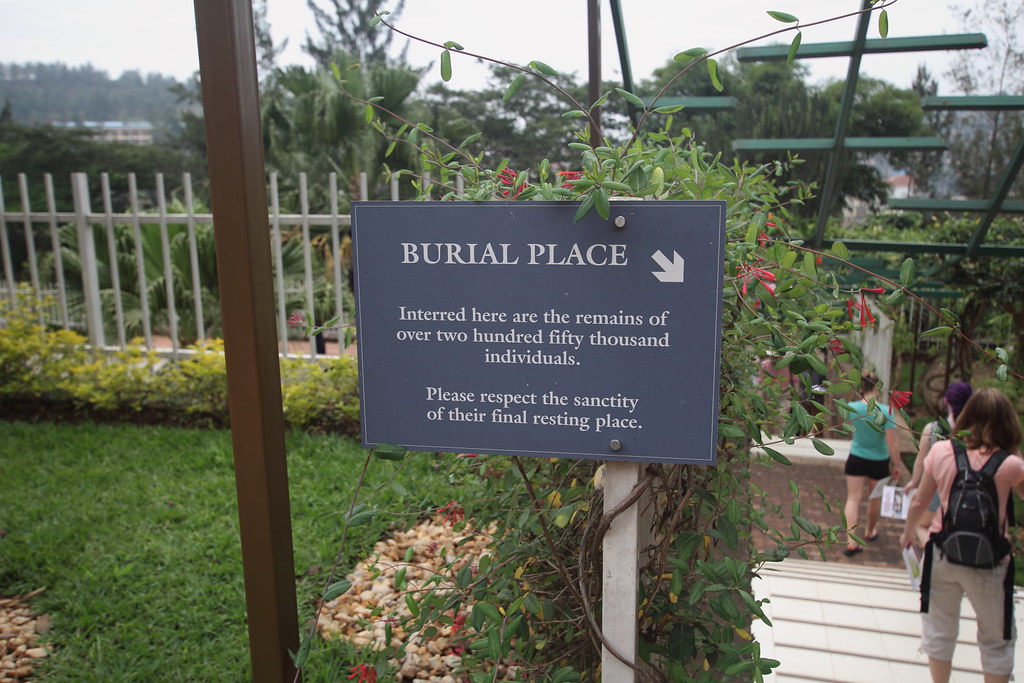
What is the Gisozi Memorial, and where is it located?
The Gisozi Memorial, also known as the Kigali Genocide Memorial, is a site dedicated to preserving the memory of the victims of the 1994 Rwandan Genocide. It honors those who were killed during a devastating 100-day period when ethnic tensions led to unimaginable violence and mass killings in Rwanda.
The memorial is located in Kigali, Rwanda’s capital city. More specifically, it is situated in Gisozi, which is a district of Kigali, hence the name. The memorial serves as both a burial site for victims and a museum to educate people about this tragic part of history.
Visitors to the memorial will find a solemn and respectful environment, designed to honor both the victims and their families. It is a meaningful landmark not just for Rwandans, but for people from around the world who come to learn about what happened and pay their respects.
What historical event does the Gisozi Memorial commemorate?
The Gisozi Memorial commemorates the 1994 Rwandan Genocide, a horrific event in which approximately 800,000 people were killed in just about three months. The genocide was the result of long-standing tensions between two ethnic groups in Rwanda: the Hutu and the Tutsi.
The violence was triggered on April 6, 1994, when a plane carrying Rwanda’s Hutu president, Juvénal Habyarimana, was shot down. Extremist Hutu groups blamed the Tutsi for the assassination and used it as an excuse to launch a coordinated campaign of mass murder.
The genocide targeted Tutsi individuals, as well as moderate Hutu who opposed the killings. These acts were carried out by militias, soldiers, and ordinary citizens, and the brutality included murder, sexual violence, and torture. The Gisozi Memorial reminds us of this tragedy and serves as a stark warning of what unchecked hatred and prejudice can lead to.
When was the Gisozi Memorial established?
The Gisozi Memorial was officially established and opened to the public in 2004, marking the 10th anniversary of the Rwandan Genocide.
The creation of the memorial was part of a broader effort to provide a permanent resting place for many of the victims and give their families a space for mourning. The opening also reflected Rwanda’s commitment to remembering and learning from its past.
The location was chosen because it is where many of the victims were buried in mass graves during the genocide. Since its establishment, the site has expanded over time and now stands as both a burial ground and a global center for learning about genocide, reconciliation, and peacebuilding.
Why was the Gisozi Memorial created?
The Gisozi Memorial was created to serve as a permanent tribute to those who lost their lives during the 1994 Rwandan Genocide, as well as to educate current and future generations about the atrocities that occurred. Between April and July of 1994, an estimated 800,000 people, most of them Tutsi, were brutally murdered due to ethnic violence orchestrated by extremist groups.
The memorial provides a space for remembrance and mourning for the victims and their families. It was designed to give dignity to those who were killed during the genocide by ensuring that their remains were buried respectfully. Many of the victims were originally buried in mass graves without any identification or proper funeral rites. The memorial seeks to reverse this by honoring their lives.
By recording the historical events leading up to, during, and after the genocide, the Gisozi Memorial aims to preserve the memory of the tragedy to help ensure that such violence is not repeated. Its creation helps promote healing for survivors and fosters a sense of accountability by ensuring that the world learns from this dark historical moment.
How many victims are buried at the Gisozi Memorial?
The Gisozi Memorial, also known as the Kigali Genocide Memorial, serves as the final resting place for over 250,000 victims of the 1994 Rwandan Genocide. The bodies of these victims were collected from around Kigali, the capital of Rwanda, and its surrounding regions.
Many individuals were exhumed from mass graves, and their remains were transported to the memorial to provide a centralized place of rest and remembrance. The scale of the burials reflects the severity of the genocide, during which entire communities were wiped out.
Coffins are buried in large concrete tombs, and surviving family members often visit to grieve and pay their respects. New remains are still occasionally discovered in Rwanda, and the memorial continually works to receive and accommodate these so that no victim is forgotten.
This burial space not only gives the victims a dignified resting place but also stands as a stark reminder of the devastating effects of unchecked hate and violence. The presence of tens of thousands of victims at a single site emphasizes the importance of learning from such a tragedy to prevent similar events in the future.
What are the main features or exhibits at the Gisozi Memorial?
The Gisozi Memorial contains several significant features and exhibits aimed at documenting the events of the genocide, memorializing the victims, and educating visitors. Here’s an overview of its most important components:
- Mass Graves: The centerpiece of the memorial is the series of large burial sites where over 250,000 victims are laid to rest. These graves are marked by concrete slabs, and visitors can place flowers or other items as part of mourning rituals.
- Exhibition Halls: The memorial houses detailed exhibitions documenting the genocide. These include photographs, videos, and personal artifacts of victims, such as clothing or ID cards, to convey their humanity and the tragic scale of the loss.
- Historical Timeline: The main exhibition provides a timeline that explains the historical context leading to the genocide. It includes Rwanda’s colonial past, the role of propaganda, and the breakdown of peace. This helps visitors understand how such a tragedy was possible.
- Children’s Room: A particular section is dedicated to the youngest victims of the genocide. Photographs of children are displayed alongside details such as their favorite hobbies and personalities, making their loss deeply personal and poignant.
- Memorial Gardens: The grounds include beautifully landscaped gardens to create a peaceful environment where families of victims and visitors can reflect. These gardens symbolize recovery and new beginnings after the horrors of the past.
- Wall of Names: An area in the memorial displays the names of victims as part of an ongoing effort to document every individual who was killed.
Through these features, the Gisozi Memorial tells a comprehensive story of the genocide while also creating a reflective space to honor and mourn those who were lost.
How does the Gisozi Memorial contribute to remembering the Rwandan Genocide?
The Gisozi Memorial plays a central role in keeping the memory of the Rwandan Genocide alive. It serves as a place where the atrocities of 1994 are acknowledged, documented, and shared with the world. This is crucial for ensuring that such tragedies are never forgotten. The memorial acts as a reminder of the magnitude of this event, where over 800,000 people, mostly from the Tutsi ethnic group, were killed in a span of 100 days.
The memorial houses mass burial sites, where the remains of many genocide victims are laid to rest. Visitors are confronted with powerful visual and written stories of those who lost their lives. Photographs, personal items, and stories of victims are displayed to personalize the historical events. These exhibits create a deeper understanding of what occurred, showing the human cost of hatred and division.
At Gisozi, remembrance ceremonies are held to honor the victims annually. Survivor testimonies are also shared to highlight the impact on families and communities. These events help educate newer generations who may not have lived through the genocide and ensure that everyone learns from this history.
As a national and international center of remembrance, the memorial also promotes conversations about historical accountability. By confronting the painful past, Rwanda has committed to building a future based on unity and love for humanity. The Gisozi Memorial reminds people of the importance of standing against racism, hatred, and division.
What educational programs or resources are offered at the memorial?
The Gisozi Memorial offers various educational programs and resources aimed at teaching visitors about the causes, consequences, and prevention of genocide. These tools are designed to help people, both Rwandans and foreigners, understand the importance of tolerance, peace, and coexistence in preventing such tragedies.
Workshops and seminars are available for schools, community groups, and other organizations. These sessions provide historical context about the genocide and address broader lessons on human rights, conflict resolution, and justice. Educators use visual aids, survivor testimonies, and archival footage to help participants grasp the events and underlying issues of the 1994 genocide.
Guided tours are a core educational offering. Trained guides walk visitors through the memorial’s exhibits, offering detailed explanations and answering questions. This ensures that individuals fully comprehend the displays, such as the causes of the genocide or the personal stories of the victims.
There are also print and digital materials available for those who want to study the genocide more deeply. This includes books written by survivors, research papers, and online resources that document the history. Academic collaborations with universities provide in-depth insights for scholars studying the subject.
For young people, there are tailored programs that teach them about the importance of reconciliation and unity in Rwanda. These initiatives help build a generation that prioritizes peace over division. By offering educational opportunities, the memorial plays a crucial role in ensuring that the lessons of the past are passed down effectively.
How does the Gisozi Memorial support genocide survivors and their families?
The Gisozi Memorial offers significant support to genocide survivors and their families through multiple initiatives aimed at addressing their emotional, financial, and social needs.
One critical way it supports survivors is by providing a space for healing and remembrance. For many survivors, knowing that their loved ones are buried and remembered at Gisozi offers some level of closure. Memorial services and remembrance events held at Gisozi help survivors honor their families and feel a sense of solidarity with others who share their loss.
The memorial also organizes programs to assist survivors with psychological support. Counseling services are provided to help individuals process their trauma and cope with the emotional scars left by the genocide. These services are vital for those who struggle with grief or flashbacks from the events of 1994.
On a practical level, Gisozi collaborates with organizations that work to improve the living conditions of survivors. Some survivors, especially widows and orphans, face challenges related to housing, education, or medical care. The memorial connects them with local or international groups that can provide support, such as scholarships for children or funds to improve their homes.
Additionally, the memorial plays a part in preserving the stories and experiences of survivors. By sharing their personal testimonies in public presentations or through written materials, survivors actively contribute to education and awareness efforts. This not only helps teach others but also allows survivors to feel empowered by telling their truths.
Through these varied forms of support, the Gisozi Memorial ensures that survivors are not forgotten or left behind, highlighting the ongoing need for compassion and assistance even decades after the genocide.
What measures are in place to preserve the memory of the genocide at the memorial?
The Gisozi Memorial employs several measures to ensure the memory of the Rwandan genocide is preserved for future generations. One of these is the careful documentation and archiving of genocide-related materials. The memorial maintains a significant collection of photos, oral testimonies, and written accounts from survivors, which serve as powerful reminders of the atrocities committed. These resources are stored and managed in a way that protects them from physical damage and are often digitized to ensure long-term preservation.
Another measure is the maintenance of burial areas, where over 250,000 genocide victims are interred. Regular upkeep ensures that these grounds remain respectful and symbolize remembrance. The names of many victims are engraved on walls, which are updated as new information becomes available, making the memorial not only a place of reflection but also a site where the identities of victims are honored.
The memorial also emphasizes education programs, involving Rwandans and international visitors, to spread awareness about the events of 1994 and to keep the history alive. Events such as commemoration ceremonies, held every year in April during Rwanda’s official genocide remembrance period, are integral to ensuring that the tragedy is not forgotten.
Interactive exhibits and displays serve to communicate the history in ways that are both accessible and impactful. For example, video presentations and survivor testimonies provide a clear understanding of the genocide’s causes and consequences. Finally, the Gisozi Memorial fosters partnerships with organizations globally to exchange knowledge and improve how historical trauma is remembered and preserved. These collective efforts help ensure the genocide’s memory endures and that such events are prevented in the future.
How do visitors typically experience and engage with the Gisozi Memorial?
Visitors to the Gisozi Memorial often experience it as a deeply somber and reflective place. A significant part of their engagement involves walking through detailed exhibits that chronicle the events leading up to, during, and after the 1994 genocide. These exhibits include photos, maps, and artifacts, as well as written explanations that provide historical context. The information is organized to create a chronological narrative, helping visitors understand not only the scale of the tragedy, but also the factors that led to it.
A poignant aspect of the experience is listening to audio guides or survivor testimonies, which are offered in multiple languages. Hearing the accounts of survivors allows visitors to grasp the human impact of the genocide on a deeper level. Some visitors also take guided tours provided by knowledgeable staff, who provide additional explanations and answer questions.
The burial grounds, where many victims are laid to rest, are another vital feature of how people engage with the site. Visitors may spend quiet time paying their respects at these graves or reading the names inscribed on the memorial walls. For many, this part of the visit feels profoundly personal and emotional.
Additionally, visitors may engage in educational programs or workshops hosted by the memorial. These sessions often explore themes like tolerance, peacebuilding, and human rights, encouraging participants to think critically about how such tragedies can be prevented in the future. Finally, a bookstore on-site offers materials for those who want to learn more and take resources home.
Emotionally, the experience is often described as overwhelming yet necessary, as it offers a window into history while inspiring reflection on the importance of standing against hatred and violence.
What role does the Gisozi Memorial play in promoting reconciliation and healing in Rwanda?
The Gisozi Memorial plays a significant role in fostering reconciliation and healing in Rwanda by serving as a place of both remembrance and education. On one hand, the memorial provides a physical space for people to mourn the victims. For genocide survivors, having a place where their loved ones are remembered and respected can bring a sense of closure and acknowledgment of their pain.
The memorial also encourages dialogue and understanding by offering a truthful and comprehensive account of the genocide. By openly addressing the events, including the political and social conditions that allowed them to occur, the memorial helps promote transparency and confront the divisions that led to the violence. This honest reflection is a critical part of rebuilding trust and unity within the community.
Through its educational programs, the memorial works to instill values of tolerance and empathy in younger generations. Workshops and discussions highlight the importance of reconciliation, teaching participants from diverse backgrounds to see the humanity in one another rather than focusing on differences.
The memorial also contributes to national healing by hosting annual genocide remembrance events, drawing communities together in collective mourning and reflection. These events offer opportunities for Rwandans to share their stories, express grief, and find solidarity with others who have endured similar losses.
Finally, the Gisozi Memorial collaborates with various organizations to support initiatives that aid survivors, such as counseling services and trauma healing programs. By connecting remembrance to active steps towards unity, the memorial embodies a message of hope and the belief that healing and reconciliation are possible, even in the aftermath of immense tragedy.
How To Book Your Safari in Rwanda
By now, you’ve learned about the importance of the Gisozi Memorial, including what it is, why it matters, and how it pays tribute to Rwanda’s history. Are you ready to visit this heartfelt landmark and explore more of Rwanda’s unique culture? Reach out to one of the trusted Rwanda Safari Companies to help plan your visit. They’ll handle all the details, ensuring a meaningful and seamless experience. Start your adventure today!
Part of our complete guide to the best things to do in Rwanda.