
Akagera National Park Rwanda
Akagera National Park, located in eastern Rwanda, is a premier destination for Rwanda safaris, offering diverse wildlife and stunning scenery. Spanning over 1,122 square kilometers, the park is home to the Big Five, lion, leopard, elephant, rhino, and buffalo, making it ideal for game drives. Visitors can also enjoy birdwatching, with more than 480 bird species present. Complementing activities like gorilla trekking in Rwanda at Volcanoes National Park, Akagera provides a unique experience with its savannah landscapes, lakes, and wetlands, including Lake Ihema. The park focuses on conservation and community engagement, making it a key part of Rwanda’s tourism. Guided safaris, boat trips, and night drives offer various ways to explore this remarkable park.
What is the history and significance of Akagera National Park?
Akagera National Park was established in 1934 under the Belgian colonial administration. At that time, the park covered a much larger area (nearly 2,500 square kilometers). It was created as a way to protect the animals and scenery of this beautiful region.
Over the years, the park’s size was reduced, largely because of human settlement and the need for farmland. After the Rwandan Genocide of 1994, many displaced people moved into areas near or within the park, leading to further shrinkage of its size and challenges with conservation. By the late 1990s, Akagera was facing serious problems such as illegal poaching and environmental destruction.
In 2010, the Rwandan government partnered with an organization called African Parks to better protect the park. This collaboration led to a major turnaround. African Parks introduced a variety of measures to manage the park, such as wildlife reintroduction programs and better security to stop poaching.
The park is now a symbol of Rwanda’s environmental recovery and has regained its status as a leading wildlife destination. Its history is significant because it reflects the broader challenges and successes of conservation in Rwanda, a country aiming to balance the needs of people and nature.
What types of ecosystems and landscapes can be found in Akagera National Park?
Akagera National Park is home to a wide variety of ecosystems, which is one of the reasons it is considered such a special place for nature enthusiasts. Visitors to the park can explore savannah areas, wetlands, woodlands, and lakes. This diversity of habitats means the park supports a wide range of plants and wildlife.
The savannah areas consist of open grasslands and are dotted with acacia and thorn trees. This landscape is similar to the famous grasslands of other East African parks, such as the Serengeti. These open areas are perfect for grazing animals like zebras, giraffes, and antelope, and they also make it easier to spot predators like lions.
Akagera is also known for its wetlands and lakes, which cover about a third of the park. One of the largest lakes is Lake Ihema, which is surrounded by papyrus swamps. These wetlands are home to crocodiles, hippos, and a variety of birds, including rare species like the shoebill stork. Wetlands play an important role in maintaining the park’s ecological balance by providing water for animals and plants.
The park contains woodlands, where trees and shrubs dominate the landscape. This is an ideal habitat for species like buffaloes and bushbucks. Forested hills in some parts of the park provide shelter for other animals, adding to the park’s overall biodiversity.
Because of this ecological variety, Akagera National Park is an excellent place for observing different kinds of natural environments in a compact area. Whether you’re interested in open plains, water ecosystems, or denser forest cover, the park has something to offer.
What wildlife species inhabit the park and which are the most notable?
Akagera National Park is home to a wide variety of wildlife species, making it one of Rwanda’s most significant protected areas. Its diverse habitats, including savannahs, wetlands, and woodlands, support an impressive range of animals. The park is particularly well-known for being a Big Five destination. The Big Five refers to five iconic and highly sought-after animals tourists hope to see: elephants, lions, leopards, rhinoceroses, and buffaloes. These animals are called the Big Five not because of their size but because they were once considered the most challenging to hunt.
Elephants and buffaloes are frequently spotted by visitors, often grazing or moving in herds. Akagera was also the site of a successful reintroduction program for lions in 2015, after being absent from the park for years. Similarly, black rhinos were reintroduced in 2017, making the park a complete Big Five destination again.
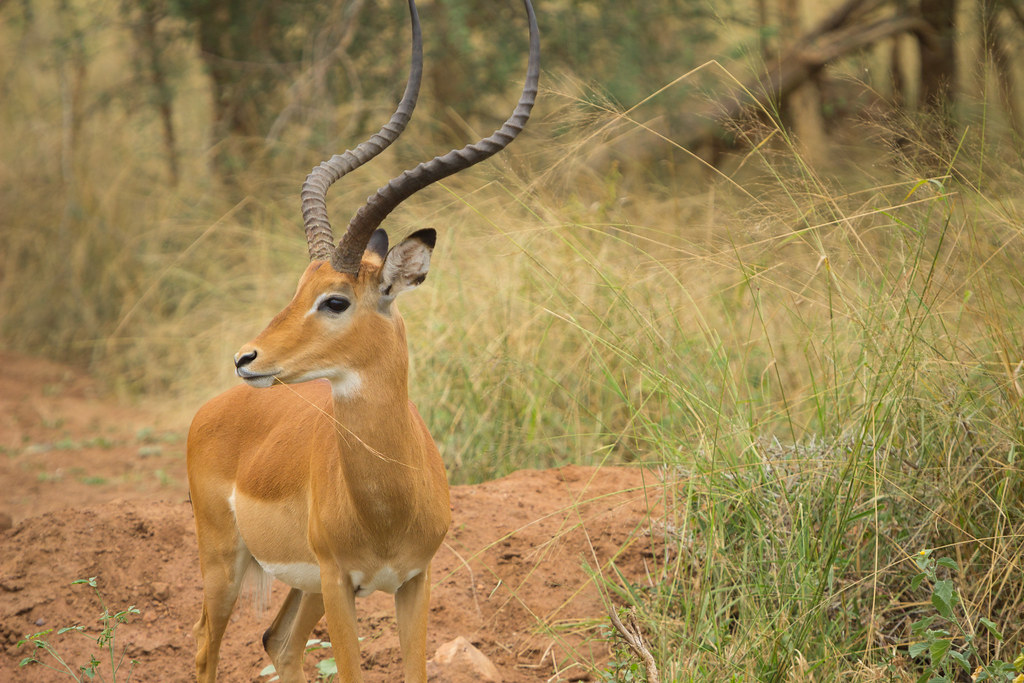
Other notable species include a range of antelope species, such as impalas, waterbucks, and elands. Giraffes can be seen strolling gracefully across the savannah, and hippos are abundant in Akagera’s lakes and rivers. Crocodiles are also a common sight near the water.
The park is especially rich in birdlife, with over 500 bird species identified, including specialties like the rare shoebill stork and the majestic African fish eagle. Whether on land, water, or in the sky, Akagera offers an abundance of wildlife viewing opportunities to visitors.
How is Akagera National Park involved in conservation efforts and wildlife reintroduction programs?
Akagera National Park is a shining example of successful wildlife conservation and restoration programs. Over the past few decades, the park has undergone significant changes to restore its ecosystems and bring back species that had disappeared due to poaching and other pressures.
One of the most notable conservation efforts was the reintroduction of lions in 2015. These predators were wiped out from the park in the 1990s due to human-wildlife conflict. Thanks to partnerships between the Rwandan government and conservation organizations, a small group of lions was imported and released into Akagera. Their population has since grown, underscoring the success of the program.
Another major milestone was the reintroduction of black rhinos in 2017. Poaching had driven these animals close to extinction in Rwanda, but through careful planning and international collaboration, rhinos were brought back to the park. Even more rhinos, including the rarer eastern black rhino, were introduced in 2019 to strengthen the population.
Akagera is also working to combat poaching and habitat destruction. The park employs skilled rangers who patrol its grounds and uses advanced surveillance technology, like drones, to monitor wildlife and address threats promptly. Anti-poaching initiatives have dramatically improved the safety of animals inside the park.
The park also prioritizes community involvement in conservation. Locals are hired for jobs in tourism and conservation, and educational outreach programs teach communities about the importance of preserving wildlife. By benefiting the surrounding population, the park reduces human-wildlife conflict, ensuring long-term conservation success.
What challenges does Akagera National Park face in terms of conservation and management?
Akagera National Park faces several challenges as it works to balance conservation, tourism, and community needs. One of the biggest hurdles is combating poaching. While significant progress has been made, particularly through surveillance technology and patrolling, illegal activities still pose a threat to some species, such as rhinos and antelope.
Human-wildlife conflict is another ongoing issue. The park’s boundaries are close to farmlands, which means wildlife sometimes ventures out, causing damage to crops or posing risks to livestock. This can lead to tensions with local communities, who struggle to reconcile their agricultural needs with conservation efforts.
Funding is also a challenge for long-term management. Maintaining a park as large and complex as Akagera requires significant financial resources. Money is needed for ranger salaries, equipment, and community outreach programs, all of which are vital to the park’s success. Although tourism generates income, fluctuations in visitor numbers (e.g., due to global events like pandemics) can cause financial strain.
Climate change adds an unpredictable layer of difficulty. Changes in rainfall patterns, droughts, or unexpected weather events can disrupt habitats and water availability for the park’s wildlife.
Finally, the continued health of reintroduced species, like lions and rhinos, requires ongoing attention. Ensuring genetic diversity among these populations means establishing connections with other parks or importing animals periodically, which requires expert planning and resources.
Despite these challenges, Akagera has shown that with strong management, international partnerships, and community involvement, many obstacles can be overcome.
What are some unique features or landmarks within Akagera National Park?
Akagera National Park in Rwanda has several unique features and landmarks that make it stand out. One highlight is Lake Ihema, the second-largest lake in Rwanda. It is home to diverse aquatic life, including crocodiles and hippos, and attracts various bird species. Tourists can take boat rides on the lake for a closer look at its wildlife. This lake creates an opportunity to observe animals in their natural habitat while enjoying the park’s serene scenery.
Another key landmark is the Akagera River, which forms the park’s eastern boundary. This river feeds into various lakes and wetlands in the park, supporting a vast range of ecosystems. These wetlands are some of the largest protected wetland habitats in Central Africa, providing critical habitats to endangered species and migratory birds.
The Kilala Plains are also noteworthy. These open savannas are ideal for spotting large mammals such as zebras, giraffes, and a range of antelope species. Visitors often describe it as a prime location for viewing herbivores grazing in the open. This contrasts with the more forested sections of the park, offering a variety of landscapes in one area.
Finally, the park is dotted with rolling hills, such as the Mutumba Hills, where panoramic views stretch across the park and its lakes. This vantage point offers a chance to take in Akagera’s diverse landscapes, from sprawling grasslands to dense woodlands. These hills serve as a wonderful spot for photography and quiet reflection.
These landmarks collectively illustrate the park’s rich diversity in geography and life, attracting nature enthusiasts and researchers alike.
What kinds of activities and experiences can tourists engage in while visiting the park?
Tourists visiting Akagera National Park have many activities to explore. One popular choice is the classic safari game drive. Visitors can travel through the park’s scenic routes, where guides help them spot animals such as lions, elephants, rhinos, buffalos, and giraffes. These game drives often take place in purpose-designed vehicles, making them suitable for groups or families.
Another activity is birdwatching. Akagera National Park is home to over 500 bird species, including the rare shoebill stork, papyrus gonolek, and fish eagles. With such biodiversity, it’s a hotspot for birding enthusiasts. Whether you’re a beginner or an expert birdwatcher, it’s easy to spot birds near Lake Ihema or the wetlands.
Boat safaris on Lake Ihema are also highly enjoyable. These guided boat tours allow tourists to see crocodiles and hippos up close, alongside a range of waterbirds. Sunset boat rides are particularly scenic, offering a peaceful end to the day with beautiful views of the water.
For more adventurous visitors, guided nature walks provide the chance to explore the park’s landscapes on foot. These walks are led by knowledgeable guides who give insights into the park’s ecosystems, plants, and smaller wildlife.
Some visitors may enjoy community cultural tours offered outside the park. These experiences show how local communities are linked to the park and include traditional Rwandan activities such as dancing, cooking, or visiting art cooperatives.
Finally, photography enthusiasts can spend hours capturing Akagera’s diverse environments and wildlife. Whether it’s a lion basking in the sun or vibrant landscapes, the park offers endless opportunities for stunning photos. These activities ensure visitors leave with great memories.
How is the park managed, and who are the primary stakeholders or partners?
Akagera National Park is managed through a partnership between the Rwanda Development Board (RDB) and African Parks, a non-profit conservation organization. This collaboration began in 2010, aiming to protect the park’s resources while ensuring its long-term sustainability. African Parks brings expertise in park management to improve wildlife conservation, infrastructure, and tourism.
The partnership uses a model that emphasizes efficiency and collaboration. They have invested in anti-poaching measures, such as employing rangers and using advanced technology. For instance, they monitor the park with drones and GPS collars on large mammals to track their movements and reduce threats.
Local communities also play an important role as stakeholders. They are involved in decision-making processes and benefit from revenue-sharing programs. For example, part of the income earned from tourism is directed back to community development projects, such as building schools or health centers. This connection ensures that communities see value in conserving the park, reducing human-wildlife conflicts.
Another key stakeholder is the government of Rwanda, which supports policy implementation that protects Akagera’s ecosystems. International donors, including environmental organizations and philanthropists, also fund various conservation and tourism initiatives in the park.
Together, these stakeholders work toward balancing conservation with economic benefits for local people. This collaborative management approach has been instrumental in restoring Akagera’s damaged ecosystems and species populations over the years.
What role does Akagera National Park play in the local economy and community development?
Akagera National Park contributes significantly to the local economy and helps support community development in the surrounding areas. Tourism is one of the main ways the park boosts economic activity. Visitors pay entry fees, book accommodations, and take part in activities such as guided safaris and boat tours. These payments directly fund the park’s operations and its conservation projects, but they also create jobs for local residents, such as tour guides, rangers, and hospitality workers.
Beyond employment, the park has established programs that reinvest part of its revenue into the neighboring communities. For example, Akagera National Park allocates about 10% of its tourism revenue to community projects. These funds are used to build schools, health clinics, and clean water systems, addressing essential needs and improving the quality of life for residents.
The park also supports local people by encouraging small businesses. Community members often sell handicrafts, food, or other products to tourists. For instance, some women’s cooperative groups near the park make woven baskets or jewelry for sale to visitors. This generates income for families and promotes the local culture.
Additionally, by protecting wildlife and natural ecosystems, the park attracts international attention, which benefits Rwanda’s reputation as a travel destination. This increased visibility may lead to additional investments in the tourism sector or infrastructure in the region.
Overall, Akagera National Park acts as a bridge between conservation goals and community well-being, ensuring that people living near the park see the tangible benefits of preserving the area’s biodiversity.
What policies or practices are in place to ensure sustainable tourism in Akagera National Park?
Akagera National Park emphasizes sustainable tourism by implementing policies that balance visitor experiences with environmental and wildlife protection. A key practice is their careful visitor management. The park limits the number of tourists allowed in at one time, ensuring that ecosystems are not overwhelmed by human activity. This approach helps maintain habitats for many species while also providing a quieter, more natural experience for visitors.
Only specific areas of the park are open for tourism, while sensitive zones are protected to allow wildlife to roam freely. For example, some parts of the park are deliberately kept off-limits to minimize human disturbance, especially in breeding or nesting areas.
The park also promotes eco-friendly practices, such as using solar-powered facilities in accommodations and ranger stations. This reduces reliance on non-renewable energy sources and lowers the ecological footprint generated by tourism operations.
Guided tours, including safaris and boat rides, follow strict environmental guidelines. Guides educate tourists about the importance of conservation and ensure rules are followed, such as maintaining a safe distance from animals and avoiding littering. For instance, vehicles are prohibited from leaving designated paths during game drives, which protects plant life and prevents soil degradation.
The park collaborates closely with lodges and tour companies to ensure responsible operations that align with conservation goals. Additionally, partnerships with conservation groups and local communities are key to spreading awareness about sustainable travel practices.
By prioritizing low-impact, responsible tourism, Akagera National Park works to preserve its natural beauty and biodiversity for future generations while still allowing people to appreciate its unique offerings.
How does Akagera National Park compare to other national parks in Africa?
Akagera National Park offers a distinct experience compared to many other African national parks due to its diversity of ecosystems and unique history of restoration projects. Located in Rwanda, it combines savannah landscapes, wetlands, and woodlands, which are habitats for a wide range of wildlife. One feature that sets Akagera apart is its expansive system of lakes and wetlands, making it one of Central Africa’s largest protected wetland areas. This gives visitors opportunities for activities like boat safaris, which are not as common in some other parks dominated by grasslands.
In terms of wildlife, Akagera is home to the “Big Five” animals, lions, elephants, leopards, rhinos, and buffalos, but its recovery is a significant part of its identity. Unlike older or more established parks like Kenya’s Maasai Mara or Tanzania’s Serengeti, Akagera experienced significant challenges due to poaching and habitat destruction in the 1990s. Through strong conservation efforts and partnerships between the Rwandan government and agencies like African Parks, Akagera has seen a remarkable turnaround. For example, lions, which had disappeared from the park, were reintroduced in 2015 and are now thriving.
Compared to larger parks such as Kruger National Park in South Africa or the Okavango Delta in Botswana, Akagera tends to provide a more intimate experience. It receives fewer tourists, making it ideal for visitors seeking a quieter, less crowded safari.
While it may not be as expansive as some famous parks, Akagera’s unique combination of landscapes, conservation success story, and integrated community programs make it a standout destination in Africa. Its focus on both sustainable tourism and local involvement sets a strong example for how parks can benefit both wildlife and people.
How To Book Your Safari in Rwanda
Curious about what Akagera National Park has to offer, why it’s special, and how you can explore it? This article covered the park’s incredible wildlife, landscapes, and the unique activities you can enjoy during your visit. Ready to plan your adventure? Booking with trusted Rwanda Safari Companies is the best way to secure an unforgettable experience. Click the link, browse the options, and let professionals handle the details for your perfect Akagera getaway!
Explore more in our complete guide to going on a Rwanda safari.
Best Rwanda Tourist Spots
The best Rwanda tourist spots include Volcanoes National Park, renowned for gorilla trekking in Rwanda, where visitors can observe endangered mountain gorillas in their natural habitat. Nyungwe Forest National Park offers opportunities for primate tracking, including chimpanzees, and features a famous canopy walkway. For a unique wildlife experience, Akagera National Park provides exciting Rwanda safaris, showcasing the Big Five alongside diverse savannah landscapes. Visitors can explore Lake Kivu, ideal for relaxation, boat rides, and scenic views. History enthusiasts may visit the Kigali Genocide Memorial in Rwanda’s capital, Kigali, to understand the nation’s past. These attractions highlight Rwanda’s rich biodiversity, cultural depth, and natural beauty.
What are the must-visit tourist spots in Rwanda?
Rwanda offers several key destinations that attract visitors from all over the world.
One of its most popular locations is Volcanoes National Park. This park is known for its incredible biodiversity and is home to the critically endangered mountain gorillas. Visitors can trek through dense forests to observe these majestic animals in their natural environment. The park also features several volcanoes, like Mount Karisimbi and Mount Bisoke, which appeal to hikers and nature enthusiasts.
Another notable spot is Nyungwe Forest National Park. This ancient rainforest boasts some of the best-preserved tropical mountain ecosystems. Visitors often explore its famous canopy walk, a suspended bridge that provides breathtaking views of the forest below. Nyungwe is also a great destination for chimpanzee trekking and bird-watching.
Lake Kivu, located in western Rwanda, is a scenic freshwater lake surrounded by small towns and hills. It’s a fantastic place for relaxation, swimming, and water activities. Visitors can also stop by lakeside towns like Gisenyi, known for its resorts and peaceful atmosphere.
For those interested in history and cultural understanding, the Kigali Genocide Memorial is a poignant site to visit in the capital city, Kigali. It provides an in-depth look at the tragic events of the 1994 genocide, offering a somber yet educational experience.
Finally, Akagera National Park, with its savannah and diverse wildlife, is another standout spot. It offers classic safaris to see animals like lions, elephants, and giraffes. The park has been undergoing conservation efforts, making it an excellent choice for eco-tourists as well.
Each of these destinations showcases a unique side of Rwanda, from its wildlife to its landscapes and history.
What is Rwanda most famous for in terms of tourism?
Rwanda is best known for its mountain gorillas and the incredible opportunity to see these rare primates in the wild. Thousands of tourists come annually to trek in the forests of Volcanoes National Park, where guided tours bring people close to families of gorillas in their natural habitat. This experience is considered one of the most memorable wildlife activities in the world.
Apart from gorillas, Rwanda is also recognized for its stunning natural landscapes. These include rolling hills, lush rainforests, and scenic lakes. Because of these terrains, Rwanda has been nicknamed the “Land of a Thousand Hills.” National parks like Nyungwe Forest and Akagera Park add to this natural beauty with their biodiversity and conservation success stories.
The country also has a rich cultural and historical significance, with sites like the Kigali Genocide Memorial, which pays tribute to the 1994 genocide victims. This memorial educates visitors about the past and highlights Rwanda’s journey toward peace and reconciliation.
In recent years, Rwanda has gained fame for its conservation initiatives. These projects, such as the reintroduction of lions and rhinos to Akagera National Park, highlight national efforts to protect wildlife and habitats.
Lastly, Rwanda’s safety, cleanliness, and growing reputation as a tourist-friendly destination make it a standout location for environmentally-conscious travelers. Its ability to balance conservation with tourism industries has placed it on the map as a leading eco-tourism nation.
Where can I go to see mountain gorillas in Rwanda?
The best place to see mountain gorillas in Rwanda is Volcanoes National Park, located in the northern part of the country near the town of Musanze. This park is one of the few locations in the world where these endangered primates can be observed in their natural habitat.
In the park, expert-guided gorilla trekking sessions allow travelers to track specific gorilla families. Before the trek starts, visitors gather at the park’s headquarters, where groups are assigned to specific families based on physical ability and interest. The trek can take anywhere from 1 to 4 hours, depending on where the gorillas are located that day, as they move freely in search of food.
Typically, trekkers are allowed to spend 1 hour with a gorilla family, observing their behaviors, interactions, and unique personalities. Being this close to such a majestic species is often described as deeply moving. The gorillas are accustomed to humans due to years of habituation, making the experience both safe and awe-inspiring.
To visit Volcanoes National Park for gorilla trekking, a permit is required. These permits must be purchased well in advance because there is a limit to the number issued daily, ensuring sustainable tourism and minimal disturbances to the animals. Currently, a permit costs $1,500 per person, and the money goes toward the park’s conservation efforts and support for local communities.
In addition to mountain gorillas, travelers to the park might also encounter other primates, such as golden monkeys, making the experience even richer. Only three countries in the world offer opportunities for mountain gorilla trekking, Rwanda, Uganda, and the Democratic Republic of Congo, so this activity is a rare privilege that draws visitors from across the globe.
Are there any national parks in Rwanda that are worth visiting?
Rwanda is home to several national parks that provide visitors with a chance to see its incredible wildlife and diverse landscapes. One of the most famous is Volcanoes National Park, located in the country’s northwest. It’s known for its population of mountain gorillas, which you can visit on guided treks. Seeing gorillas in their natural environment is a rare and incredible wildlife encounter. Besides gorillas, this park is home to golden monkeys and has beautiful mountains and forests.
Another notable park is Nyungwe Forest National Park, a tropical rainforest filled with hiking trails and rich biodiversity. It’s an excellent spot for birdwatching, with over 300 bird species, and chimpanzee trekking. You can also experience the canopy walkway, a bridge suspended high up in the forest, offering a unique view of the trees and wildlife.
Akagera National Park, located in the east, is different from the others because of its savannah environment. It’s ideal for a safari experience, as it’s home to elephants, lions, giraffes, hippos, crocodiles, and many other animals. Visitors can go on game drives or even boat safaris on Lake Ihema within the park.
Each of these parks has something different to offer, and all are considered great places to appreciate Rwanda’s natural beauty.
What are the top activities to do at Lake Kivu?
Lake Kivu, situated along Rwanda’s western border, offers a mix of relaxation and activities. One of the most popular things to do is boat rides across the lake. These trips offer a peaceful way to take in the scenic views of the water and surrounding hills while visiting nearby islands like Napoleon Island, where travelers can often find fruit bats.
Swimming in the lake is another favorite activity because it’s one of the few freshwater lakes in Africa free of crocodiles and hippos, making it safe for visitors. Many people enjoy relaxing along the beaches at towns like Gisenyi, Kibuye, and Cyangugu, where lakeside accommodations are available.
For those looking for more adventure, kayaking, paddleboarding, and fishing opportunities are also available at the lake. Hiking and biking along the surrounding roads and hills provide excellent views of the lake and its surroundings.
Lake Kivu is also known for its hot springs, where visitors can relax in natural warm waters. These springs are believed by locals to have therapeutic properties.
Whether looking for adventure or relaxation, Lake Kivu has plenty to offer.
How can I experience Rwanda’s cultural heritage and traditions?
To gain insight into Rwanda’s culture, visitors can explore various places and activities that highlight local traditions and history. One of the best ways is by visiting the Iby’Iwacu Cultural Village, located near the Volcanoes National Park. Here, visitors can engage with traditional Rwandan practices such as dancing, drumming, and learning about local crafts. Visitors can even try on traditional clothes and participate in a mock king’s court, giving a sense of the country’s pre-colonial times.
Another great experience is to tour one of Rwanda’s coffee or tea plantations. Both coffee and tea are a huge part of Rwanda’s economy, and by visiting a plantation, you can see the entire process, from growing and harvesting to roasting and brewing. It’s a hands-on way of experiencing something that plays a vital role in Rwandan life.
For those interested in history, the Kigali Genocide Memorial provides an opportunity to understand Rwanda’s past, with an emphasis on remembrance and healing. This site honors victims of the 1994 genocide and educates visitors about the tragic events while showcasing the country’s efforts toward unity.
Local markets, like the Kimironko Market in Kigali, allow visitors the chance to interact with locals, try fresh produce, and shop for handmade goods, such as woven baskets and other crafts.
By combining these activities, visitors can gain a well-rounded understanding of life and traditions in Rwanda.
What is the best time of year to visit Rwanda for tourism?
The best time to visit Rwanda is during the dry seasons, which typically occur from mid-December to early February and June to mid-September. During these periods, the weather is more favorable for outdoor activities, including trekking and safaris. Rwanda has a predominantly tropical climate due to its location near the equator, but it is also influenced by its high altitude. This means that temperatures remain relatively mild throughout the year, with daytime temperatures averaging 24–27°C (75–81°F) in many areas.
The dry seasons are particularly suitable if you’re planning to do popular activities like gorilla trekking or visiting national parks, as there is less rainfall and the trails are less muddy. For gorilla trekking, June to September is often preferred because not only is it drier, but visibility in the forest is better, making the experience more enjoyable.
The wet seasons, spanning from March to May and October to November, bring more rainfall, but they also transform the landscape into a lush, green environment, which can be very beautiful. However, heavy rains can make trekking more challenging and some unpaved roads harder to navigate. In contrast, the wet seasons are an excellent time for birdwatchers, as migratory bird species often visit Rwanda during this time. Additionally, there are usually fewer visitors, so places may feel less crowded, and accommodation options might offer lower prices.
Ultimately, while the dry season is the more popular time to visit, the wet season’s greenery and fewer crowds can still provide a unique and enjoyable experience.
What are the highlights of visiting Kigali, Rwanda’s capital city?
Kigali, the capital city of Rwanda, offers a mix of modern infrastructure, cultural attractions, and historical landmarks. One of the main highlights of Kigali is how clean and organized it is, which often surprises first-time visitors. The city is widely recognized as one of the cleanest and safest cities in Africa, thanks to regular community clean-up initiatives known as Umuganda, which occur on the last Saturday of every month.
A must-visit site in Kigali is the Kigali Genocide Memorial, a place where visitors can learn about the 1994 Rwandan genocide and its profound impact on the country. The memorial provides a somber yet deeply educational experience, with exhibits that honor the victims while also highlighting Rwanda’s recovery and reconciliation efforts.
For those interested in arts and culture, Inema Arts Center is a thriving hub of local talent, showcasing contemporary Rwandan art, crafts, and music. It’s a great spot to meet artists, take part in workshops, or buy unique handmade items.
Kimironko Market is another highlight for those eager to experience the vibrancy of local life. Here, you can shop for fresh produce, traditional clothing, crafts, and even try some local dishes. The bustling atmosphere is a reflection of Rwandan culture and hospitality.
Kigali is also a great place to enjoy food and dining, with numerous restaurants offering everything from traditional dishes like Ugali and brochettes to international cuisine. Rooftop dining spots and coffee shops, such as those serving Rwanda’s famous coffee, add a relaxing dimension to the city experience.
Lastly, Kigali serves as a great hub for travelers heading to different parts of Rwanda. It is well-connected by excellent roads, and its central location makes it convenient for day trips or onward travel.
Where can I enjoy hiking and adventure activities in Rwanda?
Rwanda offers various opportunities for hiking and adventure activities, particularly in its national parks and mountainous regions. A top destination for hiking is Volcanoes National Park, located in the northwestern part of the country. This park is home to the famous mountain gorillas, but it also offers excellent hiking trails. For example, you can hike Mount Bisoke, an extinct volcano, which features a beautiful crater lake at its summit. This hike typically takes 5–6 hours and is perfect for those seeking a moderately challenging adventure.
For a longer and more demanding trek, consider climbing Mount Karisimbi, Rwanda’s tallest peak at 4,507 meters (14,787 feet). This two-day hike takes you past incredible scenery, including dense rainforests and volcanic landscapes.
If you’re interested in a more relaxed hiking experience, the Nyungwe Forest National Park is ideal. It offers well-maintained trails like the Igishigishigi Trail, which includes a canopy walkway hanging high above the trees. Walking across the suspended bridge gives you breathtaking views and the chance to spot monkeys and birds in their natural habitat. Other trails in Nyungwe range in difficulty and length, making it suitable for all levels.
For water-based adventure, Lake Kivu offers activities like kayaking, paddleboarding, and fishing. Surrounding areas like the Rubavu district provide gentle hiking opportunities with views of the lake and the rolling hills.
Lastly, Akagera National Park in the eastern part of the country combines adventure with wildlife exploration. While not a traditional hiking destination, visitors can enjoy guided safaris and boat rides on Lake Ihema, which are thrilling yet family-friendly options.
Whether you’re a seasoned trekker or simply looking for outdoor exploration, Rwanda’s varied landscapes offer plenty to choose from.
Are there any UNESCO World Heritage Sites in Rwanda?
Rwanda has one UNESCO World Heritage Site: the Nyungwe National Park, an extraordinarily ancient rainforest located in the southwest part of the country. This park is part of the larger Albertine Rift montane forests area, an ecological hotspot that is home to incredible biodiversity.
Nyungwe National Park is considered one of Africa’s oldest rainforests, surviving through ice ages over millions of years. It spans approximately 1,020 square kilometers and boasts more than 1,000 plant species, 300 bird species, and 13 species of primates.
Primate species in Nyungwe include the chimpanzees and the famous Ruwenzori colobus monkeys, which travel in large groups that can include up to 300 individuals. The forest is also recognized for its tree canopy walk, a suspended bridge that gives visitors an incredible view of the lush rainforest treetops.
While Nyungwe is currently the only designated UNESCO World Heritage Site in Rwanda, discussions have been ongoing regarding other significant areas in the country. For example, Volcanoes National Park, home to the famous mountain gorillas, might qualify due to its global ecological significance and role in conservation.
Nyungwe’s World Heritage status signifies its importance not only to Rwanda but to global efforts in preserving biodiversity. For travelers, visiting Nyungwe is not just about sightseeing but also understanding the importance of protecting such unique environments for future generations. Remember that conservation fees often support these efforts, so visiting helps fund the preservation of this incredible natural site.
How accessible and safe are Rwanda’s tourist spots for travelers?
Rwanda is widely regarded as one of the safest and most tourist-friendly countries in Africa. The government has invested heavily in infrastructure to ensure that travelers can enjoy a comfortable and secure experience. Roads connecting major tourist destinations, such as Kigali, Volcanoes National Park, Lake Kivu, and Nyungwe National Park, are generally in excellent condition.
For air travel, Kigali International Airport serves as the main point of entry. Domestic flights, organized tours, and reputable car rental services with drivers make accessing tourist spots straightforward. Public transport options like buses are available, but they might not offer the same level of comfort and efficiency as private services. Many travelers opt to book guided tours, especially for visiting rural or remote areas.
In terms of safety, Rwanda has a very low crime rate compared to other nations in the region. The government emphasizes public safety, and the country is known for its strict laws and law enforcement. Tourism police units are also present in key areas to assist visitors.
Health and hygiene standards across Rwanda’s popular tourist destinations are high. This includes clean accommodations, well-managed facilities, and reliable emergency services. It’s always important to take standard precautions, such as carrying insect repellent to protect against mosquitoes and keeping your travel documents secure.
Tourists are encouraged to register with their embassy, carry emergency contact numbers, and comply with any travel advisories. That said, rarely do travelers experience significant issues. Whether trekking to see mountain gorillas, hiking in the national parks, or exploring Kigali’s cultural sites, Rwanda offers a secure and well-organized atmosphere for tourism.
What are some unique or off-the-beaten-path destinations in Rwanda?
While popular attractions like Volcanoes National Park and Lake Kivu draw crowds, Rwanda also offers several lesser-known destinations that showcase the country’s diversity.
- Gishwati-Mukura National Park: Located in the northwest region of Rwanda, this relatively new national park combines rainforest and montane landscapes. It’s smaller than Nyungwe but offers exceptional biodiversity. The park is home to golden monkeys, a variety of bird species, and rare plant life. Plans are ongoing to expand ecotourism facilities here, making it a hidden treasure for wildlife enthusiasts who wish to avoid busier parks.
- King’s Palace Museum in Nyanza: This cultural site offers an exploration of Rwanda’s royal history. Visitors can learn about Rwanda’s traditional monarchy and even see the Inyambo (sacred cows), known for their majestic long horns and cultural relevance.
- Huye and the Ethnographic Museum: Located in southern Rwanda, this city is home to one of Africa’s best ethnographic museums. It houses seven galleries devoted to traditional crafts, history, and everyday life in Rwanda. Huye also offers a peaceful atmosphere, making it an ideal place for visitors interested in culture and history.
- Rusumo Falls: Found on the border with Tanzania, these falls are not widely visited but offer spectacular views and a chance to see where the Kagera River plummets into a dramatic gorge. It’s a perfect stop for those who love photography and quiet natural settings.
- Akagera’s lesser-known corners: While Akagera National Park is famous for its safari experiences, certain areas remain less explored, such as its fishing activities at Lake Shakani. Visitors can enjoy a peaceful boat ride or angling far from the more trafficked areas of the park.
These destinations allow travelers to dive deeper into Rwanda’s natural and cultural richness without the crowds often found in more well-known sites.
How To Book Your Safari in Rwanda
We’ve covered the “what,” “why,” and “how” of the best tourist spots in Rwanda, from trekking with gorillas in Volcanoes National Park to exploring the stunning shores of Lake Kivu. Ready to plan your own adventure? Booking is easy! Check out trusted Rwanda Safari Companies for expert guidance. They’ll help create the perfect itinerary tailored to your interests. Start planning today and experience the incredible wonders of Rwanda firsthand!
Explore more in our complete guide to going on a Rwanda safari.
Nature Guided Walks Rwanda
Rwanda’s national parks offer some of the most varied and rewarding nature guided walks on the African continent, taking travelers through bamboo forests, volcanic craters, ancient caves, and highland wetlands alive with wildlife. Nature guided walks in Rwanda suit all fitness levels, from gentle lakeside trails near Musanze to half-day bamboo forest circuits inside Volcanoes National Park. Whether you join a gorilla safari, a golden monkey tracking tour, or a community heritage walk, a qualified ranger is always at your side, providing real-time identification of birds, plants, and primates.
Golden Monkey Tracking Walks Inside Volcanoes National Park
Golden monkey tracking is one of the most popular wildlife walks in Rwanda and a natural companion activity to gorilla trekking on a multi-day safari. The endangered golden monkey (Cercopithecus kandti) lives only in the bamboo zones of the Virunga Mountains, and Volcanoes National Park is the single best place in the world to find them. A golden monkey permit costs $100 USD per person, making it highly accessible compared to other primate tracking fees in East Africa.
Walks typically depart from the park headquarters in Kinigi at 7:00 a.m. and last between one and three hours depending on where the habituated troops have moved overnight. Rangers lead groups of up to eight people through dense bamboo, pointing out bird calls, spider orchids, and primate behavior along the way. The golden monkeys themselves are bold and curious, often swinging within a few meters of observers. This activity is open to travelers aged 12 and above, and no special fitness level is required.
Bamboo Forest Nature Walks and Wildlife Circuits in Volcanoes National Park
Beyond primate tracking, Volcanoes National Park offers dedicated guided nature walks that explore the park’s lower elevation zones without a specific primate target. These two-to-three hour circuits move through hagenia-hypericum woodland and thick bamboo corridors where olive baboons, black-fronted duikers, and bushbuck are regularly spotted. The walks also expose travelers to Rwanda’s extraordinary birdlife, including the endangered Albertine rift endemics such as the Rwenzori turaco and the handsome francolin.
The guided walk permit is separate from gorilla or golden monkey permits and is priced at approximately $75 USD per person. Groups are small, typically capped at eight, and the pace is relaxed enough to allow photography and close observation of flora. Many safari operators combine a morning nature walk with an afternoon cultural village visit, giving travelers a full and varied day in the Musanze area.
Dian Fossey Tomb and Research Station Hike from Musanze
The hike to the Dian Fossey Tomb at Karisoke Research Center is one of the most historically significant guided walks in Rwanda. Fossey founded Karisoke in 1967 and spent 18 years studying mountain gorillas in the Virunga Mountains before her death in 1985. Her grave and those of several gorillas she knew personally, including Digit, sit at approximately 3,000 meters elevation inside the park.
The hike takes roughly four to five hours round trip from the park gate, climbing through bamboo and hagenia forest with a ranger guide throughout. The permit fee is $75 USD per person and must be booked in advance through the Rwanda Development Board or a licensed Rwanda safari operator. Along the trail, guides explain the history of gorilla conservation and point out wildlife sightings. Travelers on Rwanda gorilla safari holidays frequently add this walk as a half-day extension on the day before or after their main gorilla trek.
Twin Lakes Nature Walk and Boat Tour Near Musanze
Lake Burera and Lake Ruhondo, collectively known as the Twin Lakes, lie just north of Musanze town and form one of Rwanda’s most scenic walking destinations outside the national park. The two lakes sit at around 1,900 meters elevation, surrounded by volcanic ridges, terraced hillsides, and small fishing communities that have operated on the water for generations. A guided lakeside walk typically covers four to six kilometers and takes two to three hours at a comfortable pace.
Local guides point out African fish eagles, pied kingfishers, grey crowned cranes, and papyrus birds throughout the route. Many tours also include a traditional wooden dugout boat ride on Lake Burera, priced at around $20 to $30 USD per person. The Twin Lakes walk pairs well with a full Rwanda wildlife vacation itinerary, and several Musanze lodges include it as a complimentary or low-cost add-on for guests. Combining the Twin Lakes excursion with golden monkey tracking on the same day is a popular choice for travelers who want to maximize their time in the Virunga foothills.
Musanze Caves Underground Walk and Bat Colony Tour
The Musanze Caves sit just outside Musanze town and represent a completely different kind of nature walk, one that goes underground rather than into the forest. Formed by ancient volcanic lava flows, the cave network stretches for approximately two kilometers and harbors thousands of fruit bats clinging to the cave ceiling in dense clusters. Walking the full tunnel takes around two hours with a ranger guide providing torches and safety instruction throughout.
The cave entrance fee is approximately $10 to $20 USD per person, making it one of the most affordable adventure activities in the Rwanda travel itinerary. The temperature inside drops noticeably compared to the surface, so a light jacket is useful even in the warmer months. Guides explain the volcanic geology of the Virunga region and the role bats play in local agriculture through insect control and pollination. This activity suits all age groups and is a popular choice for families traveling on Rwanda safari holidays who want an accessible half-day excursion.
Gorilla Guardians Village Walk and Community Heritage Tour
The Gorilla Guardians’ Village, formerly known as Iby’Iwacu Cultural Village, is located at the foot of the Virunga Mountains near the Volcanoes National Park entrance. The village community is made up of former poachers and their families who shifted from wildlife hunting to conservation-based tourism, and the visit carries genuine meaning beyond its cultural entertainment value. Guided community walks run for approximately two hours and include traditional dance performances, craft demonstrations, storytelling, and a guided tour of daily Rwandan village life.
The visit costs around $30 USD per person and a portion of every ticket feeds directly into community livelihoods, supporting the broader conservation economy that protects the gorillas. Rwanda safari operators consistently include the Gorilla Guardians Village as an afternoon activity on gorilla trekking days, since the park morning activities usually conclude by 1:00 p.m. The combination of wildlife and cultural immersion makes this one of the most complete Rwanda adventure travel experiences available near Musanze.
Nyungwe Forest Canopy Walk and Primate Nature Trails
Nyungwe Forest National Park in southwestern Rwanda offers an entirely different guided walk environment from Volcanoes: a vast, ancient montane rainforest covering over 1,000 square kilometers and home to 13 primate species, more than 300 bird species, and extraordinary botanical diversity. The park’s canopy walk is its signature nature trail, a suspended walkway 70 meters above the forest floor spanning 160 meters between platforms, giving travelers a bird’s-eye view of the forest canopy that no ground-level trail can match.
The canopy walk costs $60 USD per person and is open to travelers aged six and above. The guided circuit takes approximately two hours and includes walking sections through the forest before and after the elevated bridge section. Chimpanzee tracking in Nyungwe is priced at $250 USD per person and offers a longer, more physically demanding forest walk than the canopy trail. Nyungwe is rarely combined with Volcanoes National Park on short Rwanda vacations due to the long drive between them, but longer itineraries of eight days or more often include both parks for a full spectrum of Rwanda wildlife experiences.
Birdwatching Guided Walks in Rwanda: Volcanoes and Beyond
Rwanda is a world-class birdwatching destination with over 700 recorded species across its national parks, and guided birding walks are available in both Volcanoes and Nyungwe as specialist tours within the standard park entry framework. Volcanoes National Park holds 178 bird species, including 17 Albertine Rift endemics, and early morning birding walks before gorilla trekking departures are popular with serious wildlife travelers. Common sightings include the handsome francolin, Rwenzori batis, stripe-breasted tit, and the giant sunbird.
In Nyungwe, dedicated birding walks cost approximately $50 USD per person and are led by specialist guides trained by the Rwanda Development Board. The forest holds 26 species endemic to the Albertine Rift, making a single guided birding morning equivalent in value to a multi-day forest trail elsewhere in East Africa. For travelers building a Rwanda wildlife vacation around birds rather than primates, both parks reward early risers with exceptional sightings before the midday heat reduces bird activity.
$100 USD per person. Includes ranger guide, park entry, and one hour minimum with the habituated troop inside Volcanoes National Park. Minimum age 12 years.
$1,500 USD per person. The permit covers a ranger-guided forest walk and one hour with a mountain gorilla family. Low-season discount brings this to $1,050 when combined with Akagera and Nyungwe visits. Minimum age 15 years.
$75 to $100 USD per person. Mount Bisoke’s crater lake hike takes six hours round trip. Karisimbi summit hike is a two-day expedition reaching 4,507 meters. Both require booking in advance via Rwanda Development Board.
$75 USD per person. A four to five hour round-trip guided walk to the Karisoke Research Center and Fossey’s grave site at 3,000 meters inside Volcanoes National Park.
$60 USD per person. A 160-meter suspended walkway 70 meters above the forest floor in Nyungwe Forest National Park. Minimum age 6 years. Duration approximately two hours.
$10 to $20 USD per person. A two-hour guided underground tour through two kilometers of volcanic lava caves housing thousands of fruit bats. No age restriction.
Approximately $30 USD per person. A two-hour guided community walk with dance, storytelling, and cultural demonstrations at the reformed poachers’ village near Kinigi.
Permit costs only. Excludes accommodation, meals, flights, and transfers. Prices reflect 2026 Rwanda Development Board rates.
Best Time for Nature Guided Walks in Rwanda
Rwanda has two dry seasons that are ideal for guided nature walks and wildlife safaris: June through September and December through February. During these months, forest trails are firmer underfoot, visibility through vegetation is better, and primate tracking success rates are generally higher because groups move less distance to forage. The long dry season from June to September coincides with peak tourist demand, so permits and lodge rooms book up fast, particularly gorilla permits, which are capped at 96 per day across the entire park.
The wet seasons from March to May and October to November bring lower visitor numbers and significant discounts on accommodation. The low-season gorilla permit discount reduces the cost to $1,050 USD for travelers who combine their gorilla trek with visits to Akagera National Park and Nyungwe Forest. Trails in the wet season require good waterproof boots, and some high-altitude routes such as Karisimbi can become slippery and dangerous in heavy rain. For golden monkey tracking, bamboo forest nature walks, and cultural village visits, the wet season remains practical and delivers fewer crowds alongside lower costs.
How to Get to Musanze for Nature Walk Safaris
Almost all Rwanda nature guided walk tours begin from Musanze (Ruhengeri), the gateway town for Volcanoes National Park, situated approximately 110 kilometers northwest of Kigali. The drive from Kigali International Airport to Musanze takes around two to two-and-a-half hours on a well-paved road through Rwanda’s famous hill country. Most Rwanda safari tour operators provide direct road transfers from Kigali airport to Musanze lodges, with private vehicle transfers costing between $80 and $150 USD depending on the operator and vehicle size.
Public minibus (matatu) services also run between Musanze and Kigali for around $3 to $5 USD per person and depart frequently from Nyabugogo Bus Station in Kigali. For travelers extending their Rwanda holidays south to Nyungwe Forest, the drive from Musanze to Nyungwe via Kigali takes approximately six to seven hours. Several tour operators offer combination Rwanda safari packages that link Volcanoes National Park, Kigali city tours, and Nyungwe Forest into a single eight-to-ten-day itinerary covering Rwanda’s full range of guided walk experiences.
How much does a nature guided walk cost in Rwanda’s Volcanoes National Park?
General guided bamboo forest nature walks cost approximately $75 USD per person. Golden monkey tracking permits are $100 USD. The Dian Fossey Tomb hike is $75 USD. Gorilla trekking, the most premium walk in the park, is $1,500 USD per person, with a discounted rate of $1,050 USD during low season for qualifying itineraries that include Akagera and Nyungwe parks.
How long do nature guided walks in Rwanda take?
Duration varies by activity. Bamboo forest nature walks last two to three hours. Golden monkey tracking takes one to three hours depending on troop location. The Dian Fossey Tomb hike is four to five hours round trip. Musanze Caves takes approximately two hours. The Nyungwe canopy walk circuit runs around two hours from the trailhead, and full chimpanzee tracking in Nyungwe can take four to seven hours.
What fitness level is required for nature walks in Rwanda?
Most nature guided walks in Rwanda are accessible to travelers with average fitness. Bamboo forest walks, golden monkey tracking, Twin Lakes lakeside trails, and the Musanze Caves tour involve relatively flat or gently rolling terrain. The Dian Fossey hike requires moderate fitness due to a 500-meter elevation gain. Volcano hikes such as Bisoke and Karisimbi are strenuous and suit experienced hikers. Gorilla trekking varies widely between one and seven hours depending on gorilla family movement on the day.
Do I need to book Rwanda nature walk permits in advance?
Yes, advance booking is strongly recommended for all Rwanda guided walk permits, especially gorilla trekking permits, which are capped at 96 per day and routinely sell out months ahead during peak season (June to September). Golden monkey, Dian Fossey, and volcano hike permits can often be secured two to four weeks in advance. Booking through a licensed Rwanda safari tour operator simplifies the permit process and allows bundling of multiple activities within a single itinerary.
What should I pack for a nature guided walk in Rwanda?
Essential items include sturdy waterproof hiking boots with ankle support, long-sleeved shirt and long trousers (required for gorilla trekking to protect against nettles and insects), a light rain jacket, garden gloves for holding onto vegetation during steep sections, insect repellent, sunscreen, two liters of water per person, and a snack. A hat is useful at lower elevations in open sun. For cave walks, warm layers are recommended as temperatures drop underground. Camera equipment should be covered against sudden rain showers, particularly during the wet seasons.
Can I combine gorilla trekking with other nature walks on the same Rwanda safari?
Yes, and this is the most common approach for Rwanda safari holidays. Many travelers combine gorilla trekking one morning with the Gorilla Guardians Village or Twin Lakes walk in the afternoon of the same day. Golden monkey tracking is often added on a second park day. The Dian Fossey Tomb hike is frequently scheduled on the day of arrival or departure from Musanze to minimize wasted travel time. Multi-day Rwanda adventure travel itineraries can realistically include gorilla trekking, golden monkey tracking, a volcano hike, and the Musanze Caves within four to five days based in Musanze.
Safari in Rwanda
Guide to Rwanda safaris and tours.
Volcanoes National Park Rwanda Safari
Sitting on a 160sqkm area in the north of Rwanda, this park is the oldest national park here in Africa. It was originally a small area around Mikeno, Karisimbi and Visoke volcanoes which was gazetted to safe guard mountain gorillas in here which were at risk of extinction at the hands of poachers.
The park was then extended further into Rwanda and the then Beligian Congo in 1929 under the management of Belgian Colonial authorities as Albert national park. On attainment of independence for both Rwanda and Congo in the early 1960s, the park had to be divided and by the end of that decade, it was almost half its original size.
 Fleeing Congo from insecurity, an American zoologist called Dian Fossey who had been caring out research on mountain gorillas in their forests made her way into Rwanda in the year 1967 where she established her research base between Karisimbi and Visoke volcanoes which she late named Karisoke research centre. She is the same person who spearheaded the conservation campaign of mountain gorillas as well as mobilising resources to eradicate poaching in the area till her death in 1985 when she was murdered. She was buried their next to her favourite’s gorilla’s grave called Digit.
The park continued to suffer at the hands of poachers even when conservation efforts were under way. The civil war in the early 1990s further affected the park as it became a battle field. Tourism during this time was paralysed until 1999. In 2005, Rwanda introduced a ceremony in a bid to boost conservation as well as gorilla tours in the park. This was the naming ceremony of baby gorillas known as ‘Kwita Iziina’ and this has paid off tremendously in both the population of Rwanda gorillas and the tourists who turn up at the park for Rwanda safaris.
Volcanoes national park is not only a home to mountain gorillas but also Spotted Hyena (Crocuta crocuta), golden monkeys (Cercopithecus mitis kandti), black-fronted duiker (Cephalophus niger), buffaloes (Syncerus caffer), elephants, and bushbuck (Tragelaphus scriptus). It also harbours over 178 bird species including at least 29 endemics to Rwenzori mountains and the Virungas.
Gorilla Safari in Rwanda, Getting There
The park is located in a small village known as Musanze or Ruhengeri which can be accessed by road from Gisenyi, Kigali or the airport. The drive is only 2 hours which means it is very possible to go gorilla tracking on the same day and then travel back to Kigali. However in case you want to trek these gorillas for one day, you will have to be at the park’s headquarters by 7:00am.
Activities in the park include:-
The activities one can do while at volcanoes national park include Gorilla trekking, One day Mount Bisoke volcano hike, Hiking Karisimbi volcano (3,800 m), Visiting the twin lakes of Ruhondo and Bulera and also Visiting Dian Fossey grave.
This is a brief traveler’s guide to Volcanoes national park and you can find more interesting information about this park on our website.
Rwanda Gorilla Safari Permits
One of the most popular tourist destinations in Rwanda is gorilla tracking in the volcanoes national park therefore when planning to go gorilla tracking, it is very important and crucial that you first book your gorilla pass ahead of the actual date you track as they often get finished quickly.
Below are two options on how you can successfully get a gorilla permit to enjoy a day with Rwanda gorillas in their natural habitat.
Option one
The body governing tourism in Rwanda called the Rwanda Development Board (RDB) can be contacted through email or calling their offices. Email; reservation@rwandatourism.com. Phone; +252 57 65 14
Price of a Rwanda Gorilla Permit
East African Residents – $450, East African Citizens – $300, Rwandan Residents – &375, Non Residents – $1500, Rwandan Citizens – 30,000 Frw
Option Two
The other option is booking your permit through a travel agency. This is a reliable option which may be a little easier as these operators are more familiar with the season.
Note; you are advised to book your permit way before the actual gorilla trekking date as they tend to run out really quickly. Volcanoes national park houses 10 mountain gorilla groups and each family group can accommodate 1 group of visitors comprising 8 people. Rwanda today floods with many visitors coming to track gorillas so it is best to book early to guarantee your gorilla permits.
Gorilla Permits Refunds/Cancellation Guidelines
A refund of 50% of the gorilla tracking shall be made by the Rwanda Development Board for any visitor showing signs of illness. Once you are sick, you shall not be allowed to track the gorillas once declared unfit by the in charge warden. This though applies only to visitors who have travelled all the way to the park.
Tracking Time Limit
Briefing begins early in the morning from one of the park rangers at the Kingi headquarters where assembling is limited to 7:00-7:30 at latest.
Visitor’s Passport Information
Passport details of the tracker will be required after full confirmation of the booking which will enable UWA to write out the gorilla permits. You are reminded to ensure the full names, country of passport issuance and passport number are sent.
Please note: To obtain a gorilla viewing permit you must be over 15 years of age.
Where to go for Gorilla Trekking Rwanda Vs Uganda
The world is remaining with only about 720 gorillas and these are found in only three countries; Rwanda, Uganda and Democratic Republic of Congo. Insecurities in the Congo forest forced gorillas to flee that area into Uganda and Rwanda which explains why half of the population of gorillas is found in Bwindi Impenetrable conservation area here in Uganda and another large number in volcanoes national park in Rwanda. This leaves tourists tending to visit these rare endangered species to choose between volcanoes national park in Rwanda and or Bwindi Impenetrable national park in Uganda.
The fact that some tourists have tracked gorillas in the two national parks has left people comparing to see in which park they had a better experience as well as a value for their money. We are going to break down the comparison for you basing on the distance, tourist pre-tracking experience, accessibility of the national park and price of the gorilla permits.
Distance and accessibility of the two national parks
Volcanoes national park is very easily and quickly accessed because Rwanda is quite a small country and you need about only 3 hours from the airport to the park. Bwindi national park however is over 600km away from the capital city Kampala which may take between 9-10 hours to get there. However if you prefer to move by air, flight operations are available between Entebbe International airport and Kajjansi airfield to Ishasha and Kihihi airstrips in Kanungu district. From here you will be taken to the park. This may cost you about $260 with Aero link Uganda.
Mountain Gorilla Pre-tracking Experience
The pre-tracking experience is a bit limited in Rwanda because of short hour drive to the park. It is quite convenient for tourists who will only be spending a short time in East Africa as there are high chances of tracking the gorillas on the same day of arrival without getting too exhausted.
In Uganda you will be able to get a great pre-tracking experience majorly because Bwindi Impenetrable national park is several kilometres from the capital city in the southern part of Uganda. This 9-10 hour drive about 550-600km offers tourists an opportunity to view quite a number of attractions en-route, take photographs at the equator, interact with the very hospitable warm Ugandans as well as visiting other national parks to view the game there especially Kibale forest national park, Lake Mburo national park and Queen Elizabeth national park. Again this will favour tourists who have planned long holiday vacations and those interested in game drives.
The price of Rwanda Gorilla Permits
the price of gorilla permits is relatively cheaper in Uganda compared to Uganda. You will part with $600 in Uganda whereas in Rwanda, a gorilla permit will cost you $1500 therefore budget tourists are more likely to track gorillas in Uganda in order to save the $150 for other expenses. Although tourists in Rwanda pay an extra of $150, they get to enjoy benefits that one will have to pay for in Uganda for example a cup of tea before tracking as well as entertainment by local entertainers.
Whichever part you choose to track mountain gorillas, be sure you will enjoy your time!