
Top Hotels Near Volcanoes National Park Rwanda
The best hotels near Volcanoes National Park Rwanda include Virunga Lodge, known for its stunning views of the volcanoes and nearby lakes; Bisate Lodge, offering luxurious eco-friendly accommodations; Sabyinyo Silverback Lodge, perfect for easy access to gorilla trekking in Rwanda; and Five Volcanoes Boutique Hotel, providing comfortable stays near Rwanda safaris activities. These lodges provide excellent amenities and are situated close to Volcanoes National Park, an essential destination for gorilla trekking and exploring Rwanda’s rich wildlife and natural beauty.

What are the best-rated hotels near Volcanoes National Park, Rwanda?
Near Volcanoes National Park in Rwanda, there are several hotels and lodges that have received great reviews for their quality, service, and proximity to the park. Some of the best-rated options include:
- Bisate Lodge: Located close to the park, this luxury lodge is praised for its individual forest villas and stunning designs. Guests often rate it highly for its excellent service and food.
- Sabyinyo Silverback Lodge: Known for offering a cozy and luxurious experience, it provides spectacular views of the surrounding mountains. The lodge is favored for its spacious rooms and helpful staff.
- Virunga Lodge: Another well-loved option, this boutique lodge is perched on a hill and offers panoramic views of the nearby lakes and volcanoes. It is particularly recommended for its peaceful ambiance and attention to detail.
- Five Volcanoes Boutique Hotel: With its modern amenities and comfortable environment, this boutique hotel is a popular choice among travelers. The property is often rated as a more affordable yet high-quality alternative to other luxury lodges.
Each of these properties caters to various traveler needs, ranging from all-inclusive lodge experiences to boutique hotels. Online travel platforms like TripAdvisor or Google Reviews can provide additional guest insights and average ratings.
How far are the hotels from the entrance of Volcanoes National Park?
The distance of hotels near Volcanoes National Park depends on the chosen lodgings, but most are within a short drive or a few kilometers from the main entrance of the park. Here are some estimates:
- Bisate Lodge: Approximately 2-3 kilometers from the park entrance, equating to about a 5-10 minute drive.
- Sabyinyo Silverback Lodge: This is slightly further, roughly 2-4 kilometers away, requiring around 10 minutes by car.
- Virunga Lodge: Although this offers one of the most scenic locations, its distance can range from 7-10 kilometers, taking about 20-30 minutes to reach the entrance by vehicle.
- Five Volcanoes Boutique Hotel: Located around 3-5 kilometers from the gate, making it a convenient 10-15 minute drive.
Many lodges and hotels provide transportation services for guests heading to activities like gorilla trekking, simplifying access. Exploring maps and confirming logistics with accommodations beforehand would help ensure an easy trip to the park.
What types of accommodations are available near Volcanoes National Park?
Near Volcanoes National Park, there is a range of accommodation types to meet different preferences and budgets. These include:
- Luxury lodges: Upscale options like Bisate Lodge and Virunga Lodge focus on premium experiences. These offer gourmet dining, luxurious rooms, and sometimes all-inclusive packages that include guided tours of the park.
- Boutique hotels: Mid-range options such as Five Volcanoes Boutique Hotel combine comfort with affordability. These are perfect for travelers seeking privacy without the cost of high-end lodges.
- Budget-friendly accommodations: For those looking to save money, guesthouses, hostels, or small lodges in nearby towns like Kinigi and Musanze might be ideal. These typically offer basic lodging and meals.
- Eco-lodges: Some properties focus on sustainability, using eco-friendly designs and practices. Virunga Lodge is an example, as it emphasizes supporting the local environment and community.
- Family-friendly stays: A few lodges, such as Sabyinyo Silverback Lodge, provide larger rooms or connecting options for groups. They may also include kid-friendly meals or family-size tours.
Most accommodations come with basics like private bathrooms, hot water, and Wi-Fi, while higher-end lodgings include spa services or scenic balconies.
What is the average cost of staying at a hotel near Volcanoes National Park?
The average cost for staying at a hotel near Volcanoes National Park can vary widely depending on the type of accommodation you choose. On the lower end, basic guesthouses or budget lodges might cost around $50 to $100 per night, providing simple but comfortable amenities such as private rooms and meals.
For mid-range options, travelers can expect prices between $150 and $300 per night. These accommodations usually include upgraded rooms, better facilities, and sometimes package deals that cover meals or activities.
Luxury hotels or lodges in the area can range from $400 to over $2,000 per night. These properties often have high-end amenities such as private villas, fine dining, spas, and personalized services.
For example, Virunga Lodge, a high-end lodge, charges upwards of $1,000 per night, including meals, drinks, and some activities. Meanwhile, cheaper options like Villa Gorilla offer a budget-friendly stay closer to $100 but with fewer frills.
This price variation ensures that travelers with different budgets can find a suitable option.
Are there luxury hotel options near Volcanoes National Park?
Yes, there are several luxury hotel options available near Volcanoes National Park. These are tailored for travelers seeking a premium experience with top-notch services and amenities.
Notable examples include Bisate Lodge and Singita Kwitonda Lodge. Bisate Lodge boasts private villas set in natural surroundings, gourmet dining, and personalized services, with nightly rates often exceeding $1,500 per person. Singita Kwitonda Lodge offers breathtaking design, a focus on conservation, and an immersive stay in nature, with prices similar to or even higher than Bisate Lodge.
Another excellent choice is Virunga Lodge, perched on a hilltop with stunning views of lakes and the volcanoes. These lodges provide services such as spa treatments, private guides, and tailored dining options.
Staying at these high-end accommodations also often includes perks like cultural experiences, guided treks, or conservation-focused activities, adding further value to the luxury offerings.
Do the hotels offer guided tours or packages for exploring the national park?
Yes, many hotels near Volcanoes National Park provide guided tours or packages to help guests explore the park. These packages are often tailored to activities such as gorilla trekking, hiking, bird watching, and cultural tours.
For example, properties like Five Volcanoes Boutique Hotel and luxury lodges like Singita Kwitonda Lodge have partnerships with local guides or rangers who lead guests on park explorations. These tours may include transport to entry points, necessary permits, and packed meals.
Certain accommodations also bundle guided tours with additional experiences like traditional cultural performances or farm-to-table dining. These packages provide a seamless way for travelers to plan their visit without worrying about logistics.
Guests often need to book in advance for gorilla trekking permits, which can cost $1,500 per person and may be included or facilitated by the hotel. The convenience of having everything arranged makes these hotel-packaged tours very attractive to visitors.
Are there eco-friendly or sustainable lodging options near Volcanoes National Park?
Yes, there are eco-friendly and sustainable lodging options near Volcanoes National Park in Rwanda. Many accommodations in the area are built with environmental considerations in mind to protect the unique ecosystem surrounding the park. These lodgings typically use practices such as sourcing materials locally, investing in renewable energy, and prioritizing water conservation. Their primary goal is to minimize the environmental impact while accommodating visitors.
For example, Bisate Lodge is a popular choice for sustainable tourism. The lodge practices reforestation by planting indigenous trees in the area. Additionally, it supports local communities by hiring staff and sourcing food from nearby villages. The lodge aims to combine luxury with sustainability, offering guests a balance of comfort and eco-consciousness.
Another notable option is Virunga Lodge, which focuses on conserving resources. They often rely on solar energy for electricity and use rainwater collection systems to reduce dependence on external water sources. They also encourage travelers to embrace sustainable practices during their stay, such as reducing waste and reusing towels.
Some of these accommodations actively contribute a portion of their revenue to conservation efforts or initiatives that benefit local communities. This approach supports both the protection of wildlife, including gorillas, and the economic empowerment of nearby residents. Choosing eco-friendly lodging contributes to conservation while providing travelers with an enriching stay.
If you’re planning a trip, it’s helpful to look for certifications or partnerships with recognized sustainability organizations. This can guarantee that the practices advertised by hotels meet genuine environmental standards.
What amenities and services are typically provided by hotels in the area?
Hotels near Volcanoes National Park typically offer a range of amenities tailored to meet the needs of travelers coming to experience the wildlife and natural beauty of the region. Most accommodations prioritize comfort while ensuring convenience and accessibility for their guests.
Guided tours and safari packages are often included or arranged by hotels, especially for activities such as gorilla trekking or hiking the volcanic terrain. This makes it easier for visitors to obtain permits and plan their itineraries. Many lodgings work closely with local guides who have expertise in the surrounding environment.
Dining options are another key feature, with most hotels offering full-board services that include breakfast, lunch, and dinner. Ingredients are frequently sourced from local farmers, ensuring fresh, regional flavors. In some higher-tier lodges, international menus are available to cater to diverse tastes.
Hotels in this area often prioritize relaxation and recovery after a long day of exploring. Expect cozy lounges, fireplaces, or even spa services that include massages and wellness facilities. For those who prefer to stay connected, Wi-Fi is usually provided, though it’s worth noting that internet speeds may vary depending on the lodge’s location.
Additional services may include laundry, transportation to and from town or the park entrance, and secure storage for valuables. Larger hotels or lodges may have pools, libraries, and shops selling artisan crafts or souvenirs.
For added convenience, staff members can offer cultural experiences like visiting local villages to learn Rwandan traditions. This cultural element complements the natural exploration of the park.
Are the hotels suitable for families or large groups visiting the park?
Yes, many hotels around Volcanoes National Park accommodate families and large groups, though it’s helpful to check the specific features of each accommodation based on your group’s needs.
For families, some lodges have family-friendly rooms or suites with multiple beds to comfortably house parents and children together. They may offer additional options such as attaching rooms or providing rollaway beds upon request. Many hotels ensure safety by offering fenced properties, child-friendly dining menus, and sometimes even babysitting services.
Hotels often cater to groups by offering connecting rooms or private cottages that can host larger parties. For example, some of the high-end lodges offer villas or campsites specifically designed to handle group accommodations while still ensuring privacy.
Shared spaces such as dining areas, lounges, and bonfires are typically large enough to accommodate gatherings, allowing groups to spend time together without feeling overcrowded. Many lodges offer tailored services, such as exclusive guides or private transportation options, perfect for keeping large groups coordinated.
For ease in organizing activities, hotels are usually willing to create customized itineraries for gorilla trekking, hiking, or exploring the area. This kind of flexibility allows groups to have personalized experiences based on their preferences.
It’s also worth noting that some hotels have minimum age requirements for specific activities like gorilla trekking. Families traveling with young children should confirm in advance if such policies apply.
Do the accommodations near Volcanoes National Park provide views of the park or surrounding scenery?
Yes, many accommodations near Volcanoes National Park in Rwanda offer beautiful views of the park and the surrounding natural scenery. Since the area is located in a region filled with mountains, forests, and picturesque landscapes, these accommodations are often designed to highlight the region’s natural beauty.
For instance, some hotels and lodges are situated on elevated spots, giving guests panoramic views of the Virunga Mountains, a chain of volcanoes in East Africa. Some popular mountains you might see include Mount Karisimbi, Mount Bisoke, and Mount Sabyinyo. Guests waking up in lodges or cabins with large windows or private terraces often experience spectacular sunrises or misty mountain views.
A great example would be Sabyinyo Silverback Lodge, where visitors can enjoy the breathtaking scenery of both the park and its lush greenery. Similarly, Bisate Lodge not only offers views of the mountains but also overlooks the forests, letting guests feel completely surrounded by nature.
In addition to the mountains, some accommodations have views of the rainforests and local villages, providing guests with insights into the local life in the area. Many of the lodges blend their architecture with this natural environment, using wood, thatch, or eco-friendly materials that fit in with the surroundings.
So, if you’re planning a stay, you’ll find that these hotels aren’t just places to sleep, they make you feel deeply connected to the stunning Rwandan landscape, even while you’re relaxing or dining. Always check with the hotel regarding view options, as room types or locations within a property can affect how much scenery you’ll be able to see.
Is transportation to and from the park available at these hotels?
Yes, most hotels and lodges near Volcanoes National Park provide transportation services to and from the park’s entrance. These services are incredibly useful, especially for guests who want to participate in activities such as gorilla trekking, which can begin early in the morning.
Many higher-end hotels like One&Only Gorilla’s Nest and Volcanoes Virunga Lodge often include transportation as part of their packages. This could mean having access to private vehicles or shared safari jeeps that take guests directly from the lodge to the starting point of treks or guided tours.
Even mid-range or budget hotels typically arrange transportation for their guests. They either provide on-site vehicles or work closely with local transport operators to organize pickup and drop-off services. If this is not included in your booking, the staff can often help arrange a taxi or hire a driver for you at an additional cost.
For example, when staying at lodges like Mountain Gorilla View Lodge, many visitors appreciate staff assistance with planning their daily trips. Transfers are usually coordinated based on the specific time you need to arrive at the park for activities, such as briefing sessions before starting treks.
In cases where guests have their own vehicles, the hotels provide clear directions to the park and nearby attractions. Additionally, since many properties cater to international tourists, they prioritize making transportation as stress-free as possible. It’s a good idea to confirm these services when reserving your accommodation so you can plan your visit effectively and without last-minute hassles.
What are the most recommended hotels for gorilla trekking near Volcanoes National Park?
For gorilla trekking, many visitors opt for accommodations that not only offer comfort but also close proximity to Volcanoes National Park. Some of the top-recommended hotels and lodges for this activity include:
- Sabyinyo Silverback Lodge: This luxury lodge is renowned for its location near the park’s entrance. Guests praise its spacious cottages, exceptional service, and eco-conscious design. Its proximity makes it an ideal base for early-morning gorilla treks.
- Bisate Lodge: Located slightly farther from the entrance but still within a short drive, this high-end lodge is famous for its luxurious forest villas. Each villa overlooks the Virunga Mountains, creating a memorable stay after returning from a trek.
- One&Only Gorilla’s Nest: Perfect for those seeking a premium experience, this lodge boasts exquisite rooms, top-notch dining, and easy access to trekking locations. The staff organizes all details, making it especially convenient for visitors.
- Mountain Gorilla View Lodge: A practical, mid-range option, it offers cozy accommodations and is situated very close to the park entrance. This makes it both convenient and affordable for those who want to prioritize the trekking experience over luxury.
- Virunga Lodge: This eco-lodge is located on a ridge with spectacular views of both the Virunga Mountains and the nearby lakes Burera and Ruhondo. It’s slightly farther away compared to others, but its breathtaking location and hospitality make up for the added distance.
When deciding on a lodge for gorilla trekking, factors such as proximity, comfort, and the type of experience you prefer (luxury versus budget) play a role. Most of these accommodations also help to organize permits for trekking and provide guidance on what to expect during this once-in-a-lifetime activity.
How to Book Your Safari in Rwanda
We’ve covered the key questions about the best hotels near Volcanoes National Park in Rwanda, from where to stay, what these accommodations offer, and how they enhance your safari experience. Ready to plan your adventure? Let one of the trusted Rwanda Safari Companies guide you in booking the perfect trip, complete with stunning hotels and unforgettable wildlife encounters. Click the link to start your journey today!
Weather in Volcanoes National Park Rwanda
The main weather in Volcanoes National Park Rwanda is mild and cool throughout the year, with temperatures ranging between 9°C (48°F) and 20°C (68°F). The park experiences two rainy seasons: March to May and September to November, which can make trails for gorilla trekking in Rwanda muddy and challenging. The dry seasons, from June to August and December to February, are ideal for Rwanda safaris and exploring Volcanoes National Park, offering clearer skies and more accessible paths. Visitors should prepare for sudden weather changes due to the park’s high altitude and dense forests.
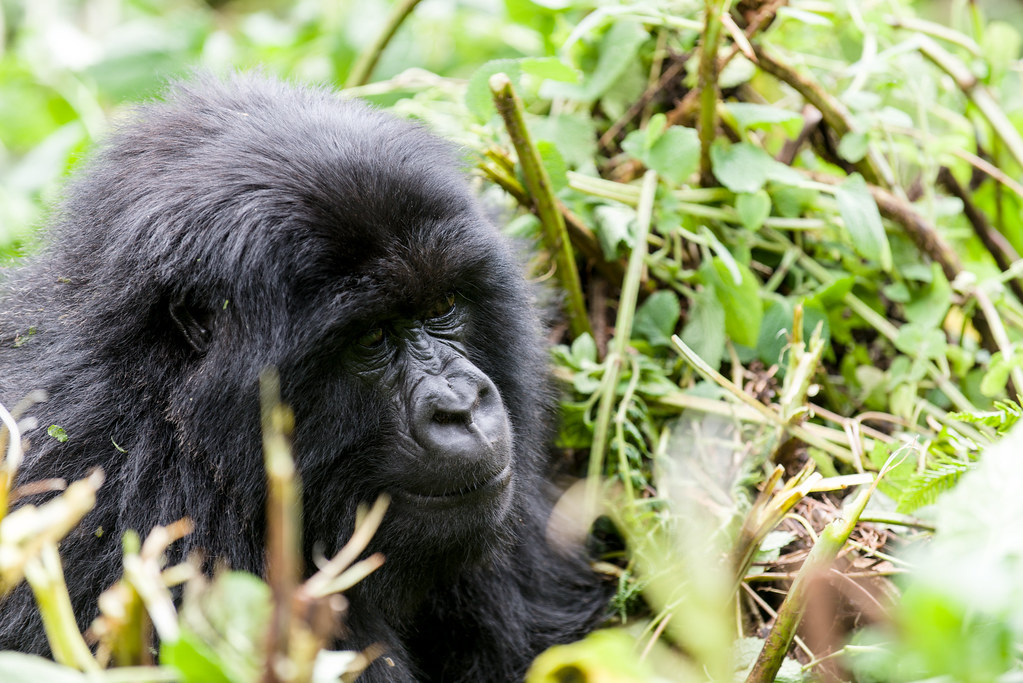
What is the typical weather like in Volcanoes National Park, Rwanda?
Volcanoes National Park in Rwanda has a tropical highland climate, which means that its weather is influenced by its elevation and location near the equator. The park experiences cool and temperate conditions throughout the year, as it lies at an altitude ranging from 2,400 to 4,500 meters (about 7,900 to 14,800 feet) above sea level.
Daytime temperatures in this park are generally mild to warm, averaging around 68°F to 77°F (20°C to 25°C). However, nights can feel much cooler, with temperatures dropping to around 41°F to 50°F (5°C to 10°C), especially in higher elevations. The park’s climate is also characterized by high humidity due to the rainforests and frequent precipitation.
Because of its location in the tropics, the region does not have sharply defined four seasons like some other parts of the world. Instead, the weather is shaped more by wet and dry periods. Rain can occur at any time, but it typically falls in the form of short, intense showers followed by sunny breaks.
The climate helps to sustain the lush tropical vegetation and diverse wildlife that the park is famous for, but the trails and terrain can often be muddy or wet due to the regular rainfall. Visitors can expect to experience a mixture of rain and sunshine during their time in the park.
What are the seasonal weather patterns in Volcanoes National Park?
Volcanoes National Park has two main rainy seasons and two dryer periods over the course of the year. These seasonal patterns are influenced by the park’s altitude and Rwanda’s near-equatorial location. Understanding these can help visitors plan their trips more effectively.
The long rainy season typically occurs from March to May. During this time, the park experiences heavy rains, and conditions are often very wet and muddy. Because of this, outdoor activities such as trekking can be more challenging. However, the landscape becomes even more green and lush due to the constant rainfall.
The short rainy season occurs toward the end of the year, specifically between October and December. Rainfall is still regular during this period, though it may not be as intense as in the long rainy months.
The drier periods are usually between June and September (the long dry season) and January to February (the short dry season). These months generally see lower levels of rainfall, making them more convenient for outdoor adventures. However, it is essential to note that even during the “dry seasons,” rain is still a possibility since the climate in this tropical region is quite unpredictable.
These patterns have a direct impact on wildlife behavior and vegetation growth. For example, the wet seasons can bring about an abundance of food for animals, while the drier months tend to provide better trail conditions for visitors.
When is the best time of year to visit the park based on weather conditions?
The best time to visit Volcanoes National Park is generally during the drier seasons, which are from June to September and January to February. During these months, rainfall is relatively lower compared to the rainy seasons, and trekking conditions are more favorable for activities like gorilla tracking and hiking. Visitors are less likely to encounter muddy trails, which can make navigating the mountainous terrain easier and more enjoyable. Additionally, views of the surrounding mountains and forests tend to be clearer when the rain is less frequent.
For those interested in seeing wildlife such as mountain gorillas, the drier seasons are often preferred because the animals are slightly easier to track and observe in these conditions. Muddy environments during the rainy season can make the trekking experience more strenuous, which is why many visitors opt for the drier months.
That said, the rainy periods, particularly between March and May, should not be dismissed completely. Some people prefer visiting during this time because the park’s dense vegetation is at its most vibrant, and there may be fewer tourists compared to the peak seasons. This can create a quieter and more peaceful experience.
Regardless of the time of year, it’s good to keep in mind that weather in the park is highly unpredictable due to its tropical and mountainous nature. Even during the dry seasons, brief rain showers can occur, so visitors should always come prepared with appropriate clothing and gear.
How do temperatures vary between day and night in the park?
In Volcanoes National Park, located in Rwanda, temperatures show a noticeable difference between day and night due to its elevation. The park sits at a high altitude, ranging between 2,400 meters (approximately 7,874 feet) and 4,507 meters (approximately 14,787 feet) above sea level.
During the day, temperatures are generally mild and comfortable. They often range from 15°C to 23°C (59°F to 73°F), depending on the season. The cooler daytime temperatures are due to the park’s elevation and its location near the equator, which balances warm rays from the sun with the altitude’s cooling effect.
At night and in the early morning, the temperatures drop significantly. It can get as low as 6°C to 10°C (43°F to 50°F), and on higher elevations like mountain peaks, it might get even colder. This substantial drop requires visitors to prepare with warmer clothing for nighttime or early hikes.
For example, if someone spends the day trekking to see mountain gorillas, they might feel warm during the hike but could experience cold temperatures later when resting in the evening or camping.
This difference between day and night happens because high-elevation locations lose heat faster after sunset, especially when skies are clear. Visitors should bring layers like a light shirt for the daytime and a jacket or fleece sweater for the colder hours.
How much rainfall does Volcanoes National Park receive annually?
Volcanoes National Park receives a significant amount of rainfall annually due to its location in the tropical highlands. The average annual rainfall is approximately 1,500 mm to 2,000 mm (59 to 79 inches), depending on the specific area within the park.
This rainfall plays an important role in maintaining the park’s lush vegetation, which serves as a habitat for its famous mountain gorillas and other wildlife. The rain also contributes to the forest’s biodiversity and supports a variety of unique plants and ecosystems.
Though the area experiences rain throughout the year, the intensity and frequency vary by season. The most rain typically falls during the March to May period, which is considered the long rainy season. There is also a shorter rainy season from October to November, but the rains are not as persistent.
For example, visitors planning trips during these wet months may encounter slippery trails and muddy conditions, requiring proper boots and rain gear. However, those who come in the drier months, like June to September, will likely find clearer skies and easier hiking paths.
The rainfall cycles support the park’s survival, but it requires visitors to plan carefully depending on their preferred experience.
Are there specific months with heavy rain or a dry season in the park?
Yes, Volcanoes National Park experiences specific months with heavy rain as well as drier periods. Understanding these patterns can help visitors plan their trips effectively.
The heaviest rains occur during the main rainy season from March to May. During this time, rainfall is frequent and sometimes intense, making trails muddy and more challenging for trekking. While these conditions might not suit everyone, the forest tends to be greener and more vibrant during this period.
The park also has a short rainy season in October and November. While there is rain, it is typically less consistent or heavy compared to the long rainy season.
On the other hand, June to September is the drier season. This is often the most popular time to visit the park because rainfall is minimal, and trails are easier to navigate. There is another relatively dry period in December to February, making these months another favored time for tourism.
For example, those coming to see the mountain gorillas usually prefer the drier months since the trekking conditions improve. Visitors should still be ready for occasional rain because the park’s tropical nature means weather can change quickly.
Pack waterproof clothing regardless of the season you visit, but prioritize visits during dry periods for better accessibility to hikes and exploration.
Does the park experience extreme weather conditions like storms or high humidity?
Volcanoes National Park in Rwanda generally has a mild, tropical highland climate due to its high altitude, so extreme weather conditions such as severe storms or oppressive high humidity are uncommon. However, the park is in a rainforest region, so it does experience regular heavy rains, especially during the two rainy seasons (March to May and September to November). Rainfall is typically intense but short-lived, meaning it comes down in bursts rather than all day long.
The humidity can be noticeable but is not considered extreme. It tends to feel higher during the rainy months, particularly when the ground is wet and plants and trees release moisture into the air. Even during the wettest periods, the temperatures remain relatively cool due to the altitude, which helps offset any discomfort from humidity. Thunderstorms can occasionally occur during the rainy season, but they are usually brief and not dangerous.
Because of its location near the equator, the park does not experience hurricanes, typhoons, or other tropical storms typically found in coastal regions. Additionally, the high terrain creates a relatively stable atmosphere, which helps prevent more dramatic or catastrophic weather events.
How does the weather affect wildlife, particularly the mountain gorillas, within the park?
The weather in Volcanoes National Park plays an important role in the behavior and movement of its wildlife, especially the mountain gorillas. During the rainy season, the abundant rainfall promotes dense growth of vegetation, providing plenty of food for the gorillas close to their resting areas. This means that the gorillas may move less during these months because the resources they need, such as fresh leaves, stems, and fruits, are abundant.
On the other hand, the constant rain can make the forest floor muddy and slippery, which might limit human access to observe the gorillas. However, the gorillas themselves are well-adapted to the environment and are not significantly disturbed by wet conditions. They often build nests on the ground or in trees and use the dense foliage for cover, providing natural protection from rain.
During the drier months, the gorillas are more likely to travel farther distances to find food as vegetation becomes sparser. This might make them harder to locate during treks. However, the cooler temperatures year-round mean the gorillas are generally comfortable no matter the season.
The overall mild climate ensures that the gorillas thrive throughout the year. Their activity is less affected by the temperature and more influenced by food availability, which is closely tied to rainfall patterns.
What type of clothing and gear should visitors bring to prepare for the park’s weather?
Visitors to Volcanoes National Park should prepare for a combination of cool, wet, and sometimes muddy conditions, regardless of the time of year. Since the park is located in a high-altitude rainforest, layered, waterproof, and durable clothing is essential.
Here are some key recommendations:
- Waterproof jacket or poncho: A lightweight, weatherproof jacket is vital to protect against rain showers, which can be frequent and unpredictable.
- Hiking boots: Sturdy, waterproof footwear with good grip will help tackle the muddy, slippery paths, especially during the rainy season.
- Long-sleeved clothing and pants: These provide protection not only from cooler temperatures but also from insects, thorny plants, and sun exposure.
- Gloves: Thin gloves can protect your hands when grabbing branches for balance during trekking.
- Gaiters: These protective coverings will help keep mud and water out of your shoes when hiking through wet terrain.
- Moisture-wicking base layers: To stay dry and comfortable, opt for quick-drying shirts and pants, especially if you sweat or get caught in the rain.
- Hat and sunscreen: Even in a cooler climate, UV exposure is still possible due to the altitude, so a wide-brimmed hat and strong sunscreen are recommended.
- Daypack: A small, waterproof or water-resistant backpack is useful for carrying snacks, water, a camera, a first-aid kit, and other essentials.
- Reusable water bottle: Staying hydrated is crucial, particularly at high altitudes that can cause mild dehydration.
Visitors should use proper trekking equipment if climbing or hiking during their visit. Even during dry periods, rain can fall unexpectedly, and trails can become slippery quickly. Being prepared with the right clothing and gear ensures a more pleasant and safe experience.
Is hiking or trekking affected by weather conditions in Volcanoes National Park?
Hiking and trekking in Volcanoes National Park, especially for those visiting the famous mountain gorillas, can be significantly influenced by the weather.
The park has two main seasons: a wet (rainy) season and a dry season. Each impacts trekking conditions. During the rainy season, the trails tend to become muddy and slippery, making hiking more physically demanding. You’ll need sturdy boots with good grip, as the steep and uneven paths through the dense forest become more difficult to navigate. Rivers and streams along the trails may swell, adding more care and time to the trek. Wet weather also means heavier clothing and gear to stay dry and warm.
During the dry season, trekking is generally easier as trails are less muddy, and there’s less risk of slipping. However, even in this season, rain can occur occasionally since the park is in a tropical region. The drier ground in this period allows for quicker hikes, giving a more enjoyable experience.
Weather also affects visibility. During rainy days, mist and low clouds may obstruct the scenic views of the park’s landscape. On clearer days, particularly in the dry season, visibility improves, allowing hikers to enjoy stunning views of the Volcanic Mountains and surroundings.
Rain impacts gorilla trekking as well. Gorillas may move to lower altitudes during heavy rain, shortening or lengthening a trek depending on where they’re located. Guides and park rangers adapt treks based on the animals’ movements, so every group gets the best chance to locate them.
In summary, while weather does affect trekking conditions, with the right preparation, proper footwear, rain gear, and physical readiness, visits are still manageable year-round. Tour operators and guides are experienced in adjusting plans to ensure safety and comfort.
Are there any weather-related safety risks when visiting the park?
Yes, weather in Volcanoes National Park can pose some safety risks, especially due to its tropical climate and mountainous terrain. Visitors need to be cautious and prepare appropriately to reduce potential dangers.
One concern is slippery trails, particularly during the rainy season. The combination of steep inclines, wet soil, and tree roots can make paths treacherous. Falls or injuries are more likely in such conditions, so proper hiking boots with good traction are recommended to minimize these risks.
Sudden rain showers or thunderstorms can occur, making it essential to carry rain gear even if you’re visiting in the dry season. Hikers and trekkers may feel cold and uncomfortable when they stay wet for long periods, particularly at higher altitudes where temperatures tend to drop. Hypothermia could be a risk if visitors are unprepared for these conditions.
The park’s high humidity levels often make activities physically demanding. This can lead to dehydration, so visitors should drink plenty of water before and during their trek. Altitude sickness is another potential safety issue because the park lies at 2,400 to 4,500 meters above sea level. Visitors may experience symptoms like dizziness, nausea, or shortness of breath, particularly if they are not accustomed to high altitudes. Taking time to acclimatize and walking at a slow pace can help.
Finally, flash floods in the rainy season may occur in certain areas, especially near the base of mountains or close to rivers. Guides are trained to avoid these risk zones and always prioritize visitor safety.
By following advice from experienced guides, wearing weather-appropriate clothing, and moving at a steady pace, visitors can navigate these weather-related challenges with confidence.
How does the altitude of the park impact its weather and visitor experience?
Volcanoes National Park is situated at a high altitude, ranging from about 2,400 meters (7,900 feet) to 4,500 meters (14,800 feet). This elevation has a significant impact on its weather and on how visitors experience the park.
First, the high altitude means that temperatures are generally cooler than in lower-lying areas of Rwanda. Daytime temperatures usually range from 10 to 20 degrees Celsius (50 to 68 degrees Fahrenheit). At night, it can get much colder, sometimes dropping to near freezing, especially in the higher areas of the park. Visitors will need warm clothing for early morning treks, as the chilly temperatures can be uncomfortable.
The altitude also contributes to the frequent presence of mist and rain in the park, particularly because of the surrounding volcanic mountains. Higher elevations attract clouds, making precipitation common even in the dry season. This wet environment supports the dense vegetation and provides a habitat for diverse wildlife, including the famous mountain gorillas.
For visitors, one common issue of being at high altitude is altitude sickness. Symptoms can include nausea, fatigue, dizziness, and shortness of breath, especially when trekking or engaging in physical activity. People who are not acclimated to higher altitudes may feel these effects more strongly. To reduce risks, it’s helpful to arrive a day or two early in the region to adjust gradually. Walking at a slower pace and staying hydrated also helps.
Overall, altitude shapes both the weather and the visitor experience. While it requires some preparation, the unique climate and environment create the stunning atmosphere and lush biodiversity that make the park such a special destination.
How To Book Your Safari in Rwanda
Wondering about the weather in Volcanoes National Park, Rwanda? This article has covered the ‘what,’ ‘how,’ and ‘why’ of the park’s climate, helping you understand the best times to visit and prepare for your adventure. Ready to explore this amazing destination? Let one of the trusted Rwanda Safari Companies help you plan the perfect trip! They’ll ensure your safari is tailored to match the park’s unique weather, making your experience nothing short of perfect. Start your journey today!
For the full picture, see our guide to the best things to do in Volcanoes National Park.
Nature Walks in Volcanoes National Park Rwanda
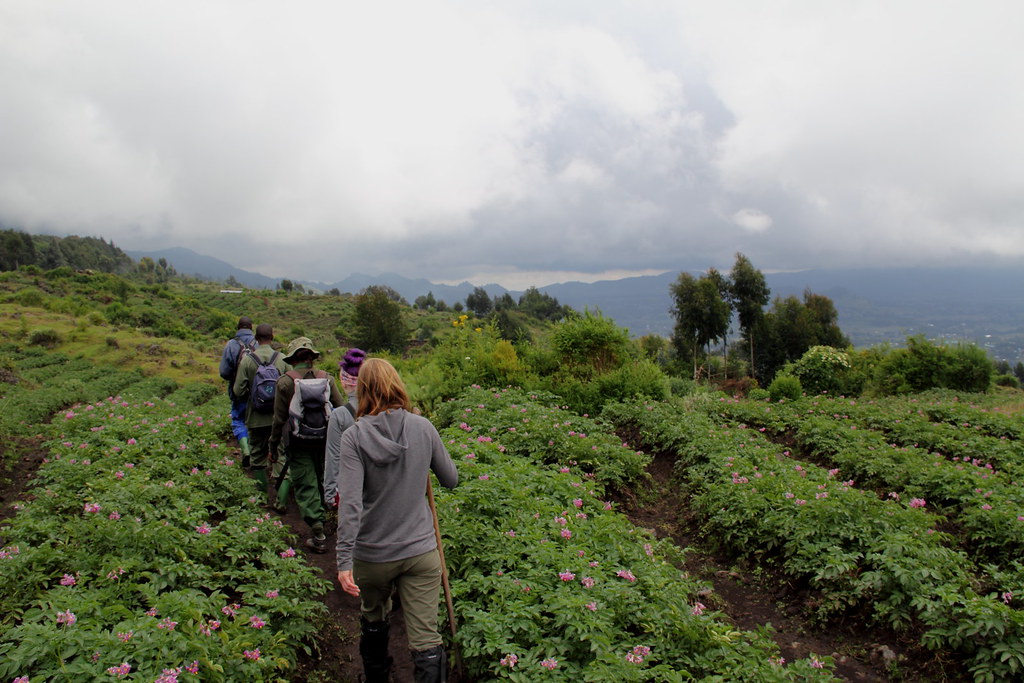
Nature Walks in Volcanoes National Park Rwanda offer visitors a chance to explore the park’s lush landscapes, home to unique wildlife and breathtaking scenery. Popular activities include guided hikes through Bamboo Forests and trails leading to lakes like Lake Ngezi or crater areas such as Mount Bisoke. These walks are often combined with gorilla trekking in Rwanda, providing opportunities to observe mountain gorillas in their natural habitat. The region’s biodiversity also includes golden monkeys, exotic birds, and various plant species. Many Rwanda safaris incorporate these walks, highlighting the rich ecosystems within Volcanoes National Park for both adventure and nature enthusiasts.
What is Volcanoes National Park in Rwanda known for?
Volcanoes National Park, located in the northwestern region of Rwanda, is most famous for being home to the critically endangered mountain gorillas. These animals became widely recognized after the work of Dian Fossey, a scientist and conservationist who dedicated her life to protecting them. Her efforts brought global attention to the plight of gorillas, and her research is associated with this park. Because of this, much of its fame comes from being a prime destination for gorilla trekking, attracting travelers from all over the world.
Apart from mountain gorillas, the park is known for its location within the Virunga Mountain Range, which is a string of dormant and active volcanoes spread across Rwanda, Uganda, and the Democratic Republic of Congo. The park’s unique landscape, with its mix of volcanoes, forests, and alpine vegetation, makes it a place of ecological and geological importance.
The region has historical and cultural value as well. The park serves as a memorial to Dian Fossey, including her burial site near the gorillas she studied. It also embodies Rwanda’s commitment to conservation efforts and sustainable ecotourism. For instance, through initiatives like gorilla trekking, fees collected are reinvested in local communities and conservation projects.
Additionally, the park has other wildlife such as golden monkeys, buffalos, and birds, which thrill nature enthusiasts. It offers a unique blend of biodiversity, breathtaking scenery, and conservation history that makes it a standout location in Africa.
What are the main attractions of a nature walk in Volcanoes National Park?
A nature walk in Volcanoes National Park offers a chance to connect deeply with incredible natural features and surroundings. The activities differ from gorilla trekking and allow individuals to focus on the smaller aspects of nature, such as plants, birds, and the overall environment of the park.
One main highlight is the opportunity to visit Dian Fossey’s burial site and her former research camp. It is a hike that combines light climbing with walking through forested greenery. This trail gives a glimpse into her work and legacy, making it a meaningful experience for people interested in conservation history.
Another popular attraction is viewing the golden monkeys, which are a rare species native to the park. These animals are energetic and entertaining to watch as they jump between trees. Unlike gorillas, the golden monkeys tend to appear in large groups, making the experience visually appealing.
The park’s trails also lead to breathtaking views of the Virunga Volcanoes, often surrounded by mist and clouds. Some guides also offer information about volcanic activity in the region, which is a fascinating topic for geologists and visitors alike.
Walking through the forest showcases the variety of plant life, from ferns and moss-covered trees to bamboo forests. It shines a light on the diversity of habitats sustaining other creatures like insects, frogs, and birds. The experience of walking quietly through the serene environment is an attraction in itself, helping visitors focus on the smaller, often-overlooked details of the forest.
Other key spots include waterfalls and caves within the park, which are occasionally incorporated into guided tours. Each attraction highlights the blend of science, nature, and beauty that defines this park.
Are there any guided nature walks available within the park?
Yes, guided nature walks are available in Volcanoes National Park. These are often planned and led by professional guides who are familiar with the park’s geography, plants, and animals. Engaging a guide not only enhances the experience but also ensures safety, as certain areas may be challenging to navigate without expertise.
Guided walks often focus on specific activities like visiting Dian Fossey’s research site, tracking golden monkeys, or identifying local bird species. For example, guides might point out distinct bird calls, plant uses in traditional medicine, or signs of local wildlife that the untrained eye may miss. They also share interesting details about the history, culture, and conservation efforts tied to the park.
Some guided walks include educational components about local ecosystems and active volcanos, which let participants better appreciate the uniqueness of the area. The guides are knowledgeable about the volcanic terrain and can explain its formation over time.
Organized tours and nature walks can typically be arranged through the Rwanda Development Board (RDB) or licensed tour operators. Fees for such walks contribute to conservation funding and involve contributions to the surrounding communities as well. Tour companies also provide custom packages, allowing visitors to fit guided walks around their schedules and focus on areas of personal interest.
Whether one is an avid naturalist, birder, or simply looking for a peaceful outdoor activity, guided walks offer a way to gain more details about the biodiversity and history of the park while ensuring visitors stay safe and informed.
What types of flora and fauna can one expect to encounter during a nature walk?
During a nature walk in Volcanoes National Park, visitors are likely to see a rich variety of plants and animals, as the park is part of the volcano-dotted Virunga Mountains, offering a special ecosystem.
In terms of flora, the park features varying vegetation levels depending on altitude. At lower altitudes, you will find tropical and bamboo forests. Bamboo, in particular, is significant because it’s the main diet of mountain gorillas. Going higher, these forests give way to hagenia and hypericum trees (tree heathers) with mosses and lichens on their branches. Near the summits, the environment changes into alpine meadows with giant lobelias and groundsel plants, which are unique to Africa’s high-altitude regions.
The fauna of the park is equally remarkable. Visitors can often spot animals like golden monkeys, known for their distinctive golden fur patches, and bushbucks. Birds are abundant, with the park being home to over 250 species, including the Ruwenzori turaco, a brilliant bird with green and red plumage. Insects like colorful butterflies are common, making the flora and fauna a vivid spectacle.
Most famously, the park is home to mountain gorillas, though encountering them on a typical nature walk is rare, as this usually requires a dedicated gorilla trekking permit. Still, more common mammals like forest duikers or even an elusive serval cat can be seen if you’re lucky.
The diversity of plant and animal life highlights the park’s ecological significance and its appeal to those keen on exploring the natural environment at a relaxed pace.
What is the best time of year to go on a nature walk in Volcanoes National Park?
The best times to enjoy a nature walk in Volcanoes National Park align with its two primary dry seasons: from June to September and from December to February. These periods are favored because the trails are less muddy, making paths easier and safer to traverse.
In the dry season, animals tend to congregate in more predictable areas, meaning they might be easier to see on walks. For example, golden monkeys are usually spotted among bamboo trees during these periods, while birdwatchers may find forest edges bustling with different bird species activity.
By contrast, the rainy seasons, occurring from March to May and October to November, bring challenges for walkers. The frequent rains can make trails slippery and streams harder to cross. Forested areas become dense with moisture, making visibility more challenging. Some sections may even be closed off due to flooding risks. However, if you’re interested in lush scenery or want to see plants in bloom, the rainy seasons can still offer beauty for those willing to face the muddier conditions.
Regardless of the season, mornings are generally the best time of day to begin a nature walk, as weather conditions tend to be cooler and wildlife such as birds and squirrels is more active.
Planning your visit during the dry season ensures a more pleasant experience, particularly for those less accustomed to hiking through tropical conditions.
Are permits required for nature walks in the park, and how can they be obtained?
Yes, permits are required to participate in a nature walk within Volcanoes National Park. This requirement helps regulate visitor numbers, protect the habitat, and ensure guided experiences for tourists. These permits are different from the ones needed for more exclusive activities like gorilla trekking.
Permits for nature walks can be purchased at the park’s headquarters, located in the town of Kinigi, which serves as a starting point for most activities in the park. Visitors are usually advised to book their permits in advance, especially during peak travel seasons, as demand can sometimes exceed availability.
To obtain a permit, you’ll generally need to provide identification, fill out a registration form, and make the payment, either in person at the Rwanda Development Board (RDB) offices or online through their official website. Prices may vary depending on the type of guided walk you choose, the duration of the walk, or other packaged options that include meals or cultural experiences.
Booking through a licensed tour operator is another convenient option, as they can handle the permit process for you as part of their service, ensuring a stress-free experience.
The permit fees directly support the park’s conservation efforts, including anti-poaching measures and local community projects.
How difficult are the trails during nature walks, and are they suitable for all fitness levels?
The difficulty of trails in Volcanoes National Park varies depending on the specific route chosen. Some trails are fairly easy, ideal for beginners or families, while others can be steeper, longer, or more physically demanding, catering to experienced hikers.
For example, if you’re interested in shorter, less strenuous walks, there are trails that take you through lower-altitude areas with gentle slopes. These usually provide fantastic opportunities to observe the park’s rich vegetation or spot smaller wildlife species. Individuals with moderate fitness can enjoy these paths without much trouble, making them accessible to most age groups.
On the other hand, if you opt for trails that lead to volcano summits or strenuous routes through thick bamboo forests, expect steep inclines, rocky terrain, and higher altitudes. These types of walks require good endurance and preparation. The Bisoke Crater Lake hike, for instance, is moderately challenging, taking about 5–6 hours to complete, while the Mount Karisimbi trek is much harder, often requiring two days and prior physical preparation to manage its steep slopes and altitude.
For the most part, safety and suitable pacing are emphasized during these walks. Guides are present to assess the group’s abilities and recommend routes that align with fitness levels. It’s always helpful to wear proper footwear, stay hydrated, and pace yourself as needed.
Families or people with mobility challenges can inquire about shorter routes with accessible pathways to still enjoy the park’s ecological richness without putting strain on their bodies.
Are there any cultural or historical landmarks to explore during nature walks in the park?
Yes, the park’s nature walks offer access to significant cultural and historical landmarks that add depth to your visit. One noteworthy site is the Karisoke Research Center, originally established by renowned primatologist Dian Fossey. Fossey dedicated her life to studying and protecting mountain gorillas, and this area celebrates her impactful conservation work. It’s not uncommon for walks to include informative segments about the legacy she left behind.
Another fascinating location is the Musanze Caves, an impressive natural and historical feature made up of lava-formed tunnels. These caves were formed thousands of years ago due to volcanic activity and hold cultural significance as they were historically used as shelters or hiding places in times of conflict. Guided tours into the caves explain both their natural formation and their past human uses.
The walks may also take you through or near the local villages, offering an authentic glimpse into Rwandan daily life. These communities often participate in cultural demonstrations such as traditional dance, crafts, or cooking, allowing visitors to connect directly with local traditions.
Lastly, storytelling related to the Batwa pygmies, the original inhabitants of the forest, can be part of the journey. This marginalized group has a rich history tied to the region’s environment, and hearing about their customs or struggles can further enhance your understanding of the area.
Exploring these landmarks alongside the park’s natural beauty gives a well-rounded, enlightening experience that weaves together conservation and culture.
What safety measures should one take while walking in a region with active volcanoes?
Walking in a region with active volcanoes like Volcanoes National Park requires planning and awareness to stay safe. Although the park’s volcanoes are mostly dormant, activity from time to time can pose risks. Here are some important safety measures to keep in mind:
- Stay informed before visiting. Check the current activity levels of the volcanoes through reliable sources like park authorities or geological monitoring systems. Guides will also have up-to-date information about conditions.
- Always go with a guide. Trained guides ensure you stick to safe paths and provide instructions if unexpected activity occurs. They are knowledgeable about volcanic features and can spot warning signs, such as ground cracks or strange smells.
- Follow posted warning signs and instructions. If certain areas are restricted, avoid them, as they may be unstable or too close to potential danger zones.
- Wear proper clothing and gear. Sturdy hiking boots are particularly important, as volcanic terrain can be rough or sharp. Carry a hat, sunscreen, and plenty of water to stay protected from sun exposure and dehydration.
- Pack an emergency kit. This could include a flashlight, first aid supplies, and a whistle for signaling. While guides are prepared for emergencies, having your own gear is added security.
- Be mindful of toxic gases. Volcanoes can emit gases like sulfur dioxide, which may cause breathing difficulties. If you feel unwell, inform your guide immediately.
- Learn the evacuation plan. Familiarize yourself with emergency procedures and assembly points in case of evacuation.
Though incidents are rare within the park, staying alert to these precautions allows for a safe and enjoyable nature walk. The guidance provided by expert rangers is invaluable, so listening and adhering to their instructions is key.
How does a nature walk compare to other activities like gorilla trekking in the park?
A nature walk is a quieter, more relaxed activity compared to the more intense and focused experience of gorilla trekking in Volcanoes National Park. On a nature walk, visitors explore the park’s trails, taking in the diverse environment. It’s great for those who enjoy observing lush vegetation, smaller animals like birds or insects, and learning about the plants along the way. Nature walks allow for a slower pace and more opportunities to stop, take photos, or learn about the park’s ecology from guides.
Gorilla trekking, on the other hand, is centered on a goal: finding and spending time with the endangered mountain gorillas. Treks can be physically demanding due to the steeper terrain and the need to follow gorilla families into their often dense, forested habitat. Groups are led by expert trackers who are familiar with gorilla behavior, and each trek involves a permit that specifically funds gorilla conservation.
The main difference between the two experiences lies in their focus. Gorilla trekking is a unique wildlife encounter, heavily centered on one species, while nature walks provide a broader look at the park’s ecosystem. Both activities are rewarding, but those who want a once-in-a-lifetime experience with gorillas might prioritize trekking, while those interested in diverse flora and fauna, or who prefer an easier excursion, may choose a nature walk.
For example, if someone is fascinated by orchids, moss-covered trees, or listening to bird calls, they’d likely enjoy a nature walk more. If their dream is to come face-to-face with a gorilla, then gorilla trekking is the better choice.
What are the local communities’ involvement or benefits from tourism in Volcanoes National Park?
Local communities play a fundamental role in the success of tourism in Volcanoes National Park, and they also benefit in multiple ways. Revenue from tourism activities, such as the sale of permits for gorilla trekking and other park activities, is shared with communities. A significant portion of the funds goes toward local development projects, such as building schools, health centers, and water systems. This ensures that communities living near the park directly benefit from its conservation.
Many residents work as guides, trackers, porters, or in hospitality roles like at hotels or guesthouses, offering critical services to tourists. For example, a porter assists visitors during hikes by carrying backpacks or camera gear, providing both physical help and income for themselves and their families.
Conservation collaborations are another vital aspect. In some areas, locals are involved in programs that protect park wildlife, such as initiatives to prevent illegal poaching. Residents also work in reforestation projects that restore habitats lost to deforestation. These efforts ensure long-term environmental protection while providing sustainable jobs.
Finally, cultural tourism has become a key benefit for locals. Visitors often have the chance to learn about traditional Rwandan culture through music, dance performances, or village visits. Such activities not only showcase the community’s heritage but also generate income for artisans, performers, and small business owners.
The locals’ engagement is essential because they are directly affected by the park’s operation. By ensuring they benefit from tourism, tensions are reduced, and they become partners in preserving the park. For instance, a farmer who earns income through tourist-related work may be less likely to clear forest land for agriculture, which helps protect the park.
What is the overall significance of Volcanoes National Park in terms of conservation and biodiversity?
Volcanoes National Park is a crucial area for global conservation efforts and biodiversity preservation. Located in Rwanda, it is part of the Virunga Massif, which spans three countries and is home to the endangered mountain gorillas. These gorillas represent one of the most famous symbols of wildlife conservation, and the park is key to their survival.
Beyond mountain gorillas, the park protects an array of plants, mammals, birds, and other species. Its high-altitude forest and volcanic landscape create unique habitats for creatures such as the golden monkey, bushbuck, and nearly 200 bird species. Without the park, many species would face higher risks of extinction due to habitat loss and human encroachment.
Ecologically, the park also acts as a buffer against climate change. Its forests store carbon, helping to reduce the harmful effects of greenhouse gases. Replanting projects and sustainable tourism initiatives within the park have contributed to this effort.
The presence of Volcanoes National Park benefits local communities by generating income through tourism while supporting the global conservation mission. The gorilla trekking permits, for example, fund research, anti-poaching patrols, and wildlife monitoring. Furthermore, the park serves as an educational tool, raising awareness about the importance of preserving natural areas.
A significant success story involves the steadily increasing mountain gorilla population, which is now in the hundreds rather than the dwindling numbers seen decades ago. This recovery showcases how focused conservation strategies can make a difference.
To summarize, Volcanoes National Park holds immense ecological, scientific, and economic value. It is not just a refuge for rare species but also a symbol of the importance of protecting natural ecosystems for future generations.
How To Book Your Safari in Rwanda
Nature walks in Volcanoes National Park, Rwanda, offer an amazing way to discover its unique beauty. From exploring lush trails to spotting incredible wildlife, the park is perfect for beginners and seasoned explorers alike. Wondering how to make this dream experience a reality? Simply connect with one of the trusted Rwanda Safari Companies to plan your tour. They’ll guide you through everything, making your nature walk unforgettable. Click the link to start your adventure today!
Discover Five Volcanoes Hotel Musanze
Five Volcanoes Hotel Musanze is a luxury boutique hotel located near Volcanoes National Park in Musanze, Rwanda. Known for its accessibility to gorilla trekking in Rwanda, the hotel provides comfortable accommodations and modern amenities, including a pool, spa, and restaurant. It serves as an excellent base for exploring Rwanda safaris, visiting the park for mountain gorilla encounters, or hiking the Virunga Volcanoes. Guests enjoy stunning views and personalized service, making it a top choice for travelers seeking both relaxation and adventure in the heart of Rwanda’s natural beauty.
Where is Five Volcanoes Hotel Musanze located?
The Five Volcanoes Hotel Musanze is located in Musanze, a district within the Northern Province of Rwanda. It sits on the outskirts of the Volcanoes National Park, one of Rwanda’s premier natural attractions. The hotel’s location makes it a convenient base for visitors wanting to explore the park, which is home to the famous endangered mountain gorillas.
Musanze is approximately 2-3 hours by road from Kigali, Rwanda’s capital city. The drive leading to the hotel takes you through scenic landscapes, including rolling hills and green fields, symbolic of Rwanda’s nickname, the “Land of a Thousand Hills.” This proximity to Volcanoes National Park makes it an excellent choice for travelers looking to take part in gorilla trekking and other wildlife activities in the region.
The location is also close to other points of interest such as the Iby’Iwacu Cultural Village, where visitors can learn more about traditional Rwandan life and culture, and the Musanze Caves, which are geological wonders with historical significance. Whether you’re there for nature, wildlife, or cultural exploration, the hotel is perfectly situated for an enriching stay.
What type of accommodations does the hotel offer?
The Five Volcanoes Hotel Musanze offers luxurious accommodations suited for travelers seeking comfort and relaxation after outdoor adventures. The hotel features a mix of modern rooms and private cottages, ensuring that there is an option for different group sizes and preferences.
The standard rooms are ideal for solo travelers or couples. They are stylishly decorated with modern furnishings and include ensuite bathrooms, comfortable beds, and amenities like flat-screen televisions and Wi-Fi.
For those looking for a more private experience, the cottages are a great choice. These cottages provide added space and privacy, making them suitable for families or small groups. Some cottages include living areas and outdoor seating, allowing guests to enjoy views of the lush surroundings.
The accommodations are characterized by a blend of modern comforts and a warm, vibrant design inspired by Rwandan culture. Guests can expect features like air conditioning, mini-fridges, and ample storage space for luggage or gorilla trekking gear. Whether you’re staying for just one night or an extended period, the accommodations are designed to offer relaxation and convenience.
What amenities and services are provided at Five Volcanoes Hotel?
The Five Volcanoes Hotel offers a wide variety of amenities and services designed to cater to the diverse needs of its guests.
One of the standout amenities is the outdoor swimming pool, a perfect spot to relax after a long day of trekking or exploring. Visitors can enjoy the poolside loungers and take in the tranquil surroundings.
The hotel also features a well-maintained garden area, where guests can take walks or simply unwind amid the greenery.
For dining, a restaurant on-site serves both local and international cuisine, focusing on fresh and high-quality ingredients. Guests can enjoy their meals in the cozy dining area or take advantage of the outdoor seating options, which offer views of the natural environment around the hotel.
Wi-Fi is available throughout the property, ensuring that guests can stay connected during their stay. The hotel also provides laundry services, which can be especially useful for travelers returning from activities like gorilla trekking or hiking.
One notable service is the tour assistance and organization that the hotel provides. The staff can help arrange activities like gorilla trekking permits, guided tours, and other excursions in the area.
Additionally, there is a spa area where guests can relax and rejuvenate after engaging in physically demanding outdoor adventures. Overall, the hotel creates a comfortable and supportive base for exploring the richness of the Northern Province.
How far is the hotel from Volcanoes National Park?
Five Volcanoes Hotel Musanze is located only about 3 kilometers (approximately 1.8 miles) from Volcanoes National Park. This means that the hotel is extremely close to one of Rwanda’s most famous natural attractions, making it highly convenient for travelers wanting to explore the park.
To give you some context, Volcanoes National Park is renowned for its population of mountain gorillas and the golden monkeys. Visitors to the park often participate in guided gorilla trekking or explore the picturesque trails through the forest. This proximity means guests at the hotel don’t have to worry about traveling long distances early in the morning to make it to their scheduled treks or other activities inside the park.
For ease of comparison, a typical drive from the hotel to the park entrance would take about 10 minutes or less, depending on traffic or road conditions. This convenience makes the Five Volcanoes Hotel a great choice for anyone prioritizing quick access to the park.
What activities or excursions can guests enjoy while staying at the hotel?
Guests staying at Five Volcanoes Hotel can enjoy a variety of activities and excursions in and around the area. The most popular activity is gorilla trekking at Volcanoes National Park, where visitors get the rare opportunity to observe mountain gorillas in their natural habitat. Trekking permits need to be secured in advance, and experienced guides accompany groups to ensure the safety of both the guests and the gorillas.
Another popular activity is trekking to see golden monkeys, another highly unique primate species found in the park. These treks are often easier and shorter in duration compared to gorilla trekking, making them a good choice for guests with less physical stamina.
For those interested in hiking or mountain climbing, there is the option to scale the volcanoes in the park, such as Mount Bisoke or Mount Karisimbi. These hikes range in difficulty, so both beginners and experienced climbers have options. The area also offers cultural activities, including visits to Iby’Iwacu Cultural Village, where guests can learn about the traditions and way of life in Rwanda.
Another must-see attraction nearby is the Dian Fossey Grave Site, which includes a visit to her research center. This excursion is both educational and a tribute to her groundbreaking work on gorilla conservation.
More relaxed options, like local village tours, birdwatching, or exploring Lake Burera and Lake Ruhondo, are available for guests who prefer less physically demanding outings.
Is the hotel suitable for families, couples, or solo travelers?
Five Volcanoes Hotel Musanze is designed to accommodate a wide range of guests, making it suitable for families, couples, and solo travelers.
For families, the hotel offers comfortable and spacious accommodations where parents and children can stay together. The proximity to Volcanoes National Park and the variety of activities, including shorter treks like golden monkey sightings or cultural visits, make it family-friendly. Children may also enjoy time at the hotel’s swimming pool, which is a great space for relaxation after a day of exploring.
Couples often find the hotel a romantic getaway due to its exclusive and serene environment. The mountain views, quiet atmosphere, and activities like gorilla trekking or nature hikes can create unforgettable shared memories. The hotel also offers premium services such as private dining spaces, massages, and comfortable surroundings for a romantic escape.
For solo travelers, the hotel provides a secure and welcoming environment with a strong focus on personalized service. Solo guests commonly visit for the experience of connecting with nature through activities like solo hiking, gorilla trekking, or enjoying quiet moments surrounded by the serene landscapes.
Whether traveling with family, as a couple, or alone, the hotel caters to individual preferences and interests with a combination of well-thought-out accommodations and local activities.
How does the hotel incorporate the local culture into its design and experience?
Five Volcanoes Hotel integrates Rwandan culture into its design and guest experiences by using a variety of features that reflect the region’s traditions, style, and natural environment. For example, the architecture and interior design incorporate local materials and craftsmanship, such as stone, wood, and woven items that pay homage to traditional Rwandan art and rural aesthetics. Guests might notice locally crafted furniture and decor, including intricate patterns and textiles that are characteristic of Rwanda.
The hotel may also offer opportunities for guests to learn about Rwandan culture firsthand. This could include interactions with the local community, whether through organized visits to nearby villages or events at the property itself, like traditional music and dance performances. These provide a chance for guests to see local traditions in a relaxed setting. Storytelling sessions or workshops on crafts such as basket weaving may further immerse visitors in the cultural heritage of the region.
The menu at the property might also feature dishes that highlight Rwandan cuisine, allowing guests to explore the flavors and ingredients that are unique to the area. Overall, the emphasis on cultural authenticity helps create a meaningful connection between visitors and the local way of life.
What dining options are available at the hotel?
At Five Volcanoes Hotel, guests can enjoy diverse dining options designed to cater to a wide range of tastes. They’ll find a restaurant onsite that serves meals in a comfortable and stylish setting. The menu typically includes a combination of Rwandan dishes and international cuisine, so guests can experience something familiar or explore new flavors during their stay.
For example, guests may find fresh local produce, such as bananas, plantains, beans, and sweet potatoes, as the basis for traditional Rwandan dishes. These could include meals like isombe (cassava leaves prepared with peanut butter) or grilled brochettes (meat skewers), enriched by the country’s use of aromatic spices. Simultaneously, international classics and comfort foods are likely to be offered for those seeking different options.
The hotel may also provide the option for indoor and outdoor dining. Guests could enjoy their meal while looking out over the lush surroundings or relaxing by the poolside. Customizations, like dietary accommodations, are often available upon request to meet specific needs. For special occasions or romantic evenings, arrangements for private dinners may also be possible.
Are there wellness or spa services provided at Five Volcanoes Hotel?
Yes, Five Volcanoes Hotel offers wellness and spa services to help guests relax and rejuvenate during their stay. Facilities may include a dedicated spa area where trained professionals provide massages, facials, and other treatments. These services are designed to promote relaxation, reduce stress, and enhance the overall experience for travelers who may want a bit of pampering.
Massage services could range from classic full-body massages to techniques inspired by local Rwandan traditions, offering both physical relief and a sense of cultural connection. Aromatic oils or herbal treatments might be used as part of the therapies, incorporating natural ingredients found in the region.
In addition to bespoke treatments, the hotel is likely to offer areas for tranquil relaxation, such as a pool or steam room. Guests might also have access to a gym or fitness center to maintain their health routines while traveling.
These wellness amenities contribute to a serene environment, ensuring visitors leave not only invigorated but also with a deeper appreciation for the balance between nature and personal care often celebrated in Rwanda.
What do reviews and guest feedback say about staying at this hotel?
Reviews for Five Volcanoes Hotel Musanze are generally positive, with many guests highlighting the hotel’s excellent service, comfortable accommodations, and proximity to Volcanoes National Park as standout features. Guests often mention the friendly and attentive staff who go out of their way to provide a warm and welcoming atmosphere. Travelers appreciate how the staff are helpful in coordinating activities such as gorilla trekking or visits to the Golden Monkeys.
Another detail often mentioned in reviews is the cleanliness and comfort of the rooms. Guests comment on the spacious rooms, modern amenities, and well-maintained facilities. Features like a cozy lounge area, the outdoor pool, and relaxing garden space receive praise for creating a tranquil ambiance after a day of exploring the area.
Food also frequently gets positive feedback. Many visitors commend the onsite dining options for offering both local Rwandan dishes and international cuisine. Staff are also noted for accommodating dietary preferences.
A recurring theme in reviews is the hotel’s location being ideal for nature lovers. Guests enjoy waking up to views of the nearby lush hills and mountains that surround the property. Proximity to Volcanoes National Park makes it convenient for those embarking on early-morning activities like gorilla trekking.
While reviews are largely favorable, some guests have mentioned that certain rooms may feel basic for the price point. There are also occasional comments about needing more dining options locally within walking distance. Despite these minor critiques, most visitors leave overwhelmingly positive feedback, recommending the hotel for its comfort, service, and position within the Musanze area.
How does the hotel support sustainable tourism and conservation efforts?
The Five Volcanoes Hotel Musanze actively contributes to sustainable tourism and conservation in several key ways. First and foremost, the hotel partners closely with local initiatives aimed at protecting the rare species in Volcanoes National Park, particularly the mountain gorillas. A portion of bookings and activities organized by the hotel help support efforts related to gorilla conservation.
Additionally, the hotel emphasizes employing local staff, which helps generate employment opportunities and builds a long-term impact on the community’s economy. Many of the hotel’s employees are from Musanze and nearby areas, which strengthens ties between the hotel and local residents. This also ensures that tourism dollars stay within the local economy rather than primarily benefitting outside companies.
The hotel often collaborates with local artisans and suppliers for decor and food supplies. By sourcing items like furniture, artwork, fresh produce, and more from the surrounding area, Five Volcanoes Hotel Musanze reduces the environmental impact associated with long-distance transportation and supports small-scale Rwandan businesses.
Another noteworthy effort is the promotion of awareness regarding the importance of conservation among travelers. Through guides and educational opportunities like cultural tours and park experiences, visitors are more likely to leave the destination with a better appreciation of conservation needs.
Lastly, the hotel incorporates eco-friendly measures, including water conservation systems and waste reduction practices. These measures align with global goals of sustainable tourism while addressing local community concerns. Guests are often encouraged to participate in this sustainable mission through actions like recycling.
What is the cost range for staying at Five Volcanoes Hotel Musanze?
Staying at the Five Volcanoes Hotel Musanze can vary in cost depending on factors such as the season, room type, and additional services or packages offered. On average, the nightly rate typically ranges between $200 to $400 per night for a standard room. Prices may be higher during peak travel seasons such as the dry months (June to September and December to February) when guests book trips for gorilla trekking and other popular activities at Volcanoes National Park.
Special packages that include tailored experiences like gorilla permits or luxury stay upgrades may push the price higher, sometimes closer to the $500 to $700 range per night. Rooms offering more space, scenic views, or additional amenities often fall on the higher end of the scale.
There may also be discounts or promotional rates during low seasons, such as between March and May, when fewer tourists travel due to the higher likelihood of rain. These rates can reduce the cost significantly, making it more budget-friendly.
The price often includes meals, basic amenities, and access to facilities such as the pool and lounge areas. However, activities like guided experiences or gorilla trekking permits are not typically included in the standard room rate, with permits costing an additional $1,500 per person in Rwanda.
For budget planning, it’s wise to factor in not just the accommodation price but also extra costs for excursions, tips, and transportation. Whether looking for a standard room or luxury stay, the Five Volcanoes Hotel caters to a range of budgets, though it generally falls in the mid to luxury price category.
How To Book Your Safari in Rwanda
Ready to plan your getaway to the stunning “Five Volcanoes Hotel Musanze”? This article covered everything you need, what makes the hotel unique, why it’s the perfect base for gorilla trekking, and how to enjoy your stay in the heart of Rwanda’s beauty. To make your dream safari a reality, connect with trusted Rwanda Safari Companies for tailored experiences and seamless bookings. Start your adventure today!
For the full picture, see our guide to the best things to do in Volcanoes National Park.
History of Volcanoes National Park Rwanda
The History of Volcanoes National Park Rwanda dates back to 1925 when it was established as Africa’s first national park, originally created to protect mountain gorillas and their habitat. Located in northwestern Rwanda, it is renowned for gorilla trekking in Rwanda, attracting visitors seeking close encounters with endangered species. Over the decades, the park has become a centerpiece for Rwanda safaris, offering opportunities to explore its rich biodiversity, volcanic landscapes, and conservation work. The park’s vibrant history includes efforts to promote ecotourism and protect the Virunga Mountains, making it a major destination for wildlife enthusiasts and conservationists. Today, it remains a cornerstone of Rwanda’s conservation and tourism initiatives.
What is the history behind the establishment of Volcanoes National Park in Rwanda?
Volcanoes National Park, located in northwestern Rwanda, has a long and fascinating history that dates back to 1925. It was initially created as a small protected area to safeguard mountain gorillas, which are one of the world’s most endangered species, and their unique habitat in the Virunga Mountains. The park was part of a broader conservation effort initiated by the colonial Belgian government, which at the time was in charge of Rwanda. Recognizing the increasing threat to wildlife due to human activities like hunting and deforestation, the government sought to create a safe zone where mountain gorillas and other species could thrive without human interference.
The park originally encompassed areas on both the Rwandan and Congolese sides of the Virunga Mountains. However, its borders shifted over time due to growing land needs in the local communities and political changes in the region. In its earliest years, conservation efforts were largely motivated by international concerns about the extinction of the mountain gorilla, a species that had become iconic for its rarity and appeal.
Much of the park’s early history is intertwined with colonial administration and early wildlife research. Over the years, researchers and conservationists, both Rwandan and international, played significant roles in enhancing the protection efforts for the park and raising awareness about its ecological importance.
When was Volcanoes National Park created, and what was its original purpose?
Volcanoes National Park was officially established in 1925 and holds the title of the oldest national park in Africa. Its original purpose was to protect the mountain gorillas that inhabited the Virunga Mountains and to shield their habitat, which spans an area that includes Rwanda, Uganda, and the Democratic Republic of Congo.
The creation of the park was driven by a growing global concern over the survival of mountain gorillas, who faced threats from poaching and the destruction of forests for agriculture. The park became a “safe zone” as part of a larger conservation strategy that aimed to balance the growing human population’s needs while ensuring the preservation of biodiversity.
Originally, the park covered a smaller area than it does today but included significant portions of the Virunga mountain range. This ecosystem, composed of volcanic peaks and lush forests, offered ideal conditions for the survival of the gorillas and other species. Over time, the boundaries of the park expanded and contracted to address local and regional priorities, but its focus on protecting gorillas and their environment remained central.
In addition to conservation, Volcanoes National Park also became a place of significant scientific research. Early researchers studied the gorillas’ behaviors and ecology, which contributed to important conservation actions. Today, the park continues to fulfill its original purpose while also supporting eco-tourism and sustainable development.
How did the park become central to the conversation around mountain gorilla conservation?
Volcanoes National Park is widely regarded as a key player in the global conversation on the protection of mountain gorillas, and its history is deeply tied to this cause. The park became internationally famous for its connection to the work of legendary primatologist Dian Fossey, who began her research there in the 1960s. Fossey dedicated her life to studying mountain gorillas and advocating for their conservation, making the plight of these animals a global issue.
Through her tireless work, Fossey highlighted the threats facing mountain gorillas, including poaching, habitat destruction, and human-wildlife conflict. She formed strong anti-poaching campaigns to protect the gorilla population, directly influencing the decisions of governments and conservation organizations. Fossey’s book, “Gorillas in the Mist,” further amplified awareness, inspiring international support.
The park itself became a focal point for research initiatives and conservation projects. Organizations such as the Dian Fossey Gorilla Fund International and Rwanda’s wildlife authorities have collaborated to monitor and protect the gorilla population. The funds generated from eco-tourism activities, like gorilla trekking permits, have been reinvested in conservation and local community projects, making the park a model for integrated conservation efforts.
Over the decades, populations of mountain gorillas in the park have shown signs of recovery due to the strong focus on protection measures. This success story has elevated Volcanoes National Park as a flagship site for endangered species conservation, proving that dedicated efforts can yield positive results for wildlife and ecosystems.
Who were the key figures involved in the park’s development and global recognition?
One of the most prominent figures linked to the development and global recognition of Volcanoes National Park is Dian Fossey, an American primatologist and conservationist. She dedicated her life to studying and protecting mountain gorillas, an endangered species found in the park. Dian Fossey arrived in Rwanda in the late 1960s and set up the Karisoke Research Center between Mount Karisimbi and Mount Visoke in the Virunga Mountains. She spent years studying gorilla behavior and raising awareness about their plight, which brought worldwide attention to the region.
Another historical figure is Carl Akeley, a naturalist and taxidermist, who was one of the first individuals to suggest creating protected areas for mountain gorillas. His efforts contributed to the establishment of Volcanoes National Park in 1925, which was the first national park in Africa.
In more recent times, conservationists, governments, and organizations like the World Wide Fund for Nature (WWF), the Dian Fossey Gorilla Fund, and the International Gorilla Conservation Program (IGCP) have played critical roles in protecting the park, preserving its biodiversity, and ensuring its global recognition.
Local communities have also contributed to the park’s growth, especially as people in the region increasingly participate in conservation projects and benefit from eco-tourism revenue.
What is the cultural and historical significance of the Virunga Mountains?
The Virunga Mountains, which form a part of Volcanoes National Park, have immense cultural and historical importance. This range of volcanoes stretches across Rwanda, Uganda, and the Democratic Republic of Congo and is home to the critically endangered mountain gorilla. The region holds symbolic value for the people of these countries, as it is intertwined with their history and traditional lifestyles.
The mountains are often considered sacred by the indigenous communities that have lived there for centuries. They recognize the area as a source of life due to its fertile soil, biodiversity, and water resources. Many traditional stories and rituals are connected to these highlands, and the mountains have been central to the livelihoods of nearby populations, who relied on them for farming, hunting (in the past), and gathering.
Historically, the mountains have acted as natural borders between Rwanda, Uganda, and the Democratic Republic of Congo. Their dense forests and diverse wildlife have drawn explorers, researchers, and conservationists to this region over the years.
Finally, the Virunga Mountains gained global attention largely because they are one of the last habitats of the mountain gorilla, highlighting their importance to biodiversity and conservation efforts.
How has the park evolved in terms of size and protection over time?
When Volcanoes National Park was first created in 1925, it was part of a much larger protected area that extended into what is now Uganda and the Democratic Republic of Congo. This area was initially established to protect the mountain gorillas, whose numbers were declining due to habitat loss and hunting. Over the years, political changes and land pressures reduced the park’s size.
During the mid-20th century, portions of the park were converted into farmland to accommodate Rwanda’s growing population. This significantly reduced its boundaries and resulted in habitat fragmentation. For example, the area of the park lost much of its bamboo forests, which are an essential food source for gorillas.
By the 1970s and 1980s, conservation initiatives had increased, and the Rwandan government, international organizations, and researchers worked together to improve the park’s management and enact stricter protections.
In the 1990s, the park faced further challenges during the Rwandan Genocide, causing damage to its ecosystem and wildlife due to instability in the region. However, after the conflict, there was a renewed focus on conservation efforts.
Today, the park is well-managed and internationally recognized for its role in protecting mountain gorillas and other species. It also serves as a model for eco-tourism and sustainable development, generating revenue that supports both conservation and local communities.
What role did Dian Fossey play in the history of Volcanoes National Park?
Dian Fossey was a primatologist and conservationist who played a transformative role in the history of Volcanoes National Park. She is best known for her work with mountain gorillas, which helped bring global attention to the plight of these critically endangered animals. Fossey arrived in the Virunga Mountains, where the park is located, in 1967 and established a research center called the Karisoke Research Center, situated between Mount Karisimbi and Mount Bisoke. Her goal was to study and protect mountain gorillas in their natural habitat.
Fossey dedicated her life to understanding the gorillas’ behavior and ecology, spending long hours observing their interactions and building trust with them. This close relationship allowed her to collect groundbreaking data on their social structure, communication, and family dynamics. At the same time, she became one of the most vocal advocates for their protection. Her efforts exposed the severe threat posed by poaching, habitat destruction, and human encroachment.
One of Fossey’s most notable contributions was her fight against poachers. She campaigned to stop animal trafficking and led anti-poaching activities to safeguard the park’s critical gorilla population. Sadly, her opposition to these threats and her outspoken advocacy earned her both admirers and enemies, and she was tragically murdered in 1985 under unresolved circumstances. Despite her untimely death, her legacy continues to shape conservation efforts in the region.
Her life’s work was popularized by her autobiographical book “Gorillas in the Mist,” which later became a Hollywood film. This exposure brought international attention and funding to mountain gorilla conservation. Fossey’s influence is still felt today in the park’s ongoing protection efforts, which have helped increase the mountain gorilla population over time.
How has the park contributed to Rwanda’s efforts in wildlife conservation?
Volcanoes National Park has been a cornerstone of Rwanda’s wildlife conservation initiatives, particularly for its mountain gorilla population. The park is one of the last safe havens for this critically endangered species, and its conservation efforts have been pivotal in increasing the mountain gorilla population from critically low numbers to more stable levels. The success of these efforts has set an example for other countries and wildlife initiatives globally.
The park’s protection strategies include anti-poaching patrols, habitat restoration, and regulated tourism, which generates revenue to support conservation. An important conservation strategy has been the gorilla trekking program, introduced as a controlled way for tourists to see gorillas in their natural environment. This not only raises awareness but also provides financial incentives to local communities to conserve wildlife instead of exploiting it for short-term gain.
Community involvement has also been a key aspect of the park’s conservation success. By sharing a portion of tourism revenue with local villages, the park helps build infrastructure such as schools and healthcare centers. This benefits residents living near the park and cultivates their support for conservation activities. Additionally, Volcanoes National Park is a biodiversity hotspot, home to other unique species like the golden monkeys, and it offers protection to their habitats as well.
Through partnerships with international organizations like the Dian Fossey Gorilla Fund and conservation NGOs, the park’s influence has extended beyond gorillas. It has become a symbol of success in wildlife conservation in Africa, serving as an essential factor in Rwanda’s environmental and economic growth. Moreover, the park’s progress counters the narrative that wildlife protection and development cannot coexist.
What challenges has Volcanoes National Park faced throughout its history?
Volcanoes National Park has faced numerous challenges that have threatened its existence and the survival of the species it protects. One of the primary issues has been poaching, which has long endangered mountain gorillas and other wildlife in the park. Historically, poachers targeted gorillas for trophies or to capture infants for illegal trade, often killing multiple gorillas in the process. Even today, hunting for bushmeat and traps set for smaller animals pose dangers to gorillas and other species.
Another major challenge is habitat loss due to human encroachment. The park is located in a densely populated region of Rwanda, where land is scarce, and many people rely on subsistence farming. Over the years, portions of the park have been cleared to make way for agricultural activities. This has fragmented habitats, reducing the space available for wildlife and increasing the chances of human-wildlife conflict.
The Rwandan Civil War and the Genocide against the Tutsi in 1994 also had a devastating impact on the park. During this chaotic period, the park became a refuge for displaced people and militias, leading to widespread deforestation and poaching. Conservation efforts were largely stalled during this time as the nation grappled with its recovery.
Climate change and disease outbreaks are additional threats faced by the park. Rising temperatures and changing weather patterns disrupt the ecosystems that wildlife depends on. Gorillas are also vulnerable to diseases transmitted by humans, especially given the proximity of visitors during trekking tours.
Despite these challenges, the park continues to recover due to concerted conservation efforts. While threats persist, the collaborative work of governments, conservation groups, and local communities has helped create a promising future for this critical habitat.
How did the political and social history of Rwanda impact the park’s conservation efforts?
The political and social history of Rwanda has had a profound effect on efforts to conserve Volcanoes National Park. During the 1994 Rwandan Genocide, when political instability uprooted the nation, the park suffered major setbacks. Thousands of people fleeing the violence sought refuge in areas around the park, with some venturing into protected forest zones for survival needs. This led to deforestation, loss of wildlife habitats, and threats to the already vulnerable population of mountain gorillas.
In the aftermath of the genocide, rebuilding conservation efforts was challenging. Resources were scarce, and international aid often prioritized humanitarian needs over environmental concerns. Nevertheless, Rwanda recognized the importance of preserving the park for both its biodiversity and potential for economic benefit. As the country stabilized politically under President Paul Kagame’s leadership, greater attention was directed to reviving conservation programs. Community-based initiatives arose to encourage local populations to actively protect the park, rather than exploiting it out of necessity.
Still, historical issues like poverty and unemployment have made conservation a complicated process. Balancing human needs with the ecosystem’s preservation requires innovative solutions, such as programs that share tourism revenues with local communities. Today, the enduring legacy of social and political turmoil underscores the importance of combining conservation efforts with broader societal progress.
What are the main historical events associated with the wildlife and biodiversity of the park?
Several key events have shaped the wildlife and biodiversity of Volcanoes National Park. Established in 1925 as Africa’s first national park, its primary goal was protecting the endangered mountain gorillas residing in the Virunga Mountains. Throughout the 20th century, the park became internationally recognized due to the work of Dian Fossey, a primatologist who studied gorilla behavior and fought against poaching in the 1960s and 1970s. Fossey’s research and advocacy brought global attention to the mountain gorilla’s plight.
However, wildlife conservation in the park has also faced significant challenges. In the mid-to-late 20th century, agricultural expansion and human encroachment reduced the park’s size, leading to habitat loss for its unique species. Additionally, the Rwandan Genocide in the 1990s disrupted conservation efforts. The park’s resources were vulnerable to illegal activities like logging and poaching as attention shifted toward addressing the nation’s humanitarian crisis.
In more recent years, effective conservation strategies have reversed some of this damage. The strict enforcement of anti-poaching measures, along with eco-tourism projects focused on mountain gorilla trekking, has improved the park’s biodiversity. Furthermore, collaborative programs involving conservation organizations and local communities have helped restore ecosystems and increase awareness about the park’s ecological importance.
How has Volcanoes National Park influenced eco-tourism and sustainable development in Rwanda?
Volcanoes National Park has become a cornerstone of eco-tourism in Rwanda, significantly boosting the country’s economy while promoting sustainability. The park is most well-known for its guided mountain gorilla trekking tours. These experiences attract thousands of visitors each year who are willing to pay substantial fees for a permit, funding conservation efforts directly while supporting local employment.
The government’s policy of sharing tourism revenues with local communities has been a key factor in fostering sustainable development. Portions of the income from park activities are directed toward nearby villages, funding infrastructure projects such as schools, health clinics, and clean water systems. This approach helps ensure local residents see the value of preserving the park and its wildlife.
Sustainable tourism has also catalyzed the growth of eco-friendly businesses in the surrounding area. Boutique lodges and luxury camps adhere to green practices such as solar energy use, water conservation, and sourcing materials locally. Furthermore, programs encouraging tree planting and reforestation demonstrate how tourism and environmental preservation can go hand in hand.
While eco-tourism has provided substantial benefits, managing its impact remains a focus. Strict visitor limits for activities like gorilla trekking help control environmental degradation and stress to wildlife. The ongoing success of eco-tourism in Volcanoes National Park highlights its potential as a model for blending economic opportunity with environmental preservation.
How To Book Your Safari in Rwanda
We’ve covered the basics of the History of Volcanoes National Park Rwanda, what makes it special, how it became a conservation icon, and why it’s a must-visit destination. Ready to experience it all firsthand? Let experts guide you! Check out the top-rated Rwanda Safari Companies to plan your unforgettable adventure. With their help, you’ll dive into the wonders of this park effortlessly. Start planning your safari today!
For the full picture, see our guide to the best things to do in Volcanoes National Park.
Visit Dian Fossey Museum Rwanda
The Dian Fossey Museum Rwanda, located near Volcanoes National Park, honors the renowned primatologist’s work in gorilla conservation. Visitors can learn about her efforts to protect mountain gorillas, view artifacts, and explore exhibits on biodiversity. It complements gorilla trekking in Rwanda, offering deeper insights into conservation and the history of these endangered creatures. As part of Rwanda safaris, it provides an educational experience alongside the natural beauty of the park.
Who was Dian Fossey, and why is she significant in the context of Rwanda?
Dian Fossey was an American primatologist and conservationist renowned for her groundbreaking work with mountain gorillas in Rwanda. Her life’s mission was dedicated to studying these animals and working tirelessly to protect them from extinction. She began her research in the Virunga Mountains in the 1960s, where she established the Karisoke Research Center in 1967. This center became a base for observing and understanding mountain gorillas’ behavior, social structures, and lives.
Fossey became significant in Rwanda because of her contribution to wildlife conservation, particularly her efforts to save gorillas from poaching and habitat loss. At the time she began her work, mountain gorillas were critically endangered, with their numbers dwindling due to illegal hunting, habitat encroachment, and lack of awareness about their importance. She not only studied the gorillas but also exposed the brutal practice of poaching. Her courageous stance included physically dismantling traps and pushing for stricter anti-poaching enforcement.
Her work in Rwanda gained global attention, particularly after the success of her book, “Gorillas in the Mist,” which chronicled her life and work with the gorillas. The book was later adapted into a film, further bringing attention to the plight of mountain gorillas.
Although Fossey was tragically killed in 1985, her legacy lives on. Her passionate commitment has played a major role in increasing awareness and inspiring efforts to conserve mountain gorillas. Today, her contributions are celebrated in Rwanda and worldwide. Conservation programs and tourism initiatives in Rwanda have led to a significant recovery in gorilla populations, which can be traced back to her tireless work.
What is the mission and purpose of the Dian Fossey Museum in Rwanda?
The Dian Fossey Museum in Rwanda is dedicated to continuing Dian Fossey’s work while celebrating her legacy. Its core mission is to promote the conservation of mountain gorillas and their habitats. The museum acts as an educational and awareness-building space, helping people understand the importance of protecting these endangered creatures.
The museum’s purpose extends beyond honoring Fossey. It seeks to inform visitors about the ecological significance of mountain gorillas and the urgent need to safeguard their populations in a rapidly changing environment. By teaching about gorilla habits, threats they face, and efforts to protect them, the museum strengthens biodiversity awareness and encourages sustainable practices.
Another key role of the museum is engaging the local and global community in conservation efforts. For example, it provides access to data and historical information on gorilla populations, Dian Fossey’s research, and the challenges faced in keeping these animals safe. This serves as an inspiration to conservationists, scientists, and the general public alike.
The museum also emphasizes education and research. Programs are designed to educate school groups, researchers, and tourists about Fossey’s impactful work and mountain gorillas’ importance to Rwanda’s ecosystem. It bridges the past with the present, showing how Fossey’s efforts have set the groundwork for ongoing conservation success.
Finally, the museum encourages sustainable tourism by focusing on why wildlife-friendly choices matter. Through these efforts, the museum ensures that mountain gorillas continue to recover and thrive, while helping local communities benefit from conservation-based initiatives.
Where is the Dian Fossey Museum located, and how can one visit it?
The Dian Fossey Museum is located in Musanze District, Rwanda, near the Virunga Mountains, a region that is famous for being home to mountain gorillas. Musanze is a hub for gorilla tracking and other tourism activities, which makes it an ideal location for the museum.
To visit the museum, travelers can base themselves in the town of Musanze, which is easy to reach from Kigali, Rwanda’s capital. Kigali International Airport is the main entry point for international visitors, and getting to Musanze from Kigali is a straightforward journey of approximately two to three hours by car. Private transportation, tour services, or public buses make reaching the museum accessible for various types of visitors.
If you are interested specifically in visiting the Dian Fossey grave site, the hike requires a permit and can be booked through local tour operators. Guided visits to the museum may also involve trips to nearby locations significant to Fossey’s work.
It’s recommended to visit the museum as part of a broader trip to Musanze, which is one of the best regions for gorilla trekking. Pairing a visit to the museum with activities like a trek to see live mountain gorillas creates a deeper understanding of the historical and present conservation work in the area.
What exhibits and features does the museum offer to visitors?
The Dian Fossey Museum offers a variety of exhibits and features designed to educate visitors about Dian Fossey’s work and the importance of protecting mountain gorillas.
One of the main highlights is the interactive exhibits. These displays combine visuals, sounds, and artifacts to teach visitors about mountain gorillas, their habitat, and the threats they face. For example, there might be life-size replicas of gorillas to help people understand their physical appearance and behavior.
The museum also includes a section dedicated to Dian Fossey’s life and work. Visitors can learn about her time in the wild, her groundbreaking research, and the methods she used to study gorillas up close. Photographs, videos, and personal items, such as her journals and field equipment, provide insight into her dedication.
Another important feature is the science and innovation displays, which focus on modern research techniques for studying gorillas. These exhibits show how scientists use tools like DNA analysis and camera traps to monitor the gorilla population.
Lastly, visitors can explore the virtual reality experiences (if available), allowing them to feel as though they are in the forest among the gorillas. This hands-on approach provides a deeper connection to the natural world.
How does the museum contribute to gorilla conservation efforts in Rwanda?
The museum plays an active role in gorilla conservation by raising awareness, promoting research, and funding local projects.
Firstly, it acts as an educational hub, teaching visitors about the threats that gorillas face, such as habitat loss and poaching. When people understand these issues, they are more likely to support conservation efforts. Informative exhibits communicate the importance of protecting these animals and their environment.
The museum also supports scientific research. By collaborating with organizations and researchers, it helps gather important data about gorilla behavior, health, and population trends. This information is crucial for creating effective conservation strategies.
Another way the museum contributes is through funding initiatives. Part of the money raised from tickets and donations goes toward anti-poaching patrols, community development around gorilla habitats, and reforestation projects. These efforts ensure that gorillas have a safe and sustainable environment.
Lastly, the museum works closely with local communities, encouraging them to participate in conservation. For example, it may provide training and jobs to locals as park rangers, guides, or researchers, ensuring that conservation benefits both the people and wildlife of Rwanda.
What role did Dian Fossey play in protecting mountain gorillas?
Dian Fossey was a groundbreaking primatologist who dedicated her life to studying and protecting mountain gorillas in Rwanda’s Volcanoes National Park.
She began her research in the 1960s, setting up the Karisoke Research Center in the mountains. By observing gorillas closely and patiently earning their trust, she gathered valuable information about their behavior, social structures, and daily lives. Her detailed findings gave scientists and the world a new understanding of these primates.
Fossey also fought against poaching, which was one of the biggest threats to gorillas during her time. She worked tirelessly to stop illegal hunting by setting up patrols and removing traps from the forest. She also raised awareness about the cruelty and consequences of poaching.
Her book “Gorillas in the Mist” shared her experiences and efforts with a global audience. This brought widespread attention to the plight of mountain gorillas, encouraging support for conservation initiatives.
Although her methods were sometimes controversial, her commitment to gorilla preservation has had a lasting impact. She is credited with helping save mountain gorillas from extinction and inspiring the conservation efforts that continue today. Her legacy lives on through the research center she established and initiatives like the Dian Fossey Museum.
What kind of educational or research programs does the museum support?
The Dian Fossey Museum supports a range of educational and research programs aimed at increasing knowledge about mountain gorillas, fostering an understanding of their ecosystems, and equipping people to contribute to their conservation. For example, the museum’s programs include initiatives designed to teach students about primates, their specific behaviors, and their critical role in nature. These programs cater to both young learners and adults, ensuring that various age groups can benefit.
The museum often runs workshops and seminars that bring together scientists, conservationists, and students to address challenges in wildlife preservation. For instance, they might offer courses on tracking and monitoring gorillas or the use of technology to study behavioral patterns in primates. These programs not only train participants but also encourage collaboration among professionals and budding conservationists.
Additionally, there are research initiatives that look into preserving the ecosystems where these gorillas live. Researchers at the museum might study aspects such as health patterns in gorilla populations or the impact of changing environments. These studies vastly improve our understanding of how to maintain sustainable habitats for these animals.
Programs for local schools often teach children about the importance of biodiversity and their shared environment in a way that involves games, storytelling, and interactive sessions. These activities aim to build future generations of conservation-aware citizens in Rwanda.
For enthusiasts or visiting researchers, the museum provides access to historical studies and continued research databases involving the work initially conducted by Dian Fossey. With access this comprehensive, learners can gain a thorough grasp of how species conservation directly ties to the well-being of our planet.
How does the museum collaborate with local communities in Rwanda?
The Dian Fossey Museum works closely with local communities in Rwanda, recognizing their role as caretakers of the mountain gorilla’s habitat and as partners in conservation efforts. This collaboration includes educating people about the ecological and economic value of protecting gorillas. By raising awareness, community locals begin to see gorillas as integral not only to their ecosystem but also to their tourism-driven economy.
One of the ways this is done is through employment opportunities. The museum hires local residents as staff, guides, and facilitators, equipping them with tourism and hospitality skills. Not only does this provide financial benefits, but it also strengthens the bond between the communities and the conservation mission. For example, a local who once saw gorillas merely as wildlife might now view them as having significant societal value.
Another form of engagement involves offering alternative livelihood programs. To reduce activities that harm gorilla habitats, such as illegal logging or hunting, the museum supports locals in developing sustainable business alternatives, such as crafting souvenirs, running eco-friendly accommodations, or cultivating crops that are environmentally sustainable.
The museum also collaborates with local schools and youth groups, teaching younger generations about conservation in fun, accessible ways. Additionally, it organizes public health and infrastructure improvement initiatives for communities. These programs create goodwill, showing that conservation work benefits more than just animals.
By integrating conservation with community development, the museum ensures that local people feel directly linked to their environment, and are motivated to help protect it.
Are there any notable artifacts or items from Dian Fossey’s life housed in the museum?
Yes, the museum contains a variety of artifacts and items related to Dian Fossey’s life, showcasing her remarkable work and dedication to mountain gorillas. These pieces not only serve as exhibits but also tell her story and the story of her groundbreaking studies.
One notable artifact housed here is her field equipment, such as her notebooks, maps, and cameras. These items show how she meticulously recorded her observations and shed light on how she advanced primatology research. Seeing her handwriting and the tools she worked with offers visitors a tangible connection to her efforts.
The museum also features personal belongings, including photographs and letters that reveal her life beyond her research. These items provide insights into her personality, challenges, and her relentless determination to save gorillas from extinction.
Another significant exhibit is the carefully preserved facsimile of her camp setup from the Karisoke Research Center. The recreation of her living and working quarters helps visitors understand the conditions under which she conducted her studies. This display also highlights the risks she faced, including threats from poachers.
Finally, one key attraction is her legendary journals, which detail her encounters with gorillas and reflect her close bond with the animals. These journals are exceptionally moving because they show the emotional connection she developed with her subjects, referring to some gorillas by name and detailing their personalities.
These artifacts collectively paint a vivid picture of Dian Fossey’s life and work, inspiring visitors to learn more about preservation and honoring her legacy.
What is the relationship between the museum and the Karisoke Research Center?
The Dian Fossey Museum and the Karisoke Research Center are closely connected in their shared goal of protecting mountain gorillas and fostering conservation. The Karisoke Research Center was established by Dian Fossey in 1967 in the Virunga Mountains of Rwanda, and it became her base for studying mountain gorillas and advocating for their protection. Over time, this center evolved into a leading hub for research, education, and conservation efforts regarding gorillas and their habitat.
The Dian Fossey Museum complements the work of the Karisoke Research Center by acting as a public-facing institution. While the research center focuses on fieldwork, science, and collaboration with researchers, the museum serves to educate and inspire the broader public. The museum highlights the groundbreaking research conducted at the Karisoke Research Center, sharing its findings and success stories with visitors from around the world.
For example, the museum may house exhibits that showcase the research methods used at Karisoke, including tools and techniques for gorilla tracking, observation, and habitat study. These exhibits provide insight into how the center continues Fossey’s work. Additionally, funds raised through museum admissions and activities often support the ongoing mission of the Karisoke Research Center.
Put simply, the museum acts as a bridge, connecting the public to the scientific and conservation work happening at Karisoke. Together, they amplify efforts to spread awareness about the importance of saving gorillas and protecting the rich biodiversity of Rwanda’s forests.
How does the museum address the ongoing challenges of wildlife conservation in Rwanda?
The Dian Fossey Museum tackles the challenges of wildlife conservation in Rwanda through education, outreach, and direct support of fieldwork initiatives. Mountain gorillas, which were once critically endangered, face many threats, such as habitat loss, poaching, and human-wildlife conflicts. By creating awareness and emphasizing sustainable practices, the museum helps address these issues.
For example, the museum educates visitors on the importance of preserving gorilla habitats. Exhibits detail how deforestation for farming or construction disrupts the delicate ecosystem of Rwanda’s forests, emphasizing the need for conservation-friendly land use. Visitors often leave with a better understanding of how small changes, like choosing eco-friendly tourism options, contribute to protecting mountain gorillas.
The museum also highlights the dangers of poaching, illustrating both its consequences for wildlife and its root causes, like poverty in nearby communities. To combat this issue, the museum often works alongside local conservation organizations and may fund anti-poaching patrols or provide resources for alternative livelihoods for former poachers.
Additionally, it promotes the importance of biodiversity beyond mountain gorillas, featuring exhibits on other wildlife and plants that form part of the same ecosystem. This approach underscores that saving one species requires protecting entire habitats, benefiting all the animals and plants that live there.
Challenges like climate change are also addressed through exhibitions or partnerships that explain how shifting weather patterns are affecting gorilla populations and their food sources. The museum’s partnerships with organizations like the Karisoke Research Center allow it to integrate scientific research into public education, creating a more informed and involved visitor base.
Is the museum involved in global conservation awareness and initiatives?
Yes, the Dian Fossey Museum extends its influence beyond Rwanda by engaging in global efforts to promote conservation awareness and initiatives. While the museum focuses on mountain gorillas and Rwandan ecosystems, it joins international networks dedicated to protecting endangered wildlife and ecosystems worldwide.
For instance, it partners with international conservation organizations and research institutions. Collaborations of this kind allow the museum to contribute to broader efforts, such as global campaigns to stop poaching, deforestation, or climate-driven habitat loss. These collaborations also strengthen knowledge-sharing, as researchers and advocates exchange strategies proven effective in protecting various species.
The museum’s outreach programs help raise awareness in communities far beyond Rwanda. For example, digital resources, virtual exhibits, and online campaigns educate people all over the world about mountain gorillas and their importance to the planet’s biodiversity. Many such programs encourage donations to conservation-related initiatives or promote eco-tourism as a sustainable way to support regions like Rwanda.
The museum’s involvement often includes participation in global events, such as World Wildlife Day or international summits focused on biodiversity conservation. By sharing the story of mountain gorillas and Dian Fossey’s legacy on these platforms, the museum inspires global audiences to care about the issues affecting not just gorillas but wildlife and habitats on a larger scale.
In short, while rooted in Rwanda, the museum plays a role in the global movement for conservation, encouraging people everywhere to recognize the interconnectedness of ecosystems and their collective responsibility to protect them.
How To Book Your Safari in Rwanda
Curious about the Dian Fossey Museum in Rwanda? We’ve explored the ‘what,’ ‘how,’ and ‘why’ of this incredible tribute to gorilla conservation and Dian Fossey’s legacy. Ready to see it up close and create memories of a lifetime? It’s simple, plan your visit today by reaching out to one of the trusted Rwanda Safari Companies. They’ll help craft the perfect experience in Rwanda, ensuring you don’t miss this meaningful adventure. Let your safari begin!
For the full picture, see our guide to the best things to do in Volcanoes National Park.
Things To Do In Volcanoes National Park Rwanda
Volcanoes National Park in Rwanda packs more genuine wildlife and adventure into a single destination than almost anywhere else in East Africa. This compact park in the Virunga Mountains of northwest Rwanda is the anchor point for gorilla trekking safaris, volcano hikes, golden monkey tracking, and rich cultural encounters. Whether you are planning a short Rwanda vacation layover from Kigali or a full multi-day safari holiday, the park rewards every type of traveler.
Gorilla Trekking Safaris in Volcanoes National Park
Mountain gorilla trekking is the defining reason most visitors travel to Volcanoes National Park, and nothing else in Rwanda wildlife tourism comes close to it. The park is home to more than a dozen habituated gorilla families, each visited by a maximum of eight trekkers per day to protect the animals from stress and disease. Treks begin at the park headquarters in Kinigi, where rangers assign you to a gorilla family based on your fitness level, and then you set off through bamboo forest and Hagenia woodland with armed guides and trackers.
Once you locate the gorillas, you spend exactly one hour at close range observing silverbacks, mothers nursing infants, and juveniles playing in the undergrowth. The gorilla trekking permit costs $1,500 per person for all foreign non-residents in 2026, covering the park fee and the guided trek. East African citizens pay a discounted rate. Booking through the Rwanda Development Board or a licensed tour operator well in advance is essential because permit numbers are strictly capped. Most visitors on safari packages combine gorilla trekking with golden monkey tracking or a cultural village visit on the same Rwanda holidays itinerary.
Golden Monkey Tracking Tours from Kinigi
Golden monkey tracking is Volcanoes National Park’s second-most-sought-after wildlife activity and a natural add-on for travelers on a Rwanda safari tour. Two habituated troops of the rare golden monkey (Cercopithecus kandti) live within the park’s bamboo zones, and guided tracking groups follow the same principle as gorilla trekking: one hour with the primates after your guides locate them using radio-tagged trackers who set out before dawn.
Golden monkeys are intensely social, fast-moving, and brilliantly coloured, making them a very different wildlife encounter from the slower, weightier gorilla families. The golden monkey permit costs $100 per person for foreign non-residents in 2026 and just $20 for Rwandan nationals. Tracking departs from Kinigi every morning, and the activity is accessible year-round regardless of season. Many Rwanda adventure travel operators pair golden monkey tracking with an afternoon cultural tour or a Musanze Caves visit on the same day.
Mount Bisoke Day Hike to the Crater Lake
Mount Bisoke (3,711 metres) is the most popular volcano hike in Volcanoes National Park and the best choice for visitors who want a genuine alpine adventure without committing to two days on the mountain. The trail rises through bamboo, Hagenia forest, and open moorland, gaining roughly 1,000 metres of elevation over approximately 6 to 7 kilometres one way. At the summit sits a spectacular crater lake ringed by steep walls of volcanic rock, a reward that makes every metre of the ascent worthwhile.
The Mount Bisoke hiking permit costs $75 per person for foreign non-residents in 2026. The trek takes between four and six hours to complete round-trip depending on fitness and trail conditions. Rangers accompany all groups, and the Bisoke slopes are also home to mountain gorillas and golden monkeys, so wildlife sightings along the trail are genuinely common. Waterproof gear, sturdy hiking boots, and warm layers are essential because summit temperatures can drop sharply even during the dry season.
Mount Karisimbi Two-Day Volcano Trek
Mount Karisimbi at 4,507 metres is the highest peak in the Virunga chain and the rooftop of Rwanda. The summit hike is a two-day commitment requiring an overnight camp at roughly 3,700 metres on the mountain, making it the most demanding single adventure activity available in the park. The rewards match the effort: panoramic views across Rwanda, Uganda, and the Democratic Republic of Congo, a snow-dusted summit cone, and a profound sense of altitude and solitude.
The Karisimbi hiking permit costs $400 per person for foreign non-residents in 2026. Trekkers need to carry or rent camping equipment and should be in solid physical condition before attempting the climb. The route passes through multiple vegetation zones including Afroalpine heath and giant lobelia fields. Guides, porters, and park rangers accompany all groups. The dry season months of June through September and December through February are the safest and most comfortable windows for this two-day Rwanda adventure.
Dian Fossey Tomb and Karisoke Research Centre Trek
The Dian Fossey hike leads visitors into the Virunga forest to the site of the Karisoke Research Centre, where the American primatologist spent 18 years studying mountain gorillas before her murder in 1985. The trail ends at Fossey’s grave, where she was buried beside the gorillas she protected, including the famous silverback Digit. This is one of the most historically significant wildlife conservation sites in the world, and the walk through dense forest to reach it carries genuine weight.
The hike takes two to three hours round-trip and involves a moderately steep ascent through bamboo and Hagenia woodland. The permit for the Dian Fossey hike costs approximately $75 per person in 2026 and is operated by the Dian Fossey Gorilla Fund, which manages the site in partnership with Rwanda’s Rwanda Development Board. Guides explain the history of gorilla conservation, the poaching crisis that shaped Fossey’s work, and the current status of the mountain gorilla population, which has grown to over 1,000 individuals thanks in large part to the foundation she established.
Iby’Iwacu Gorilla Guardians Cultural Village Tour
The Gorilla Guardians Village, formerly known as Iby’Iwacu Cultural Village, sits at the foothills of the Virunga Mountains near the park entrance. It was established by a community of reformed poachers and their families who transitioned from illegal hunting into cultural tourism and conservation work. A visit here is one of the most honest and rewarding cultural experiences available anywhere on a Rwanda safari holidays circuit.
During the tour, local performers demonstrate traditional Intore dance, visitors participate in archery, traditional medicine walks are led by community elders, and the history of how former poachers became park guardians is shared openly and without apology. The cultural village tour costs approximately $30 per person and lasts one to two hours. Rwanda adventure travelers frequently combine this with a morning gorilla trek or golden monkey session, turning it into a full-day safari and culture package. Proceeds from entry fees fund community development projects and provide income to families who might otherwise be tempted back into poaching.
Musanze Caves Exploration Near Volcanoes National Park
Musanze Caves, located just outside the park boundary near the town of Musanze (also known as Ruhengeri), are a remarkable geological feature formed by ancient lava flows from the Virunga volcanoes thousands of years ago. The cave system extends approximately two kilometres underground and includes chambers large enough to have sheltered thousands of people during the conflicts that swept through the region in the 1990s. Today the caves are a popular Rwanda tourism attraction offering guided underground tours.
Guided cave tours take roughly one hour and include passages through chambers lit by natural light filters and artificial lighting at key points. Bats roost in the upper sections of the cave system, and the geology of the lava tubes is visually dramatic. The Musanze Caves are managed by the local community with entry fees starting at approximately $10 per person in 2026. The site is only a short drive from Kinigi Park Headquarters, making it an easy afternoon activity to slot after a morning gorilla trek or golden monkey tracking session on a multi-day Rwanda vacation.
$1,500 per person (foreign non-residents). Limited to 8 trekkers per gorilla family per day. Includes one hour with the gorillas and full ranger escort. Book months in advance.
$100 per person (foreign non-residents). $20 for Rwandan nationals. Daily departures from Kinigi. One hour with habituated golden monkey troops in bamboo forest.
$75 per person. One-day summit hike to the crater lake at 3,711m. 4-6 hours round-trip. Rangers and guides included. Waterproof gear essential.
$400 per person. Rwanda’s highest volcano at 4,507m. Overnight camp at 3,700m required. Guides, rangers, and porters accompany all groups.
~$75 per person. 2-3 hour guided hike to Karisoke Research Centre and Fossey’s grave. Operated by the Dian Fossey Gorilla Fund in partnership with RDB.
~$30 per person. 1-2 hour community tour with traditional dance, archery, and medicine walks led by former poachers turned conservationists.
From $10 per person. One-hour guided underground tour through a 2km lava-tube cave system near Musanze town. Easy half-day addition to any park safari day.
Getting to Volcanoes National Park from Kigali
Volcanoes National Park is approximately 105 kilometres from Kigali, Rwanda’s capital, and the drive takes two to three hours on paved roads via the town of Musanze. Most visitors on organized gorilla safari tours are transferred by private 4WD vehicle arranged by their tour operator, departing Kigali early in the morning to reach Kinigi park headquarters before the 7:00 AM briefing. Independent travelers can take scheduled buses or shared minibuses from Nyabugogo bus terminal in Kigali to Musanze and then arrange local transport to the park gate.
Helicopter transfers from Kigali are available for travelers on premium Rwanda holidays packages, cutting journey time to around 30 minutes and offering aerial views of the volcanic mountain chain. Musanze is also a hub with accommodation options at every price point, from budget guesthouses to mid-range lodges, while the park itself and its immediate surroundings host some of East Africa’s most regarded luxury safari lodges. Trekking permits require collection from the park at 7:00 AM, so staying near Kinigi the night before any gorilla or volcano activity is strongly recommended.
Best Time to Visit Volcanoes National Park for Safari and Hiking
The peak dry season from June through September is the most popular time to visit Volcanoes National Park for gorilla trekking safaris, volcano hikes, and golden monkey tracking. Trails are firmer, vegetation is less dense, and daytime temperatures at altitude are cooler but manageable. The second dry window from December through February is equally good and often less crowded, making it an excellent choice for travelers who want to combine Rwanda wildlife holidays with the festive season or a January break.
Gorilla trekking operates every day of the year, and the rainy seasons (March to May and October to November) are not as limiting as in other East African parks because gorillas remain in the forest regardless of weather. The cost of the gorilla permit does not change by season. However, the long rains of March through May make volcano hiking significantly more difficult and at times dangerous due to muddy, unstable trails at altitude. Travelers visiting Rwanda for gorilla trekking alone can consider the rainy season for lower lodge rates while still accessing their core wildlife safari goal.
Frequently Asked Questions About Volcanoes National Park Rwanda
How much does a gorilla trekking permit cost in Rwanda in 2026?
A gorilla trekking permit at Volcanoes National Park costs $1,500 per person for all foreign non-residents in 2026. Citizens of Rwanda and East African Community countries pay $200 per person, while foreign residents of Rwanda and other African nationals pay $500. The permit covers one hour with a habituated gorilla family and full ranger escort throughout the trek.
How long is the drive from Kigali to Volcanoes National Park?
The drive from Kigali to Volcanoes National Park headquarters at Kinigi takes approximately two to three hours, covering about 105 kilometres on paved roads through the town of Musanze. Most safari tour operators arrange private 4WD transfers departing Kigali at 5:00 to 5:30 AM to ensure arrival before the 7:00 AM trekking briefing. Helicopter transfers are also available for luxury Rwanda holiday packages and take around 30 minutes.
What is the best time of year to visit Volcanoes National Park?
The best time to visit Volcanoes National Park for gorilla trekking safaris and volcano hiking is during the dry seasons: June through September and December through February. Trails are firmer and less muddy during these months, making hikes more manageable and wildlife viewing conditions cleaner. Gorilla trekking operates year-round and permits do not change in price by season, but the rainy seasons (March to May and October to November) make volcano hikes significantly harder.
Can I combine gorilla trekking with other activities in the same Rwanda trip?
Yes, most Rwanda safari holidays combine gorilla trekking with golden monkey tracking, a volcano hike such as Mount Bisoke, a visit to the Gorilla Guardians Cultural Village, and the Dian Fossey Tomb hike over two to four days. Many tour operators offer package deals covering permits, transport from Kigali, accommodation near the park, and meals. A typical three-day Rwanda gorilla and wildlife adventure itinerary can comfortably include gorilla trekking, golden monkey tracking, and the cultural village tour.
What should I bring for a gorilla trekking safari at Volcanoes National Park?
Recommended gear for a gorilla trek includes sturdy waterproof hiking boots with ankle support, long-sleeved shirts and long trousers in neutral or dark colours, a waterproof rain jacket, gardening-style gloves to protect hands when grasping vegetation, insect repellent, sunscreen, a small daypack with water and snacks, and a camera without flash. Porters are available at the trailhead for a small fee and can carry your bag while you focus on the trek. Long trousers protect against nettle stings on the forest floor.
Is Volcanoes National Park safe for tourists in 2026?
Volcanoes National Park is considered a very safe destination for international tourists in 2026. Rwanda as a country has one of the strongest safety records in Africa, with low crime rates and well-managed tourism infrastructure. Armed rangers accompany all trekking and hiking groups within the park. The Rwandan government invests heavily in tourism security because gorilla trekking and related safari activities are a primary source of national revenue. Solo travelers, couples, and families all visit the park regularly without incident.
Golden Monkey Trekking Rwanda – Volcanoes National Park
Welcome to the complete guide for the ultimate golden monkey trekking experience, all the things you need to know about visiting the golden monkeys of Rwanda and Uganda, where to stay, the permit costs, tour operators, when to go and general information about these apes.
Golden monkey trekking in Rwanda mostly takes place in the Volcanoes which is found in the Virunga Mountains and it has only one session per day which starts in the morning. Those who are willing to take part in the golden monkey trekking are advised to report at the headquarters by 7:00 am for a mini briefing about the trek before it starts and it is only fifteen minutes away from the Park.
The Golden monkeys in the Rwanda are divided into two troops and the largest is located in the Sabinyo and this has 80 to 100 monkeys and it is the most visited troop in Rwanda. The other troop is located in the Volcanoes and it is slightly smaller in number.
Trekking Permit & Costs
The permits for golden monkeys trekking in Rwanda go for $ 100 Dollars each and the beauty about the gorilla trek in Rwanda is that it does not limited the age of the people who are to participate in the trek and the number of people.
The monkeys are easily found since most of them live just right below the Volcanoes Mountain and can be seen swinging from the bamboo trees in the forest. The tourists get to see monkeys which have short tails that were cut off because they got stuck in the bamboo trees and they get an hour to view the creatures and get to know about their different characteristics from the experienced your guide who goes with them. The easiest way to track them down is by following the left over bamboo shoots which are always left by the monkeys after eating. The monkeys also move out in the open and feast on the cones and food in the fields owned by the farmers near the forest making it easy for the tourists to see them as they swing back and forth.
They live in the Albertine region and they are Albertine Endemics. Endemic refers to species that are confined in that specific area. The Albertine region refers to the area which is filled with valleys and Mountains including various tree species that make up the forests surrounding the area and after looking at the various traits of the Golden monkeys, we are about to find out how to go for the golden monkeys trekking Safari in Rwanda, where to go and what you need on this tour.

What To Carry While On A Golden Monkey Trek
There are several things that you need to know so as to enjoy the Golden monkeys trekking and some of these include:
-
When taking photographs, flashes are not allowed on the cameras as they scare the monkeys away.
-
You need to carry food or snacks and water for the hike. There are no other stops where you will get food from therefore it is advisable to pack breakfast from the hotel or a few snacks to munch on along the way.
-
You will also need a rain jacket because the weather in the area is unpredictable. This will shield you from the heavy rains just especially in the morning.
-
You will also need to carry good hiking shoes that do not slide due to the wet ground, a wide brimmed hat for when it is hot to shield you from the sunshine and do not forget repellent to avoid insect bites.
Ever since they were declared endangered, many people have come to see the yellow patched primates and in order to get to know more about these primates, we are going to discuss the golden monkeys in form of questions so that we get a better understanding about these animals.

How do golden monkeys communicate with each other?
Like any other animal species found on Earth, monkeys also communicate and scientists have come to reveal how the golden monkeys communicate with one another. They normally communicate through gestures using hands, vocalization and facial expressions. They wave their hands about in order to tell others what they need and most of them communicate with a purpose.
The young golden monkeys normally use call communications to show their submissiveness to the older ones, the male primates use their call communications to show the hat they own the territory and as a sign of aggression, whereas the female golden monkeys use call signs for bringing the group of monkeys together.
Where do the golden monkeys sleep?
Most people believe that they live in the open up in the trees but what they do not know is that these golden monkeys weave various bamboo plants together to make a nest where they nest and make their homes. These bamboo trees are weaved together to make beds where they rest after a long day.
What is the overall population of the Golden monkeys in Rwanda?
The Golden monkeys are becoming extinct and it is believed that some of the reasons for this is the limited area where they habitate from. The population is believed to be about 2500 to 3500 but it is reducing at a drastic rate. They all live in the Albertine in the Virunga forests but they have been endangered Sue to the human population cutting down trees so as to get vast land for farming and settlement.
What do the golden monkeys feed on?
The feeding areas for the golden monkeys are mostly located in areas where they sleep to make it easy for them to get food. The monkeys then take trips to the food places or foliage and bring back for the group especially the young ones.
The golden monkeys normally are herbivores and feed on the plants that are found in the forests. They also fed on the various fruits but their major food is the bamboo but they also adapt to the different seasons that affect the forests and therefore can eat anything that is available to them as long as it is edible like shrubs, larvae found on the trees, flowers, branches, shoots and many more others.
How do the Golden monkeys live?
The Golden monkeys live in groups of 30 to 80 and they always have one male monkey showing dominance over the rest in the group. The male monkeys travel from group to group and can mate from all the groups whereas the females tend to guard only one territory. The life span of these golden monkeys is twenty years.
They are known to be very social animals living in groups which are dominated by one male. They are very active during the day and they can be seen jumping from one tree to the next all day long. They normally sleep on top of the different bamboo trees in the self-made trees in the forests and they go to sleep they always crowd themselves into groups of four for easy protection especially for the young ones.

The Mating Habits Of The Golden Monkeys
Not much is known about the mating between the male and female golden monkeys but it is believed that the females always initiate the mating process. Due to the fact that there is always one male predominant in the group, the monkeys become polygamous as one male golden monkey mates with all the females in the group. The males live temporarily in a group for a specific period of time before they move to other groups to continue mating.
The females are known to give birth every two years since their gestation period lasts for only five months and they give birth to only one infant like humans. By the time they give birth, the baby will be well developed and it will be natured by the mother for the first months and as time goes on, the mother stops feeding the baby in preparation for the next gestation period. And once the monkey reaches puberty it leaves the natal group to join the older monkeys.
This is a very exciting experience and thrilling as you get to see the different primates along the way but most especially the Golden monkeys. These are located in the Volcanoes National Park which is located on the Virunga area and you will be able to recognize them due to the gold coating that they have on their bodies. Going in for the Golden monkey trekking will also involve the gorilla trekking so you get a two in one experience.
Where To Stay Before & After The Golden Monkey Tracking
The accommodation facilities that are near and close to Volcanoes National Park are so many and these include lodges, Hotels as well as camps. Some of these facilities are so near and they are 5 minutes’ walk from the real starting point of most of the activities in volcanoes National Park. And the far lodges are only 1 hour away from the real starting point. The guests can also want to stay in Kigali and then leave so early at 4:40 am to arrive at the park headquarters for a briefing. Though is stressing and we advise this to those who have got only one day for gorilla trekking, golden monkey tracking as well as the volcanic hike . This is because this is stressing and we don’t often advise it. We therefore recommend the 2 or 3 days gorilla safaris. This will allow one stay in Kinigi or Musanze which is close to Volcanoes National Park and also be able to adventure volcanoes National park without being in a rush.
The Types of Accommodation.
We have also collected these lodges into three categories including; High class luxury accommodations, the standard luxury accommodations, the mid-range and the basic accommodations.
- The High class Luxury Facilities:
These are mainly the 5 star lodges or hotels, whose prices include all the drinks as well as services at an extra ordinary model and you will not regret your decision of choosing. These lodges are also usefully located with attractive views of the volcanoes and their rooms have got an African hint. These rooms also cost between USD 500 TO 900 per person per night.
- The standard Luxury facilities.
These are between 3.5 to 4 stars lodges with good facilities than those of mid-range accommodations. Some of these have got internet services as well as minibars and the fantastic structures. Many of these facilities give continental cuisines and a swimming pool. The room prices range from $300 to 500 per person per night.
- The Mid-Range Facilities
These are also moderate facilities with 2-3 star services. These rooms are also self-contained and have got a dining room that is attached to them and are only used by the lodge residents. The price ranges from $100 to 290 per person per night.
- The Budget Accommodation
These are also modest styles with humble beddings. These budget accommodations also don’t have services like television, mini bars and sometimes don’t have hot water. This means that you will be required to order room service with hot water. Even though they are budget accommodations, they have got restaurants that gives nice meals to clients.
All the stages of accommodation are there in close vicinity to the heed quarters of the park. These also allow you to participate in many activities. Some of the activities include; golden monkey tracking, gorilla trekking, and the volcano hike. We have also given information about some of the accommodation facilities that we have to use. In case you want to book these facilities, contact us please.
About The Golden Monkeys
Golden monkeys are known to have unique characters and are a rare species that are endangered at the moment and they are currently found in the Virunga Mountains in Rwanda. They are easily recognized due to the yellow patches that can be seen all over their bodies. The Golden monkeys are also known as ‘the Old world monkey’ and the only way to separate these primates from others is by their noses. There is a unique character about the golden monkeys and that is most of the monkeys have their nostrils pointing to the sides but if you look closely at the golden monkeys, their nostrils face upwards.