
Flights to Volcanoes National Park Rwanda
The main flights to Volcanoes National Park Rwanda typically land at Kigali International Airport (KGL), the nearest major airport. Located about a 2-3 hour drive from the park, Kigali serves as the gateway for Rwanda safaris and gorilla trekking in Rwanda. Airlines such as RwandAir, Qatar Airways, Ethiopian Airlines, and Turkish Airlines provide international access. From Kigali, travelers can arrange private transfers or join organized tours to reach Volcanoes National Park, known for its iconic mountain gorillas and breathtaking landscapes.
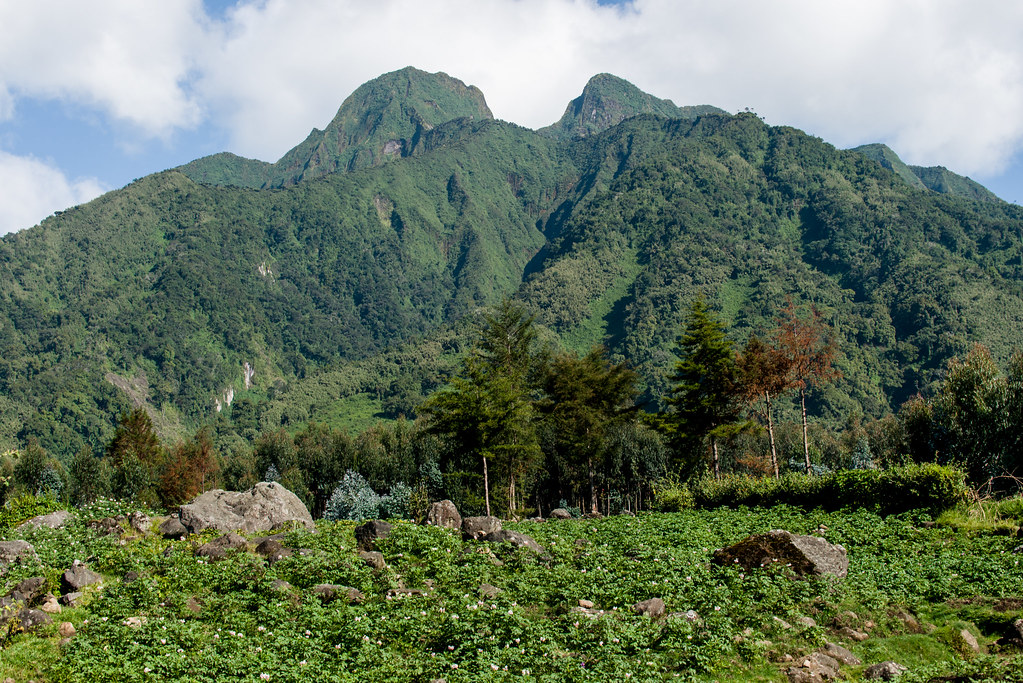
What is the nearest airport to Volcanoes National Park in Rwanda?
The nearest airport to Volcanoes National Park in Rwanda is Kigali International Airport (KGL), located in Rwanda’s capital city, Kigali. This airport is the main gateway for international travelers visiting the park. The distance from Kigali International Airport to the park is approximately 105 kilometers (65 miles). Travel time by road from Kigali to the park is about 2.5 to 3 hours, depending on traffic conditions and the specific route taken.
Kigali International Airport serves as a well-connected hub for visitors traveling into Rwanda. Upon landing at the airport, visitors can continue their journey to the park by hiring a private transfer, booking a guided tour with transportation, or renting a vehicle. Private hire vehicles and tour operators are commonly used options, as they provide convenience and local knowledge of the area.
The park itself is home to Rwanda’s famous mountain gorillas and several breathtaking volcanic peaks, and its proximity to Kigali International Airport makes it a popular destination for tourists seeking wildlife adventures.
Are there direct international flights to Rwanda, and from which cities?
Yes, there are direct international flights to Kigali International Airport, which is the primary international entry point to Rwanda. Airlines operating direct flights to Kigali connect the city to several global destinations.
For example, there are direct flights to Kigali from cities such as Amsterdam (Netherlands), Brussels (Belgium), Istanbul (Turkey), Doha (Qatar), Dubai (UAE), and several cities within Africa such as Nairobi (Kenya), Addis Ababa (Ethiopia), and Johannesburg (South Africa).
Some flight routes to Kigali may involve a brief stop or layover, depending on the airline and departure city. For example, flights from the United States or Canada typically connect through European or Middle Eastern hubs before reaching Kigali. Regional travelers within East or Central Africa often benefit from frequent and relatively short flights connecting to the Rwandan capital.
Direct options are beneficial for travelers as they reduce overall flight time and offer convenience. Major carriers like RwandAir, Qatar Airways, Turkish Airlines, and Brussels Airlines provide several direct or one-stop options.
How long is the flight to Rwanda from major international hubs like London, New York, or Dubai?
The flight duration to Rwanda depends on the departure city and whether the flight is direct or involves layovers. Below is an approximate breakdown of flight times from major international hubs to Kigali International Airport:
- From London (United Kingdom): Flights from London to Kigali usually take approximately 8 to 9 hours if they are direct. Some flights, such as those operated by RwandAir, offer nonstop service. If there is a layover, the total travel time can increase to 11 to 14 hours, depending on the connection.
- From New York (United States): There are no direct flights from New York to Kigali. Travelers typically connect through European or Middle Eastern cities, such as Amsterdam, Brussels, or Doha. The total flight duration, including layovers, is typically around 20 to 24 hours, depending on the airline and the length of the stopover.
- From Dubai (United Arab Emirates): Direct flights from Dubai to Kigali take approximately 5.5 to 6 hours. Airlines like RwandAir and Emirates offer convenient connections between the two cities.
It’s important to check with airlines for the exact flight schedules and durations, as these can change depending on the season and availability.
What airlines operate flights to Rwanda, particularly Kigali International Airport?
Kigali International Airport (KGL) is Rwanda’s main gateway for international flights. A range of airlines connects Kigali to cities around the world. Some popular international carriers that serve this airport include RwandAir, the country’s national airline, as well as Ethiopian Airlines, Qatar Airways, and KLM Royal Dutch Airlines. These airlines provide routes from major international hubs.
For example:
- RwandAir operates routes to destinations in Africa like Nairobi, Johannesburg, and Accra, as well as long-haul flights to cities like London and Brussels.
- Qatar Airways connects Kigali to its hub in Doha, offering further connections to cities across Europe, Asia, and the Americas.
- Ethiopian Airlines links Kigali to Addis Ababa and onward flights to its global network.
Seasonal or regional carriers, like Kenya Airways or Turkish Airlines, also operate flights to Kigali. Overall, travelers have a variety of options, with both direct and connecting routes to Rwanda offered by well-known airlines worldwide.
How do I get from Kigali International Airport to Volcanoes National Park?
From Kigali International Airport, reaching Volcanoes National Park typically requires a journey by road, as there are no direct train or domestic flight options. The park is about 115 kilometers (71 miles) from Kigali, and the drive generally takes two to three hours, depending on traffic and road conditions.
Travelers often arrange transport in advance through tour companies, which is a common and convenient option. These companies provide private vehicles or group transfers directly from the airport or a Kigali hotel.
Alternatively, visitors can hire a private driver or taxi at the airport, though costs and services may vary, and this option can be less organized than booking through a tour operator. A third option is renting a car, which gives flexibility for travelers who wish to explore the region independently.
The route to the park winds through scenic Rwandan landscapes, with many travelers enjoying brief stops along the way to admire views or visit roadside markets. Upon arrival, the town of Musanze (also called Ruhengeri), near the park, serves as a base with accommodations and other facilities.
Are there domestic flights within Rwanda or neighboring countries that connect to Volcanoes National Park?
Rwanda does not currently have domestic flights operating within the country due to its small size; therefore, visitors must rely on road transportation to reach locations like Volcanoes National Park. The compact geography of Rwanda makes traveling by car a practical and efficient choice, with most destinations situated within a few hours’ drive from Kigali.
For those coming from neighboring countries, there are no direct regional flights to Volcanoes National Park itself. However, visitors can fly into Kigali International Airport from nearby nations like Uganda, Kenya, and Tanzania, and then proceed by road to the park. For example:
- Nairobi (Kenya) and Entebbe (Uganda) are major hubs with frequent flights to Kigali.
- Travelers visiting from Tanzania may fly from Dar es Salaam or Kilimanjaro to Kigali and then make the journey to the park by car.
In summary, the region’s transportation system relies on a combination of international flights to Kigali and road travel to reach the park, rather than domestic air travel.
What is the best time of year to visit Volcanoes National Park in Rwanda?
The best time to visit Volcanoes National Park in Rwanda generally aligns with the dry seasons, which occur during June to September and December to February. The dry seasons make gorilla trekking, the park’s main attraction, more convenient since the trails are less muddy and slippery.
The June to September season is ideal because it coincides with Rwanda’s long dry period, making it easier to move around the park on foot. Visibility is also better during this time, as there’s less chance of rain obscuring the environment. This is considered the peak season, so permits for gorilla trekking may sell out quickly. Visitors should plan accordingly.
The December to February window, which is the shorter dry season, offers similarly favorable conditions. For those seeking fewer crowds, this time may be slightly better compared to June to September.
Rainy seasons, specifically March to May and October to November, tend to make trekking more challenging due to muddy paths. For individuals who don’t mind the rain or want a quieter experience, visiting during these months can still be an option. Vegetation is lush during the rainy period, so the park looks especially green, which some visitors may find appealing for photography.
It’s worth noting that the weather in tropical areas like Rwanda can sometimes be unpredictable, with occasional rain even during dry seasons. For consistent planning, aim for the longer or shorter dry periods. Wear sturdy trekking boots and bring a waterproof jacket, as these are helpful any time of year.
How far in advance should flights to Rwanda be booked for the best prices?
To secure the most affordable flights to Rwanda, particularly Kigali International Airport, booking 2-4 months in advance is often recommended. Airlines usually release discounted fares during this period, giving travelers a good opportunity to save money. Flights closer to the departure date, especially within 30 days of travel, are often more expensive due to high demand.
When traveling during peak tourist seasons, such as June to September or December to February, it’s wise to book even earlier, perhaps 5-6 months ahead, as prices can rise faster with increased demand. These periods attract visitors looking to experience gorilla trekking and other activities, so flights and accommodations may fill up.
Flexible travelers aiming for off-peak seasons (March to May or October to November) may still benefit from booking in advance, though these months might see lower overall demand. However, keep an eye out for special promotions airlines occasionally offer.
Using tools like Google Flights or flight comparison websites can help monitor fare trends. Travelers can also set price alerts to track when ticket prices drop. Flying on weekdays, particularly Tuesdays or Wednesdays, instead of weekends can sometimes reduce costs.
For those connecting to Rwanda from long-haul locations like the U.S., Europe, or Asia, planning early becomes even more important, as long international flights often have fewer deals closer to the departure date.
Are there visa or travel requirements for flying to Rwanda, and how do I prepare for them?
Visitors traveling to Rwanda generally require a visa, depending on their nationality. Fortunately, Rwanda offers several options, and preparing for them is straightforward.
Many travelers can apply for a visa on arrival, which costs $50 USD for a single-entry 30-day tourist visa (pricing as of 2023). This option is convenient, as you can pay the fee upon arrival at Kigali International Airport or other entry points.
Alternatively, visitors can apply for an e-visa online through Rwanda’s immigration portal. The e-visa process requires filling out an application form, uploading necessary documents (such as a passport), and making an online payment. The processing time usually takes around 3 working days.
If Rwanda is part of a broader trip to neighboring countries like Uganda or Kenya, the East Africa Tourist Visa might be more practical. It costs $100 USD and allows multiple entries within Rwanda, Uganda, and Kenya for 90 days.
Travelers will need a passport valid for at least 6 months beyond their departure date and at least two blank pages for stamps. It’s also helpful to carry printed copies of visa approval documents and response emails when using the e-visa option.
For health-related preparations, it’s mandatory to present a certificate showing proof of yellow fever vaccination, especially if traveling from or through countries where yellow fever is a risk. Additionally, carrying travel insurance, which includes medical coverage, is a sensible precaution.
Confirm these requirements closer to your travel date since visa policies and health regulations may change over time. Always double-check with official sources like the Rwandan Directorate General of Immigration for updates.
What are the typical costs of flights to Rwanda from different regions?
The cost of flights to Rwanda, specifically to Kigali International Airport (KGL), depends on where you’re traveling from and how early you book your ticket. Here’s a breakdown of typical prices:
- From Europe: Tickets from cities like London, Paris, or Amsterdam usually cost between $700 to $1,100 for a round trip in economy class. Flights are often direct or with one layover.
For example, a flight from London Heathrow (LHR) to Kigali might cost around $850 if booked a couple of months in advance. Booking during holiday seasons can increase prices significantly. - From North America: Flights from New York, Toronto, or Washington, D.C. are generally more expensive due to the distance. You can expect prices ranging from $1,000 to $1,700. Most flights will have at least one layover, often in Europe or the Middle East, like Amsterdam, Brussels, or Doha.
For instance, a flight from New York JFK to Kigali with a layover in Doha (Qatar Airways) might be around $1,200. Prices can dip lower during off-peak seasons. - From the Middle East: Tickets from cities like Dubai or Doha are relatively affordable, ranging from $400 to $700 for a round trip. These are usually direct flights or ones with very short layovers. For example, Qatar Airways and RwandAir operate flights from Doha and Dubai, often priced competitively.
- From Africa: If you’re flying to Rwanda from nearby African nations, such as Kenya, Uganda, or South Africa, flights are usually short and vary between $200 to $500. For instance, a flight from Nairobi (Kenya) to Kigali could cost around $250 for a direct round trip via RwandAir or Kenya Airways.
- From Asia: Flights from countries like India, China, or Japan often cost between $1,000 to $1,500, depending on the airline and layovers. Many Asian flights connect in Dubai, Doha, or Istanbul.
To find cheaper tickets, consider traveling during off-peak months like March or May and booking tickets 2-3 months in advance. Compare prices on platforms like Google Flights, Skyscanner, or Kayak to identify the best deals available.
Are there any recommended airlines or deals for flying to Rwanda?
Several airlines provide reliable service to Kigali International Airport and are highly recommended based on cost, routes, and service quality. Here are some of the top options:
- RwandAir: As the national carrier, RwandAir offers excellent service with both local and international routes. Their fleet is modern, and flights are known for being punctual. They operate direct connections to cities like London, Dubai, Johannesburg, and several African destinations. They also allow generous baggage allowances.
- Qatar Airways: Regarded as one of the best airlines globally, Qatar Airways has connecting flights to Kigali via Doha. While slightly more expensive, the service and in-flight experience are highly rated. They often have good deals when booked early.
- KLM Royal Dutch Airlines: KLM connects Kigali via Amsterdam. The airline is efficient and offers periodic discounts. Their stopover in Amsterdam gives travelers the chance to explore the Netherlands if they plan a longer layover.
- Turkish Airlines: Known for a quality flying experience, they connect Kigali via Istanbul. Tickets are often more budget-friendly compared to carriers like Qatar Airways.
- Ethiopian Airlines: This airline is a solid choice for connections within Africa and internationally. They have a hub in Addis Ababa, providing many affordable flight options to Kigali.
To find deals, look for discount periods during low travel seasons (March-May and October-November). Signing up for email alerts from airlines or using services like Google Flights Price Alerts can notify you when prices drop. Frequent flier programs from RwandAir, Qatar Airways, or airline alliances like SkyTeam (KLM) might offer savings as well. Consider package deals from tour companies for flights plus Volcanoes National Park tours, which can lower costs overall.
Is it safe to travel to Rwanda, especially for accessing Volcanoes National Park?
Rwanda is considered one of the safest countries in Africa for travelers, and visiting Volcanoes National Park is generally very secure. The country has low crime rates, strict law enforcement, and a strong focus on tourism safety. Here’s what makes it safe:
- Stable Government: Rwanda has enjoyed political stability for many years under its current leadership. This reduces the risk of political unrest or violence, especially in tourist areas.
- Tourist-Friendly Environment: The government heavily invests in the tourism sector, ensuring areas like Volcanoes National Park are well-maintained and patrolled. Local guides and park rangers are professionals trained for visitor safety.
- Security in Volcanoes National Park: The park, home to the famous mountain gorillas, is especially secure. Armed rangers accompany all gorilla trekking expeditions to protect both visitors and wildlife.
- Local Hospitality: Rwandans are known to be welcoming to visitors.
Still, travelers should take standard precautions:
- Avoid displaying valuables like jewelry or large amounts of cash.
- Use registered tour operators and licensed guides for excursions.
- Arrange for transportation through reliable operators or your hotel.
To further ensure safety, check your country’s travel advisory before visiting. Volcanoes National Park itself is in a calm and rural location far from any potential conflict zones. With these factors combined, Rwanda is regarded as a safe and enjoyable travel destination.
How To Book Your Safari in Rwanda
Planning to visit Volcanoes National Park in Rwanda and wondering about flights, travel tips, or the best way to organize your trip? This guide covered all the basic details to help you get started. To make your journey smooth and unforgettable, book your trip through trusted Rwanda Safari Companies. They’ll handle everything, from flights to exciting gorilla trekking experiences. Don’t wait, start planning your adventure today with the experts!
Volcanoes National Park Rwanda Cost
The Volcanoes National Park Rwanda cost for entry is $100 per person for general admission. For those interested in gorilla trekking in Rwanda, a permit costs $1,500 per person, which is required to join a guided trek to see the mountain gorillas. Other activities within the park include hiking Mount Bisoke at $75 per person and visiting the Dian Fossey Tomb at $75 per person. These costs are part of many Rwanda safaris and contribute to the conservation of wildlife and local communities in the area.
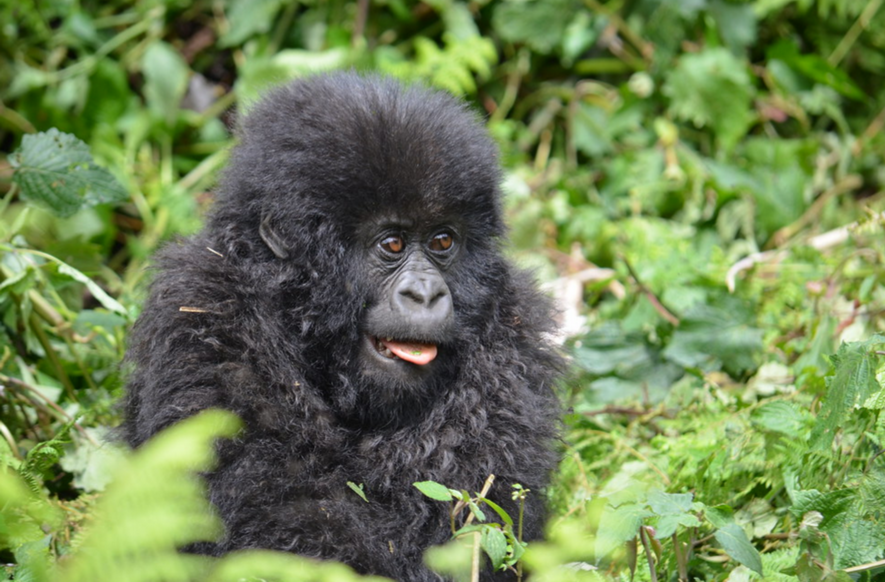
What is the entrance fee for Volcanoes National Park in Rwanda?
The entrance fee for Volcanoes National Park in Rwanda is $100 USD per person per day for international visitors. This applies to those entering the park for general activities, but it doesn’t cover specific activities like gorilla trekking, which require special permits.
For East African Community (EAC) nationals, the entrance fee is 5,000 Rwandan Francs (RWF), and for foreign residents living in EAC countries, the fee is $60 USD per person per day. Proof of residency is required to qualify for this discounted rate.
It’s important to note that this entrance fee helps fund wildlife conservation and community projects in the area. The proceeds support the protection of the park’s famous mountain gorillas and other wildlife while also contributing to the local economy.
For example, if a tourist enters the park to hike and enjoy its scenery without gorilla trekking or other specific activities, they would only need to pay this standard fee. Children under the age of 15 are not allowed for certain activities, but they may still enter the park with a regular entrance fee (age restrictions vary based on the activity).
Are there additional costs for guided tours or permits within the park?
Yes, there are additional costs for guided tours and permits within Volcanoes National Park. Visitors engaging in specific activities, such as gorilla trekking, golden monkey trekking, bird watching, or volcano hikes, are required to book permits or hire guides, which come at extra fees. The price depends on the activity chosen.
For example:
- Gorilla trekking permits cost $1,500 USD per person.
- Golden monkey trekking permits cost $100 USD per person.
- Nature walks or basic hiking experiences often start at around $75–$100 USD depending on the route and park guide.
Park rules mandate that all visitors must be accompanied by a professional guide for safety and conservation reasons. The costs for guides are often included in the permit price for activities like gorilla trekking.
If visiting for general hiking or birdwatching, visitors may be required to hire a guide separately, and this cost can range between $20–$75 USD, depending on the duration and complexity of the trail.
These extra costs ensure that tours are well-organized and that visitors learn about the park’s ecosystems from trained professionals. Guides also ensure minimal disruption to wildlife and promote sustainable tourism practices.
How much does a gorilla trekking permit cost in Volcanoes National Park?
The cost of a gorilla trekking permit in Volcanoes National Park is $1,500 USD per person for international visitors. This is a flat fee set by the Rwanda Development Board to limit the number of daily tourists and help protect the mountain gorillas’ habitat.
For EAC citizens and foreign residents living in EAC countries, the price is significantly lower, $200 USD per person for nationals and $500 USD per person for foreign residents. These rates require valid residency or citizenship documentation.
The fee includes the following:
- A professional guide to lead you through designated gorilla trekking trails.
- One full hour of observing a gorilla family in their natural habitat once you locate them.
- Support for conservation and community initiatives in the region.
Gorilla trekking permits are expensive because of the intensive work involved in conserving these critically endangered species. Only about 96 permits are issued daily, limiting the number of trekkers and protecting the gorillas from excessive human contact.
Many tourists book their permits months in advance to secure availability. For example, if you are planning to visit during popular travel seasons like June to September, it’s crucial to plan early as demand during these months is very high.
Are there any discount options or seasonal rates for visiting the park?
Rwanda’s Volcanoes National Park is a protected area, and the fees collected from visitors play a significant role in maintaining its ecosystem and supporting conservation initiatives. When it comes to discounts or seasonal rates, such options are limited because the park has a fixed pricing structure for many types of permits, such as the gorilla trekking permit. The set cost for a gorilla trekking permit is $1,500 per person, and this rate usually applies year-round, without seasonal discounts. This fixed pricing ensures a consistent stream of funding for wildlife protection and tourism infrastructure.
However, there are special discounts available for East African Community (EAC) citizens and Rwandan nationals. Citizens and residents from EAC countries, which include Rwanda, Uganda, Kenya, Tanzania, Burundi, and South Sudan, can enjoy much lower permit fees than international visitors. For example, as of recent years, Rwandan nationals could pay just $200 for gorilla trekking permits, while EAC residents (foreign nationals living in the region) historically paid around $500. Always verify these prices since they might undergo occasional adjustments.
Keep in mind there are occasionally promotional periods or offers, typically introduced to attract more local and regional travelers during low tourism seasons. During times like the COVID-19 pandemic, Rwanda temporarily introduced significantly reduced rates for residents and regional tourists.
If you are planning other activities in the park, such as trekking to see golden monkeys or visiting Mount Bisoke, these activities come with lower fees compared to gorilla trekking, which could feel like a “discounted” option if you’re focused on saving money. Children under 15 typically cannot participate in gorilla trekking, but they may qualify for reduced rates on other activities.
To take advantage of any available discounts or regional rates, ensure you bring proper identification, such as a passport or residency permit.
What is included in the cost of visiting Volcanoes National Park?
The exact inclusions depend on the activity you’ve paid for. Gorilla trekking permits are the most popular choice, and a significant portion of the $1,500 cost covers several important components. Firstly, it guarantees access to the park and the opportunity to observe a specific habituated gorilla family. Secondly, the permit fee supports conservation projects and community development initiatives, helping both wildlife and local residents. Lastly, on the day of your trek, the price includes the services of an experienced park ranger or guide who leads the trek, provides information, and ensures safety during the experience. The fee may also include local trackers who help locate the gorilla group before your trek begins.
For other activities such as golden monkey trekking or hikes to volcanic peaks, your fee also grants entrance to the park and the guidance of trained park staff who ensure your safety and enhance your visit through expert knowledge.
What is not included in most permit or entrance fees are extras like meals, drinking water, transportation to the park headquarters, or accommodation in the area. These need to be arranged separately and come at an extra cost. Additionally, hiring a local porter to assist with carrying your gear or helping you on steep trails is an optional service that incurs additional fees.
These costs not only cover your personal visit but also significantly contribute to long-term conservation and poverty reduction programs across the region, benefiting the local community.
Are there costs associated with hiring a local porter or guide?
Yes, there are extra costs if you decide to hire a local porter or guide during your visit to Volcanoes National Park. While the park ranger or guide that comes with your gorilla trekking or hiking permit is included in the main cost, hiring a porter for additional help is optional and involves a separate fee. Porters are local individuals who are available to carry your backpack, help with photography equipment, assist you on steep or muddy terrain, or simply provide extra support during uphill climbs.
The cost of hiring a porter is typically around $10 to $15 (USD) per trek. It is customary, and appreciated, to tip porters for their hard work if you are satisfied with their assistance; a tip of $5 to $10 is common.
Opting for a porter is highly recommended if you are trekking for several hours, as they can help lighten your load and make your trek more manageable. Porters are also a great way to support the local economy, as many of them rely on this seasonal work to provide for their families. Hiring them ensures that your visit not only becomes more comfortable for you but also directly benefits those living near the park. Both first-time visitors and experienced trekkers often find porters invaluable, especially in challenging weather conditions or on steep trails.
If you’re unsure about hiring one beforehand, you can make this decision on the morning of your trek when park staff explain the process.
What are the accommodation options near the park, and how much do they cost?
Near Volcanoes National Park in Rwanda, there are various accommodation options ranging from luxurious lodges to more budget-friendly choices. These accommodations cater to different preferences and budgets. Here are some examples:
- Luxury Lodges: High-end options such as Bisate Lodge, Sabyinyo Silverback Lodge, or One&Only Gorilla’s Nest offer premium experiences. These lodges provide fine dining, personalized services, and breathtaking views of the surrounding landscape. Prices for such accommodations typically start at around $1,000 to $2,000 per night per person. Meals and activities often come included in the cost at this level.
- Mid-Range Options: For those seeking comfort without spending as much, lodges like Mountain Gorilla View Lodge or Le Bambou Gorilla Lodge are popular choices. These offer cozy accommodation, hearty meals, and good proximity to the park. Prices generally range from $150 to $400 per night.
- Budget-Friendly Stays: For travelers on a tighter budget, guesthouses and smaller lodges such as Kinigi Guest House or The Garden Place Hotel provide basic amenities at more affordable rates. Prices for these accommodations can range from $50 to $100 per night. While the facilities are simpler, they are clean and adequately maintained.
Camping is not a common option near Volcanoes National Park due to the area’s focus on trekking and wildlife experiences. Regardless of the option chosen, early booking is recommended, especially during peak gorilla trekking seasons.
Is transportation to Volcanoes National Park included in the fees, or is it arranged separately?
Transportation to Volcanoes National Park is not included in the park’s fees. Visitors must organize their own travel to and from the park. The park is located in the town of Musanze (formerly known as Ruhengeri) in Rwanda, about a 2 to 3-hour drive from Kigali, the capital city.
Travelers can choose various modes of transportation depending on their budget and preferences:
- Private Vehicle Rentals: Hiring a private car with a driver is the most convenient option for groups or individuals. Costs for such rentals vary but typically range from $50 to $150 per day, depending on the type of vehicle and distance covered.
- Tour Operators: Many visitors book packages through tour operators, which include transportation to and from the park. These packages often combine activities like gorilla trekking or golden monkey trekking with lodging. Tour prices depend on inclusions but typically start at $1,500 or more per person for multi-day visits.
- Public Transport: For budget-conscious travelers, public buses and minibuses are available but may not drop visitors directly at the park headquarters. One can travel to Musanze on public buses, which cost between $5 and $10 per trip, and then hire a local taxi or motorcycle taxi (about $10 to $20) to reach the park.
Careful planning is essential, as gorilla trekking and other activities start in the early morning, requiring visitors to be at the park headquarters by 7:00 AM.
Do the costs vary depending on the activities chosen in the park, such as golden monkey trekking or hiking?
Yes, the costs for activities in Volcanoes National Park differ based on the type of activity you choose. Below are some common activities and their respective costs:
- Gorilla Trekking: The most popular activity in the park is gorilla trekking, which requires a permit costing $1,500 per person per trek. This fee supports conservation efforts and local communities. Only a limited number of permits are issued daily, so advanced booking is essential.
- Golden Monkey Trekking: This activity is less expensive than gorilla trekking, with permits costing $100 per person. Golden monkey trekking offers a chance to observe these playful and endangered primates in their natural habitat.
- Hiking and Volcano Climbs: The park offers hiking opportunities like the Mount Bisoke volcano climb, which costs $75 per person. More challenging hikes, such as the Mount Karisimbi multi-day trek, cost $400 per person.
- Dian Fossey Tomb Hike: For those interested in the history of gorilla conservation, the trek to Dian Fossey’s tomb and research center costs $75 per person.
- Cultural Experiences: Visiting local cultural villages or community projects around the park typically costs between $30 and $40 per person.
Each fee usually includes the services of a guide and covers conservation costs. These activities are priced differently to encourage diverse experiences while supporting conservation and the local economy. The variety in pricing allows visitors to choose experiences that suit their interests and budgets.
Are additional fees required for photographers, drones, or special equipment?
In Volcanoes National Park, photographers and those using special equipment, like drones, may need to pay additional fees. If you’re bringing a professional camera for photography, there’s usually no extra cost unless you’re conducting commercial photography. When it’s for commercial purposes, you’ll need a special permit, and the fees can vary significantly based on the nature of the project, size of the crew, and duration.
For drones, special rules apply. Permission must be obtained from the Rwandan Civil Aviation Authority (RCAA) before entering the park with a drone. This is a legal requirement in Rwanda due to concerns about privacy, security, and wildlife disturbance. Once you receive approval, you’ll also need to pay fees to the park, which can vary depending on the type of drone, its usage, and the duration of filming.
If you plan to use other equipment like tripods, stabilizers, or tech for filming, this usually doesn’t incur additional fees unless it’s part of a larger commercial project.
For better clarity, it’s a good idea to contact either the Rwandan Development Authority (RDB) or the park office ahead of your visit to confirm the exact costs for professional photography or filming activities. A good example of this would be if you’re a wildlife documentarian shooting for a TV show. In that scenario, you’ll need detailed permits, and the costs would be much higher.
Recreational visitors with cameras meant for personal use generally won’t face such requirements or extra charges unless stated otherwise during the park visit.
What is the cancellation or refund policy for park permits and fees?
In Volcanoes National Park, the cancellation or refund policy hinges on how close to the booked date you request the cancellation. For key activities, like Gorilla Trekking, prepayments are required, and these fees tend to follow strict guidelines because demand is usually high.
For Gorilla Trekking permits, a partial refund can apply if you cancel early. 75% of your payment might be refunded if you cancel 90 days or more before the trekking date. When cancellations happen 45–89 days before, you’re eligible for approximately a 50% refund. However, if the cancellation happens less than 45 days before, it’s unlikely you’ll receive a refund.
If you are unable to participate due to health issues, such as failing the mandatory medical check for illnesses like the flu (to protect gorillas from disease), you might instead qualify for a change in date or a different activity refund, pending the park’s discretion.
For other activities (like golden monkey trekking or hiking), the policies can vary, but they often mirror those of gorilla permits, timing plays a crucial role in determining refund eligibility. Be aware that refunds may also involve service fees or deduction of administrative costs.
It’s always smart to check directly with the park office or your tour operator to get accurate updated details about refund policies as terms can occasionally adjust.
How does the cost of visiting Volcanoes National Park compare to other national parks in East Africa?
When compared to other national parks in East Africa, visiting Volcanoes National Park is generally more expensive, especially for activities like gorilla trekking. The cost of a Gorilla Trekking permit in Volcanoes National Park is $1,500 per person. This is higher than in Uganda’s Bwindi Impenetrable Forest, where a similar permit costs $700 per person, and much more than in the Virunga National Park in the Democratic Republic of Congo, where the cost is approximately $450 per person.
Other activities, like golden monkey trekking in Rwanda, cost around $100, which is more affordable, but the pricing is still higher than that of some alternative parks in East Africa.
Accommodation and transportation near Volcanoes National Park also tend to be more expensive due to the park’s focus on luxury and conservation. Many nearby lodges cater to high-end tourists with prices often starting at $200–$300 per night and reaching over $1,000 per night for luxury lodges. In comparison, accommodations near parks like the Masai Mara in Kenya or Serengeti in Tanzania tend to offer a wider range of pricing, including budget options.
The higher costs in Rwanda are often explained by the country’s deliberate emphasis on high-end tourism for environmental conservation. For instance, the revenue generated from expensive gorilla permits is partly reinvested in community projects and conservation initiatives.
In summary, while Volcanoes National Park is on the pricier end of East African parks, its focus on exclusivity and conservation differentiates it from other destinations in the region.
How To Book Your Safari in Rwanda
Exploring the costs involved in visiting Volcanoes National Park, Rwanda, can feel overwhelming, but understanding the ‘what,’ ‘how,’ and ‘why’ makes planning easier. Whether it’s learning about park fees, guided tours, or budgeting tips, this guide covered the essentials for a smooth experience. Ready to make your adventure a reality? Connect with trusted Rwanda Safari Companies to organize an unforgettable trip. They’ll help handle all the details, ensuring you enjoy every moment of your Volcanoes National Park safari.
Getting to Volcanoes National Park Rwanda
To get to Volcanoes National Park Rwanda, travelers typically start from Kigali, the capital city. The park is about a 2-3 hour drive northwest from Kigali, accessible by private car or arranged transport through a tour operator specializing in Rwanda safaris. The main activity, gorilla trekking in Rwanda, requires permits, and it’s advisable to book in advance. Public transport, like buses, can reach nearby towns like Musanze, but private or organized transport is recommended for convenience. The roads leading to the park are in good condition, making the journey straightforward.
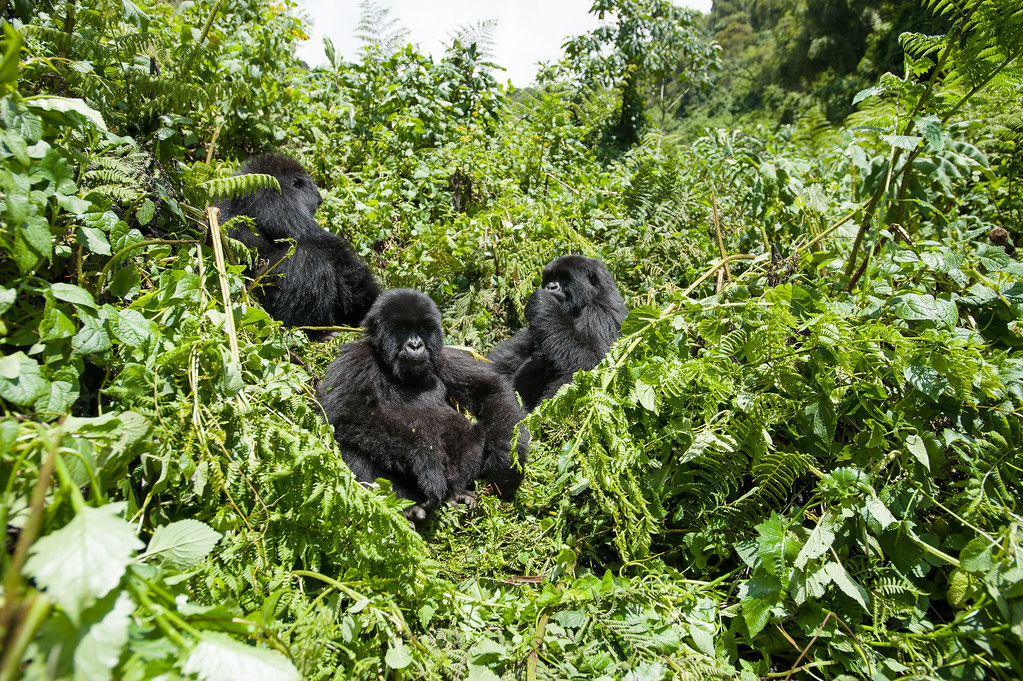
Where is Volcanoes National Park located in Rwanda?
Volcanoes National Park is located in the northwestern region of Rwanda, near the border with Uganda and the Democratic Republic of Congo. Specifically, the park is part of the Virunga Mountain Range, which is famous for its lush bamboo forests and volcanic landscapes. This region is also home to five of the eight volcanoes in the mountain range, including Mount Karisimbi and Mount Bisoke. The park is widely recognized as the key destination for mountain gorilla trekking, as it serves as a habitat for the critically endangered species.
It is part of Rwanda’s Musanze District, and the nearest town is Musanze (formerly Ruhengeri), one of Rwanda’s largest towns. Musanze acts as a common base for visitors heading into the park. Its proximity makes it convenient for travelers to find accommodations, guides, and other necessities.
Volcanoes National Park has a rich history in conservation. It was initially established in 1925 as Africa’s first national park, primarily for the protection of the mountain gorillas and volcanoes. The late conservationist Dian Fossey also conducted significant research here, highlighting the importance of conserving gorilla populations.
In summary, Volcanoes National Park is situated amidst a biodiverse and scenic area in Rwanda’s northwestern corner, marking it as a key site for nature and wildlife enthusiasts.
What are the main transportation options to get to Volcanoes National Park?
To reach Volcanoes National Park, visitors typically rely on a combination of road transportation options, as Rwanda does not currently have domestic flights or railways dedicated to this route.
Most visitors arrive in Rwanda through Kigali International Airport, located in the capital city of Kigali. From there, the park can be accessed via a road journey to Musanze. This journey is straightforward as Rwanda has well-maintained roads connecting major towns.
- Private Cars/Taxis: Hiring a private car or taxi is one of the most convenient ways to get to the park. It allows flexibility in travel schedules and offers direct drop-offs at accommodations near the park or at the park’s entrance.
- Tour Operators: Many visitors choose to book transportation through tour companies, which commonly offer both planned itineraries and custom travel services. This is often helpful for coordinating permits, guides, and logistics related to park activities.
- Public Buses: Budget-conscious travelers can take a public bus or shared taxi from Kigali to Musanze. These buses are available at Kigali’s Nyabugogo Bus Station and typically take around two hours to reach Musanze. From the bus station in Musanze, private taxis or motorcycle taxis can be hired for the final stretch to the park entrance.
- Rental Vehicles: Some travelers prefer to rent a car directly from Kigali and drive themselves to Musanze. Renting a 4×4 vehicle is recommended, especially for those planning to explore off-road areas. Rental companies are available in Kigali, and driving is considered safe for tourists on paved roads.
The most popular and easiest approach is to use private transportation or book a full-service package with a tour company that includes transportation. This minimizes potential language or logistical barriers.
How far is Volcanoes National Park from Kigali, and how long does it take to get there?
The distance from Kigali to Volcanoes National Park is approximately 105 kilometers (about 65 miles). The travel time is generally 2 to 2.5 hours by car, depending on the mode of transportation and the condition of traffic. The route between Kigali and the park is well-paved and is recognized as one of the most scenic drives in Rwanda.
The road to the park passes through the rolling hills that Rwanda is famous for, often referred to as the “Land of a Thousand Hills.” Travelers get to enjoy picturesque views of lush green landscapes, farming villages, and volcanic peaks as they make their way towards Musanze.
The most commonly traveled route starts from Kigali and follows NR4 (the Kigali-Musanze road). It is a direct route with clear signage, making navigation easy even for those unfamiliar with Rwanda’s roads.
If using public transport, buses from Kigali’s Nyabugogo Bus Station to Musanze typically take about 2.5 hours. However, on arrival in Musanze, a further taxi ride of 20–30 minutes is needed to reach the park itself, adding a bit more time to the journey.
For those traveling as part of a tour package, the trip is seamless as the drivers are familiar with the route and drop travelers directly at their accommodations or the park entrance.
What is the best time of year to visit Volcanoes National Park?
The best time to visit Volcanoes National Park in Rwanda is during the dry seasons, which are from June to September and again from December to February. These months are considered the most favorable because there is less rainfall, making hiking trails and forest environments easier to navigate.
During these dry months, you can expect better conditions for activities like gorilla trekking and golden monkey tracking. The reduced rain means there’s a lower chance of slippery or muddy trails, which enhances the trekking experience. Wildlife visibility is also higher since animals are more likely to gather in accessible areas.
On the other hand, the rainy seasons, which occur from March to May and October to November, make trekking more challenging due to slippery terrain, heavy downpours, and thicker vegetation. Despite the challenges, some visitors choose the rainy season because the forest appears very lush, and permit availability is often better during this period.
For example, if you’re someone who enjoys more predictable weather and wants the best chance at an easier trek, visiting during July or August would be a great choice. However, if you’d like to avoid crowds and are okay with potential rain, consider visiting in April or October.
Ultimately, deciding when to visit depends on your preferences for weather, trail difficulty, and visitor crowd levels.
Are there guided tours or travel companies that provide assistance in getting to the park?
Yes, there are many guided tours and travel companies that can assist you in visiting Volcanoes National Park. These companies often handle every detail of the trip, including transportation, accommodation, meals, and guided park activities.
For a smooth experience, many travelers choose tour operators that specialize in wildlife tours or conservation experiences in Rwanda. Some of the popular companies include Rwanda Eco Company and Safaris, Volcanoes Safaris, and Gorilla Trek Africa. These operators provide packages specifically designed for visitors interested in activities like gorilla trekking, golden monkey tracking, or hikes to see the volcanoes.
Tour guides provided by these companies are usually highly knowledgeable about the park’s features, the wildlife, and the terrain. For example, if you book a guided gorilla trek, the tour guide will accompany you to ensure you follow park rules, answer questions, and provide insights into the behavior of the gorillas.
Another benefit of using a guided travel company is the convenience. For example, if you’re unsure about where to stay, they can help book hotels or lodges close to the park. They also take care of getting the required permits for gorilla trekking or other activities.
If you prefer traveling independently, it’s still possible to hire local guides once you arrive in the area. The park itself has trained trail guides who assist visitors during activities like hikes and wildlife viewing.
What transportation infrastructure is available, and are roads to the park in good condition?
The transportation infrastructure to Volcanoes National Park is well-developed, especially considering its popularity as one of Rwanda’s top tourist destinations. The main road connecting Kigali, Rwanda’s capital, to the park is in good condition and is mostly paved, making it easy and comfortable for travelers to reach the park.
The park is located approximately 116 kilometers (72 miles) from Kigali, and it typically takes about 2–3 hours to reach by car. The most common route is via the Kigali-Ruhengeri road, which is a well-maintained tarmac road. This road allows both private and public transportation methods to operate efficiently.
Travelers can hire private vehicles or taxis from Kigali, which provide direct and convenient transport to the park. Many visitors also use the services of tour operators, who provide transportation as part of a package tour, often using 4×4 vehicles suitable for rural or hilly terrain. Public minibuses are another option for budget travelers, though these may not be as comfortable or reliable as private cars.
Once closer to the park, the roads leading to lodges or activities might be smaller dirt roads, but they are manageable for most vehicles, especially during the dry season. If you’re traveling during the rainy season, 4×4 vehicles are highly recommended, as heavy rains can make some roads muddy and more difficult to navigate.
For example, if you are staying in one of the upscale lodges near the park, such as the Bisate Lodge or Sabyinyo Silverback Lodge, they often provide their own transportation from Kigali to the lodge, ensuring stress-free travel.
Are there accommodations near or within the park for visitors?
Yes, there are accommodations available near Volcanoes National Park in Rwanda that cater to a variety of preferences and budgets. While the park itself does not have accommodations within its boundaries due to conservation efforts, there are numerous lodges, hotels, and guesthouses located in nearby towns, especially in Musanze, the closest town to the park.
For those looking for luxury experiences, there are high-end lodges such as Singita Kwitonda Lodge, Bisate Lodge, and Sabyinyo Silverback Lodge, which offer world-class amenities, private villas, and personalized services. Some of these lodges are built close to the park entrance, providing convenience for early morning activities like gorilla trekking.
For mid-range travelers, options such as Five Volcanoes Boutique Hotel or Mountain Gorilla View Lodge are popular choices. They provide comfortable stays and additional services such as guided tours or transportation.
For budget-friendly travelers, there are affordable guesthouses and hotels in Musanze. Places like Amahoro Guest House or La Palme Hotel offer clean accommodations and good service at reasonable prices.
In addition to these, many accommodations put a focus on supporting the local community and conservation, ensuring that your stay contributes to the region’s well-being.
It’s a good idea to choose accommodations close to the park, as activities like gorilla trekking often start early in the morning. Staying in Musanze or nearby areas ensures that you save time and avoid longer drives.
Is it necessary to book permits or tickets in advance to enter the park?
Yes, booking permits in advance is absolutely necessary, especially for popular activities like gorilla trekking. Permits to visit the park’s mountain gorillas are limited to eight visitors per gorilla group per day, which means there is high demand and limited availability. Booking well in advance, sometimes several months prior, is advised, particularly during peak tourism seasons (June to September and December to February).
Permits for gorilla trekking are issued by the Rwanda Development Board and cost $1,500 per person as of recent regulations. These fees directly support conservation efforts and the local communities living near the park. The cost may seem high, but it reflects the significant conservation work being done to protect the endangered gorillas.
Other activities in the park, such as golden monkey tracking or hiking Mount Bisoke, also require permits, but they are generally more affordable than the gorilla permits. For example, golden monkey permits cost around $100 per person.
If you’re working with a tour operator, they can assist with securing your permits. However, if you’re organizing independently, be sure to contact the Rwanda Development Board early to ensure availability. Keeping proper identification (e.g., a passport) and your permit with you during park activities is vital, as they will be checked before entry.
Are there specific safety measures or requirements for traveling to the park?
Yes, there are several safety measures and requirements that visitors should be aware of to ensure a safe and enjoyable trip to Volcanoes National Park.
- Health Considerations:
Since gorillas share around 98% of their DNA with humans, they are highly susceptible to human illnesses. It’s important that visitors who are ill or recently exposed to contagious diseases refrain from participating in gorilla treks. For gorilla trekking, visitors must maintain a distance of around 7 meters (22 feet) from the gorillas. - Physical Preparedness:
Gorilla trekking and other hikes in the park usually require a certain level of physical fitness. The terrain can be steep and muddy, and treks may last for several hours depending on the gorilla group’s location. Wear sturdy, waterproof hiking boots and bring rain gear, as the weather in the park can change unexpectedly. - Guide Requirement:
All activities within the park require a trained guide, provided by the park. This ensures safety from wildlife and provides insight into the surroundings. Guides carry communication devices and are equipped to handle emergencies. - Cash for Extras:
Tipping is customary for your guides, porters, and trackers, so carrying cash in local currency (Rwandan Francs) or USD is advisable. - Security Guidance:
Rwanda is considered one of the safest countries in Africa, and the area around Volcanoes National Park is well-protected. Rangers patrol the park regularly. However, travelers should stay informed about local guidelines or travel advisories and stick to recognized paths and organized tours.
By following these safety considerations, visitors can look forward to a smooth and rewarding experience in this unique park.
What activities or attractions can visitors participate in at Volcanoes National Park?
Volcanoes National Park offers several unique activities for visitors, primarily centered around its incredible wildlife and scenic landscapes. The park is most famous for its mountain gorilla trekking. Visitors can join guided treks to observe mountain gorillas in their natural habitat. Each trek usually begins early in the morning, guided by experienced park rangers, and takes you deep into the misty forest to see these rare animals. Observing gorillas up close, watching their behavior and interactions, is an unforgettable experience.
Aside from gorillas, visitors can enjoy golden monkey trekking, which focuses on spotting a different kind of primate unique to the area. These monkeys are smaller and very active, jumping between the bamboo trees. Like gorilla trekking, this activity also involves hiking and time spent observing these fascinating creatures.
For those interested in the cultural aspect, the park offers tours to local communities and cultural villages, such as the Iby’Iwacu cultural village. Here, visitors can learn about Rwandan culture, traditional dances, local crafts, and more.
Additionally, the park is home to a series of incredible volcanoes, and some hikers choose to climb peaks like Mount Bisoke, which has a crater lake at the summit, or Mount Karisimbi, the tallest volcano in Rwanda. Hiking these mountains is a challenging but rewarding activity.
Other popular attractions include exploring the caves in the area, such as Musanze Cave, which features volcanic rock formations and a unique history.
Finally, birdwatchers also find the park to be a great spot, as it’s home to over 170 bird species, some of which are endemic to the Albertine Rift. With spectacular views, wildlife encounters, and cultural experiences, there’s a lot to do at the park.
Are there specific travel regulations, visa requirements, or park entry fees for international visitors?
Yes, international travelers planning to visit Volcanoes National Park must consider several important details, including visa requirements, travel regulations, and park fees.
First, international visitors generally need a Rwanda visa to enter the country. For many nationalities, this can be obtained either online through the Rwanda eVisa platform or on arrival at Kigali International Airport. However, it’s always best to confirm visa requirements ahead of time based on your country of citizenship. For those visiting multiple East African countries (Rwanda, Uganda, and Kenya), there’s an East Africa Tourist Visa, which is valid for all three countries.
For visiting the park itself, a key expense is the gorilla trekking permit, which is required to join a gorilla trek. The permit is costly because it funds conservation efforts and limits the number of visitors to protect the wildlife. As of recent years, the cost for international tourists is $1,500 per person. Golden monkey trekking permits, on the other hand, are more affordable, usually around $100.
It’s also important to note that park rules are designed to protect both visitors and wildlife. For example, during activities such as gorilla trekking, visitors must follow specific hygiene and distance guidelines to prevent disturbing the animals or spreading diseases.
Travelers should also check for any health-related requirements, such as vaccines (e.g., yellow fever vaccine) or guidelines regarding COVID-19, which may still impact travel. It’s wise to consult with Rwandan travel authorities or local tour companies well in advance.
Is it possible to combine a visit to Volcanoes National Park with other nearby tourist destinations in Rwanda?
Yes, combining a visit to Volcanoes National Park with other nearby tourist destinations is very feasible. Rwanda is a relatively small country, and its key attractions are within a few hours’ drive of each other, making it easy for visitors to explore multiple locations during their trip.
One popular combination is visiting Nyungwe Forest National Park, located in southwestern Rwanda. Nyungwe is known for its chimpanzee trekking and the canopy walkway, which offers stunning views of the forest from above. It’s an excellent follow-up for travelers who enjoyed gorilla trekking and want to experience another type of primate encounter.
Another nearby destination is Lake Kivu, one of East Africa’s Great Lakes. The lake, located near the Volcanoes National Park, provides a peaceful setting for relaxing after intense activities like hiking. Visitors can enjoy boat rides, swimming, kayaking, or exploring small islands within the lake.
For those interested in history, the Genocide Memorials in Kigali or other areas provide a deeper understanding of Rwanda’s past and its journey of recovery and growth. Spending time in Kigali itself is also worthwhile, this is a vibrant city with excellent dining, markets, and cultural experiences.
Finally, Akagera National Park, in the eastern part of the country, is a top choice for a safari experience, featuring the Big Five (lions, elephants, rhinos, leopards, and buffalo). Combining Volcanoes National Park with Akagera offers a well-rounded trip, from primates to traditional safari wildlife.
With good planning, visitors can cover diverse attractions within just a week in Rwanda. It’s recommended to work with local tour operators who can arrange transport and accommodations to make the most of your visit.
How To Book Your Safari in Rwanda
We’ve covered the basics of how to get to Volcanoes National Park in Rwanda, from what makes this destination so special to how you can reach it hassle-free. Ready to see the famous mountain gorillas for yourself? Make the planning simple by booking through experienced Rwanda Safari Companies. They’ll handle everything, so you can focus on enjoying the adventure of a lifetime. Start your journey today!
Top Hotels Near Volcanoes National Park Rwanda
The best hotels near Volcanoes National Park Rwanda include Virunga Lodge, known for its stunning views of the volcanoes and nearby lakes; Bisate Lodge, offering luxurious eco-friendly accommodations; Sabyinyo Silverback Lodge, perfect for easy access to gorilla trekking in Rwanda; and Five Volcanoes Boutique Hotel, providing comfortable stays near Rwanda safaris activities. These lodges provide excellent amenities and are situated close to Volcanoes National Park, an essential destination for gorilla trekking and exploring Rwanda’s rich wildlife and natural beauty.

What are the best-rated hotels near Volcanoes National Park, Rwanda?
Near Volcanoes National Park in Rwanda, there are several hotels and lodges that have received great reviews for their quality, service, and proximity to the park. Some of the best-rated options include:
- Bisate Lodge: Located close to the park, this luxury lodge is praised for its individual forest villas and stunning designs. Guests often rate it highly for its excellent service and food.
- Sabyinyo Silverback Lodge: Known for offering a cozy and luxurious experience, it provides spectacular views of the surrounding mountains. The lodge is favored for its spacious rooms and helpful staff.
- Virunga Lodge: Another well-loved option, this boutique lodge is perched on a hill and offers panoramic views of the nearby lakes and volcanoes. It is particularly recommended for its peaceful ambiance and attention to detail.
- Five Volcanoes Boutique Hotel: With its modern amenities and comfortable environment, this boutique hotel is a popular choice among travelers. The property is often rated as a more affordable yet high-quality alternative to other luxury lodges.
Each of these properties caters to various traveler needs, ranging from all-inclusive lodge experiences to boutique hotels. Online travel platforms like TripAdvisor or Google Reviews can provide additional guest insights and average ratings.
How far are the hotels from the entrance of Volcanoes National Park?
The distance of hotels near Volcanoes National Park depends on the chosen lodgings, but most are within a short drive or a few kilometers from the main entrance of the park. Here are some estimates:
- Bisate Lodge: Approximately 2-3 kilometers from the park entrance, equating to about a 5-10 minute drive.
- Sabyinyo Silverback Lodge: This is slightly further, roughly 2-4 kilometers away, requiring around 10 minutes by car.
- Virunga Lodge: Although this offers one of the most scenic locations, its distance can range from 7-10 kilometers, taking about 20-30 minutes to reach the entrance by vehicle.
- Five Volcanoes Boutique Hotel: Located around 3-5 kilometers from the gate, making it a convenient 10-15 minute drive.
Many lodges and hotels provide transportation services for guests heading to activities like gorilla trekking, simplifying access. Exploring maps and confirming logistics with accommodations beforehand would help ensure an easy trip to the park.
What types of accommodations are available near Volcanoes National Park?
Near Volcanoes National Park, there is a range of accommodation types to meet different preferences and budgets. These include:
- Luxury lodges: Upscale options like Bisate Lodge and Virunga Lodge focus on premium experiences. These offer gourmet dining, luxurious rooms, and sometimes all-inclusive packages that include guided tours of the park.
- Boutique hotels: Mid-range options such as Five Volcanoes Boutique Hotel combine comfort with affordability. These are perfect for travelers seeking privacy without the cost of high-end lodges.
- Budget-friendly accommodations: For those looking to save money, guesthouses, hostels, or small lodges in nearby towns like Kinigi and Musanze might be ideal. These typically offer basic lodging and meals.
- Eco-lodges: Some properties focus on sustainability, using eco-friendly designs and practices. Virunga Lodge is an example, as it emphasizes supporting the local environment and community.
- Family-friendly stays: A few lodges, such as Sabyinyo Silverback Lodge, provide larger rooms or connecting options for groups. They may also include kid-friendly meals or family-size tours.
Most accommodations come with basics like private bathrooms, hot water, and Wi-Fi, while higher-end lodgings include spa services or scenic balconies.
What is the average cost of staying at a hotel near Volcanoes National Park?
The average cost for staying at a hotel near Volcanoes National Park can vary widely depending on the type of accommodation you choose. On the lower end, basic guesthouses or budget lodges might cost around $50 to $100 per night, providing simple but comfortable amenities such as private rooms and meals.
For mid-range options, travelers can expect prices between $150 and $300 per night. These accommodations usually include upgraded rooms, better facilities, and sometimes package deals that cover meals or activities.
Luxury hotels or lodges in the area can range from $400 to over $2,000 per night. These properties often have high-end amenities such as private villas, fine dining, spas, and personalized services.
For example, Virunga Lodge, a high-end lodge, charges upwards of $1,000 per night, including meals, drinks, and some activities. Meanwhile, cheaper options like Villa Gorilla offer a budget-friendly stay closer to $100 but with fewer frills.
This price variation ensures that travelers with different budgets can find a suitable option.
Are there luxury hotel options near Volcanoes National Park?
Yes, there are several luxury hotel options available near Volcanoes National Park. These are tailored for travelers seeking a premium experience with top-notch services and amenities.
Notable examples include Bisate Lodge and Singita Kwitonda Lodge. Bisate Lodge boasts private villas set in natural surroundings, gourmet dining, and personalized services, with nightly rates often exceeding $1,500 per person. Singita Kwitonda Lodge offers breathtaking design, a focus on conservation, and an immersive stay in nature, with prices similar to or even higher than Bisate Lodge.
Another excellent choice is Virunga Lodge, perched on a hilltop with stunning views of lakes and the volcanoes. These lodges provide services such as spa treatments, private guides, and tailored dining options.
Staying at these high-end accommodations also often includes perks like cultural experiences, guided treks, or conservation-focused activities, adding further value to the luxury offerings.
Do the hotels offer guided tours or packages for exploring the national park?
Yes, many hotels near Volcanoes National Park provide guided tours or packages to help guests explore the park. These packages are often tailored to activities such as gorilla trekking, hiking, bird watching, and cultural tours.
For example, properties like Five Volcanoes Boutique Hotel and luxury lodges like Singita Kwitonda Lodge have partnerships with local guides or rangers who lead guests on park explorations. These tours may include transport to entry points, necessary permits, and packed meals.
Certain accommodations also bundle guided tours with additional experiences like traditional cultural performances or farm-to-table dining. These packages provide a seamless way for travelers to plan their visit without worrying about logistics.
Guests often need to book in advance for gorilla trekking permits, which can cost $1,500 per person and may be included or facilitated by the hotel. The convenience of having everything arranged makes these hotel-packaged tours very attractive to visitors.
Are there eco-friendly or sustainable lodging options near Volcanoes National Park?
Yes, there are eco-friendly and sustainable lodging options near Volcanoes National Park in Rwanda. Many accommodations in the area are built with environmental considerations in mind to protect the unique ecosystem surrounding the park. These lodgings typically use practices such as sourcing materials locally, investing in renewable energy, and prioritizing water conservation. Their primary goal is to minimize the environmental impact while accommodating visitors.
For example, Bisate Lodge is a popular choice for sustainable tourism. The lodge practices reforestation by planting indigenous trees in the area. Additionally, it supports local communities by hiring staff and sourcing food from nearby villages. The lodge aims to combine luxury with sustainability, offering guests a balance of comfort and eco-consciousness.
Another notable option is Virunga Lodge, which focuses on conserving resources. They often rely on solar energy for electricity and use rainwater collection systems to reduce dependence on external water sources. They also encourage travelers to embrace sustainable practices during their stay, such as reducing waste and reusing towels.
Some of these accommodations actively contribute a portion of their revenue to conservation efforts or initiatives that benefit local communities. This approach supports both the protection of wildlife, including gorillas, and the economic empowerment of nearby residents. Choosing eco-friendly lodging contributes to conservation while providing travelers with an enriching stay.
If you’re planning a trip, it’s helpful to look for certifications or partnerships with recognized sustainability organizations. This can guarantee that the practices advertised by hotels meet genuine environmental standards.
What amenities and services are typically provided by hotels in the area?
Hotels near Volcanoes National Park typically offer a range of amenities tailored to meet the needs of travelers coming to experience the wildlife and natural beauty of the region. Most accommodations prioritize comfort while ensuring convenience and accessibility for their guests.
Guided tours and safari packages are often included or arranged by hotels, especially for activities such as gorilla trekking or hiking the volcanic terrain. This makes it easier for visitors to obtain permits and plan their itineraries. Many lodgings work closely with local guides who have expertise in the surrounding environment.
Dining options are another key feature, with most hotels offering full-board services that include breakfast, lunch, and dinner. Ingredients are frequently sourced from local farmers, ensuring fresh, regional flavors. In some higher-tier lodges, international menus are available to cater to diverse tastes.
Hotels in this area often prioritize relaxation and recovery after a long day of exploring. Expect cozy lounges, fireplaces, or even spa services that include massages and wellness facilities. For those who prefer to stay connected, Wi-Fi is usually provided, though it’s worth noting that internet speeds may vary depending on the lodge’s location.
Additional services may include laundry, transportation to and from town or the park entrance, and secure storage for valuables. Larger hotels or lodges may have pools, libraries, and shops selling artisan crafts or souvenirs.
For added convenience, staff members can offer cultural experiences like visiting local villages to learn Rwandan traditions. This cultural element complements the natural exploration of the park.
Are the hotels suitable for families or large groups visiting the park?
Yes, many hotels around Volcanoes National Park accommodate families and large groups, though it’s helpful to check the specific features of each accommodation based on your group’s needs.
For families, some lodges have family-friendly rooms or suites with multiple beds to comfortably house parents and children together. They may offer additional options such as attaching rooms or providing rollaway beds upon request. Many hotels ensure safety by offering fenced properties, child-friendly dining menus, and sometimes even babysitting services.
Hotels often cater to groups by offering connecting rooms or private cottages that can host larger parties. For example, some of the high-end lodges offer villas or campsites specifically designed to handle group accommodations while still ensuring privacy.
Shared spaces such as dining areas, lounges, and bonfires are typically large enough to accommodate gatherings, allowing groups to spend time together without feeling overcrowded. Many lodges offer tailored services, such as exclusive guides or private transportation options, perfect for keeping large groups coordinated.
For ease in organizing activities, hotels are usually willing to create customized itineraries for gorilla trekking, hiking, or exploring the area. This kind of flexibility allows groups to have personalized experiences based on their preferences.
It’s also worth noting that some hotels have minimum age requirements for specific activities like gorilla trekking. Families traveling with young children should confirm in advance if such policies apply.
Do the accommodations near Volcanoes National Park provide views of the park or surrounding scenery?
Yes, many accommodations near Volcanoes National Park in Rwanda offer beautiful views of the park and the surrounding natural scenery. Since the area is located in a region filled with mountains, forests, and picturesque landscapes, these accommodations are often designed to highlight the region’s natural beauty.
For instance, some hotels and lodges are situated on elevated spots, giving guests panoramic views of the Virunga Mountains, a chain of volcanoes in East Africa. Some popular mountains you might see include Mount Karisimbi, Mount Bisoke, and Mount Sabyinyo. Guests waking up in lodges or cabins with large windows or private terraces often experience spectacular sunrises or misty mountain views.
A great example would be Sabyinyo Silverback Lodge, where visitors can enjoy the breathtaking scenery of both the park and its lush greenery. Similarly, Bisate Lodge not only offers views of the mountains but also overlooks the forests, letting guests feel completely surrounded by nature.
In addition to the mountains, some accommodations have views of the rainforests and local villages, providing guests with insights into the local life in the area. Many of the lodges blend their architecture with this natural environment, using wood, thatch, or eco-friendly materials that fit in with the surroundings.
So, if you’re planning a stay, you’ll find that these hotels aren’t just places to sleep, they make you feel deeply connected to the stunning Rwandan landscape, even while you’re relaxing or dining. Always check with the hotel regarding view options, as room types or locations within a property can affect how much scenery you’ll be able to see.
Is transportation to and from the park available at these hotels?
Yes, most hotels and lodges near Volcanoes National Park provide transportation services to and from the park’s entrance. These services are incredibly useful, especially for guests who want to participate in activities such as gorilla trekking, which can begin early in the morning.
Many higher-end hotels like One&Only Gorilla’s Nest and Volcanoes Virunga Lodge often include transportation as part of their packages. This could mean having access to private vehicles or shared safari jeeps that take guests directly from the lodge to the starting point of treks or guided tours.
Even mid-range or budget hotels typically arrange transportation for their guests. They either provide on-site vehicles or work closely with local transport operators to organize pickup and drop-off services. If this is not included in your booking, the staff can often help arrange a taxi or hire a driver for you at an additional cost.
For example, when staying at lodges like Mountain Gorilla View Lodge, many visitors appreciate staff assistance with planning their daily trips. Transfers are usually coordinated based on the specific time you need to arrive at the park for activities, such as briefing sessions before starting treks.
In cases where guests have their own vehicles, the hotels provide clear directions to the park and nearby attractions. Additionally, since many properties cater to international tourists, they prioritize making transportation as stress-free as possible. It’s a good idea to confirm these services when reserving your accommodation so you can plan your visit effectively and without last-minute hassles.
What are the most recommended hotels for gorilla trekking near Volcanoes National Park?
For gorilla trekking, many visitors opt for accommodations that not only offer comfort but also close proximity to Volcanoes National Park. Some of the top-recommended hotels and lodges for this activity include:
- Sabyinyo Silverback Lodge: This luxury lodge is renowned for its location near the park’s entrance. Guests praise its spacious cottages, exceptional service, and eco-conscious design. Its proximity makes it an ideal base for early-morning gorilla treks.
- Bisate Lodge: Located slightly farther from the entrance but still within a short drive, this high-end lodge is famous for its luxurious forest villas. Each villa overlooks the Virunga Mountains, creating a memorable stay after returning from a trek.
- One&Only Gorilla’s Nest: Perfect for those seeking a premium experience, this lodge boasts exquisite rooms, top-notch dining, and easy access to trekking locations. The staff organizes all details, making it especially convenient for visitors.
- Mountain Gorilla View Lodge: A practical, mid-range option, it offers cozy accommodations and is situated very close to the park entrance. This makes it both convenient and affordable for those who want to prioritize the trekking experience over luxury.
- Virunga Lodge: This eco-lodge is located on a ridge with spectacular views of both the Virunga Mountains and the nearby lakes Burera and Ruhondo. It’s slightly farther away compared to others, but its breathtaking location and hospitality make up for the added distance.
When deciding on a lodge for gorilla trekking, factors such as proximity, comfort, and the type of experience you prefer (luxury versus budget) play a role. Most of these accommodations also help to organize permits for trekking and provide guidance on what to expect during this once-in-a-lifetime activity.
How to Book Your Safari in Rwanda
We’ve covered the key questions about the best hotels near Volcanoes National Park in Rwanda, from where to stay, what these accommodations offer, and how they enhance your safari experience. Ready to plan your adventure? Let one of the trusted Rwanda Safari Companies guide you in booking the perfect trip, complete with stunning hotels and unforgettable wildlife encounters. Click the link to start your journey today!
Weather in Volcanoes National Park Rwanda
The main weather in Volcanoes National Park Rwanda is mild and cool throughout the year, with temperatures ranging between 9°C (48°F) and 20°C (68°F). The park experiences two rainy seasons: March to May and September to November, which can make trails for gorilla trekking in Rwanda muddy and challenging. The dry seasons, from June to August and December to February, are ideal for Rwanda safaris and exploring Volcanoes National Park, offering clearer skies and more accessible paths. Visitors should prepare for sudden weather changes due to the park’s high altitude and dense forests.
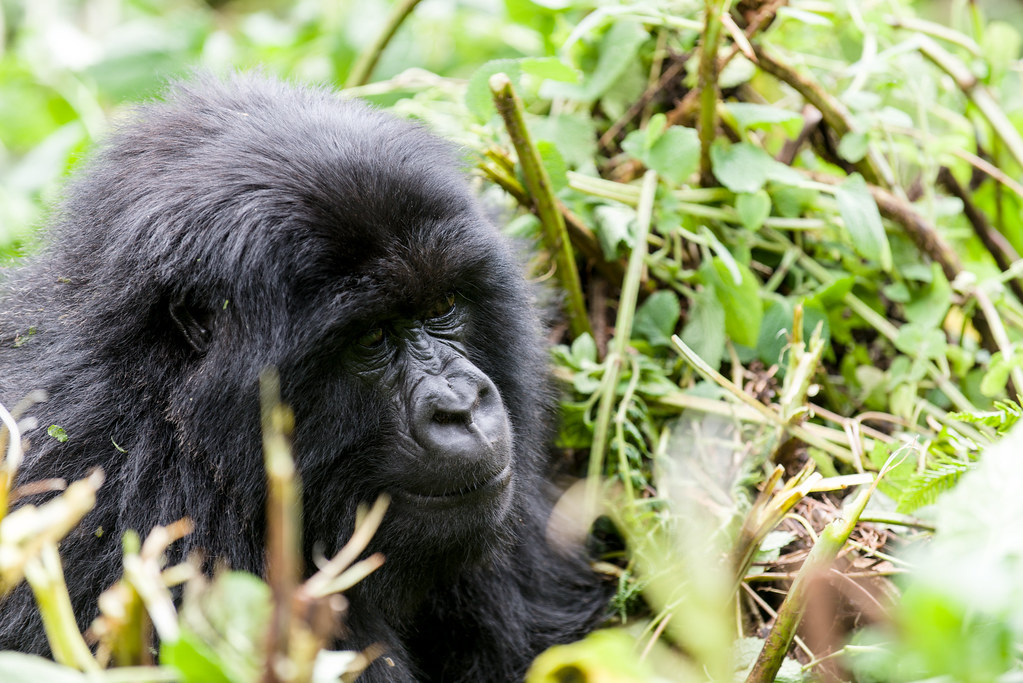
What is the typical weather like in Volcanoes National Park, Rwanda?
Volcanoes National Park in Rwanda has a tropical highland climate, which means that its weather is influenced by its elevation and location near the equator. The park experiences cool and temperate conditions throughout the year, as it lies at an altitude ranging from 2,400 to 4,500 meters (about 7,900 to 14,800 feet) above sea level.
Daytime temperatures in this park are generally mild to warm, averaging around 68°F to 77°F (20°C to 25°C). However, nights can feel much cooler, with temperatures dropping to around 41°F to 50°F (5°C to 10°C), especially in higher elevations. The park’s climate is also characterized by high humidity due to the rainforests and frequent precipitation.
Because of its location in the tropics, the region does not have sharply defined four seasons like some other parts of the world. Instead, the weather is shaped more by wet and dry periods. Rain can occur at any time, but it typically falls in the form of short, intense showers followed by sunny breaks.
The climate helps to sustain the lush tropical vegetation and diverse wildlife that the park is famous for, but the trails and terrain can often be muddy or wet due to the regular rainfall. Visitors can expect to experience a mixture of rain and sunshine during their time in the park.
What are the seasonal weather patterns in Volcanoes National Park?
Volcanoes National Park has two main rainy seasons and two dryer periods over the course of the year. These seasonal patterns are influenced by the park’s altitude and Rwanda’s near-equatorial location. Understanding these can help visitors plan their trips more effectively.
The long rainy season typically occurs from March to May. During this time, the park experiences heavy rains, and conditions are often very wet and muddy. Because of this, outdoor activities such as trekking can be more challenging. However, the landscape becomes even more green and lush due to the constant rainfall.
The short rainy season occurs toward the end of the year, specifically between October and December. Rainfall is still regular during this period, though it may not be as intense as in the long rainy months.
The drier periods are usually between June and September (the long dry season) and January to February (the short dry season). These months generally see lower levels of rainfall, making them more convenient for outdoor adventures. However, it is essential to note that even during the “dry seasons,” rain is still a possibility since the climate in this tropical region is quite unpredictable.
These patterns have a direct impact on wildlife behavior and vegetation growth. For example, the wet seasons can bring about an abundance of food for animals, while the drier months tend to provide better trail conditions for visitors.
When is the best time of year to visit the park based on weather conditions?
The best time to visit Volcanoes National Park is generally during the drier seasons, which are from June to September and January to February. During these months, rainfall is relatively lower compared to the rainy seasons, and trekking conditions are more favorable for activities like gorilla tracking and hiking. Visitors are less likely to encounter muddy trails, which can make navigating the mountainous terrain easier and more enjoyable. Additionally, views of the surrounding mountains and forests tend to be clearer when the rain is less frequent.
For those interested in seeing wildlife such as mountain gorillas, the drier seasons are often preferred because the animals are slightly easier to track and observe in these conditions. Muddy environments during the rainy season can make the trekking experience more strenuous, which is why many visitors opt for the drier months.
That said, the rainy periods, particularly between March and May, should not be dismissed completely. Some people prefer visiting during this time because the park’s dense vegetation is at its most vibrant, and there may be fewer tourists compared to the peak seasons. This can create a quieter and more peaceful experience.
Regardless of the time of year, it’s good to keep in mind that weather in the park is highly unpredictable due to its tropical and mountainous nature. Even during the dry seasons, brief rain showers can occur, so visitors should always come prepared with appropriate clothing and gear.
How do temperatures vary between day and night in the park?
In Volcanoes National Park, located in Rwanda, temperatures show a noticeable difference between day and night due to its elevation. The park sits at a high altitude, ranging between 2,400 meters (approximately 7,874 feet) and 4,507 meters (approximately 14,787 feet) above sea level.
During the day, temperatures are generally mild and comfortable. They often range from 15°C to 23°C (59°F to 73°F), depending on the season. The cooler daytime temperatures are due to the park’s elevation and its location near the equator, which balances warm rays from the sun with the altitude’s cooling effect.
At night and in the early morning, the temperatures drop significantly. It can get as low as 6°C to 10°C (43°F to 50°F), and on higher elevations like mountain peaks, it might get even colder. This substantial drop requires visitors to prepare with warmer clothing for nighttime or early hikes.
For example, if someone spends the day trekking to see mountain gorillas, they might feel warm during the hike but could experience cold temperatures later when resting in the evening or camping.
This difference between day and night happens because high-elevation locations lose heat faster after sunset, especially when skies are clear. Visitors should bring layers like a light shirt for the daytime and a jacket or fleece sweater for the colder hours.
How much rainfall does Volcanoes National Park receive annually?
Volcanoes National Park receives a significant amount of rainfall annually due to its location in the tropical highlands. The average annual rainfall is approximately 1,500 mm to 2,000 mm (59 to 79 inches), depending on the specific area within the park.
This rainfall plays an important role in maintaining the park’s lush vegetation, which serves as a habitat for its famous mountain gorillas and other wildlife. The rain also contributes to the forest’s biodiversity and supports a variety of unique plants and ecosystems.
Though the area experiences rain throughout the year, the intensity and frequency vary by season. The most rain typically falls during the March to May period, which is considered the long rainy season. There is also a shorter rainy season from October to November, but the rains are not as persistent.
For example, visitors planning trips during these wet months may encounter slippery trails and muddy conditions, requiring proper boots and rain gear. However, those who come in the drier months, like June to September, will likely find clearer skies and easier hiking paths.
The rainfall cycles support the park’s survival, but it requires visitors to plan carefully depending on their preferred experience.
Are there specific months with heavy rain or a dry season in the park?
Yes, Volcanoes National Park experiences specific months with heavy rain as well as drier periods. Understanding these patterns can help visitors plan their trips effectively.
The heaviest rains occur during the main rainy season from March to May. During this time, rainfall is frequent and sometimes intense, making trails muddy and more challenging for trekking. While these conditions might not suit everyone, the forest tends to be greener and more vibrant during this period.
The park also has a short rainy season in October and November. While there is rain, it is typically less consistent or heavy compared to the long rainy season.
On the other hand, June to September is the drier season. This is often the most popular time to visit the park because rainfall is minimal, and trails are easier to navigate. There is another relatively dry period in December to February, making these months another favored time for tourism.
For example, those coming to see the mountain gorillas usually prefer the drier months since the trekking conditions improve. Visitors should still be ready for occasional rain because the park’s tropical nature means weather can change quickly.
Pack waterproof clothing regardless of the season you visit, but prioritize visits during dry periods for better accessibility to hikes and exploration.
Does the park experience extreme weather conditions like storms or high humidity?
Volcanoes National Park in Rwanda generally has a mild, tropical highland climate due to its high altitude, so extreme weather conditions such as severe storms or oppressive high humidity are uncommon. However, the park is in a rainforest region, so it does experience regular heavy rains, especially during the two rainy seasons (March to May and September to November). Rainfall is typically intense but short-lived, meaning it comes down in bursts rather than all day long.
The humidity can be noticeable but is not considered extreme. It tends to feel higher during the rainy months, particularly when the ground is wet and plants and trees release moisture into the air. Even during the wettest periods, the temperatures remain relatively cool due to the altitude, which helps offset any discomfort from humidity. Thunderstorms can occasionally occur during the rainy season, but they are usually brief and not dangerous.
Because of its location near the equator, the park does not experience hurricanes, typhoons, or other tropical storms typically found in coastal regions. Additionally, the high terrain creates a relatively stable atmosphere, which helps prevent more dramatic or catastrophic weather events.
How does the weather affect wildlife, particularly the mountain gorillas, within the park?
The weather in Volcanoes National Park plays an important role in the behavior and movement of its wildlife, especially the mountain gorillas. During the rainy season, the abundant rainfall promotes dense growth of vegetation, providing plenty of food for the gorillas close to their resting areas. This means that the gorillas may move less during these months because the resources they need, such as fresh leaves, stems, and fruits, are abundant.
On the other hand, the constant rain can make the forest floor muddy and slippery, which might limit human access to observe the gorillas. However, the gorillas themselves are well-adapted to the environment and are not significantly disturbed by wet conditions. They often build nests on the ground or in trees and use the dense foliage for cover, providing natural protection from rain.
During the drier months, the gorillas are more likely to travel farther distances to find food as vegetation becomes sparser. This might make them harder to locate during treks. However, the cooler temperatures year-round mean the gorillas are generally comfortable no matter the season.
The overall mild climate ensures that the gorillas thrive throughout the year. Their activity is less affected by the temperature and more influenced by food availability, which is closely tied to rainfall patterns.
What type of clothing and gear should visitors bring to prepare for the park’s weather?
Visitors to Volcanoes National Park should prepare for a combination of cool, wet, and sometimes muddy conditions, regardless of the time of year. Since the park is located in a high-altitude rainforest, layered, waterproof, and durable clothing is essential.
Here are some key recommendations:
- Waterproof jacket or poncho: A lightweight, weatherproof jacket is vital to protect against rain showers, which can be frequent and unpredictable.
- Hiking boots: Sturdy, waterproof footwear with good grip will help tackle the muddy, slippery paths, especially during the rainy season.
- Long-sleeved clothing and pants: These provide protection not only from cooler temperatures but also from insects, thorny plants, and sun exposure.
- Gloves: Thin gloves can protect your hands when grabbing branches for balance during trekking.
- Gaiters: These protective coverings will help keep mud and water out of your shoes when hiking through wet terrain.
- Moisture-wicking base layers: To stay dry and comfortable, opt for quick-drying shirts and pants, especially if you sweat or get caught in the rain.
- Hat and sunscreen: Even in a cooler climate, UV exposure is still possible due to the altitude, so a wide-brimmed hat and strong sunscreen are recommended.
- Daypack: A small, waterproof or water-resistant backpack is useful for carrying snacks, water, a camera, a first-aid kit, and other essentials.
- Reusable water bottle: Staying hydrated is crucial, particularly at high altitudes that can cause mild dehydration.
Visitors should use proper trekking equipment if climbing or hiking during their visit. Even during dry periods, rain can fall unexpectedly, and trails can become slippery quickly. Being prepared with the right clothing and gear ensures a more pleasant and safe experience.
Is hiking or trekking affected by weather conditions in Volcanoes National Park?
Hiking and trekking in Volcanoes National Park, especially for those visiting the famous mountain gorillas, can be significantly influenced by the weather.
The park has two main seasons: a wet (rainy) season and a dry season. Each impacts trekking conditions. During the rainy season, the trails tend to become muddy and slippery, making hiking more physically demanding. You’ll need sturdy boots with good grip, as the steep and uneven paths through the dense forest become more difficult to navigate. Rivers and streams along the trails may swell, adding more care and time to the trek. Wet weather also means heavier clothing and gear to stay dry and warm.
During the dry season, trekking is generally easier as trails are less muddy, and there’s less risk of slipping. However, even in this season, rain can occur occasionally since the park is in a tropical region. The drier ground in this period allows for quicker hikes, giving a more enjoyable experience.
Weather also affects visibility. During rainy days, mist and low clouds may obstruct the scenic views of the park’s landscape. On clearer days, particularly in the dry season, visibility improves, allowing hikers to enjoy stunning views of the Volcanic Mountains and surroundings.
Rain impacts gorilla trekking as well. Gorillas may move to lower altitudes during heavy rain, shortening or lengthening a trek depending on where they’re located. Guides and park rangers adapt treks based on the animals’ movements, so every group gets the best chance to locate them.
In summary, while weather does affect trekking conditions, with the right preparation, proper footwear, rain gear, and physical readiness, visits are still manageable year-round. Tour operators and guides are experienced in adjusting plans to ensure safety and comfort.
Are there any weather-related safety risks when visiting the park?
Yes, weather in Volcanoes National Park can pose some safety risks, especially due to its tropical climate and mountainous terrain. Visitors need to be cautious and prepare appropriately to reduce potential dangers.
One concern is slippery trails, particularly during the rainy season. The combination of steep inclines, wet soil, and tree roots can make paths treacherous. Falls or injuries are more likely in such conditions, so proper hiking boots with good traction are recommended to minimize these risks.
Sudden rain showers or thunderstorms can occur, making it essential to carry rain gear even if you’re visiting in the dry season. Hikers and trekkers may feel cold and uncomfortable when they stay wet for long periods, particularly at higher altitudes where temperatures tend to drop. Hypothermia could be a risk if visitors are unprepared for these conditions.
The park’s high humidity levels often make activities physically demanding. This can lead to dehydration, so visitors should drink plenty of water before and during their trek. Altitude sickness is another potential safety issue because the park lies at 2,400 to 4,500 meters above sea level. Visitors may experience symptoms like dizziness, nausea, or shortness of breath, particularly if they are not accustomed to high altitudes. Taking time to acclimatize and walking at a slow pace can help.
Finally, flash floods in the rainy season may occur in certain areas, especially near the base of mountains or close to rivers. Guides are trained to avoid these risk zones and always prioritize visitor safety.
By following advice from experienced guides, wearing weather-appropriate clothing, and moving at a steady pace, visitors can navigate these weather-related challenges with confidence.
How does the altitude of the park impact its weather and visitor experience?
Volcanoes National Park is situated at a high altitude, ranging from about 2,400 meters (7,900 feet) to 4,500 meters (14,800 feet). This elevation has a significant impact on its weather and on how visitors experience the park.
First, the high altitude means that temperatures are generally cooler than in lower-lying areas of Rwanda. Daytime temperatures usually range from 10 to 20 degrees Celsius (50 to 68 degrees Fahrenheit). At night, it can get much colder, sometimes dropping to near freezing, especially in the higher areas of the park. Visitors will need warm clothing for early morning treks, as the chilly temperatures can be uncomfortable.
The altitude also contributes to the frequent presence of mist and rain in the park, particularly because of the surrounding volcanic mountains. Higher elevations attract clouds, making precipitation common even in the dry season. This wet environment supports the dense vegetation and provides a habitat for diverse wildlife, including the famous mountain gorillas.
For visitors, one common issue of being at high altitude is altitude sickness. Symptoms can include nausea, fatigue, dizziness, and shortness of breath, especially when trekking or engaging in physical activity. People who are not acclimated to higher altitudes may feel these effects more strongly. To reduce risks, it’s helpful to arrive a day or two early in the region to adjust gradually. Walking at a slower pace and staying hydrated also helps.
Overall, altitude shapes both the weather and the visitor experience. While it requires some preparation, the unique climate and environment create the stunning atmosphere and lush biodiversity that make the park such a special destination.
How To Book Your Safari in Rwanda
Wondering about the weather in Volcanoes National Park, Rwanda? This article has covered the ‘what,’ ‘how,’ and ‘why’ of the park’s climate, helping you understand the best times to visit and prepare for your adventure. Ready to explore this amazing destination? Let one of the trusted Rwanda Safari Companies help you plan the perfect trip! They’ll ensure your safari is tailored to match the park’s unique weather, making your experience nothing short of perfect. Start your journey today!
For the full picture, see our guide to the best things to do in Volcanoes National Park.
Discover Five Volcanoes Hotel Musanze
Five Volcanoes Hotel Musanze is a luxury boutique hotel located near Volcanoes National Park in Musanze, Rwanda. Known for its accessibility to gorilla trekking in Rwanda, the hotel provides comfortable accommodations and modern amenities, including a pool, spa, and restaurant. It serves as an excellent base for exploring Rwanda safaris, visiting the park for mountain gorilla encounters, or hiking the Virunga Volcanoes. Guests enjoy stunning views and personalized service, making it a top choice for travelers seeking both relaxation and adventure in the heart of Rwanda’s natural beauty.
Where is Five Volcanoes Hotel Musanze located?
The Five Volcanoes Hotel Musanze is located in Musanze, a district within the Northern Province of Rwanda. It sits on the outskirts of the Volcanoes National Park, one of Rwanda’s premier natural attractions. The hotel’s location makes it a convenient base for visitors wanting to explore the park, which is home to the famous endangered mountain gorillas.
Musanze is approximately 2-3 hours by road from Kigali, Rwanda’s capital city. The drive leading to the hotel takes you through scenic landscapes, including rolling hills and green fields, symbolic of Rwanda’s nickname, the “Land of a Thousand Hills.” This proximity to Volcanoes National Park makes it an excellent choice for travelers looking to take part in gorilla trekking and other wildlife activities in the region.
The location is also close to other points of interest such as the Iby’Iwacu Cultural Village, where visitors can learn more about traditional Rwandan life and culture, and the Musanze Caves, which are geological wonders with historical significance. Whether you’re there for nature, wildlife, or cultural exploration, the hotel is perfectly situated for an enriching stay.
What type of accommodations does the hotel offer?
The Five Volcanoes Hotel Musanze offers luxurious accommodations suited for travelers seeking comfort and relaxation after outdoor adventures. The hotel features a mix of modern rooms and private cottages, ensuring that there is an option for different group sizes and preferences.
The standard rooms are ideal for solo travelers or couples. They are stylishly decorated with modern furnishings and include ensuite bathrooms, comfortable beds, and amenities like flat-screen televisions and Wi-Fi.
For those looking for a more private experience, the cottages are a great choice. These cottages provide added space and privacy, making them suitable for families or small groups. Some cottages include living areas and outdoor seating, allowing guests to enjoy views of the lush surroundings.
The accommodations are characterized by a blend of modern comforts and a warm, vibrant design inspired by Rwandan culture. Guests can expect features like air conditioning, mini-fridges, and ample storage space for luggage or gorilla trekking gear. Whether you’re staying for just one night or an extended period, the accommodations are designed to offer relaxation and convenience.
What amenities and services are provided at Five Volcanoes Hotel?
The Five Volcanoes Hotel offers a wide variety of amenities and services designed to cater to the diverse needs of its guests.
One of the standout amenities is the outdoor swimming pool, a perfect spot to relax after a long day of trekking or exploring. Visitors can enjoy the poolside loungers and take in the tranquil surroundings.
The hotel also features a well-maintained garden area, where guests can take walks or simply unwind amid the greenery.
For dining, a restaurant on-site serves both local and international cuisine, focusing on fresh and high-quality ingredients. Guests can enjoy their meals in the cozy dining area or take advantage of the outdoor seating options, which offer views of the natural environment around the hotel.
Wi-Fi is available throughout the property, ensuring that guests can stay connected during their stay. The hotel also provides laundry services, which can be especially useful for travelers returning from activities like gorilla trekking or hiking.
One notable service is the tour assistance and organization that the hotel provides. The staff can help arrange activities like gorilla trekking permits, guided tours, and other excursions in the area.
Additionally, there is a spa area where guests can relax and rejuvenate after engaging in physically demanding outdoor adventures. Overall, the hotel creates a comfortable and supportive base for exploring the richness of the Northern Province.
How far is the hotel from Volcanoes National Park?
Five Volcanoes Hotel Musanze is located only about 3 kilometers (approximately 1.8 miles) from Volcanoes National Park. This means that the hotel is extremely close to one of Rwanda’s most famous natural attractions, making it highly convenient for travelers wanting to explore the park.
To give you some context, Volcanoes National Park is renowned for its population of mountain gorillas and the golden monkeys. Visitors to the park often participate in guided gorilla trekking or explore the picturesque trails through the forest. This proximity means guests at the hotel don’t have to worry about traveling long distances early in the morning to make it to their scheduled treks or other activities inside the park.
For ease of comparison, a typical drive from the hotel to the park entrance would take about 10 minutes or less, depending on traffic or road conditions. This convenience makes the Five Volcanoes Hotel a great choice for anyone prioritizing quick access to the park.
What activities or excursions can guests enjoy while staying at the hotel?
Guests staying at Five Volcanoes Hotel can enjoy a variety of activities and excursions in and around the area. The most popular activity is gorilla trekking at Volcanoes National Park, where visitors get the rare opportunity to observe mountain gorillas in their natural habitat. Trekking permits need to be secured in advance, and experienced guides accompany groups to ensure the safety of both the guests and the gorillas.
Another popular activity is trekking to see golden monkeys, another highly unique primate species found in the park. These treks are often easier and shorter in duration compared to gorilla trekking, making them a good choice for guests with less physical stamina.
For those interested in hiking or mountain climbing, there is the option to scale the volcanoes in the park, such as Mount Bisoke or Mount Karisimbi. These hikes range in difficulty, so both beginners and experienced climbers have options. The area also offers cultural activities, including visits to Iby’Iwacu Cultural Village, where guests can learn about the traditions and way of life in Rwanda.
Another must-see attraction nearby is the Dian Fossey Grave Site, which includes a visit to her research center. This excursion is both educational and a tribute to her groundbreaking work on gorilla conservation.
More relaxed options, like local village tours, birdwatching, or exploring Lake Burera and Lake Ruhondo, are available for guests who prefer less physically demanding outings.
Is the hotel suitable for families, couples, or solo travelers?
Five Volcanoes Hotel Musanze is designed to accommodate a wide range of guests, making it suitable for families, couples, and solo travelers.
For families, the hotel offers comfortable and spacious accommodations where parents and children can stay together. The proximity to Volcanoes National Park and the variety of activities, including shorter treks like golden monkey sightings or cultural visits, make it family-friendly. Children may also enjoy time at the hotel’s swimming pool, which is a great space for relaxation after a day of exploring.
Couples often find the hotel a romantic getaway due to its exclusive and serene environment. The mountain views, quiet atmosphere, and activities like gorilla trekking or nature hikes can create unforgettable shared memories. The hotel also offers premium services such as private dining spaces, massages, and comfortable surroundings for a romantic escape.
For solo travelers, the hotel provides a secure and welcoming environment with a strong focus on personalized service. Solo guests commonly visit for the experience of connecting with nature through activities like solo hiking, gorilla trekking, or enjoying quiet moments surrounded by the serene landscapes.
Whether traveling with family, as a couple, or alone, the hotel caters to individual preferences and interests with a combination of well-thought-out accommodations and local activities.
How does the hotel incorporate the local culture into its design and experience?
Five Volcanoes Hotel integrates Rwandan culture into its design and guest experiences by using a variety of features that reflect the region’s traditions, style, and natural environment. For example, the architecture and interior design incorporate local materials and craftsmanship, such as stone, wood, and woven items that pay homage to traditional Rwandan art and rural aesthetics. Guests might notice locally crafted furniture and decor, including intricate patterns and textiles that are characteristic of Rwanda.
The hotel may also offer opportunities for guests to learn about Rwandan culture firsthand. This could include interactions with the local community, whether through organized visits to nearby villages or events at the property itself, like traditional music and dance performances. These provide a chance for guests to see local traditions in a relaxed setting. Storytelling sessions or workshops on crafts such as basket weaving may further immerse visitors in the cultural heritage of the region.
The menu at the property might also feature dishes that highlight Rwandan cuisine, allowing guests to explore the flavors and ingredients that are unique to the area. Overall, the emphasis on cultural authenticity helps create a meaningful connection between visitors and the local way of life.
What dining options are available at the hotel?
At Five Volcanoes Hotel, guests can enjoy diverse dining options designed to cater to a wide range of tastes. They’ll find a restaurant onsite that serves meals in a comfortable and stylish setting. The menu typically includes a combination of Rwandan dishes and international cuisine, so guests can experience something familiar or explore new flavors during their stay.
For example, guests may find fresh local produce, such as bananas, plantains, beans, and sweet potatoes, as the basis for traditional Rwandan dishes. These could include meals like isombe (cassava leaves prepared with peanut butter) or grilled brochettes (meat skewers), enriched by the country’s use of aromatic spices. Simultaneously, international classics and comfort foods are likely to be offered for those seeking different options.
The hotel may also provide the option for indoor and outdoor dining. Guests could enjoy their meal while looking out over the lush surroundings or relaxing by the poolside. Customizations, like dietary accommodations, are often available upon request to meet specific needs. For special occasions or romantic evenings, arrangements for private dinners may also be possible.
Are there wellness or spa services provided at Five Volcanoes Hotel?
Yes, Five Volcanoes Hotel offers wellness and spa services to help guests relax and rejuvenate during their stay. Facilities may include a dedicated spa area where trained professionals provide massages, facials, and other treatments. These services are designed to promote relaxation, reduce stress, and enhance the overall experience for travelers who may want a bit of pampering.
Massage services could range from classic full-body massages to techniques inspired by local Rwandan traditions, offering both physical relief and a sense of cultural connection. Aromatic oils or herbal treatments might be used as part of the therapies, incorporating natural ingredients found in the region.
In addition to bespoke treatments, the hotel is likely to offer areas for tranquil relaxation, such as a pool or steam room. Guests might also have access to a gym or fitness center to maintain their health routines while traveling.
These wellness amenities contribute to a serene environment, ensuring visitors leave not only invigorated but also with a deeper appreciation for the balance between nature and personal care often celebrated in Rwanda.
What do reviews and guest feedback say about staying at this hotel?
Reviews for Five Volcanoes Hotel Musanze are generally positive, with many guests highlighting the hotel’s excellent service, comfortable accommodations, and proximity to Volcanoes National Park as standout features. Guests often mention the friendly and attentive staff who go out of their way to provide a warm and welcoming atmosphere. Travelers appreciate how the staff are helpful in coordinating activities such as gorilla trekking or visits to the Golden Monkeys.
Another detail often mentioned in reviews is the cleanliness and comfort of the rooms. Guests comment on the spacious rooms, modern amenities, and well-maintained facilities. Features like a cozy lounge area, the outdoor pool, and relaxing garden space receive praise for creating a tranquil ambiance after a day of exploring the area.
Food also frequently gets positive feedback. Many visitors commend the onsite dining options for offering both local Rwandan dishes and international cuisine. Staff are also noted for accommodating dietary preferences.
A recurring theme in reviews is the hotel’s location being ideal for nature lovers. Guests enjoy waking up to views of the nearby lush hills and mountains that surround the property. Proximity to Volcanoes National Park makes it convenient for those embarking on early-morning activities like gorilla trekking.
While reviews are largely favorable, some guests have mentioned that certain rooms may feel basic for the price point. There are also occasional comments about needing more dining options locally within walking distance. Despite these minor critiques, most visitors leave overwhelmingly positive feedback, recommending the hotel for its comfort, service, and position within the Musanze area.
How does the hotel support sustainable tourism and conservation efforts?
The Five Volcanoes Hotel Musanze actively contributes to sustainable tourism and conservation in several key ways. First and foremost, the hotel partners closely with local initiatives aimed at protecting the rare species in Volcanoes National Park, particularly the mountain gorillas. A portion of bookings and activities organized by the hotel help support efforts related to gorilla conservation.
Additionally, the hotel emphasizes employing local staff, which helps generate employment opportunities and builds a long-term impact on the community’s economy. Many of the hotel’s employees are from Musanze and nearby areas, which strengthens ties between the hotel and local residents. This also ensures that tourism dollars stay within the local economy rather than primarily benefitting outside companies.
The hotel often collaborates with local artisans and suppliers for decor and food supplies. By sourcing items like furniture, artwork, fresh produce, and more from the surrounding area, Five Volcanoes Hotel Musanze reduces the environmental impact associated with long-distance transportation and supports small-scale Rwandan businesses.
Another noteworthy effort is the promotion of awareness regarding the importance of conservation among travelers. Through guides and educational opportunities like cultural tours and park experiences, visitors are more likely to leave the destination with a better appreciation of conservation needs.
Lastly, the hotel incorporates eco-friendly measures, including water conservation systems and waste reduction practices. These measures align with global goals of sustainable tourism while addressing local community concerns. Guests are often encouraged to participate in this sustainable mission through actions like recycling.
What is the cost range for staying at Five Volcanoes Hotel Musanze?
Staying at the Five Volcanoes Hotel Musanze can vary in cost depending on factors such as the season, room type, and additional services or packages offered. On average, the nightly rate typically ranges between $200 to $400 per night for a standard room. Prices may be higher during peak travel seasons such as the dry months (June to September and December to February) when guests book trips for gorilla trekking and other popular activities at Volcanoes National Park.
Special packages that include tailored experiences like gorilla permits or luxury stay upgrades may push the price higher, sometimes closer to the $500 to $700 range per night. Rooms offering more space, scenic views, or additional amenities often fall on the higher end of the scale.
There may also be discounts or promotional rates during low seasons, such as between March and May, when fewer tourists travel due to the higher likelihood of rain. These rates can reduce the cost significantly, making it more budget-friendly.
The price often includes meals, basic amenities, and access to facilities such as the pool and lounge areas. However, activities like guided experiences or gorilla trekking permits are not typically included in the standard room rate, with permits costing an additional $1,500 per person in Rwanda.
For budget planning, it’s wise to factor in not just the accommodation price but also extra costs for excursions, tips, and transportation. Whether looking for a standard room or luxury stay, the Five Volcanoes Hotel caters to a range of budgets, though it generally falls in the mid to luxury price category.
How To Book Your Safari in Rwanda
Ready to plan your getaway to the stunning “Five Volcanoes Hotel Musanze”? This article covered everything you need, what makes the hotel unique, why it’s the perfect base for gorilla trekking, and how to enjoy your stay in the heart of Rwanda’s beauty. To make your dream safari a reality, connect with trusted Rwanda Safari Companies for tailored experiences and seamless bookings. Start your adventure today!
For the full picture, see our guide to the best things to do in Volcanoes National Park.