
Lope National Park Gabon
Lope National Park Gabon, a UNESCO World Heritage Site, is renowned for its diverse ecosystems combining dense rainforests and expansive savannas. Located in central Gabon, it is home to rich wildlife, including forest elephants, buffalo, and mandrills, along with over 400 bird species. Visitors can explore its prehistoric rock carvings, enjoy guided wildlife tours, or engage in unique ecotourism activities. Its conservation efforts complement attractions in East Africa such as Rwanda safaris, including gorilla trekking in Rwanda within Volcanoes National Park. Lope National Park offers an exceptional wildlife experience highlighting Central Africa’s biodiversity.
Where is Lope National Park located in Gabon?
Lope National Park is located in the central-western region of Gabon, in the heart of Africa. Gabon is a country situated on the western coast of Central Africa, bordered by the Atlantic Ocean. The park itself lies in the Ogooué-Ivindo Province, and it covers an area of approximately 4,910 square kilometers.
Its location is along the Ogooué River, a major river in Gabon that provides water and life to the region. This area is significant because it forms the meeting point between tropical rainforests and savannahs, creating a very diverse and rich ecological zone. From Gabon’s capital city, Libreville, the park can be reached by train via the Trans-Gabon Railway, making it somewhat accessible for visitors and researchers. Lope National Park also sits just north of the Equator, placing it in a climate suitable for year-round greenery and wildlife.
If you were looking at a map, you would see that Lope National Park is almost in the middle of Gabon, slightly leaning toward the west. It’s in a great position for anyone visiting the interior regions of Gabon because it is surrounded by a mix of natural and human-influenced landscapes.
What makes Lope National Park significant or unique?
One of the key things that makes Lope National Park significant is that it serves as a biodiversity hotspot. The park contains a rare mix of ancient tropical rainforests and open savannahs, which is unique for this part of the world. This combination allows it to host a variety of plant and animal species not often found together in one place.
The park is particularly important because it acts as a protective refuge for endangered species, including certain primates like the lowland gorilla and mandrills, which are some of the largest monkeys in the world. The mandrills, in particular, are famous for their large, colorful groups, sometimes numbering in the hundreds, offering a rare spectacle for wildlife enthusiasts.
Lope’s historical significance also stands out. The park contains archaeological evidence of human settlement dating back over 400,000 years. Ancient tools and other findings show that humans have existed in this region for an incredibly long time. It’s believed that parts of the park were once grasslands during the last Ice Age, which allowed early humans to thrive in this area.
Finally, it is one of the first places in Gabon to be designated as a national park (in 2002), showcasing the country’s commitment to conservation and its natural heritage. Its recognition as a UNESCO World Heritage Site further highlights its global importance.
What types of ecosystems and landscapes can be found in the park?
Lope National Park boasts a mix of ecosystems and landscapes that are both diverse and stunning. A large portion of the park is covered by thick, lush tropical rainforests, which are home to a variety of trees, plants, and unique animals. These rainforests are part of the larger Congo Basin, the second-largest tropical rainforest in the world after the Amazon.
However, what sets Lope apart from many other parks is its open savannah plains, which are dotted with tall grasses and sparse trees. These savannahs are believed to have survived from the last Ice Age, making them very rare in Central Africa, where tropical forests dominate most regions. Travelers and researchers enjoy seeing the contrast between these fields of grassland and the dense forests nearby.
The park also features the Ogooué River, one of Gabon’s major rivers, which provides water to its ecosystems. Along the riverbanks, there are wetland areas and patches of forest, making them ideal spots for birdwatching and for observing other animals drawn to the water.
In many places, the park also has hilly terrains and rocky outcrops, offering dramatic views of the surrounding areas. Combined with patches of gallery forests (forests along riverbanks), the landscape of Lope National Park feels varied and constantly changing, which is a big attraction for both researchers and visitors who enjoy discovering new environments.
Which species of wildlife are commonly found in Lope National Park?
Lope National Park is home to a wide variety of wildlife species, making it one of the most important conservation areas in Central Africa. The park supports both forest species (from the tropical rainforests) and savanna species, creating a unique overlap of animals that thrive in these two distinct environments.
One of the standout species in the park is the western lowland gorilla, a critically endangered great ape. These gorillas are notable for their size, intelligence, and social structures. Visitors might also encounter chimpanzees, another great ape species that shares incredible similarities with humans. Both species heavily depend on the forested areas of the park.
The park also boasts a large population of forest elephants, which are smaller and more elusive than their savanna counterparts. These elephants are important for maintaining the ecosystem as their movements help spread seeds and shape the forest.
Other mammals commonly found in Lope National Park include leopards, buffalo, and several monkey species such as the mandrill, which is famous for its bright, colorful face.
The park is also home to hog species like the red river hog, along with smaller animals such as porcupines and pangolins. For bird enthusiasts, Lope National Park hosts hundreds of bird species like the African grey parrot and hornbills. The diversity of wildlife reflects the combination of forest and savanna habitats within the park.
What is the historical and cultural importance of the park?
Lope National Park’s significance isn’t limited to its natural environment, it also has deep historical and cultural roots. The area holds traces of human history stretching back thousands of years. Archaeological discoveries have shown evidence of ancient human settlement, tools, and activity, offering a glimpse into the lives of people who lived there long before modern times.
The park contains remnants of stone tools and rock carvings that date back to prehistoric cultures, specifically from the Late Paleolithic period. These artifacts suggest that Lope was once a hub for early human activity. This long human history provides researchers with an important look into the relationship between humans and the environment over time.
There is also strong cultural significance tied to local Bantu-speaking communities, who have lived in this region for generations. Their traditional ways of life, including hunting, fishing, and storytelling, are closely connected to the land and wildlife of the park. Oral histories and knowledge have been passed down, helping preserve the cultural connection between communities and nature.
For both its cultural history and ongoing indigenous traditions, Lope National Park offers far more than a wildlife haven. It serves as a living record where ancient human history intersects with cultural heritage and natural biodiversity.
Is Lope National Park a UNESCO World Heritage Site, and why?
Yes, Lope National Park is recognized as a UNESCO World Heritage Site. It received this designation in 2007 because of its exceptional combination of natural and cultural significance.
One of the main reasons the park earned this prestigious status is due to the diversity of its ecosystems. The park contains a rare mix of savanna and rainforest environments, which support an incredible range of animals and plants, including endangered species like gorillas and elephants. This overlapping of ecosystems creates one of the most biodiverse areas in the region.
Another reason for its UNESCO designation is the park’s archaeological significance. Ancient artifacts, such as stone tools and rock engravings, have been found in the area, providing evidence of early human inhabitation that dates back tens of thousands of years. These findings make Lope both a natural treasure and a site of great global historical importance.
Additionally, the park’s intact ecosystems play a crucial role in global conservation efforts, helping to protect species that are threatened by habitat loss and poaching elsewhere in Africa.
UNESCO recognizes Lope National Park as a site where both cultural heritage and natural beauty come together, making it a place of universal significance for humanity.
What activities and experiences can visitors enjoy in Lope National Park?
Visitors to Lope National Park can engage in activities that allow them to appreciate its natural beauty and biodiversity. One of the most popular activities is wildlife observation tours, which are often guided by experts familiar with the park’s environment and animal behavior. During these tours, visitors can spot animals like forest elephants, mandrills (a type of monkey with colorful faces), buffalo, and various bird species. These outings are typically conducted on foot, in vehicles, or sometimes even by riverboats depending on the terrain.
Birdwatching is a favorite activity, as the park is home to hundreds of bird species. With a pair of binoculars, visitors can marvel at exotic birds ranging from brightly colored parrots to soaring eagles.
Another common activity is hiking along designated trails. Some trails provide views of the park’s unique combination of forest and savanna landscapes, so you can enjoy the contrasts of dense greenery and wide-open grasslands. Guided treks may even include visits to archaeological sites where ancient tools and rock carvings can be observed. These findings give insights into early human habitation in the area.
Additionally, there’s an opportunity to take boat trips along the Ogooué River, which cuts through the park. These boat rides often provide a different perspective of the park, offering visitors the chance to observe animals coming to the riverbanks to drink while enjoying the serene surroundings.
For those looking to deepen their understanding of the environment, visitors can spend time learning about the cultural and ecological background of the park by visiting local research stations or interacting with guides who share the importance of preserving this critical ecosystem.
Lastly, photography is a big draw, as the park offers a blend of stunning scenery and wildlife that’s perfect for capturing memories.
How accessible is the park, and what is the best way to get there?
Getting to Lope National Park takes some planning, but it is manageable for eager travelers. The park is located in central Gabon, and the nearest major city is Libreville, the country’s capital. Libreville is often the starting point for most visitors.
By train: One of the most common ways to reach the park is by taking a train. Gabon has a reliable railway system, and the Trans-Gabon Railway runs from Libreville to a station near Lope National Park. The train ride is approximately 5 to 6 hours long, offering scenic views of Gabon’s natural surroundings. The train station where visitors disembark is close to the park, making it relatively convenient.
By road: For those who prefer driving, roads also connect Libreville to the park. However, road conditions can vary, with some stretches being unpaved or challenging, especially during the rainy season. A 4×4 vehicle is usually recommended for making the trip. Hiring a professional driver might be the safest option if visitors are unfamiliar with the area.
By air: Another option is flying to the park. There are small regional flights available to interior airports or airstrips near the park, but this method may require advance planning as flights can be less frequent and more expensive.
Once inside the park, guided tours often provide transport within the protected area, whether by jeep, riverboat, or on foot. It’s worth coordinating with local tour operators or lodges ahead of time to ensure smooth transportation.
What conservation efforts are being undertaken to protect the park’s biodiversity?
Conserving Lope National Park is a key focus for Gabon and international organizations. The park contains a blend of rainforests and savannas and is home to diverse animal and plant species, some of which are endangered. Protecting this biodiversity involves several strategies.
One major effort is anti-poaching patrols. Rangers and law enforcement groups actively monitor the park to prevent illegal hunting of animals like forest elephants and gorillas. These animals are at risk due to demand for ivory or bushmeat. The presence of rangers helps deter any illegal activity and preserve animal populations.
Collaborative research projects are also a key part of conservation efforts. International and local scientists work together to study the behavior, habitats, and populations of species in the park. For example, researchers track the movements of mandrills using GPS collars to better understand how they live and migrate through the forest. This data supports decisions on how to protect important areas of the park.
Efforts are underway to educate local communities about the importance of conserving the park. Community engagement programs aim to teach people living nearby about sustainable practices. By working with locals, conservation teams hope to reduce harmful activities, like deforestation or overfishing, that occur around the park’s borders.
Ecotourism has also become a conservation tool. Portions of the income generated from visitor activities are reinvested into protecting the park. Tourists contribute by both learning about the local environment and supporting these efforts financially.
Lastly, partnerships with international organizations like UNESCO or World Wildlife Fund (WWF) assist with funding and long-term projects. Together, these organizations offer expertise and resources to ensure the park’s ecosystems stay healthy for future generations.
Are there any threats or challenges facing the park and its environment?
Lope National Park faces several threats and challenges that could harm its ecosystems and biodiversity. One major issue is deforestation. Illegal logging activities and land clearance can lead to the destruction of forests, which are home to many species. For example, clearing trees to make way for agriculture reduces the habitats available for endangered animals like gorillas and forest elephants.
Another challenge involves poaching. Some hunters illegally hunt animals such as elephants for their ivory or other wildlife for bushmeat. This not only decreases animal populations but disrupts the balance of the park’s ecosystem.
Climate change is another threat that can alter the environment of Lope National Park. Rising temperatures or changing rainfall patterns can have devastating effects on forests, rivers, and wildlife. For instance, reduced rainfall could dry up water sources that animals depend on for survival.
Mining activities near the park also cause problems. Mining often leads to pollution in rivers and the environment, threatening both plant and animal species living near those areas. Ineffective regulation and enforcement can make it difficult to control this damage.
While conservation efforts are in place, limited resources can hinder their success. For instance, not having enough funding or staff can make it challenging to monitor and protect the park effectively.
Lastly, human-wildlife conflict occurs when animals like elephants wander into nearby communities, damaging crops or property. This can create tension between local communities and conservation efforts.
Addressing these issues requires increased funding, stronger law enforcement, and collaboration between the government, conservation groups, and local communities to safeguard the park’s future.
What role does the park play in Gabon’s eco-tourism industry?
Lope National Park plays an important role in Gabon’s eco-tourism industry, attracting visitors eager to explore its rich biodiversity and beautiful landscapes. It serves as a major destination for travelers who want to experience unique African wildlife, such as forest elephants, chimpanzees, and mandrills, in their natural setting.
The park contributes to economic growth by generating income through eco-tourism. Visitors pay for activities including wildlife safaris, birdwatching, and guided nature walks. These funds can be used to support conservation efforts and maintain the infrastructure needed to manage the park. For instance, proceeds can go toward hiring park rangers, building tourist lodges, or creating awareness campaigns about protecting endangered species.
Eco-tourism in Lope National Park also creates job opportunities for local communities. Residents can work as guides, drivers, or staff at park accommodations. This helps provide an alternative livelihood to activities like logging or hunting, which can harm the environment.
The park helps to raise international awareness about Gabon as a leader in nature preservation. Gabon is a country that has set aside over 10% of its land for national parks, showing its commitment to protecting the environment. This reputation as an eco-tourism hub benefits not only Lope National Park but the country as a whole, attracting environmentally conscious tourists.
By promoting sustainable tourism, Lope National Park ensures that its natural resources are enjoyed while being preserved for future generations. That said, challenges like poaching and illegal logging still present obstacles, and balancing tourism with conservation is always a priority.
Are guided tours or accommodations available for visitors within or near the park?
Yes, guided tours and accommodations are available for visitors to Lope National Park. Guided tours play a key role in helping travelers explore the region safely while learning about its unique plants, animals, and history. Local guides bring a wealth of knowledge, pointing out hidden wildlife like forest elephants or rare birds that visitors might miss on their own. These tours also help visitors understand the importance of conservation efforts in the park.
Guided tours often include activities like wildlife safaris, where you can ride through the park to observe animals in their natural habitat. Some tours focus on specific interests like birdwatching or tracking mandrills. Riverboat trips along the Ogooué River are another popular option, offering a different perspective of the park’s beauty.
When it comes to accommodations, Lope Hotel is the primary lodging option near the park. It provides comfortable rooms and easy access to the park’s attractions. The hotel offers tours and is an excellent base for travelers hoping to explore the area. For a more adventurous experience, there are basic camping opportunities within the park’s boundaries, allowing visitors to be closer to nature.
Having accommodations like these ensures that more people can visit and enjoy the park while supporting efforts to promote sustainable tourism. However, visitors should consider that Lope National Park is in a remote location, so accommodations may be limited compared to urban areas.
Before visiting, it’s highly recommended to book tours or lodging in advance to ensure availability, particularly during peak travel seasons. This helps ensure a smoother experience and supports the park’s tourism infrastructure.
How To Book Your Safari in Rwanda
We’ve answered the key questions about Lope National Park in Gabon: what makes it special, how to explore its breathtaking wildlife, and why it’s perfect for nature lovers. Ready to experience this unforgettable adventure? Connect with the best Rwanda Safari Companies to plan your trip effortlessly. They’ll guide you every step of the way, ensuring your journey to Lope National Park is seamless and memorable. Don’t miss the chance to create your ideal safari today!
Burundi Safaris
Burundi Safaris offer a unique opportunity to explore Rusizi National Park, known for its hippos and diverse bird species, and Kibira National Park, home to lush forests and primates. While smaller than neighboring destinations, Burundi complements Rwanda safaris with its distinct cultural and natural attractions. Travelers can combine their trip with gorilla trekking in Rwanda at the nearby Volcanoes National Park, creating a diverse wildlife and cultural experience in the region.
What is a Burundi Safari and what makes it unique compared to other African safari experiences?
A Burundi safari refers to a wildlife or cultural exploration that takes place in Burundi, a small, landlocked country in East Africa. While Burundi might not be as globally known as larger safari destinations like Kenya or Tanzania, it offers a distinctive and off-the-beaten-path experience for visitors looking for something different.
What makes a Burundi safari special is its combination of wildlife, stunning landscapes, and cultural richness. The country is home to unique ecosystems, ranging from mountainous regions to lush forests in its protected areas. Although it is smaller in size compared to other African countries, its biodiversity is remarkable. You’re likely to meet fewer tourists, offering an intimate and tranquil experience, which contrasts with the sometimes-crowded safari parks in more popular destinations.
Another unique aspect of a Burundi safari is its rich cultural integration. Many safari experiences here combine interacting with local communities, such as the Batwa people, with exploring natural attractions. The chance to connect with the traditions and daily life of the Burundian people is an added dimension to safari trips in this region.
Burundi is also positioned along Lake Tanganyika, one of the largest and deepest freshwater lakes in the world. For travelers, this makes for scenic safaris that include boat rides along the lake, opportunities to spot aquatic bird species, and stunning lakeside views.
For instance, a traditional safari in Tanzania might focus solely on spotting lions and elephants in wide-open savannahs, while a trip to Burundi would likely feature a mix of forest treks, lake adventures, wildlife viewing, and cultural encounters. The emphasis on both natural and human heritage is what sets Burundi safaris apart.
What are the main national parks and reserves to visit in Burundi for a safari?
Burundi has several protected areas, national parks, and reserves that are ideal for a safari experience. Though the country is compact, every location showcases something unique.
- Kibira National Park: Located in the northwestern part of the country, this park is mostly a rainforest area and is home to an incredible variety of flora and fauna. Kibira is particularly famous for its primates, such as chimpanzees and colobus monkeys. The rainforest setting also attracts bird watchers, as the area boasts over 200 bird species. A walk through Kibira gives visitors an up-close look at the dense tropical environment that is not common in traditional savannah safaris.
- Rusizi National Park: Located near Bujumbura (the largest city in Burundi), this park is divided into two sections: one wetland region by the Rusizi River and one dry savannah area. In the wetlands, visitors often see large groups of hippos, crocodiles, and many types of water birds. The savannah supports species such as antelopes and buffaloes. Since it is close to the city, Rusizi is one of the most accessible parks in Burundi.
- Ruvubu National Park: Found in the northeastern part of the country, this park spans thousands of hectares and is home to a wide variety of wildlife. While it includes mammals such as buffaloes and leopards, its open landscapes also support smaller species like warthogs and numerous bird varieties. Ruvubu is perfect for people who want an authentic wildlife experience in a less crowded area.
- Lake Rwihinda Natural Reserve: This reserve, often referred to as the “Birds’ Lake,” is a paradise for bird enthusiasts. It serves as a nesting ground for pelicans, herons, and other migratory bird species. It is also an ideal spot for relaxing and enjoying peaceful boat rides to watch the birds up close.
These parks highlight diverse ecosystems, from wetlands and savannahs to dense rainforests, making Burundi a fantastic location for an array of safari experiences closely linked with nature.
What types of wildlife can be observed during a safari in Burundi?
Burundi might not be as famous for big game safaris as countries like Kenya, but it offers its own unique collection of wildlife species across its national parks and reserves.
A few highlights of animals you can observe include:
- Primates: Primate enthusiasts are drawn to Kibira National Park for its chimpanzees and colobus monkeys. These arboreal animals are often spotted moving gracefully through the rainforest trees. If you’re lucky, you might get to witness some fascinating behavior, such as grooming or playful interactions.
- Hippos and Crocodiles: At Rusizi National Park, visitors frequently see hippopotamuses lounging in the wetlands or rivers. Large crocodiles can often be viewed sunbathing on the riverbanks nearby. These animals are both fascinating and serve as important indicators of the health of their ecosystems.
- Birdlife: Burundi is a hidden gem for bird watchers. Over 500 species of birds can be found here, many of which are migratory. At Lake Rwihinda Natural Reserve, tourists often see species such as pelicans, storks, kingfishers, and sunbirds. Rusizi further adds to this variety with aquatic birds seen near the river.
- Large Mammals: Although rarer to spot, buffaloes, antelopes, and warthogs roam open areas like those found in Ruvubu National Park. These species often graze in small herds.
- Reptiles and Amphibians: Thanks to its wetlands and forest areas, Burundi is also home to a range of reptiles and frogs. Certain regions may also house smaller lizards and snakes that are part of these thriving ecosystems.
Burundi provides a blend of wetland creatures, tropical rainforest species, and typical savannah animals. This mix is quite different from the stereotypical safari where people only aim to spot “The Big Five.” Instead, the focus in Burundi lies in appreciating biodiversity, including smaller and less commonly talked-about animals. For example, while you might encounter an impressive hippo pod in Rusizi, you could also enjoy watching a beautiful malachite kingfisher perched near the water.
When is the best time of year to go on a Burundi safari?
The best time to visit Burundi for a safari largely depends on the climate and the ease of viewing wildlife. Burundi typically experiences a tropical climate, with two main rainy seasons and two dry seasons during the year.
The long rainy season occurs from February to May, while the short rainy season happens around September to November. Traveling during these months might not be ideal for a safari, as heavy rains can make dirt roads muddy and harder to navigate. Wildlife sightings can also become more challenging because animals tend to spread out when water sources are abundant.
The dry seasons, on the other hand, which are from June to August and December to January, are the most favorable times for a safari in Burundi. During these months, the vegetation is thinner, and animals group around shrinking water sources, making it easier for visitors to spot them. For example, in places like Ruvubu National Park, you’re more likely to see herds of antelopes or possibly a hippo congregation near rivers and wetlands during the dry season.
If you are interested in birdwatching, visiting during the wet seasons could still be an option. Migratory birds are more active during the rains, creating a great opportunity for bird enthusiasts. Keep in mind, though, that weather conditions might disrupt travel plans.
Ultimately, June to August is commonly regarded as the best window for a smoother and more comfortable safari experience, offering optimal wildlife viewing and clearer skies.
What are the accommodation options for travelers on a Burundi safari?
Burundi offers a range of accommodation options for travelers on safari, though choices are somewhat limited compared to larger African safari destinations. Visitors can typically find lodges, campsites, guesthouses, and hotels tailored for various budgets and preferences.
For those looking for a more authentic and nature-immersed experience, safari lodges and campsites near national parks are a popular choice. These are located close to key destinations like Kibira National Park or Rusizi Nature Reserve. Some lodges offer basic amenities like comfortable beds, mosquito nets, and private bathrooms, while higher-end options may include more luxurious features such as gourmet dining, guided wildlife walks, and panoramic views of the surrounding wilderness.
In Bujumbura, Burundi’s largest city and a likely starting point for most trips, travelers can find a variety of hotels, ranging from budget-friendly to premium accommodations. Staying in the city can be a convenient option if your safari plans involve visiting reserves like Rusizi Nature Reserve, which is not far from Bujumbura.
For travelers on a tight budget, there are guesthouses in smaller towns near national parks. These typically offer simple lodgings with basic amenities, providing an affordable way to experience a safari without breaking the bank. Though modest, these options ensure closer proximity to wildlife sites.
Luxury travelers should be prepared for fewer top-tier resort-level accommodations compared to countries like Kenya or South Africa. However, the available lodges are often praised for their welcoming atmosphere and focus on blending into the natural environment.
It’s a good idea to book accommodations in advance, especially during the dry season when the demand is higher.
How safe is it to travel to Burundi for a safari experience?
Traveling to Burundi for a safari can raise concerns about safety, as the country has faced political instability and security challenges in the past. While there has been progress, potential visitors should stay informed about the current situation.
The security environment can vary depending on the region. Some areas, including urban hubs like Bujumbura, are more stable and safer for tourists, while certain rural areas may require extra caution. It’s recommended to check for the latest travel advisories from reliable sources such as government websites or international organizations before making plans.
One of the safest ways to explore Burundi is with the help of an organized guided tour or safari group. These tours are run by experts familiar with the local conditions and are well-equipped to navigate the area securely. Guides can also assist in managing logistical concerns like permits and park regulations, minimizing risks for tourists.
While visiting national parks such as Kibira National Park or Ruvubu National Park, the presence of park rangers ensures an additional layer of safety. These rangers are knowledgeable about local wildlife and trained to handle emergencies.
Travelers are advised to take standard precautions. For example, avoid displaying valuables, remain aware of your surroundings, and avoid traveling at night, especially in isolated areas. Health precautions, such as carrying necessary vaccinations like yellow fever and taking anti-malaria medications, are also important to consider.
Although there are some risks, planning your safari through reputable operators and keeping updated about local conditions can make your trip safer and more enjoyable.
What cultural aspects or local traditions can be experienced alongside a safari in Burundi?
Burundi offers a rich tapestry of culture and traditions that travelers can experience while on a safari. One significant aspect of Burundian culture is its traditional drumming, particularly by the famous Royal Drummers of Burundi. Their performances are both a cultural expression and an important historical symbol. These performances often include rhythmic beats on large drums, synchronized dances, and vibrant chants. It’s a perfect way to understand and appreciate the country’s artistic heritage.
Another cultural highlight is the Imigongo art, which originated from the eastern region of Burundi. This type of painting is made using materials like cow dung, which is shaped into patterns, dried, and painted with natural colors such as black, white, and red. Visitors can find Imigongo pieces in local markets or even take part in workshops to learn how these artworks are created.
Burundians are also known for their traditional dances and music, which are an integral part of celebrations and storytelling. If you visit local communities, you might witness these dances during festivals, weddings, or community gatherings. The dances are accompanied by unique instruments like the ikembe, a traditional lamellophone (similar to a thumb piano).
When it comes to food, travelers have the opportunity to try local cuisine. Staple dishes include ugali (a maize-based dish), beans, sweet potatoes, and cassava. Don’t forget to sample ibiharage, a flavorful bean stew commonly served with rice or sweet potatoes.
Lastly, visitors can also learn about umuganuro, Burundi’s traditional harvest festival. This event celebrates unity, gratitude, and the connection between communities and their ancestral roots. It provides a deeper understanding of the relationship between Burundians and their land, something deeply tied to agricultural practices and nature.
By engaging with these cultural elements, travelers gain deeper insight into how Burundians celebrate life, nature, and their shared history alongside the safari adventure.
Are guided tours available, and how do they enhance the safari experience in Burundi?
Yes, guided tours are widely available for safaris in Burundi. These tours are usually led by professional guides who have in-depth knowledge about the country’s national parks, native wildlife, and ecology. They can assist travelers in navigating through the lesser-known trails and spotting animals that might otherwise remain hidden.
Guided tours are particularly beneficial for first-time visitors or people unfamiliar with Burundi’s ecosystem. Guides are trained to explain the behavior of animals and the significance of local plant species, giving tourists a more educational experience. For example, while exploring Rusizi National Park, guides can point out unique wildlife such as hippos wallowing near the water’s edge or rare bird species like the white-winged warbler. Without a guide, travelers might overlook these details.
Additionally, safety is a crucial factor enhanced by having a guide. Safaris in Burundi often involve exploring remote areas where the terrain or wildlife might pose challenges. A guide is familiar with the paths, can recognize animal warning signs, and knows how to handle unexpected situations, such as encountering a large animal at close range.
Many tour operators offering guided safaris also help with planning the itinerary. For instance, they might arrange visits to multiple locations, including Lake Tanganyika, Kibira National Park, and smaller reserves. They may even combine cultural outings, like visiting a community of traditional drummers or a local craft market, with the wildlife experience to create a well-rounded trip.
Guided tours may provide vehicles equipped with spotting scopes or binoculars, enhancing the ability to observe faraway animals without disturbing them. Guides also ensure that tourists follow all ecotourism guidelines, such as maintaining respectful distance from wildlife and avoiding littering, fostering a more ethical trip.
Ultimately, a guided tour removes much of the logistical challenges and allows travelers to focus entirely on the scenery and wildlife. It’s an opportunity to absorb both the ecological and cultural beauty of Burundi with the assistance of someone passionate about the region.
What are the legal and ethical considerations regarding wildlife conservation and eco-tourism in Burundi?
When participating in eco-tourism and safaris in Burundi, there are several legal and ethical considerations to keep in mind to protect both the wildlife and local communities.
Firstly, Burundi emphasizes wildlife conservation laws aiming to safeguard its natural areas, like Kibira National Park and Rusizi National Park. Visitors must respect the rules of these protected areas, which include staying on designated paths, avoiding loud noises that may disturb animals, and refraining from feeding wildlife. These laws are in place to prevent human activity from causing stress or harm to animals, as well as to maintain the balance of ecosystems.
Ethically, it’s vital to support sustainable tourism. This can be achieved by choosing eco-friendly tours and accommodation providers that prioritize conservation over profit. For example, some lodges in or near the parks contribute part of their revenue to local conservation efforts, such as anti-poaching patrols or reforestation projects. Tourists should ask whether their chosen operators have a documented commitment to environmental or community support initiatives.
Another ethical concern is avoiding exploitation of local communities. While visiting cultural sites or interacting with local people, travelers should follow respectful guidelines. This means seeking permission before taking photos, purchasing crafts at fair prices, and engaging with locals in ways that honor their dignity.
Moreover, travelers must avoid purchasing items made from wildlife products, such as ivory or animal hides. Poaching and illegal trade are significant threats to wildlife, and buying such items, even unknowingly, supports those harmful industries.
Lastly, responsible tourists should minimize their environmental footprint during their trip. For example, bringing reusable water bottles instead of plastic, disposing of waste properly, and choosing transport options that reduce emissions can collectively help preserve Burundi’s natural beauty.
By following these legal and ethical principles, tourists contribute positively to Burundi’s eco-tourism culture, ensuring that both wildlife and human communities continue to benefit for generations to come.
What is the cost range for embarking on a safari in Burundi?
The cost of a safari in Burundi can vary depending on several factors such as the type of trip, duration, level of luxury, and activities included. Generally, the price range for a Burundi safari stretches from budget-friendly options to more expensive, luxury trips.
For budget travelers, costs can start from $100 to $250 per day. This category often includes shared transportation, simpler accommodations like guesthouses or basic lodges, and limited activities. Meals and entrance fees to national parks might also be included, but it’s essential to check the details of the package.
For a mid-range safari, pricing typically falls between $300 and $500 per day. This includes private guides, better accommodations such as mid-tier lodges or tented camps, and a broader variety of wildlife experiences. Many travelers opt for this category as it offers a balance between comfort and affordability.
Luxury safaris in Burundi can cost $700 or more per day, sometimes reaching $1,000 or beyond. These packages often include high-end lodges, private guides, customized itineraries, and premium services like gourmet meals or exclusive wildlife viewing opportunities.
Additional costs to keep in mind include:
- Flights to reach Burundi, which vary based on where you’re flying from.
- Visa fees for entry.
- Tips for guides, which might run between $10 and $20 per day.
- Personal expenses like souvenirs or additional excursions.
Example: A typical two-week safari trip can range anywhere from $1,400 for budget options to over $10,000 for a luxury experience.
How do travelers typically get to and around Burundi for a safari adventure?
Getting to Burundi usually involves flying into Melchior Ndadaye International Airport, located in the capital city, Bujumbura. This is the main airport in the country and connects to a limited number of international hubs. For most travelers, regional flights from neighboring countries like Rwanda or Kenya are often required. Airlines such as Ethiopian Airlines, Kenya Airways, or RwandAir operate these connections.
Travelers should check the visa requirements before arrival. Most visitors will need a visa, which can often be arranged beforehand or in rare cases upon arrival. It’s critical to ensure that your passport has sufficient validity and blank pages.
Once in Burundi, you’ll explore the country using a combination of private vehicles and guided tours. National parks and reserves are spread out, so road travel is the most practical solution. Safari guides or tour companies often arrange for four-wheel-drive vehicles to access destinations like Kibira National Park or Ruvubu National Park, especially as road conditions can be rough in rural areas.
Some travelers hire private drivers due to the lack of public transport options that connect tourist destinations efficiently. In addition, local flights within the country are rare and not a realistic solution for safari-goers.
Example of getting around: If you’re planning to visit Rusizi National Park, you might drive there from Bujumbura, which is a short distance away. However, visiting Ruvubu National Park, located farther away, would require a more extensive vehicle journey.
When traveling, particularly in remote areas, it’s important to have clear coordination with your safari operator for safety and convenience.
What should travelers pack and prepare for when planning a safari in Burundi?
Packing properly for a Burundi safari ensures you have a safe and enjoyable trip, given the terrain, climate, and potential wildlife exposure. Here’s a list of essentials to prepare and bring along:
Clothing:
- Lightweight, breathable clothing in neutral colors (like beige or khaki) to blend into the environment and avoid disturbing wildlife.
- Long-sleeved shirts and trousers to protect against insects and sun exposure.
- A light jacket or sweater, as mornings and evenings can be cooler, especially in higher-altitude areas.
- A sturdy pair of walking shoes or hiking boots for trekking through uneven terrain.
- A wide-brimmed hat and sunglasses to protect from the sun.
Gear:
- Binoculars for wildlife spotting.
- A good camera with extra batteries and memory cards for photographing animals and landscapes.
- A small daypack to carry snacks, water, and essential items during day excursions.
- A flashlight or headlamp for use in campsites or low-light areas.
Health and Hygiene:
- Insect repellent to ward off mosquitoes and other bugs; prefer those containing DEET.
- Sunscreen with high SPF to protect from strong equatorial sunlight.
- A basic first aid kit with band-aids, antiseptic cream, and medication for headaches, stomach issues, or allergies.
- Any prescription medications you require, with enough to last the trip.
Travel Essentials:
- Travel documents like your passport, visa, and copies of important identification.
- Reusable water bottles to stay hydrated. Many safaris advise against single-use plastic to reduce environmental impact.
- Some local currency, as not all towns accept credit cards.
Other Preparations:
- Vaccinations and health precautions: Check with your doctor for vaccines like yellow fever and ensure you have malaria prophylaxis.
- Confirm you’re prepared for remote areas by double-checking your tour operator’s contact numbers and emergency plans.
Packing smart ensures you enjoy the safari while minimizing discomfort. For instance, carrying binoculars can make your wildlife viewing more rewarding, while sunscreen and hats keep you protected during hot daylight hours.
How To Book Your Safari in Rwanda
Curious about Burundi Safaris? We’ve covered the basics, like what they offer, why they’re special, and how to plan an unforgettable adventure. Ready to turn your curiosity into reality? Let trusted Rwanda Safari Companies help you organize a seamless and exciting experience. Click the link to connect with experts who will guide you every step of the way toward a remarkable Burundi safari!
Hawaii Volcanoes vs Rwanda Volcanoes National Park
Hawaii Volcanoes National Park and Rwanda Volcanoes National Park offer unique experiences centered around volcanic landscapes and wildlife. Hawaii Volcanoes National Park in the U.S. showcases active volcanoes like Kīlauea and Mauna Loa, with hiking, lava viewing, and exploring diverse ecosystems. In contrast, Rwanda Volcanoes National Park, located in Africa, is famous for gorilla trekking in Rwanda, where visitors can see endangered mountain gorillas in their natural habitat, as well as participate in Rwanda safaris to observe other wildlife and the Virunga volcanic range. The choice depends on whether you prefer volcanic geology and outdoor exploration or a focus on African wildlife and gorilla encounters. Both parks highlight their region’s natural wonders.
What are the main differences in geography and landscape between Hawaii Volcanoes National Park and Rwanda Volcanoes National Park?
Hawaii Volcanoes National Park, located on the Big Island of Hawaii, is part of an oceanic island chain created by volcanic hotspots. The landscape here is dominated by vast lava fields, active craters, and volcanic mountains like Kilauea and Mauna Loa. The park features well-defined lava tubes, hardened black lava plains, and steam vents. The geography also transitions from barren volcanic rock to lush rainforests. Since the volcanoes are part of the Pacific Ocean’s Ring of Fire, this park represents hotspot volcanism on thin oceanic plates.
Rwanda Volcanoes National Park, on the other hand, is situated in the Virunga Mountain range, part of the Albertine Rift, a section of the East African Rift Valley. The park’s landscape is recognized for its steep, densely forested volcanoes surrounded by rolling hills. The volcanoes, such as Mount Karisimbi and Mount Bisoke, are part of a tectonic plate boundary where the African Rift system creates fractures in the Earth’s crust. Here, the environment is dominated by tropical high-altitude forests, bamboo zones, and mist-covered peaks.
The key difference lies in the volcanic origins and landscapes. Hawaii’s park portrays an oceanic island chain caused by a magma hotspot, with fluid lava flows shaping the geography. Rwanda’s park highlights a tectonic rift system, with steep, forested volcanic cones in a continental setting. Hawaii emphasizes lava-based terrains, while Rwanda’s scenery combines volcanic summits and dense, biodiverse forests.
For example, you might find black lava deserts in Hawaii, while encountering lush gorilla habitats in tropical forests in Rwanda. These contrasting landscapes are also influenced by their surrounding ecosystems.
What types of volcanoes can be found in each park, and how do their volcanic activities differ?
In Hawaii Volcanoes National Park, the most prominent volcanoes are shield volcanoes like Kilauea and Mauna Loa. Shield volcanoes have broad, gently sloping sides due to the eruption of low-viscosity basaltic lava, which flows easily and spreads over wide areas. Kilauea, for instance, is one of the most active volcanoes in the world, with frequent eruptions that produce lava fountains, lava flows, and new land formations on the island’s surface.
In Rwanda Volcanoes National Park, the volcanoes are mostly stratovolcanoes, such as Mount Karisimbi, Mount Bisoke, and Mount Sabyinyo. Stratovolcanoes are steep-sided and conical because they erupt viscous lava along with ash and pyroclastic material, resulting in explosive eruptions that accumulate over time. These volcanoes were formed at a tectonic plate boundary rather than a hotspot, making the eruptions more explosive and less frequent.
The key difference is in the type of volcanic activity. Hawaii’s volcanoes primarily produce non-explosive eruptions, characterized by lava flows and ground fissures that reshape the landscape over time without much ash or destruction. In contrast, Rwanda’s volcanoes sometimes experience more explosive eruptions, involving ash clouds, pyroclastic flows, and lava domes.
For example, Kilauea’s 2018 eruption in Hawaii generated massive lava flows, while Mount Nyiragongo, part of the same volcanic chain as Rwanda’s volcanoes, caused dangerous lava lake collapses and pyroclastic flows during its last major eruption. Therefore, Hawaii’s volcanic activities are generally less hazardous compared to the potentially violent behavior of the volcanoes in Rwanda.
What are the unique ecosystems and biodiversity present in each park?
Hawaii Volcanoes National Park features ecosystems ranging from barren volcanic rock to lush rainforests. Despite its harsh environment, the park supports many unique species that evolved in isolation due to the remote location of the Hawaiian Islands. Native plants like ohia trees and silverswords thrive here, and native birds such as the nene (Hawaiian goose) and honeycreepers can also be spotted. Some areas have lava flows that have cooled enough to host small ecosystems of mosses and ferns.
Rwanda Volcanoes National Park is covered by tropical rainforests and bamboo groves, supporting some of the richest biodiversity in Africa. It’s particularly famous for its population of mountain gorillas, a critically endangered species, and golden monkeys. Other animals include forest elephants, bushbuck, and various bird species that thrive in the high-altitude forests. Unique plant life includes bamboo and giant lobelias, adapted to the higher elevations and misty environment.
While Hawaii’s ecosystems are shaped by isolated island evolution on volcanic land, Rwanda’s biodiversity is heavily influenced by the nutrient-rich soils of old volcanic deposits and African highland rainforests. Both parks are home to specialized organisms, but Rwanda’s forests house larger mammals, whereas Hawaii focuses on endemic and often fragile species that evolved over millions of years.
The distinct ecosystems serve as reminders of how volcanoes contribute to shaping habitats, such as how the bare lava fields in Hawaii can transform into flourishing forests after centuries, or how nutrient-rich volcanic soil creates lush, life-sustaining environments in Africa.
What kinds of wildlife are commonly observed in Hawaii Volcanoes National Park versus Rwanda Volcanoes National Park?
Hawaii Volcanoes National Park and Rwanda Volcanoes National Park feature very different wildlife due to their distinct locations, environments, and climate zones.
In Hawaii Volcanoes National Park, which is located on the Big Island of Hawaii, most of the wildlife consists of species that are native to volcanic islands in the Pacific Ocean. Some notable wildlife includes Hawaiian geese (nēnē), which is the state bird of Hawaii and an endangered species. There are also Hawaiian hoary bats, the only native land mammal in Hawaii. Birds are a key part of the park’s ecosystem, with species like the ‘apapane and ‘amakihi (types of honeycreepers) often spotted. Marine animals, such as sea turtles, are sometimes observed in areas near the coastline.
Because Hawaii’s wildlife evolved in isolation, many of these animals are not found anywhere else on Earth, which makes them endemic species. The number of invasive species, such as feral goats and non-native plants, is also significant, causing challenges for ecosystems.
In contrast, Rwanda Volcanoes National Park, located in the Virunga Mountains of East Africa, is known for its rich biodiversity, especially its iconic mountain gorillas, which are the park’s main attraction. Home to half of the world’s remaining mountain gorillas, this park is a hotspot for primates. Other examples of wildlife include golden monkeys, buffalo, forest elephants, and many bird species such as the Rwenzori turaco and francolins. The park’s high altitude, tropical forests, and bamboo groves create a habitat for an impressive variety of animals.
The difference in wildlife reflects the environmental conditions of each park. Hawaii’s isolation has led to unique island creatures, while Rwanda’s tropical forest and mountainous terrain support large mammals and primates. Visitors to these parks often have specific animals they hope to see during their visit, whether it’s the nēnē in Hawaii or the mountain gorillas in Rwanda.
What is the cultural and historical significance of each park in its respective region?
Hawaii Volcanoes National Park holds deep cultural significance for Native Hawaiians. The park is home to Kīlauea and Mauna Loa, two of the world’s most famous volcanoes. For Native Hawaiians, Kīlauea is considered the home of Pele, the goddess of volcanoes and fire. Traditional Hawaiian culture views volcanic activity as a powerful spiritual force, tied to the creation of the Hawaiian Islands themselves. Many sites within the park, such as petroglyph fields and sacred places (heiau), are linked to Hawaiian history and spirituality.
Historically, the park also represents the formation of Hawaii’s natural landscape and the way early settlers adapted to island life. After becoming a national park in 1916, it also served as one of the first protected areas in the United States, showcasing the unique geology and culture of volcanic islands.
Rwanda Volcanoes National Park, on the other hand, plays a critical role in the heritage and identity of the Rwandan people. It is part of the land of the Virunga Mountains, which hold cultural importance in Rwandan tradition. The park became internationally recognized due to Dian Fossey, the famous primatologist whose work with mountain gorillas brought attention to conservation efforts in the region. Her efforts are still honored through research and tourism in the park.
The park is also a symbol of regeneration after Rwanda’s tragic history. Conservation efforts in this park have supported economic recovery, helping to unite communities through eco-tourism. Visitors often engage with local cultural experiences, such as traditional dances or learning about the Rwandan way of life near the park’s boundaries.
Both parks tell rich stories of their regions’ people, highlighting how humans have interacted with and respected nature throughout history.
How do the climates of the two parks impact their environments and visitor experiences?
Hawaii Volcanoes National Park has diverse climates, mostly due to the Big Island’s geography. The park’s climate ranges from the humid, warm conditions near the coastline to cold, windy weather at higher altitudes, such as the summit of Mauna Loa. The area near Kīlauea can receive frequent rain, and the volcanic terrain often has unpredictable conditions due to eruptions or lava flows. Visitors are advised to prepare for temperature changes and staying hydrated, especially when hiking across lava fields.
The climate affects the park’s environment by shaping the vegetation. The lower areas feature rainforests with ferns and shrubs, while higher elevations can have little to no plant life due to the barren lava.
In Rwanda Volcanoes National Park, the tropical highland climate is a significant factor. Located at high elevations, the park is generally cool and receives a lot of rainfall, especially during Rwanda’s two rainy seasons (March to May and October to November). This consistent rain supports a rich ecosystem of lush forests and bamboo groves, which are perfect for wildlife like gorillas and other primates.
The wet conditions can make hiking challenging for visitors. Gorilla trekking often requires navigating muddy paths, and warm, waterproof clothing is essential. The cooler temperatures, however, are ideal for walking long distances during tours.
Each park offers visitors a distinct experience based on its respective climate. While Hawaii’s volcanic heat and varied conditions highlight the dramatic backdrop of lava flows, Rwanda’s cooler, wetter environment creates an atmosphere for exploring dense forests and observing remarkable wildlife up close. Preparation is key for enjoying either destination.
What are the main activities and experiences available for tourists at each park?
Hawai’i Volcanoes National Park and Rwanda Volcanoes National Park both offer unique activities for visitors, though they are quite different due to their geography and focus.
At Hawai’i Volcanoes National Park, tourists can engage in activities like hiking across volcanic landscapes. Trails such as the Kilauea Iki Trail take people through an old lava lake, giving a closer look at cooled lava formations. The Crater Rim Drive is a scenic way to explore the park, offering viewpoints of steam vents and crater activity. Visitors may also visit the Jaggar Museum, which explains volcanology and showcases volcanic monitoring equipment. For those wanting a more interactive experience, ranger-led programs discuss volcano history and ecology. Sometimes, visitors may witness lava flows when there is active volcanic activity, though this varies depending on safety conditions. The park’s elevation changes also mean visitors can explore coastal areas, dry lava fields, and rainforest trails in one trip. Stargazing is another popular activity due to low light pollution.
At Rwanda Volcanoes National Park, one of the major draws is gorilla trekking. This activity allows visitors to observe endangered mountain gorillas in their natural habitat. It requires hiking through dense forests and steep terrain, but it’s widely considered a once-in-a-lifetime experience. Other wildlife-related activities include spotting golden monkeys or guided hikes to see unique bird species in the park’s lush vegetation. For adventurers, climbing Mount Bisoke or Mount Karisimbi offers stunning views and the chance to explore crater lakes at the summits. Visitors can also tour the Dian Fossey Memorial, dedicated to the famous primatologist who worked to protect gorillas. Cultural tours with nearby communities, like the Iby’Iwacu Cultural Village, are also a popular way to learn about Rwandan traditions.
Both parks provide unique opportunities, although Hawai’i focuses more on geology and volcanic terrain, while Rwanda emphasizes close interactions with rare wildlife and cultural appreciation.
How accessible are Hawaii Volcanoes National Park and Rwanda Volcanoes National Park for international travelers?
Accessibility depends greatly on location and infrastructure.
For Hawai’i Volcanoes National Park, the park is located on the Big Island of Hawaii. International travelers usually arrive via Ellison Onizuka Kona International Airport at Keahole (KOA) or Hilo International Airport (ITO). From these airports, renting a car is the most convenient way to access the park, located about 2–3 hours from Kona and roughly 40 minutes from Hilo. Roads in Hawaii are well-maintained, making it straightforward for visitors to navigate. English is the primary language used, and tourism services are extensive throughout the island, with accommodations ranging from budget-friendly to luxury resorts nearby.
On the other hand, Rwanda Volcanoes National Park, situated in the north of Rwanda, is around a 2.5-hour drive from the capital city, Kigali. Most international travelers arrive at Kigali International Airport. While the infrastructure in Rwanda has improved in recent years, the roads leading to the park may not be as developed as in Hawaii. Hiring a car with a driver is common for tourists, or they may opt for organized tours that include transportation. The main language of communication in Rwanda is Kinyarwanda, though English and French are also widely spoken, especially in tourist areas. The process to obtain permits for specific activities like gorilla trekking requires preplanning and budgeting, as permits are limited and cost around $1,500 per person.
In terms of convenience, Hawai’i Volcanoes National Park is more accessible overall, given its infrastructure and proximity to international travel hubs. Rwanda Volcanoes National Park, while manageable, involves more planning and higher costs for certain activities.
What are the conservation challenges faced by each park and how are they being addressed?
Both Hawai’i Volcanoes National Park and Rwanda Volcanoes National Park face significant conservation challenges related to their ecosystems and local pressures.
At Hawai’i Volcanoes National Park, one major challenge is the invasive species problem. Non-native plants and animals have altered the natural balance of the park’s ecosystem, threatening native species that exist only in Hawaii. For example, feral pigs uproot vegetation, while invasive plants outcompete native flora like silverswords. Another challenge is preserving the park’s fragile volcanic landscapes from overuse, as large numbers of visitors can disturb ecosystems. Climate change adds to this issue, with rising temperatures and unpredictable weather patterns affecting the growth cycles of plants and the habitats of animal species. Efforts to address these issues include active removal of invasive species, replanting native vegetation, and enforcing strict rules about staying on established trails. Educational programs raise awareness about the importance of protecting Hawaii’s unique environment.
Rwanda Volcanoes National Park faces different challenges, primarily centered around human-wildlife conflict and habitat conservation. The high population density in Rwanda puts pressure on land surrounding the park. Farmers often expand agricultural fields into gorilla habitats, leading to deforestation. In addition, poaching historically affected gorilla populations, though patrols have helped reduce this threat in recent years. Gorilla conservation efforts, like the sale of expensive trekking permits, fund anti-poaching programs and habitat restoration. The creation of buffer zones between agricultural land and park boundaries helps minimize conflict between humans and animals. Community involvement is a key strategy; locals are given benefits from tourism revenue and are more likely to support conservation when they see its economic value.
Both parks deal with environmental and human-related pressures, but ongoing management plans and partnerships with local communities help mitigate these challenges.
How do the volcanic formations and features in each park compare?
Hawai’i Volcanoes National Park, located in the central Pacific Ocean on the Big Island of Hawai’i, is known for its shield volcanoes. These are large, broad volcanoes that form from the flow of very fluid lava, which spreads out over long distances. The two most famous volcanoes in the park are Mauna Loa and Kīlauea. Mauna Loa, the largest volcano on Earth by volume, has long, gradual slopes, while Kīlauea is one of the most active volcanoes in the world. Lava tubes, created when the surface of a flowing lava stream cools and solidifies while the lava beneath continues to flow, are a prominent feature in Hawai’i. Visitors can see features like steam vents, hardened lava fields, and craters like Halemaʻumaʻu Crater, which offers a glimpse into the fiery activity beneath the surface.
Rwanda Volcanoes National Park, in contrast, is located in the Virunga Mountains, part of the East African Rift. The park is home to a chain of stratovolcanoes, which are tall, steep volcanoes formed from layers of hardened lava and volcanic ash. These include volcanoes like Karisimbi, the tallest in the Virunga range, and Nyiragongo (located just across the border in DR Congo), which contains one of the world’s largest permanent lava lakes. The eruptions here tend to be more explosive compared to Hawai’i. The volcanic terrain includes extinct cones, crater lakes, and fertile soils that support dense vegetation. Unlike Hawai’i’s open lava fields, the Volcanoes National Park features forests, bamboo groves, and wetlands.
In summary, Hawai’i showcases fluid lava flows and shield volcanoes, while Rwanda’s park highlights explosive eruptions, stratovolcanoes, and lush volcanic landscapes. Both parks reflect unique geological processes, offering distinct features tied to their respective formations.
What role do these parks play in the local economy and communities?
Both Hawai’i Volcanoes National Park and Rwanda Volcanoes National Park greatly contribute to their local economies, though in different ways that reflect their geographical and cultural contexts.
Hawai’i Volcanoes National Park plays a significant part in Hawaii’s tourism industry. The park attracts millions of visitors annually, which supports local businesses, including hotels, restaurants, tour operators, and souvenir shops. Jobs connected to the park range from park rangers and scientists to local artisans who sell handmade crafts. The park also helps preserve Native Hawaiian culture, offering educational programs and promoting traditional practices like hula and chanting. These efforts help foster a sense of pride and identity for the community while encouraging sustainable tourism.
Rwanda Volcanoes National Park is a cornerstone of the country’s economy, primarily due to its mountain gorilla tourism. The park is one of the few places in the world where tourists can pay to track and observe critically endangered mountain gorillas in their natural habitat. This generates significant revenue, as permits to see the gorillas can cost thousands of dollars. Much of this income is reinvested into community development projects, such as building schools, clinics, and roads, and funding conservation efforts. The park employs locals as guides, porters, and staff, and many communities near the park benefit from direct tourism-related activities. Moreover, initiatives like the Revenue Sharing Program ensure that a portion of the park’s earnings goes directly to villages nearby, fostering support for conservation.
In summary, both parks provide economic benefits and strengthen community ties, but Hawai’i’s park focuses on cultural preservation and broader tourism, while Rwanda’s park relies heavily on targeted, high-value ecotourism centered around gorilla trekking.
How do the parks contribute to ongoing scientific research and education about volcanoes and the environment?
Hawai’i Volcanoes National Park has been an important site for volcanology research for decades. Scientists study Kīlauea’s frequent eruptions to understand magma movement, land formation, and volcanic hazards. The park also monitors the impacts of volcanic gases like sulfur dioxide on ecosystems and human health. Its dynamic landscapes provide opportunities for researching unique ecosystems that develop on new lava flows, such as how pioneer species, like ferns, colonize fresh lava. The park partners with schools and universities to promote geological and ecological education, hosting programs for students and providing data for international research on plate tectonics and hotspot volcanism.
In Rwanda, Volcanoes National Park is an essential hub for conservation biology research, particularly surrounding the highly endangered mountain gorillas. Organizations such as the Dian Fossey Gorilla Fund focus on studying gorilla behavior, health, and habitat requirements. This ongoing research helps guide conservation strategies to safeguard these animals. The park is also a site for research on the broader Virunga ecosystem, including rare and endemic plants and other wildlife. Efforts to understand the role of biodiversity in preventing deforestation and promoting sustainable land use directly benefit regional and global conservation goals. Community education on ecology and conservation helps ensure that locals play an active role in preserving the park and its resources.
To summarize, Hawai’i’s park emphasizes studying volcanoes and newly formed ecosystems, while Rwanda focuses on biodiversity, especially the conservation of its mountain gorillas. Both parks demonstrate how protected areas can serve as living laboratories advancing science and education worldwide.
How To Book Your Safari in Rwanda
Curious about Hawaii Volcanoes National Park vs. Rwanda Volcanoes National Park? This article has broken down the ‘what,’ ‘how,’ and ‘why’ of these incredible destinations. While both parks are unique in their own right, Rwanda offers the unforgettable chance to encounter mountain gorillas amidst breathtaking volcanic landscapes. Ready to plan your trip? Check out the trusted Rwanda Safari Companies for expert assistance in crafting your perfect adventure. Let them help turn your dream safari into reality!
Kenya Gorillas: Why You Won’t Find Them in Kenya and Where to Go Instead
Kenya does not have gorillas; visitors interested in gorilla trekking typically travel to neighboring countries such as Rwanda, Uganda, or the Democratic Republic of Congo. For an exceptional experience, consider exploring gorilla trekking in Rwanda within Volcanoes National Park, home to the critically endangered mountain gorillas. Rwanda safaris often combine this with other activities, such as wildlife viewing in Akagera National Park or cultural tours. Neighboring Uganda also offers gorilla trekking in Bwindi Impenetrable Forest and Mgahinga National Park, while the Democratic Republic of Congo provides opportunities in Virunga National Park. While Kenya is known for its iconic wildlife and savannas, such as those in the Maasai Mara, gorilla trekking requires visiting the specified regions in the neighboring countries.
Are there gorillas in Kenya?
No, there are no wild gorillas in Kenya. Gorillas are native to the tropical forests of Central and East Africa, and their range does not extend to Kenya. Kenya, while known for its incredible wildlife, including species like lions, elephants, rhinos, and giraffes, does not have the right environment or conditions for gorillas.
Gorillas thrive in dense, tropical rainforests with plenty of rainfall and vegetation. Kenya lacks these forests, as much of its terrain consists of savannahs, grasslands, and arid areas, which are not suitable for gorillas. The closest places to Kenya where gorillas live in the wild are Uganda and Rwanda, located southwest of Kenya.
However, if you’re visiting Kenya and want to see gorillas, you would need to travel to one of the nearby gorilla habitats in East Africa, such as the Bwindi Impenetrable Forest in Uganda or the Volcanoes National Park in Rwanda. These areas are famous for offering opportunities to observe gorillas in their natural settings.
There are also no gorilla reserves or sanctuaries in Kenya, even in captivity. If gorillas are high on your must-see list, you will have to cross the border into a neighboring country where they naturally reside.
What species of gorillas are found in Africa?
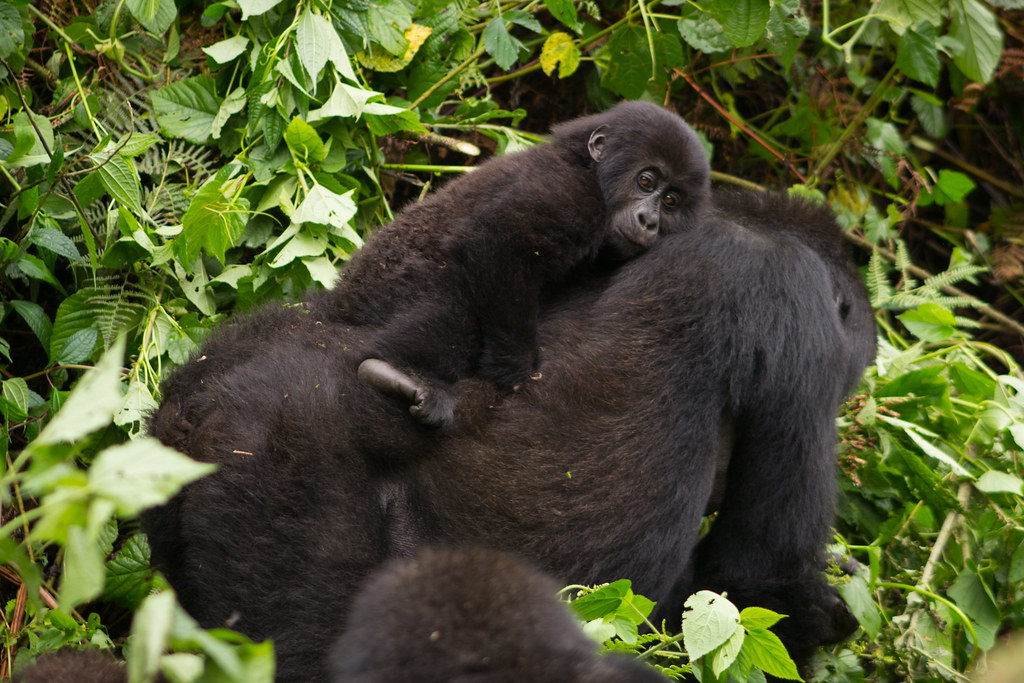
There are two main species of gorillas found in Africa: Eastern gorillas and Western gorillas. Each species is further divided into subspecies, making a total of four subspecies.
- Eastern Gorillas
-
- Mountain gorillas (Gorilla beringei beringei): These are the gorillas found in the high-altitude regions of Uganda, Rwanda, and the Democratic Republic of Congo (DRC). They are adapted to life in cold, mountainous environments.
- Eastern lowland gorillas (Gorilla beringei graueri): These live in the lowland tropical forests of eastern DRC and are slightly larger than mountain gorillas.
- Western Gorillas
-
- Western lowland gorillas (Gorilla gorilla gorilla): These are the most common gorillas and are found in countries like Cameroon, Gabon, Republic of Congo, and Central African Republic. They are more widespread and sometimes seen in zoos around the world.
- Cross River gorillas (Gorilla gorilla diehli): This is the rarest subspecies, with small populations on the border between Nigeria and Cameroon.
The main difference between the Eastern and Western species lies in their appearance, habitat, and behavior. For instance, mountain gorillas have thicker fur to handle colder weather, while western lowland gorillas are smaller with lighter fur, suited for humid rainforests.
Where are gorillas primarily located in East Africa?
In East Africa, gorillas are primarily located in Uganda, Rwanda, and the Democratic Republic of Congo (DRC). These countries are home to one of the world’s most iconic gorilla populations: the mountain gorillas.
- Uganda: The Bwindi Impenetrable National Park and the Mgahinga Gorilla National Park are Uganda’s key gorilla habitats. Bwindi is especially known for its thick jungle and is home to around half of the world’s mountain gorilla population.
- Rwanda: In Rwanda, mountain gorillas live in the Volcanoes National Park, which is part of the larger Virunga Mountain Range. This area is famous for being the spot where renowned primatologist Dian Fossey studied these animals.
- Democratic Republic of Congo (DRC): The Virunga National Park in eastern DRC is home to mountain gorillas, while the lowland areas of DRC house another type, the eastern lowland gorillas found in Kahuzi-Biéga National Park.
These regions combine forested mountain slopes, sufficient rain, and dense vegetation, which provide the resources and climate gorillas need to thrive. Certain national parks within these countries have strict protection measures, and visitors can even participate in gorilla trekking experiences under regulated tours.
What is the difference between mountain gorillas and other gorilla species?
Mountain gorillas are one of the subspecies of eastern gorillas and have features and behaviors that set them apart from other gorilla species. The most notable difference is their habitat. Mountain gorillas live in high-altitude areas of dense forests and mountainous regions, such as the Virunga Mountains and Uganda’s Bwindi Impenetrable Forest. On the other hand, lowland gorillas, like the western lowland gorilla, are found in dense, tropical forests at lower altitudes.
When it comes to appearance, mountain gorillas are larger and stockier, with thicker fur to keep them warm in cold, mountainous climates. Lowland gorillas have shorter, thinner hair because they live in warmer, humid areas. For example, a western lowland gorilla’s fur is more reddish-brown compared to the black or dark gray fur of mountain gorillas.
In terms of diet, mountain gorillas feed primarily on leaves, stems, and roots, as there is less fruit in their high-altitude habitat. In contrast, western lowland gorillas have access to more fruit and incorporate it into their diet. These dietary needs often influence their behavior and home range, mountain gorillas tend to stick to specific areas, while lowland gorillas may roam larger distances for food.
Finally, their population sizes are very different. Mountain gorillas are critically endangered, with fewer than 1,100 individuals estimated to exist in the wild today. Western lowland gorillas have a larger population, though they are still vulnerable and face serious threats.
What is the natural habitat of gorillas?
Gorillas live in a wide range of environments, though all are found in tropical and subtropical forests in Africa. Their habitat varies depending on the species. There are two main species: the eastern gorillas and western gorillas, and each is broken into subspecies like mountain gorillas or western lowland gorillas.
For example, mountain gorillas live in cool, high-altitude forests between 2,200 and 4,300 meters (about 7,200 to 14,100 feet) above sea level. These forests are often located on the slopes of mountains, such as the Virunga Mountains on the borders of Rwanda, Uganda, and the Democratic Republic of Congo (DRC). Bwindi Impenetrable National Park in Uganda is also home to this subspecies. Their habitat features thick vegetation, cloud cover, and cooler temperatures, which suits their thick fur.
Western lowland gorillas, a subspecies of the western gorilla species, are found in dense, lowland tropical forests at lower altitudes, in countries like Gabon, Cameroon, the Central African Republic, and parts of the Congo Basin. These areas are warm, humid, and rich in fruit, which is abundant in their diet.
Another lesser-known group, the cross river gorillas, are found in a very limited region along the Nigeria-Cameroon border. They live in fragmented forests, often due to logging and farming.
The gorilla’s habitat is critical to its survival, influencing its diet and behavior. They prefer areas with plenty of food sources, such as foliage, fruit, and plants. Unfortunately, many of these habitats are being destroyed due to deforestation, illegal farming, and human development, which poses significant risks to their survival.
Are there any gorilla conservation efforts in Kenya?
Kenya does not have native gorilla populations, as gorillas are primarily found within the tropical forests of Central and East Africa, particularly in countries like Uganda, Rwanda, and the Democratic Republic of Congo (DRC). However, while Kenya is not home to gorillas, the country is involved in supporting regional conservation efforts due to its proximity to gorilla habitats and its strong tradition of wildlife conservation.
Many conservation organizations operating in the region, such as the Greater Virunga Transboundary Collaboration and the International Gorilla Conservation Programme (IGCP), coordinate efforts across East Africa to protect gorillas and their habitats. These organizations often base operations in neighboring countries, but Kenyan experts and resources can sometimes contribute to their missions.
Kenya is also a popular destination for ecotourism, and some Kenyan travel and tourism agencies help fund gorilla conservation by offering packages that include gorilla trekking in neighboring Uganda or Rwanda. The tourism revenue generated often goes directly toward conserving gorilla habitats and supporting the local communities that coexist with these animals.
Moreover, Kenyan scientists, researchers, and conservationists sometimes collaborate with other East African nations on protecting the wider ecosystem shared by mountain gorillas. Such cooperation can help tackle cross-border issues like wildlife trafficking, which threatens gorillas and other species.
In short, while Kenya doesn’t house native gorillas, it plays a role in the broader region’s conservation network by prioritizing environmental protection and contributing resources and expertise.
Which countries are known for gorilla trekking in East Africa?
Gorilla trekking is an activity where visitors hike through forests to observe gorillas in their natural environment. In East Africa, the countries known for gorilla trekking are Rwanda, Uganda, and the Democratic Republic of the Congo (DRC).
In Rwanda, gorilla trekking takes place in the Volcanoes National Park. This park is part of the larger Virunga Mountains, a volcanic range that is one of the primary habitats for mountain gorillas, which are a subspecies of the eastern gorilla. Rwanda’s gorilla trekking is considered highly organized, and the country is known for its structured approach to protecting the gorilla population while allowing for sustainable tourism.
In Uganda, gorilla trekking is most famous in Bwindi Impenetrable National Park, a UNESCO World Heritage Site. Another prominent trekking area in Uganda is the Mgahinga Gorilla National Park, which also shares the Virunga Mountains ecosystem. Bwindi, in particular, is home to nearly half of the world’s remaining mountain gorillas, making Uganda a popular destination for individuals wanting to engage in this activity.
The DRC also offers gorilla trekking, primarily within Virunga National Park, Africa’s oldest national park. The DRC is unique because it is home to both mountain gorillas and eastern lowland gorillas, which are found further south in Kahuzi-Biéga National Park. While the DRC’s activities are equally breathtaking, the political conditions in the region can make trekking there more challenging.
These three countries offer tourists the chance to observe mountain gorillas in their natural habitat. This activity contributes to conservation initiatives and the local economy, helping protect this endangered species.
What role do gorillas play in the ecosystem?
Gorillas play a crucial role in the ecosystems they inhabit, as they act as key seed dispersers in tropical forests. These animals consume a variety of fruits, seeds, and plants daily. As they move around their habitats, undigested seeds pass through their digestive systems and are deposited in other areas through their droppings. This process aids in forest regeneration by helping plants grow in new locations.
Gorillas also help maintain ecosystem balance by contributing to the pruning of plants. While feeding on leaves, stems, and small plants, gorillas prevent certain plant species from becoming overgrown. This allows for greater diversity within the ecosystem, as it creates space for a variety of other plant and animal species to thrive.
Furthermore, gorillas indirectly benefit other wildlife by shaping the forest environment. The spaces they clear when moving through dense vegetation, climbing trees, or creating nests on the ground can later be used by smaller animals, including birds and rodents, as pathways or shelter.
Their existence is also connected to human well-being. Gorillas inhabit forests that play an important role in regulating weather patterns and absorbing carbon dioxide from the atmosphere. Healthy forests, supported by the presence of gorillas, contribute to the fight against climate change.
By helping forests remain diverse and sustainable, gorillas support a web of life that relies on these ecosystems. Their role in maintaining the health of tropical forests makes them key contributors to both their immediate surroundings and the planet as a whole.
What challenges do gorillas face in Africa?
Gorillas face significant challenges in Africa, with many of these stemming from human-related activities. One of the major threats they face is habitat loss. Forests where gorillas live are often cleared for agriculture, mining, and urban development. As their habitat shrinks, gorillas are forced into smaller areas, which can lead to food shortages and reduce their ability to move freely.
Another major threat is poaching. Although gorillas are protected by law, some individuals are still hunted for bushmeat, trophies, or illegal pet trade. Even when gorillas are not the direct targets, traps set for other animals can injure or kill them. This is particularly harmful to small populations, as the loss of even a few individuals can disrupt social groups and affect reproduction rates.
Diseases also pose a severe risk, especially those transmitted from humans to gorillas. Since gorillas share a high percentage of their DNA with humans, they can contract illnesses such as the flu or other respiratory infections, which can be fatal to them. Diseases have become more of a problem due to increased interaction between humans and gorillas, especially in areas with tourism or settlements near forests.
Conflict and instability in regions home to gorillas also exacerbate their challenges. Armed conflicts in places like the Democratic Republic of the Congo often lead to increased poaching and destruction of gorilla habitats.
Climate change is another emerging challenge, as it may alter gorilla habitats and resources over time.
Efforts to tackle these challenges include anti-poaching patrols, habitat restoration programs, and public education campaigns aimed at creating awareness about the importance of conserving gorillas.
Are there gorilla sanctuaries or reserves near Kenya?
Kenya itself does not have gorilla sanctuaries or reserves because gorillas do not naturally live in Kenya. Gorillas are found in tropical rainforests, and Kenya’s climate and vegetation, more known for savannahs and open grasslands, do not match their habitat requirements.
However, countries near Kenya, such as Uganda, Rwanda, and the Democratic Republic of Congo (DRC), are home to several reserves and national parks where gorilla populations are protected. For example:
- Bwindi Impenetrable National Park in Uganda is famous for its mountain gorillas. This forested area is ideal for gorilla trekking and is home to a large portion of the world’s mountain gorilla population.
- Volcanoes National Park in Rwanda also protects mountain gorillas and offers opportunities for tourists to observe these animals in their natural environment.
- Virunga National Park in the DRC is another important reserve for gorillas and is also part of the larger Virunga Massif, which overlaps some areas of Uganda and Rwanda.
While there is no direct opportunity to see gorillas within Kenya’s borders, it is possible to travel to these nearby locations (often just a flight away) to visit gorilla reserves. Many tour companies operating in Kenya can assist travelers in extending their trips to include gorilla trekking in neighboring countries.
In summary, Kenya is not home to gorilla sanctuaries, but major sites in Uganda, Rwanda, and the DRC are relatively close and accessible.
How can tourists experience gorillas in the East African region?
Tourists interested in seeing gorillas in East Africa can plan trips to specific national parks and reserves in Uganda, Rwanda, or the Democratic Republic of Congo (DRC). The best way to experience gorillas is through gorilla trekking, which allows visitors to see these animals in their natural habitat with the guidance of expert guides and trackers.
In Uganda, Bwindi Impenetrable National Park and Mgahinga Gorilla National Park offer gorilla trekking. Typically, visitors hike through dense forests until they reach a specific gorilla family group. These hikes can be physically demanding, but visitors are rewarded with the chance to observe gorillas up close.
Rwanda’s Volcanoes National Park is another popular destination for gorilla trekking. The park is known for its stunning landscapes and is relatively easier to access compared to other reserves. Rwanda also has a well-established trekking program.
The DRC offers the opportunity to see gorillas in Virunga National Park, which is the oldest National Park in Africa and home to both mountain gorillas and lowland gorillas. The DRC is often less visited, but it provides a more rugged, adventurous gorilla trekking experience.
Tourists need to purchase gorilla permits, which are required to participate in trekking activities. These permits are expensive, with costs ranging from hundreds to over a thousand U.S. dollars per person. This money goes toward conservation efforts and maintaining the parks.
Visitors are usually allowed to spend a maximum of one hour observing the gorilla families. Guides prioritize safety as well as minimizing human impact on the gorillas during these visits. In addition to trekking, visitors may also learn about the cultural significance of gorillas and efforts to protect their populations.
What steps are being taken to protect gorilla populations in Africa?
Gorillas face threats such as habitat destruction, poaching, human-wildlife conflict, and diseases like respiratory infections or the Ebola virus. To address these challenges, several measures have been put in place to protect their populations:
Habitat Protection
Many gorilla populations live in national parks and protected reserves, such as Bwindi Impenetrable National Park (Uganda) and Volcanoes National Park (Rwanda). These areas are designated as conservation zones to protect gorillas from habitat loss due to farming, logging, and other human activities. Governments enforce laws to prevent encroachment in these regions.
Anti-Poaching Efforts
Anti-poaching patrols are critical for protecting gorillas from illegal hunting. Rangers are trained to monitor areas, remove snares, and catch poachers who target gorillas for the bushmeat trade or for capturing infants to sell.
Community Education and Involvement
Local communities around protected gorilla habitats are involved in conservation. Programs that raise awareness about the importance of gorillas often provide communities with incentives to protect them. Revenue from gorilla trekking permits is sometimes shared with local villages, which encourages them to participate in conservation rather than turning to unsustainable activities.
Health Monitoring and Disease Prevention
Organizations monitor the health of wild gorilla populations. Care is taken to minimize the risk of disease transmission from humans to gorillas, especially during gorilla trekking. Visitors must maintain a distance of at least 7 meters and avoid trekking if they are sick.
International Conservation Groups
Various organizations, such as the World Wildlife Fund (WWF), the Dian Fossey Gorilla Fund, and Gorilla Doctors, work specifically to conserve gorilla species. They conduct research, provide veterinary care, and advocate for policies that protect gorillas.
These protective steps have made a difference: populations of mountain gorillas, for instance, have grown slightly in recent years thanks to conservation efforts. However, continued action is necessary to ensure the survival of all gorilla species.
How to Book Your Safari in Rwanda
Now that you understand more about Kenya gorillas, what they are, why they’re special, and how you can see them, it’s time to plan your own adventure. For an unforgettable gorilla trekking experience, book with one of the best Rwanda Safari Companies. They’ll help you create memories with expert guidance and personalized service. Don’t wait, start your journey today!
Tanzania Safaris
Tanzania Safaris offer an incredible wildlife experience, featuring renowned destinations like the Serengeti National Park, home to the Great Migration, and Ngorongoro Crater, known for its dense wildlife population. Visitors can witness the Big Five and explore diverse ecosystems, including Tarangire National Park and Lake Manyara. These safaris cater to both luxury and budget travelers, offering guided tours, photographic opportunities, and cultural interactions with local communities like the Maasai people, creating a diverse and immersive experience. Tanzania combines excellent game-viewing with rich landscapes, making it a top choice for safari enthusiasts worldwide.
What are the best safari destinations in Tanzania?
Tanzania is famous for its diverse wildlife and spectacular landscapes, making it one of the top safari destinations in Africa. Here are the best safari spots to consider:
- Serengeti National Park: This park is world-renowned for hosting the Great Migration, where millions of wildebeest, zebras, and other animals journey across the plains in search of fresh grazing. It’s also one of the best places to see the “Big Five” (lion, elephant, buffalo, leopard, and rhinoceros).
- Ngorongoro Crater: This naturally formed volcanic caldera provides one of the highest densities of wildlife globally. Visitors can often spot lions, elephants, hippos, and even rare black rhinos in a compact, beautiful setting.
- Tarangire National Park: Known for its giant baobab trees and large herds of elephants, Tarangire is particularly vibrant during the dry season, when wildlife gathers near the river.
- Lake Manyara National Park: Famous for its tree-climbing lions and an enormous population of flamingos, this smaller park offers wonderfully diverse wildlife in a picturesque setting.
- Selous Game Reserve (now Nyerere National Park): One of the largest wildlife reserves, it’s perfect for people wanting to see animals in a quieter, less crowded environment. You might observe African wild dogs, leopards, and elephants here.
Other noteworthy locations include Ruaha National Park (great for wildlife viewing in remote areas) and Gombe Stream National Park, where visitors can encounter chimpanzees. Each destination has unique highlights, so choosing the right one depends on personal preferences and timing.
What is the best time of year to go on a safari in Tanzania?
The ideal time for a safari in Tanzania largely depends on what you would like to see, but generally, June to October is considered the best period. During these months, the weather is dry, and wildlife gathers around water sources, making it easier to spot animals.
- Dry season (June to October): Animals congregate at waterholes and rivers, and you’re less likely to encounter heavy rain during game drives. This is also the best time to witness the famous Great Migration in the Serengeti, particularly in July and August when the herds cross the Mara River.
- Wet season/Green season (November to May): While there’s more rain during these months, the landscapes become lush, and it’s a fantastic time for birdwatching, as migrating species arrive. In addition, from January to February, many animals give birth, making it more likely to witness newborn wildlife and predator activity.
Keep in mind that the coastal areas such as Zanzibar are also wonderful to visit during the dry season, which can be a combination to your safari. April and May usually experience heavy rains, so safaris during this time might be challenging, with some roads becoming difficult to navigate.
For specific events, like river crossings in the Great Migration, checking the movement pattern of the herds is key. These movements vary year by year. Make sure to consult with a guide or safari operator to figure out the best timing for what you want to see.
What wildlife can I expect to see on a Tanzanian safari?
Tanzania is home to a vast array of wildlife, making a safari there a magical experience. You can expect to encounter some of Africa’s most iconic animals:
- Big Five animals: These include lions, leopards, elephants, buffalos, and rhinoceroses. Parks like the Serengeti and Ngorongoro Crater are some of the best places to spot all five.
- Great Migration species: Millions of wildebeest and zebra, plus gazelles and other species, move across the Serengeti every year in search of grazing and water. Predators like lions and crocodiles follow the migration for hunting opportunities.
- Primates: In regions like Gombe Stream National Park or Mahale Mountains National Park, you can see chimpanzees, baboons, and colobus monkeys.
- Water animals: In areas with lakes and rivers, you can expect to see hippos cooling off in the water and crocodiles lurking.
- Unique species: Lake Manyara National Park offers the chance to spot tree-climbing lions, which are a rare spectacle not found in many places.
- Birds: Over 1,000 bird species live in Tanzania, including flamingos, eagles, storks, and colorful bee-eaters. It’s fantastic for birdwatchers.
Remember, different parks have specific concentrations of animals. For instance, Tarangire is notable for large elephant herds, while Selous is an excellent spot for African wild dogs. The diversity of wildlife across the country ensures a unique and exciting safari experience wherever you go.
What are the different types of safaris available in Tanzania?
Tanzania offers a variety of safari options, catering to different interests, budgets, and travel styles. Each type provides a unique way to explore the country’s wildlife and landscapes.
- Game Drive Safaris
This is the most common safari type. You travel in a specialized vehicle with a guide who helps spot animals and explain the environment. These safaris usually happen in national parks like Serengeti or Ngorongoro. Early mornings and late afternoons are popular times as wildlife is more active then. - Walking Safaris
If you want to explore on foot, walking safaris let you experience nature up close. These are guided by rangers who ensure your safety and provide insights into smaller details like plants, insects, and animal tracks. Selous Game Reserve offers this type of safari, and it’s a slower but more intimate experience. - Balloon Safaris
In this safari, you soar above the plains in a hot air balloon. It provides a bird’s-eye view of parks like the Serengeti, where you can see animals and scenery from a different perspective. These typically end with a bush breakfast after landing. - Photographic Safaris
Perfect for photographers, these safaris cater to capturing wildlife moments. Guides are trained to position the vehicle for the best shots. Special photographic safaris can be customized to focus on particular animals or events like the Great Migration. - Cultural Safaris
Some tours include visits to local villages where tourists can interact with groups like the Maasai or Hadzabe people. This adds a cultural aspect to your wildlife experience, offering insights into local traditions and lifestyles. - Fly-In Safaris
For luxury seekers, these safaris involve flying directly to remote camps or lodges. It saves time and provides views of Tanzania’s landscapes from above. - Self-Drive Safaris
For independent travelers, renting a 4×4 vehicle allows for an adventurous DIY safari. You’ll drive through parks following marked routes. This option requires knowledge of park rules and wildlife behavior.
Each type of safari suits different preferences, so it’s important to pick one that aligns with what you want to experience.
How much does a safari in Tanzania typically cost?
The cost of a safari in Tanzania can vary greatly depending on factors like the length of the trip, the type of accommodation, and the level of luxury. Here’s a breakdown to help understand typical expenses:
- Budget Safaris (Typically $150 to $300 per person per day)
These safaris are ideal for travelers keeping costs low. You might stay in basic lodges, permanent tents, or budget hotels located near the parks. Meals and game drives in a standard vehicle are included, but comfort is limited compared to higher-end options. - Mid-Range Safaris (Typically $350 to $500 per person per day)
These offer a balance between affordability and comfort. You’ll stay in moderately priced lodges or tented camps within or near the parks. The vehicles might have fewer people, providing slightly better experiences. This option is popular for families or couples. - Luxury Safaris (Typically $600 to $1,000+ per person per day)
High-end safaris focus on exclusivity and comfort. Accommodations might be in luxury lodges, boutique camps, or private reserves. Game drives may include personalized service, gourmet meals, and experienced guides. Balloon rides or fly-in options may also be included. - Private Safaris
For those wanting a fully personalized experience, private safaris typically cost more but offer complete flexibility. The price will depend on the choice of park, guide, and accommodation but can range from $700 to over $1,500 per person per day. - Park Fees
National parks in Tanzania charge entry fees, ranging from $50 to $80 per day per adult. Conservation fees are sometimes added too. These costs are usually included in packages but are worth noting if arranging your trip independently.
Examples:
A 5-day budget safari in Ngorongoro costs around $800 to $1,200 per person. For a luxury lodge experience in the same area, the price could exceed $5,000 for the same duration.
What are the most famous national parks and reserves in Tanzania?
Tanzania is known for its incredible national parks and game reserves. Each offers unique features and animal sightings.
- Serengeti National Park
This is the most famous park and a UNESCO World Heritage Site. It’s known for the Great Migration, where millions of wildebeest, zebras, and gazelles move in search of grazing land. Visitors can also spot predators like lions, leopards, and cheetahs. - Ngorongoro Conservation Area
Home to the Ngorongoro Crater, a massive volcanic caldera, this area is teeming with wildlife. The crater is known for having one of the densest concentrations of mammals, including elephants, black rhinos, lions, and more. - Tarangire National Park
This park is famous for its baobab trees and large elephant herds. During dry seasons, animals gather around the Tarangire River, making it a great spot for wildlife viewing. - Lake Manyara National Park
Known for its tree-climbing lions and flamingos, this smaller park is a beautiful stop. The lake draws countless birds, making it a paradise for birdwatchers. - Selous Game Reserve (Nyerere National Park)
One of the largest reserves in Africa, it has fewer crowds compared to northern parks but is rich in wildlife. Selous is ideal for boat safaris along the Rufiji River. - Ruaha National Park
This remote park in southern Tanzania offers rugged beauty and massive wilderness areas. It’s home to large predator populations, making it special for those seeking quieter experiences. - Mount Kilimanjaro National Park
Though better known for climbing, this park features unique landscapes. Visitors can hike through rainforests and might even spot colobus monkeys or antelopes.
Each park has something different to offer. Visitors might focus on one or combine several for a broader experience.
How many days should I plan for a safari in Tanzania?
When deciding how many days to spend on a safari in Tanzania, consider key factors like locations you want to visit, the activities you’re interested in, and the pace of travel you prefer. Generally, 5 to 10 days is an ideal range for a meaningful safari experience.
For shorter safaris (around 3 to 4 days), focus on one or two nearby parks, such as Tarangire, Ngorongoro Crater, or Lake Manyara. This works well if you want a quick trip or have limited time. For example, a three-day safari might include visiting Tarangire National Park for elephants and Ngorongoro Crater for a mix of wildlife, including rhinos and lions.
If you plan to explore multiple regions or see iconic destinations like Serengeti National Park, 7 to 10 days is more suitable. A week-long safari could involve watching the Great Migration in the Serengeti, visiting the crater’s unique ecosystem, and adding a day or two for cultural stops in Masai villages.
Longer safaris (10 or more days) allow deeper exploration of less-visited but rewarding locations. For instance, including Selous Game Reserve, Ruaha National Park, or even Zanzibar beaches after your safari would give you a more diverse experience.
The number of days also affects how much time you spend traveling between parks. Some parks are far apart, so traveling longer distances can take up a day or more. By spreading out your itinerary, you’ll have more time to relax and truly enjoy the scenery and animals.
Ultimately, the length depends on your preferences and budget, but ensure there’s enough time to appreciate the landscapes and wildlife without feeling rushed.
Are safaris in Tanzania safe?
Safaris in Tanzania are generally safe as long as you follow guidelines from your guides, camps, and tour operators. The most reputable safari companies focus on visitor safety and have highly trained staff to manage any risks during the trip.
Wild animals are an exciting part of the experience, but it’s vital to remember they are unpredictable. Listen to your guide’s instructions to avoid dangerous situations. For example, stay inside your safari vehicle at all times unless specifically told it’s safe to step out (such as at designated picnic spots). Animals like lions, elephants, or hippos can seem calm, but they will defend themselves if they feel threatened.
Lodges and camps are designed to balance safety with being close to nature. Many accommodations are fenced, and staff are trained to handle encounters with wildlife. Even unfenced camps have safety procedures, such as escorting guests at night to prevent unexpected animal interactions.
Health safety is another consideration. To protect against diseases like malaria, use insect repellent, sleep under mosquito nets, and consider taking anti-malarial medication (consult a doctor before your trip). Check if you need vaccinations, like for yellow fever. Carry a basic first aid kit and ensure you have travel insurance in case of emergencies.
Road travel on safaris is typically safe, though some routes can be bumpy or remote. Choose a tour company with well-maintained vehicles and experienced drivers. Flying between parks on small planes is also common and safe, as pilots are skilled at navigating these areas.
With proper preparation and awareness, a safari in Tanzania offers an enjoyable, safe adventure of a lifetime.
What should I pack for a Tanzanian safari?
Packing for a safari in Tanzania involves balancing practicality and comfort, while also being prepared for varying weather conditions. Here’s what you should consider:
1. Clothing
Bring lightweight, neutral-colored clothes like beige, khaki, or olive green to stay cool and avoid attracting insects. Neutral tones also help you blend into the environment while observing animals. Pack long-sleeve shirts and pants for sun and mosquito protection, especially in the evenings. A wide-brimmed hat and sunglasses are great for shielding yourself from the sun during game drives.
During early morning or evening sessions, it can get chilly, so include a light jacket, fleece, or sweater. In rainy seasons, pack a compact rain jacket.
2. Footwear
Durable walking shoes or lightweight hiking boots are essential. If your safari involves a lot of walking, comfortable and sturdy footwear helps protect your feet. For relaxation time at the lodge, bring sandals or slip-ons.
3. Personal Items
Carry a refillable water bottle, sunscreen with high SPF, insect repellent, and any personal toiletries. A small first aid kit with items like band-aids, pain relievers, and anti-allergy medication is useful for minor injuries or discomfort. Don’t forget prescription medication, if needed.
4. Gear and Accessories
Pack binoculars for better animal viewing and a camera with extra memory cards or batteries if photography interests you. A small backpack is helpful for carrying essentials during game drives. Bring a flashlight or headlamp for camps with limited electricity at night.
5. Documents and Money
Keep your passport, visa (if required), and tickets in a secure location. Include copies of travel insurance details. Carry some cash in US dollars or Tanzanian shillings for tips or small purchases.
By packing thoughtfully, you’ll have a comfortable, enjoyable safari while staying ready for the conditions you encounter.
Do I need a visa or special permits to go on a safari in Tanzania?
Yes, you will need a visa to enter Tanzania for your safari. Travelers from most countries are required to obtain a visa before arrival or upon entry. Here’s how to go about it:
For most tourists, the easiest way is to apply for a Tanzania tourist visa. There are two main options:
- Visa on arrival: You can get your visa at Tanzanian entry points like airports or borders. It usually costs around $50 for tourists from most countries, but can be higher (e.g., $100 for U.S. citizens). However, there might be long waiting times.
- Online visa: It’s recommended to apply for an eVisa on Tanzania’s official immigration website before your trip. This is more convenient, and approval often takes a few days.
For some nationalities, pre-arranged visas are mandatory before traveling, so it’s important to check the Tanzanian embassy’s guidance in your country.
In terms of special permits, for regular safaris in popular parks like the Serengeti, Ngorongoro Crater, or Tarangire, you won’t need separate permits. The entry fees to these parks, which your tour company usually includes, allow you access.
For special activities like hiking Mount Kilimanjaro, night game drives, or visiting cultural conservation areas, additional fees or permits may apply.
Lastly, ensure that your passport is valid for at least six months beyond your travel dates and that you have at least two blank pages for stamps. Always double-check visa requirements before traveling, as these can sometimes change.
What are the accommodation options available during a safari in Tanzania?
Tanzania offers various accommodations to suit different budgets and preferences while on safari. Here are the main types:
- Luxury lodges: These are high-end safari accommodations with all the comforts of a five-star hotel, including elegant rooms, gourmet dining, and amenities like swimming pools or spas. For example, the Four Seasons Serengeti offers luxury surrounded by wildlife while ensuring safety and comfort.
- Tented camps: Despite the term “tent,” these are often upscale, permanent setups with proper beds, private bathrooms, and high-quality service. They combine the adventure of sleeping in the wild with the comfort of a hotel. Camps like Serian Serengeti Mobile Camp move with the migration for the best wildlife watching.
- Standard lodges: Mid-range lodges provide good facilities and convenience but might not be as lavish as luxury lodges. Examples include Lake Manyara Serena Safari Lodge or similar properties.
- Budget campsites: These are the most affordable options. They’re either public campsites, where you bring your tent, or budget tents already set up. Facilities at public camps usually include basic shared bathrooms.
- Mobile camping: This adventurous option involves setting up a temporary camp as you travel – perfect for small groups or those looking to stay as close as possible to nature. An example would be guided camping in the Selous Game Reserve.
Most safari tours include accommodation in their packages, and it’s best to discuss options with your provider. Whether you want eco-friendly luxury or simple budget camping, Tanzania has something for everyone.
How can I ensure my safari is eco-friendly and culturally respectful?
To keep your safari sustainable and respectful, there are some key steps you can take:
- Choose eco-conscious tour operators: Look for operators that prioritize sustainable practices, such as minimal environmental impact, solar-powered facilities, or supporting local communities. Companies certified by bodies like Travelife or EcoTourism Kenya are good indicators.
- Stick to marked paths and rules in parks: Driving off designated routes harms the delicate ecosystem. Follow all wildlife and park rules, like maintaining a respectful distance from animals and not feeding them.
- Avoid single-use plastics: Bring reusable water bottles and bags instead of relying on disposable ones. Many lodges and companies now offer refill stations for water.
- Support local communities: Buy crafts or souvenirs directly from local artisans instead of large tourist shops. Engage in cultural visits through organized programs that fairly compensate the involved community, such as visits to Maasai villages.
- Leave nothing behind: Take all your trash back with you, even biodegradable stuff like food scraps, as they can attract animals or alter the ecosystem.
- Respect local customs and traditions: Learn a bit about Tanzanian culture before visiting. For example, dress modestly in villages, ask before taking photos of people, and greet locals using simple phrases like “Jambo” (hello).
By making thoughtful choices, you lower the ecological impact of your safari while respecting the wildlife and local traditions. This way, future travelers can continue enjoying these remarkable experiences as well.
How To Book Your Safari in Tanzania
We’ve explored the basics of Tanzania Safaris , from what they are, why they’re special, to how they offer incredible wildlife adventures. Ready to plan yours? The easiest way is to connect with trusted professionals who know the ins and outs of organizing unforgettable trips. Check out these Tanzania Safari Companies to book your ideal safari. They’ll help you craft a seamless experience, so all you need to do is relax and enjoy Tanzania’s stunning wildlife. Safe travels!
Tanzania Gorillas: Why You Won’t Find Them in Tanzania and Where to Go Instead
Tanzania does not have native gorillas or gorilla trekking opportunities. For travelers seeking this experience, neighboring countries like Rwanda and Uganda are ideal destinations. Rwanda safaris often focus on gorilla trekking in the renowned Volcanoes National Park, home to mountain gorillas. Uganda offers similar experiences in Bwindi Impenetrable National Park and Mgahinga Gorilla National Park. While Tanzania excels in wildlife safaris featuring lions, elephants, and the Serengeti migration, those interested in gorillas should explore Rwanda or Uganda for specialized encounters.
Are there gorillas in Tanzania?
Gorillas are not found in the wild in Tanzania. They are generally located in specific areas of East and Central Africa that are outside Tanzania’s borders. Gorillas are native to countries like Uganda, Rwanda, and the Democratic Republic of Congo (DRC), where they reside in dense forests and mountainous regions. These areas provide the kind of habitat that supports gorilla populations, such as the range of the mountain gorilla (Gorilla beringei beringei).
Tanzania’s ecosystems and environments are rich and diverse, but they do not include the specific high-altitude mountain forests or lowland tropical rainforests that gorillas require. Instead, Tanzania is home to other remarkable wildlife, such as elephants, lions, giraffes, and chimpanzees (a different type of great ape).
For someone curious about gorillas while staying in Tanzania, the closest option to see them in the wild would be to visit places like Volcanoes National Park in Rwanda, Bwindi Impenetrable Forest, or Mgahinga National Park in Uganda. These destinations are home to mountain gorillas that tourists can observe through organized trekking tours.
In summary, while Tanzania plays a big role in East Africa’s wildlife conservation, gorillas are not part of the country’s natural wildlife due to the geographical and environmental factors required for their survival.
What are the key habitats for gorillas in East Africa?
Gorillas in East Africa mainly live in mountainous forests or dense tropical rainforests. Their survival is closely tied to regions with specific vegetation, altitude, and climate that support their dietary and physical needs.
One of the primary habitats for East Africa’s gorillas is the Virunga Massif, a range of volcanic mountains shared by Rwanda, Uganda, and the Democratic Republic of Congo (DRC). This area includes parks such as Volcanoes National Park (Rwanda), Mgahinga Gorilla National Park (Uganda), and Virunga National Park (DRC). The thick forests in these regions provide gorillas with plenty of food, such as fruits, leaves, and bamboo.
Another significant habitat is Uganda’s Bwindi Impenetrable National Park, which is a UNESCO World Heritage site. Bwindi differs slightly from the Virunga area because its forests are not volcanic but still offer a similarly dense, food-rich environment. This park is also home to almost half of the remaining population of mountain gorillas.
Importantly, gorillas depend on these habitats because they are highly territorial and require a large amount of vegetation daily to sustain themselves. The forests also serve as protection from predators and human-related threats. Conservation organizations focus heavily on preserving these habitats, which face threats like deforestation, climate change, and illegal poaching.
In short, gorillas in East Africa thrive in high-altitude mountain forests and tropical rainforests, particularly in protected areas across Uganda, Rwanda, and DRC. These locations are critical because they meet their survival needs and are safeguarded by various conservation measures.
Which species or subspecies of gorillas are found near Tanzania?
The mountain gorilla (Gorilla beringei beringei) is the key subspecies found near Tanzania, though mainly in countries like Rwanda, Uganda, and the DRC. Mountain gorillas are a subspecies of the eastern gorilla and are known for their thick fur, which helps them survive in the cool, high-altitude regions of East Africa.
These gorillas live specifically in the Virunga Massif and Bwindi Impenetrable National Park, both relatively close to Tanzania, though still outside its borders. Their populations are limited to these regions due to their very specific habitat requirements. For example, temperatures and vegetation in the forests of western Tanzania (such as Gombe or Mahale) are very different and more suited to chimpanzees than to gorillas.
Another subspecies of the eastern gorilla is the Grauer’s gorilla (Gorilla beringei graueri), which is native to the lowland and sub-mountainous forests of eastern DRC. This subspecies lives farther away from Tanzania compared to the mountain gorilla.
The western gorilla species, which includes the western lowland gorilla, is even farther removed. These animals inhabit countries like Gabon and Congo, located in West-Central Africa, almost across the entire continent from Tanzania.
In conclusion, the mountain gorilla (Gorilla beringei beringei) is the subspecies most relevant to Tanzania geographically, but these remarkable animals live only in protected highland regions in neighboring countries such as Rwanda and Uganda.
How do gorillas differ from other great apes found in East Africa?
Gorillas are one of the four species of great apes, along with chimpanzees, bonobos, and orangutans. Out of these, gorillas and chimpanzees are the great apes naturally found in East Africa. Gorillas differ from chimpanzees and other great apes in several key ways:
Size and Build:
Gorillas are the largest of all great apes. They can weigh between 300-400 pounds for males, while females are smaller, at about 150-200 pounds. They are much stockier than chimpanzees, with broad chests, muscular arms, and large heads.
Behavior and Social Structure:
Gorillas live in family groups called troops or bands, which are usually led by a dominant male called a silverback (named because of the patch of silvery-gray fur on adult male backs). These groups can include females, younger males, and infants. Gorillas are generally more peaceful and spend much of their time grazing or resting. In contrast, chimpanzees have more complex, hierarchical social structures, are highly territorial, and are known for being more aggressive.
Habitat Preference:
Gorillas are found in rainforests and dense vegetation areas, particularly in higher-altitude regions (like the Virunga Mountains). Chimpanzees, on the other hand, are more adaptable and can live in forests, grasslands, and even savannas.
Diet:
Gorillas are primarily herbivores. Their diet consists of leaves, stems, fruits, and bamboo shoots. Occasionally, they might eat insects. Chimpanzees have an omnivorous diet, which includes fruits, leaves, insects, and sometimes even small animals.
Communication and Tools:
Both species are intelligent and capable of using tools, but chimpanzees are more known for their tool-making skills, such as using sticks to fish termites out of mounds. Gorillas do use tools occasionally but less frequently and in simpler ways.
In terms of geography, gorillas live in forested regions of countries like Uganda, Rwanda, and the Democratic Republic of Congo, while chimpanzees can be seen across a much broader range, including in Tanzania (in areas like Gombe Stream National Park). Gorillas cannot be found in Tanzania, which makes chimpanzees more accessible there.
What is the connection between Tanzania and gorilla conservation efforts?
While wild gorillas are not found in Tanzania, the country plays an important role in regional conservation efforts due to its proximity to countries that are home to endangered gorilla populations, such as Uganda and Rwanda. Tanzania indirectly supports gorilla conservation in several ways:
Regional Collaboration:
Tanzania shares borders with Uganda and Rwanda, both of which are major destinations for gorilla conservation. Organizations and governments in the region work together to combat threats like habitat loss, poaching, and disease. For example, the East African Community (EAC), which Tanzania is part of, promotes cross-border initiatives to protect wildlife, including gorillas.
Tourism Revenue Sharing and Lessons:
Tanzania’s conservation strategies, such as its successful management of well-known protected areas like Serengeti National Park and Ngorongoro Conservation Area, serve as examples for gorilla conservation efforts in neighboring countries. Tourism-generated revenues from Tanzania’s national parks may indirectly inspire or provide insights for sustainable funding models in gorilla conservation programs in Uganda or Rwanda.
Transport Routes for Protection:
Efforts to protect gorillas often require transporting resources, supplies, or personnel between key conservation areas. Tanzania’s infrastructure may support these operations, whether through its port systems or land routes to countries like Uganda.
Research and Experts:
Tanzania is home to renowned primatology programs, particularly at Gombe Stream, where Jane Goodall studied chimpanzees. This history of extensive primate research provides insights and methodologies that potentially benefit gorilla conservation projects in nearby regions.
While gorillas may not inhabit Tanzania, the country indirectly impacts their well-being through regional cooperation, shared ecological practices, and tourism management contributions.
Are there any regions in Tanzania where gorilla-like apes or primates can be observed?
Tanzania is home to a variety of primates, though gorillas do not naturally inhabit the country. Instead, Tanzania is known for its chimpanzee populations and other fascinating primates.
Gombe Stream National Park:
Located along the shores of Lake Tanganyika, this park is famous for its chimpanzees, due to Jane Goodall’s groundbreaking research there starting in the 1960s. Visitors can observe the chimpanzees in their natural habitat, noting their social behavior and interactions. While chimpanzees are smaller than gorillas, they are much closer to humans genetically and are often seen using tools or displaying complex emotions.
Mahale Mountains National Park:
Another excellent location for observing chimpanzees, this park boasts one of the largest populations of wild chimpanzees in Tanzania. The forested mountains provide an impressive setting for viewing these apes.
Other Primates in Tanzania:
Tanzania also hosts many other non-ape primates, including baboons, vervet monkeys, blue monkeys, galagos (bush babies), and colobus monkeys. For example, the black-and-white colobus monkey is distinct with its flowing white fur and long tail and can be seen in forested parts of the country.
Differences from Gorillas:
The primates found in Tanzania are generally smaller and have different behavioral tendencies compared to gorillas. For instance, chimpanzees display highly social behaviors and live in larger communities, while smaller monkeys like vervet monkeys are more arboreal (living in trees).
While you won’t find gorillas in Tanzania, opportunities to interact with other species of primates make it a prime destination for understanding and appreciating the diversity of the primate family.
What is Tanzania’s role in primate biodiversity in East Africa?
Tanzania plays an important role in primate biodiversity within East Africa, though it is not home to gorillas. The country is known for its wide variety of other primate species, including baboons, colobus monkeys, vervets, and chimpanzees, which contribute to the region’s broad range of wildlife. Tanzania’s forests, such as the Gombe Stream National Park and Mahale Mountains National Park, provide key habitats for chimpanzees, which are genetically the closest relatives to humans after gorillas. Gombe, for instance, is famous for being the site where Jane Goodall carried out groundbreaking research on chimpanzee behavior.
Though gorillas do not inhabit Tanzania, the country’s extensive ecosystems, from savannas to tropical forests, support hundreds of other species that depend on primates for ecological balance. For example, primates play a role in seed dispersal by consuming fruits and spreading seeds throughout the environment, which helps maintain healthy forests. In fact, their role in their habitat mirrors some of the ecological importance gorillas have in the regions where they live.
Tanzania shares ecological connections with nearby countries hosting gorillas, including Uganda and Rwanda. Its diverse wildlife reserves and national parks often represent parts of a bigger environmental network in East Africa. This cross-border biodiversity helps showcase the interconnected nature of ecosystems within the region.
As a hotspot for primate biodiversity outside of gorilla habitats, Tanzania illustrates how East Africa is home to a unique mix of wildlife that plays a role in the broader understanding of primate species and their relationship with their surrounding environments.
What conservation challenges affect gorillas in and around Tanzania?
Although no gorillas live in Tanzania itself, conservation challenges affecting gorillas in nearby countries, such as Uganda, Rwanda, and the Democratic Republic of Congo (DRC), impact the region’s broader conservation efforts. These challenges can be broken down into several key issues that threaten gorilla populations:
- Habitat Loss: Human activities such as agricultural expansion, logging, and mining often destroy forests that gorillas depend on for survival. For instance, gorilla habitats in the DRC have been severely affected by deforestation caused by mining operations, while in Uganda and Rwanda, human settlement growth near national parks creates similar problems.
- Poaching: Even though gorillas are protected by law, illegal hunting still occurs in some areas. Gorillas may be targeted for bushmeat, body parts, or even captured for the illegal pet trade. Poaching not only reduces gorilla populations but can destabilize the family groups that are central to their survival.
- Disease: Gorillas are highly susceptible to diseases transmitted by humans. Tourists, park rangers, and locals living near gorilla habitats can inadvertently expose these animals to illnesses like respiratory infections. Disease outbreaks could devastate already fragile gorilla populations.
- Climate Change: Shifts in weather patterns and food availability caused by climate change alter the delicate balance of the ecosystems gorillas rely on. For example, changes in rainfall could affect gorillas’ access to food sources, creating additional stress.
- Political Instability: In areas like the DRC, ongoing conflict and weak governance can make conservation efforts incredibly difficult. Protected areas may become unsafe for both gorilla populations and the individuals working to safeguard them.
Efforts to address these challenges require collaboration between governments, conservation organizations, local communities, and international stakeholders to ensure gorilla habitats are protected and populations can thrive.
How are gorillas protected in nearby countries like Rwanda, Uganda, or the Democratic Republic of Congo?
Each country with gorilla populations, Rwanda, Uganda, and the Democratic Republic of Congo (DRC), implements specific measures aimed at protecting gorillas. Although their approaches may vary slightly, they are united by the goal of preserving these endangered species. These efforts typically include a combination of protected areas, community engagement, and international support.
- Creation of Gorilla National Parks: All three countries have established protected areas to safeguard gorillas. In Rwanda, the Volcanoes National Park is home to mountain gorillas, while Uganda hosts them in Bwindi Impenetrable Forest and Mgahinga Gorilla National Park. In the DRC, gorillas live in places like Virunga National Park and Kahuzi-Biéga National Park. These parks are critical as they provide habitats free (or relatively free) from human exploitation.
- Anti-poaching Efforts: Park rangers and anti-poaching teams work to prevent illegal hunting of gorillas. Training these rangers and equipping them with the necessary tools is a core part of the conservation strategy. For example, in Virunga National Park, rangers often risk their lives to protect both the environment and the animals from poachers or encroachers.
- Ecotourism: Both Rwanda and Uganda are known for gorilla trekking experiences that allow tourists to observe gorillas in brief, controlled visits. This generates substantial funding, which is reinvested in conservation programs and local communities. By making gorillas “economically valuable” alive rather than hunted or disturbed, ecotourism adds a strong incentive to protect them.
- Community Involvement: Educating and involving local communities plays a huge part in conservation success. Surrounding populations are taught about the importance of gorilla preservation and are offered alternatives to activities such as cutting trees or hunting. Some programs redirect tourism revenue toward providing health care, education, or other forms of social support, gaining community cooperation.
- Partnering with Conservation Groups: International organizations like the Dian Fossey Gorilla Fund or the World Wildlife Fund (WWF) help fund and coordinate efforts in the region. These partnerships strengthen local conservation groups’ abilities to manage emergencies, address diseases, and monitor gorilla populations.
By combining these approaches, countries near Tanzania make significant progress toward ensuring the survival of gorilla species, despite the challenges they face.
Are there any partnerships between Tanzania and neighboring countries regarding gorilla conservation?
Tanzania does not have native gorilla populations, as gorillas are primarily found in countries like Uganda, Rwanda, and the Democratic Republic of Congo (DRC). However, Tanzania is part of the East African Community (EAC), a regional organization that fosters cooperation among neighboring countries like Uganda, Kenya, Rwanda, Burundi, and South Sudan. Within this framework, there are partnerships and collaborations regarding wildlife conservation and environmental protection, which indirectly benefit gorilla conservation efforts.
One example of such partnership is the coordinated anti-poaching initiatives within the region. Illegal wildlife trade and poaching are concerns for multiple species, including gorillas, and neighboring countries, including Tanzania, often exchange intelligence and resources to combat these issues. The collaboration helps curb practices such as illegal hunting of gorillas in Rwanda, Uganda, and the DRC.
Additionally, Tanzania has a prominent role in regional tourism and conservation awareness. It shares its conservation expertise and infrastructure models, like those implemented in the Serengeti or Ngorongoro Crater, with nearby countries. By participating in organizations such as the African Wildlife Foundation (AWF) or EAC conservation programs, Tanzania indirectly contributes to practices benefiting gorillas in their natural habitats.
Educational and cultural exchanges between the counties also serve as indirect partnerships. Programs involving regional schools, wildlife experts, and conservation campaigns often teach about the importance of protecting gorillas. This highlights that while Tanzania might not house gorillas, its collaboration with neighboring nations fosters a supportive structure for gorilla conservation.
What cultural or historical significance do gorillas hold in the East African region?
In East Africa, gorillas hold a unique position in the cultural and ecological identity of the region. Indigenous groups and tribes, particularly those living near gorilla habitats in Uganda, Rwanda, and the DRC, believe gorillas represent strength, protection, and family.
For example, the Batwa people, an Indigenous community living near Bwindi Impenetrable Forest in Uganda, share stories about their relationship with the forest and its creatures, including gorillas. These tales often highlight the gorilla’s role as a guardian of the forest and as a symbol of balance in nature. Traditional dances and rituals occasionally incorporate references to gorillas as part of their ancestral connection to the land.
In more recent times, the world became familiar with the plight of mountain gorillas through the work of conservationists like Dian Fossey, who worked extensively in Rwanda. Her experiences demonstrated how gorillas were misunderstood by outsiders and also documented the respectful relationship many African communities maintained with these animals.
Culturally, gorillas continue to inspire national pride, particularly for countries like Rwanda, which has mountain gorillas depicted on currency and stamps. Events like the Kwita Izina Ceremony in Rwanda, where baby gorillas are named publicly every year, further illustrate their deep cultural significance.
From a historical perspective, gorillas were also subject to European exploration and scientific research during colonial studies of Africa in the 19th and 20th centuries. These encounters, however, often painted gorillas as dangerous creatures, which took years of conservation-led advocacy to correct.
How does Tanzanian tourism contribute to wildlife protection efforts in the region?
Tanzania is one of the leading countries in Africa when it comes to tourism-driven conservation. Its massive tourism industry, fueled by iconic sites like Serengeti National Park, Ngorongoro Crater, and Mount Kilimanjaro, generates significant revenue to fund conservation work. Even though Tanzania does not have gorillas, its wildlife initiatives create indirect benefits for gorilla conservation within East Africa.
Tourism funds in Tanzania directly help finance anti-poaching squads, rangers, and larger habitat preservation efforts. An increase in wildlife tourism has led to policies that incentivize the maintenance of natural areas, protecting ecosystems that range from savannas to forests.
Significantly, Tanzania’s conservation approach serves as a regional model. Neighboring nations, like Uganda and Rwanda, home to key gorilla populations, have drawn inspiration from Tanzania’s success in balancing tourism with wildlife protection. These countries have developed gorilla tourism programs that mirror Tanzania’s focus on eco-tourism, ensuring revenues are used for local communities and conservation.
Tourism also encourages international conservation partnerships. Many tourism operators in Tanzania collaborate with foundations or environmental NGOs that include broader East African conservation initiatives. Tangentially, this support has positive implications for gorilla habitats in other countries.
Lastly, Tanzanian tourism-driven conservation emphasizes community involvement, ensuring that local people benefit economically. This philosophy spreads to nearby nations, incentivizing residents to protect gorilla habitats for sustainable benefits from tourism.
How To Book Your Safari in Rwanda
Now that you’ve learned about Tanzania’s gorillas – what makes them special, where they live, and how to see them up close – it’s time to plan your adventure! Seeing these amazing creatures in their natural habitat is an experience you’ll always cherish. Ready to explore? Connect with trusted Rwanda Safari Companies to plan your perfect trip today. They’ll guide you every step of the way to ensure your gorilla safari is unforgettable. Don’t wait, start your journey now!
Uganda Safaris
Uganda Safaris offer incredible wildlife experiences, including gorilla trekking in Bwindi Impenetrable National Park and chimpanzee tracking in Kibale Forest. Key destinations for game drives include Queen Elizabeth National Park and Murchison Falls National Park, home to elephants, lions, and hippos. The lush landscapes of Lake Mburo National Park provide opportunities for walking safaris and boat rides. Many travelers combine Uganda Safaris with Rwanda safaris, particularly for gorilla trekking in Rwanda’s Volcanoes National Park, known for its unique mountain gorilla populations. Bird watching, cultural tours, and exploring the Nile River in Jinja enhance these trips, offering a variety of activities for all interests. Uganda is a prime destination for adventure and nature enthusiasts.
What are the main attractions to see on a Uganda safari?
Uganda offers a variety of attractions that make it a favorite destination for Uganda safari tours. One of the top highlights is tracking mountain gorillas in Bwindi Impenetrable National Park, home to nearly half of the world’s remaining mountain gorillas. This once-in-a-lifetime chance allows visitors to observe these gentle giants in their natural habitat, making it a prime spot for Ugandan gorilla trekking.
Another must-see is Queen Elizabeth National Park, famous for its tree-climbing lions. Lions found in the park’s Ishasha sector have a unique behavior of resting in fig trees, which is uncommon for most lions. Visitors can also enjoy boat cruises along the Kazinga Channel, which is teeming with hippos and a variety of bird species, enhancing the experience of wildlife viewing.
The Murchison Falls National Park is another iconic site where visitors can marvel at the power of the Nile River as it squeezes through a small gorge to form the thunderous Murchison Falls. Adding to the experience, safaris in this park often feature sightings of elephants, giraffes, and buffalos.
For birdwatching enthusiasts, Lake Mburo National Park is a smaller yet notable destination, featuring zebras, antelopes, and hundreds of bird species. Kidepo Valley National Park, located in the country’s northern region, offers breathtaking landscapes and opportunities to see wildlife like cheetahs and ostriches.
Lastly, Kibale Forest National Park is key for chimpanzee tracking. Visitors can walk through the forest to observe these playful primates. Whether you’re after large wildlife, primates, or unique landscapes, Uganda offers a range of attractions to suit different interests.
What is the best time of year to go on a Uganda safari?
The best time to plan a safari in Uganda is during the dry seasons. These occur in two periods: from December to February and June to September. During these months, the weather is generally more predictable, with less rainfall. Drier conditions make it easier to drive on safari trails, hike in parks, and spot wildlife.
In the dry season, animals tend to gather around watering holes and rivers, making it easier to see a variety of species without covering large areas. For activities like gorilla trekking, the trails in Bwindi and Mgahinga Gorilla National Parks are less muddy, which makes hiking safer and less challenging.
The rainy seasons, which occur from March to May and October to November, present some challenges. Heavy rains can make unpaved roads harder to navigate, and treks through parks like Bwindi can become slippery and muddy. Despite this, the rainy season is often when vegetation is lush, and birdwatchers flock to the country because migrant bird species arrive during this time.
Choosing when to visit depends on your preferences. If you favor dry conditions and easier wildlife spotting, the dry season is your best choice. However, if you don’t mind a bit of rain and desire fewer crowds in popular parks, the rainy season can also offer unique rewards at lower accommodation prices.
What wildlife can you expect to see during a Uganda safari?
A safari in Uganda offers opportunities to view a wide range of wildlife, including some species that are hard to spot in other parts of Africa. One of the most famous highlights is the chance to see mountain gorillas in Bwindi Impenetrable National Park or Mgahinga Gorilla National Park, making it a prime destination for gorilla tourism. These endangered primates are the stars of Uganda’s tourism, and gorilla tracking happens in small, guided groups.
Chimpanzees, found in places like Kibale Forest National Park, are also a major attraction. They are highly social primates and are fascinating to observe as they interact in their natural environment, making Uganda tours particularly memorable.
Uganda is home to classic safari animals, such as elephants, buffalos, lions, leopards, zebras, and giraffes. In Queen Elizabeth National Park, visitors can specifically see the tree-climbing lions, a rare behavior not commonly found elsewhere.
Water-based wildlife is also abundant. On the Kazinga Channel, you’ll likely see large groups of hippos, crocodiles, and a variety of birds such as kingfishers and fish eagles. Murchison Falls National Park also features plenty of hippos and waterbuck near the waters.
For birdwatchers, Uganda is a paradise with over 1,000 bird species, including the elusive shoebill stork, often spotted in swampy areas like the Mabamba Swamp.
In the northern Kidepo Valley National Park, some less common animals like cheetahs, ostriches, and bat-eared foxes can be sighted. The variety of wildlife ensures that each safari in Uganda combines encounters with big-game animals, primates, and unique species, offering a well-rounded experience.
How does gorilla trekking work in Uganda, and what permits are required?
Gorilla trekking is an exhilarating activity in Uganda, where participants embark on a journey through lush forests to observe mountain gorillas in their natural habitat. This unique adventure is only possible in a few locations around the world, and Uganda stands out as a premier destination, particularly in Bwindi Impenetrable Forest and Mgahinga Gorilla National Park. These areas are renowned for their diverse parks, which house several groups of habituated gorillas, accustomed to human presence and eager for wildlife viewing experiences.
Before embarking on this unforgettable trek, participants must obtain a gorilla trekking permit. This essential permit allows you to spend about one hour observing the gorillas after locating them. In Uganda, you can secure this permit from the Uganda Wildlife Authority (UWA) or through a licensed travel operator. The cost of the permit is approximately $700 for foreign tourists, with reduced rates for East African residents. Importantly, funds from these permits contribute to gorilla tourism and support local conservation efforts.
The trekking experience typically begins early in the morning with a briefing at the park headquarters. Rangers explain rules such as maintaining a safe distance from the animals, avoiding loud noises, and not trekking if sick (to prevent transmitting illnesses to the gorillas). A guide then leads a small group into the forest to track a specific gorilla family. The hike can last anywhere from 1 to 8 hours, depending on the gorillas’ location, and may involve walking through thick vegetation and steep terrain.
The moment you encounter the gorillas is truly unforgettable, witnessing these magnificent animals up close in their natural environment is a rare opportunity. Participants are permitted to take pictures, but must ensure to turn off the camera flash to avoid disturbing the gorillas. This magical rainforest experience is a highlight of any Uganda safari tour.
Preparation is important, so sturdy shoes, long-sleeved clothes, and insect repellent are strongly recommended.
What are the key national parks and reserves to visit in Uganda?
Uganda has several impressive national parks and reserves, each offering unique sights and activities. Some of the most well-known ones include:
- Bwindi Impenetrable National Park: Known for ugandan gorilla trekking, this UNESCO World Heritage site is a biodiverse rainforest. It’s home to nearly half of the world’s mountain gorillas, along with multiple bird species and other wildlife.
- Queen Elizabeth National Park: Famous for a wide range of animals, including lions, elephants, leopards, hyenas, and Uganda kobs. It’s also known for its tree-climbing lions in the Ishasha sector and boat cruises on the Kazinga Channel, where visitors often spot hippos and large Nile crocodiles.
- Murchison Falls National Park: This park offers great game drives, along with the dramatic Murchison Falls, where the Nile River forces through a small gorge and creates a powerful waterfall. It’s a highlight for those on safari tours in Uganda.
- Kibale National Park: Known as the primate capital of the world, this park hosts a variety of primates like chimpanzees, red colobus monkeys, and L’Hoest’s monkeys. Visitors often sign up for chimpanzee trekking here, making it a popular choice for wildlife viewing.
- Mgahinga Gorilla National Park: This park is a key spot for mountain gorillas and the rare golden monkeys. It’s part of the larger Virunga Mountains shared with Rwanda and the Democratic Republic of Congo, making it an essential destination for gorilla tourism.
- Kidepo Valley National Park: Located in a remote northern area, this park features vast savannah landscapes and a variety of animals like cheetahs, buffalo, and zebras, ideal for those interested in the diverse wildlife of the African continent.
- Lake Mburo National Park: Though smaller, this park is a great spot to see zebras, elands, and impalas. It’s also known for horseback safaris, adding a unique twist to Uganda tours.
Each park has its main attraction, so choosing which ones to visit often depends on whether you’re interested in trekking, game drives, birdwatching, or cultural encounters.
Are Uganda safaris suitable for families or children?
Yes, Uganda safaris can be suitable for families and children, but certain factors should be considered to make it enjoyable and safe for younger participants. Activities like game drives in places such as Queen Elizabeth National Park or Murchison Falls National Park are family-friendly and can be exciting for children. These Uganda safari tours often allow families to spot elephants, lions, giraffes, hippos, and other animals while staying comfortably inside a safari vehicle. Since game drives don’t require physical exertion, they’re easy for kids to participate in.
However, experiences like gorilla trekking and chimpanzee tracking tours might not be suitable for younger children. Typically, trekking activities have a minimum age limit of 15 years due to the physical effort required, the long duration, and the need to remain quiet and patient during the hike and gorilla viewing. Activities such as ugandan gorilla trekking are best suited for older participants who can handle the demands.
However, experiences like gorilla trekking and chimpanzee trekking might not be suitable for younger children. Typically, trekking activities have a minimum age limit of 15 years due to the physical effort required, the long duration, and the need to remain quiet and patient during the hike and gorilla viewing.
Some accommodations cater specifically to families and offer family-sized rooms or tents, child-friendly meals, and even babysitting services. These lodges are often located near parks, reducing long travel times, making them an excellent choice for those on a Uganda safari tour.
Some accommodations cater specifically to families and offer family-sized rooms or tents, child-friendly meals, and even babysitting services. These lodges are often located near parks, reducing long travel times.
Overall, with careful planning, families can create memorable Uganda safaris that are enjoyable for everyone, allowing them to experience the country’s spectacular scenery and rich wildlife viewing opportunities.
What safety measures should travelers take while on a Uganda safari?
Travelers visiting Uganda for a uganda safari tour should follow specific safety measures to have a secure and enjoyable experience. Health precautions are extremely important. Before traveling, visitors should confirm that all routine vaccinations are up to date and receive recommended vaccines for yellow fever, typhoid, hepatitis A, and tetanus. Malaria is common in Uganda, so taking antimalarial medication and using insect repellent with DEET is highly recommended. Carrying a travel-sized first aid kit with essentials like bandages, antiseptic cream, and over-the-counter pain relief is also smart.
When in Uganda, staying hydrated and drinking only bottled or boiled water helps avoid water-borne illnesses. Filtering water through a portable purifier can also reduce risks. Additionally, it’s wise to know where the nearest medical facilities are in case of emergencies, especially in remote areas that may be part of your uganda tours.
Wildlife safety is another key aspect. During game drives or walks, always follow the directions of professional guides. Observing animals from a safe distance ensures both their safety and yours. Avoid sudden movements or loud noises, as they might provoke animals. Trekking to observe gorillas or chimpanzees should be done in small groups, under trained guides, and travelers should maintain a minimum distance of about seven meters to prevent spreading any human illnesses to the primates.
For personal safety, travelers should stay within designated tourist areas. When out in towns or cities, keeping valuables like phones, money, and jewelry concealed reduces the chance of petty theft. Using registered guides and drivers helps ensure safer movement between destinations.
Finally, road safety is important since Uganda’s roads can vary in condition. Hiring professional drivers familiar with local terrain is safer than driving oneself. Wearing seatbelts during car journeys is also a must.
What types of accommodation are available on a Uganda safari?
Uganda offers a diverse range of accommodations suitable for different preferences and budgets, allowing travelers to choose what best matches their interests. Lodges are a popular choice on many uganda safari tours, ranging from luxury lodges with high-end amenities such as gourmet dining and private pools to more budget-friendly options that still provide comfort and scenic views. For example, locations near Bwindi Impenetrable Forest or Queen Elizabeth National Park often have lodges that offer incredible views of the surrounding wildlife and greenery.
Tented camps are another common option. These provide an outdoor experience while maintaining comfort. In some cases, these are permanent setups with en-suite bathrooms, while others are more basic with shared facilities. Tents are typically situated close to nature, offering guests the opportunity to hear the sounds of animals like hyenas at night, all while sleeping safely.
For travelers on a tighter budget, guesthouses and hostels are available in main towns and park areas. These are usually run by locals, meaning visitors might gain a closer look at everyday Ugandan culture. They usually provide basic but clean living arrangements, perfect for those looking to embark on uganda tours without breaking the bank.
For adventurous travelers, some locations have campsites where visitors can pitch their own tents. Camping in Uganda is often surrounded by picturesque scenery, but travelers should take precautions to avoid encounters with wildlife and ensure they bring appropriate gear.
Luxury travelers might opt for Uganda’s boutique accommodations, which focus on exclusivity and personalized service. These spots often cater to fewer guests, ensuring quiet stays with a high level of attention from staff.
Eco-lodges have also become well-known for their environmentally conscious designs. Many are built with materials like wood or thatch and aim to leave a minimal footprint on the surrounding ecosystems.
How can travelers reach Uganda, and what is the transportation like during safaris?
Travelers generally reach Uganda by air through Entebbe International Airport, which is located near the capital city, Kampala. Direct or connecting flights are offered by major international airlines from hubs such as Amsterdam, Dubai, or Addis Ababa. Upon arrival at Entebbe, travelers can choose to explore the city or arrange transport to other parts of the beautiful country.
During the Uganda safari tour, transportation often involves vehicles suited for off-road conditions. These are typically modified four-wheel-drive jeeps or mini-vans with features like pop-up roofs, which allow passengers to observe animals more comfortably. A professional driver and guide usually accompany these vehicles, providing directions and sharing local knowledge about the diverse parks.
While roads between major cities are generally paved, roads leading to national parks and wildlife areas are often unpaved and can become bumpy, particularly after rain. Having a skilled driver familiar with these routes is beneficial when exploring the scenic beauty of Uganda.
For reaching distant locations such as Bwindi Impenetrable Forest or Kidepo Valley National Park, domestic flights are available. Carriers like Aerolink Uganda or Eagle Air operate small planes that can transport visitors quickly between regions, saving a significant amount of time during your Uganda tours.
If you’d like a more authentic local experience, consider using buses or motorcycle taxis (known as “boda bodas”) in towns. However, these options can be unpredictable and are less commonly used by safari-goers due to safety and comfort concerns.
Traveling by boat may also be part of some safari activities. For example, visitors to Murchison Falls National Park often take a boat tour on the Nile to see the falls and aquatic wildlife, enhancing their wildlife viewing experience.
Hiring a reputable, experienced tour operator makes the logistics of traveling in Uganda much easier, as they handle permits, lodgings, and transport for seamless movement across the country.
What are the cultural aspects of Uganda to explore during a safari?
Uganda is not just about its incredible wildlife and natural landscapes; the country is rich in culture with a variety of ethnic groups, traditions, and practices that offer visitors a unique experience. Uganda has over 50 tribes, each with its own language, customs, and way of life. Some of the cultural highlights to explore include traditional music, dance, and storytelling, which are a significant part of Uganda’s heritage. For those interested in wildlife viewing, the country also offers unforgettable experiences like the uganda safari tour.
One of the best ways to experience Ugandan culture is by visiting local villages. The Batwa people, also known as pygmies, are among the indigenous communities in Uganda. They often share their history, which is closely linked to the rainforests they have lived in for centuries, through songs, dances, and demonstrations of traditional hunting techniques. This connection to the land is also reflected in the conservation activities that support both gorilla tourism and the preservation of their habitat.
Another cultural attraction is the Kigezi region with its strong storytelling traditions. Storytellers share tales explaining natural wonders or important moral lessons. Participating in or observing these traditions creates a strong connection to Ugandan heritage. For visitors who enjoy outdoor adventures, the region is also a gateway to unforgettable experiences like ugandan gorilla trekking.
Cuisine is a significant part of Ugandan culture, and visitors can taste local dishes such as matoke (steamed green bananas), luwombo (meat or groundnut sauce steamed in banana leaves), and rolex (a rolled chapati stuffed with eggs and vegetables). Trying these foods at markets or restaurants gives insight into daily life and the vibrant culture of this beautiful country.
Adding to that, Uganda has numerous historical and cultural monuments. For example, the Kasubi Tombs, a UNESCO World Heritage Site, is an important cultural and spiritual site of the Buganda Kingdom, where past kings (kabakas) are buried. The significance of such sites enhances the appeal of Uganda tours, making them a must for history enthusiasts.
Lastly, attending cultural festivals and music performances can also provide a closer look at the richness of Uganda’s traditions. The Uganda National Cultural Centre in Kampala often hosts such events. These experiences add depth and understanding to any trip in Uganda.
What should visitors pack for a Uganda safari?
Packing for a Uganda safari requires careful consideration of the climate, terrain, and activities you plan to undertake. Uganda is located near the equator, so it has a tropical climate that can vary between warm and rainy depending on the season. Here’s a list of essential items to pack:
- Clothing: Bring lightweight, breathable, and neutral-colored clothing, as this helps in blending into the environment when observing wildlife. Long-sleeved shirts and trousers are important for protecting against mosquitoes and thorny plants during activities like gorilla trekking. A waterproof jacket is useful for unexpected rain.
- Footwear: Comfortable, sturdy hiking boots are ideal, particularly for activities like gorilla trekking or nature walks. Additionally, pack sandals or casual shoes for relaxing at your accommodation.
- Sun protection: The sun can be strong, so include a wide-brimmed hat, sunglasses, and sunscreen with high SPF in your bag.
- Insect repellent: Since Uganda is a tropical country, there’s a chance of encountering mosquitoes. Carry insect repellent to protect against bites.
- Binoculars: Ideal for spotting far-off wildlife during safaris or tracking birds in the forest.
- Camera and extra batteries: For capturing memories of the landscapes, animals, and communities you visit. If visiting gorillas, check if your guide recommends a lens with optical zoom.
- Reusable water bottle: Staying hydrated is crucial, and a reusable bottle helps reduce plastic waste.
- Medical kit: Include medicines for common issues like headaches, allergies, or stomach upsets. If you’re trekking, a pack of plasters or bandages can also come in handy.
- Day pack: A small, lightweight bag to carry daily essentials like snacks, water, and a camera while on excursions.
Packing correctly ensures you’re comfortable and ready to deal with Uganda’s diverse environments during your safari.
How do Uganda safaris compare to safaris in other African countries?
Uganda offers a unique safari experience compared to many other African countries due to its combination of savannah, forested terrains, and mountain landscapes. Here’s how it compares in some defining aspects:
- Wildlife Diversity: While Uganda has the Big Five (lion, leopard, elephant, buffalo, and rhinoceros), it’s most famous for its mountain gorillas and chimpanzees, which are rarely found elsewhere. Countries like Kenya and Tanzania are better known for sprawling savannahs full of predators, while Uganda offers forest-based primate tracking in places like Bwindi Impenetrable Forest and Kibale Forest.
- Landscapes: Unlike the open plains of the Serengeti or the Kalahari Desert, Uganda has an incredibly varied landscape. From the snow-capped peaks of the Rwenzori Mountains to the large freshwater bodies like Lake Victoria, Uganda caters to those who enjoy both safaris and natural diversity.
- Crowds: Uganda generally sees fewer tourists compared to more famous safari destinations like South Africa or Kenya. This means a more personal experience, particularly when visiting parks or trekking to see gorillas.
- Cost: Gorilla trekking permits in Uganda are more affordable compared to Rwanda. However, Uganda’s infrastructure for general road transport and accommodation is still developing, which might require more patience and adaptability.
- Unique offerings: Activities like cruising along the Nile River in Murchison Falls National Park or birdwatching for rare species attract visitors interested in options beyond the traditional vehicle safari.
Unlike countries with vast herds and flat savannahs, Uganda combines smaller-scale wildlife safaris with unique activities such as gorilla trekking, making it stand out as a more diverse destination.
How To Book Your Safari in Uganda
Now that we’ve answered some key questions about Uganda safaris, what they are, where to go, and why they’re so special, it’s time to plan your own adventure! Whether you’re excited about seeing mountain gorillas or embarking on an unforgettable uganda safari tour, booking with trusted Uganda Safari Companies ensures your experience is seamless. Reach out today and let the experts help you create memories you’ll cherish for a lifetime!
DR Congo Safaris
Dr Congo Safaris offer unique wildlife adventures, including gorilla trekking in Virunga National Park, home to endangered mountain gorillas. The country also features Nyiragongo Volcano, where visitors can witness an active lava lake. Combining these safaris with Rwanda safaris allows travelers to explore Volcanoes National Park for more gorilla trekking opportunities. Additional highlights in the DRC include chimpanzees in Kahuzi-Biega National Park and scenic boat trips on the Congo River.
What are the main attractions for safaris in the Democratic Republic of Congo (DRC)?
The Democratic Republic of Congo is known for its unique and diverse wildlife, breathtaking landscapes, and adventurous safaris. The country’s safari attractions offer a chance to witness rare species and scenery that are hard to see anywhere else in the world.
One of the highlights is Virunga National Park, a UNESCO World Heritage Site. The park is home to incredible biodiversity and is most famous for its opportunities to see mountain gorillas in their natural habitat. Trekking through thick forests to observe gorillas up close is a draw for many visitors.
Another remarkable site is Salonga National Park, the largest tropical rainforest reserve in Africa. This park offers a chance to see bonobos (a close relative of humans), along with elephants and other interesting species.
Lake Kivu is another attraction. Its scenic setting and calm waters complement the surrounding lush hills and volcanic views. Here, aside from wildlife, visitors can engage in relaxing activities like lake tours.
Lastly, the Nyiragongo Volcano, an active volcano, features a sizzling lava lake. Some tours allow people to hike up the volcano and even camp at the top, providing an extraordinary safari experience.
The combination of epic wildlife, towering volcanic landscapes, and rich ecosystems makes these safaris in the DRC a unique adventure.
Which wildlife species can be observed during a Congo safari, and where are they located?
The DRC safaris present a distinct opportunity to see creatures not often encountered elsewhere. The most famous of these are the mountain gorillas, located in Virunga National Park. These gentle giants live in the forested regions and are part of highly protected conservation efforts.
Another standout species is the bonobo, which is primarily found in Salonga National Park. Bonobos are highly intelligent and share many characteristics with humans, making their behavior fascinating to observe.
In addition, forest elephants roam the dense rainforests. They are smaller than savannah elephants and can often be spotted in Salonga or other forested areas.
Virunga and surrounding regions are also home to the okapi, a creature that looks like a mix between a giraffe and a zebra. This rare and elusive species is one of DRC’s unique treasures. Meanwhile, giraffes, hippos, and various monkeys can be found in other areas like Garamba National Park.
The birdlife in this country is unmatched, with hundreds of unique species, making it an excellent destination for bird watchers. Crocodiles, antelopes, and chimpanzees are just a few more examples of how rich the wildlife diversity is here.
With the DRC’s rainforests, savannahs, rivers, and volcano terrains, the chance to see these species is a favorite part of the safari adventure.
What are the best national parks to visit for a safari experience in DRC?
The DRC is home to several incredible national parks that boast stunning wildlife and ecosystems. Virunga National Park is undoubtedly the most famous. Apart from providing opportunities for spotting mountain gorillas, it offers the chance to see chimpanzees, elephants, and even travel to the towering Nyiragongo Volcano to witness its glowing lava lake. The park is the oldest of its kind in Africa, with historical significance and high biodiversity.
Garamba National Park is another top spot and is known for its open savannah landscapes, making it different from the dense rainforest of Virunga. In Garamba, visitors can see giraffes, elephants, and hippos, along with predators such as lions.
Kahuzi-Biega National Park is perfect for tracking the eastern lowland gorilla, a subspecies found within the Congo. The experience here is more remote compared to Virunga, yet equally rewarding.
For those looking for diversity in flora and fauna, Salonga National Park is essential. It is the largest tropical rainforest reserve on the continent, providing habitats for bonobos, forest elephants, and many avian species.
Finally, Maiko National Park is a more off-the-beaten-path option that features a mix of species like leopards, okapi, and primates. This park is less accessible than others but offers a true sense of exploration.
Visiting any of these parks presents contrasting ecosystems and species, making the DRC a top destination for those who love diverse safari environments.
Is it safe to travel to DRC for a safari, and what precautions should be taken?
Traveling to the Democratic Republic of Congo (DRC) requires careful planning because of safety concerns in certain regions. Some areas in the DRC have experienced political instability and sporadic violence due to conflicts. That said, there are relatively safer regions in the country where safari tourism is well-established, such as Virunga National Park and Kahuzi-Biega National Park. These parks employ trained rangers to ensure the safety of visitors, and tourism there is heavily monitored and managed.
To mitigate risks, travelers should stay informed about the latest travel advisories issued by governments or organizations like the U.S. State Department, UK Foreign Office, or UN agencies. Choosing a reputable safari operator is also a key precaution; they often have thorough security measures in place and know the safest routes and accommodations.
When you arrive, follow basic safety advice such as avoiding large crowds, steering clear of political demonstrations, and keeping your valuables secured. Carry copies of your ID and passport, and always be aware of your surroundings. It’s wise to have travel insurance that includes medical evacuation coverage, considering the limited availability of healthcare services in remote areas.
Vaccinations and preventive medications are crucial. For instance, the DRC is a yellow fever risk zone, so proof of vaccination is often required. Malaria prevention is important too, as it is common in the region.
Lastly, communication is vital. Let someone know your travel plans and check in regularly with family or friends. Many tour operators provide updates to guests’ contacts during the trip. With the right precautions, travelers can enjoy a safe safari experience in the DRC’s beautiful landscapes.
What is the best time of year to go on a safari in DRC?
The climate of the DRC is tropical, with two main seasons: the wet season (March to May and September to November) and the dry season (June to August and December to February). The dry season is generally considered the best time for safaris in the DRC.
During these months, the weather is more stable and there is less rainfall, which makes it easier to explore parks and trails. Roads and trekking paths are less muddy, and wildlife is easier to spot. Animals tend to gather around fewer water sources, which increases the chances of seeing them. For example, gorilla trekking in Virunga National Park or chimpanzee trekking in Kahuzi-Biega is much more comfortable in dry conditions.
By contrast, the wet season can bring heavy rains that may make travel challenging. Roads can become unusable, and trekking can be more demanding due to slippery paths. However, the wet season has some advantages too. It is usually quieter with fewer tourists, and the lush green environment makes it incredible for photography. Birdwatchers might also benefit, as many migratory bird species are more active during this period.
If you’re planning a visit to see mountain gorillas, the dry season is highly recommended for a safer and more enjoyable experience. Keep in mind that temperatures may vary depending on altitude, with cooler weather in highland areas like Virunga’s mountains.
Choosing your travel time depends mostly on personal preferences and your tolerance for weather conditions. Still, the peak months of June through August and December through February offer the most favorable conditions for safaris.
How do DRC safaris differ from safaris in other African countries?
DRC safaris are unique because they focus on experiences and wildlife not commonly found elsewhere. While popular African safari destinations like Kenya, Tanzania, or South Africa are known for the Big Five animals (lion, elephant, buffalo, rhinoceros, and leopard), the DRC’s safaris offer specialized treks, particularly to see rare primates.
For example, the DRC is one of the few places in the world where you can see mountain gorillas, particularly in Virunga National Park, and eastern lowland gorillas, which can be observed in Kahuzi-Biega National Park. This makes the country a top choice for those passionate about primate conservation and viewing these extraordinary creatures in their natural habitat.
Another difference is the wilderness experience. Safaris in the DRC are often in remote and less commercialized areas compared to regions like the Serengeti or Kruger National Park. Visitors are unlikely to encounter big groups of tourists, which can make the experience feel more personal and closer to nature.
The landscapes in the DRC are also distinct. While countries like Botswana focus on vast savannahs and countries like Namibia highlight desert ecosystems, Congo’s safaris are surrounded by dense rainforests, volcanoes, and unspoiled lakes. This diversity of terrain creates a very different setting for wildlife viewing.
Finally, safari logistics such as accommodations and infrastructure may feel more rustic compared to the polished luxury experiences in countries like South Africa. Guests typically stay in eco-lodges or camps near national parks, which focus on conservation rather than high-end luxury.
This unrefined, adventurous appeal, combined with access to rare species, sets the DRC apart from more traditional safari destinations in Africa.
What are the primary trekking experiences available, such as gorilla or chimpanzee trekking?
In the Democratic Republic of Congo (DRC), the main trekking experiences revolve around observing mountain gorillas and chimpanzees in their natural habitats. These treks provide an exciting opportunity to see these animals up close in the wild.
One of the most popular destinations for gorilla trekking is Virunga National Park, home to mountain gorillas. Trekking for gorillas typically involves hiking through dense forests and challenging terrain to find a gorilla family. Once located, trekkers are allowed one hour to observe them. This activity requires patience, as it can take hours to find the animals. Imagine standing just meters away from a family of gorillas, watching their daily behavior like grooming, feeding, or resting.
Chimpanzee trekking occurs in Virunga National Park and Kahuzi-Biega National Park. While similar in concept to gorilla trekking, finding chimpanzees can be more challenging as they’re more active and spend time in the trees. Guides use their knowledge to track the chimps based on their vocalizations and habits. You might hear their loud calls echo through the forest before spotting them swinging from branches or gathering in groups.
Both gorilla and chimpanzee trekking require permits, which can be costly but are necessary for wildlife conservation. Since the animals live in thick forests with uneven trails, a basic fitness level is helpful. Trekkers are also advised to follow strict rules, such as maintaining a distance of about 7 meters to protect the animals’ health, as they are susceptible to human diseases.
These treks offer unforgettable moments for wildlife enthusiasts while supporting conservation efforts in these areas.
What are the logistical considerations, such as accommodation, transportation, and guides, for a safari in DRC?
Planning a safari in the DRC involves several key logistical aspects to ensure a smooth and enjoyable trip: accommodation, transportation, and guides.
For accommodation, options depend on the location and your budget. Near popular parks like Virunga National Park, lodges and tented camps provide accommodations catering to safari-goers. One example is Mikeno Lodge, a midrange eco-lodge near Virunga’s park headquarters. For a more high-end experience, there are luxury lodges offering private rooms, excellent food, and stunning views of the surrounding landscape. In urban centers like Goma or Bukavu, budget hotels and guesthouses are also available for travelers.
Transportation is another important factor, as traveling to remote national parks requires planning. For example, visitors typically fly into major cities like Kinshasa, Goma, or Bukavu, then continue to the parks by road or domestic flights. Roads in the DRC can be rough, and vehicles such as 4x4s are essential for navigating areas near the parks. Some safari tour companies organize private transportation for groups, which simplifies the process but may cost more.
Guides play a vital role in safari logistics. Trained guides with local and ecological expertise accompany visitors during park activities, such as gorilla trekking or boat tours. Guides ensure visitor safety, navigate the trails, and share knowledge to enrich the experience. For example, they explain the behavior of mountain gorillas or give insights into local ecosystems. Guides in the DRC often work under challenging conditions and are crucial links between travelers and the environment.
Other considerations include arranging park permits in advance (especially for gorilla or chimpanzee trekking), securing reliable tour operators, and having cash on hand for tips or emergencies.
Are DRC safaris suitable for families, and what are the age restrictions for certain activities?
DRC safaris can be suitable for families, but there are important factors to take into account, especially regarding age restrictions and the nature of activities.
Most national parks in the DRC, such as Virunga National Park, have age restrictions for specific activities like gorilla trekking. For example, only individuals aged 15 years and older are permitted to join gorilla treks. This rule exists to protect both trekkers and the wildlife since young children may lack the stamina for the hike, or they might pose a risk to the gorillas by spreading illnesses. Chimpanzee trekking also has similar age restrictions due to the physical demands and potential risks involved.
For families with younger children, some activities may still be appropriate. Wildlife viewing in open areas or boat tours on Lake Kivu can be less strenuous and more suitable for children. Families might also enjoy cultural visits to local villages where kids can experience DRC’s traditions and everyday life.
However, traveling with children in the DRC requires careful planning. For example, accommodations within or near the parks tend to cater more to adventure travelers and may have fewer amenities for families. Choosing family-friendly lodges with flexible meals and safe environments is a helpful step.
Safety is an essential consideration when traveling with children. Families need to ensure everyone has the necessary vaccinations, especially for diseases like yellow fever and malaria. Hiring reputable guides and adhering to park rules is another way to ensure a safe and enjoyable time.
While older children and teenagers can enjoy the unique experiences of a DRC safari, families with very young kids may find it challenging to participate in many activities. Therefore, families should examine the options closely and choose how to proceed based on the ages and interests of all travelers.
What are the costs involved in planning and undertaking a safari in DRC?
Planning a safari in the Democratic Republic of Congo (DRC) involves various costs. These costs depend on factors such as the type of safari, the duration, accommodations, transportation, and permits for activities like trekking. Below is a breakdown:
- Trekking Permits: The highlight of most DRC safaris is gorilla or chimpanzee trekking. A permit for gorilla trekking in Virunga National Park costs about $400 per person as of recent years. This is more affordable compared to gorilla trekking in countries like Rwanda, where permits can cost $1,500.
- Entry Fees for Parks: Most national parks in DRC require entry fees. For example, visiting Virunga National Park often includes charges of $40–$50 per person per day.
- Accommodation: Lodging can range from budget options at $50–$100 per night to high-end luxury lodges costing about $300–$600 per night. These accommodations are often close to major parks or trekking sites.
- Transportation: Navigating within the DRC can be costly due to limited infrastructure. Chartering a small plane is common for reaching remote areas, with flights costing around $300–$600 one way. You’ll also need a 4×4 vehicle for road travel, which can cost $150–$250 per day (including a driver).
- Guides and Services: You’ll need experienced guides for trekking and other activities. Costs for guides can vary, but they are often included in safari packages.
- Tour Operator Fees: Many travelers book through a safari operator. All-inclusive packages generally range from about $2,500 to $5,000 or more per person, depending on the itinerary and lodging quality.
- Miscellaneous Expenses: Additional costs include visas (about $100), tips for guides/staff, meals not included in your package, and travel insurance (highly recommended).
Example Costs:
A 4-day gorilla trekking safari with mid-range accommodations might cost between $2,000 and $3,500 per person, while a longer trip with luxury accommodations can exceed $5,000.
Planning a safari in the DRC generally requires budgeting for these elements carefully, as some costs (e.g., flights and permits) are unavoidable.
What cultural experiences can complement a Congo safari?
In addition to wildlife viewing, the Democratic Republic of Congo offers rich cultural experiences that deepen visitors’ understanding of its heritage and traditions.
- Visits to Local Villages: Many safari tours include stops at nearby villages where you can meet local communities, learn about their daily lives, and see their crafts. For example, in remote areas near Virunga or Ituri Forest, you might encounter the Mbuti Pygmies, one of the indigenous groups. They share their unique way of life, hunting traditions, and music rituals.
- Traditional Music and Dance: Congo is known for its vibrant music, notably Soukous, which is a popular dance music style. Some cultural tours give travelers the opportunity to enjoy live performances by local groups, often in major cities like Kinshasa or Goma.
- Handicrafts and Markets: Exploring local markets like the Central Market in Kinshasa or smaller rural craft markets showcases the artistry of Congolese people. Common items include wood carvings, woven baskets, and paintings created by locals.
- Historical and Urban Exploration: If your safari starts or ends in Kinshasa, you can explore museums like the National Museum of Kinshasa, which houses traditional artifacts and offers insights into the country’s pre-colonial and colonial eras.
- Language and Storytelling: Congo is linguistically diverse, with over 200 languages spoken. Lingala and Swahili are widely used, and some tours often include language lessons or storytelling sessions, where myths and legends central to Congolese culture are shared.
- Culinary Experiences: Sample the unique flavors of Congolese cuisine, such as moambe (palm butter stew) or grilled fish served with fufu (a cassava-based starch). Food tours can be arranged in urban areas.
Including these cultural activities within your safari itinerary provides a fuller picture of the DRC and its people, allowing travelers to connect with the region beyond its natural wonders.
How does ecotourism impact conservation efforts and support local communities in the DRC?
Ecotourism in the DRC has a dual role: it helps fund conservation initiatives while offering economic benefits to local communities. Here’s how:
- Funding Conservation: Entrance fees and trekking permits contribute directly to the upkeep of national parks like Virunga and Kahuzi-Biéga. For example, much of the revenue from permits for gorilla trekking supports anti-poaching programs, the training of park rangers, and habitat restoration efforts.
- Community Benefits: Ecotourism creates jobs for local residents, such as guides, drivers, lodge staff, and park rangers. Many safari lodges also source food or materials from nearby communities, increasing economic support. For example, Virunga National Park provides employment for thousands of locals in eastern DRC.
- Education and Awareness: Hosting travelers familiarizes communities with the long-term value of preserving their environment. Tourists also leave with greater awareness about Africa’s biodiversity and the importance of conservation.
- Anti-Poaching and Security: By funding ranger programs through ecotourism, parks in the DRC can maintain patrols and surveillance, reducing illegal hunting and deforestation. Virunga, in particular, has one of the largest ranger forces in Africa to protect its wildlife.
- Cultural Preservation: Ecotourism can encourage the preservation of indigenous cultures as communities share their traditions, crafts, and knowledge with visiting travelers.
Example Impact:
After reopening to visitors, Virunga National Park reportedly generated significant funds from ecotourism, which were reinvested in infrastructure, education, and ranger programs. This has made the park more secure while protecting mountain gorillas, an endangered species.
While challenges like political instability remain, ecotourism holds promise as a way to balance environmental conservation with economic growth for communities living in or near the DRC’s protected areas.
How To Book Your Safari in Rwanda
Wondering what makes Dr Congo safaris special, how to plan one, or why it’s worth visiting? We’ve covered all those questions to make things clear and simple for you! Now, it’s time to start your adventure. The best way to explore Dr Congo is by booking with trusted experts who ensure a safe and enjoyable experience. Contact one of the reliable Rwanda Safari Companies to tailor your unforgettable journey today!
Visit Mount Mikeno
Mount Mikeno is a prominent volcanic peak within the Virunga Mountains of the Democratic Republic of Congo (DRC), standing at 4,437 meters. It is located near Volcanoes National Park, known for its connection to Rwanda safaris and gorilla trekking in Rwanda. While climbing Mount Mikeno itself is rare due to its rugged terrain, the surrounding area is a prime destination for wildlife enthusiasts seeking to observe mountain gorillas and explore the lush ecosystems of the Virunga National Park. Visitors often pair trips to this region with visits to Rwanda’s Volcanoes National Park, enhancing their experience in this biodiverse landscape.
Where is Mount Mikeno located?
Mount Mikeno is located in Virunga National Park, which lies in the Democratic Republic of the Congo (DRC) in East Africa. It is part of the Virunga Mountain range, which includes a series of volcanic peaks spread across three countries: the DRC, Rwanda, and Uganda.
The mountain lies near the border of Rwanda and is relatively close to other well-known volcanoes in the Virunga range, such as Mount Karisimbi and Mount Nyiragongo. The closest major city in the DRC is Goma, located to the south of Virunga National Park.
Virunga National Park, where Mount Mikeno is found, is a UNESCO World Heritage Site because of its unique environmental significance and rich biodiversity.
What is the height of Mount Mikeno?
Mount Mikeno stands at a height of 4,437 meters (14,557 feet) above sea level. This makes it the second-highest peak in the Virunga Mountain range, after Mount Karisimbi.
Its elevated height places it among some of the notable peaks of Africa, though it does not quite compete with the continent’s tallest peaks, such as Mount Kilimanjaro (5,895 meters).
The mountain’s towering elevation contributes to its cold temperatures and mist-covered slopes, particularly at higher altitudes. Climbers and researchers visiting the area often encounter these temperature and weather conditions as they ascend.
What type of volcano is Mount Mikeno, and is it active?
Mount Mikeno is a stratovolcano, meaning it is built up from layers of lava, volcanic ash, and other materials that have hardened over time. This type of volcano typically has a steep profile and symmetrical shape.
However, Mount Mikeno is no longer active. Its volcanic activity ceased long ago, and it is now considered an extinct volcano. Unlike some other peaks in the Virunga range, such as Mount Nyiragongo, which still erupts periodically, Mount Mikeno no longer poses a risk of volcanic eruptions.
Its dormant status allows the lush vegetation to cover its slopes, supporting various plant and animal species. Even though it is extinct, the mountain contributes significantly to the geological history of the Virunga region.
What makes Mount Mikeno significant in its region?
Mount Mikeno is significant within its region for both its unique geography and the role it plays in supporting vital ecosystems. Located in the Democratic Republic of the Congo, it is part of the Virunga Mountains, a chain of volcanic peaks that includes some of the highest mountains in Africa. Its peak stands at an impressive height of 4,437 meters (14,560 feet), making it the second-highest mountain in the Virunga range after Mount Karisimbi. This lofty elevation provides a dramatic backdrop to the surrounding landscape, drawing attention to its visual and natural prominence.
The mountain also holds environmental and ecological importance, particularly for its connection with Virunga National Park, a UNESCO World Heritage Site. It creates a critical habitat for many species, especially the endangered mountain gorilla. These primates rely heavily on the dense forests that cover the lower slopes of the mountain, making it a key area for conservation efforts. Because these gorillas are found only in this part of the world, Mount Mikeno contributes to the global efforts aimed at their protection and survival.
Additionally, the mountain’s forests serve as a water source for surrounding communities. Its rich volcanic soil supports a wide variety of plant life, which in turn helps maintain regional biodiversity. Symbolically, Mount Mikeno also represents the beauty and natural heritage of the region, drawing tourists and researchers who are interested in studying wildlife or exploring its scenic trails. For locals, it is a central element of their natural environment, shaping both their lives and livelihoods.
What is Mount Mikeno’s role in Virunga National Park?
Mount Mikeno is a core feature of Virunga National Park, one of the most biodiverse areas on Earth. Serving as a vital part of the park’s landscape, the mountain’s forested slopes are home to the critically endangered mountain gorilla, a species that is rarely found elsewhere. Guided trekking tours allow carefully monitored visits to the gorillas’ habitat, making the mountain a central point for eco-tourism in the park. These initiatives help generate funding for conservation while raising awareness about protecting endangered species.
Its forests play a vital role in regulating the local climate and water systems in the broader Virunga region. The mountain contributes to the park’s function as an ecological sponge, soaking up rainfall and helping supply freshwater rivers that sustain both wildlife and nearby human communities. This natural water management is crucial in areas where maintaining clean water resources can be a challenge.
Furthermore, Mount Mikeno’s imposing presence and its inaccessible upper slopes help preserve rare ecosystems undisturbed by human activity. The mountain acts as a sanctuary for not just gorillas but also a wide range of birds, small mammals, and plant species. The overall health of Virunga National Park’s rich biodiversity depends greatly on this mountain.
Economically, the mountain directly aids local communities by attracting tourists to see its wildlife. The income generated from these tourism activities helps support park upkeep and provides jobs for rangers, guides, and other local workers. The mountain thus stands as a cornerstone of the park’s ongoing efforts to balance human interests with ecological priorities.
What kind of wildlife can be found in the Mount Mikeno area?
The Mount Mikeno area is famous for its incredible variety of wildlife, particularly its population of critically endangered mountain gorillas. These primates are the biggest wildlife attraction in the area and one of the region’s key species. Living on the mountain’s forested slopes, these gorillas primarily feed on roots, fruits, leaves, and bamboo shoots that grow abundantly in their natural habitat. Special guides in Virunga National Park lead visitors to view gorilla families while ensuring minimal environmental impact.
Besides gorillas, Mount Mikeno supports a rich diversity of other mammals. Examples include forest elephants, which occasionally wander through the forests, and bushbuck antelope, a smaller, shy species that lives in the undergrowth. Small carnivores like servals and civets also reside in the area, taking advantage of dense vegetation to hunt for food.
Bird enthusiasts will also find Mount Mikeno to be a treasure trove, as it is home to species such as the Rwenzori turaco and various sunbirds. Both are striking birds that contribute to the area’s reputation as a hotspot for birdwatching. The mountain’s biodiversity even includes reptiles, amphibians, and many types of insects, all of which form a balanced ecosystem around the volcanic slopes.
Each layer of the mountain, from lush base forests to colder altitudes, supports distinct species that thrive in specific conditions. For example, lower altitudes may host bush pigs, while the higher, steep terrain is more suitable for certain birds or insects. This diversity makes Mount Mikeno a critical part of the Virunga region’s natural wealth. Visitors, scientists, and conservationists alike acknowledge its importance as a habitat that fosters rare and endangered life forms.
What is the history and cultural significance of Mount Mikeno?
Mount Mikeno has a meaningful historical background tied to the Virunga region in Central Africa. It is located in the Democratic Republic of Congo (DRC) and is part of the Virunga Mountain range, which spans the borders of Rwanda, Uganda, and the DRC. The name “Mikeno” translates to “poor” or “destitute” in the local language. This name references the challenging, rugged terrain of the mountain, which is considered inhospitable for human settlement.
Historically, the Virunga region, including Mount Mikeno, has been culturally significant to local communities. Various ethnic groups, particularly the Batwa people (also referred to as pygmies), have lived in and near the mountain for centuries, relying on the forest in the surrounding area for resources like food, wood, and shelter. For the Batwa, the Virunga forest and mountains, including Mikeno, have held a spiritual connection, being seen as ancestral lands with sacred meaning.
Mount Mikeno became globally recognized when the Virunga National Park was established in 1925, making it Africa’s oldest national park. Throughout modern history, it has been central to conversations about conservation and cultural preservation.
A key cultural element tied to Mikeno includes the gorilla symbolism. The mountain is home to critically endangered mountain gorillas, which hold immense significance for both local communities and global wildlife conservation efforts. Protecting the gorillas has become a symbol of preserving both natural and cultural heritage in the region. Although the area struggled with political and economic instability over years, it remains vital to both local identity and the broader global conservation community.
What are the notable challenges involved in climbing Mount Mikeno?
Climbing Mount Mikeno presents numerous challenges due to its rugged geography, environmental conditions, and geopolitical factors. Firstly, the terrain is incredibly steep, rocky, and irregular, with its summit reaching an elevation of 4,437 meters (14,560 feet). Climbers need to be in robust physical condition to handle the steep inclines and the long trek.
Another obstacle for climbers is the high altitude. The effects of altitude sickness, such as dizziness, nausea, or shortness of breath, can significantly slow down or halt a climber’s progress. People who do not have prior experience in high-altitude climbs might find it particularly difficult.
Weather conditions also pose challenges. The area around Mount Mikeno frequently experiences rain, mist, and sudden weather changes, all of which can make the mountain slippery or obstruct visibility. Climbers must traverse through dense forests, volcanic slopes, and rocky outcroppings , conditions that require focus and proper preparation.
A notable logistical difficulty is the remote location of Mount Mikeno. Accessing the mountain means traveling through Virunga National Park, which requires permits and navigating through regions that may have limited infrastructure. There are also safety risks posed by regional instability, as the political situation in the DRC has historically been volatile, with some parts of the region experiencing conflict. Visitors are strongly advised to travel with a reputable guide and stay updated on the political and security situation.
Lastly, Mount Mikeno is not a popular climbing destination compared to other peaks, like Mount Kilimanjaro. This means fewer resources are available, such as climbing equipment, local support services, and definitive climbing routes. Anyone attempting it needs to be well-prepared and aware of potential delays and hardships.
Are there any research or conservation efforts linked to Mount Mikeno?
Mount Mikeno is a focal point of many research and conservation projects, owing largely to its role as an integral part of the Virunga National Park. The park, a UNESCO World Heritage Site, is home to several endangered species, including the mountain gorilla. Conservation efforts around Mount Mikeno are often directed at protecting these gorillas, whose populations have suffered due to poaching, habitat destruction, and disease.
One high-profile conservation initiative is the Mountain Gorilla Project, which works to monitor and protect gorilla populations in the region. Park rangers, scientists, and local communities collaborate to conduct frequent surveys, track gorilla groups, and prevent illegal activities such as poaching. The rangers’ efforts are critical, as Virunga National Park is one of the last remaining habitats where mountain gorillas thrive.
Researchers at Mikeno also focus on issues like habitat restoration, studying the impact of human activities such as farming and deforestation on ecosystems. These studies help establish plans to protect the park’s biodiversity while involving local communities in sustainable practices.
Another important aspect of research revolves around the broader environmental health of Mount Mikeno, particularly its volcanic soil and impact on vegetation. Gathering this data not only helps scientists understand how volcanic mountains like Mikeno contribute to ecosystems, but also guides the expansion of protected areas within the park.
Organizations such as the World Wildlife Fund (WWF) and Institute Congolais pour la Conservation de la Nature (ICCN) often work on these efforts. The Mikeno sector also houses the Senkwekwe Center, a gorilla orphanage within the park that cares for juvenile gorillas rescued from poaching.
Through these combined efforts, Mount Mikeno symbolizes a significant effort to protect endangered species, preserve ecological balance, and promote environmental awareness globally.
How does Mount Mikeno contribute to the local ecosystem and biodiversity?
Mount Mikeno is located in the Virunga Mountains, within the borders of Virunga National Park in the Democratic Republic of Congo. It is part of an ecosystem that supports a wide variety of plants, animals, and microorganisms, making it a crucial area for global biodiversity.
One of its most significant contributions is providing a habitat for endangered species, notably the mountain gorilla. These gorillas live in the dense forests on the slopes of Mount Mikeno, where they find food and shelter. Without regions like Mount Mikeno, the already limited population of mountain gorillas would face even tougher survival challenges.
The mountain is also home to numerous species of birds, insects, mammals, and plants, many of which are unique to this part of the world. For example, various bird species that thrive in this region cannot be found anywhere else on Earth, making Mount Mikeno a hub for endemic wildlife.
Forests on Mount Mikeno help regulate the climate and water cycles in the area. The trees absorb carbon dioxide, which benefits the air quality and helps combat climate change. The mountain’s waterways also contribute to nearby water systems, providing water for both wildlife and local communities.
In short, Mount Mikeno is not just a mountain, it is a natural shelter and resource system supporting life, from tiny insects to massive gorillas, while also protecting the environment via climate regulation and water purification.
What is the climate like on and around Mount Mikeno?
Mount Mikeno has a tropical highland climate, with variations depending on elevation. Close to the base, the weather tends to be warmer and more humid, while higher altitudes experience much cooler temperatures. As you ascend, the temperature shifts, with the summit areas becoming significantly cooler.
Rainfall in the region is common throughout the year. However, there are particularly wet seasons that typically occur from March to May and September to November. During these times, heavy rains can drench the landscape, making some areas difficult to access due to slippery or muddy conditions.
The cooler, higher-altitude areas are often shrouded in mist or clouds, which is a common feature of tropical forests and mountains. This effect creates an eerie yet beautiful atmosphere but can make visibility low for visitors.
Despite the cooler and wetter upper slopes, the lush forests thrive under these conditions. The combination of humidity and regular rainfall allows the plant life to grow densely, creating habitats for countless species. Visitors to Mount Mikeno need to prepare for both humid, warm conditions at lower levels and cold, damp conditions as they climb higher.
Are there any safety concerns or risks for visitors to Mount Mikeno?
Yes, there are several safety concerns and risks that visitors should be aware of when planning a trip to Mount Mikeno. While the area has stunning natural beauty and unique wildlife, its location and conditions present some challenges and potential dangers.
Firstly, the terrain can be quite rugged and demanding. The slopes are steep, and trails may be covered in mud or slippery due to frequent rain. Poor footing can increase the risk of falls or twisted ankles, so sturdy footwear and preparation are essential.
Secondly, the altitude can pose health risks. Mount Mikeno’s summit reaches 4,437 meters (14,560 feet), and as visitors climb higher, they may experience altitude sickness. Symptoms include headache, nausea, and shortness of breath. It is crucial to take climbs slowly and allow the body to adjust.
Another significant safety concern is the political instability in parts of the Democratic Republic of Congo, including areas near Virunga National Park. In the past, there have been incidents involving armed groups, and visitors are highly encouraged to check the security situation and travel only with authorized guides and organizations.
In addition to human threats, wildlife encounters can be dangerous. While the wildlife in Mount Mikeno’s forests is a major attraction, visitors must respect animals like gorillas and elephants by maintaining safe distances. Approaching too closely can provoke animals, putting both the visitor and the wildlife at risk.
Lastly, the tropical environment means visitors should be cautious of mosquito-borne diseases like malaria. Preventative measures, such as insect repellent and antimalarial medication, are recommended.
With proper preparation and caution, these risks can be managed, allowing for a safe visit to Mount Mikeno.
How To Book Your Safari in Rwanda
We’ve covered the basics of Mount Mikeno – from what makes it so special to why it’s a must-visit and how you can experience its breathtaking surroundings. Ready to explore this natural wonder? Let the experts handle the planning! Check out the best Rwanda Safari Companies to book your dream adventure. Your unforgettable Mount Mikeno experience is just a click away, happy exploring!
Maiko National Park
Maiko National Park is located in the Democratic Republic of Congo and is known for its rich biodiversity and remote wilderness. The park is home to endangered species such as the eastern lowland gorilla, okapi, Congo peafowl, and forest elephants. Unlike Rwanda safaris or gorilla trekking in Rwanda within Volcanoes National Park, Maiko National Park offers a more isolated and less frequented destination for wildlife enthusiasts. It spans dense rainforests, rivers, and unique terrain, providing opportunities for observing rare wildlife species in their natural habitat. Access can be challenging due to limited infrastructure, making it ideal for adventurous travelers seeking an off-the-beaten-path experience.
Where is Maiko National Park located?
Maiko National Park is situated in the Democratic Republic of Congo (DRC), a country located in the central part of Africa. Specifically, the park lies between the provinces of North Kivu, Maniema, and Tshopo. This gives it a vast spread across multiple regions, covering an area of over 10,885 square kilometers.
Because of its geographical position, Maiko National Park is in one of the most biodiverse and ecologically important tropical rainforest zones in the world. It is located near the Congo River Basin, one of the largest rainforest areas on Earth, second only to the Amazon.
The park is relatively remote and hard to access compared to many other national parks. Dense rainforests, rough terrains, and limited infrastructure make getting to Maiko quite challenging. However, this remoteness has helped protect its natural environment over the years.
If you look at a map, you’ll notice that its location places it near the equator, contributing to the park’s tropical climate with significant rainfall throughout the year. This climate supports the lush forests and wide variety of species found there.
Maiko National Park is part of one of the few remaining areas in the world with such expansive virgin rainforests, making its location crucial for the overall ecological health of the region. Its isolation has also posed logistical challenges for management and development, but this also allows the flora and fauna to thrive in a more undisturbed setting.
What makes Maiko National Park significant or unique?
Maiko National Park stands out because of its exceptional biodiversity and rare species, many of which are endemic to the region (meaning they are found nowhere else on Earth). This makes it one of the most important conservation areas in Africa.
One of the defining features of Maiko is its status as the only place in the world where you can find three iconic and highly endangered species together: the Okapi, Eastern Lowland Gorilla (also called Grauer’s Gorilla), and Congo Peafowl. These species are symbols of the park’s unique ecosystem and are highly dependent on the protected forest environment for survival.
The park also has historical value, as it was officially recognized as a protected area in 1949 during the Belgian colonial administration. Later, in 1970, it became a national park. Its establishment reflects efforts to preserve a pristine piece of the Congo’s vast rainforest.
What makes the park even more distinct is its remote and untouched wilderness. Unlike many more accessible parks, Maiko remains largely unspoiled because of its isolation. This has allowed its ecosystem to remain relatively intact, functioning as a refuge for many rare species.
Additionally, Maiko National Park has significance for scientific research since studying its ecosystems can shed light on tropical biodiversity, evolutionary processes, and even climate change impacts. Protecting such a unique hotspot has global value beyond just local conservation, as the area performs crucial functions like sequestering carbon and maintaining water cycles.
What kind of ecosystems and biodiversity can be found in the park?
The primary ecosystem in Maiko National Park is tropical rainforest, which is part of the larger Congo Basin forest ecosystem. This kind of rainforest is characterized by dense tree cover, rich plant life, and high levels of rainfall all year round. The park is also known for its swamps, rivers, and streams, which provide water to the region and are vital for the survival of many animal species.
In terms of biodiversity, Maiko National Park is renowned for its incredible variety of both flora and fauna. The forests are home to thousands of plant species, many of which have ecological, medicinal, or cultural significance. The thick canopy and multiple forest layers create diverse habitats for insects, birds, reptiles, mammals, and more.
Examples of biodiversity found include:
- Mammals like the Okapi, Grauer’s Gorilla, and forest elephants.
- Rare bird species like the Congo Peafowl, which is uniquely adapted to the region’s forests.
- Amphibians and reptiles that thrive in the humid conditions, such as frogs and snakes.
- Countless insect species, many of which are still unidentified.
The rivers and swamps also host aquatic life, including fish and other freshwater species that contribute to the food chain in the area.
This ecosystem functions as a critical carbon sink, helping to regulate the Earth’s atmosphere by absorbing carbon dioxide. Left undisturbed, it serves as an important natural system supporting life both locally and globally.
What are the main animal species that inhabit Maiko National Park?
Maiko National Park, located in the Democratic Republic of Congo (DRC), is home to several important and endangered animal species. One of the most prominent species found there is the Okapi. The okapi, sometimes called the “forest giraffe,” has a body similar to a giraffe but with zebra-like striped legs. It is native only to the DRC and needs the dense tropical rainforests to survive.
Another significant species is the Grauer’s Gorilla, also known as the eastern lowland gorilla. These gorillas are the largest of all gorilla subspecies, but their population has dramatically declined due to habitat destruction and hunting.
The park also has a variety of other primates, including chimpanzees and various species of monkeys. For example, the black-and-white colobus monkey can commonly be found swinging through the trees in this region.
Maiko is also home to forest elephants, which are smaller than their savannah counterparts but play a crucial role in maintaining the health of the forest. Other large mammals like leopards and bongos (a type of antelope) also live in the park.
The park’s rivers provide habitats for crocodiles and many species of fish, while the forest is rich in birdlife, with colorful and rare birds like the Congo peafowl, another major highlight of the biodiversity in Maiko.
Efforts to protect these species are vital because they face threats like poaching and habitat loss. Without conservation measures, the delicate balance of this ecosystem could be at risk.
What is the historical and cultural significance of the park?
Maiko National Park holds cultural, historical, and political importance for the Democratic Republic of Congo. The park was officially established as a national park in 1949, initially under the name Bakumu Forest Reserve, and later became one of DRC’s most important national parks.
Culturally, the forest is tied to the local communities and indigenous groups, such as the Aka and Bambuti people. These indigenous groups have lived in harmony with the environment for centuries, relying on the land for their livelihoods and maintaining knowledge systems about the plants, animals, and forest itself.
Historically, the park faced decades of instability due to conflicts in the region. During periods of civil unrest in the DRC, the park became a hiding place for certain armed groups, which drew political attention to the park’s strategic importance. This history underlines the challenges of managing Maiko, as it overlaps with social and political struggles.
The presence of rare species like the okapi and Grauer’s gorilla makes it a symbol of Congolese natural heritage. These animals feature prominently in the country’s conservation history and have cultural relevance as iconic species unique to the DRC. For example, the okapi is so significant that it appears on Congolese currency.
Preserving the park is not just an environmental goal, but a way to safeguard an important part of the country’s natural and cultural identity.
What challenges or threats does the park face?
Maiko National Park faces numerous threats that endanger its ecosystems and wildlife. One major issue is poaching, where animals like gorillas, elephants, and okapis are hunted for their meat, skins, or body parts. Bushmeat hunting, in particular, has become a significant problem due to increased demand in local and regional markets.
Another major threat is illegal mining inside the park. The DRC is rich in minerals like gold and coltan, and unscrupulous mining operations often take place in protected areas like Maiko. This destroys large stretches of forest, pollutes water sources, and brings in outside workers who contribute to deforestation and additional hunting pressures.
Political instability and armed conflicts throughout the DRC have also made conservation efforts difficult in the park. Some parts of Maiko have been used as strongholds for militia groups, making it dangerous for park rangers or conservation teams to operate in these areas.
Deforestation due to logging or agriculture further shrinks the park’s habitat. Local communities, many of whom rely on the forest for resources, sometimes cut down trees or clear land for farming, leading to habitat loss for the species living there.
Limited funding and weak law enforcement also pose challenges. The park does not have enough rangers or resources to adequately protect its wildlife or monitor illegal activities.
Climate change adds another layer of concern, as changing weather patterns can affect the health of the forest and the availability of resources for animals and humans alike.
To address these issues and ensure Maiko’s survival, significant investments in conservation and community involvement are vital. Ensuring stability in the region and offering alternative livelihoods to surrounding communities could help tackle these challenges.
Are there any conservation efforts currently in place for the park?
Maiko National Park, located in the Democratic Republic of Congo (DRC), is home to an array of unique flora and fauna, many of which are endangered. Efforts to conserve this area focus on protecting its wildlife and habitats, as well as addressing the many threats it faces, such as illegal poaching, deforestation, and mining activities.
Non-governmental organizations (NGOs), like the World Wildlife Fund (WWF) and Fauna & Flora International, work alongside government authorities to strengthen conservation practices in Maiko. These efforts often include anti-poaching patrols to target illegal hunting and prevent animal trafficking. Rangers play a key role, although they face considerable challenges. For example, they often lack adequate funding and resources, making their work dangerous and complex.
One critical step in conservation has been promoting awareness about the importance of preserving the park and its species. Educational programs aim to teach both local communities and broader audiences about the need to maintain healthy ecosystems. Endangered species such as the Grauer’s gorilla and okapi (an animal resembling both zebras and giraffes) require significant efforts to ensure their continued survival.
Another approach involves collaborating with local villagers to find sustainable alternatives to activities like hunting. These partnerships may include promoting sustainable agriculture or income-generating projects that reduce the need for hunting or mining inside the park.
Although there are ongoing efforts, challenges remain, especially given the park’s remote location and political instability in the region. Global support, funding, and collaboration are crucial to help Maiko National Park continue to serve as a safe haven for its remarkable biodiversity.
What role do local communities play in and around Maiko National Park?
Local communities near Maiko National Park have a deep connection with the land, relying on it for resources like food, water, and shelter. However, their activities can sometimes impact the park negatively, and conservation efforts often focus on balancing the needs of the people with efforts to protect nature.
These communities play a role in conservation by participating in community-based wildlife management programs. For example, they may assist in protecting key species by reporting illegal activity such as poaching or encroachment. Partnerships with conservation organizations help educate locals about the importance of preserving the park. This understanding fosters collaboration instead of conflict between conservationists and people who depend on the forest.
Sustainable livelihoods are often a focus when working with these communities. Projects like beekeeping, fish farming, and sustainable agriculture provide alternative ways to earn a living that don’t harm the park. In the long term, this helps decrease harmful practices, such as bushmeat hunting or illegal mining, that can damage ecosystems.
Some indigenous groups have lived in or near the forest for generations. Their traditional knowledge about the land and its species can greatly contribute to conservation science. For instance, they might know the locations of rare animal species, which helps researchers study populations.
However, local people may also face disadvantages due to restrictions on park access. Some families rely heavily on the natural resources found in the park but are limited by conservation regulations. Successful conservation depends on addressing these issues equitably, allowing collaboration and coexistence between human and environmental interests.
Can tourists visit the park, and if so, what are the guidelines and attractions?
Yes, tourists can visit Maiko National Park, though the number of visitors is relatively low compared to other parks in Africa. This can be attributed to its remote location, limited infrastructure, and the occasional instability in the Eastern DRC. However, for adventurous visitors who make the trip, the park offers incredible natural and wildlife attractions.
Key attractions include the chance to see endangered species such as Grauer’s gorillas, forest elephants, and okapis in their natural habitats. Observing these creatures in the wild can be a rare and meaningful experience. The thick, untouched rainforests also provide opportunities for long hiking expeditions and birdwatching. For botanists, the park is a treasure trove of unique plants.
Tourism in the park is regulated to ensure minimal disruption to its ecosystems. Visitors are required to obtain permits, often through trusted tour operators working with local conservation efforts. These permits fund park operations, such as maintaining ranger patrols and supporting anti-poaching measures.
Strict rules are in place to protect both the visitors and the wildlife. For example, visitors may need to follow protocols like maintaining a safe distance from animals or avoiding certain areas that are deeply ecologically sensitive. Littering and off-trail activities are strictly prohibited to prevent habitat damage.
Accessing Maiko National Park often requires significant preparation. Travel involves flying into larger cities like Goma, then journeying by four-wheel vehicles or even boats to reach the park entry. While this effort might make visits challenging, it also ensures that human impact on the park remains low. Tourists who plan their trips responsibly can contribute to conservation efforts while experiencing the park’s natural wonders.
How does Maiko National Park contribute to global environmental efforts?
Maiko National Park plays a significant role in global environmental efforts by acting as a natural carbon sink, helping to reduce the amount of carbon dioxide in the atmosphere. Forests, like those in Maiko, absorb carbon dioxide during photosynthesis and store it in their trees, plants, and soil. This is critically important in combating climate change, as excessive carbon dioxide is a leading cause of global warming.
The park is located in the Democratic Republic of the Congo and forms part of the Congo Basin, which is the second-largest rainforest in the world after the Amazon. The Congo Basin contributes significantly to stabilizing the earth’s climate, making Maiko National Park important on a global scale.
Moreover, Maiko protects a variety of endangered species, such as the Grauer’s gorilla and the okapi. By safeguarding biodiversity, it helps maintain healthy ecosystems, which in turn supports global ecological balance. Healthy ecosystems not only provide essential resources like clean water and food but also regulate natural systems that have global effects, for instance, weather patterns and the water cycle.
In terms of its broader impact, the park also aids in research about biodiversity and conservation practices. Many wildlife and ecological studies conducted in the park could provide insights into tackling environmental issues worldwide, such as how to sustain endangered species populations.
By protecting habitats and species, sequestering carbon, and supporting research, Maiko National Park serves as a crucial part of worldwide efforts to address climate and environmental challenges.
What is the legal status and governance structure of the park?
Maiko National Park is officially designated as a national park in the Democratic Republic of the Congo. It is under the management of the Congolese Institute for Nature Conservation (ICCN, or “Institut Congolais pour la Conservation de la Nature”), which oversees all national parks and wildlife areas in the country.
The national park status provides Maiko with legal protection, meaning activities like deforestation, hunting, and mining are theoretically prohibited within its boundaries. However, enforcement can be difficult due to the region’s history of conflict and lack of resources for monitoring and managing the park.
Governance also involves collaboration with international organizations and conservation groups. Groups such as UNESCO and the World Wide Fund for Nature (WWF) have worked alongside the ICCN to strengthen protection measures for the park. These collaborations often involve providing funding and expertise to manage the park more effectively.
The park’s governance structure faces certain challenges, including illegal activities like poaching and mining within its boundaries. These activities highlight the vulnerability of the governance systems in place and the need for stronger enforcement mechanisms, as well as better cooperation with local communities.
Local communities often live on the outskirts of the park and directly impact its governance. Community inclusion programs are being developed to ensure that residents are part of decisions about how the resources are used and preserved. Ensuring that these communities can benefit from conservation efforts creates incentives for them to support and respect the park’s regulations.
The park operates within the broader legislative framework of the Democratic Republic of the Congo, which aims to protect its rich biodiversity through various conservation laws. However, without sufficient enforcement capacity, some of these legal protections remain on paper without translating to action on the ground.
What scientific or research activities are conducted in Maiko National Park?
Maiko National Park is an important location for biological and ecological research, largely due to its rich and unique biodiversity. Scientists study the park to learn about its species, ecosystems, and the broader environmental processes of the Congo Basin.
One area of research focuses on endangered species. For example, researchers monitor populations of Grauer’s gorillas, chimpanzees, forest elephants, and okapis. By studying these animals, scientists gain insights into their behavior, genetics, and habitat needs, which informs conservation strategies. Such studies are crucial for creating plans to protect these at-risk species from extinction.
Another line of research examines forest ecology in the park. Understanding the role of its tropical rainforest in carbon sequestration and climate regulation can provide valuable data for global climate models. Researchers study the park’s trees, soil, water systems, and plant interactions to understand how these elements work together to support biodiversity and absorb carbon.
Anthropological studies are also conducted in and around the park. This research focuses on how local communities interact with the environment and what traditional knowledge they hold about sustainable resource use. These findings can directly influence conservation policies by creating approaches that consider both ecological and human needs.
Occasionally, researchers investigate issues like the impacts of illegal mining or poaching in the park. This helps organizations and policymakers understand threats to the park’s conservation goals and design targeted plans to mitigate them.
While there is significant potential for research in Maiko National Park, these activities face challenges due to limited access to certain areas, safety concerns related to local conflicts, and lack of infrastructure. Despite this, the park continues to serve as a valuable hub for scientific exploration and learning.
How To Book Your Safari in Rwanda
Ready to explore the beauty of Maiko National Park? This guide covered the “what,” “why,” and “how” of this fascinating destination, from its unique wildlife to the best ways to visit. Now, it’s your turn to see it for yourself! To plan your adventure, connect with trusted Rwanda Safari Companies who can help create the perfect trip. Don’t miss the chance to experience all that Maiko has to offer, start planning today!