
Visit Bwindi Impenetrable Forest National
Bwindi Forest National Park, located in southwestern Uganda, is renowned for its gorilla trekking experiences, offering visitors a chance to observe endangered mountain gorillas in their natural habitat. Spanning over 321 square kilometers, the park features dense forests, diverse wildlife, and over 350 bird species. It is a key destination for those exploring East Africa, often paired with Rwanda safaris and visits to Volcanoes National Park. Known as a UNESCO World Heritage Site, the park supports both conservation and ecotourism efforts while providing opportunities for guided treks, cultural encounters with local communities, and nature trails. Bwindi is particularly popular for its accessibility from nearby regions like Kigali in Rwanda, making it a sought-after location for nature enthusiasts.
Where is Bwindi Forest National Park located?
Bwindi Forest National Park is located in southwestern Uganda, a country in East Africa. It is situated along the border with the Democratic Republic of the Congo (DRC). The park lies within the Kigezi Highlands, known for their dramatic and hilly terrain. This area is rich with tropical rainforest, making it one of the most biologically diverse regions in the world. The closest big town to the park is Kabale, and it’s about a 500-kilometer drive from Uganda’s capital city, Kampala.
The park falls within Uganda’s Albertine Rift Valley, which is a geological feature known for supporting exceptional biodiversity. It also covers an area of around 331 square kilometers. Bwindi is surrounded by other wildlife areas and conservation projects, and it lies within a broader ecosystem that supports a tremendous variety of plants and animals.
For visitors traveling to Bwindi Forest National Park, it is divided into four main regions where activities like gorilla trekking take place. These regions are Buhoma, Ruhija, Nkuringo, and Rushaga. Each has unique landscapes and attractions. The park’s location is also significant because it’s nestled in a challenging terrain characterized by steep ridges, valleys, and dense forests. This unique landscape makes it one of Africa’s most beautiful and ecologically important areas.
What makes Bwindi Forest National Park significant or unique?
Bwindi Forest National Park is significant because it is home to almost half of the world’s population of mountain gorillas, a critically endangered species. These great apes are incredibly rare, and Bwindi is one of the few places on Earth where they are protected and can be observed in their natural habitat.
The park is recognized as a UNESCO World Heritage Site due to its incredible biodiversity. It is one of the most species-rich ecosystems in Africa. Bwindi contains around 400 plant species, over 350 bird species, and approximately 120 mammal species, including the mountain gorillas. Its dense rainforest, often referred to as an ancient or “impenetrable” forest, has been around for over 25,000 years, making it one of Africa’s oldest living ecosystems.
Another important aspect of Bwindi is its role in conservation and eco-tourism. By creating a natural space where wildlife is protected and studied, while also allowing carefully managed tourism, the park contributes to global knowledge and understanding of endangered species.
Local communities also benefit from the park, as revenue generated from tourism helps to fund education, healthcare, and economic development in the surrounding areas. This unique mix of ecological importance, endangered species protection, and local support makes Bwindi Forest National Park a standout in global conservation.
What types of wildlife can be found in Bwindi Forest National Park?
Bwindi Forest National Park is best known for hosting mountain gorillas, but it also contains a wide variety of other wildlife. In total, there are 120 mammal species, placing it among Uganda’s richest wildlife areas. Besides gorillas, you can find several species of monkeys, such as the black-and-white colobus, blue monkeys, and L’Hoest’s monkeys.
The park is also home to predators like leopards, though they are rare and elusive, as well as smaller animals like civets and genets. Other mammals include forest elephants, which are smaller and rarer than their savannah counterparts, and bush pigs.
Birdlife in Bwindi is particularly rich, with over 350 species recorded, making it one of the best bird-watching destinations in Africa. Some notable species are the African green broadbill, shelley’s crimson-wing, and the striking Rwenzori turaco. Several of these birds are endemic, meaning they are not found anywhere else in the world.
The forest also supports hundreds of species of butterflies and reptiles, including colorful chameleons. Bwindi is not only important for large animals but also for insects, amphibians, and plants, which play crucial roles in its ecosystem.
Why is Bwindi Forest National Park known for mountain gorillas?
Bwindi Forest National Park is closely associated with mountain gorillas because it is home to nearly half of the world’s entire population of these critically endangered primates. Located in Uganda, the dense forest environment provides an ideal habitat for mountain gorillas, with its humid weather, plentiful vegetation, and rugged terrain.
Mountain gorillas do not survive in captivity, which makes their presence in Bwindi even more special. Visitors can witness these creatures in their natural habitat. The park was declared a UNESCO World Heritage Site due to its importance in protecting these rare primates.
To help people observe the gorillas responsibly, conservation authorities have created structured gorilla trekking tours. These hikes allow small groups to visit specific, habituated gorilla families that are accustomed to human presence, reducing disturbance.
For example, a visitor might trek through the forest to encounter a silverback gorilla leading his family of females and young. Behavior like a mother cradling her baby or the playful curiosity of young gorillas highlights their unique social bonds. The opportunity for such encounters draws many people from across the globe.
What conservation efforts are in place to protect Bwindi Forest National Park and its wildlife?
Conservation efforts in Bwindi Forest National Park focus on protecting endangered species, like mountain gorillas, and preserving the forest’s biodiversity. One major initiative is anti-poaching patrols. These aim to stop illegal hunting of animals inside the park. Poaching for bushmeat or trophies previously threatened gorillas and other species, but strict monitoring has greatly reduced these activities.
Another significant effort is the habituation of gorillas for gorilla tourism. This involves acclimating certain gorilla families to human presence. While controlled interaction allows for tourism revenue, strict rules ensure it is done in a manner that protects the animals. For instance, visitors must maintain a 7-meter distance and avoid direct interaction to reduce the risk of transmitting diseases, which gorillas are particularly vulnerable to.
Local communities are also engaged in these efforts. Organizations encourage locals to work as porters, guides, or lodges’ staff, providing economic alternatives to activities like logging. Reforestation projects are designed to restore lands around the park. Additionally, partnerships with global organizations provide funding for educational programs, research, and veterinary care for the gorillas.
Lastly, Bwindi’s status as a UNESCO World Heritage Site allows it to receive international support to maintain its unique ecosystem.
What are the main activities tourists can engage in at Bwindi Forest National Park?
Tourists visiting Bwindi Forest National Park can enjoy several activities that explore its natural beauty and rich ecosystem.
The most popular attraction is gorilla trekking, where visitors hike through the forest to observe mountain gorillas up close. After purchasing permits, groups spend hours tracking habituated families of gorillas with the help of expert guides. Trekking can be physically challenging but offers a chance for a rare and unforgettable wildlife experience.
Birdwatching is another highlight. With over 350 bird species, including rare ones like the African green broadbill and the Shelley’s crimsonwing, Bwindi is a paradise for bird enthusiasts. Bring binoculars and a checklist to spot the wide variety of birds living in the forest.
Tourists can also enjoy nature walks along more than five well-marked trails. These walks range from short hikes to more strenuous adventures and showcase waterfalls, butterflies, and unique flora like old-growth trees.
For those interested in culture, community visits offer insights into local life. Visitors can meet the Batwa people, an Indigenous group with a long history connected to the forest. They often share stories, songs, and traditional knowledge about survival in the forest before it became a park.
Finally, some enjoy photography, using the dense greenery and diverse wildlife to capture stunning images. From gorillas to small insects, every level of photographer can find interesting subjects in the park.
Each of these activities provides a different perspective on the park’s natural and cultural richness.
How has Bwindi Forest National Park impacted the local communities economically and socially?
Bwindi Forest National Park has brought significant economic and social changes to the local communities living near its boundaries. One of its major benefits is tourism revenue. Tourists visit the park primarily to see mountain gorillas, and the income generated from park entry fees, gorilla trekking permits, and local tours directly benefits the surrounding villages. A percentage of this revenue is allocated to community projects like the building of schools, healthcare facilities, and infrastructure such as roads. This has improved the quality of life for many residents.
Job creation is another critical factor. Many locals are employed as tour guides, rangers, and staff in lodges and accommodations around the park. In addition, many people earn income from selling handmade crafts, food, and services to tourists. For example, women’s groups sell woven baskets and natural souvenirs, helping families earn extra money. Such economic opportunities reduce dependence on activities like farming in the forest, which helps conserve the park’s resources.
Socially, the park has also promoted education and awareness about conservation. Many community-run programs educate locals about the importance of protecting wildlife and forests, creating more harmonious relationships between humans and nature. However, conservation measures, like restrictions on farming and resource use in the park, have occasionally caused frustrations for residents. Compensation and community partnerships are helping address these concerns.
Overall, the park has not only supported environmental conservation but has also boosted the livelihoods of nearby communities, creating a deeper symbiotic relationship between people and nature.
What is the best time of year to visit Bwindi Forest National Park?
The best time to visit Bwindi Forest National Park depends largely on the weather. The park lies in a tropical region and experiences rainy and dry seasons throughout the year. The dry seasons, which generally occur from June to August and December to February, are considered the optimal times for visiting. During these months, there is less rainfall, making the hiking trails less slippery and more manageable, which is especially important for gorilla trekking. In addition, wildlife is more active, and viewing conditions are better.
The rainy seasons, from March to May and September to November, bring heavy rains. While the lush vegetation during this time is beautiful, the trails can become very muddy and challenging to navigate. Some people may still prefer this period because the park is less crowded, and accommodations might cost slightly less. However, gorilla trekking can take more effort due to the terrain.
When planning your visit, it’s good to consider the practicalities of the weather conditions, particularly if you want the best trekking experience. Wearing sturdy boots and bringing a raincoat is highly recommended, even in the dry season, as light rains are still possible.
Ultimately, the dry season is ideal if you want convenience and ease of exploration, while others may enjoy the rainy periods for a quieter experience and the chance to witness the full vibrancy of the forest.
How can one reach Bwindi Forest National Park, and what are the travel options?
Reaching Bwindi Forest National Park involves travel to the southwestern region of Uganda. Most visitors start their journey from the capital city, Kampala, or from Entebbe, where Uganda’s main international airport is located. There are both road and air travel options.
By road, individuals can take a long drive (approximately 8–10 hours) from Kampala to Bwindi. There are several routes available, with the most common passing through the towns of Kabale or Mbarara. These routes are often scenic and provide travelers with views of rolling hills, tea plantations, and rural Ugandan villages. For those using private transport or tour services, vehicles with four-wheel drive are recommended due to uneven and sometimes muddy roads near the park.
For a quicker option, visitors can fly by domestic flight to one of the small airstrips near the park, such as Kihihi or Kisoro Airstrip, both of which are close to different entry points of the park. These flights leave from Entebbe or Kajjansi Airfield and take about 1 to 2 hours. From the airstrips, you can take a short drive to the park itself.
Public transport, like buses, is available but can be inconvenient and uncomfortable for tourists unfamiliar with local systems. Hiring a private driver or joining a travel group is a more reliable and practical approach.
With different entry gates to Bwindi, the route you take might depend on which part of the forest you plan to visit. For example, Buhoma and Ruhija are common starting points for gorilla trekking. Always plan ahead and consult local travel operators to confirm the best itinerary based on your logistics and preferences.
Are there any cultural or historical elements tied to Bwindi Forest National Park?
Bwindi Forest National Park, located in Uganda, has significant cultural and historical connections to the Batwa people, an indigenous group native to the region. The Batwa, often referred to as “the keepers of the forest,” lived in the Bwindi forest for generations as hunters and gatherers before the area became a national park in 1991 to protect its biodiversity. Their traditional way of life revolved around the forest, as they relied on its resources for food, shelter, and medicine.
After the park was established, the Batwa were displaced and could no longer live in the forest. This displacement led to changes in their cultural practices and daily lives. Today, efforts have been made to preserve their cultural heritage, and some Batwa people share their stories and traditions with visitors through experiences like the Batwa Trail. This guided trail allows visitors to learn about their traditional hunting methods, medicinal plants, and ways of life while highlighting the importance of their connection to the forest.
In addition to the Batwa’s history, Bwindi Forest also holds ecological significance as a UNESCO World Heritage Site due to its rich biodiversity and role in conservation. Over the years, the blending of cultural history with conservation efforts has shaped the identity of the park.
What are the rules or regulations for visitors to ensure the protection of the park?
Visitors to Bwindi Forest National Park must follow several rules and regulations to protect the park’s environment, wildlife, and cultural heritage. These rules ensure both visitor safety and the preservation of the park for future generations.
- Limitations on Gorilla Trekking: A maximum of 8 visitors per day is allowed to visit a gorilla group. This prevents stress on the animals and minimizes human impact.
-
- Visitors must maintain a distance of at least 7 meters from the gorillas to avoid disturbing them or transmitting diseases.
- Anyone feeling unwell or showing signs of illnesses like the flu is not permitted to go on gorilla treks to protect these animals from disease.
- No Littering: Visitors are required to carry their trash out of the park and dispose of it responsibly. Littering disrupts the natural habitat and can harm wildlife.
- Stick to the Designated Paths: Hiking or trekking must be done on assigned trails to avoid damaging sensitive vegetation. Wandering off the paths can also confuse visitors, putting themselves and the environment at risk.
- No Loud Noises or Feeding Wildlife: Quiet behavior is necessary to ensure animals are not frightened or distracted. Feeding wild animals is strictly prohibited as it interferes with their natural habits and diet.
- Fire Safety: Campfires and smoking within the forest are discouraged or restricted to reduce the risk of wildfires.
These rules not only protect the environment but also show respect for the forest and its inhabitants.
How has Bwindi Forest National Park contributed to global conservation and ecotourism efforts?
Bwindi Forest National Park plays a major role in global conservation and is widely recognized for its significant contributions. The park is a UNESCO World Heritage Site because of its incredibly rich biodiversity. It is home to species like mountain gorillas, which are critically endangered. By offering tightly-regulated gorilla trekking experiences, the park has helped fund extensive conservation programs.
Revenue generated from tourism, such as permits for gorilla trekking, has directly supported conservation projects for improving gorilla habitats, monitoring their health, and discouraging poaching. The funds are often reinvested in research, ranger patrols, and community projects. This model of conservation funding is an example for similar projects worldwide.
Additionally, the park and its ecotourism initiatives have provided jobs and income for local communities. This reduces reliance on harmful activities such as deforestation for agriculture or poaching. When local people benefit financially from the protection of wildlife, they are more likely to support conservation efforts, creating a sustainable cycle.
Bwindi Forest has also raised awareness globally about the importance of preserving biodiversity. Scientists studying the area have made valuable discoveries about ecosystems and species interactions, which can help shape conservation policies around the world. Its success as a model for ecotourism and habitat protection has set an example for other countries working on similar conservation and tourism goals.
How To Book Your Safari in Rwanda
Now that you’ve learned what makes Bwindi Forest National Park a unique destination, including its incredible gorilla trekking opportunities, why it’s a UNESCO World Heritage Site, and how to get there, it’s time to plan your adventure! To explore this amazing park with ease and confidence, connect with trusted Rwanda Safari Companies. They’ll help you create the perfect trip filled with unforgettable moments. Start planning today and experience Bwindi Forest National Park like never before!
Gorilla Trekking in Dr Congo
Dr Congo Gorilla Trekking offers a unique opportunity to observe mountain gorillas in their natural habitat within Virunga National Park, the oldest national park in Africa. The park is home to several gorilla families, providing an alternative experience to gorilla trekking in Rwanda or Rwanda safaris in Volcanoes National Park. Trekkers can enjoy lush tropical forests, expert guidance from rangers, and an intimate encounter with these endangered primates. Permits in Virunga are often more affordable compared to Rwanda, making it a more budget-friendly option for enthusiasts. Visitors must obtain a trekking permit and follow strict conservation guidelines to ensure the safety of the gorillas and themselves during the trek.
What species of gorillas can be found in DR Congo?
DR Congo is home to two distinct gorilla species, both fascinating in their own way:
- Mountain Gorillas (Gorilla beringei beringei): Mountain gorillas are the most famous gorillas tourists encounter during trekking in DR Congo. They live in the mountain forests of Virunga National Park, sharing the region with populations in Uganda and Rwanda. These animals are recognizable by their thick fur, which helps them survive in colder mountainous climates. Adult males are also known as silverbacks because of the silvery patch of hair on their backs.
- Eastern Lowland Gorillas (Gorilla beringei graueri): The larger and more robust cousin of the mountain gorilla, the eastern lowland gorilla, resides in Kahuzi-Biega National Park in DR Congo. This subspecies is the largest of all gorilla species, with males often growing bigger than mountain gorillas. Their fur is shorter as they inhabit lowland tropical forests, which are warmer than mountain habitats. They are known for their wide jaws and stocky builds.
Both species are considered critically endangered, primarily due to threats like habitat destruction, hunting, and diseases. Seeing them in their natural environment offers a rare privilege because these animals face dire conservation challenges.
For example, while the mountain gorilla population has experienced some recovery due to intense conservation efforts, eastern lowland gorillas remain heavily threatened, with fewer surviving individuals. DR Congo is the only country where tourists can see eastern lowland gorillas in the wild, making it an especially unique destination for those interested in gorilla trekking.
Where are the best locations in DR Congo for gorilla trekking?
The two main locations for gorilla trekking in DR Congo are Virunga National Park and Kahuzi-Biega National Park, each offering a distinct experience based on the gorilla species found there.
- Virunga National Park: Virunga National Park is located in eastern DR Congo and is part of the larger Virunga Massif, which it shares with Uganda and Rwanda. It is home to mountain gorillas, and trekking here allows visitors to see one of the most endangered gorilla subspecies in their natural mountain habitat. Virunga is a UNESCO World Heritage Site and is known not just for its gorillas but also for its dramatic landscapes, including volcanoes, dense forests, and savannahs.
- Kahuzi-Biega National Park: Located near the city of Bukavu, Kahuzi-Biega National Park is where tourists can track eastern lowland gorillas. This species is the largest among gorillas, making encounters particularly impressive. The park features lush tropical forests and is easier to hike through compared to Virunga’s mountainous terrain, making it suitable for trekkers who are less physically fit.
Both locations have well-trained rangers and guides to lead treks and ensure safety while minimizing the impact on the gorillas.
For example, a trek in Virunga National Park might involve hiking steep mountain paths to find a family of mountain gorillas, while in Kahuzi-Biega, the trails may be more level, offering a different trekking challenge altogether. Each location provides a unique opportunity to experience the beauty and majesty of these primates in the wild.
How do I obtain permits for gorilla trekking in DR Congo?
To go gorilla trekking in the Democratic Republic of Congo (DR Congo), you need a permit. These permits are issued by Virunga National Park or Kahuzi-Biega National Park, depending on where you want to trek and the type of gorillas you want to see (mountain gorillas or eastern lowland gorillas).
To get a permit, you can make a reservation through the official website of these parks, or you can get help from a tour company or operator. Tour operators often organize permits alongside your accommodation, transportation, and guided tours, making the process easier for travelers.
When you apply, you’ll need to provide basic details like your passport information and the date you intend to trek. It is advisable to plan and purchase permits weeks or months in advance since they can sell out quickly during busier travel seasons.
For Virunga National Park, permits for mountain gorillas cost around $400 USD per person (as of recent information). Over at Kahuzi-Biega National Park, permits for eastern lowland gorillas are slightly cheaper, usually around $200–$250 USD per person. Be sure to check for updates on prices before booking, as these rates may vary over time.
Lastly, it’s critical to remember that the permit fee includes the guided trekking experience. It also contributes to gorilla conservation efforts, ranger patrols, and funding local community programs, so your payment directly supports these causes.
Always double-check specific requirements such as visa and travel permissions based on the rules in DR Congo before confirming any bookings.
What is the cost of gorilla trekking in DR Congo?
The cost of gorilla trekking in DR Congo primarily depends on the trekking permit, which is a required pass for the activity. As of recent pricing, a permit for mountain gorillas in Virunga National Park costs around $400 USD per person, and a permit for lowland gorillas in Kahuzi-Biega National Park is about $200–$250 USD per person. Permits are significantly cheaper in DR Congo compared to neighboring countries like Rwanda, where the cost is about $1,500 USD.
Beyond the permit, you should also budget for accommodations, transportation, guides, food, and other essentials. Accommodation can range from basic tents inside the park (affordable) to more luxurious lodges outside the park boundaries (higher cost).
For transportation, factor in the need for a 4×4 vehicle or guides who can navigate sometimes rugged terrain. Many people also use tour operators who can combine these costs in a package deal. A package tour, which includes permits, transport, meals, accommodation, and entry fees, typically ranges between $800–$1,500 USD or more, depending on the type of itinerary and level of comfort.
If you’re traveling independently, make sure to account for additional expenses like tipping rangers or guides (optional but appreciated) and any unforeseen fees. Finally, don’t forget costs for necessary gear like trekking shoes, clothing, and snacks. While gorilla trekking in DR Congo is considered one of the most budget-friendly destinations compared to Rwanda and Uganda, it’s still essential to prepare a sufficient budget.
What is the best time of year to go gorilla trekking in DR Congo?
The best time for gorilla trekking in DR Congo is during its dry seasons, which generally occur from June to September and December to February. During these months, the weather conditions are more favorable, with less rain and drier trails, making it easier to hike through the dense forests.
In the rainforest, even the “dry season” might still have occasional rain, but trails are less muddy and slippery compared to the wet season. This makes trekking physically easier and safer, particularly in hilly or steep areas like those in Virunga National Park or the forests of Kahuzi-Biega.
The wet seasons run from March to May and October to November. Trekking during these months can be challenging because of heavy rains, muddy paths, and potentially more difficult trekking conditions. However, wet seasons can still be rewarding since the forests are lush, and it is typically a less crowded time, offering a more private experience with the gorillas.
Another factor to keep in mind is that gorillas are not migratory, they remain in their habitats year-round. This means permits and trekking opportunities are available throughout the year, even if the conditions vary. If you’re comfortable with rain and less predictable weather, going during the low season might allow you to find cheaper accommodation or smaller trekking groups.
In summary, while gorilla trekking is possible any time of the year, the dry season is recommended for a more pleasant trekking experience.
What should I wear or bring for a gorilla trekking experience?
When going on a gorilla trekking experience in DR Congo, there are specific items and clothing to ensure comfort, safety, and a smooth adventure.
- Clothing: Wear long-sleeved shirts and long pants. These help protect your skin from scratches caused by thorny bushes and insect bites. Neutral colors like green or khaki are ideal, as they blend well with the environment and don’t distract the animals. Sturdy, comfortable hiking boots are a must since the trails can be slippery, muddy, and uneven. Avoid wearing sandals or open-toe shoes. A lightweight rain jacket or poncho is important because rain can occur even during the dry season. Also, bring a hat and gloves, as gloves can protect your hands when grabbing branches or plants for support.
- Gear: Pack a small backpack to carry your essentials. Important items to include are a refillable water bottle, energy snacks, and sunscreen. Bring insect repellent to avoid bites, especially from mosquitoes. A pair of binoculars can be helpful to observe wildlife from a distance. A good-quality camera with a zoom lens is ideal for capturing pictures, but turn off the flash to avoid startling the gorillas.
- Extras: Carry a walking stick or trekking pole; these are often provided by lodges or can be rented locally. Hand sanitizer and tissue paper are useful additions. For your face, you might need a mask, as these protect gorillas from human-transmitted diseases.
By being well-prepared with the right gear and attire, your gorilla trekking experience will be much more enjoyable and free of unnecessary discomforts.
How physically challenging is gorilla trekking in DR Congo?
Gorilla trekking in DR Congo can be moderately to highly physically demanding depending on various factors, but you don’t need to be an athlete to take part. The experience involves hiking through dense forests, hilly terrains, and sometimes muddy trails to locate the gorillas, which can take anywhere between 1 to 6 hours.
One challenge is the terrain. Trails can be steep, uneven, or overgrown with vegetation. In some cases, you might need to climb or descend slopes while maneuvering around large tree roots or through thick underbrush. Another factor is the altitude. Some trekking areas are located at higher elevations, which can make breathing more difficult for those unaccustomed to it.
The weather can also add to the challenge. Gorilla trekking areas often have humid conditions, and rain is common. Muddy trails can become slippery, making it harder to walk. This is why sturdy boots and walking sticks are highly recommended.
Your fitness level will play a role, but you don’t need to be an experienced hiker. Most people in average physical health can manage the trek. Local guides and park rangers are very supportive, and you can hire porters to carry your backpack or assist you during the hike. They are particularly helpful if you find the trek too exhausting or challenging.
Pacing yourself, staying hydrated, and taking breaks make the activity more manageable. It’s a good idea to prepare with regular walks or light hikes before the trip. Ultimately, the reward of witnessing gorillas in their natural habitat makes the physical effort worthwhile.
Are there any safety concerns or precautions for gorilla trekking in DR Congo?
There are some safety concerns to be aware of during gorilla trekking in DR Congo, but proper precautions and guidance from professionals can help ensure an enjoyable and secure experience.
- Animal Safety: Gorillas are wild animals, and while they’re generally peaceful, they may act defensively if they feel threatened. Visitors must follow the ranger’s instructions to maintain a minimum distance of 7 meters (about 23 feet) from the gorillas. Avoid sudden movements, loud noises, or staring directly into their eyes, as these can be interpreted as hostility.
- Health Precautions: Gorillas can catch diseases from humans, including the common cold. If you’re feeling unwell, you may not be allowed to join the trek. Wearing a face mask helps minimize the chance of transmitting any illness.
- Environmental Risks: Trekking through dense forests can expose you to hazards such as insect bites, thorny plants, and slippery trails. Wearing protective clothing and sturdy boots reduces these risks. Use insect repellent to protect against mosquitoes, which can carry diseases like malaria, and consider taking anti-malarial medication.
- Security Concerns: DR Congo has experienced periods of instability, but gorilla trekking usually takes place in protected areas, such as Virunga National Park, which have dedicated security teams. The park employs rangers and armed guards to ensure the safety of travelers. However, it’s always wise to stay updated on travel advisories from your government or trusted sources.
- General Tips: Stick with your group and follow the instructions of the rangers at all times. Hire a local porter if carrying gear could tire you out, as exhaustion can increase risks like slipping or injury.
These precautions and the guidance provided by expert rangers ensure that your gorilla trekking adventure remains as safe as possible while also respecting the fragile environment and its wildlife.
What is the role of local communities and park rangers in gorilla conservation efforts?
Local communities and park rangers play a critical role in ensuring the survival of gorillas and their habitats in the Democratic Republic of Congo (DR Congo). Their contributions are essential in several key areas:
- Protecting wildlife: Park rangers are responsible for patrolling protected areas, like Virunga National Park, where gorillas live. They work tirelessly to prevent illegal activities such as poaching, logging, and mining, which threaten gorillas and the ecosystems they depend on. Rangers often risk their lives in these efforts, as poachers, armed groups, or illegal miners sometimes pose dangers.
- Monitoring gorilla health and behavior: Rangers and wildlife experts observe gorilla families to record their activities, health, and movements. This data helps scientists and conservationists assess how well gorillas are doing and quickly respond if a problem arises, like diseases or injuries.
- Engaging the community: Local communities living near gorilla habitats often rely on natural resources from the same forests. Community members are encouraged to act as stewards of the environment, which prevents harm like deforestation. Many locals become guides, porters, or work in tourism projects, directly supporting conservation while earning income.
- Educating others: Many locals and rangers educate visitors about gorillas and their habitat, building awareness and support for conservation efforts. For example, they explain why gorillas are endangered and how tourism helps safeguard these animals.
By involving communities and providing local jobs, people who once viewed gorillas as a nuisance or financial opportunity (through poaching) now benefit from protecting them. Efforts like sharing tourism revenue directly with nearby towns ensure a mutual relationship between conservation and sustainable livelihoods. Example: In DR Congo’s gorilla parks, education and job creation have allowed family incomes to improve while also keeping forests and gorillas safer.
How does gorilla trekking in DR Congo compare to other destinations like Rwanda and Uganda?
Gorilla trekking experiences in DR Congo, Rwanda, and Uganda all focus on observing mountain gorillas in the wild, but each location offers unique qualities and challenges. Here’s a breakdown:
DR Congo:
- Gorillas in DR Congo are found in Virunga National Park, which is known for wild beauty and dramatic volcanic landscapes. DR Congo offers both mountain gorillas and rare eastern lowland gorillas (found in Kahuzi-Biega National Park).
- Permit fees in DR Congo are generally more affordable than Rwanda, costing around $400-$450 versus Rwanda’s $1500. This makes it a budget-friendly option for travelers.
- Trekking groups here are generally smaller, which often allows for a more intimate encounter with the gorillas.
- DR Congo’s political instability is a significant concern. Visitors often need to be cautious and well-informed about the security situation before planning their visit.
Rwanda:
- Rwanda’s Volcanoes National Park is famous for efficient management and smoother infrastructure, providing easier access to treks. Many visitors appreciate its well-organized system, short hikes, and luxurious accommodations.
- Permit fees are the highest, at $1500, as Rwanda has targeted high-end tourism to reduce impacts on gorilla habitats while maximizing funds for conservation.
- Rwanda’s treks tend to be less strenuous due to shorter trails, but hikes can still vary based on gorilla movements.
Uganda:
- Uganda, especially in Bwindi Impenetrable National Park, offers a rich forest experience with steeper terrain. This area is home to almost half of the world’s mountain gorilla population.
- Permits cost $700, providing a middle-ground option for travelers.
- Uganda also allows tourists to have a “gorilla habituation experience”, spending more time with the gorillas during special programs.
In summary, DR Congo can be a thrilling choice for budget travelers or those seeking a quieter adventure, while Rwanda offers luxury and accessibility. Uganda strikes a balance in terms of cost and forest immersion.
How does gorilla trekking contribute to conservation and the local economy?
Gorilla trekking is an important tool in protecting gorillas while also supporting the livelihoods of communities near gorilla habitats.
- Conservation Funding: The permit fees charged for gorilla trekking, such as $400 in DR Congo or $1500 in Rwanda, directly fund the protection of gorillas and their habitats. These funds help pay for park rangers, wildlife monitoring, and anti-poaching efforts. For instance, rangers can use these resources to patrol parks and take action against illegal activities like poaching or deforestation that endanger gorillas.
- Tourism Revenue: Gorilla trekking generates significant income for local communities and national governments. Local residents often earn money as guides, porters who assist trekkers, or employees in hotels and lodges near the parks. This helps alleviate poverty in many areas where jobs can be scarce. A community benefiting financially from tourism is more likely to protect the forests rather than exploit them.
- Raising Awareness: Gorillas attract visitors from around the world who learn about conservation challenges and the importance of protecting endangered species. Tourists return home as advocates for conservation efforts, increasing global attention and donations for gorilla survival.
- Community Projects: A portion of trekking fees often funds community-based projects like schools, healthcare, and clean water initiatives. Example: In Rwanda, about 10% of the revenue is shared with villages near gorilla parks, which strengthens the relationship between conservationists and locals.
Without the economic benefits of gorilla trekking, local residents might not see value in protecting these animals. Instead, they might resort to harmful practices like illegal hunting or deforestation for farming. By involving humans in the survival strategy, trekking proves that wildlife conservation can coexist with economic development, creating a win-win situation for people and gorillas.
How to Book Your Safari in Rwanda
Now that you’ve learned the basics of Dr Congo Gorilla Trekking – what it is, why it’s so special, and how it works – you’re ready to plan your adventure! The best way to ensure a seamless and memorable trip is by contacting trusted Rwanda Safari Companies. These experts will help craft a perfect itinerary tailored just for you. Don’t wait, start organizing your unforgettable gorilla trekking experience today!
Top Recommended Tanzania Safari Companies with Great Reviews
Some of the recommended Tanzania safari companies with good reviews include Insight Safari Holidays, Thomson Safaris, Alaitol Safaris, and Easy Travel & Tours Ltd., all known for their exceptional service and tailored experiences. These companies offer expertly guided trips through top Tanzania safari destinations like the Serengeti, Ngorongoro Crater, Tarangire National Park, and Selous Game Reserve, focusing on activities such as game drives, wildlife viewing, and cultural experiences. With consistently high ratings for personalized service, experienced guides, and eco-conscious operations, they are trusted choices for planning unforgettable Tanzania safaris.
What are the top-rated safari companies in Tanzania?
In Tanzania, some of the best Tanzania safari companies are recognized for providing exceptional tours, knowledgeable guides, and great customer experiences. These safari specialists have received consistently positive reviews and are often recommended by travelers. Well-known names include Insight Safari Holidays, Thomson Safaris, Serengeti Select Safaris, Nomad Tanzania, Kili Slope Tours and Safaris, and Wildlife Explorer Tanzania. Each of these companies offers a wide range of options, from budget-friendly tours to luxury, private safaris.
For example, Insight Safari Holidays is often praised for its best choice mid range accommodations and eco-conscious approach, while Thomson Safaris is known for its attention to detail, particularly for U.S.-based travelers. These companies hire knowledgeable local guides familiar with Tanzania’s national parks, like Serengeti National Park, Ngorongoro Crater, and Tarangire.
Top-rated safari tour operators typically offer various packages to cater to different types of travelers. Whether you’re hunting for luxury lodges on the Serengeti or prefer a more casual camping trip, you’ll find options with these tour companies. Many of them also specialize in areas like the Serengeti, the Great Migration, or even Kilimanjaro treks if you’re looking to combine adventures.
Always check online platforms such as TripAdvisor, SafariBookings, or Google Reviews to cross-reference traveler experiences before committing to one of the best tour company options available.
How do I determine if a safari company has good reviews?
To determine if a Tanzanian safari company has good reviews, start by looking at well-known travel review websites. Platforms like TripAdvisor, SafariBookings, and even Google Reviews offer detailed accounts from past travelers. These resources allow customers to rate the company based on their experiences and are a reliable first step to gauge a company’s quality. Aim for the best Tanzania safari companies that consistently receive reviews of four stars or higher, but also read through the written feedback for specific details.
Good reviews generally highlight excellent communication, knowledgeable guides, safety, reliable vehicles, and overall satisfaction with the safari experience. For instance, travelers might mention how informative their guide was or how well the company responded to any changes in itinerary or emergencies. Real-life examples, such as: “Our guide was not only skilled at spotting lions but also explained their behaviors in great detail,” help you confirm the company is customer-oriented.
Be wary of reviews that are overly generic or suspiciously positive, as these can sometimes be fake. Instead, look for reviews that include specific names (like, “Jonas from Wild Safari Co. was fantastic!”) and details (such as, “Our lodge outside the Serengeti had great views of zebras grazing nearby”).
Finally, ask for recent references, many safari tour operators will be happy to connect you with past clients willing to share their experiences. This step ensures you’re getting truthful, first-hand feedback.
What factors should I consider when choosing a Tanzania safari company?
When selecting a Tanzania safari tour company, consider key factors to guarantee the best tanzanian safari experience possible.
1. Reviews and Reputation:
Always check the reviews and seek out the best Tanzania safari companies with strong reputations. Look for customer feedback, as described earlier, and pay attention to how they handle complaints or issues. A company with hundreds of happy customers is a safer choice.
2. Licensing and Certifications:
Ensure the safari tour operator is registered with Tanzania’s regulatory bodies, such as the Tanzania Association of Tour Operators (TATO), to guarantee they operate legally and adhere to safety and service standards.
3. Experience of Guides:
Guides can make or break your safari trip! Reputable tanzania safari tour companies hire experienced, certified guides who are experts at spotting wildlife, explaining behaviors, and ensuring your safety during the adventure.
4. Itinerary Options:
Consider whether the best Tanzania safari companies offer customizable packages that match your interests. For example, if you’re eager to follow the Great Wildebeest Migration, ensure they are a Tanzania specialist in Serengeti safaris. If you’re looking for a mix of adventure and luxury, check their luxury accommodation options.
5. Cost Transparency:
The price of a tanzanian safari can vary greatly. Confirm what’s included in the price, are meals, park fees, accommodations, or guided tours covered? Avoid best tanzania safari companies issuing vague cost breakdowns.
6. Types of Safaris Offered:
Do you want a private luxury safari or a group camping adventure? Ensure the safari specialist you choose excels in the type of experience you’re planning.
7. Sustainability Practices:
Look for companies that practice eco-friendly tourism. Responsible operators contribute to local communities and conservation efforts, ensuring your travel has a positive impact. Companies like Asilia Africa and Nomad Tanzania are known for this.
By keeping an eye on these factors and asking the right questions, you’ll book with confidence and enjoy a once-in-a-lifetime safari!
Are there Tanzania safari companies specialized in specific locations, like Serengeti or Ngorongoro Crater?
Yes, there are many best Tanzania safari companies that specialize in specific locations, such as the Serengeti, Ngorongoro Crater, Tarangire National Park, and other iconic destinations. Some of these safari specialists focus specifically on offering the most immersive experiences in these regions, allowing them to become experts in tailoring trips to those particular areas.
For example, Serengeti National Park is renowned for the Great Migration, where millions of wildebeests, zebras, and gazelles move in a massive loop across the grasslands. Safari tour operators that focus on the Serengeti are often extremely knowledgeable about migration routes, the best times of the year to visit specific spots (like river crossings), and where to stay for the best views of the wildlife. Companies like Serengeti Migration Camp or Serian Safaris might even offer mobile camps that follow the herds, enhancing your Tanzanian safari experience.
On the other hand, some companies specialize in Ngorongoro Crater, which is a smaller but highly concentrated wildlife area. Ngorongoro is a UNESCO World Heritage Site and features breathtaking views, big game (like lions, elephants, and rhinos), and ancient volcano scenery. Safari operators specializing in Ngorongoro generally offer half-day or full-day trips into the crater and can help you pick specific lodges close to that area for easy access.
So, if you’re particularly interested in one specific location, it’s a great idea to choose a company that has deep expertise in that area. They’re more likely to know about hidden gems, seasonal migration patterns, and the best spots to avoid crowds. Some multi-region safari companies (like Asilia Africa or Nomad Tanzania) also focus on specific areas as part of broader itineraries, meaning you can still get an “expert-level” experience even if your trip covers multiple parks.
What are the most reliable platforms or websites for authentic safari company reviews?
When searching for authentic reviews about safari companies in Tanzania, it’s important to use platforms where reviews are verified and diverse. Some of the most reliable platforms include:
- TripAdvisor: TripAdvisor is one of the most trusted platforms for safari reviews because it has thousands of reviews from people who have actually booked and experienced their trips. You can search for specific safari companies, see star ratings, and read detailed feedback. Pro tip: focus on recent reviews (from the last 6 months) to ensure the company still offers high-quality service.
- SafariBookings.com: SafariBookings is a website specifically designed for safari planning. It features verified reviews written by travelers and industry professionals. You can filter by specific parks (Serengeti, Ngorongoro, etc.), price ranges, or even types of safari (budget, luxury, etc.) to help you make a decision.
- Google Reviews: Many safari companies in Tanzania will have a Google business page. You can read reviews from people who visited them, see their overall ratings, and even check photos uploaded by past customers.
- Social Media (Instagram, Facebook): On platforms like Instagram or Facebook, safari companies often post photos from their trips and tag their customers. You can read comments and even directly message travelers to ask about their experience. Look for hashtags like #TanzaniaSafariReviews or #SerengetiSafari to find candid posts.
- TourRadar: TourRadar is a platform that provides reviews for tour packages, including safari tours. Each reviewed company has a verified badge, and travelers can break their feedback down into categories like service, meals, accommodations, and pricing.
When reading reviews, try to look for consistent patterns. If you see multiple visitors praising a company’s knowledgeable tour guides, great communication, and reliable vehicles, that’s often a good sign. On the flip side, if you notice repeated complaints about hidden costs or poor service, it’s a red flag. Don’t rely on a single platform, read a mix of TripAdvisor, SafariBookings, and even Google Reviews to get the full picture.
What types of safari tours do the recommended companies typically offer (e.g., budget, luxury, group, private)?
Safari companies in Tanzania typically offer a wide range of safari tour types to cater to different needs, preferences, and budgets. Here are the main types of safaris:
- Budget Safaris: These are designed for travelers who want the safari experience without spending too much. Accommodations might include camping under the stars or staying in basic lodges. For example, you’ll sleep in tents (sometimes with shared bathrooms) and travel in group vehicles to save on costs. Companies like Lindo Safaris or Zara Tours often offer budget-friendly packages that still include great wildlife experiences.
- Luxury Safaris: If you’re looking for five-star treatment, luxury safaris are your best bet. These tours include high-end lodges, private suites, gourmet meals, and sometimes even amenities like private pools. Luxury operators such as Asilia Africa or &Beyond provide extremely comfortable, tailor-made experiences where you get the royal treatment, think open champagne while watching the sunset over the Serengeti plains.
- Group Safaris: Group safaris are perfect for solo travelers or those who want to cut costs by joining a larger group. You’ll travel in a shared vehicle with other travelers and split the costs of guides, fuel, and other expenses. These can also be social experiences since you’ll meet other adventure-seekers from around the world.
- Private Safaris: Private safaris offer a more personalized and exclusive experience. You and your group (say, family or friends) will have your own guide and vehicle. This is an ideal choice for travelers who want to go at their own pace, focus on their own interests (like photography or birdwatching), and avoid being rushed. While private safaris cost more than group options, they can be customized, which is a huge bonus.
- Fly-in Safaris: For high-end travelers, fly-in safaris involve taking small planes to remote camps inside national parks. This saves time and provides stunning aerial views of the landscapes. These safaris often combine locations like the Serengeti and Zanzibar, and they’re often coupled with luxury accommodations.
- Walking or Adventure Safaris: These are very unique options for travelers who want a closer connection to nature. Rather than relying solely on vehicles, walking safaris allow you to track animals on foot with an experienced guide. Other adventure options may include hot air balloon safaris or cultural tours where you visit local Maasai villages.
Whether you’re a backpacker on a strict budget or someone looking for an opulent getaway, you’ll find plenty of safari tours to match what you need. Always confirm what’s included in the package (like meals, park fees, and activities) to avoid surprises.
Are the safari companies licensed and certified by relevant Tanzanian tourism authorities?
Yes, trustworthy safari tour operators in Tanzania are usually licensed and certified by relevant tourism authorities to ensure they follow strict guidelines for providing safe, high-quality, and ethical services. These certifications are crucial because they demonstrate that the company adheres to Tanzanian laws and aligns with professional standards. One of the main organizations overseeing licensing is the Tanzania Tourist Board (TTB), which ensures that best Tanzania safari companies meet the required standards for operations, including safety, quality of services, and proper insurance.
A licensed safari company must obtain permits to operate in key parks like Serengeti or Tarangire. Certification guarantees that their drivers are trained in park rules, safety protocols, and possess knowledge of local wildlife and ecology. Without proper licensing, a company might not be allowed to enter Tanzania’s major parks, which could leave you stranded or facing issues during your Tanzanian safari.
To verify if a company is licensed, you can directly ask for their certifications or visit official websites like TATO and TTB, where many legitimate companies are listed. Confirming this before booking is essential, as unlicensed operators may appear to offer inexpensive safari options but can lead to safety risks or substandard service.
Choosing a reputable safari specialist ensures a memorable experience while exploring the stunning landscapes and wildlife of Tanzania.
What is the average cost range for safaris with well-reviewed companies in Tanzania?
The cost of safaris in Tanzania depends on the type of experience you’re after (budget, mid-range, or luxurious), the number of days, and the specific parks you visit. On average, a safari with a reputable company might cost:
- Budget safaris: $150–$300 per person per day
- Mid-range safaris: $350–$600 per person per day
- Luxury safaris: $700–$1,500+ per person per day
A simple 3-day camping safari across Serengeti and Ngorongoro Crater might cost $600–$1,000 total in the budget category. However, a luxury 7-day tour (including places like the Serengeti and Zanzibar) with top-notch lodges and private guides could cost anywhere from $5,000 to $10,000 per person.
The costs typically include accommodations, park fees, vehicle use, a driver/guide, meals, and sometimes airport pickups. However, extras like flights, tips, alcohol, and optional activities (like a hot air balloon ride) are usually separate.
For example, a budget safari might involve staying in tents, eating basic meals, and sharing a vehicle with other tourists. In contrast, a luxury safari could feature private game drives, gourmet dining, and sleeping in high-end lodges right in the heart of the Serengeti.
Even though safaris are expensive, choosing a well-reviewed company ensures value for money through comfort, safety, and well-organized itineraries. Cheaper, poorly-reviewed companies might skimp on things like safety equipment, skilled guides, or properly maintained vehicles.
Do these companies provide customizable or tailored safari experiences?
Yes, most well-reviewed safari companies in Tanzania offer customizable or tailored safari experiences. This means you can adjust your trip based on your personal preferences, budget, schedule, and group size.
For example, if you love photography, a safari operator might arrange early morning or sunset game drives to catch the best light. If you’re traveling with kids, they can plan a family-friendly itinerary with shorter drives and exciting activities. Those interested in luxury can include premium lodges or special services, such as private chefs and personal guides.
Customizing your safari also allows you to focus on the specific parks or animals you’re excited about. If you’re keen to witness the Great Migration in the Serengeti, the company can arrange dates and locations to match the migration’s timing. Alternatively, you could explore lesser-known destinations like Lake Natron or opt for a combination of wildlife safaris and cultural experiences, such as visiting a Maasai village.
Many operators ask about your needs before booking. You can decide the number of days, types of accommodation (tents, mid-range lodges, or luxury camps), or even add unique activities like hot air ballooning over Serengeti or trekking Mount Kilimanjaro.
The best safari companies work closely with clients to ensure their dream African adventure comes to life. So, don’t hesitate to ask for adjustments during planning, you’re paying for a once-in-a-lifetime experience!
What level of customer service and safety standards do the recommended companies typically provide?
When it comes to safaris in Tanzania, top-rated companies usually pride themselves on providing a high level of customer service and maintaining very strong safety standards. Here’s what that means in simple terms:
For customer service, the best safari companies often offer a personalized and seamless experience. This starts from the moment you inquire about your trip. Good companies will respond promptly to your questions, cater to your specific interests or needs, and offer transparent pricing or itineraries. For example, if you’re keen on seeing the Great Wildebeest Migration or visiting the Ngorongoro Crater, they will help tailor your itinerary so you don’t miss key moments. During the trip, their guides are usually knowledgeable, friendly, and professional, ensuring that you feel welcomed and cared for throughout your adventure. For instance, guides often go above and beyond, like ensuring you get the perfect angle for a photo of a lion or explaining in detail animal behaviors and the local ecosystem in an easy-to-understand way.
In terms of safety, these companies typically follow strict guidelines to ensure travelers are in safe hands. For example, their vehicles are usually well-maintained 4×4 safari cars equipped for challenging terrain. They ensure that guests are given safety briefings, such as what to do if wildlife comes too close or how to behave in national parks. Reputable companies also monitor weather and wildlife activity to avoid risky situations. Guides are often trained in first aid, and vehicles include emergency equipment like first aid kits, satellite phones, or radios to stay connected in remote areas. Companies also pay attention to food safety (e.g., serving fresh meals) and hygiene standards, ensuring guests’ health is a top priority throughout the safari.
Ultimately, the top companies combine friendly, attentive service with robust safety measures so you can relax and fully enjoy the unforgettable experience of exploring Tanzania’s wilderness.
Are there any eco-friendly or sustainable safari companies with positive reviews in Tanzania?
Yes, Tanzania has a growing number of safari companies that prioritize eco-friendly and sustainable tourism. These companies focus on minimizing their environmental impact while supporting local communities and conservation efforts. Here’s what this looks like:
An eco-friendly safari company operates in ways that reduce harm to the natural environment. For example, they may use renewable energy sources, such as solar energy at camps or lodges, rather than relying on diesel generators. Additionally, they follow strict “leave no trace” principles, ensuring that no litter or waste is left in the parks, and they may even engage in recycling programs. Some companies also emphasize ethical wildlife viewing practices, ensuring that animals are not disturbed or stressed by vehicles or tourists.
On the sustainability side, many of these companies work closely with local communities. For example, they may hire guides and staff directly from nearby villages, offering fair wages and career development opportunities. Others donate a portion of their profits to community projects, such as building schools or supporting healthcare access. By doing so, a safari trip doesn’t just benefit the environment but also enriches the lives of the people living near the parks.
A great example of such a company could be one that operates in Tanzania’s Serengeti region while using eco-conscious lodges made of sustainable materials and portable camps that don’t damage the ecosystem. These companies often receive glowing reviews from travelers who appreciate their commitment to conservation. Travelers mention how such companies are genuinely involved in preserving national parks by contributing a portion of their earnings to organizations protecting endangered species, such as African elephants, rhinos, or big cats.
If you’re booking a safari, look for labels like “Sustainable Tourism Certified” or partnerships with conservation groups. Choosing these companies means your visit supports the environment and improves the livelihoods of local people while you enjoy Tanzania’s breathtaking landscapes.
How far in advance should I book my safari with these recommended companies?
Booking your Tanzanian safari with a reputable safari specialist in advance is highly recommended, especially if you have specific travel goals, like seeing the Great Wildebeest Migration or booking a stay in a popular park like the Serengeti or Ngorongoro Crater. Ideally, you should aim to book your safari 6 to 12 months in advance, depending on several factors.
For example, if you’re traveling during peak seasons , typically from June to October or December to February , accommodations and safari slots sell out quickly because of the high demand. During these months, tourists flock to Tanzania to see wildlife during the dry season, as animals are more easily visible near watering holes. Booking early ensures you get access to the best Tanzania safari companies, premium camps, lodges, and experienced guides. Premium lodges in locations like the Serengeti may be fully booked months in advance, so an early reservation guarantees you won’t miss out on these prime opportunities.
Even if you’re planning to travel during the “green season” (the rainy months, such as March to May), it’s still a good idea to book at least 3-6 months in advance. While this period is less crowded and often more affordable, fewer camps or lodges may be operating. Early booking allows you to secure the options that best match your needs and travel style, like a luxury, budget, or private safari.
Moreover, early booking gives you time to arrange other details, like international flights, visas, or vaccinations (if needed). Many travelers also find that working with a tour company in advance allows for better flexibility in customizing their safari experience, whether it’s including a hot air balloon ride over the Serengeti or adding extra days in Zanzibar for relaxation after the safari.
So, plan ahead! Safaris are a once-in-a-lifetime experience, and booking early ensures you enjoy the adventure to the fullest without any unnecessary stress.
How To Book Your Tanzania Safari
Now that we’ve simplified the ‘what,’ ‘how,’ and ‘why’ of choosing the best Tanzania safari companies with good reviews, you’re all set to plan your unforgettable adventure! From spotting the Big Five to soaking in the stunning Serengeti sunsets, the right safari specialist can make all the difference. Ready to take the first step? Click here to connect with the best-reviewed safari companies and start planning your dream journey today. Let your Tanzanian adventure begin!
Gorilla Trekking in Uganda
What is gorilla trekking, and where can it be done in Uganda?
Gorilla trekking is an adventure where you hike into forests to find mountain gorillas in their natural habitat. Think of it as a walking safari but focused on spotting these large, intelligent primates. It’s a great experience because mountain gorillas are endangered, and seeing them up close in the wild is rare and unforgettable. These animals are known for their human-like behavior and strong social bonds.
In Uganda, gorilla trekking primarily happens in two locations: Bwindi Impenetrable National Park and Mgahinga Gorilla National Park. Bwindi is especially famous for housing nearly half of the world’s mountain gorillas, making it one of the most important conservation regions globally. Mgahinga, though smaller, is part of the larger Virunga Conservation Area, which extends into Rwanda and the Democratic Republic of Congo. Both parks are dense forests with breathtaking landscapes, filled with lush vegetation, birds, and other wildlife aside from gorillas.
To participate in this Uganda safaris join guided treks led by experienced rangers early in the morning. The trek could take anywhere from 1 to 7 hours, depending on where the gorillas are located. Rangers track the gorilla groups beforehand, so there is a good chance of finding them. Once located, you’ll spend a magical hour observing them, their behaviors, interactions, and even their playful young ones!
It’s something people from all over the world travel to Uganda to do because gorillas only live in this region (and a few neighboring countries). Gorilla trekking is not just an adventure; it’s also a way to support the conservation of these endangered animals and help communities living near the parks.
What are the main locations for gorilla trekking in Uganda?
Uganda has two main locations for gorilla trekking: Bwindi Impenetrable National Park and Mgahinga Gorilla National Park. These two parks are located in the southwestern part of Uganda, near the borders of Rwanda and the Democratic Republic of Congo.
Bwindi Impenetrable National Park
Bwindi Impenetrable National Park is the most popular and well-known location for gorilla trekking in Uganda. It’s famous for having almost half of the world’s population of mountain gorillas, roughly 460 of them! The park is divided into four main trekking sectors: Buhoma, Ruhija, Rushaga, and Nkuringo. Each of these sectors has different gorilla families that tourists can visit. Bwindi isn’t just about gorillas; it’s also a UNESCO World Heritage Site due to its incredible biodiversity. It’s called “Impenetrable” because the forest is extremely thick, with tangled vegetation and steep terrain, and navigating it feels like a true adventure.
Mgahinga Gorilla National Park
The second location, Mgahinga Gorilla National Park, is smaller but equally special. It lies within the Virunga Mountain Range and is part of a larger conservation area that spans Rwanda and Congo. Trekking here usually focuses on one main gorilla family, called the Nyakagezi family. Mgahinga is also great for visitors who want to combine gorilla trekking with other activities, such as hiking volcanic mountains or learning about the local Batwa culture.
Both parks offer unique experiences. Bwindi is for those seeking variety as it has multiple gorilla families spread across sectors, while Mgahinga offers a more compact, intimate safari in Uganda. Travelers often choose based on availability, the type of terrain, or whether they’d like to explore other activities nearby.
How much does it cost to go gorilla trekking in Uganda?
The cost of gorilla trekking in Uganda largely depends on the price of the gorilla trekking permit, which is the biggest expense. As of 2023, a gorilla trekking permit costs $700 per person for international travelers. If you’re a foreign resident living in East Africa, the cost is reduced to $600, and for Ugandans or East African citizens, it’s even more affordable at 250,000 UGX (around $68). A permit is mandatory for each trekker and allows you one hour of gorilla observation.
However, this is just one part of the overall cost. You also need to budget for accommodations, transportation, guides, porters, and meals. Luxury lodges near Bwindi or Mgahinga can cost hundreds of dollars per night, while budget accommodation options are available for $20 to $100 per night. If you’re traveling from Kampala or Entebbe, you’ll likely need to book transportation, which could mean a private car hire (around $500–$800 for the trip) or a domestic flight ($250–$300 one way) to get closer to the parks.
Additionally, there are indirect costs to consider, such as hiring a porter during the trek. This costs about $15 to $20 per porter but is highly recommended for carrying your bag and assisting you on the steep trails.
In total, a gorilla trekking expedition in Uganda could cost anywhere from $1,200 to $3,000 per person or more, depending on your choices for lodging, transport, and extras. While it’s not a cheap activity, many visitors say it’s worth every dollar for the once-in-a-lifetime chance to see mountain gorillas in the wild and contribute to their conservation. Moreover, tourism dollars go toward protecting the gorillas and supporting local communities!


What permits are required for gorilla trekking in Uganda, and how can they be obtained?
To go gorilla trekking in Uganda, you need something called a “gorilla trekking permit.” This permit is essentially a ticket that allows you to visit a specific gorilla family in their natural habitat for one hour. It’s a legal requirement because mountain gorillas are critically endangered, and the permits help limit the number of people visiting the gorillas each day. Without this permit, you cannot participate in gorilla trekking, it’s that simple.
In Uganda, you can get your gorilla trekking permit from the Uganda Wildlife Authority (UWA), which manages the national parks where gorillas live. There are two main parks in Uganda where trekking is possible: Bwindi Impenetrable National Park and Mgahinga Gorilla National Park. Each park has a specific number of gorilla families available for visitors, and permits are issued based on availability.
To obtain a permit, you can either book it directly through the Uganda Wildlife Authority or work with a tour operator who will purchase it for you as part of your travel package. Many people go through tour companies because it’s more convenient, these companies handle not only the permits but also your transportation, lodging, and guides.
Permits can sell out months in advance, especially during the peak seasons (June to September and December to February), so it’s a good idea to book yours as early as possible. As of 2023, a permit costs $700 per person for foreign non-residents, $600 for foreign residents (people living in Uganda or a nearby country), and 250,000 Ugandan shillings for East African citizens. The fees may seem high, but they support gorilla conservation efforts, local communities, and park management.
It’s also worth noting that permits are non-refundable or transferable. Once you’re assigned a specific gorilla family, everything is planned to ensure your visit does not disturb the animals’ routines, which is why preparation is so important.
When is the best time to go gorilla trekking in Uganda?
The best time to go gorilla trekking in Uganda is during the dry seasons, which are usually from June to September and from December to February. These months are considered the best because there’s less rainfall during these periods, which makes hiking through the dense forests much easier and more enjoyable. Uganda’s high-altitude national parks, like Bwindi and Mgahinga, can be slippery and muddy during the rainy seasons, so trekking in dry weather means less hassle and better conditions.
During the dry months, the trails are clearer, and you’re less likely to struggle with deep mud or slippery paths. This is especially important since gorilla trekking can already be physically challenging, you don’t want to make it harder by fighting the weather! Also, gorillas tend to stay closer to their usual feeding spots when there’s no rain, so trekkers often find them more quickly compared to the rainy season.
That said, gorilla trekking is a year-round activity in Uganda. If you go during the rainy season (March to May and October to November), you can still have an amazing experience. The rain usually comes in short bursts rather than all day, and the forests are lush and green, making for stunning scenery and photography. Plus, permits might be easier to get during these off-peak months, and some tour operators offer discounts to travelers willing to trek in wetter conditions.
Ultimately, the “best time” depends on your preferences. If you want the most comfortable experience, aim for the dry months. But if you’re flexible and can handle a bit of wet weather, you’ll still have a great adventure during the rainy season!
How physically demanding is gorilla trekking, and what level of fitness is required?
Gorilla trekking can be moderately to very physically demanding, it really depends on your fitness level and the specific gorilla family you are assigned to visit. The trek involves hiking through thick forests, climbing steep hills, crossing uneven terrain, and sometimes walking for several hours to locate the gorillas. Since these majestic animals live high in the mountains, you’re also dealing with altitude, which can make the hike feel more tiring if you’re not used to it.
You don’t need to be a super athlete, but a basic level of fitness is highly recommended. If you can handle activities like a brisk 3-to-4-hour walk, climbing stairs, or moderate uphill hikes, you should be fine. The park rangers do their best to assign less physically demanding routes to visitors who may not be as fit, such as older people or those with mobility concerns. However, keep in mind that the gorillas roam freely, so their location changes daily, and your trek could be short and easy or long and tough, it’s unpredictable.
For example, some lucky trekkers find their gorilla family within an hour of hiking, while others may spend four to six hours trekking before they reach the gorillas. The terrain also varies: you might walk through muddy trails, navigate thick vegetation, or climb steep slopes.
To prepare, start building your stamina by practicing hill climbing, taking long walks, or hitting the gym for cardio workouts a few weeks before your trip. Wear comfortable hiking boots with good grip, and bring a trekking stick, which will help you balance on slippery or rocky paths. Porters are also available to carry your backpack and assist you during the trek for a small fee, they’re a lifesaver if you struggle with the hike.
In short, gorilla trekking is physical, but it’s doable for most people who are reasonably healthy and prepared. Remember, the incredible, once-in-a-lifetime experience of seeing gorillas in their natural habitat makes every challenging step worth it!
What is the process for preparing and starting a gorilla trekking expedition?
Preparing for and starting a gorilla trekking expedition in Uganda is an exciting adventure, but there are a few essential steps to ensure everything goes smoothly. First, you’ll need to obtain a gorilla trekking permit. This is your ticket to join the trek, and it can sell out months in advance because only a limited number of people are allowed to visit the gorillas each day. You can buy this permit through the Uganda Wildlife Authority (UWA) or a reputable tour operator. The permit usually specifies which gorilla group you’ll be visiting and in which park: Bwindi Impenetrable National Park or Mgahinga Gorilla National Park.
Once you have your permit, you’ll need to prepare physically and mentally. Gorilla trekking can be strenuous since you’ll be hiking through thick forests, up steep slopes, and at altitudes that can feel challenging for some people. It’s important to do some light exercise before your trip, like walking or jogging, to build stamina. Trekking boots, waterproof clothing, and a lightweight bag are essential, so gather all your gear before traveling.
On the day of the trek, you’ll begin by meeting your guide and other trekkers early in the morning at the park headquarters. Before setting out, you’ll attend a briefing where rangers explain safety rules, trekking guidelines, and what to expect. This is also when you’ll be assigned to a small group of about eight people and matched to a specific gorilla family based on your fitness levels (some groups require more challenging hikes).
Then, the trek starts! You’ll walk through the forest, guided by rangers and trackers who are skilled at spotting the gorillas. This can take anywhere from 1-8 hours, depending on where the gorillas are. Always be prepared for unpredictable terrain and weather. Finally, when you find the gorilla family, you’ll spend one magical hour observing them in their natural habitat before trekking back to the park headquarters.
What should I pack and wear for gorilla trekking in Uganda?
Packing and dressing correctly will make your gorilla trekking experience much more comfortable and enjoyable. Because you’ll be hiking in dense, tropical rainforests where the terrain is uneven and the weather unpredictable, wearing the right clothes and carrying essential supplies is crucial.
Start with your clothing: Wear lightweight, long-sleeved shirts and long pants to protect your arms and legs from thorny plants, stinging insects, and the occasional brush with nettles. Neutral colors like green or khaki are best since they blend in with the environment and don’t scare the wildlife. Sturdy, waterproof hiking boots are a must because the trails often get muddy, especially during the rainy season. Pair these with good-quality, breathable hiking socks to keep your feet dry and comfortable.
Bring a waterproof jacket or poncho because rain can come at any time in the forest, even during dry seasons. A hat and sunglasses are also useful to protect you from the sun during open patches of the trek, but don’t rely too heavily on those since most of your hike will be under the forest canopy. Gardening gloves or trekking gloves can be helpful if you need to hold onto branches or vines for balance.
In terms of gear, bring a small backpack to carry essentials such as water (at least 2 liters), snacks, a packed lunch (if provided by your lodge), sunscreen, insect repellent, and a camera with a quiet shutter sound (no flashes allowed!). Don’t forget a waterproof bag to protect your belongings from rain. If you have any medical needs, such as allergies, pack any required medication or an EpiPen.
Finally, consider hiring a porter at the starting point of the trek. They can carry your backpack and offer support during steep climbs. It’s a small cost that makes a big difference, especially if the trek becomes physically challenging.
Are there any safety guidelines or precautions for gorilla trekking in Uganda?
Yes, there are several important safety guidelines and precautions to follow while gorilla trekking in Uganda to ensure both your safety and the safety of the gorillas. These endangered animals are sensitive to human presence, so strict rules are in place to make the experience safe and ethical.
First, maintain a minimum distance of around 7 meters (about 23 feet) from the gorillas at all times. Gorillas are wild animals, and getting too close can make them feel threatened or expose them to human illnesses since they share about 98% of our DNA. If a gorilla approaches you, stay calm, remain quiet, and avoid sudden movements. The guides will instruct you on what to do if this happens.
Follow the instructions of the rangers at all times. They are highly trained and experienced in both gorilla behavior and forest safety. Do not attempt to wander off on your own; the forest can be dense and hard to navigate. The guides carry equipment like machetes and radios for communication and are in touch with trackers to locate the gorilla group quickly and safely.
Avoid loud noises or sudden movements that might panic the gorillas or disturb the peace of the forest. Speak in hushed tones and move slowly and deliberately when observing them. Also, never attempt to touch or feed the gorillas, as this disrupts their natural behavior and can be harmful to them.
If you are feeling unwell, especially with symptoms of a cold, flu, or another contagious illness, you should not join the trek. Gorillas are highly susceptible to human diseases, so it’s better to inform the park staff and arrange for another day if necessary.
Lastly, dress appropriately for the trek to protect yourself from potential hazards, such as insect bites, thorny plants, or slipping on muddy trails. Bring water and snacks to stay hydrated and energized. By respecting these guidelines, you’ll ensure a safe and memorable experience while helping to conserve these magnificent animals.
What types of gorillas can be seen during trekking, and how close can you get to them?
During gorilla trekking in Uganda, you’ll be visiting mountain gorillas. These incredible primates are a subspecies of the eastern gorilla, and they are extremely rare and endangered. Mountain gorillas live in high-altitude tropical forests, and Uganda is one of the only three countries in the world where they can be found. The other two are Rwanda and the Democratic Republic of Congo. In Uganda specifically, they can be seen in Bwindi Impenetrable National Park and Mgahinga Gorilla National Park.
Mountain gorillas are large, powerful, and majestic animals. Male mountain gorillas are often referred to as “silverbacks” because they develop a silver streak on their backs as they mature. These silverbacks can weigh up to 430 pounds (195 kilograms) and are the leaders of their family groups. The groups are called “troops,” and they include females and their young. Watching these gorillas, you’ll see them behaving much like humans: mothers caring for their babies, gorillas playing, and even showing affection toward one another.
As for how close you can get, there are strict rules to protect both the gorillas and visitors. You’re required to maintain a distance of at least 7 meters (around 21 feet) from the gorillas at all times. This is to reduce stress on the animals and to prevent spreading illnesses, as gorillas are susceptible to human diseases. However, gorillas sometimes move closer out of curiosity – in those instances, you should stay still and let the moment happen naturally without touching them.
Getting this chance to see mountain gorillas up close in their natural habitat is a magical, once-in-a-lifetime experience. However, the rules about distance are taken very seriously to conserve this endangered species and ensure their well-being.
Are there any rules or etiquette to follow while observing the gorillas?
Yes, there are several important rules and guidelines to follow to ensure the safety and well-being of both you and the gorillas. Observing gorillas is not like watching animals at a zoo. It involves entering their natural environment, so we have to respect their space and minimize our impact.
Key Rules and Etiquette:
- Keep a distance: As mentioned above, you must stay at least 7 meters (21 feet) away from the gorillas. If they approach you, do not touch them or make any sudden movements. Just stay calm and still. For their health and comfort, this boundary is vital.
- No loud noises or sudden movements: Gorillas are wild animals, and loud sounds or abrupt actions might frighten them or provoke aggression. Speak in a soft voice and make slow, deliberate movements.
- Do not eat, drink, or smoke: Bringing food near the gorillas is prohibited because it can spread diseases to them or attract their interest, disrupting their behavior.
- No flash photography: Flash can startle the gorillas and disturb their natural behavior, so make sure to turn off your camera’s flash before taking photos.
- Do not touch the gorillas: Even though they may come close out of curiosity, never try to touch them. They are vulnerable to human diseases like the common cold, which can be fatal for gorillas.
- Maintain good hygiene: If you’re feeling sick (especially with respiratory symptoms), you won’t be allowed to join the trek. This is to prevent transmitting illnesses to the gorillas.
- Follow your guide’s instructions: Trained rangers and guides will accompany you the entire time. They are there to ensure everyone’s safety – including yours and the gorillas’ – so listen to them carefully.
- Limit your time with the gorillas: Once a gorilla group is located, you are allowed to spend only one hour observing them. This limitation helps reduce stress on the animals and keeps the interaction sustainable for future visitors.
Following these rules not only ensures your safety but also contributes to the conservation of these magnificent creatures. Remember, when you’re with the gorillas, you are visitors in their home. Treat them with respect and care.
What other attractions and activities can be combined with gorilla trekking in Uganda?
Uganda is more than just the mountain gorillas! While gorilla trekking is the main highlight for many visitors, the country offers a variety of other incredible attractions and activities that can easily be combined into your trip. This allows you to create a rich and diverse travel experience.
- Game Drives and Wildlife Safaris: Uganda has many national parks where you can see the big game animals of Africa, including lions, elephants, giraffes, zebras, and buffalo. Queen Elizabeth National Park is popular for its diverse wildlife and landscapes. Murchison Falls National Park, in particular, is famous not only for its wildlife but also for the dramatic Murchison Falls, where the Nile River roars through a narrow gorge.
- Chimpanzee Trekking: If you love primates, you can also go chimpanzee trekking in Uganda! Kibale National Park is known as the best location for this, and it offers up-close encounters with our closest relatives in the animal kingdom. Other locations for chimpanzee trekking include Budongo Forest and Kyambura Gorge.
- Boat Cruises: Enjoy a serene and scenic boat ride on the Kazinga Channel in Queen Elizabeth National Park. This is an excellent way to see hippos, crocodiles, waterbirds, and animals coming to drink by the water’s edge. Lake Victoria, the largest lake in Africa, and the Nile River are also popular for boat tours.
- Hiking and Nature Walks: Uganda has breathtaking landscapes that are perfect for hiking. The Rwenzori Mountains, known as the “Mountains of the Moon,” offer challenging treks filled with glaciers and unique flora. For a shorter and beginner-friendly hike, the Sipi Falls area near Mount Elgon is a great spot.
- Cultural Experiences: Learn about Uganda’s diverse cultures by visiting local communities. The Batwa people, for example, are an indigenous group that has lived near Bwindi for centuries. Cultural visits offer insights into their way of life, traditions, and music.
- Bird Watching: Uganda is a birder’s paradise with over 1,000 bird species. Look out for colorful and unique birds like the shoebill stork, African grey parrot, and the great blue turaco. Mabamba Swamp and Bwindi Impenetrable National Park are great birding spots.
- Rafting and Adventure Activities: Head to Jinja, the adventure capital of Uganda, where you can go white-water rafting on the Nile River, bungee jumping, or kayaking. It’s an amazing way to add some adrenaline to your trip after trekking!
By combining gorilla trekking with these other activities, you’ll get to see more of the stunning beauty and diversity that Uganda has to offer. From thrilling adventures to wildlife safaris and cultural immersions, Uganda is a destination where every traveler will find something unforgettable.
Wrapping It Up
So, can you go for gorilla trekking in Uganda? Absolutely! We explored what gorilla trekking is, how it works, and why it’s such a special experience. Uganda’s lush forests are home to these gentle giants, and with guided tours, you can see them in their natural habitat. It’s a once-in-a-lifetime adventure that connects you with nature in an unforgettable way. Curious? Take a moment to imagine standing just feet away from wild gorillas, it’s a magical reminder of how incredible our planet truly is!
Kenya Safari & Gorilla Trekking
Are there gorillas in Kenya, or do I need to travel to a neighboring country for gorilla trekking?
No, there are no wild gorillas in Kenya. To see endangered mountain gorillas in their natural habitat, you will need to travel to a neighboring country such as Uganda, Rwanda, or the Democratic Republic of Congo (DRC). Kenya is famous for its incredible wildlife and safari experiences, such as the Maasai Mara and Amboseli National Parks, home to species like lions, elephants, and cheetahs. However, it is not home to wild mountain or lowland gorillas.
Gorillas are highly specialized animals that live in specific habitats, such as tropical rainforests high in the mountains or lowland dense jungles. Kenya’s ecosystem doesn’t match the type of environment required for gorillas to thrive. Mountain gorillas, for instance, live in the misty forests of the Virunga Mountains, which stretch across Uganda, Rwanda, and the DRC, as well as Bwindi Impenetrable Forest in Uganda. These regions provide the dense vegetation and specific climate conditions that gorillas need for survival.
If you’re planning to experience a gorilla trek, you’ll want to prepare for travel to one of these countries. Many travelers fly into Kenya and combine their safari in the Maasai Mara or Amboseli with a trip to Uganda or Rwanda for gorilla trekking. For instance, from Kenya, you could easily fly to Entebbe, Uganda, or Kigali, Rwanda, where gorilla trekking tours are readily organized.
To sum up, while Kenya is a fantastic destination for wildlife, you’ll need to cross the border into a neighboring country for an unforgettable gorilla trek adventure.
What is gorilla trekking, and how does it work?
Gorilla trekking is an outdoor adventure where you hike through forests to find and observe wild gorillas in their natural habitat. It’s one of the most memorable wildlife experiences in the world since gorillas are rare, endangered, and incredibly intelligent animals that live in remote areas. Seeing them up close in the wild often feels magical and humbling for visitors, especially during a gorilla trek experience in places like Uganda or Rwanda.
The process starts with obtaining a gorilla permit, which is required to protect the gorillas and control the number of tourists visiting them. On the trekking day, you’ll begin by meeting your guide and park ranger who will lead your group (usually around 8 people). Before heading into the forest, the guide gives a safety briefing, shares rules (e.g., keeping distance from the gorillas), and explains what to expect during the trek.
The trek itself can vary in difficulty, depending on where the gorilla families are located. It might take anywhere from 30 minutes to several hours through dense forest, muddy trails, and hilly terrain. Guides work with trackers who go ahead of the group to locate the gorillas based on where they were last seen. Once the gorillas are found, you’ll spend about one hour observing and photographing them, making this an unforgettable gorilla trek.
Gorillas live in family groups, led by a dominant male called a silverback. During your visit, you might see them feeding on leaves, playing, grooming each other, or simply resting. For example, you may see a playful baby gorilla climbing a tree or a silverback watching protectively over the group, showcasing their fascinating gorilla behavior.
Overall, gorilla trekking in Uganda combines conservation, adventure, and a rare chance to connect with one of our closest relatives in the animal kingdom, making it an essential part of any African safari experience.
Which countries near Kenya offer the best gorilla trekking experiences?
The three best countries near Kenya for gorilla trekking are Uganda, Rwanda, and the Democratic Republic of Congo (DRC), each offering unique experiences in specific parks known for their endangered mountain gorilla populations.
1. Uganda: Bwindi Impenetrable Forest and Mgahinga Gorilla National Parks
Uganda is one of the most popular destinations for gorilla trekking because it’s home to around half of the world’s remaining mountain gorillas. Bwindi Impenetrable Forest is the best-known site, where visitors can embark on an unforgettable gorilla trek amidst thick vegetation and misty mountains, creating an incredible backdrop. Here, trekkers can visit one of many habituated gorilla families. The smaller Mgahinga Gorilla National Park in Uganda also offers unique trekking experiences and is part of the larger Virunga Mountains ecosystem shared with Rwanda and DRC, making it a prime location for a gorilla adventure.
2. Rwanda: Volcanoes National Park
Rwanda is famous for its luxurious and well-organized gorilla trekking experiences, especially the unforgettable gorilla trek in Volcanoes National Park, which is part of the Virunga Mountains and is home to several gorilla families. With excellent trekking infrastructure and shorter transportation times, visitors can easily access this destination from Kigali International Airport, just a few hours away. Although Rwanda is slightly more expensive than Uganda, it offers high-end lodges, making it an ideal choice for a luxurious African adventure.
3. Democratic Republic of Congo: Virunga National Park and Kahuzi-Biega National Park
The DRC offers gorilla trekking in both Virunga National Park and Kahuzi-Biega National Park. Virunga is part of the shared Virunga Mountains ecosystem and has mountain gorillas. Kahuzi-Biega, on the other hand, is home to eastern lowland gorillas, a different species from the mountain gorillas. Trekking in the DRC is more rugged and less commercialized, so it appeals to adventurous travelers. However, visitors should stay informed about safety and security, as political instability can occasionally affect travel.
In summary, if you want convenience and luxury, go to Rwanda. If you’re looking for affordability and a range of options, Uganda is the top choice. For a wilder, off-the-beaten-path adventure, the DRC is worth considering.
What is the best time of year to go gorilla trekking near Kenya?
The best time of year to go gorilla trekking near Kenya is during the dry seasons, which occur from June to September and December to February. During these times, the weather is generally more favorable for trekking, with less rain, making trails less muddy and easier to navigate. A gorilla trip takes place in dense forests, and because you’re likely to hike for hours, it’s more comfortable when conditions are dry.
In contrast, the wet seasons (March to May and October to November) can make the trails extremely slippery and challenging. However, these rainy months can have some perks. For example, endangered mountain gorillas don’t move long distances during the rain because food is abundant. This means you might have to trek shorter distances to find them. Additionally, the landscapes are lush and beautiful during this time, providing incredible photo opportunities. Fewer people tend to trek during the rainy season, so it offers a more private and tranquil experience for wildlife enthusiasts.
For most travelers, the dry seasons are the most practical and enjoyable choice. Trails are easier to manage, and you can combine Uganda gorilla trekking with other East African wildlife safaris since it’s also the best time to see animals in places like Kenya and Tanzania.
If you’re planning to visit Uganda for gorilla trekking, consider going in July or August, when the weather is typically sunny, making it easier to climb steep hills. If you’re interested in a quieter experience, you might choose May or November, but remember to pack for rain in those months!
How much does gorilla trekking typically cost, including permits and other related expenses?
Gorilla trekking is a bucket-list experience, but it can be quite costly. The largest part of the expense is the gorilla trekking permit, which allows you to spend time with a gorilla group. In Uganda, permits cost $700 per person as of 2023. In Rwanda, the cost is much higher at $1,500 per person because Rwanda markets gorilla trekking as a luxury experience. Traveling to the Democratic Republic of Congo (DRC) will be the most affordable option, where permits cost around $400-$500 per person. However, travelers are advised to prioritize safety in the DRC because of instability in certain areas.
In addition to the permit, you’ll need to consider other costs like:
- Accommodation: Lodges near gorilla trekking parks can range from budget options around $100 per night to luxury eco-lodges costing over $1,000 per night.
- Transport: You’ll likely need a 4×4 vehicle to get to parks like Bwindi (Uganda) or Volcanoes National Park (Rwanda), which can cost a few hundred dollars depending on how far you’re traveling. Or, you can fly to airports closer to these parks.
- Guides and Porters: Hiring a porter ($10-$20) to help carry your bag and assist with the hike is common. Tipping your guide or ranger (about $10-$20) is also customary.
Altogether, the total cost for a gorilla trekking trip near Kenya could range from $1,500 to $5,000 or more depending on factors like length of stay, luxury preferences, and extras like guided tours or safaris.
Example: If you’re trekking in Uganda’s Bwindi Impenetrable Forest, you may spend $700 on a permit, $30 on a porter, $500 on mid-range accommodation for three nights, and $200 on transportation. This totals around $1,430, excluding flights and food.
What are the most popular national parks or reserves for gorilla trekking near Kenya?
The most popular national parks for gorilla trekking near Kenya are in neighboring countries: Bwindi Impenetrable Forest National Park and Mgahinga Gorilla National Park in Uganda, Volcanoes National Park in Rwanda, and Virunga National Park in the Democratic Republic of Congo (DRC).
- Bwindi Impenetrable Forest National Park (Uganda): Bwindi, a UNESCO World Heritage Site, is the most famous gorilla trekking destination in Uganda and home to around half of the world’s mountain gorillas. It offers multiple trekking zones, and visitors trek in small groups to locate gorilla families. The park is known for its unparalleled biodiversity and lush, dense forest.
- Mgahinga Gorilla National Park (Uganda): This park is smaller but equally spectacular. It’s located in the Virunga Mountains that Uganda shares with Rwanda and the DRC. Mgahinga is less crowded than Bwindi and offers a chance to see the endangered golden monkeys in addition to gorillas.
- Volcanoes National Park (Rwanda): Located near the town of Musanze, this is Rwanda’s top spot for gorilla trekking. It’s famous for being the base of Dian Fossey’s groundbreaking gorilla research, and its well-developed infrastructure makes it a popular choice for luxury travelers.
- Virunga National Park (DRC): This park is home to some of the most pristine gorilla habitats. While it offers a unique experience at a lower cost, parts of the DRC are considered politically unstable, so you should carefully research security updates before planning a trip here.
Example: If you’re based in Kenya and planning a short trip, Rwanda’s Volcanoes National Park is just a short flight away, offering convenience and a well-organized trekking experience. Meanwhile, Uganda’s Bwindi is more budget-friendly but requires more travel time.
What is the process for obtaining a gorilla trekking permit?
If you’re planning a gorilla trek in Uganda or Rwanda, obtaining a permit is one of the most critical steps because gorilla trekking is carefully regulated to protect these endangered mountain gorillas. A permit serves as your ticket to spend a magical hour with the gorillas in their natural habitat. Here’s how the process works:
Gorilla trekking permits are issued by government organizations in the specific countries where trekking is possible. For example, in Uganda, permits are issued by the Uganda Wildlife Authority (UWA); in Rwanda, they are handled by the Rwanda Development Board (RDB); and in the Democratic Republic of Congo, the permits come from the Virunga National Park authority. These permits must typically be booked in advance because each day, only a limited number of permits are issued to minimize the impact on the mountain gorilla population.
To obtain a permit, you can either book directly through these organizations or hire a licensed tour operator to do it for you. Step one is knowing when and where you want to go, as you’ll need to select a specific gorilla trekking location such as Bwindi Impenetrable Forest (Uganda), Volcanoes National Park (Rwanda), or Virunga National Park (DRC), and the date of your trek.
Once you’ve decided, you contact the wildlife authority or tour company, confirm the availability of permits, and then make a payment. These permits can be pricey (between $400 to $1,500 depending on the country), but that money is crucial for funding gorilla conservation.
Finally, you’ll receive an official document that serves as your permit. This will be checked on the day of your trek along with your passport, so keep it safe! Some permits assign you to a specific gorilla troop and trekking route, which will be shared with you before your unforgettable gorilla trek begins.
What level of physical fitness is required for gorilla trekking?
Gorilla trekking is often described as a moderate to challenging activity, so a decent level of physical fitness is important. That’s because the trek can take anywhere from 1 to 8 hours depending on where the gorillas are located, and it involves hiking through thick forests, steep hills, swampy areas, or even rugged mountainous terrain.
If you’re someone who can comfortably walk for several hours, or better yet, enjoy hiking, you will probably do fine, especially if you prepare a bit beforehand. There’s no need to be a super-athlete, but you should be ready for potential challenges such as uneven trails, muddy conditions (especially during rainy seasons), and steep inclines.
An important thing to note is that the trek is done at a relaxed pace, led by experienced guides who adjust the speed based on the group’s ability. Additionally, you can hire a porter to carry your backpack and help you when the terrain gets tricky. These porters are local villagers who make a living assisting tourists, and their help can make a big difference if you’re worried about the physical demands.
Here’s how you can prepare: Go on regular walks or hikes to build up stamina, especially on hills or uneven terrain. Practice wearing comfortable hiking shoes so your feet are ready for long treks. Also, be prepared mentally for the unpredictability of nature, you may encounter rain, mud, or the occasional need to scramble through undergrowth.
The good news? The effort is absolutely worth it. Seeing gorillas in their natural habitat is a once-in-a-lifetime experience! Even for those who might struggle with the trek, the guides do their best to ensure everyone has a chance to enjoy it.
What should I pack and prepare for a gorilla trekking adventure?
Packing for a gorilla trek experience is all about being prepared for the varying conditions you might encounter in the forest. Here are the essentials you should bring to ensure a comfortable and enjoyable gorilla adventure.
Clothing:
- Sturdy Hiking Boots: You’ll need footwear with good grip as the trails can be muddy and slippery.
- Long-Sleeved Shirts & Long Pants: These protect your arms and legs from scratches, insect bites, and the dense vegetation.
- Waterproof Jacket or Poncho: Rain is common in the rainforest, so you’ll want to be prepared to stay dry.
- Gardening Gloves: These might sound odd, but they protect your hands while you pull on thorny branches or grab onto vegetation for support.
Gear and Supplies:
- Daypack: A small, comfortable backpack to carry your essentials.
- Reusable Water Bottles: Stay hydrated on the trek, as the forest can be humid and hiking is physically demanding.
- Snacks: Energy bars or light snacks can help keep your energy up during the trek.
- Binoculars (Optional): This is optional, but helpful if you also want to spot birds or other wildlife along the way.
- Camera (Without Flash): Flash photography is not allowed around the gorillas, but you’ll definitely want to capture the amazing moments.
Miscellaneous:
- Insect Repellent: The rainforest is home to many bugs, so repellent is essential.
- Sunscreen and Hat: If you’re trekking in open areas, these will protect you from the sun.
- First Aid Items: Band-aids, pain relievers, or any personal medicines you may need.
Finally, prepare mentally! Trekking to see gorillas can be unpredictable. Sometimes it takes hours before you find them, so patience and a positive mindset are key. Also, practice following the rules provided by your guides, like keeping a safe distance from the gorillas and remaining quiet, because these practices protect both you and the gorillas.
Pack light but smart, and you’ll be set for your unforgettable gorilla trekking adventure!
Are there age or health restrictions for participating in gorilla trekking?
Yes, there are both age and health restrictions for gorilla trekking to ensure the safety of both visitors and the gorillas. Most gorilla trekking destinations, such as Uganda and Rwanda, enforce a minimum age requirement of 15 years old. This age restriction is in place because younger children might find the trek too physically challenging or could act unpredictably, which might disturb the gorillas. Moreover, children are more susceptible to illnesses like colds or flu, which can be easily transmitted to the endangered mountain gorillas.
In terms of health, trekkers should be in general good health to participate in the unforgettable gorilla trek. Why? Gorillas share around 98% of their DNA with humans, making them highly vulnerable to human diseases. If you have a cold, flu, or any contagious illness, you will likely not be allowed to join the gorilla trek experience. This precaution protects the gorillas, who might not have immunity to human viruses, which could be fatal for them.
Additionally, the physical demands of gorilla trekking require a moderate to high level of fitness. You’ll often hike through dense forests, steep hills, and muddy trails, which can be challenging for individuals with mobility issues or serious health conditions like heart disease. It’s a good idea to consult your doctor before booking a trek, especially if you have existing medical issues.
To summarize, gorilla trekking is generally designed for healthy adults aged 15 and above. If you meet these criteria but are concerned about your ability to complete the trek, there are easier routes or paths available for less physically fit individuals – simply discuss this with your trekking guide or tour operator beforehand.
What conservation efforts are in place to protect gorillas in the region?
Several efforts are in place to protect gorillas in regions like Rwanda, Uganda, and the Democratic Republic of Congo. These countries are home to endangered mountain gorillas, and their survival relies heavily on conservation programs that address habitat loss, poaching, and disease. Let’s break down the key conservation efforts:
- National Parks & Protected Areas: Mountain gorillas live in protected reserves, such as Bwindi Impenetrable Forest National Park (Uganda) and Volcanoes National Park (Rwanda). These areas are designated solely for wildlife conservation, and trekking permits fund their upkeep. Park rangers monitor the gorillas and ensure their safety from illegal hunting or deforestation.
- Anti-Poaching Measures: Poaching is one of the biggest threats to gorillas. Anti-poaching patrols are conducted regularly by rangers to protect the animals from traps or hunters. In many cases, local governments impose harsh penalties for poaching to discourage illegal activity.
- Habitat Preservation: Gorillas live in dense forests, so conservation efforts focus on preventing deforestation caused by farming or logging. Some governments promote eco-friendly alternatives to activities that destroy gorilla habitats. For example, tree planting initiatives help expand the native forests where gorillas live.
- Community Involvement: Local communities play a significant role in conservation. People who live near gorilla habitats are often employed as tour guides, trackers, or park rangers. Tourism programs create jobs, reducing the need for destructive activities like logging. Governments and organizations also invest in educating locals on the importance of protecting wildlife.
- Health Monitoring: Gorilla health is closely tracked by veterinarians and researchers. Medical teams intervene if a gorilla shows signs of illness, ensuring that diseases don’t spread within the group or between gorillas and humans.
By combining tourism revenue, habitat protection, stricter laws against poaching, and local involvement, conservation efforts have contributed significantly to increasing gorilla populations. As of the latest reports, mountain gorilla numbers have been steadily rising, a sign that these strategies are making a real difference.
How can I ensure that my gorilla trekking experience is ethical and supports conservation?
Ensuring that your gorilla trekking experience is ethical and supports conservation is crucial to protecting these endangered animals and their environment. Here’s how you can make sure your trip has a positive impact:
- Choose Responsible Tour Operators: Research and select tour companies that prioritize conservation and community support. Ethical tour operators follow strict guidelines during treks, such as maintaining a distance of at least 7 meters (23 feet) from gorillas and limiting the number of trekkers per group (usually eight). They also contribute a portion of their earnings to conservation programs and local communities.
- Pay for Permits: Gorilla trekking permits, though expensive, are a vital part of ethical trekking. The costs (around $700–$1500 per permit depending on the country) might seem high, but much of this money goes to maintaining protected areas and funding anti-poaching efforts. Be wary of budget “shortcut” hikes that might lack proper permits, they are likely unregulated and harmful to conservation efforts.
- Respect the Gorillas’ Space: During the trek, follow the rules provided by your guide. Do not get too close, avoid loud noises, and never touch the gorillas, even if they approach you. Human contact can stress the animals or expose them to diseases. For example, sneezing or coughing near gorillas could transfer respiratory infections.
- Support Local Communities: Spend your money on local businesses, such as lodges, restaurants, and souvenir shops. This economic boost gives locals more reasons to value the gorillas and discourages harmful practices like poaching or habitat destruction.
- Avoid Litter and Environmental Harm: Do not leave any waste in the forest or harm the environment in any way. For example, bring biodegradable or reusable items instead of disposable plastics.
- Learn and Spread Awareness: Educate yourself on gorilla conservation efforts and share this knowledge with others. By increasing awareness, you can inspire more people to support ethical tourism and conservation programs.
When you follow these steps, your trekking experience becomes more than just an adventure; it turns into an opportunity to help protect gorillas and their fragile ecosystems for future generations.
African Safaris
Ultimate African Safaris Guide: Explore Wildlife Up Close
African Safaris offer diverse experiences across the continent, with highlights including gorilla trekking in Rwanda, particularly in Volcanoes National Park, where visitors can encounter mountain gorillas in their natural habitat. Other popular destinations include Kenya’s Masai Mara for witnessing the Great Migration, Tanzania’s Serengeti National Park, and South Africa’s Kruger National Park, featuring the iconic Big Five. Rwanda safaris focus on wildlife-rich areas such as Akagera National Park, home to lions, elephants, and leopards, and Nyungwe Forest, famous for chimpanzee tracking. For breathtaking landscapes and unique wildlife encounters, travelers can also explore Botswana’s Okavango Delta or Namibia’s Etosha National Park.
What is an African safari, and what makes it unique compared to other travel experiences?
An African safari is a type of trip or excursion where travelers explore natural landscapes in Africa, primarily to observe wild animals in their natural habitats. The word “safari” comes from the Swahili language, meaning “journey.” These trips often take place in national parks, private game reserves, or conservation areas, where the goal is to see wildlife up close while respecting and preserving the local environment.
What makes an African safari distinct from other forms of tourism is the chance to witness world-famous animals like lions, elephants, giraffes, and rhinos, roaming freely in vast, untamed wilderness. This is very different from seeing animals in zoos or confined spaces, as the wildlife exist entirely on their own terms. For instance, some safaris allow guests to watch predator-prey interactions, observe rare bird species, or even follow iconic migrations, such as the Great Wildebeest Migration in the Serengeti of East Africa.
Another special aspect of African safaris is their ability to bring people closer to diverse ecosystems and landscapes. Some safaris take place in vast savannas, while others occur in dense rainforests, desert areas, or along riverbanks. Each environment shapes the kind of wildlife one is likely to see, like observing gorillas in Uganda’s forested areas or exploring Namibia’s desert-adapted animals.
Lastly, the cultural element is also unique. Many safaris offer opportunities to meet local communities, such as the Maasai of Kenya or the Himba of Namibia, who have lived alongside these ecosystems for generations. This blend of wildlife, nature, and cultural connection sets an African safari apart from traditional vacations.
Which are the best countries in Africa for safaris, and what sets each apart?
Africa is home to several countries ideal for safaris, each offering different attractions and environments for wildlife exploration. Here are some of the top safari countries and what distinguishes them:
- Kenya: Known for the Maasai Mara National Reserve, Kenya is one of the most iconic safari destinations. It’s famous for the annual Great Migration, where millions of wildebeest, zebras, and other animals move across the plains. Kenya is also home to the “Big Five” animals (rhinos, lions, elephants, buffaloes, and leopards) and has diverse landscapes ranging from savannahs to forests.
- Tanzania: Best known for the Serengeti National Park and Ngorongoro Crater, Tanzania offers rich wildlife experiences, including the other side of the Great Migration. The Ngorongoro Crater serves as a natural habitat for an incredibly dense concentration of animals in a volcanic caldera.
- South Africa: This country is popular for beginners due to the well-established infrastructure of parks like Kruger National Park and private game reserves like Sabi Sands. South Africa combines luxury safaris with accessibility and allows for self-drive safaris.
- Botswana: Famous for its Okavango Delta, Botswana’s safaris often include water activities such as canoe rides. The country is known for its strict conservation practices, ensuring pristine conditions for wildlife viewing.
- Namibia: Unique for its desert safaris, Namibia features the Namib Desert, Etosha National Park, and other areas showcasing animals like oryx and elephants that have adapted to harsh conditions. Sossusvlei Safari Namibia is one of the most sought after safaris in Namibia 2026.
- Uganda and Rwanda: These countries are not about typical game safaris but instead are known for gorilla trekking. In Uganda’s Bwindi Impenetrable Forest or Rwanda’s Volcanoes National Park, visitors can encounter endangered mountain gorillas.
Each region has its own ecological strengths, and choosing the right destination depends on what you want to see, the type of environment you prefer, and your travel preferences (e.g., affordable vs. luxury accommodations).
What types of safaris are available (e.g., game drives, walking safaris, luxury safaris, budget safaris)?
African safaris are not a one-size-fits-all experience. There are various types of safaris to suit different preferences, budgets, and activity levels. Below are the most common ones:
- Game Drives: These are the most common type of safari. Guests ride in specially designed vehicles with open tops or sides, driven by guides or rangers. These vehicles navigate through parks and reserves, offering the chance to spot iconic animals like lions, cheetahs, and elephants. Game drives can happen during the day or as night drives to see nocturnal creatures.
- Walking Safaris: These are for those who want a closer connection with nature. A ranger or guide leads small groups on foot, teaching them to read animal tracks, identify plants, and stay safe while walking in environments where wild animals roam. It’s less about seeing big predators and more about appreciating smaller details.
- Luxury Safaris: These include upscale accommodations (lodges, glamping tents, or exclusive resorts) and premium amenities. This type caters to travelers seeking comfort and elegance. Perks might include gourmet meals, private vehicles, and personal guides. Destinations like Botswana and South Africa are known for offering high-end safari options.
- Budget Safaris: Accessible and affordable, budget safaris usually involve camping accommodations or staying in local lodges near the parks. Many group safaris fall into this category, where costs are shared amongst multiple participants.
- Self-Drive Safaris: For the adventurous, self-drive safaris allow travelers to rent a vehicle and explore parks like Kruger National Park in South Africa. It provides more independence and flexible time schedules.
- Gorilla Trekking Safaris: These involve hiking through forests in Uganda or Rwanda to track endangered mountain gorillas, offering a unique experience compared to traditional game-viewing safaris.
Overall, the type of safari often depends on how close someone wants to be to nature, their interest in specific wildlife, comfort levels, and budget. For example, a family trip might go for game drives, while experienced travelers may choose walking safaris. Each type offers its own special way to enjoy Africa’s wilderness.
What are the Big Five animals, and why are they significant in the context of safaris?
The Big Five animals refer to a group of five large mammals: lion, leopard, elephant, rhinoceros (often just called rhino), and Cape buffalo. The term “Big Five” originally came from hunters, as these animals were considered the most challenging and dangerous to hunt on foot. Over time, the phrase became symbolic in the safari world and now refers to some of the most sought-after animals for wildlife enthusiasts to see in the wild.
These animals are significant because they represent Africa’s rich biodiversity and are often seen as the “must-see” creatures during a safari. Spotting all five is considered a major highlight of a trip.
Each of the Big Five has its unique traits that make them fascinating:
- The lion, known as the “king of the jungle,” is admired for its majestic demeanor and as a symbol of strength.
- The leopard is elusive and highly challenging to spot because of its excellent camouflage and nocturnal habits.
- The elephant captivates people with its sheer size, intelligence, and family structure.
- The rhinoceros, especially the critically endangered black rhino, is an iconic species facing threats from poaching.
- The Cape buffalo is huge, powerful, and unpredictable, making it particularly intriguing.
For example, in areas like Kruger National Park in South Africa, safari-goers often focus on Big Five sightings, which enhances the excitement as visitors keep an eye out for each one.
While the Big Five are important, many parks showcase an even broader range of animals, from cheetahs and giraffes to zebras and antelopes. Safaris encourage appreciating all aspects of the ecosystem, so visitors can enjoy seeing lesser-known animals and plant life too.
When is the best time to go on an African safari, and how does the season influence wildlife viewing?
The best time for an African safari depends on the specific region you’re visiting, as weather patterns and animal behaviors vary across the continent. However, the dry season is often regarded as the prime period for safaris, which typically happens in winter (around June to October in southern and East Africa, though this can vary slightly).
During the dry season, the landscape becomes parched, and water sources shrink. This makes it easier to see wildlife as animals gather around rivers, waterholes, and lakes to drink. The vegetation is also less dense, so it’s simpler to spot wildlife, and many areas experience cooler temperatures.
For example:
- In Kenya and Tanzania, the dry season also coincides with the Great Migration, where millions of wildebeest and zebras move across the Serengeti and Maasai Mara. Witnessing this massive movement of animals, accompanied by predators like lions and crocodiles, is an incredible experience.
In contrast, the wet season (summer, around November to May) has its own advantages. The rains revive the landscape, leaving lush greenery, which is the best time for photographing beautiful scenery. This season also marks the birthing period for many animals like antelopes, which means visitors might see baby animals and predator-prey interactions as carnivores hunt more frequently.
The wet season is also ideal for birdwatching, as migratory birds come to the region, adding vibrant colors.
Ultimately, choosing a safari season depends on personal priorities. For best wildlife viewing, the dry season is preferred, but travelers looking for fewer crowds, lush landscapes, or bird sightings might find the wet season equally appealing.
What are the most iconic national parks and game reserves for safaris in Africa?
Africa boasts many remarkable national parks and reserves celebrated for their wildlife and ecosystems. Here are some of the most iconic ones:
- Serengeti National Park (Tanzania): Famous worldwide for the Great Migration, this park is characterized by large savannahs and massive herds of wildebeest accompanied by zebras, antelopes, and predators like lions and cheetahs.
- Maasai Mara Reserve (Kenya): The Kenyan counterpart to the Serengeti, it offers amazing predator sightings, particularly during the migration when millions of animals cross the Mara River.
- Kruger National Park (South Africa): One of the best-managed and largest reserves in Africa, Kruger is perfect for spotting the Big Five, with excellent infrastructure for self-drive safaris.
- Okavango Delta (Botswana): A unique inland delta, this UNESCO World Heritage Site offers water-based safaris alongside traditional game drives, allowing views of elephants, hippos, and crocodiles.
- Chobe National Park (Botswana): Known for its massive populations of elephants, this park has stunning river safaris where you can see herds crossing or wallowing.
- Etosha National Park (Namibia): Distinguished by its white salt pans, it’s great for observing rhinos and other animals coming to drink at waterholes.
- Hwange National Park (Zimbabwe): Home to one of the largest populations of elephants in Africa, alongside lions and other species.
- Ngorongoro Crater (Tanzania): This enormous volcanic crater acts as a natural enclosure for wildlife, offering excellent opportunities to see predators and the endangered black rhino.
For a unique experience, visitors can also explore reserves like:
- Bwindi Impenetrable Forest (Uganda) or Volcanoes National Park (Rwanda) for gorilla trekking.
- Amboseli National Park (Kenya) with its stunning views of Mount Kilimanjaro.
These parks provide endless opportunities to admire not just wildlife but also Africa’s varied terrains, from savannahs and forests to wetlands and mountains.
What cultural experiences can be combined with a safari, such as visiting local tribes or communities?
A safari offers more than the chance to see wildlife; it’s also an opportunity to connect with the cultures and traditions of the people in the region. Many African countries offer experiences where you can meet local tribes or communities to better understand their way of life, customs, and how they coexist with nature.
For example, in Kenya and Tanzania, you can visit the Maasai people, a semi-nomadic tribe known for their bright clothing, beadwork, and traditional dances. During a visit, they might show you their livestock, explain their customs, or let you participate in traditional ceremonies. Watching or even joining in their jumping dance (called the “Adumu”) can be a highlight.
In Botswana, you might connect with the San people, often referred to as Bushmen. This community is among the oldest groups of humans on Earth. If you meet them, they may share their ancient skills, like how to track animals, make tools, or identify edible plants in the wild.
South Africa offers chances to learn about Zulu culture, where you might visit a traditional homestead and see weaving, pottery, or music performances. Similarly, in Namibia, the Himba people are known for their distinctive red clay body paint and intricate hairstyles, which are part of their historical culture.
These experiences help you see how wildlife and people live side by side. While visiting, it’s important to engage respectfully by learning from your host and following local customs. It’s also encouraged to support these tribes by purchasing their handmade crafts, like jewelry or textiles. Together, these cultural interactions provide a more comprehensive understanding of Africa during your safari adventures.
What kind of accommodations are available during a safari (e.g., lodges, camps, glamping)?
Safari accommodations cater to various preferences and budgets, ranging from simple camping to luxurious setups. You’ll find options that allow you to stay close to nature, with the chance to hear animals during the night and still stay comfortable.
Lodges are permanent structures, much like small hotels, often located inside or near national parks. These can range from basic options to more upscale ones. A lodge typically offers private rooms with en suite bathrooms, electricity, and sometimes even a pool or spa facilities. For example, lodges in the Serengeti might have beautiful views of the park right from your balcony.
On the more adventurous side are tented camps, which can vary in comfort. Some are simple setups with basic tents, while others offer “luxury glamping” options where tents have real beds, electricity, and private bathrooms. For example, luxury camps in Botswana might blend comfort with an authentic wilderness feel and excellent views.
Mobile camping is another option where a temporary camp is set up in different locations to follow the wildlife. These camps let you feel fully immersed in nature but are suited for those comfortable with rustic living.
For high-end experiences, glamping (or glamorous camping) offers all the comforts of a luxury hotel in a bush setting. Some glamping setups include gourmet meals, hot showers, and customized services. This option can feel indulgent and relaxing while being close to wildlife action.
Lastly, self-camping is available in some parks. If you’re on a tighter budget, you can rent camping gear and pitch a tent in designated areas. Facilities might be minimal, but it’s an affordable and adventurous option.
Whether you want the simplicity of camping or the luxury of a five-star lodge, there’s an accommodation option to suit your style and preference.
How should one prepare for a safari, including clothing, gear, and travel documents?
Preparation is vital to ensure you have an enjoyable and safe safari experience. The environment in safari parks often requires specific items to handle the varying weather and conditions.
For clothing, choose lightweight, breathable, and neutral-colored outfits (like beige, khaki, or olive). Neutral tones help you blend into the environment, which is helpful for wildlife viewing. Pack layers, as mornings and evenings can be chilly, even in hot regions. Comfortable walking shoes or boots are essential, especially for walking safaris, and pack a hat, sunglasses, and sunscreen to protect against the sun.
Bring practical gear for wildlife viewing. Binoculars are handy to spot animals from a distance, and a good camera will help you capture memories. Pack extra batteries and memory cards. A daypack is useful for carrying essentials during game drives, like water bottles, snacks, and rain gear.
Don’t forget important travel documents. You’ll need your passport (with at least six months’ validity), visas for countries you’re visiting (if required), and proof of vaccinations (like Yellow Fever, if applicable). Travel insurance is highly recommended for emergencies, and you may also want to carry copies of important documents.
Health preparations are critical. Consult a doctor about vaccinations or malaria prevention. Pack a first-aid kit with essentials like pain relievers, insect repellent, and any personal medications.
Other useful items include a flashlight or headlamp (since lodges and camps can get dark), a reusable water bottle, and quick-dry towels for convenience. Preparing smartly ensures you stay comfortable and can focus fully on your safari adventure.
What safety precautions should be considered while on an African safari?
Safety is an important part of enjoying an African safari. Safaris often involve observing wildlife up close and visiting remote areas, so it’s necessary to be cautious and prepared. Here are some key points:
- Stay Inside the Vehicle: During game drives (safari drives to view animals), it’s safest to remain in the vehicle unless otherwise instructed by your guide. Animals view vehicles as non-threatening, but stepping out could break that perception.
- Listen to Your Guide: Safari guides are experts in managing encounters with wildlife. Follow their instructions at all times, whether it’s staying quiet when near animals or moving to a certain spot in camp.
- Avoid Loud Noises or Sudden Movements: Sudden actions or loud sounds can startle animals. For example, shouting or waving your arms near elephants might make them defensive, potentially leading to dangerous situations.
- Keep a Safe Distance from Wildlife: Even if an animal looks calm or uninterested, don’t attempt to get too close. Large animals like lions, buffalo, or rhinos may react aggressively if they feel threatened.
- Stay in Designated Areas: Whether you’re in the camp or lodge, don’t wander off into the bush on your own. Predators like lions or leopards may be nearby, even if they aren’t visible.
- Be Cautious Walking at Night: If you need to move around your campsite or lodge after dark, ensure you are accompanied by a guide or staff member. Certain animals, like hyenas, are more active at night.
- Avoid Feeding Animals: Offering food to animals can encourage unnatural behavior, such as becoming reliant on humans or acting aggressively to seek more food.
- Pack Appropriate Gear: Besides protective clothing like sturdy shoes for walking safaris, bring insect repellent to prevent mosquito bites, especially in areas where malaria is present. A first-aid kit with essentials is also helpful.
By respecting the animals’ space and abiding by safety guidelines, you ensure a memorable and incident-free safari.
How does conservation and sustainable tourism tie into the safari experience?
African safaris are closely connected to conservation and sustainable tourism, as they directly impact local ecosystems and communities. Here’s how these aspects fit into the safari experience:
- Wildlife Protection: Many safari destinations operate within national parks, game reserves, or wildlife conservancies. The revenue generated by safaris is often used to fund anti-poaching efforts, maintain protected lands, and conserve endangered species. For instance, Kenya’s Maasai Mara relies on tourism income to support the survival of cheetahs, lions, and rhinos.
- Supporting Local Communities: Sustainable safari tourism often prioritizes the involvement of nearby communities. Many conservancies share profits with these communities, providing funding for education, healthcare, and infrastructure. For example, some safari lodges hire local staff or collaborate with indigenous tribes, such as the Maasai or Himba people.
- Eco-Friendly Practices: Modern safaris focus on reducing environmental impact. Many camps and lodges now operate on solar power, use eco-friendly construction materials, and recycle waste. Some also avoid over-tourism by limiting the number of visitors in protected areas.
- Wildlife Corridors: By supporting safari tourism, visitors also contribute to maintaining vast areas of uninterrupted habitat, allowing animals to roam freely. These corridors are crucial for species like elephants, which migrate across large distances.
- Examples of Conservancies: Places like Ol Pejeta Conservancy in Kenya or Phinda Private Game Reserve in South Africa combine wildlife tourism with conservation efforts. Ol Pejeta is known for its work with black rhinos and reintroduction programs.
By being part of a safari, guests not only experience the natural beauty of Africa but also help sustain its ecosystems and uplift its people.
What are the costs associated with a safari, and how can one plan a safari trip on a budget?
Safaris can range from very expensive to more affordable depending on various factors. Here’s a breakdown of costs and some tips for budget planning:
- Accommodation Costs: Luxury lodges can cost $500–$2,000 or more per night, offering private game drives, fine dining, and high-end services. Budget options, like public campsites or basic lodges, range from $30–$150 per night.
- Transportation: Flights to Africa and internal transport add to expenses. A round-trip international flight can cost $700–$1,500. Within Africa, chartered flights to safari destinations are popular but expensive, while overland travel via guided tours or self-driving is cheaper.
- Park Fees: National parks and conservancies typically charge entrance fees. For instance, fees for Tanzania’s Serengeti average $60–$70 per person per day, while private reserves may cost more.
- Safari Packages: Guided safari packages vary. Private, tailor-made safaris cost more, while group safaris (shared with other travelers) are less expensive, starting at approximately $150/day.
- Meals & Guides: Many safari lodges or camps are all-inclusive, covering meals and guiding costs. If not, budget for about $20–$50 per day for food and $50–$100 per day for private guides.
Budget Safari Tips:
- Travel During Low Season: In off-peak months like March–May, and November, rates are much lower.
- Choose Budget-Friendly Parks: Some parks, like Namibia’s Etosha or Botswana’s Chobe, offer good wildlife viewing at a lower cost than pricier locations like the Serengeti.
- Join Group Tours: Sharing vehicles, lodging, and guides reduces costs.
- Camp Instead of Luxury Lodges: Public campsites are much cheaper, though you’ll need proper camping gear.
- Self-Drive Safaris: In countries like South Africa, you can rent a vehicle and explore places like Kruger National Park yourself, avoiding the expense of a guide.
With some smart planning, it’s possible to enjoy the wonders of an African safari without exceeding your budget.
How to Book Your Safari in Rwanda
We’ve covered the basics of African safaris, what makes them special, how they work, and why they’re a must-do adventure. Ready to experience the magic for yourself? Start by choosing from the best Rwanda Safari Companies. They’ll help you explore Rwanda’s breathtaking wildlife, from majestic gorillas to scenic savannahs. Click the link to connect with experts and make your dream safari come to life. Your adventure is just a step away!
Congo Gorilla Trekking Safari, Cost & Tips
The Mountain Gorillas Of Congo
Mountain gorillas are a specific type of subspecies of Gorilla that ONLY exist in the Virunga mountains. This mountain range is shared by D.R. Congo, Rwanda, and Uganda. The Mountain Gorilla has been put on the endangered species list because of the low population numbers due to poaching and human settlement.
Mountain gorillas are some of the most vulnerable animals on earth. They are classified as critically endangered, meaning that there are fewer than 1500 mature mountain gorillas in the world. The population is fragmented into four distinct populations in Uganda’s Bwindi Impenetrable National Park, Western Rwanda’s Volcanoes National Park, Eastern Democratic Republic of Congo’s Virunga National Park and Uganda’s Mgahinga National Park.

Mountain gorillas live at a high elevation because of the thin air and lack of food. But you know what, they don’t drink water- oh yea! They eat so many plants every day that it provides enough liquid for their entire body to function.
Within each mountain gorilla family, one alpha silverback usually leads. This can be agreed upon by other silverbacks in the family, but always one leader. He may have 10-30 female mates hanging around at various times.
Cost Of Gorilla Trekking In Congo
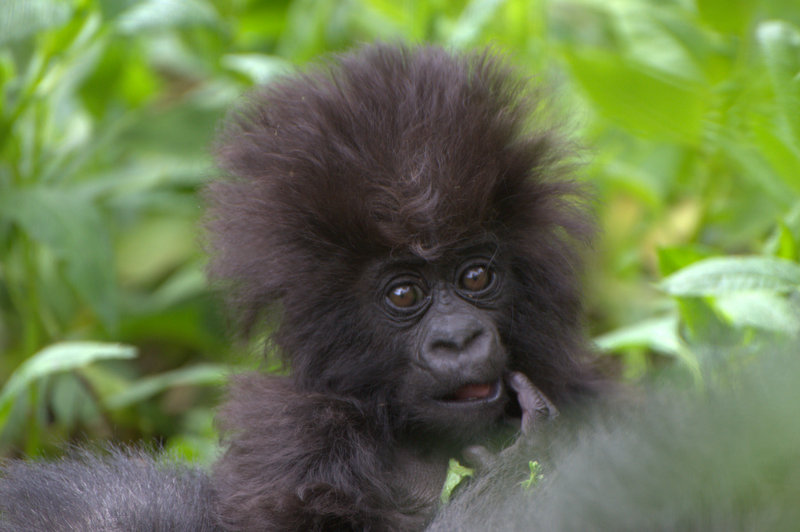
The gorilla trekking permit in DRC is the cheapest out of all three countries. It costs $400, whereas Rwanda is $1500 and Uganda has a permit for $700. To take the entire tour package, you may need to pay for lodging and meals as well as your transportation and park entry. Your tour package will also come with a guide.
Despite the high costs of mountain gorilla trekking, it is worth it for a number of reasons. A portion will go towards the conservation efforts, then the funding rangers to protect the gorillas, while some goes back to the local communities and villages near where they live.
About Virunga National Park
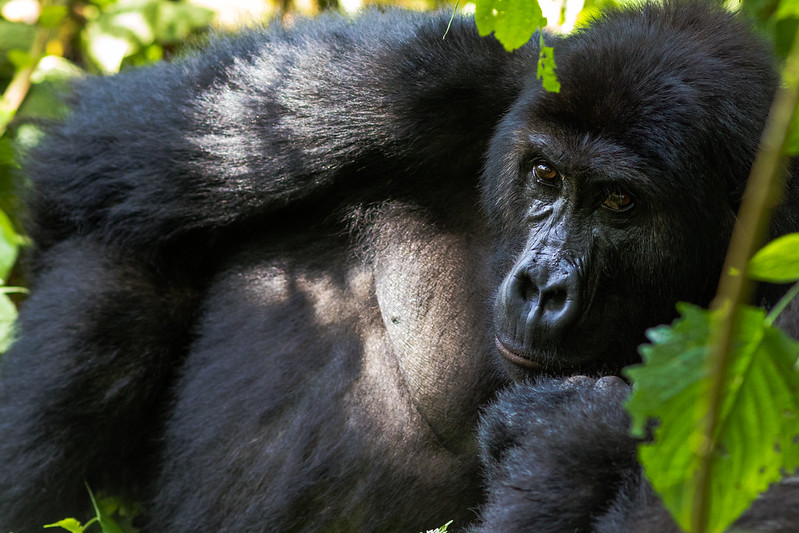
Located in the Democratic Republic of Congo, Virunga National Park is Africa’s oldest national park. The park is special because of its remarkable biodiversity and landscape. All this is because of its location in the middle of the Albertine rift which has a wide range of elevations, soils, and climates.
Virunga National Park is one of the most bio-diverse places on earth, this is Africa’s oldest national park. It is home to 12% of the world’s population of mountain gorillas, as well as forest elephants, golden monkeys, chimpanzees and many other species.
Age Restrictions and Physical Fitness For Gorilla Trekking in Congo
Anyone with a permit and the right age (15 yrs and above) who’s up for the trekking is welcome to go gorillas trekking, as long as they can be physically fit. Gorillas have a similar DNA makeup to us so they are very susceptible to human diseases and sicknesses. A simple cold or flu or even COVID could wipe out an entire gorilla family. So if you find yourself feeling under the weather the day of the trek, please let staff know and reschedule your trek for the safety of all gorillas!
Best Time For Gorilla Trekking In Congo

Gorilla trekking is always available because you can get a permit for any day of the year. The best time to go might be during drier months though because there will be less rain.
From June-September and December-February is the best time to go. The weather is mostly sunny, with a chance of rain in the forests. These are high season months so expect for there to be a higher demand for permits.
If you don’t care about the rain, then plan to visit during the low season, where there are fewer crowds & cheaper rates. Plus, it’s a more intimate way to experience the gorillas.
, , , , , , –
How Long In The Gorilla Trek In Congo
It takes about 3 hours hike around in the mountains to find some gorillas in DR Congo. It’s fairly easy because the trackers go looking for them like beforehand, so when you get to your group, they’ll know exactly where to take you. You can leave directly from the Lodge, and it takes about 1-1.5 hours to get there & same time to get back.
, , , , –
Kahuzi Biega National Park
This sanctuary is located near Bukavu and is home to the Eastern lowland gorillas. It’s a popular tourist destination, and the number of visitors there is steadily growing thanks to the country’s temporary political stability.
Maiko National Park
Maiko National Park is home to many primates & other animals. It’s best visited for wildlife viewing and gorilla trekking. One of the best times to visit Maiko National Park is during the dry season. Some of the most popular animals in this reserve are primates, buffalo, wildebeests, zebras and a wide array of birds.
Ntokou Pikounda and Noubale Ndoki National Parks
These Congo national parks have a number of Western lowlands gorillas. All over the world, they seem to be in large quantities in Ntokou Pikounda National Park when compared to Noubale Ndoki park. Gorilla trekking at this place is also much more popular among tourists due to the greater opportunity for them to see these rare mammals in person.
Other wildlife does inhabit these parks, not just the African leopards, African bush elephants and African forest buffaloes.
Gorilla Trekking In Congo, The Great Day
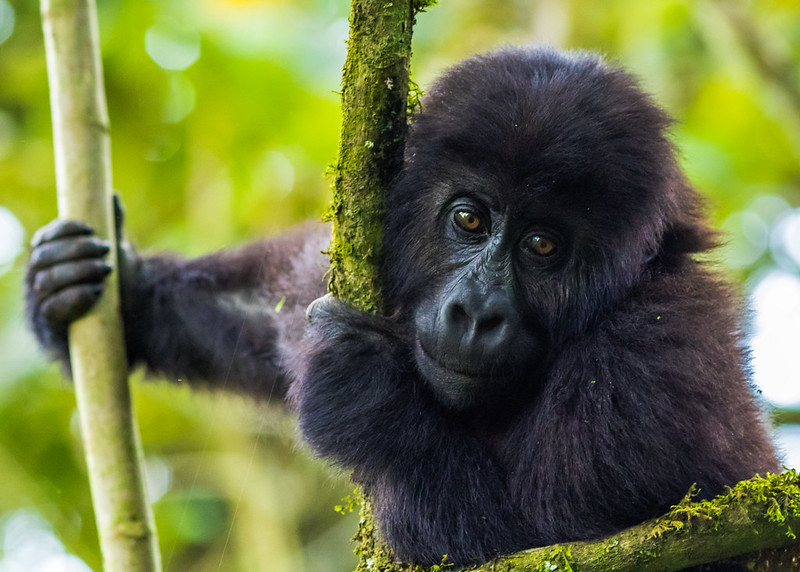
To start the experience, 7 am will be briefing time at park headquarters. Tourists are expected to comply with safety guidelines outlined by the park staff.
Finally, park rangers then allocate tourists to different gorilla groups. The allocation is based on the fitness levels of tourists and their ability to keep up with a group. In Virunga National Park, gorilla trekking starts from Bukima
On safari, tourists are encouraged to keep an eye out for other wild animals like the elephants, chimpanzees etc. You also have a chance of spotting some bird species. Once you spot gorillas on your safari, only one hour is given to spend time with them.
They can take photos or videos of the gorillas or spend their time admiring them. They feed, play, groom each other.
Congo Gorilla Trekking Rules
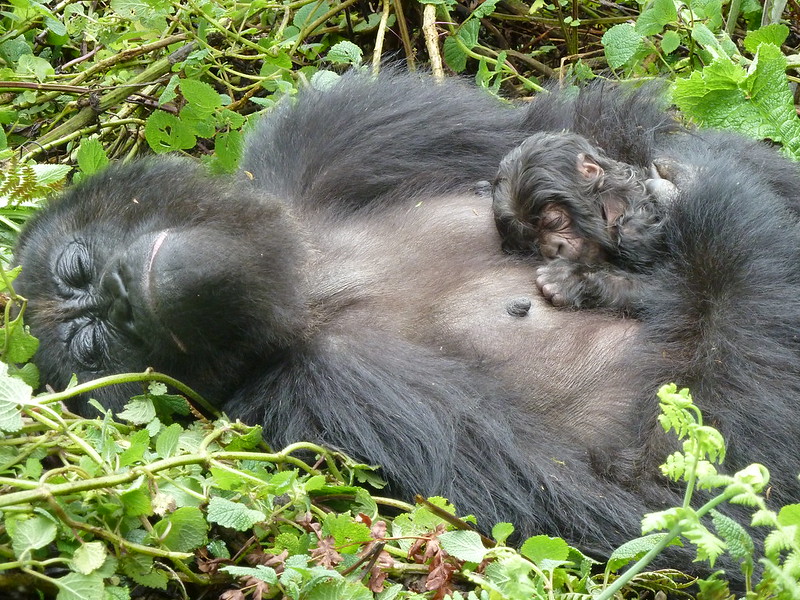
Below are some of the guidelines that may be provided by park rangers during your gorilla trekking in Congo experience.
-
Avoid getting too close (7 meters away at the most!) and ensure to give them some space. If they come closer, back away slowly.
-
Stay with your group. Avoid getting too close to gorillas – they will see this as a threat.
-
Silence is required with whispering allowed in an emergency.
-
Keep your distance from the gorillas as staring directly into their eyes can cause them to charge.
-
When charged at by a mountain gorilla, one should do the following: Never run but instead stand still. Gaze respectfully at it by lowering your head, and follow whatever advice the guide/ranger instructs you to do
-
Do not use flash photography in the park.
-
Avoid placing rubbish around the site and pick it up if you come with any food in wrappers.
-
Please keep your food with you during your visit. Eating should be done at least 200 meters away.
-
Persons below 15 years are not allowed to trek.
-
In order to maintain a safe space for the gorillas, it is important that you don’t come with a contagious disease if you’re going on the gorilla trek. We kindly ask volunteers who know they are coming down with a cold or flu not to join in with this event.
Tourists to Congo are unable to take part in gorilla trekking without first purchasing a permit from a recognized gorilla trekking tour operator in Congo. It costs $400 for all tourists and $150 for those living in Congo.
If you end up picking the Congo as your country to visit, be sure that you have a valid visa and visa processing has been done online before traveling. Also remember to take a valid passport and yellow fever card with you.