
Why Visit Rwanda?
Rwanda offers unique travel experiences, including gorilla trekking in Rwanda, where visitors can see endangered mountain gorillas in their natural habitat at Volcanoes National Park. The country is also home to stunning wildlife through Rwanda safaris in Akagera National Park, featuring lions, elephants, and rhinos. For nature enthusiasts, Nyungwe Forest National Park offers canopy walks and opportunities to spot chimpanzees. Beyond wildlife, visitors can explore the vibrant culture and history of Kigali, enjoy breathtaking views of Lake Kivu, and experience the warm hospitality of locals. With its rich biodiversity and unforgettable landscapes, Rwanda provides travelers with an exceptional destination for both adventure and relaxation.
What makes Rwanda a unique travel destination?
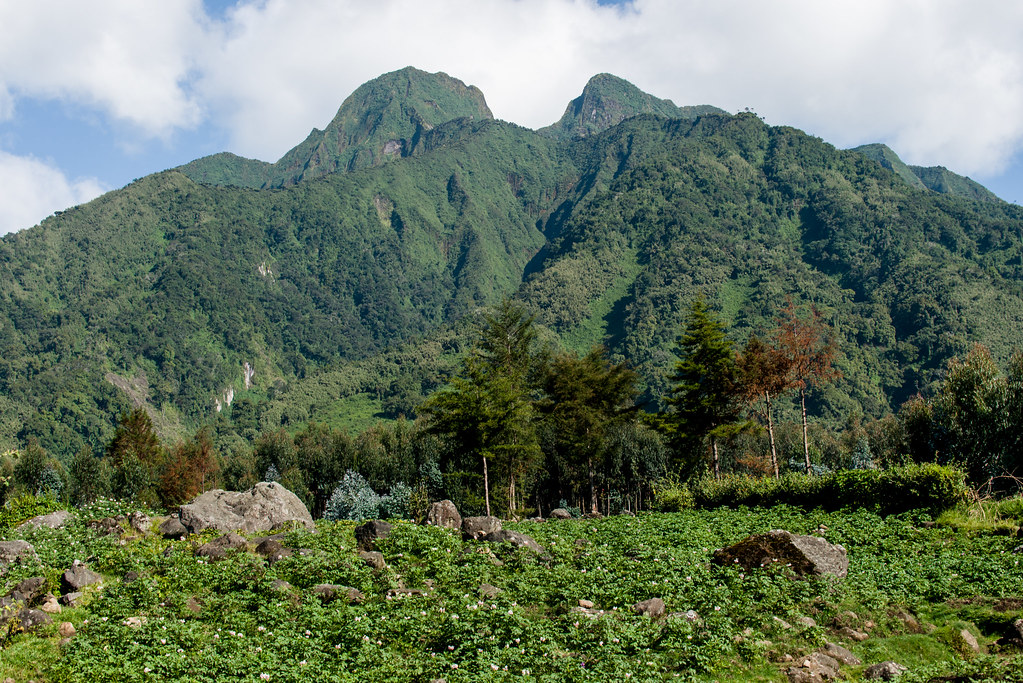
Rwanda is often considered distinctive in its appeal due to a combination of scenery, wildlife, and transformation. It is a small, landlocked country in East Africa, but its physical landscape is far from ordinary. The nickname “Land of a Thousand Hills” refers to abundant rolling hills, mountains, and valleys that dominate much of the scenery. These lush, green landscapes make for picturesque views almost anywhere you travel within the country.
The country’s biodiversity is another standout factor. Rwanda is one of the few places in the world where you can visit mountain gorillas in the wild. These critically endangered animals live in the forests of Volcanoes National Park, and trekking to observe them up close gives visitors a rare and unforgettable wildlife experience.
Beyond nature, Rwanda’s story of recovery and growth is unique. After the genocide of 1994, the country made strides in reconciliation, safety, and development. Today, Kigali, the capital city, is known as one of the cleanest and safest cities in Africa. This creates a blend of history, modernity, and resilience that resonates with many visitors.
Additionally, Rwandans have a strong commitment to environmental conservation. From banning plastic bags to promoting eco-tourism, efforts are evident in preserving both nature and cultural heritage.
Finally, Rwandan culture and traditions, such as dance, music, and handicrafts, bring authentic connections to visitors. Combined with tea plantations, local festivals, and community-based tourism, Rwanda offers a well-rounded and distinctive travel experience.
What are the top tourist attractions in Rwanda?
Rwanda offers several attractions that cater to diverse interests, from wildlife to history and culture. The Volcanoes National Park is a highlight for many travelers. It houses mountain gorillas, golden monkeys, and stunning volcanic landscapes. Gorilla trekking is a must-do activity for nature lovers, though permits are required due to conservation efforts.
Another key destination is the Nyungwe Forest National Park, home to primates like chimpanzees and hundreds of bird species. This park also has the Igishigishigi Canopy Walk, which offers stunning views from high above the forest floor. Similarly, Akagera National Park caters to safari enthusiasts, with opportunities to see lions, elephants, and hippos, making it ideal for game drives.
For lake lovers, Lake Kivu offers a chance to relax. It’s one of Africa’s Great Lakes and provides opportunities for kayaking, boat rides, and visits to lakeside villages.
In Kigali, the Kigali Genocide Memorial is a powerful historical site and museum. It provides insights into Rwanda’s tragic past and efforts to ensure peace and reconciliation. The memorial is moving and educational for visitors wanting to understand the country’s recent history.
Other attractions include the cultural experiences at Iby’Iwacu Cultural Village, stunning tea plantations, and exploring the traditions of local communities. Whether you enjoy nature, wildlife, or history, Rwanda has something to offer for everyone.
Why is Rwanda known as the “Land of a Thousand Hills”?
Rwanda is often referred to by this nickname because of its rolling hills and mountainous terrain. The country’s landscape is dominated by endless hills, valleys, and plateaus, making this description both poetic and accurate.
Unlike flat countries, Rwanda’s geography has an undulating nature almost everywhere. Hills are visible as far as the eye can see, and some can be quite steep. These geographic features are particularly prominent in places like Kigali, where city buildings have been constructed along and between hills, and in rural regions where farming is done on terraced slopes.
The western part of Rwanda is especially hilly, with volcanic ranges such as the Virunga Mountains marking the area. These contain five large volcanoes, adding further dramatic elevation to the geography. The range also acts as a natural border with the Democratic Republic of Congo and Uganda.
Beyond physical geography, the phrase “Land of a Thousand Hills” also symbolizes the beauty and variation of Rwanda’s landscapes. The plains, plateaus, and lush green hills make the country visually distinctive. Plus, because elevation contributes to the climate, the hills bring cooler, more comfortable weather compared to other Equatorial regions.
Historically, locals have lived on these hills and valleys for centuries, giving them cultural and agricultural significance as well. Many farm crops are grown within hilly terrains, showcasing how the land is both scenic and functional for residents of Rwanda.
What is the significance of the mountain gorillas in Rwanda?
The mountain gorillas in Rwanda hold great significance, both ecologically and economically. First, these gorillas are an endangered species found only in three countries: Rwanda, Uganda, and the Democratic Republic of Congo. Rwanda’s Volcanoes National Park is home to a significant population of them, making it one of the most important conservation areas for protecting their survival. Gorillas play a key role in maintaining the health of their forest habitat, which in turn benefits the broader ecosystem by supporting biodiversity.
From an economic perspective, the presence of these gorillas has essentially transformed Rwanda’s tourism sector. Gorilla trekking is a major activity, attracting visitors from all over the globe. While permits to visit the gorillas are expensive, the funds generated support conservation efforts and the surrounding communities. Local people benefit through employment as park rangers, guides, or staff in tourism-related businesses.
Culturally, the mountain gorillas symbolize Rwanda’s commitment to protecting its natural heritage. Conservation projects, such as the annual Kwita Izina ceremony (a Rwandan baby gorilla naming event), highlight the country’s dedication to preserving these animals. Conservation success has also improved human-wildlife coexistence, as local communities are increasingly involved in protecting gorillas rather than exploiting forest areas.
An example of their importance is the growing population of gorillas due to anti-poaching measures and community-based conservation programs. This shows Rwanda’s efforts in turning endangered species protection into a shared success for wildlife and humans.
What is the best time of year to visit Rwanda?
The ideal time for visiting Rwanda is during its two dry seasons, which are from mid-December to early February and from June to September. During these months, the weather is more predictable, with less rainfall, making outdoor activities such as gorilla trekking, hiking, and safaris more enjoyable.
The dry seasons are particularly important for gorilla trekking. The trails through Volcanoes National Park can become muddy and slippery during the rains, making navigation harder. With drier conditions, visitors find it easier to walk through the forest for several hours to locate the gorillas. Similarly, other national parks like Akagera are easier to explore when the roads and pathways are in good condition and animals are more likely to gather at water sources.
That said, the rainy seasons, from March to May and October to November, also have their advantages. The scenery is particularly lush and green during these times, and some visitors even prefer the more dramatic landscapes. Rainy seasons tend to attract fewer tourists, which might make accommodation and tours more affordable. Birds are also more active during these months, making it a great time for birdwatching.
For example, if someone prefers visiting popular spots without crowds or is an avid photographer seeking vibrant greenery, the rainy season might actually be a good option for them.
How has Rwanda’s history shaped its identity as a tourist destination?
Rwanda’s history, especially the events surrounding the 1994 genocide, has had a profound effect on the country’s identity and its appeal to visitors. The genocide, which resulted in the deaths of nearly 800,000 people in a very short period, left a traumatic mark on the nation. However, Rwanda has worked hard to rebuild itself as a peaceful, progressive, and forward-looking country.
Today, Rwanda’s history plays a role in attracting visitors who want to learn about the country’s resilience and its journey to recovery. For instance, the Kigali Genocide Memorial is a place where tourists can educate themselves on the events of 1994, honor the victims, and understand how local communities have worked towards reconciliation. Such historical sites provide context and foster a deeper connection with the people of Rwanda.
At the same time, Rwanda has also cultivated a strong identity through its natural beauty and wildlife, using tourism as a means to heal and move forward. The transformation of Rwanda into a safe, organized, and welcoming destination sends a message of hope and progress. Visitors often admire how the country has leveraged its past as a lesson while focusing on growth and conservation.
For example, community-centric tourism programs highlighting local crafts, traditions, and collaborations with former genocide survivors are integral to showing how the past and present intertwine in creating Rwanda’s unique appeal. Such experiences allow visitors to appreciate not just Rwanda’s natural wonders but also its human story of recovery.
What outdoor activities and adventures can visitors experience in Rwanda?
Rwanda offers a range of outdoor activities that cater to both thrill-seekers and nature lovers. One of the most popular adventures is trekking to see mountain gorillas in Volcanoes National Park. This involves hiking through lush forests to spend time observing these rare primates in their natural habitat. It’s a once-in-a-lifetime opportunity, as mountain gorillas are critically endangered and only found in a few parts of the world.
For those who enjoy challenging hikes, Mount Bisoke and Mount Karisimbi in the Virunga Mountains are ideal. Mount Bisoke has a stunning crater lake at the summit, providing breathtaking views after the climb. Mount Karisimbi is taller and generally suited for more experienced hikers.
Water-based activities are also available. Lake Kivu, one of Africa’s Great Lakes, is a perfect spot for kayaking, canoeing, fishing, and boat tours. Visitors can enjoy the calm waters while admiring the surrounding hills.
Akagera National Park is a must-visit for a safari adventure. The park is home to the “Big Five” (lion, leopard, elephant, rhino, and buffalo), among other animals, and offers guided day or night game drives. Additionally, nature enthusiasts can explore Nyungwe Forest National Park. This park is known for canopy walks, birdwatching, and spotting primates like chimpanzees.
For those interested in biking, the Congo Nile Trail is an excellent choice. It stretches alongside Lake Kivu, passing through vibrant villages and scenic landscapes. Whether walking, cycling, or driving, the views and interactions with local communities make this trail unique.
With plenty of options for adventure and exploration, outdoor enthusiasts visiting Rwanda can look forward to activities that are both exciting and enriching.
How does Rwanda’s wildlife and national parks compare to those in other African countries?
Rwanda’s wildlife and national parks offer unique experiences but differ in some ways from other African wildlife destinations. While countries like Kenya, Tanzania, and South Africa are famous for vast savannahs and large-scale migrations, Rwanda stands out for its combination of rainforests, mountainous terrain, and savannah ecosystems.
For example, visitors come to Rwanda to see mountain gorillas, which are only found in the Virunga Mountains region shared with Uganda and the Democratic Republic of Congo. Volcanoes National Park provides one of the best settings for gorilla trekking because of its well-organized infrastructure and conservation efforts. This focus on primates is distinct from countries with a stronger emphasis on savannah wildlife.
Akagera National Park offers a more traditional safari experience, with sights of lions, giraffes, zebras, rhinos, and other species. Although smaller in size compared to parks like Serengeti or Kruger, Akagera’s landscape is diverse, featuring grasslands, wetlands, and lakes. It’s one of the few parks in East Africa with significant conservation success stories, such as the reintroduction of lions and rhinos.
Nyungwe Forest National Park focuses on protecting the dense rainforest environment. This park is one of best spots for observing chimpanzees and colobus monkeys. Unlike savannah parks, Rwanda’s rainforests offer a more specific appeal for bird lovers and hikers.
Compared to larger parks across the continent, Rwanda places a strong emphasis on sustainability and eco-tourism, ensuring minimal environmental impact. The country’s smaller size also makes it easier to access these attractions , all major parks are just a few hours’ drive apart.
While Rwanda doesn’t compete in large-scale wildlife numbers or migrations, its uniqueness comes from giving visitors an intimate connection to both conservation and rare species not commonly found elsewhere.
What cultural experiences and traditions can visitors explore in Rwanda?
Rwanda offers vibrant cultural experiences that allow visitors to connect with its traditions and history. One of the standout experiences is learning about the Intore dance, a traditional form of performance involving energetic movements, drumming, and storytelling. Visitors can attend cultural centers or local events where the dance is performed, often accompanied by songs that reflect Rwanda’s heritage.
To better understand the country’s historical and cultural evolution, tourists often visit the Ethnographic Museum in Huye. It showcases traditional tools, clothing, musical instruments, and insights into everyday life before modern times. This is an excellent way to grasp Rwanda’s social and cultural foundations.
Another immersive experience involves visiting local communities. Many rural areas provide opportunities for tourists to participate in banana beer-making, basket weaving, or cooking traditional dishes with locals. These activities not only give hands-on insights into Rwandan life but also foster meaningful interaction between visitors and residents.
Visitors can explore traditional Rwandan cuisine, such as attempting to make isombe (cassava leaves) or tasting dishes at local restaurants. Another important tradition is learning about the Umuganda, a monthly community service day where citizens work together on projects like cleaning, planting trees, or building infrastructure. Visitors can observe or join these efforts to gain insight into Rwanda’s collective spirit.
Finally, conversations around Rwanda’s reconciliation efforts post-1994 genocide are central to understanding its modern culture. Sites like the Kigali Genocide Memorial offer guided tours that explain not just the tragedy but also the resilience and cultural healing of the Rwandan people.
By engaging in these rich cultural offerings, visitors can leave with a deeper appreciation for Rwanda’s past, present, and community values.
What is Rwanda’s approach to sustainable tourism and eco-conservation?
Rwanda has built a strong reputation for its focus on sustainable tourism and eco-conservation. This means that the country promotes tourism in ways that protect the environment, benefit local communities, and ensure the preservation of wildlife and natural resources for future generations.
One key example is their commitment to protecting mountain gorillas. Rwanda is home to a significant population of this endangered species, especially in Volcanoes National Park. To prevent over-tourism, the country limits the number of permits for gorilla trekking each day. Each permit is expensive, which helps fund conservation efforts and supports local development projects. This strategy both provides a unique experience for visitors and protects the gorillas’ habitat.
Rwanda also enforces strict environmental policies. For instance, in 2008, Rwanda became one of the first countries to ban plastic bags entirely. Tourists are not allowed to bring plastic bags into the country, reflecting a larger effort to keep the environment clean and waste to a minimum.
The tourism sector also emphasizes working with and benefiting local communities. For example, lodges and tour companies often hire local staff, purchase local goods, and involve local people in planning sustainable projects. In places like Akagera National Park, a portion of tourism revenue is shared with neighboring communities, encouraging people to support conservation efforts.
Rwanda has reintroduced species that had disappeared from the region, such as lions and rhinos in Akagera National Park. These projects not only restore balance to the ecosystem but also make the country a more attractive destination for people interested in wildlife.
By combining conservation, community benefits, and eco-conscious policies, Rwanda sets an example of how tourism can thrive without harming the environment or wildlife.
How safe and accessible is Rwanda for international tourists?
Rwanda is considered one of the safest countries in Africa for international travelers, with low crime rates and a stable government. The capital city, Kigali, is especially praised for being clean and well-organized. Travelers often comment on how safe they feel walking around, even at night.
The government has prioritized security for both locals and visitors. There is a strong presence of local police and community vigilance groups that help maintain peace and order. Serious crimes against tourists are rare, with most visits being problem-free.
For accessibility, Rwanda’s main international gateway is Kigali International Airport (KGL), which is modern and well-connected to other major cities around the world. Once you’re in the country, transportation isn’t a major issue. Roads are well-maintained, and the country’s compact size means you can travel to key destinations like Volcanoes National Park, Akagera National Park, or Nyungwe Forest within a few hours.
Public transportation options, such as buses and shared taxis, are affordable but may not be as comfortable or straightforward for international visitors. Private taxis, tour companies, or car rentals are a more convenient option, especially for traveling outside Kigali.
Health and safety are taken seriously in Rwanda. To enter, tourists are required to show proof of vaccinations, such as yellow fever, depending on their travel history. The country also encourages visitors to take precautions like using mosquito repellent to prevent malaria, though risks are relatively low compared to other African countries.
The friendly and welcoming nature of Rwandan people also enhances the sense of safety. Tourists often find locals eager to help and share insights about their country. Whether exploring vibrant cities, trekking for gorillas, or visiting cultural sites, Rwanda ensures a secure and accessible environment.
What are some authentic culinary and local experiences to try in Rwanda?
Rwandan cuisine is rooted in local ingredients and traditional cooking techniques, focusing on fresh produce and simple yet filling meals. A major staple is ugali, a thick maize flour dough that is often accompanied by vegetables, beans, or meat stews.
Isombe is another classic dish made from cassava leaves cooked with ground nuts or peanut butter, offering a rich and nutty flavor. It’s commonly served with sides such as rice, plantains, or sweet potatoes, which are staples in most Rwandan households.
For a protein-rich meal, many locals enjoy brochettes, which are skewers of grilled meat (often goat, chicken, or fish). These can be found in most restaurants and street food stalls, making them a tasty and accessible option for visitors.
One of Rwanda’s most unique local drinks is urwagwa, a traditional banana beer made from fermented bananas and sorghum flour. It’s often consumed during social gatherings or cultural ceremonies. Another popular drink is ikivuguto, a type of fermented milk with a tangy taste, often enjoyed as a snack or breakfast item.
Visitors can also experience traditional markets, such as Kimironko Market in Kigali, where they can interact with local vendors selling fresh fruits, vegetables, spices, and handmade crafts. Trying seasonal fruits like passion fruit, tree tomatoes, or avocados is highly recommended.
For an immersive cultural experience, some villages offer cooking classes where tourists can prepare traditional meals alongside locals. This not only provides a hands-on learning opportunity but also highlights the social aspects of Rwandan food culture.
Dining at social enterprises like the Women’s Bakery or restaurants run by cooperatives ensures you’re supporting community-driven businesses while enjoying authentic Rwandan flavors. These experiences combine local flavors with meaningful cultural connections, making them a highlight of any trip to Rwanda.
How To Book Your Safari in Rwanda
So, why visit Rwanda? From its incredible wildlife and beautiful landscapes to the unique culture and welcoming people, Rwanda offers unforgettable adventures for everyone. Wondering how to make it happen? It’s simple! Let the experts guide you by booking your trip with one of the trusted Rwanda Safari Companies. They’ll help create a seamless and memorable experience tailored to your interests. Don’t wait, start planning the adventure of a lifetime today!
Discover Twin Lakes Rwanda Burera and Ruhondo
The Twin Lakes Rwanda Burera and Ruhondo are picturesque water bodies located near Volcanoes National Park, making them a favored spot for those on Rwanda safaris or visiting for gorilla trekking in Rwanda. These lakes offer breathtaking views of the surrounding mountains and are popular for activities such as canoeing, birdwatching, and cultural visits to nearby communities. Perfect for relaxation after exploring the park, they provide a tranquil escape amidst Rwanda’s natural beauty. Visitors can enjoy fishing, hiking around the lakes, or a guided boat trip while taking in the serene environment. Their close proximity to Volcanoes National Park makes them an excellent addition to a wildlife-focused itinerary.
What are Twin Lakes Burera and Ruhondo, and where are they located in Rwanda?
Twin Lakes Burera and Ruhondo are two freshwater lakes situated in the northern part of Rwanda, close to the border with Uganda. These lakes are found near the Volcanoes National Park, a major conservation area known for mountain gorillas and dramatic volcanic landscapes. The lakes are called “Twin Lakes” because they are situated close to one another and connected by small rivers and canals. Despite their proximity, the lakes have distinct features and appearances.
Lake Burera is the larger of the two, whereas Lake Ruhondo is smaller and located at a slightly lower elevation. The geography of this area is defined by rolling hills, volcanic craters, and an impressive view of Virunga Mountain ranges, which create a scenic setting for the lakes.
These lakes are very important to the region, not only for their natural beauty but also for their contribution to local livelihoods, wildlife, and ecosystems. They are part of Rwanda’s high-altitude lake system, making them unique in terms of geography and biodiversity. They play an important role in supporting agriculture, fishing, and tourism in the surrounding communities.
Travelers who visit Rwanda often stop by Twin Lakes Burera and Ruhondo after exploring the Volcanoes National Park. Their location offers breathtaking views, serene boat rides, and opportunities for bird watching and relaxation, all framed by the towering backdrop of Rwanda’s volcanoes.
How were these lakes formed, and what is their geographical significance?
Twin Lakes Burera and Ruhondo were formed as a result of volcanic activity that shaped the surrounding area many years ago. The region is part of the East African Rift System, where tectonic plate movements caused the formation of volcanoes and rift valleys. When the volcanic activity created blockages in river flows, natural basins were formed, leading to the creation of these lakes.
Burera and Ruhondo are situated at higher altitudes, with Lake Burera lying at an elevation of around 1,865 meters (6,118 feet) above sea level. These high-altitude environments are highly significant because they support unique ecosystems and create conditions for specific types of vegetation and bird species. The lakes also collect and store water from rainfall, as well as from small rivers and streams flowing from the surrounding mountains.
Geographically, the lakes are in close proximity to the famous Virunga Massif, which includes active and dormant volcanic mountains. This location places them in one of Africa’s most dramatic landscapes, known for hosting rare wildlife, such as mountain gorillas and golden monkeys.
In terms of local significance, the lakes act as natural reservoirs for irrigation and domestic water use. They are also interconnected with the surrounding watershed system, helping maintain water availability for agriculture and hydropower generation. For travelers, the scenic beauty created by their volcanic origins adds to their distinction as one of Rwanda’s natural treasures.
What are the physical characteristics of the Twin Lakes (size, depth, elevation, etc.)?
The two lakes differ in size and physical characteristics, even though they are referred to as “twins.” Despite their differences, both are freshwater lakes surrounded by dramatic volcanic landscapes and hilly terrain.
Lake Burera:
- Size: About 55 square kilometers, making it larger than Lake Ruhondo.
- Shape: Irregular with multiple bays and inlets, which add to its complex shoreline.
- Depth: It is considered fairly deep, although exact maximum depths vary depending on the source.
- Elevation: It is located at an altitude of 1,865 meters (6,118 feet) above sea level.
Lake Ruhondo:
- Size: Smaller than Burera at around 28 square kilometers.
- Shape: Comparatively more compact with fewer inlets.
- Depth: Lake Ruhondo is slightly shallower compared to Lake Burera.
- Elevation: Found at a slightly lower altitude, at approximately 1,765 meters (5,791 feet) above sea level.
Both lakes are surrounded by steep slopes that were formed through volcanic and tectonic activity. The hills provide some of the best panoramic views of the area, and the elevation ensures cooler temperatures year-round, which is typical of Rwanda’s “land of a thousand hills.”
The average temperature in this region is pleasant, between 15–25°C (59–77°F), and the lakes themselves have relatively stable water levels, making them ideal for local activities such as fishing and water transport. These characteristics also make the Twin Lakes popular stops for visitors looking to relax amid serene landscapes.
What wildlife or unique ecosystems can be found around these lakes?
Twin Lakes Burera and Ruhondo are located amidst Rwanda’s lush northern highlands and are rich in biodiversity, offering refuge to a variety of plants and animals. Around these lakes, you can find aquatic life, birds, and unique wetlands ecosystems that thrive due to the lakes’ clean waters and relatively undisturbed surroundings.
For example, these lakes are known for attracting many bird species, including some that are native to the region. Birdwatchers often observe species like kingfishers, herons, cormorants, and ibis. Some birds use the wetland areas for nesting or as a stop during migration.
In the waters themselves, small fish species are a common sight. These fish support not only the ecosystems but also the local fishing communities, forming an essential part of the food chain. The surrounding vegetation, such as reeds and papyrus, creates a habitat for both animals and insects. These plants also play an important role in maintaining water quality and reducing erosion along the lakes’ edges.
The forests and hills around Burera and Ruhondo also harbor mammals and reptiles, though they are less widely documented compared to the birds and fish. Some smaller mammals, like monkeys, may occasionally be spotted nearby, especially because the area is not far from other wildlife-rich regions, like Volcanoes National Park.
Overall, the ecosystems near these lakes are valuable not only to the species that live there but also to the local residents who depend on the lakes for resources like fishing and for eco-tourism opportunities. Basic efforts to preserve this biodiversity are ongoing, as these natural areas are sensitive to disruptions.
How do the Twin Lakes contribute to the local communities and economy?
Twin Lakes Burera and Ruhondo play a big role in the daily lives and livelihoods of the nearby communities. One major way they help is through fishing. Local fishermen depend on these lakes for their catch, which provides food for their families and is also sold in nearby markets to earn income. Fish from these lakes are considered an important source of protein for the community.
In addition to fishing, the scenic location of the lakes has led to the growth of eco-tourism. Tourists visit the area to enjoy boat rides, hiking, and birdwatching. This increase in visitor numbers supports local businesses, such as small hotels, restaurants, and guided tour services. Many local residents find jobs in these businesses, boosting the area’s economy.
Agriculture is another area of connection. The lakes are used for irrigation, enabling farmers to cultivate crops like bananas, beans, and maize in the fertile land surrounding the waterbodies. The proximity of water helps keep the soil moist and suitable for farming, especially during dry periods.
Additionally, the lakes influence everyday life by providing freshwater for drinking, cooking, and cleaning. Though infrastructure remains limited in some areas, communities near the lakes benefit directly from the nearby water sources.
Lastly, the lakes are symbolic for many in the region, representing both a cultural resource and a way of life tied to the land and water. Whether through fishing, tourism, or farming, they remain an essential part of the local way of living.
What cultural or historical significance do the lakes hold for the people in the region?
Twin Lakes Burera and Ruhondo hold deep cultural and historical importance for the communities living nearby. They are viewed as sources of spiritual connection, legends, and identity for the people in the northern region of Rwanda.
Historically, the lakes were significant for early settlers in the area, providing the water they needed for survival and fertile land for farming. Early fishing practices date back centuries, and they became integral in the diet of the region’s inhabitants. These practices were often passed down across generations, showing how the lakes sustained communities historically and emotionally.
On a spiritual level, some local traditions and stories are tied to the lakes. Many Rwandans believe these natural locations hold spiritual significance, serving as symbols of creation or being connected to their ancestors’ lives. Such belief systems help preserve the importance of the lakes across modern generations.
Today, the lakes also hold symbolic value during local ceremonies and festivals. Events celebrating harvests or achievements in fishing often include shared meals that are tied to the lakes’ resources. This underscores how human lives are interwoven with the lakes as a source of prosperity.
By preserving these traditions and stories, the lakes remain a living cultural symbol and a reminder of the region’s history. Even as tourism and modernity have expanded, the local communities still view the lakes as their historical heart, combining practical needs such as fishing with cultural pride.
What are the main activities available for tourists at Twin Lakes Burera and Ruhondo?
The Twin Lakes Burera and Ruhondo offer tourists a variety of activities to enjoy, making them an appealing destination for those who appreciate natural beauty and outdoor adventures. Boat rides on the peaceful waters of the lakes are a popular choice. Tourists can explore the serene environment while taking in the scenic views of the surrounding hills, forests, and nearby volcanoes. These rides provide a relaxing way to enjoy the area’s tranquility and take in its charm.
Hiking and nature walks around the Twin Lakes are another favorite activity. The lush landscapes and small local villages provide excellent trails where visitors can enjoy the fresh air and observe life in the region. The paths often lead to spots with stunning panoramic views, such as vantage points overlooking both lakes or the nearby volcanoes.
For birdwatching enthusiasts, the Twin Lakes area is ideal. The lakes and their surroundings are home to various bird species, including kingfishers, herons, and other waterbirds. Observing these birds in their natural habitat is both enjoyable and educational for nature lovers.
Those interested in Rwanda’s culture can visit nearby villages to engage with the locals. Tourists may experience traditional Rwandan music, dance, and crafts, gaining insight into the area’s heritage and way of life. Some visitors opt to participate in community-led activities, such as fishing or learning about agriculture, which provide a direct connection to the local lifestyle.
Finally, the Twin Lakes area offers opportunities for fishing for those who wish to try their hand at catching tilapia, a common fish in these lakes.
How are the lakes connected to other natural attractions in Rwanda, such as Volcanoes National Park?
The Twin Lakes Burera and Ruhondo are located close to Volcanoes National Park, one of the most famous natural attractions in Rwanda. The park is home to mountain gorillas and offers gorilla trekking experiences, which is a major draw for tourists visiting the region. The close proximity of the lakes, approximately an hour’s drive from the park, makes them an excellent addition to any traveler’s itinerary.
Many visitors to Volcanoes National Park choose to extend their trip by spending time at the Twin Lakes. The area provides a peaceful retreat after more physically demanding activities, such as climbing Mount Karisimbi or trekking through the dense forest to see gorillas. The lakes are often viewed as a complementary attraction, balancing the adventure of exploring the park with the lakes’ calm and relaxing ambiance.
Additionally, the lakes are near other key landscapes within the region. For example, they are within driving distance of the famous Musanze Caves and offer a unique perspective of the Virunga Mountains. From various spots around the lakes, tourists can see the towering peaks of Karisimbi and Bisoke.
The Twin Lakes also act as part of an ecotourism network in Rwanda, as efforts are made to connect natural attractions with local communities. Tourists visiting Volcanoes National Park often pass through towns and villages near the lakes, creating opportunities for cultural tourism and additional economic benefits for local residents.
What challenges do Twin Lakes Burera and Ruhondo face, such as environmental or human impact?
Several challenges threaten the health and sustainability of Twin Lakes Burera and Ruhondo. Environmental degradation is one of the key concerns. Deforestation in the surrounding areas poses significant risks. When trees are removed, soil erosion increases, causing sediment to flow into the lakes. This sedimentation can disrupt the aquatic ecosystem, reducing water quality and impacting fish populations.
Another major issue is pollution from human activity. Waste from agricultural practices, including fertilizers and pesticides, can run off into the lakes, impacting water quality and aquatic life. Plastic waste and other trash left by visitors or locals can also accumulate in the area.
Overfishing in the lakes is another significant problem. While fishing is an essential aspect of the local economy, unregulated or excessive fishing can deplete fish stocks, harming the ecosystem and reducing the livelihood opportunities for local communities reliant on fishing.
The growing popularity of the lakes as a tourist destination has also introduced challenges. Improperly managed tourism can lead to overcrowding, strain on natural resources, and increased waste in the area. Development of infrastructure to support tourism, such as hotels or roads, can also disturb the natural beauty of the area if not carefully planned.
Lastly, climate change may pose a longer-term threat. Changes in rainfall patterns or prolonged droughts could impact the water levels in the lakes and the health of the ecosystems around them.
Efforts to address these challenges typically involve cooperation between the Rwandan government, conservation groups, and local communities. Initiatives to promote sustainable farming practices, eco-friendly tourism, and reforestation projects are critical for safeguarding the future of the Twin Lakes. Conservation education and regulation enforcement remain key in reducing these impacts.
Are the lakes accessible, and what are the recommended ways to visit them?
The Twin Lakes Burera and Ruhondo are accessible and relatively easy to visit, although their remote location means that some effort is required to reach them. They are located in the northern part of Rwanda, near the town of Musanze, which is a major travel hub and serves as a gateway to the lakes.
To get there, visitors usually first travel to Musanze, which is well-connected by road from Rwanda’s capital, Kigali (approximately a two-hour drive). Buses or private vehicles are common ways to make this trip. Once in Musanze, the lakes can be accessed by local transportation such as motorcycles (commonly known as motos), private cars, or guided tours.
The roads leading to the lakes can vary in condition; some stretches may be unpaved or rough, particularly as you get closer to the lakes themselves. For this reason, a vehicle with high ground clearance, such as a 4×4, might be helpful, especially during the rainy season when the roads can become muddy and slippery.
Guided tours are a popular option for those unfamiliar with the area. Many tour operators based in Musanze or Kigali offer packages that include transportation, a local guide, and sometimes extras like boat rides on the lakes or other nearby activities. A guide can also provide valuable information about the lakes, the local culture, and the natural environment.
Boat rides on the lakes themselves are a recommended way to explore. Visitors can hire local fishermen or small boats to take them across the peaceful waters, offering scenic views of the surrounding mountains and communities.
In terms of accessibility, while the lakes are reachable even for casual travelers, some physical activity (such as walking or boating) may be involved in enjoying the area fully. Visitors should wear sturdy shoes, bring water, and prepare for the possibility of uneven terrain.
How do the lakes contribute to sustainable development or conservation efforts in Rwanda?
The Twin Lakes Burera and Ruhondo play a meaningful role in sustainable development and conservation in Rwanda in several ways.
Firstly, they support local economies by offering opportunities for eco-tourism. Tourism in the region is designed to be environmentally friendly and involve local communities. For instance, many villagers around the lakes earn income by guiding visitors, renting out small boats, or selling handmade crafts. These activities provide jobs while encouraging the preservation of the lakes and their surroundings.
The lakes also contribute to conservation by creating a natural habitat for many species of plants and animals. Protecting the lakes indirectly ensures the survival of these ecosystems. Additionally, some local and international conservation organizations work in the region to study and protect these natural resources.
Small-scale fishing is another way the lakes contribute to sustainable development. The communities surrounding the lakes depend on fishing for their livelihoods, but in many cases, conservation measures are implemented to ensure fish stocks remain healthy over time. For example, regulations might limit overfishing or promote sustainable fishing practices.
The lakes are also used to collect rainwater and store it for various household uses in the local villages. This natural resource helps reduce reliance on groundwater, especially during dry seasons, thus promoting water conservation.
Efforts are being made to balance development and resource use. For example, there are campaigns to reduce deforestation and prevent soil erosion in the nearby areas, as these issues can lead to the silting of the rivers and streams feeding the lakes. Conservation initiatives also often focus on improving waste management in the surrounding villages to keep the lakes clean.
By combining economic benefits with environmental protection, the lakes become a valuable example of sustainable development in Rwanda, demonstrating how natural resources can be managed responsibly for both people and nature.
What is the best time of year to visit the Twin Lakes for the most enjoyable experience?
The best time to visit Twin Lakes Burera and Ruhondo is during the dry seasons in Rwanda, which typically occur from June to September and from December to February. These months offer ideal weather conditions for travel, exploration, and outdoor activities.
During the dry seasons, the roads leading to the lakes are usually in better condition, as there is less rainfall to cause muddiness or blockages. This makes it easier to access the lakes even on rough terrain. The weather is generally mild, with clear skies, which allows for stunning views of the lakes, the surrounding hills, and even the nearby Virunga Mountains.
Activities such as hiking around the lakes, enjoying boat rides on the calm waters, or exploring the local villages are more pleasant during this time, as there is less risk of heavy rain disrupting plans. The dry seasons are particularly good for photography since the views are crisp, and the natural lighting is excellent for capturing the scenic beauty of the lakes and their surroundings.
While the dry seasons are great for visiting, it’s still possible to visit during the rainy seasons (March to May and October to November). However, during these months, visitors might encounter challenges such as muddy roads, slippery paths, and occasional downpours that can limit outdoor activities.
Visitors are encouraged to bring lightweight, rainproof clothing and sturdy shoes, regardless of the season, as the weather in this region can sometimes change unexpectedly due to its high elevation.
If planning a visit, coordinating with tour operators or checking local weather forecasts ahead of time can help ensure the trip coincides with favorable conditions for a more enjoyable experience.
How To Book Your Safari in Rwanda
We’ve covered the basics of the Twin Lakes, Burera and Ruhondo, what makes them special, how to visit, and why they’re a must-see for nature lovers. Ready to explore these stunning lakes yourself? Booking is simple! Connect with one of the trusted Rwanda Safari Companies for an unforgettable experience. They’ll help plan the perfect trip to these scenic gems, ensuring a smooth and memorable adventure. Don’t wait, start your Rwandan journey today!
Top Things to Do in Rwanda
Top things to do in Rwanda include gorilla trekking in Rwanda at Volcanoes National Park, a unique opportunity to see mountain gorillas in their natural habitat. Explore Akagera National Park for exciting Rwanda safaris featuring elephants, lions, and hippos. Visit Nyungwe Forest National Park to experience canopy walks and spot chimpanzees. Learn about the country’s history at the Kigali Genocide Memorial and relax by Lake Kivu’s scenic shorelines. Spot golden monkeys, hike the Dian Fossey tomb trail, or climb Mount Karisimbi for adventure seekers.
What are the top tourist attractions in Rwanda?
Rwanda is a small but fascinating country in East Africa, often called the “Land of a Thousand Hills” due to its rolling green landscapes. It offers various attractions that cater to nature lovers, history enthusiasts, and adventure seekers.
One of the most famous attractions is Volcanoes National Park, where visitors can see the endangered mountain gorillas. These primates live in the rainforests at the base of the Virunga Mountains. It is a bucket-list experience for many.
Another key site is Nyungwe Forest National Park, which contains one of Africa’s oldest rainforests. It is home to over 300 bird species and 13 different types of primates, including chimpanzees. The canopy walk here is particularly popular, allowing travelers to walk on a suspension bridge high above the forest.
Lake Kivu, one of Africa’s Great Lakes, is another top destination. Visitors can relax in towns like Gisenyi or Kibuye, where there are beaches, boat tours, and opportunities for swimming or kayaking.
For history and culture, the Kigali Genocide Memorial in Kigali is an essential stop. It provides a powerful and emotional learning opportunity about the tragic events of the 1994 genocide and how the country has recovered.
Lastly, for those interested in wildlife, Akagera National Park offers traditional safaris with lions, elephants, zebras, giraffes, and more.
These attractions highlight the natural beauty and cultural richness of Rwanda. Whether you want to trek through jungles, witness unique animals, or learn more about the country’s history, there is something for everyone.
What are the best national parks to visit in Rwanda?
Rwanda has three main national parks, each offering something unique.
Volcanoes National Park is the most well-known of the three. Located in the northwestern part of the country, it is famous for its gorilla trekking experiences. Visitors hike through dense forests to find gorilla families in their natural habitat. This park is also home to golden monkeys and five volcanoes. Hiking opportunities here include Mount Bisoke, which has a crater lake at the summit.
Nyungwe Forest National Park is located in southwestern Rwanda and is perfect for those who love biodiversity. This rainforest park is one of the best places in Africa for chimpanzee trekking. Other attractions in Nyungwe include the canopy walk and birdwatching. The forest has a rich ecosystem that supports other primates, including colobus monkeys.
Akagera National Park, on the eastern side of Rwanda, is different because it focuses on plains and savannah landscapes. It allows visitors to see classic African wildlife, such as giraffes, elephants, leopards, and lions, during a traditional safari. There are also several lakes within the park where hippos and crocodiles can be seen. Boat safaris on Lake Ihema are a favorite option here.
Each park offers unique activities and wildlife experiences. Visitors can choose one based on their interests or visit all three for a diverse exploration of Rwanda’s natural beauty.
How can I experience gorilla trekking in Rwanda?
Gorilla trekking in Rwanda takes place in Volcanoes National Park, located in the northwest part of the country. This activity involves hiking through rainforests in search of mountain gorillas, which are critically endangered and found only in this region and neighboring countries.
Those interested in gorilla trekking need to obtain a permit, which is mandatory. The cost of this permit is around $1,500 per person as of 2023. The funds collected help conserve the gorillas’ habitat and support community development nearby. Permits should be booked well in advance, as they are limited to ensure the gorillas’ welfare.
The trek itself starts early in the morning. Visitors are divided into small groups and assigned a guide and trackers. The guide leads the group through the park, often for several hours, until a gorilla family is located. The terrain can be steep and muddy, so moderate physical fitness is helpful.
Once the gorilla group is found, visitors are allowed to spend one hour observing them. Watching gorillas up close is an incredible experience, as visitors see the animals interact, feed, and communicate. Photos are allowed but without a flash, to avoid disturbing them.
It is important to follow the rules set by the park authorities, including maintaining a safe distance (usually about 7 meters) and avoiding disruptive behavior. This helps protect both the visitors and the animals.
For preparation, visitors are advised to wear sturdy hiking boots, long sleeves, and waterproof gear, as the rainforest environment is unpredictable. Hiring a porter to carry heavy bags can also make the trek easier.
This once-in-a-lifetime opportunity is considered one of Africa’s most remarkable wildlife encounters.
What cultural experiences can I explore in Rwanda?
Rwanda’s culture is rich and highly influenced by its history, traditions, and daily life of the people. One important experience is visiting a Rwandan village or cultural center, like the Iby’Iwacu Cultural Village near Volcanoes National Park. Here, you can learn about traditional dances, songs, and crafts that have been practiced for generations. Visitors often participate in activities like spear throwing, traditional banana brewing, or learning how to grind sorghum.
Another great way to appreciate the culture is by exploring traditional Intore dance performances, which are symbolic and celebrate warrior traditions. The dancers wear special costumes, including grass wigs and colorful garments, while moving rhythmically to drum beats.
You can also visit local art galleries and markets, such as the Kigali Arts Center and Inema Art Center, to see contemporary Rwandan art inspired by social and traditional themes. Handicrafts like baskets, beaded jewelry, and pottery from local markets like Caplaki Craft Village allow you to connect with the artisans and their skills.
Lastly, don’t miss engaging with Umuganda, Rwanda’s collective community work held every last Saturday of the month. Citizens come together to clean streets, build homes, or plant trees. Participating in this gives an authentic glimpse into how Rwandans prioritize community and unity.
What are the must-visit cities in Rwanda?
Though Rwanda is small, its cities are fascinating in their unique contributions to the country’s identity. Kigali, the capital, is a must-see for its modern skyline and cultural landmarks. It’s home to the Kigali Genocide Memorial, where you can reflect on Rwanda’s past; and Nyamirambo, a bustling neighborhood that’s a hub of vibrant local life, great food, and walking tours conducted by women-run initiatives.
In Musanze, located near Volcanoes National Park, many travelers stay as they prepare for gorilla trekking. The city offers beautiful views of the Virunga Mountains and caves to explore, such as the Musanze Caves, which have large underground chambers formed through volcanic activity.
Huye (formerly Butare), often referred to as Rwanda’s cultural capital, boasts important landmarks like the National Museum of Rwanda, offering insight into Rwandan history, traditional artifacts, and daily life. Academic institutions such as the University of Rwanda are also based there.
Another smaller yet interesting city is Gisenyi, perched along the shores of Lake Kivu. With its relaxing lakeside beaches and proximity to the Congo border, it’s a peaceful getaway destination that offers calm waters, boat rides, and fresh food.
What outdoor activities and adventures are popular in Rwanda?
Rwanda offers plenty of outdoor fun beyond its famous gorilla trekking. One exciting activity is hiking and biking around the scenic Congo-Nile Trail near Lake Kivu. The trail runs for about 227 kilometers with breathtaking views of the lake, rolling hills, and lush plantations. For those who prefer shorter routes, it’s also possible to take smaller sections of the trail for a day.
Another popular choice is exploring the Nyungwe Forest National Park, known for its incredible canopy walk. Suspended 50 meters above the ground, this long, hanging bridge allows visitors to walk amongst the treetops and get close to some of the park’s 13 species of primates, including chimpanzees and colobus monkeys.
For thrill-seekers, kayaking on Lake Kivu is an option. The lake’s calm waters are ideal for paddling while taking in the surrounding green hills. Birdwatching enthusiasts can spot species like crowned cranes and kingfishers along the shore.
Lastly, consider venturing into Akagera National Park for classic safari experiences. The park is suited for game drives where you can see elephants, lions, giraffes, and hippos in their natural habitat. There’s even the option of taking a boat safari on Lake Ihema to spot crocodiles and birds up close.
What are the best places to learn about Rwanda’s history, including the genocide memorials?
To understand Rwanda’s history, especially the genocide, there are several key sites you can visit. The Kigali Genocide Memorial is one of the most significant places. Located in Kigali, this site serves as a tribute to the over 800,000 people who lost their lives in the 1994 genocide against the Tutsi. This memorial holds exhibits, photographs, and personal stories that honor the victims while educating visitors about the events leading up to and during the genocide. There’s also a garden where people can reflect.
At the Murambi Genocide Memorial, located in southern Rwanda, you can see the preserved remains of victims, offering a visceral and emotional understanding of the tragedy. This site was a school where thousands of Tutsi individuals sought refuge but ultimately lost their lives. The preserved rooms and victims’ belongings highlight the intensity of the atrocities.
The Ntarama and Nyamata Memorials, situated about 30 minutes from Kigali, were once church sanctuaries but became mass killing sites during the genocide. At Ntarama, personal items including clothing and prayer books left by victims are still on display. Similarly, Nyamata showcases the devastating scale of the events with bone and clothing displays.
Beyond the memorials, the Camp Kigali Belgian Peacekeepers Memorial tells the story of ten United Nations peacekeepers who were killed during the initial stages of the genocide. This memorial offers insight into the international response to the crisis.
Visiting these locations fosters deeper understanding and encourages reflection on the importance of peace and reconciliation. These sites are solemn spaces, so respectful behavior is essential while attending.
What is the best time of year to visit Rwanda?
Rwanda’s climate is largely dependent on its two rainy seasons and two dry seasons. The best time to visit is during the dry months, which fall from June to September and December to February. These periods have minimal rainfall, making it easier to travel, explore, and enjoy outdoor activities.
If you’re interested in gorilla trekking, the dry seasons are ideal, as the trails in the mountain forests are less muddy and easier to navigate. The popular gorilla trekking regions, like Volcanoes National Park, have lush greenery year-round, but dry conditions enhance the overall experience.
Wildlife viewing in areas like Akagera National Park is also better during these months because animals tend to gather around water sources, making sightings simpler. The lack of rain improves visibility, and the weather is generally sunny with pleasant temperatures.
That said, the rainy seasons in Rwanda, March to May and October to November, have their own appeal. With frequent rains, the landscape becomes especially green and vibrant during these months. Lodging and tour prices may also be lower, making it more budget-friendly for some travelers. However, muddy trails and occasional logistical challenges could arise, especially in remote areas.
For photographers, either season can work depending on your preferences. The dry season offers clearer skies, while the rainy season provides dramatic, cloudy backgrounds with flourishing vegetation.
Rwanda has a relatively mild, tropical highland climate with temperatures generally ranging between 12°C and 27°C (54°F to 81°F) throughout the year, so any time is manageable depending on your itinerary.
What local foods and cuisines should I try in Rwanda?
Rwandan cuisine emphasizes fresh, locally sourced ingredients, with meals often built around starches like potatoes, cassava, and plantains. One staple dish to try is ugali, a thick porridge made from maize or cassava flour. It’s commonly served with vegetables, beans, or meat.
Another must-try is ibihaza, a dish made of boiled pumpkin chunks mixed with peanuts or peanut butter sauce. This simple yet flavorful combination highlights staples of Rwandan agriculture.
For something heartier, there’s isombe, a popular dish made from cassava leaves that are pounded and cooked with groundnuts, serving as a perfect side with ugali or rice. It has a rich, somewhat nutty flavor.
Rwanda is also known for its love of plantains, particularly in the form of matoke, a dish made of steamed or boiled green bananas, often served with meat or tomato-based sauces.
Meat dishes, like brochettes (grilled meat skewers, often made from goat or beef), are widely available at local eateries and are typically accompanied by fried potatoes.
Don’t miss ikivuguto, a fermented milk drink similar to yogurt, commonly enjoyed as a refreshing and healthy snack. Another popular beverage is Rwandan coffee, internationally recognized for its high quality. A visit to a local coffee plantation allows you to see how beans are grown and processed while sampling freshly brewed cups.
Sweet lovers should try mandazi, a type of fried doughnut that’s slightly sweet and often paired with tea or coffee. Lastly, the banana beer or urwagwa, brewed from fermented bananas and sorghum, offers a glimpse into traditional Rwandan beverages.
Local markets and smaller restaurants, known as melange, often provide a wide variety of these dishes at affordable prices, so it’s worth visiting one to immerse yourself in the local flavors.
Are there any unique festivals or events in Rwanda worth attending?
Rwanda showcases several unique festivals and events each year that reflect its culture, traditions, and modern developments. A notable highlight is the Kwita Izina Ceremony, which is Rwanda’s answer to a baby-naming festival , but for gorillas. This annual event takes place in September in the Musanze district, close to Volcanoes National Park. It is a special celebration of Rwanda’s commitment to wildlife conservation. At this event, new baby gorillas born during the year are given names by conservationists, researchers, and even celebrities. It’s a one-of-a-kind way to support gorilla preservation and see how important this initiative is to Rwanda.
Another major event is the Kigali Up! Festival, a music and arts event that blends African rhythms and global beats. It usually occurs in Kigali, Rwanda’s capital, and brings musicians and performers from around the world. It’s a fantastic window into both local and international music culture.
The Rwanda Film Festival, sometimes called Hillywood, is another important cultural event. Instead of being exclusive to one location, the festival moves from place to place, bringing Rwandan cinema to rural and urban communities alike. It showcases films produced in Rwanda and beyond, giving visitors a chance to experience creative storytelling from diverse perspectives.
Lastly, food lovers might appreciate the Kigali Farmer’s Market, which occasionally hosts food-focused events. Here, people can sample the best of Rwandan produce, including local specialties such as bananas, beans, and cassava.
Each of these festivals and events offers visitors a deeper connection to Rwanda’s culture and heritage, whether through wildlife conservation, music, film, or food.
What are some lesser-known destinations or hidden gems in Rwanda?
While famous places like Volcanoes National Park and Kigali are often highlighted, Rwanda has several hidden gems that offer tranquil and unique experiences.
One such destination is Nyanza, located in the southern part of the country. It’s a small town with significant historical importance, as it was once the seat of Rwanda’s monarchy. A visit to Rukari, the traditional palace of the Mwami (king), offers insight into the ancient traditions of Rwandan royalty. Modern exhibits nearby add extra historical perspective, making it a fascinating visit without the crowds seen in larger cities.
On the shores of Lake Ruhondo and Lake Burera, travelers can explore breathtaking natural scenery. These twin lakes, located near Musanze, are perfect for people who enjoy peace and quiet. Visitors can take canoe trips, birdwatch, or just relax while absorbing the views of the surrounding hills.
Another lesser-visited spot is Nyungwe Cultural Village, which resides on the outskirts of Nyungwe Forest. This village allows visitors to experience local traditions through dance performances, craft-making demonstrations, and even traditional cooking. It’s an enriching way to learn about rural life away from the busier tourist spots.
For those looking for an adrenaline rush, Rusumo Falls, located near the border with Tanzania, presents an exciting experience. Though less well-known than Akagera or Volcanoes parks, this waterfall is stunning and situated in an area where fewer tourists venture.
These lesser-known destinations add depth to any Rwanda visit and allow travelers to experience facets of the country that are less influenced by mainstream tourism.
How can I travel around Rwanda, and what are the transportation options?
Traveling around Rwanda is generally straightforward, owing to the country’s small size and good infrastructure. The most common method of transportation is the public bus system, which connects cities and towns across Rwanda. For instance, larger buses travel between key destinations like Kigali, Musanze, and Huye. While inexpensive, buses can get crowded, so it’s best to plan ahead or consider traveling during non-peak times.
For shorter distances within cities or towns, motorcycle taxis (moto-taxis) are a quick and popular option. Riders wear helmets, and fares are usually affordable. However, it’s good to confirm the price before hopping on, as rates are not always fixed.
For travelers who prefer more comfort or flexibility, private car hires are a great idea. Several companies in Kigali offer rental services, and some include drivers for visitors who are not familiar with local roads. 4×4 vehicles are ideal for trips to national parks or more rural areas, ensuring smoother travel on bumpy surfaces.
Another way to explore Rwanda, especially for group travelers, is by taking tourist shuttles or organized tours. These are commonly arranged for visits to places like Volcanoes National Park or Akagera, and they allow visitors to sit back and enjoy the sights without worrying about navigation.
Within major cities like Kigali, services like Uber-like apps (e.g., YegoMoto) are gaining popularity. These allow you to easily book safe, regulated transportation, tailored to your destination and needs.
Lastly, for those who need to get across the country quickly, domestic flights provided by carriers such as RwandAir help link Kigali to other regions like Kamembe near Nyungwe Forest. This is a time-saving choice if you’re on a tight schedule.
With all these options, exploring Rwanda is neither difficult nor overwhelming, even for first-time visitors. Simply select the mode of transport that suits your budget and travel style.
How To Book Your Safari in Rwanda
Curious about the incredible things to do in Rwanda? From trekking with mountain gorillas to exploring vibrant culture and breathtaking national parks, this guide covered the ‘what,’ ‘how,’ and ‘why’ of planning your adventure. Now it’s time to turn inspiration into reality. To make your trip seamless and unforgettable, contact one of the trusted Rwanda Safari Companies. They’ll help you craft the perfect itinerary and handle all the details. Your Rwandan adventure is just a click away!
Rwanda Sightseeing Tours
Rwanda sightseeing tours offer incredible opportunities to explore Volcanoes National Park, renowned for gorilla trekking in Rwanda, one of the country’s most sought-after activities. These tours often include visits to Akagera National Park for game drives and diverse wildlife, as well as Nyungwe Forest National Park, famous for chimpanzee trekking and canopy walks. Lake Kivu provides a serene setting for relaxation or kayaking. Many Rwanda safaris combine cultural experiences, such as exploring Kigali’s Genocide Memorial, with nature-focused adventures, making the country a top destination for eco-tourism.
What are the must-visit tourist attractions in Rwanda?
Rwanda offers a variety of places that every traveler would enjoy visiting. One of the most famous is the Volcanoes National Park, home to the magnificent mountain gorillas. This park is located in the northwest of the country and is part of the Virunga Mountains, an area rich in biodiversity. Many people come here to see the gorillas in their natural habitat, which is a unique and rare opportunity. Other wildlife such as golden monkeys and bird species can also be seen here.
Next, there’s Nyungwe Forest National Park, one of the oldest rainforests in Africa. Visitors can go on a canopy walk to enjoy a bird’s-eye view of the lush forest. This park is also known for hosting chimpanzees, beautiful waterfalls, and hundreds of unique plant species.
Another must-visit is Kigali Genocide Memorial in the capital city, Kigali. This is a place of remembrance dedicated to the victims of the Rwandan Genocide in 1994. It provides an opportunity to learn about Rwanda’s history and is an important stop to understand the country’s resilience.
Lake Kivu, one of Africa’s Great Lakes, is another favorite destination. It is perfect for those looking for relaxation, boating, or even kayaking. Its shores are dotted with scenic towns like Gisenyi, Kibuye, and Cyangugu.
Finally, Akagera National Park offers a classic African safari experience. This park has the big five animals, elephants, lions, leopards, rhinos, and buffaloes, making it a great destination for wildlife enthusiasts.
What is the best time of year to go sightseeing in Rwanda?
The best time to visit Rwanda largely depends on what you plan to do, but overall, the dry seasons are considered ideal. Rwanda experiences two main dry seasons: June to September and December to February. During these months, the weather is more predictable, and the conditions are more comfortable for outdoor activities such as trekking and safaris.
For mountain gorilla trekking, the dry season from June to September is perfect. The trails in the Volcanoes National Park are less muddy, making it easier to hike through the forest. Additionally, the chances of heavy rain disrupting your trek are much lower.
If you are interested in bird watching, December through March is a great time since migratory birds are present in Nyungwe Forest National Park and Akagera National Park.
However, the wet seasons (from March to May and October to November) also have their advantages. During this period, the scenery is greener, and the forests appear more vibrant. This is also the best time for photography, as the landscapes are beautifully lush. Some lodges and travel operators may also offer discounts during the wet season, making it a budget-friendly option for travelers.
Regardless of the time of year, it’s a good idea to pack layers and rain gear since Rwanda’s tropical climate can occasionally bring sudden rain showers, even during the dry months.
How can I experience Rwanda’s famous mountain gorilla trekking?
Experiencing Rwanda’s mountain gorilla trekking is relatively easy but requires careful planning. To begin, you’ll need to purchase a gorilla trekking permit. In Rwanda, these permits are managed by the Rwanda Development Board and currently cost $1,500 USD per person. This fee might seem high, but it helps fund conservation efforts and community development.
The trekking takes place in Volcanoes National Park, located about 2-3 hours from Kigali. Most travelers prefer staying in nearby towns like Musanze to make transportation easier. Permit holders are divided into groups and assigned to one of the various gorilla families in the park. A small number of visitors are allowed per group to minimize the impact on the gorillas’ habitat.
Trekking involves hiking through dense forests and sometimes steep terrain, so a moderate level of fitness is recommended. Treks can last anywhere from 1 to 4 hours, depending on where the gorilla family is located that day. Guides and trackers accompany each group, ensuring safety and sharing information about the gorillas and their environment.
Once you find the gorillas, you are allowed to spend one hour with them. It’s important to follow the rules provided, such as standing at least 7 meters away from the gorillas and not making loud noises. Wearing a mask is often required to minimize the risk of spreading diseases to the gorillas.
It’s a good idea to wear hiking boots, carry water, and bring a waterproof jacket as the weather can be unpredictable. Many people find this experience unforgettable, as seeing mountain gorillas in the wild is rare and unique.
Are there guided tours available for exploring Rwanda’s landmarks?
Yes, guided tours are available for exploring various landmarks in Rwanda. These tours are provided by licensed tour operators and experienced guides familiar with the country’s landmarks, history, and natural beauty. Guided tours are perfect for learning more about Rwanda’s culture, wildlife, and historical sites while ensuring visitors navigate efficiently.
Popular landmarks like the Kigali Genocide Memorial, the National Museum of Rwanda, Nyungwe Forest National Park, and Lake Kivu often have guided options. For example, visiting the Kigali Genocide Memorial with a knowledgeable guide provides deep insights into the events of 1994 and helps visitors understand the significance of this part of Rwanda’s history.
Selecting a guided tour for wildlife experiences, such as mountain gorilla trekking in Volcanoes National Park, is mandatory. Trained park rangers guide groups and share information about the gorillas’ behavior and conservation efforts. These guided experiences also ensure tourists follow environmental protocols.
Guided tours also range in format. Visitors can choose walking tours, private car tours, or even package tours that include accommodation and meals. For shorter visits, city tours in Kigali introduce landmarks, colorful markets, and local traditions. If you’re interested in a cultural visit, some tours include trips to traditional villages or coffee plantations.
Costs and availability vary, so options can suit various budgets and preferences. Popular companies like Wilderness Safaris or local Rwandan tour operators can be contacted for bookings. These guided experiences save time and enhance the overall enjoyment of exploring Rwanda.
What are the top national parks to visit in Rwanda?
Rwanda has several national parks that showcase diverse wildlife, breathtaking scenery, and conservation efforts. Here are the top ones to visit:
- Volcanoes National Park: Located in the Virunga mountain range, this park is best known for mountain gorilla trekking. It’s home to a large portion of the world’s wild mountain gorillas. Visitors can also spot golden monkeys and admire the lush volcanic landscapes. Famous hikes like the Karisoke Research Center trail (linked to Dian Fossey) are also available.
- Nyungwe Forest National Park: This park features one of Africa’s oldest rainforests and a vast array of biodiversity. Visitors can enjoy chimpanzee tracking and look for monkey species like colobus monkeys. The canopy walk, which offers a bird’s-eye view of the forest, is a must-try.
- Akagera National Park: Known for its savannah ecosystem, Akagera offers traditional safari experiences where visitors can look for the “Big Five” (lions, elephants, rhinos, leopards, and buffalos). The park also includes many lakes, making it great for birdwatching and boat safaris.
Each park is managed with strict conservation rules, aiming to protect wildlife while fostering tourism. To visit these parks, booking permits and hiring guides is often required, especially for gorilla and chimpanzee tracking.
It’s worth noting that Rwanda’s parks have made incredible strides in conservation and sustainable tourism, giving visitors the chance to explore responsibly. Taking time to visit these parks highlights Rwanda’s commitment to preserving its natural heritage.
How can I experience the culture and traditions of Rwanda during my trip?
Experiencing Rwanda’s culture and traditions involves connecting with its history, art, music, food, and daily life. Here’s how you can dive into Rwanda’s cultural richness:
- Visit Local Villages: Many cultural visits can be arranged in traditional villages like the Iby’Iwacu Cultural Village near Volcanoes National Park. These visits showcase traditional dance performances, storytelling, crafts, and food preparation. You can participate in activities like grinding millet or making banana beer.
- Attend Festivals and Events: If your visit aligns with special events, don’t miss festivals like the Umutoma (Gorilla Naming Ceremony) or dance performances at cultural centers. These events include lively music, drumming, and the Rwandan warrior dance known as Intore.
- Try Traditional Rwandan Cuisine: Food plays an important role in culture. Sample dishes like ugali (a maize flour-based dish), isombe (cassava leaves with peanuts), and brochettes (meat skewers). Enjoy meals in local restaurants or street markets for an authentic taste.
- Explore Kigali’s Art and History: Rwanda’s capital, Kigali, is a hub for art galleries, craft shops, and memorials. Visit the Kigali Genocide Memorial to understand Rwanda’s history and resilience, or buy handmade crafts and basketry from cooperatives like Inema Art Center or Azizi Life.
- Learn About Coffee and Tea: Visiting coffee plantations offers insight into Rwanda’s agricultural culture. Engage with farmers and understand how coffee and tea are grown and processed.
Participating in these activities goes beyond sightseeing and gives you a meaningful insight into how people live and maintain traditions. Visitors often leave with a deeper appreciation of Rwanda’s community spirit.
What is the cost of sightseeing tours in Rwanda?
The cost of sightseeing tours in Rwanda can vary greatly depending on the type of tour, its duration, and the activities included. For a basic idea:
- Mountain Gorilla Trekking – One of the most famous activities in Rwanda, mountain gorilla trekking permits cost about $1,500 per person (as of 2023). This is the permit fee for visiting Volcanoes National Park, and it supports conservation efforts. This fee does not include transportation, lodging, or guide fees.
- National Park Safaris – Safaris in national parks like Akagera National Park may cost $200–$500 per day per person, depending on the tour package, size of the group, and whether activities such as boat rides or game drives are included.
- City Tours and Cultural Experiences – Sightseeing in urban centers such as Kigali or visits to cultural sites like the Kigali Genocide Memorial can range from $30 to $100 per person. Customized tours including meals or additional stops may cost more.
- Multi-Day Trips – Comprehensive tours ranging from 3 to 10 days can cost $1,500 to $10,000 per person, depending on accommodations (luxury versus budget), transportation, included activities, and group size.
Example: A 4-day tour might include activities such as a visit to Kigali, gorilla trekking in Volcanoes National Park, and a safari in Akagera National Park. Such a package could cost about $3,000 per person, excluding airfare to Rwanda.
These pricing examples reflect package deals and standalone costs, so travelers should always check what’s included when booking, such as guide services, park entry fees, meals, and gear.
Are there multi-day itineraries available for exploring Rwanda comprehensively?
Yes, Rwanda offers various multi-day itineraries, which allow travelers to explore its natural beauty, cultural heritage, and unique wildlife in depth. Experiences can range from luxury tours to more budget-friendly options.
- 3-Day Gorilla Trekking Itinerary: This short tour often focuses on visiting Volcanoes National Park for gorilla trekking. Travelers may also visit Iby’Iwacu Cultural Village nearby to learn about Rwandan traditions. The package generally includes transportation from Kigali, two nights of accommodation, gorilla permits, and meals.
- 5-Day Wildlife & Cultural Tour: This itinerary usually includes a safari in Akagera National Park, cultural exploration in Kigali, and gorilla or golden monkey trekking in Volcanoes National Park. Other highlights might add visits to the Kigali Genocide Memorial, local markets, and traditional performances.
- 7 to 10-Day Extended Itineraries: These comprehensive packages cover Rwanda’s key attractions by including places like Nyungwe Forest National Park for chimpanzee trekking and canopy walks, Lake Kivu for relaxation or water activities, Akagera National Park for game drives, and cultural touring in Kigali. Longer tours might conclude with gorilla trekking.
Example: A 7-day package might cost upward of $5,000 per person, depending on accommodations. One typical option could include:
- Day 1: Kigali arrival and cultural sites.
- Day 2-3: Safari in Akagera National Park.
- Day 4: Travel to Lake Kivu for relaxation.
- Day 5-6: Gorilla trekking in Volcanoes National Park.
- Day 7: Farewell dinner and departure.
These itineraries are organized by various tour operators, or you can customize trips based on specific preferences.
What safety tips should I know before going on sightseeing tours in Rwanda?
Rwanda is considered one of the safest countries in Africa for tourists, but as with travel anywhere, there are some safety tips to keep in mind:
- Health Precautions:
-
- Make sure to get recommended vaccinations, such as for yellow fever (a requirement for entry).
- Malaria is present in Rwanda, so travelers are advised to take anti-malarial medication and use insect repellent.
- Bring a small first-aid kit with essentials like bandages, antiseptic, and any regular medications.
- Wildlife Encounters:
-
- Follow instructions from guides closely, especially during activities like gorilla trekking or safaris. Keep a safe distance from animals and avoid sudden movements.
- Do not feed or provoke animals under any circumstances.
- General Safety:
-
- Rwanda has low crime rates, but in cities, use basic safety tips: avoid flashy displays of cash or valuables, stay aware of your surroundings, and avoid walking alone at night in less populated areas.
- Use reputable taxi services or arrange for transportation through your tour operator.
- Travel Documents:
-
- Carry a copy of your passport and any necessary permits for visiting parks. Keep originals in a safe place at your accommodation.
- Be aware of local laws and customs to avoid unintentional offenses.
- Clothing and Preparation:
-
- Bring appropriate clothing, such as sturdy hiking boots and rain gear for activities in the mountains or forests.
- Pack sunscreen and a wide-brimmed hat to protect against the sun, especially in open areas during safaris.
- Road Safety:
-
- Road conditions in Rwanda are generally good, but certain rural areas may have rougher terrain. Use a 4×4 vehicle when traveling on such roads.
- Always wear seat belts and only use licensed and trusted transport companies.
By being mindful of these precautions, visitors can fully enjoy Rwanda’s beauty without concerns.
Are there eco-friendly or community-based tourism options in Rwanda?
Rwanda has made great efforts to encourage environmentally friendly and community-oriented tourism options, creating opportunities for visitors to contribute positively to local communities and the environment during their trips.
One example of eco-friendly tourism is volunteering opportunities in local communities. These allow visitors to engage directly with Rwandan people. You can visit a village or community center to support programs like teaching skills, participating in agricultural projects, or assisting with conservation work. For instance, Azizi Life is a company that offers immersive experiences where travelers can spend a day with local artisans, learning traditional crafts and understanding daily life.
Another way to support eco-tourism is staying in eco-lodges that are committed to sustainability. Many lodges in Rwanda use solar power, recycled materials, and offer environmentally-conscious practices. An example is the Singita Kwitonda Lodge near Volcanoes National Park. It promotes sustainable tourism by using renewable energy and employing locals, so your stay directly impacts the surrounding community.
National parks in Rwanda, such as Volcanoes National Park, charge entrance and permit fees that are funneled back into the economy, supporting nature conservation and local people. For example, a portion of the money from gorilla trekking permits is given to nearby communities to build schools, health centers, and infrastructure.
By choosing options like these, visitors not only enjoy their trip but also leave behind benefits for Rwandan culture and its environment.
How accessible are sightseeing locations for travelers in Rwanda (e.g., transport and facilities)?
Rwanda has a growing tourism infrastructure with good accessibility at most popular destinations, but it’s worth preparing for the logistics of traveling within the country.
Public transportation, such as buses and minibuses, is available and affordable, but it might not always be the most comfortable or convenient choice for tourists. For easier travel and access to sightseeing locations, many opt for private car hires or tour operators that provide reliable vehicles and local guides. Roads connecting major cities and tourism hubs, like Kigali to Volcanoes National Park, are generally well-maintained and smooth. However, more rural areas may have dirt roads, requiring four-wheel drive vehicles.
International travelers will likely arrive in Kigali, which has a modern airport. From there, it’s possible to access other locations via shorter drives. For example, the famous Volcanoes National Park is approximately 2.5 hours’ drive from Kigali.
While visiting national parks and wildlife destinations, paths and accommodations are generally designed for accessibility. Many lodges offer staff help for visitors who need it, and guided tours can often adjust to specific needs. Gorilla trekking, although highly rewarding, can be physically challenging due to hiking in hilly and muddy terrain. Travelers with physical limitations should check about alternatives, such as shorter treks or hiring porters to assist with carrying bags.
Urban areas such as Kigali provide modern facilities, hotels, restaurants, and medical care that meet international standards. However, in rural areas, facilities may be more basic, so it helps to plan ahead. For example, always bring water, snacks, and other essentials while traveling outside major cities.
Overall, while not every location is perfectly accessible, Rwanda offers enough options for travelers with thoughtful preparation.
What unique wildlife experiences can I expect in Rwanda besides gorilla trekking?
While gorilla trekking is a highlight in Rwanda, the country offers other amazing wildlife opportunities that highlight its rich biodiversity.
One option is visiting Akagera National Park, located in eastern Rwanda. It features a mix of savannahs, wetlands, and woodland habitats where you can spot Africa’s Big Five: lions, elephants, buffalo, leopards, and rhinoceroses. Visitors often go on game drives or boat safaris on Lake Ihema, where you can also observe hippos, crocodiles, and various bird species.
Another unique animal experience in Rwanda is tracking golden monkeys in Volcanoes National Park. These monkeys are striking with their golden-colored fur and are often seen leaping through bamboo forests. To observe these playful creatures, you would need a permit similar to gorilla trekking, but it’s generally less expensive.
For bird enthusiasts, Nyungwe Forest National Park is a must-visit. The forest is home to over 300 species of birds, some of which are rare, such as the Great Blue Turaco and the Red-collared Babbler. While there, you may also have other memorable encounters, as the park hosts Rwanda’s largest population of chimpanzees. Guided chimpanzee treks allow you to see these intelligent primates in their natural habitat.
Additionally, in places like Lake Kivu, visitors can observe aquatic life, including native fish, or take boat rides to view birds nesting around small islands.
Whether observing huge animals like elephants and rhinos or smaller creatures such as unique birds and monkeys, Rwanda proves to be a destination that fascinates nature enthusiasts far beyond gorilla trekking.
How To Book Your Safari in Rwanda
Rwanda sightseeing tours offer incredible opportunities to explore the country’s natural beauty, vibrant wildlife, and rich culture. Wondering what to see, how to plan, or why Rwanda should be on your list? We’ve covered it all! To make your adventure hassle-free, simply connect with experts who know the region best. Check out this list of trusted Rwanda Safari Companies to start planning your unforgettable safari today. Don’t miss the chance to experience the best of Rwanda!
Rwanda Travel Itinerary
A Rwanda Travel itinerary typically includes gorilla trekking in Rwanda at Volcanoes National Park, a visit to Akagera National Park for classic Rwanda safaris, and exploring Nyungwe National Park for chimpanzee tracking and canopy walks. Travelers often enjoy cultural experiences like the Kigali Genocide Memorial in Kigali and local community visits. For relaxation, Lake Kivu offers scenic beaches and boat trips. These destinations showcase Rwanda’s diverse wildlife, landscapes, and cultural heritage, making it an ideal trip for nature and adventure enthusiasts.
How many days are ideal for a Rwanda travel itinerary?
For a complete experience in Rwanda, a timeline of 7 to 10 days works well. This allows enough time to explore the country’s key attractions without feeling rushed.
If you have just about a week, consider allocating two to three days for Kigali. Use this time to visit the Kigali Genocide Memorial, explore craft markets like Caplaki Village, and enjoy the food at popular spots like the Heaven Restaurant. Kigali is also an excellent starting point to acclimate and prepare for the rest of the trip.
Spend around three days in Volcanoes National Park if you plan to trek to see the mountain gorillas. One day usually involves preparation and understanding trekking protocols, while another day is set aside for the actual trek, which can be tiring. If you’re feeling adventurous, you could also climb Mount Bisoke, a dormant volcano inside the park.
Save around two days for Lake Kivu to relax by the water, enjoy the scenery, or engage in activities like kayaking. If you’re interested in history or culture, consider stopping by small towns or tea plantations along the way.
If you extend your trip to 10 days, it’s worth going to Nyungwe Forest National Park for another two or three days. It’s especially recommended for those who want to see chimpanzees, walk through the rainforest, or enjoy birdwatching.
Seven to ten days provides a blend of wildlife exploration, cultural immersion, and relaxation.
What is the best time of year to visit Rwanda?
The best time to visit Rwanda is during its dry seasons, which occur from mid-December to early February and June to September. These periods are ideal for outdoor activities like wildlife trekking and exploring national parks.
The dry seasons make trekking trails less muddy, which is particularly important for those planning to see mountain gorillas in Volcanoes National Park or chimpanzees in Nyungwe Forest. Wildlife spotting is generally easier as animals are more likely to gather near water sources, and the weather is more predictable with sunny days.
If you visit during the rainy seasons (March to May and October to November), you can expect heavy rainfall, which can make trekking and transportation challenging. However, the landscape becomes much greener, which is appealing for photographers. The rainy season also tends to have fewer tourists, which means smaller trekking groups and potentially more affordable accommodations.
Keep in mind that Rwanda has pleasant temperatures throughout the year because of its high altitude. Daytime temperatures typically range between 20°C and 27°C (68°F to 81°F), making it an all-year-round destination.
If your primary goal is to see the mountain gorillas, booking permits early for the dry season is often recommended, as these permits are limited and in high demand during that time.
What are the key activities and experiences to include in a Rwanda itinerary?
Rwanda offers many activities for travelers, making it a popular destination for those seeking nature, wildlife, and cultural exploration. A gorilla trek in Volcanoes National Park is often considered a highlight. During this activity, small guided groups hike through forests to observe mountain gorillas in their natural habitat. Spending an hour watching these endangered animals can be a once-in-a-lifetime experience. It’s a physically demanding but rewarding activity.
Another must-do is exploring Akagera National Park, which is home to the Big Five: lions, leopards, elephants, buffalo, and rhinoceroses. Game drives and boat safaris offer excellent wildlife viewing opportunities in this park.
At Nyungwe Forest National Park, travelers can enjoy activities like chimpanzee tracking, bird watching, and the canopy walk, a suspension bridge with incredible views of the lush forest below.
For relaxation, Lake Kivu’s beaches offer peaceful surroundings and water activities like kayaking or boat rides. Towns like Gisenyi and Kibuye are great spots along the lake.
For a cultural touch, Kigali Genocide Memorial provides a respectful and moving insight into the country’s history. If you’re interested in Rwandan art and crafts, visit local markets or art galleries in Kigali.
What are the entry requirements or visas needed to visit Rwanda?
Entry requirements for Rwanda depend on your nationality. Most travelers require a visa to enter Rwanda. One option is the Rwanda e-Visa, which you can apply for online before arriving. This visa generally allows for a single entry and stays of up to 30 days. It’s accessible to most nationalities and can usually be processed within three days.
Another option is the East Africa Tourist Visa, which covers Rwanda, Uganda, and Kenya. This is ideal for travelers intending to visit multiple countries in the region. It’s a multiple-entry visa and valid for 90 days.
There’s also the possibility for some travelers to get a visa on arrival, which allows you to complete paperwork and pay fees at the airport. Both the visa-on-arrival and e-Visa cost approximately $50 for a single entry.
To apply for any visa, you typically need a passport that’s valid for at least six months after your planned entry. You may also need to show proof of onward travel, a return ticket, or accommodation details.
Additionally, proof of a yellow fever vaccination may be required if you’re arriving from certain countries where yellow fever is common.
How can I plan a trip to see the mountain gorillas in Rwanda?
Seeing mountain gorillas in Rwanda requires careful planning because it’s a regulated activity and permits are limited. The activity takes place in Volcanoes National Park, which is located in the northwestern part of the country.
The most important step is purchasing a gorilla trekking permit. These permits cost $1,500 per person in Rwanda and should be booked several months in advance, as demand is high and group sizes are limited to protect the gorillas. Permits can be arranged through tour operators or directly from the Rwanda Development Board.
Once you have your permit, it’s important to arrange accommodation near the park. The nearby town of Musanze offers options ranging from luxury lodges to budget-friendly guesthouses.
The trek itself often starts early in the morning with a briefing at the park headquarters. Groups are divided into smaller groups matched to their physical fitness levels. The hike could last anywhere from 1 to 6 hours, depending on the gorilla family’s location.
Wear sturdy hiking shoes, long-sleeved clothing to protect from insects, and a rain jacket. Packing snacks, water, and a camera (with no flash) is also recommended.
Many travelers combine gorilla trekking with visits to other attractions in Rwanda, like Lake Kivu or Nyungwe Forest, for a more comprehensive itinerary. Using a tour company can simplify the logistics if you’re uncertain about planning the details independently.
What are the transport options for getting around Rwanda?
Rwanda has several transport options depending on your budget and preferences, making it relatively easy to explore the country. Common methods of travel include buses, minibusses, taxis, motorbike taxis, car rentals, and even domestic flights.
- Public Buses: Public buses are the primary mode of transport for locals and are affordable for travelers. They connect major towns and cities like Kigali, Musanze, and Huye. However, they can be crowded. These buses mostly operate on a schedule and follow specific routes, so they are ideal for getting from one major destination to another.
- Minibusses: These are smaller than public buses and serve shorter, less frequent routes such as those in rural areas. Minibusses are budget-friendly but can be less reliable, as they often wait to fill up with passengers before leaving.
- Motorbike Taxis (Moto): Motorbike taxis are a popular and inexpensive way to move around cities and towns. They are widely available but may not feel as safe on busy roads for some people. It is advisable to use licensed motorbike operators who are usually required to wear identifiable jackets with numbers.
- Private Taxis: Taxis are available through local taxi companies or online platforms like Yego Moto in Kigali. Unlike motorbike taxis, they are suitable for longer distances and group travel, though they are more expensive than public transport options.
- Car Rentals: Renting a car is popular for travelers who want to visit destinations beyond public transport routes, such as national parks. You can rent self-drive cars or hire a car with a driver. The latter can be particularly useful for navigating less familiar areas or when visiting remote attractions.
- Domestic Flights: For those short on time, RwandAir offers domestic flights between Kigali and Kamembe in the western part of the country (near Nyungwe Forest). These flights provide a quicker way to cross the country if needed.
As the roads in Rwanda are generally well-maintained, any of these transport options can work well depending on your itinerary.
What are the accommodation options available in Rwanda?
Rwanda offers a broad variety of accommodation options, from luxurious hotels and lodges to budget-friendly guesthouses, catering to travelers with different budgets and needs.
- Luxury Hotels and Lodges: For travelers looking for more comfort, there are high-end options in key cities and near major attractions. For example, One&Only Nyungwe House near Nyungwe Forest and Bisate Lodge near Volcanoes National Park cater to those seeking premium services. These accommodations often include perks like guided tours or gourmet dining.
- Mid-Range Hotels: Kigali, Musanze, and other major towns have plenty of mid-range hotel options that offer modern amenities like Wi-Fi, comfortable rooms, and meals but at lower prices than luxury hotels. Popular choices include Hôtel des Mille Collines in Kigali and Davinci Gorilla Lodge near the Volcanoes National Park.
- Guesthouses: Ideal for budget travelers or those looking for a more local experience, guesthouses are affordable and offer basic amenities such as clean rooms and sometimes shared bathrooms. They are commonly available throughout towns like Huye or along trekking trails.
- Eco-Lodges and Camps: For those interested in nature, Rwanda provides eco-lodges and camping experiences near national parks. These options often focus on sustainability and natural surroundings. For example, Foyer de Charité in Kibeho is an affordable stay for pilgrims, while Akagera Game Lodge provides proximity to the Akagera National Park.
- Homestays: Some areas offer homestays as an option for travelers who want to immerse themselves in Rwandan culture. These involve staying with local families, often in rural settlements, and offer a direct way to experience traditional life.
No matter the type of accommodation you choose, you’ll generally find options with clean standards and welcoming staff throughout Rwanda.
How much does a typical Rwanda travel itinerary cost?
The cost of a Rwanda trip depends on factors such as the activities planned, the duration of the stay, and the level of comfort desired.
- Budget Travelers: For those on a limited budget, $50–$100 per day may suffice. Staying in guesthouses or budget hotels, eating at local restaurants, and using public transport like buses or motorbike taxis can help keep costs low. For example, a local meal costs around $2–$5, and motorbike taxis for short distances can be as low as $1.
- Mid-Range Travelers: A mid-range travel experience can average between $150–$300 per day. This might include staying in decent hotels, dining at mid-range restaurants, and hiring a private car or driver. Activities such as visiting museums or cultural centers could also be part of this budget.
- Luxury Travelers: High-end tour packages or stays at luxury lodges like those near Volcanoes National Park can bring daily expenses to $500–$1,000 or more. This cost covers upscale accommodations, guided safaris, and premium amenities such as private chefs or spa treatments. Gorilla trekking is a major activity for these itineraries––permits cost $1,500 per person alone.
- Activity Costs: Certain activities greatly influence trip costs. For example, while a budget visit to Kigali might involve exploring markets for free or entry to the Kigali Genocide Memorial for a small fee, activities like chimp trekking, safaris, or mountain biking in national parks often come with additional expenses.
When planning, bear in mind the cost of a gorilla trekking permit if seeing the famed mountain gorillas is part of the itinerary. This must be booked in advance because permits are limited.
What cultural experiences can travelers explore in Rwanda?
Rwanda offers visitors a variety of cultural experiences that provide insight into the country’s rich traditions, history, and daily life. A popular cultural attraction is the Intore Dance, an energetic tribal dance that has roots in Rwanda’s royal court traditions. Performed by skilled dancers in traditional attire, it’s typically accompanied by stories of bravery, unity, and celebration. Travelers can experience these performances at cultural centers or during community-organized events.
Another meaningful experience is a visit to the Iby’Iwacu Cultural Village, located near Volcanoes National Park. Here, travelers can learn about Rwandan social traditions, try their hand at crafting, or observe other cultural practices such as cooking local foods or grinding grains. This hands-on approach provides a genuine connection to rural life.
The Kigali Genocide Memorial is another essential stop, offering deeper understanding of Rwanda’s history during the 1994 genocide. It’s a reflective space that educates visitors about past events while highlighting the resilience of the Rwandan people as they’ve rebuilt their country since then.
Rwandan markets, like Kimironko Market, also provide cultural insight. These bustling hubs are full of energy as locals sell fresh produce, clothing, and traditional crafts. Buying local items, such as “imigongo” artwork , geometric art made from cow dung and natural dyes , is another great way to support artisans.
Lastly, engaging with community-based tourism initiatives allows visitors to directly support local populations while learning about activities like basket weaving, farming, or coffee cultivation. Coffee tours are especially popular in locations such as the regions around Lake Kivu.
Are there safety concerns or precautions to consider when traveling to Rwanda?
Rwanda is considered one of the safest countries in Africa for travelers, and it prides itself on maintaining a clean, peaceful, and welcoming environment. The streets of cities like Kigali are noticeably clean and well-organized, often surprising first-time visitors. However, just as in any other destination, exercising basic travel safety practices is recommended.
Tourists should pay attention to personal belongings in busy areas or markets, as petty theft can sometimes occur. Carrying a crossbody bag or a money belt for important items like passports and cash can help prevent loss. At night, especially in rural areas or less familiar parts of the cities, it’s best to walk in groups or hire a trusted driver or guide for transportation.
Another safety consideration is related to Rwanda’s geography. Given its hilly terrain, driving can be tricky, especially on winding mountain roads. If renting a car, travelers should be cautious, but most prefer hiring local drivers who know the roads well.
When venturing into areas like national parks, including gorilla trekking in Volcanoes National Park, it’s essential to follow the guides’ instructions. While rare, risks such as encounters with wild animals require vigilance. Always wear suitable footwear, protective clothing, and be prepared to hike for several hours.
Visitors should also ensure they are up-to-date on vaccinations, such as yellow fever if required by their home country, and carry preventative measures against mosquito bites for malaria-prone areas (though it’s less of a concern in higher-altitude regions).
In terms of cultural safety, it’s important to avoid discussing sensitive topics like the 1994 genocide casually or carelessly. While locals often welcome informed questions asked with respect, sensitivity is key.
What is the local cuisine in Rwanda, and are there any dining recommendations?
Rwandan cuisine is simple yet hearty, built around locally available ingredients. A staple food is ugali, a dense maize-based porridge that is often served with vegetables, beans, or meat dishes. Another central dish is isombe, which features cassava leaves cooked with peanut sauce , a must-try for those wanting something full of flavor.
Brochettes, or meat skewers, are a popular street food in Rwanda. Made with goat, chicken, or fish, these skewers are often cooked over an open fire and served alongside potatoes or grilled bananas. Another beloved dish is ibihaza, a pumpkin stew usually prepared with spices and beans, showcasing traditional Rwandan cooking techniques.
Breakfast often includes sweet potatoes, boiled plantains, or mandazi , a fried pastry that is similar to a doughnut but less sweet. For something refreshing, try ikivuguto, a fermented milk drink that pairs well with these choices.
Rwandan restaurants often emphasize freshness, with vegetables and fruits like avocados, pineapples, and bananas commonly appearing on menus. One highly recommended setting is Republica Kigali, offering both delicious local food and scenic views of the city. For travelers in Musanze or near Lake Kivu, small lakeside cafes or eco-lodges often serve both traditional Rwandan dishes and fusion meals.
Finally, Rwandan coffee grown locally is some of the best in the world. Stopping by one of Kigali’s modern coffeehouses, such as Question Coffee, allows visitors to enjoy Rwanda’s top agricultural export while supporting local producers.
How To Book Your Safari in Rwanda
Planning your Rwanda travel itinerary doesn’t have to be overwhelming. We’ve explored the best places to visit, how to organize your trip, and why Rwanda is a must-see destination. Ready to experience the beauty of this remarkable country? Start by reaching out to trusted Rwanda Safari Companies. They’ll help you customize your perfect adventure , whether it’s trekking with gorillas or exploring national parks. Don’t wait; your unforgettable journey is just a click away!
Explore Rusizi District in Rwanda
Visit Rusizi District to explore the natural beauty of western Rwanda, renowned for its proximity to Nyungwe National Park and Lake Kivu. The district offers activities such as chimpanzee tracking in Nyungwe, Rwanda safaris through lush landscapes, and relaxing by Lake Kivu. While it is not the primary destination for gorilla trekking in Rwanda, Rusizi provides easy access to Volcanoes National Park, a key spot for this activity. Visitors can also enjoy cultural tours with local communities and boat trips on the lake, making it a diverse destination for nature and culture enthusiasts.
Where is Rusizi District located?
Rusizi District is in the Western Province of Rwanda, bordering countries such as Burundi to the south and the Democratic Republic of the Congo (DRC) to the west. Located along the southern edge of Lake Kivu, it rests within a region known for its natural beauty, mountainous terrain, and warm climate. The district is one of the key gateways into Rwanda because of its position at the crossroads of neighboring nations.
The district’s geographical position makes it not only a hub for trade and commerce but also a fascinating destination for visitors exploring the African Great Lakes region. One of its most notable towns, Cyangugu, serves as an administrative, economic, and cultural center of the district. Cyangugu also connects to the DRC city of Bukavu through a bridge across the Rusizi River. The river itself is a prominent feature in the area, stretching from Lake Kivu and continuing southward into Burundi.
For travelers, Rusizi’s location showcases both Rwanda’s vibrant ecosystems and its proximity to international borders. It provides access to destinations like Lake Kivu, the Congo-Nile Trail, and various cross-border exploration opportunities.
What are the major attractions in Rusizi District?
Rusizi District is home to several natural and cultural attractions that appeal to visitors. Perhaps the most well-known is Nyungwe National Park, a tropical rainforest teeming with biodiversity. Visitors can see animals such as chimpanzees, colobus monkeys, and exotic bird species, along with beautiful hiking trails and the famous canopy walk that offers views of the forest from above.
Lake Kivu, one of Africa’s Great Lakes, is another highlight. The lake’s shores in Rusizi offer peaceful beaches, opportunities for activities like boat rides, and picturesque views of the water bordered by surrounding mountains. Some local fishermen still practice traditional fishing methods, which can be interesting to observe for visitors.
For those interested in history and culture, Rusizi District has sites like Cyangugu Cathedral and traditional villages where locals engage in handicrafts and farming. The Rusizi River itself is an iconic landmark, with its rapids and unique ecosystem adding to the district’s charm.
How can one travel to Rusizi District?
Traveling to Rusizi District can be done by several means, depending on factors like budget and time. The most common way is by road. From Kigali, the capital of Rwanda, Rusizi is roughly 6-7 hours away by car or bus. Well-maintained highways connect the two, with buses frequently departing from Kigali’s Nyabugogo Bus Park. Companies such as Volcano Express or Rwanda Interlink Transport provide bus services at reasonable prices.
For quicker travel, *domestic flights are available. Rwanda’s national airline, RwandAir, operates flights from Kigali to Kamembe International Airport, located in Rusizi near Cyangugu. The flight takes about an hour, making it a convenient option for those on tight schedules.
Additionally, if you’re traveling from neighboring countries like Burundi or the Democratic Republic of the Congo, cross-border travel into Rusizi is possible via the Rusizi River border crossing. International visitors should ensure all travel documents, visas, and vaccination requirements are in order before crossing.
Local transportation within the district is accessible through motorcycles (motos), taxis, and public minibuses. These options vary in cost and comfort, but the distances are manageable, so traveling around Rusizi is generally straightforward.
What is the best time of year to visit Rusizi District?
The best time to visit Rusizi District generally aligns with Rwanda’s dry seasons. In Rwanda, the dry seasons typically occur from June to September and December to February. These months are preferred because there is less rainfall, making it easier to explore outdoor areas, enjoy activities, and travel around the district.
During the dry season, you’ll also find it easier to access certain attractions, as roads and trails in rural areas are less likely to be muddy or slippery. For example, if you’re planning a trip to attractions like Lake Kivu or nearby national parks, visits during the dry period allow for smoother navigation and scenic enjoyment.
However, it’s important to note that the weather in Rwanda is generally mild throughout the year due to its elevation. The temperatures in Rusizi District are pleasant, often ranging between 16°C (60°F) and 27°C (81°F). Even if you visit during the rainy season (March to May or October to November), the rains are often brief and occur in the late afternoons, meaning you can still enjoy activities earlier in the day.
For those interested in wildlife or birdwatching, visiting during the wet season also has its advantages. During this time, there is lush vegetation, and animals in nearby areas may be more visible. Ultimately, your travel plans may depend on the activities you’re interested in and your tolerance for the occasional rain shower.
What cultural or historical landmarks can be found in Rusizi District?
Rusizi District holds a variety of cultural and historical landmarks that can provide visitors with a deeper understanding of its heritage. One notable place is Cyangugu, a historic town that also serves as the capital of the district. It was once an important area during the colonial era and has older architecture reflecting its historical role as an administrative and trading hub. Cyangugu also borders the Democratic Republic of Congo, offering insights into cross-border culture and cooperation.
The Gihundwe Parish Church is another landmark worth visiting. It has a long history tied to religion in the region and played a significant community role over the years. It gives a glimpse into the early influence of Christianity and the role of faith in shaping the social structure of this area.
There are also landmarks tied to the Genocide against the Tutsi, where visitors may find memorials commemorating the events and honoring the victims. These sites serve as an important reminder of Rwanda’s history, promoting reflection and learning for future generations.
In terms of cultural significance, participating in community experiences, like visiting traditional dance performances, allows tourists to connect with the local culture. Additionally, surrounding villages host artisans who specialize in crafts such as basket weaving, which is a strong cultural tradition in the area.
What activities are popular for tourists in Rusizi District?
Rusizi District offers a variety of activities for tourists, ranging from natural explorations to cultural interactions. One of the most popular activities is visiting Lake Kivu, which is among Rwanda’s largest lakes. Here, visitors can enjoy activities like boat rides, swimming, or simply relaxing by the shore and taking in the scenic views.
For wildlife enthusiasts, excursions to Nyungwe Forest National Park, which is close to Rusizi, are widely favored. This park is famous for its chimpanzee trekking, where visitors can observe these primates in their natural habitat. Other activities in Nyungwe include exploring the iconic canopy walk, birdwatching, and hiking through various trails.
Cultural exchanges are another highlight in the district. Tourists can interact with local communities, learn about traditional practices like craft-making, or attend local festivals and ceremonies, which offer insight into their way of life.
Fishing and agriculture-themed tours are available too, providing an opportunity for visitors to see how the locals earn their livelihoods. You’ll gain a deeper appreciation of how the district’s economy is tied to its natural resources.
For those seeking relaxation, Rusizi is a fantastic place to take in sunsets over Lake Kivu, meditate amidst the tranquility of rural landscapes, or explore small markets in towns like Cyangugu for unique crafts and souvenirs.
Are there any national parks or natural reserves in Rusizi District?
Yes, Rusizi District in Rwanda is home to Nyungwe National Park, one of the most well-known parks in the country. Nyungwe is a large, ancient tropical rainforest that boasts a breathtaking range of biodiversity. Its location in the Albertine Rift, which is a region of high biodiversity in Africa, makes it a significant conservation area.
Nyungwe National Park is especially famous for its chimpanzees and other primates. The forest is home to 13 species of primates, including the rare Rwenzori colobus monkeys and grey-cheeked mangabeys. Visitors can take part in chimpanzee trekking, a guided activity where smaller groups follow professional trackers early in the morning to observe these fascinating animals in their natural habitat.
The park also features a variety of bird species, with over 300 identified, some of which are unique to the region. For birdwatching enthusiasts, spotting species such as the Ruwenzori turaco or the Grauer’s warbler can be an exciting experience.
Other notable activities within the park include walking along the Canopy Walkway, which is a suspended bridge high above the forest, offering breathtaking views of the treetops and valley. There are also over 130 kilometers of hiking trails, catering to those who want a closer look at the flora and fauna while enjoying the fresh forest air.
Overall, Nyungwe National Park is a must-visit destination for any nature lover exploring Rusizi District.
What kind of accommodations are available in Rusizi District?
Rusizi District offers a variety of accommodation options that cater to different types of travelers, from budget-friendly stays to more comfortable lodges. Many of these accommodations are located near attractions, ensuring convenience for visitors.
For those traveling to explore Nyungwe National Park, there are high-end lodges such as Nyungwe Forest Lodge (also known as One&Only Nyungwe House). This lodge offers luxurious amenities, including well-furnished rooms, exceptional dining facilities, and stunning views of the forest. It is a suitable option for those who prefer luxury and relaxation after a day of trekking or exploring the area.
Mid-range options, such as Mantis Kivu Marina Bay Hotel, offer comfort and affordability. These types of hotels typically provide clean rooms, friendly staff, and functional amenities like Wi-Fi, hot water, and spacious common areas. They are often ideal for families or groups of friends.
For budget-conscious travelers or backpackers, guesthouses and simple lodges are available. These may not have the same level of luxury or amenities, but they are good for savings and offer an opportunity to interact with local residents, which can enhance cultural understanding.
Additionally, camping enthusiasts may find campsites near Nyungwe for an affordable and adventurous choice. Campsites allow visitors to be close to nature and enjoy the serene, quiet environment of the forest under the stars.
Regardless of the type of accommodation, almost all places in the district offer meals with local and international flavors. Many lodges and guesthouses also help arrange guides or transport for exploring nearby attractions.
What local dishes or culinary experiences should visitors try in Rusizi District?
Rwandan cuisine is simple yet flavorful, and Rusizi District provides visitors the chance to enjoy a range of traditional dishes featuring locally grown ingredients. If you’re in the area, trying these local specialties is a great way to connect with the culture.
One of the most popular and iconic dishes is Ugali (also known as “Umutsima”). It is made from maize or cassava flour mixed into a thick porridge and often served with a stew or sauce. It pairs nicely with meat dishes or leafy greens like isombe, a dish made from cassava leaves.
Isombe itself is a must-try for any visitor. This dish consists of finely crushed cassava leaves cooked with peanut butter and spices, resulting in a creamy, savory flavor. It is commonly served with bananas, rice, or plantains.
Brochettes, or skewered and grilled meat, are another favorite. These can be found at roadside food stalls or sit-down restaurants. The meat could be goat, beef, or sometimes fish, seasoned and grilled to perfection, making for a tasty and satisfying snack or meal.
Another staple is Ibirayi (Rwandan potatoes), which are often roasted or mashed and served with sauces or meat. The region’s fertile soil produces high-quality potatoes, making this dish particularly delicious.
Visitors should also try the local drink, urwagwa, which is a traditional beer made from fermented bananas and sorghum. It’s an important part of Rwandan culture and often enjoyed during social gatherings.
Overall, the food in Rusizi District reflects the simplicity and depth of Rwandan culinary traditions. Many meals are plant-based yet hearty, and the use of fresh, local ingredients makes them flavorful.
Are there any significant festivals or events in Rusizi District?
Rusizi District in Rwanda is home to various festivals and events that reflect the culture, traditions, and way of life of the local communities. These occasions provide visitors a chance to engage with the local culture and witness community gatherings.
One notable event is Umuganura Day, a traditional harvest festival celebrated across Rwanda, including Rusizi District. Umuganura, often referred to as “Thanksgiving Day” in Rwandan culture, is a day to give thanks for the harvest and achievements of the year. Communities come together to share locally grown food like bananas, beans, sorghum, and milk. Families and leaders hold discussions, dance, and celebrate economic and social progress together. It’s an excellent opportunity to see the deep cultural connection between the people and their agricultural traditions.
Another significant event linked to Rusizi is Umuganda, a nation-wide community service day that occurs on the last Saturday of every month. While this is not a festival in the traditional sense, Umuganda brings residents together to work on common projects like fixing roads, planting trees, or cleaning neighborhoods. It’s a testament to Rwanda’s focus on collective responsibility and unity, and visitors can both participate and learn about the spirit of cooperation.
Regional religious events also play a role in this district due to its proximity to Lake Kivu and communities that practice Christianity and other faiths. During Christmas or Easter, for instance, churches hold lively gatherings featuring singing, dancing, and dramatic re-enactments of Biblical stories.
These events are usually marked with music, traditional drumming, and vibrant performances. If you’re planning a visit, ask locals or your accommodation for event dates, as some celebrations are seasonal or specific to a location within the district.
What transportation options are available within Rusizi District?
When moving within Rusizi District, there are several transportation options for both visitors and residents. These can be categorized into public, private, and informal modes of transport, making it relatively straightforward to get around.
One commonly used option is motorcycle taxis, known locally as motos. These are quick, affordable, and readily available in most areas, from small villages to urban centers. Motos are ideal for short to medium distances and are a popular choice for locals. Always agree on the fare beforehand or confirm if the driver uses a meter.
Another widely used transport method is shared minibuses or taxis, often referred to as matatus. These typically follow fixed routes, connecting different towns and neighborhoods within the district. They are inexpensive and frequently run throughout the day, though they may be crowded at times. You can flag them down on the roadside or head to designated stations where they begin their trips.
For private travel, visitors can hire a taxi for a more comfortable journey. Taxis can usually be found at towns or lodges around the district. If convenience is your priority, this is a great option but usually more expensive compared to public transport.
If you’re exploring rural areas or less accessible spots, car rental is another possibility. Some companies in nearby cities offer rental services, and having your own vehicle allows for flexibility. Keep in mind that roads in remote areas may not always be in the best condition, so hiring a driver familiar with the area is recommended.
For those near Lake Kivu, boat transport is also an option in certain cases. Although more limited, boats can connect you to spots along the lake or the neighboring district.
What should visitors know about the local customs and traditions in Rusizi District?
Visitors to Rusizi District should take some time to understand the local customs and traditions that shape daily life in this part of Rwanda. Being courteous and culturally aware shows respect for the community.
One central aspect of Rwandan culture, including in Rusizi, is the practice of greetings and politeness. It is customary to greet people warmly, whether through a handshake or verbal acknowledgment. When entering someone’s home or speaking to locals, a proper greeting is considered polite and can initiate friendly interactions.
An important tradition observed nationwide is Umuganda, or community service day, held on the last Saturday of each month. On this day, people across families, neighborhoods, and communities come together to work on building projects, cleaning, planting, or repairing public spaces. Visitors are welcome to observe or participate if they’re in Rusizi during this event, as it reflects the community-focused spirit of the people.
Sharing meals is another tradition laden with hospitality. If you are invited to someone’s home for a meal, it is polite to accept the invitation and express gratitude. Offerings of food or drink often have cultural significance, so accepting these shows respect.
In dress, modest clothing is the general norm. Regardless of the weather, locals usually prefer clothing that covers shoulders and knees. Showing awareness of this practice demonstrates respect for the area’s more reserved approach to appearance, especially in rural areas or religious events.
Lastly, traditional dance and storytelling remain integral forms of expression. While you may not see these every day, festivals, weddings, and gatherings often feature dance performances with cultural meaning. Visitors are encouraged to watch respectfully and can even try participating if invited to join.
Understanding and observing these customs allows for a more respectful and enriching experience while visiting Rusizi District.
How To Book Your Safari in Rwanda
Curious about visiting Rusizi District? From what makes it special to how to explore its incredible landscapes, this guide has covered it all. Ready to experience it firsthand? Booking is simple, just connect with one of the trusted Rwanda Safari Companies. They’ll help plan an unforgettable adventure, whether you’re exploring Nyungwe Forest, spotting wildlife, or soaking in stunning Lake Kivu views. Don’t wait, start planning your Rusizi safari today!