
Dian Fossey Hike in Volcanoes National Park
The Dian Fossey Hike in Volcanoes National Park Rwanda offers a chance to explore the conservation legacy of Dian Fossey, renowned for her work with mountain gorillas. This trek takes visitors to her former research station, Karisoke, located between Mount Bisoke and Mount Karisimbi, and to her grave alongside the gorillas she studied. The hike, lasting about 4-5 hours, requires moderate fitness and offers scenic views of lush terrain. Often combined with gorilla trekking in Rwanda, it is a key part of Rwanda safaris, providing insight into efforts to protect mountain gorillas. Permits for this hike are available through the Volcanoes National Park offices or registered tour operators.
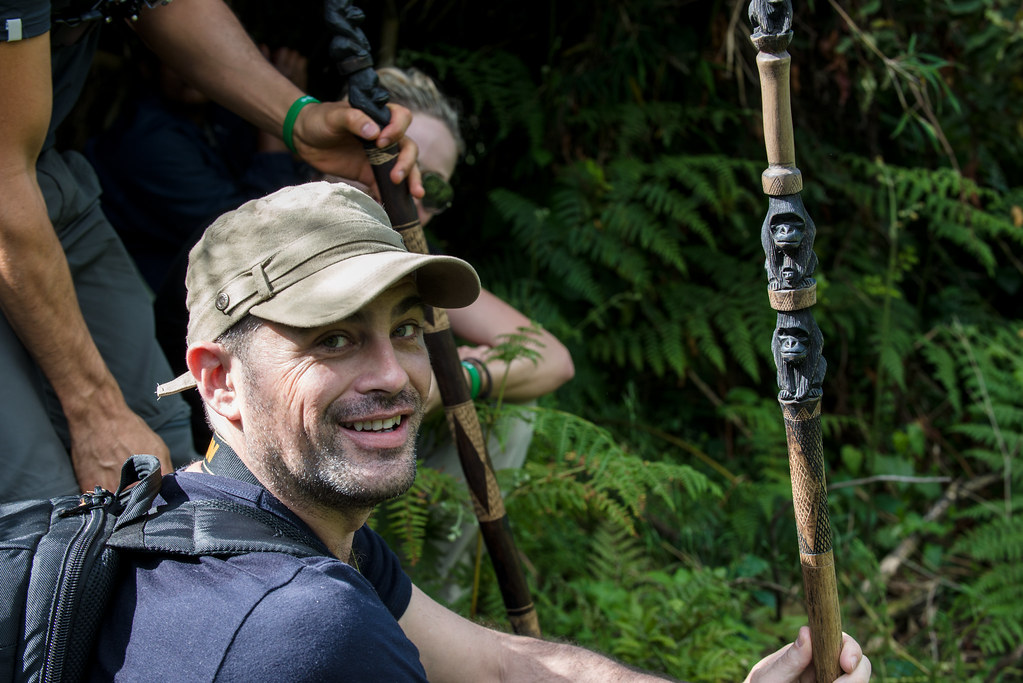
Who was Dian Fossey, and why is she significant to Volcanoes National Park in Rwanda?
Dian Fossey was a highly influential primatologist and conservationist who dedicated her life to studying and protecting mountain gorillas. Born in 1932 in the United States, she became deeply interested in Africa’s wildlife and conducted groundbreaking research on gorillas in their natural habitat. Her work is celebrated for bringing global attention to the plight of mountain gorillas, which were severely threatened due to poaching, habitat destruction, and human encroachment.
In 1967, Fossey established the Karisoke Research Center within what is now Volcanoes National Park in Rwanda. She chose this location due to its rich biodiversity and the presence of various gorilla groups that she could study closely. There, she conducted extensive behavioral research and worked tirelessly to protect the gorillas from threats like illegal hunting. One of the most notable aspects of her work was her commitment to anti-poaching efforts, often going as far as destroying traps and strengthening patrols in the park.
Her book, “Gorillas in the Mist,” detailed her journey and the challenges she faced while studying and fighting for gorilla conservation. It inspired many people worldwide to support wildlife conservation.
Dian Fossey is significant to Volcanoes National Park because her work played a key role in saving the mountain gorillas from the brink of extinction. Her legacy in the region includes increased conservation awareness, improved local involvement in protecting gorillas, and making the park an important hub for ecological tourism and research. Sadly, she was murdered in 1985 under mysterious circumstances, but her final resting place lies in the park, near the creatures she devoted her life to saving.
What is the Dian Fossey Hike, and what does it involve?
The Dian Fossey Hike is a guided trek in Rwanda’s Volcanoes National Park that allows visitors to explore the places where Dian Fossey lived and conducted her groundbreaking research. It serves as both a tribute to her life and a way to learn about gorilla conservation and the ecosystem within the park.
The hike typically begins at the park’s entrance, where visitors are introduced to the history of Dian Fossey and the importance of the mountain gorillas. From there, a designated guide leads the group on a trail that winds through the lush forests of the park. The route takes hikers to the location of the Karisoke Research Center, the research station that Fossey founded in 1967. Although the original structures no longer exist, the location is historically significant.
The hike also features a stop at Dian Fossey’s gravesite, which is located near the gorillas’ graveyard where some of her favorite gorillas are also buried. This serves as a poignant reminder of her dedication and sacrifice for gorilla conservation.
The trail itself is set amidst a natural rainforest environment, so hikers might notice other aspects of the region’s biodiversity, such as numerous bird species, exotic plants, and occasionally other animals. Guides often share information about the challenges that Dian Fossey faced, her contributions to wildlife research, and conservation efforts within the area.
This hike is more than just a walk, it’s a reflection of humanity’s relationship with nature and a chance to learn about the history of gorilla conservation in an active and meaningful way.
Where is Volcanoes National Park located, and what makes it unique?
Volcanoes National Park is located in the northwestern part of Rwanda, bordering Uganda and the Democratic Republic of Congo. It is part of the larger Virunga Mountain Range, which is home to several volcanoes and one of the last habitats for mountain gorillas in the world.
The park spans roughly 160 square kilometers and is a mix of rainforests, bamboo forests, swamps, and grasslands. This variety of landscapes creates a rich environment for wildlife and offers visitors a chance to explore diverse ecosystems in one location. The park is most famous for being one of the only places where visitors can see mountain gorillas in their natural habitat through guided trekking tours.
Apart from the gorillas, the park is home to other primates like the golden monkeys, as well as bushbucks, buffaloes, and a wide array of bird species (over 200 types). Its dense forests and volcanic terrain also make it a visually striking destination.
What makes Volcanoes National Park especially important is its role in conservation efforts. It acts as a sanctuary for critically endangered species and provides an environment where research and eco-tourism help fund continued protection. The park is also where Dian Fossey conducted her historic work, which has contributed significantly to raising awareness about gorilla conservation.
Culturally, the park is near communities with rich traditions, adding a human element to the region. Visitors often experience local songs, dances, and crafts that make their journey even more enriching.
What can visitors expect to see during the Dian Fossey Hike?
Visitors embarking on the Dian Fossey Hike will journey through the dense forested area of Volcanoes National Park in Rwanda. The trail is not just a walk through nature; it’s a blend of rich biodiversity, historical importance, and breathtaking views.
The hike cuts through lush green vegetation, intersected with pathways that snake around towering trees and plants. Along the way, visitors may spot a variety of wildlife, including different bird species flitting through the trees and smaller mammals that inhabit the area. If lucky, hikers could even catch glimpses of some of Rwanda’s famous primates, such as golden monkeys.
A major highlight of the hike is reaching Dian Fossey’s former research camp at Karisoke. Though the original structures no longer fully stand, you’ll find remnants of her work site and learn about the years she spent studying mountain gorillas. Informative signs and briefings from guides often describe her daily life and conservation efforts.
Another poignant spot is Dian Fossey’s grave, located within the forest, alongside the burial sites of some of her favorite mountain gorillas, including Digit. This part of the hike creates a reflective moment for visitors, connecting them to Fossey’s lifelong dedication to protecting gorillas.
Beyond the history, you’ll also enjoy sweeping views of the volcanic mountain landscapes, with mist-covered slopes enhancing the mystical ambiance of the area. The combination of natural beauty, rich wildlife, and commemorative landmarks makes this hike a deeply fulfilling experience for many participants.
How long does the hike typically take, and what is the difficulty level?
On average, the Dian Fossey Hike takes about 3 to 4 hours round trip, depending on the group’s pace and the time spent at key spots like Karisoke and her grave site. The trail spans approximately 3.5 to 4 kilometers (2 to 2.5 miles) each way. It is considered a moderate to somewhat challenging hike, primarily due to the steep, uneven terrain and the elevation.
The trail begins at the edge of the park, starting at approximately 2,600 meters (8,530 feet) above sea level, and ascends up to around 3,000 meters (9,800 feet). This means hikers should be prepared for altitude changes. While the overall distance isn’t extremely long, the uphill climb can feel physically demanding, especially for those not accustomed to hiking or high altitudes.
The path also winds through forested terrain, which can become muddy and slippery after rainfall. Proper gear, such as hiking boots and a raincoat, is highly recommended. While the trek requires some stamina, guides typically pace the group to ensure everyone can manage it comfortably.
The hike is doable for individuals with average fitness levels, but it might be more strenuous for those who are less active. To prepare, light training, such as walking or climbing stairs, in the weeks leading up to the hike can help build endurance and improve comfort along the trail.
What is the significance of Karisoke Research Center in Dian Fossey’s work?
The Karisoke Research Center was the base from which Dian Fossey carried out her groundbreaking studies on mountain gorillas in Volcanoes National Park. Established by Fossey in 1967, the center was strategically located in an area between two dormant volcanoes, Mount Karisimbi and Mount Bisoke, giving it the name “Karisoke.
At Karisoke, she was able to observe, document, and closely study mountain gorillas in their natural habitat. Her work was pivotal in dispelling myths about gorillas being aggressive creatures. Fossey showcased their social behaviors, unique personalities, and gentle nature, ultimately raising awareness about the critical need for conservation.
Beyond scientific research, the center became a hub for anti-poaching campaigns. Fossey and her team worked tirelessly to combat illegal hunting and protect the gorillas from harm. She was known for her hands-on approach, which included dismantling traps and advocating for stricter enforcement measures to safeguard gorilla populations.
Today, while the original Karisoke camp no longer exists in its original form, the Dian Fossey Gorilla Fund International continues her mission. The organization operates a modern-day research center in a different nearby location under the same name, carrying forward her legacy through gorilla conservation, research, and education.
Karisoke symbolizes the dedication Fossey had for mountain gorillas and serves as a reminder of how one person’s passion can lead to significant contributions in protecting endangered species. Visitors to the region often feel inspired to support conservation efforts after learning about her impactful work at the site.
Are there any memorials or landmarks related to Dian Fossey along the hike?
Yes, there are notable memorials and landmarks that honor Dian Fossey along the hike. The primary one is her gravesite, which lies next to beloved gorillas she worked so hard to protect, including her favorite, Digit. This area is deeply connected to her life’s mission of saving mountain gorillas and is located near the Karisoke Research Center, the remote site she established in 1967 for her groundbreaking research.
Visitors hiking to this site will come across her tombstone, which serves as a tribute to her dedication to conservation. The graveyard is serene, placed in the forest environment she adored. It not only holds her grave but also that of other gorillas, symbolizing her deep connection to them. It’s a place of reflection where people can pay their respects and appreciate how her efforts helped shape modern wildlife conservation.
Additionally, the remnants of the Karisoke Research Center can still be spotted during the hike. While the center is no longer active in this exact location, parts of where her camp stood remain visible. These landmarks remind hikers of the challenges she faced while living in the forest to monitor gorilla behavior and protect them from poaching.
The hike to these memorials provides an opportunity to learn about Dian Fossey’s personal and professional story in the place she loved most. Guides often share details of her encounters with gorillas and the toll her tireless work took on her life. Overall, these sites are not just landmarks but also poignant reminders of her conservation legacy.
What role did Dian Fossey play in gorilla conservation, and how is her legacy preserved?
Dian Fossey played a central role in mountain gorilla conservation, dedicating her life to protecting this critically endangered species. Her work in Rwanda began in the 1960s when she realized just how vulnerable gorillas were due to habitat destruction, poaching, and human activities. She conducted long-term research at the Karisoke Research Center, documenting gorilla behavior, family structures, and social hierarchies. Over time, her work helped people view gorillas as intelligent, gentle creatures instead of dangerous animals.
One of her lasting contributions was her anti-poaching efforts. She employed local teams to prevent illegal activities and protect gorilla families. She wasn’t afraid to speak out or pressure authorities to take action against poaching. Her commitment to conservation was evident in her book “Gorillas in the Mist,” which raised global awareness and inspired efforts worldwide to help mountain gorillas.
Her legacy is preserved through multiple channels today. The Dian Fossey Gorilla Fund, a nonprofit organization she established, continues to work on gorilla conservation and research to this day. The fund supports anti-poaching patrols, community education, and scientific studies to ensure gorilla survival.
Additionally, ecotourism, including the Dian Fossey Hike and gorilla trekking in Volcanoes National Park, brings resources to conservation and local communities. Proceeds often support both environmental protection and the livelihoods of nearby villagers, perpetuating a cycle of sustainability. The ongoing study of gorillas in Rwanda builds directly on her life’s work. Many programs emphasize the importance of coexistence between humans and gorillas, a philosophy she championed.
In essence, her advocacy saved countless gorillas and laid the groundwork for ongoing conservation efforts that have stabilized mountain gorilla populations.
Is a guide required for the hike, and how do you arrange for one?
Yes, a guide is required for the Dian Fossey Hike. This policy ensures that hikers stay safe in the dense forests of Volcanoes National Park, where the terrain can be challenging and weather conditions can change quickly. Moreover, having a guide allows for an educational experience, as guides are trained to share insights about Dian Fossey’s work, gorilla conservation, and the local ecosystem.
Guides are typically arranged through the Rwandan Development Board (RDB), which manages Volcanoes National Park. When you pay for your hiking permit, the fee includes the cost of having an expert guide accompany you. These guides are knowledgeable about the trail, which leads you through forested paths and elevations to reach Dian Fossey’s gravesite and the remains of the Karisoke Research Center.
You can book your guide and hiking permit in advance through online portals or by contacting the park directly. Tour operators in Rwanda often include this arrangement as part of their packages, making the booking process simpler, especially for international tourists. While it’s possible to arrange permits on your own upon arrival at the park headquarters in Kinigi, it’s always better to reserve ahead during the busy season to guarantee availability.
The hike itself benefits from the guidance of someone familiar with the route, ecology, and historical significance of the area. They also ensure that visitors follow conservation rules, such as staying on marked trails and respecting wildlife. Overall, having a guide enhances both the safety and educational aspects of the hike.
What are the costs involved in doing the Dian Fossey Hike, including park fees?
The Dian Fossey Hike in Volcanoes National Park, Rwanda, involves specific costs that visitors must take into account. The primary expense is the hiking permit, which costs $75 per person as of 2023. This fee is paid to the Rwanda Development Board and allows hikers to access the trail and visit the notable landmarks, such as Dian Fossey’s grave and the remains of the Karisoke Research Center.
In addition to the hiking permit, there is the Volcanoes National Park entrance fee included in the cost. Visitors will often book their experience through licensed tour operators, which might also charge additional fees for their services, such as arranging transport and guides. Some companies bundle transportation, guides, and permits into one package for convenience, so the total cost may vary depending on the provider.
Another important cost to consider is the guide fee. A professional guide is mandatory for this hike, a rule put in place to ensure safety, manage the experience, and share detailed knowledge about Dian Fossey’s work and mountain gorilla conservation. Guides are often included in the permit fee or arranged by tour operators, so visitors don’t typically pay for them separately.
Other potential costs can include tipping guides and porters (if hired to carry bags), as well as personal expenses like snacks or water. Some visitors might also need to budget for accommodation nearby if they plan to stay overnight before or after the hike.
In total, costs can range from $75 to $200 per person, depending on the inclusions and level of service offered by your chosen tour operator.
What is the best time of year to visit Volcanoes National Park for the hike?
The best period to visit Volcanoes National Park for the Dian Fossey Hike largely depends on weather conditions and the availability of trails. Rwanda’s dry seasons, which occur from June to September and December to February, are widely regarded as the most suitable times for this activity.
During the dry season, there is less rainfall, meaning the paths are easier to navigate. The hiking trails can be quite steep, uneven, and muddy. Drier conditions reduce the chances of slippery footing and make for a much more pleasant hike. The dry months also tend to attract more wildlife activity, increasing the chance of observing unique plants, birds, and other animals along the route.
On the other hand, March to May and October to November are the wettest months in Rwanda, making hiking trails challenging due to heavy rainfall and mud. However, the advantage of visiting during these seasons is that fewer tourists come, so it offers a quieter, less crowded experience.
For those combining the hike with a gorilla trekking experience, the dry season is also advantageous, as mountain gorillas are easier to track and observe during these times.
It’s important to note that the temperatures in Volcanoes National Park are relatively cool year-round because of the higher altitude. Be prepared for unpredictable weather, as showers can still occur in dry months. Dressing in layers and wearing waterproof hiking boots are recommended in all seasons.
How does the Dian Fossey Hike contribute to wildlife conservation and local communities today?
The Dian Fossey Hike plays a significant role in supporting both wildlife conservation efforts and the surrounding local communities. A portion of the revenue generated from hiking permits and park entry fees is directly invested in the conservation of mountain gorillas and their natural habitat. These funds support anti-poaching initiatives, habitat restoration, and scientific research that continues the legacy of Dian Fossey’s groundbreaking work in protecting gorillas from threats such as poaching and habitat loss.
The hike also helps raise awareness about the fragile ecosystem of the Virunga Mountains, where mountain gorillas live. By educating visitors about Fossey’s life and dedication to gorilla conservation, the hike promotes a deeper understanding and appreciation for these endangered animals. This helps inspire people to support wildlife protection.
On a community level, the hike provides economic benefits for the people living near Volcanoes National Park. Jobs are created for locals, including work as guides, porters, and staff at lodges that serve tourists. Tourists often contribute to the local economy by purchasing handmade crafts, local food, and cultural experiences, further uplifting the surrounding communities. A portion of the park’s revenue is also used to fund education, healthcare, and infrastructure in the nearby villages.
This balance of tourism, conservation, and community development ensures that the area’s natural treasures are protected while also improving the quality of life for local residents. Visitors are encouraged to participate responsibly to help sustain these efforts.
How To Book Your Safari in Rwanda
Curious about the Dian Fossey Hike in Volcanoes National Park, Rwanda? We’ve answered the ‘what,’ ‘why,’ and ‘how’, from exploring her incredible work with mountain gorillas to understanding how this trek combines adventure with a touch of history. Ready to experience it yourself? Connect with the best Rwanda Safari Companies to plan your unforgettable hike. They’ll make the process simple and ensure your trip is expertly organized. Don’t wait, start planning your adventure today!
Camping in Volcanoes National Park Rwanda
Camping in Volcanoes National Park Rwanda offers a unique experience for nature enthusiasts visiting this renowned destination. The park, a centerpiece of Rwanda safaris, is best known for gorilla trekking in Rwanda, where visitors can observe endangered mountain gorillas in their natural habitat. Camping allows closer connections to the park’s stunning scenery, diverse wildlife, and serene environment. Designated campsites are available, providing basic amenities, and some even include guided tours to enhance the experience. Visitors often use the campsites as a base for exploring attractions like Mount Bisoke, Karisoke Research Center, or the Dian Fossey Tomb Trail. Proper permits are required for camping and trekking activities in Volcanoes National Park, ensuring conservation efforts are upheld.
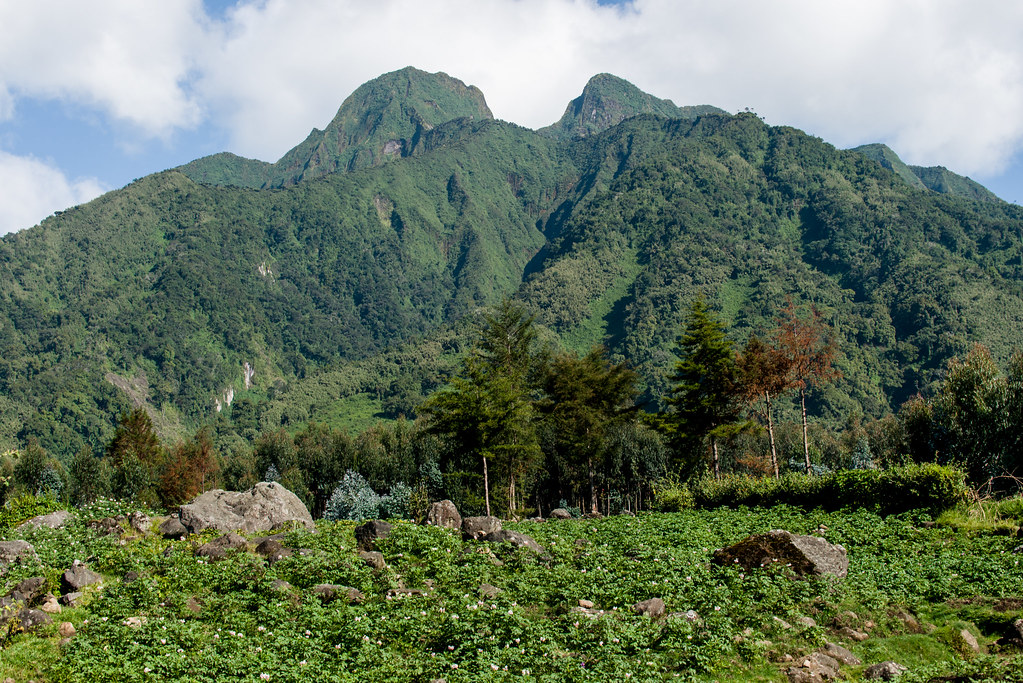
What is Volcanoes National Park in Rwanda, and why is it famous?
Volcanoes National Park is a protected area located in the northwest of Rwanda, near the borders with Uganda and the Democratic Republic of the Congo. It is part of the Virunga Mountain range, which consists of a series of extinct and active volcanoes. The park spans about 160 square kilometers and is primarily made up of lush bamboo forests, open grasslands, and mist-covered peaks.
The park is most famous for being one of the few places on Earth where mountain gorillas live in their natural habitat. Mountain gorillas are critically endangered, and this park plays a key role in their conservation. Legendary primatologist Dian Fossey conducted much of her groundbreaking research on gorilla behavior here, which also brought global attention to the park’s importance. Her efforts and legacy have made the park a symbol of wildlife preservation. She was buried in the park after her death in 1985.
Beyond mountain gorillas, the park is known for hosting a variety of unique wildlife and biodiversity, including golden monkeys, bushbuck antelopes, and more than 200 bird species. Its dramatic volcanic landscapes also play a huge role in making the park a popular destination for nature enthusiasts and adventurers.
In short, Volcanoes National Park’s fame comes from its successful conservation efforts, its role as a sanctuary for mountain gorillas, and the natural beauty of its volcanic surroundings.
What are the main attractions and activities in Volcanoes National Park?
The park is best known for gorilla trekking, which is a guided experience where small groups of visitors hike through the forest to observe mountain gorillas in their natural environment. Seeing these animals up close is often considered a once-in-a-lifetime experience.
Another popular activity is golden monkey trekking, similar to gorilla trekking, but focused on the park’s vibrant and playful golden monkeys. These monkeys are endemic to the region and are a treat to watch as they leap through the trees.
For those interested in hiking, the park offers trails like the Mount Bisoke Crater Lake hike, a relatively challenging trek that leads to a crater lake at the top of Mount Bisoke. Adventurous climbers might also take on the Mount Karisimbi trek, which is a multi-day experience leading to the highest peak in Rwanda.
Visitors can also explore the Dian Fossey Research Center and Memorial located within the park. The hike to her former research location lets travelers learn more about her efforts to protect gorillas.
Birdwatching is another activity because the park is home to rare species. Lastly, visitors may enjoy cultural experiences such as visiting nearby Iby’Iwacu Cultural Village, where they can learn about Rwandan traditions, music, and food.
Is camping allowed in Volcanoes National Park?
No, camping is currently not permitted inside Volcanoes National Park. The park is a highly protected area where all activities are strictly regulated to ensure the safety of the wildlife and their habitat. Because of the presence of potentially dangerous animals like gorillas and buffalos, setting up campsites could disturb the ecosystem or pose risks to visitors.
Instead of camping, the park management encourages visitors to stay at the lodges or accommodations situated near the park’s boundaries. These range from budget-friendly guesthouses to luxury eco-lodges. Many of these options offer easy access to the park and provide comfortable facilities.
Although camping itself is not allowed within the park, travelers can arrange for guided treks and return to their accommodations afterward. Conservation efforts take precedence here, and limiting activities like overnight stays within the park helps minimize environmental impact. Visitors looking for an outdoor, “wilderness” experience might need to explore other destinations in the region that offer camping opportunities.
What are the available camping options or designated sites within or near the park?
In Volcanoes National Park, Rwanda, camping directly inside the park is not typically an option, as the park primarily focuses on conservation and guided wildlife tourism, such as gorilla trekking. However, there are some accommodations and camping alternatives near the park’s boundaries which offer facilities for campers. Many of these fall in the budget to mid-range category and aim to provide outdoor enthusiasts with opportunities to be close to nature.
One popular spot for camping is the Kinigi Guest House, located near the park’s headquarters. Sometimes referred to as the Kinigi Gorilla Lodge, this accommodation includes basic campsites for visitors, along with access to washrooms and a few amenities. It’s a good place to set up a tent if you are okay with staying right outside the park limits.
Another option could be local eco-lodges that provide camping as part of their services. Many of these lodges are set up in the nearby Musanze area, offering breathtaking views of the Virunga Mountains. While these are technically not inside the park, the proximity allows you to experience the natural beauty and easily access the park for planned activities during the day.
For those who prefer a more polished experience, tented camps provided by some lodges can offer luxury-style “glamping” accommodations. A tent is provided with bedding and amenities, but these are more expensive compared to regular camping options.
Check with local tourism operators or park officials to stay informed on whether any new designated camping sites have opened up closer to the park’s boundaries.
What permits or permissions are required for camping in the park?
Camping within the Volcanoes National Park itself is generally not permitted due to its heavy emphasis on wildlife conservation and the careful management of ecosystems, particularly for species like mountain gorillas. However, if you plan to camp in areas just outside the park, obtaining permissions from local authorities or private campsite operators is usually sufficient.
To visit the park for larger activities like gorilla trekking, you need to secure a special permit from the Rwanda Development Board (RDB). While this permit does not cover camping within the park, it enables you to participate in hikes or treks during your stay nearby. Fees for activities like this can be expensive, with gorilla permits costing about $1,500 per person, so plan your trip accordingly.
If you choose to camp at an eco-lodge or guest house campsite, you typically won’t need any additional formal permissions beyond paying the campsite fees and adhering to their specific rules.
It’s also a good idea to consult with local tourism guides, the Rwanda Development Board (RDB), or local accommodation providers to ensure you are compliant with all guidelines for the protection of wildlife and nearby ecosystems. Inquire ahead of time, especially if you intend to camp with a private group or need special arrangements.
What wildlife can visitors expect to see while camping in Volcanoes National Park?
Camping near Volcanoes National Park offers incredible opportunities to view some of the region’s most famous wildlife. The park is particularly renowned as a haven for the rare mountain gorillas, one of the most sought-after attractions in the world. If you plan a trek within the park (since camping isn’t allowed in the actual park), you might encounter these gorillas in their natural surroundings, guided by park rangers.
Other wildlife often spotted in the area includes golden monkeys, which are known for their vibrant fur and playful nature. These primates tend to inhabit the bamboo forests found at lower altitudes within the park.
For bird lovers, the region is a paradise. More than 200 bird species, including those endemic to the Albertine Rift, can be found here. Notable birds include the Rwenzori turaco, Handsome spurfowl, and the colorful Regal sunbird.
The forest elephants, although rarer, may also roam within the dense greenery of the park and surrounding forests. Likewise, smaller mammals like antelopes, duikers, and bushbucks can be found.
During your camping stay outside the park boundaries, you might hear the calls of tree hyraxes at night or see bats darting through the dusk sky. Always exercise caution and keep campsite food well-stored, as even smaller animals could be attracted to leftovers or waste.
While camping facilities outside the park offer proximity to nature, guided excursions will bring you closer to the area’s iconic wildlife. Rangers and guides ensure visitors have a safe and respectful experience with the animals.
Are there any safety guidelines for camping in close proximity to wildlife?
When camping near wildlife, it’s important to know how to stay safe and avoid unwanted interactions. At Volcanoes National Park, this means following some key guidelines since the park is home to various animals, including gorillas, golden monkeys, and more.
Food management is critical. Animals are drawn to the smell of food, so always store it securely in sealed containers or lock it away where possible. Never leave scraps or trash out, as this could attract animals to the campsite.
Keep your distance from wildlife. As tempting as it may be to get closer for a better photo, this can disturb the animals and pose risks to both you and them. For example, gorillas can feel threatened if approached too closely, which might lead to defensive behaviors.
Always camp in designated areas. These sites are chosen with safety and environmental conservation in mind. They’re also often patrolled by park staff who can provide guidance if needed.
Stick with group camping setups and avoid camping alone. Animals are less likely to approach larger groups, and in the rare case of an emergency, having others around increases safety.
Using red lights instead of bright white lights at night helps minimize disturbance to wildlife while still providing sufficient visibility for you. Loud noises and sudden movements should be avoided, as these can startle animals.
Lastly, follow park rules and guidelines shared by officials or guides, as they know the specific risks of the area.
By respecting these precautions, campers can reduce wildlife encounters and enjoy the park responsibly. For instance, a camper storing food correctly might avoid attracting a curious baboon, which could otherwise lead to unwanted disruptions.
What is the best time of year to camp in Volcanoes National Park?
The best time to camp in Volcanoes National Park is during the dry seasons, which occur annually between June to September and December to February. These months typically experience less rain, making outdoor activities, including camping, easier and more enjoyable.
During the dry seasons, trails are easier to navigate because they are less muddy and slippery. For example, if you plan to camp combined with activities like gorilla trekking, dry conditions reduce the likelihood of slipping or delays due to challenging trail conditions.
The temperatures in this region are generally moderate throughout the year, but nights can still be cool due to its high altitude. Campers should be prepared with warm clothes no matter when they visit.
In contrast, the rainy seasons occur from March to May and October to November. While the wildlife is still active, the heavy rains make camping and trekking more challenging. Additionally, rain can lead to flooding, making some areas temporarily inaccessible. These conditions may also make it harder to start or maintain a campfire.
One advantage of the rainy season is that it’s considered a quieter time for tourism. This means fewer people and potentially lower costs for those willing to face the challenges of wet conditions.
Ultimately, June to September is particularly favored by most visitors due to its combination of dry weather and thriving wildlife activity. For example, mountain gorillas are often seen in areas more accessible during this time. Choosing a time within this window ensures a balance of convenience and the opportunity to fully explore the natural beauty of the park.
What equipment or gear is essential for camping in this region?
Camping in Volcanoes National Park, a high-altitude and wildlife-rich environment, requires specific gear to ensure comfort, safety, and preparedness. Here’s a breakdown of essential items:
A good-quality tent is vital. Choose one that is waterproof, wind-resistant, and suited for cooler temperatures, as nights in the park can drop in temperature. A ground tarp or footprint to place under the tent adds an extra layer of moisture protection.
A sleeping bag rated for cold weather is a must due to the high elevation. It’s also helpful to bring a sleeping pad for insulation and comfort.
Clothing should be appropriate for variable weather. Pack light layers, including a rain jacket or poncho, breathable shirts, and warm clothes for evenings. Durable hiking boots and moisture-wicking socks are necessary for navigating the trails comfortably. Don’t forget gloves and a hat for warmth.
Bring a headlamp or flashlight with extra batteries, as the nights can be quite dark, and it’s safer to move around the campsite with illumination.
Having the right food supplies is crucial. Opt for non-perishable items and snacks that are easy to prepare. A camping stove or portable cooking system is recommended along with lightweight utensils and a water purification system or tablets.
A first-aid kit is essential to address minor injuries like cuts or blisters. Include bug spray to fend off insects and sunscreen for daytime protection.
Other items include binoculars for wildlife observation, a map or GPS device, a sturdy backpack, and trash bags for waste. Following the Leave No Trace principles means taking all garbage with you.
Finally, always confirm if any unique equipment is recommended by park guidelines, such as secure food storage containers to prevent attracting animals. A camper, for example, could avoid an unexpected encounter with baboons simply by securing food in proper storage.
How accessible is Volcanoes National Park for travelers, and what are the transportation options?
Volcanoes National Park is located in the northwest part of Rwanda, near the town of Musanze, and is well-connected for travelers. Its accessibility depends on where you’re traveling from. The most common starting point is Kigali, Rwanda’s capital city, which is about 110 kilometers (68 miles) away. The drive from Kigali typically takes about 2 to 3 hours on well-maintained roads.
Travelers have several transportation options to reach the park:
- Private Car/Taxi Services: Many visitors choose to hire a private vehicle or taxi due to its convenience. Rental cars are available in Kigali, and drivers with local knowledge are often hired as well. This is ideal for groups or individuals who want flexibility.
- Tour Operators: Most travelers use tour companies that offer organized transport from Kigali straight to the park. These tours also often include the cost of accommodation, park permits, and activities.
- Public Transport: Public buses run regularly between Kigali and Musanze, making it an affordable choice for budget-conscious travelers. From Musanze, local taxis, motorcycle taxis, or short “special hire services” can take you to the park entrances or accommodations nearby.
- Airport Transfers: Some hotels or tour agencies provide special pick-up services directly from the Kigali International Airport.
Once in the general area, you’ll find that roads leading to Volcanoes National Park are in good condition, though the closer you get to the foothills of the park, you may encounter dirt roads that are slightly more challenging to traverse. For this reason, 4×4 vehicles are recommended when visiting specific trekking points or during the rainy season.
Musanze, being the closest town, offers good access to essential services like ATMs, grocery stores, and local markets, so travelers can make necessary preparations before entering the park.
Are there guided tours or ranger-led activities available for campers?
Yes, guided tours and ranger-led activities are a key part of visiting Volcanoes National Park. Most activities within the park require either a licensed guide or a park ranger, as they are important for safety and for educating visitors about the area. Rangers are employed by the Rwanda Development Board (RDB) to oversee various activities and ensure the protection of wildlife and visitors.
Here are some examples of organized activities:
- Gorilla Trekking: This is one of the park’s most famous experiences. Visitors are guided by rangers who share information about mountain gorillas, their behavior, and conservation efforts. Permits for gorilla trekking must be obtained in advance due to limited spots available daily.
- Golden Monkey Tracking: Like gorilla trekking, this activity is guided by rangers and allows visitors to see the playful golden monkeys that inhabit the park.
- Hiking and Nature Walks: Rangers guide visitors on trails leading to volcanoes such as Mount Bisoke and Mount Karisimbi, or to scenic spots like the Twin Lakes. These experienced guides ensure trails are navigated safely while pointing out flora, fauna, and local history.
- Dian Fossey Tour: If you’re interested in the history of gorilla conservation, rangers lead tours to the Karisoke Research Center, established by primatologist Dian Fossey.
Guided activities are highly structured, and guides are tasked not only with navigating but also with interpreting the area’s biodiversity, culture, and conservation.
For campers specifically, arranging a guided trek or ranger-led tour can provide an excellent chance to combine camping with exploring the park. Rangers and tour guides often coordinate visits to ensure minimal environmental impact, providing a responsible way to enjoy such a biodiverse area.
What cultural or local experiences can campers have in and around Volcanoes National Park?
Beyond the breathtaking natural wonders, campers visiting Volcanoes National Park can also enjoy rich cultural and local experiences that provide insight into the daily lives of Rwandans living near the park. These activities often combine education with entertainment, making them worthwhile for visitors interested in regional history, traditions, and modern lifestyles.
- Iby’Iwacu Cultural Village: Located near the park, this cultural center allows guests to interact with local people who showcase Rwandan traditions. You can see performances of traditional dances, listen to drumming, or learn about ancient stories passed down for generations. Visitors can also try their hand at activities such as grinding grain, shooting arrows, or cooking local dishes.
- Banana and Coffee Brewing Tours: Nearby communities sometimes offer small-scale tours where visitors see how popular local beverages, such as banana beer or Rwandan coffee, are made. You may even get to sample some of these handmade drinks.
- Market Visits in Musanze: The town of Musanze has bustling markets where travelers can buy fresh produce, handmade crafts, and textiles. It’s an opportunity to mingle with locals and support the community by purchasing goods directly from vendors.
- Home-Stays or Village Walks: Some villages near the park offer home-stay programs where you can stay with a local family to experience their routines and traditions up close. Guided village walks are also an option, allowing visitors to learn about farming methods, family life, and cultural practices.
- Traditional Medicine Tours: Local healers provide demonstrations of ancient remedies made from regional plants. This can be fascinating if you are curious about traditional healing practices.
By engaging in these cultural experiences, visitors can connect not only with the natural beauty of Rwanda but also with its people, contributing to the sustainability of the community through responsible tourism.
How To Book Your Safari in Rwanda
Ready to experience camping in Volcanoes National Park, Rwanda? From what to pack and how to set up, to why this adventure is truly special, we’ve covered it all to help you plan this unique trip. Don’t wait to make it happen, connect with one of the top Rwanda Safari Companies today. They’ll guide you in creating a memorable camping experience in this breathtaking national treasure. Start planning your adventure now!
Birding in Volcanoes National Park Rwanda
The main birds in Volcanoes National Park Rwanda include Ruwenzori turacos, collared apalises, handsome francolins, scarlet-tufted malachite sunbirds, and the dusky crimsonwing, among others. This park, a prime destination for Rwanda safaris and renowned for gorilla trekking in Rwanda, is home to over 178 bird species, including 29 Albertine Rift endemics. Bird enthusiasts can also spot species like the strange weaver and the Archers’ ground robin. With its rich biodiversity, Volcanoes National Park offers remarkable birdwatching opportunities.
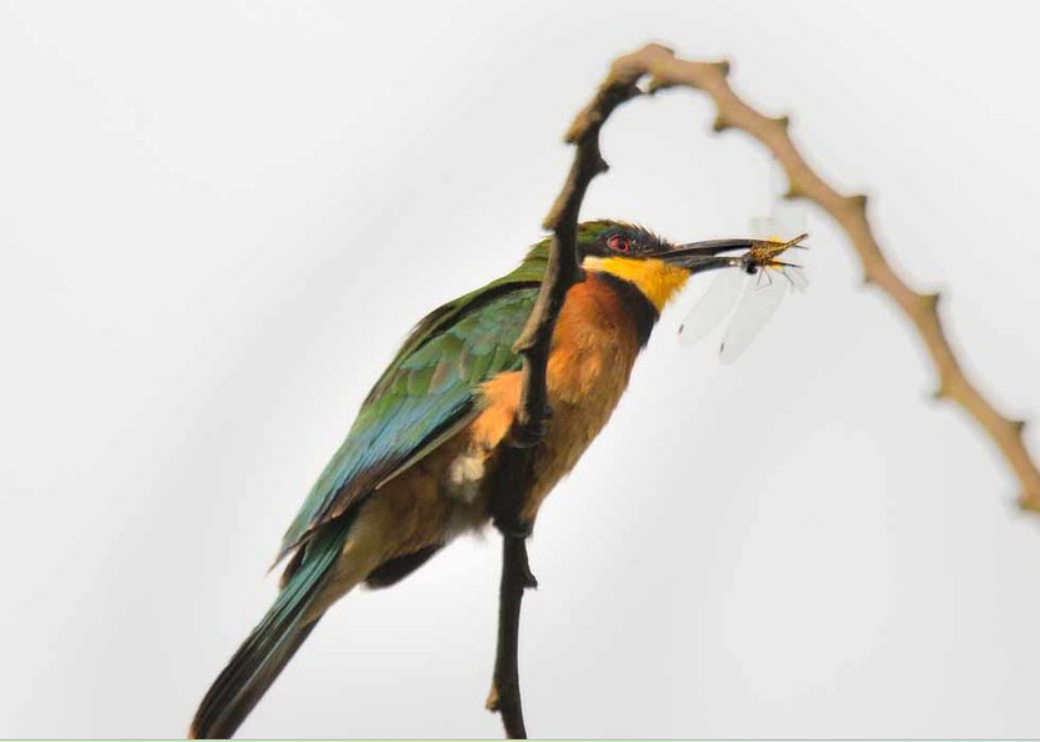
What species of birds can be found in Volcanoes National Park in Rwanda?
Volcanoes National Park in Rwanda is home to a diverse range of bird species due to its location and the variety of habitats it offers. It is situated in the Albertine Rift, an area recognized for its rich biodiversity. The park covers forested volcanic mountains, hosting over 200 bird species. These include common birds, colorful species, and some that are globally significant.
A few examples of birds you might find in the park are the African paradise flycatcher, known for its long, elegant tail and bright colors, and the Ruwenzori turaco, a bird with vibrant green and red plumage that stands out in the forest. Other birds include the scarlet-tufted malachite sunbird, with its iridescent feathers, and the handsome francolin, often spotted on mountain slopes.
The park also offers a chance to see different types of birds depending on the altitude, as some species thrive only in higher elevations, like forests in the mountains, while others prefer the lower slopes. These unique ecosystems allow Volcanoes National Park to attract birdwatchers from around the world.
Are there any endemic or rare bird species in the park?
Yes, Volcanoes National Park is home to several endemic and rare bird species. “Endemic” means that these species are found only in certain regions, and in this case, within the Albertine Rift area where the park is located. Conservationists often highlight these species due to their rarity and ecological importance.
An iconic example of an endemic bird here is the Ruwenzori double-collared sunbird, which is exclusive to this region. Other examples include the red-faced woodland warbler and Shelley’s crimsonwing, which is considered one of the rarest finches globally. These birds heavily rely on the park’s lush mountain forests and specialized habitats to survive.
Rare species like the grauer’s rush warbler, a bird that prefers swampy or wet grassland areas, also call the park home. Such species are hard to spot in most parts of the world, making this park a special birdwatching destination for those who want to observe these rare creatures in their natural settings.
What is the best time of year for birdwatching in Volcanoes National Park?
The best time to go birdwatching in Volcanoes National Park is during the dry seasons, which occur from June to September and again from December to February. During these months, the weather is more favorable as there is less rain, making it easier to walk through the forest trails and have better visibility of the birds.
Rainy seasons, from March to May and October to November, can make birdwatching more challenging as the trails can become muddy and the thick vegetation can obstruct your view. However, some birdwatchers still visit during the rainy season because bird activity can be high, and migratory species might be present.
Another factor that makes the dry season ideal is that the birds are often more visible and active as many are nesting or feeding, allowing birdwatchers an excellent opportunity to spot and observe them. For example, you might see colorful birds like sunbirds or turacos displaying more prominently during these months.
So, for the most comfortable and productive birdwatching experience, bring your binoculars and visit during the dry months!
How many bird species have been recorded in the park?
Volcanoes National Park in Rwanda is home to over 200 recorded bird species. This includes a mix of both common and rare types of birds, making the park an important destination for birdwatchers. Among these species, there are a number of Albertine Rift endemics, which are birds that are found only in the Albertine Rift region of East Africa, a biodiversity hotspot. These endemic species make up approximately 15% of the 200 bird species in the park.
Some of the well-known bird species recorded in the park include the Ruwenzori Turaco, Handsome Francolin, Collared Apalis, and the Grauer’s Warbler. These birds thrive in the park’s unique habitats that range from bamboo forests to high-altitude swamps at the foothills of the Virunga Mountain range. The diversity of plant life in these habitats supports a wide range of bird species because it provides food, nesting areas, and shelter.
The number of species recorded emphasizes the importance of this park, not just for bird enthusiasts, but also for conservationists who aim to study and protect such biodiversity. This high number of bird species represents the rich ecosystems maintained within Volcanoes National Park.
What kind of habitats does the park provide for birds?
Volcanoes National Park contains a variety of habitats that cater to different bird species, helping maintain significant avian biodiversity. The park is located in northwestern Rwanda and is dominated by the Virunga volcanoes, so the terrain is quite varied, resulting in different ecological zones that birds call home.
The park’s main habitats include dense tropical rainforests, which are rich in vegetation and provide ideal nesting and feeding grounds. These forests are home to insect-eating birds, such as warblers, as well as fruit-eating species like the iconic Great Blue Turaco.
There are also bamboo forests, which are a special type of habitat where specific birds, like the Rwenzori Double-collared Sunbird, are often found. High-altitude ecological zones such as subalpine heath and grasslands exist near the volcanic peaks and are home to species adapted to cooler temperatures and open spaces, like the Scarlet-tufted Sunbird.
In addition, swampy areas and wetlands located near volcanic craters or in valleys provide safe spots for water-loving birds. Overall, the park’s variety of ecosystems and elevation ranges create conditions that meet the needs of different bird species.
Are there organized birdwatching tours or guides available in the park?
Yes, organized birdwatching tours and knowledgeable guides are available in Volcanoes National Park. Many tourism companies in Rwanda provide guided birdwatching experiences in the park, offering support to those unfamiliar with the area or new to birdwatching in general. Most of these tours are led by professional guides, who are trained to identify a wide variety of bird species based on their appearance, behavior, and calls.
Guided tours typically include pre-planned routes that cover specific areas of the park with high bird activity. For instance, trips might focus on regions with bamboo forests or the wetter, forested areas near the base of the volcanic slopes, as these zones receive frequent bird sightings. Hiring guides offers multiple benefits. For one, these professionals can point out rarer or harder-to-see species, like the Shelley’s Crimsonwing or the Albertine Owlet. Additionally, they help visitors learn about the behavior and roles of birds within the park’s ecosystems.
Birdwatching tours are also offered through conservation organizations and local communities involved in promoting eco-tourism. Advance bookings are encouraged, particularly during peak seasons for tourism in Rwanda (often June to September). Equipment like binoculars can be rented from some tour providers, ensuring visitors are well-prepared to observe and identify the birds.
Which bird species are considered highlights or must-see for bird enthusiasts visiting the park?
Volcanoes National Park in Rwanda is home to some unique bird species that are particularly exciting for bird enthusiasts to observe. For many visitors, the Ruwenzori turaco is a top highlight. This bird is well-known for its striking green, red, and blue plumage, making it a visually magnificent sight. Its presence is specific to the montane forests of the Albertine Rift, making it a species of interest for those looking to see something rare and beautiful.
The handsome francolin is another sought-after bird in the park. This ground-dwelling species has dark, patterned plumage and is often found in higher altitudes of the park. Bird enthusiasts value this bird both for its relative rarity and for the challenge of spotting it in the underbrush.
Another key highlight is the Ruwenzori double-collared sunbird, a small nectar-feeding bird with radiant coloring. Its shimmering reds, blues, and greens make it a favorite for photographers and birdwatchers alike.
For those interested in rarer species, the Albertine owlet stands out. This tiny owl, rarely seen, is endemic to the regions surrounding the Albertine Rift.
Bird enthusiasts also enjoy watching the grauer’s swamp warbler, notable for its rarity and preference for wetlands or swamps. Conservationists consider this bird significant due to its vulnerability and limited range.
Overall, these birds represent a small segment of the park’s recorded bird species, but they are often referred to as “must-see” due to their relative rarity, beauty, and ties to the unique environment.
How does the park’s volcanic landscape impact the bird population and habitats?
The volcanic landscape of Volcanoes National Park plays a substantial role in shaping the environment and the variety of bird habitats available. The park is dominated by a chain of volcanoes and high-altitude terrain that creates a unique setting for diverse ecosystems. For instance, the montane forests and bamboo zones that thrive on the volcanic slopes provide ideal habitats for species like the Ruwenzori turaco and various sunbirds.
The soil in these areas, enriched by past volcanic activity, supports dense plant life, which in turn attracts species that feed on nectar, fruits, seeds, and even insects. Birds like the double-collared sunbird benefit from the abundance of flowering plants in these volcanic regions.
Wetlands, often formed in lower volcanic areas, offer a habitat for specialized species such as grauer’s swamp warblers. These habitats arise when volcanic terrain leads to water pooling or the creation of marshy areas.
Altitude variations further add to habitat diversity. Different bird species thrive at various levels from the base to the peaks of the volcanoes. Higher altitudes support birds adapted to colder environments, while lower slopes are home to tropical species.
On the flip side, volcanic landscapes can occasionally pose challenges. For instance, eruptions or volcanic activity can disrupt habitats temporarily. Historical eruptions have shaped the region over time, indirectly altering forest compositions or creating new wetlands.
In short, the volcanic landscape creates a layered, varied environment, supporting biodiversity by providing specific niches for different bird species to thrive.
What conservation efforts are in place to protect the bird species in Volcanoes National Park?
Conservation efforts in Volcanoes National Park are focused on safeguarding both the bird species and their environments. The park lies within the Albertine Rift, a biodiversity hotspot, and its birdlife includes many endemic species. These efforts are critical because many of these species, like the Albertine owlet and grauer’s swamp warbler, are vulnerable due to restricted ranges and habitat degradation.
One major area of focus is the protection of habitats. Organizations and local authorities work to prevent deforestation and illegal logging, which could otherwise diminish the montane forests, bamboo groves, and wetlands critical for bird survival. Reforestation projects also aim to restore areas that may have suffered damage in the past.
Park authorities enforce anti-poaching measures to protect not just birds but also other wildlife that contributes to the ecosystem’s balance. Regular patrols are conducted to ensure minimal human interference.
Community involvement plays a large role in conservation. Local communities are encouraged to engage in conservation-friendly practices, and some initiatives provide benefits to people living near the park in exchange for their participation. For example, sustainable agriculture projects reduce the need for encroaching on park land.
Research and monitoring programs are also in place to gather data about bird populations. For instance, ornithologists regularly document changes in bird numbers, track migratory patterns, and assess the health of ecosystems within the park.
Finally, the park promotes eco-tourism, where birdwatchers and tourists contribute financially to conservation efforts. The funds collected are reinvested into programs that protect the park and its wildlife.
These combined efforts contribute to creating a balanced relationship between human activity and the preservation of the park’s rich bird diversity. By maintaining these initiatives, bird species in the park are better protected for future generations.
Are there any migratory bird species that pass through the park?
Yes, migratory bird species do pass through Volcanoes National Park in Rwanda. This park is located along the Albertine Rift region, which is part of a major migratory pathway for various bird species moving across Africa. These migrations are typically seasonal, and birds move mainly in search of food or better weather conditions during specific times of the year.
Migratory birds in this area may include species such as swallows, wagtails, and various warblers that travel long distances between Europe, Asia, and Africa. Some examples are the Willow Warbler and the Common Sandpiper, which are known to travel between continents and stop in regions like Volcanoes National Park. These migratory birds mix with the park’s resident bird species, temporarily increasing the variety of birdlife during the migration periods.
Bird migrations are heavily influenced by the seasons. For instance, birds migrating from Europe often arrive in East Africa during the colder months in the Northern Hemisphere, generally from October to March. These migratory species enrich the birdwatching opportunities in the park during these times, as visitors have the chance to see both local and transitory birds.
The arrival of migratory birds also shows how interconnected ecosystems across the world are. Migration paths highlight the need for protecting habitats across multiple countries so that birds can complete their journeys safely. Volcanoes National Park plays a role in this network by serving as a resting and feeding ground.
By planning a visit around migration seasons, birdwatchers can observe a heightened diversity of avian species within the park.
What equipment or preparation is recommended for birdwatching in the park?
Birdwatching in Volcanoes National Park can be an exciting activity, but to make the most of it, good preparation and proper equipment are key. Here are some important recommendations to help ensure a smooth experience:
- Binoculars: A quality pair of binoculars is essential for spotting birds at a distance. Look for ones with a magnification of 8x or 10x, as these provide a good balance of clarity and focus. Lightweight options are ideal for long treks.
- Field Guide: A bird field guide specific to the Albertine Rift or East Africa will help you identify species more easily. Illustrated books or apps like Merlin Bird ID can make identification simpler.
- Clothing: Comfortable, lightweight clothes in neutral or earth tones are recommended. Birds are often sensitive to bright colors, so wearing muted shades can help you blend into the environment. Long sleeves, hats, and sturdy shoes are beneficial for staying safe and comfortable in the park’s terrain.
- Notebook or App: Keep a notebook to jot down species you’ve spotted or use birding apps to catalog them. Documenting your sightings makes the experience more engaging and helps you remember the highlights.
- Camera: A camera with a long lens or a spotting scope for photography can capture close-up views of bird species, especially in areas dense with foliage.
- Food and Water: Birdwatching may involve long periods of walking and waiting, so packing snacks and water is advisable. Staying hydrated is particularly important, given the higher altitudes.
- Checklist: A bird species checklist for the park can guide you on what to look for. The park’s guides often provide this or suggest where to find it.
Preparation also includes physical readiness. Some birdwatching locations in the park may require trekking through forested or sloped trails. It’s worth considering your fitness level and wearing comfortable shoes. Hiring a local guide can also enhance the experience, as guides often have expert knowledge of the birds and their habitats.
How does birdwatching in Volcanoes National Park compare to other East African birdwatching destinations?
Volcanoes National Park offers a unique birdwatching experience, particularly due to its location within the Albertine Rift, which is a biodiversity hotspot. This gives it a distinct edge compared to some other East African birdwatching destinations. Here’s how it stands out and how it compares to regions like Kenya’s Masai Mara, Tanzania’s Serengeti, or Uganda’s Bwindi Impenetrable Forest:
- Albertine Rift Endemics: One of the biggest draws for birdwatchers in Volcanoes National Park is its high number of Albertine Rift endemic species. Some species, like the Rwenzori Turaco or Shelley’s Crimsonwing, cannot be found outside this region.
- Mountain Setting: Unlike the open savannahs of Kenya or Tanzania, this park features a volcanic mountain ecosystem with dense vegetation and bamboo forests. This setting provides a different kind of challenge and excitement, as birds may be harder to spot due to the dense foliage, but unique species from high-altitude habitats are present.
- Smaller Scale and Quietude: While parks like the Serengeti or Masai Mara are vast and attract enormous numbers of tourists mainly for mammals, Volcanoes National Park is more compact and focused on specialized interests such as birdwatching, primates, and ecological study. This gives birdwatchers a less crowded and peaceful experience.
- Diversity: Compared to regions like the savannahs, Volcanoes National Park has unique bird species adapted to high-altitude and forested areas. Visitors may need to combine a trip here with visits to other parks in East Africa, such as wetlands, grasslands, or coastal areas, to see a broader variety of species.
- Cross-Species Interests: Tourists often pair their birdwatching activities in Volcanoes National Park with gorilla trekking, as this is a major attraction in the park. This synergy makes the park especially appealing to those with varied interests.
Though smaller in size than other major East African birdwatching areas, Volcanoes National Park is an excellent choice for anyone looking to explore rare highland species and the rich ecosystems of the Albertine Rift. It complements the birdlife seen in other parts of East Africa, making it an integral piece of the region’s broader birding experience.
How To Book Your Safari in Rwanda
We’ve covered the basics about the incredible birds found in Volcanoes National Park, including what types you can spot, why the park is a fantastic birding destination, and how to make the most of your visit. Ready to experience it firsthand? Plan your birding adventure by reaching out to one of the trusted Rwanda Safari Companies for expert guidance. Let them help you craft an unforgettable trip into the heart of Rwandan nature!
Flights to Volcanoes National Park Rwanda
The main flights to Volcanoes National Park Rwanda typically land at Kigali International Airport (KGL), the nearest major airport. Located about a 2-3 hour drive from the park, Kigali serves as the gateway for Rwanda safaris and gorilla trekking in Rwanda. Airlines such as RwandAir, Qatar Airways, Ethiopian Airlines, and Turkish Airlines provide international access. From Kigali, travelers can arrange private transfers or join organized tours to reach Volcanoes National Park, known for its iconic mountain gorillas and breathtaking landscapes.
What is the nearest airport to Volcanoes National Park in Rwanda?
The nearest airport to Volcanoes National Park in Rwanda is Kigali International Airport (KGL), located in Rwanda’s capital city, Kigali. This airport is the main gateway for international travelers visiting the park. The distance from Kigali International Airport to the park is approximately 105 kilometers (65 miles). Travel time by road from Kigali to the park is about 2.5 to 3 hours, depending on traffic conditions and the specific route taken.
Kigali International Airport serves as a well-connected hub for visitors traveling into Rwanda. Upon landing at the airport, visitors can continue their journey to the park by hiring a private transfer, booking a guided tour with transportation, or renting a vehicle. Private hire vehicles and tour operators are commonly used options, as they provide convenience and local knowledge of the area.
The park itself is home to Rwanda’s famous mountain gorillas and several breathtaking volcanic peaks, and its proximity to Kigali International Airport makes it a popular destination for tourists seeking wildlife adventures.
Are there direct international flights to Rwanda, and from which cities?
Yes, there are direct international flights to Kigali International Airport, which is the primary international entry point to Rwanda. Airlines operating direct flights to Kigali connect the city to several global destinations.
For example, there are direct flights to Kigali from cities such as Amsterdam (Netherlands), Brussels (Belgium), Istanbul (Turkey), Doha (Qatar), Dubai (UAE), and several cities within Africa such as Nairobi (Kenya), Addis Ababa (Ethiopia), and Johannesburg (South Africa).
Some flight routes to Kigali may involve a brief stop or layover, depending on the airline and departure city. For example, flights from the United States or Canada typically connect through European or Middle Eastern hubs before reaching Kigali. Regional travelers within East or Central Africa often benefit from frequent and relatively short flights connecting to the Rwandan capital.
Direct options are beneficial for travelers as they reduce overall flight time and offer convenience. Major carriers like RwandAir, Qatar Airways, Turkish Airlines, and Brussels Airlines provide several direct or one-stop options.
How long is the flight to Rwanda from major international hubs like London, New York, or Dubai?
The flight duration to Rwanda depends on the departure city and whether the flight is direct or involves layovers. Below is an approximate breakdown of flight times from major international hubs to Kigali International Airport:
- From London (United Kingdom): Flights from London to Kigali usually take approximately 8 to 9 hours if they are direct. Some flights, such as those operated by RwandAir, offer nonstop service. If there is a layover, the total travel time can increase to 11 to 14 hours, depending on the connection.
- From New York (United States): There are no direct flights from New York to Kigali. Travelers typically connect through European or Middle Eastern cities, such as Amsterdam, Brussels, or Doha. The total flight duration, including layovers, is typically around 20 to 24 hours, depending on the airline and the length of the stopover.
- From Dubai (United Arab Emirates): Direct flights from Dubai to Kigali take approximately 5.5 to 6 hours. Airlines like RwandAir and Emirates offer convenient connections between the two cities.
It’s important to check with airlines for the exact flight schedules and durations, as these can change depending on the season and availability.
What airlines operate flights to Rwanda, particularly Kigali International Airport?
Kigali International Airport (KGL) is Rwanda’s main gateway for international flights. A range of airlines connects Kigali to cities around the world. Some popular international carriers that serve this airport include RwandAir, the country’s national airline, as well as Ethiopian Airlines, Qatar Airways, and KLM Royal Dutch Airlines. These airlines provide routes from major international hubs.
For example:
- RwandAir operates routes to destinations in Africa like Nairobi, Johannesburg, and Accra, as well as long-haul flights to cities like London and Brussels.
- Qatar Airways connects Kigali to its hub in Doha, offering further connections to cities across Europe, Asia, and the Americas.
- Ethiopian Airlines links Kigali to Addis Ababa and onward flights to its global network.
Seasonal or regional carriers, like Kenya Airways or Turkish Airlines, also operate flights to Kigali. Overall, travelers have a variety of options, with both direct and connecting routes to Rwanda offered by well-known airlines worldwide.
How do I get from Kigali International Airport to Volcanoes National Park?
From Kigali International Airport, reaching Volcanoes National Park typically requires a journey by road, as there are no direct train or domestic flight options. The park is about 115 kilometers (71 miles) from Kigali, and the drive generally takes two to three hours, depending on traffic and road conditions.
Travelers often arrange transport in advance through tour companies, which is a common and convenient option. These companies provide private vehicles or group transfers directly from the airport or a Kigali hotel.
Alternatively, visitors can hire a private driver or taxi at the airport, though costs and services may vary, and this option can be less organized than booking through a tour operator. A third option is renting a car, which gives flexibility for travelers who wish to explore the region independently.
The route to the park winds through scenic Rwandan landscapes, with many travelers enjoying brief stops along the way to admire views or visit roadside markets. Upon arrival, the town of Musanze (also called Ruhengeri), near the park, serves as a base with accommodations and other facilities.
Are there domestic flights within Rwanda or neighboring countries that connect to Volcanoes National Park?
Rwanda does not currently have domestic flights operating within the country due to its small size; therefore, visitors must rely on road transportation to reach locations like Volcanoes National Park. The compact geography of Rwanda makes traveling by car a practical and efficient choice, with most destinations situated within a few hours’ drive from Kigali.
For those coming from neighboring countries, there are no direct regional flights to Volcanoes National Park itself. However, visitors can fly into Kigali International Airport from nearby nations like Uganda, Kenya, and Tanzania, and then proceed by road to the park. For example:
- Nairobi (Kenya) and Entebbe (Uganda) are major hubs with frequent flights to Kigali.
- Travelers visiting from Tanzania may fly from Dar es Salaam or Kilimanjaro to Kigali and then make the journey to the park by car.
In summary, the region’s transportation system relies on a combination of international flights to Kigali and road travel to reach the park, rather than domestic air travel.
What is the best time of year to visit Volcanoes National Park in Rwanda?
The best time to visit Volcanoes National Park in Rwanda generally aligns with the dry seasons, which occur during June to September and December to February. The dry seasons make gorilla trekking, the park’s main attraction, more convenient since the trails are less muddy and slippery.
The June to September season is ideal because it coincides with Rwanda’s long dry period, making it easier to move around the park on foot. Visibility is also better during this time, as there’s less chance of rain obscuring the environment. This is considered the peak season, so permits for gorilla trekking may sell out quickly. Visitors should plan accordingly.
The December to February window, which is the shorter dry season, offers similarly favorable conditions. For those seeking fewer crowds, this time may be slightly better compared to June to September.
Rainy seasons, specifically March to May and October to November, tend to make trekking more challenging due to muddy paths. For individuals who don’t mind the rain or want a quieter experience, visiting during these months can still be an option. Vegetation is lush during the rainy period, so the park looks especially green, which some visitors may find appealing for photography.
It’s worth noting that the weather in tropical areas like Rwanda can sometimes be unpredictable, with occasional rain even during dry seasons. For consistent planning, aim for the longer or shorter dry periods. Wear sturdy trekking boots and bring a waterproof jacket, as these are helpful any time of year.
How far in advance should flights to Rwanda be booked for the best prices?
To secure the most affordable flights to Rwanda, particularly Kigali International Airport, booking 2-4 months in advance is often recommended. Airlines usually release discounted fares during this period, giving travelers a good opportunity to save money. Flights closer to the departure date, especially within 30 days of travel, are often more expensive due to high demand.
When traveling during peak tourist seasons, such as June to September or December to February, it’s wise to book even earlier, perhaps 5-6 months ahead, as prices can rise faster with increased demand. These periods attract visitors looking to experience gorilla trekking and other activities, so flights and accommodations may fill up.
Flexible travelers aiming for off-peak seasons (March to May or October to November) may still benefit from booking in advance, though these months might see lower overall demand. However, keep an eye out for special promotions airlines occasionally offer.
Using tools like Google Flights or flight comparison websites can help monitor fare trends. Travelers can also set price alerts to track when ticket prices drop. Flying on weekdays, particularly Tuesdays or Wednesdays, instead of weekends can sometimes reduce costs.
For those connecting to Rwanda from long-haul locations like the U.S., Europe, or Asia, planning early becomes even more important, as long international flights often have fewer deals closer to the departure date.
Are there visa or travel requirements for flying to Rwanda, and how do I prepare for them?
Visitors traveling to Rwanda generally require a visa, depending on their nationality. Fortunately, Rwanda offers several options, and preparing for them is straightforward.
Many travelers can apply for a visa on arrival, which costs $50 USD for a single-entry 30-day tourist visa (pricing as of 2023). This option is convenient, as you can pay the fee upon arrival at Kigali International Airport or other entry points.
Alternatively, visitors can apply for an e-visa online through Rwanda’s immigration portal. The e-visa process requires filling out an application form, uploading necessary documents (such as a passport), and making an online payment. The processing time usually takes around 3 working days.
If Rwanda is part of a broader trip to neighboring countries like Uganda or Kenya, the East Africa Tourist Visa might be more practical. It costs $100 USD and allows multiple entries within Rwanda, Uganda, and Kenya for 90 days.
Travelers will need a passport valid for at least 6 months beyond their departure date and at least two blank pages for stamps. It’s also helpful to carry printed copies of visa approval documents and response emails when using the e-visa option.
For health-related preparations, it’s mandatory to present a certificate showing proof of yellow fever vaccination, especially if traveling from or through countries where yellow fever is a risk. Additionally, carrying travel insurance, which includes medical coverage, is a sensible precaution.
Confirm these requirements closer to your travel date since visa policies and health regulations may change over time. Always double-check with official sources like the Rwandan Directorate General of Immigration for updates.
What are the typical costs of flights to Rwanda from different regions?
The cost of flights to Rwanda, specifically to Kigali International Airport (KGL), depends on where you’re traveling from and how early you book your ticket. Here’s a breakdown of typical prices:
- From Europe: Tickets from cities like London, Paris, or Amsterdam usually cost between $700 to $1,100 for a round trip in economy class. Flights are often direct or with one layover.
For example, a flight from London Heathrow (LHR) to Kigali might cost around $850 if booked a couple of months in advance. Booking during holiday seasons can increase prices significantly. - From North America: Flights from New York, Toronto, or Washington, D.C. are generally more expensive due to the distance. You can expect prices ranging from $1,000 to $1,700. Most flights will have at least one layover, often in Europe or the Middle East, like Amsterdam, Brussels, or Doha.
For instance, a flight from New York JFK to Kigali with a layover in Doha (Qatar Airways) might be around $1,200. Prices can dip lower during off-peak seasons. - From the Middle East: Tickets from cities like Dubai or Doha are relatively affordable, ranging from $400 to $700 for a round trip. These are usually direct flights or ones with very short layovers. For example, Qatar Airways and RwandAir operate flights from Doha and Dubai, often priced competitively.
- From Africa: If you’re flying to Rwanda from nearby African nations, such as Kenya, Uganda, or South Africa, flights are usually short and vary between $200 to $500. For instance, a flight from Nairobi (Kenya) to Kigali could cost around $250 for a direct round trip via RwandAir or Kenya Airways.
- From Asia: Flights from countries like India, China, or Japan often cost between $1,000 to $1,500, depending on the airline and layovers. Many Asian flights connect in Dubai, Doha, or Istanbul.
To find cheaper tickets, consider traveling during off-peak months like March or May and booking tickets 2-3 months in advance. Compare prices on platforms like Google Flights, Skyscanner, or Kayak to identify the best deals available.
Are there any recommended airlines or deals for flying to Rwanda?
Several airlines provide reliable service to Kigali International Airport and are highly recommended based on cost, routes, and service quality. Here are some of the top options:
- RwandAir: As the national carrier, RwandAir offers excellent service with both local and international routes. Their fleet is modern, and flights are known for being punctual. They operate direct connections to cities like London, Dubai, Johannesburg, and several African destinations. They also allow generous baggage allowances.
- Qatar Airways: Regarded as one of the best airlines globally, Qatar Airways has connecting flights to Kigali via Doha. While slightly more expensive, the service and in-flight experience are highly rated. They often have good deals when booked early.
- KLM Royal Dutch Airlines: KLM connects Kigali via Amsterdam. The airline is efficient and offers periodic discounts. Their stopover in Amsterdam gives travelers the chance to explore the Netherlands if they plan a longer layover.
- Turkish Airlines: Known for a quality flying experience, they connect Kigali via Istanbul. Tickets are often more budget-friendly compared to carriers like Qatar Airways.
- Ethiopian Airlines: This airline is a solid choice for connections within Africa and internationally. They have a hub in Addis Ababa, providing many affordable flight options to Kigali.
To find deals, look for discount periods during low travel seasons (March-May and October-November). Signing up for email alerts from airlines or using services like Google Flights Price Alerts can notify you when prices drop. Frequent flier programs from RwandAir, Qatar Airways, or airline alliances like SkyTeam (KLM) might offer savings as well. Consider package deals from tour companies for flights plus Volcanoes National Park tours, which can lower costs overall.
Is it safe to travel to Rwanda, especially for accessing Volcanoes National Park?
Rwanda is considered one of the safest countries in Africa for travelers, and visiting Volcanoes National Park is generally very secure. The country has low crime rates, strict law enforcement, and a strong focus on tourism safety. Here’s what makes it safe:
- Stable Government: Rwanda has enjoyed political stability for many years under its current leadership. This reduces the risk of political unrest or violence, especially in tourist areas.
- Tourist-Friendly Environment: The government heavily invests in the tourism sector, ensuring areas like Volcanoes National Park are well-maintained and patrolled. Local guides and park rangers are professionals trained for visitor safety.
- Security in Volcanoes National Park: The park, home to the famous mountain gorillas, is especially secure. Armed rangers accompany all gorilla trekking expeditions to protect both visitors and wildlife.
- Local Hospitality: Rwandans are known to be welcoming to visitors.
Still, travelers should take standard precautions:
- Avoid displaying valuables like jewelry or large amounts of cash.
- Use registered tour operators and licensed guides for excursions.
- Arrange for transportation through reliable operators or your hotel.
To further ensure safety, check your country’s travel advisory before visiting. Volcanoes National Park itself is in a calm and rural location far from any potential conflict zones. With these factors combined, Rwanda is regarded as a safe and enjoyable travel destination.
How To Book Your Safari in Rwanda
Planning to visit Volcanoes National Park in Rwanda and wondering about flights, travel tips, or the best way to organize your trip? This guide covered all the basic details to help you get started. To make your journey smooth and unforgettable, book your trip through trusted Rwanda Safari Companies. They’ll handle everything, from flights to exciting gorilla trekking experiences. Don’t wait, start planning your adventure today with the experts!
Volcanoes National Park Rwanda Cost
The Volcanoes National Park Rwanda cost for entry is $100 per person for general admission. For those interested in gorilla trekking in Rwanda, a permit costs $1,500 per person, which is required to join a guided trek to see the mountain gorillas. Other activities within the park include hiking Mount Bisoke at $75 per person and visiting the Dian Fossey Tomb at $75 per person. These costs are part of many Rwanda safaris and contribute to the conservation of wildlife and local communities in the area.
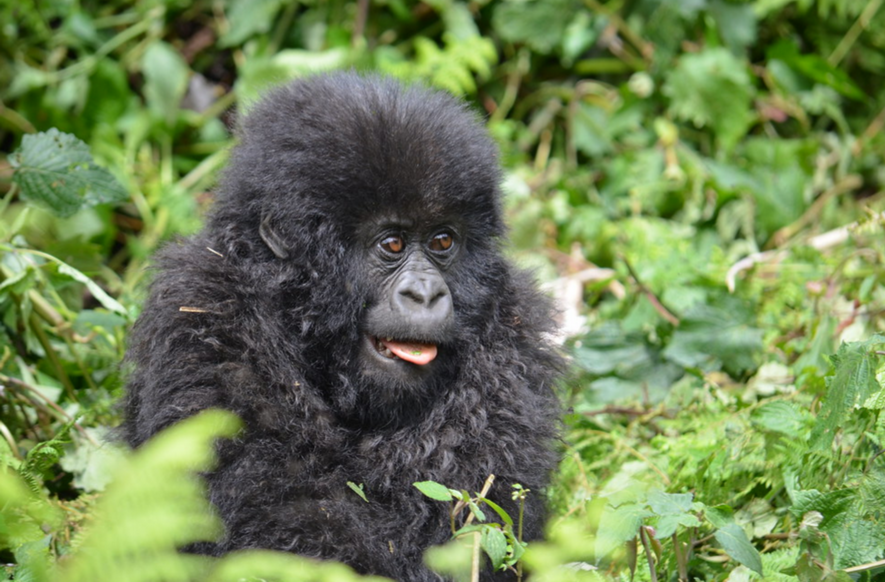
What is the entrance fee for Volcanoes National Park in Rwanda?
The entrance fee for Volcanoes National Park in Rwanda is $100 USD per person per day for international visitors. This applies to those entering the park for general activities, but it doesn’t cover specific activities like gorilla trekking, which require special permits.
For East African Community (EAC) nationals, the entrance fee is 5,000 Rwandan Francs (RWF), and for foreign residents living in EAC countries, the fee is $60 USD per person per day. Proof of residency is required to qualify for this discounted rate.
It’s important to note that this entrance fee helps fund wildlife conservation and community projects in the area. The proceeds support the protection of the park’s famous mountain gorillas and other wildlife while also contributing to the local economy.
For example, if a tourist enters the park to hike and enjoy its scenery without gorilla trekking or other specific activities, they would only need to pay this standard fee. Children under the age of 15 are not allowed for certain activities, but they may still enter the park with a regular entrance fee (age restrictions vary based on the activity).
Are there additional costs for guided tours or permits within the park?
Yes, there are additional costs for guided tours and permits within Volcanoes National Park. Visitors engaging in specific activities, such as gorilla trekking, golden monkey trekking, bird watching, or volcano hikes, are required to book permits or hire guides, which come at extra fees. The price depends on the activity chosen.
For example:
- Gorilla trekking permits cost $1,500 USD per person.
- Golden monkey trekking permits cost $100 USD per person.
- Nature walks or basic hiking experiences often start at around $75–$100 USD depending on the route and park guide.
Park rules mandate that all visitors must be accompanied by a professional guide for safety and conservation reasons. The costs for guides are often included in the permit price for activities like gorilla trekking.
If visiting for general hiking or birdwatching, visitors may be required to hire a guide separately, and this cost can range between $20–$75 USD, depending on the duration and complexity of the trail.
These extra costs ensure that tours are well-organized and that visitors learn about the park’s ecosystems from trained professionals. Guides also ensure minimal disruption to wildlife and promote sustainable tourism practices.
How much does a gorilla trekking permit cost in Volcanoes National Park?
The cost of a gorilla trekking permit in Volcanoes National Park is $1,500 USD per person for international visitors. This is a flat fee set by the Rwanda Development Board to limit the number of daily tourists and help protect the mountain gorillas’ habitat.
For EAC citizens and foreign residents living in EAC countries, the price is significantly lower, $200 USD per person for nationals and $500 USD per person for foreign residents. These rates require valid residency or citizenship documentation.
The fee includes the following:
- A professional guide to lead you through designated gorilla trekking trails.
- One full hour of observing a gorilla family in their natural habitat once you locate them.
- Support for conservation and community initiatives in the region.
Gorilla trekking permits are expensive because of the intensive work involved in conserving these critically endangered species. Only about 96 permits are issued daily, limiting the number of trekkers and protecting the gorillas from excessive human contact.
Many tourists book their permits months in advance to secure availability. For example, if you are planning to visit during popular travel seasons like June to September, it’s crucial to plan early as demand during these months is very high.
Are there any discount options or seasonal rates for visiting the park?
Rwanda’s Volcanoes National Park is a protected area, and the fees collected from visitors play a significant role in maintaining its ecosystem and supporting conservation initiatives. When it comes to discounts or seasonal rates, such options are limited because the park has a fixed pricing structure for many types of permits, such as the gorilla trekking permit. The set cost for a gorilla trekking permit is $1,500 per person, and this rate usually applies year-round, without seasonal discounts. This fixed pricing ensures a consistent stream of funding for wildlife protection and tourism infrastructure.
However, there are special discounts available for East African Community (EAC) citizens and Rwandan nationals. Citizens and residents from EAC countries, which include Rwanda, Uganda, Kenya, Tanzania, Burundi, and South Sudan, can enjoy much lower permit fees than international visitors. For example, as of recent years, Rwandan nationals could pay just $200 for gorilla trekking permits, while EAC residents (foreign nationals living in the region) historically paid around $500. Always verify these prices since they might undergo occasional adjustments.
Keep in mind there are occasionally promotional periods or offers, typically introduced to attract more local and regional travelers during low tourism seasons. During times like the COVID-19 pandemic, Rwanda temporarily introduced significantly reduced rates for residents and regional tourists.
If you are planning other activities in the park, such as trekking to see golden monkeys or visiting Mount Bisoke, these activities come with lower fees compared to gorilla trekking, which could feel like a “discounted” option if you’re focused on saving money. Children under 15 typically cannot participate in gorilla trekking, but they may qualify for reduced rates on other activities.
To take advantage of any available discounts or regional rates, ensure you bring proper identification, such as a passport or residency permit.
What is included in the cost of visiting Volcanoes National Park?
The exact inclusions depend on the activity you’ve paid for. Gorilla trekking permits are the most popular choice, and a significant portion of the $1,500 cost covers several important components. Firstly, it guarantees access to the park and the opportunity to observe a specific habituated gorilla family. Secondly, the permit fee supports conservation projects and community development initiatives, helping both wildlife and local residents. Lastly, on the day of your trek, the price includes the services of an experienced park ranger or guide who leads the trek, provides information, and ensures safety during the experience. The fee may also include local trackers who help locate the gorilla group before your trek begins.
For other activities such as golden monkey trekking or hikes to volcanic peaks, your fee also grants entrance to the park and the guidance of trained park staff who ensure your safety and enhance your visit through expert knowledge.
What is not included in most permit or entrance fees are extras like meals, drinking water, transportation to the park headquarters, or accommodation in the area. These need to be arranged separately and come at an extra cost. Additionally, hiring a local porter to assist with carrying your gear or helping you on steep trails is an optional service that incurs additional fees.
These costs not only cover your personal visit but also significantly contribute to long-term conservation and poverty reduction programs across the region, benefiting the local community.
Are there costs associated with hiring a local porter or guide?
Yes, there are extra costs if you decide to hire a local porter or guide during your visit to Volcanoes National Park. While the park ranger or guide that comes with your gorilla trekking or hiking permit is included in the main cost, hiring a porter for additional help is optional and involves a separate fee. Porters are local individuals who are available to carry your backpack, help with photography equipment, assist you on steep or muddy terrain, or simply provide extra support during uphill climbs.
The cost of hiring a porter is typically around $10 to $15 (USD) per trek. It is customary, and appreciated, to tip porters for their hard work if you are satisfied with their assistance; a tip of $5 to $10 is common.
Opting for a porter is highly recommended if you are trekking for several hours, as they can help lighten your load and make your trek more manageable. Porters are also a great way to support the local economy, as many of them rely on this seasonal work to provide for their families. Hiring them ensures that your visit not only becomes more comfortable for you but also directly benefits those living near the park. Both first-time visitors and experienced trekkers often find porters invaluable, especially in challenging weather conditions or on steep trails.
If you’re unsure about hiring one beforehand, you can make this decision on the morning of your trek when park staff explain the process.
What are the accommodation options near the park, and how much do they cost?
Near Volcanoes National Park in Rwanda, there are various accommodation options ranging from luxurious lodges to more budget-friendly choices. These accommodations cater to different preferences and budgets. Here are some examples:
- Luxury Lodges: High-end options such as Bisate Lodge, Sabyinyo Silverback Lodge, or One&Only Gorilla’s Nest offer premium experiences. These lodges provide fine dining, personalized services, and breathtaking views of the surrounding landscape. Prices for such accommodations typically start at around $1,000 to $2,000 per night per person. Meals and activities often come included in the cost at this level.
- Mid-Range Options: For those seeking comfort without spending as much, lodges like Mountain Gorilla View Lodge or Le Bambou Gorilla Lodge are popular choices. These offer cozy accommodation, hearty meals, and good proximity to the park. Prices generally range from $150 to $400 per night.
- Budget-Friendly Stays: For travelers on a tighter budget, guesthouses and smaller lodges such as Kinigi Guest House or The Garden Place Hotel provide basic amenities at more affordable rates. Prices for these accommodations can range from $50 to $100 per night. While the facilities are simpler, they are clean and adequately maintained.
Camping is not a common option near Volcanoes National Park due to the area’s focus on trekking and wildlife experiences. Regardless of the option chosen, early booking is recommended, especially during peak gorilla trekking seasons.
Is transportation to Volcanoes National Park included in the fees, or is it arranged separately?
Transportation to Volcanoes National Park is not included in the park’s fees. Visitors must organize their own travel to and from the park. The park is located in the town of Musanze (formerly known as Ruhengeri) in Rwanda, about a 2 to 3-hour drive from Kigali, the capital city.
Travelers can choose various modes of transportation depending on their budget and preferences:
- Private Vehicle Rentals: Hiring a private car with a driver is the most convenient option for groups or individuals. Costs for such rentals vary but typically range from $50 to $150 per day, depending on the type of vehicle and distance covered.
- Tour Operators: Many visitors book packages through tour operators, which include transportation to and from the park. These packages often combine activities like gorilla trekking or golden monkey trekking with lodging. Tour prices depend on inclusions but typically start at $1,500 or more per person for multi-day visits.
- Public Transport: For budget-conscious travelers, public buses and minibuses are available but may not drop visitors directly at the park headquarters. One can travel to Musanze on public buses, which cost between $5 and $10 per trip, and then hire a local taxi or motorcycle taxi (about $10 to $20) to reach the park.
Careful planning is essential, as gorilla trekking and other activities start in the early morning, requiring visitors to be at the park headquarters by 7:00 AM.
Do the costs vary depending on the activities chosen in the park, such as golden monkey trekking or hiking?
Yes, the costs for activities in Volcanoes National Park differ based on the type of activity you choose. Below are some common activities and their respective costs:
- Gorilla Trekking: The most popular activity in the park is gorilla trekking, which requires a permit costing $1,500 per person per trek. This fee supports conservation efforts and local communities. Only a limited number of permits are issued daily, so advanced booking is essential.
- Golden Monkey Trekking: This activity is less expensive than gorilla trekking, with permits costing $100 per person. Golden monkey trekking offers a chance to observe these playful and endangered primates in their natural habitat.
- Hiking and Volcano Climbs: The park offers hiking opportunities like the Mount Bisoke volcano climb, which costs $75 per person. More challenging hikes, such as the Mount Karisimbi multi-day trek, cost $400 per person.
- Dian Fossey Tomb Hike: For those interested in the history of gorilla conservation, the trek to Dian Fossey’s tomb and research center costs $75 per person.
- Cultural Experiences: Visiting local cultural villages or community projects around the park typically costs between $30 and $40 per person.
Each fee usually includes the services of a guide and covers conservation costs. These activities are priced differently to encourage diverse experiences while supporting conservation and the local economy. The variety in pricing allows visitors to choose experiences that suit their interests and budgets.
Are additional fees required for photographers, drones, or special equipment?
In Volcanoes National Park, photographers and those using special equipment, like drones, may need to pay additional fees. If you’re bringing a professional camera for photography, there’s usually no extra cost unless you’re conducting commercial photography. When it’s for commercial purposes, you’ll need a special permit, and the fees can vary significantly based on the nature of the project, size of the crew, and duration.
For drones, special rules apply. Permission must be obtained from the Rwandan Civil Aviation Authority (RCAA) before entering the park with a drone. This is a legal requirement in Rwanda due to concerns about privacy, security, and wildlife disturbance. Once you receive approval, you’ll also need to pay fees to the park, which can vary depending on the type of drone, its usage, and the duration of filming.
If you plan to use other equipment like tripods, stabilizers, or tech for filming, this usually doesn’t incur additional fees unless it’s part of a larger commercial project.
For better clarity, it’s a good idea to contact either the Rwandan Development Authority (RDB) or the park office ahead of your visit to confirm the exact costs for professional photography or filming activities. A good example of this would be if you’re a wildlife documentarian shooting for a TV show. In that scenario, you’ll need detailed permits, and the costs would be much higher.
Recreational visitors with cameras meant for personal use generally won’t face such requirements or extra charges unless stated otherwise during the park visit.
What is the cancellation or refund policy for park permits and fees?
In Volcanoes National Park, the cancellation or refund policy hinges on how close to the booked date you request the cancellation. For key activities, like Gorilla Trekking, prepayments are required, and these fees tend to follow strict guidelines because demand is usually high.
For Gorilla Trekking permits, a partial refund can apply if you cancel early. 75% of your payment might be refunded if you cancel 90 days or more before the trekking date. When cancellations happen 45–89 days before, you’re eligible for approximately a 50% refund. However, if the cancellation happens less than 45 days before, it’s unlikely you’ll receive a refund.
If you are unable to participate due to health issues, such as failing the mandatory medical check for illnesses like the flu (to protect gorillas from disease), you might instead qualify for a change in date or a different activity refund, pending the park’s discretion.
For other activities (like golden monkey trekking or hiking), the policies can vary, but they often mirror those of gorilla permits, timing plays a crucial role in determining refund eligibility. Be aware that refunds may also involve service fees or deduction of administrative costs.
It’s always smart to check directly with the park office or your tour operator to get accurate updated details about refund policies as terms can occasionally adjust.
How does the cost of visiting Volcanoes National Park compare to other national parks in East Africa?
When compared to other national parks in East Africa, visiting Volcanoes National Park is generally more expensive, especially for activities like gorilla trekking. The cost of a Gorilla Trekking permit in Volcanoes National Park is $1,500 per person. This is higher than in Uganda’s Bwindi Impenetrable Forest, where a similar permit costs $700 per person, and much more than in the Virunga National Park in the Democratic Republic of Congo, where the cost is approximately $450 per person.
Other activities, like golden monkey trekking in Rwanda, cost around $100, which is more affordable, but the pricing is still higher than that of some alternative parks in East Africa.
Accommodation and transportation near Volcanoes National Park also tend to be more expensive due to the park’s focus on luxury and conservation. Many nearby lodges cater to high-end tourists with prices often starting at $200–$300 per night and reaching over $1,000 per night for luxury lodges. In comparison, accommodations near parks like the Masai Mara in Kenya or Serengeti in Tanzania tend to offer a wider range of pricing, including budget options.
The higher costs in Rwanda are often explained by the country’s deliberate emphasis on high-end tourism for environmental conservation. For instance, the revenue generated from expensive gorilla permits is partly reinvested in community projects and conservation initiatives.
In summary, while Volcanoes National Park is on the pricier end of East African parks, its focus on exclusivity and conservation differentiates it from other destinations in the region.
How To Book Your Safari in Rwanda
Exploring the costs involved in visiting Volcanoes National Park, Rwanda, can feel overwhelming, but understanding the ‘what,’ ‘how,’ and ‘why’ makes planning easier. Whether it’s learning about park fees, guided tours, or budgeting tips, this guide covered the essentials for a smooth experience. Ready to make your adventure a reality? Connect with trusted Rwanda Safari Companies to organize an unforgettable trip. They’ll help handle all the details, ensuring you enjoy every moment of your Volcanoes National Park safari.
Wildlife Animals in Volcanoes National Park Rwanda
The main wildlife animals in Volcanoes National Park Rwanda include mountain gorillas, golden monkeys, forest elephants, buffaloes, and a variety of bird species. Rwanda safaris often focus on gorilla trekking in Rwanda, an iconic activity where visitors can observe mountain gorillas in their natural habitat. This national park, set among lush volcanoes, also supports animals such as giant forest hogs, black-fronted duikers, and an abundance of primates. For bird enthusiasts, the park is home to over 200 bird species, making it an essential destination for wildlife lovers.
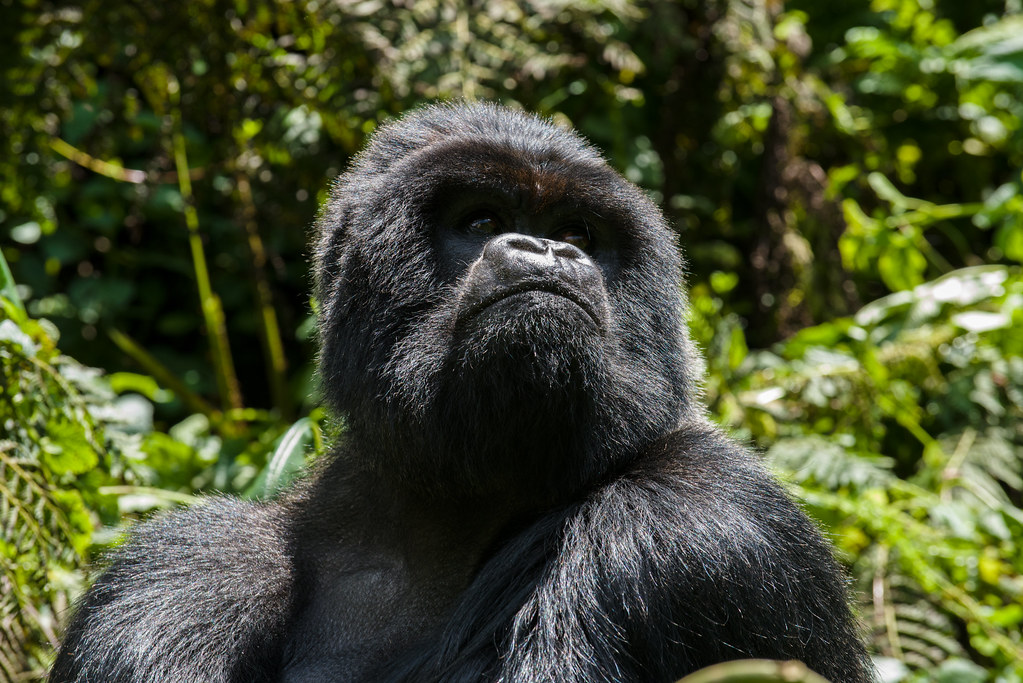
What wildlife species are commonly found in Volcanoes National Park, Rwanda?
Volcanoes National Park, located in northwest Rwanda, is home to an array of wildlife species. A major highlight of the park is the presence of mountain gorillas, one of its most famous inhabitants. These gorillas live in family groups and attract visitors from around the world due to their limited populations and unique social behaviors.
Another key species found in the park is the golden monkey. These beautiful and lively primates with gold-colored fur are endemic to the region and are often found in the bamboo forests of the park.
Beyond primates, the park also hosts mammals such as forest elephants, buffalo, and several species of smaller antelopes like duikers. Though sightings of larger mammals can be rarer due to the thick forest, they are an important part of the park’s ecosystem.
The park is home to rich birdlife, including over 200 bird species, with some being unique to the Albertine Rift region. Birds like the Rwenzori turaco, handsome francolin, and red-faced woodland warbler are examples of local specialties.
Small reptiles and amphibians, such as frogs and lizards, can also be found in the park, thriving in this lush environment. Overall, the species diversity in the park reflects its rich habitats and unique location as part of the Virunga Mountain Range.
What makes Volcanoes National Park unique in terms of its biodiversity?
Volcanoes National Park is considered one of the most biodiverse regions on the planet due to its location in the protected Virunga Mountain Range. Its variety of habitats includes dense rainforests, bamboo forests, grasslands, and even areas of alpine vegetation at higher altitudes.
The park’s biodiversity is bolstered by its role as a home to multiple endemic species, meaning species that are found nowhere else on Earth. The park is part of the Albertine Rift, which is known for having species that have evolved in isolation due to the region’s geography.
The park’s volcanic soil and frequent moisture create fertile conditions for plants to grow, which provide essential resources for all the wildlife there. For example, the bamboo forests are important for species like mountain gorillas and golden monkeys, as they feed on the bamboo shoots.
Another feature of the park’s biodiversity is its bird diversity, with many species present being part of the Albertine Rift Endemics. These birds thrive in the unique habitat structure created by the park’s varying elevation.
In summary, the park’s combination of rare species, distinct forest layers, and a mix of climate types make it a hotspot for biodiversity. This diversity is what draws scientists, conservationists, and wildlife enthusiasts from around the world.
Which endangered species can be found in the park?
Volcanoes National Park is a refuge for endangered species, with mountain gorillas being the most famous. These gorillas are listed as endangered by the International Union for Conservation of Nature (IUCN) due to threats like habitat destruction, poaching, and disease. Despite a growing population in recent years, they remain at substantial risk.
Another endangered species in the park is the golden monkey, which faces similar threats. Their population is restricted to a few areas, making conservation within the park highly important for their survival.
Other endangered species include some birds, such as the Shelley’s crimsonwing, which is found in high-altitude areas and depends on the park’s less disturbed habitats. These birds are considered highly vulnerable due to habitat loss in the region.
The park also protects smaller species that are not as well-known, such as rare amphibians found in the forest. Some of these species are highly specialized and only survive in this particular environment, making them critically dependent on the park’s protection efforts.
Conservation measures taken to protect these endangered animals include patrolling against illegal activities, preserving habitats, and involving local communities to reduce human-wildlife conflicts.
What is the role of Volcanoes National Park in the conservation of mountain gorillas?
Volcanoes National Park plays a critical role as a sanctuary for mountain gorillas, a species that is considered endangered. This park, located in Rwanda, is one of the few places in the world where these gorillas live in the wild. It provides the necessary habitat with rich vegetation, specifically the dense tropical forests, where mountain gorillas find food and shelter. This natural environment is critical for their survival.
The park is part of the Virunga Massif, a chain of volcanic mountains shared between Rwanda, Uganda, and the Democratic Republic of Congo. This region is the only home for mountain gorillas, and the park protects a significant portion of their population. Conservation efforts within the park are focused heavily on protecting these gorillas from poaching, habitat destruction, and disease.
Rangers and researchers monitor the gorillas daily, ensuring their safety and health. Programs in the park also educate the local communities about the importance of gorillas. By sharing the benefits of tourism revenue, locals are given incentives to help protect these animals instead of harming them. For example, jobs such as porters and guides offer economic opportunities tied to gorilla conservation.
One notable effort is the highly regulated gorilla trekking activities, where visitors can see these animals under strict guidelines. The fees collected from these treks help fund anti-poaching patrols, community programs, and ongoing study of the gorillas’ behavior, diet, and health. Through these combined efforts, mountain gorillas that were once critically endangered have seen an increase in their population, showcasing the park’s vital work in reversing their decline.
Are there any other primates besides gorillas in the park?
Yes, besides gorillas, Volcanoes National Park is home to other species of primates. One notable example is the golden monkey, a rare and visually distinctive primate well-known for its striking golden-orange fur. These monkeys live in the park’s bamboo forests, where they are often seen moving in groups as they feed on bamboo shoots, fruits, leaves, and flowers.
Another species found here is the black-and-white colobus monkey, recognized for its black fur with white tufts of hair framing its face and back. These monkeys live in groups and are commonly found swinging through the park’s trees, showcasing their agility.
The park also hosts various other primates, such as the blue monkeys and baboons. Blue monkeys have a somewhat bluish-gray shade of fur and spend much of their time in the forest canopy. Baboons, on the other hand, are larger and more terrestrial, often found foraging in groups on the forest floor. They are easily identified by their dog-like faces and physically powerful builds.
These primates, though less widely famous than the mountain gorilla, are a vital part of the park’s ecological system. They contribute to seed dispersal as they consume fruits and plants across the lush forests, helping maintain biodiversity. Visitors can sometimes watch these species during scheduled walks through the forest or during golden monkey trekking experiences, which, like gorilla trekking, allow visitors to see these monkeys up close while following ethical and sustainable guidelines.
What kinds of birds can be spotted within the park?
Volcanoes National Park is considered an excellent location for birdwatching, particularly because it serves as a home for over 200 species of birds, including a significant number of Albertine Rift Endemics. Endemic species are those that can only be found in this specific region. The dense montane forests, bamboo areas, and volcanic terrain provide birds with diverse habitats.
Some notable birds in the park include the Ruwenzori turaco, a vibrantly colored bird with green, blue, and red feathers. It is often spotted in the high-altitude forest zones. Another eye-catching species is the handsome spurfowl, which has a striking appearance and is often heard before it is seen because of its loud calls.
Further highlights include the scarlet-tufted sunbird, which has metallic and colorful plumage and can often be found near flowers, feeding on nectar. Different types of waxbills and weavers also add to the diversity of smaller, brightly colored birds around the park.
Endangered birds like the Grauer’s swamp warbler and Shelley’s crimsonwing are also present, though sightings can be rare because of their elusive nature. Some birds, such as the mountain sooty boubou and dusky crimsonwing, are easier to spot during birdwatching expeditions led by expert guides.
The best way to see these birds is during early morning walks, where forest trails offer the greatest variety. With binoculars and an experienced guide, visitors can observe these birds’ unique calls, feeding habits, and interactions, all while enjoying the natural surroundings within the park.
How do the volcanic landscapes influence the types of wildlife in the park?
The volcanic landscapes of Volcanoes National Park play an important role in shaping the variety of plants and animals found there. The park is located in the Virunga Mountains, which feature several dormant and active volcanoes. This unique terrain creates ecosystems with varying altitudes, soil types, and weather conditions, all of which determine the wildlife that can thrive.
For instance, volcanic soil is rich in nutrients, which supports the growth of dense vegetation like bamboo and mountain forests. These plants provide food and shelter for many animals, including the mountain gorillas, which depend on bamboo shoots as a major part of their diet. Other animals, such as antelopes and smaller mammals, also find food and cover in these areas.
The high altitudes and cool climate influence the types of animals that can survive. You will typically find species that are adapted for colder, wetter environments, such as the golden monkeys or various species of reptiles and amphibians that live in the cooler volcanic forests. Additionally, the rugged terrain of volcanic slopes creates natural hiding places, ensuring smaller and more elusive wildlife, such as bush duikers, remain undisturbed.
The landscapes also impact bird populations. The diverse plant life found at different altitudes supports over 150 species of birds, including those that are endemic to the Albertine Rift region. Birds like the Rwenzori turaco are an example of species that thrive in the forested volcanic environment.
In short, the volcanic geography and its nutrient-rich soils act as a foundation for varied ecosystems catering to both plants and animals, shaping the entire biodiversity of the park.
What are the major threats to wildlife in Volcanoes National Park?
Wildlife in Volcanoes National Park faces specific challenges that could harm species populations if not addressed effectively. One of the most critical threats is habitat loss. As populations in nearby communities grow, people may clear forested areas for farming and building homes, which reduces the available space for animals to live and find food. This loss can disrupt ecosystems and lead to conflicts between humans and wildlife, especially when animals venture into farmland.
Another issue is poaching. Certain animals, particularly mountain gorillas, are targeted either for their body parts or because they get caught in snares meant for other animals. Golden monkeys and smaller mammals can also be unintentionally harmed by traps that are set by individuals looking for bushmeat. While there are laws and patrols to reduce such actions, poaching remains a concern.
Climate change increases the risks too. Changing weather patterns may alter the vegetation in the park, reducing food availability for species that depend on specific plants, like gorillas that rely on bamboo. Drier conditions or storms might also make the region less stable for forest ecosystems.
Invasive plant species pose yet another threat, as they compete with native plants that are essential for the park’s animals. When an invasive species spreads, it can disrupt the balance of the ecosystem and lead to food scarcity for certain wildlife.
Finally, diseases can have a big impact, as animals like gorillas are particularly vulnerable to human illnesses. Tourists and locals, without proper precautions, might unintentionally pass on diseases to the primate populations.
Efforts such as forest restoration, community outreach, stricter anti-poaching measures, and eco-tourism policies are key in addressing these issues and helping the park’s wildlife thrive.
How does the local community contribute to wildlife conservation in the park?
The local community plays a crucial role in keeping wildlife in Volcanoes National Park safe and healthy. One of the significant ways they help is through community-based conservation programs. These initiatives include locals working closely with park authorities to monitor animal populations and report any illegal activities like poaching.
Tourism forms another vital aspect of conservation efforts. Many locals are employed as porters, guides, or workers in lodges built around the park. By participating in tourism, they earn money in ways that depend on the park thriving. This reduces the need to clear forests for farming or to resort to poaching for income. Furthermore, a portion of the revenue generated by gorilla trekking and other activities is often shared directly with nearby communities, funding schools, hospitals, and infrastructure projects.
Locals also engage in reforestation efforts. In areas where forests were previously cut down, they help plant trees, rebuild habitats, and ensure that land can support both plants and animals. Programs that promote sustainable farming techniques are common as well, helping residents reduce their reliance on the park’s natural resources while improving their income.
Education and awareness campaigns are vital too. Through these programs, community members learn about the importance of conserving species like the mountain gorilla and how healthy ecosystems benefit everyone. For instance, healthier forests can lead to better crop yields in surrounding farmlands and attract more tourists, creating more jobs.
Overall, by protecting wildlife and maintaining sustainable practices, the local population contributes significantly to preserving the rich biodiversity of Volcanoes National Park while securing their own future livelihoods.
What activities can visitors participate in to observe wildlife in the park?
Visitors to Volcanoes National Park in Rwanda can engage in several activities that provide opportunities to observe wildlife up close. One of the most popular activities is gorilla trekking, where small groups, guided by park rangers, hike through the forest to see the critically endangered mountain gorillas in their natural habitat. This experience involves walking through thick vegetation and sometimes steep terrain to reach gorilla families. Visitors can spend about an hour observing the gorillas’ behavior, such as feeding, playing, or resting. Proper permits are required for this activity to ensure limited human impact on the animals.
Another popular activity is golden monkey tracking. The park is home to the rare golden monkeys, which are known for their bright, golden-yellow fur. Visitors can join guided tours to track and observe these lively primates as they swing through the trees or forage on the forest floor.
Nature hikes and birdwatching are additional activities available. With the park’s rich birdlife, including species like the Rwenzori turaco and handsome francolin, bird enthusiasts can enjoy spotting various endemic species. Guided hikes often traverse scenic trails and allow visitors to learn about the park’s ecology, plants, and smaller wildlife.
Volcano climbing is another option, where visitors can hike to the summits of dormant volcanoes like Mount Bisoke or Mount Karisimbi. These treks not only offer beautiful views but also a chance to encounter wildlife along the way, including unique vegetation zones and occasional sightings of animals.
Cultural experiences, such as visiting local villages or participating in traditional performances, complement the wildlife-themed activities. This connection with local communities enriches the experience while supporting conservation efforts.
How does the park balance tourism and wildlife protection efforts?
Volcanoes National Park balances tourism and wildlife protection through stringent guidelines, regulated activities, and community involvement. One key approach is the limitation of visitor numbers to minimize human impact on wildlife. For example, only a limited number of permits are issued daily for gorilla trekking, and each group observes specific gorilla families for just one hour. This reduces the stress on the animals and lessens the likelihood of disease transmission from humans to gorillas.
The park enforces strict rules for visitors. Tourists must follow protocols such as maintaining a distance of at least seven meters from gorillas, avoiding loud noises, and refraining from littering. Additionally, individuals who are sick are not allowed to participate in activities like gorilla trekking to protect the animals’ health.
Revenue from tourism plays a significant role in funding conservation programs. A portion of the income generated from tourist activities is reinvested into the park for patrolling, habitat restoration, and research. Furthermore, some of the revenue is shared with local communities, creating a sense of ownership and encouraging residents to support conservation initiatives.
The park also offers training and regular support to its rangers who monitor and protect wildlife. Anti-poaching efforts, combined with the rehabilitation of habitats, ensure that tourism does not harm the park’s ecosystems.
To further this balance, visitors receive education on wildlife conservation and the challenges faced by species in the park. This creates awareness among tourists and strengthens their understanding of the environmental and ethical considerations tied to eco-tourism.
What are the ecological connections between wildlife in the park and its volcanic environment?
The wildlife in Volcanoes National Park is closely tied to its volcanic environment. The park is part of the Virunga Mountain Range, which includes dormant volcanoes. These volcanoes have created a fertile and diverse landscape, providing habitats for a wide range of species.
The nutrient-rich volcanic soils promote the growth of lush vegetation, including bamboo forests, hagenia trees, and alpine vegetation at higher altitudes. This dense plant life serves as a food source and shelter for species such as mountain gorillas, golden monkeys, and a variety of birds. Bamboo, for instance, is a key food for gorillas and golden monkeys, directly linking their survival to the ecological characteristics of the volcanic terrain.
The varying altitudes of the volcanic landscape create different ecological zones, each supporting unique species. The lower-altitude forests are home to primates, while higher-altitude zones have adapted vegetation that supports other types of specialized wildlife. This variety in plant and animal life is a product of the park’s volcanic origins.
Moreover, the water systems in the park, such as crater lakes and streams, are also influenced by the volcanic terrain. These freshwater sources are vital for many smaller animals and birds. Additionally, the volcanic slopes act as corridors for animal movement, ensuring connectivity between habitats.
Periodic volcanic activity in the distant past has shaped the terrain, influencing species’ adaptation and evolution. For example, animals and plants here are often better adapted to steep and rugged landscapes compared to flat terrains. The dependency of local wildlife on these volcanic features highlights their mutual influence and dependency.
How To Book Your Safari in Rwanda
We’ve explored the wonders of Volcanoes National Park, from the fascinating wildlife that calls it home to why this park is a must-see destination. Ready to experience the magic firsthand? Plan your adventure with the trusted Rwanda Safari Companies. They’ll guide you through an unforgettable journey, ensuring every moment is special. Don’t wait, connect with these experts today and start planning your dream safari!
For the full picture, see our guide to the best things to do in Volcanoes National Park.
Virunga Mountains
The Virunga Mountains are a chain of volcanoes in East Africa, spanning Rwanda, Uganda, and the Democratic Republic of Congo. Known for their lush forests and diverse wildlife, they are a top destination for gorilla trekking in Rwanda, particularly within Volcanoes National Park. This protected area is home to endangered mountain gorillas, golden monkeys, and a variety of bird species. Many visitors explore the range through Rwanda safaris, combining trekking with cultural experiences around the park. The mountains also feature prominent peaks like Mount Karisimbi and Mount Bisoke, offering hiking opportunities and stunning views.
What are the Virunga Mountains and where are they located?
The Virunga Mountains are a chain of volcanic mountains located in East Africa. They are part of the larger Albertine Rift, which falls within the western branch of the East African Rift system. These mountains are particularly known for their incredible natural beauty and rich ecosystems.
The Virunga Mountain range spans across three countries: Rwanda, Uganda, and the Democratic Republic of Congo (DRC). They form a natural boundary between these nations. This region is well-known for its tropical rainforests, rugged terrains, and a number of towering volcanoes.
Among the most famous parts of the Virunga Mountains is the Virunga National Park (in the DRC), which shares its landscape with the Volcanoes National Park in Rwanda and Mgahinga Gorilla National Park in Uganda. These conservation areas are crucial to protecting the wildlife and vegetation in this unique part of the world.
A key factor that makes the Virunga Mountains special is their status as a habitat for the endangered mountain gorillas, as well as a wide range of other species of animals and plants. It also holds a cultural significance, as local communities have lived in its shadow for centuries.
For example, nearby communities in Rwanda rely on its forests for resources like firewood or medicinal plants, but these mountains also influence the climate and water cycle in the region. When people think of the Virunga Mountains, they may often associate them with a mix of remarkable physical geography and ecological importance.
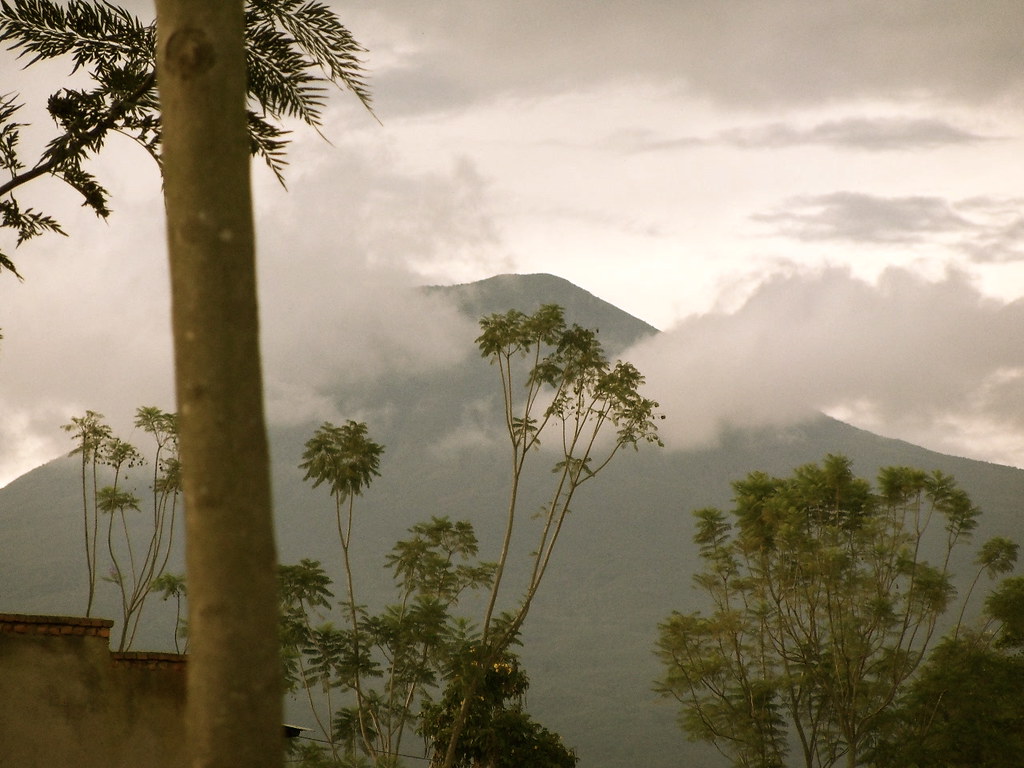
How many volcanoes make up the Virunga Mountain range?
The Virunga Mountain range is made up of eight major volcanoes. These are spread across Rwanda, Uganda, and the Democratic Republic of Congo.
Some of these volcanoes include:
- Mount Nyiragongo – Famous for having one of the world’s largest and most active lava lakes. It is located in the DRC.
- Mount Nyamuragira – Another active volcano in the DRC and a frequent contributor to volcanic activity in the region.
- Mount Karisimbi – The tallest in the range at 4,507 meters (14,787 feet), located on the border of Rwanda and DRC.
- Mount Visoke (sometimes called Bisoke) – Known for its crater lake, located on the border of Rwanda and DRC.
- Mount Mikeno – Located in the DRC, though less famous than some others, it is difficult to climb due to steep slopes.
- Mount Sabinyo – Found at the intersection of Rwanda, Uganda, and DRC, with its summit marking the point where the three countries meet.
- Mount Gahinga – A smaller volcano located between Rwanda and Uganda.
- Mount Muhabura – Often called the “Guide” due to its visibility and prominence on the Rwanda-Uganda border.
Of these eight volcanoes, two, Nyiragongo and Nyamuragira, are active and have erupted in recent decades. The others are considered extinct or dormant, meaning they are unlikely to erupt anytime soon.
This mix of both active and dormant volcanoes makes the Virunga Mountains an essential study area for understanding volcanic activity. For example, locals and scientists keep a close eye on Mount Nyiragongo since its eruptions have historically caused devastation to nearby regions, such as the city of Goma.
What is the significance of the Virunga Mountains in terms of biodiversity?
The Virunga Mountains are recognized globally for their incredible biodiversity. These mountains host one of the richest ecosystems in Africa, with habitats ranging from dense tropical rainforests to alpine zones atop higher altitudes.
One of the most important features of this range is that it is home to the endangered mountain gorillas. These gorillas rely on the forested slopes of the Virunga Mountains for food, shelter, and safety. There are only a few hundred mountain gorillas left in the world, and their existence is tied to the preservation of this region. Protecting the gorillas also means preserving their entire ecosystem.
In addition to mountain gorillas, the Virunga Mountains support a diverse array of other species:
- Golden monkeys, which are endemic to the region and also endangered.
- Elephants, though their numbers have decreased due to poaching.
- A variety of bird species, with many being native only to this area.
- Unique plants, some of which have adapted specifically to high altitudes or volcanic soil conditions.
The biodiversity of the Virunga Mountains also plays a role in regulating the climate. For instance, the forests here act as carbon sinks, effectively absorbing carbon dioxide and helping to combat climate change on a global scale.
By having this immense biodiversity, the Virunga Mountains are not only critical for local food chains and ecosystems but also hold value for research and environmental balance. For example, studies of wildlife behavior, plant adaptability, and ecological restoration often use these mountains as a reference point due to their complexity.
Which countries share the Virunga Mountain range?
The Virunga Mountain range is located in East-Central Africa and is shared by three countries: Democratic Republic of the Congo (DRC), Rwanda, and Uganda. This mountain range lies at the border areas of these nations, making it a natural boundary. For example, Rwanda’s Volcanoes National Park, Uganda’s Mgahinga Gorilla National Park, and the Democratic Republic of the Congo’s Virunga National Park all include portions of these mountains.
This shared geography makes the Virunga Mountains a significant area of collaboration for these nations, especially in areas such as conservation and tourism. It also means that any challenges or initiatives related to the Virunga Mountains often require coordinated efforts across these borders. Despite their division by political boundaries, the mountains act as a connected ecological and geological feature that binds these countries together.
What is the geological origin of the Virunga Mountains?
The Virunga Mountains were formed by volcanic activity and are part of the Albertine Rift, which is a western branch of the East African Rift System. This rift system results from tectonic plate movements, specifically the divergence of the African Plate. Over millions of years, these movements caused molten magma to rise to the Earth’s surface, leading to the formation of the large volcanic mountains found in this range.
The range includes both active and dormant volcanoes. For example, Mount Nyiragongo and Mount Nyamuragira, located in the Democratic Republic of the Congo, are among the most active volcanoes in Africa. These volcanoes demonstrate the geological activity still present in the area.
The volcanic origin of the Virunga Mountains has shaped not only the landscape but also the soil, which is highly fertile. This fertility supports dense vegetation, which in turn provides habitats for a variety of species, including endangered mountain gorillas.
Why are the Virunga Mountains important for conservation efforts?
The Virunga Mountains are a critical focus for conservation efforts because of their rich biodiversity and the presence of several species that are either rare, endemic, or endangered. Among the most famous species in the region are the mountain gorillas. These animals are critically endangered, with fewer than 1,000 left in the wild, many of which reside in the dense forests of the Virunga Mountains.
Beyond gorillas, the region is home to elephants, golden monkeys, a variety of bird species, and unique vegetation, thanks to its fertile volcanic soils and altitude variations.
Conservation in the Virunga Mountains faces numerous challenges, such as deforestation, poaching, and political instability in some parts of the region. Additionally, pressures from human activities like agriculture and the exploitation of natural resources pose threats to the delicate ecosystems.
Organizations and governments have introduced initiatives such as anti-poaching patrols, habitat restoration projects, and education programs for local communities. Efforts like transboundary collaborations between the Democratic Republic of the Congo, Rwanda, and Uganda help ensure that the mountains’ natural and ecological significance are maintained for future generations.
What is the relationship between the Virunga Mountains and gorilla conservation?
The Virunga Mountains are vital for gorilla conservation because they are home to a significant portion of the remaining population of mountain gorillas, a critically endangered species. Mountain gorillas live in the dense, elevated forests covering these volcanic mountain ranges. This region is one of the very few places in the world where these animals can be found in the wild.
Mountain gorillas depend on the lush environment of the Virunga Mountains to survive. The terrain provides them with food sources such as bamboo, fruits, and leaves, as well as a safe haven with limited human interference. Additionally, the forests act as natural shields against threats, offering the gorillas a secluded area for living and breeding. Without conservation efforts tied to this area, it’s likely that these gorillas would face extinction, as their habitats are very specific and rare.
Efforts to conserve these gorillas include establishing protected areas such as national parks. For instance, Virunga National Park in the Democratic Republic of Congo, Volcanoes National Park in Rwanda, and Mgahinga Gorilla National Park in Uganda are well-known protected zones within the Virunga Mountains. Rangers and conservation programs focus on protecting gorillas from threats like poaching, habitat destruction, and diseases.
Human involvement with gorilla conservation in the region not only saves the species but also fosters a sense of appreciation and awareness about biodiversity. Communities and governments in countries sharing the Virunga Mountains work together on gorilla-focused projects, often using tourism revenue from gorilla trekking permits to fund these efforts.
For example, the funds collected through regulated gorilla treks are invested in conservation work, local community development, and ranger salaries. This creates a system benefitting both the endangered gorillas and the people living near their habitat.
Are there any active volcanoes in the Virunga Mountains? If so, which ones?
Yes, the Virunga Mountains include active volcanoes, most notably Mount Nyiragongo and Mount Nyamuragira, located in the Democratic Republic of Congo. These two volcanoes are among the most active in the world and are significant contributors to the geological character of this mountain range.
Mount Nyiragongo is perhaps the most famous of the two because of its dramatic lava lake, one of the largest in the world. The lava inside this volcano is known for being particularly fluid, which lets it flow very quickly during eruptions. For example, during its 2002 eruption, lava streams poured into the nearby city of Goma, destroying homes and infrastructure. Despite its danger, people are drawn to the volcano for its unique geological features and its vivid red, glowing lava lake.
Mount Nyamuragira, on the other hand, erupts even more frequently than Nyiragongo. It typically houses a smaller lava lake than Nyiragongo, but its eruptions can be quite dramatic. The eruptions release large quantities of lava and ash, which can shape local landscapes and ecosystems over time.
These active volcanoes are both a risk and a resource for the surrounding regions. On one hand, their eruptions can damage homes, displace people, or even cause loss of life. On the other hand, volcanic activity enriches the soil, making the surrounding land very fertile for agriculture. People living in this area have learned to adapt to both the dangers and benefits of living near these active volcanoes.
The ongoing activity of Nyiragongo and Nyamuragira emphasizes the importance of geological monitoring in the region, which is crucial for minimizing risks to the population and preserving the local ecosystems.
What role do the Virunga Mountains play in the local ecosystems and communities?
The Virunga Mountains play a key role in both local ecosystems and the livelihoods of nearby communities. This mountain range hosts some of the most biologically diverse habitats on Earth. The areas around the Virunga Mountains are made up of forests, bamboo zones, and grasslands, all of which support a wide variety of wildlife, such as mountain gorillas, golden monkeys, elephants, and numerous bird species.
The forests of the Virunga Mountains are extremely important because they help regulate the local climate by capturing carbon dioxide and releasing oxygen, contributing to air quality and reducing the effects of global warming. These forests also act as watersheds, feeding rivers that provide water to the nearby villages and towns.
For local communities, the Virunga Mountains are both a natural resource and a source of income. The nutrient-rich volcanic soils allow for agriculture, with crops such as bananas, coffee, and beans thriving in the area. Additionally, the mountains generate income through eco-tourism, particularly activities like gorilla trekking, nature hikes, and volcano visits. Governments and local groups use a portion of this income to fund conservation efforts and enhance community infrastructure, such as schools or health centers.
However, challenges exist. Many people in surrounding areas depend on these forests for firewood and other natural materials, which can lead to habitat destruction if not managed sustainably. Conservation groups are working to introduce alternatives, such as fuel-efficient stoves, to reduce the pressure on forest resources.
Overall, the Virunga Mountains are a vital life source for both nature and human communities. They provide sustenance, economic benefits, and ecological services, underscoring their importance to the region as a whole.
What are the major threats faced by the Virunga Mountain region?
The Virunga Mountain region faces several major threats, many of which stem from human activities and environmental changes. One of the key issues is deforestation, which occurs as people cut down trees for fuel, agriculture, and settlement. Since the area is home to some of the most endangered wildlife species, including mountain gorillas, the loss of forest habitat disrupts their ecosystems and puts their survival at risk.
Another significant threat is poaching. Wildlife in the Virunga Mountains, particularly gorillas, is often targeted by illegal hunters. Poachers either sell animal parts or capture animals for the exotic wildlife trade. Even when gorillas themselves aren’t targeted directly, traps set for other animals sometimes injure or kill them.
Conflict and instability in the region pose another major problem. The Virunga Mountains span multiple countries, including the Democratic Republic of Congo, where ongoing conflicts make it hard to enforce conservation laws. Armed groups sometimes operate in the area, leading to destruction and insecurity.
The region also faces threats from climate change, which impacts the temperature, rainfall patterns, and vegetation. These changes can disrupt the balance of the local ecosystems, making it harder for both wildlife and humans to adapt.
Lastly, natural resource exploitation, such as oil exploration and mining, threatens the Virunga Mountains. These activities not only damage the environment but also bring more people into the area, increasing pressure on the already fragile ecosystem.
By addressing these threats through local and international collaboration, it is possible to reduce the negative impact on this vital region.
How is tourism in the Virunga Mountains managed, and what impact does it have?
Tourism in the Virunga Mountains revolves around its incredible biodiversity, particularly the chance to see mountain gorillas in their natural habitat. To ensure tourism benefits the region without causing harm, it is carefully managed with several strategies.
One key approach is limiting the number of visitors. Authorities restrict the number of gorilla trekking permits issued daily, ensuring groups remain small to minimize disturbance to the animals. For example, only a certain number of people are allowed to approach a gorilla group for a limited time each day. This allows the animals to continue their natural activities without excessive stress caused by human observation.
Another important measure is tourism revenue sharing. A portion of the income from permits and park fees is directed to local communities. This provides economic incentives to protect the wildlife and not engage in harmful activities such as poaching.
Tourists are also educated on environmental conservation. Guides provide information on proper behavior around wildlife, such as maintaining a distance and avoiding loud noises. This prevents unnecessary disruption to the animals’ lives.
While tourism generates essential revenue for conservation and local economies, it can also have negative impacts if not managed properly. For example, human contact may introduce diseases to gorillas, as they are susceptible to some human illnesses. To address this, strict hygiene rules are enforced, including requirements for visitors to wear masks.
Thus, while tourism offers economic and conservation advantages, careful regulation ensures that it does not harm the very environment people come to admire.
What measures are being taken to protect and preserve the Virunga Mountains?
Efforts to protect and preserve the Virunga Mountains involve a wide range of initiatives led by governments, conservation organizations, and communities. One major step is the establishment of protected areas, such as the Virunga National Park and other reserves. These areas are managed with rules that limit human activities like logging, farming, and hunting, ensuring that the ecosystem remains intact.
Anti-poaching programs play a critical role in conservation. Rangers are trained and equipped to prevent illegal hunting and to rescue animals from traps. These teams often work under challenging and dangerous conditions to protect wildlife. For instance, in the Democratic Republic of Congo, park rangers regularly patrol the Virunga National Park to stop poachers and illegal resource exploitation.
Community involvement is another important focus. Local people are often given resources or financial incentives to participate in conservation efforts. For example, some organizations provide alternative livelihoods, like farming or ecotourism jobs, to reduce dependence on harmful practices such as illegal logging or mining.
In response to the threat of climate change, reforestation programs have been launched in the region. Planting trees helps restore lost forests, improving the habitat for wildlife and helping to combat the effects of climate change.
On a broader level, international cooperation supports conservation in the Virunga Mountains. This includes funding from foreign governments and global organizations, such as the United Nations Educational, Scientific and Cultural Organization (UNESCO), which has designated parts of the area as World Heritage Sites.
These measures, when combined, aim to balance ecological health, wildlife protection, and the needs of local residents to ensure the long-term survival of the Virunga Mountains.
How To Book Your Safari in Rwanda
Curious about the Virunga Mountains? We’ve covered what they are, why they’re special, and how you can explore their breathtaking landscapes. Now it’s your turn to experience the magic firsthand! Planning is easy, just reach out to one of the trusted Rwanda Safari Companies. They’ll help create a seamless adventure packed with unforgettable moments. Don’t wait, start your journey to the heart of Rwanda today!
For the full picture, see our guide to the best things to do in Volcanoes National Park.
Hiking in Volcanoes National Park Rwanda
Hiking in Volcanoes National Park Rwanda offers unique experiences such as gorilla trekking in Rwanda, where visitors can observe endangered mountain gorillas in their natural habitat. Located in the Virunga Mountains, the park features trails to Mount Bisoke, known for its crater lake, and Mount Karisimbi, Rwanda’s highest peak. Popular activities also include Rwanda safaris and exploring Dian Fossey’s Karisoke Research Center. The park’s rich biodiversity includes golden monkeys, exotic birds, and lush landscapes, making it a prime destination for nature enthusiasts.
What is Volcanoes National Park in Rwanda, and why is it famous for hiking?
Volcanoes National Park is a protected area in the northwestern part of Rwanda, sharing borders with Uganda and the Democratic Republic of Congo. It is part of the Virunga Mountains, which includes a chain of volcanic mountains spread over these three countries. The park spans roughly 160 square kilometers and is a critical habitat for the endangered mountain gorillas, making it one of the most famous destinations for gorilla trekking in the world.
The park is especially well-known for hiking opportunities because it is home to several volcanic peaks such as Mount Bisoke, known for its crater lake, and Mount Karisimbi, the highest volcano in the region at 4,507 meters. Its unique geography, ranging from lush forests to dramatic mountain slopes, creates a variety of trails for both beginner and experienced hikers.
Beyond volcanoes, hiking in the park includes access to the rare bamboo forests, alpine vegetation, and unique wildlife like golden monkeys. The park was also home to Dian Fossey, the renowned primatologist, who spent years studying and protecting mountain gorillas. Visitors can trek to her research center and burial site for a historical aspect of the hikes.
For many, the opportunity to combine a challenging hike with spotting rare animals and breathtaking views makes this park a sought-after travel destination. Being immersed in a place with rich biodiversity and volcanic landscapes provides a memorable outdoor adventure.
What are the main hiking trails or routes available in the park?
The park offers a variety of hiking trails suited to different interests and levels of physical ability. Here are some of the primary routes you can choose from:
- Gorilla Trekking Trails: These are not traditional hiking paths but involve trekking through dense vegetation to locate specific gorilla families. Each group of visitors is assigned a family to visit, ensuring minimal disturbance.
- Mount Bisoke Crater Lake Hike: This moderate yet rewarding hike takes about 6 hours (round trip) and ascends to 3,711 meters above sea level. At the top of Mount Bisoke, hikers are greeted with the stunning sight of a crater lake surrounded by mist.
- Mount Karisimbi Hike: This is the most challenging hike in the park, requiring two days to complete. Standing at 4,507 meters, Mount Karisimbi is one of the highest volcanic summits in Africa, offering incredible views over the surrounding mountains.
- Dian Fossey Tomb and Research Center Trail: This 3-4 hour excursion allows visitors to hike to the site where Dian Fossey conducted her gorilla studies and pay respects at her grave. It’s a moderate hike with historical significance.
- Golden Monkey Trekking: A shorter hike through bamboo forests leads visitors to groups of golden monkeys, a rare and energetic primate found in the area. The trek lasts around 3-4 hours.
These trails combine physical activity with unique encounters in nature. Whether you prefer a strenuous ascent or a gentler hike to observe wildlife, the park offers versatile options.
How can I prepare physically and mentally for hiking in Volcanoes National Park?
Preparation is key to a comfortable and enjoyable hiking experience in Volcanoes National Park. Here’s how you can get ready:
Physical Preparation
- Start by building endurance: Since many trails involve walking for hours, building cardiovascular fitness through activities like jogging, cycling, or regular walking is helpful. Aim to gradually increase your stamina at least a month before your trip.
- Strengthen leg muscles: Workouts focused on strengthening your legs can make uphill climbs and uneven terrain manageable. Exercises like squats, lunges, or stair-climbing simulate the physical effort needed for hiking.
- Practice hiking: If possible, practice hiking on trails or in environments that mimic the terrain of the park, such as forested or hilly areas. Wearing your hiking boots during practice sessions can also help you break them in.
Mental Preparation
- Research the trails: Understanding trail lengths, challenges, and what to expect can help you mentally prepare for the effort. For instance, knowing that Mount Karisimbi takes two days and includes a high-altitude climb will help you adjust expectations.
- Acclimatize to altitude: Some peaks, like Mount Bisoke or Karisimbi, involve hiking at high altitudes with thinner air. This can be challenging if you’re not accustomed to it. Spend time in Rwanda (around 2,000 meters) for a couple of days before tackling high altitudes to let your body adapt.
- Stay positive and flexible: Mental determination is as important as physical fitness. Conditions like sudden rain or unpredictable paths require patience and the willingness to adjust plans if needed.
Bringing the right gear, staying hydrated, and following park guides’ advice will also ease both physical and mental demands during your hikes.
What is the best time of year to go hiking in the park?
The best time for hiking in Volcanoes National Park, Rwanda, is during the dry seasons, which occur twice a year: from June to mid-September and from December to February. These periods are ideal because the park, located in a high-altitude mountainous region, experiences less rainfall, making the trails more stable and easier to navigate. In contrast, the rainy seasons (March through May and late September to November) can make the paths slippery and challenging to trek.
The weather during the dry season is typically cooler, especially in the mornings and evenings, owing to the park’s location near the Equator and its elevation. Hikers can expect daytime temperatures ranging from 50°F to 68°F (10°C to 20°C), which is comfortable for trekking. This weather also allows for clearer skies, providing excellent views of the surrounding landscapes, including rolling hills and distant volcanoes.
Dry seasons are advantageous for observing some of the park’s most iconic features, such as the mountain gorillas, golden monkeys, and diverse vegetation. For example, gorilla trekking is more accessible during these months since thick mud and drenched vegetation are less of a concern.
To ensure availability during the popular dry seasons, booking well in advance is recommended since this period can attract many visitors. Choosing to hike during the wet season is still possible, but prepare for muddy conditions and pack suitable rain gear.
What wildlife and natural features can be encountered during the hikes?
Hiking in Volcanoes National Park offers incredible opportunities to see mountain gorillas, golden monkeys, and a variety of other rare animals, plants, and landscapes. The park is part of the Virunga Mountain range, known for its lush, tropical rainforests and its role in conserving endangered species like the mountain gorilla.
The park is one of the very few places where you can come up close to mountain gorillas, which live in family groups along the trails. Trained guides accompany trekkers to ensure you observe them in their natural habitat without disturbing them. These gorilla families are fascinating to watch as you’ll notice everything from their playfulness to their social behaviors.
Apart from gorillas, golden monkeys, another rare and distinct primate species, are found here. Their golden-orange fur and agile movements make them a joy to observe, especially in the bamboo forests.
You’ll also come across an incredible variety of bird species (over 200 species of birds have been recorded), butterflies, and even smaller forest creatures.
The vegetation is another highlight. As you climb, you’ll notice changes in plant life based on altitude, from dense rainforest at lower levels to bamboo and alpine meadows as you ascend. Crater lakes, waterfalls, and the views of the surrounding volcanoes further enhance the experience.
This rich combination of animal life and vibrant flora makes every hike in the park a unique and rewarding adventure.
Are permits required for hiking, and how do I obtain them?
Yes, permits are required for hiking in Volcanoes National Park, particularly for specialized activities like gorilla trekking or visiting specific trails. Rwanda introduced the permit system to help regulate the number of visitors, ensure safety, and fund conservation efforts within the park.
The most sought-after permit is the gorilla trekking permit, allowing you to spend up to an hour with a gorilla family. As of 2023, the cost for this permit is $1,500 per person. For those looking to hike other trails, such as to see golden monkeys or the Dian Fossey tomb, separate permits need to be purchased at costs that vary. Basic nature hikes and volcano climbs also have their own fees.
Permits can be obtained directly through the Rwanda Development Board (RDB) or by working with a licensed tour operator, who will handle the process for you. For easier planning, purchasing your permit several months in advance is highly advisable, especially during the dry season when demand is high.
The permit price might seem high, but it plays a key role in protecting the park’s wildlife and contributing to local community projects. Ensure that you bring proper identification, such as your passport, as it may be required when collecting your permit and during the hike.
What is the level of difficulty for the hikes, and are they suitable for beginners?
The level of difficulty for hikes in Volcanoes National Park varies depending on the trail or activity you choose. Some hikes are moderate and beginner-friendly, while others can be more challenging and better suited for experienced hikers. For instance, climbing Mount Bisoke is relatively manageable for someone with average fitness and can be completed in 4-6 hours. Beginners can attempt this hike with preparation, as it involves some inclines but isn’t extremely technical.
On the other hand, trekking to the summit of Mount Karisimbi, the highest volcano in the park, is more strenuous. This hike takes roughly two days and involves steep climbs, high altitudes, and cooler temperatures, making it a good option for those with prior hiking experience.
If hiking seems too overwhelming, there’s another option. Visitors can track the park’s famous mountain gorillas, which involves walking through dense forests and varying terrains. While it requires stamina, beginner hikers can manage this activity with pacing and guidance from park rangers.
The park staff are helpful in guiding hikers through the trails, ensuring that anyone choosing a hike knows the level of difficulty beforehand. Rangers also provide safety and support throughout the journey, which is reassuring for less experienced hikers. If you’re new to hiking, starting with the less demanding trails or activities is a good idea. Always listen to your body and hike at your own pace to enjoy the experience.
What should I pack and wear for hiking in Volcanoes National Park?
Packing and wearing the right gear is essential for hiking in this park to stay safe and comfortable in the variable conditions. First, make sure to wear sturdy hiking boots with good grip, as trails can be slippery due to muddy or uneven terrain. Avoid regular sneakers as they may not provide sufficient support.
Include clothing that can withstand shifts in weather. Wear layers, as it can be cold in the mornings, especially at higher altitudes, but warmer as the day progresses. A light, waterproof jacket is a must since the park has frequent rain showers. Quick-dry pants and moisture-wicking shirts are also recommended.
Bring a backpack to carry essentials like water bottles, snacks, and sunscreen. Hydration is particularly important, so pack at least 2 liters of water. If you are trekking longer routes, energy-boosting snacks like granola bars can help.
Other useful items include insect repellent to ward off bugs and a hat for sun protection. Don’t forget binoculars for wildlife viewing and a small first aid kit for minor scrapes or blisters. For gorilla trekking, gardening gloves can come in handy, as you might need to grab onto plants during the hike.
Finally, remember to pack lightly, as carrying too much can slow you down, especially on longer or steeper trails. With the right preparation, you’ll be well-equipped for an enjoyable adventure.
Are guided tours or park rangers required for hiking, and how do I arrange for one?
Yes, guided tours or park rangers are required for nearly all hikes in Volcanoes National Park. This rule ensures the safety of hikers and protects the park’s delicate ecosystem, including its famous mountain gorillas. Rangers are specially trained, not only to lead groups along trails but also to identify wildlife, provide interesting insights, and respond to any emergencies.
For activities like gorilla trekking, golden monkey tracking, or hiking the volcanoes, you cannot venture alone. You’ll always be assigned a guide or ranger before setting off on your hike. These guides often work with small groups of visitors, creating a more personal and manageable hiking experience.
Arranging for a guide or tour is straightforward. When you purchase your permit to enter the park, a guide will automatically be included in the process. These permits can be purchased through the Rwanda Development Board (RDB) or approved tour operators. For example, gorilla trekking requires a permit costing around $1,500 (as of recent figures). This fee covers rangers, security, and conservation efforts.
Alternatively, if you are planning other activities, such as birdwatching or trekking less-popular routes, tour operators can assist in organizing your trip, including selecting knowledgeable guides.
One advantage of having guides is their ability to add value to your hike. They’ll share fascinating details about the flora, fauna, and volcanic landscapes and ensure your group follows proper safety protocols. This makes your hiking experience both safer and more meaningful.
What are the safety precautions and rules to follow while hiking in the park?
Hiking in Volcanoes National Park is an exciting activity, but there are important safety precautions and rules to follow to ensure both your safety and the preservation of the environment.
Firstly, always stay with your group and guide. The guides are equipped with knowledge about the park’s terrain and wildlife and will help you avoid dangerous areas. Wandering off on your own can lead to getting lost or accidentally disturbing wildlife.
Follow the instructions given by your guide. For example, if you encounter animals like mountain gorillas, maintain a respectful distance (at least 7 meters) and stay calm and quiet to avoid startling them.
Stick to designated trails and avoid damaging vegetation. Stepping off the trails can harm plants or disturb the habitat of animals in the park. It also reduces your chances of encountering potentially dangerous situations.
Wear appropriate clothing and footwear. This includes sturdy hiking boots, long pants, and layers to prepare for sudden weather changes. The park’s climate can vary, so you may experience rain or temperature drops.
Carry sufficient water and snacks to stay hydrated and energized, but avoid leaving behind litter. Bring a small bag for waste to ensure the park remains clean for others and the wildlife.
Be aware of the altitude. Some of the hikes take you to high altitudes, which could lead to altitude sickness. If you feel dizzy, nauseous, or overly fatigued, inform your guide immediately. They’re trained to handle such situations.
It is also recommended to carry insect repellent to protect against mosquitoes and other bugs, as well as sunscreen to avoid sunburn.
Finally, photography is allowed but ensure you don’t use a flash when taking pictures of animals. The flash could startle or agitate them.
By following these precautions, you’ll have a safer and more enjoyable hike while respecting the park’s natural environment.
How does hiking in Volcanoes National Park contribute to conservation and ecotourism?
Hiking in Volcanoes National Park plays a significant role in both wildlife conservation and supporting local communities through ecotourism.
One of the most significant ways hiking contributes to conservation is through park permit fees. Visitors are required to purchase permits for hiking activities, especially for gorilla treks. A large portion of this revenue is directly allocated to conserving the park and protecting its unique inhabitants, like the endangered mountain gorillas. These funds help in initiatives such as anti-poaching patrols, habitat restoration, and gorilla health monitoring programs.
Ecotourism ensures that local communities benefit from the park. A percentage of the revenue from tourism is invested in community development projects, like schools, healthcare facilities, and infrastructure. This encourages nearby communities to see the value in preserving the park rather than using its land for farming or other exploitative activities.
The presence of tourists also discourages poaching and deforestation. With regular visits from hikers and trekkers, illegal activities within the park are minimized, as there’s an increased level of oversight.
Moreover, hiking provides jobs. Many locals work as guides, porters, rangers, or staff supporting the tourism industry in the area. By visiting the park, you’re directly contributing to the livelihoods of people who become actively involved in the protection of these natural resources.
Ecotourism also raises awareness. Hikers often leave with a deeper understanding and appreciation for the connection between humans and wildlife. This can lead to more advocacy and support for conservation on a global scale.
In summary, hiking in Volcanoes National Park creates a system where the natural environment, wildlife, and local communities all benefit positively from tourism, ensuring long-term sustainability.
What cultural or local experiences can complement the hiking adventure in the area?
Beyond hiking, the region surrounding Volcanoes National Park offers rich cultural activities and opportunities to connect with the local way of life.
One of the most popular experiences is visiting the Iby’Iwacu Cultural Village, also known as the Gorilla Guardians Village. Here, you can learn about the traditions, music, and dance of the local communities. Visitors are often encouraged to participate in performances or try activities like grinding grains or learning traditional hunting techniques.
Another cultural highlight is touring nearby local markets. These markets showcase the daily lives of villagers and provide visitors with a chance to shop for handmade crafts, which are often crafted by local artisans. Items like woven baskets and carvings are popular souvenirs.
For food enthusiasts, sampling local Rwandan cuisine is a must. Dishes such as Ugali (a staple starch made from maize or cassava flour) and Isombe (cassava leaves cooked with groundnuts) offer a true taste of the region. Many guesthouses and lodges nearby prepare traditional meals.
You can visit local tea plantations to learn about the tea production process. Rwanda’s high-quality tea is a major export, and seeing how it’s grown and processed is both informative and enjoyable. Some tours may even include tea tastings.
Another meaningful experience is interacting with local conservation projects. For instance, you can visit tree planting or reforestation initiatives that aim to restore habitats for wildlife.
Lastly, consider spending time in nearby communities to learn about the efforts taken to coexist with wildlife responsibly. Listening to stories of the community members helps give a deeper understanding of the balance between human livelihoods and conservation.
These cultural activities not only enrich your visit but also contribute to the local economy, providing another layer of support to the people who help protect the park’s environment and heritage.
How To Book Your Safari in Rwanda
Hiking in Volcanoes National Park, Rwanda, offers an exciting chance to explore lush trails, encounter mountain gorillas, and enjoy breathtaking scenery. This article covered the basics: what the park offers, why it’s a must-visit, and how to prepare for your adventure. Ready to make it happen? Contact the trusted Rwanda Safari Companies to plan your trip. They’ll guide you through booking and ensure a smooth and memorable experience. Don’t wait, start your Rwandan hiking adventure today!
Getting to Volcanoes National Park Rwanda
To get to Volcanoes National Park Rwanda, travelers typically start from Kigali, the capital city. The park is about a 2-3 hour drive northwest from Kigali, accessible by private car or arranged transport through a tour operator specializing in Rwanda safaris. The main activity, gorilla trekking in Rwanda, requires permits, and it’s advisable to book in advance. Public transport, like buses, can reach nearby towns like Musanze, but private or organized transport is recommended for convenience. The roads leading to the park are in good condition, making the journey straightforward.
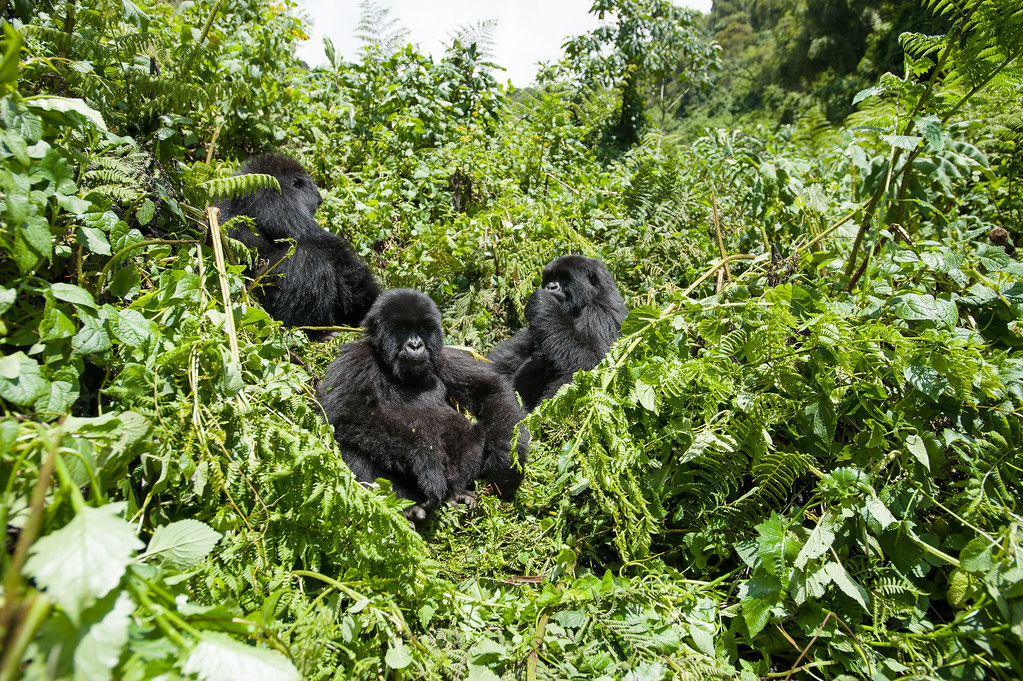
Where is Volcanoes National Park located in Rwanda?
Volcanoes National Park is located in the northwestern region of Rwanda, near the border with Uganda and the Democratic Republic of Congo. Specifically, the park is part of the Virunga Mountain Range, which is famous for its lush bamboo forests and volcanic landscapes. This region is also home to five of the eight volcanoes in the mountain range, including Mount Karisimbi and Mount Bisoke. The park is widely recognized as the key destination for mountain gorilla trekking, as it serves as a habitat for the critically endangered species.
It is part of Rwanda’s Musanze District, and the nearest town is Musanze (formerly Ruhengeri), one of Rwanda’s largest towns. Musanze acts as a common base for visitors heading into the park. Its proximity makes it convenient for travelers to find accommodations, guides, and other necessities.
Volcanoes National Park has a rich history in conservation. It was initially established in 1925 as Africa’s first national park, primarily for the protection of the mountain gorillas and volcanoes. The late conservationist Dian Fossey also conducted significant research here, highlighting the importance of conserving gorilla populations.
In summary, Volcanoes National Park is situated amidst a biodiverse and scenic area in Rwanda’s northwestern corner, marking it as a key site for nature and wildlife enthusiasts.
What are the main transportation options to get to Volcanoes National Park?
To reach Volcanoes National Park, visitors typically rely on a combination of road transportation options, as Rwanda does not currently have domestic flights or railways dedicated to this route.
Most visitors arrive in Rwanda through Kigali International Airport, located in the capital city of Kigali. From there, the park can be accessed via a road journey to Musanze. This journey is straightforward as Rwanda has well-maintained roads connecting major towns.
- Private Cars/Taxis: Hiring a private car or taxi is one of the most convenient ways to get to the park. It allows flexibility in travel schedules and offers direct drop-offs at accommodations near the park or at the park’s entrance.
- Tour Operators: Many visitors choose to book transportation through tour companies, which commonly offer both planned itineraries and custom travel services. This is often helpful for coordinating permits, guides, and logistics related to park activities.
- Public Buses: Budget-conscious travelers can take a public bus or shared taxi from Kigali to Musanze. These buses are available at Kigali’s Nyabugogo Bus Station and typically take around two hours to reach Musanze. From the bus station in Musanze, private taxis or motorcycle taxis can be hired for the final stretch to the park entrance.
- Rental Vehicles: Some travelers prefer to rent a car directly from Kigali and drive themselves to Musanze. Renting a 4×4 vehicle is recommended, especially for those planning to explore off-road areas. Rental companies are available in Kigali, and driving is considered safe for tourists on paved roads.
The most popular and easiest approach is to use private transportation or book a full-service package with a tour company that includes transportation. This minimizes potential language or logistical barriers.
How far is Volcanoes National Park from Kigali, and how long does it take to get there?
The distance from Kigali to Volcanoes National Park is approximately 105 kilometers (about 65 miles). The travel time is generally 2 to 2.5 hours by car, depending on the mode of transportation and the condition of traffic. The route between Kigali and the park is well-paved and is recognized as one of the most scenic drives in Rwanda.
The road to the park passes through the rolling hills that Rwanda is famous for, often referred to as the “Land of a Thousand Hills.” Travelers get to enjoy picturesque views of lush green landscapes, farming villages, and volcanic peaks as they make their way towards Musanze.
The most commonly traveled route starts from Kigali and follows NR4 (the Kigali-Musanze road). It is a direct route with clear signage, making navigation easy even for those unfamiliar with Rwanda’s roads.
If using public transport, buses from Kigali’s Nyabugogo Bus Station to Musanze typically take about 2.5 hours. However, on arrival in Musanze, a further taxi ride of 20–30 minutes is needed to reach the park itself, adding a bit more time to the journey.
For those traveling as part of a tour package, the trip is seamless as the drivers are familiar with the route and drop travelers directly at their accommodations or the park entrance.
What is the best time of year to visit Volcanoes National Park?
The best time to visit Volcanoes National Park in Rwanda is during the dry seasons, which are from June to September and again from December to February. These months are considered the most favorable because there is less rainfall, making hiking trails and forest environments easier to navigate.
During these dry months, you can expect better conditions for activities like gorilla trekking and golden monkey tracking. The reduced rain means there’s a lower chance of slippery or muddy trails, which enhances the trekking experience. Wildlife visibility is also higher since animals are more likely to gather in accessible areas.
On the other hand, the rainy seasons, which occur from March to May and October to November, make trekking more challenging due to slippery terrain, heavy downpours, and thicker vegetation. Despite the challenges, some visitors choose the rainy season because the forest appears very lush, and permit availability is often better during this period.
For example, if you’re someone who enjoys more predictable weather and wants the best chance at an easier trek, visiting during July or August would be a great choice. However, if you’d like to avoid crowds and are okay with potential rain, consider visiting in April or October.
Ultimately, deciding when to visit depends on your preferences for weather, trail difficulty, and visitor crowd levels.
Are there guided tours or travel companies that provide assistance in getting to the park?
Yes, there are many guided tours and travel companies that can assist you in visiting Volcanoes National Park. These companies often handle every detail of the trip, including transportation, accommodation, meals, and guided park activities.
For a smooth experience, many travelers choose tour operators that specialize in wildlife tours or conservation experiences in Rwanda. Some of the popular companies include Rwanda Eco Company and Safaris, Volcanoes Safaris, and Gorilla Trek Africa. These operators provide packages specifically designed for visitors interested in activities like gorilla trekking, golden monkey tracking, or hikes to see the volcanoes.
Tour guides provided by these companies are usually highly knowledgeable about the park’s features, the wildlife, and the terrain. For example, if you book a guided gorilla trek, the tour guide will accompany you to ensure you follow park rules, answer questions, and provide insights into the behavior of the gorillas.
Another benefit of using a guided travel company is the convenience. For example, if you’re unsure about where to stay, they can help book hotels or lodges close to the park. They also take care of getting the required permits for gorilla trekking or other activities.
If you prefer traveling independently, it’s still possible to hire local guides once you arrive in the area. The park itself has trained trail guides who assist visitors during activities like hikes and wildlife viewing.
What transportation infrastructure is available, and are roads to the park in good condition?
The transportation infrastructure to Volcanoes National Park is well-developed, especially considering its popularity as one of Rwanda’s top tourist destinations. The main road connecting Kigali, Rwanda’s capital, to the park is in good condition and is mostly paved, making it easy and comfortable for travelers to reach the park.
The park is located approximately 116 kilometers (72 miles) from Kigali, and it typically takes about 2–3 hours to reach by car. The most common route is via the Kigali-Ruhengeri road, which is a well-maintained tarmac road. This road allows both private and public transportation methods to operate efficiently.
Travelers can hire private vehicles or taxis from Kigali, which provide direct and convenient transport to the park. Many visitors also use the services of tour operators, who provide transportation as part of a package tour, often using 4×4 vehicles suitable for rural or hilly terrain. Public minibuses are another option for budget travelers, though these may not be as comfortable or reliable as private cars.
Once closer to the park, the roads leading to lodges or activities might be smaller dirt roads, but they are manageable for most vehicles, especially during the dry season. If you’re traveling during the rainy season, 4×4 vehicles are highly recommended, as heavy rains can make some roads muddy and more difficult to navigate.
For example, if you are staying in one of the upscale lodges near the park, such as the Bisate Lodge or Sabyinyo Silverback Lodge, they often provide their own transportation from Kigali to the lodge, ensuring stress-free travel.
Are there accommodations near or within the park for visitors?
Yes, there are accommodations available near Volcanoes National Park in Rwanda that cater to a variety of preferences and budgets. While the park itself does not have accommodations within its boundaries due to conservation efforts, there are numerous lodges, hotels, and guesthouses located in nearby towns, especially in Musanze, the closest town to the park.
For those looking for luxury experiences, there are high-end lodges such as Singita Kwitonda Lodge, Bisate Lodge, and Sabyinyo Silverback Lodge, which offer world-class amenities, private villas, and personalized services. Some of these lodges are built close to the park entrance, providing convenience for early morning activities like gorilla trekking.
For mid-range travelers, options such as Five Volcanoes Boutique Hotel or Mountain Gorilla View Lodge are popular choices. They provide comfortable stays and additional services such as guided tours or transportation.
For budget-friendly travelers, there are affordable guesthouses and hotels in Musanze. Places like Amahoro Guest House or La Palme Hotel offer clean accommodations and good service at reasonable prices.
In addition to these, many accommodations put a focus on supporting the local community and conservation, ensuring that your stay contributes to the region’s well-being.
It’s a good idea to choose accommodations close to the park, as activities like gorilla trekking often start early in the morning. Staying in Musanze or nearby areas ensures that you save time and avoid longer drives.
Is it necessary to book permits or tickets in advance to enter the park?
Yes, booking permits in advance is absolutely necessary, especially for popular activities like gorilla trekking. Permits to visit the park’s mountain gorillas are limited to eight visitors per gorilla group per day, which means there is high demand and limited availability. Booking well in advance, sometimes several months prior, is advised, particularly during peak tourism seasons (June to September and December to February).
Permits for gorilla trekking are issued by the Rwanda Development Board and cost $1,500 per person as of recent regulations. These fees directly support conservation efforts and the local communities living near the park. The cost may seem high, but it reflects the significant conservation work being done to protect the endangered gorillas.
Other activities in the park, such as golden monkey tracking or hiking Mount Bisoke, also require permits, but they are generally more affordable than the gorilla permits. For example, golden monkey permits cost around $100 per person.
If you’re working with a tour operator, they can assist with securing your permits. However, if you’re organizing independently, be sure to contact the Rwanda Development Board early to ensure availability. Keeping proper identification (e.g., a passport) and your permit with you during park activities is vital, as they will be checked before entry.
Are there specific safety measures or requirements for traveling to the park?
Yes, there are several safety measures and requirements that visitors should be aware of to ensure a safe and enjoyable trip to Volcanoes National Park.
- Health Considerations:
Since gorillas share around 98% of their DNA with humans, they are highly susceptible to human illnesses. It’s important that visitors who are ill or recently exposed to contagious diseases refrain from participating in gorilla treks. For gorilla trekking, visitors must maintain a distance of around 7 meters (22 feet) from the gorillas. - Physical Preparedness:
Gorilla trekking and other hikes in the park usually require a certain level of physical fitness. The terrain can be steep and muddy, and treks may last for several hours depending on the gorilla group’s location. Wear sturdy, waterproof hiking boots and bring rain gear, as the weather in the park can change unexpectedly. - Guide Requirement:
All activities within the park require a trained guide, provided by the park. This ensures safety from wildlife and provides insight into the surroundings. Guides carry communication devices and are equipped to handle emergencies. - Cash for Extras:
Tipping is customary for your guides, porters, and trackers, so carrying cash in local currency (Rwandan Francs) or USD is advisable. - Security Guidance:
Rwanda is considered one of the safest countries in Africa, and the area around Volcanoes National Park is well-protected. Rangers patrol the park regularly. However, travelers should stay informed about local guidelines or travel advisories and stick to recognized paths and organized tours.
By following these safety considerations, visitors can look forward to a smooth and rewarding experience in this unique park.
What activities or attractions can visitors participate in at Volcanoes National Park?
Volcanoes National Park offers several unique activities for visitors, primarily centered around its incredible wildlife and scenic landscapes. The park is most famous for its mountain gorilla trekking. Visitors can join guided treks to observe mountain gorillas in their natural habitat. Each trek usually begins early in the morning, guided by experienced park rangers, and takes you deep into the misty forest to see these rare animals. Observing gorillas up close, watching their behavior and interactions, is an unforgettable experience.
Aside from gorillas, visitors can enjoy golden monkey trekking, which focuses on spotting a different kind of primate unique to the area. These monkeys are smaller and very active, jumping between the bamboo trees. Like gorilla trekking, this activity also involves hiking and time spent observing these fascinating creatures.
For those interested in the cultural aspect, the park offers tours to local communities and cultural villages, such as the Iby’Iwacu cultural village. Here, visitors can learn about Rwandan culture, traditional dances, local crafts, and more.
Additionally, the park is home to a series of incredible volcanoes, and some hikers choose to climb peaks like Mount Bisoke, which has a crater lake at the summit, or Mount Karisimbi, the tallest volcano in Rwanda. Hiking these mountains is a challenging but rewarding activity.
Other popular attractions include exploring the caves in the area, such as Musanze Cave, which features volcanic rock formations and a unique history.
Finally, birdwatchers also find the park to be a great spot, as it’s home to over 170 bird species, some of which are endemic to the Albertine Rift. With spectacular views, wildlife encounters, and cultural experiences, there’s a lot to do at the park.
Are there specific travel regulations, visa requirements, or park entry fees for international visitors?
Yes, international travelers planning to visit Volcanoes National Park must consider several important details, including visa requirements, travel regulations, and park fees.
First, international visitors generally need a Rwanda visa to enter the country. For many nationalities, this can be obtained either online through the Rwanda eVisa platform or on arrival at Kigali International Airport. However, it’s always best to confirm visa requirements ahead of time based on your country of citizenship. For those visiting multiple East African countries (Rwanda, Uganda, and Kenya), there’s an East Africa Tourist Visa, which is valid for all three countries.
For visiting the park itself, a key expense is the gorilla trekking permit, which is required to join a gorilla trek. The permit is costly because it funds conservation efforts and limits the number of visitors to protect the wildlife. As of recent years, the cost for international tourists is $1,500 per person. Golden monkey trekking permits, on the other hand, are more affordable, usually around $100.
It’s also important to note that park rules are designed to protect both visitors and wildlife. For example, during activities such as gorilla trekking, visitors must follow specific hygiene and distance guidelines to prevent disturbing the animals or spreading diseases.
Travelers should also check for any health-related requirements, such as vaccines (e.g., yellow fever vaccine) or guidelines regarding COVID-19, which may still impact travel. It’s wise to consult with Rwandan travel authorities or local tour companies well in advance.
Is it possible to combine a visit to Volcanoes National Park with other nearby tourist destinations in Rwanda?
Yes, combining a visit to Volcanoes National Park with other nearby tourist destinations is very feasible. Rwanda is a relatively small country, and its key attractions are within a few hours’ drive of each other, making it easy for visitors to explore multiple locations during their trip.
One popular combination is visiting Nyungwe Forest National Park, located in southwestern Rwanda. Nyungwe is known for its chimpanzee trekking and the canopy walkway, which offers stunning views of the forest from above. It’s an excellent follow-up for travelers who enjoyed gorilla trekking and want to experience another type of primate encounter.
Another nearby destination is Lake Kivu, one of East Africa’s Great Lakes. The lake, located near the Volcanoes National Park, provides a peaceful setting for relaxing after intense activities like hiking. Visitors can enjoy boat rides, swimming, kayaking, or exploring small islands within the lake.
For those interested in history, the Genocide Memorials in Kigali or other areas provide a deeper understanding of Rwanda’s past and its journey of recovery and growth. Spending time in Kigali itself is also worthwhile, this is a vibrant city with excellent dining, markets, and cultural experiences.
Finally, Akagera National Park, in the eastern part of the country, is a top choice for a safari experience, featuring the Big Five (lions, elephants, rhinos, leopards, and buffalo). Combining Volcanoes National Park with Akagera offers a well-rounded trip, from primates to traditional safari wildlife.
With good planning, visitors can cover diverse attractions within just a week in Rwanda. It’s recommended to work with local tour operators who can arrange transport and accommodations to make the most of your visit.
How To Book Your Safari in Rwanda
We’ve covered the basics of how to get to Volcanoes National Park in Rwanda, from what makes this destination so special to how you can reach it hassle-free. Ready to see the famous mountain gorillas for yourself? Make the planning simple by booking through experienced Rwanda Safari Companies. They’ll handle everything, so you can focus on enjoying the adventure of a lifetime. Start your journey today!
Altitude Volcanoes National Park Rwanda
The main altitude of Volcanoes National Park Rwanda ranges from 2,400 to 4,507 meters (7,874 to 14,787 feet), as it is located in a mountainous area within the Virunga Massif. Known for Rwanda safaris and gorilla trekking in Rwanda, the park includes five major volcanoes: Karisimbi, Bisoke, Muhabura, Gahinga, and Sabyinyo. Karisimbi, the tallest, reaches 4,507 meters, offering challenging hikes for visitors. This high-altitude environment provides a unique habitat for endangered mountain gorillas, making it a top wildlife destination.
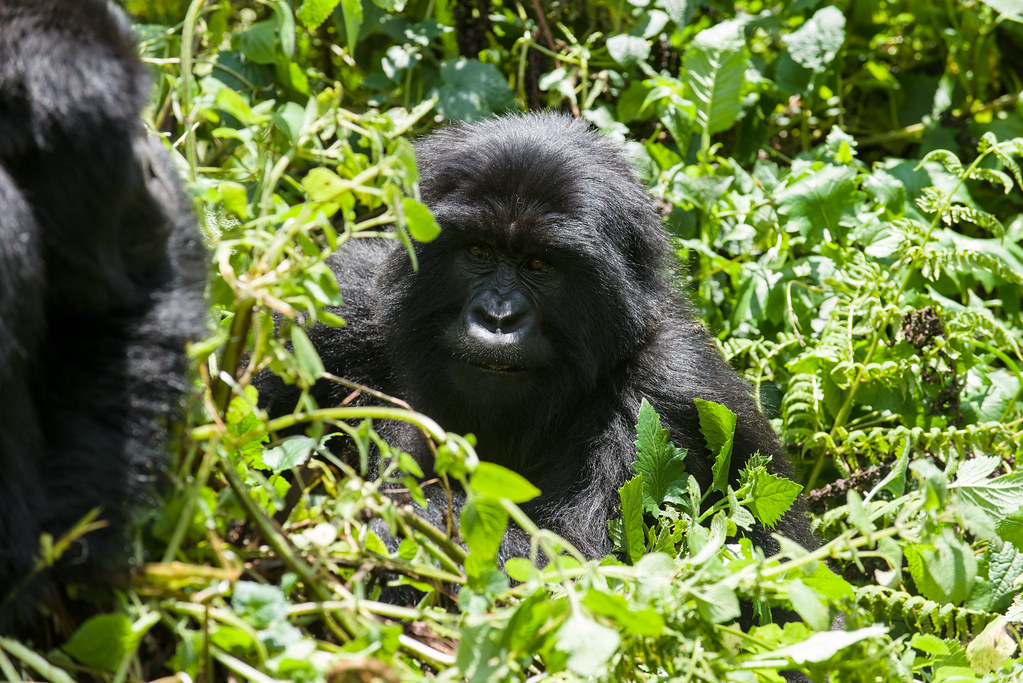
Where is Volcanoes National Park located in Rwanda?
Volcanoes National Park is situated in the northwestern part of Rwanda, a small, landlocked country in East Africa. The park is part of the larger Virunga Mountain Range, a chain of volcanoes shared by Rwanda, Uganda, and the Democratic Republic of Congo (DRC).
It lies approximately roughly 105 kilometers (65 miles) from Kigali, Rwanda’s capital city, which is about a two to three-hour drive. The park is specifically located within the Musanze District, a region known for its cool climate and hilly terrain.
The park was established in 1925 and is one of the oldest national parks in Africa. It’s also notable because it’s part of the Albertine Rift, a region famous for its biodiversity, including species that are endemic (found nowhere else on Earth).
For visitors interested in locating the park on a map, it is bordered by Mgahinga Gorilla National Park in Uganda to the north and Virunga National Park in the DRC to the west. Together, these parks form a triangular protected area that is crucial for conservation in the region.
Locally, the park’s proximity to towns like Musanze makes it more accessible for tourists, with most tours departing from there. The fact that it’s close to both bustling towns and remote wilderness gives Volcanoes National Park a unique setting in the middle of diverse African landscapes.
What are the main features and attractions of Volcanoes National Park?
The park is best known for its lush vegetation, striking volcanic scenery, and protected wildlife species, especially the iconic mountain gorillas.
One of the biggest attractions is gorilla trekking, where visitors hike through thick vegetation to observe these rare primates in their natural habitat. The park is home to about one-third of the remaining population of mountain gorillas, making it a must-visit destination for conservation-minded tourists.
Volcanoes National Park also contains five of the eight volcanoes in the Virunga Mountain Range: Karisimbi, Bisoke, Sabinyo, Gahinga, and Muhabura. Many of these volcanoes can be climbed by adventurous hikers. For example, Mount Karisimbi is the highest volcano in the range and offers challenging hikes with breathtaking panoramic views.
Another major feature is the Dian Fossey Gravesite and Research Center. Dian Fossey, a famous primatologist, conducted groundbreaking research on mountain gorillas here, and visitors can learn about her conservation legacy.
The park is also home to golden monkeys, a rare species of primate with a striking appearance. Treks to see these endangered creatures are another popular activity.
Other spots within the park include lakes and caves like the Musanze Caves, which formed thousands of years ago due to volcanic activity. These caves have historical significance and can be explored with the help of local guides.
The combination of high-altitude forests, rare animals, and volcanic backdrops make Volcanoes National Park a standout destination.
What is the significance of the altitude in Volcanoes National Park?
The altitude range of Volcanoes National Park is quite significant, going from around 2,400 meters (7,874 feet) to 4,507 meters (14,787 feet) at the peak of Mount Karisimbi. This high altitude profoundly influences the park’s climate, vegetation, wildlife, and human activities.
Firstly, the altitude creates a cool and temperate climate in the park. Despite being located in the tropics, the higher elevations mean temperatures are mild during the day and can drop significantly at night. For visitors, it’s important to dress warmly, especially during early morning activities like gorilla trekking.
The altitude also shapes the vegetation zones in the park. At lower elevations, there are montane forests with bamboo groves, which are a favorite habitat for mountain gorillas. As you climb higher, the landscape changes to heath and alpine vegetation. These shifts allow the park to host a great variety of plant species in a relatively small area.
For wildlife, the altitude plays a key role in determining where species are found. For example, gorillas prefer the bamboo zones, while other animals like golden monkeys and various bird species live at slightly higher levels. The rich diversity of microhabitats is directly tied to the altitude.
From a human perspective, the altitude poses challenges for those hiking to the peaks of the volcanoes. The steep climbs and thin air can make it physically demanding, requiring both stamina and gradual acclimatization.
In summary, the park’s altitude doesn’t just create stunning scenery, it also impacts everything from the weather to the ecosystems and tourist activities available.
Which volcanoes are found within the park?
Volcanoes National Park in Rwanda is home to five volcanoes, which are part of the Virunga Mountain range. These are Mount Karisimbi, Mount Bisoke, Mount Muhabura, Mount Gahinga, and Mount Sabyinyo. Each of these volcanoes is unique and contributes to the park’s rich biodiversity.
- Mount Karisimbi: This is the highest volcano in the Virunga Mountains and the tallest in Rwanda, standing at about 4,507 meters (14,787 feet). It’s dormant and is known for its challenging hiking trails. Karisimbi translates to “white shell,” possibly due to the snow or mist often present at its peak.
- Mount Bisoke: This is another prominent volcano, known for its crater lake at the summit. The lake offers a serene and beautiful view for those who trek up. The name Bisoke means “soaked with water,” reflecting the presence of the crater lake.
- Mount Muhabura: Also known as “the guide” in the local language, this cone-shaped volcano stands tall at the border of Rwanda and Uganda. It has historically helped travelers orient themselves due to its distinct shape.
- Mount Gahinga: This smaller volcano lies between Muhabura and Sabyinyo. Its name refers to the small piles of stones often found in the surrounding fields. Gahinga is relatively easier to hike compared to the others.
- Mount Sabyinyo: This extinct volcano is notable for its rugged peaks and the fact that its summit marks the meeting point of three countries: Rwanda, Uganda, and the Democratic Republic of Congo. It is sometimes called the “Old Man’s Teeth” because of its jagged appearance.
These volcanoes, while no longer active, have shaped the landscape of the park and are key to its biodiversity, attracting both researchers and tourists.
What wildlife species are commonly found in Volcanoes National Park?
Volcanoes National Park is best known as a haven for mountain gorillas. These endangered primates are the park’s most iconic residents and a major draw for visitors. Tourists can participate in gorilla trekking, where small groups spend time observing these gentle giants in their natural habitat.
In addition to mountain gorillas, the park is home to the golden monkey, a rare and beautiful primate found only in the Virunga range and some parts of the Congo basin. These monkeys live in groups, moving quickly through the bamboo forests, and their bright orange coloring makes them stand out.
The park also shelters mammals such as forest elephants, buffalo, giant forest hogs, bushbucks, and various species of duikers (a type of small antelope). These animals, however, are less commonly seen compared to the primates, as they tend to be elusive.
Birdlife in the park is abundant, with over 178 recorded species, making it a great spot for birdwatching. Notable birds include the Ruwenzori turaco, the handsome francolin, and several species of sunbirds.
Other notable reptiles and amphibians inhabit the park, thriving in its varied ecosystems of bamboo forests, rainforests, and open grasslands.
The coexistence of so many species in a relatively small area highlights how rich and diverse the park is in terms of wildlife.
What is the importance of mountain gorillas in the park?
Mountain gorillas play a crucial role in the ecological, economic, and cultural landscape of Volcanoes National Park. They are a keystone species, meaning their presence has a significant impact on the health of their ecosystem. By moving through the park’s forests, they help disperse seeds and maintain plant diversity.
Economically, mountain gorillas are critical to Rwanda’s tourism sector. Gorilla trekking permits provide significant revenue for the country and create jobs locally. This income also supports community development projects such as schools, health centers, and infrastructure.
Culturally, mountain gorillas hold a special place in Rwanda’s identity and conservation history. The work of Dian Fossey, a renowned primatologist who dedicated her life to protecting these gorillas, began in this very park. Her efforts raised awareness about the plight of mountain gorillas and have inspired conservation initiatives worldwide.
From a global perspective, protecting mountain gorillas helps sustain one of the last populations of an endangered species. Their survival ensures that future generations can witness these incredible primates in the wild, rather than only reading about them in history books. Their presence in Volcanoes National Park symbolizes the success of ongoing conservation efforts.
What activities can visitors engage in within Volcanoes National Park?
Visitors to Volcanoes National Park in Rwanda can participate in a variety of activities that make the park a popular destination. One of the most well-known activities is trekking to see mountain gorillas. This allows visitors to observe these rare primates up close in their natural environment. Small groups, along with guides, hike into the forest to locate one of the habituated gorilla families. This activity requires a permit due to its popularity and to limit the impact on the animals.
For those interested in other primates, visitors can go golden monkey tracking. Golden monkeys are beautiful, playful primates found in certain parts of the park. Similar to gorilla trekking, this activity takes small groups through the forest with guides.
Hiking and climbing the volcanoes are other popular activities. The park is home to several volcanoes, such as Mount Bisoke, which is famous for its crater lake at the summit. These hikes often range from moderate to challenging, but the scenic views and the sense of adventure make the effort worthwhile. Longer hikes, such as climbing Mount Karisimbi, take several days and are better for experienced hikers.
Visitors can also explore the Musanze Caves, a set of lava tunnels spanning over two kilometers, for an underground adventure. Guided tours reveal the geological history of the area.
For a cultural experience, tourists can visit the Iby’Iwacu Cultural Village near the park. This gives insights into Rwandan traditions, music, and dance, plus it supports local communities.
Other activities include nature walks, watching birds (the park is home to various species), and learning about ongoing conservation projects. Activities cater to a range of interests, from wildlife enthusiasts to adventurers.
How does the altitude affect the climate, vegetation, and ecosystem of the park?
The high altitude of Volcanoes National Park greatly influences its climate, vegetation, and ecosystem. The park ranges from approximately 2,400 meters to over 4,500 meters above sea level. This elevation results in a cooler climate compared to lower-lying areas. Even during the warmer months, temperatures are generally mild, with nights being quite chilly. Rainfall is common, and the wet seasons occur twice a year, between March and May and from September to November.
The altitude creates varied vegetation zones. Lower areas of the park are covered in lush bamboo forests, which are essential habitats for species like the golden monkey and mountain gorillas. As you move higher, the vegetation shifts to Hagenia forests, an area filled with unique trees and shrubs. At even greater altitudes, the landscape transitions to alpine meadows, known for their hardy vegetation that can endure the extreme conditions. Above 4,000 meters, plant growth is sparse due to harsher environments.
The park’s altitude is also vital for its ecosystem. It provides different habitats for a wide range of animals and plants. For example, animals like mountain gorillas, golden monkeys, and rare birds thrive because of the clean air, moderate temperatures, and dense vegetation. Unique plant species, such as the giant lobelias and afro-alpine plants, serve as important food sources for animals living at high altitudes.
In short, the altitude not only shapes the physical landscape but also plays a critical role in supporting rich biodiversity specific to high-altitude environments. Without its elevation, the park’s climate and natural beauty would be entirely different.
What is the historical and cultural significance of the park to Rwanda?
Volcanoes National Park holds a special place in Rwanda’s history, culture, and identity. The park is one of Africa’s oldest, originally established in 1925 as part of efforts to protect mountain gorillas. It became the first national park on the continent, symbolizing early conservation efforts. By safeguarding the gorillas, it helped the species avoid extinction and built an international reputation as a conservation success story.
The park is best known for its association with Dian Fossey, a famous primatologist who dedicated her life to protecting mountain gorillas. Fossey’s work at her Karisoke Research Center, located in the park, brought worldwide attention to the plight of these animals. Her story inspired many conservation programs and even Hollywood films, such as Gorillas in the Mist. Today, visitors can visit her gravesite and learn more about her legacy.
Culturally, the park plays a significant role in Rwandan traditions. The land surrounding the park holds importance for local communities. For example, ancient rituals honoring the spirits of the volcanoes were performed for centuries by indigenous peoples. Today, traditional dances and songs linked to the region’s heritage are performed in the nearby villages, preserving these customs.
The park is also vital to Rwanda’s modern identity. It symbolizes the country’s commitment to environmental preservation and sustainable tourism. The economic benefits from tourism directly support local communities, showing how natural and cultural heritage can coexist with economic progress. The promotion of the park reflects Rwanda’s recovery from its troubled past and its vision for a brighter future.
In all, the park represents a bridge between Rwanda’s natural environment, its cultural roots, and its emerging role in global conservation efforts.
Are there any conservation efforts being made in Volcanoes National Park?
Conservation efforts are a big priority in Volcanoes National Park to protect its unique wildlife, especially the critically endangered mountain gorillas. Here are some key conservation initiatives:
- Gorilla tourism funding conservation: A significant portion of the money earned from gorilla trekking permits is invested back into conservation and community development. These funds help maintain the park and pay for anti-poaching patrols.
- Anti-poaching measures: Teams of rangers routinely patrol the park to remove animal traps, monitor wildlife, and stop illegal hunting. Poaching, though much less common now, has historically been a threat, particularly to gorillas.
- Habitat restoration: Portions of the forest that were previously cleared for agriculture are now being replanted to increase the habitat space available for wildlife. Expanding forest areas also helps maintain ecosystems.
- Community-based conservation: Local communities play a role in protecting the park by participating in environmental programs. These programs promote the sustainable use of natural resources and discourage activities like illegal logging.
- Research programs: The Karisoke Research Center, established by Dian Fossey, conducts ongoing studies on gorillas as well as other wildlife. Research helps in understanding gorilla behaviors, health issues, and population trends.
- Global partnerships: The park collaborates with international organizations like the World Wildlife Fund (WWF) and the International Gorilla Conservation Programme (IGCP). These groups provide funding, technical support, and expertise for ongoing projects.
These efforts have contributed to a positive change, with gorilla populations increasing steadily. However, challenges like population pressure, climate change, and limited funds mean these efforts must continue and expand.
What is the best time of year to visit Volcanoes National Park?
The best time to visit Volcanoes National Park, located in northwest Rwanda, largely depends on the weather, which plays a significant role in the trekking conditions since much of the park consists of steep, muddy trails.
The park generally has a dry season and a rainy season:
- Dry Season (June to September & December to February): This is the ideal period for trekking because there is less rain, making the trails less slippery and easier to navigate. It’s also a time when mountain gorillas are more likely to stay close to the lower parts of the forest. These months are very popular for tourists, so permits often sell out quickly.
- Rainy Season (March to May & October to November): If you visit during these months, you can expect frequent rain, which makes trekking much harder due to muddy paths. However, the forest becomes incredibly lush during these periods, and there tend to be fewer tourists. Permit availability is also more flexible.
For wildlife photographers, anytime can be a good time depending on what you want to capture. The dry season has clearer skies, while the rainy season offers a richer natural backdrop.
Since temperatures in the park stay fairly constant year-round (around 50–68°F or 10–20°C due to altitude), choosing when to visit is more about how comfortable you are with rainy or dry trekking conditions.
How accessible is the park for tourists, and what facilities are available?
Volcanoes National Park is relatively easy to access for tourists thanks to Rwanda’s growing focus on tourism. The park is about a 2–3 hour drive from Rwanda’s capital, Kigali, which has an international airport. Visitors can hire private vehicles, use pre-arranged tours, or rent cars for the trip.
- Park headquarters: The park’s main entrance is in a town called Kinigi, where the park headquarters are located. Here, visitors receive trekking briefings, guides, and permits before starting activities.
- Local accommodations: Near the park, there are various lodging options ranging from budget-friendly guesthouses to high-end luxury lodges. Popular lodges include Sabyinyo Silverback Lodge and Virunga Lodge.
- Guided treks and permits: Tourists cannot explore the park independently. All activities, such as gorilla trekking, golden monkey tracking, and volcano hikes, must be done with licensed guides arranged by the park. Gorilla trekking permits cost around $1,500 per person, which may seem expensive but contributes to conservation and community projects.
- Transportation within the region: Most tourists book trips through tour companies that handle transportation, accommodations, and permits. Roads leading up to the park are fairly well-maintained, but a 4×4 vehicle is often recommended.
While the park is relatively tourist-friendly, visitors should keep in mind that the treks are physically demanding due to steep terrains and altitude. Comfortable walking shoes, rain gear, and some level of physical fitness are essential for most park activities.
How To Book Your Safari in Rwanda
We’ve covered the basics of Altitude Volcanoes National Park in Rwanda, what makes it special, why it’s worth visiting, and how to explore its wonders. Ready to experience the breathtaking scenery, majestic gorillas, and unique adventures for yourself? Plan your trip today! Contact one of the best Rwanda Safari Companies to book a tailored experience that takes the stress out of planning. Get started now and make your dream safari a reality!